Search
Daughters of Sparta
Book
Two sisters parted. Two women blamed. Two stories reclaimed. As princesses of Sparta, Helen and...
Historical fiction Greek Mythology Retellings Greece
Kristy H (1252 KP) rated The Maidens in Books
Jun 24, 2021
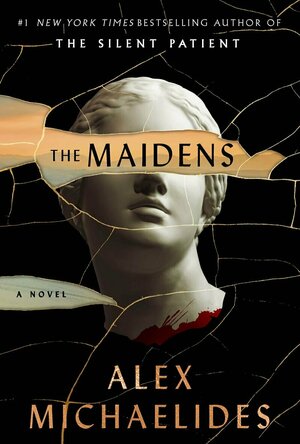
A lackluster and dull thriller
Mariana Andros is a group therapist and Cambridge University graduate. She is mourning her late husband, Sebastian, when their niece, Zoe, calls, upset because a friend at Cambridge has been murdered. Mariana and Sebastian raised Zoe as a surrogate daughter, so Mariana heads to Cambridge and St. Christopher's College to be there for her. There, Mariana feels she can help her friend and fellow therapist, Julian Ashcroft, in looking into the murder. Mariana is convinced that Greek tragedy professor Edward Fosca is responsible. He is followed around by a group of female students, deemed The Maidens, who seem obsessed with Fosca and his teachings. When another girl, a Maiden, is found dead, Mariana vows she will do anything to stop him.
"Death was no stranger to Mariana; it had been her traveling companion since she was a child--keeping close behind her, hovering just over her shoulder. She sometimes felt she had been cursed, as if by some malevolent goddess in a Greek myth, to lose everyone she ever loved."
Unpopular opinion time... this book did not work for me. I did not find it engaging nor interesting. I had to force myself to keep reading, as I did not care for any of the characters, including Mariana and Zoe. Mariana is fixated on Edward Fosca from the beginning and seems convinced she should insert herself in a rather serious murder investigation despite not seeming one bit qualified. I'm not sure how her group therapist qualifications lend her any credentials and she lies constantly, much to the annoyance (justified) and detriment of the police. There are basically no sympathetic characters, and there seems to be no reason to care about the murdered women, as we're given no background on them. Some characters (e.g., Julian) seem inserted for no reason whatsoever.
There is a lot of Greek mythology tucked into the story and perhaps I was just over it, as I've read several books revolving around Greek myths lately. It was a lot, though, and sometimes did not seem relevant to our story.
This thriller is certainly atmospheric, with Cambridge playing a strong role in the setting. You definitely feel a part of the academic setting, and I learned a lot about the university while reading. It's dark and somewhat foreboding, but since I was not fully invested in the story, I could only feel so tense. There are some twists, but the big twist came too late and seemed too preposterous to be truly exciting. The author throws in so many red herrings that you find yourself almost rolling your eyes.
Still, this is a very popular thriller for many readers, so chances are it may work for you. For me, it just didn't hold my interest or seem all that, well, thrilling. 2 stars.
"Death was no stranger to Mariana; it had been her traveling companion since she was a child--keeping close behind her, hovering just over her shoulder. She sometimes felt she had been cursed, as if by some malevolent goddess in a Greek myth, to lose everyone she ever loved."
Unpopular opinion time... this book did not work for me. I did not find it engaging nor interesting. I had to force myself to keep reading, as I did not care for any of the characters, including Mariana and Zoe. Mariana is fixated on Edward Fosca from the beginning and seems convinced she should insert herself in a rather serious murder investigation despite not seeming one bit qualified. I'm not sure how her group therapist qualifications lend her any credentials and she lies constantly, much to the annoyance (justified) and detriment of the police. There are basically no sympathetic characters, and there seems to be no reason to care about the murdered women, as we're given no background on them. Some characters (e.g., Julian) seem inserted for no reason whatsoever.
There is a lot of Greek mythology tucked into the story and perhaps I was just over it, as I've read several books revolving around Greek myths lately. It was a lot, though, and sometimes did not seem relevant to our story.
This thriller is certainly atmospheric, with Cambridge playing a strong role in the setting. You definitely feel a part of the academic setting, and I learned a lot about the university while reading. It's dark and somewhat foreboding, but since I was not fully invested in the story, I could only feel so tense. There are some twists, but the big twist came too late and seemed too preposterous to be truly exciting. The author throws in so many red herrings that you find yourself almost rolling your eyes.
Still, this is a very popular thriller for many readers, so chances are it may work for you. For me, it just didn't hold my interest or seem all that, well, thrilling. 2 stars.
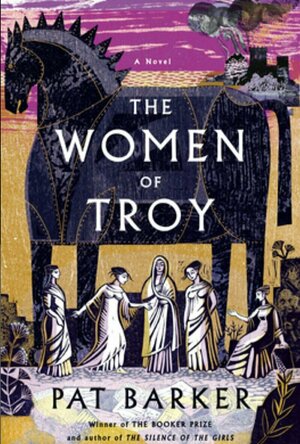
The Women of Troy
Book
Following her bestselling, critically acclaimed The Silence of the Girls, Pat Barker continues her...
Mythology Greek Mythology Folk Tales Myths and Fairy Tales
ClareR (6037 KP) rated Heroes (Stephen Fry’s Great Mythology Volume 2 in Books
Oct 24, 2019
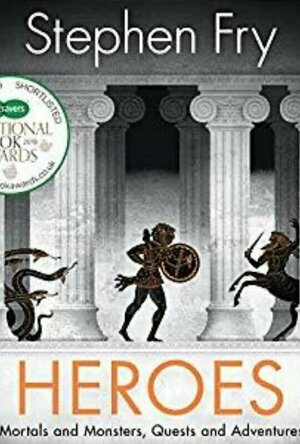
Greek mythology’s greatest heroes!
I loved this retelling of the heroes of the Greek myths. I knew I would. I enjoyed the first one (Mythos), and I had umpteen hours of Stephen Fry’s voice to look forward to (I listened on Audible). I could happily listen to him reading the back of a cereal packet, to be quite honest (but I do prefer books). He has a voice that you want to listen to: he brings these stories to life, and tells them in such a modern, engaging way. I have proof. My 15 year old son (Seb) would turn his headphones off in the car to listen along when I played this on our journey down to Devon from Cheshire (a six hour journey). And not one comment from him (anything Marvel or DC, he always has endless comments to make and often spoils the film - drives me mad!).
So, Stephen tells us about Heracles, Perseus, Jason and others that I wasn’t as familiar with, like Oedipus and Bellerophon. Honestly, this book is bursting with heroes, and whilst this sounds like a ridiculous thing to say, what I actually mean is that I didn’t feel as though they were short changed in their space. All of the heroes were given their moments of glory again: their stories were told with care, with humour and with feeling. I’m hoping more will come out of this ‘Great Mythology’ series, because I am well up for listening to more. I’ll even pick up my Audible subscription again. I just need to get through the long list of Audible books that I have first...
Anyway, I would highly recommend this book and Mythos as well, and if you can, definitely listen to the audiobook version. You won’t regret it!
So, Stephen tells us about Heracles, Perseus, Jason and others that I wasn’t as familiar with, like Oedipus and Bellerophon. Honestly, this book is bursting with heroes, and whilst this sounds like a ridiculous thing to say, what I actually mean is that I didn’t feel as though they were short changed in their space. All of the heroes were given their moments of glory again: their stories were told with care, with humour and with feeling. I’m hoping more will come out of this ‘Great Mythology’ series, because I am well up for listening to more. I’ll even pick up my Audible subscription again. I just need to get through the long list of Audible books that I have first...
Anyway, I would highly recommend this book and Mythos as well, and if you can, definitely listen to the audiobook version. You won’t regret it!
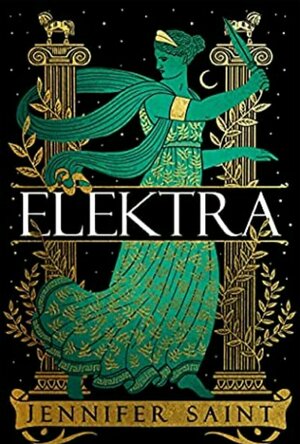
Greek mythology is my catnip, and Elektra was the only thing I wanted to listen to for the week it took me to finish it (work and families can be really inconvenient sometimes!).
Elektra by Jennifer Saint is told from three female perspectives: Clytemnestra, the sister of Helen, the wife of Agamemnon; Cassandra, a Princess of Troy; and Elektra, Clytemnestra and Agamemnon’s youngest daughter.
The things these women had to put up with! Clytemnestra’s husband Agamemnon, acts like a madman (but it’s ok, it’s all for the Gods!) and she’s supposed to accept it all. Except she doesn’t.
Cassandra is treated like a madwoman after she’s cursed by Apollo. She can tell the future, but no-one believes her. So they only have themselves to blame when Troy is destroyed.
And then there’s Elektra. She seems to have fully bought into the whole “men/ daddy knows best, and anyway, he’s a hero” story. She’s a young woman who adores her father and believes he can do no wrong. She can’t understand her mothers reaction to the sacrifice of her eldest daughter and Elektra’s sister. Can we blame Elektra though? Probably. She certainly knows how to play the long game.
The narrators were well chosen, and really helped to add life and vigour to the characters of the three women. Listening to these Greek myths haas added something extra special to the stories - after all, I’ve read these stories so many times over the years in different forms. And I still can’t see a time where they’ll get old. In every retelling there’s a different angle, and I don’t think I can express enough how much I enjoy the story told from the women’s points of view.
Elektra is just fabulous - a timeless story about strong women.

Elektra by Jennifer Saint is told from three female perspectives: Clytemnestra, the sister of Helen, the wife of Agamemnon; Cassandra, a Princess of Troy; and Elektra, Clytemnestra and Agamemnon’s youngest daughter.
The things these women had to put up with! Clytemnestra’s husband Agamemnon, acts like a madman (but it’s ok, it’s all for the Gods!) and she’s supposed to accept it all. Except she doesn’t.
Cassandra is treated like a madwoman after she’s cursed by Apollo. She can tell the future, but no-one believes her. So they only have themselves to blame when Troy is destroyed.
And then there’s Elektra. She seems to have fully bought into the whole “men/ daddy knows best, and anyway, he’s a hero” story. She’s a young woman who adores her father and believes he can do no wrong. She can’t understand her mothers reaction to the sacrifice of her eldest daughter and Elektra’s sister. Can we blame Elektra though? Probably. She certainly knows how to play the long game.
The narrators were well chosen, and really helped to add life and vigour to the characters of the three women. Listening to these Greek myths haas added something extra special to the stories - after all, I’ve read these stories so many times over the years in different forms. And I still can’t see a time where they’ll get old. In every retelling there’s a different angle, and I don’t think I can express enough how much I enjoy the story told from the women’s points of view.
Elektra is just fabulous - a timeless story about strong women.
Rachel King (13 KP) rated Abandon (Abandon, #1) in Books
Feb 11, 2019
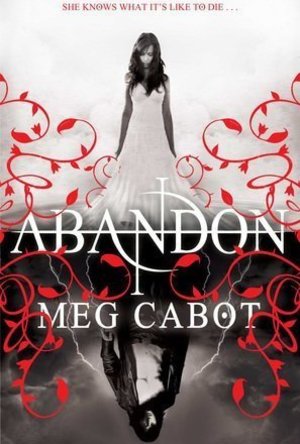
Though I have been familiar with the name of Meg Cabot for awhile, this is the first book by her that I have actually read. I am a sucker for Greek mythology, and a retelling of Hades and Persephone has great potential. With a great cover and an even better premise to the book, I had pretty high hopes for the plot itself.
The way the book begins throws me -- told through the eyes of Pierce Oliviera, which is not that great of a name for a girl (instead of Persephone?), the author refrains from giving away hardly anything about Pierce's circumstances, what happened to her, what motivates her, etc. While it can be considered good writing to hold back on the major revelations as long as possible to build the suspense and draw in the reader, for me it was rather frustrating to read almost the entire book before Pierce finally realized who and what John Hayden is(also a crummy name for a death deity). Much of the actual events of the book are Pierce's memories, and what happens in real time is the culmination of these memories.
While I disliked the way that Meg Cabot chose to string all of these separate events together, I do like what the actual events create when put together. A girl who has a Near-Death Experience, or NDE, meets for the second time the man who runs her personal Underworld, instantly making her his consort thanks to a rare diamond necklace, though she does not yet know it. Her ability to skirt death makes her a target for the bad guys in the book, the Furies (not the same as the Furies of Greek mythology), who blame John for their lot in life after death. In addition, Pierce also has a host of quirks that alternately set her up for disaster or save her life, such as her addiction to soda and her paranoia that tassels are Evil.
While Pierce has a vast array of personality and behavioral problems that make the act of living difficult for her, I do think that this book fits well in the Young Adult category. Pierce does not have everything figured out, does not always know how to handle herself, and does not even recognize when she is in love. She is protective of her feelings, can be just as detached as the next person from those around her, and has to work at not being too self-absorbed. Sometimes an imperfect heroine makes for a better book. I look forward to the next installment in the trilogy, Underworld.
The way the book begins throws me -- told through the eyes of Pierce Oliviera, which is not that great of a name for a girl (instead of Persephone?), the author refrains from giving away hardly anything about Pierce's circumstances, what happened to her, what motivates her, etc. While it can be considered good writing to hold back on the major revelations as long as possible to build the suspense and draw in the reader, for me it was rather frustrating to read almost the entire book before Pierce finally realized who and what John Hayden is(also a crummy name for a death deity). Much of the actual events of the book are Pierce's memories, and what happens in real time is the culmination of these memories.
While I disliked the way that Meg Cabot chose to string all of these separate events together, I do like what the actual events create when put together. A girl who has a Near-Death Experience, or NDE, meets for the second time the man who runs her personal Underworld, instantly making her his consort thanks to a rare diamond necklace, though she does not yet know it. Her ability to skirt death makes her a target for the bad guys in the book, the Furies (not the same as the Furies of Greek mythology), who blame John for their lot in life after death. In addition, Pierce also has a host of quirks that alternately set her up for disaster or save her life, such as her addiction to soda and her paranoia that tassels are Evil.
While Pierce has a vast array of personality and behavioral problems that make the act of living difficult for her, I do think that this book fits well in the Young Adult category. Pierce does not have everything figured out, does not always know how to handle herself, and does not even recognize when she is in love. She is protective of her feelings, can be just as detached as the next person from those around her, and has to work at not being too self-absorbed. Sometimes an imperfect heroine makes for a better book. I look forward to the next installment in the trilogy, Underworld.
tonidavis (353 KP) rated The Return: A Titan Novel in Books
Jun 29, 2017
Seth (2 more)
Amazing Writing Style
Seth Apollo interactions
When your in love with a God
If you haven't yet read any Jennifer L Armentrout then your missing out!
Jennifer writing is so easy to get lost in whether your reading her Young Adult, New Adult or General fiction she has the ability to capture the reader better than most authors I've ever read.
The Titan Series is the Sequal to Jennifer Covanant series. If you haven't yet read Covanant please read it especially if you love Greek mythology. Covanant follows a very empowered amazing female lead called Alexandra Andros where as The Return follows Seth.
Seth is an extremely complex and amazing character if you have read the Covanant series you know Seth started out as a egoticial hard man Apolloyon who through the series change due to Alexs influence.
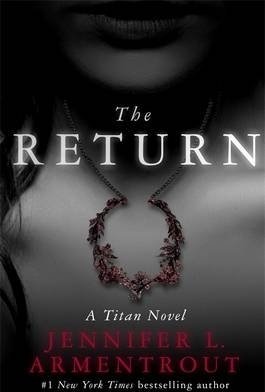
The Return Seth no longer has Alex as his conscious and guide. Seth has to repent for his mid deeds from the covanant series and it doesn't help he suddenly has feeling for his new charge. I love this book a lot not as much as the original Covanant series but it still amazing all the same plus Seth and Apollo arguments egos and bitch fighting can keep me amused for days.
Jennifer writing is so easy to get lost in whether your reading her Young Adult, New Adult or General fiction she has the ability to capture the reader better than most authors I've ever read.
The Titan Series is the Sequal to Jennifer Covanant series. If you haven't yet read Covanant please read it especially if you love Greek mythology. Covanant follows a very empowered amazing female lead called Alexandra Andros where as The Return follows Seth.
Seth is an extremely complex and amazing character if you have read the Covanant series you know Seth started out as a egoticial hard man Apolloyon who through the series change due to Alexs influence.
The Return Seth no longer has Alex as his conscious and guide. Seth has to repent for his mid deeds from the covanant series and it doesn't help he suddenly has feeling for his new charge. I love this book a lot not as much as the original Covanant series but it still amazing all the same plus Seth and Apollo arguments egos and bitch fighting can keep me amused for days.
The Invention of Jane Harrison
Book
Jane Ellen Harrison (1850-1928) is the most famous female classicist in history, the author of books...
RT
Reading the Male Gaze in Literature and Culture: Studies in Erotic Epistemology
Book
This book examines the phenomenon of 'the male gaze', a concept which has spread beyond academia and...
ClareR (6037 KP) rated Epic of Helinthia in Books
Apr 18, 2025
I really enjoyed this. Epic of Helinthia is a play on the Greek myths, using the usual Gods and Goddesses with the addition of a “younger” Goddess: Helinthia.
The humans of Helinthia’s island are caught in the crossfire when other Gods (namely Hera) decide to teach her a lesson. Of course the humans are just pawns to be played with.
I liked the action (fights, chases, lion attacks (I know!!)), the interference of other Gods/ Goddesses (Artemis and Apollo in particular) in order to help their favourite humans, and the fact that you could never be quite sure who you could trust.
The writing is immersive - the scenes are well set, the characters are both easy to live and hate, as well as empathise with.
It felt as though a lot of research had gone into the culture of the time as well as the mythology surrounding it, and it was rather violent and bloody on occasion (these were violent times!).
I’m so glad that I enjoyed this, as I have the next instalment all set to go from BookSirens - the Oracle of Helinthia is set to be out very soon (and my review will be up as soon as I’ve read it!).
The humans of Helinthia’s island are caught in the crossfire when other Gods (namely Hera) decide to teach her a lesson. Of course the humans are just pawns to be played with.
I liked the action (fights, chases, lion attacks (I know!!)), the interference of other Gods/ Goddesses (Artemis and Apollo in particular) in order to help their favourite humans, and the fact that you could never be quite sure who you could trust.
The writing is immersive - the scenes are well set, the characters are both easy to live and hate, as well as empathise with.
It felt as though a lot of research had gone into the culture of the time as well as the mythology surrounding it, and it was rather violent and bloody on occasion (these were violent times!).
I’m so glad that I enjoyed this, as I have the next instalment all set to go from BookSirens - the Oracle of Helinthia is set to be out very soon (and my review will be up as soon as I’ve read it!).