
Search
Search results
Marc Riley recommended Hex Enduction Hour by The Fall in Music (curated)
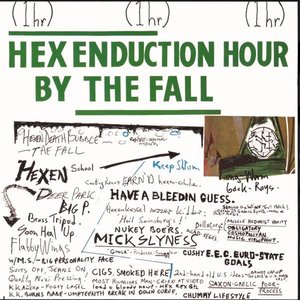

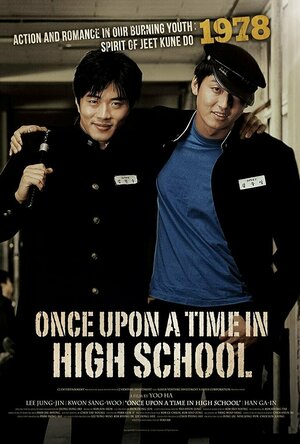
Once Upon a Time in High School: The Spirit of Jeet Kune Do (2004)
Movie
By "Fist of Fury", Kim Hyun-Soo (Sang-Woo Kwone) addicted to Bruce Lee. Year 1978. Hyun-Soo moved to...

Bob Mann (459 KP) rated Bohemian Rhapsody (2018) in Movies
Sep 28, 2021
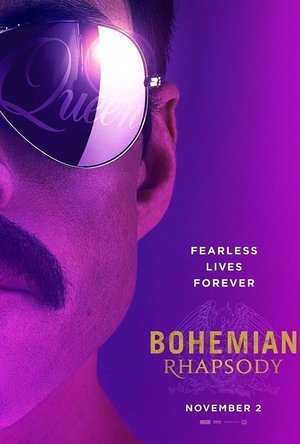

“Fame and fortune and everything that goes with it”.
Sometimes a trailer generates a bit of a buzz of excitement with a cinema audience and the first showings of the trailer for “Bohemian Rhapsody” was a case in point. But would the film live up to the potential?
The Plot
Farrokh Bulsara (Rami Malek), born in Zanzibar to Indian parents, is a shy boy with a dramatic singing voice. At a concert he meets Mary (Lucy Boynton) who becomes the “love of his life”. When a space for a lead singer becomes available in a college band, Farrokh leaps at the chance and onstage becomes an exuberant extrovert. The band, of course, changes its name to Queen and with Farrokh assuming the name of Freddie Mercury they are set for global success. But Freddie is a complex character, and the demands and temptations of global super-stardom take a terrible toll.
The Review
Wow! What a great film on so many different levels. As a biopic of Mercury and a history of one of the greatest ever rock bands, the film is highly entertaining. But I wasn’t prepared for how emotional I would find it. Mercury’s life is befitting of a Shakespearian tragedy: an estrangement from his ‘conservative’ father (Ace Bhatti); a public extravert, but privately an insecure and needy bi-sexual, constantly searching for his perch in life; a meteoric rise and an equally spectacular and historic fall.
Do you remember where you were (if anywhere!) during the historic Live Aid concert at Wembley in July 1985? My eagle-minded wife had to remind me that we were travelling to Hampshire to house hunt because of my graduate job offer from IBM Hursley Park. My 3 month old daughter was rolling around, unstrapped, in a carry cot on the back seat: different times; different rules! Why this is relevant is that the film culminates in a recreation of the band’s spectacular 20 minute set for 1985’s Live Aid concert at Wembley. It’s a spectacular piece of cinema and one that – for me – puts the much hyped concert scenes from “A Star is Born” back in its box. Aside from a few niggles (the sound engineers in the booth were, if I’m not mistaken, all the size of Hagrid!) it’s a spectacular piece of CGI work.
It’s also worth remembering that whilst today’s massive stadium concerts from the likes of Adele and Coldplay are commonplace, back in the UK of 1985 most of the bands played in more traditional theatre venues: this really was an historic event on so many levels.
If I’m being critical, there are a few bits of the movie that are a tad tacky and twee. A whizz around the world of tour locations is composed of some pretty ropy animations that didn’t work for me. And a few of the ‘creations’ of classic songs – particularly “Another One Bites the Dust” – are a bit forced. Countering that though, the “Bohemian Rhapsody” is mesmerising.
The Turns
I’ll just put it right out there, Rami Malek is just sensational as Mercury! I first called out Malek as someone to watch in “Need For Speed“, but since then he’s gone on to major fame in the TV series “Mr Robot”. Here he is a force of nature on the screen and you literally can’t take your eyes off him. Every nuance of Mercury’s tortured soul is up there. I would love to see the performance recognized in the Awards season, with the showreel clip being a brilliant standoff in the rain with Paul Prenter (“Downton’s” Allen Leech).
The rest of the band – Ben Hardy as drummer Roger Taylor; Gwilym Lee as lead guitar Brian May; and Joseph Mazzello (yes, young Tim from “Jurassic Park”!) as bass guitarist John Deacon – all work well together, with Lee looking more like Brian May than Brian May!
Lucy Boynton, so great in “Sing Street“, gets a meaty dramatic role to sink her teeth into, and the ever-reliable Tom Hollander is great as the band’s legal rep/manager Jim “Miami” Beech: his ‘knowing looks’ near the end of the film are brilliantly done.
The surprise piece of casting though was the very welcome return of Mike Myers as the exec Ray Foster: only seen spasmodically on screen since 2009’s “Inglorious Basterds”. It’s a role that reminded me of Tom Cruise‘s turn in “Tropic Thunder”! But it’s well done. After making “Bohemian Rhapsody” famous again in “Wayne’s World”, how could he have refused? I say “Welcome back Mr Myers”: you’ve been missed.
And a final shout out to Paul Jones, my son-in-law’s brother, who gets a full screen appearance in the crowd, arms outstretched, during the “Fat Bottomed Girls” set! (I must admit, I missed it, so will have to go and see it again!)
Final Thoughts
This is a film that grabs you and propels you through the story at a fast lick. It’s a surprisingly moving story, with a well-known and tragic finale. It’s not a perfect film, but it is up there wih the year’s best as a high-energy cinema experience.
The Plot
Farrokh Bulsara (Rami Malek), born in Zanzibar to Indian parents, is a shy boy with a dramatic singing voice. At a concert he meets Mary (Lucy Boynton) who becomes the “love of his life”. When a space for a lead singer becomes available in a college band, Farrokh leaps at the chance and onstage becomes an exuberant extrovert. The band, of course, changes its name to Queen and with Farrokh assuming the name of Freddie Mercury they are set for global success. But Freddie is a complex character, and the demands and temptations of global super-stardom take a terrible toll.
The Review
Wow! What a great film on so many different levels. As a biopic of Mercury and a history of one of the greatest ever rock bands, the film is highly entertaining. But I wasn’t prepared for how emotional I would find it. Mercury’s life is befitting of a Shakespearian tragedy: an estrangement from his ‘conservative’ father (Ace Bhatti); a public extravert, but privately an insecure and needy bi-sexual, constantly searching for his perch in life; a meteoric rise and an equally spectacular and historic fall.
Do you remember where you were (if anywhere!) during the historic Live Aid concert at Wembley in July 1985? My eagle-minded wife had to remind me that we were travelling to Hampshire to house hunt because of my graduate job offer from IBM Hursley Park. My 3 month old daughter was rolling around, unstrapped, in a carry cot on the back seat: different times; different rules! Why this is relevant is that the film culminates in a recreation of the band’s spectacular 20 minute set for 1985’s Live Aid concert at Wembley. It’s a spectacular piece of cinema and one that – for me – puts the much hyped concert scenes from “A Star is Born” back in its box. Aside from a few niggles (the sound engineers in the booth were, if I’m not mistaken, all the size of Hagrid!) it’s a spectacular piece of CGI work.
It’s also worth remembering that whilst today’s massive stadium concerts from the likes of Adele and Coldplay are commonplace, back in the UK of 1985 most of the bands played in more traditional theatre venues: this really was an historic event on so many levels.
If I’m being critical, there are a few bits of the movie that are a tad tacky and twee. A whizz around the world of tour locations is composed of some pretty ropy animations that didn’t work for me. And a few of the ‘creations’ of classic songs – particularly “Another One Bites the Dust” – are a bit forced. Countering that though, the “Bohemian Rhapsody” is mesmerising.
The Turns
I’ll just put it right out there, Rami Malek is just sensational as Mercury! I first called out Malek as someone to watch in “Need For Speed“, but since then he’s gone on to major fame in the TV series “Mr Robot”. Here he is a force of nature on the screen and you literally can’t take your eyes off him. Every nuance of Mercury’s tortured soul is up there. I would love to see the performance recognized in the Awards season, with the showreel clip being a brilliant standoff in the rain with Paul Prenter (“Downton’s” Allen Leech).
The rest of the band – Ben Hardy as drummer Roger Taylor; Gwilym Lee as lead guitar Brian May; and Joseph Mazzello (yes, young Tim from “Jurassic Park”!) as bass guitarist John Deacon – all work well together, with Lee looking more like Brian May than Brian May!
Lucy Boynton, so great in “Sing Street“, gets a meaty dramatic role to sink her teeth into, and the ever-reliable Tom Hollander is great as the band’s legal rep/manager Jim “Miami” Beech: his ‘knowing looks’ near the end of the film are brilliantly done.
The surprise piece of casting though was the very welcome return of Mike Myers as the exec Ray Foster: only seen spasmodically on screen since 2009’s “Inglorious Basterds”. It’s a role that reminded me of Tom Cruise‘s turn in “Tropic Thunder”! But it’s well done. After making “Bohemian Rhapsody” famous again in “Wayne’s World”, how could he have refused? I say “Welcome back Mr Myers”: you’ve been missed.
And a final shout out to Paul Jones, my son-in-law’s brother, who gets a full screen appearance in the crowd, arms outstretched, during the “Fat Bottomed Girls” set! (I must admit, I missed it, so will have to go and see it again!)
Final Thoughts
This is a film that grabs you and propels you through the story at a fast lick. It’s a surprisingly moving story, with a well-known and tragic finale. It’s not a perfect film, but it is up there wih the year’s best as a high-energy cinema experience.
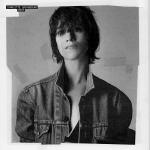
Rest by Charlotte Gainsbourg
7.0 Rate It
Album Watch
Sometimes it takes a personal tragedy to catalyse an artist’s practise, a crack in everything, to...
Pop

okletmereviewit (4 KP) rated Kubo and the Two Strings (2016) in Movies
May 11, 2018
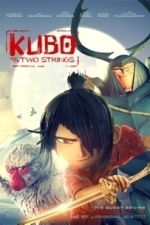

A great film for any family night
Contains spoilers, click to show
Kubo and the two strings is a heart warming, coming of age movie, for the whole family. Adults, you will appericate the story line and the plight that Kubo undergoes. Kids will love the animation and the characters. From the moment that the movie started, I fought back the tears. You see a mother and baby in the middle of the ocean one moment and the next, you see them ship wrecked on a beach. You skip forward a few years to when Kubo is about the age of ten. He is now a caregiver for his mother who you come to understand as mentally ill, with something like alzheimer's or dementia. Daily young Kubo goes into the neighboring village and tells fantastic stories of a Samurai Knight, and how he battles the evil Moon King and his army, all while playing his Sangen (a Japanese Guitar) and creating Origami creatures for the story. But as the bells ring for night to come forth, Kubo runs home.
It seems that his mother only "comes to life" when its night time. And then shortly there after returns to a catatonic state. One day while in the village an old beggar woman who befriended him tells him a story of how she speaks with her dead husband at night during a certain ritual. Kubo, who is confused and longing to know anything about his father who was said to be the greatest Samurai, goes to the ancestral resting place and tries to summon his father.
Time gets away from him and night befalls rather quickly. Soon two masked spectral spirits appear, and tell him that they are his aunts. Kubo is then told the reason he is missing an eye is due to his grandfather who only wanted to have his other eye so that he could join them in the heavens. Kubo begins running back to the village. The two spirits attack and destroy the village. When they are almost upon him, his mother shows up and uses the last of her magics to activate a totem and to create wings to whisk him away to safety, far away from his blood thirsty aunts. Kubo then wakes up in a vast frozen waste land with a monkey looking after him. The monkey begins to address Kubo, telling him that they need to go on this quest to find a magical suite of armor that his father once wore. So Kubo and Monkey set off on a quest. Kubo is awaken by the monkey, saying that the origami papers that he carried in his pack, were flying around and that in his sleep he created an origami Samurai. The same Samurai from his stories. This little paper guardian, shows them the way to the armor's pieces, which consist of a sword, a breast plate, and a helmet. Along the way they come across a Beetle who was once a Samurai who was cursed to live the rest of his life as a beetle. After that the unlikely foursome come across a cave that has the sword in it. But much like Kubos life, it was not an easy task to retrieve it as it awakened a tall skeleton warrior, which they had to defeat. They then come to a large body of water, which Kubo uses his magic and his Samgen to create a boat made out of leaves. Monkey exclaims to him how his power is growing. As they set sail, the little paper Samurai point out that the breast plate is at the bottom of the water. Kubo remembering a story that his mother told him, of eyes that show you what you want to see most, lived at the bottom of the water. Beetle offers to dive in and look for the breast plate as "beetles can hold their breaths for a really long time under water, and are great swimmers." After quite some time passes Kubo dives in after Beetle and the breast plate. Monkey is then attacked by one of the evil aunts. While Kubo is under the water he finds the breast plate, and the eyes. They show him that the Monkey is actually his mother in the form of a spirit totem (MIND BLOWN)...Becoming dazzled by the eyes, he begins to drowned. Beetle swoops in and begins shooting the eyes and rescues Kubo. During this time Monkey is battling one of the aunts and defeats her. Kubo and the gang then continue their quest to find the helmet, which is back at his fathers fort. Once back at the fort one of the aunts reveals to Kubo and to Monkey that Beetle is actually Kubos father. So Kubo now armed with this new knowledge is able to defeat his aunt, but not after losing both his parents again. Kubo then uses his magic, to fly back to his village to adorn the helmet to complete his suite of armor. He then has to battle his grandfather The Moon King. At which point The Moon King transforms into a giant centipede like demon. Kubo uses his wits, and magic, to defeat his grandfather and makes him mortal. In his mortal state he loses his memories, and the village people tell him how he was a just and honest man, and how he was kind. The story ends on an upswing.
Over all the movie was really good. I love how engaging it was, and all the attention to detail they provided in it since it was a stop motion claymation. I highly recommend this for any family night.
It seems that his mother only "comes to life" when its night time. And then shortly there after returns to a catatonic state. One day while in the village an old beggar woman who befriended him tells him a story of how she speaks with her dead husband at night during a certain ritual. Kubo, who is confused and longing to know anything about his father who was said to be the greatest Samurai, goes to the ancestral resting place and tries to summon his father.
Time gets away from him and night befalls rather quickly. Soon two masked spectral spirits appear, and tell him that they are his aunts. Kubo is then told the reason he is missing an eye is due to his grandfather who only wanted to have his other eye so that he could join them in the heavens. Kubo begins running back to the village. The two spirits attack and destroy the village. When they are almost upon him, his mother shows up and uses the last of her magics to activate a totem and to create wings to whisk him away to safety, far away from his blood thirsty aunts. Kubo then wakes up in a vast frozen waste land with a monkey looking after him. The monkey begins to address Kubo, telling him that they need to go on this quest to find a magical suite of armor that his father once wore. So Kubo and Monkey set off on a quest. Kubo is awaken by the monkey, saying that the origami papers that he carried in his pack, were flying around and that in his sleep he created an origami Samurai. The same Samurai from his stories. This little paper guardian, shows them the way to the armor's pieces, which consist of a sword, a breast plate, and a helmet. Along the way they come across a Beetle who was once a Samurai who was cursed to live the rest of his life as a beetle. After that the unlikely foursome come across a cave that has the sword in it. But much like Kubos life, it was not an easy task to retrieve it as it awakened a tall skeleton warrior, which they had to defeat. They then come to a large body of water, which Kubo uses his magic and his Samgen to create a boat made out of leaves. Monkey exclaims to him how his power is growing. As they set sail, the little paper Samurai point out that the breast plate is at the bottom of the water. Kubo remembering a story that his mother told him, of eyes that show you what you want to see most, lived at the bottom of the water. Beetle offers to dive in and look for the breast plate as "beetles can hold their breaths for a really long time under water, and are great swimmers." After quite some time passes Kubo dives in after Beetle and the breast plate. Monkey is then attacked by one of the evil aunts. While Kubo is under the water he finds the breast plate, and the eyes. They show him that the Monkey is actually his mother in the form of a spirit totem (MIND BLOWN)...Becoming dazzled by the eyes, he begins to drowned. Beetle swoops in and begins shooting the eyes and rescues Kubo. During this time Monkey is battling one of the aunts and defeats her. Kubo and the gang then continue their quest to find the helmet, which is back at his fathers fort. Once back at the fort one of the aunts reveals to Kubo and to Monkey that Beetle is actually Kubos father. So Kubo now armed with this new knowledge is able to defeat his aunt, but not after losing both his parents again. Kubo then uses his magic, to fly back to his village to adorn the helmet to complete his suite of armor. He then has to battle his grandfather The Moon King. At which point The Moon King transforms into a giant centipede like demon. Kubo uses his wits, and magic, to defeat his grandfather and makes him mortal. In his mortal state he loses his memories, and the village people tell him how he was a just and honest man, and how he was kind. The story ends on an upswing.
Over all the movie was really good. I love how engaging it was, and all the attention to detail they provided in it since it was a stop motion claymation. I highly recommend this for any family night.

Movie Metropolis (309 KP) rated Halloween (2018) in Movies
Jun 10, 2019
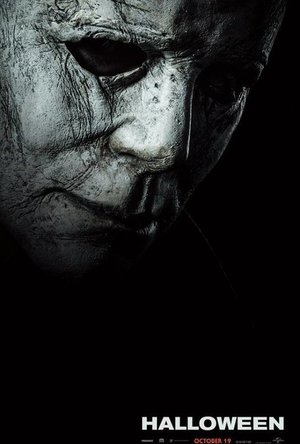
A True successor to the original
Halloween 1978 and little-known director John Carpenter terrifies thousands of impressionable horror fans with the introduction of ‘The Shape’. Jamie Lee Curtis becomes the new ‘scream queen’ and all is well in the world of the slasher genre.
Fast-forward to 2009 and Rob Zombie directs the sequel to his reasonably successful remake of Halloween, but it was poorly received by critics and audiences alike. Why? Well Zombie’s grungy, rock-anthem vibe didn’t really sit too well with Michael Myers and the result was a distasteful and messy outing that set the franchise back nearly 10 years.
Of course, in between 1978 and 2009, the series was ripped apart, put back together again until it was a shadow of its former self. Anyone remember Busta Rhymes doing a vague impression of a karate master in Halloween: Resurrection? Best forget about that.
Nevertheless, director David Gordon Green, a lifetime fan of Carpenter’s iconic original is in the chair to helm a direct sequel to the 1978 classic. That’s right, it forgoes every single film apart from the first. But is it a worthy sequel to one of the greatest horror films of all time?
It’s been 40 years since Laurie Strode survived a vicious attack from crazed killer Michael Myers on Halloween night. Locked up in an institution, Myers manages to escape when his bus transfer goes horribly wrong. Laurie now faces a terrifying showdown when the masked madman returns to Haddonfield. But this time, she’s ready for him.
Having Jamie Lee Curtis and John Carpenter back for this instalment is already a coup for Gordon Green. Clearly, they thought enough of the material that he and co-writer Danny McBride had produced to give one more shot at crafting a properly deserved sequel. And it works very well, so well in fact that we have, barring the original, the best Halloween movie to date.
Jamie Lee Curtis is absolutely fabulous as a world-weary Laurie Strode. Traumatised by the events of 40 years ago, she holds herself up in a cabin on the outskirts of Haddonfield, flanked by floodlights and CCTV cameras. The script does a very good job at showing how massive events can destroy an individual’s life and Curtis’ understated performance is a highlight here.
Judy Greer gets a nicely fleshed out role as Karen, Laurie’s daughter. She’s an incredibly talented actress and it’s a world away from the one-dimensional characters she’s been given to play in blockbusters like Jurassic World. The great thing about this film is that each of the main characters feels real. There’s no cheap sex scenes, the kills are well-placed and the dialogue is superbly written – you actually believe these are real people, rather than characters in a movie.
While the body count is high, Halloween doesn’t rely on the murders to progress the story forward. This is very much Laurie’s film as opposed to Michael’s and it works very well. There’s some nice juxtaposition as shots that would have involved Michael in the original, choose to put Laurie front and centre here. Halloween features some tasteful references to the original as well as its less-well received sequels. They’re not immediately obvious for those not too familiar with the series, but die-hards will enjoy seeing those homages pop up every now and then.
Halloween is a resounding success. It takes what audiences loved about the original and updates them in a sequel that, while not being wholly original, respects what came before it
The film starts relatively slowly with a not quite successful side-plot involving two investigative journalists, but once Michael Myers gets his mask back, the film rarely lets up until the end. Populated by enough kills and scares to keep the audience happy, this is a Halloween movie that doesn’t rely too much on jump scares. There’s a few, but they’re nicely filmed which helps lift them above the mundane.
To look at, this is a film that is head and shoulders above anything else in the genre. Gordon Green uses incredibly fluid camera techniques that almost mimic those of the original. In one extended sequence, Myers moves in and out of shot as the camera follows him from house to house, selecting his next victim. With no cuts in between, it’s a stunning scene to watch and very effective.
Thankfully, the writing duo has decided to pass on giving Michael anything resembling a back story. The embodiment of ‘pure evil’ as Samuel Loomis once put it, Myers needn’t have any motives – and that’s what makes him so terrifying. In fact, his first kill here reaffirms his evil characteristics and it’s clear that David Gordon Green and Danny McBride were aiming for this take on the character.
Then there’s the score. John Carpenter has returned to craft new music for this instalment and it is by far the best score in the series, possibly even better than the original. That haunting Halloween theme tune is back, but upgraded with guitar riffs and electronic percussion. It’s a fabulous update that works perfectly with the modern characters and an older Michael.
While it’s true that the film isn’t out-and-out scary, the finale is exquisite as Laurie and Michael come face-to-face once again. Only the abrupt ending and forgetting of some key characters lets it down. After all, what’s the point in caring about a character and never learning of their fate?
Overall, Halloween is a resounding success. It takes what audiences loved about the original and updates them in a sequel that, while not being wholly original, respects what came before it. While this is sure to make bucket loads at the box-office, it feels like it was crafted with care by a writing team and director that absolutely adores the series. It’s a must watch.
https://moviemetropolis.net/2018/10/20/halloween-2018-review-a-true-successor-to-the-original/
Fast-forward to 2009 and Rob Zombie directs the sequel to his reasonably successful remake of Halloween, but it was poorly received by critics and audiences alike. Why? Well Zombie’s grungy, rock-anthem vibe didn’t really sit too well with Michael Myers and the result was a distasteful and messy outing that set the franchise back nearly 10 years.
Of course, in between 1978 and 2009, the series was ripped apart, put back together again until it was a shadow of its former self. Anyone remember Busta Rhymes doing a vague impression of a karate master in Halloween: Resurrection? Best forget about that.
Nevertheless, director David Gordon Green, a lifetime fan of Carpenter’s iconic original is in the chair to helm a direct sequel to the 1978 classic. That’s right, it forgoes every single film apart from the first. But is it a worthy sequel to one of the greatest horror films of all time?
It’s been 40 years since Laurie Strode survived a vicious attack from crazed killer Michael Myers on Halloween night. Locked up in an institution, Myers manages to escape when his bus transfer goes horribly wrong. Laurie now faces a terrifying showdown when the masked madman returns to Haddonfield. But this time, she’s ready for him.
Having Jamie Lee Curtis and John Carpenter back for this instalment is already a coup for Gordon Green. Clearly, they thought enough of the material that he and co-writer Danny McBride had produced to give one more shot at crafting a properly deserved sequel. And it works very well, so well in fact that we have, barring the original, the best Halloween movie to date.
Jamie Lee Curtis is absolutely fabulous as a world-weary Laurie Strode. Traumatised by the events of 40 years ago, she holds herself up in a cabin on the outskirts of Haddonfield, flanked by floodlights and CCTV cameras. The script does a very good job at showing how massive events can destroy an individual’s life and Curtis’ understated performance is a highlight here.
Judy Greer gets a nicely fleshed out role as Karen, Laurie’s daughter. She’s an incredibly talented actress and it’s a world away from the one-dimensional characters she’s been given to play in blockbusters like Jurassic World. The great thing about this film is that each of the main characters feels real. There’s no cheap sex scenes, the kills are well-placed and the dialogue is superbly written – you actually believe these are real people, rather than characters in a movie.
While the body count is high, Halloween doesn’t rely on the murders to progress the story forward. This is very much Laurie’s film as opposed to Michael’s and it works very well. There’s some nice juxtaposition as shots that would have involved Michael in the original, choose to put Laurie front and centre here. Halloween features some tasteful references to the original as well as its less-well received sequels. They’re not immediately obvious for those not too familiar with the series, but die-hards will enjoy seeing those homages pop up every now and then.
Halloween is a resounding success. It takes what audiences loved about the original and updates them in a sequel that, while not being wholly original, respects what came before it
The film starts relatively slowly with a not quite successful side-plot involving two investigative journalists, but once Michael Myers gets his mask back, the film rarely lets up until the end. Populated by enough kills and scares to keep the audience happy, this is a Halloween movie that doesn’t rely too much on jump scares. There’s a few, but they’re nicely filmed which helps lift them above the mundane.
To look at, this is a film that is head and shoulders above anything else in the genre. Gordon Green uses incredibly fluid camera techniques that almost mimic those of the original. In one extended sequence, Myers moves in and out of shot as the camera follows him from house to house, selecting his next victim. With no cuts in between, it’s a stunning scene to watch and very effective.
Thankfully, the writing duo has decided to pass on giving Michael anything resembling a back story. The embodiment of ‘pure evil’ as Samuel Loomis once put it, Myers needn’t have any motives – and that’s what makes him so terrifying. In fact, his first kill here reaffirms his evil characteristics and it’s clear that David Gordon Green and Danny McBride were aiming for this take on the character.
Then there’s the score. John Carpenter has returned to craft new music for this instalment and it is by far the best score in the series, possibly even better than the original. That haunting Halloween theme tune is back, but upgraded with guitar riffs and electronic percussion. It’s a fabulous update that works perfectly with the modern characters and an older Michael.
While it’s true that the film isn’t out-and-out scary, the finale is exquisite as Laurie and Michael come face-to-face once again. Only the abrupt ending and forgetting of some key characters lets it down. After all, what’s the point in caring about a character and never learning of their fate?
Overall, Halloween is a resounding success. It takes what audiences loved about the original and updates them in a sequel that, while not being wholly original, respects what came before it. While this is sure to make bucket loads at the box-office, it feels like it was crafted with care by a writing team and director that absolutely adores the series. It’s a must watch.
https://moviemetropolis.net/2018/10/20/halloween-2018-review-a-true-successor-to-the-original/

Daniel Boyd (1066 KP) rated Never Mind The Bollocks, Here's The Sex Pistols by The Sex Pistols in Music
Nov 2, 2017
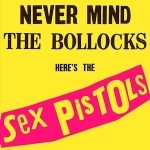

The ultimate reset switch on the musical chart machine
This album changed everything and brought rock ‘n roll music back down to ground level where it belongs. It perfectly captured the mindset of a generation and it was the turning point that was so badly needed at that point in musical history. These four lads were saying exactly what they meant and we could hear their pain and frustration through Lydon’s voice as he screamed down the microphone at us. This album is gripping from start to finish and full of strikingly relevant lyrics even today. Without Never Mind The Bollocks, you can forget Oasis or Nirvana or Green Day or any punk band to come after ’77 for that matter. This album had to happen as it totally changed the course of rock ‘n roll history for the better and gave us all what we wanted again. This band is as important to rock ‘n roll music and British culture as the Beatles or the Rolling Stones and they only ever released the one album, that is how important this record is. This album affected the style of an entire generation, it affected the politicians and it gave the how the majority of the country was feeling a united voice. The Tory government and the Royal Family may be scum, but it is hard to argue the fact that they have inspired some of the best music over the last 50 years. This album defines what it means to be young and pissed off and overlooked by the older generations who hold the power. It is an attack launched at anyone who has ever looked down their nose at anyone else. It is the quintessential lesson in how to compose a legendary rock n’ roll album and it reminded the world that you don’t need a bunch of overcomplicated instrumentals or 16 minute long interludes to make a great record, all you need is a few instruments, some raw talent and a determination to tell people how it really is. The Pistols wear their hearts on their sleeve in this record, both through their instruments and their lyrics, there is so much feeling and passion and genuine dissatisfaction on this record, yet it is also so careless and spur of the moment and that combination results in one of the greatest albums of the last half century in my opinion.
If American Idiot is a slap on the wrist of the government and a nudge to change things, Never Mind The Bollocks is the Pistols grabbing the man by the throat and squeezing until he is forced to listen to them. In the years prior to this record coming out, the charts were dominated by songs that were being played on a minimum of 15 different instruments per song. There hadn’t been a record composed solely of a guitar, a drumkit, a bass and a vocal in far too long and The Sex Pistols hit the reset button on rock ‘n roll music going forward. This record had to happen, without it bands like Oasis and Nirvana would never have came to be, or if they did they would sound vastly different to what they do today. This record has an undeniable feeling to it that no other record does, it is fury, frustration, desperation and sadness all at once and for me, there is nothing else in musical history that quite captures that feeling in the same way. This is simply four bored lads with pure raw talent telling us exactly how they feel and making sure not to leave out any of the gory details. Every riff on this album is a violent wake up call, every drum beat feels like a well deserved punch to the face and with Lydon’s voice and lyrics topping it all off, it is a beautifully ugly piece of pop culture that is relevant even today. The Pistols take on everybody in this album, from the Queen, to politics, to record labels and all of it is so well composed and yet so spur of the moment simultaneously. It’s like Lydon is spitting at you but in perfect time and in the most unique way that has ever been put to record. The band had a flair that lit Britain on fire, especially the middle classes, this record got banned out of fear that it would cause the man on the street to rise up and see through the bullshit that politicians and the government try to spin us day in and day out. Every song points out what is wrong with the country and its ethics and policies and it defines the reasons that the public are fed up of it. The whole thing flows so well and even though it takes just under 40 minutes to listen to the entire album from start to finish, it goes by in a flash and leaves such a strong impression that causes you to be left thinking about what you have just heard for hours afterwards. This is a fleeting moment in modern history captured in the most brief, yet poignant way and without it the very culture of Britain would be entirely different. This album is so important, not just for it’s anti establishment themes or its musical reasons, but because it actually altered the course of history beyond just the musical ecosystem. There was never an album before Never The Bollocks that sounded anything like it and there hasn’t been one since and sadly, there probably never will be. The last great rock n’ roll band that the world really took notice of were Oasis and since then there has been nothing significant enough to capture the world’s attention. If you ask me what we need right now is another band like the Sex Pistols to swagger up and take the spotlight away from the dance/pop garbage that is dominating today’s charts. We need a band that can reset the musical machine and show the youth of today that all you need to make it is raw talent, a few instruments and a sprinkle of determination and the world can be yours. I am hopeful it will eventually happen, it has to and in my mind it is inevitable and is more a question of when rather than a question of if. That album is what will resurrect rock n’ roll music and bring it back to the forefront and the group that manages it will be the band that defines their respective generation. Since Oasis split the crown has been up for the taking and all we need is a band with enough balls and talent and who actually have something to say, to reach out and grab it.
If American Idiot is a slap on the wrist of the government and a nudge to change things, Never Mind The Bollocks is the Pistols grabbing the man by the throat and squeezing until he is forced to listen to them. In the years prior to this record coming out, the charts were dominated by songs that were being played on a minimum of 15 different instruments per song. There hadn’t been a record composed solely of a guitar, a drumkit, a bass and a vocal in far too long and The Sex Pistols hit the reset button on rock ‘n roll music going forward. This record had to happen, without it bands like Oasis and Nirvana would never have came to be, or if they did they would sound vastly different to what they do today. This record has an undeniable feeling to it that no other record does, it is fury, frustration, desperation and sadness all at once and for me, there is nothing else in musical history that quite captures that feeling in the same way. This is simply four bored lads with pure raw talent telling us exactly how they feel and making sure not to leave out any of the gory details. Every riff on this album is a violent wake up call, every drum beat feels like a well deserved punch to the face and with Lydon’s voice and lyrics topping it all off, it is a beautifully ugly piece of pop culture that is relevant even today. The Pistols take on everybody in this album, from the Queen, to politics, to record labels and all of it is so well composed and yet so spur of the moment simultaneously. It’s like Lydon is spitting at you but in perfect time and in the most unique way that has ever been put to record. The band had a flair that lit Britain on fire, especially the middle classes, this record got banned out of fear that it would cause the man on the street to rise up and see through the bullshit that politicians and the government try to spin us day in and day out. Every song points out what is wrong with the country and its ethics and policies and it defines the reasons that the public are fed up of it. The whole thing flows so well and even though it takes just under 40 minutes to listen to the entire album from start to finish, it goes by in a flash and leaves such a strong impression that causes you to be left thinking about what you have just heard for hours afterwards. This is a fleeting moment in modern history captured in the most brief, yet poignant way and without it the very culture of Britain would be entirely different. This album is so important, not just for it’s anti establishment themes or its musical reasons, but because it actually altered the course of history beyond just the musical ecosystem. There was never an album before Never The Bollocks that sounded anything like it and there hasn’t been one since and sadly, there probably never will be. The last great rock n’ roll band that the world really took notice of were Oasis and since then there has been nothing significant enough to capture the world’s attention. If you ask me what we need right now is another band like the Sex Pistols to swagger up and take the spotlight away from the dance/pop garbage that is dominating today’s charts. We need a band that can reset the musical machine and show the youth of today that all you need to make it is raw talent, a few instruments and a sprinkle of determination and the world can be yours. I am hopeful it will eventually happen, it has to and in my mind it is inevitable and is more a question of when rather than a question of if. That album is what will resurrect rock n’ roll music and bring it back to the forefront and the group that manages it will be the band that defines their respective generation. Since Oasis split the crown has been up for the taking and all we need is a band with enough balls and talent and who actually have something to say, to reach out and grab it.

Chris Sawin (602 KP) rated Doctor Strange in the Multiverse of Madness (2022) in Movies
May 4, 2022
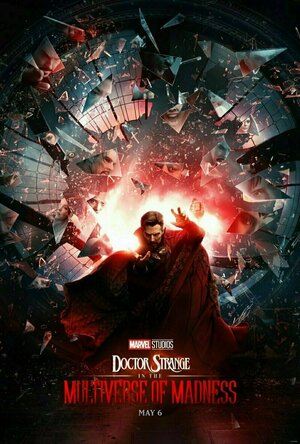
The noticeable Sam Raimi elements. (2 more)
The film is great when it's able to showcase horror.
The second end credits sequence is amazing.
The film is incredibly formulaic outside of its horror elements. (2 more)
You don't really care about any of the new characters.
No one is going to get that first end credits sequence.
Sam Raimi Finally Brings Horror to the MCU
Even with all of the universe jumping and Sam Raimi being able to add his filmmaking trademarks, Doctor Strange in the Multiverse of Madness is a bit too formulaic for its own good. Doctor Strange (Benedict Cumberbatch) has been having dreams of a different version of himself dying while seeking a mythical book known as The Book of Ashanti. In his dream, Strange encounters America Chavez (Xochitl Gomez), a young girl with the uncontrollable power of universe jumping.
But then Strange meets America in his universe and learns that dreams are actually us seeing different versions of ourselves in different universes. Still blinded by the events in WandaVision, Scarlet Witch (Elizabeth Olsen) intends to capture America and utilize her universe jumping ability to reunite with the children she created with magic.
Doctor Strange in the Multiverse of Madness relies on what feels like a simplistic storyline to drive what is essentially the MCU’s first horror film. Strange really only seems driven to protect America because he dreamed about her and Wanda Maximoff has only turned evil because there’s suddenly this very thin line between being a mother and becoming a monster. Most of the film feels like a typical MCU film featuring the standard humor and wisecracking you’ve come to expect from superhero films along with the fate of the world (and possibly every other) probably being at stake.
The most refreshing moments of Doctor Strange in the Multiverse of Madness are the moments that you can tell Raimi had a hand in writing, directing, or having some sort of input in some capacity. This is Raimi’s first directorial gig since 2013’s Oz: The Great and Powerful and it becomes quite obvious that audiences have missed his work. The Shuma Gorath sequence (renamed Gargantos for trademark purposes) is outstanding. Doctor Strange, Wong, and America battling a giant one eyed octopus is something so awesome that it kind of writes itself. Not only is it the film’s first big action sequence, but you can see a lot of Doctor Octopus and Spider-Man 2 influences as Gargantos destroys skyscrapers and gets his tentacles chopped off. The slicing of the bus as it’s thrown at Doctor Strange and America is also legitimately one of the coolest moments of the film.
There is a ton of homage to Evil Dead and Drag Me to Hell buried within the film. The final 20 minutes are overflowing with concepts seemingly pulled from classic Sam Raimi films. Doctor Strange in the Multiverse of Madness revolves around a book of the damned not unlike the Necronomicon. There are at least two major eyeball gags and a ridiculous amount of burning candles in the film. Like most Sam Raimi films, there’s an emphasis on corniness. His sense of humor has always been on the corny side and the heartfelt moments always seem to be milked and over exaggerated ever so slightly. All of these elements are in Doctor Strange in the Multiverse of Madness and they are the moments that make the film feel more unique in comparison to the other 28 films in the MCU.
Strange saves America from Scarlet Witch by knocking her and himself into her own star shaped portal that sees them both falling through multiple universes. It’s a gloriously disorienting sequence, but it’s also incredibly similar to not only what we saw in the first Doctor Strange film but also a lot like the 700 space jumps in Guardians of the Galaxy Vol. 2. This film is meant to open the door even further when it comes to the cosmic side of the MCU and now the horror side of it as well. Doctor Strange in the Multiverse of Madness is not Spider-Man: No Way Home. There are not a ton of nostalgic cameos sprinkled throughout the film. There’s one sequence that combines fan speculation and other universes, but there aren’t a lot of hidden cameos like the internet speculated.
What is perhaps most interesting about this superhero sequel is that Stephen Strange is still learning to be more humble. His only play during Infinity War that ended up costing so many their lives for five long years is still weighing heavily on his mind. He also still loves Christine (Rachel McAdams) despite the fact that she’s moved on and struggles with whether he’s now happy or not. Throughout the film he’s constantly compared to the Doctor Strange of that universe and yet the film goes out of its way to show that this Doctor Strange is different. He will break the rules if he has to, but he will only do so when it’s the only option.
With so many universes and alternate versions of himself, it was naturally only a matter of time before Doctor Strange would have to fight himself. The musical note war Strange has with the Darkhold obsessed version of himself in the collapsed universe in the second half of the film does some really intriguing stuff with musical notes that essentially borrows visuals from the Chuck Jones directed animated short, “High Note,” from 1960 as well as the battle or reactionary element found in video games such as Dance Dance Revolution and Guitar Hero. It’s an unusual fight that seems to be inspired solely by Strange bumping into a piano during the magical brawl.
Doctor Strange in the Multiverse of Madness is dark, silly, and fan pleasing. The film is at is most bewitching when Sam Raimi can let his horror roots be showcased. It will satisfy horror and superhero film fans alike, but would have and could have been even better if Raimi was allowed to dive even further into the horror genre. Be sure to stay after the credits, as well. There are two after credits sequences with the final one being so absurdly on the nose for Sam Raimi that it may be the most entertaining part of the film.
But then Strange meets America in his universe and learns that dreams are actually us seeing different versions of ourselves in different universes. Still blinded by the events in WandaVision, Scarlet Witch (Elizabeth Olsen) intends to capture America and utilize her universe jumping ability to reunite with the children she created with magic.
Doctor Strange in the Multiverse of Madness relies on what feels like a simplistic storyline to drive what is essentially the MCU’s first horror film. Strange really only seems driven to protect America because he dreamed about her and Wanda Maximoff has only turned evil because there’s suddenly this very thin line between being a mother and becoming a monster. Most of the film feels like a typical MCU film featuring the standard humor and wisecracking you’ve come to expect from superhero films along with the fate of the world (and possibly every other) probably being at stake.
The most refreshing moments of Doctor Strange in the Multiverse of Madness are the moments that you can tell Raimi had a hand in writing, directing, or having some sort of input in some capacity. This is Raimi’s first directorial gig since 2013’s Oz: The Great and Powerful and it becomes quite obvious that audiences have missed his work. The Shuma Gorath sequence (renamed Gargantos for trademark purposes) is outstanding. Doctor Strange, Wong, and America battling a giant one eyed octopus is something so awesome that it kind of writes itself. Not only is it the film’s first big action sequence, but you can see a lot of Doctor Octopus and Spider-Man 2 influences as Gargantos destroys skyscrapers and gets his tentacles chopped off. The slicing of the bus as it’s thrown at Doctor Strange and America is also legitimately one of the coolest moments of the film.
There is a ton of homage to Evil Dead and Drag Me to Hell buried within the film. The final 20 minutes are overflowing with concepts seemingly pulled from classic Sam Raimi films. Doctor Strange in the Multiverse of Madness revolves around a book of the damned not unlike the Necronomicon. There are at least two major eyeball gags and a ridiculous amount of burning candles in the film. Like most Sam Raimi films, there’s an emphasis on corniness. His sense of humor has always been on the corny side and the heartfelt moments always seem to be milked and over exaggerated ever so slightly. All of these elements are in Doctor Strange in the Multiverse of Madness and they are the moments that make the film feel more unique in comparison to the other 28 films in the MCU.
Strange saves America from Scarlet Witch by knocking her and himself into her own star shaped portal that sees them both falling through multiple universes. It’s a gloriously disorienting sequence, but it’s also incredibly similar to not only what we saw in the first Doctor Strange film but also a lot like the 700 space jumps in Guardians of the Galaxy Vol. 2. This film is meant to open the door even further when it comes to the cosmic side of the MCU and now the horror side of it as well. Doctor Strange in the Multiverse of Madness is not Spider-Man: No Way Home. There are not a ton of nostalgic cameos sprinkled throughout the film. There’s one sequence that combines fan speculation and other universes, but there aren’t a lot of hidden cameos like the internet speculated.
What is perhaps most interesting about this superhero sequel is that Stephen Strange is still learning to be more humble. His only play during Infinity War that ended up costing so many their lives for five long years is still weighing heavily on his mind. He also still loves Christine (Rachel McAdams) despite the fact that she’s moved on and struggles with whether he’s now happy or not. Throughout the film he’s constantly compared to the Doctor Strange of that universe and yet the film goes out of its way to show that this Doctor Strange is different. He will break the rules if he has to, but he will only do so when it’s the only option.
With so many universes and alternate versions of himself, it was naturally only a matter of time before Doctor Strange would have to fight himself. The musical note war Strange has with the Darkhold obsessed version of himself in the collapsed universe in the second half of the film does some really intriguing stuff with musical notes that essentially borrows visuals from the Chuck Jones directed animated short, “High Note,” from 1960 as well as the battle or reactionary element found in video games such as Dance Dance Revolution and Guitar Hero. It’s an unusual fight that seems to be inspired solely by Strange bumping into a piano during the magical brawl.
Doctor Strange in the Multiverse of Madness is dark, silly, and fan pleasing. The film is at is most bewitching when Sam Raimi can let his horror roots be showcased. It will satisfy horror and superhero film fans alike, but would have and could have been even better if Raimi was allowed to dive even further into the horror genre. Be sure to stay after the credits, as well. There are two after credits sequences with the final one being so absurdly on the nose for Sam Raimi that it may be the most entertaining part of the film.
Chris Sawin (602 KP) rated Dance of the Dead (2008) in Movies
Jun 18, 2019


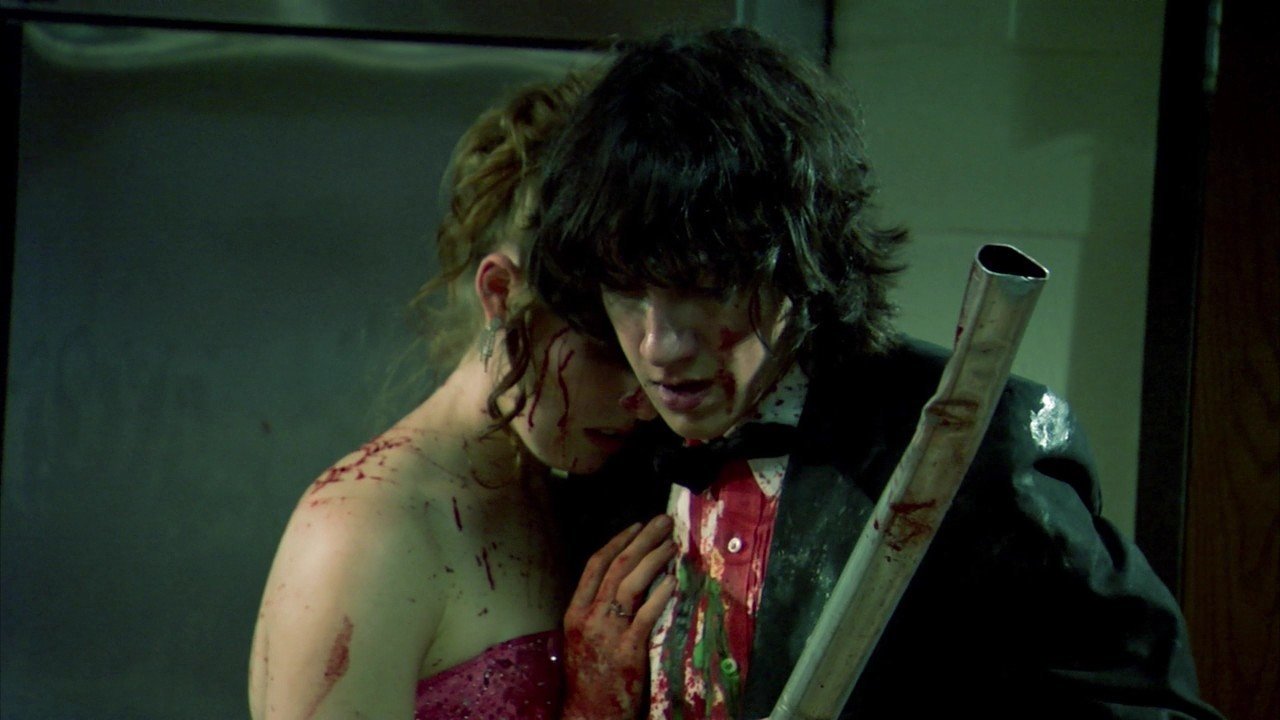
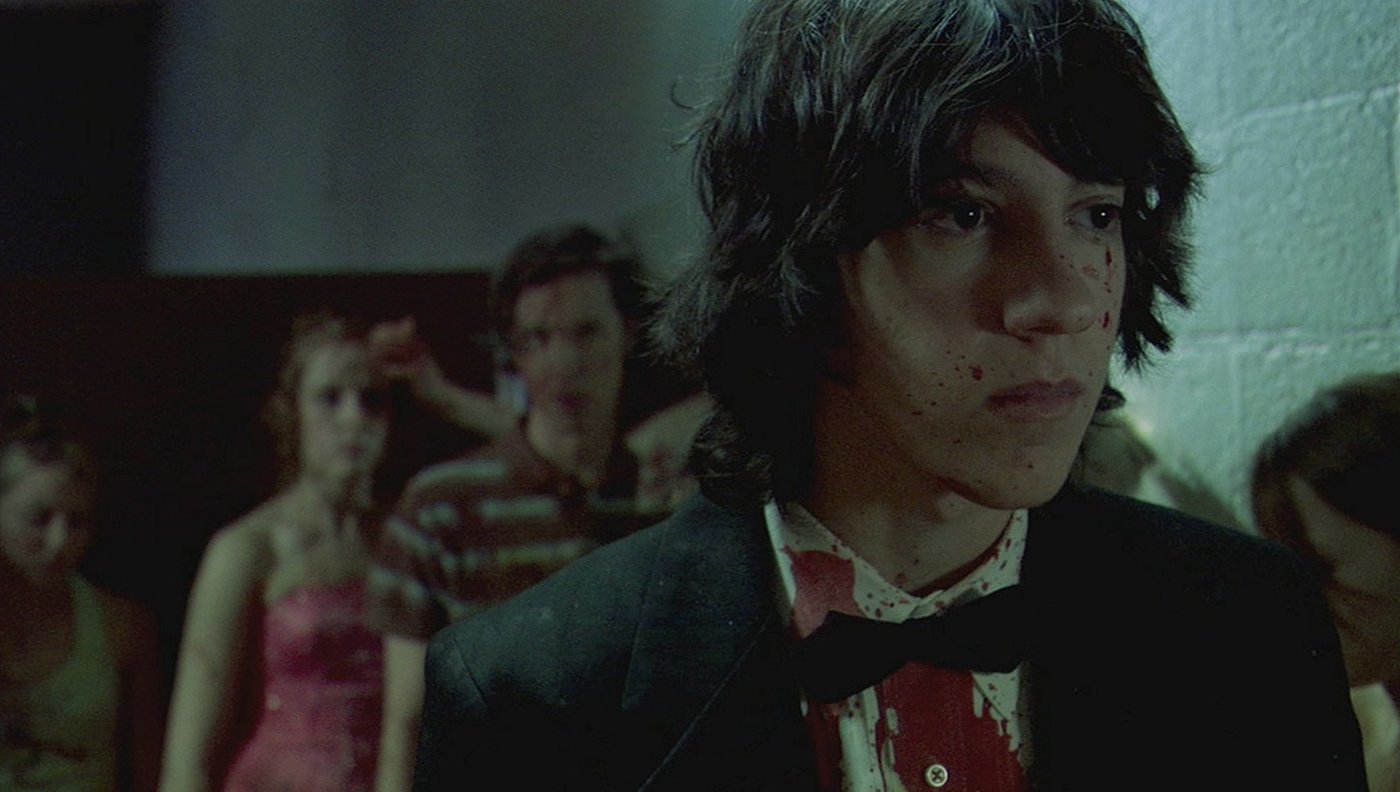
Jimmy Dunn (Jared Kusnitz) never seems to take anything seriously. He likes to spend more time in detention than he does in class. So it’s no surprise that Lindsey (Greyson Chadwick), the girl Jimmy was going to take to prom, decides to not go with him after realizing that Jimmy has no ambition. To make matters worse, something weird is going on in the graveyard next to the nuclear power plant in town. The dead are walking and they’re headed to the prom. The town is now in the hands of the losers who couldn’t get dates to the prom. There goes the neighborhood and here comes the pain; that is something that is certainly meant in more ways than one.
This is the type of horror film you have the urge to turn off as soon as it starts. Written by Joe Ballarini (My Little Pony: The Movie) and directed by Gregg Bishop (the “Dante the Great” segment of V/H/S Viral), Dance of the Dead is a part of the eight films that made up Ghost House Underground; horror films from all over the world chosen by Sam Raimi and Rob Tapert supposedly representing a “fresh” perspective of the horror genre. The problem is that most people would seek out one of these films and then never bother with the rest because why would you torture yourself any further?
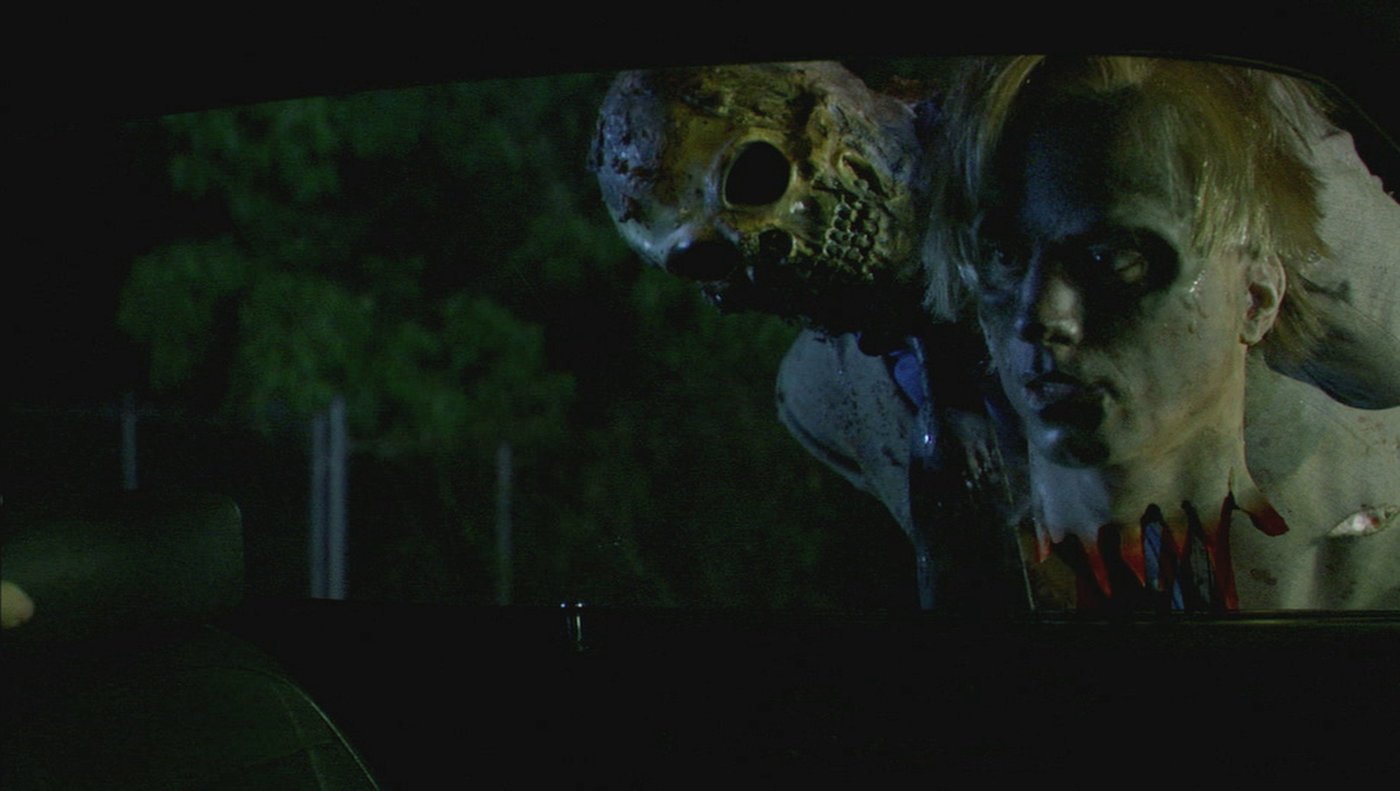
The first 20 or so minutes of the film revolve around high school melodrama and the prom. This is supposedly where you get accustomed to the film’s humor, but it’s mostly nothing more than high school kids being obnoxious and unbearable. The graveyard scene is where things get even worse. Zombies start rising from beyond the grave and decomposing hands start bursting through headstones since that makes more sense than soil. Emerging from the ground simply wasn’t enough either; these zombies explode from their graves with smoke and a loud crash. Moments later during the same sequence, there are zombies jumping several feet into the air out of the ground, landing on their feet, and running after these kids. If it sounds cool in the slightest, then this description isn’t doing this dumpster fire justice.
The zombies are all over the place in Dance of the Dead. They start off as the zombies that run similar to the zombies in Zack Snyder’s Dawn of the Dead remake. Later on in the film, they stumble around and are slow like George Romero’s zombies. Even later after that, the zombies are running again while some attempt to speak, say, “Brains!” and then get in a car and drive off. Someone had pointed out that the zombies in the film who are fresh out of the ground run while older ones move slower, which only makes this turd milkshake slightly less nutty. Dance of the Dead also can’t decide what zombie films to pay homage to either. Return of the Living Dead has a massive influence, but the film clearly pays tribute to Night of the Living Dead when the kids reach a house and decide to board up all the windows and take shelter. It seems like the one consistent aspect this film has is to be inconsistent.
Did you know zombies can be held at bay solely by the power of rocking out? Three stoners in a band (a guitarist, a bassist, and a drummer) inadvertently discover that their music stops zombies in their tracks. A bit later in the film during the prom, the gymnasium is full of zombies. There’s music playing and it shows three zombies on stage playing musical instruments; a guitar, a bass, and a drum set. Fast forward a little more and the three stoners are back again playing their stoner rock and the zombies are back to being frozen during their performance. There’s no consistency when it comes to what they play or how it affects zombies.
“In extreme circumstances, the assailants can be stopped by removing the head or destroying the brain.” Do you remember this quote from Shaun of the Dead? Try to keep it in mind, especially the, “removing the head,” part. A guy gets his head torn off by a zombie and you’d think he’d be dead, but this actually turns his decapitated head into a zombie. He comes back later on; his headless corpse carrying his decapitated head around. It’s one thing to try and reinvent a genre, but when you have so many reinventions along with homage out to wazoo you’re basically throwing cow pies at a brick wall and seeing what sticks.
Zombies shouldn’t make out with each other. Vampires shouldn’t sparkle and Warm Bodies isn’t canon. Two students turn into zombies and still end up in a giant make out session after they’ve turned. The kiss turns awkward as they start chewing on each other mid-kiss. They start taking bites out of each other while they’re still sucking face. This is the scariest aspect of the film considering that maybe most of us don’t want our eyeballs chewed out of our skulls during something so intimate.
When the special effects aren’t being a complete eyesore from being so cheap and ugly, the gore in Dance of the Dead is decent. Blood splattering everywhere is pretty common throughout the film. The acting isn’t completely terrible either. It absolutely isn’t good by any means. Dance of the Dead is basically Degrassi with zombies and everything lame you’re expecting to tag along with that reference. Lucas Till (X-Men: First Class, MacGyver) has a brief cameo as one of the rockers in the film and he's probably the only cast member you'll recognize.
The jumbled mass of homage and redefining of zombie lore in Dance of the Dead throws a monkey wrench in calling the film stereotypical and cliché, but it certainly feels that way. It seems like a rejected, alternate, first draft of a film you’ve already seen rather than a film that attempts to stand on its own two legs. It may be fun for fans of campy horror films, but its originality is borderline offensive since Dance of the Dead seems to just combine everything you know about zombies or purposely does the opposite at an attempt at being a different chomp of undead horror. Unfortunately though, Dance of the Dead is too overwhelmingly absurd for its own good as its gore feels like the drunken antics of a washed up clown rather than a competent horror film.
Dance of the Dead is available to stream on Amazon Prime, YouTube, and Google Play for $1.99, Vudu for $2.99, and iTunes for $5.99. The DVD is $7.72 on Amazon while the Blu-ray (which is Region 2 only) is $25.52 from a third party seller. The DVD is $7.49 in new condition and with free shipping on eBay or $4 with $2.99 shipping pre-owned. If you enjoy terrible things, the eight disc set of all the Ghost House Underground titles are available as a boxed set on Amazon for $179.74 and on eBay for $39.99 in brand new condition and with free shipping.
This is the type of horror film you have the urge to turn off as soon as it starts. Written by Joe Ballarini (My Little Pony: The Movie) and directed by Gregg Bishop (the “Dante the Great” segment of V/H/S Viral), Dance of the Dead is a part of the eight films that made up Ghost House Underground; horror films from all over the world chosen by Sam Raimi and Rob Tapert supposedly representing a “fresh” perspective of the horror genre. The problem is that most people would seek out one of these films and then never bother with the rest because why would you torture yourself any further?
The first 20 or so minutes of the film revolve around high school melodrama and the prom. This is supposedly where you get accustomed to the film’s humor, but it’s mostly nothing more than high school kids being obnoxious and unbearable. The graveyard scene is where things get even worse. Zombies start rising from beyond the grave and decomposing hands start bursting through headstones since that makes more sense than soil. Emerging from the ground simply wasn’t enough either; these zombies explode from their graves with smoke and a loud crash. Moments later during the same sequence, there are zombies jumping several feet into the air out of the ground, landing on their feet, and running after these kids. If it sounds cool in the slightest, then this description isn’t doing this dumpster fire justice.
The zombies are all over the place in Dance of the Dead. They start off as the zombies that run similar to the zombies in Zack Snyder’s Dawn of the Dead remake. Later on in the film, they stumble around and are slow like George Romero’s zombies. Even later after that, the zombies are running again while some attempt to speak, say, “Brains!” and then get in a car and drive off. Someone had pointed out that the zombies in the film who are fresh out of the ground run while older ones move slower, which only makes this turd milkshake slightly less nutty. Dance of the Dead also can’t decide what zombie films to pay homage to either. Return of the Living Dead has a massive influence, but the film clearly pays tribute to Night of the Living Dead when the kids reach a house and decide to board up all the windows and take shelter. It seems like the one consistent aspect this film has is to be inconsistent.
Did you know zombies can be held at bay solely by the power of rocking out? Three stoners in a band (a guitarist, a bassist, and a drummer) inadvertently discover that their music stops zombies in their tracks. A bit later in the film during the prom, the gymnasium is full of zombies. There’s music playing and it shows three zombies on stage playing musical instruments; a guitar, a bass, and a drum set. Fast forward a little more and the three stoners are back again playing their stoner rock and the zombies are back to being frozen during their performance. There’s no consistency when it comes to what they play or how it affects zombies.
“In extreme circumstances, the assailants can be stopped by removing the head or destroying the brain.” Do you remember this quote from Shaun of the Dead? Try to keep it in mind, especially the, “removing the head,” part. A guy gets his head torn off by a zombie and you’d think he’d be dead, but this actually turns his decapitated head into a zombie. He comes back later on; his headless corpse carrying his decapitated head around. It’s one thing to try and reinvent a genre, but when you have so many reinventions along with homage out to wazoo you’re basically throwing cow pies at a brick wall and seeing what sticks.
Zombies shouldn’t make out with each other. Vampires shouldn’t sparkle and Warm Bodies isn’t canon. Two students turn into zombies and still end up in a giant make out session after they’ve turned. The kiss turns awkward as they start chewing on each other mid-kiss. They start taking bites out of each other while they’re still sucking face. This is the scariest aspect of the film considering that maybe most of us don’t want our eyeballs chewed out of our skulls during something so intimate.
When the special effects aren’t being a complete eyesore from being so cheap and ugly, the gore in Dance of the Dead is decent. Blood splattering everywhere is pretty common throughout the film. The acting isn’t completely terrible either. It absolutely isn’t good by any means. Dance of the Dead is basically Degrassi with zombies and everything lame you’re expecting to tag along with that reference. Lucas Till (X-Men: First Class, MacGyver) has a brief cameo as one of the rockers in the film and he's probably the only cast member you'll recognize.
The jumbled mass of homage and redefining of zombie lore in Dance of the Dead throws a monkey wrench in calling the film stereotypical and cliché, but it certainly feels that way. It seems like a rejected, alternate, first draft of a film you’ve already seen rather than a film that attempts to stand on its own two legs. It may be fun for fans of campy horror films, but its originality is borderline offensive since Dance of the Dead seems to just combine everything you know about zombies or purposely does the opposite at an attempt at being a different chomp of undead horror. Unfortunately though, Dance of the Dead is too overwhelmingly absurd for its own good as its gore feels like the drunken antics of a washed up clown rather than a competent horror film.
Dance of the Dead is available to stream on Amazon Prime, YouTube, and Google Play for $1.99, Vudu for $2.99, and iTunes for $5.99. The DVD is $7.72 on Amazon while the Blu-ray (which is Region 2 only) is $25.52 from a third party seller. The DVD is $7.49 in new condition and with free shipping on eBay or $4 with $2.99 shipping pre-owned. If you enjoy terrible things, the eight disc set of all the Ghost House Underground titles are available as a boxed set on Amazon for $179.74 and on eBay for $39.99 in brand new condition and with free shipping.
Daniel Boyd (1066 KP) rated Who Built The Moon? by Noel Gallagher / Noel Gallagher's High Flying Birds in Music
Nov 28, 2017 (Updated Nov 28, 2017)
A new direction from Noel (1 more)
Some unexpectedly bold creative choices are made
A Breath Of Fresh Air
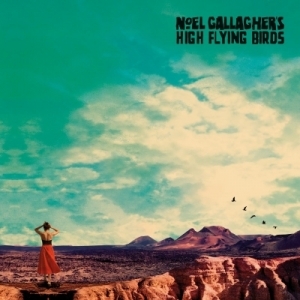
Who Built The Moon? was released on Friday 24/11/17 and has already proved to be the most divisive album that Noel has ever been a part of. I personally love it. I think if Noel had dropped another record in the now expected style of the first two HFB's records, we would be rolling our eyes. Instead he is trying something new, a bold step for a man of 50 who has been making music publicly for the last quarter of a century.
Working with notorious industry producer, David Holmes, this record possesses a whole new sound for Noel, his lyrics and vocals are obviously instantly recognisable, but the instrumentation and production on the record is like something we have never heard him do before. Now it's all well and good trying something new, but is it any good? Well, it is actually.
The record opens with a stomping instrumental called Fort Knox. A track reminiscent of George Harrison meets the Gorillaz, that you can't help but at least nod along to. This isn't the first time that Noel has opened a record with an instrumental, (2000's Standing On The Shoulders of Giants opened with Fuckin' In The Bushes,) but I think it may be his best instrumental to date.
Next up is the record's lead single; Holy Mountain. This track carries on the pace set by Fort Knox and contains elements of Slade and Bowie to boot. Much has already been said about the comparison to She Bangs, but it doesn't bother me, this is a fantastic song and I feel like it was a solid choice for the album's first single. Having Paul Weller playing the organ on it doesn't hurt much either.
Following this is one of my favourite songs on the record, Keep On Reaching. I actually heard Noel talking about this song in an interview before I heard the track itself and from what he was describing, I didn't think I was going to care for it. Well my preconceptions were whacked away once I got around to listening to the track. Absolutely brilliant song that feels uplifting and triumphant.
The next song is called It's A Beautiful World and I have to admit I found it to be a bit of a grower. I first heard the track played live on Jools Holland and didn't love it, then I heard the album track and liked it a bit more, then I listened to it again and wasn't feeling it as much. Now six or seven listens later, I love this song. There are a few odd choices made here and I can understand why people would initially be put off, but I think this track works perfectly, especially within the context of the rest of the album.
After this we hear She Taught Me How To Fly, which is probably my least favourite track on the record. Again though I have to admit that this has grown on me since I first heard it. Hearing it live for the first time on Jools Holland, combined with seeing that scissor player for the first time was a bit much for me and to be honest I really wasn't a fan of the track. While I still don't love the track, I do enjoy it within the context of the album and I much prefer it now to when I initially heard it.
Track six is called Be Careful What You Wish For and for me, it falls into the same category as She Taught Me How To Fly, in that it is good, but not great. I'd say that these two songs are definitely the 'filler' section of the album. On any other record, these songs would be highlights, but on a Noel Gallagher record, they only qualify as filler in my opinion. They do add to the album as a whole though and are absolutely necessary if you are looking to experience the album all the way through from start to finish, which is also definitely the best way to experience this album.
The record picks up again with Black & White Sunshine. A roaring rock n' roll stomper that definitely sounds the most like Oasis over anything else on the album. The song's upbeat tone and slightly melancholy lyrics match up with Noel's signature writing style and it works just as well here as it did in the Oasis days. It's nice to hear something that feels slightly more familiar in amongst all of the other more experimental stuff on this record.
After hearing Fort Knox, I was really excited to hear the other instrumental on this album, Wednesday - Part 1. Unfortunately it's nowhere near as good as Fort Knox and it's been split into two parts. It's still a decently enjoyable piece of music that helps the album plod along into it's final stretch, but if like me you were hoping this to be just as good as Fort Knox, you will be left disappointed.
Next up is what is perhaps my favourite track on the record; If Love Is The Law. This glorious banger of a tune adds so much to the record overall and sounds mega through a good set of headphones. Johnny Marr's unmistakable guitar playing works awesomely on this track, as does his harmonica work. The lyrics are top notch, Noel's voice sounds great and it is a brilliant tune from start to finish.
The last official track on the album is the title track, The Man Who Built the Moon. This song tells the story of a cowboy full of regrets, using all sorts of interesting metaphors it is definitely the most narrative track on the album. The tone of the song slightly reminds me of The Ballad Of The Mighty I, the closing track from Noel's last record. It is a great song and works fantastically as a way to end this record.
Lastly we have Wednesday - Part 2, which is simply a continuation of Wednesday - Part 1, not much else to say here really.
Finally, we have a bonus track called Dead In The Water. This was recorded live during a session Noel did on an Irish radio station while promoting his previous album. Noel apparently didn't even know he was being recorded at the time while he was singing, which I think makes this song even more special. Allegedly, David Holmes was reluctant to put this on the record, as he felt it was out of place with the rest of the songs on the record, but I am so glad that Noel convinced him otherwise. Noel's voice here, sounds pure and frankly astonishing and the lyrics are fantastic too. The tone sounds similar to Talk Tonight and it is definitely one of the album's best moments.
The one gripe I have about this album, is that while this is a fresh new direction for Noel, it's not a style that hasn't been done before by other bands and arguably been done better. The Gorillaz' records or any of the late Beatles albums serve as a good example of this. Then again, Noel is well known from 'borrowing,' song elements from other artists, so maybe this is as original as it gets for him and we should be grateful for that.
Regardless, as a long time Oasis, (and particularly Noel Gallagher,) fan, I am glad that Noel is doing something new. I am also glad that with both Gallagher brothers now producing music, we won't be getting two extremely similar sounding albums. This is exciting for Oasis fans and can maybe serve as a step forward for fans who are still stuck in the past, in finally getting over their favourite band breaking up - it only took 8 years.
Working with notorious industry producer, David Holmes, this record possesses a whole new sound for Noel, his lyrics and vocals are obviously instantly recognisable, but the instrumentation and production on the record is like something we have never heard him do before. Now it's all well and good trying something new, but is it any good? Well, it is actually.
The record opens with a stomping instrumental called Fort Knox. A track reminiscent of George Harrison meets the Gorillaz, that you can't help but at least nod along to. This isn't the first time that Noel has opened a record with an instrumental, (2000's Standing On The Shoulders of Giants opened with Fuckin' In The Bushes,) but I think it may be his best instrumental to date.
Next up is the record's lead single; Holy Mountain. This track carries on the pace set by Fort Knox and contains elements of Slade and Bowie to boot. Much has already been said about the comparison to She Bangs, but it doesn't bother me, this is a fantastic song and I feel like it was a solid choice for the album's first single. Having Paul Weller playing the organ on it doesn't hurt much either.
Following this is one of my favourite songs on the record, Keep On Reaching. I actually heard Noel talking about this song in an interview before I heard the track itself and from what he was describing, I didn't think I was going to care for it. Well my preconceptions were whacked away once I got around to listening to the track. Absolutely brilliant song that feels uplifting and triumphant.
The next song is called It's A Beautiful World and I have to admit I found it to be a bit of a grower. I first heard the track played live on Jools Holland and didn't love it, then I heard the album track and liked it a bit more, then I listened to it again and wasn't feeling it as much. Now six or seven listens later, I love this song. There are a few odd choices made here and I can understand why people would initially be put off, but I think this track works perfectly, especially within the context of the rest of the album.
After this we hear She Taught Me How To Fly, which is probably my least favourite track on the record. Again though I have to admit that this has grown on me since I first heard it. Hearing it live for the first time on Jools Holland, combined with seeing that scissor player for the first time was a bit much for me and to be honest I really wasn't a fan of the track. While I still don't love the track, I do enjoy it within the context of the album and I much prefer it now to when I initially heard it.
Track six is called Be Careful What You Wish For and for me, it falls into the same category as She Taught Me How To Fly, in that it is good, but not great. I'd say that these two songs are definitely the 'filler' section of the album. On any other record, these songs would be highlights, but on a Noel Gallagher record, they only qualify as filler in my opinion. They do add to the album as a whole though and are absolutely necessary if you are looking to experience the album all the way through from start to finish, which is also definitely the best way to experience this album.
The record picks up again with Black & White Sunshine. A roaring rock n' roll stomper that definitely sounds the most like Oasis over anything else on the album. The song's upbeat tone and slightly melancholy lyrics match up with Noel's signature writing style and it works just as well here as it did in the Oasis days. It's nice to hear something that feels slightly more familiar in amongst all of the other more experimental stuff on this record.
After hearing Fort Knox, I was really excited to hear the other instrumental on this album, Wednesday - Part 1. Unfortunately it's nowhere near as good as Fort Knox and it's been split into two parts. It's still a decently enjoyable piece of music that helps the album plod along into it's final stretch, but if like me you were hoping this to be just as good as Fort Knox, you will be left disappointed.
Next up is what is perhaps my favourite track on the record; If Love Is The Law. This glorious banger of a tune adds so much to the record overall and sounds mega through a good set of headphones. Johnny Marr's unmistakable guitar playing works awesomely on this track, as does his harmonica work. The lyrics are top notch, Noel's voice sounds great and it is a brilliant tune from start to finish.
The last official track on the album is the title track, The Man Who Built the Moon. This song tells the story of a cowboy full of regrets, using all sorts of interesting metaphors it is definitely the most narrative track on the album. The tone of the song slightly reminds me of The Ballad Of The Mighty I, the closing track from Noel's last record. It is a great song and works fantastically as a way to end this record.
Lastly we have Wednesday - Part 2, which is simply a continuation of Wednesday - Part 1, not much else to say here really.
Finally, we have a bonus track called Dead In The Water. This was recorded live during a session Noel did on an Irish radio station while promoting his previous album. Noel apparently didn't even know he was being recorded at the time while he was singing, which I think makes this song even more special. Allegedly, David Holmes was reluctant to put this on the record, as he felt it was out of place with the rest of the songs on the record, but I am so glad that Noel convinced him otherwise. Noel's voice here, sounds pure and frankly astonishing and the lyrics are fantastic too. The tone sounds similar to Talk Tonight and it is definitely one of the album's best moments.
The one gripe I have about this album, is that while this is a fresh new direction for Noel, it's not a style that hasn't been done before by other bands and arguably been done better. The Gorillaz' records or any of the late Beatles albums serve as a good example of this. Then again, Noel is well known from 'borrowing,' song elements from other artists, so maybe this is as original as it gets for him and we should be grateful for that.
Regardless, as a long time Oasis, (and particularly Noel Gallagher,) fan, I am glad that Noel is doing something new. I am also glad that with both Gallagher brothers now producing music, we won't be getting two extremely similar sounding albums. This is exciting for Oasis fans and can maybe serve as a step forward for fans who are still stuck in the past, in finally getting over their favourite band breaking up - it only took 8 years.