Billy Gibbons recommended The Chess Box by Muddy Waters in Music (curated)

Black Heart Loa
8.0 Rate It
Book
“An eye for an eye is never enough.” Kallie Rivière, a Cajun hoodoo apprentice with a bent...
Urban Fantasy Louisiana Voodoo
American Hippo (River of Teeth, #1-2)
8.0
Rate It
Book
In 2017 Sarah Gailey made her debut with River of Teeth and Taste of Marrow, two action-packed...
Lethal (Lee Coburn, #1)
Book
When her four year old daughter informs her a sick man is in their yard, Honor Gillette rushes out...
romantic suspense mystery suspense



The catch is this "island" was little more than a large sandbar. What we know as barrier islands. This did not deter them from building it up as a resort for the well to do. What could go wrong?
There was no weather forecasting as their is today and the Gulf Coast was as prone to hurricanes then as it is now. There also was no easy escape since the only way to the island was by boat.
[Dixon] tell the tragic story of life and death on Last Island during the Hurricane of 1856. The research is well done and the narrative makes the saga of the inhabitants real in this pre Civil War natural disaster. Although he does get quite repetitive with details it was still a very informative read.

Integral Geometry and Radon Transforms
Book
In this text, integral geometry deals with Radon's problem of representing a function on a manifold...
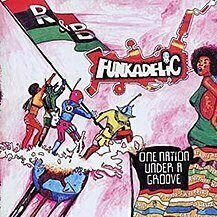
One Nation Under a Groove by Funkadelic
8.0
Rate It
Album
One Nation Under a Groove is the tenth studio album by American funk and rock band Funkadelic,...
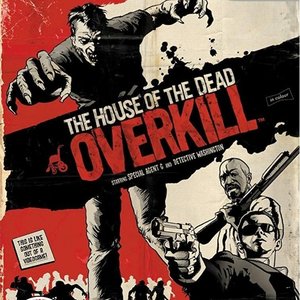
The House of the Dead: Overkill
7.1 Rate It
Video Game Watch
The House of the Dead: Overkill charges you with mowing down waves of infected, blood-thirsty...
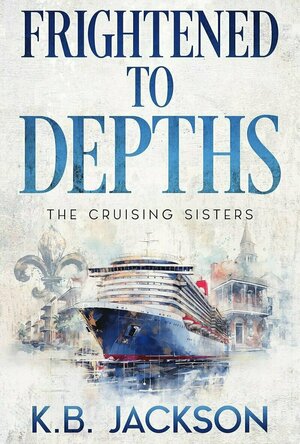
Frightened to Depths
10.0 Rate It
Book
Murder is never smooth sailing... Charlotte McLaughlin assumes she's finally shed all her tears on...