
Search
Search results
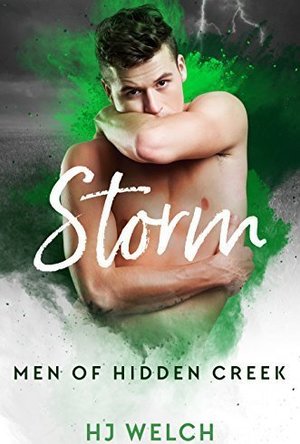
Storm (Men Of Hidden Creek)
10.0 Rate It
Book
*I can’t do this without you* Chase Williamson was never meant to be a dad. Like it or not,...
5 stars amle/amle romance coming of age contemporary military dudes

Emma @ The Movies (1786 KP) rated The Sun Is Also A Star (2019) in Movies
Jun 20, 2020
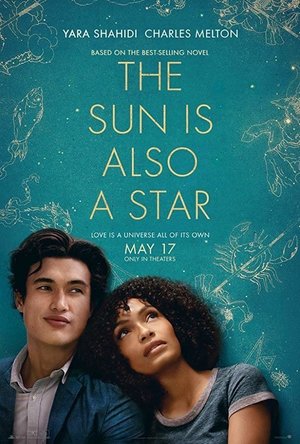


At some point I may get bored of YA adaptations that throw two young people together with a bit of adversity. I'm not saying that this wasn't good but there are other typed of YA books out there that could be done.
After years living in the US, Natasha and her family are a day away from being deported back to Jamaica. She's determined to find a way to have them stay so instead of packing she's off to make one last attempt to stay in the city she loves.
Daniel is about to have the biggest interview of his life, his whole future is resting on it, but he throws all thoughts of it aside when he sees Natasha looking up in a crowd of people ignoring the world. She's a beautiful anomaly in his life and he needs to find her no matter the consequences.
Circumstances bring the two together and Daniel manages to convince her that even an hour with him could change their lives forever.
When I write it down like that the story doesn't sound quite so... magical? Man sees attractive young woman and attempts to stalk her... yeah, slightly creepy, but thankfully the film doesn't feel like that.
Nicola Yoon is two for two with her novels (the first being Everything, Everything) and we've got another lovely film in The Sun Is Also A Star. Of course it's yet another book I haven't read, if only there were a few more hours of leisure time in our lives.
Thinking back on this I find the timeline for the film a little confusing, which is strange considering you know that the majority happens over the space of two days. Perhaps it's because it's a little far fetched, perhaps it's also because they're constantly going from place to place and it seems like more than just a day's worth of activity.
Natasha is played by Yara Shahidi, the only thing I know her from recently is Black-ish, which I love. I had reservations about this casting, actors going from long-running shows into films doesn't always end well, partly because of the different acting style needed and partly from my side and being very familiar with their character. I shouldn't have worried, she does a great job with this role, and it's nice to see a character that doesn't have a typical backstory.
The same can be said for Daniel, played by Riverdale's Charles Melton. Watching his struggle with the path of his life is really interesting and I liked the small flashback to where everything was decided. If we ignore the creepiness of the couple's meeting then Daniel is a nice down to earth character and Melton strikes a nice balance between his home life and his actual life around people he knows.
Together they make a captivating couple on screen, and I like how they're each other's support even though they don't know that much about each other. They have great chemistry and that definitely boosted the enjoyment of the film.
I hardly made any notes when watching this, those that I did were about the nice use of voiceovers (that sounded very much like nature documentary), some good songs at the beginning, and then the intriguing and nice way they ended it. It's an enjoyable watch but I think it's come at the wrong end of the YA adaptation trend, everything is very similar despite having some individual charm.
Originally posted on: https://emmaatthemovies.blogspot.com/2019/08/the-sun-is-also-star-movie-review.html
After years living in the US, Natasha and her family are a day away from being deported back to Jamaica. She's determined to find a way to have them stay so instead of packing she's off to make one last attempt to stay in the city she loves.
Daniel is about to have the biggest interview of his life, his whole future is resting on it, but he throws all thoughts of it aside when he sees Natasha looking up in a crowd of people ignoring the world. She's a beautiful anomaly in his life and he needs to find her no matter the consequences.
Circumstances bring the two together and Daniel manages to convince her that even an hour with him could change their lives forever.
When I write it down like that the story doesn't sound quite so... magical? Man sees attractive young woman and attempts to stalk her... yeah, slightly creepy, but thankfully the film doesn't feel like that.
Nicola Yoon is two for two with her novels (the first being Everything, Everything) and we've got another lovely film in The Sun Is Also A Star. Of course it's yet another book I haven't read, if only there were a few more hours of leisure time in our lives.
Thinking back on this I find the timeline for the film a little confusing, which is strange considering you know that the majority happens over the space of two days. Perhaps it's because it's a little far fetched, perhaps it's also because they're constantly going from place to place and it seems like more than just a day's worth of activity.
Natasha is played by Yara Shahidi, the only thing I know her from recently is Black-ish, which I love. I had reservations about this casting, actors going from long-running shows into films doesn't always end well, partly because of the different acting style needed and partly from my side and being very familiar with their character. I shouldn't have worried, she does a great job with this role, and it's nice to see a character that doesn't have a typical backstory.
The same can be said for Daniel, played by Riverdale's Charles Melton. Watching his struggle with the path of his life is really interesting and I liked the small flashback to where everything was decided. If we ignore the creepiness of the couple's meeting then Daniel is a nice down to earth character and Melton strikes a nice balance between his home life and his actual life around people he knows.
Together they make a captivating couple on screen, and I like how they're each other's support even though they don't know that much about each other. They have great chemistry and that definitely boosted the enjoyment of the film.
I hardly made any notes when watching this, those that I did were about the nice use of voiceovers (that sounded very much like nature documentary), some good songs at the beginning, and then the intriguing and nice way they ended it. It's an enjoyable watch but I think it's come at the wrong end of the YA adaptation trend, everything is very similar despite having some individual charm.
Originally posted on: https://emmaatthemovies.blogspot.com/2019/08/the-sun-is-also-star-movie-review.html

Phillip McSween (751 KP) rated Everybody Wants Some!! (2016) in Movies
Aug 23, 2019


Great Movie About Absolutely Nothing
Everybody Wants Some!! follows the lives of a group of college baseball players at a junior college in their days leading up to preseason training.
Acting: 10
This movie is largely a character piece and it wouldn’t work nearly as well without such great acting performances. There are no weak links here as each performance is memorable in its own way. The acting was so efficient, there were a handful of moments where it almost felt like you were watching a documentary as opposed to a fictional movie.
Beginning: 10
Characters: 10
No two players are alike in the movie, each of them bringing something different to the table. As the movie progresses from one act to the next, it is pure entertainment watching them react to different scenarios so differently. My favorite character on the team was Finnegan (Glen Powell). Charismatic and ever-changing, I love how he adapts to new situations and always had a go-with-the-flow attitude. Jay Niles cracked me up as well for his ridiculous intensity that you have to see to understand.
Cinematography/Visuals: 10
You know a movie really gets to you visually when you find yourself saying, “Man, it would’ve been cool to live during that time period.” Everybody Wants Some!! captures the cool, fun feel of the 70’s on all fronts from one scene to the next. While the film doesn’t leave the town where it takes place, you’re entertained with a number of different setpieces that change the dynamic of the movie in their own way.
Conflict: 5
Definitely the weakest part of the movie. Nothing terrible really happens to the characters at the end of the day leaving no room for any kind of worry. It is amazing that the movie still works so well with so little conflict to keep you engaged.
Entertainment Value: 10
Memorability: 10
This movie reminded me of my college days and I’m probably not alone in this. It makes you remember younger days and having zero responsibility. It’s also a movie that doesn’t leave its replay value. Definitely a movie I could watch repeatedly.
Pace: 10
The movie proceeds in definable acts based around parties and it works in a loose structure kind of way. You never really know where the story is going until you get near the end and you realize it’s going absolutely nowhere. But that’s ok because the road to nowhere in this case is extremely fun and memorable.
Plot: 5
Resolution: 10
The movie ends just as chill as it started, very fitting for its overall lackadaisical tone. A little bit of perspective ties things on with a nice little bow before the movie bows out gracefully. Beyond satisfying.
Overall: 90
Everybody Wants Some!! is the perfect Exhibit A case of sometimes less is just more. The film is light-hearted, yet you’ll be having such a good time you’ll probably forget nothing substantial is actually happening. It’s a wonderful film that will give you something new each time you watch it.
Acting: 10
This movie is largely a character piece and it wouldn’t work nearly as well without such great acting performances. There are no weak links here as each performance is memorable in its own way. The acting was so efficient, there were a handful of moments where it almost felt like you were watching a documentary as opposed to a fictional movie.
Beginning: 10
Characters: 10
No two players are alike in the movie, each of them bringing something different to the table. As the movie progresses from one act to the next, it is pure entertainment watching them react to different scenarios so differently. My favorite character on the team was Finnegan (Glen Powell). Charismatic and ever-changing, I love how he adapts to new situations and always had a go-with-the-flow attitude. Jay Niles cracked me up as well for his ridiculous intensity that you have to see to understand.
Cinematography/Visuals: 10
You know a movie really gets to you visually when you find yourself saying, “Man, it would’ve been cool to live during that time period.” Everybody Wants Some!! captures the cool, fun feel of the 70’s on all fronts from one scene to the next. While the film doesn’t leave the town where it takes place, you’re entertained with a number of different setpieces that change the dynamic of the movie in their own way.
Conflict: 5
Definitely the weakest part of the movie. Nothing terrible really happens to the characters at the end of the day leaving no room for any kind of worry. It is amazing that the movie still works so well with so little conflict to keep you engaged.
Entertainment Value: 10
Memorability: 10
This movie reminded me of my college days and I’m probably not alone in this. It makes you remember younger days and having zero responsibility. It’s also a movie that doesn’t leave its replay value. Definitely a movie I could watch repeatedly.
Pace: 10
The movie proceeds in definable acts based around parties and it works in a loose structure kind of way. You never really know where the story is going until you get near the end and you realize it’s going absolutely nowhere. But that’s ok because the road to nowhere in this case is extremely fun and memorable.
Plot: 5
Resolution: 10
The movie ends just as chill as it started, very fitting for its overall lackadaisical tone. A little bit of perspective ties things on with a nice little bow before the movie bows out gracefully. Beyond satisfying.
Overall: 90
Everybody Wants Some!! is the perfect Exhibit A case of sometimes less is just more. The film is light-hearted, yet you’ll be having such a good time you’ll probably forget nothing substantial is actually happening. It’s a wonderful film that will give you something new each time you watch it.
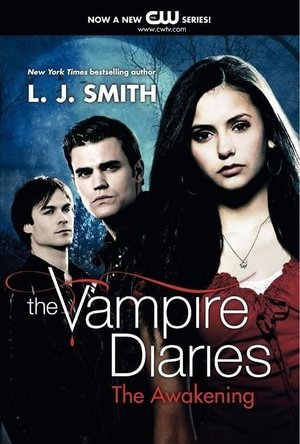
Ivana A. | Diary of Difference (1171 KP) rated The Awakening (The Vampire Diaries, #1) in Books
Feb 3, 2020
<a href="https://diaryofdifference.com/">Blog</a>; | <a href="https://www.facebook.com/diaryofdifference/">Facebook</a>; | <a href="https://twitter.com/DiaryDifference">Twitter</a>; | <a href="https://www.instagram.com/diaryofdifference/">Instagram</a>; | <a href="https://www.pinterest.co.uk/diaryofdifference/pins/">Pinterest</a>;
#1 <a href="https://www.goodreads.com/review/show/2998210568">The Awakening</a> - ★★★★★
#2 <a href="https://www.goodreads.com/review/show/2998210684">The Struggle</a> - ★★★★★
<img src="https://diaryofdifference.com/wp-content/uploads/2019/10/Book-Review-Banner-24.png"/>;
<b><i>I had The Awakening and the Struggle (the first and second books from the Vampire Diaries series) on my shelf for years.</i></b>
When I say years, I mean it. It all started when I was in high-school, around 6 years ago, and I was in love with the Vampire Diaries TV Show. When I found out there are books as well, I begged my mum to buy them for me. And once I had them, I never got to read them, because teenage logic...
I recently noticed the Vampire Diaries books sitting on my shelf, forgotten, and I thought it would be a perfect opportunity to read it in October, because of the whole spooky vibe. So there it is now - even thought the wheel didn't choose it, I did, because it deserved the attention!
Elena Gilbert is a popular girl in high-school and she always gets what she wants. Boys want to be with her, girls hate her, or want to be her best friends. And when this new boy Stefan comes into town, all mysterious, Elena wants him. But Stefan is hiding a deadly secret that Elena might now be ready for just yet. And her life, as well as the life of everyone living in Fell's Church is in grave danger... Elena finds herself between two brothers - one who came for a new life, and the other, who came for revenge...
Reading this book, while already knowing what the plot it, I thought I found find it boring. But no. I still enjoyed every single page of it, and I still devoured this book in one day.
From the first chapter, this book is intense and captures your attention. It is written in third person, but it also contains diary entries that belong to Elena and capture her deepest thoughts that she doesn't dare share with anyone else.
<b><i>I loved Elena!</i></b>
Her character is exactly what I was expected and what I have known to love - brave and fierce, and also willing to sacrifice her own happiness and safety for the people she loves the most.
Elena's friends, Meredith and Bonnie are the friends every girl needs. Funny and caring. A few pages in, and you will get to love them too.
Stefan - the mysterious new guy in school. The guy that tries to stay away from the girl he really wants because he's a danger to her. A little bit of Twilight vibes, but we can get past that. Because there is one thing that Twilight didn't have, that you can find reading The Vampire Diaries...
<b><i>DAMON</i></b>
Even though we only get a glimpse of him in this book, we can feel his presence throughout the whole book. We can feel his connection with Elena, as weird and spooky as it may be. All that danger that he carries with him, we all want to see whether there's anything good in him at all. His story is the most intriguing one, I think. His hunger for revenge makes you really understand both sides of the story and choose a side for yourself.
<b><i>So, are you team Stefan, or team Damon?</i></b>
I loved reading this - it was an amazing experience and it reminded me of my high-school days, of those innocent happy memories. My teenage life didn't include vampires, but hey - it was still awesome!
Pick the Vampire Diaries up if you love Young Adult spooky books, if you loved Twilight and if you love vampire, love and mystery stories in general.
<img src="https://diaryofdifference.com/wp-content/uploads/2019/10/Book-Review-Banner-8.png"/>;
<b><i>The Struggle is the continuation of the Vampire Diaries Series by L.J. Smith. The second book that features the life of popular girl Elena Gilbert and her endeavors with the mysterious vampire brothers Stefan and Damon Salvatore.</i></b>
The Struggle continues where The Awakening ends; Elena is looking to talk to Damon, knowing that he has something to do with Stefan's disappearance.
I felt like there was more action in this book, compared to the first one. It made me more engrossed with the story and I was very excited for all the twists.
Elena was obviously the main character in this book, alongside Stefan and Damon. I am not sure how I felt about Elena in this book. She seemed to ignore everyone for a while and just be her selfish self - which resulted in getting people in trouble.
On the other hand, I really loved the history of Stefan and Damon. The memories from hundreds of years ago. The author manager to portray the time very well, and I was easily transported into another world, another time... I think these scenes were definitely the favourite part of this book.
I wish we saw more chapters with Bonnie and Meredith. Even though best friends, it didn't feel like they were too involved in the story. We didn't get to know them properly and it has already been two books. I really hope book three will let us meet these two characters better.
I am happy with the book in general.
The scenes, the plot, the twists - they were all very carefully put together. Elena's love choices are opening up, letting us wonder which brother she might choose. Making us choose sides (team Damon here!). This battle between the love and hate of the two brothers definitely seems interesting.
<b>The ending was everything I was hoping for and now I can't wait for the next book. The Awakening and The Struggle were only an introduction and the real adventures are yet to begin!</b>
I recommend it to all of you that love young-adult, teen romance and vampire stories. It will keep you on your toes for sure!
<a href="https://diaryofdifference.com/">Blog</a>; | <a href="https://www.facebook.com/diaryofdifference/">Facebook</a>; | <a href="https://twitter.com/DiaryDifference">Twitter</a>; | <a href="https://www.instagram.com/diaryofdifference/">Instagram</a>; | <a href="https://www.pinterest.co.uk/diaryofdifference/pins/">Pinterest</a>;
#1 <a href="https://www.goodreads.com/review/show/2998210568">The Awakening</a> - ★★★★★
#2 <a href="https://www.goodreads.com/review/show/2998210684">The Struggle</a> - ★★★★★
<img src="https://diaryofdifference.com/wp-content/uploads/2019/10/Book-Review-Banner-24.png"/>;
<b><i>I had The Awakening and the Struggle (the first and second books from the Vampire Diaries series) on my shelf for years.</i></b>
When I say years, I mean it. It all started when I was in high-school, around 6 years ago, and I was in love with the Vampire Diaries TV Show. When I found out there are books as well, I begged my mum to buy them for me. And once I had them, I never got to read them, because teenage logic...
I recently noticed the Vampire Diaries books sitting on my shelf, forgotten, and I thought it would be a perfect opportunity to read it in October, because of the whole spooky vibe. So there it is now - even thought the wheel didn't choose it, I did, because it deserved the attention!
Elena Gilbert is a popular girl in high-school and she always gets what she wants. Boys want to be with her, girls hate her, or want to be her best friends. And when this new boy Stefan comes into town, all mysterious, Elena wants him. But Stefan is hiding a deadly secret that Elena might now be ready for just yet. And her life, as well as the life of everyone living in Fell's Church is in grave danger... Elena finds herself between two brothers - one who came for a new life, and the other, who came for revenge...
Reading this book, while already knowing what the plot it, I thought I found find it boring. But no. I still enjoyed every single page of it, and I still devoured this book in one day.
From the first chapter, this book is intense and captures your attention. It is written in third person, but it also contains diary entries that belong to Elena and capture her deepest thoughts that she doesn't dare share with anyone else.
<b><i>I loved Elena!</i></b>
Her character is exactly what I was expected and what I have known to love - brave and fierce, and also willing to sacrifice her own happiness and safety for the people she loves the most.
Elena's friends, Meredith and Bonnie are the friends every girl needs. Funny and caring. A few pages in, and you will get to love them too.
Stefan - the mysterious new guy in school. The guy that tries to stay away from the girl he really wants because he's a danger to her. A little bit of Twilight vibes, but we can get past that. Because there is one thing that Twilight didn't have, that you can find reading The Vampire Diaries...
<b><i>DAMON</i></b>
Even though we only get a glimpse of him in this book, we can feel his presence throughout the whole book. We can feel his connection with Elena, as weird and spooky as it may be. All that danger that he carries with him, we all want to see whether there's anything good in him at all. His story is the most intriguing one, I think. His hunger for revenge makes you really understand both sides of the story and choose a side for yourself.
<b><i>So, are you team Stefan, or team Damon?</i></b>
I loved reading this - it was an amazing experience and it reminded me of my high-school days, of those innocent happy memories. My teenage life didn't include vampires, but hey - it was still awesome!
Pick the Vampire Diaries up if you love Young Adult spooky books, if you loved Twilight and if you love vampire, love and mystery stories in general.
<img src="https://diaryofdifference.com/wp-content/uploads/2019/10/Book-Review-Banner-8.png"/>;
<b><i>The Struggle is the continuation of the Vampire Diaries Series by L.J. Smith. The second book that features the life of popular girl Elena Gilbert and her endeavors with the mysterious vampire brothers Stefan and Damon Salvatore.</i></b>
The Struggle continues where The Awakening ends; Elena is looking to talk to Damon, knowing that he has something to do with Stefan's disappearance.
I felt like there was more action in this book, compared to the first one. It made me more engrossed with the story and I was very excited for all the twists.
Elena was obviously the main character in this book, alongside Stefan and Damon. I am not sure how I felt about Elena in this book. She seemed to ignore everyone for a while and just be her selfish self - which resulted in getting people in trouble.
On the other hand, I really loved the history of Stefan and Damon. The memories from hundreds of years ago. The author manager to portray the time very well, and I was easily transported into another world, another time... I think these scenes were definitely the favourite part of this book.
I wish we saw more chapters with Bonnie and Meredith. Even though best friends, it didn't feel like they were too involved in the story. We didn't get to know them properly and it has already been two books. I really hope book three will let us meet these two characters better.
I am happy with the book in general.
The scenes, the plot, the twists - they were all very carefully put together. Elena's love choices are opening up, letting us wonder which brother she might choose. Making us choose sides (team Damon here!). This battle between the love and hate of the two brothers definitely seems interesting.
<b>The ending was everything I was hoping for and now I can't wait for the next book. The Awakening and The Struggle were only an introduction and the real adventures are yet to begin!</b>
I recommend it to all of you that love young-adult, teen romance and vampire stories. It will keep you on your toes for sure!
<a href="https://diaryofdifference.com/">Blog</a>; | <a href="https://www.facebook.com/diaryofdifference/">Facebook</a>; | <a href="https://twitter.com/DiaryDifference">Twitter</a>; | <a href="https://www.instagram.com/diaryofdifference/">Instagram</a>; | <a href="https://www.pinterest.co.uk/diaryofdifference/pins/">Pinterest</a>;

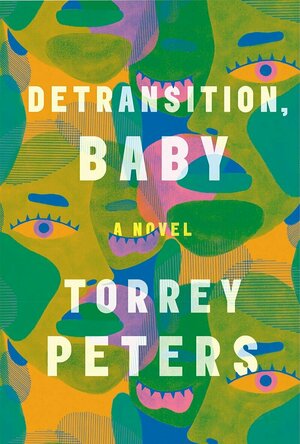
Kristy H (1252 KP) rated Detransition, Baby in Books
Jan 28, 2021
A meandering but insightful look into the lives of an interconnected trio
Reese and Amy nearly had it all--a loving relationship, an apartment, and safety in each other: something extremely difficult for trans women to find. But that all changes when Amy decides to detransition and become Ames. Now Reese feels lost and alone, turning to her old patterns of sleeping with men who treat her poorly. And Ames isn't particularly happy either, though he's found a sort of comfort in his relationship with his boss, Katrina. But when Katrina discovers she's pregnant--with Ames' child--Ames is forced to confront a lot of his fears about masculinity and fatherhood. He also wonders if it's a chance for family. Reese has always longed for a baby; could he, Reese, and Katrina raise this child together?
"Somewhere, somehow, Amy did the impossible. She got herself a baby."
I love that this diverse book was my 300th read for Netgalley. I love love love that there is a story about trans women being celebrated and heralded on "must read" lists. I enjoyed so much about this book. Reese and Amy are detailed and realistic characters who--to me at least--did not seem stereotypical or one-dimensional. I felt like I learned so much reading their raw, emotional, and lovely story.
The tale of Ames becoming a parent--and wanting to involve Reese--was an interesting and dynamic one for me. I could completely understand Reese's longing for motherhood and how she felt on the outside looking in. This part of the book was original and fascinating. Pieces of the story were utterly hilarious, despite some of the serious subject matter. There is a chapter where Reese attends an essential oils party with Katrina and other straight/cis women that made me laugh out loud. Peters captures her voice so perfectly. There's a vulnerability and realness to Reese that makes her a captivating character from the start.
"Reese had already diagnosed her own problem. She didn't know how to be alone. She fled from her own company, from her own solitude."
The hardest part for me about this book had nothing to do with its subject matter (if that's a problem for you, you're the problem), but the fact that it veers between the past and the present, going on tangents about Reese and Amy's past. Sometimes it seemed like it just needed a strong edit, with someone willing to strike about half of those passages. Or perhaps I just wanted to get on with the present, the impending baby, and Reese, Katrina, and Ames' story. I'm not sure. But I was nearly compelled to skim some of these long passages. It was just a lot. And then, after all that, the book just sort of ended, to me, without much resolution, and I felt a bit betrayed.
Still, do not get me wrong. This is an excellent and important story, and more such stories like this need to be told. I definitely recommend it, and I bet any forthcoming books from Peters will only get better and better. 3.5
Reese and Amy nearly had it all--a loving relationship, an apartment, and safety in each other: something extremely difficult for trans women to find. But that all changes when Amy decides to detransition and become Ames. Now Reese feels lost and alone, turning to her old patterns of sleeping with men who treat her poorly. And Ames isn't particularly happy either, though he's found a sort of comfort in his relationship with his boss, Katrina. But when Katrina discovers she's pregnant--with Ames' child--Ames is forced to confront a lot of his fears about masculinity and fatherhood. He also wonders if it's a chance for family. Reese has always longed for a baby; could he, Reese, and Katrina raise this child together?
"Somewhere, somehow, Amy did the impossible. She got herself a baby."
I love that this diverse book was my 300th read for Netgalley. I love love love that there is a story about trans women being celebrated and heralded on "must read" lists. I enjoyed so much about this book. Reese and Amy are detailed and realistic characters who--to me at least--did not seem stereotypical or one-dimensional. I felt like I learned so much reading their raw, emotional, and lovely story.
The tale of Ames becoming a parent--and wanting to involve Reese--was an interesting and dynamic one for me. I could completely understand Reese's longing for motherhood and how she felt on the outside looking in. This part of the book was original and fascinating. Pieces of the story were utterly hilarious, despite some of the serious subject matter. There is a chapter where Reese attends an essential oils party with Katrina and other straight/cis women that made me laugh out loud. Peters captures her voice so perfectly. There's a vulnerability and realness to Reese that makes her a captivating character from the start.
"Reese had already diagnosed her own problem. She didn't know how to be alone. She fled from her own company, from her own solitude."
The hardest part for me about this book had nothing to do with its subject matter (if that's a problem for you, you're the problem), but the fact that it veers between the past and the present, going on tangents about Reese and Amy's past. Sometimes it seemed like it just needed a strong edit, with someone willing to strike about half of those passages. Or perhaps I just wanted to get on with the present, the impending baby, and Reese, Katrina, and Ames' story. I'm not sure. But I was nearly compelled to skim some of these long passages. It was just a lot. And then, after all that, the book just sort of ended, to me, without much resolution, and I felt a bit betrayed.
Still, do not get me wrong. This is an excellent and important story, and more such stories like this need to be told. I definitely recommend it, and I bet any forthcoming books from Peters will only get better and better. 3.5
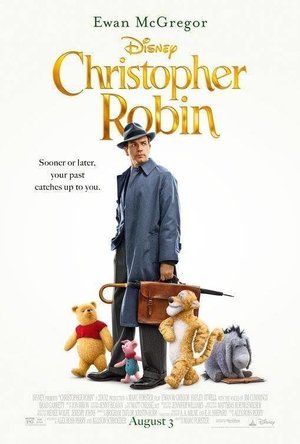
Phillip McSween (751 KP) rated Christopher Robin (2018) in Movies
Apr 1, 2019
Endearing and Pleasant
Never was a big “Winnie the Pooh” guy growing up, but I was always familiar with the characters. Christopher Robin made me fall in love with these characters all the same. Now an adult, Christopher returns to the Hundred Acre Woods to reunite with old friends he left behind.
Acting: 10
Jim Cummings is stellar as both Pooh and Tigger. Although I don’t have a huge point of reference, I can say that it felt like he poured his heart into these characters, making them extremely lovable. His tone and inflection just have a way of making me smile. I also loved Brad Garrett voicing Eeyore. That choice is almost a given as his voice is perfect, but I loved how he took the role and made it his own. Amazing job by the cast all around.
Beginning: 9
Characters: 10
Cinematography/Visuals: 10
Reminiscent of what they did with the Snuggle bear, the characters are not quite animated, but an odd form of CGI. They don’t feel like fake creatures, rather they are a uniquely pleasant creation. Seeing them interact with Christopher Robin and the settings around them was a treat. I loved the way the Hundred Acre Woods are captured and the well-crafted closeups of the characters that evoke emotion. Especially powerful was the montage of Christopher Robin growing into a man at the beginning of the movie. It shows you just how far removed he is from his childhood.
Conflict: 7
Genre: 9
I appreciate it when a kids film can take their material and use it to appeal to adults. Christopher Robin straddles the line between adults and children extremely well and makes it an enjoyable experience for all. I smiled. I laughed. And maybe, just maybe, I got a little teary.
Memorability: 9
The movie hits you with a strong message about the necessity of growing up and the importance of holding on to yourself as you age. Watching it inspired me to remember how it felt to be fancy free without a care in the world and how good that felt. The movie does a great job of sprinkling the message in with the fun of the story.
One of my favorite scenes in the movie is when Pooh and Christopher reunite for the first time. They are sitting on park benches facing away from each other. It’s an endearing moment that helps to get the adventure rolling.
Pace: 10
Plot: 10
Resolution: 10
If this ending doesn’t move you, you are not human. Kidding, but it’s the perfect sappy ending for a sappy movie. The kind of ending that makes you want to start the movie over from the beginning and watch it all over again.
Overall: 94
First Po, then Paddington, now Pooh. I don’t know what it is about these bears that put a smile on my face, but whatever it is, it works! Christopher Robin was definitely one of my favorite movies of 2018.
Acting: 10
Jim Cummings is stellar as both Pooh and Tigger. Although I don’t have a huge point of reference, I can say that it felt like he poured his heart into these characters, making them extremely lovable. His tone and inflection just have a way of making me smile. I also loved Brad Garrett voicing Eeyore. That choice is almost a given as his voice is perfect, but I loved how he took the role and made it his own. Amazing job by the cast all around.
Beginning: 9
Characters: 10
Cinematography/Visuals: 10
Reminiscent of what they did with the Snuggle bear, the characters are not quite animated, but an odd form of CGI. They don’t feel like fake creatures, rather they are a uniquely pleasant creation. Seeing them interact with Christopher Robin and the settings around them was a treat. I loved the way the Hundred Acre Woods are captured and the well-crafted closeups of the characters that evoke emotion. Especially powerful was the montage of Christopher Robin growing into a man at the beginning of the movie. It shows you just how far removed he is from his childhood.
Conflict: 7
Genre: 9
I appreciate it when a kids film can take their material and use it to appeal to adults. Christopher Robin straddles the line between adults and children extremely well and makes it an enjoyable experience for all. I smiled. I laughed. And maybe, just maybe, I got a little teary.
Memorability: 9
The movie hits you with a strong message about the necessity of growing up and the importance of holding on to yourself as you age. Watching it inspired me to remember how it felt to be fancy free without a care in the world and how good that felt. The movie does a great job of sprinkling the message in with the fun of the story.
One of my favorite scenes in the movie is when Pooh and Christopher reunite for the first time. They are sitting on park benches facing away from each other. It’s an endearing moment that helps to get the adventure rolling.
Pace: 10
Plot: 10
Resolution: 10
If this ending doesn’t move you, you are not human. Kidding, but it’s the perfect sappy ending for a sappy movie. The kind of ending that makes you want to start the movie over from the beginning and watch it all over again.
Overall: 94
First Po, then Paddington, now Pooh. I don’t know what it is about these bears that put a smile on my face, but whatever it is, it works! Christopher Robin was definitely one of my favorite movies of 2018.

Cocktails - Virtual Drink Mixer and Recipes
Food & Drink and Lifestyle
App
Another cocktail or recipe app? Virtual reality! Incredibly simple and unique! Mix Cocktails,...

Heather Cranmer (2721 KP) rated End of Faith in Books
Jun 7, 2018
Review taken from my blog <a href="http://themisadventuresofatwentysomething.blogspot.co.uk/">The (Mis)Adventures of a Twenty-Something Year Old Girl</a>
You know when you read a book and you don't want it to end because it feels as if it's become a part of you? End of Faith:A Novel by Rena Willemin was definitely one of those books! From page one, I was hooked!
This book is a apocalyptic/post-apocalyptic thriller. We mostly hear the story from Valentina's perspective although every now and then, we get to hear what the Prophet is thinking. Valentina is one of the few people to survive a major pandemic. One day she sees a pregnant woman in trouble, so she does what most people do. She helps her. Little does she know how important the woman was and how that action will change her life for the worse. We follow Valentina as she struggles to survive in a fight for her life.
The character of Valentina was amazing! She really felt like someone I (and probably a lot of women) could relate to. She's a very strong character, but not too strong that she doesn't seem real. Val goes from being just a normal loving wife to a hard core woman determined to fight to stay alive. I definitely felt what she was feeling at all stages throughout the book. It didn't take me long to love Val.
I loved the world building in this book. This is another element which made the book seem more real. The description of an post-apocalyptic world seemed to be bang on, well, I've never been in an post-apocalyptic world or even an apocalyptic world for that matter, but the setting in the book is what I'd imagine it to be.
The pacing of the book was done really well as well. It read brilliantly! It definitely held my attention throughout the whole book.
There wasn't one chapter where the pacing was off.
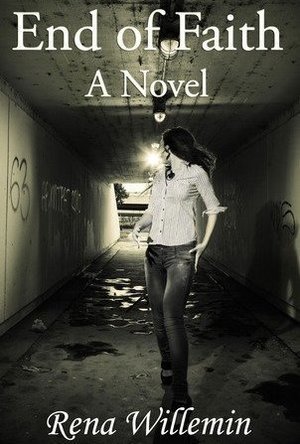
The cover definitely suits the book. A woman (I assume to be Valentina) running through a tunnel of some sort, looking behind her shoulder like she's really afraid. The colouring of the cover also has a post-apocalyptic feel to it as it gives a feeling of despair.
The title definitely suits this book especially as there is a prophet involved and what feels like a religious cult.
End of Faith:A Novel definitely made me realise just how something like this could happen especially after the scare with Bird Flu. It paints a very realistic portrait of what life could possibly be like if a pandemic of epic proportions were to happen. In fact, this book probably will have me thinking about "what if" long after this review. I'd definitely recommend this book to anyone and everyone regardless of if their a fan of post-apocalyptic fiction or not.
I was so happy to see that this book is part of a series. This means that I'll be able to feed my addiction of Valentina again!!!
You know when you read a book and you don't want it to end because it feels as if it's become a part of you? End of Faith:A Novel by Rena Willemin was definitely one of those books! From page one, I was hooked!
This book is a apocalyptic/post-apocalyptic thriller. We mostly hear the story from Valentina's perspective although every now and then, we get to hear what the Prophet is thinking. Valentina is one of the few people to survive a major pandemic. One day she sees a pregnant woman in trouble, so she does what most people do. She helps her. Little does she know how important the woman was and how that action will change her life for the worse. We follow Valentina as she struggles to survive in a fight for her life.
The character of Valentina was amazing! She really felt like someone I (and probably a lot of women) could relate to. She's a very strong character, but not too strong that she doesn't seem real. Val goes from being just a normal loving wife to a hard core woman determined to fight to stay alive. I definitely felt what she was feeling at all stages throughout the book. It didn't take me long to love Val.
I loved the world building in this book. This is another element which made the book seem more real. The description of an post-apocalyptic world seemed to be bang on, well, I've never been in an post-apocalyptic world or even an apocalyptic world for that matter, but the setting in the book is what I'd imagine it to be.
The pacing of the book was done really well as well. It read brilliantly! It definitely held my attention throughout the whole book.
There wasn't one chapter where the pacing was off.
The cover definitely suits the book. A woman (I assume to be Valentina) running through a tunnel of some sort, looking behind her shoulder like she's really afraid. The colouring of the cover also has a post-apocalyptic feel to it as it gives a feeling of despair.
The title definitely suits this book especially as there is a prophet involved and what feels like a religious cult.
End of Faith:A Novel definitely made me realise just how something like this could happen especially after the scare with Bird Flu. It paints a very realistic portrait of what life could possibly be like if a pandemic of epic proportions were to happen. In fact, this book probably will have me thinking about "what if" long after this review. I'd definitely recommend this book to anyone and everyone regardless of if their a fan of post-apocalyptic fiction or not.
I was so happy to see that this book is part of a series. This means that I'll be able to feed my addiction of Valentina again!!!
BobbiesDustyPages (1259 KP) rated American Gods in Books
Aug 30, 2017
I could live in this book
Contains spoilers, click to show
Short and to the point:
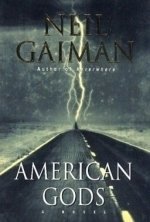
From start to finish I just did not want to put down American Gods, I just always really enjoy Gaiman's writing style he manages to create a world within a world that just feels so effortless and downright real. Their are so many amazing characters and most of them I just wanted more of, also with the amount of character we have we really get something that we never do and that is people of color represented and it is WONDERFUL .This is one of those few books that as soon as I was finished I wanted to turn it over and start reading again.
Characters:
Shadow Moon - I could wax poetics about Shadow, he was quiet and kind of dry and usually that would have me think a character is kind of boring but just not with Shadow he drew me and made me fall in love. It was a so a happy surprise to have a main protagonist who is a person of color which is something that is need so much nowadays.
Laura – I really loved how Laura was handled, most characters who died the way she did would have been either thrown aside or made to be hated but that is not the case here, I love how she helps Shadow and her love for him really comes through but also that we do see her as her own person.
Mr. Wednesday - What can I say about Wednesday besides from the moment you meet him I don't trust him but like Shadow I can't help what wanting to follow him where he's taking me.
The Gods - even though there are a lot and I mean a lot of characters throughout the book I found myself never feeling overwhelmed by them Gaiman really found a way to give them all a voice but in no way overshadow the plot or any of the other characters.
Plot:
We meet Shadow a few days before his release from prison he is taken into the wardens office to me given the devastating new that his wife Laura had been killed, when he is released from prison he meets a strange man know as Mr. Wednesday who offers Shadow a job to accompany him across America so he can recruit others to fight in an upcoming war, The Old Gods vs. The New Gods.
The story takes you to so many places and you meet so many just unique characters I love the differences between the gods how the old are left to do what they have to service feeding off of any belief they can get and how the new gods aren't at all what I thought I was going to be getting because let's face it there are not as many religious gods any more instead we worship TV and technology the way the Greeks worshiped the gods of Olympus.
Personal thoughts:
I could not get enough of American Gods even though the book was pretty hefty and it took me sometime to finish I still wanted more, Gaiman just creates such a wonderful and unique worlds that I could stay lost in them forever.
From start to finish I just did not want to put down American Gods, I just always really enjoy Gaiman's writing style he manages to create a world within a world that just feels so effortless and downright real. Their are so many amazing characters and most of them I just wanted more of, also with the amount of character we have we really get something that we never do and that is people of color represented and it is WONDERFUL .This is one of those few books that as soon as I was finished I wanted to turn it over and start reading again.
Characters:
Shadow Moon - I could wax poetics about Shadow, he was quiet and kind of dry and usually that would have me think a character is kind of boring but just not with Shadow he drew me and made me fall in love. It was a so a happy surprise to have a main protagonist who is a person of color which is something that is need so much nowadays.
Laura – I really loved how Laura was handled, most characters who died the way she did would have been either thrown aside or made to be hated but that is not the case here, I love how she helps Shadow and her love for him really comes through but also that we do see her as her own person.
Mr. Wednesday - What can I say about Wednesday besides from the moment you meet him I don't trust him but like Shadow I can't help what wanting to follow him where he's taking me.
The Gods - even though there are a lot and I mean a lot of characters throughout the book I found myself never feeling overwhelmed by them Gaiman really found a way to give them all a voice but in no way overshadow the plot or any of the other characters.
Plot:
We meet Shadow a few days before his release from prison he is taken into the wardens office to me given the devastating new that his wife Laura had been killed, when he is released from prison he meets a strange man know as Mr. Wednesday who offers Shadow a job to accompany him across America so he can recruit others to fight in an upcoming war, The Old Gods vs. The New Gods.
The story takes you to so many places and you meet so many just unique characters I love the differences between the gods how the old are left to do what they have to service feeding off of any belief they can get and how the new gods aren't at all what I thought I was going to be getting because let's face it there are not as many religious gods any more instead we worship TV and technology the way the Greeks worshiped the gods of Olympus.
Personal thoughts:
I could not get enough of American Gods even though the book was pretty hefty and it took me sometime to finish I still wanted more, Gaiman just creates such a wonderful and unique worlds that I could stay lost in them forever.
Fred (860 KP) rated Star Wars: Resistance in TV
Oct 31, 2018

Animation is terrible (2 more)
Characters are not memorable
Tries too much to be funny
The force is not with this one
I love Star Wars. I love the original movies, the prequels & the Disney era films as well. I loved the Clone Wars cartoon as well as Rebels. So, along comes Resistance. A show I had not even heard of until the day it was going to air. I was excited for a new show. That was, until I saw the trailer.
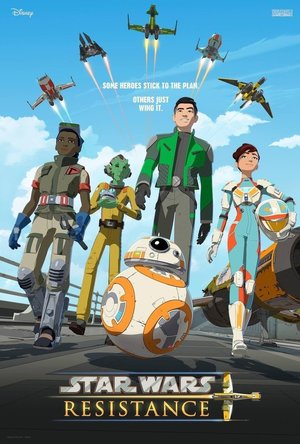
See, this show is done in CGI drawn animation. Usually this kind of animation is limited to maybe vehicles or robots & the rest is done with traditional hand-drawn animation. This can be jarring to view as the CGI animation usually moves choppy & slow. I could see where this kind of animation seems like it should work. A "3-D" object can be moved & turned easily, the animation should be smooth. but it's not. Can't stand this animation. I find I can't watch more than a few minutes before it gets too annoying. Anyway, I was gong to go on about other shows that use this animation, but this is about Resistance. So, this entire show uses this kind of animation. Fortunately, the animation is at least smooth moving, but the characters all suffer from an unnatural movement. Character design is also horrible & that doesn't help.
That's problem one. So, now to the next. The show is not memorable in the least. The characters, stories, situations, nothing. After 4 episodes, there is nothing that stuck out to me, where as I can still pick out dozens of scenes from both Clone Wars & Rebels. Star Wars memorable scenes. maybe that's it. Resistance doesn't feel like Star Wars. Even with the cameos by Poe Dameron, Leia, Captain Phasma & C-3PO were so brief & completely forgettable. In fact, I forgot C-3PO even appeared until I looked up the cast on IMDB.
Next problem. A lot of people thought The Last Jedi had too much humor in it. They thought that this was fine for a Disney film, but not a Star Wars film. I could see that, however, I didn't think it was too much & enjoyed the film very much. There are times when I do think it's too much, like in the horrendous new Teenage Mutant Ninja Turtles cartoon. Every 2 seconds, a joke bombarding us. It's just too much. There's a guy who does the voice of Donatello on that show that also does a voice on Resistance. I bring that up because his character on Resistance may be the worst character in the Star Wars universe. His name is Neeku. He's a Rodian character who is so dumb, he makes Jar Jar Binks look like Steven Hawking. Yes, he's worse than Binks. He's annoying & supposedly the comic relief. Which brings me to my next point. Every character is comic relief in this show. Yes, just like the new TMNT, the show is joke after joke. As bad as that is thought, Neeku takes the cake as the "please, kill him" character.
So, you ask me why am I watching this show if it's so bad? Well, because it's canon & I'm a Star Wars fanatic. However, it doesn't seem to have any consequence on the Star Wars universe at all. There's no weaving of the stories in the greater, larger world at all. I watch in hope that it does. I do re-watch Clone Wars & Rebels, but this show will probably be the first in my Star Wars filled life, that I just watch once & forget it ever happened.
See, this show is done in CGI drawn animation. Usually this kind of animation is limited to maybe vehicles or robots & the rest is done with traditional hand-drawn animation. This can be jarring to view as the CGI animation usually moves choppy & slow. I could see where this kind of animation seems like it should work. A "3-D" object can be moved & turned easily, the animation should be smooth. but it's not. Can't stand this animation. I find I can't watch more than a few minutes before it gets too annoying. Anyway, I was gong to go on about other shows that use this animation, but this is about Resistance. So, this entire show uses this kind of animation. Fortunately, the animation is at least smooth moving, but the characters all suffer from an unnatural movement. Character design is also horrible & that doesn't help.
That's problem one. So, now to the next. The show is not memorable in the least. The characters, stories, situations, nothing. After 4 episodes, there is nothing that stuck out to me, where as I can still pick out dozens of scenes from both Clone Wars & Rebels. Star Wars memorable scenes. maybe that's it. Resistance doesn't feel like Star Wars. Even with the cameos by Poe Dameron, Leia, Captain Phasma & C-3PO were so brief & completely forgettable. In fact, I forgot C-3PO even appeared until I looked up the cast on IMDB.
Next problem. A lot of people thought The Last Jedi had too much humor in it. They thought that this was fine for a Disney film, but not a Star Wars film. I could see that, however, I didn't think it was too much & enjoyed the film very much. There are times when I do think it's too much, like in the horrendous new Teenage Mutant Ninja Turtles cartoon. Every 2 seconds, a joke bombarding us. It's just too much. There's a guy who does the voice of Donatello on that show that also does a voice on Resistance. I bring that up because his character on Resistance may be the worst character in the Star Wars universe. His name is Neeku. He's a Rodian character who is so dumb, he makes Jar Jar Binks look like Steven Hawking. Yes, he's worse than Binks. He's annoying & supposedly the comic relief. Which brings me to my next point. Every character is comic relief in this show. Yes, just like the new TMNT, the show is joke after joke. As bad as that is thought, Neeku takes the cake as the "please, kill him" character.
So, you ask me why am I watching this show if it's so bad? Well, because it's canon & I'm a Star Wars fanatic. However, it doesn't seem to have any consequence on the Star Wars universe at all. There's no weaving of the stories in the greater, larger world at all. I watch in hope that it does. I do re-watch Clone Wars & Rebels, but this show will probably be the first in my Star Wars filled life, that I just watch once & forget it ever happened.