
Search
Search results
Sophia (Bookwyrming Thoughts) (530 KP) rated Morrigan in Books
Jan 23, 2020


Original Review Posted on <a href="http://bookwyrming-thoughts.blogspot.com/2013/02/blog-tour-morrigan-by-laura-deluca-review-and-guest-post.html">Bookwyrming Thoughts</a>.
Note: Formatting has been lost due to copy and pasting.
<i><b>Disclaimer:</b> I received this book from YANR Blog Tours for free in exchange for an honest for the blog tour. This does not influence my review in any way.</i>
I think 3 words grabbed my attention: Tir na NOg. Only because the place was familiar from another series (I'll leave it for you guys to ponder on that). Okay, not just Tir na NOg. The blurb grabbed me as well. *o* So with that concept, I thought it might have something to do with faeries and would you be glad to know I was wrong.
I haven't read anything about Celtic mythology, or any books about it (I usually stick to Greek and Roman myths...), so Morrigan was made much more interesting to read knowing that fact. I love the fact that the author placed a glossary at the very beginning of the book - it was very helpful (hey, I'm pretty sure I'll be pronouncing everything foreign-like wrong in the end anyways, regardless of glossary there or not. But I'm sure it'll be helpful for the majority of us).
Here, we have a girl named Morrigan, who's an orphan and moving from home to home constantly. Until one day, she finds out her world isn't what it seems... AND she's different than what she thought she was. She can control fire, read the future (at least a glimpse), and move things... with her mind.
I find Morrigan an enchanting read. Like any fantasy book, we enter a different world that's "parallel" to our modern day world. I love the way Tiarn reacts to Morrigan's technological knowledge/use of modern items in Tir na NOg. However, I did find some things a bit confusing and didn't really make sense. I also loved the choice of words, especially in transitions.
I also loved the way the villains are formed. The author is descriptive and detailed with them (trust me... I had the shudders. No Nightmares though). Just when you think someone is a villain, it ends up being another... (which is a good thing, in my humble opinion). I'm also curious if there's going to be a sequel... due to the way the book ends. ;)
By the way, just because there's a werewolf, does not mean this story is going to be Twilight fashioned. It's not. ;)
Note: Formatting has been lost due to copy and pasting.
<i><b>Disclaimer:</b> I received this book from YANR Blog Tours for free in exchange for an honest for the blog tour. This does not influence my review in any way.</i>
I think 3 words grabbed my attention: Tir na NOg. Only because the place was familiar from another series (I'll leave it for you guys to ponder on that). Okay, not just Tir na NOg. The blurb grabbed me as well. *o* So with that concept, I thought it might have something to do with faeries and would you be glad to know I was wrong.
I haven't read anything about Celtic mythology, or any books about it (I usually stick to Greek and Roman myths...), so Morrigan was made much more interesting to read knowing that fact. I love the fact that the author placed a glossary at the very beginning of the book - it was very helpful (hey, I'm pretty sure I'll be pronouncing everything foreign-like wrong in the end anyways, regardless of glossary there or not. But I'm sure it'll be helpful for the majority of us).
Here, we have a girl named Morrigan, who's an orphan and moving from home to home constantly. Until one day, she finds out her world isn't what it seems... AND she's different than what she thought she was. She can control fire, read the future (at least a glimpse), and move things... with her mind.
I find Morrigan an enchanting read. Like any fantasy book, we enter a different world that's "parallel" to our modern day world. I love the way Tiarn reacts to Morrigan's technological knowledge/use of modern items in Tir na NOg. However, I did find some things a bit confusing and didn't really make sense. I also loved the choice of words, especially in transitions.
I also loved the way the villains are formed. The author is descriptive and detailed with them (trust me... I had the shudders. No Nightmares though). Just when you think someone is a villain, it ends up being another... (which is a good thing, in my humble opinion). I'm also curious if there's going to be a sequel... due to the way the book ends. ;)
By the way, just because there's a werewolf, does not mean this story is going to be Twilight fashioned. It's not. ;)

Emma @ The Movies (1786 KP) rated Playing with Fire (2019) in Movies
Jan 9, 2020
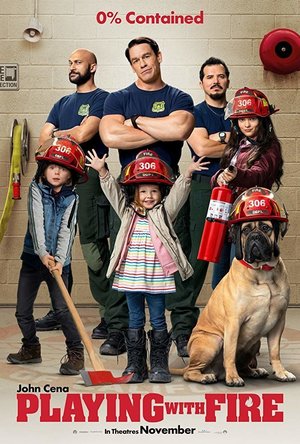


Seeing the trailer for this I was mildly excited, this sort of daft family humour holds a place in my heart and it looked like I was going to get another film to add to the "pick me up" watchlist. But oh my, everything about this experience rubbed me the wrong way.
Jake Carson runs a rugged group of smokejumpers that swoop into action and stop fires from taking hold. On their latest callout they find a cabin about to be engulfed by flames and trapped inside are three children in need of help.
Following the rules, Jake calls Child Protective Services, but being so remote they won't be able to get to them quickly. It's now their duty to keep the three of them safe until they arrive. Four grown men, three kids... what could possibly go wrong?
Where to start? How about that humour I was looking forward to? Or perhaps the severe lack of it. Over the whole runtime I laughed more at the end credits that I did at the whole film. Keegan-Michael Key is by far the funniest thing about the film, but it still isn't a perfect part. Key's way of sliding into scenes and just taking over was excellent, it made me smile, but when these moments started he was funny with just the right amount of over the top but the script would quite often throw him over that fine line and it became tiresome.
John Cena generally isn't bad when it comes to comedy offerings, but in Playing With Fire he's very stiff even for the by-the-books character he's playing. It felt like Jake had been made too straight-laced, he needs to make the transition from uptight to more relaxed but they could have brought it down just one step and it would have been something a lot easier to watch.
Brianna Hildebrand plays the oldest of the rescued children, Brynn. She gives a solid performance and probably has the best character overall, no frustrating quirks, nothing over the top. While she manages to make a good show of it being up against the over the top nature of everything else means it gets lost in the background.
While there might be a twist on the sort of story it doesn't feel new in any respects. I'm feeling rather let down with the whole thing but thankfully we're not short of other films that do this exact thing.
Originally posted on: https://emmaatthemovies.blogspot.com/2020/01/playing-with-fire-movie-review.html
Jake Carson runs a rugged group of smokejumpers that swoop into action and stop fires from taking hold. On their latest callout they find a cabin about to be engulfed by flames and trapped inside are three children in need of help.
Following the rules, Jake calls Child Protective Services, but being so remote they won't be able to get to them quickly. It's now their duty to keep the three of them safe until they arrive. Four grown men, three kids... what could possibly go wrong?
Where to start? How about that humour I was looking forward to? Or perhaps the severe lack of it. Over the whole runtime I laughed more at the end credits that I did at the whole film. Keegan-Michael Key is by far the funniest thing about the film, but it still isn't a perfect part. Key's way of sliding into scenes and just taking over was excellent, it made me smile, but when these moments started he was funny with just the right amount of over the top but the script would quite often throw him over that fine line and it became tiresome.
John Cena generally isn't bad when it comes to comedy offerings, but in Playing With Fire he's very stiff even for the by-the-books character he's playing. It felt like Jake had been made too straight-laced, he needs to make the transition from uptight to more relaxed but they could have brought it down just one step and it would have been something a lot easier to watch.
Brianna Hildebrand plays the oldest of the rescued children, Brynn. She gives a solid performance and probably has the best character overall, no frustrating quirks, nothing over the top. While she manages to make a good show of it being up against the over the top nature of everything else means it gets lost in the background.
While there might be a twist on the sort of story it doesn't feel new in any respects. I'm feeling rather let down with the whole thing but thankfully we're not short of other films that do this exact thing.
Originally posted on: https://emmaatthemovies.blogspot.com/2020/01/playing-with-fire-movie-review.html

Charlie Cobra Reviews (1840 KP) rated the PlayStation 4 version of Kingdom Hearts III in Video Games
Jul 7, 2020


A Ton Of Fun
Kingdom Hearts III is an action/RPG developed and published by Square Enix. It was directed by Tetsuya Nomora and Tai Yasue, produced by Rie Nishi, written by Tetsuya Nomora and Masaru Oka with music composed by Yoko Shimomura, Takeharu Ishimoto, and Tsuyoshi Sekito.
Set after the events of Kingdom Hearts 3D: Dream Drop Distance and a sequel to Kingdom Hearts II; it's a conclusion to the "Dark Seeker Saga" and finds Sora and friends trying to prevent a second Keyblade War. Their search for the seven guardians of light has them visit worlds and cross paths with many different Disney and Pixar characters. Sora, nearly taken over by Xehanort, discovers he has lost his strength as a result. He resumes his travels accompanied by Donald and Goofy, in order to regain his "power of waking'. Traversing the realm of darkness, King Mickey and Riku search for Aqua while Kairi and Lea train to with their new Keyblades.
This game is a lot of fun. I never got to play the other Kingdom Hearts games so this was my first introduction to the series. I really liked the gameplay although sometimes the enemies are nothing more than canon fodder. But it was awesome with interacting with all the Disney and Pixar characters and seeing some of their worlds. I was very confused with the story but it goes by pretty well and there are lots of videos and pages on the internet if you want to catch up or dont remember what's going on or who's who. I didn't include some of the gameplay that showed boss fights because I didn't want to give anything away but the boss fights are a lot of fun. I just had the game on normal so I haven't found it very hard but I dont know if that stays the same if you increase the difficulty. You do have the options of changing gear for your allies and having the group eat meals for buffs as well as upgrade your keyblades but I generally stay away from that unless I have difficulty on a stage or boss. One thing I really didn't like so much was the spaceship battles that you get when traveling from world to world, I found them a bit tedious and annoying. But I'm sure some people liked them. All in all I'd give this game a 7/10. Below is a link to a video showcasing gameplay that I posted to YouTube.
Set after the events of Kingdom Hearts 3D: Dream Drop Distance and a sequel to Kingdom Hearts II; it's a conclusion to the "Dark Seeker Saga" and finds Sora and friends trying to prevent a second Keyblade War. Their search for the seven guardians of light has them visit worlds and cross paths with many different Disney and Pixar characters. Sora, nearly taken over by Xehanort, discovers he has lost his strength as a result. He resumes his travels accompanied by Donald and Goofy, in order to regain his "power of waking'. Traversing the realm of darkness, King Mickey and Riku search for Aqua while Kairi and Lea train to with their new Keyblades.
This game is a lot of fun. I never got to play the other Kingdom Hearts games so this was my first introduction to the series. I really liked the gameplay although sometimes the enemies are nothing more than canon fodder. But it was awesome with interacting with all the Disney and Pixar characters and seeing some of their worlds. I was very confused with the story but it goes by pretty well and there are lots of videos and pages on the internet if you want to catch up or dont remember what's going on or who's who. I didn't include some of the gameplay that showed boss fights because I didn't want to give anything away but the boss fights are a lot of fun. I just had the game on normal so I haven't found it very hard but I dont know if that stays the same if you increase the difficulty. You do have the options of changing gear for your allies and having the group eat meals for buffs as well as upgrade your keyblades but I generally stay away from that unless I have difficulty on a stage or boss. One thing I really didn't like so much was the spaceship battles that you get when traveling from world to world, I found them a bit tedious and annoying. But I'm sure some people liked them. All in all I'd give this game a 7/10. Below is a link to a video showcasing gameplay that I posted to YouTube.

Gareth von Kallenbach (980 KP) rated Isle of Dogs (2018) in Movies
Jul 8, 2019


When an outbreak of “dog-flu” and other dog diseases ravish Japan. Mayor Kobayashi (Kunichi Nomura voice) signs an order to banish all dogs to Trash Island, aka the Isle of Dogs. The island is now home to thousands of dogs who are all scavenging for food. Groups of dogs’ band together to fight for scraps of trash and survive. Then all one day a plane crashes on the island. A boy, Atari (Koyu Rankin voice), has come to the island to find his dog best friend Spots (Liev Schreiber voice). Five dogs find Atari injured buy the crash. The lone stray in the group, Chief (Bryan Cranston voice), has no use for masters and wants to leave the boy. But the rest of the group, Rex (Edward Norton voice), King (Bob Balaban voice), Duke (Jeff Goldblum voice) and Boss (Bill Murray voice) all want help the boy find his best friend. Out voted by the domesticated dogs in the group Chief agrees and they set out on a journey to find Atari’s lost dog on an island full of dogs.
This stop-motion animated film is the latest written and directed film by Wes Anderson (Fantastic Mr. Fox, Moonrise Kingdom, and The Royal Tenenbaums). Anderson’s unique film style and dialog are very present in this Japanese based tale. The stop motion animation is very well done and highlighted throughout the film. From the dogs’ hair moving with the animals to flower petals floating through the air the small details are not missed and expertly done. The dialog was also very much staying with Andersons unique style. It is fast paced and full of subtle comedy. The story is original and fun but also full of meaning and heart. The star studded cast does well in providing their voices to the animated film. The sound track really fits the film well.
The film was not without its struggles. At the beginning of the film it was pointed out that the humans would speak their native language, in most cases Japanese, and the dogs barks had been translated to English. This provides some fun moments throughout the film as there are translators to press conferences and the dog interpreting what the humans say to other dogs. But at times it seemed to me that the humans could understand what the dogs were saying, barking. So it was a little inconsistent. Also one character put into the movie presumably to aid in translation in the film as an American exchange student, Tracy Walker (Greta Gerwig voice). Other than translating parts of the film I don’t know why this character had to be American and could not have been Japanese. It definitely helped the overall theme of the movie to have her there to describe what was happening, given the fact there were no subtitles, but did seem a little forced.
I am definitely a fan of Wes Anderson’s film making and one of a kind style. That comes with certain expectations, which in this case were met. But I also understand that as someone reviewing the film it may make me a little bias. As noted above there a few minor issues I had with the film in general but overall I enjoyed the film and thing fans of Anderson will not be disappointed and neither will those who are just looking for a fun movie. I think overall this is a beautifully made and fun film.
This stop-motion animated film is the latest written and directed film by Wes Anderson (Fantastic Mr. Fox, Moonrise Kingdom, and The Royal Tenenbaums). Anderson’s unique film style and dialog are very present in this Japanese based tale. The stop motion animation is very well done and highlighted throughout the film. From the dogs’ hair moving with the animals to flower petals floating through the air the small details are not missed and expertly done. The dialog was also very much staying with Andersons unique style. It is fast paced and full of subtle comedy. The story is original and fun but also full of meaning and heart. The star studded cast does well in providing their voices to the animated film. The sound track really fits the film well.
The film was not without its struggles. At the beginning of the film it was pointed out that the humans would speak their native language, in most cases Japanese, and the dogs barks had been translated to English. This provides some fun moments throughout the film as there are translators to press conferences and the dog interpreting what the humans say to other dogs. But at times it seemed to me that the humans could understand what the dogs were saying, barking. So it was a little inconsistent. Also one character put into the movie presumably to aid in translation in the film as an American exchange student, Tracy Walker (Greta Gerwig voice). Other than translating parts of the film I don’t know why this character had to be American and could not have been Japanese. It definitely helped the overall theme of the movie to have her there to describe what was happening, given the fact there were no subtitles, but did seem a little forced.
I am definitely a fan of Wes Anderson’s film making and one of a kind style. That comes with certain expectations, which in this case were met. But I also understand that as someone reviewing the film it may make me a little bias. As noted above there a few minor issues I had with the film in general but overall I enjoyed the film and thing fans of Anderson will not be disappointed and neither will those who are just looking for a fun movie. I think overall this is a beautifully made and fun film.
Gareth von Kallenbach (980 KP) rated The Hobbit: An Unexpected Journey (2012) in Movies
Aug 7, 2019
Following the Lord of the Rings Trilogy was going to be no easy feat. The series not only made incredible amounts of cash at the box office worldwide, but also garnered an Academy award for best picture for the final film in the series. In the years since the trilogy, writer-director-producer Peter Jackson has not overwhelmed at the box office. His big-budget remake of “King Kong” performed below expectations and the high-profile collapse of the “Halo” movie to which he was attached, as well as the underwhelming box office of “The Lovely Bones” made many people question if Jackson had peaked and was better suited for the lower budgeted independent films that first gave him his start.
When it was announced that a film version of “The Hobbit” was in the works and that director Guillermo del Toro would direct the film as well as help write the screenplay and that Jackson would produce, the fans’ interest level was definitely piqued. But after a long state of pre-production, del Torro decided not to direct the film as he was unwilling to commit the next six years to living and working in New Zealand. Jackson then took over the film and soon after it was announced that it would be stretched into three movies to form a new trilogy.
For those unfamiliar with the story it was actually the first book written by J.R.R. Tolkien, which sets the stage for what was to follow in the Lord of the Rings even though it was originally conceived as a standalone story. The film opens with an older Bilbo Baggins (Martin Freeman), writing a memoir while preparations for a party are underway. Bilbo discusses how there was one story that he had not disclosed and sets pen to paper in order to chronicle his legendary journey 60 years prior.
Gandolf Wizard (Sir Ian McKellen) visits the younger Bilbo and suggests he go on an adventure. Bilbo immediately declines, as being a Hobbit, he has no desire to leave the creature comforts and serenity of The Shire, much less face the dangers that exist in the world beyond. A group of dwarves arrive’ that evening and despite their gluttonous appetites and loud behavior, Bilbo has a change of heart the following morning and accompanies them on their quest.
The group’s goal is to travel to the dwarves’ kingdom of Erebor to reclaim their stronghold which was lost many years earlier to a vicious Dragon named Smaug. In the decades since, the dwarves existed as people without a home, forced to live as nomads taking work wherever they can find it. Along the way the group deals with all manner of threats and dangers ranging from trolls, goblins, orcs, and other supernatural elements. Of course there were some internal tensions and conflicts within the group as it marched towards a finale that sets the stage for the next film.
The movie has a runtime of nearly 3 hours and there were times that I caught a couple members in press row dozing briefly. While I enjoyed the film more than I did any of the Lord of the Rings movies, it was clearly obvious that things were being stretched out in order to justify a third film in the series. There were countless scenes of the band walking over hills and across the countryside so much so that at times I felt that I was watching the longest commercial for New Zealand tourism ever created. We get it. It’s a long journey. They travel near and far. I got it. I don’t need to see it every 10 minutes.
There were also several scenes that were done almost as if in aside that truthfully did not add much to the story but seem to exist as nothing more than time fillers. In the subsequent films it is learned that characters and scenes that did not appear in the book will be inserted into the film. Once again I have to question this as I do believe they could have easily cut an hour out of this movie and not lose much of the necessary narrative.
There’s been a lot of talk about the higher frame rate 3-D that was used to create the film. There have been claims that it was distracting, jerky, and detracted from the movie. I on the other hand found it absolutely captivating because it did not have that movie look to it, and it felt like I was watching an HD television. Even during the CGI heavy sequences, it did appear as if the performers were literally right there in front of me and I got the impression more of watching a play than of watching a movie.
The visual effects in the film were quite stunning. The live-action and computer-generated elements were absolutely amazing, especially during the latter part of the film when we meet Gollum (Andy Serkis), and during the battle and the goblin stronghold. Although the book is considered a children’s novel, I would really have to think twice about bringing young children to see this film as there is a lot of action and violence in the film as well as potential scares in the form of the monsters that abound.
The film could have definitely used some star power to it. While the cast does a solid job, they are fairly generic and almost interchangeable during certain segments of the film. That being said, the film works because despite its issues, it’s a visually spectacular masterpiece that, if you can endure the long periods of inaction, pays off especially well during the film’s battle sequences.
When it was announced that a film version of “The Hobbit” was in the works and that director Guillermo del Toro would direct the film as well as help write the screenplay and that Jackson would produce, the fans’ interest level was definitely piqued. But after a long state of pre-production, del Torro decided not to direct the film as he was unwilling to commit the next six years to living and working in New Zealand. Jackson then took over the film and soon after it was announced that it would be stretched into three movies to form a new trilogy.
For those unfamiliar with the story it was actually the first book written by J.R.R. Tolkien, which sets the stage for what was to follow in the Lord of the Rings even though it was originally conceived as a standalone story. The film opens with an older Bilbo Baggins (Martin Freeman), writing a memoir while preparations for a party are underway. Bilbo discusses how there was one story that he had not disclosed and sets pen to paper in order to chronicle his legendary journey 60 years prior.
Gandolf Wizard (Sir Ian McKellen) visits the younger Bilbo and suggests he go on an adventure. Bilbo immediately declines, as being a Hobbit, he has no desire to leave the creature comforts and serenity of The Shire, much less face the dangers that exist in the world beyond. A group of dwarves arrive’ that evening and despite their gluttonous appetites and loud behavior, Bilbo has a change of heart the following morning and accompanies them on their quest.
The group’s goal is to travel to the dwarves’ kingdom of Erebor to reclaim their stronghold which was lost many years earlier to a vicious Dragon named Smaug. In the decades since, the dwarves existed as people without a home, forced to live as nomads taking work wherever they can find it. Along the way the group deals with all manner of threats and dangers ranging from trolls, goblins, orcs, and other supernatural elements. Of course there were some internal tensions and conflicts within the group as it marched towards a finale that sets the stage for the next film.
The movie has a runtime of nearly 3 hours and there were times that I caught a couple members in press row dozing briefly. While I enjoyed the film more than I did any of the Lord of the Rings movies, it was clearly obvious that things were being stretched out in order to justify a third film in the series. There were countless scenes of the band walking over hills and across the countryside so much so that at times I felt that I was watching the longest commercial for New Zealand tourism ever created. We get it. It’s a long journey. They travel near and far. I got it. I don’t need to see it every 10 minutes.
There were also several scenes that were done almost as if in aside that truthfully did not add much to the story but seem to exist as nothing more than time fillers. In the subsequent films it is learned that characters and scenes that did not appear in the book will be inserted into the film. Once again I have to question this as I do believe they could have easily cut an hour out of this movie and not lose much of the necessary narrative.
There’s been a lot of talk about the higher frame rate 3-D that was used to create the film. There have been claims that it was distracting, jerky, and detracted from the movie. I on the other hand found it absolutely captivating because it did not have that movie look to it, and it felt like I was watching an HD television. Even during the CGI heavy sequences, it did appear as if the performers were literally right there in front of me and I got the impression more of watching a play than of watching a movie.
The visual effects in the film were quite stunning. The live-action and computer-generated elements were absolutely amazing, especially during the latter part of the film when we meet Gollum (Andy Serkis), and during the battle and the goblin stronghold. Although the book is considered a children’s novel, I would really have to think twice about bringing young children to see this film as there is a lot of action and violence in the film as well as potential scares in the form of the monsters that abound.
The film could have definitely used some star power to it. While the cast does a solid job, they are fairly generic and almost interchangeable during certain segments of the film. That being said, the film works because despite its issues, it’s a visually spectacular masterpiece that, if you can endure the long periods of inaction, pays off especially well during the film’s battle sequences.
Stammered Songbook: A Mother's Book of Hours
Clare Skeats, Erwin Mortier and Paul Vincent
Book
'My mother, a house that is slowly collapsing, a bridge dancing to a tremor.' It started when she...
Gareth von Kallenbach (980 KP) rated The Lego Batman Movie (2017) in Movies
Jul 12, 2019
You know a movie is going to be hilarious when you find yourself laughing
out loud before the beginning credits start.
It’s no surprise a second film was in development after the massive success
of the first LEGO movie in 2014. The lengthy list of Batman movies/TV
shows that have existed–yes, this film actually addresses each one–always
ask the questions, but never quite answers them. The LEGO Batman movie
will answer them all for you in the best way LEGO movies can–with major
master builder craftsmanship, sarcasm, and slapstick humor.
In serious denial about his loneliness, Batman (Will Arnett) spends most of
his days saving Gotham from the Joker(Zach Gilfianakis), eating alone, and
watching sappy romantic comedies. He never lets anyone get close enough to
him for fear that he will lose them just like he lost his parents when he
was a young boy.
Commissioner Jim Gordon (Hector Elizondo) retires thus handing the baton
and Bat signal over to his daughter, Barbara Gordon (Rosario Dawson). The
newly appointed commissioner decides that Gotham Police Department should
take a more involved approach instead of just relying on one person to
fight crime. Of course, Batman isn’t having it—he works alone!
By this point in the film, Batman has managed to adopt a son, Dick Grayson
(Michael Cera), released the kracken on some of movies most notorious (some
forgettable) villains, and broken up one of the greatest relationships ever
to exist. I don’t want to give away too much because there are some great
cameos.
In true LEGO spirit, this movie addresses the importance of relationships,
working together, being part of a team, and trust. Batman is such an
important character to pop culture–we all have our own interpretation of
him–our ideals, our definition of a hero, and our own moral choices. It’s
nice to have this refreshing and comical take with way more depth,
creativity, and character development than we’ve seen from some of DCs
latest feature films. If you’re not too big on delving into the dark side
and complexity of Batman, don’t fret. Just sit back, relax, laugh, and
enjoy a wonderful movie for the whole family. Be sure and stay till the
end to watch the credits. The reason we all have come to love Batman
throughout the years is addressed and appreciated.
out loud before the beginning credits start.
It’s no surprise a second film was in development after the massive success
of the first LEGO movie in 2014. The lengthy list of Batman movies/TV
shows that have existed–yes, this film actually addresses each one–always
ask the questions, but never quite answers them. The LEGO Batman movie
will answer them all for you in the best way LEGO movies can–with major
master builder craftsmanship, sarcasm, and slapstick humor.
In serious denial about his loneliness, Batman (Will Arnett) spends most of
his days saving Gotham from the Joker(Zach Gilfianakis), eating alone, and
watching sappy romantic comedies. He never lets anyone get close enough to
him for fear that he will lose them just like he lost his parents when he
was a young boy.
Commissioner Jim Gordon (Hector Elizondo) retires thus handing the baton
and Bat signal over to his daughter, Barbara Gordon (Rosario Dawson). The
newly appointed commissioner decides that Gotham Police Department should
take a more involved approach instead of just relying on one person to
fight crime. Of course, Batman isn’t having it—he works alone!
By this point in the film, Batman has managed to adopt a son, Dick Grayson
(Michael Cera), released the kracken on some of movies most notorious (some
forgettable) villains, and broken up one of the greatest relationships ever
to exist. I don’t want to give away too much because there are some great
cameos.
In true LEGO spirit, this movie addresses the importance of relationships,
working together, being part of a team, and trust. Batman is such an
important character to pop culture–we all have our own interpretation of
him–our ideals, our definition of a hero, and our own moral choices. It’s
nice to have this refreshing and comical take with way more depth,
creativity, and character development than we’ve seen from some of DCs
latest feature films. If you’re not too big on delving into the dark side
and complexity of Batman, don’t fret. Just sit back, relax, laugh, and
enjoy a wonderful movie for the whole family. Be sure and stay till the
end to watch the credits. The reason we all have come to love Batman
throughout the years is addressed and appreciated.

Writing (3 more)
No character development
Too many inconsistencies
Too many chapters
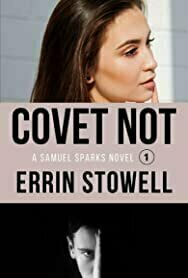
Errin Stowell's new novel series starts with Covet Not which is about a middle-aged lawyer named Sam Sparks - - - who is referred to as Sparks nearly the entire story - - - whose fiancee goes missing and he then becomes the prime suspect. Before everything happens though, readers see that Sparks spends his time trying to defend the elderly from home foreclosures as a small-time lawyer.
If this sounds like a synopsis for a John Grisham novel, you wouldn't be far off because Stowell has the potential to be the next one. This is only the first novel I've read by Stowell, but the one thing I noticed mostly in this story was the amount of inconsistencies and amateur writing mistakes; with better editing and consistency, his books could very well hit mainstream.
Also, Covet Not had so many chapters, so much so that scenes were chopped in half and made into entirely new chapters. The book ended up having 48 chapters within 158 pages. This amount could have easily been shortened and helped with the flow of the story if Stowell had just continued onwards with scenes rather then cutting them short or just skipping parts completely.
The novel starts with a man called Skinny who is enjoying his growing infamy on the dark web (he records himself murdering women then uploads it for his audience to enjoy). Here is how Stowell describes Skinny's thought process:
" Skinny took a black ski mask from the duffel bag and put it on before carrying the bag into the camera's frame and placing it near the woman. He began unpacking other items from the bag. It was slow work, deliberately slow for the camera. Skinny intended to have a before and after view for each tool. It was important to show the proper use of tools. The viewers always appreciated that. "
When we switch over to Sparks, we find him after a long day of work, speaking with a journalist named Gina, his fiancee, who is telling him one of her co-workers stole her story, but no one has heard from her in two days. Yet, they both agree that she's probably holed up with one of the producers, and instead, get into a small argument about Sparks never supporting Gina - - - a constant habit of arguing is almost every interaction between the two throughout the entire novel.
Soon after, Sparks introduces us to his uncle Jimmy, who is being housed at a retirement home: " The old man was seated in a wheelchair; his left leg had been amputated just below the knee a few years before, the result of allowing an ingrown toenail to fester to gangrene. Jimmy's barrel chest and solid upper body contrasted with his wasting legs. "
As Sparks continues to visit his uncle in the retirement home, he keeps running into a cute nurse named Darlene, who quickly sets her sights on him. She goes so far out of her way to get Sparks and Gina to separate that she sends him nude photos of herself from a burner phone. Fortunately, Sparks has bigger fish to fry when he hears over his car radio that Gina's co-worker was now being treated as a missing person case, causing Sparks to quickly jump to the conclusion that Gina possibly was responsible for it.
However, Stowell throws in an expected curveball by making our villain, Skinny, work at the retirement home. When he comes in to take care of a patient while Sparks is present, it's too easy to guess that this patient was going to end up dead soon. Sparks, expectedly, has a bad feeling about this male nurse, but dismisses it and believes that the patient died by natural causes. Life goes on.
Stowell's novel, with a great plot, was just too focused on ending the story, that after page 50, it seemed as if Stowell didn't care what happened to these characters, just as long as he finished the book. At one point, readers are told that Sparks doesn't drink alcohol, but it's never explained why he doesn't which would have given a bite of character development; another scene, Sparks finds a phone, but doesn't want to give it to police, instead he states that he has a 'friend' in the police department who can go through it as a favor, but this 'friend' is completely forgotten, as if Sparks never mentioned him, and the former is left dumbfounded as to how to get into the phone.
There's a story here and characters that could be more well-rounded, but I honestly found myself not caring the least bit about any of the characters' well-being, especially Sparks - - - someone who comes off as inept, someone who has to be told what to do in order for anything to get done - - - he's like a lost child running blindly throughout the book. The story needs to be longer with more emphasis given to mundane scenes that will allow readers to chew on a piece of Sparks' daily life because, by the end of the book, we needed a full picture of every major character, not a Jackson Pollock.
If this sounds like a synopsis for a John Grisham novel, you wouldn't be far off because Stowell has the potential to be the next one. This is only the first novel I've read by Stowell, but the one thing I noticed mostly in this story was the amount of inconsistencies and amateur writing mistakes; with better editing and consistency, his books could very well hit mainstream.
Also, Covet Not had so many chapters, so much so that scenes were chopped in half and made into entirely new chapters. The book ended up having 48 chapters within 158 pages. This amount could have easily been shortened and helped with the flow of the story if Stowell had just continued onwards with scenes rather then cutting them short or just skipping parts completely.
The novel starts with a man called Skinny who is enjoying his growing infamy on the dark web (he records himself murdering women then uploads it for his audience to enjoy). Here is how Stowell describes Skinny's thought process:
" Skinny took a black ski mask from the duffel bag and put it on before carrying the bag into the camera's frame and placing it near the woman. He began unpacking other items from the bag. It was slow work, deliberately slow for the camera. Skinny intended to have a before and after view for each tool. It was important to show the proper use of tools. The viewers always appreciated that. "
When we switch over to Sparks, we find him after a long day of work, speaking with a journalist named Gina, his fiancee, who is telling him one of her co-workers stole her story, but no one has heard from her in two days. Yet, they both agree that she's probably holed up with one of the producers, and instead, get into a small argument about Sparks never supporting Gina - - - a constant habit of arguing is almost every interaction between the two throughout the entire novel.
Soon after, Sparks introduces us to his uncle Jimmy, who is being housed at a retirement home: " The old man was seated in a wheelchair; his left leg had been amputated just below the knee a few years before, the result of allowing an ingrown toenail to fester to gangrene. Jimmy's barrel chest and solid upper body contrasted with his wasting legs. "
As Sparks continues to visit his uncle in the retirement home, he keeps running into a cute nurse named Darlene, who quickly sets her sights on him. She goes so far out of her way to get Sparks and Gina to separate that she sends him nude photos of herself from a burner phone. Fortunately, Sparks has bigger fish to fry when he hears over his car radio that Gina's co-worker was now being treated as a missing person case, causing Sparks to quickly jump to the conclusion that Gina possibly was responsible for it.
However, Stowell throws in an expected curveball by making our villain, Skinny, work at the retirement home. When he comes in to take care of a patient while Sparks is present, it's too easy to guess that this patient was going to end up dead soon. Sparks, expectedly, has a bad feeling about this male nurse, but dismisses it and believes that the patient died by natural causes. Life goes on.
Stowell's novel, with a great plot, was just too focused on ending the story, that after page 50, it seemed as if Stowell didn't care what happened to these characters, just as long as he finished the book. At one point, readers are told that Sparks doesn't drink alcohol, but it's never explained why he doesn't which would have given a bite of character development; another scene, Sparks finds a phone, but doesn't want to give it to police, instead he states that he has a 'friend' in the police department who can go through it as a favor, but this 'friend' is completely forgotten, as if Sparks never mentioned him, and the former is left dumbfounded as to how to get into the phone.
There's a story here and characters that could be more well-rounded, but I honestly found myself not caring the least bit about any of the characters' well-being, especially Sparks - - - someone who comes off as inept, someone who has to be told what to do in order for anything to get done - - - he's like a lost child running blindly throughout the book. The story needs to be longer with more emphasis given to mundane scenes that will allow readers to chew on a piece of Sparks' daily life because, by the end of the book, we needed a full picture of every major character, not a Jackson Pollock.

Bob Mann (459 KP) rated Alita: Battle Angel (2019) in Movies
Sep 28, 2021
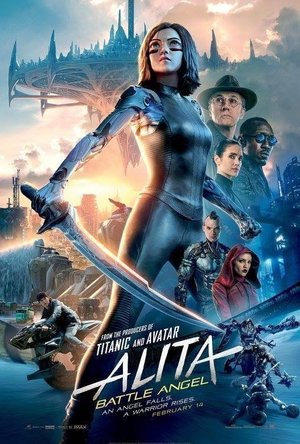
A Berserk Excursion Down Uncanny Valley.
“I see you”. James Cameron‘s fingerprints are all over this one, as producer ahead of his threatened (and with this movie-goer, entirely unwanted) Avatar sequels. Alita is a huge great smelly CGI mess of a film, but quite fun with it.
The Plot.
Christophe Waltz plays Dr. Dyson (no, not that one), a cyber-surgeon in the 24th century whose job is to give cyber/human crossovers (which just about everyone now seems to be) a ‘service’ to get them back on the road again.
Hanging over Iron City – in just the same way as bricks don’t – is a huge floating cloud city called Zalem (“What keeps it up?”; “Engineering!”). A stream of detritus falls from the city into the scrap yards below, and Dr Dyson scavenges through the mess for parts. He discovers that the best way to get ahead in business is to… get a head! In this case, it’s the head and upper torso of a female ‘teenage’ cyber-girl who he finds to be still alive and who he names “Alita”.
But Alita (Rosa Salazar) isn’t just any teenage girl. When fitted out with a new body, one very precious to Dyson, Alita proves to have massive strength and dexterity which sets her up to trial for the national sport of Motorball: a no-holds-barred race around an arena to capture and keep a ball. Her love interest, Hugo (Keean Johnson), can help her in that department.
But dark forces are also in play and the agents of Nova, the Zalem-overseer, have great interest in destroying Alita before she can damage his plans.
What a mess!
I’ve significantly simplified the plot and reduced the characters referenced. There are so many different things going on here, it’s like they’ve made Back to the Future I, II and III and squeezed them all into one film. There’s Dyson’s ex-wife Chiran (Jennifer Connolly) and her partner in crime Vector (Maherashala Ali); there’s their pet thug called Grewishka (Jackie Earle Haley); there’s a bunch of “Hunter-Warriors” including a vicious sword-wielding guy called Zapan (Ed Skrein); there’s a kind of “Lost Boys” vibe to Hugo’s pals including Alita-hater Tanji (Jorge Lendeborg Jr.); etc. etc. etc. It’s a huge great sprawling mess of a plot.
The movie is also highly derivative, and watching it feels like you are working through a mental set of check-boxes of the films it apes: Wall-E (check); Elysium (check); Terminator (check); Rollerball (if you’re old enough to remember that one) (check); even some Harry Potter quidditch thrown in for good measure.
Urm… berserk dialogue.
The story is based on a Manga work by Yukito Kishiro, but the script by James Cameron, director Robert Rodriquez and Laeta Kalogridis has some bat-shit crazy moments.
Remembering that Cameron in Avatar brought us the mineral ‘unobtainium’ there are similar ‘jolt yourself awake’ moments here. At one point Waltz starts talking about what sounds like “Panda c***s”…. I’m sorry… what?? (This was clearly an episode of David Attenborough’s “Life on Earth” that passed me by! Although frankly, if male pandas took a bit more interest in panda c***s, that wouldn’t necessarily be a bad thing. But I digress….)
The turns.
What stands out if the quality of the cast. Who wouldn’t kill to have Waltz, Connolly and Ali starring in their film? The inclusion of Maherashala Ali in here was a surprise to me. I know he has had a part in “The Hunger Games” series, but this is surely (Marvel must be kicking themselves) his most ‘mainstream’ film to date. And he again really shows his class, bringing a gravitas to all the scenes he’s in.
It was also interesting to see Ed Skrein in a movie for the second time in a month. He was the racist cop in “If Beale Street Could Talk“, and here he plays an equally unpleasant character with a sideline in vanity.
Also good fun is to see the cameo of who plays Nova in the final scene of the film. I was not expecting that.
But the film lives and dies on believing Alita, and after you get used to the rather spooky ‘uncanny valley’ eyes, Rosa Salazar really breathes life into the android character: you can really believe its a teenage android girl developing her understanding of the world and of love. (We’ll gloss over the age thing here which doesn’t make a lot of sense!). One thing’s for sure, when Alita gives her heart to a boy, she really gives her heart to a boy!
Will I like it?
I was not expecting to, but did. It’s a big, brash, loud CGI-stuffed adventure, but well done and visually appealing (as you would expect given the director is Robert Rodriguez of “Sin City” fame). The BBFC have given it a 12A rating in the UK, which feels appropriate: there are some pretty graphic scenes of violence (true they are “mostly involving robots fighting each other” as the BBFC says, but not all). That would make it not very suitable for younger children.
But I was entertained. You might well be too.
The Plot.
Christophe Waltz plays Dr. Dyson (no, not that one), a cyber-surgeon in the 24th century whose job is to give cyber/human crossovers (which just about everyone now seems to be) a ‘service’ to get them back on the road again.
Hanging over Iron City – in just the same way as bricks don’t – is a huge floating cloud city called Zalem (“What keeps it up?”; “Engineering!”). A stream of detritus falls from the city into the scrap yards below, and Dr Dyson scavenges through the mess for parts. He discovers that the best way to get ahead in business is to… get a head! In this case, it’s the head and upper torso of a female ‘teenage’ cyber-girl who he finds to be still alive and who he names “Alita”.
But Alita (Rosa Salazar) isn’t just any teenage girl. When fitted out with a new body, one very precious to Dyson, Alita proves to have massive strength and dexterity which sets her up to trial for the national sport of Motorball: a no-holds-barred race around an arena to capture and keep a ball. Her love interest, Hugo (Keean Johnson), can help her in that department.
But dark forces are also in play and the agents of Nova, the Zalem-overseer, have great interest in destroying Alita before she can damage his plans.
What a mess!
I’ve significantly simplified the plot and reduced the characters referenced. There are so many different things going on here, it’s like they’ve made Back to the Future I, II and III and squeezed them all into one film. There’s Dyson’s ex-wife Chiran (Jennifer Connolly) and her partner in crime Vector (Maherashala Ali); there’s their pet thug called Grewishka (Jackie Earle Haley); there’s a bunch of “Hunter-Warriors” including a vicious sword-wielding guy called Zapan (Ed Skrein); there’s a kind of “Lost Boys” vibe to Hugo’s pals including Alita-hater Tanji (Jorge Lendeborg Jr.); etc. etc. etc. It’s a huge great sprawling mess of a plot.
The movie is also highly derivative, and watching it feels like you are working through a mental set of check-boxes of the films it apes: Wall-E (check); Elysium (check); Terminator (check); Rollerball (if you’re old enough to remember that one) (check); even some Harry Potter quidditch thrown in for good measure.
Urm… berserk dialogue.
The story is based on a Manga work by Yukito Kishiro, but the script by James Cameron, director Robert Rodriquez and Laeta Kalogridis has some bat-shit crazy moments.
Remembering that Cameron in Avatar brought us the mineral ‘unobtainium’ there are similar ‘jolt yourself awake’ moments here. At one point Waltz starts talking about what sounds like “Panda c***s”…. I’m sorry… what?? (This was clearly an episode of David Attenborough’s “Life on Earth” that passed me by! Although frankly, if male pandas took a bit more interest in panda c***s, that wouldn’t necessarily be a bad thing. But I digress….)
The turns.
What stands out if the quality of the cast. Who wouldn’t kill to have Waltz, Connolly and Ali starring in their film? The inclusion of Maherashala Ali in here was a surprise to me. I know he has had a part in “The Hunger Games” series, but this is surely (Marvel must be kicking themselves) his most ‘mainstream’ film to date. And he again really shows his class, bringing a gravitas to all the scenes he’s in.
It was also interesting to see Ed Skrein in a movie for the second time in a month. He was the racist cop in “If Beale Street Could Talk“, and here he plays an equally unpleasant character with a sideline in vanity.
Also good fun is to see the cameo of who plays Nova in the final scene of the film. I was not expecting that.
But the film lives and dies on believing Alita, and after you get used to the rather spooky ‘uncanny valley’ eyes, Rosa Salazar really breathes life into the android character: you can really believe its a teenage android girl developing her understanding of the world and of love. (We’ll gloss over the age thing here which doesn’t make a lot of sense!). One thing’s for sure, when Alita gives her heart to a boy, she really gives her heart to a boy!
Will I like it?
I was not expecting to, but did. It’s a big, brash, loud CGI-stuffed adventure, but well done and visually appealing (as you would expect given the director is Robert Rodriguez of “Sin City” fame). The BBFC have given it a 12A rating in the UK, which feels appropriate: there are some pretty graphic scenes of violence (true they are “mostly involving robots fighting each other” as the BBFC says, but not all). That would make it not very suitable for younger children.
But I was entertained. You might well be too.

Sassy Brit (97 KP) rated A Snowflake's Chance In Hell in Books
Jun 6, 2019

I’m reviewing A Snowflake’s Chance in Hell, by Amy Romine. My rating is 4.5 stars. Here are my thoughts:
^^ This is a romantic, Christmas themed story about one woman’s search for her long lost brother and the people who enter her life along the way.
^^ When Quinn Lawson finally gets a lead that could bring her closer to finding her brother, Peter, of whom she was separated from when their parents died, her search takes her to a military base where she first meets Gunnery Sergeant Kevin McCaluson.
^^ Both Quinn and Kevin have their owns issues to contend with, so their first meeting is a little strained; communications are misinterpreted, emotions run riot, and things simply don’t go as planned. In short, their first impressions of each other are not good. It’s not love at first sight, that’s for sure.
^^ Over time they begin to understand each other more and Kevin offers to help Quinn with her search for her brother, so they embark on a long road trip together, and soon their friendship develops a deeper bond and their feelings for each other strengthen. It’s an emotional ride, full of truths and heartfelt stories, enveloping the true spirit of Christmas in one short read.
Overall: This is a charming, fairly quick, cosy Christmas romance, spiced up by a couple of burning hot scenes. And no, I don’t mean because I’ve spent too long reading that I’ve burnt the dinner again! (Although, in truth that has happened many times!) A heartwarming romance that’s bound to warm the cockles of your heart on a cold, winter’s eve.
^^ This is a romantic, Christmas themed story about one woman’s search for her long lost brother and the people who enter her life along the way.
^^ When Quinn Lawson finally gets a lead that could bring her closer to finding her brother, Peter, of whom she was separated from when their parents died, her search takes her to a military base where she first meets Gunnery Sergeant Kevin McCaluson.
^^ Both Quinn and Kevin have their owns issues to contend with, so their first meeting is a little strained; communications are misinterpreted, emotions run riot, and things simply don’t go as planned. In short, their first impressions of each other are not good. It’s not love at first sight, that’s for sure.
^^ Over time they begin to understand each other more and Kevin offers to help Quinn with her search for her brother, so they embark on a long road trip together, and soon their friendship develops a deeper bond and their feelings for each other strengthen. It’s an emotional ride, full of truths and heartfelt stories, enveloping the true spirit of Christmas in one short read.
Overall: This is a charming, fairly quick, cosy Christmas romance, spiced up by a couple of burning hot scenes. And no, I don’t mean because I’ve spent too long reading that I’ve burnt the dinner again! (Although, in truth that has happened many times!) A heartwarming romance that’s bound to warm the cockles of your heart on a cold, winter’s eve.