
Search
Search results

Moovit: Live Transit App
Navigation and Travel
App
#1 global app for public transportation. Peace of mind, in the palm of your hand Moovit is the #1...

Bob Mann (459 KP) rated Me Before You (2016) in Movies
Sep 29, 2021
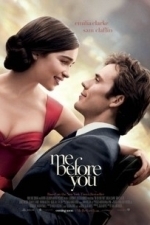


“You are scored on my heart Clark”
“Me Before You” is a bit of a queer fish of a movie. It never quite decides whether it wants to be a romantic weepy, a drama, or a rom-com and as such ends up rather falling between all three stools.
Emelia Clarke (“Game of Thrones”, “Terminator: Genesys”) plays Lou Clark, an ‘invisible’ girl “with potential” who is trapped – due to unemployment-led poverty – living with her parents in a provincial castle town (a picturesque Pembroke, though notably hardly a Welsh accent in earshot). Her boyfriend Patrick (“Harry Potter”’s Matthew Lewis) is a running nut that doesn’t play to her romantic needs in any way. Circumstance leads her into the job of a carer for a quadriplegic, Will Traynor (Sam Claflin, from “The Hunger Games” sequels) who also happens to be the son of the local millionaire couple (played by Charles Dance and Janet McTeer). They own the castle, a large mansion and most of the surrounding countryside too.
Will – previously a sports jock – is paralyzed from the neck down after an accident and is a frustrated and suicidal mind in a useless body. Can the quirky and vivacious Lou bring him out of his morbid shell and find him a life worth living again?
From this outline, you might think the story almost writes itself, and for most of the film it does. But the writers have a number of twists and turns in store which – depending on your sentiments – might entertain or appall.
As her first leading actress role in a non-action feature it’s a bit difficult to sum up Emilia Clarke’s performance. At face value it could be described as an advanced case of over-acting, with an extensive array of kooky looks and gurning facial expressions. (Those eyebrows! At some point we’re going to have to see her acting opposite Cara DeLevingne in a “Batman v Superman” eye-brow-off). On the other hand, she plays the part with such vivacity and charm – and notably in a manner so in keeping with the character she portrays – that it is hard not to be enchanted by her: I certainly was.
Claflin plays the brooding and resentful Traynor well and Matthew Lewis shows he is growing into a really professional jobbing actor as he enters his mid-20’s.
Also radiant (she always is… sorry to break it to the wife like this… but I am basically in love with her!!) is the ever-gorgeous Jenna Coleman (“Dr Who”, “Victoria”) in what is to date a rare outing for her onto the big screen (she previously has only had a small role in the first “Captain America” film: she really needs a breakout movie like Carey Mulligan’s “An Education”). Coleman and Clarke make a very credible pair of sisters, with the “bed” discussion scene being very touching.
Elsewhere a number of other well-known faces crop up including Brendan Coyle (“Downton Abbey”) as Lou’s father and Joanna Lumley as a wedding guest with a handy line in references.
The soundtrack by Craig (“Love Actually”) Armstrong is top notch with pleasing songs from Ed Sheeran, Imagine Dragons, Cloves and We The Kings.
The production quality is as professional as you would expect from a British-made movie, although the Mallorca and Paris locations are not particularly well exploited, since for a large chunk of these scenes I was convinced they hadn’t left Pinewood!
So, a bit of a mixed bag, but enjoyable nonetheless. A guilty pleasure. If you like a romantic piece of escapism this is one for a wet Sunday afternoon, provided you have a box of tissues handy.
Emelia Clarke (“Game of Thrones”, “Terminator: Genesys”) plays Lou Clark, an ‘invisible’ girl “with potential” who is trapped – due to unemployment-led poverty – living with her parents in a provincial castle town (a picturesque Pembroke, though notably hardly a Welsh accent in earshot). Her boyfriend Patrick (“Harry Potter”’s Matthew Lewis) is a running nut that doesn’t play to her romantic needs in any way. Circumstance leads her into the job of a carer for a quadriplegic, Will Traynor (Sam Claflin, from “The Hunger Games” sequels) who also happens to be the son of the local millionaire couple (played by Charles Dance and Janet McTeer). They own the castle, a large mansion and most of the surrounding countryside too.
Will – previously a sports jock – is paralyzed from the neck down after an accident and is a frustrated and suicidal mind in a useless body. Can the quirky and vivacious Lou bring him out of his morbid shell and find him a life worth living again?
From this outline, you might think the story almost writes itself, and for most of the film it does. But the writers have a number of twists and turns in store which – depending on your sentiments – might entertain or appall.
As her first leading actress role in a non-action feature it’s a bit difficult to sum up Emilia Clarke’s performance. At face value it could be described as an advanced case of over-acting, with an extensive array of kooky looks and gurning facial expressions. (Those eyebrows! At some point we’re going to have to see her acting opposite Cara DeLevingne in a “Batman v Superman” eye-brow-off). On the other hand, she plays the part with such vivacity and charm – and notably in a manner so in keeping with the character she portrays – that it is hard not to be enchanted by her: I certainly was.
Claflin plays the brooding and resentful Traynor well and Matthew Lewis shows he is growing into a really professional jobbing actor as he enters his mid-20’s.
Also radiant (she always is… sorry to break it to the wife like this… but I am basically in love with her!!) is the ever-gorgeous Jenna Coleman (“Dr Who”, “Victoria”) in what is to date a rare outing for her onto the big screen (she previously has only had a small role in the first “Captain America” film: she really needs a breakout movie like Carey Mulligan’s “An Education”). Coleman and Clarke make a very credible pair of sisters, with the “bed” discussion scene being very touching.
Elsewhere a number of other well-known faces crop up including Brendan Coyle (“Downton Abbey”) as Lou’s father and Joanna Lumley as a wedding guest with a handy line in references.
The soundtrack by Craig (“Love Actually”) Armstrong is top notch with pleasing songs from Ed Sheeran, Imagine Dragons, Cloves and We The Kings.
The production quality is as professional as you would expect from a British-made movie, although the Mallorca and Paris locations are not particularly well exploited, since for a large chunk of these scenes I was convinced they hadn’t left Pinewood!
So, a bit of a mixed bag, but enjoyable nonetheless. A guilty pleasure. If you like a romantic piece of escapism this is one for a wet Sunday afternoon, provided you have a box of tissues handy.
Bob Mann (459 KP) rated Army of Thieves (2021) in Movies
Nov 4, 2021


“Did He Just Say Gulp?”
I have Covid-19, and am confined to quarters. So time to catch up on some streaming films. New on Netflix is “Army of Thieves”, a quirky prequel, of sorts, to Zac Snyder’s “Army of the Dead“.
Plot Summary:
Sebastian Schlencht-Wöhnert (Matthias Schweighöfer) is a geek obsessed with the work of legendary safe-manufacturer Hans Wagner whose magnum opus was a series of four intricate safes named after the four parts of his namesake’s Ring cycle: The Rhinegold, The Valkyrie, Siegfried and Götterdämmerung.
Seeking more the glory of cracking the legendary safes (rather than the riches within), high-class jewel-thief Gwendoline (Nathalie Emmanuel) teams with Sebastian to crack the three known safes (in Paris, Prague and St Moritz) before they are officially ‘retired’. Together with Korina (Ruby O. Fee), muscle-man Brad (Stuart Martin) and getaway driver Rolph (Guz Khan) the gang try to stay one step ahead of obsessed Interpol agent Delacroix (Jonathan Cohen).
Certification:
US: TV-MA. UK: 15.
Talent:
Starring: Matthias Schweighöfer, Nathalie Emmanuel, Ruby O. Fee, Stuart Martin, Guz Khan, Jonathan Cohen.
Directed by: Matthias Schweighöfer.
Written by: Shay Hatten (from a story by Shay Hatten and Zack Snyder).
“Army of Thieves” Review: Positives:
I really wasn’t expecting much from this offering. For me, the character of Dieter in “Army of the Dead” was an annoyingly quirky comedy character in a zombie-actioner that you just wanted to punch in the face…. repeatedly. But in contrast, this Dieter-centric film is deliberately quirky throughout and it just all worked for me. Under his own direction, Schweighöfer’s Sebastian/Dieter becomes a genuinely quirky, lovelorn and loveable loser that you want to root for.
The look and feel of the film is utterly glorious. The wonderful cinematography by Bernhard Jasper makes the introduction to the European locations feel Bond-like and the combination of Production Design and Special Effects make the safe-cracking scenes tense, dynamic and beautiful to watch. It’s all nicely rounded off by a quirky Steve Mazzaro / Hans Zimmer score.
Shay Hatten’s script delivers a nice balance of action and exposition. It actually – shock horror – takes time to flesh out some character behind the generic heist-movie stereotypes. Setting the movie in the same timeline as the emerging Nevada zombie-apocalypse as “Army of the Dead” is neat: (although those expecting extensive zombie-action will feel short-changed). And having the Las Vegas safe as the mythical Götterdämmerung is a nice touch. Above all – “SURPRISE!!!” – the script surpassed the essential six-laughs test.
The acting is above par, with Schweighöfer putting in a fabulous turn and the stunningly beautiful Nathalie Emmanuel (best known for being Ramsey in the Fast and Furious series) gets to be a lot more than mere window-dressing here. Stuart Martin is notable here for looking astonishingly like Hugh Jackman…. I mean, really, they could be twins.
Negatives:
I mean, honestly, there are more holes in this story than a St Moritz swiss-cheese. Why would all of the safes, owned by different private institutions, be being “decommissioned” due to a Zombie outbreak on the other side of the world? Can the Interpol team really be that incompetent? And however clever he is, I don’t buy that you can open safes like that!
Although I liked the balance of the script overall, the story is pretty simplistic and linear.
Summary Thoughts on “Army of Thieves”
Sometimes a little movie appears that surprises and delights you, and this was one of those for me. It’s not big and it’s not clever. But it is very nicely made, thoroughly entertained me and was – for me – way better than its source movie. A recommended watch on Netflix.
Plot Summary:
Sebastian Schlencht-Wöhnert (Matthias Schweighöfer) is a geek obsessed with the work of legendary safe-manufacturer Hans Wagner whose magnum opus was a series of four intricate safes named after the four parts of his namesake’s Ring cycle: The Rhinegold, The Valkyrie, Siegfried and Götterdämmerung.
Seeking more the glory of cracking the legendary safes (rather than the riches within), high-class jewel-thief Gwendoline (Nathalie Emmanuel) teams with Sebastian to crack the three known safes (in Paris, Prague and St Moritz) before they are officially ‘retired’. Together with Korina (Ruby O. Fee), muscle-man Brad (Stuart Martin) and getaway driver Rolph (Guz Khan) the gang try to stay one step ahead of obsessed Interpol agent Delacroix (Jonathan Cohen).
Certification:
US: TV-MA. UK: 15.
Talent:
Starring: Matthias Schweighöfer, Nathalie Emmanuel, Ruby O. Fee, Stuart Martin, Guz Khan, Jonathan Cohen.
Directed by: Matthias Schweighöfer.
Written by: Shay Hatten (from a story by Shay Hatten and Zack Snyder).
“Army of Thieves” Review: Positives:
I really wasn’t expecting much from this offering. For me, the character of Dieter in “Army of the Dead” was an annoyingly quirky comedy character in a zombie-actioner that you just wanted to punch in the face…. repeatedly. But in contrast, this Dieter-centric film is deliberately quirky throughout and it just all worked for me. Under his own direction, Schweighöfer’s Sebastian/Dieter becomes a genuinely quirky, lovelorn and loveable loser that you want to root for.
The look and feel of the film is utterly glorious. The wonderful cinematography by Bernhard Jasper makes the introduction to the European locations feel Bond-like and the combination of Production Design and Special Effects make the safe-cracking scenes tense, dynamic and beautiful to watch. It’s all nicely rounded off by a quirky Steve Mazzaro / Hans Zimmer score.
Shay Hatten’s script delivers a nice balance of action and exposition. It actually – shock horror – takes time to flesh out some character behind the generic heist-movie stereotypes. Setting the movie in the same timeline as the emerging Nevada zombie-apocalypse as “Army of the Dead” is neat: (although those expecting extensive zombie-action will feel short-changed). And having the Las Vegas safe as the mythical Götterdämmerung is a nice touch. Above all – “SURPRISE!!!” – the script surpassed the essential six-laughs test.
The acting is above par, with Schweighöfer putting in a fabulous turn and the stunningly beautiful Nathalie Emmanuel (best known for being Ramsey in the Fast and Furious series) gets to be a lot more than mere window-dressing here. Stuart Martin is notable here for looking astonishingly like Hugh Jackman…. I mean, really, they could be twins.
Negatives:
I mean, honestly, there are more holes in this story than a St Moritz swiss-cheese. Why would all of the safes, owned by different private institutions, be being “decommissioned” due to a Zombie outbreak on the other side of the world? Can the Interpol team really be that incompetent? And however clever he is, I don’t buy that you can open safes like that!
Although I liked the balance of the script overall, the story is pretty simplistic and linear.
Summary Thoughts on “Army of Thieves”
Sometimes a little movie appears that surprises and delights you, and this was one of those for me. It’s not big and it’s not clever. But it is very nicely made, thoroughly entertained me and was – for me – way better than its source movie. A recommended watch on Netflix.

Haley Mathiot (9 KP) rated Ada: Legend of a Healer in Books
Apr 27, 2018

Ada has the unique ability of being able to heal anything she touches. Having lived in the foster care system her whole life, she finally gets the opportunity to live with her aunt, Jessie, who is also a healer, and explains her special ability. But Ada and Jessie have different viewpoints on a healer's responsibility, and Ada decides she's had enough. She takes off on her own heading to Paris with only an address and a photograph to attempt to find her mother, who she discovers isn't dead.
There's just one problem: There's a man who wants to find her and use her as his personal fountain of youth.
Reviewing self-published books is a tricky business. There's a wide range of them: the really crappy ones that make the editor inside me want to cry, the mediocre ones that are just missing a story, and then the occasional gem that I'm so glad I managed to get my hands on. I've had one or two other gems: Ada makes the list, and is pretty high up on it.
I loved Ada's story. I read it almost completely in one sitting. I liked Ada, and admired her will power and strength. We didn't see eye to eye on everything, and I thought she was immature and disrespectful at times, but I could still relate to her well enough that I couldn't hate her for it. About halfway through the book, some characters were introduced that I didn't expect to stay in the story, simply because of the way they were brought in. But isn't that the way our lives work? We meet someone and aren't sure if we'll ever really see them again, but they end up as our friends, and sometimes it's someone really special? That was Ada and Daniel. Daniel is going to have to be added to my list of literary crushes. Not only is he good looking, he's a "bad boy" and a sweetheart at the same time. And he's got a delicious smile. And he does Parkour. And he's French.
The writing was clear and descriptive and easy to understand. It wasn't perfect and there were a few irritating sections with poor grammar, but it didn't distract from the overall piece enough to bring down the star rating.
One of the things I really liked was the pacing. Sometimes a book has an interesting plot, but it takes way too long for things to actually happen that you fall asleep, or have to read an entire series just to get the same amount of plot you're looking for in a single novel (coughtwilightcough). The pacing was really fast in Ada, almost to the point where I wished it was just a little slower so I could really concentrate on what Ada was thinking and feeling.
There was one very tiny part that I didn't like. At one point, Ada tries to practice healing herself, so she takes a pair of scissors to her arm. I thought this was completely inappropriate and very risky, because through Ada's interior monologue, it almost seemed to show self-cutting in a good light. Yes she was practicing healing herself and learning to ignore pain, and trying to figure out her power, and Ada thought it through well enough that the reader would understand why she was doing it, but it just seemed bold and risky. Because of that, I wouldn't want young young adults to read it—I feel like it would make them uncomfortable. I also can't help but wonder what kind of influence that will have on young readers.
Scattered through the book were some truly beautiful illustrations. I found myself flipping through them and just staring at them. They have a pen-and-ink with watercolor sort of feel to them: very lose and impressionistic, almost dreamlike, but with wild pen and scratches thrown through to add definition. Here are two of my favorites (very poor quality photos, though, so I apologize ahead of time).
All in all, I was very pleased and excited about Ada: Legend of a Healer, and I can't wait for the next book in the series.
Content/Recommendation: Some swearing, small reference to self-abuse. Ages 16+
There's just one problem: There's a man who wants to find her and use her as his personal fountain of youth.
Reviewing self-published books is a tricky business. There's a wide range of them: the really crappy ones that make the editor inside me want to cry, the mediocre ones that are just missing a story, and then the occasional gem that I'm so glad I managed to get my hands on. I've had one or two other gems: Ada makes the list, and is pretty high up on it.
I loved Ada's story. I read it almost completely in one sitting. I liked Ada, and admired her will power and strength. We didn't see eye to eye on everything, and I thought she was immature and disrespectful at times, but I could still relate to her well enough that I couldn't hate her for it. About halfway through the book, some characters were introduced that I didn't expect to stay in the story, simply because of the way they were brought in. But isn't that the way our lives work? We meet someone and aren't sure if we'll ever really see them again, but they end up as our friends, and sometimes it's someone really special? That was Ada and Daniel. Daniel is going to have to be added to my list of literary crushes. Not only is he good looking, he's a "bad boy" and a sweetheart at the same time. And he's got a delicious smile. And he does Parkour. And he's French.
The writing was clear and descriptive and easy to understand. It wasn't perfect and there were a few irritating sections with poor grammar, but it didn't distract from the overall piece enough to bring down the star rating.
One of the things I really liked was the pacing. Sometimes a book has an interesting plot, but it takes way too long for things to actually happen that you fall asleep, or have to read an entire series just to get the same amount of plot you're looking for in a single novel (coughtwilightcough). The pacing was really fast in Ada, almost to the point where I wished it was just a little slower so I could really concentrate on what Ada was thinking and feeling.
There was one very tiny part that I didn't like. At one point, Ada tries to practice healing herself, so she takes a pair of scissors to her arm. I thought this was completely inappropriate and very risky, because through Ada's interior monologue, it almost seemed to show self-cutting in a good light. Yes she was practicing healing herself and learning to ignore pain, and trying to figure out her power, and Ada thought it through well enough that the reader would understand why she was doing it, but it just seemed bold and risky. Because of that, I wouldn't want young young adults to read it—I feel like it would make them uncomfortable. I also can't help but wonder what kind of influence that will have on young readers.
Scattered through the book were some truly beautiful illustrations. I found myself flipping through them and just staring at them. They have a pen-and-ink with watercolor sort of feel to them: very lose and impressionistic, almost dreamlike, but with wild pen and scratches thrown through to add definition. Here are two of my favorites (very poor quality photos, though, so I apologize ahead of time).
All in all, I was very pleased and excited about Ada: Legend of a Healer, and I can't wait for the next book in the series.
Content/Recommendation: Some swearing, small reference to self-abuse. Ages 16+

Mothergamer (1655 KP) rated The Green Hornet (2011) in Movies
Apr 3, 2019
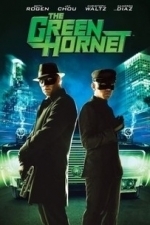


I don't even have the words for how infuriated I am right now with The Green Hornet film. There's a small part of me that wishes I could just throw a brick at Seth Rogen's crotch right now, because he absolutely deserves it along with director Michael Gondry. That's right, the director of the film Eternal Sunshine Of The Spotless Mind which to me was a good movie is responsible for this equally terrible movie.
I do feel much of the blame lies with the fact that Seth Rogen co-wrote this screenplay and he claimed that he was so glad he didn't screw up one of his favorite childhood heroes. Seth, Seth, Seth....tsk tsk, someone's a dirty rotten liar Seth. Why must you constantly lie to us Seth? The truth is you messed up completely! In the original radio show, comics, and T.V. Show Britt Reid wasn't a moron. He was a smart successful newspaper publisher, he was confident, and he could fight well alongside his equally confident sidekick Kato. I loved the T.V. show and I loved the comic. I loved watching The Green Hornet on Kung Fu Saturday when I was a kid. That was the highlight of my Saturday. I would watch a couple of episodes of The Green Hornet and then watch the featured kung fu film. That's a sacred childhood memory and you, Seth Rogen along with your director have pissed all over it.
Not only did you make Britt Reid a total jerk, you made him stupid too! He loosely based Britt Reid on Paris Hilton? Are you kidding me with this nonsense?
Seth Rogen's Britt Reid is a spoiled rich brat who shows no interest in running the newspaper, but he instead becomes buddies with Kato his mechanic and coffee maker. I felt bad for Jay Chou because he's no Bruce Lee, but he did alright in spite of Seth Rogen constantly hyperventilating and shouting in every scene. He tried, he really did. Cameron Diaz's role as Reid's secretary Lenore Case is completely useless. She's basically camera filler with a great smile.
Of course, The Green Hornet has to have a villain and that is Christoph Waltz (Oscar winner from Inglorious Basterds) as Chudnofsky, but there is no depth to the character which proves bad writing is bad writing. Now I like action scenes as much as the next person, but it's as if Seth Rogen got bored and just added as much action as possible as filler rather than having an actual plot that tells the story. There's also so much pointless dialogue, watching this train wreck of a film is like being stuck in a dentist's chair having a root canal with no anesthesia. Yes, it's that damn bad. Not even the overpriced 3-D could save this film. That is just a gimmick to get more money out of people and this film proved that point real quick.
There is so much that could have been done to make this film version of the T.V. show great, but none of it was done. Instead, we get a film that is so terrible with no plot at all, a fake Britt Reid (I don't care what you say Rogen, that character you played was NOT Britt Reid! You are a liar sir!), a subdued Kato that got overshadowed by the crazy rich brat, a useless vapid secretary, and a villain that's about as threatening as a labradoodle. Seth Rogen and Michale Gondry you should be ashamed and embarrassed that your names are on this piece of trash.
Don't waste your money on this folks and certainly don't waste it on 3-D. The original is better and I'm sure that Mr. Rogen's going to have several bricks thrown at his crotch for even writing this awful screenplay. Just please, do us a favor and go sit in the corner with M. Night Shyamalan and quit making movies, because you really screwed the pooch on this one pal.
I do feel much of the blame lies with the fact that Seth Rogen co-wrote this screenplay and he claimed that he was so glad he didn't screw up one of his favorite childhood heroes. Seth, Seth, Seth....tsk tsk, someone's a dirty rotten liar Seth. Why must you constantly lie to us Seth? The truth is you messed up completely! In the original radio show, comics, and T.V. Show Britt Reid wasn't a moron. He was a smart successful newspaper publisher, he was confident, and he could fight well alongside his equally confident sidekick Kato. I loved the T.V. show and I loved the comic. I loved watching The Green Hornet on Kung Fu Saturday when I was a kid. That was the highlight of my Saturday. I would watch a couple of episodes of The Green Hornet and then watch the featured kung fu film. That's a sacred childhood memory and you, Seth Rogen along with your director have pissed all over it.
Not only did you make Britt Reid a total jerk, you made him stupid too! He loosely based Britt Reid on Paris Hilton? Are you kidding me with this nonsense?
Seth Rogen's Britt Reid is a spoiled rich brat who shows no interest in running the newspaper, but he instead becomes buddies with Kato his mechanic and coffee maker. I felt bad for Jay Chou because he's no Bruce Lee, but he did alright in spite of Seth Rogen constantly hyperventilating and shouting in every scene. He tried, he really did. Cameron Diaz's role as Reid's secretary Lenore Case is completely useless. She's basically camera filler with a great smile.
Of course, The Green Hornet has to have a villain and that is Christoph Waltz (Oscar winner from Inglorious Basterds) as Chudnofsky, but there is no depth to the character which proves bad writing is bad writing. Now I like action scenes as much as the next person, but it's as if Seth Rogen got bored and just added as much action as possible as filler rather than having an actual plot that tells the story. There's also so much pointless dialogue, watching this train wreck of a film is like being stuck in a dentist's chair having a root canal with no anesthesia. Yes, it's that damn bad. Not even the overpriced 3-D could save this film. That is just a gimmick to get more money out of people and this film proved that point real quick.
There is so much that could have been done to make this film version of the T.V. show great, but none of it was done. Instead, we get a film that is so terrible with no plot at all, a fake Britt Reid (I don't care what you say Rogen, that character you played was NOT Britt Reid! You are a liar sir!), a subdued Kato that got overshadowed by the crazy rich brat, a useless vapid secretary, and a villain that's about as threatening as a labradoodle. Seth Rogen and Michale Gondry you should be ashamed and embarrassed that your names are on this piece of trash.
Don't waste your money on this folks and certainly don't waste it on 3-D. The original is better and I'm sure that Mr. Rogen's going to have several bricks thrown at his crotch for even writing this awful screenplay. Just please, do us a favor and go sit in the corner with M. Night Shyamalan and quit making movies, because you really screwed the pooch on this one pal.
Bob Mann (459 KP) rated Promising Young Woman (2020) in Movies
Apr 20, 2021
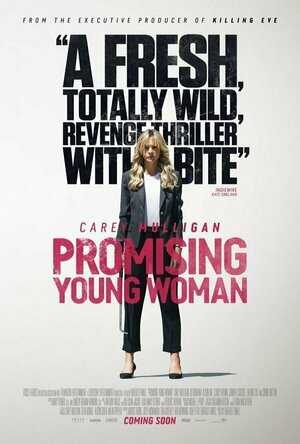

Writing and directing is pitch perfect (1 more)
Carey Mulligan - awesome acting
Emerald Fennell delivers a real ‘page turner’ of a movie
"Promising Young Woman" sees Cassie (Carrie Mulligan) out to wage war on predatory men sexually asserting themselves on vulnerable woman in bars. But with the chance mention of a name, her mission takes on a whole new level and becomes very personal. How far will Carrie go to right a wrong?
Positives:
- Where to start! This is an astonishingly engrossing story from the multi-talented Emerald Fennell. It's rare to find a movie script where you have no idea in which direction the plot will take you. Some of the twists in this movie (no spoilers) are quite Hitchcockian in their execution. And Fennell cocks a wonderful snook at the 'Hollywood ending' that takes your breath away.
- Fennell also directs superbly, never letting the viewer get bored for an instant (the film doesn't outstay its welcome at only 113 minutes). The "show don't tell" approach shows respect for the audience's intelligence. (What happened after the boozy lunch? Who's voice was it on the video?) The use of 'chapter headings' as well is clever and reminiscent of Quentin Tarantino.
- And Carrie Mulligan! A simply stunning performance. What WAS that 'Variety' critic on about in saying she was "not hot enough" to play this role? Had he not fed his Guide Dog or something that day? Mulligan first drew my attention and respect when she was just 20 years old playing Ada in the BBC's "Bleak House": she had "star" written all over her. And so it has proved. Arguably - since there are so many stunning performances on her CV - this is a career best for her.
- Again reminiscent of Tarantino (and indeed "Killing Eve") is the wonderful use of music (by Anthony Willis). As well as some deliciously 'bubblegum' tracks (for example, one by Paris Hilton) there are some seriously "out there" choices. For example, "Pearl's Dream" (about the "pretty fly") is taken from the 1955 movie "The Night of the Hunter". It's haunting and evocative, reflecting the shattering revelation for Cassie within the story.
- Hair and Make-up (Angela Wells), Costume (Nancy Steiner), Cinematography (Benjamin Kracun), Editing (Frédéric Thoraval): all top-notch.
Negatives:
- For once, not a single one!
Summary Thoughts:
Sex without consent is rape. A woman, intoxicated through drink or drugs, cannot give consent. The rules aren't difficult are they? Anyone who's been to a city centre bar or nightclub late at night will have seen - or suspected they've seen - this sort of slow-motion car crash in progress.
This movie will inevitably be seen as the 'poster-child' for this aspect of the "Me Too" movement, and rightly so. And because the movie is so fabulous, it is inevitably going to have a positive effect in highlighting the issue.
Those woman who have had these experiences (and I'm sure there are a LOT of them out there, many of who will have never gone to the police) will probably not want to be further traumatised by watching the movie. But, for everyone else. If the first five minutes make you feel queasily like "this one's not for me" then it's worth sticking with it. it's all done in good taste.
One of the reasons this movie is so good is because of Emerald Fennell. What a talent she is! In acting mode, she plays Sarah Ferguson in "The Crown" and - in an uncredited cameo - the "blow job make-up" video blog lady in this. In writing mode, she's delivered the brilliant BAFTA-winning script for this as well as series two of "Killing Eve". And now in directing mode, she delivers this stunning directorial debut. She's even writing a musical version of "Cinderella" with Andrew Lloyd-Webber! (Come on love, you're just making us all feel wholly inadequate!)
"Promising Young Woman" is the easiest 10* movie I've rated in a while. And it soars straight to the top of my current long-list for my "Films of the Year 2021".
(For the full graphical review, check out the One Mann's Movies review here https://bob-the-movie-man.com/2021/04/20/promising-young-woman-emerald-fennell-delivers-a-real-page-turner-of-a-movie/. Thanks).
Positives:
- Where to start! This is an astonishingly engrossing story from the multi-talented Emerald Fennell. It's rare to find a movie script where you have no idea in which direction the plot will take you. Some of the twists in this movie (no spoilers) are quite Hitchcockian in their execution. And Fennell cocks a wonderful snook at the 'Hollywood ending' that takes your breath away.
- Fennell also directs superbly, never letting the viewer get bored for an instant (the film doesn't outstay its welcome at only 113 minutes). The "show don't tell" approach shows respect for the audience's intelligence. (What happened after the boozy lunch? Who's voice was it on the video?) The use of 'chapter headings' as well is clever and reminiscent of Quentin Tarantino.
- And Carrie Mulligan! A simply stunning performance. What WAS that 'Variety' critic on about in saying she was "not hot enough" to play this role? Had he not fed his Guide Dog or something that day? Mulligan first drew my attention and respect when she was just 20 years old playing Ada in the BBC's "Bleak House": she had "star" written all over her. And so it has proved. Arguably - since there are so many stunning performances on her CV - this is a career best for her.
- Again reminiscent of Tarantino (and indeed "Killing Eve") is the wonderful use of music (by Anthony Willis). As well as some deliciously 'bubblegum' tracks (for example, one by Paris Hilton) there are some seriously "out there" choices. For example, "Pearl's Dream" (about the "pretty fly") is taken from the 1955 movie "The Night of the Hunter". It's haunting and evocative, reflecting the shattering revelation for Cassie within the story.
- Hair and Make-up (Angela Wells), Costume (Nancy Steiner), Cinematography (Benjamin Kracun), Editing (Frédéric Thoraval): all top-notch.
Negatives:
- For once, not a single one!
Summary Thoughts:
Sex without consent is rape. A woman, intoxicated through drink or drugs, cannot give consent. The rules aren't difficult are they? Anyone who's been to a city centre bar or nightclub late at night will have seen - or suspected they've seen - this sort of slow-motion car crash in progress.
This movie will inevitably be seen as the 'poster-child' for this aspect of the "Me Too" movement, and rightly so. And because the movie is so fabulous, it is inevitably going to have a positive effect in highlighting the issue.
Those woman who have had these experiences (and I'm sure there are a LOT of them out there, many of who will have never gone to the police) will probably not want to be further traumatised by watching the movie. But, for everyone else. If the first five minutes make you feel queasily like "this one's not for me" then it's worth sticking with it. it's all done in good taste.
One of the reasons this movie is so good is because of Emerald Fennell. What a talent she is! In acting mode, she plays Sarah Ferguson in "The Crown" and - in an uncredited cameo - the "blow job make-up" video blog lady in this. In writing mode, she's delivered the brilliant BAFTA-winning script for this as well as series two of "Killing Eve". And now in directing mode, she delivers this stunning directorial debut. She's even writing a musical version of "Cinderella" with Andrew Lloyd-Webber! (Come on love, you're just making us all feel wholly inadequate!)
"Promising Young Woman" is the easiest 10* movie I've rated in a while. And it soars straight to the top of my current long-list for my "Films of the Year 2021".
(For the full graphical review, check out the One Mann's Movies review here https://bob-the-movie-man.com/2021/04/20/promising-young-woman-emerald-fennell-delivers-a-real-page-turner-of-a-movie/. Thanks).


Stratego® Single Player
Games and Entertainment
App
Play the best Strategy game ever! Stratego® Official Single Player from Jumbo is all about good...

Wheel of Fortune: TV Game Show
Games and Entertainment
9.0 Rate It
App
Have you ever wanted to buy a vowel? Spin the Wheel with Pat Sajak? Guess letters and watch them...
Bob Mann (459 KP) rated The Mule (2018) in Movies
Sep 28, 2021
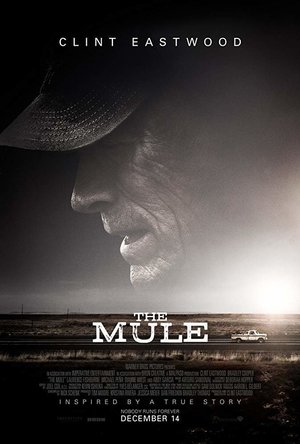
Eastwood is back, but is he hero or anti-hero?
It’s delightful to see Clint Eastwood back in front of the camera on the big screen. His last starring film was “Trouble with the Curve” in 2012 – a baseball-themed film that I don’t remember coming out in the UK, let alone remember seeing. Before that was 2008’s excellent “Gran Torino”.
Based on a true story.
“The Mule” is based on a true New York Times story about Leo Sharp, a veteren recruited by a cartel to ship drugs from the southern border to Chicago.
Eastwood couldn’t cast Sharp in the movie as himself because he died back in 2016, so had to personally take the role. (This is #satire…. Eastwood’s last film was the terrible “The 15:17 to Paris” where his ‘actors’ were the real-life participants themselves: you won’t find a review on this site as I only review films I’ve managed to sit through…. and with this one I failed!).
The plot.
Eastwood plays Earl Stone, a self-centred horticulturist of award-winning daylily’s (whatever they are) who is estranged from wife Mary (Dianne Wiest) and especially from his daughter Iris (Alison Eastwood, Clint’s own daughter), who now refuses to speak to him. This is because Earl has let his family down at every turn. The only person willing to give him a chance is his grand-daughter Ginny (Taissa Farmiga, younger sister of Vera). With his affairs in financial freefall, a chance meeting at a wedding leads Earl into a money-making driving job for the cartel operated by Laton (Andy Garcia). (Laton doesn’t seem to have a first name….. Fernando perhaps?).
With has beat-up truck and aged manner, he is invisible to the cops and so highly effective in the role. Even when – as the money keeps rolling in – he upgrades his truck to a souped-up monster!
Loose Morals.
It’s difficult to know whether Eastwood is playing a hero or an anti-hero. You feel tense when Earl is at risk of being caught, but then again the law officers would be preventing hundreds of kilos of cocaine from reaching the streets of Chicago and through their actions saving the lives of probably hundreds of people. I felt utterly conflicted: the blood of those people, and the destruction of the families that addiction causes, was on Earl’s hands as much as his employer’s. But you can’t quite equate that to the affable old-man that Eastwood portrays, who uses much of the money for charitable good-works in his community.
Family values.
In parallel with the drug-running main plot is a tale of Earl’s attempted redemption: “family should always come first”. When the two storylines come together around a critical event then it feels like a sufficient trigger for Earl to turn his back on his life of selfishness. This also gives room for some splendid acting scenes between Eastwood and Wiest. It’s also interesting that Earl tries to teach the younger DEA enforcement agent not to follow in the sins of his past. Bradley Cooper, back in pretty-boy mode, plays the agent, but seemed to me to be coasting; to me he wasn’t convincing in the role. Michael Peña is better as his unnamed DEA-buddy.
Final thoughts.
The showing at my cinema was surprisingly well-attended for a Wednesday night, showing that Eastwood is still a star-draw for box-office even in his old age. And it’s the reason to see the film for sure. His gristled driving turn to camera (most fully seen in the trailer rather than the final cut) is extraordinary.
He even manages to turn in an “eyes in rearview-mirror” shot that is surely a tribute to his Dirty Harry days!
If you can park your moral compass for a few hours then its an enjoyable film of drug-running and redemption. I’d like to suggest it also illustrates that crime really doesn’t pay, but from the end titles scene I’m not even sure at that age if that even applies!
Based on a true story.
“The Mule” is based on a true New York Times story about Leo Sharp, a veteren recruited by a cartel to ship drugs from the southern border to Chicago.
Eastwood couldn’t cast Sharp in the movie as himself because he died back in 2016, so had to personally take the role. (This is #satire…. Eastwood’s last film was the terrible “The 15:17 to Paris” where his ‘actors’ were the real-life participants themselves: you won’t find a review on this site as I only review films I’ve managed to sit through…. and with this one I failed!).
The plot.
Eastwood plays Earl Stone, a self-centred horticulturist of award-winning daylily’s (whatever they are) who is estranged from wife Mary (Dianne Wiest) and especially from his daughter Iris (Alison Eastwood, Clint’s own daughter), who now refuses to speak to him. This is because Earl has let his family down at every turn. The only person willing to give him a chance is his grand-daughter Ginny (Taissa Farmiga, younger sister of Vera). With his affairs in financial freefall, a chance meeting at a wedding leads Earl into a money-making driving job for the cartel operated by Laton (Andy Garcia). (Laton doesn’t seem to have a first name….. Fernando perhaps?).
With has beat-up truck and aged manner, he is invisible to the cops and so highly effective in the role. Even when – as the money keeps rolling in – he upgrades his truck to a souped-up monster!
Loose Morals.
It’s difficult to know whether Eastwood is playing a hero or an anti-hero. You feel tense when Earl is at risk of being caught, but then again the law officers would be preventing hundreds of kilos of cocaine from reaching the streets of Chicago and through their actions saving the lives of probably hundreds of people. I felt utterly conflicted: the blood of those people, and the destruction of the families that addiction causes, was on Earl’s hands as much as his employer’s. But you can’t quite equate that to the affable old-man that Eastwood portrays, who uses much of the money for charitable good-works in his community.
Family values.
In parallel with the drug-running main plot is a tale of Earl’s attempted redemption: “family should always come first”. When the two storylines come together around a critical event then it feels like a sufficient trigger for Earl to turn his back on his life of selfishness. This also gives room for some splendid acting scenes between Eastwood and Wiest. It’s also interesting that Earl tries to teach the younger DEA enforcement agent not to follow in the sins of his past. Bradley Cooper, back in pretty-boy mode, plays the agent, but seemed to me to be coasting; to me he wasn’t convincing in the role. Michael Peña is better as his unnamed DEA-buddy.
Final thoughts.
The showing at my cinema was surprisingly well-attended for a Wednesday night, showing that Eastwood is still a star-draw for box-office even in his old age. And it’s the reason to see the film for sure. His gristled driving turn to camera (most fully seen in the trailer rather than the final cut) is extraordinary.
He even manages to turn in an “eyes in rearview-mirror” shot that is surely a tribute to his Dirty Harry days!
If you can park your moral compass for a few hours then its an enjoyable film of drug-running and redemption. I’d like to suggest it also illustrates that crime really doesn’t pay, but from the end titles scene I’m not even sure at that age if that even applies!
Bob Mann (459 KP) rated Last Night in Soho (2021) in Movies
Nov 11, 2021
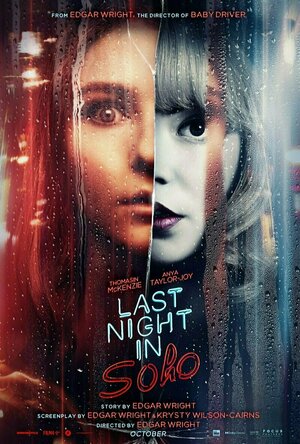
Edgar Wright’s Haunting Love Letter to the Swinging Sixties.
A young 21st-century teen walks in her nightclothes down a darkened alley emerging into a bustling 60’s Soho street across from a theatre showing “Thunderball”. She enters the Cafe de Paris with a reflection mimicking her actions but showing a very different girl. So it was that the trailer for Edgar Wright’s “Last Night in Soho” hit earlier this year.
The trailer grabbed me by the gut and firmly cemented it as a “must see” in my movie-watching schedule. Frustratingly, Covid got in my way. But now free of the wretched virus, this had just HAD be my first outing.
Plot Summary:
Eloise (Thomasin McKenzie) is a Cornish teen whose fashion and music tastes are firmly rooted in the ’60s. She is also blessed (or plagued) with having visions of people who’ve passed, including her dead mother.
Travelling to a London fashion school, Eloise is a lost soul in a raucous world. But at night, she is mystically transported back to the swinging 60’s into the body of aspiring singer Sandie (Anya Taylor-Joy). Sandie is under the thrall of ‘manager’ Jack (Matt Smith), and Eloise witnesses events that she needs to tell people about. But who would possibly believe such a tale?
Certification:
US: R. UK: 18.
Talent:
Starring: Thomasin McKenzie, Anya Taylor-Joy, Matt Smith, Terence Stamp, Diana Rigg.
Directed by: Edgar Wright.
Written by: Krysty Wilson-Cairns (based on a story by Edgar Wright).
“Last Night in Soho” Review: Positives:
This is SUCH a tour de force of filmmaking. Honestly, there were moments in here, particularly in the first half of the movie, where I was beaming from ear to ear at the audacity of it all. That ‘time travel’ reveal is even better in ‘the flesh’ than it was in the trailer, enhanced by the vibrant cinematography of Chung-hoon Chung.
Thomasin McKensie again impressed me immensely. She was of course the ‘girl in the attic’ from “Jojo Rabbit” and the best thing in the lacklustre M. Night Shyamalan feature “Old“. Anya Taylor-Joy is as spectacular as you would expect and Matt Smith also delivers, although I wasn’t completely convinced by Smith’s cockney accent. And what a wonderful thing to watch veteran actors Terence Stamp and Diana RIgg strut their stuff on the big screen. (This was Rigg’s final screen performance, and the film is dedicated to her: “For Diana”. RIP Ms Rigg.)
The combination of ‘in camera’ and special effects here are gob-smackingly effective. Some of the ‘mirror’ effects involving Eloise, Sandie and Jack in the club are gleeful. And I’m not sure how they were all done. And a dance sequence where Eloise switches to Sandie and back again is just so clever.
The Production Design is just brilliant. It oozes a combination of 60’s style and sleaze. Surely an Oscar nomination is due here.
As with other Edgar Wright movies (like “Baby Driver“) the choice of music is superb. The score is by Oscar winning composer Steven Price, but you can be sure that Wright was heavily involved in the track selections. These prominently feature a Cilla Black track – heralded by 15 string beats of total perfection – that is in my top 5 songs from the 60’s. And Anya Taylor-Joy’s haunting version of “Downtown” is just superb.
Acting Royalty…. Diana Rigg in her last role, and….
Negatives:
The second half of the film just doesn’t *quite* live up to the promise of the first half (which was running as a clear 5*s).
While the inevitable twist in the tale is clever (and unexpected), I thought it was rather clumsily introduced. (I can’t go into details without introducing spoilers, but an envelope is involved). Something more subliminal would have been my preference; something that you would have had to watch the film again to catch.
A stunning starring role for Thomasin McKenzie. Just wonderful.
Summary Thoughts on “Last Night in Soho”
I loved this one. It lived up to my expectations, and came close to “classic status”. I need to give this careful consideration as to where this sits in my “Top 10 Films of the Year”, but it is undoubtedly up there in the list.
Highly recommended, if you are content to stomach some violent (and quite disturbing) horror imagery.
The trailer grabbed me by the gut and firmly cemented it as a “must see” in my movie-watching schedule. Frustratingly, Covid got in my way. But now free of the wretched virus, this had just HAD be my first outing.
Plot Summary:
Eloise (Thomasin McKenzie) is a Cornish teen whose fashion and music tastes are firmly rooted in the ’60s. She is also blessed (or plagued) with having visions of people who’ve passed, including her dead mother.
Travelling to a London fashion school, Eloise is a lost soul in a raucous world. But at night, she is mystically transported back to the swinging 60’s into the body of aspiring singer Sandie (Anya Taylor-Joy). Sandie is under the thrall of ‘manager’ Jack (Matt Smith), and Eloise witnesses events that she needs to tell people about. But who would possibly believe such a tale?
Certification:
US: R. UK: 18.
Talent:
Starring: Thomasin McKenzie, Anya Taylor-Joy, Matt Smith, Terence Stamp, Diana Rigg.
Directed by: Edgar Wright.
Written by: Krysty Wilson-Cairns (based on a story by Edgar Wright).
“Last Night in Soho” Review: Positives:
This is SUCH a tour de force of filmmaking. Honestly, there were moments in here, particularly in the first half of the movie, where I was beaming from ear to ear at the audacity of it all. That ‘time travel’ reveal is even better in ‘the flesh’ than it was in the trailer, enhanced by the vibrant cinematography of Chung-hoon Chung.
Thomasin McKensie again impressed me immensely. She was of course the ‘girl in the attic’ from “Jojo Rabbit” and the best thing in the lacklustre M. Night Shyamalan feature “Old“. Anya Taylor-Joy is as spectacular as you would expect and Matt Smith also delivers, although I wasn’t completely convinced by Smith’s cockney accent. And what a wonderful thing to watch veteran actors Terence Stamp and Diana RIgg strut their stuff on the big screen. (This was Rigg’s final screen performance, and the film is dedicated to her: “For Diana”. RIP Ms Rigg.)
The combination of ‘in camera’ and special effects here are gob-smackingly effective. Some of the ‘mirror’ effects involving Eloise, Sandie and Jack in the club are gleeful. And I’m not sure how they were all done. And a dance sequence where Eloise switches to Sandie and back again is just so clever.
The Production Design is just brilliant. It oozes a combination of 60’s style and sleaze. Surely an Oscar nomination is due here.
As with other Edgar Wright movies (like “Baby Driver“) the choice of music is superb. The score is by Oscar winning composer Steven Price, but you can be sure that Wright was heavily involved in the track selections. These prominently feature a Cilla Black track – heralded by 15 string beats of total perfection – that is in my top 5 songs from the 60’s. And Anya Taylor-Joy’s haunting version of “Downtown” is just superb.
Acting Royalty…. Diana Rigg in her last role, and….
Negatives:
The second half of the film just doesn’t *quite* live up to the promise of the first half (which was running as a clear 5*s).
While the inevitable twist in the tale is clever (and unexpected), I thought it was rather clumsily introduced. (I can’t go into details without introducing spoilers, but an envelope is involved). Something more subliminal would have been my preference; something that you would have had to watch the film again to catch.
A stunning starring role for Thomasin McKenzie. Just wonderful.
Summary Thoughts on “Last Night in Soho”
I loved this one. It lived up to my expectations, and came close to “classic status”. I need to give this careful consideration as to where this sits in my “Top 10 Films of the Year”, but it is undoubtedly up there in the list.
Highly recommended, if you are content to stomach some violent (and quite disturbing) horror imagery.