
Search
Search results

Darren (1599 KP) rated The King (2019) in Movies
Nov 27, 2019

Verdict: Another King Fighting Film
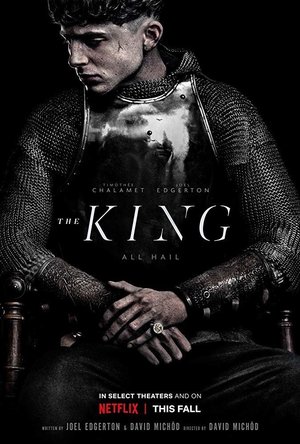
Story: The King starts as the war between the English and the Scots continues to rage on, King Henry IV (Mendlesohn) is getting tired of the bloodshed and disloyalty being found in his own soldiers and with his health getting worse he recalls his son Hal (Chalamet) to his side.
As Hal find himself in a new power, he doesn’t know who to trust, so he turns to Falstaff (Edgerton) to help him in battle, with in latest battle being with the future French king The Dauphin (Pattinson).
Thoughts on The King
Characters – Hal is the young prince that would become King, a role he isn’t ready for, he doesn’t want to see large scale bloodshed like his father’s reign, but finds his country in war from all sides, he wants to end the battles and will look for solutions, which don’t always work for him. Falstaff is the man Hal turns to for advice when it comes to conflict, he thought under King Richard and he knows how to outsmart an enemy, first he must give up his drinking problem though. The Dauphin is next in line to be king of France, he is leading the armies into battle and doesn’t want any part of a deal with the King of England.
Performances – Timothee Chalamet is strong in the leading role, continuing to put himself on the right path to do anything he wants to in the future. Joel Edgerton is always a great supporting star in any movie, this is no different, while Robert Pattinson as the villainous soon to be king does a great job too.
Story – The story here follows a young king taking his place on the throne while his country is involved in wars that he never started and now he wants to end, hoping to find a more peaceful way to end the battles, forcing him to learn the truth about the bitter war between the nations. This is one of those stories which once again puts our history out there for the world to see with the English being seen as an all-conquering nation that always believed they were right, the spin is seeing how the young king wants to try and find a more peaceful way to end things, but just doesn’t get a chance to solve these problems. The pacing follows everything we have seen before, not making this standout on any means whatsoever, which just leads us to disappointment once again.
Biopic/History – This is a film that claims to tell the story of a real king and how he was brave, just like every single one through the years, we don’t know what he was like or what the battles were like, we only know the outcome.
Settings – The settings show us how the kingdoms are beautiful and how the battlefields are covered in blood and bodies.
Scene of the Movie – The battle.
That Moment That Annoyed Me – It is the same typical history story.
Final Thoughts – This is one of the period piece dramas that does everything it needs to without giving us the complete truth to what is happening with the real history.
Overall: Simple Royalty Film.
As Hal find himself in a new power, he doesn’t know who to trust, so he turns to Falstaff (Edgerton) to help him in battle, with in latest battle being with the future French king The Dauphin (Pattinson).
Thoughts on The King
Characters – Hal is the young prince that would become King, a role he isn’t ready for, he doesn’t want to see large scale bloodshed like his father’s reign, but finds his country in war from all sides, he wants to end the battles and will look for solutions, which don’t always work for him. Falstaff is the man Hal turns to for advice when it comes to conflict, he thought under King Richard and he knows how to outsmart an enemy, first he must give up his drinking problem though. The Dauphin is next in line to be king of France, he is leading the armies into battle and doesn’t want any part of a deal with the King of England.
Performances – Timothee Chalamet is strong in the leading role, continuing to put himself on the right path to do anything he wants to in the future. Joel Edgerton is always a great supporting star in any movie, this is no different, while Robert Pattinson as the villainous soon to be king does a great job too.
Story – The story here follows a young king taking his place on the throne while his country is involved in wars that he never started and now he wants to end, hoping to find a more peaceful way to end the battles, forcing him to learn the truth about the bitter war between the nations. This is one of those stories which once again puts our history out there for the world to see with the English being seen as an all-conquering nation that always believed they were right, the spin is seeing how the young king wants to try and find a more peaceful way to end things, but just doesn’t get a chance to solve these problems. The pacing follows everything we have seen before, not making this standout on any means whatsoever, which just leads us to disappointment once again.
Biopic/History – This is a film that claims to tell the story of a real king and how he was brave, just like every single one through the years, we don’t know what he was like or what the battles were like, we only know the outcome.
Settings – The settings show us how the kingdoms are beautiful and how the battlefields are covered in blood and bodies.
Scene of the Movie – The battle.
That Moment That Annoyed Me – It is the same typical history story.
Final Thoughts – This is one of the period piece dramas that does everything it needs to without giving us the complete truth to what is happening with the real history.
Overall: Simple Royalty Film.

Emma @ The Movies (1786 KP) rated The Rhythm Section (2019) in Movies
Mar 5, 2020



The Rhythm Section popped up almost out of nowhere when it hit screens. Seeing the cast line-up I was very interested in seeing what it had to offer.
Stephanie has been a broken woman ever since her family died in a plane crash. The situation would be tough for anyone to deal with but it's made worse by the fact she was supposed to be on the plane too. Life in tatters, addicted to drugs and turning tricks for money she's all but given up on life. That's when Proctor appears.
Proctor is an investigative journalist who is tracking down the people responsible for the tragedy. He takes her in and she paws over his evidence. With a new found rage she goes off on her own, but actions have consequences and it's a steep learning curve.
There is something in The Rhythm Section, the story has a definite spark, but this final product didn't hit the right note for me. It's a classic story of revenge but the film doesn't seem to make much out of it. Littering it with flashbacks to fill in story and attempt to get us in Stephanie's head just adds to the jumpiness throughout. That jumpiness wasn't just reserved for the story, I noted that the camera movements early on were bizarre, I imagine in an effort to emulate her physical and mental state, but it was particularly jarring to watch.
The Rhythm Section seems to have no real way to follow the passage of time, which I feel was a mistake as it would have helped to make things more believable. Somehow B (Law) managed to get Stephanie off drugs, markedly improve her fitness levels and train her to be an (admittedly mediocre) assassin. With some concept of time elapsing I might have been on board with that transformation.
All that training seems to be for nought as she mainly survives off dumb luck during her travels. Her natural luck would also explain how she managed to capture the only bit of information she needed at the beginning of the film to find Proctor's well trained and secret source.
Law and Lively had some good moments in her training montage. There was some humour and friendship, of a sort, but the combative nature of both characters outside of that felt strained and neither appeared comfortable in the role. Sterling K. Brown playing Mark Serra seemed to be the most at home in the role, there was a spark there that gave him a confidence in what he was doing.
With a script written by the author of the source material I'm at a bit of a loss, this scenario should mean that it's a proper representation of the book but I'm left with little desire to experience any of the other three stories in this series having seen Rhythm Section.
As I said, there feels like there's something in this idea that would have made a great film, but it feels rushed and a little confused. The film ends in a way that could see a sequel, and that is possible given the other books in the series, but I can't see it progressing beyond one film off the back of this.
Originally posted on: https://emmaatthemovies.blogspot.com/2020/03/the-rhythm-section-movie-review.html
Stephanie has been a broken woman ever since her family died in a plane crash. The situation would be tough for anyone to deal with but it's made worse by the fact she was supposed to be on the plane too. Life in tatters, addicted to drugs and turning tricks for money she's all but given up on life. That's when Proctor appears.
Proctor is an investigative journalist who is tracking down the people responsible for the tragedy. He takes her in and she paws over his evidence. With a new found rage she goes off on her own, but actions have consequences and it's a steep learning curve.
There is something in The Rhythm Section, the story has a definite spark, but this final product didn't hit the right note for me. It's a classic story of revenge but the film doesn't seem to make much out of it. Littering it with flashbacks to fill in story and attempt to get us in Stephanie's head just adds to the jumpiness throughout. That jumpiness wasn't just reserved for the story, I noted that the camera movements early on were bizarre, I imagine in an effort to emulate her physical and mental state, but it was particularly jarring to watch.
The Rhythm Section seems to have no real way to follow the passage of time, which I feel was a mistake as it would have helped to make things more believable. Somehow B (Law) managed to get Stephanie off drugs, markedly improve her fitness levels and train her to be an (admittedly mediocre) assassin. With some concept of time elapsing I might have been on board with that transformation.
All that training seems to be for nought as she mainly survives off dumb luck during her travels. Her natural luck would also explain how she managed to capture the only bit of information she needed at the beginning of the film to find Proctor's well trained and secret source.
Law and Lively had some good moments in her training montage. There was some humour and friendship, of a sort, but the combative nature of both characters outside of that felt strained and neither appeared comfortable in the role. Sterling K. Brown playing Mark Serra seemed to be the most at home in the role, there was a spark there that gave him a confidence in what he was doing.
With a script written by the author of the source material I'm at a bit of a loss, this scenario should mean that it's a proper representation of the book but I'm left with little desire to experience any of the other three stories in this series having seen Rhythm Section.
As I said, there feels like there's something in this idea that would have made a great film, but it feels rushed and a little confused. The film ends in a way that could see a sequel, and that is possible given the other books in the series, but I can't see it progressing beyond one film off the back of this.
Originally posted on: https://emmaatthemovies.blogspot.com/2020/03/the-rhythm-section-movie-review.html

Micro Machines
Games and Stickers
App
The legendary MICRO MACHINES gameplay returns in this all-new multiplayer combat racer from...

Sarah (7800 KP) rated Titanic (1997) in Movies
Feb 5, 2021

Shame about the romance
Film #13 on the 100 Movies Bucket List: Titanic
Titanic is a rather divisive film. There are many that absolutely love it, the creators of this list among them I don’t doubt. And then there are those that can’t stand it, despite it’s 11 Oscar wins. When it was first released, Titanic’s popularity was immense and it was all the rage at my high school. At that time I loved it like everyone else, but over the years I’ve grown to notice its flaws as well.
Titanic is another epic from the mind of James Cameron and unsurprisingly tells the real life story behind the sinking of the Titanic in 1912. As the true story wasn’t enough, the sinking is shown from the point of view of a love story between Rose Dewitt Bukater (Kate Winslet) and Jack Dawson (Leonardo DiCaprio). In 1996, treasure hunter Brock Lovett (Bill Paxton) and his team are searching the wreckage of the Titanic for a rare diamond and instead come across a preserved drawing of Rose, who meets with Brock and tells the story of her experiences onboard. These experiences involve a class divide, a fiancé with anger management issues (Billy Zane) and some nice (Kathy Bates) and not very nice (Frances Fisher) female aristocrats.
While I can understand why Cameron has intertwined a romance into this real life tragedy, for me it’s this story that lessens the impact of such a horrific tale and makes this into not quite the masterpiece he wanted it to be. There are the obvious plot holes and irrational actions – the hugely memorable water door scene that could blatantly fit more than one person, and the motives for keeping a invaluable diamond hidden for 80+ years only to throw it away in the ocean – are just two of the laughably bad scenes in this. Paired with a sometimes dodgy script (there’s a scene where Rose says “Jack” over half a dozen times in less than a minute) and some cheesy exposition and narration from the older Rose, do not make for an endearing story.
However if you can ignore the romance and poor fictional story, the rest of Titanic is an impressive bit of filmmaking. From the opening shots featuring real life footage of the actual wreckage of the Titanic to the effects used to bring the ship to life, they are truly stunning. You can really appreciate the love and care that has gone in to making this film, and the cinematography is faultless. Water is not an easy element to film yet James Cameron has mastered it with ease and including shots of the real wreckage only adds to the emotions that this evokes, especially as there are a lot of facts interlaced within the romance – the band continuing to play despite impending death is particularly moving. The cast too are strong despite the sometimes questionable material they have to work with. This is undoubtedly the film that made both Leonardo DiCaprio and Kate Winslet megastars in their own rights, although for me I much preferred the more low key performances from the likes of Kathy Bates, Bernard Hill (as Captain Smith) and Victor Garber (as ship builder Thomas Andrews).
Titanic is not perfect. It is a drawn out and overly long romance set aboard a disaster movie and it can’t justify being longer than 3 hours. However despite it’s flaws, it is still a masterpiece in filmmaking and truly an epic film.
Titanic is a rather divisive film. There are many that absolutely love it, the creators of this list among them I don’t doubt. And then there are those that can’t stand it, despite it’s 11 Oscar wins. When it was first released, Titanic’s popularity was immense and it was all the rage at my high school. At that time I loved it like everyone else, but over the years I’ve grown to notice its flaws as well.
Titanic is another epic from the mind of James Cameron and unsurprisingly tells the real life story behind the sinking of the Titanic in 1912. As the true story wasn’t enough, the sinking is shown from the point of view of a love story between Rose Dewitt Bukater (Kate Winslet) and Jack Dawson (Leonardo DiCaprio). In 1996, treasure hunter Brock Lovett (Bill Paxton) and his team are searching the wreckage of the Titanic for a rare diamond and instead come across a preserved drawing of Rose, who meets with Brock and tells the story of her experiences onboard. These experiences involve a class divide, a fiancé with anger management issues (Billy Zane) and some nice (Kathy Bates) and not very nice (Frances Fisher) female aristocrats.
While I can understand why Cameron has intertwined a romance into this real life tragedy, for me it’s this story that lessens the impact of such a horrific tale and makes this into not quite the masterpiece he wanted it to be. There are the obvious plot holes and irrational actions – the hugely memorable water door scene that could blatantly fit more than one person, and the motives for keeping a invaluable diamond hidden for 80+ years only to throw it away in the ocean – are just two of the laughably bad scenes in this. Paired with a sometimes dodgy script (there’s a scene where Rose says “Jack” over half a dozen times in less than a minute) and some cheesy exposition and narration from the older Rose, do not make for an endearing story.
However if you can ignore the romance and poor fictional story, the rest of Titanic is an impressive bit of filmmaking. From the opening shots featuring real life footage of the actual wreckage of the Titanic to the effects used to bring the ship to life, they are truly stunning. You can really appreciate the love and care that has gone in to making this film, and the cinematography is faultless. Water is not an easy element to film yet James Cameron has mastered it with ease and including shots of the real wreckage only adds to the emotions that this evokes, especially as there are a lot of facts interlaced within the romance – the band continuing to play despite impending death is particularly moving. The cast too are strong despite the sometimes questionable material they have to work with. This is undoubtedly the film that made both Leonardo DiCaprio and Kate Winslet megastars in their own rights, although for me I much preferred the more low key performances from the likes of Kathy Bates, Bernard Hill (as Captain Smith) and Victor Garber (as ship builder Thomas Andrews).
Titanic is not perfect. It is a drawn out and overly long romance set aboard a disaster movie and it can’t justify being longer than 3 hours. However despite it’s flaws, it is still a masterpiece in filmmaking and truly an epic film.


BankofMarquis (1832 KP) rated Ma Rainey's Black Bottom (2020) in Movies
Feb 12, 2021

Give Chadwick the Oscar
Pulitzer Prize winning Playwright August Wilson wrote 10 plays that he labeled his “Century Cycle” - one placed in each decade of the 20th century that depicts the Negro experience in America. Denzel Washington has pledged to produce a film for each one of these plays.
The first film, FENCES (2016), earned Viola Davis an Oscar and was nominated for Best Film. The 2nd film, MA RAINEY’S BLACK BOTTOM looks to be just as awarded.
Set in a recording studio in Chicago in the 1920’s (the only play of Wilson’s Century Cycle NOT set in Pittsburgh), MA RAINEY’S BLACK BOTTOM tells the story of a recording session for Ma Rainey and her band.
Nominated for the Tony for Best Play of 1984, MA RAINEY’S BLACK BOTTOM is the perfect stage play, for it takes place in one room - the recording studio. The problem with turning this into a film is that Director George C. Wolf felt compelled to “open things up” and added scenes, mostly at the beginning of the film, that takes you out of the studio. He also included Ma Rainey in some of these scenes, thus taking away the power of her entrance about 1/3 of the way into the story. These added scenes add nothing to the story and waters down some of the strength that being confined in one place brings.
But, oh, with performances and dialogue like this, those things are quickly forgotten.
Davis, of course, is stellar as Ma Rainey grabbing the spotlight and commanding the room with her presence. Ma Rainey (and Davis) are not to be trifled with and this is a powerhouse performance, so much so that I can forgive the film for having Davis’ voice dubbed for much of her singing performance.
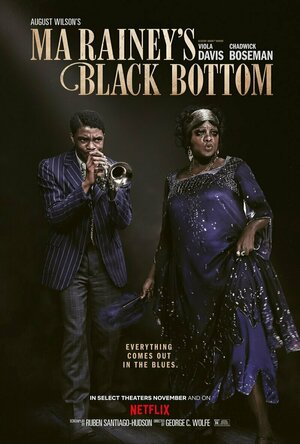
But…Davis performance pales in comparison to the elite level work of Chadwick Boseman in the central role of trumpet player Levee who has some demons to unpack, demons that drive both his artistic and emotional self. This is a difficult character to root for, but Boseman’s charm shines through and mixed with his rage and sadness, makes for a potent combination and an interesting character to watch. Adding to the poignancy of the performance is the knowledge that this as Boseman’s last role before succumbing to cancer.
Colman Domingo (my favorite actor in FEAR THE WALKING DEAD) brings a strong grounding to the preceedings in the role of Cutler while veteran character actor Glynn Turman (who I remember from the 1970’s mini-series CENTENNIAL) is at a career best as another musician, Toledo. Most of the film (and play) consist of Cutler, Toledo and Levee talking, arguing, bantering and pontificating and these 3 are more than up to this challenge.
All of this, of course, would not be possible without the power of the original stage play script by August Wilson. This work was ably adapted to the screen by Ruben Santiago-Hudson (a shoo-in for an Oscar nomination).
A very strong, very interesting tale with some very moving performances makes MA RAINEY’S BLACK BOTTOM a worthy Oscar-type film that should be checked out by all.
Letter Grade: A-
8 stars (out of 10) and you can take that to the Bank(OfMarquis)
The first film, FENCES (2016), earned Viola Davis an Oscar and was nominated for Best Film. The 2nd film, MA RAINEY’S BLACK BOTTOM looks to be just as awarded.
Set in a recording studio in Chicago in the 1920’s (the only play of Wilson’s Century Cycle NOT set in Pittsburgh), MA RAINEY’S BLACK BOTTOM tells the story of a recording session for Ma Rainey and her band.
Nominated for the Tony for Best Play of 1984, MA RAINEY’S BLACK BOTTOM is the perfect stage play, for it takes place in one room - the recording studio. The problem with turning this into a film is that Director George C. Wolf felt compelled to “open things up” and added scenes, mostly at the beginning of the film, that takes you out of the studio. He also included Ma Rainey in some of these scenes, thus taking away the power of her entrance about 1/3 of the way into the story. These added scenes add nothing to the story and waters down some of the strength that being confined in one place brings.
But, oh, with performances and dialogue like this, those things are quickly forgotten.
Davis, of course, is stellar as Ma Rainey grabbing the spotlight and commanding the room with her presence. Ma Rainey (and Davis) are not to be trifled with and this is a powerhouse performance, so much so that I can forgive the film for having Davis’ voice dubbed for much of her singing performance.
But…Davis performance pales in comparison to the elite level work of Chadwick Boseman in the central role of trumpet player Levee who has some demons to unpack, demons that drive both his artistic and emotional self. This is a difficult character to root for, but Boseman’s charm shines through and mixed with his rage and sadness, makes for a potent combination and an interesting character to watch. Adding to the poignancy of the performance is the knowledge that this as Boseman’s last role before succumbing to cancer.
Colman Domingo (my favorite actor in FEAR THE WALKING DEAD) brings a strong grounding to the preceedings in the role of Cutler while veteran character actor Glynn Turman (who I remember from the 1970’s mini-series CENTENNIAL) is at a career best as another musician, Toledo. Most of the film (and play) consist of Cutler, Toledo and Levee talking, arguing, bantering and pontificating and these 3 are more than up to this challenge.
All of this, of course, would not be possible without the power of the original stage play script by August Wilson. This work was ably adapted to the screen by Ruben Santiago-Hudson (a shoo-in for an Oscar nomination).
A very strong, very interesting tale with some very moving performances makes MA RAINEY’S BLACK BOTTOM a worthy Oscar-type film that should be checked out by all.
Letter Grade: A-
8 stars (out of 10) and you can take that to the Bank(OfMarquis)

Lottie disney bookworm (1056 KP) rated The Once and Future Witches in Books
Sep 20, 2020
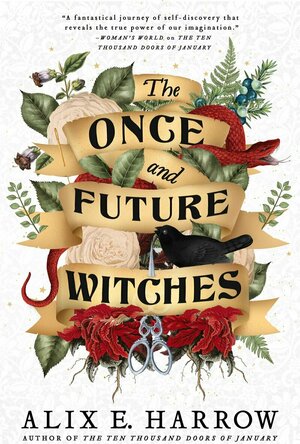

Thank you to Netgalley for luring me in with this recommendation and the gorgeous cover art. Thank you to Alix E Harrow for providing such an amazing story for this ARC review. All the opinions expressed below are my own.
"Witches and women's rights. Suffrage and spells. They're both...a kind of power...the kind we're not allowed to have."
I'm not often drawn to books involving witches to be honest. I love an annual viewing of Hocus Pocus (who doesn't?!) but that is usually where the affinity ends.
If anything can change my nonchalance, I suspect it may be Alix E. Harrow. This is the first piece of work I have read by the Hugo award winning writer and I don’t need any tarot cards to predict it will not be the last. From the outset of The Once and Future Witches I was hooked: the worldbuilding alone is amazing; you can immediately picture the mills, avenues, squares and slums of New Salem as well as the mysterious tower that pulls our three main characters together.
The three Eastwood sisters themselves are another work of art. Juniper, Agnes and Bella are fierce, formidable women in wildly different ways. They are also flawed, stubborn and quite frankly, inspirational: by linking women’s rights and witchcraft this fantasy novel suddenly becomes more real and relatable to the modern female reader, despite being set in 1893. We empathise, sympathise and rage right alongside the Eastwood sisters on their quest for equality in a male-controlled world.
However, not even witches can act alone and the Eastwood sisters have an amazing cast of supporting characters surrounding them. Impressively, not a single one of these characters can be accused of being two-dimensional: the character development that Harrow has invested into this novel is incredible and must have taken so much work! From the Suffragette’s secretary to the skin-crawling villain to the women and men fighting (and witching) side by side; every single character is substantial and memorable. The sarcasm within Juniper for example is hilarious and even the traditional figures of the Maiden, the Mother and the Crone refuse to conform to stereotypes: I LOVED it!
The format of this novel is very clever and practically forbids you from becoming too comfortable by peppering the main story with “witch-tales”. These complement rather than distract from the storyline and also provide small changes that make you smile – such as the tales of the Sisters Grimm.
Do not be fooled though: the use of witch-tales does not prevent The Once and Future Witches from being an incredibly modern piece of writing. Topics covered include sexuality, gender identity, feminism, race as well as smashing the patriarchy: all interspersed with magic, betrayal and a hell of a lot of emotion.
I would however argue that some topics are slightly too mature for the novel to be considered YA, the description of torture and suggestions of sexual abuse probably push this book firmly into general/adult fantasy fiction novels.
The Once and Future Witches is a future bestseller in my opinion. This unique, powerful novel provides characters that you can’t help but empathise with; slow-burning, intense relationships; the trials and tribulations that come with sisterhood and plot twists at every turn.
This book will swallow you heart and soul, make you laugh, make you cry and leave you bereft at the end.
It is a must read!
"Witches and women's rights. Suffrage and spells. They're both...a kind of power...the kind we're not allowed to have."
I'm not often drawn to books involving witches to be honest. I love an annual viewing of Hocus Pocus (who doesn't?!) but that is usually where the affinity ends.
If anything can change my nonchalance, I suspect it may be Alix E. Harrow. This is the first piece of work I have read by the Hugo award winning writer and I don’t need any tarot cards to predict it will not be the last. From the outset of The Once and Future Witches I was hooked: the worldbuilding alone is amazing; you can immediately picture the mills, avenues, squares and slums of New Salem as well as the mysterious tower that pulls our three main characters together.
The three Eastwood sisters themselves are another work of art. Juniper, Agnes and Bella are fierce, formidable women in wildly different ways. They are also flawed, stubborn and quite frankly, inspirational: by linking women’s rights and witchcraft this fantasy novel suddenly becomes more real and relatable to the modern female reader, despite being set in 1893. We empathise, sympathise and rage right alongside the Eastwood sisters on their quest for equality in a male-controlled world.
However, not even witches can act alone and the Eastwood sisters have an amazing cast of supporting characters surrounding them. Impressively, not a single one of these characters can be accused of being two-dimensional: the character development that Harrow has invested into this novel is incredible and must have taken so much work! From the Suffragette’s secretary to the skin-crawling villain to the women and men fighting (and witching) side by side; every single character is substantial and memorable. The sarcasm within Juniper for example is hilarious and even the traditional figures of the Maiden, the Mother and the Crone refuse to conform to stereotypes: I LOVED it!
The format of this novel is very clever and practically forbids you from becoming too comfortable by peppering the main story with “witch-tales”. These complement rather than distract from the storyline and also provide small changes that make you smile – such as the tales of the Sisters Grimm.
Do not be fooled though: the use of witch-tales does not prevent The Once and Future Witches from being an incredibly modern piece of writing. Topics covered include sexuality, gender identity, feminism, race as well as smashing the patriarchy: all interspersed with magic, betrayal and a hell of a lot of emotion.
I would however argue that some topics are slightly too mature for the novel to be considered YA, the description of torture and suggestions of sexual abuse probably push this book firmly into general/adult fantasy fiction novels.
The Once and Future Witches is a future bestseller in my opinion. This unique, powerful novel provides characters that you can’t help but empathise with; slow-burning, intense relationships; the trials and tribulations that come with sisterhood and plot twists at every turn.
This book will swallow you heart and soul, make you laugh, make you cry and leave you bereft at the end.
It is a must read!

Debbiereadsbook (1821 KP) rated Close to Home (Sawyer's Ferry #4) in Books
Jun 28, 2019
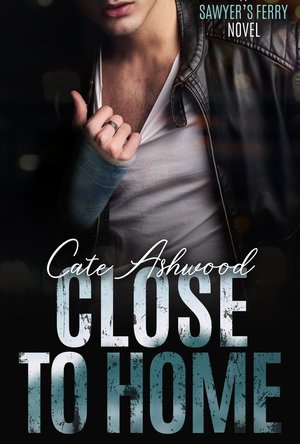
my fav of the four!
Independent reviewer for Archaeolibrarian, I was gifted my copy of this book.
This is book 4 in the Sawyers Ferry series, but you don't NEED to read the other books for this one to make sense. The previous stories come before this in time, and the previous characters pop up here too. But, you know? two 5 stars and a 4star read from me, so why not, eh?
Witt somehow manages to get himself a beating, and by some miracle, drives himself to the only place he feels safe: Sawyers Ferry. His boss did not like it when Witt said no. Mason is struggling at his place with his house mates family visiting, so when Logan and Jackson ask Mason to move into their place to keep an eye on the still recovering Witt, he jumps at the chance to not only get out his house, but to get to know the shy man a whole lot better. Something about Witt pulls at Mason, and he can't figure out what, not yet. But when Witt's boss turns up in town, Mason figures it out real quick. Witt is HIS and Mason will do everything he can to protect him.
So, book 4 and this carries a far darker story line. Witt has been working with a bully, and managed to, up to now, avoid any serious confrontation but when Witt says no to more overtime, that confrontation happens and Witt suffers at the hands of his boss. How he managed to get as far as the ferry, he will never know, but Logan and Jackson are there, they will help him. Then Mason is in the house, and Witt doesn't quite know what to do about the man who seemed to have invaded his dreams somewhere along the way.
Mason works with Barrett at the Copper Creek Brewery. He met Witt some time ago, the smaller shy man trying to almost hide in the sofa. But Mason noticed, he noticed a lot about Witt. Visiting Witt at the hospital bought all kinds of rage out of Mason, and all kinds of other feelings he didn't want to examine just yet. Being able to look after Witt when Logan and Jackson go out of town is just the best thing.
Slowly, Witt comes out of himself. He is painfully shy, and Mason so darn gentle with him, it was a delight to see Witt break his shell. And when Witt decides to take the plunge and take what he wants, or rather WHO he wants, ooooeeee that was so hawt!
It was great fun watching these two dance around each other for a huge part of the book! Mason admitted his feelings to Barrett and Frnakie quite early, but Witt took a while to get there. Neither man was sure what the other was feeling!
Brody pops up, and Mason's best friend. He has a short in this series, Laguna, which is availble for free from Profilicworks. And I do mean SHORT! 34 pages is all, but I do know that Ms Ashwood will be writing Brody and Beckett's full story shortly! Can't wait for that, I tell ya!
I just got back off my holidays, and I read this on the plane. Fabulous way to pass a 4 hour flight!
5 full and shiny stars!
**same worded review will appear elsewhere**
This is book 4 in the Sawyers Ferry series, but you don't NEED to read the other books for this one to make sense. The previous stories come before this in time, and the previous characters pop up here too. But, you know? two 5 stars and a 4star read from me, so why not, eh?
Witt somehow manages to get himself a beating, and by some miracle, drives himself to the only place he feels safe: Sawyers Ferry. His boss did not like it when Witt said no. Mason is struggling at his place with his house mates family visiting, so when Logan and Jackson ask Mason to move into their place to keep an eye on the still recovering Witt, he jumps at the chance to not only get out his house, but to get to know the shy man a whole lot better. Something about Witt pulls at Mason, and he can't figure out what, not yet. But when Witt's boss turns up in town, Mason figures it out real quick. Witt is HIS and Mason will do everything he can to protect him.
So, book 4 and this carries a far darker story line. Witt has been working with a bully, and managed to, up to now, avoid any serious confrontation but when Witt says no to more overtime, that confrontation happens and Witt suffers at the hands of his boss. How he managed to get as far as the ferry, he will never know, but Logan and Jackson are there, they will help him. Then Mason is in the house, and Witt doesn't quite know what to do about the man who seemed to have invaded his dreams somewhere along the way.
Mason works with Barrett at the Copper Creek Brewery. He met Witt some time ago, the smaller shy man trying to almost hide in the sofa. But Mason noticed, he noticed a lot about Witt. Visiting Witt at the hospital bought all kinds of rage out of Mason, and all kinds of other feelings he didn't want to examine just yet. Being able to look after Witt when Logan and Jackson go out of town is just the best thing.
Slowly, Witt comes out of himself. He is painfully shy, and Mason so darn gentle with him, it was a delight to see Witt break his shell. And when Witt decides to take the plunge and take what he wants, or rather WHO he wants, ooooeeee that was so hawt!
It was great fun watching these two dance around each other for a huge part of the book! Mason admitted his feelings to Barrett and Frnakie quite early, but Witt took a while to get there. Neither man was sure what the other was feeling!
Brody pops up, and Mason's best friend. He has a short in this series, Laguna, which is availble for free from Profilicworks. And I do mean SHORT! 34 pages is all, but I do know that Ms Ashwood will be writing Brody and Beckett's full story shortly! Can't wait for that, I tell ya!
I just got back off my holidays, and I read this on the plane. Fabulous way to pass a 4 hour flight!
5 full and shiny stars!
**same worded review will appear elsewhere**

Get Resilient! Resilienz-Training mit Hypnose
Health & Fitness and Medical
App
"Get Resilient! Building Resilience by Hypnosis • Develop greater resilience to resist stress and...

Bob Mann (459 KP) rated If Beale Street Could Talk (2018) in Movies
Sep 28, 2021
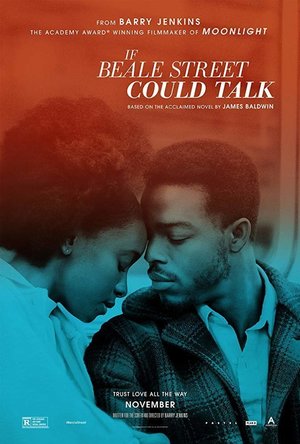
Love and Rage against the machine.
The baby asked,
‘Is there not one righteous among them?”
― James Baldwin, If Beale Street Could Talk
Beale Street refers to the jumpin’ heart of Memphis where Louis Armstrong was born. As explained in text from Baldwin’s source book (requiring a speed read!) it’s used as a metaphor for the birthplace of every black person in America. (“Every black person in America was born on Beale Street“). But the story is set in Harlem, New York, and with this intellectual stretch, before I even get past the title, I am immediately reaching for the “P-word”, of which more later.
The Plot
Tish (KiKi Layne) is 19 and in love with her lifelong friend ‘Fonny’ (Stephan James). So much in love in fact (and so careless) that Tish is now pregnant with his child. Tish must break this news to both families herself, since Fonny is inside awaiting trial for a vicious rape that he claims he didn’t commit. Tish and their joint families are trying to help, but can Fonny be released in time to see the birth of his child? Or are the institutions so set against him that release is impossible and death row might await?
Interwoven with Love and Anger
At its heart, this film portrays a truly beautiful love story. Tish and Fonny (both adorably played by the young leads) are friends becoming more than friends. We see their emerging love through flashback scenes. Some of these, particularly one on a metro train, are exquisitely done; long gazes into eyes, starting as one thing and ending as another.
In another scene, Fonny takes Tish’s virginity, and it’s done with style, taste and finesse. For younger teens this should be compulsory viewing as an antidote to all the horrible porn they are seeing on the internet: THIS is what sex, based on a foundation of true love, is all about. (The film is UK15 rated for “infrequent very strong language, strong sex” – I actually agree with the rating for the language (and actually I think an act of marital violence should also have also been referenced)…. but not for the sex, which should be 12A).
It’s a love story then? Well, yes, but offset against that, it’s a very angry film, seething with rage about how the police force and the justice system is set ‘against the black man’. Director Barry Jenkins (of – eventual – Oscar winner “Moonlight” fame) has a message to impart and he is intent on imparting it.
A great ensemble performance
The film didn’t get a SAG nomination for the ensemble cast, but it almost feels that they missed out here. As well as the two young leads being spectacular, the whole of the rest of the cast really gel well together, particularly the respective parents: Colman Domingo (“Selma“) as Tish’s father Joseph; Regina King as Tish’s mother Sharon; Michael Beach (“Patriots Day“) as Fonny’s father Frank and Aunjanue Ellis as his bible-bashing mother. A dramatic scene where they all collectively hear the news about the pregnancy is both comical and shocking in equal measure.
Poor sound mixing
If this film gets an Oscar nomination for sound, I’ll frankly be cross! There is significant use of sonorous, bass-heavy music and effects (including a lovely cello theme by Nicholas Britell) – all very effective; there is a lot of earnest and quietly spoken dialogue between the characters – also moody and effective. Unfortunately the two are mixed together in some scenes and frankly I couldn’t make out what was being said. Most frustrating.
In addition, there is voiceover narration from Tish (if you follow my blog regularly you KNOW what I think about that!). Actually, this isn’t as overly intrusive as in films like “The Hate U Give“, but it sounds like it was recorded in a dustbin! It’s a bit like that effect you get with headphones where the plug isn’t quite in the socket, and everything sounds way off and tinny. When combined with Layne’s accent the effect, again, made the dialogue difficult to comprehend.
The c-word and the n-word
There’s a degree of bad language in the film, albeit mild in comparison to “The Favourite“! Tish’s sister (Teyonah Parris) uses the c-word in one very funny dissing of Fonny’s ‘up-themselves’ sisters (Ebony Obsidian and Dominique Thorne). But the n-word is used repeatedly during the film, and that I can never get used to. I ‘get it’ (in the sense that I understand the perception) that this is a word that ‘only black people can use between themselves’. But this just feels elitist and wrong to me. At a time when Viggo Mortensen gets crucified for using it once (while being descriptive and in-context) during a press junket for “Green Book“, I just feel that if a word is taboo it should be taboo, period.
The p-word
My p-word here is “pretentious”. Barry Jenkins clearly feels he has something to prove after the success of “Moonlight“, and there are certainly moments of directorial brilliance in the film. As previously mentioned, the sex scene is one of the best I’ve seen in a long while. Also beautifully done are a birthing scene and two confrontational scenes in Puerto Rico. But there are also moments that seem to be staged, artificial and too ‘arty’ for their own good. Any hidden meaning behind them completely passed me by. (Examples are Sharon’s wig scene and a pan around Fonny’s wood sculpture). It all seems to be “trying too hard”.
Hate for the police is also writ large on the film, with every discriminatory police officer in the whole of the US embodied in the wicked sneering face of the police office Bell (Ed Skrein).
A platform that should be used for more than ranting
This is a film written and directed by an American black man (Jenkins) and largely fully cast with American black people. And I’m a white Englishman commenting on it. I’m clearly unqualified to pass judgement on how black America really feels about things! But comment I will from this fug of ignorance.
It feels to me that the “Black Lives Movement” has given, at long last, black film-makers like Jenkins a platform in cinema to present from. This is a great thing. But I’m sensing that at the moment the tone of the output from that platform (such as this film) seems to me heavily tinged with anger: a scream of frustration about the system and racial injustice over the years. It’s the film-makers right to make films about subjects dear to them. And I’m sure this summer we’ll sadly again see atrocities as previously seen in the likes of Ferguson and Dallas, fuelling the fire of hate. But I would personally really like to see someone like Jenkins use his undoubted talents to make a more uplifting film: a film reflecting the more positive strives that are happening in society, allowing for people of all races and all sexual orientations to make their way in business (not drug-running or crime!) and/or life in general. Those good news stories – the positive side of race relations – are out there and my view is that someone like Barry Jenkins should be telling them.
Final thoughts
I wasn’t as much of a fan of “Moonlight” as the Academy, and this film also left me conflicted. The film is well-made and the cast is very engaging. It also has a love story at its heart that is moody but well-done. Overall though the movie felt over-engineered and a little pretentious, and that knocked it down a few pegs for me.
‘Is there not one righteous among them?”
― James Baldwin, If Beale Street Could Talk
Beale Street refers to the jumpin’ heart of Memphis where Louis Armstrong was born. As explained in text from Baldwin’s source book (requiring a speed read!) it’s used as a metaphor for the birthplace of every black person in America. (“Every black person in America was born on Beale Street“). But the story is set in Harlem, New York, and with this intellectual stretch, before I even get past the title, I am immediately reaching for the “P-word”, of which more later.
The Plot
Tish (KiKi Layne) is 19 and in love with her lifelong friend ‘Fonny’ (Stephan James). So much in love in fact (and so careless) that Tish is now pregnant with his child. Tish must break this news to both families herself, since Fonny is inside awaiting trial for a vicious rape that he claims he didn’t commit. Tish and their joint families are trying to help, but can Fonny be released in time to see the birth of his child? Or are the institutions so set against him that release is impossible and death row might await?
Interwoven with Love and Anger
At its heart, this film portrays a truly beautiful love story. Tish and Fonny (both adorably played by the young leads) are friends becoming more than friends. We see their emerging love through flashback scenes. Some of these, particularly one on a metro train, are exquisitely done; long gazes into eyes, starting as one thing and ending as another.
In another scene, Fonny takes Tish’s virginity, and it’s done with style, taste and finesse. For younger teens this should be compulsory viewing as an antidote to all the horrible porn they are seeing on the internet: THIS is what sex, based on a foundation of true love, is all about. (The film is UK15 rated for “infrequent very strong language, strong sex” – I actually agree with the rating for the language (and actually I think an act of marital violence should also have also been referenced)…. but not for the sex, which should be 12A).
It’s a love story then? Well, yes, but offset against that, it’s a very angry film, seething with rage about how the police force and the justice system is set ‘against the black man’. Director Barry Jenkins (of – eventual – Oscar winner “Moonlight” fame) has a message to impart and he is intent on imparting it.
A great ensemble performance
The film didn’t get a SAG nomination for the ensemble cast, but it almost feels that they missed out here. As well as the two young leads being spectacular, the whole of the rest of the cast really gel well together, particularly the respective parents: Colman Domingo (“Selma“) as Tish’s father Joseph; Regina King as Tish’s mother Sharon; Michael Beach (“Patriots Day“) as Fonny’s father Frank and Aunjanue Ellis as his bible-bashing mother. A dramatic scene where they all collectively hear the news about the pregnancy is both comical and shocking in equal measure.
Poor sound mixing
If this film gets an Oscar nomination for sound, I’ll frankly be cross! There is significant use of sonorous, bass-heavy music and effects (including a lovely cello theme by Nicholas Britell) – all very effective; there is a lot of earnest and quietly spoken dialogue between the characters – also moody and effective. Unfortunately the two are mixed together in some scenes and frankly I couldn’t make out what was being said. Most frustrating.
In addition, there is voiceover narration from Tish (if you follow my blog regularly you KNOW what I think about that!). Actually, this isn’t as overly intrusive as in films like “The Hate U Give“, but it sounds like it was recorded in a dustbin! It’s a bit like that effect you get with headphones where the plug isn’t quite in the socket, and everything sounds way off and tinny. When combined with Layne’s accent the effect, again, made the dialogue difficult to comprehend.
The c-word and the n-word
There’s a degree of bad language in the film, albeit mild in comparison to “The Favourite“! Tish’s sister (Teyonah Parris) uses the c-word in one very funny dissing of Fonny’s ‘up-themselves’ sisters (Ebony Obsidian and Dominique Thorne). But the n-word is used repeatedly during the film, and that I can never get used to. I ‘get it’ (in the sense that I understand the perception) that this is a word that ‘only black people can use between themselves’. But this just feels elitist and wrong to me. At a time when Viggo Mortensen gets crucified for using it once (while being descriptive and in-context) during a press junket for “Green Book“, I just feel that if a word is taboo it should be taboo, period.
The p-word
My p-word here is “pretentious”. Barry Jenkins clearly feels he has something to prove after the success of “Moonlight“, and there are certainly moments of directorial brilliance in the film. As previously mentioned, the sex scene is one of the best I’ve seen in a long while. Also beautifully done are a birthing scene and two confrontational scenes in Puerto Rico. But there are also moments that seem to be staged, artificial and too ‘arty’ for their own good. Any hidden meaning behind them completely passed me by. (Examples are Sharon’s wig scene and a pan around Fonny’s wood sculpture). It all seems to be “trying too hard”.
Hate for the police is also writ large on the film, with every discriminatory police officer in the whole of the US embodied in the wicked sneering face of the police office Bell (Ed Skrein).
A platform that should be used for more than ranting
This is a film written and directed by an American black man (Jenkins) and largely fully cast with American black people. And I’m a white Englishman commenting on it. I’m clearly unqualified to pass judgement on how black America really feels about things! But comment I will from this fug of ignorance.
It feels to me that the “Black Lives Movement” has given, at long last, black film-makers like Jenkins a platform in cinema to present from. This is a great thing. But I’m sensing that at the moment the tone of the output from that platform (such as this film) seems to me heavily tinged with anger: a scream of frustration about the system and racial injustice over the years. It’s the film-makers right to make films about subjects dear to them. And I’m sure this summer we’ll sadly again see atrocities as previously seen in the likes of Ferguson and Dallas, fuelling the fire of hate. But I would personally really like to see someone like Jenkins use his undoubted talents to make a more uplifting film: a film reflecting the more positive strives that are happening in society, allowing for people of all races and all sexual orientations to make their way in business (not drug-running or crime!) and/or life in general. Those good news stories – the positive side of race relations – are out there and my view is that someone like Barry Jenkins should be telling them.
Final thoughts
I wasn’t as much of a fan of “Moonlight” as the Academy, and this film also left me conflicted. The film is well-made and the cast is very engaging. It also has a love story at its heart that is moody but well-done. Overall though the movie felt over-engineered and a little pretentious, and that knocked it down a few pegs for me.

Hazel (1853 KP) rated The House at the Edge of the Night in Books
Oct 20, 2017

For Victoria Hislop fans
I received this book for free through Goodreads First Reads.
Castellamare, a small island off the south coast of Italy, is the perfect setting for a captivating epic tale that traces a family from the beginning of the 1900s until the more recent year of 2009. Centred at the island’s only bar ‘The House at the Edge of the Night’, the island inhabitants suffer through two world wars, fascism, tourism and recession, however, the bar determinedly stays standing. But what happens in the rest of the world is largely ignored by the island dwellers that prefer to come to the bar to learn about friendships, betrayals and love affairs.
The House at the Edge of the Night begins on the mainland where the Dr Esposito removes the foundling Amadeo from care. Following in his foster father’s footsteps, Amadea Esposito trains to be a doctor and eventually lands himself a position on Castellamare. Having never had a doctor on the island before, Amadeo is welcomed by almost everyone, however, an illicit affair puts an end to his career. Fortunately, The House at the End of the Night provides Amadeo with an income and a home for his new wife, Pina, and his four children.
The story takes the reader through the Second World War, something that is interesting to read from the Italian’s point of view. Rejecting fascism, the Islanders are enraged when their boys are called up to join the war, especially as many, including Amadeo’s three boys, never return. With only a daughter, Maria-Grazia, remaining, the Esposito’s keep the bar going for lack of anything better to do.
But war brings good things as well as bad. Washed up on sure, the British soldier Robert brings good luck to the superstitious villagers, eventually marrying the lovely Maria-Grazia. The story continues through the childhood of their unruly boys, coming to an end as their granddaughter reaches adulthood.
A doctor and a barman, Amadeo also had a love for stories. Listening to his patients and patrons fantastical tales, Amadeo keeps note of them all in his personal notebook. Split into five parts, the book contains a story at the beginning of each section that, although mythical, set the scene for the subsequent narrative.
Alienated from the rest of the world, the Islanders are stuck in their ways, attributing any luck – good and bad – to their patron saint, Sant’Agata. Whenever life gets tough, the people on Castellamare turn to prayer, which although is part of their Catholic faith, often comes across as superstitious and irrational. They refuse to believe any logical explanation, preferring to regard their island as a magical, preternatural site.
There is no specific storyline with the usual climax and conclusion; instead, it works as a biography of a fictional family. It is interesting to regard the impact of the rapidly developing world on the island, from the introduction of a building society and the eventual launch of the Europe – something that the Islanders are naturally against. The inhabitants of Castellamare come across as naïve, but their backgrounds and beliefs are far more interesting than the average person.
The House at the Edge of the Night is a story of stories. It provides more than to be expected from a novel. Catherine Banner writes of beautiful settings, compelling characters and fascinating events that both amuse and entertain in a moving way.
With Victoria Hislop’s novels such as The Island being all the rage amongst many female readers, Catherine Banner’s The House at the Edge of the Night is destined for success. It is a great book to read on holiday or at home, and perfect for book clubs. This book is the ideal escape from the stresses of everyday life.
Castellamare, a small island off the south coast of Italy, is the perfect setting for a captivating epic tale that traces a family from the beginning of the 1900s until the more recent year of 2009. Centred at the island’s only bar ‘The House at the Edge of the Night’, the island inhabitants suffer through two world wars, fascism, tourism and recession, however, the bar determinedly stays standing. But what happens in the rest of the world is largely ignored by the island dwellers that prefer to come to the bar to learn about friendships, betrayals and love affairs.
The House at the Edge of the Night begins on the mainland where the Dr Esposito removes the foundling Amadeo from care. Following in his foster father’s footsteps, Amadea Esposito trains to be a doctor and eventually lands himself a position on Castellamare. Having never had a doctor on the island before, Amadeo is welcomed by almost everyone, however, an illicit affair puts an end to his career. Fortunately, The House at the End of the Night provides Amadeo with an income and a home for his new wife, Pina, and his four children.
The story takes the reader through the Second World War, something that is interesting to read from the Italian’s point of view. Rejecting fascism, the Islanders are enraged when their boys are called up to join the war, especially as many, including Amadeo’s three boys, never return. With only a daughter, Maria-Grazia, remaining, the Esposito’s keep the bar going for lack of anything better to do.
But war brings good things as well as bad. Washed up on sure, the British soldier Robert brings good luck to the superstitious villagers, eventually marrying the lovely Maria-Grazia. The story continues through the childhood of their unruly boys, coming to an end as their granddaughter reaches adulthood.
A doctor and a barman, Amadeo also had a love for stories. Listening to his patients and patrons fantastical tales, Amadeo keeps note of them all in his personal notebook. Split into five parts, the book contains a story at the beginning of each section that, although mythical, set the scene for the subsequent narrative.
Alienated from the rest of the world, the Islanders are stuck in their ways, attributing any luck – good and bad – to their patron saint, Sant’Agata. Whenever life gets tough, the people on Castellamare turn to prayer, which although is part of their Catholic faith, often comes across as superstitious and irrational. They refuse to believe any logical explanation, preferring to regard their island as a magical, preternatural site.
There is no specific storyline with the usual climax and conclusion; instead, it works as a biography of a fictional family. It is interesting to regard the impact of the rapidly developing world on the island, from the introduction of a building society and the eventual launch of the Europe – something that the Islanders are naturally against. The inhabitants of Castellamare come across as naïve, but their backgrounds and beliefs are far more interesting than the average person.
The House at the Edge of the Night is a story of stories. It provides more than to be expected from a novel. Catherine Banner writes of beautiful settings, compelling characters and fascinating events that both amuse and entertain in a moving way.
With Victoria Hislop’s novels such as The Island being all the rage amongst many female readers, Catherine Banner’s The House at the Edge of the Night is destined for success. It is a great book to read on holiday or at home, and perfect for book clubs. This book is the ideal escape from the stresses of everyday life.