
Search
Search results

Connor Sheffield (293 KP) rated The Crow (1994) in Movies
Apr 19, 2017


Close to the source material (2 more)
Great Cast
A powerful and emotional film
A Powerful Classic
The Crow is one of my all time favourite films as well as one of my all time favourite graphic novels.
This Gothic, fantasy action film has a tragic story that's powerful to behold as we witness what the power of revenge can do to a person. However, this isn't your typical revenge plot, because SPOILERS!
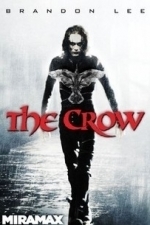
Eric Draven, portrayed by the incredible Brandon Lee (son of Bruce Lee), is actual brought back from the dead as an avenging angel, after he and his fiance were murdered by a group of thugs on Devils Night (the night before Halloween).
If you've read the graphic novel you'll know just how great this film is, and the only downside to it is knowing it was Brandon Lee's last after an accident that happened on set.
However, the film sticks close to the source material, especially since James O'Barr, the creator of the characters and the graphic novel worked closely with the cast and crew of the film to ensure it was done correctly.
The tone of the film is, for obvious reasons, dark but there is still humour in it which lightens the mood and gives you a sense of Eric Draven's mind because let's face it, coming back from the dead with the ability to heal any wound, and the opportunity to get revenge on those who wronged you, it's enough to send a sensible man insane, and we see that shine through Brandon Lee performance with jokes and laughter, whilst still remaining eerily dark and twisted. When the bad guys realise he heals any wounds and can't die...You can see how much Eric enjoys seeing the fear grow in their faces, and as the strong unfolds we learn that the group of thugs who committed the crime, were just pawns to a bigger villain leading a crime syndicate in the city.
We see emotion as Eric tries to find out the truth of what really happened that night, and why he and his fiance lost their lives, and we see him trying to connect to his past through Sarah, a young girl that he and his fiance looked after and cared for. We also see the truth unfold through Officer Albrecht who was in charge of the investigation.
The characters are all brilliantly written, from Sarah's childhood innocence becoming a more mature sense of realising that the world can't always be a happy place, to Eric's lust for revenger and being sidetracked by emotions of his former life, trying to remain a good person whilst committing these acts of murder for revenge.
The music in the film really fits the scenes and the feel of the entire story with bands like The Cure, Pantera, Rage Against The Machine and Stone Temple Pilots among others, its soundtrack is brilliantly dark.
Also the main aspect that you have to love is Brandon Lee in the crow makeup and clothing. He looks menacing, he looks like he has a lust for revenge, most importantly he looks badass! One of the greatest comic book characters in film that I have ever seen, and whilst I was a little wary of the talks to remake this film in 2016/2017, I would be curious to see the character brought to life again and given a fresh look but I don't know if anyone can beat Brandon Lee in that portrayal because he looks incredible.
This film is dark, powerful, moving and poetic and will remain one of my top 5 films of all time. Maybe even top 3.
I highly recommend this film to anyone who enjoys a comic book movie, especially if you like movies with action and drama with a Gothic overtone.
R.I.P Brandon Lee (1965-1993)
This Gothic, fantasy action film has a tragic story that's powerful to behold as we witness what the power of revenge can do to a person. However, this isn't your typical revenge plot, because SPOILERS!
Eric Draven, portrayed by the incredible Brandon Lee (son of Bruce Lee), is actual brought back from the dead as an avenging angel, after he and his fiance were murdered by a group of thugs on Devils Night (the night before Halloween).
If you've read the graphic novel you'll know just how great this film is, and the only downside to it is knowing it was Brandon Lee's last after an accident that happened on set.
However, the film sticks close to the source material, especially since James O'Barr, the creator of the characters and the graphic novel worked closely with the cast and crew of the film to ensure it was done correctly.
The tone of the film is, for obvious reasons, dark but there is still humour in it which lightens the mood and gives you a sense of Eric Draven's mind because let's face it, coming back from the dead with the ability to heal any wound, and the opportunity to get revenge on those who wronged you, it's enough to send a sensible man insane, and we see that shine through Brandon Lee performance with jokes and laughter, whilst still remaining eerily dark and twisted. When the bad guys realise he heals any wounds and can't die...You can see how much Eric enjoys seeing the fear grow in their faces, and as the strong unfolds we learn that the group of thugs who committed the crime, were just pawns to a bigger villain leading a crime syndicate in the city.
We see emotion as Eric tries to find out the truth of what really happened that night, and why he and his fiance lost their lives, and we see him trying to connect to his past through Sarah, a young girl that he and his fiance looked after and cared for. We also see the truth unfold through Officer Albrecht who was in charge of the investigation.
The characters are all brilliantly written, from Sarah's childhood innocence becoming a more mature sense of realising that the world can't always be a happy place, to Eric's lust for revenger and being sidetracked by emotions of his former life, trying to remain a good person whilst committing these acts of murder for revenge.
The music in the film really fits the scenes and the feel of the entire story with bands like The Cure, Pantera, Rage Against The Machine and Stone Temple Pilots among others, its soundtrack is brilliantly dark.
Also the main aspect that you have to love is Brandon Lee in the crow makeup and clothing. He looks menacing, he looks like he has a lust for revenge, most importantly he looks badass! One of the greatest comic book characters in film that I have ever seen, and whilst I was a little wary of the talks to remake this film in 2016/2017, I would be curious to see the character brought to life again and given a fresh look but I don't know if anyone can beat Brandon Lee in that portrayal because he looks incredible.
This film is dark, powerful, moving and poetic and will remain one of my top 5 films of all time. Maybe even top 3.
I highly recommend this film to anyone who enjoys a comic book movie, especially if you like movies with action and drama with a Gothic overtone.
R.I.P Brandon Lee (1965-1993)

Whatchareadin (174 KP) rated Summerland in Books
May 10, 2018

Four teenagers, from the small island of Nantucket are involved in a tragic accident the night of high school graduation. All four were juniors at the high school and 3 of the four had very promising lives ahead of them. Penny Alistair was killed in this accident. Penny had a beautiful singing voice that everyone admired. Her twin brother Hobson(Hobby), who was the star of every sports team, was so badly injured, he was in a coma and had broken 16 bones on his left side. Jake Randolph, who was Penny's boyfriend was not injured in the crash, but his jeep which Penny was driving was totaled. And finally, Demeter Castle, Penny's friend who wasn't as popular as the others was also unarmed during the crash. The kids had all been enjoying graduation festivities when they made their way to the beach for the final party. Demeter took Penny to the dunes, to use the bathroom. When they returned, Penny was in such a rage, there was nothing no one could to to stop her.
This was my first book by Elin Hilderbrand. I have many of her books on my TBR list and this was available so I snatched it up. I listened to the audio book rather than reading this title. The book is told from several different perspectives throughout. The voice of the island of Nantucket, Jake Randolph, Zoey Alistair(Penny & Hobson's mother), Demeter, Jordan Randolph(Jake's father), Hobby, Lynn Castle(Demeter's Mother), Ava Randolph(Jake's mother). Each one of them have a connection to each other and a connection to the accident. Telling the story from these different perspectives, you get a look how the accident as well as other events in their lives have shaped them and brought them to this particular point. The story is told throughout the summer after the accident.
One of my favorite lines from the book was "Penelope has a heart made from the finest bone china." When I heard that line, and they say it at least twice in the book, it made my heart hurt for Penny. She was a very sensitive person. She took other's pain as her own. It was Demeter who had said something to Penny that made her upset, but what was it. Hobby and Jake spend most of the summer trying to figure it out. It could have been anything, but what could have made her so mad she would have wanted to kill herself.
One thing that I wish was included in this book was Penny's perspective. I know she was dead, but I would have like to hear a little from her in this book. We hear about different things that were going on with her from everyone else's point of view, but I would have liked to hear her "voice" in this book.
This was a good book with diverse characters. You can see the struggles and concerns of teenagers in this book and it made me think about my own children and my childhood. All the things I kept from my parents and I wonder if they ever knew. I hope that other mother's will read this book and will want to keep an open dialogue with their children about the trials and tribulations they are going through. We have all been teenagers at some point and we can probably help our own children if we can talk to them about how our lives were at that time. I know when I was a teen, I was sure my mother would never understand me, but she had been in my position once in life as well.
This was my first book by Elin Hilderbrand. I have many of her books on my TBR list and this was available so I snatched it up. I listened to the audio book rather than reading this title. The book is told from several different perspectives throughout. The voice of the island of Nantucket, Jake Randolph, Zoey Alistair(Penny & Hobson's mother), Demeter, Jordan Randolph(Jake's father), Hobby, Lynn Castle(Demeter's Mother), Ava Randolph(Jake's mother). Each one of them have a connection to each other and a connection to the accident. Telling the story from these different perspectives, you get a look how the accident as well as other events in their lives have shaped them and brought them to this particular point. The story is told throughout the summer after the accident.
One of my favorite lines from the book was "Penelope has a heart made from the finest bone china." When I heard that line, and they say it at least twice in the book, it made my heart hurt for Penny. She was a very sensitive person. She took other's pain as her own. It was Demeter who had said something to Penny that made her upset, but what was it. Hobby and Jake spend most of the summer trying to figure it out. It could have been anything, but what could have made her so mad she would have wanted to kill herself.
One thing that I wish was included in this book was Penny's perspective. I know she was dead, but I would have like to hear a little from her in this book. We hear about different things that were going on with her from everyone else's point of view, but I would have liked to hear her "voice" in this book.
This was a good book with diverse characters. You can see the struggles and concerns of teenagers in this book and it made me think about my own children and my childhood. All the things I kept from my parents and I wonder if they ever knew. I hope that other mother's will read this book and will want to keep an open dialogue with their children about the trials and tribulations they are going through. We have all been teenagers at some point and we can probably help our own children if we can talk to them about how our lives were at that time. I know when I was a teen, I was sure my mother would never understand me, but she had been in my position once in life as well.

Movie Metropolis (309 KP) rated X-Men: Days of Future Past (2014) in Movies
Jun 10, 2019 (Updated Jun 10, 2019)

More DC than Marvel
Bryan Singer’s return to the X-Men franchise comes at the perfect time both for the series and its director.
After last year’s poorly executed Jack the Giant Slayer, Singer needed to come back to home turf and after a string of irritating X-Men films, including the entertaining but soulless X-Men: The Last Stand and the downright offensive Wolverine origins story, it seems the superhero series needed to do the same.
But can a re-partnering 11 years after the brilliant X2 restore the magic of one of Marvel’s best comics?
Partially is the answer here. Singer restores the cinematic flair and sparkle of the series and brings back a lot of old faces but forgets a lot of the fun in the process.
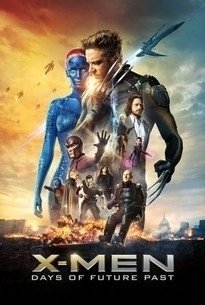
x-men-days-of-future-past-character-poster-01.jpgDays of Future Past is set in a dystopian future as a war between mutants and humans continues to rage. Charles Xavier (Patrick Stewart), Magneto (Ian McKellen), Storm (Halle Berry) and many other fan favourites return to the series after being absent for some time. We follow these characters as they try to escape the sentinels; an army of robots impressively rendered in CGI designed to kill any mutant on sight, friend or foe.
The only way to stop the war is to send a mutant back to 1973 when the sentinel program was put in motion. Unfortunately, Hugh Jackman’s Wolverine is the chosen one and remains the lead character throughout the film.
Back in 1973, the mutants from X-Men First Class are blissfully unaware of what lies in store for them, though they still have their own personal battles to deal with.
As the film progresses, it becomes painfully obvious that this is very much a “First Class” era film. James McAvoy’s impressive take on the young Charles Xavier returns, as does Michael Fassbender’s Magneto.
However, only Jennifer Lawrence’s Mystique makes a lasting impact amongst the 1973 era mutants. You can see the pain and torment etched onto her face throughout theJennifer-Lawrence-mystique film and as in The Hunger Games she steals focus from everyone around her. Game of Thrones’ Peter Dinklage also joins the cast as the film’s primary antagonist Bolivar Trask and is a real joy to watch. His character is understated in every way, but he remains an iconic presence throughout.
However, as impressive as the set pieces and acting performances are, it is in the future where we wish to see more. The ‘classic’ characters are barely given any screen time which is a real shame and the real mutant cost of the war is glossed over entirely. The special effects are genuinely very good. Each of the action sequences is well choreographed and the CGI is great, especially the rendering on the future sentinels which can adapt to seek a mutant’s power – no matter what it is.
Unfortunately, the fun factor is completely lost as Singer ramps up the tension and the death toll. In fact, only one character provides the humour and that is Evan Peters’ portrayal of Quicksilver who is only on screen for 15 minutes.
Overall, X-Men: Days of Future Past is definitely the best film of the series and thankfully does away with the atrocities that have been committed previously in the franchise. However, it feels like Singer was trying so hard to repair his predecessor’s mistakes, he forgot some of the key elements of a Marvel superhero film in the process – this is more DC than Marvel.
https://moviemetropolis.net/2014/06/01/x-men-days-of-future-past-review/
After last year’s poorly executed Jack the Giant Slayer, Singer needed to come back to home turf and after a string of irritating X-Men films, including the entertaining but soulless X-Men: The Last Stand and the downright offensive Wolverine origins story, it seems the superhero series needed to do the same.
But can a re-partnering 11 years after the brilliant X2 restore the magic of one of Marvel’s best comics?
Partially is the answer here. Singer restores the cinematic flair and sparkle of the series and brings back a lot of old faces but forgets a lot of the fun in the process.
x-men-days-of-future-past-character-poster-01.jpgDays of Future Past is set in a dystopian future as a war between mutants and humans continues to rage. Charles Xavier (Patrick Stewart), Magneto (Ian McKellen), Storm (Halle Berry) and many other fan favourites return to the series after being absent for some time. We follow these characters as they try to escape the sentinels; an army of robots impressively rendered in CGI designed to kill any mutant on sight, friend or foe.
The only way to stop the war is to send a mutant back to 1973 when the sentinel program was put in motion. Unfortunately, Hugh Jackman’s Wolverine is the chosen one and remains the lead character throughout the film.
Back in 1973, the mutants from X-Men First Class are blissfully unaware of what lies in store for them, though they still have their own personal battles to deal with.
As the film progresses, it becomes painfully obvious that this is very much a “First Class” era film. James McAvoy’s impressive take on the young Charles Xavier returns, as does Michael Fassbender’s Magneto.
However, only Jennifer Lawrence’s Mystique makes a lasting impact amongst the 1973 era mutants. You can see the pain and torment etched onto her face throughout theJennifer-Lawrence-mystique film and as in The Hunger Games she steals focus from everyone around her. Game of Thrones’ Peter Dinklage also joins the cast as the film’s primary antagonist Bolivar Trask and is a real joy to watch. His character is understated in every way, but he remains an iconic presence throughout.
However, as impressive as the set pieces and acting performances are, it is in the future where we wish to see more. The ‘classic’ characters are barely given any screen time which is a real shame and the real mutant cost of the war is glossed over entirely. The special effects are genuinely very good. Each of the action sequences is well choreographed and the CGI is great, especially the rendering on the future sentinels which can adapt to seek a mutant’s power – no matter what it is.
Unfortunately, the fun factor is completely lost as Singer ramps up the tension and the death toll. In fact, only one character provides the humour and that is Evan Peters’ portrayal of Quicksilver who is only on screen for 15 minutes.
Overall, X-Men: Days of Future Past is definitely the best film of the series and thankfully does away with the atrocities that have been committed previously in the franchise. However, it feels like Singer was trying so hard to repair his predecessor’s mistakes, he forgot some of the key elements of a Marvel superhero film in the process – this is more DC than Marvel.
https://moviemetropolis.net/2014/06/01/x-men-days-of-future-past-review/
Movie Metropolis (309 KP) rated Pompeii (2014) in Movies
Jun 11, 2019
The disaster movie has always been a genre guaranteed to create incredible box-office returns. If you look at Roland Emmerich’s impressive blockbuster hit 2012, which grossed over $750million, it is clear that destroying well-known landmarks = bums on seats.
However since 2012‘s 2009 release the genre has fallen into a dormant state. Nevertheless, four years later Paul W.S. Anderson attempts to reawaken this box-office behemoth with his take on the tragic true events at Pompeii, but does the film succeed in its task?
Partially is the short answer. Anderson’s first film since 2012’s disaster Resident Evil: Retribution is as cheesy as a Dairylea triangle, but it also has some stunning special effects to give it some life.
Game of Thrones’ Kit Harington stars as Milo, a slave captured by the Romans after they wiped out his entire family. He is taken to a gloriously recreated Pompeii and immediately sets his sights on the very beautiful Lady Cassia, played by a rather dull Emily Browning, who just so happens to be the daughter of the city ruler, Severus. I’m sure you can guess the plot…
What ensues is a cheesy mess of terrible acting and stilted dialogue that jars with the period nature of the film. Only the knowing of what is to come from Mt Vesuvius, which is beautifully rendered in CGI, stops the film from grinding to a halt.
Kiefer Sutherland dons a downright ridiculous English accent for the role of Senator Corvus, the chief antagonist in the film. He is on business in Pompeii to see if trade can be established and investment can be agreed with the great city of Rome – though this plot point gets lost along the way.
Another issue is the true story which Pompeii is based on. The great tale of tragedy and mother nature showing her ruthless side is one we all know – but all we really want to see is the mountain going boom. Unfortunately we must wait whilst Anderson tries his best to make us care about the characters with their sickly back-stories, for which he fails in breathtaking fashion.
Finally after nearly an hour of what feels like a poor-mans Gladiator we are treat to a stunning spectacle, as Mt Vesuvius explodes in rip-roaring style. As the mountain blows and the fireballs rage Anderson once again tries to get us interested in the paper-thin story, thankfully not pushing too hard this time, and he lets the special effects take over.
Historical accuracy is, surprisingly, very good. According to the director, Pompeii was faithfully recreated for the film with aerial shots of the city as it stands today topped up with CGI to show the thriving metropolis we see in the film.
Unfortunately, scientific accuracy takes a back-seat for the sake of high drama, which is the case with many films of this nature. The iconic pyroclastic flow, attributed to killing the majority of Pompeii’s inhabitants due to its huge speed and massive temperatures is slowed right down to ensure the film can last another ten minutes or so – though this is perhaps to be expected.
Overall, Paul W.S. Anderson has created a film which certainly looks the part, but is lacking in so many other areas. Kiefer Sutherland’s villain is completely upstaged by the constant shots of the volcano, which are almost pantomime like in their ‘it’s behind you’ staging, and the rest of the cast are wooden and not particularly likeable.
However, what it lacks in story and acting finesse it makes up in the beautiful special effects and engaging cinematography. It’s worth a watch just to see Pompeii get obliterated – which is probably not a very nice thing to say at all.
https://moviemetropolis.net/2014/05/03/pompeii-3d-review/
However since 2012‘s 2009 release the genre has fallen into a dormant state. Nevertheless, four years later Paul W.S. Anderson attempts to reawaken this box-office behemoth with his take on the tragic true events at Pompeii, but does the film succeed in its task?
Partially is the short answer. Anderson’s first film since 2012’s disaster Resident Evil: Retribution is as cheesy as a Dairylea triangle, but it also has some stunning special effects to give it some life.
Game of Thrones’ Kit Harington stars as Milo, a slave captured by the Romans after they wiped out his entire family. He is taken to a gloriously recreated Pompeii and immediately sets his sights on the very beautiful Lady Cassia, played by a rather dull Emily Browning, who just so happens to be the daughter of the city ruler, Severus. I’m sure you can guess the plot…
What ensues is a cheesy mess of terrible acting and stilted dialogue that jars with the period nature of the film. Only the knowing of what is to come from Mt Vesuvius, which is beautifully rendered in CGI, stops the film from grinding to a halt.
Kiefer Sutherland dons a downright ridiculous English accent for the role of Senator Corvus, the chief antagonist in the film. He is on business in Pompeii to see if trade can be established and investment can be agreed with the great city of Rome – though this plot point gets lost along the way.
Another issue is the true story which Pompeii is based on. The great tale of tragedy and mother nature showing her ruthless side is one we all know – but all we really want to see is the mountain going boom. Unfortunately we must wait whilst Anderson tries his best to make us care about the characters with their sickly back-stories, for which he fails in breathtaking fashion.
Finally after nearly an hour of what feels like a poor-mans Gladiator we are treat to a stunning spectacle, as Mt Vesuvius explodes in rip-roaring style. As the mountain blows and the fireballs rage Anderson once again tries to get us interested in the paper-thin story, thankfully not pushing too hard this time, and he lets the special effects take over.
Historical accuracy is, surprisingly, very good. According to the director, Pompeii was faithfully recreated for the film with aerial shots of the city as it stands today topped up with CGI to show the thriving metropolis we see in the film.
Unfortunately, scientific accuracy takes a back-seat for the sake of high drama, which is the case with many films of this nature. The iconic pyroclastic flow, attributed to killing the majority of Pompeii’s inhabitants due to its huge speed and massive temperatures is slowed right down to ensure the film can last another ten minutes or so – though this is perhaps to be expected.
Overall, Paul W.S. Anderson has created a film which certainly looks the part, but is lacking in so many other areas. Kiefer Sutherland’s villain is completely upstaged by the constant shots of the volcano, which are almost pantomime like in their ‘it’s behind you’ staging, and the rest of the cast are wooden and not particularly likeable.
However, what it lacks in story and acting finesse it makes up in the beautiful special effects and engaging cinematography. It’s worth a watch just to see Pompeii get obliterated – which is probably not a very nice thing to say at all.
https://moviemetropolis.net/2014/05/03/pompeii-3d-review/

ArecRain (8 KP) rated Goddess of Yesterday in Books
Jan 18, 2018

First off, I should say that I absolutely love Greek mythology. I do not consider myself sufficiently schooled in the subject, but it is a passion of mine. I do not, however, like reading about the Trojan War. Therefore, I was a bit iffy when I request this book from book swap on goodreads.com . After reading it, I was pleased that the novel barely touched on the war.
There are so many thing that I love about this book that I dont know if I can even fit it all into one review. I normally do not like narratives, but I think this novel wouldnt have been the same if it hadnt been. When it first starts, the main character, Anaxandra, is only 5 years old and , thus, narrates through the eyes of a five year old (who knows how to express herself very well ). As the story progresses and Anaxandra grows older, the way she thinks and talks also evolves. You almost feel as if you grow with her, learning the things that she does and experiencing what she does with such clarity.
From page one, the plot unfolds, another thing I adore about any book. There is no excessive detail or long drawn out explanations of anything. Cooney wastes no time with excessive writing when she can sufficiently say it in a few sentences. Something I thought was very realistic considering the narrator. It almost reads like a stream on consciousness. It isnt staccato and rough like Hemingways writing, reading smoothing while still sounding like what is going through a young girl's mind during the time.
The plot actually wasnt too complicated. A young girl is given to a king as a companion for his daughter. Their village is sacked when she is older and she lies to Menalaus to save herself and thus becomes a companion for his young daughter. Helen meets Paris, and the rest is history. It sounds simple enough, but every page had something on it that progressed the storyline. It seemed that something was always happening.
Cooney's Helen of Troy had me clutching my book firmly in my claws, trying not to through it across the room in rage. I always picture Helen of Troy as a narcisstic woman who should have been put in her place. Cooney portrayed just that: a woman so caught in her own supposed birthright, beauty, and self bestowed power that, at time, Helen acted as if she was a goddess herself. She had accepted her life but was bored with it. It wasn't until someone as equally gorgeous and captivating as her came along, Paris, did she gain the courage to finally defy her husband.
I equally agreed with Cooney's portrayal of Paris. The young prince, who was also known to be quite the stud of his time, just bragged about his conquests and skills, of which, in truth, he had none.
What is not to love about two people wrapped up in themselves actually falling in love with each other? I wondered if they were only in love with the idea of them having a mate that compared to their unsurpassable looks.
All in all, there were far to many things in this novel that made me place it back on my shelf instead of donating it once I had finished. It lacks a certain maturity that I had grown use to from the other novels I have been reading as of late, but considering it is a young adult novel, I think Cooney can be forgiven for such a triviality.
If you like fiction about ancient Greece and Greek Mythology, I whole-heartedly recommend this little gem.
There are so many thing that I love about this book that I dont know if I can even fit it all into one review. I normally do not like narratives, but I think this novel wouldnt have been the same if it hadnt been. When it first starts, the main character, Anaxandra, is only 5 years old and , thus, narrates through the eyes of a five year old (who knows how to express herself very well ). As the story progresses and Anaxandra grows older, the way she thinks and talks also evolves. You almost feel as if you grow with her, learning the things that she does and experiencing what she does with such clarity.
From page one, the plot unfolds, another thing I adore about any book. There is no excessive detail or long drawn out explanations of anything. Cooney wastes no time with excessive writing when she can sufficiently say it in a few sentences. Something I thought was very realistic considering the narrator. It almost reads like a stream on consciousness. It isnt staccato and rough like Hemingways writing, reading smoothing while still sounding like what is going through a young girl's mind during the time.
The plot actually wasnt too complicated. A young girl is given to a king as a companion for his daughter. Their village is sacked when she is older and she lies to Menalaus to save herself and thus becomes a companion for his young daughter. Helen meets Paris, and the rest is history. It sounds simple enough, but every page had something on it that progressed the storyline. It seemed that something was always happening.
Cooney's Helen of Troy had me clutching my book firmly in my claws, trying not to through it across the room in rage. I always picture Helen of Troy as a narcisstic woman who should have been put in her place. Cooney portrayed just that: a woman so caught in her own supposed birthright, beauty, and self bestowed power that, at time, Helen acted as if she was a goddess herself. She had accepted her life but was bored with it. It wasn't until someone as equally gorgeous and captivating as her came along, Paris, did she gain the courage to finally defy her husband.
I equally agreed with Cooney's portrayal of Paris. The young prince, who was also known to be quite the stud of his time, just bragged about his conquests and skills, of which, in truth, he had none.
What is not to love about two people wrapped up in themselves actually falling in love with each other? I wondered if they were only in love with the idea of them having a mate that compared to their unsurpassable looks.
All in all, there were far to many things in this novel that made me place it back on my shelf instead of donating it once I had finished. It lacks a certain maturity that I had grown use to from the other novels I have been reading as of late, but considering it is a young adult novel, I think Cooney can be forgiven for such a triviality.
If you like fiction about ancient Greece and Greek Mythology, I whole-heartedly recommend this little gem.

Kyera (8 KP) rated The Rose Society in Books
Feb 1, 2018
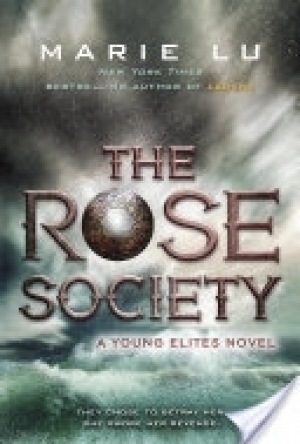
This is the second book in the Young Elites series. Adelina has been cast off by the Dagger Society and the darkness in her heart is consuming her. Accompanied by only her sister, who she discovered is also a Young Elite like her, Adelina sets out to form her own version of the Dagger Society - the Rose Society. The crown prince is dead and Adelina focuses all of her rage and vengeance against Teren. She and Violetta have been practicing with their abilities and are stronger than before.
About one-quarter of the way through the book and it has hit its stride already. It is more immersive than the first, which seemed to suffer from slow pacing. Now that the plot has been established, it seems to allow the author more freedom with writing and storytelling. A number of new characters are introduced like Queen Maeve and her brothers, an unnamed charlatan, and the infamous Magiano.
Magiano is a greedy thief, but you can't help but be a little charmed by him. Adelina plans to surround herself with other Elites so that her Rose Society can flourish. She sets her sights on Magiano whose power is <spoiler>mimicry. He is able to copy the powers of the other Elites</spoiler> Unfortunately, he is not eager to abandon his life of solitary thievery and challenges the sisters. If they succeed, he will join them. Will his skills as a thief give him victory or will Adelina be able to weave enough illusions to secure herself an ally?
Her acts may even gain her the support of others, thus growing her society. But mercenaries aren't the most loyal of followers. Adelina causes chaos during the theft and must flee with Magiano and her sister. During the course of their escape, they discover another Elite, called <spoiler>Rainmaker, or Sergio. As his Elite name suggests, he can control the rain. His abilities are impressive enough to brew fierce storms and call down deadly lightning strikes</spoiler>. Her Society may be called Rose, unlike the Daggers she left behind, but she is much more ruthless and cold than her more violent sounding counterparts.
Queen Maeve has the ability to <spoiler>bring people back from the dead and she plans to do so with Enzo. Whether he will be the same Enzo as before his death or be utterly changed by his new bond with the Underworld, Maeve cannot know. </spoiler>
Adelina's love for Enzo and introduction of Magian leads to a typical love triangle. Enzo may have died, but Adelina still pines for him and it show. Despite those feelings, she forms a connection with Magiano and it complicates their relationship because "caring for a scoundrel is a dangerous thing." Magiano plays the role of the rogue with a hidden heart of gold, like Sinbad, Thorne from the Lunar Chronicles or Flynn Rider (*cough* Eugene Fitzherbert *cough*) from Tangled. He is a thief and a trickster, who is seemingly on in it for the money but over the course of the novel his heart gets in the way.
The battle is painted so vibrantly that it plays like a movie in your mind. The anticipation is palpable, each attack makes you catch your breath - who is going to die? Who will be victorious? The action and revelation in the book keep the reader hooked until the end.
Recommended, but you need to read the Young Elites first book for the story's foundation to be build... otherwise the story won't be as affecting and probably won't make sense. The conclusion of Rose Society leaves the reader intrigued and wondering what happens in the third novel.
About one-quarter of the way through the book and it has hit its stride already. It is more immersive than the first, which seemed to suffer from slow pacing. Now that the plot has been established, it seems to allow the author more freedom with writing and storytelling. A number of new characters are introduced like Queen Maeve and her brothers, an unnamed charlatan, and the infamous Magiano.
Magiano is a greedy thief, but you can't help but be a little charmed by him. Adelina plans to surround herself with other Elites so that her Rose Society can flourish. She sets her sights on Magiano whose power is <spoiler>mimicry. He is able to copy the powers of the other Elites</spoiler> Unfortunately, he is not eager to abandon his life of solitary thievery and challenges the sisters. If they succeed, he will join them. Will his skills as a thief give him victory or will Adelina be able to weave enough illusions to secure herself an ally?
Her acts may even gain her the support of others, thus growing her society. But mercenaries aren't the most loyal of followers. Adelina causes chaos during the theft and must flee with Magiano and her sister. During the course of their escape, they discover another Elite, called <spoiler>Rainmaker, or Sergio. As his Elite name suggests, he can control the rain. His abilities are impressive enough to brew fierce storms and call down deadly lightning strikes</spoiler>. Her Society may be called Rose, unlike the Daggers she left behind, but she is much more ruthless and cold than her more violent sounding counterparts.
Queen Maeve has the ability to <spoiler>bring people back from the dead and she plans to do so with Enzo. Whether he will be the same Enzo as before his death or be utterly changed by his new bond with the Underworld, Maeve cannot know. </spoiler>
Adelina's love for Enzo and introduction of Magian leads to a typical love triangle. Enzo may have died, but Adelina still pines for him and it show. Despite those feelings, she forms a connection with Magiano and it complicates their relationship because "caring for a scoundrel is a dangerous thing." Magiano plays the role of the rogue with a hidden heart of gold, like Sinbad, Thorne from the Lunar Chronicles or Flynn Rider (*cough* Eugene Fitzherbert *cough*) from Tangled. He is a thief and a trickster, who is seemingly on in it for the money but over the course of the novel his heart gets in the way.
The battle is painted so vibrantly that it plays like a movie in your mind. The anticipation is palpable, each attack makes you catch your breath - who is going to die? Who will be victorious? The action and revelation in the book keep the reader hooked until the end.
Recommended, but you need to read the Young Elites first book for the story's foundation to be build... otherwise the story won't be as affecting and probably won't make sense. The conclusion of Rose Society leaves the reader intrigued and wondering what happens in the third novel.

Mike Wilder (20 KP) rated Rage (2009) in Movies
May 30, 2018

If you get the option to see this film you really should take the chance.
Contains spoilers, click to show
I started out making a blog for movie reviews a short while ago for the purpose of making reviews for fans. However, I didn't expect to be sent films to review so soon. I was put in touch with film maker Chris Witherspoon, he is promoting an independent film that he wrote, produced, directed and starred in called Rage. He sent me a copy and asked if I would review it for him. Happily I accepted. This is what being a film critic and reviewer is all about. Then I started to think, an independent film? There are a lot of them around and a lot of them are made by people that believe they possess the talent and ability to make a film, but in reality they fall far short of the mark. To get a good and unbiased opinion of the film I only watched the trailer for it, I left all the promotional material I received alone. The film arrived and with a fair amount of trepidation I put it on.
The film is about Dennis, a struggling writer with a loving wife Crystal (Audrey Walker) and a mistress Dana (Anna Lodej). Heading out one day he encounters a figure on a motorcycle in a car park. Pushing the encounter to one side he meets up with Dana. During the meeting he tells her that he loves his wife and breaks off the affair. She doesn't take it all that well. Once back in his car he encounters the biker again and this time the biker scratches his car and rides off. This leads to a game of cat and mouse, where at first Dennis hunts the biker down but the confrontations escalate and Dennis is soon in fear for his life. He now believes that the biker is a former boyfriend of his now ex-lover out for revenge. The biker arrives at Dennis's home and things turn deadly.
I went into this with a very open mind. I knew this was an independent film and I didn't expect too much from it. I find this is the best way to view new films. The film started off well with good introductions to the main characters but by the time the second encounter with the biker happened I found myself drawn in to the film. I forgot all about reviewing the film and got engrossed into the story. The film finished and not for a single moment did I feel bored. The pacing of the film is great, the story progresses well and the characters are well written and acted. The biker is menacing and all the more so because you don't really know his motives. The direction is professional and makes good use of lighting and colouring. The effects are very well utilised during the films climax. But the best thing about the movie was the way the story kept you guessing. I thought I had the plot figured out about 5 different times but each time I was wrong. That's what makes a good thriller/horror. There is one particular scene that was emotionally hard to watch but its place in the film drives the story and the terror forward to a new level.
You can see with this film that Chris Witherspoon is a very talented film maker. I wish him luck and hope this film has the desired effect and someone takes a chance on his abilities. I would love to see what he could to with a studio backing him. After all Spielberg started out with a movie called Duel about a truck pursuing and terrorising someone.
If you get the chance to see this film you really should take the chance. If you do you will see the start of hopefully a very successful film maker.
The film is about Dennis, a struggling writer with a loving wife Crystal (Audrey Walker) and a mistress Dana (Anna Lodej). Heading out one day he encounters a figure on a motorcycle in a car park. Pushing the encounter to one side he meets up with Dana. During the meeting he tells her that he loves his wife and breaks off the affair. She doesn't take it all that well. Once back in his car he encounters the biker again and this time the biker scratches his car and rides off. This leads to a game of cat and mouse, where at first Dennis hunts the biker down but the confrontations escalate and Dennis is soon in fear for his life. He now believes that the biker is a former boyfriend of his now ex-lover out for revenge. The biker arrives at Dennis's home and things turn deadly.
I went into this with a very open mind. I knew this was an independent film and I didn't expect too much from it. I find this is the best way to view new films. The film started off well with good introductions to the main characters but by the time the second encounter with the biker happened I found myself drawn in to the film. I forgot all about reviewing the film and got engrossed into the story. The film finished and not for a single moment did I feel bored. The pacing of the film is great, the story progresses well and the characters are well written and acted. The biker is menacing and all the more so because you don't really know his motives. The direction is professional and makes good use of lighting and colouring. The effects are very well utilised during the films climax. But the best thing about the movie was the way the story kept you guessing. I thought I had the plot figured out about 5 different times but each time I was wrong. That's what makes a good thriller/horror. There is one particular scene that was emotionally hard to watch but its place in the film drives the story and the terror forward to a new level.
You can see with this film that Chris Witherspoon is a very talented film maker. I wish him luck and hope this film has the desired effect and someone takes a chance on his abilities. I would love to see what he could to with a studio backing him. After all Spielberg started out with a movie called Duel about a truck pursuing and terrorising someone.
If you get the chance to see this film you really should take the chance. If you do you will see the start of hopefully a very successful film maker.

Hazel (1853 KP) rated The House at the Edge of the Night in Books
Dec 7, 2018
<i>I received this book for free through Goodreads First Reads.</i>
Castellamare, a small island off the south coast of Italy, is the perfect setting for a captivating epic tale that traces a family from the beginning of the 1900s until the more recent year of 2009. Centred at the island’s only bar ‘The House at the Edge of the Night’, the island inhabitants suffer through two world wars, fascism, tourism and recession, however, the bar determinedly stays standing. But what happens in the rest of the world is largely ignored by the island dwellers that prefer to come to the bar to learn about friendships, betrayals and love affairs.
<i>The House at the Edge of the Night </i>begins on the mainland where the Dr Esposito removes the foundling Amadeo from care. Following in his foster father’s footsteps, Amadea Esposito trains to be a doctor and eventually lands himself a position on Castellamare. Having never had a doctor on the island before, Amadeo is welcomed by almost everyone, however, an illicit affair puts an end to his career. Fortunately, The House at the End of the Night provides Amadeo with an income and a home for his new wife, Pina, and his four children.
The story takes the reader through the Second World War, something that is interesting to read from the Italian’s point of view. Rejecting fascism, the Islanders are enraged when their boys are called up to join the war, especially as many, including Amadeo’s three boys, never return. With only a daughter, Maria-Grazia, remaining, the Esposito’s keep the bar going for lack of anything better to do.
But war brings good things as well as bad. Washed up on sure, the British soldier Robert brings good luck to the superstitious villagers, eventually marrying the lovely Maria-Grazia. The story continues through the childhood of their unruly boys, coming to an end as their granddaughter reaches adulthood.
A doctor and a barman, Amadeo also had a love for stories. Listening to his patients and patrons fantastical tales, Amadeo keeps note of them all in his personal notebook. Split into five parts, the book contains a story at the beginning of each section that, although mythical, set the scene for the subsequent narrative.
Alienated from the rest of the world, the Islanders are stuck in their ways, attributing any luck – good and bad – to their patron saint, Sant’Agata. Whenever life gets tough, the people on Castellamare turn to prayer, which although is part of their Catholic faith, often comes across as superstitious and irrational. They refuse to believe any logical explanation, preferring to regard their island as a magical, preternatural site.
There is no specific storyline with the usual climax and conclusion; instead, it works as a biography of a fictional family. It is interesting to regard the impact of the rapidly developing world on the island, from the introduction of a building society and the eventual launch of the Europe – something that the Islanders are naturally against. The inhabitants of Castellamare come across as naïve, but their backgrounds and beliefs are far more interesting than the average person.
<i>The House at the Edge of the Night</i> is a story of stories. It provides more than to be expected from a novel. Catherine Banner writes of beautiful settings, compelling characters and fascinating events that both amuse and entertain in a moving way.
With Victoria Hislop’s novels such as <i>The Island</i> being all the rage amongst many female readers, Catherine Banner’s <i>The House at the Edge of the Night </i>is destined for success. It is a great book to read on holiday or at home, and perfect for book clubs. This book is the ideal escape from the stresses of everyday life.
Castellamare, a small island off the south coast of Italy, is the perfect setting for a captivating epic tale that traces a family from the beginning of the 1900s until the more recent year of 2009. Centred at the island’s only bar ‘The House at the Edge of the Night’, the island inhabitants suffer through two world wars, fascism, tourism and recession, however, the bar determinedly stays standing. But what happens in the rest of the world is largely ignored by the island dwellers that prefer to come to the bar to learn about friendships, betrayals and love affairs.
<i>The House at the Edge of the Night </i>begins on the mainland where the Dr Esposito removes the foundling Amadeo from care. Following in his foster father’s footsteps, Amadea Esposito trains to be a doctor and eventually lands himself a position on Castellamare. Having never had a doctor on the island before, Amadeo is welcomed by almost everyone, however, an illicit affair puts an end to his career. Fortunately, The House at the End of the Night provides Amadeo with an income and a home for his new wife, Pina, and his four children.
The story takes the reader through the Second World War, something that is interesting to read from the Italian’s point of view. Rejecting fascism, the Islanders are enraged when their boys are called up to join the war, especially as many, including Amadeo’s three boys, never return. With only a daughter, Maria-Grazia, remaining, the Esposito’s keep the bar going for lack of anything better to do.
But war brings good things as well as bad. Washed up on sure, the British soldier Robert brings good luck to the superstitious villagers, eventually marrying the lovely Maria-Grazia. The story continues through the childhood of their unruly boys, coming to an end as their granddaughter reaches adulthood.
A doctor and a barman, Amadeo also had a love for stories. Listening to his patients and patrons fantastical tales, Amadeo keeps note of them all in his personal notebook. Split into five parts, the book contains a story at the beginning of each section that, although mythical, set the scene for the subsequent narrative.
Alienated from the rest of the world, the Islanders are stuck in their ways, attributing any luck – good and bad – to their patron saint, Sant’Agata. Whenever life gets tough, the people on Castellamare turn to prayer, which although is part of their Catholic faith, often comes across as superstitious and irrational. They refuse to believe any logical explanation, preferring to regard their island as a magical, preternatural site.
There is no specific storyline with the usual climax and conclusion; instead, it works as a biography of a fictional family. It is interesting to regard the impact of the rapidly developing world on the island, from the introduction of a building society and the eventual launch of the Europe – something that the Islanders are naturally against. The inhabitants of Castellamare come across as naïve, but their backgrounds and beliefs are far more interesting than the average person.
<i>The House at the Edge of the Night</i> is a story of stories. It provides more than to be expected from a novel. Catherine Banner writes of beautiful settings, compelling characters and fascinating events that both amuse and entertain in a moving way.
With Victoria Hislop’s novels such as <i>The Island</i> being all the rage amongst many female readers, Catherine Banner’s <i>The House at the Edge of the Night </i>is destined for success. It is a great book to read on holiday or at home, and perfect for book clubs. This book is the ideal escape from the stresses of everyday life.

Caffeinated Fae (464 KP) rated V for Vendetta in Books
Jul 10, 2018
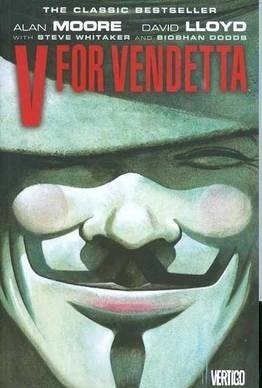
I picked up V for Vendetta because my book club wanted to read it. I will admit, graphic novels are not my usual flavor, but every now and then it is nice to have something new. I tend to like reading books without having to analyze the photos. I like having more detail in the writing itself. With graphic novels, the pictures are the details. This can be great and I love the additional media but I found it a little lacking.
<blockquote> ÛÏEverybody is special. Everybody. Everybody is a hero, a lover, a fool, a villain. Everybody.Û </blockquote>
Ultimately, I want to read the details and not have to scour a picture for them. The artwork was beautiful in a grungy way. David LloydÛªs talent really did captivate me. But, I also found the artwork frustrating at times. When reading/viewing this graphic novel I found that the facial expressions were sometimes too similar to pick out. Someone could be crying in despair or screaming in rage, and it looked nearly identical. Also, there were some characters that just seemed to blend together. I discussed this book with the rest of the book club and we all tended to agree that the characters were too similar in their appearance. One member blended two characters together. Looking back at the novel, I definitely understand where he was coming from. I even had some problems interpreting one of the characters. I actually thought that one of the wives was the mother. I was quite surprised (I almost spit out my coffee) when there was a sexual scene between the mother and the sonÛ_ luckily, I went back in the novel and realized that she was the wife.
<blockquote> ÛÏThey made you into a victim, Evey. They made you into a statistic. But thatÛªs not the real you. ThatÛªs not who you are inside.Û </blockquote>
What I really liked about V for Vendetta was the fact that it was different from my typical books. The book was very political. I found it fascinating to see MilgramÛªs study discussed along with the concept of happiness. There were many times that I took a picture of the page so that I wouldnÛªt forget a certain passage. I also really loved the concepts of the book. I found myself enthralled by the thoughts and ideas in regards to social standing, political ideas, and the dystopian ideals that were present. I do wish that they would have continued with some of them. One amazing member of the Denver Coffeehouse Book Club summed up my frustrations about this beautifully: ÛÏThatÛªs a great conceptÛ_ *Shrug*Û. It seemed like every time Alan Moore and David Lloyd came up with a great idea they just shrugged and left it hanging in the air, leaving the reader with the hope that they might revisit it laterÛ_ *Spoiler* later never came.
<blockquote> ÛÏHappiness is the most insidious prison of all.Û </blockquote>
All in all, I enjoyed V for Vendetta and I will most likely read it again. ItÛªs like a cup of gas station coffee that you add a cinnamon stick to in hopes that the flavor may change. I liked the plot, the ideas, the concepts, but I do wish that the concepts were more flushed out. It seemed that they had great ideas that they just didnÛªt follow through with. Perhaps that was part of their ultimate concept. They could have wanted the reader to explore their own thoughts and draw their own conclusions. Ultimately, I found the graphic novel form fascinating, beautiful, and at times quite frustrating. It was great, just not my usual flavor.
<blockquote> ÛÏEverybody is special. Everybody. Everybody is a hero, a lover, a fool, a villain. Everybody.Û </blockquote>
Ultimately, I want to read the details and not have to scour a picture for them. The artwork was beautiful in a grungy way. David LloydÛªs talent really did captivate me. But, I also found the artwork frustrating at times. When reading/viewing this graphic novel I found that the facial expressions were sometimes too similar to pick out. Someone could be crying in despair or screaming in rage, and it looked nearly identical. Also, there were some characters that just seemed to blend together. I discussed this book with the rest of the book club and we all tended to agree that the characters were too similar in their appearance. One member blended two characters together. Looking back at the novel, I definitely understand where he was coming from. I even had some problems interpreting one of the characters. I actually thought that one of the wives was the mother. I was quite surprised (I almost spit out my coffee) when there was a sexual scene between the mother and the sonÛ_ luckily, I went back in the novel and realized that she was the wife.
<blockquote> ÛÏThey made you into a victim, Evey. They made you into a statistic. But thatÛªs not the real you. ThatÛªs not who you are inside.Û </blockquote>
What I really liked about V for Vendetta was the fact that it was different from my typical books. The book was very political. I found it fascinating to see MilgramÛªs study discussed along with the concept of happiness. There were many times that I took a picture of the page so that I wouldnÛªt forget a certain passage. I also really loved the concepts of the book. I found myself enthralled by the thoughts and ideas in regards to social standing, political ideas, and the dystopian ideals that were present. I do wish that they would have continued with some of them. One amazing member of the Denver Coffeehouse Book Club summed up my frustrations about this beautifully: ÛÏThatÛªs a great conceptÛ_ *Shrug*Û. It seemed like every time Alan Moore and David Lloyd came up with a great idea they just shrugged and left it hanging in the air, leaving the reader with the hope that they might revisit it laterÛ_ *Spoiler* later never came.
<blockquote> ÛÏHappiness is the most insidious prison of all.Û </blockquote>
All in all, I enjoyed V for Vendetta and I will most likely read it again. ItÛªs like a cup of gas station coffee that you add a cinnamon stick to in hopes that the flavor may change. I liked the plot, the ideas, the concepts, but I do wish that the concepts were more flushed out. It seemed that they had great ideas that they just didnÛªt follow through with. Perhaps that was part of their ultimate concept. They could have wanted the reader to explore their own thoughts and draw their own conclusions. Ultimately, I found the graphic novel form fascinating, beautiful, and at times quite frustrating. It was great, just not my usual flavor.

Gareth von Kallenbach (980 KP) rated Rise of the Triad in Video Games
Jun 19, 2019
Back in 1993 The Internet was mainly confined to college campuses and would not start to arrive in homes for another year. Those who went online used dial up modems to access local bulletin boards to share pictures, play social games, and use chat programs in the early precursors to social networks.
With the success of the Doom games, First Person Shooters were all the rage and numerous companies cranked out games in this genre trying to appeal to a consumer base eager for games of this type and who wanted to experience to get in on the fairly new concepts of online play with their friends.
One such game was Rise of the Triad. Originally planned as a Wolfenstein sequel by Apogee Software the game cast players as a member of a United Nations special forces team who is dispatched to an island to take down a dangerous cult that has arisen.
Gameplay was frantic and fast as players had to mow down as many bad guys as they could with all manner of weapons and gear. The game was innovative in that there were all sorts of traps and objects that players could bounce from and they could even become a dog during power ups as they took the fight to the bad guys in both offline and online modes.
Jump forward to 2013, Rise of the Triad is back with a slick makeover that while looking more contemporary is still very much a retro game loaded with throwback elements.
The plot is essentially the same and aside from the improved graphics and physics, the game looks and plays very much like the original. The graphics are not eye popping examples of modern technology, rather they are improved and take advantage of graphic cards which were not widely in use back in 1993.
My first reaction was how much it played like a game of old. Aside from being faster and smoother than games of that era, the combat mechanics and techniques were very much as they were back in games of the day.
I enjoyed the nostalgia as I took down enemies and used the bounce pads to ascend to upper levels of buildings and collect power up coins that were littered throughout the map. I also enjoyed the over the top gore and humor of the game such as being rewarded with a pair of eyeballs splattered on the screen after I dispatched an enemy with a rocket launcher.
My biggest frustration was with the check point save system as having to replay elements of a game over and over when you die is not my favorite thing. Many times I would make solid progress only to be killed and forced to replay the previous segments over and over.
Enemies still come at you fairly directly when they attack but they can be very effective and deadly so players will need to be on their toes art all times.
The amount of firepower you can deploy is great from dual pistols to machines guns and rocket launchers, carnage is the way of the game.
I also had some issues getting matched online during my earlier attempts but as time went on, this became easier and I was able to enjoy the online nostalgia.
Rise of the Triad is great for those who remember the original and that era of gaming but for those who are accustomed to the mechanics and polish of modern shooters, they may find elements of the game frustrating and best left in the past.
For the rest of us, it was a welcome trip to the past that helped illustrate just how far games have evolved in the last twenty years.
http://sknr.net/2013/09/22/rise-of-the-triad/
With the success of the Doom games, First Person Shooters were all the rage and numerous companies cranked out games in this genre trying to appeal to a consumer base eager for games of this type and who wanted to experience to get in on the fairly new concepts of online play with their friends.
One such game was Rise of the Triad. Originally planned as a Wolfenstein sequel by Apogee Software the game cast players as a member of a United Nations special forces team who is dispatched to an island to take down a dangerous cult that has arisen.
Gameplay was frantic and fast as players had to mow down as many bad guys as they could with all manner of weapons and gear. The game was innovative in that there were all sorts of traps and objects that players could bounce from and they could even become a dog during power ups as they took the fight to the bad guys in both offline and online modes.
Jump forward to 2013, Rise of the Triad is back with a slick makeover that while looking more contemporary is still very much a retro game loaded with throwback elements.
The plot is essentially the same and aside from the improved graphics and physics, the game looks and plays very much like the original. The graphics are not eye popping examples of modern technology, rather they are improved and take advantage of graphic cards which were not widely in use back in 1993.
My first reaction was how much it played like a game of old. Aside from being faster and smoother than games of that era, the combat mechanics and techniques were very much as they were back in games of the day.
I enjoyed the nostalgia as I took down enemies and used the bounce pads to ascend to upper levels of buildings and collect power up coins that were littered throughout the map. I also enjoyed the over the top gore and humor of the game such as being rewarded with a pair of eyeballs splattered on the screen after I dispatched an enemy with a rocket launcher.
My biggest frustration was with the check point save system as having to replay elements of a game over and over when you die is not my favorite thing. Many times I would make solid progress only to be killed and forced to replay the previous segments over and over.
Enemies still come at you fairly directly when they attack but they can be very effective and deadly so players will need to be on their toes art all times.
The amount of firepower you can deploy is great from dual pistols to machines guns and rocket launchers, carnage is the way of the game.
I also had some issues getting matched online during my earlier attempts but as time went on, this became easier and I was able to enjoy the online nostalgia.
Rise of the Triad is great for those who remember the original and that era of gaming but for those who are accustomed to the mechanics and polish of modern shooters, they may find elements of the game frustrating and best left in the past.
For the rest of us, it was a welcome trip to the past that helped illustrate just how far games have evolved in the last twenty years.
http://sknr.net/2013/09/22/rise-of-the-triad/