
Search
Search results

Bob Mann (459 KP) rated Flatliners (2017) in Movies
Sep 29, 2021

The undiscovered country… which they shouldn’t have returned to.
The movies have depicted the hereafter in varied ways over the years. From the bleached white warehouses of Powell and Pressburger’s “A Matter of Life and Death” in 1946 and Warren Beatty’s “Heaven Can Wait” in 1978 to – for me – the peak of the game: Vincent Ward’s mawkish but gorgeously rendered oil-paint version of heaven in 1998’s “What Dreams May Come”. Joel Schmacher’s 1990’s “Flatliners” saw a set of “brat pack” movie names of the day (including Kevin Bacon, Julia Roberts, William Baldwin and Kiefer Sutherland) as experimenting trainee doctors, cheating death to experience the afterlife and getting more than they bargained for. The depictions of the afterlife were unmemorable: in that I don’t remember them much! (I think there was some sort of spooky tree involved, but that’s about it!)
But the concept was sufficiently enticing – who isn’t a little bit intrigued by the question of “what’s beyond”? – that Cross Creek Pictures thought it worthy of dusting off and giving it another outing in pursuit of dirty lucre. But unfortunately this offering adds little to the property’s reputation.
In this version, the lead role is headed up by Ellen Page (“Inception”) who is a great actress… too good for this stuff. Also in that category is Diego Luna, who really made an impact in “Rogue One” but here has little to work with in terms of backstory. The remaining three doctors – Nina Dobrev as “the sexy one”; James Norton (“War and Peace”) as “the posh boy” and Kiersey Clemons as the “cute but repressed one”, all have even less backstory and struggle to make a great impact.
Still struggling to get the high score on Angry Birds: from left to right Ray (Diego Luna), Sophia (Kiersey Clemons), Marlo (Nina Dobrev), Courtney (Ellen Page) and Jamie (James Norton).
Also putting in an appearance, as the one link from the original film, is Kiefer Sutherland as a senior member of the teaching staff. But he’s not playing the same character (that WOULD have been a bloody miracle!) and although Sutherland adds gravitas he really is given criminally little to do. What was director Niels Arden Oplev (“The Girl with the Dragon Tattoo”) thinking?
In terms of the story, it’s pretty much a re-hash of Peter Filardi’s original, with Ben Ripley (“Source Code”) adding a few minor tweaks to the screenplay to update it for the current generation. But I will levy the same criticism of this film as I levied at the recent Stephen King adaptation of “It”: for horror to work well it need to obey some decent ‘rules of physics’ and although most of the scenes work (since a lot of the “action” is sensibly based inside the character’s heads) there are the occasional linkages to the ‘real world’ that generate a “WTF???” response. A seemingly indestructible Mini car (which is also clearly untraceable by the police!) and a knife incident at the dockside are two cases in point.
Is there anything good to say about this film? Well, there are certainly a few tense moments that make the hairs on your neck at least start to stand to attention. But these are few and far between, amongst a sea of movie ‘meh’. It’s certainly not going to be the worst film I see this year, since at least I wasn’t completely bored for the two hours. But I won’t remember this one in a few weeks. As a summary in the form of a “Black Adder” quote, it’s all a bit like a broken pencil….. pointless.
But the concept was sufficiently enticing – who isn’t a little bit intrigued by the question of “what’s beyond”? – that Cross Creek Pictures thought it worthy of dusting off and giving it another outing in pursuit of dirty lucre. But unfortunately this offering adds little to the property’s reputation.
In this version, the lead role is headed up by Ellen Page (“Inception”) who is a great actress… too good for this stuff. Also in that category is Diego Luna, who really made an impact in “Rogue One” but here has little to work with in terms of backstory. The remaining three doctors – Nina Dobrev as “the sexy one”; James Norton (“War and Peace”) as “the posh boy” and Kiersey Clemons as the “cute but repressed one”, all have even less backstory and struggle to make a great impact.
Still struggling to get the high score on Angry Birds: from left to right Ray (Diego Luna), Sophia (Kiersey Clemons), Marlo (Nina Dobrev), Courtney (Ellen Page) and Jamie (James Norton).
Also putting in an appearance, as the one link from the original film, is Kiefer Sutherland as a senior member of the teaching staff. But he’s not playing the same character (that WOULD have been a bloody miracle!) and although Sutherland adds gravitas he really is given criminally little to do. What was director Niels Arden Oplev (“The Girl with the Dragon Tattoo”) thinking?
In terms of the story, it’s pretty much a re-hash of Peter Filardi’s original, with Ben Ripley (“Source Code”) adding a few minor tweaks to the screenplay to update it for the current generation. But I will levy the same criticism of this film as I levied at the recent Stephen King adaptation of “It”: for horror to work well it need to obey some decent ‘rules of physics’ and although most of the scenes work (since a lot of the “action” is sensibly based inside the character’s heads) there are the occasional linkages to the ‘real world’ that generate a “WTF???” response. A seemingly indestructible Mini car (which is also clearly untraceable by the police!) and a knife incident at the dockside are two cases in point.
Is there anything good to say about this film? Well, there are certainly a few tense moments that make the hairs on your neck at least start to stand to attention. But these are few and far between, amongst a sea of movie ‘meh’. It’s certainly not going to be the worst film I see this year, since at least I wasn’t completely bored for the two hours. But I won’t remember this one in a few weeks. As a summary in the form of a “Black Adder” quote, it’s all a bit like a broken pencil….. pointless.
Bob Mann (459 KP) rated Inferno (2016) in Movies
Sep 29, 2021

Infernal
Dan Brown has had a bad rap over the years from snobbish reviewers who dismiss his work as “trash”. I’m sure to a large degree the multi-millionaire Dan Brown couldn’t give a toss! I personally enjoyed both the books and Ron Howard’s films of “The Da Vinci Code” and “Angels and Demons” as glossy escapism. Occasionally though books will generate a “WHHAAAT??” moment and Brown’s 2013 novel “Inferno” generated just such a response in its dramatic conclusion… and (for me at least) not in a good way. As someone always looking at script potential in books, the words “unfilmable” came to mind. So veteran screenwriter David Koepp (“Jurassic Park”, “Mission Impossible”, “Spiderman”) is to be congratulated in ‘adapting’ the story to provide a coherent screenplay.
But unfortunately it’s still arrant nonsense.
The film starts in promising style with famed symbologist Robert Langdon (Tom Hanks) waking in hospital to horrific visions of hell on earth with only the attractive young nurse Dr Sienna Brooks (Felicity Jones) to soothe his nerves. A serious head wound prevents him from remembering the last 48 hours which makes it a bit tricky when a “Terminator”-style female cop (the striking Romanian actress Ana Ularu) arrives to try to kill him. Fleeing the scene, Langdon follows a typically convoluted trail of puzzles in a race to find the location of the source of a plague that if released will devastate the world’s population. In the process he has to dodge police, World Health Organisation (WHO) staff and members of a shadowy “private security organisation” trying to catch him.
The problem with the story is that it has a plague-sized hole in its plot. The actions of the main protagonist of the film, Bertrand Zobrist (Ben Foster, “The Program”), make absolutely zero sense. If he wanted to achieve his aims he would have just done it! (“No, Mr Bond – I won’t shoot you now”). Laying a devious cryptic trail for others to follow makes even less sense, particularly as he is even seen (in flashback) to be not very good at that! Quite bonkers!
Unfortunately, the more you ponder the story, the worse it gets, and it is this that fatally drags the film down despite all the good work that Hanks, Jones and director Ron Howard try to counter-balance it with.
For there are elements on the positive side of the scales. The Italian and Turkish scenes (in Florence, Venice and Istanbul) are gloriously filmed with lush colours and exotic and evocative locations. Tom Hanks is as solidly reliable as ever in the Langdon role, and its great to see Felicity “The Theory of Everything” Jones in a leading role before she disappears into obscurity again (humour: “Rogue One” is released in December).
Tom Hanks
The film has fun with romantic expectations of the Langdon and Brooks characters. Here though is Hanks with the more age-appropriate Knudsen.
The supporting cast is also of great quality. Sidse Babett Knudsen (“Borgen”) is Dr Sinsky, leader of the W.H.O. (not credited – as memorably done with Peter Capaldi in “World War Z” as “Doctor, W.H.O.”!). Irrfan (“Jurassic World”) Khan is striking as the mysterious and authoritarian “Provost”. And Omar Sy (who made such an impact in the brilliant “The Intouchables”) plays the lead W.H.O. officer in pursuit of Langdon.
Hans Zimmer again provides the soundtrack, with his beautiful series theme cleverly working its way into the music as Langdon’s memory returns. However, at various points the music become overtly noticeable, intrusive and not to my liking. A bombastic choral reworking of the theme over the end titles is stirring though.
In summary, a glossy and nonsensical disappointment.
But unfortunately it’s still arrant nonsense.
The film starts in promising style with famed symbologist Robert Langdon (Tom Hanks) waking in hospital to horrific visions of hell on earth with only the attractive young nurse Dr Sienna Brooks (Felicity Jones) to soothe his nerves. A serious head wound prevents him from remembering the last 48 hours which makes it a bit tricky when a “Terminator”-style female cop (the striking Romanian actress Ana Ularu) arrives to try to kill him. Fleeing the scene, Langdon follows a typically convoluted trail of puzzles in a race to find the location of the source of a plague that if released will devastate the world’s population. In the process he has to dodge police, World Health Organisation (WHO) staff and members of a shadowy “private security organisation” trying to catch him.
The problem with the story is that it has a plague-sized hole in its plot. The actions of the main protagonist of the film, Bertrand Zobrist (Ben Foster, “The Program”), make absolutely zero sense. If he wanted to achieve his aims he would have just done it! (“No, Mr Bond – I won’t shoot you now”). Laying a devious cryptic trail for others to follow makes even less sense, particularly as he is even seen (in flashback) to be not very good at that! Quite bonkers!
Unfortunately, the more you ponder the story, the worse it gets, and it is this that fatally drags the film down despite all the good work that Hanks, Jones and director Ron Howard try to counter-balance it with.
For there are elements on the positive side of the scales. The Italian and Turkish scenes (in Florence, Venice and Istanbul) are gloriously filmed with lush colours and exotic and evocative locations. Tom Hanks is as solidly reliable as ever in the Langdon role, and its great to see Felicity “The Theory of Everything” Jones in a leading role before she disappears into obscurity again (humour: “Rogue One” is released in December).
Tom Hanks
The film has fun with romantic expectations of the Langdon and Brooks characters. Here though is Hanks with the more age-appropriate Knudsen.
The supporting cast is also of great quality. Sidse Babett Knudsen (“Borgen”) is Dr Sinsky, leader of the W.H.O. (not credited – as memorably done with Peter Capaldi in “World War Z” as “Doctor, W.H.O.”!). Irrfan (“Jurassic World”) Khan is striking as the mysterious and authoritarian “Provost”. And Omar Sy (who made such an impact in the brilliant “The Intouchables”) plays the lead W.H.O. officer in pursuit of Langdon.
Hans Zimmer again provides the soundtrack, with his beautiful series theme cleverly working its way into the music as Langdon’s memory returns. However, at various points the music become overtly noticeable, intrusive and not to my liking. A bombastic choral reworking of the theme over the end titles is stirring though.
In summary, a glossy and nonsensical disappointment.

Gareth von Kallenbach (980 KP) rated the PC version of Diablo IV in Video Games
Jun 22, 2023


The latest entry in the phenomenally popular Diablo series has arrived with the release of Diablo IV and with it comes the lofty expectations of a rabid fan base for the franchise. Players can play as one of various classes including Sorcerer, Barbarian, Rogue, Necromancer, and Druid, each comes with its own unique abilities such as sorcery, speed and dexterity, and brute force.
I chose to play as a barbarian as I am not a huge fan of resource gathering, crafting, or playing in a support role, and preferred to mix it up close quarters taking as many enemies as I can with me before I go down in a blaze of glory.
As players gain experience they will be able to increase their abilities many of which can be deployed on a timed basis and grow increasingly powerful as players level up. Players will also be able to obtain armor, weapons, charms, and more along the way which can be recycled, sold, or crafted into various upgrades in the numerous towns and communities throughout the vast map of the game.
Players will be able to complete the main quests and side quests along the way which will gain experience upon successful completion as well as defeating enemies in combat. The sheer distance between objectives can be daunting especially when the map is not clearly shown for a specific area as players may sometimes have to go a considerable distance one-way just be able to detour back toward their intended destination.
Thankfully various locales do have vast travel options that once discovered and unlocked allow players to travel between locales quickly. Being able to leave a dungeon to return to a community in order to sell gear, upgrade weapons and armor, and obtain necessary items before returning from the locale they originated from, is a key to survival.
In time I was able to obtain a horse that not only allows me to travel quicker between locales but prevented enemy mobs from attacking me so later in the campaign, I was able to focus on objectives more than dealing with unending waves combat while trying to travel between locales.
Players will encounter other players along the way and the game does have a social factor that allows for friends and players in the local area to be invited to campaign with you. This is a bit of a challenge at first as I found many players were power leveling and did not want to become involved with lower-level players.
While I completed much of the game solo, there were various bosses that I simply couldn’t handle alone, and was very grateful when I was able to obtain help. This changed when I reached higher levels as being able to complete the final campaign with three helpers made a challenging endeavor very enjoyable.
The map of the world is highly detailed as everything from towns, dungeons, villages, and supernatural realms are crafted in incredible detail and the vast number of enemies and their varieties is impressive even if at times frustrating as you have to battle your way through seemingly unending mobs to reach your destination.
Upon completing the game I will be venturing back from time to time to complete side quests and better prepare for the likely future content that will be coming down the line. While it is been popular some players and local community boards have been vocal about criticism for the game which I believe has varied from nitpicking to valid but I can honestly say I enjoyed this game significantly more than Diablo 3 and for me, Diablo IV is one of the best releases of the year and has been an enjoyable gaming experience throughout despite some frustrations along the way.
4.5 stars out of 5
Share this:
I chose to play as a barbarian as I am not a huge fan of resource gathering, crafting, or playing in a support role, and preferred to mix it up close quarters taking as many enemies as I can with me before I go down in a blaze of glory.
As players gain experience they will be able to increase their abilities many of which can be deployed on a timed basis and grow increasingly powerful as players level up. Players will also be able to obtain armor, weapons, charms, and more along the way which can be recycled, sold, or crafted into various upgrades in the numerous towns and communities throughout the vast map of the game.
Players will be able to complete the main quests and side quests along the way which will gain experience upon successful completion as well as defeating enemies in combat. The sheer distance between objectives can be daunting especially when the map is not clearly shown for a specific area as players may sometimes have to go a considerable distance one-way just be able to detour back toward their intended destination.
Thankfully various locales do have vast travel options that once discovered and unlocked allow players to travel between locales quickly. Being able to leave a dungeon to return to a community in order to sell gear, upgrade weapons and armor, and obtain necessary items before returning from the locale they originated from, is a key to survival.
In time I was able to obtain a horse that not only allows me to travel quicker between locales but prevented enemy mobs from attacking me so later in the campaign, I was able to focus on objectives more than dealing with unending waves combat while trying to travel between locales.
Players will encounter other players along the way and the game does have a social factor that allows for friends and players in the local area to be invited to campaign with you. This is a bit of a challenge at first as I found many players were power leveling and did not want to become involved with lower-level players.
While I completed much of the game solo, there were various bosses that I simply couldn’t handle alone, and was very grateful when I was able to obtain help. This changed when I reached higher levels as being able to complete the final campaign with three helpers made a challenging endeavor very enjoyable.
The map of the world is highly detailed as everything from towns, dungeons, villages, and supernatural realms are crafted in incredible detail and the vast number of enemies and their varieties is impressive even if at times frustrating as you have to battle your way through seemingly unending mobs to reach your destination.
Upon completing the game I will be venturing back from time to time to complete side quests and better prepare for the likely future content that will be coming down the line. While it is been popular some players and local community boards have been vocal about criticism for the game which I believe has varied from nitpicking to valid but I can honestly say I enjoyed this game significantly more than Diablo 3 and for me, Diablo IV is one of the best releases of the year and has been an enjoyable gaming experience throughout despite some frustrations along the way.
4.5 stars out of 5
Share this:

Jamie (131 KP) rated The Darkest Lies in Books
Jul 26, 2017

Believable plot regarding child abduction (1 more)
The mystery is compelling
Frustrating protagonist, (2 more)
Extremely predictable
Good case for why civilians shouldn’t go rogue and get in the way of police work
A frustrating abduction mystery
You know that age in every teenager’s life where they start to become a little bit rebellious? Telling little white lies, sneaking out, hanging out with crowds they know the family wouldn’t approve of? It can be a scary time for parents, who knows who’s out there? The Darkest Lies is every parent’s worst nightmare and follows a mother who finds her world shattered when her daughter goes missing.
I’m going to come right out and say that this book was frustrating for me. The synopsis really caught my eye and the idea for the plot is intriguing. Unfortunately, issues with the protagonist as well as a shaky and highly predictable plot made for a mediocre experience.
The narration in this book was a little bit weird and I had a hard time getting used to it. It is primarily told using first person point of view though switches regularly to second person as Melanie speaks directly to Beth in her inner monologue. It was just uncomfortable to read.
What’s so bad about first person point of view? See the issue for me with first person narration is that it’s easy to end up alienating readers if it’s difficult to relate to the narrator, and boy did I dislike Melanie. To be blunt, she was really annoying. She was self-centered, mean-spirited, often blinded by her own hubris, and near the end has a bit of a messiah complex going which I found completely ridiculous. She was constantly complaining about the police’s incompetence, throwing herself in the way of the investigation despite being asked multiple times to back off before she could destroy their leads. “I couldn’t go home. I was too furious, too desperate to prove I was right and the police were wrong.”
I get it, she’s consumed with guilt and grief over what happened to her daughter, over not being able to protect her. Desperate people tend to lash out and do stupid things, but I just couldn’t believe anyone would be so foolish. Melanie’s antics do lead up to something important in the plot, but honestly she didn’t need any help making a fool of herself. Before all the crazy came out she was constantly breaking down every female character she encountered, often focusing in on their looks and finding ways to insult them. Neighbors, police officers working on the case, teenagers, it didn’t matter. There are numerous examples of Melanie exhibiting this jealous personality throughout the course of the book.
She spends more time going on drunken rampages pointing fingers at everyone in town, harassing the police, treating her husband like garbage while emotionally cheating with a friend, and avoiding actually seeing and being there for her daughter. While her awful actions over the course of the book is an important aspect of the plot, I just couldn’t justify it because she never learns and remains stubborn even after being told off multiple times. Add on top how stereotypically reckless she acts at the end instead of seeking help from the police because of course she doesn’t need them and I just couldn’t dig the story.
I liked the central idea around the dangers of teens sneaking out and trusting strangers, but the story meandered so much it kind of gets lost in Melanie’s mental collapse and crazed search for the culprit. The plot attempts to use some misdirection to keep the reader guessing but the construction was just sloppy, and the actual culprit isn’t even the character that Melanie cares about the most. Every “bad” character is so blatantly obvious that the advertised twist is really easy to see. I kept on reading because I wanted to know the how and the why. I think there was potential here, and if the author wanted to stick to the narrative that Mel is actually really nice and is just being manipulated then why does she remain every bit as petty and controlling? She is still unable to see past her own emotions and unable to learn from her mistakes. I wished that this could’ve ended with more character growth for the main character.
I’m going to come right out and say that this book was frustrating for me. The synopsis really caught my eye and the idea for the plot is intriguing. Unfortunately, issues with the protagonist as well as a shaky and highly predictable plot made for a mediocre experience.
The narration in this book was a little bit weird and I had a hard time getting used to it. It is primarily told using first person point of view though switches regularly to second person as Melanie speaks directly to Beth in her inner monologue. It was just uncomfortable to read.
What’s so bad about first person point of view? See the issue for me with first person narration is that it’s easy to end up alienating readers if it’s difficult to relate to the narrator, and boy did I dislike Melanie. To be blunt, she was really annoying. She was self-centered, mean-spirited, often blinded by her own hubris, and near the end has a bit of a messiah complex going which I found completely ridiculous. She was constantly complaining about the police’s incompetence, throwing herself in the way of the investigation despite being asked multiple times to back off before she could destroy their leads. “I couldn’t go home. I was too furious, too desperate to prove I was right and the police were wrong.”
I get it, she’s consumed with guilt and grief over what happened to her daughter, over not being able to protect her. Desperate people tend to lash out and do stupid things, but I just couldn’t believe anyone would be so foolish. Melanie’s antics do lead up to something important in the plot, but honestly she didn’t need any help making a fool of herself. Before all the crazy came out she was constantly breaking down every female character she encountered, often focusing in on their looks and finding ways to insult them. Neighbors, police officers working on the case, teenagers, it didn’t matter. There are numerous examples of Melanie exhibiting this jealous personality throughout the course of the book.
She spends more time going on drunken rampages pointing fingers at everyone in town, harassing the police, treating her husband like garbage while emotionally cheating with a friend, and avoiding actually seeing and being there for her daughter. While her awful actions over the course of the book is an important aspect of the plot, I just couldn’t justify it because she never learns and remains stubborn even after being told off multiple times. Add on top how stereotypically reckless she acts at the end instead of seeking help from the police because of course she doesn’t need them and I just couldn’t dig the story.
I liked the central idea around the dangers of teens sneaking out and trusting strangers, but the story meandered so much it kind of gets lost in Melanie’s mental collapse and crazed search for the culprit. The plot attempts to use some misdirection to keep the reader guessing but the construction was just sloppy, and the actual culprit isn’t even the character that Melanie cares about the most. Every “bad” character is so blatantly obvious that the advertised twist is really easy to see. I kept on reading because I wanted to know the how and the why. I think there was potential here, and if the author wanted to stick to the narrative that Mel is actually really nice and is just being manipulated then why does she remain every bit as petty and controlling? She is still unable to see past her own emotions and unable to learn from her mistakes. I wished that this could’ve ended with more character growth for the main character.

Adventure and Redemption
I received this book for free through Goodreads First Reads.
Is the Bible really gospel truth? This is the question the honourable, academic Robert Babcock aims to find out on his quest to find the earliest copies of the gospels in order to prove the reliability of the story of Jesus as recounted in the King James Bible. However, this is not the key focus of Stephen Taylor’s fictional novel, Gospels. The main character is the perfidious John Campbell-John, a rogue, imposter and swindler who flees 19th-century England in an attempt to escape from his debts.
John meets the magnanimous Robert in Venice and, despite being polar opposites, become firm friends. After being honest for the first time in his life, admitting to owing thousands of pounds in gambling debts, Robert offers John the opportunity to accompany him on his quest through the deserts of Egypt. John accepts and the pair finds themselves on an adventure of discovery and personal redemption.
John and Robert make an unlikely but excellent team. Robert’s knowledge of the Bible and ancient history is vital, however, John’s propensity for falsehoods and cunningness gets them out of a few scrapes and tricky situations. Nonetheless, it is difficult for John to give up his old ways and his insular behaviour threatens to get them in more trouble.
Fortunately, Robert’s humility begins to influence the young scoundrel, as does his penchant for historical artefacts. As the story progresses, John begins to leave his past behind and becomes interested in Robert’s work, learning new things about Egyptian culture and the origins of the Bible. However, when a new gospel comes to light that threatens the whole of Christianity, Robert does not know what to do; and only John can give him counsel.
John Campbell-John is a character that the author introduced in a previous book. However, the timelines are not sequential, therefore Gospels is a stand-alone novel. The time frame for this book needed to be set in 1835 to correspond with historical truths. Although Robert’s discovery of a Gospel of Thaddeus Jude is an invention of the author, the quest itself is based on the journeys of three 19th-century Bible hunters. Stephen Taylor has conducted an enormous amount of research, including the biographies of Robert Curzon, Constantin von Tischendorf and Émile Amélineau who, on separate occasions, sought the same knowledge as the fictional Robert Babcock.
Despite being titled Gospels, the novel, for the most part, focuses on John Campbell-John and his wicked ways. Through a first-person narrative, John explains his past, his betrayal of a friend, and his addiction to gambling. Initially, he has no qualms about his behaviour and acts only for himself and his selfish greed. Whilst Robert goes in search of knowledge, John goes on a journey of redemption, coming to terms with his previous wrongdoings. However, acknowledging these faults is not enough, he needs to turn away from these roguish ways.
It is disappointing that the narrative does not focus more on the gospels, both real and imagined. There was enormous scope for an in-depth look at the life of Jesus and the inconsistencies in the Bible. The fictitious Gospel of Thaddeus Jude evokes a similar reaction in Robert as the Non-Canonical Gospel of Thomas found in the 19th-century had on many devout Christians. There was so much potential with this direction of thought, however, the author passes over it in preference to the life of John Campbell-John.
Slow to begin but increasingly interesting as it progresses, Gospels is a book of many themes. History, both 19th-century and ancient; religion, although not a Christian story; and achievement and absolution combine together to produce a unique tale that takes the reader from the back alleys of London to the River Nile and the deserts of Sinai. A subtle clue in the prologue keeps readers alert as they await the conclusion of the adventure – an ending that ambiguously reveals whether John moves on from the follies of his past.
Is the Bible really gospel truth? This is the question the honourable, academic Robert Babcock aims to find out on his quest to find the earliest copies of the gospels in order to prove the reliability of the story of Jesus as recounted in the King James Bible. However, this is not the key focus of Stephen Taylor’s fictional novel, Gospels. The main character is the perfidious John Campbell-John, a rogue, imposter and swindler who flees 19th-century England in an attempt to escape from his debts.
John meets the magnanimous Robert in Venice and, despite being polar opposites, become firm friends. After being honest for the first time in his life, admitting to owing thousands of pounds in gambling debts, Robert offers John the opportunity to accompany him on his quest through the deserts of Egypt. John accepts and the pair finds themselves on an adventure of discovery and personal redemption.
John and Robert make an unlikely but excellent team. Robert’s knowledge of the Bible and ancient history is vital, however, John’s propensity for falsehoods and cunningness gets them out of a few scrapes and tricky situations. Nonetheless, it is difficult for John to give up his old ways and his insular behaviour threatens to get them in more trouble.
Fortunately, Robert’s humility begins to influence the young scoundrel, as does his penchant for historical artefacts. As the story progresses, John begins to leave his past behind and becomes interested in Robert’s work, learning new things about Egyptian culture and the origins of the Bible. However, when a new gospel comes to light that threatens the whole of Christianity, Robert does not know what to do; and only John can give him counsel.
John Campbell-John is a character that the author introduced in a previous book. However, the timelines are not sequential, therefore Gospels is a stand-alone novel. The time frame for this book needed to be set in 1835 to correspond with historical truths. Although Robert’s discovery of a Gospel of Thaddeus Jude is an invention of the author, the quest itself is based on the journeys of three 19th-century Bible hunters. Stephen Taylor has conducted an enormous amount of research, including the biographies of Robert Curzon, Constantin von Tischendorf and Émile Amélineau who, on separate occasions, sought the same knowledge as the fictional Robert Babcock.
Despite being titled Gospels, the novel, for the most part, focuses on John Campbell-John and his wicked ways. Through a first-person narrative, John explains his past, his betrayal of a friend, and his addiction to gambling. Initially, he has no qualms about his behaviour and acts only for himself and his selfish greed. Whilst Robert goes in search of knowledge, John goes on a journey of redemption, coming to terms with his previous wrongdoings. However, acknowledging these faults is not enough, he needs to turn away from these roguish ways.
It is disappointing that the narrative does not focus more on the gospels, both real and imagined. There was enormous scope for an in-depth look at the life of Jesus and the inconsistencies in the Bible. The fictitious Gospel of Thaddeus Jude evokes a similar reaction in Robert as the Non-Canonical Gospel of Thomas found in the 19th-century had on many devout Christians. There was so much potential with this direction of thought, however, the author passes over it in preference to the life of John Campbell-John.
Slow to begin but increasingly interesting as it progresses, Gospels is a book of many themes. History, both 19th-century and ancient; religion, although not a Christian story; and achievement and absolution combine together to produce a unique tale that takes the reader from the back alleys of London to the River Nile and the deserts of Sinai. A subtle clue in the prologue keeps readers alert as they await the conclusion of the adventure – an ending that ambiguously reveals whether John moves on from the follies of his past.
<i>I received this book for free through Goodreads First Reads.
Is the Bible really gospel truth?</i> This is the question the honourable, academic Robert Babcock aims to find out on his quest to find the earliest copies of the gospels in order to prove the reliability of the story of Jesus as recounted in the King James Bible. However, this is not the key focus of Stephen Taylor’s fictional novel, <i>Gospels</i>. The main character is the perfidious John Campbell-John, a rogue, imposter and swindler who flees 19th-century England in an attempt to escape from his debts.
John meets the magnanimous Robert in Venice and, despite being polar opposites, become firm friends. After being honest for the first time in his life, admitting to owing thousands of pounds in gambling debts, Robert offers John the opportunity to accompany him on his quest through the deserts of Egypt. John accepts and the pair finds themselves on an adventure of discovery and personal redemption.
John and Robert make an unlikely but excellent team. Robert’s knowledge of the Bible and ancient history is vital, however, John’s propensity for falsehoods and cunningness gets them out of a few scrapes and tricky situations. Nonetheless, it is difficult for John to give up his old ways and his insular behaviour threatens to get them in more trouble.
Fortunately, Robert’s humility begins to influence the young scoundrel, as does his penchant for historical artefacts. As the story progresses, John begins to leave his past behind and becomes interested in Robert’s work, learning new things about Egyptian culture and the origins of the Bible. However, when a new gospel comes to light that threatens the whole of Christianity, Robert does not know what to do; and only John can give him counsel.
John Campbell-John is a character that the author introduced in a previous book. However, the timelines are not sequential, therefore <i>Gospels</i> is a stand-alone novel. The time frame for this book needed to be set in 1835 to correspond with historical truths. Although Robert’s discovery of a Gospel of Thaddeus Jude is an invention of the author, the quest itself is based on the journeys of three 19th-century Bible hunters. Stephen Taylor has conducted an enormous amount of research, including the biographies of Robert Curzon, Constantin von Tischendorf and Émile Amélineau who, on separate occasions, sought the same knowledge as the fictional Robert Babcock.
Despite being titled <i>Gospels</i>, the novel, for the most part, focuses on John Campbell-John and his wicked ways. Through a first-person narrative, John explains his past, his betrayal of a friend, and his addiction to gambling. Initially, he has no qualms about his behaviour and acts only for himself and his selfish greed. Whilst Robert goes in search of knowledge, John goes on a journey of redemption, coming to terms with his previous wrongdoings. However, acknowledging these faults is not enough, he needs to turn away from these roguish ways.
It is disappointing that the narrative does not focus more on the gospels, both real and imagined. There was enormous scope for an in-depth look at the life of Jesus and the inconsistencies in the Bible. The fictitious Gospel of Thaddeus Jude evokes a similar reaction in Robert as the Non-Canonical Gospel of Thomas found in the 19th-century had on many devout Christians. There was so much potential with this direction of thought, however, the author passes over it in preference to the life of John Campbell-John.
Slow to begin but increasingly interesting as it progresses, <i>Gospels</i> is a book of many themes. History, both 19th-century and ancient; religion, although not a Christian story; and achievement and absolution combine together to produce a unique tale that takes the reader from the back alleys of London to the River Nile and the deserts of Sinai. A subtle clue in the prologue keeps readers alert as they await the conclusion of the adventure – an ending that ambiguously reveals whether John moves on from the follies of his past.
Is the Bible really gospel truth?</i> This is the question the honourable, academic Robert Babcock aims to find out on his quest to find the earliest copies of the gospels in order to prove the reliability of the story of Jesus as recounted in the King James Bible. However, this is not the key focus of Stephen Taylor’s fictional novel, <i>Gospels</i>. The main character is the perfidious John Campbell-John, a rogue, imposter and swindler who flees 19th-century England in an attempt to escape from his debts.
John meets the magnanimous Robert in Venice and, despite being polar opposites, become firm friends. After being honest for the first time in his life, admitting to owing thousands of pounds in gambling debts, Robert offers John the opportunity to accompany him on his quest through the deserts of Egypt. John accepts and the pair finds themselves on an adventure of discovery and personal redemption.
John and Robert make an unlikely but excellent team. Robert’s knowledge of the Bible and ancient history is vital, however, John’s propensity for falsehoods and cunningness gets them out of a few scrapes and tricky situations. Nonetheless, it is difficult for John to give up his old ways and his insular behaviour threatens to get them in more trouble.
Fortunately, Robert’s humility begins to influence the young scoundrel, as does his penchant for historical artefacts. As the story progresses, John begins to leave his past behind and becomes interested in Robert’s work, learning new things about Egyptian culture and the origins of the Bible. However, when a new gospel comes to light that threatens the whole of Christianity, Robert does not know what to do; and only John can give him counsel.
John Campbell-John is a character that the author introduced in a previous book. However, the timelines are not sequential, therefore <i>Gospels</i> is a stand-alone novel. The time frame for this book needed to be set in 1835 to correspond with historical truths. Although Robert’s discovery of a Gospel of Thaddeus Jude is an invention of the author, the quest itself is based on the journeys of three 19th-century Bible hunters. Stephen Taylor has conducted an enormous amount of research, including the biographies of Robert Curzon, Constantin von Tischendorf and Émile Amélineau who, on separate occasions, sought the same knowledge as the fictional Robert Babcock.
Despite being titled <i>Gospels</i>, the novel, for the most part, focuses on John Campbell-John and his wicked ways. Through a first-person narrative, John explains his past, his betrayal of a friend, and his addiction to gambling. Initially, he has no qualms about his behaviour and acts only for himself and his selfish greed. Whilst Robert goes in search of knowledge, John goes on a journey of redemption, coming to terms with his previous wrongdoings. However, acknowledging these faults is not enough, he needs to turn away from these roguish ways.
It is disappointing that the narrative does not focus more on the gospels, both real and imagined. There was enormous scope for an in-depth look at the life of Jesus and the inconsistencies in the Bible. The fictitious Gospel of Thaddeus Jude evokes a similar reaction in Robert as the Non-Canonical Gospel of Thomas found in the 19th-century had on many devout Christians. There was so much potential with this direction of thought, however, the author passes over it in preference to the life of John Campbell-John.
Slow to begin but increasingly interesting as it progresses, <i>Gospels</i> is a book of many themes. History, both 19th-century and ancient; religion, although not a Christian story; and achievement and absolution combine together to produce a unique tale that takes the reader from the back alleys of London to the River Nile and the deserts of Sinai. A subtle clue in the prologue keeps readers alert as they await the conclusion of the adventure – an ending that ambiguously reveals whether John moves on from the follies of his past.
Gareth von Kallenbach (980 KP) rated Star Trek Into Darkness (2013) in Movies
Aug 7, 2019
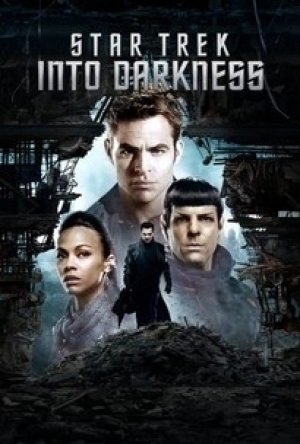

The best movie of the summer has arrived, and it’s Star Trek Into Darkness!
There are so many cool things about J.J. Abrams second adventure in the beloved universe created all those years ago by Gene Roddenberry. But the best way to experience this movie is cold, devoid of any internet spoilers, if such a thing is possible in this day and age. That being said, here’s what I got for you.
The movie begins with Captain James Tiberius Kirk (Chris Pine) getting in to trouble with Starfleet for violating the Prime Directive. The Prime Directive is the United Federation of Plants number one rule against alerting primitive cultures to things that they are not nearly ready to grasp (i.e. space travel). But Kirk manages to avoid his punishment because Starfleet has a bigger problem on its hands: a rogue agent, named John Harrison (Benedict Cumberbatch) is attacking Federation facilities on Earth.
Admiral Markus (Peter Weller) gives Jim Kirk orders to kill Harrison, who has managed to escape Earth and hide on Kronos, the Klingon homeworld. So Kirk, along with his trusty crew including the ever-logical Mr. Spock (Zachary Quinto), James “Bones” McCoy (Karl Urban) and Uhura (Zoe Saldana), warp to the Neutral Zone that separates Federation space from the Klingon Empire. Only they discover that this mission – including the identity of the fugitive Harrison – is not what it seems.
That’s all I am giving you for plot details. Go see the movie!
And when you do, watch for the cleverness of the screenwriters. There are many classic Trek littered throughout the film including characters, place names and alien species that a Trekkie, excuse me… Trekker, will be hooting and hollering at. But this movie isn’t solely for the die hard Trekkers. There is enough action and excitement to keep even the most hard to please moviegoer entertained.
Abrams got a lot of flack for his 2009 reboot of the franchise, and most likely he will get it again for this film. But this time around, Abrams does stay closer to the virtues of the original universe including the bond of the Enterprise crew and the close friendships among Kirk, Spock and Bones. Abrams manages to draw nice moments of tension and comedy alike from the entire crew.
Our main characters do shine through though. Pine brings just the right amount of swagger to Kirk, Quinto gives both the humor and emotional intensity within Spock’s struggle to balance logic and emotion. But both of these actors have to work overtime to even be on the same level as Cumberbatch, who brings muscle and old-school, butt kicking style to the villain’s role.
The other thing that I really enjoyed, again without giving too much of the plot away, is the films willingness to acknowledge that we have strayed from the original story of Kirk and crew, and how the plot can draw on that to help strengthen the story. Once you see it, you will know what I am talking about.
I saw the movie in 3D, though I am of the impression that 3D is getting a little overrated these days. I am just not blown out of the water by the 3D effects that we are seeing in movies. The one thing that I was truly grateful for is that they didn’t throw it in your face, too much. There were moments where they had things fly at you, but for the most part it wasn’t the emphasis which allowed it to play out nicely.
What are you doing still reading? Get out there and see this movie. If you don’t, you will be sorry you hadn’t as everyone and their mom will be talking about this movie come Monday. I, myself, will be seeing it for a second time this Friday hoping to spot things I missed this first time around. The movie made people laugh, cry, and hang on to the edge of your seat. As a Star Wars fan, I loved this movie. And really can’t wait to see what Abrams does with the next installment (as well as Episode 7).
There are so many cool things about J.J. Abrams second adventure in the beloved universe created all those years ago by Gene Roddenberry. But the best way to experience this movie is cold, devoid of any internet spoilers, if such a thing is possible in this day and age. That being said, here’s what I got for you.
The movie begins with Captain James Tiberius Kirk (Chris Pine) getting in to trouble with Starfleet for violating the Prime Directive. The Prime Directive is the United Federation of Plants number one rule against alerting primitive cultures to things that they are not nearly ready to grasp (i.e. space travel). But Kirk manages to avoid his punishment because Starfleet has a bigger problem on its hands: a rogue agent, named John Harrison (Benedict Cumberbatch) is attacking Federation facilities on Earth.
Admiral Markus (Peter Weller) gives Jim Kirk orders to kill Harrison, who has managed to escape Earth and hide on Kronos, the Klingon homeworld. So Kirk, along with his trusty crew including the ever-logical Mr. Spock (Zachary Quinto), James “Bones” McCoy (Karl Urban) and Uhura (Zoe Saldana), warp to the Neutral Zone that separates Federation space from the Klingon Empire. Only they discover that this mission – including the identity of the fugitive Harrison – is not what it seems.
That’s all I am giving you for plot details. Go see the movie!
And when you do, watch for the cleverness of the screenwriters. There are many classic Trek littered throughout the film including characters, place names and alien species that a Trekkie, excuse me… Trekker, will be hooting and hollering at. But this movie isn’t solely for the die hard Trekkers. There is enough action and excitement to keep even the most hard to please moviegoer entertained.
Abrams got a lot of flack for his 2009 reboot of the franchise, and most likely he will get it again for this film. But this time around, Abrams does stay closer to the virtues of the original universe including the bond of the Enterprise crew and the close friendships among Kirk, Spock and Bones. Abrams manages to draw nice moments of tension and comedy alike from the entire crew.
Our main characters do shine through though. Pine brings just the right amount of swagger to Kirk, Quinto gives both the humor and emotional intensity within Spock’s struggle to balance logic and emotion. But both of these actors have to work overtime to even be on the same level as Cumberbatch, who brings muscle and old-school, butt kicking style to the villain’s role.
The other thing that I really enjoyed, again without giving too much of the plot away, is the films willingness to acknowledge that we have strayed from the original story of Kirk and crew, and how the plot can draw on that to help strengthen the story. Once you see it, you will know what I am talking about.
I saw the movie in 3D, though I am of the impression that 3D is getting a little overrated these days. I am just not blown out of the water by the 3D effects that we are seeing in movies. The one thing that I was truly grateful for is that they didn’t throw it in your face, too much. There were moments where they had things fly at you, but for the most part it wasn’t the emphasis which allowed it to play out nicely.
What are you doing still reading? Get out there and see this movie. If you don’t, you will be sorry you hadn’t as everyone and their mom will be talking about this movie come Monday. I, myself, will be seeing it for a second time this Friday hoping to spot things I missed this first time around. The movie made people laugh, cry, and hang on to the edge of your seat. As a Star Wars fan, I loved this movie. And really can’t wait to see what Abrams does with the next installment (as well as Episode 7).

Merissa (14146 KP) created a post
Mar 15, 2021
Bob Mann (459 KP) rated Black Widow (2021) in Movies
Jul 8, 2021
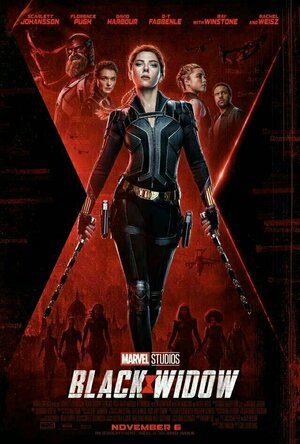

An entertaining pose-struck by Johansson and Pugh
A long time in the waiting (again) but "Black Widow" is an excellent addition to the Marvel canon: almost a "Rogue One" in the series, taking us back to fill in some gaps after "Captain America: Civil War". It's just great to have ANY Marvel back in the cinema.... that Michael Giacchino Marvel tune set the hairs going on the back of my neck!
Positives:
- Loving the heart in this Marvel! There's more sense of "family" than in F9! Johansson and Pugh, in particular, have a great on-screen relationship, and nice sisterly bickering goes on. There's a fabulous scene in a petrol (gas) station between the pair that really shows what class acting is available in this outing.
- David Harbour adds some fine comedy as the "Red Guardian", complete with action figure! Seeing him squeezing into his old uniform reminded me strongly of Mr Incredible! And the relationship with Rachel Weisz's Melina is also great fun.
- Completing the strong acting complement is Ray Winstone as villain Dreykov. It's a role he's played so many times before that he could probably do it in his sleep: but still great to watch. A shout-out too to the lovely Olga Kurylenko, looking decidedly unlovely here! (She isn't given very much to do as Taskmaster though.)
- There were some genuinely laugh-out-loud moments for me: both through witty dialogue and visual gags. A helicopter 'landing' was particularly snort-worthy!
- Lorne Balfe delivers another stonking soundtrack, full of Russian undertones. Also great is a twisted version of Nirvana's "Teen Spirit" over the opening titles.
Negatives:
- Now I KNOW you need to suspend belief during Marvel films, but the "Red Room" location (no spoilers, and no - not the "50 Shades" type) stretches that too far. It leads to an over-blown, free-falling finale that somewhat lessened the impact for me of the rather more realistic flow of the movie to that point.
- Tonally the movie is rather inconsistent. As an example, the start of the movie is played 'straight', as is the role of Alexei. But when he reappears later in the film - and it took me a long time to appreciate the jailbird character was in fact him - then he suddenly becomes the comic heart of the movie.
- I loved the way the film built the relationships between the characters. So this is NOT a negative from me. But I *suspect* some Marvel action fans may find the narrative portions of the movie too slow for their liking.
Summary Thoughts on "Black Widow": Black Widow has always struck me as an odd and slightly second-rate member of The Avengers. After all, she has no specific "superpowers", so how has she survived all of the physical abuse to date? So, given what we know happened to her in "Endgame", I questioned whether this was an origin story that would hold much interest with me. But the knack here is that it really isn't an "origin story" at all. It covers her early life, pre-titles, but then skips all the intermediate biopic stuff to drill into this specific adventure in her life. And the quality of the acting and the relationships that are built up delivered something that I greatly enjoyed.
Cate Shortland seems an odd choice to front a huge movie like this (she has a very short movie CV) but I think she's done a great job here. I'd put it in the top quartile of Marvel movies for me.
And BTW, as it's Marvel so as you might expect there is an end credits scene. You have to wait until the very end of the credits for it (so you can appreciate Lorne Balfe's score some more). But it is worth waiting for, re-introducing a character from one of the Phase 4 TV series.
(For the full graphical version, please check out One Mann's Movies on the web here - https://bob-the-movie-man.com/2021/07/07/black-widow-a-posers-guide-to-the-incredibles-3/. One Mann's Movies is also on Facebook and Tiktok (@onemannsmovies).)
Positives:
- Loving the heart in this Marvel! There's more sense of "family" than in F9! Johansson and Pugh, in particular, have a great on-screen relationship, and nice sisterly bickering goes on. There's a fabulous scene in a petrol (gas) station between the pair that really shows what class acting is available in this outing.
- David Harbour adds some fine comedy as the "Red Guardian", complete with action figure! Seeing him squeezing into his old uniform reminded me strongly of Mr Incredible! And the relationship with Rachel Weisz's Melina is also great fun.
- Completing the strong acting complement is Ray Winstone as villain Dreykov. It's a role he's played so many times before that he could probably do it in his sleep: but still great to watch. A shout-out too to the lovely Olga Kurylenko, looking decidedly unlovely here! (She isn't given very much to do as Taskmaster though.)
- There were some genuinely laugh-out-loud moments for me: both through witty dialogue and visual gags. A helicopter 'landing' was particularly snort-worthy!
- Lorne Balfe delivers another stonking soundtrack, full of Russian undertones. Also great is a twisted version of Nirvana's "Teen Spirit" over the opening titles.
Negatives:
- Now I KNOW you need to suspend belief during Marvel films, but the "Red Room" location (no spoilers, and no - not the "50 Shades" type) stretches that too far. It leads to an over-blown, free-falling finale that somewhat lessened the impact for me of the rather more realistic flow of the movie to that point.
- Tonally the movie is rather inconsistent. As an example, the start of the movie is played 'straight', as is the role of Alexei. But when he reappears later in the film - and it took me a long time to appreciate the jailbird character was in fact him - then he suddenly becomes the comic heart of the movie.
- I loved the way the film built the relationships between the characters. So this is NOT a negative from me. But I *suspect* some Marvel action fans may find the narrative portions of the movie too slow for their liking.
Summary Thoughts on "Black Widow": Black Widow has always struck me as an odd and slightly second-rate member of The Avengers. After all, she has no specific "superpowers", so how has she survived all of the physical abuse to date? So, given what we know happened to her in "Endgame", I questioned whether this was an origin story that would hold much interest with me. But the knack here is that it really isn't an "origin story" at all. It covers her early life, pre-titles, but then skips all the intermediate biopic stuff to drill into this specific adventure in her life. And the quality of the acting and the relationships that are built up delivered something that I greatly enjoyed.
Cate Shortland seems an odd choice to front a huge movie like this (she has a very short movie CV) but I think she's done a great job here. I'd put it in the top quartile of Marvel movies for me.
And BTW, as it's Marvel so as you might expect there is an end credits scene. You have to wait until the very end of the credits for it (so you can appreciate Lorne Balfe's score some more). But it is worth waiting for, re-introducing a character from one of the Phase 4 TV series.
(For the full graphical version, please check out One Mann's Movies on the web here - https://bob-the-movie-man.com/2021/07/07/black-widow-a-posers-guide-to-the-incredibles-3/. One Mann's Movies is also on Facebook and Tiktok (@onemannsmovies).)

Ivana A. | Diary of Difference (1171 KP) rated By the Feet of Men in Books
Oct 5, 2020
<a href="https://amzn.to/2Wi7amb">Wishlist</a>; | <a
<a href="https://diaryofdifference.com/">Blog</a>; | <a href="https://www.facebook.com/diaryofdifference/">Facebook</a>; | <a href="https://twitter.com/DiaryDifference">Twitter</a>; | <a href="https://www.instagram.com/diaryofdifference/">Instagram</a>; | <a href="https://www.pinterest.co.uk/diaryofdifference/pins/">Pinterest</a>;
<img src="https://i0.wp.com/diaryofdifference.com/wp-content/uploads/2020/09/Book-Review-Banner-80.png?resize=768%2C432&ssl=1"/>;
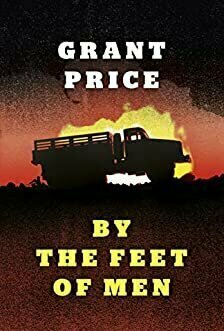
By the Feet of Men by Grant Price is a very good post-apocalyptic novel, full of adventures and danger. I am glad I got the chance to read and review this book. Thank you to the author, Grant Price, for sending me a copy of his book in exchange for my honest review.
<b><i>Synopsis:</i></b>
The book is set in a post-apocalyptic world, where the world’s population has been decimated by the Change, a chain reaction of events triggered by global warming. Governments have fallen and cities have crumbled. The productions have stopped. The Alps region, which contains the continent’s fresh water, has become a closed state with heavily fortified borders.
The ones that managed to survive cling on by trading through the Runners, truck drivers who deliver cargo and take a percentage. Two Runners, Cassady and Ghazi are called to deliver medical supplies to a research base deep in the Italian desert, where scientists claim to be building a machine that could reverse the effects of the Change.
On this journey they will be joined by a collection of other Runners, all of whom have something to prove and have a story of their own. Standing in their way are starving nomads, crumbling cities, hostile weather and a rogue state set to destroy the convoy. And there’s another problem: Cassady is close to losing his nerve.
<b><i>My Thoughts: </i></b>
The world building in By the Feet of Men is very interesting and very well described, especially the part about the Change and the Koalition. From the beginning, we get a very good idea of what kind of world we are living in now, from global warming, to the starving nomads, to how the Runners make a living. I think that was a very good introduction to the new normal that we are about to engage in.
I think perhaps due to the elaborate description, I found the beginning quite slow. The true adventure and road trip doesn’t start until halfway through the book. Once the adventure begins, though, many things happen in short spaces of time. The pacing is quite fast until the very end. The book contains brutal and graphic details, so it may contain a lot of trigger warnings and I wouldn’t recommend it for the faint hearted people.
I loved Cassady and Ghazi and really enjoyed their backstories.
The way how they made decisions based on their past experiences, which were sometimes very different. I love the constant battle they seem to have between what is right and wrong, when a decision has to be made quite fast to ensure their survival. Sometimes, their survival might mean leaving someone behind, and not both of them would agree that this is the right decision to be made. However, I think there is something much more difficult than making such a decision, and that’s living with the consequences.
Apart from the main characters, I had a very hard time remembering the other characters and their backstories. This made me annoyed a few times. I am very good at remembering side characters, and I usually prefer them to the main characters. However. this wasn’t the case for this book. And this is something that really bothers me.
I was quite intrigued about the ending.
I enjoyed it and I liked how it ended. My initial thoughts were that it was very realistic. It also had an ending that I haven’t seen too much explored in any post-apocalyptic fiction I’ve read or seen. I was a bit disappointed by the lack of explanation to some points. However, I think the main characters’ stories and experiences in the end of the book contributed to a balanced and emotional ending.
I definitely recommend By the Feet of Men to all fans of post-apocalyptic fiction. Something new and fresh, unexplored anywhere else and full of adventure and realistic brutality. I am sure you will enjoy it.
<a href="https://diaryofdifference.com/">Blog</a>; | <a href="https://www.facebook.com/diaryofdifference/">Facebook</a>; | <a href="https://twitter.com/DiaryDifference">Twitter</a>; | <a href="https://www.instagram.com/diaryofdifference/">Instagram</a>; | <a href="https://www.pinterest.co.uk/diaryofdifference/pins/">Pinterest</a>;
<img src="https://i0.wp.com/diaryofdifference.com/wp-content/uploads/2020/09/Book-Review-Banner-80.png?resize=768%2C432&ssl=1"/>;
By the Feet of Men by Grant Price is a very good post-apocalyptic novel, full of adventures and danger. I am glad I got the chance to read and review this book. Thank you to the author, Grant Price, for sending me a copy of his book in exchange for my honest review.
<b><i>Synopsis:</i></b>
The book is set in a post-apocalyptic world, where the world’s population has been decimated by the Change, a chain reaction of events triggered by global warming. Governments have fallen and cities have crumbled. The productions have stopped. The Alps region, which contains the continent’s fresh water, has become a closed state with heavily fortified borders.
The ones that managed to survive cling on by trading through the Runners, truck drivers who deliver cargo and take a percentage. Two Runners, Cassady and Ghazi are called to deliver medical supplies to a research base deep in the Italian desert, where scientists claim to be building a machine that could reverse the effects of the Change.
On this journey they will be joined by a collection of other Runners, all of whom have something to prove and have a story of their own. Standing in their way are starving nomads, crumbling cities, hostile weather and a rogue state set to destroy the convoy. And there’s another problem: Cassady is close to losing his nerve.
<b><i>My Thoughts: </i></b>
The world building in By the Feet of Men is very interesting and very well described, especially the part about the Change and the Koalition. From the beginning, we get a very good idea of what kind of world we are living in now, from global warming, to the starving nomads, to how the Runners make a living. I think that was a very good introduction to the new normal that we are about to engage in.
I think perhaps due to the elaborate description, I found the beginning quite slow. The true adventure and road trip doesn’t start until halfway through the book. Once the adventure begins, though, many things happen in short spaces of time. The pacing is quite fast until the very end. The book contains brutal and graphic details, so it may contain a lot of trigger warnings and I wouldn’t recommend it for the faint hearted people.
I loved Cassady and Ghazi and really enjoyed their backstories.
The way how they made decisions based on their past experiences, which were sometimes very different. I love the constant battle they seem to have between what is right and wrong, when a decision has to be made quite fast to ensure their survival. Sometimes, their survival might mean leaving someone behind, and not both of them would agree that this is the right decision to be made. However, I think there is something much more difficult than making such a decision, and that’s living with the consequences.
Apart from the main characters, I had a very hard time remembering the other characters and their backstories. This made me annoyed a few times. I am very good at remembering side characters, and I usually prefer them to the main characters. However. this wasn’t the case for this book. And this is something that really bothers me.
I was quite intrigued about the ending.
I enjoyed it and I liked how it ended. My initial thoughts were that it was very realistic. It also had an ending that I haven’t seen too much explored in any post-apocalyptic fiction I’ve read or seen. I was a bit disappointed by the lack of explanation to some points. However, I think the main characters’ stories and experiences in the end of the book contributed to a balanced and emotional ending.
I definitely recommend By the Feet of Men to all fans of post-apocalyptic fiction. Something new and fresh, unexplored anywhere else and full of adventure and realistic brutality. I am sure you will enjoy it.