
Search

Hazel (1853 KP) rated Operation: Hail Storm in Books
Dec 14, 2018
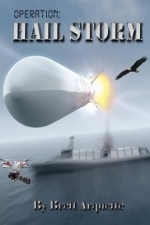


<i>I received this eBook for free from the author in exchange for an honest review.</i>
In the near distant future, terrorism is still a major problem throughout the world. Other things may have changed, such as a female president of the United States and cheaper method of producing energy, however, the world is still under threat, particularly from North Korea. After losing his wife and twin daughters in the biggest terrorist attack the world has seen, Physics Nobel Prize winner, Marshall Hail, an industrial billionaire, decides to take matters into his own hands.
<i>Operation: Hail Storm </i>is a work of science fiction, although, as the main character points out, he and his team only work with science and not fiction. With a selection of friends from his MIT days, and a pick of young gamers whose families had been killed in the terrorist attacks, aim to remove everyone listed on the FBI’s top ten terrorist list. After his drones successfully take out the leader of North Korea, Hail finds himself of interest to the CIA and US president.
Hail hopes the CIA would be pleased with him and supply a list and location of the remaining terrorists. Although they are impressed, the CIA is baffled over how Hail managed to assassinate someone in an extremely guarded country. To prove himself, Hail is given the task of blowing up a missile that is heading to North Korea with the potential to destroy half the world. He may do this however he wishes, however, he must have one member of the CIA with him. Enter Kara.
Kara, who is effectively the CIA’s courtesan, tries to use her skills to find out Hail’s secrets and report back to her boss. Naturally, Hail and his team are one step ahead and are monitoring all her phone calls. With a complicated relationship where both parties are pretending to trust each other, they must come together to successfully complete the mission before the CIA put their disastrous backup plan into place.
Although there are a handful of women in high positions, Operation: Hail Storm is more appropriate for the male population. With complicated mathematics and science, the story becomes similar to spy action novels, complete with an attractive woman: Kara. Physical description is reserved for Kara’s character, whose beauty is used to distract men, particularly villains.
Description is something the author, Brett Arquette, struggles with throughout the book. His choice of similes are questionable and may even upset some readers, for example, “It was like a blob of clay the size of a softball that had been worked by an angry mental patient wearing oven gloves.”
As well as scientific jargon, a number of foreign languages enter the narrative. Unfortunately, although it is possible to get the gist of what is being said, the actual phrases are never translated.
<i>Operation: Hail Storm</i> is a cleverly thought out novel with an impressive knowledge of science, drones and explosive devices. Whether these are wholly accurate is undetermined, however, there do not appear to be any discrepancies during throughout the narrative. As for the storyline, it is nothing spectacular or refreshing, instead, it is a typical male-oriented piece of sci-fi with a lot of blowing things up.
In the near distant future, terrorism is still a major problem throughout the world. Other things may have changed, such as a female president of the United States and cheaper method of producing energy, however, the world is still under threat, particularly from North Korea. After losing his wife and twin daughters in the biggest terrorist attack the world has seen, Physics Nobel Prize winner, Marshall Hail, an industrial billionaire, decides to take matters into his own hands.
<i>Operation: Hail Storm </i>is a work of science fiction, although, as the main character points out, he and his team only work with science and not fiction. With a selection of friends from his MIT days, and a pick of young gamers whose families had been killed in the terrorist attacks, aim to remove everyone listed on the FBI’s top ten terrorist list. After his drones successfully take out the leader of North Korea, Hail finds himself of interest to the CIA and US president.
Hail hopes the CIA would be pleased with him and supply a list and location of the remaining terrorists. Although they are impressed, the CIA is baffled over how Hail managed to assassinate someone in an extremely guarded country. To prove himself, Hail is given the task of blowing up a missile that is heading to North Korea with the potential to destroy half the world. He may do this however he wishes, however, he must have one member of the CIA with him. Enter Kara.
Kara, who is effectively the CIA’s courtesan, tries to use her skills to find out Hail’s secrets and report back to her boss. Naturally, Hail and his team are one step ahead and are monitoring all her phone calls. With a complicated relationship where both parties are pretending to trust each other, they must come together to successfully complete the mission before the CIA put their disastrous backup plan into place.
Although there are a handful of women in high positions, Operation: Hail Storm is more appropriate for the male population. With complicated mathematics and science, the story becomes similar to spy action novels, complete with an attractive woman: Kara. Physical description is reserved for Kara’s character, whose beauty is used to distract men, particularly villains.
Description is something the author, Brett Arquette, struggles with throughout the book. His choice of similes are questionable and may even upset some readers, for example, “It was like a blob of clay the size of a softball that had been worked by an angry mental patient wearing oven gloves.”
As well as scientific jargon, a number of foreign languages enter the narrative. Unfortunately, although it is possible to get the gist of what is being said, the actual phrases are never translated.
<i>Operation: Hail Storm</i> is a cleverly thought out novel with an impressive knowledge of science, drones and explosive devices. Whether these are wholly accurate is undetermined, however, there do not appear to be any discrepancies during throughout the narrative. As for the storyline, it is nothing spectacular or refreshing, instead, it is a typical male-oriented piece of sci-fi with a lot of blowing things up.
From the Fatherland with Love
Ryu Murakami, Charles De Wolf, Ralph McCarthy and Ginny Takemori
Book
An ambitious, epic dystopian novel - part political thriller and part satire. From the Fatherland,...
Jesters_folly (230 KP) rated Psycho (1960) in Movies
Jan 6, 2021


Contains spoilers, click to show
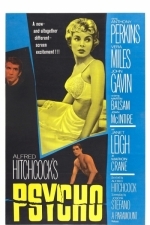
Ah Psycho, the granddaddy of slashers and a film that I find somehow modern and dated at the same time.
Psycho is a slow burn, at the beginning even the dialogue is sparse as the film builds up to the confrontations with Norman Bates (argued by most as the first modern slasher) and this is part of what makes it dated (and modern), the lack of action and the main character driving around gives Psycho the feel of something that Tarantino might make but it lacks 'something' . It's hard to explain but, by todays standards, parts of Psycho are a bit bland, not necessarily boring but bland. The best example I can think would be the scenes in the car, Psycho has just one character in the car who is imagining what others are saying about her and lots of silence which are filled with dramatic music, where as something like Pulp Fiction you get two characters who are just talking, the music seems to take you out of the situation because, in a modern film it would just be in the background.
As the film progresses we start to pick up on some of the slasher tropes, Norman is strange, again we can't quite explain why but that is sometimes the same in a modern film, we see him spy, once, on Marion and, in a more modern film this would probably be stretched out a bit more.
The kills aren't actually as graphic as most modern day slashers but this doesn't matter as Hitchcock has a talent for making the viewer see what he wants and not just what is happening.
The character of Norman is quite interesting but a lot of 'fleshing out' is just told to the viewer in exposition near the end, however you can see how Norman/Mother could easily be an inspiration for the Jason/Pamela dynamic in the first 'Friday 13th'
Psycho has a lot to answer for, sighted by many as the first modern 'Slasher' movie it caused an uproar for other reasons, the first time a toilet was seen flushing on screen, the first time a 'Leading Lady' was killed off halfway through the film (still a slight oddity now as we normally have one 'final girl') and the fact that the stolen money is just thrown away when it is no longer needed to push the plot along. It is these firsts that help to make the film feel dated, we are used to more graphic kills, toilets are almost irrelevant and there is normally more nudity/sex in a modern slasher.
Apart from being a little dated Psycho is a pretty good and entertain film which has put some thought into it's story and characters
Psycho is a slow burn, at the beginning even the dialogue is sparse as the film builds up to the confrontations with Norman Bates (argued by most as the first modern slasher) and this is part of what makes it dated (and modern), the lack of action and the main character driving around gives Psycho the feel of something that Tarantino might make but it lacks 'something' . It's hard to explain but, by todays standards, parts of Psycho are a bit bland, not necessarily boring but bland. The best example I can think would be the scenes in the car, Psycho has just one character in the car who is imagining what others are saying about her and lots of silence which are filled with dramatic music, where as something like Pulp Fiction you get two characters who are just talking, the music seems to take you out of the situation because, in a modern film it would just be in the background.
As the film progresses we start to pick up on some of the slasher tropes, Norman is strange, again we can't quite explain why but that is sometimes the same in a modern film, we see him spy, once, on Marion and, in a more modern film this would probably be stretched out a bit more.
The kills aren't actually as graphic as most modern day slashers but this doesn't matter as Hitchcock has a talent for making the viewer see what he wants and not just what is happening.
The character of Norman is quite interesting but a lot of 'fleshing out' is just told to the viewer in exposition near the end, however you can see how Norman/Mother could easily be an inspiration for the Jason/Pamela dynamic in the first 'Friday 13th'
Psycho has a lot to answer for, sighted by many as the first modern 'Slasher' movie it caused an uproar for other reasons, the first time a toilet was seen flushing on screen, the first time a 'Leading Lady' was killed off halfway through the film (still a slight oddity now as we normally have one 'final girl') and the fact that the stolen money is just thrown away when it is no longer needed to push the plot along. It is these firsts that help to make the film feel dated, we are used to more graphic kills, toilets are almost irrelevant and there is normally more nudity/sex in a modern slasher.
Apart from being a little dated Psycho is a pretty good and entertain film which has put some thought into it's story and characters

Mothergamer (1652 KP) rated Warframe in Video Games
Apr 3, 2019
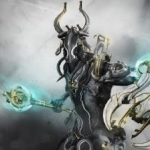

A friend of mine suggested that I check out the game Warframe. They thought I would like it since I like games like Phantasy Star Online and Mass Effect. Warframe is a free to play co-operative third person shooter game. It's a science fiction futuristic role playing game. You can play Warframe on the PC, Xbox One, or the Playstation 4. Unfortunately there is no cross platform play with this, but at least you have a choice about which one you want to play on.
You play as a member of the Tenno, a race of ancient warriors who have awoken from cryosleep and find themselves at war with a race known as the Grineer who appear to be human clones with metal mods and the Corpus a corporation with robots and laser technology. I found that concept pretty intriguing and decided to check it out on my computer.
There are three starter warframes to choose from; Mag, Volt, and Excalibur. I decided to go with Mag and started my adventure in Warframe and named her Pirotess Dragontamer like my Final Fantasy XIV character. The introductory tutorial is quite helpful which gave me a chance to get used to the battle controls. I also liked that you can change the colors of your warframe and customize it to your tastes.
My Mag warframe is pretty cool.
There are so many missions you can do on each planet ranging from rescue missions to spy missions. You can do these missions solo, but it's definitely easier to do them with friends. The max number of people on a team is four and it does make a mission go a lot faster when you have a full team. Finding a team is fairly easy as you can make your match settings public and the game will match you with people who are doing the same mission.
Pirotess doing a mission with her friends.
I'm glad I tried Warframe out because I love it. It's a lot of fun to play and the story is very interesting. The graphics for the game look great and the voice acting and music is really good as well. It's hard to believe it's a free to play online game because there is so much content and so many great areas to explore.
You can also do crafting in the game and it isn't boring. In many of the missions you get blueprints for weapons and different warframes which you can build in your ship. Level grinding is not boring at all because of the variety of the missions. You also have solo missions for ranking up your warframe. The max level for a warframe is 30 and you can level up your weapons and pets as well.
Pirotess on her Frost warframe.
My husband Ron plays Warframe with me as well and he's really enjoying it also. It's a lot of fun playing the game together and with our friends. Having a good clan helps too because they can help you get missions done as well as helping with getting blueprints and items you need for crafting and modding equipment.
I'm also looking forward to the new expansion for the game, Plains of Eidolon because it looks fantastic and there's going to be even more things added including a new warframe. Warframe is so much fun and I love just exploring and doing all the events and missions with everyone. It's fast paced and fits in my wheel house for sci-fi space games. Now, I'm off to explore more of the galaxy!
You play as a member of the Tenno, a race of ancient warriors who have awoken from cryosleep and find themselves at war with a race known as the Grineer who appear to be human clones with metal mods and the Corpus a corporation with robots and laser technology. I found that concept pretty intriguing and decided to check it out on my computer.
There are three starter warframes to choose from; Mag, Volt, and Excalibur. I decided to go with Mag and started my adventure in Warframe and named her Pirotess Dragontamer like my Final Fantasy XIV character. The introductory tutorial is quite helpful which gave me a chance to get used to the battle controls. I also liked that you can change the colors of your warframe and customize it to your tastes.
My Mag warframe is pretty cool.
There are so many missions you can do on each planet ranging from rescue missions to spy missions. You can do these missions solo, but it's definitely easier to do them with friends. The max number of people on a team is four and it does make a mission go a lot faster when you have a full team. Finding a team is fairly easy as you can make your match settings public and the game will match you with people who are doing the same mission.
Pirotess doing a mission with her friends.
I'm glad I tried Warframe out because I love it. It's a lot of fun to play and the story is very interesting. The graphics for the game look great and the voice acting and music is really good as well. It's hard to believe it's a free to play online game because there is so much content and so many great areas to explore.
You can also do crafting in the game and it isn't boring. In many of the missions you get blueprints for weapons and different warframes which you can build in your ship. Level grinding is not boring at all because of the variety of the missions. You also have solo missions for ranking up your warframe. The max level for a warframe is 30 and you can level up your weapons and pets as well.
Pirotess on her Frost warframe.
My husband Ron plays Warframe with me as well and he's really enjoying it also. It's a lot of fun playing the game together and with our friends. Having a good clan helps too because they can help you get missions done as well as helping with getting blueprints and items you need for crafting and modding equipment.
I'm also looking forward to the new expansion for the game, Plains of Eidolon because it looks fantastic and there's going to be even more things added including a new warframe. Warframe is so much fun and I love just exploring and doing all the events and missions with everyone. It's fast paced and fits in my wheel house for sci-fi space games. Now, I'm off to explore more of the galaxy!

Chris Hooker (419 KP) rated No Way Home (A Science Fiction Anthology) in Books
Jan 12, 2018

I received [No Way Home] from author [Harry Manners] in exchange for a honest review. This collection of short stories with the theme of being stranded, in one way or another, was a thought provoking read.
[To Sing of Chaos and Eternal Night] by [Lucas Bale] took me a few days to get past the beginning. The concept of a soldier who has lost all being and is just thought sent to robotic bodies and told to fight the enemy was interesting. As I stated, unfortunately, it was a slow start but the ending was worth the read.
[XE, or People Are Strange] by [S. Elliot Brandis]gave a new meaning to getting away from it all. The main character, Bradley, volunteers to be put in a shuttle to find a new habitable plant. His mission is one way and he is to send a signal back to Earth if it is a safe place. Apparently, though, he is not the first, or only, person on the new planet. I really liked the twist in this story.
[Grist] by [J.S. Collyer] is a futuristic view where one entity has taken control and all others are forced to work for them, often underground. Wyatt was not born into this so he remembers fresh air and sun. He wants to escape and be free again. Just daring to think this way can be deadly and he must know who to trust. The question this story had me asking was what is life worth?
[Merely A Madness] by [S.W. Fairbrother] was one I was really excited to see in this collection because I had read [The Secret Dead] and loved it. [Merely A Madness] did not disappoint in anyway. Earth has become a hostile place but most people have escaped off planet. Hannah loves old earth and Mullen sets up a holiday because he aims to please. This would be like current day people going to a wild west ranch, real but not too real. Things go horribly wrong and Mullen must make a hard choice. This story was one of my favorites by far.
[Revolver] by [Michael Patrick Hicks] was the most overtly political and also one of the most enjoyable. The concept of reality TV and politics preying on the unfortunates is so scary because it is not far from our current reality. I really loved the statement made in this one.
[The Happy Place] by [Harry Manners] was a story of a dream gone horribly wrong. Michael has always dreamed of going to the stars and with his wife this dream becomes a reality as he is chosen to colonize Mars. Years later he realizes his dream may be a nightmare as he begins to lose everything he loves. The only thing that keeps him going is 'the Happy Place', a virtual reality of his memories from Earth, but keeping this secret from those he loves may cost him even more. This is the third work I have read from [Harry Manners] and I love how he handles loneliness and making hard decisions. His characters are always deeper than they first appear.
[Renata] by [Nadine Matheson] is a futuristic spy story wrapped in a mob hit with political intrigue. Yes, I enjoyed this one as well. Kaoru is an assassin who gets his assignments from his brother. His latest target is in the past. This is the assignment that may just kill him.
[Cold Witness] by [A.S. Sinclair] was a mental thriller. John Marshall is sent to check out an abandoned military complex that he is told little about. When he arrives there he hears rumors of strange things involving the final project at the base. Upon arrival he begins hallucinating and his memories begin to meld with others. The question of what is reality is constant throughout.
All the stories were well written and enjoyable. I also liked how each author wrote an "Afterword" that explained a little of how they came up with the concept they did. I recommend this to any fan of futuristic and science fiction.
[To Sing of Chaos and Eternal Night] by [Lucas Bale] took me a few days to get past the beginning. The concept of a soldier who has lost all being and is just thought sent to robotic bodies and told to fight the enemy was interesting. As I stated, unfortunately, it was a slow start but the ending was worth the read.
[XE, or People Are Strange] by [S. Elliot Brandis]gave a new meaning to getting away from it all. The main character, Bradley, volunteers to be put in a shuttle to find a new habitable plant. His mission is one way and he is to send a signal back to Earth if it is a safe place. Apparently, though, he is not the first, or only, person on the new planet. I really liked the twist in this story.
[Grist] by [J.S. Collyer] is a futuristic view where one entity has taken control and all others are forced to work for them, often underground. Wyatt was not born into this so he remembers fresh air and sun. He wants to escape and be free again. Just daring to think this way can be deadly and he must know who to trust. The question this story had me asking was what is life worth?
[Merely A Madness] by [S.W. Fairbrother] was one I was really excited to see in this collection because I had read [The Secret Dead] and loved it. [Merely A Madness] did not disappoint in anyway. Earth has become a hostile place but most people have escaped off planet. Hannah loves old earth and Mullen sets up a holiday because he aims to please. This would be like current day people going to a wild west ranch, real but not too real. Things go horribly wrong and Mullen must make a hard choice. This story was one of my favorites by far.
[Revolver] by [Michael Patrick Hicks] was the most overtly political and also one of the most enjoyable. The concept of reality TV and politics preying on the unfortunates is so scary because it is not far from our current reality. I really loved the statement made in this one.
[The Happy Place] by [Harry Manners] was a story of a dream gone horribly wrong. Michael has always dreamed of going to the stars and with his wife this dream becomes a reality as he is chosen to colonize Mars. Years later he realizes his dream may be a nightmare as he begins to lose everything he loves. The only thing that keeps him going is 'the Happy Place', a virtual reality of his memories from Earth, but keeping this secret from those he loves may cost him even more. This is the third work I have read from [Harry Manners] and I love how he handles loneliness and making hard decisions. His characters are always deeper than they first appear.
[Renata] by [Nadine Matheson] is a futuristic spy story wrapped in a mob hit with political intrigue. Yes, I enjoyed this one as well. Kaoru is an assassin who gets his assignments from his brother. His latest target is in the past. This is the assignment that may just kill him.
[Cold Witness] by [A.S. Sinclair] was a mental thriller. John Marshall is sent to check out an abandoned military complex that he is told little about. When he arrives there he hears rumors of strange things involving the final project at the base. Upon arrival he begins hallucinating and his memories begin to meld with others. The question of what is reality is constant throughout.
All the stories were well written and enjoyable. I also liked how each author wrote an "Afterword" that explained a little of how they came up with the concept they did. I recommend this to any fan of futuristic and science fiction.


Character development (2 more)
Background
Story and plot = top notch
Amazing and will leave you on the edge of your seat!
As many of you know, I've struggled at getting into audio books but I think I've finally started to come around to the idea of them. I was given two free months of Scribd to try out and this is the second audio book that I've listened too.
At first, I wasn't too big of a fan of the narrator. She just sounded like she didn't give any care in the world and to be honest, her voice was very high pitched and rather annoying. Well, once we got into a little bit deeper into the story, the narrator actually grew on me. Don't judge a book by it's cover, I know I know. I'm rather bad at that haha.
“You have to learn to look at the whole of something, not just the parts.”
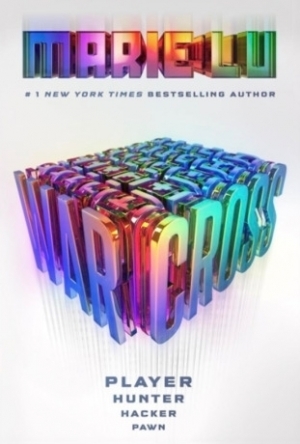
One thing that I rather liked about Warcross was that it delved into depression and loss a tad bit. Authors that can work that angle along with including a mass amount of diversity into their stories really are amazing human beings.
I absolutely love reading YA that includes diversity such as different ethnicity and LGBTQ+. Warcross has it both, and even has the main character, Emika, as a POC. This really brought the novel together and created this colorful novel that left me on the edge of my seat.
“It is hard to describe loss to someone who has never experienced it, impossible to explain all the ways it changes you. But for those who have, not a single word is needed.”
Warcross begins by following Emika in her journey of catching someone who has been illegally gambling within the game Warcross. She works as a bounty hunter and is rather good at her job. But, the main problem that she has is there are so many bounty hunters out there, so jobs are not quite an easy thing to get. This doesn't help Emika's debt problem at all. She's on the verge of losing her apartment and being put on the side of the street.
Opening ceremony night comes for the Warcross championships and Emika accidentally hacks into it. The creator of Warcross, Hideo Tanaka, ends up contacting her and hiring Emika as a bounty hunter to catch Zero. But what Emika doesn't realize is that she will be joining the championship as well to act as a spy. She is thrown in and immediately picked as a wildcard. But the journey she's about to take isn't what it's all put out to be.
Danger lurks behind every corner and people are not who they truly say they are. For Emika's in a life and death battle that could drastically change the future.
“Everyone has a different way of escaping the dark stillness of their mind.”
Characters:
Emika Chen - bounty hunter, hacker, the main character who has rainbow dyed hair and is an absolute rockin' badass.
Hideo Tanaka - billionaire creator of Warcross and eventually a love interest to Emika
Sasuke Tanaka - brother to Hideo, he was kidnapped at a young age and nobody knows if he's even alive.
Zero - the antagonist, or so we thought. Emika is trying to catch him.
Hammie, Roshan, DJ Ren, & Asher - members of the Phoenix Riders
Reasons why I rated it 5 stars:
1. The plot was top notch, absolutely amazing, and one of the best I've seen in awhile!
2. I will be rereading this once I get my hands on a physical copy. I may even re-listen to the audio book. It was just that good!
3. There is so much character and story development within the story and Marie Lu is a breath of fresh air. Not only did she include development, but there was background and representation!
4. Grammar and spelling isn't being counted against because I have no idea. It sounded good, but the narrator could have fixed stuff. Like I literally have no idea what the writing is like since I listened to Warcross on audio book.
5. The overall story left me wanting more of Warcross, more of Emika, more of what's in store for Emika. I just NEED MORE!
"Everything's science fiction until someone makes it science fact.”
At first, I wasn't too big of a fan of the narrator. She just sounded like she didn't give any care in the world and to be honest, her voice was very high pitched and rather annoying. Well, once we got into a little bit deeper into the story, the narrator actually grew on me. Don't judge a book by it's cover, I know I know. I'm rather bad at that haha.
“You have to learn to look at the whole of something, not just the parts.”
One thing that I rather liked about Warcross was that it delved into depression and loss a tad bit. Authors that can work that angle along with including a mass amount of diversity into their stories really are amazing human beings.
I absolutely love reading YA that includes diversity such as different ethnicity and LGBTQ+. Warcross has it both, and even has the main character, Emika, as a POC. This really brought the novel together and created this colorful novel that left me on the edge of my seat.
“It is hard to describe loss to someone who has never experienced it, impossible to explain all the ways it changes you. But for those who have, not a single word is needed.”
Warcross begins by following Emika in her journey of catching someone who has been illegally gambling within the game Warcross. She works as a bounty hunter and is rather good at her job. But, the main problem that she has is there are so many bounty hunters out there, so jobs are not quite an easy thing to get. This doesn't help Emika's debt problem at all. She's on the verge of losing her apartment and being put on the side of the street.
Opening ceremony night comes for the Warcross championships and Emika accidentally hacks into it. The creator of Warcross, Hideo Tanaka, ends up contacting her and hiring Emika as a bounty hunter to catch Zero. But what Emika doesn't realize is that she will be joining the championship as well to act as a spy. She is thrown in and immediately picked as a wildcard. But the journey she's about to take isn't what it's all put out to be.
Danger lurks behind every corner and people are not who they truly say they are. For Emika's in a life and death battle that could drastically change the future.
“Everyone has a different way of escaping the dark stillness of their mind.”
Characters:
Emika Chen - bounty hunter, hacker, the main character who has rainbow dyed hair and is an absolute rockin' badass.
Hideo Tanaka - billionaire creator of Warcross and eventually a love interest to Emika
Sasuke Tanaka - brother to Hideo, he was kidnapped at a young age and nobody knows if he's even alive.
Zero - the antagonist, or so we thought. Emika is trying to catch him.
Hammie, Roshan, DJ Ren, & Asher - members of the Phoenix Riders
Reasons why I rated it 5 stars:
1. The plot was top notch, absolutely amazing, and one of the best I've seen in awhile!
2. I will be rereading this once I get my hands on a physical copy. I may even re-listen to the audio book. It was just that good!
3. There is so much character and story development within the story and Marie Lu is a breath of fresh air. Not only did she include development, but there was background and representation!
4. Grammar and spelling isn't being counted against because I have no idea. It sounded good, but the narrator could have fixed stuff. Like I literally have no idea what the writing is like since I listened to Warcross on audio book.
5. The overall story left me wanting more of Warcross, more of Emika, more of what's in store for Emika. I just NEED MORE!
"Everything's science fiction until someone makes it science fact.”
Mandy and G.D. Burkhead (26 KP) rated Kushiel's Dart (Phèdre's Trilogy, #1) in Books
May 20, 2018
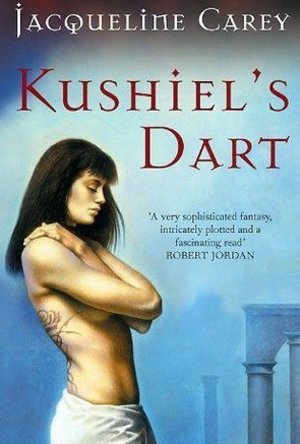
Shelf Life – Kushiel’s Legacy, the Naamah Trilogy, and How Jacqueline Carey Ruined My Ability to Be Impartial About Them
Contains spoilers, click to show
I can honestly say that the nine books that comprise these three trilogies are among the best fantasy available today as well as nine of my all-time favorite books I’ve ever read.
The Spoiler-Free Overview
If you want the shorter, less spoilery answer for what I think of these books: holy crap, yes, they’re as good as everyone says they are. Jacqueline Carey has a way of making me just…feel stuff like no other author can. Plenty of books have caught and held my interest enough that I didn’t want to put them down, but few have made the act of putting them down anyway so torturous. More than once, I hit a point in these stories where I had to drop whatever else I was gonna do that day (that I could realistically drop) just because I had to keep reading to make sure the characters were going to be okay.
This is character-driven fiction at its finest, with people in the pages who come alive and subtly win your heart. More than once, I’ve found reading about their ordeals to be worrying, a little bit painful, and a little bit infuriating (all in a good way, though), and I had to stop and remind myself that these weren’t real people that I was so concerned over and angry for. So if you ever wanted to be really, really invested in the story you’re reading and the people in it, Terre d’Ange is the place to go. All of the eroticism that everyone talks about is just a really nice bonus.
If you want an even shorter answer: do you watch Game of Thrones? Have you read George R.R. Martin’s A Song of Ice and Fire books? Have you at least heard of the fan hype around these stories? The Kushiel and Naamah books are like that, except sexier and with deeper court intrigue. And a lot less incest.
If you want the long answer…
A Dizzying Amount of Adventure Mileage
One thing that has to be said for Kushiel’s Legacy and the Naamah trilogy is that you definitely get your money’s worth of story out of each book. There’s a pattern that I’ve noticed with each of them, which is that you’ll follow the heroine/hero through a massive tribulation, see them endure their hardships and take their small victories where they can, then finally watch matters come to a crux, a climax, and a satisfying resolution…only to realize that you’re only a third of the way through the full page count.
Where most books are content to have one major conflict, Carey packs hers with about three each. The best part is that they’re not laid out in rigid sequence like a series of video game side quests – fight this problem, win, check it off the list, leave it behind and find a new one to fill the word count. No, each new adventure in the same book arises completely organically from the story overall. It makes you realize just how huge a scope these characters’ destinies really are, and just how incredibly wearying it can be and how much seemingly inhuman endurance it takes to be one of the gods’ chosen.
For instance, the first book to kick everything off, Kushiel’s Dart, begins slowly and simply enough. Phedre is an unwanted child who is basically sold into indentured servitude, then trained to be a spy and courtesan while we’re introduced to Terre d’Ange through her eyes over the next couple hundred pages, learning more about the politics and the players in time to watch the drama around them steadily unfold and escalate.
And then her wise mentor gets killed (as wise mentors tend to do), she and her bodyguard companion are betrayed, and the both of them get sold into full-on slavery to the vikings of Skaldia. Plenty of conflict and hardship and planning later, they make their escape and flee into harsh, snowy mountain terrain, falling in love for good measure while they fend off the deadly cold and the pursuit from their enemies. Finally, they make it back to their homeland and clear their names.
This is where most books would be content to stop and maybe leave further contentions for a sequel. Kushiel’s Dart would have been well within its rights to do so as well, and I wouldn’t have complained if it did. But no, it reminds readers, we’re not done yet. There’s a war coming, remember? We talked about this. Catch your breath for a moment, but then we gotta go rally our armies.
So Phedre and Joscelin set off to the wild and secluded island nation of Alba on the other side of an enchanted strait, a body of water where a vengeful, divine power known as the Master of the Straits lives and for some reason prevents almost all contact between the two nations. Arriving safely enough, they find that Alba is also war-torn at the moment, and the armies they had hoped to rally are busy defending their land from another foe. More plotting and intrigue ensues, alliances and promises are made, and with our heroes’ help, the two sides clash in a decisive battle that gains the side we’re rooting for victory as well as gives them their rightful sovereignty back. Now Phedre has the army she needs. After a sudden and unexpected stop at the Master of the Straits’ island, where they learn the secret of his power and guarantee indefinite safe passage between the nations in return for Phedre losing her closest friend, our heroes finally make it back to their homeland again with their army in tow.
Finally! After all of that struggle, we get a happy ending after all. But wait, not yet you don’t, the chunk of pages left at the end remind you. All you did was get your forces together. Good for you. Now you still gotta go actually fight the war with the Skaldi invaders to determine the fate of your entire nation.
So they do. And only after an awesome last-stand battle (the excitement and careful strategy of which will take you completely by surprise if you first entered this book expecting little more than kinky sex scenes) is the story allowed to wrap up in earnest, our heroes finally earning their long-deserved rest. The dangerous and cunning warlord is defeated, the invading army has been pushed back, the new Queen has ascended the throne, Terre d’Ange has been saved, and Phedre and Joscelin are free to finally be together – with the only little niggle being that the real mastermind behind all of their problems is still loose and taunting them. But we can get to that in the next book. Or five.
The Spoiler-Free Overview
If you want the shorter, less spoilery answer for what I think of these books: holy crap, yes, they’re as good as everyone says they are. Jacqueline Carey has a way of making me just…feel stuff like no other author can. Plenty of books have caught and held my interest enough that I didn’t want to put them down, but few have made the act of putting them down anyway so torturous. More than once, I hit a point in these stories where I had to drop whatever else I was gonna do that day (that I could realistically drop) just because I had to keep reading to make sure the characters were going to be okay.
This is character-driven fiction at its finest, with people in the pages who come alive and subtly win your heart. More than once, I’ve found reading about their ordeals to be worrying, a little bit painful, and a little bit infuriating (all in a good way, though), and I had to stop and remind myself that these weren’t real people that I was so concerned over and angry for. So if you ever wanted to be really, really invested in the story you’re reading and the people in it, Terre d’Ange is the place to go. All of the eroticism that everyone talks about is just a really nice bonus.
If you want an even shorter answer: do you watch Game of Thrones? Have you read George R.R. Martin’s A Song of Ice and Fire books? Have you at least heard of the fan hype around these stories? The Kushiel and Naamah books are like that, except sexier and with deeper court intrigue. And a lot less incest.
If you want the long answer…
A Dizzying Amount of Adventure Mileage
One thing that has to be said for Kushiel’s Legacy and the Naamah trilogy is that you definitely get your money’s worth of story out of each book. There’s a pattern that I’ve noticed with each of them, which is that you’ll follow the heroine/hero through a massive tribulation, see them endure their hardships and take their small victories where they can, then finally watch matters come to a crux, a climax, and a satisfying resolution…only to realize that you’re only a third of the way through the full page count.
Where most books are content to have one major conflict, Carey packs hers with about three each. The best part is that they’re not laid out in rigid sequence like a series of video game side quests – fight this problem, win, check it off the list, leave it behind and find a new one to fill the word count. No, each new adventure in the same book arises completely organically from the story overall. It makes you realize just how huge a scope these characters’ destinies really are, and just how incredibly wearying it can be and how much seemingly inhuman endurance it takes to be one of the gods’ chosen.
For instance, the first book to kick everything off, Kushiel’s Dart, begins slowly and simply enough. Phedre is an unwanted child who is basically sold into indentured servitude, then trained to be a spy and courtesan while we’re introduced to Terre d’Ange through her eyes over the next couple hundred pages, learning more about the politics and the players in time to watch the drama around them steadily unfold and escalate.
And then her wise mentor gets killed (as wise mentors tend to do), she and her bodyguard companion are betrayed, and the both of them get sold into full-on slavery to the vikings of Skaldia. Plenty of conflict and hardship and planning later, they make their escape and flee into harsh, snowy mountain terrain, falling in love for good measure while they fend off the deadly cold and the pursuit from their enemies. Finally, they make it back to their homeland and clear their names.
This is where most books would be content to stop and maybe leave further contentions for a sequel. Kushiel’s Dart would have been well within its rights to do so as well, and I wouldn’t have complained if it did. But no, it reminds readers, we’re not done yet. There’s a war coming, remember? We talked about this. Catch your breath for a moment, but then we gotta go rally our armies.
So Phedre and Joscelin set off to the wild and secluded island nation of Alba on the other side of an enchanted strait, a body of water where a vengeful, divine power known as the Master of the Straits lives and for some reason prevents almost all contact between the two nations. Arriving safely enough, they find that Alba is also war-torn at the moment, and the armies they had hoped to rally are busy defending their land from another foe. More plotting and intrigue ensues, alliances and promises are made, and with our heroes’ help, the two sides clash in a decisive battle that gains the side we’re rooting for victory as well as gives them their rightful sovereignty back. Now Phedre has the army she needs. After a sudden and unexpected stop at the Master of the Straits’ island, where they learn the secret of his power and guarantee indefinite safe passage between the nations in return for Phedre losing her closest friend, our heroes finally make it back to their homeland again with their army in tow.
Finally! After all of that struggle, we get a happy ending after all. But wait, not yet you don’t, the chunk of pages left at the end remind you. All you did was get your forces together. Good for you. Now you still gotta go actually fight the war with the Skaldi invaders to determine the fate of your entire nation.
So they do. And only after an awesome last-stand battle (the excitement and careful strategy of which will take you completely by surprise if you first entered this book expecting little more than kinky sex scenes) is the story allowed to wrap up in earnest, our heroes finally earning their long-deserved rest. The dangerous and cunning warlord is defeated, the invading army has been pushed back, the new Queen has ascended the throne, Terre d’Ange has been saved, and Phedre and Joscelin are free to finally be together – with the only little niggle being that the real mastermind behind all of their problems is still loose and taunting them. But we can get to that in the next book. Or five.
Jordan Binkerd (567 KP) rated Gideon's Angel in Books
Aug 15, 2019
Note: this review is transposted from my personal review blog, and so was originally written several years ago. I figured if I reposted it here, someone might actually read it….
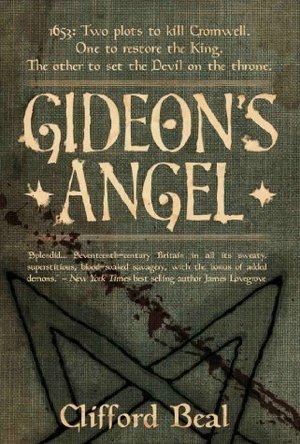
I received my copy of Gideon’s Angel through the Goodreads FirstReads program. This in no way influences my review, except to ensure that I was able to get ahold of this book and thus review it. I have to say, I really enjoyed this one. I want to describe it as “steampunk,” but my understanding is that steampunk is usually set in the 1800s (or at least that level of tech and society) whereas this work is firmly set in 1653. If there’s already a term for pseudo-historical fiction with a fantasy touch set in that timeframe, I apologize for not knowing what it is and using it accordingly.
Things are not going well for Richard Treadwell. The English Civil War is over, the King’s Cavaliers lost to the forces of Parliament and Oliver Cromwell, and Charles I has been executed. Treadwell has managed to escape the destruction of his cause, and has spent the past eight years in exile in France, performing a delicate balancing act between loyalty to his exiled king* and his employer, Cardinal Mazarin. When Mazarin informs him that someone is using the forces of Hell to tip the balance in their favor and asks him to spy on the exile court to find out if it is one of the king’s supporters, Treadwell decides that it’s time to get out of Paris. He accepts a mission for one of the king’s more militant supporters that will take him back to his beloved England–to lead a Royalist uprising, one last try to oust Cromwell and his Puritan cronies. Treadwell has other business to tend to as well, including a wife who by now probably considers herself a widow. Unfortunately for Treadwell’s simple worldview, it soon becomes clear that Cromwell’s power is the only thing preventing the more radical Puritan elements from running roughshod over the whole country. Worse still, a demon from the pits of Hell has appeared to a radical Puritan sect masquerading as an angel of light and ordering the death of Cromwell so that the Kingdom of God may be fulfilled. Now instead of assassinating Cromwell Treadwell will be forced to save him–if he can find a way to fight the forces of Hell, gain some allies in his quest, and avoid d’Artagnan, a young Musketeer dispatched by the Cardinal to bear him back to Paris….
I really enjoyed this book. It’s not exactly “high literature,” but I think I’ve very well established that I care far more about a work’s entertainment value than whatever it is critics look for. The world Beal creates here feels very real, slipping in background historical information without making you feel like you’ve been lectured. Some readers will probably wish for more background on the English Civil War, and that’s fine. If they care that much, there are numerous good books on the subject. If they don’t, there’s a Wikipedia article that should give you a good rundown on what happened. Beal manages to evoke seventeenth-century London in all its grimy glory, much as it would have actually been aside from the fact that all the magic we dismiss as superstition is actually going on behind the scenes. Moreover, this magic very much resembles what you would find depicted in the folklore of the era without obvious modern embellishment. I’m not really all that well versed in the history of the Freemasons, so I can’t accurately speak to how they were portrayed here except to say that I very much doubt their claim to date back to the builders of the pyramids. Then again, I doubt they have the tools to summon demons too, so maybe I shouldn’t be too critical. Secondary characters generally proved to be interestingly complex, especially Billy Chard, but I am seeing criticism of how the female characters in the book act. They aren’t weak characters by any means, but they are constrained by their roles in society. Treadwell’s wife has pragmatically joined her fate to that of the officer who took over Treadwell’s land when he was banished and is pregnant with his child. Is she weak for this? Or is she a strong female doing what she has to in order to protect what is left of her family? Treadwell’s Parisian mistress follows him to England rather than stay in Paris and face the scandal of their liasion alone. Weak, for needing Treadwell by her side? Or strong, for following him into whatever dangers he may be facing? Finally, Isabelle decides to follow her father and the rest of Treadwell’s band into battle against the forces of Darkness, deciding that it would be better to fall by his side than live on without him. Possibly a sign of weakness, but look at her situation realistically. She and her father were driven from Spain for their Jewish heritage, her mother dying along the way. Jews do not fare well in the Christian world of the seventeenth century, not even in England. The lot of a young woman alone in the world is already hard enough in this time without adding the burden of religious and ethnic persecution. She would have no respectable means of supporting herself, and could conceivably find herself forced into prostitution–on her own if she was lucky, as no more than a slave if she was not. Is preferring death in battle to such a fate a sign of weakness or of strength? She certainly has no trouble speaking her mind, and in fact berates Treadwell severely for endangering her father when they first meet. I suppose I can understand where some people would find these characters and their portrayal to be weak and sexist, but I respectfully disagree. I submit that instead they are strong characters reacting realistically to a world where women are not treated equally–in fact, I would have more of a problem with them if they demonstrated anachronistic modern sensibilities.** The ending was a little deus ex machina, but on the whole I didn’t mind. I would say that I want to read a sequel, but I don’t think the author could come up with anything to top this in terms of personal impact on the characters–Treadwell’s internal conflict between hating Cromwell and having to save him is very well done, and I fear Beal would prove unable to find something equally interesting as a follow up. We never really got to find out what happened to Treadwell back during the Thirty Years War that introduced him to the world of angels and demons, so I could see maybe writing that up….I’d buy it, anyway.
CONTENT: R-rated language, occasionally harsh but I would argue not gratuitous. Moderately explicit sexual content, as you would expect from a work in this vein.*** A fair amount of violence, from both man and demon. Not usually too gory in its description. There is also a good deal of occult content, as the villains are summoning a demon they believe to be an angel. This demon’s lesser minions dog Treadwell and his friends, and there are multiple encounters with them. One is implied to be a golem, others appear as strange amalgamations of beast(s) and man. For me, this is adequately balanced by the recognition that, as powerful as the forces of Darkness are, God is far more powerful than they. Bottom line: if you’re mature enough to handle the other content, I don’t believe the occult elements should prove to be an issue.
*Charles I was executed, while his son Charles II went into exile. Just in case you were concerned with the historical accuracy of the book. So far as I can tell, this is pretty accurate. You know, aside from the demons and fictional characters roaming London…..
**Please understand, I’m neither defending nor endorsing the inequality of the seventeenth century. Neither is Clifford Beal, for that matter. I’m simply pointing out that it was how it was, and this was the world the characters would have come from. I’m all for equality, but to whitewash history and pretend it was different from it was….that way lies dangerous waters.
***This evokes more than anything a supernatural-tinged Alexandre Dumas novel for me….and you know how bawdry his musketeers could be when they wanted to be.
Original post: https://jordanbinkerd.wordpress.com/2013/10/24/review-gideons-angel-by-clifford-beal/
I received my copy of Gideon’s Angel through the Goodreads FirstReads program. This in no way influences my review, except to ensure that I was able to get ahold of this book and thus review it. I have to say, I really enjoyed this one. I want to describe it as “steampunk,” but my understanding is that steampunk is usually set in the 1800s (or at least that level of tech and society) whereas this work is firmly set in 1653. If there’s already a term for pseudo-historical fiction with a fantasy touch set in that timeframe, I apologize for not knowing what it is and using it accordingly.
Things are not going well for Richard Treadwell. The English Civil War is over, the King’s Cavaliers lost to the forces of Parliament and Oliver Cromwell, and Charles I has been executed. Treadwell has managed to escape the destruction of his cause, and has spent the past eight years in exile in France, performing a delicate balancing act between loyalty to his exiled king* and his employer, Cardinal Mazarin. When Mazarin informs him that someone is using the forces of Hell to tip the balance in their favor and asks him to spy on the exile court to find out if it is one of the king’s supporters, Treadwell decides that it’s time to get out of Paris. He accepts a mission for one of the king’s more militant supporters that will take him back to his beloved England–to lead a Royalist uprising, one last try to oust Cromwell and his Puritan cronies. Treadwell has other business to tend to as well, including a wife who by now probably considers herself a widow. Unfortunately for Treadwell’s simple worldview, it soon becomes clear that Cromwell’s power is the only thing preventing the more radical Puritan elements from running roughshod over the whole country. Worse still, a demon from the pits of Hell has appeared to a radical Puritan sect masquerading as an angel of light and ordering the death of Cromwell so that the Kingdom of God may be fulfilled. Now instead of assassinating Cromwell Treadwell will be forced to save him–if he can find a way to fight the forces of Hell, gain some allies in his quest, and avoid d’Artagnan, a young Musketeer dispatched by the Cardinal to bear him back to Paris….
I really enjoyed this book. It’s not exactly “high literature,” but I think I’ve very well established that I care far more about a work’s entertainment value than whatever it is critics look for. The world Beal creates here feels very real, slipping in background historical information without making you feel like you’ve been lectured. Some readers will probably wish for more background on the English Civil War, and that’s fine. If they care that much, there are numerous good books on the subject. If they don’t, there’s a Wikipedia article that should give you a good rundown on what happened. Beal manages to evoke seventeenth-century London in all its grimy glory, much as it would have actually been aside from the fact that all the magic we dismiss as superstition is actually going on behind the scenes. Moreover, this magic very much resembles what you would find depicted in the folklore of the era without obvious modern embellishment. I’m not really all that well versed in the history of the Freemasons, so I can’t accurately speak to how they were portrayed here except to say that I very much doubt their claim to date back to the builders of the pyramids. Then again, I doubt they have the tools to summon demons too, so maybe I shouldn’t be too critical. Secondary characters generally proved to be interestingly complex, especially Billy Chard, but I am seeing criticism of how the female characters in the book act. They aren’t weak characters by any means, but they are constrained by their roles in society. Treadwell’s wife has pragmatically joined her fate to that of the officer who took over Treadwell’s land when he was banished and is pregnant with his child. Is she weak for this? Or is she a strong female doing what she has to in order to protect what is left of her family? Treadwell’s Parisian mistress follows him to England rather than stay in Paris and face the scandal of their liasion alone. Weak, for needing Treadwell by her side? Or strong, for following him into whatever dangers he may be facing? Finally, Isabelle decides to follow her father and the rest of Treadwell’s band into battle against the forces of Darkness, deciding that it would be better to fall by his side than live on without him. Possibly a sign of weakness, but look at her situation realistically. She and her father were driven from Spain for their Jewish heritage, her mother dying along the way. Jews do not fare well in the Christian world of the seventeenth century, not even in England. The lot of a young woman alone in the world is already hard enough in this time without adding the burden of religious and ethnic persecution. She would have no respectable means of supporting herself, and could conceivably find herself forced into prostitution–on her own if she was lucky, as no more than a slave if she was not. Is preferring death in battle to such a fate a sign of weakness or of strength? She certainly has no trouble speaking her mind, and in fact berates Treadwell severely for endangering her father when they first meet. I suppose I can understand where some people would find these characters and their portrayal to be weak and sexist, but I respectfully disagree. I submit that instead they are strong characters reacting realistically to a world where women are not treated equally–in fact, I would have more of a problem with them if they demonstrated anachronistic modern sensibilities.** The ending was a little deus ex machina, but on the whole I didn’t mind. I would say that I want to read a sequel, but I don’t think the author could come up with anything to top this in terms of personal impact on the characters–Treadwell’s internal conflict between hating Cromwell and having to save him is very well done, and I fear Beal would prove unable to find something equally interesting as a follow up. We never really got to find out what happened to Treadwell back during the Thirty Years War that introduced him to the world of angels and demons, so I could see maybe writing that up….I’d buy it, anyway.
CONTENT: R-rated language, occasionally harsh but I would argue not gratuitous. Moderately explicit sexual content, as you would expect from a work in this vein.*** A fair amount of violence, from both man and demon. Not usually too gory in its description. There is also a good deal of occult content, as the villains are summoning a demon they believe to be an angel. This demon’s lesser minions dog Treadwell and his friends, and there are multiple encounters with them. One is implied to be a golem, others appear as strange amalgamations of beast(s) and man. For me, this is adequately balanced by the recognition that, as powerful as the forces of Darkness are, God is far more powerful than they. Bottom line: if you’re mature enough to handle the other content, I don’t believe the occult elements should prove to be an issue.
*Charles I was executed, while his son Charles II went into exile. Just in case you were concerned with the historical accuracy of the book. So far as I can tell, this is pretty accurate. You know, aside from the demons and fictional characters roaming London…..
**Please understand, I’m neither defending nor endorsing the inequality of the seventeenth century. Neither is Clifford Beal, for that matter. I’m simply pointing out that it was how it was, and this was the world the characters would have come from. I’m all for equality, but to whitewash history and pretend it was different from it was….that way lies dangerous waters.
***This evokes more than anything a supernatural-tinged Alexandre Dumas novel for me….and you know how bawdry his musketeers could be when they wanted to be.
Original post: https://jordanbinkerd.wordpress.com/2013/10/24/review-gideons-angel-by-clifford-beal/