
Search
Search results

Gareth von Kallenbach (980 KP) rated the PlayStation 4 version of Prey in Video Games
Jun 19, 2019
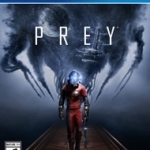


Bethesda and Arkane Studios have combined again on another highly successful and deeply compelling game. After the first two Dishonored games the bar was set exceptionally high and when it was announced that they would be rebooting and reimagining PREY, many gamers were curious to see what would come next.
Playing as Morgan Yu, gamers find themselves aboard the massive Talos I space station during an outbreak of a shape changing enemy known as Typhoids.
The typhoid can mimic any object from a coffee mug to a chair which adds to a high degree of peril facing players as they attempt to survive. Along the way players will be free to explore and take on multiple side quests but resources including precious ammunition are in short supply therefore players will have to gather, recycle, and craft needed materials in order to survive.
The lavish and complex details of the station are impressive but what really makes the game stand out is the multiple ways that players can play the game and complete various objectives. Players are also free to ignore various side quests and select multiple paths to an ending which allows for an incredible amount of replay value.
The enemies are numerous and thanks to a limited amount of ammunition, running and gunning will not work as there are times to fight, run, hide, and you should gray matter in order to survive. At times it can be frustratingly difficult but successfully completing the game does give you a sense of accomplishment which made me think of the first two Dead Space games in terms of their difficulty.
Players will also have the opportunity to enhance their weapons and their abilities ranging from strengthening firearms to being able to mimic the morphing abilities of the Typhoid.
One of my favorites was the Kinetic blast which enabled me to send a powerful shock wave into enemies. This is highly effective but limited due to the amount of kinetic shots and power that a player has at any given time.
Over the numerous hours that I played the game I found myself being drawn further and further into the story line. When multiple mission options arose I often had to face moral choices such as helping fellow survivors or leaving them to their fate so that I may live to complete a mission which ultimately would lead toward completion of the game.
PREY is about choices as the game is crafted to allow players to operate in a morally ambiguous area. You are not required to be the matinee hero nor are you required to be the mustache twirling villain; rather you are free to take advantage of situations as they arise.
One such example saw me take several items of food that had been collected by a group of survivors. I rationalize that with a big battle coming most of them would not survive and that it was up to me to prevail so that I may continue on with the numerous objectives I had before me. This may essentially lead to you having to turn and perhaps kill a fellow survivor which indeed was referenced down the road. The numerous and varied enemies complement the incredibly detailed and massive station which allows for players to take advantage of the zero gravity situations and navigate the outside of the station rather than go through the densely populated core of the station. Of course this only works if various airlocks are indeed open for you to access from the exterior of the station, but this is the type of freedom that players have.
While the difficulty of the game can be a bit frustrating players are able to adjust the difficulty settings and with the multiple gameplay options available to them, patience and persistence will pay off in the end.
The game is a real triumph and is already one of the more impressive titles of 2017. I look forward to seeing what is next for the franchise as PREY is an impressive achievement that will provide countless hours of gaming to even the most hard-core gamer.
http://sknr.net/2017/05/10/prey-3/
Playing as Morgan Yu, gamers find themselves aboard the massive Talos I space station during an outbreak of a shape changing enemy known as Typhoids.
The typhoid can mimic any object from a coffee mug to a chair which adds to a high degree of peril facing players as they attempt to survive. Along the way players will be free to explore and take on multiple side quests but resources including precious ammunition are in short supply therefore players will have to gather, recycle, and craft needed materials in order to survive.
The lavish and complex details of the station are impressive but what really makes the game stand out is the multiple ways that players can play the game and complete various objectives. Players are also free to ignore various side quests and select multiple paths to an ending which allows for an incredible amount of replay value.
The enemies are numerous and thanks to a limited amount of ammunition, running and gunning will not work as there are times to fight, run, hide, and you should gray matter in order to survive. At times it can be frustratingly difficult but successfully completing the game does give you a sense of accomplishment which made me think of the first two Dead Space games in terms of their difficulty.
Players will also have the opportunity to enhance their weapons and their abilities ranging from strengthening firearms to being able to mimic the morphing abilities of the Typhoid.
One of my favorites was the Kinetic blast which enabled me to send a powerful shock wave into enemies. This is highly effective but limited due to the amount of kinetic shots and power that a player has at any given time.
Over the numerous hours that I played the game I found myself being drawn further and further into the story line. When multiple mission options arose I often had to face moral choices such as helping fellow survivors or leaving them to their fate so that I may live to complete a mission which ultimately would lead toward completion of the game.
PREY is about choices as the game is crafted to allow players to operate in a morally ambiguous area. You are not required to be the matinee hero nor are you required to be the mustache twirling villain; rather you are free to take advantage of situations as they arise.
One such example saw me take several items of food that had been collected by a group of survivors. I rationalize that with a big battle coming most of them would not survive and that it was up to me to prevail so that I may continue on with the numerous objectives I had before me. This may essentially lead to you having to turn and perhaps kill a fellow survivor which indeed was referenced down the road. The numerous and varied enemies complement the incredibly detailed and massive station which allows for players to take advantage of the zero gravity situations and navigate the outside of the station rather than go through the densely populated core of the station. Of course this only works if various airlocks are indeed open for you to access from the exterior of the station, but this is the type of freedom that players have.
While the difficulty of the game can be a bit frustrating players are able to adjust the difficulty settings and with the multiple gameplay options available to them, patience and persistence will pay off in the end.
The game is a real triumph and is already one of the more impressive titles of 2017. I look forward to seeing what is next for the franchise as PREY is an impressive achievement that will provide countless hours of gaming to even the most hard-core gamer.
http://sknr.net/2017/05/10/prey-3/

Lucy Buglass (45 KP) rated The House That Jack Built (2018) in Movies
Jun 20, 2019
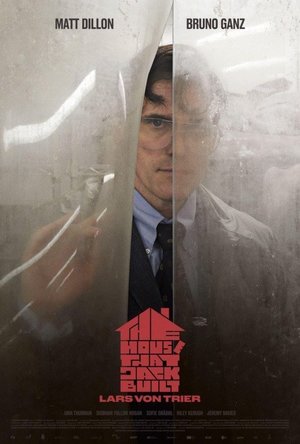

Danish director Lars Von Trier is no stranger to controversy. He has certainly divided film fans with some praising his work and some condemning it. The House That Jack Built is his most recent creation, causing audience members at Cannes to either walk out in disgust or stand up and applaud. This seriously mixed reception caught my interest and I wanted to find out what he’d done to generate such a response.
I’ve only seen two of his previous films; Antichrist and Melancholia, the former being a film that disturbed me so much I haven’t been able to watch it a second time. Its visceral, raw and harrowing portrayal of sex, violence, and self-mutilation is something that is a thoroughly uncomfortable and unpleasant watch. Because of Antichrist, I felt nervous yet strangely excited to see what The House That Jack Built had in store for me. I was surprised, however, to discover that it is arguably his tamest film to date, with a lot of the more graphic content happening off-screen. That doesn’t mean it doesn’t have its disturbing moments, but it was a lot less visceral than I was expecting based on its recent backlash.
The film is split into five chapters labelled ‘The Incidents’ and an epilogue, detailing some of the murders that Jack carried out over a 12-year span. Two of these incidents include child abuse and female mutilation, but is presented in a much more psychologically disturbing way rather than uncomfortable close-ups and drawn out scenes that you watch from behind your hands. The House That Jack Built spends more time tapping into Jack’s own psyche than it does the atrocities he commits, with Matt Dillon really stealing the show as the titular character.
It’s also darkly funny in places, which I certainly wasn’t expecting. Dillon’s portrayal of a psychotic killer with OCD is both terrifying and amusing. He is simultaneously charming and unhinged, which is a difficult thing to pull off. He was by far my favourite thing about the film, reminiscent of so many iconic serial killers that have fascinated the general public. The film relied heavily on Jack’s character and inner thoughts so it was great to see Dillon pull it off so brilliantly.
Much like Von Trier’s previous work, The House That Jack Built features lots of symbolism throughout the narrative. In this case, it focuses heavily on religion, art and family, with Jack being challenged on all of these as he recounts the incidents. The voice challenging him is a mystery to us until the third act, where Bruno Ganz’s character is finally revealed to us. I found this reveal to be a little jarring and strange, but not unexpected from one of his films. For me, the third act is where it started to go downhill and I lost interest, which is a real shame after the strength of the first two. Despite seeing some really great analyses online, it wasn’t enough to change my own views on the way it ended. It just seemed a little too out of place for my liking.
The visual style is interesting and combines live action with animation and still images. This feels very random but in the context of this particular film, it actually works in its favour. Both Dillon and Ganz narrate over the animation and still images, giving us monologues that act as food for thought and raise questions about morality, life, death and so on. It’s an intense film in that regard and one that you have to really concentrate on in order to enjoy properly.
The House That Jack Built is a depressing, harrowing and strange film. Its blend of sadistic violence and humour makes it a truly unique horror film that seems to appeal to a very specific audience. It’s not for the faint of heart, and Jack’s misogynistic killing sprees teamed with his nihilistic outlook on life is bound to be uncomfortable for many to witness. As a case study on a serial killer it’s a fascinating watch, but out of the three films I’ve seen, this one is unfortunately the weakest in my eyes.
https://jumpcutonline.co.uk/review-the-house-that-jack-built-2018/
I’ve only seen two of his previous films; Antichrist and Melancholia, the former being a film that disturbed me so much I haven’t been able to watch it a second time. Its visceral, raw and harrowing portrayal of sex, violence, and self-mutilation is something that is a thoroughly uncomfortable and unpleasant watch. Because of Antichrist, I felt nervous yet strangely excited to see what The House That Jack Built had in store for me. I was surprised, however, to discover that it is arguably his tamest film to date, with a lot of the more graphic content happening off-screen. That doesn’t mean it doesn’t have its disturbing moments, but it was a lot less visceral than I was expecting based on its recent backlash.
The film is split into five chapters labelled ‘The Incidents’ and an epilogue, detailing some of the murders that Jack carried out over a 12-year span. Two of these incidents include child abuse and female mutilation, but is presented in a much more psychologically disturbing way rather than uncomfortable close-ups and drawn out scenes that you watch from behind your hands. The House That Jack Built spends more time tapping into Jack’s own psyche than it does the atrocities he commits, with Matt Dillon really stealing the show as the titular character.
It’s also darkly funny in places, which I certainly wasn’t expecting. Dillon’s portrayal of a psychotic killer with OCD is both terrifying and amusing. He is simultaneously charming and unhinged, which is a difficult thing to pull off. He was by far my favourite thing about the film, reminiscent of so many iconic serial killers that have fascinated the general public. The film relied heavily on Jack’s character and inner thoughts so it was great to see Dillon pull it off so brilliantly.
Much like Von Trier’s previous work, The House That Jack Built features lots of symbolism throughout the narrative. In this case, it focuses heavily on religion, art and family, with Jack being challenged on all of these as he recounts the incidents. The voice challenging him is a mystery to us until the third act, where Bruno Ganz’s character is finally revealed to us. I found this reveal to be a little jarring and strange, but not unexpected from one of his films. For me, the third act is where it started to go downhill and I lost interest, which is a real shame after the strength of the first two. Despite seeing some really great analyses online, it wasn’t enough to change my own views on the way it ended. It just seemed a little too out of place for my liking.
The visual style is interesting and combines live action with animation and still images. This feels very random but in the context of this particular film, it actually works in its favour. Both Dillon and Ganz narrate over the animation and still images, giving us monologues that act as food for thought and raise questions about morality, life, death and so on. It’s an intense film in that regard and one that you have to really concentrate on in order to enjoy properly.
The House That Jack Built is a depressing, harrowing and strange film. Its blend of sadistic violence and humour makes it a truly unique horror film that seems to appeal to a very specific audience. It’s not for the faint of heart, and Jack’s misogynistic killing sprees teamed with his nihilistic outlook on life is bound to be uncomfortable for many to witness. As a case study on a serial killer it’s a fascinating watch, but out of the three films I’ve seen, this one is unfortunately the weakest in my eyes.
https://jumpcutonline.co.uk/review-the-house-that-jack-built-2018/

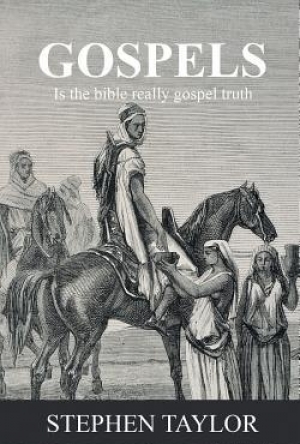

<i>I received this book for free through Goodreads First Reads.
Is the Bible really gospel truth?</i> This is the question the honourable, academic Robert Babcock aims to find out on his quest to find the earliest copies of the gospels in order to prove the reliability of the story of Jesus as recounted in the King James Bible. However, this is not the key focus of Stephen Taylor’s fictional novel, <i>Gospels</i>. The main character is the perfidious John Campbell-John, a rogue, imposter and swindler who flees 19th-century England in an attempt to escape from his debts.
John meets the magnanimous Robert in Venice and, despite being polar opposites, become firm friends. After being honest for the first time in his life, admitting to owing thousands of pounds in gambling debts, Robert offers John the opportunity to accompany him on his quest through the deserts of Egypt. John accepts and the pair finds themselves on an adventure of discovery and personal redemption.
John and Robert make an unlikely but excellent team. Robert’s knowledge of the Bible and ancient history is vital, however, John’s propensity for falsehoods and cunningness gets them out of a few scrapes and tricky situations. Nonetheless, it is difficult for John to give up his old ways and his insular behaviour threatens to get them in more trouble.
Fortunately, Robert’s humility begins to influence the young scoundrel, as does his penchant for historical artefacts. As the story progresses, John begins to leave his past behind and becomes interested in Robert’s work, learning new things about Egyptian culture and the origins of the Bible. However, when a new gospel comes to light that threatens the whole of Christianity, Robert does not know what to do; and only John can give him counsel.
John Campbell-John is a character that the author introduced in a previous book. However, the timelines are not sequential, therefore <i>Gospels</i> is a stand-alone novel. The time frame for this book needed to be set in 1835 to correspond with historical truths. Although Robert’s discovery of a Gospel of Thaddeus Jude is an invention of the author, the quest itself is based on the journeys of three 19th-century Bible hunters. Stephen Taylor has conducted an enormous amount of research, including the biographies of Robert Curzon, Constantin von Tischendorf and Émile Amélineau who, on separate occasions, sought the same knowledge as the fictional Robert Babcock.
Despite being titled <i>Gospels</i>, the novel, for the most part, focuses on John Campbell-John and his wicked ways. Through a first-person narrative, John explains his past, his betrayal of a friend, and his addiction to gambling. Initially, he has no qualms about his behaviour and acts only for himself and his selfish greed. Whilst Robert goes in search of knowledge, John goes on a journey of redemption, coming to terms with his previous wrongdoings. However, acknowledging these faults is not enough, he needs to turn away from these roguish ways.
It is disappointing that the narrative does not focus more on the gospels, both real and imagined. There was enormous scope for an in-depth look at the life of Jesus and the inconsistencies in the Bible. The fictitious Gospel of Thaddeus Jude evokes a similar reaction in Robert as the Non-Canonical Gospel of Thomas found in the 19th-century had on many devout Christians. There was so much potential with this direction of thought, however, the author passes over it in preference to the life of John Campbell-John.
Slow to begin but increasingly interesting as it progresses, <i>Gospels</i> is a book of many themes. History, both 19th-century and ancient; religion, although not a Christian story; and achievement and absolution combine together to produce a unique tale that takes the reader from the back alleys of London to the River Nile and the deserts of Sinai. A subtle clue in the prologue keeps readers alert as they await the conclusion of the adventure – an ending that ambiguously reveals whether John moves on from the follies of his past.
Is the Bible really gospel truth?</i> This is the question the honourable, academic Robert Babcock aims to find out on his quest to find the earliest copies of the gospels in order to prove the reliability of the story of Jesus as recounted in the King James Bible. However, this is not the key focus of Stephen Taylor’s fictional novel, <i>Gospels</i>. The main character is the perfidious John Campbell-John, a rogue, imposter and swindler who flees 19th-century England in an attempt to escape from his debts.
John meets the magnanimous Robert in Venice and, despite being polar opposites, become firm friends. After being honest for the first time in his life, admitting to owing thousands of pounds in gambling debts, Robert offers John the opportunity to accompany him on his quest through the deserts of Egypt. John accepts and the pair finds themselves on an adventure of discovery and personal redemption.
John and Robert make an unlikely but excellent team. Robert’s knowledge of the Bible and ancient history is vital, however, John’s propensity for falsehoods and cunningness gets them out of a few scrapes and tricky situations. Nonetheless, it is difficult for John to give up his old ways and his insular behaviour threatens to get them in more trouble.
Fortunately, Robert’s humility begins to influence the young scoundrel, as does his penchant for historical artefacts. As the story progresses, John begins to leave his past behind and becomes interested in Robert’s work, learning new things about Egyptian culture and the origins of the Bible. However, when a new gospel comes to light that threatens the whole of Christianity, Robert does not know what to do; and only John can give him counsel.
John Campbell-John is a character that the author introduced in a previous book. However, the timelines are not sequential, therefore <i>Gospels</i> is a stand-alone novel. The time frame for this book needed to be set in 1835 to correspond with historical truths. Although Robert’s discovery of a Gospel of Thaddeus Jude is an invention of the author, the quest itself is based on the journeys of three 19th-century Bible hunters. Stephen Taylor has conducted an enormous amount of research, including the biographies of Robert Curzon, Constantin von Tischendorf and Émile Amélineau who, on separate occasions, sought the same knowledge as the fictional Robert Babcock.
Despite being titled <i>Gospels</i>, the novel, for the most part, focuses on John Campbell-John and his wicked ways. Through a first-person narrative, John explains his past, his betrayal of a friend, and his addiction to gambling. Initially, he has no qualms about his behaviour and acts only for himself and his selfish greed. Whilst Robert goes in search of knowledge, John goes on a journey of redemption, coming to terms with his previous wrongdoings. However, acknowledging these faults is not enough, he needs to turn away from these roguish ways.
It is disappointing that the narrative does not focus more on the gospels, both real and imagined. There was enormous scope for an in-depth look at the life of Jesus and the inconsistencies in the Bible. The fictitious Gospel of Thaddeus Jude evokes a similar reaction in Robert as the Non-Canonical Gospel of Thomas found in the 19th-century had on many devout Christians. There was so much potential with this direction of thought, however, the author passes over it in preference to the life of John Campbell-John.
Slow to begin but increasingly interesting as it progresses, <i>Gospels</i> is a book of many themes. History, both 19th-century and ancient; religion, although not a Christian story; and achievement and absolution combine together to produce a unique tale that takes the reader from the back alleys of London to the River Nile and the deserts of Sinai. A subtle clue in the prologue keeps readers alert as they await the conclusion of the adventure – an ending that ambiguously reveals whether John moves on from the follies of his past.
Gareth von Kallenbach (980 KP) rated Slither (2006) in Movies
Aug 14, 2019

Mixing elements of The Blob, The Fly, Invasion of the Body Snatchers, Night of the Creeps and countless other horror films, the new Horror/Comedy Slither has oozed its way into theaters with a mix that will likely delight hardcore horror fans.
The film is set in a small southern town and features the usual mix of horror film stereotypes. There is the Chief of Police named Bill Pardy (Nathan Fillon) who watched over the sleepy town while secretly holding a torch for the lovely Starla Grant (Elizabeth Banks). The only issue is Starla’s older husband Grant (Michael Rooker), who is not only a very prosperous man, but took Starla in when she was younger and provided for her.
Of course there are also the stock characters of the loud and obnoxious Mayor of the town (Gregg Henry), who is more trouble than he is good and spouts a string of profanity and insensitive remarks that would make a Drill Instructor blush. Add to the mix the various assortments of yokels, deputies and towns folk, and you have a setting ripe for invasion.
The invasion arrives in the form of a meteor that breaks apart in the atmosphere save for a small segment that lands harmlessly in the woods. Unfortunately, an organism has hitched a ride on the meteor and in short order a parasitic organism has infected Grant causing him to exhibit odd behavior and have a ravenous desire for large amounts of meat in all forms.
Despite the changes, Grant still has his eye firmly on his wife and as the changes become more and more radical, he becomes even more fixated upon his wife.
Eventually Grant’s odd behavior and ongoing transformation has him on the run from the authorities who organize a manhunt to bring him in and end the carnage in his path.
Naturally things do not go as planned as before long there are hordes of slug like creatures unleashed upon the town whose entire purpose is to infect the town making zombies out of all who are infected.
As if all of this was not bad enough, Bill must figure out how to protect those uninfected people as well as search for a way to end the devastation at all cost.
Slither is a film that strives to blend horror and comedy but seems better suited to be a comedic send up of the horror genre. Unlike the “Scary Movie” series, it does not come in as a parody but rather presents itself as a horror film, yet one that seems devoid of any real suspense or frights. There is plenty of gore, violence, and other mayhem in the film, but at my advanced screenings the vast majority of the film garnered laughs from the audience rather than shrieks.
Since there were several segments of the film that were obviously intended to create laughs such as the zombie family trying to coax their uninfected daughter out of hiding by proclaiming she is missing out on family fun day, and a very gory, yet humorous outcome for a yokel who decides to stand down a very infected Grant armed only with a pistol.
James Gunn who did such a good job with the “Dawn of the Dead” lets it all out as writer and Director for Slither, but seems unsure if he is trying to make a comedy or a horror film with comedic elements. To me the film works best as a comedy as the over simplified resolution combined with the strained performances and simple plot as well as the genuine lack of any suspense or scares seriously undermined this film for me as a horror film.
That being said, if you look at the film as a gross out comedy set amidst a generic horror backdrop where the plot, acting, and other pitfalls were designed elements, then the film works.
If you are looking for a bad horror movie with some funny moments, than Slither may indeed be your thing, as it is either a very bad horror film, or one of the best satirical tributes of the genre to date. I choose to pick the latter.
The film is set in a small southern town and features the usual mix of horror film stereotypes. There is the Chief of Police named Bill Pardy (Nathan Fillon) who watched over the sleepy town while secretly holding a torch for the lovely Starla Grant (Elizabeth Banks). The only issue is Starla’s older husband Grant (Michael Rooker), who is not only a very prosperous man, but took Starla in when she was younger and provided for her.
Of course there are also the stock characters of the loud and obnoxious Mayor of the town (Gregg Henry), who is more trouble than he is good and spouts a string of profanity and insensitive remarks that would make a Drill Instructor blush. Add to the mix the various assortments of yokels, deputies and towns folk, and you have a setting ripe for invasion.
The invasion arrives in the form of a meteor that breaks apart in the atmosphere save for a small segment that lands harmlessly in the woods. Unfortunately, an organism has hitched a ride on the meteor and in short order a parasitic organism has infected Grant causing him to exhibit odd behavior and have a ravenous desire for large amounts of meat in all forms.
Despite the changes, Grant still has his eye firmly on his wife and as the changes become more and more radical, he becomes even more fixated upon his wife.
Eventually Grant’s odd behavior and ongoing transformation has him on the run from the authorities who organize a manhunt to bring him in and end the carnage in his path.
Naturally things do not go as planned as before long there are hordes of slug like creatures unleashed upon the town whose entire purpose is to infect the town making zombies out of all who are infected.
As if all of this was not bad enough, Bill must figure out how to protect those uninfected people as well as search for a way to end the devastation at all cost.
Slither is a film that strives to blend horror and comedy but seems better suited to be a comedic send up of the horror genre. Unlike the “Scary Movie” series, it does not come in as a parody but rather presents itself as a horror film, yet one that seems devoid of any real suspense or frights. There is plenty of gore, violence, and other mayhem in the film, but at my advanced screenings the vast majority of the film garnered laughs from the audience rather than shrieks.
Since there were several segments of the film that were obviously intended to create laughs such as the zombie family trying to coax their uninfected daughter out of hiding by proclaiming she is missing out on family fun day, and a very gory, yet humorous outcome for a yokel who decides to stand down a very infected Grant armed only with a pistol.
James Gunn who did such a good job with the “Dawn of the Dead” lets it all out as writer and Director for Slither, but seems unsure if he is trying to make a comedy or a horror film with comedic elements. To me the film works best as a comedy as the over simplified resolution combined with the strained performances and simple plot as well as the genuine lack of any suspense or scares seriously undermined this film for me as a horror film.
That being said, if you look at the film as a gross out comedy set amidst a generic horror backdrop where the plot, acting, and other pitfalls were designed elements, then the film works.
If you are looking for a bad horror movie with some funny moments, than Slither may indeed be your thing, as it is either a very bad horror film, or one of the best satirical tributes of the genre to date. I choose to pick the latter.

Chris Sawin (602 KP) rated Jennifer's Body (2009) in Movies
Jun 22, 2019
Devil's Kettle is a small town where everyone knows everybody. The story revolves around the relationship between Needy (Amanda Seyfried) and Jennifer (Megan Fox) and other than having similar interests, the two are polar opposites. Needy is more of the quiet, girl next door type that is a bit of a bookworm with a heart of gold whereas Jennifer is more spontaneous, mean spirited, and the stuck-up, hot cheerleader type that every high school boy seems to dream about being with. One night, Jennifer drags Needy to Melody Lane, the one bar in town, to see a new flavor of the week indie band called Low Shoulder. When the bar catches on fire and most of the people inside are crushed or burned in the destruction, Needy thinks that's where this horrible night gone wrong would end. That is until Jennifer decides to go off with the band in their van and Needy has to make her way back home alone. After that night, a demon is transferred into Jennifer's body with an unquenchable hunger for high school guys. As Needy begins to accept what's happened to her BFF, she realizes that she's the only one that has a chance of stopping Jennifer once and for all.
Other than Megan Fox, the other factor that was pushed really hard in the advertising campaign for Jennifer's Body was the fact that Diablo Cody, the screenwriter for Juno, was attached to this film. To be honest, I think Cody's contributions are what I enjoyed most. The dialogue and humor of the film are both witty and laugh out loud funny at times. The writing, in general, made what otherwise would have been your average horror film worth watching and fairly entertaining in the long run.
This is probably the best we've seen acting-wise when it comes to Megan Fox. She isn't much other than eye candy in the Transformers films and was just an egotistical tramp that just so happened to be a rising star in How To Lose Friends and Alienate People. Other than the demonic possession part, her role in Jennifer's Body isn't too different from her role in How To Lose Friends and Alienate People. I'd give most of the credit to Cody's great writing, but Fox is actually able to display a bit more of her acting range this time around. While it probably isn't much compared to, you know, actresses with talent and she sounds like she has a cold most of the time, it's more than what we've seen from the actress in the past and everyone has to start somewhere.
The storyline doesn't offer much fresh material when it comes to horror films, but it gets the job done. The ending offers a bit of a different take on what would otherwise be an ending that would leave room for a sequel. With the conclusion to Jennifer's Body, however, it's more open ended. They could stop here and it would be a fine stand alone film, but it leaves enough questions unanswered that a sequel could see the light of day. Since the movie only made around $18 million worldwide, a sequel seeing theatrical distribution seems unlikely. A direct to DVD sequel with B-actors is definitely a possibility though. Aren't they always with horror films?
Jennifer's Body is superbly written on one hand, but feels like a run of the mill horror film on the other. The high point is definitely the screenplay by Diablo Cody, who manages to make Megan Fox's acting abilities look better than they ever have. But it seems the films enjoyment will rest solely on the shoulders of how much you enjoy horror films that don't shy away from blood. If you're not a fan of horror, I'd recommend staying away from this one. But if you're a fan of great writing, quite a bit of blood, horror, or Megan Fox's sex appeal then you should definitely give this one a go.
Other than Megan Fox, the other factor that was pushed really hard in the advertising campaign for Jennifer's Body was the fact that Diablo Cody, the screenwriter for Juno, was attached to this film. To be honest, I think Cody's contributions are what I enjoyed most. The dialogue and humor of the film are both witty and laugh out loud funny at times. The writing, in general, made what otherwise would have been your average horror film worth watching and fairly entertaining in the long run.
This is probably the best we've seen acting-wise when it comes to Megan Fox. She isn't much other than eye candy in the Transformers films and was just an egotistical tramp that just so happened to be a rising star in How To Lose Friends and Alienate People. Other than the demonic possession part, her role in Jennifer's Body isn't too different from her role in How To Lose Friends and Alienate People. I'd give most of the credit to Cody's great writing, but Fox is actually able to display a bit more of her acting range this time around. While it probably isn't much compared to, you know, actresses with talent and she sounds like she has a cold most of the time, it's more than what we've seen from the actress in the past and everyone has to start somewhere.
The storyline doesn't offer much fresh material when it comes to horror films, but it gets the job done. The ending offers a bit of a different take on what would otherwise be an ending that would leave room for a sequel. With the conclusion to Jennifer's Body, however, it's more open ended. They could stop here and it would be a fine stand alone film, but it leaves enough questions unanswered that a sequel could see the light of day. Since the movie only made around $18 million worldwide, a sequel seeing theatrical distribution seems unlikely. A direct to DVD sequel with B-actors is definitely a possibility though. Aren't they always with horror films?
Jennifer's Body is superbly written on one hand, but feels like a run of the mill horror film on the other. The high point is definitely the screenplay by Diablo Cody, who manages to make Megan Fox's acting abilities look better than they ever have. But it seems the films enjoyment will rest solely on the shoulders of how much you enjoy horror films that don't shy away from blood. If you're not a fan of horror, I'd recommend staying away from this one. But if you're a fan of great writing, quite a bit of blood, horror, or Megan Fox's sex appeal then you should definitely give this one a go.

Sophia (Bookwyrming Thoughts) (530 KP) rated Going Down in Flames (Going Down in Flames, #1) in Books
Jan 23, 2020


For once, I think my instincts were right (not that I ever listen) about Going Down in Flames. I was expecting a lot more.
The idea and the concept were unique and interesting. Shape-shifting dragons? Check. Oddball at a prestigious boarding school Bryn is being sent to on her sixteenth birthday? Check. Proof that the Directorate isn't always right? Check. TRYING to stay alive? Ooo, interesting. Check! All the ingredients of a great book. I was even so excited about DRAGONS!
<img border="0" src="http://1.bp.blogspot.com/-cuqBh1sDPEY/U6NzNu6g3hI/AAAAAAAADhs/Pb2oaXOydkQ/s1600/how_to_train_your_dragon_2_gif_by_thegrzebol-d6wlb2k.gif"; height="106" width="320">
Plus, the pretty cover and the tag line: If her love life is going down in flames, she might as well spark a revolution.
WHAT REVOLUTION?!?!?! is my biggest question right at this very moment. There's no revolution, not really. At least, not one that Bryn starts. That revolution, which is apparently peaceful and started by Zavien-Not-Zayn, was there well before Bryn comes around. She doesn't even know about that revolution or even the fact that she's a dragon until said dude starts stalking her for awhile.
<img border="0" src="http://4.bp.blogspot.com/-98SDXmeq-i8/U6Nzpun3IGI/AAAAAAAADh0/d0iqv6tv0OU/s1600/giphy.gif"; height="175" width="320">
So I'm really curious as to the definition of revolution here. Because in the long run, it's all sparkly rainbows and unicorns with the abrupt end. The last sentence? Damn Directorate. If anything, damning the Directorate shows there hasn't been a revolution. Sure, Bryn makes her point. She's a crossbreed and she's just like any other dragon. She made a change. To have a love life, that is, but it's not like she gets to choose. I mean, her grandmother and the mom of the dude she hates most attempts at playing matchmaker. Arranged marriage still exists.
*sighs* Not a dramatic change if you ask me. A change for future crossbreeds, sure. Certainly the Directorate wasn't overthrown.
<img border="0" src="http://3.bp.blogspot.com/-1ffyT3n870o/U6N0wvDSjhI/AAAAAAAADiA/3S69yaZT8RM/s1600/giphy+(2).gif"; height="176" width="320">
Perhaps the most interesting part of Going Down in Flames for me were the death threats. The way they're written and set up. They're thrown in at surprising, yet right times. Oh, and there's no warning on those attempts. It kept me at the edge of my seat trying to guess where the next attack would be at.
There also seems to be something missing from the characters. Particularly with Jaxon and Bryn. They hate each other and then all of a sudden, he starts helping her. Not just to save his reputation, but to protect her. There is something remotely wrong with a character who hates you from the bottom of their hearts to "protecting you." O_o
<blockquote>Jaxon: I also did it to help you.
Bryn: I saved your life. Dont get snippy with me.
Jaxon: *slams coffee cup down* I came to secure protection for your life.</blockquote>
Tell me there isn't something wrong with that. O_o Because it ends shortly after, and now I can't really decide if Bryn gets stuck marrying Jaxon due to arranged marriage or she gets to choose who she wants to marry. If there are any other life threatening stuff going on afterward or the dragons that used to hate her now treat her as an equal. If her mother actually gets a happy reunion with her parents. If Zavien is still stuck with his intended or if he and the Revisionists peacefully achieve more individual rights for dragons.
<img border="0" src="http://4.bp.blogspot.com/-v3e-NYdq7P8/U6N2FJxKKNI/AAAAAAAADiM/7xswneekUqs/s1600/giphy+(3).gif"; height="239" width="320">
There are just so many questions that aren't answered yet, that this feels like an entire end is missing and Going Down in Flames is the very first of a trilogy or series. Yet... this is a stand alone... according to Goodreads. Am I missing something, or did anyone else who read this feel the same way?
--------------------------
Advanced copy provided by the publisher
Original Rating: 2.5
This review and more found over at <a href="http://bookwyrming-thoughts.blogspot.com/2014/06/arc-review-going-down-in-flames-by-chris-cannon.html">Bookwyrming Thoughts</a>
<a href="http://bookwyrming-thoughts.blogspot.com/"><img src="http://4.bp.blogspot.com/-Gi5Rk5yLloA/UtliaUbdL3I/AAAAAAAACbE/J27z92_qrYU/s1600/Official+Banner.png"; /></a>
The idea and the concept were unique and interesting. Shape-shifting dragons? Check. Oddball at a prestigious boarding school Bryn is being sent to on her sixteenth birthday? Check. Proof that the Directorate isn't always right? Check. TRYING to stay alive? Ooo, interesting. Check! All the ingredients of a great book. I was even so excited about DRAGONS!
<img border="0" src="http://1.bp.blogspot.com/-cuqBh1sDPEY/U6NzNu6g3hI/AAAAAAAADhs/Pb2oaXOydkQ/s1600/how_to_train_your_dragon_2_gif_by_thegrzebol-d6wlb2k.gif"; height="106" width="320">
Plus, the pretty cover and the tag line: If her love life is going down in flames, she might as well spark a revolution.
WHAT REVOLUTION?!?!?! is my biggest question right at this very moment. There's no revolution, not really. At least, not one that Bryn starts. That revolution, which is apparently peaceful and started by Zavien-Not-Zayn, was there well before Bryn comes around. She doesn't even know about that revolution or even the fact that she's a dragon until said dude starts stalking her for awhile.
<img border="0" src="http://4.bp.blogspot.com/-98SDXmeq-i8/U6Nzpun3IGI/AAAAAAAADh0/d0iqv6tv0OU/s1600/giphy.gif"; height="175" width="320">
So I'm really curious as to the definition of revolution here. Because in the long run, it's all sparkly rainbows and unicorns with the abrupt end. The last sentence? Damn Directorate. If anything, damning the Directorate shows there hasn't been a revolution. Sure, Bryn makes her point. She's a crossbreed and she's just like any other dragon. She made a change. To have a love life, that is, but it's not like she gets to choose. I mean, her grandmother and the mom of the dude she hates most attempts at playing matchmaker. Arranged marriage still exists.
*sighs* Not a dramatic change if you ask me. A change for future crossbreeds, sure. Certainly the Directorate wasn't overthrown.
<img border="0" src="http://3.bp.blogspot.com/-1ffyT3n870o/U6N0wvDSjhI/AAAAAAAADiA/3S69yaZT8RM/s1600/giphy+(2).gif"; height="176" width="320">
Perhaps the most interesting part of Going Down in Flames for me were the death threats. The way they're written and set up. They're thrown in at surprising, yet right times. Oh, and there's no warning on those attempts. It kept me at the edge of my seat trying to guess where the next attack would be at.
There also seems to be something missing from the characters. Particularly with Jaxon and Bryn. They hate each other and then all of a sudden, he starts helping her. Not just to save his reputation, but to protect her. There is something remotely wrong with a character who hates you from the bottom of their hearts to "protecting you." O_o
<blockquote>Jaxon: I also did it to help you.
Bryn: I saved your life. Dont get snippy with me.
Jaxon: *slams coffee cup down* I came to secure protection for your life.</blockquote>
Tell me there isn't something wrong with that. O_o Because it ends shortly after, and now I can't really decide if Bryn gets stuck marrying Jaxon due to arranged marriage or she gets to choose who she wants to marry. If there are any other life threatening stuff going on afterward or the dragons that used to hate her now treat her as an equal. If her mother actually gets a happy reunion with her parents. If Zavien is still stuck with his intended or if he and the Revisionists peacefully achieve more individual rights for dragons.
<img border="0" src="http://4.bp.blogspot.com/-v3e-NYdq7P8/U6N2FJxKKNI/AAAAAAAADiM/7xswneekUqs/s1600/giphy+(3).gif"; height="239" width="320">
There are just so many questions that aren't answered yet, that this feels like an entire end is missing and Going Down in Flames is the very first of a trilogy or series. Yet... this is a stand alone... according to Goodreads. Am I missing something, or did anyone else who read this feel the same way?
--------------------------
Advanced copy provided by the publisher
Original Rating: 2.5
This review and more found over at <a href="http://bookwyrming-thoughts.blogspot.com/2014/06/arc-review-going-down-in-flames-by-chris-cannon.html">Bookwyrming Thoughts</a>
<a href="http://bookwyrming-thoughts.blogspot.com/"><img src="http://4.bp.blogspot.com/-Gi5Rk5yLloA/UtliaUbdL3I/AAAAAAAACbE/J27z92_qrYU/s1600/Official+Banner.png"; /></a>

Bob Mann (459 KP) rated Lucy in the Sky (2019) in Movies
Mar 9, 2020
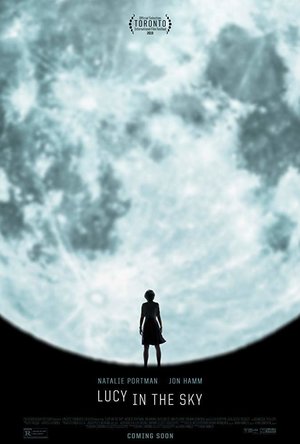
Natalie Portman and Jon Hamm together (1 more)
Interesting premise
Mind. Blown - A thoughtful film that's hard to like.
Natalie Portman plays the eponymous Lucy Cola, a NASA astronaut who has achieved her ambition of reaching space and experienced the enormity of the universe first hand. Her mind is officially blown. Such that, on returning to earth, nothing seems ‘enough’ any more. Her family; her comfortable home; her life.
She becomes desperate to be selected for the next program… to get that literal) ‘high’ all over again. So desperate that her mind and morals burn up on trying to re-enter.
You look at the career choices of Natalie Portman, and they have often revolved around cool and detached woman: “Black Swan” and “Jackie” for example. Here, looking incredibly fit and strong (as you would expect from an astronaut at the peak of her powers) , she again plays something of an ice queen. She is – of course – brilliant at it.
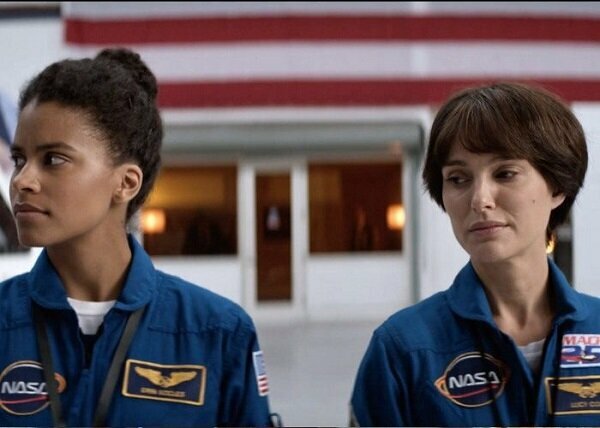
Starring with her here is the ever-watchable Jon Hamm as fellow astronaut Mark Goodwin, the omni-present – at the moment – Zazie Beetz as a fellow program competitor and Dan Stevens (from “Downton”) as her exasperated colleague and husband Drew. (Stevens was COMPLETELY UNRECOGNISABLE to me in this movie…. just like in “Beauty and the Beast“! To the extent that I had to wind back the film from the end-titles after seeing his name to check!).
This was always a film that was going to struggle to identify its audience. Yes, it starts in space, but it is in NO WAY a “Sci-Fi” movie (which is one of its tags on IMDB. Shameful!). This is a drama about a woman progressively losing her grip on reality: almost a PTSD movie, but without the “S” being “T” in the normal sense of things.
Lucy’s ‘other-worldliness’ is reflected in the aspect ratio of the movie, which varies from a claustrophobic ‘old-TV’ format 4:3 ratio to a ratio bordering on ‘Cinemascope’. (This makes for a very challenging watch on a small airline TV screen, as I was doing!). It’s a motif that’s obviously meant to reflect Lucy’s drifting grip on reality. But it eventually gets irritating…. I had the sense that first-time feature director Noah Hawley was ‘trying too hard’ for something quirky and different.
Far more successful is a ‘green-screened’ trippy sequence seeing Lucy being transported to a hospital bedside to the rendition of The Beatles iconic song, performed by Lucy Hannigan (listen here). It’s dreamlike and unsettling. In fact, one of the high-spots of the movie for me was Jeff Russo‘s score, which I have made a mental note to make sure to listen to again on Spotify. It’s more electronica than orchestral but matches the mood of the film really well.
But, here’s the thing. I didn’t enjoy it. The problem is (and no spoilers here) that Portman’s Lucy is such a downright BITCH that it is impossible to warm to her as the movie’s star. There is, in fact, only one of the characters that you really side with, and she’s the one doing the most damage to them.
This shouldn’t be a problem to the story, since the film is reflecting (loosely) true events: the astronauts in question were Lisa Nowak and William Oefelein. And there are lots of ‘feel-bad’ films about mental illness (“One Flew over the Cuckoo’s Nest”, for example) that stand on their own merits. But this one just seemed to be a fairly miserable and destructive story that didn’t have enough of a payoff – either positive or negative – to merit the journey.
This was disappointing, since after hearing the premise, I’d been looking forward to this one.
For those who love movies, and the way movies are structured, it is an interesting watch. But it is not by any stretch an entertaining mainstream movie. The director Noah Hawley will need to do better in the “commercially-appealing” stakes for his next film: since he’s been (rather surprisingly) given the helm for the sequel to “Star Trek: Beyond“.
(For the full graphical review, check out the review on One Mann's Movies here - https://bob-the-movie-man.com/2020/03/09/one-manns-movies-dvd-review-lucy-in-the-sky-2019/ ).
She becomes desperate to be selected for the next program… to get that literal) ‘high’ all over again. So desperate that her mind and morals burn up on trying to re-enter.
You look at the career choices of Natalie Portman, and they have often revolved around cool and detached woman: “Black Swan” and “Jackie” for example. Here, looking incredibly fit and strong (as you would expect from an astronaut at the peak of her powers) , she again plays something of an ice queen. She is – of course – brilliant at it.
Starring with her here is the ever-watchable Jon Hamm as fellow astronaut Mark Goodwin, the omni-present – at the moment – Zazie Beetz as a fellow program competitor and Dan Stevens (from “Downton”) as her exasperated colleague and husband Drew. (Stevens was COMPLETELY UNRECOGNISABLE to me in this movie…. just like in “Beauty and the Beast“! To the extent that I had to wind back the film from the end-titles after seeing his name to check!).
This was always a film that was going to struggle to identify its audience. Yes, it starts in space, but it is in NO WAY a “Sci-Fi” movie (which is one of its tags on IMDB. Shameful!). This is a drama about a woman progressively losing her grip on reality: almost a PTSD movie, but without the “S” being “T” in the normal sense of things.
Lucy’s ‘other-worldliness’ is reflected in the aspect ratio of the movie, which varies from a claustrophobic ‘old-TV’ format 4:3 ratio to a ratio bordering on ‘Cinemascope’. (This makes for a very challenging watch on a small airline TV screen, as I was doing!). It’s a motif that’s obviously meant to reflect Lucy’s drifting grip on reality. But it eventually gets irritating…. I had the sense that first-time feature director Noah Hawley was ‘trying too hard’ for something quirky and different.
Far more successful is a ‘green-screened’ trippy sequence seeing Lucy being transported to a hospital bedside to the rendition of The Beatles iconic song, performed by Lucy Hannigan (listen here). It’s dreamlike and unsettling. In fact, one of the high-spots of the movie for me was Jeff Russo‘s score, which I have made a mental note to make sure to listen to again on Spotify. It’s more electronica than orchestral but matches the mood of the film really well.
But, here’s the thing. I didn’t enjoy it. The problem is (and no spoilers here) that Portman’s Lucy is such a downright BITCH that it is impossible to warm to her as the movie’s star. There is, in fact, only one of the characters that you really side with, and she’s the one doing the most damage to them.
This shouldn’t be a problem to the story, since the film is reflecting (loosely) true events: the astronauts in question were Lisa Nowak and William Oefelein. And there are lots of ‘feel-bad’ films about mental illness (“One Flew over the Cuckoo’s Nest”, for example) that stand on their own merits. But this one just seemed to be a fairly miserable and destructive story that didn’t have enough of a payoff – either positive or negative – to merit the journey.
This was disappointing, since after hearing the premise, I’d been looking forward to this one.
For those who love movies, and the way movies are structured, it is an interesting watch. But it is not by any stretch an entertaining mainstream movie. The director Noah Hawley will need to do better in the “commercially-appealing” stakes for his next film: since he’s been (rather surprisingly) given the helm for the sequel to “Star Trek: Beyond“.
(For the full graphical review, check out the review on One Mann's Movies here - https://bob-the-movie-man.com/2020/03/09/one-manns-movies-dvd-review-lucy-in-the-sky-2019/ ).

Darren (1599 KP) rated The Devil Wears Prada (2006) in Movies
Jun 25, 2019
Story: The Devil Wears Prada starts as newly graduated journalist Andy Sachs (Hathaway) gets a chance to work as the second assistant to editor-in-chief Miranda Priestly (Streep) at a high fashion magazine. Andy is one of many applicates only she doesn’t have the knowledge of the fashion world, unlike the first assistant Emily (Blunt).
Andy must learn to get through the cold nature of Miranda who always looks down on her and everybody, to get through a year which could put her in a position in the journalist world she has always been dreaming off.
Thoughts on The Devil Wears Prada
Characters – Miranda Priestly is the feared editor-in-chief of a fashion magazine, her presence makes her employees dress to impress, everybody in the industry respects her opinion and for some reason she decides to take on Andy, she pushes Andy to the limits to see if she is good enough to work or her, like all the employees. Andy Sachs is a journalist graduate who is looking to a job in any publication, she doesn’t understand the fashion industry with this job being her gateway to her dream job, but she must learn fast or face being eaten alive in this industry. Her time in the job sees her change who she once was, pushing her friends and boyfriend away. This one-year job could see her future open, but her friendships vanish. Emily is the first assistant under Miranda, she knows the ins and outs of the business and has been waiting for this role for years. She doesn’t like Andy because she doesn’t have the same desire in the fashion industry. Nigel is the only person in the office that Andy gets along with, he does help put her on the right track for success under Miranda.
Performances – Meryl Streep is fantastic in this leading role, she brings a horrible boss to life, without making her seem like a truly horrible person, just somebody career driven. Anne Hathaway is wonderful too, to start with it seemed weird that she wasn’t considered the right body shape for position in the fashion world, but it does make perfect sense with how this world is working. Emily Blunt brings what should be a small role, to be one of the most interesting and entertaining part of the film. Stanley Tucci is a delight in the supporting role being the moral compass for the Andy character.
Story – The story follows a recent graduated journalist that takes a job working under one of the most notoriously difficult editors in the industry, here she must learn the industry to stand a chance to above water in this world, while gaining the experience she requires for her own success. This story first shows how difficult finding the first job for experience could be for any former student trying to get int the industry, it shows how fast the learning curve could be, how you can be looked upon as a replacement for others job too. It shows us how careers can take over lives if you let them which is important for how Andy changes through the story. most importantly it shows us just how you should never forget where you came from and the people that were there for you when you needed them. You will also get to have a laugh at how the fashion industry is considered to operate at the pace which could make or break careers in no time.
Comedy – The comedy in this film come from seeing how the world operates, seeing Andy needing to learn fast, the relationship with Emily and just how everyone can act over the top about the smallest detail.
Settings – The film is set mostly in New York, it shows how the business lives can move at such a pace it would be hard to keep up.
Scene of the Movie – Andy sees a real side of Miranda.
That Moment That Annoyed Me – Not understand brand names.
Final Thoughts – This is an enjoyable comedy with wonderful performances from the whole cast.
Overall: Enjoyable comedy.
https://moviesreview101.com/2019/06/23/meryl-streep-weekend-the-devil-wears-prada-2006/
Andy must learn to get through the cold nature of Miranda who always looks down on her and everybody, to get through a year which could put her in a position in the journalist world she has always been dreaming off.
Thoughts on The Devil Wears Prada
Characters – Miranda Priestly is the feared editor-in-chief of a fashion magazine, her presence makes her employees dress to impress, everybody in the industry respects her opinion and for some reason she decides to take on Andy, she pushes Andy to the limits to see if she is good enough to work or her, like all the employees. Andy Sachs is a journalist graduate who is looking to a job in any publication, she doesn’t understand the fashion industry with this job being her gateway to her dream job, but she must learn fast or face being eaten alive in this industry. Her time in the job sees her change who she once was, pushing her friends and boyfriend away. This one-year job could see her future open, but her friendships vanish. Emily is the first assistant under Miranda, she knows the ins and outs of the business and has been waiting for this role for years. She doesn’t like Andy because she doesn’t have the same desire in the fashion industry. Nigel is the only person in the office that Andy gets along with, he does help put her on the right track for success under Miranda.
Performances – Meryl Streep is fantastic in this leading role, she brings a horrible boss to life, without making her seem like a truly horrible person, just somebody career driven. Anne Hathaway is wonderful too, to start with it seemed weird that she wasn’t considered the right body shape for position in the fashion world, but it does make perfect sense with how this world is working. Emily Blunt brings what should be a small role, to be one of the most interesting and entertaining part of the film. Stanley Tucci is a delight in the supporting role being the moral compass for the Andy character.
Story – The story follows a recent graduated journalist that takes a job working under one of the most notoriously difficult editors in the industry, here she must learn the industry to stand a chance to above water in this world, while gaining the experience she requires for her own success. This story first shows how difficult finding the first job for experience could be for any former student trying to get int the industry, it shows how fast the learning curve could be, how you can be looked upon as a replacement for others job too. It shows us how careers can take over lives if you let them which is important for how Andy changes through the story. most importantly it shows us just how you should never forget where you came from and the people that were there for you when you needed them. You will also get to have a laugh at how the fashion industry is considered to operate at the pace which could make or break careers in no time.
Comedy – The comedy in this film come from seeing how the world operates, seeing Andy needing to learn fast, the relationship with Emily and just how everyone can act over the top about the smallest detail.
Settings – The film is set mostly in New York, it shows how the business lives can move at such a pace it would be hard to keep up.
Scene of the Movie – Andy sees a real side of Miranda.
That Moment That Annoyed Me – Not understand brand names.
Final Thoughts – This is an enjoyable comedy with wonderful performances from the whole cast.
Overall: Enjoyable comedy.
https://moviesreview101.com/2019/06/23/meryl-streep-weekend-the-devil-wears-prada-2006/
SS
Super Self-Confidence Hypnosis Subliminal Affirmation HD Video App by Glenn Harrold
Lifestyle and Health & Fitness
App
This superb high quality subliminal hypnosis video by best selling hypnotherapist Glenn Harrold,...
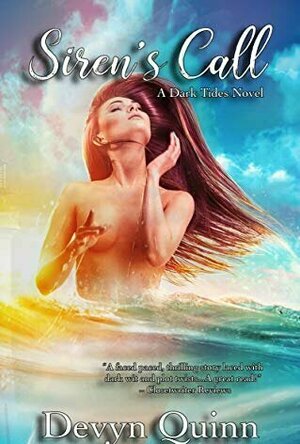
Siren's Call (Dark Tides #1)
8.0 Rate It
Book
Between desire and love there are some things that can’t stay buried, even in the deep of the...