

Micky Barnard (542 KP) rated The Seven Husbands Of Evelyn in Books
Dec 6, 2018
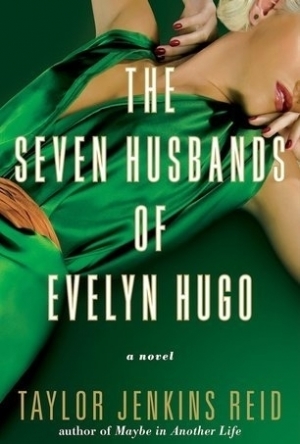

Monique and Evelyn narrate this story, Monique as the writer who will document the truth of Evelyn's life as shes about to hit her 70s and Evelyn, as she is finally able to be real to the world about who she is. On the one hand, the backdrop of 1950's Hollywood onwards is compelling but in some ways, that context is rather inconsequential as the characters steal each scene. The fame of Evelyn, her husbands and the friends only matter as an inconvenience. Evelyn has such character growth from her teens to contemporary times. So much happens in her life and the majority of it is spellbinding as she yearns for what she can't have. The focus of this story is forbidden, hiding is essential and acting is required in and out of the studio.
The side characters to this story made me feel so much, Harry especially was wonderful; a friend, a soulmate and he loved unconditionally. Connor although a smaller part, brought such growth in Evelyn. Celia in some ways was hard to love as a character. The twists and especially the final twist were such a gut punch and that element to the story was superb.
I am a staunch fan of Taylor Jenkins Reid but this may be my favourite of her books yet. This book is brave and bold and I love how the book summary was written so as not to expose too much of what is between the pages. It is so beautifully written and vividly crafted that THE SEVEN HUSBANDS OF EVELYN HUGO is utterly memorable.
"Celia smiled brightly and did exactly as I did. We stood there, in black and green, redhead and blonde, one of us all ass and the other all tits, waving to the crowd as if we ruled them."
A copy of this book was provided by the publisher through netgalley in return for an honest review.

Joe Goodhart (27 KP) rated X-Necrosha in Books
Nov 30, 2020
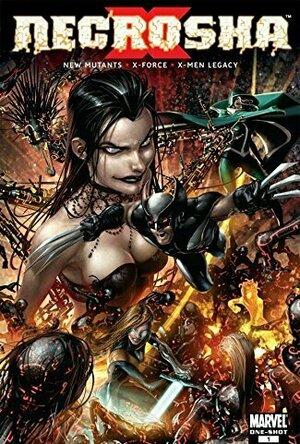

This volume left feeling very unsatisfied at it's conclusion. I skipped over everything else, as I wanted to read the X-Force parts, as it was essential to the story. The other stuff, like NEW MUTANTS and X-MEN: LEGACY, were kinda meh, a lot of fluff, but not nutrients within.
As for the main story itself, it was okay. There were some genuinely creepy parts, but overall, by the end, it felt like there should have more to it. Instead, we had *a lot* of X-characters (living and deceased/reanimated), and after a while, it become hard to keep track of them all.
Laura Kinney/X-23 was one of the pluses to this volume, as Clayton Crain appeared to do a good job of not over-sexualizing her form. And dialogue? So good. She had some of the most fun dialogue ever (well, at least since her ANW issues).
Selene, on the other hand, looked ridiculous. I remembered her appearances from issues past, and while she wore a black leather bikini (bra and panties?), it was still not as "in yer face" as she was in NECROSHA. My wife is not a comic reader by any means, but I asked her opinion, as I wanted to know what she thought. You know what she said? She asked me who the slutty dominatrix character was. Yup.
I dunno. Now that I read it, I think I could have done without reading. And you can, too. There are better options. Promise.

Make Them Beg (Pretty Deadly Things #3)
8.0 Rate It
Book
He’s used to being the predator. He never expected to be her prey. Knight Hayes lives for the...

Hazel (1853 KP) rated Small Great Things in Books
May 24, 2017

The gist of the storyline is that a baby dies whilst under the care of a nurse, prompting the grieving parents to take her to court with the accusation of murder. Although that sounds like an interesting story, it barely begins to describe what the book is about. The character on trial, Ruth, is an African American labour and delivery nurse – something that in this day and age need not by an issue. On the other hand, the parents of the baby are White Supremacists: seriously racist with the belief that white people are the master race. The father, Turk, refuses to let his wife and child be treated by Ruth, however circumstances result in her being the only nurse available to watch Davis, when, unfortunately, he so happens to go into cardiac arrest. Although the reader knows that Ruth is not at fault, Turk insists she murdered his child – but is he accusing her of medical negligence, or punishing her for being black?
Three characters, all with different views and experience when it comes to racism, alternately narrate Small Great Things. Ruth and Turk represent the extremes at either side of the scale. Ruth experiences first hand the negative impact of prejudice in the American system and society, not only through this court case, but in everyday life as well. She also reveals the difficulties growing up in a predominately white environment, never feeling like she fitted in with her peers. Alternatively, Turk spent his teenage years attending KKK rallies, participating in a white power movement, and beating up anyone who was different: black, foreign, gay, Jewish and so forth.
The third character represents the majority of white people living in America. Kennedy is a public defender and the lawyer assigned to Ruth’s case. Like most of the population, she believes that she is not racist, and persuades Ruth to leave the colour of her skin out of the argument. However, as she gets to know her client, she begins to realize that it is nigh on impossible to ignore racial prejudice.
Picoult shocks the reader on two accounts: one, the way that people of colour have been, and still are, treated; and two, the revelation that an invisible empire of White Supremacists are living amongst us. Yet there is a third way in which Picoult provokes outrage – she indirectly accuses the reader of being racist, too.
There is always something to learn in a Jodi Picoult novel, for instance medical terminology, or the way in which a court trial is conducted. Small Great Things provides a lot more eye opening information than any of her previous books, unveiling facts about such a controversial subject.
Through Kennedy, the reader’s eyes are opened to the racial discrimination that we all turn a blind eye to. Ignored are the difficulties African Americans suffer when going shopping, applying for jobs, attending school, walking down the street, sitting on a bus, and so forth. Picoult asks me as a reader to think about how my life has been affected by racial discrimination: being served politely in shops because I am white, not having my ethnicity questioned when applying for college etc. Living in Britain I have not experienced openly hateful comments or behaviours towards people with a different skin tone – I used to believe this was primarily an American problem. Yet, Small Great Things has really made me think about the hierarchy of power within society, particularly in regards to the ethnicity of those at the top, compared with those at the bottom.
Jodi Picoult sat on the idea of writing a book about racism for well over a decade, yet it is particularly apt that it is published now, with the current predicaments America is facing. Although we have come a long way in attempts to achieve equality for all – compare the trial in To Kill A Mockingbird to Picoult’s version – recent events have revealed that we are no where near.
Small Great Things will shock everyone who reads it regardless of their ethnicity and so forth. Many may find it uncomfortable to read, become upset or outraged, and even feel like they are being directly targeted. If this is the case, then good – it should do that. Everyone needs to read this book. On the one hand it is a brilliant, well told story with a beautiful, almost poetic narrative, and on the other, it causes us to face up to the issues we are forever making light of or overlooking entirely. We have grown up believing that racism is a form of hatred when, actually, it is about power. However Small Great Things makes you feel, it is definitely worth reading, especially for the satisfying ending – one that you do not see coming.
Hazel (1853 KP) rated Small Great Things in Books
Dec 7, 2018
The gist of the storyline is that a baby dies whilst under the care of a nurse, prompting the grieving parents to take her to court with the accusation of murder. Although that sounds like an interesting story, it barely begins to describe what the book is about. The character on trial, Ruth, is an African American labour and delivery nurse – something that in this day and age need not by an issue. On the other hand, the parents of the baby are White Supremacists: seriously racist with the belief that white people are the master race. The father, Turk, refuses to let his wife and child be treated by Ruth, however circumstances result in her being the only nurse available to watch Davis, when, unfortunately, he so happens to go into cardiac arrest. Although the reader knows that Ruth is not at fault, Turk insists she murdered his child – but is he accusing her of medical negligence, or punishing her for being black?
Three characters, all with different views and experience when it comes to racism, alternately narrate<i> Small Great Things</i>. Ruth and Turk represent the extremes at either side of the scale. Ruth experiences first hand the negative impact of prejudice in the American system and society, not only through this court case, but in everyday life as well. She also reveals the difficulties growing up in a predominately white environment, never feeling like she fitted in with her peers. Alternatively, Turk spent his teenage years attending KKK rallies, participating in a white power movement, and beating up anyone who was different: black, foreign, gay, Jewish and so forth.
The third character represents the majority of white people living in America. Kennedy is a public defender and the lawyer assigned to Ruth’s case. Like most of the population, she believes that she is not racist, and persuades Ruth to leave the colour of her skin out of the argument. However, as she gets to know her client, she begins to realize that it is nigh on impossible to ignore racial prejudice.
Picoult shocks the reader on two accounts: one, the way that people of colour have been, and still are, treated; and two, the revelation that an invisible empire of White Supremacists are living amongst us. Yet there is a third way in which Picoult provokes outrage – she indirectly accuses the reader of being racist, too.
There is always something to learn in a Jodi Picoult novel, for instance medical terminology, or the way in which a court trial is conducted. <i>Small Great Things</i> provides a lot more eye opening information than any of her previous books, unveiling facts about such a controversial subject.
Through Kennedy, the reader’s eyes are opened to the racial discrimination that we all turn a blind eye to. Ignored are the difficulties African Americans suffer when going shopping, applying for jobs, attending school, walking down the street, sitting on a bus, and so forth. Picoult asks me as a reader to think about how my life has been affected by racial discrimination: being served politely in shops because I am white, not having my ethnicity questioned when applying for college etc. Living in Britain I have not experienced openly hateful comments or behaviours towards people with a different skin tone – I used to believe this was primarily an American problem. Yet, <i>Small Great Things</i> has really made me think about the hierarchy of power within society, particularly in regards to the ethnicity of those at the top, compared with those at the bottom.
Jodi Picoult sat on the idea of writing a book about racism for well over a decade, yet it is particularly apt that it is published now, with the current predicaments America is facing. Although we have come a long way in attempts to achieve equality for all – compare the trial in <i>To Kill A Mockingbird</i> to Picoult’s version – recent events have revealed that we are no where near.
<i>Small Great Things</i> will shock everyone who reads it regardless of their ethnicity and so forth. Many may find it uncomfortable to read, become upset or outraged, and even feel like they are being directly targeted. If this is the case, then good – it should do that. Everyone needs to read this book. On the one hand it is a brilliant, well told story with a beautiful, almost poetic narrative, and on the other, it causes us to face up to the issues we are forever making light of or overlooking entirely. We have grown up believing that racism is a form of hatred when, actually, it is about power. However <i>Small Great Things </i>makes you feel, it is definitely worth reading, especially for the satisfying ending – one that you do not see coming.

Lee (2222 KP) rated Greyhound (2020) in Movies
Sep 2, 2020



Set in 1942, Hanks plays Captain Ernest Krause, responsible for one of only a handful of warships as they escort and protect an even larger number of merchant vessels making the journey across the Atlantic Ocean with vital supplies for England. They will be entering what’s known as ‘the black pit’ – a stretch of Ocean too far out at sea for any aerial cover to be provided by the countries on either side. For a few days, they will be on their own, and at the mercy of any German U-boats they may encounter.
Greyhound wastes no time in landing us right in the thick of it all, joining the crew as they enter the black pit, and sticking with them while they attempt to make it to relative safety on the other side. Obviously, it’s not long before a number of U-boats target the fleet of vessels and begin trying to pick them off in a tense game of cat and mouse at sea.
There is a LOT of nautical jargon in Greyhound and twenty minutes in, I was already feeling exhausted just trying to follow it all and gain any kind of enjoyment out of the movie. Despite throwing the occasion title up on screen to tell us which vessel we’re looking at out on the gloomy CGI seas, it’s also not always clear which ship is which, or who’s firing at who either. That attention to detailed dialogue really doesn’t let up one bit either, making what is only a 91 minute movie feel so much longer.
By throwing us straight into the action, we’re also given no time to learn or even care about any of the characters. Krause is only given a couple of brief flashback scenes, showing us with his partner two months earlier, played by Elizabeth Shue. Other than knowing this is his first Atlantic crossing, and that he is fully committed to the job in hand, refusing to eat any of the hot meals regularly brought to him by the ship’s cook, we’re provided very little information about our Captain.
The crew are also there just to fire off updates to their Captain and respond to his commands, providing no character development whatsoever for them either and giving us nothing to feel invested in, other than a desire for them all to make it safely to England.
With the focus of the movie entirely on the crew and setting of the Greyhound, we only hear from other characters via radio – calls for support from the other vessels, or psychological jaunts from the Germans on the U-boat. Again, by not giving us the viewpoint of any other side or vessel, it all makes for a very one dimensional and dull ride. Definitely not one of Tom Hanks finest.

War of Gods Box Set (War of Gods #1-4)
8.0
Rate It
Book
Box set featuring all four novels in the bestselling War of Gods paranormal romance series. ...
Paranormal Romance
Escape: The Curse of the Temple
6.5 Rate It
Tabletop Game
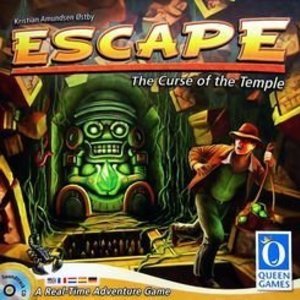
Escape: The Curse of the Temple is a cooperative game in which players must escape (yes...) from a...

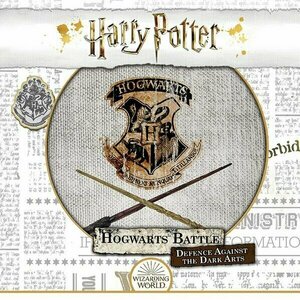
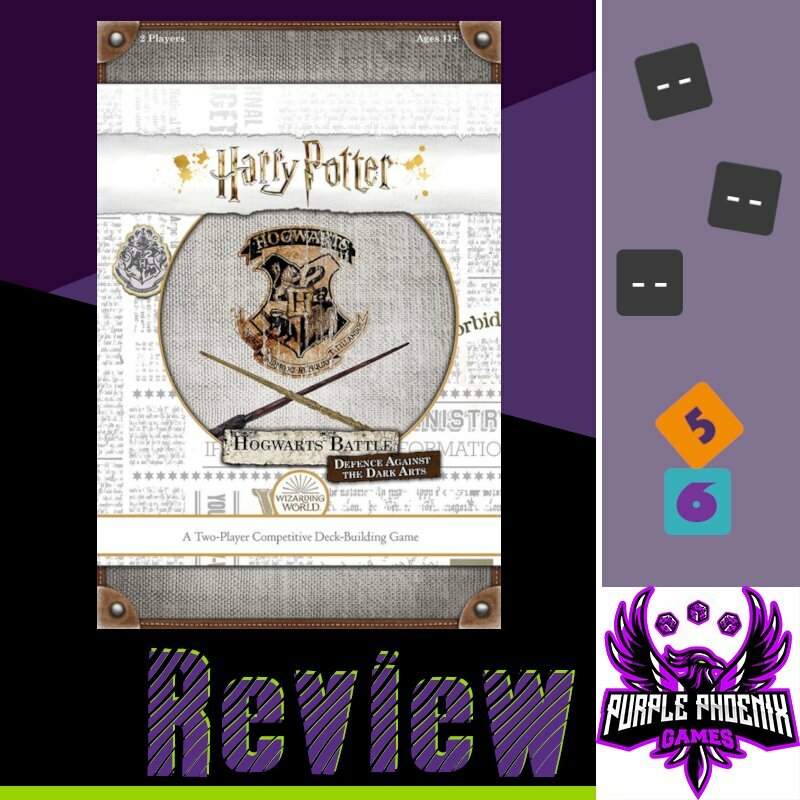
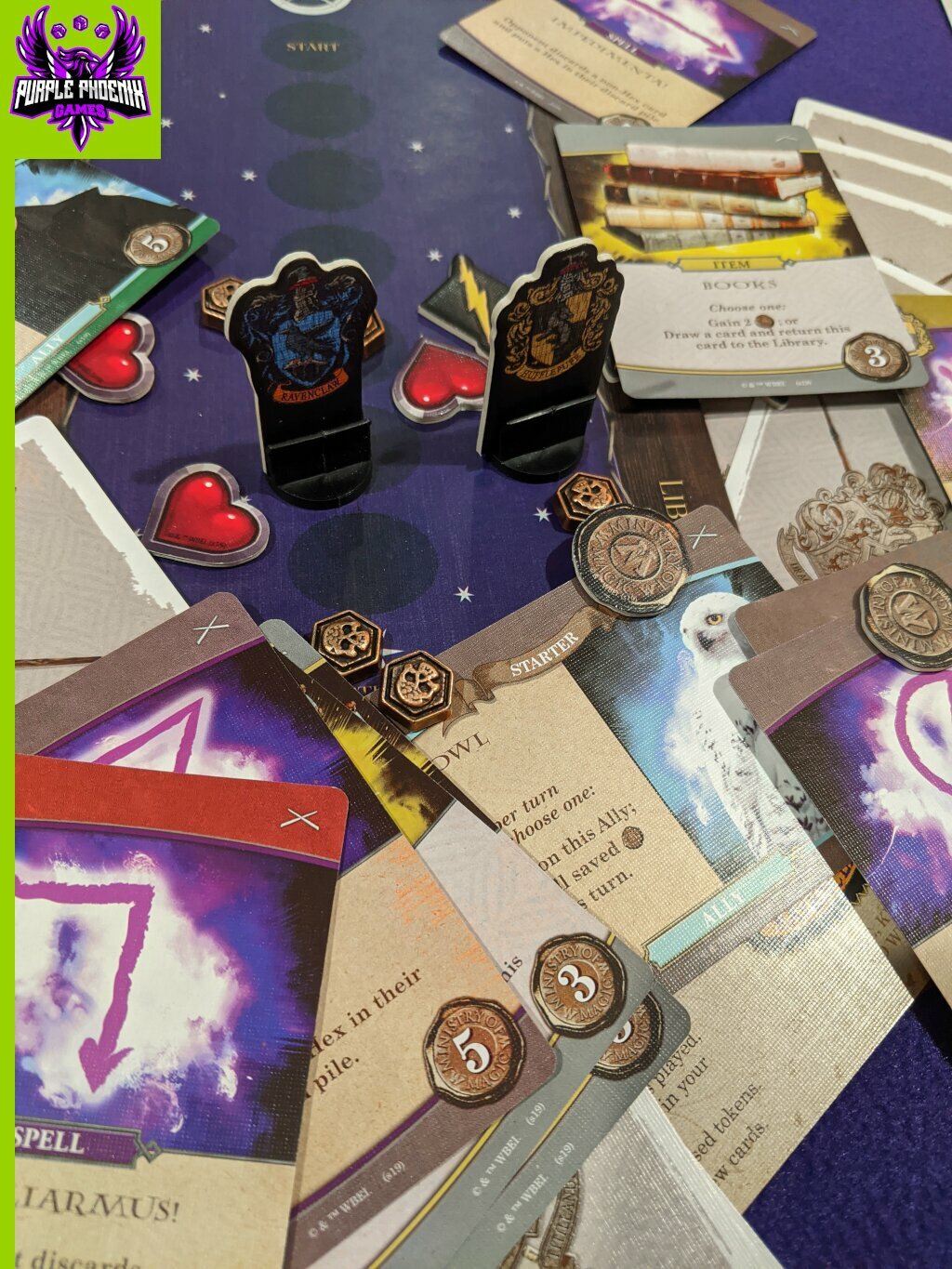
Like I just mentioned, Defence pits two players against each other in a sparring scenario. Players will be drafting cards that represent Spells to sling, Allies to aid, and Items to help knock opponents off their balance. The winner of Defence is the wizard who can stun their opponent three times. Only then will they be able to stand a chance against their dark foes.
DISCLAIMER: We were provided a copy of this game for the purposes of this review. This is a retail copy of the game, so what you see in these photos is exactly what would be received in your box. I do not intend to cover every single rule included in the rulebook, but will describe the overall game flow and major rule set so that our readers may get a sense of how the game plays. For more in depth rules, you may purchase a copy online or from your FLGS. -T
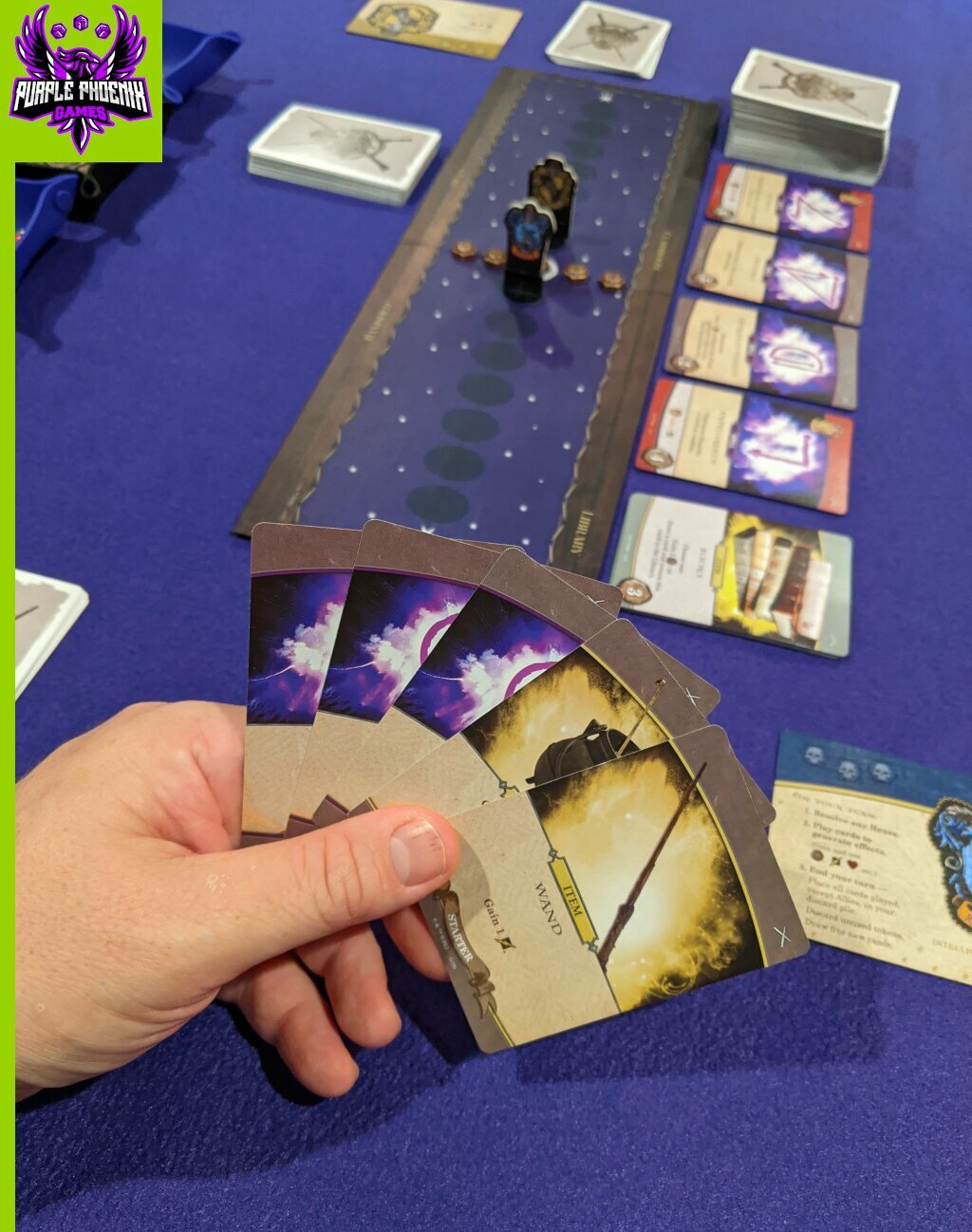
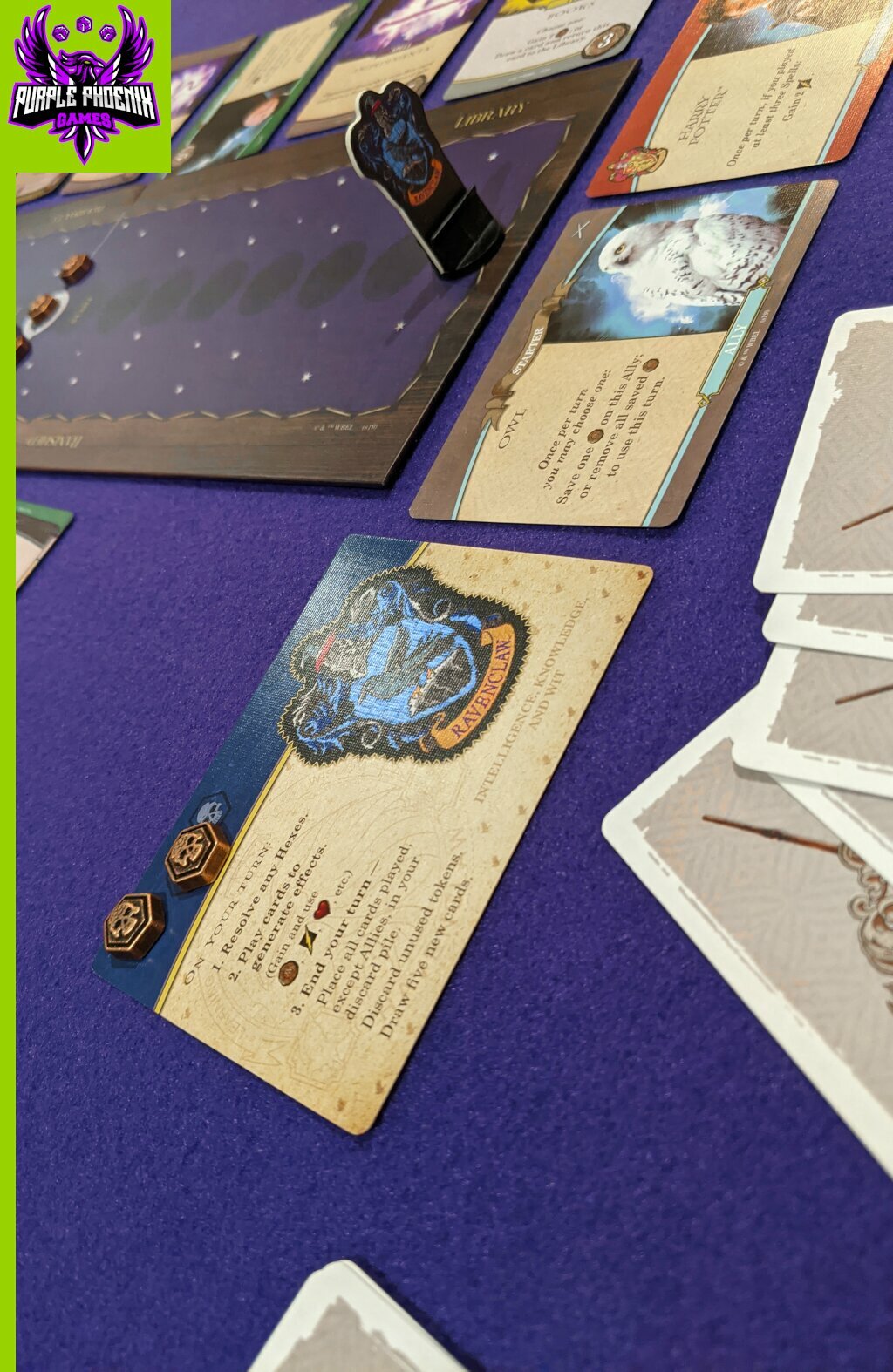
To setup a game, follow the rulebook instructions to lay out the main duel board and its shuffled decks that will surround it. These include the Hogwarts deck (from which players will be purchasing cards to add to their discard piles), the Library deck (which includes only Books cards that add influence or the ability to draw the top card of the player deck), Hexes (which are placed directly in the opponent’s discard pile and must be dealt with first when in hand), and Banished cards. Each player will choose a House card and a matching mover token to be placed on the board. Likewise, each player will have a starting hand of seven Alohomora! cards, one Wand, one Cauldron, and one starter Ally: Owl, Toad, or Cat. Each player will shuffle their starting deck, drawing five for their starting hand. Determine the starting player and the duel may begin!
On a player’s turn they will first deal with any Hex cards they have acquired, following the instructions written on the card. Once cleared, the active player will play cards from their hand in any order they wish to gain Influence to purchase cards from the Classroom (market), Attack points to push back their opponent towards the Stun space, or Health points to move their own mover token one space closer to the Starting space on the board.
Cards that are purchased from the Classroom can be Items, Spells, or even Allies. Items and Spells typically provide Influence, Health, or Attack, and some will have House bonuses in addition to normal effects. In order to take advantage of the House bonus, a player will either need to be from the affiliated House, or have an active Ally belonging to the affiliated House. This is a new mechanic in this game and adds another layer of strategy to a player’s purchasing.
As wizards duel back and forth slinging Spells, recruiting and activating Allies, and using Items to push back their opponent, one wizard will be stunned. When this happens the players will reset their play areas by combining all of their cards they have in their possession. Shuffle the lot of them, draw another hand of five cards and reset their mover token back to the Starting space. The next round is ready to begin and the wizard who stuns their opponent thrice will be crowned champion! Or get an A for the day… or whatever the Common Core equivalent is nowadays.
Components. I have many great things to say about the components in this box and a couple little gripes. Gripelets, really. First gripe: the box comes with a cardstock sleeve. It is very cool and looks great, but it’s unnecessary and I find it keeps snagging on other boxes and such. Not a big deal, as I can always get rid of it, but that’s an opinion. Second, the board is very dark. It features a very dark purple (yay purple!) with black spaces upon which players move their tokens. The colors are very close under certain lighting and I wish there was even just a faint outline of the spaces in a white or gray. Lastly, and probably just me and the way I play, the Attack and Health trackers are almost completely unnecessary. I know you are supposed to take a token every time you “Gain” a Health or Attack point, but I always just keep track in my head thus negating the need for the tokens.
But onto the great. Literally everything else is great. I have always enjoyed the components in the original game, and as this one contains many of the same, I also enjoy these. The art style is interesting and pretty cool, and I really don’t mind screencaps as much as many others do. So for me, overall, I really enjoy the components here.
All in all I truly love this game. I am almost always in the mood to play Harry Potter: Hogwarts Battle, but it is cooperative and my wife doesn’t really enjoy the OG HP game. This one, however, she does enjoy because she can just flex on me and stun me into oblivion with her superior deckbuilding abilities. This one is quicker to setup and play, and holds a much smaller footprint. The mechanics are familiar without being totally duplicating, and I just love deckbuilders in general. So this one was bound to be a big hit with me from the start.
If you are looking for a great Harry Potter-themed deckbuilding game and are not completely sold on the bigger cooperative game, take a look at this much smaller two-player competitive title. Do try to take some of the cards with a grain of salt, as I am sure it is difficult to imagine having both Hermione and Draco as allies simultaneously, but it can happen in the game. Purple Phoenix Games gives this one a very enthusiastic 11 / 12. Just a word of caution, try not to Flipendo your table when you lose. It won’t end well.
Merissa (14146 KP) rated Idolatry (Reagalos #2) in Books
Oct 8, 2021 (Updated Jul 12, 2023)
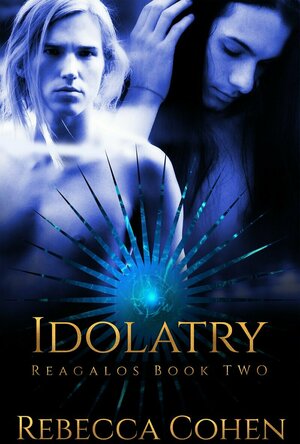
If you are looking for a nice and simple, easy read then I'm afraid this book won't do it for you. If you're looking for one with multiple twists, intrigue, multiple dimensions, death threats, and jealous lovers, then hold onto your hats, because you're in for one hell of a ride!
There is so much that goes on here, honestly! I didn't see Methian bloom as I'd hoped, but I am seeing the beginnings of it. After speaking with his dad, he is going to take more of a hand in his own kingdom.
Lornyc is definitely the character that takes centre stage in this story. The other characters are there but we don't see as much of them. Vella is still having fun, as Kat's black eye will attest to.
I hope to see more of Methian in future books as I feel he could be a really strong character in his own right, rather than 'just' a consort. He is also heir to his own realm so... yep, I'd like to see more of him. Vella is another great character - loyal to her family, dangerous to those who cross her or those she loves.
Idolatry was a great addition to the series, and I look forward to reading more. Definitely recommended by me.
** same worded review will appear elsewhere **
* A copy of this book was provided to me with no requirements for a review. I voluntarily read this book, and the comments here are my honest opinion. *
Merissa
Archaeolibrarian - I Dig Good Books!
Oct 8, 2021