
Search

graveyardgremlin (7194 KP) rated Vixen (Flappers, #1) in Books
Feb 15, 2019


<i>3.75 stars</i>
<b><i>Once upon a time there were three beautiful girls who went to the best schools (and speakeasies), and they were each assigned booze and clothes that are the cat's meow. But the flapper lifestyle took them into different directions and now they work to find out who they are and what makes them truly happy. My name is Vixen.</i></b>
And so you've been introduced to the first installment of The Flappers series Charlie's Angels' style (the best I was able to come up with anyway).
<b>Meet our <s>Angels</s> Vixens:</b>
<u><i>Gloria</i></u> - She's the one who has it all: <i>the</i> name, riches, looks, clothes, a handsome fiancee, everything comes easily to her, and everybody seemingly loves her. But this poor little rich girl isn't so happy after all and so she begins to rebel.
<u><i>Clara</i></u> - Burned by her former flapper lifestyle, she's now trying to start over as "Country Clara" without her sordid past coming to light. So has she turned into a goody-two shoes or is it just part of a grander scheme? Only time will tell.
<u><i>Lorraine</i></u> - Jealous of best friend, Gloria, she's desperate to step out of Glo's shadow to become the center of attention as an individual.
<b>Before getting to my review, there are a few questions that should be addressed:</b>
Is this great literature? <i>No.</i>
Will this book change your life? <i>No.</i>
Will you learn anything from reading this book? <i>No. Well, maybe some twenties' slang.</i>
Is this book accurate to the period? <i>No, there are some liberties, but it's good enough as wallpaper to the players and scenes.</i>
Is this book entertaining beyond belief? <i>A resounding YES!</i>
VIXEN is very easy to read and captured my attention from the first page, and while it may not be the best book ever, I had a lot of fun reading it. While there's nothing glaringly obvious anachronism-wise, I did question some word choices, phrases, and actions, but overall they were easy to overlook and I likened it to watching A Knight's Tale starring Heath Ledger. Written in third-person, each chapter focuses on one the three girls' point-of-view, starting with Gloria and continuing with Clara and then Lorraine, throughout the book until the end.
As for the characters, Clara (named after Ms. Clara Bow?) was definitely my favorite to read about, she's recovering from the aftereffects of her life in New York City (which includes a boy, of course), and is trying her best to leave the past behind and move on with her life. Her story had a lot to offer and she felt like a real person who had made mistakes and was now left dealing with the repercussions. Lorraine was a trainwreck you can't take your eyes off of, and while I can't say I liked her, I felt sorry for her. She tries way too hard to stand out and ends up making herself look pathetic; if she keeps it up she'll turn into a very ugly person whom everyone hates. Forget Gloria, Lorraine is the "real" poor little rich girl of the book. She's in the middle of making all the wrong decisions and we're along for the journey, which made her multidimensional and interesting to read about as well. Gloria was my least favorite, mainly because I don't think the author knew quite how to write her. At one moment Gloria seemed like a good girl rebelling, but then there would be moments where she was a real bitch and those two aspects just didn't gel into a cohesive whole. Now if she was seemingly sweet on the outside and really was a conniving bitch underneath, then I'd be on board or at least would get it. But she wasn't that type of bitch and she wasn't Alexis Carrington-bitchy (or insert less-dated reference here) either. How she was written made her look more like Sybil and didn't render me to sympathize with her at all. It didn't help that I felt she was too close to a Mary-Sue for my liking. I don't like perfect or near-perfect characters, they're boring and so was she. What was her motivation for anything, such as singing? Was that always a dream or did it just now come about? Is her recent behavior only happening because she's unhappy? Sorry, but there's just not enough there to make me care about this character. Gloria needed to be more fleshed out to make her feel like a real human, with real thoughts in her head and real feelings, and not a cliched cardboard cut-out.
The love aspects of the novel were fairly glossed over, mainly Gloria and Jerome's story, and felt more like teenage hormones than actual real love.
<i>"I don't know you but you're hot and I love you."
"Nothing will keep us apart!"
"We'll be together forever!"</i>
Which is too bad because I like the idea of an interracial romance taking place in the 1920's, it could have been fantastic, but instead was tepid and generally unromantic. It didn't help that half the duo was boring old Gloria and the other half never developed beyond the fact that he's a black musician who's forbidden to her due to the color of his skin. I wished for more impact and still hope for that in the next installment of the series. Clara's budding relationship with Marcus was far more realistic because they actually had conversations *gasp* and was well-paced. The relationships between the girls were touch and go, sometimes they felt authentic, then at other times interactions appeared too advanced to where the relationship had last left off; it was like there were scenes edited out in chunks. The same could be said of the developing romance between Gloria and Jerome.
So a few things bothered me in the book, such as the issue I had with every girl who wasn't one of the main trio being cattily described, i.e. eyes are close together, that color makes her look sallow, etc. Can we get over doing that already? That's not encouraging good behavior. A little more positivity would be a refreshing change. Another thing that annoyed me was at one point, the crap hit the fan and *minor spoiler* <spoiler>Gloria's career as a torch singer, which she's naturally perfect at (of course), came out into the open. So who does she immediately blame? Her best friend, Lorraine of course, whom she slaps! And who to this point Gloria had no provocation to even think it'd be her who had spilled the beans. Lorraine had not done anything to deserve Gloria's wrath, or at least nothing she knew about yet, so I don't know if the author had forgotten that fact or what. It did not make any kind of sense because there were other people who knew what Gloria was up to and others who could have easily found out. To me it was sloppy writing. What kind of friend does that make Gloria anyway? Not one I'd like, who always thinks the worst of her best friend without any miniscule proof of guilt. Told ya she was a bitch</spoiler>. There were some minor editing inaccuracies, such as when Gloria's dress goes from gold sequined to red in less than a page (pages 74-5) but nothing too overt to jar me out of the book altogether. Lastly, perhaps there was a bit too much twenties' slang that wasn't always incorporated into the text as smoothly as possible.
Overall, the plots were well-done and moved along at a brisk enough pace that I never got bored. The ending unfolded so that it tied up the multiple plotlines while still keeping plenty of loose ends for the sequel. So, a lot of the book is superficial, in some cases there are caricatures instead of characters, and it is a shallow interpretation of the Roaring Twenties, I don't care, the book is just plain fun and sometimes that's all I need. And while I can't say I loved this book and it totally lived up to its beautiful cover (seriously that dress is gorgeous, though I could do without the pit shot), I was suitably entertained and will read the sequels to find out what happens next, while I keep up the hope that Gloria will turn into a real, live girl.
<b><i>Once upon a time there were three beautiful girls who went to the best schools (and speakeasies), and they were each assigned booze and clothes that are the cat's meow. But the flapper lifestyle took them into different directions and now they work to find out who they are and what makes them truly happy. My name is Vixen.</i></b>
And so you've been introduced to the first installment of The Flappers series Charlie's Angels' style (the best I was able to come up with anyway).
<b>Meet our <s>Angels</s> Vixens:</b>
<u><i>Gloria</i></u> - She's the one who has it all: <i>the</i> name, riches, looks, clothes, a handsome fiancee, everything comes easily to her, and everybody seemingly loves her. But this poor little rich girl isn't so happy after all and so she begins to rebel.
<u><i>Clara</i></u> - Burned by her former flapper lifestyle, she's now trying to start over as "Country Clara" without her sordid past coming to light. So has she turned into a goody-two shoes or is it just part of a grander scheme? Only time will tell.
<u><i>Lorraine</i></u> - Jealous of best friend, Gloria, she's desperate to step out of Glo's shadow to become the center of attention as an individual.
<b>Before getting to my review, there are a few questions that should be addressed:</b>
Is this great literature? <i>No.</i>
Will this book change your life? <i>No.</i>
Will you learn anything from reading this book? <i>No. Well, maybe some twenties' slang.</i>
Is this book accurate to the period? <i>No, there are some liberties, but it's good enough as wallpaper to the players and scenes.</i>
Is this book entertaining beyond belief? <i>A resounding YES!</i>
VIXEN is very easy to read and captured my attention from the first page, and while it may not be the best book ever, I had a lot of fun reading it. While there's nothing glaringly obvious anachronism-wise, I did question some word choices, phrases, and actions, but overall they were easy to overlook and I likened it to watching A Knight's Tale starring Heath Ledger. Written in third-person, each chapter focuses on one the three girls' point-of-view, starting with Gloria and continuing with Clara and then Lorraine, throughout the book until the end.
As for the characters, Clara (named after Ms. Clara Bow?) was definitely my favorite to read about, she's recovering from the aftereffects of her life in New York City (which includes a boy, of course), and is trying her best to leave the past behind and move on with her life. Her story had a lot to offer and she felt like a real person who had made mistakes and was now left dealing with the repercussions. Lorraine was a trainwreck you can't take your eyes off of, and while I can't say I liked her, I felt sorry for her. She tries way too hard to stand out and ends up making herself look pathetic; if she keeps it up she'll turn into a very ugly person whom everyone hates. Forget Gloria, Lorraine is the "real" poor little rich girl of the book. She's in the middle of making all the wrong decisions and we're along for the journey, which made her multidimensional and interesting to read about as well. Gloria was my least favorite, mainly because I don't think the author knew quite how to write her. At one moment Gloria seemed like a good girl rebelling, but then there would be moments where she was a real bitch and those two aspects just didn't gel into a cohesive whole. Now if she was seemingly sweet on the outside and really was a conniving bitch underneath, then I'd be on board or at least would get it. But she wasn't that type of bitch and she wasn't Alexis Carrington-bitchy (or insert less-dated reference here) either. How she was written made her look more like Sybil and didn't render me to sympathize with her at all. It didn't help that I felt she was too close to a Mary-Sue for my liking. I don't like perfect or near-perfect characters, they're boring and so was she. What was her motivation for anything, such as singing? Was that always a dream or did it just now come about? Is her recent behavior only happening because she's unhappy? Sorry, but there's just not enough there to make me care about this character. Gloria needed to be more fleshed out to make her feel like a real human, with real thoughts in her head and real feelings, and not a cliched cardboard cut-out.
The love aspects of the novel were fairly glossed over, mainly Gloria and Jerome's story, and felt more like teenage hormones than actual real love.
<i>"I don't know you but you're hot and I love you."
"Nothing will keep us apart!"
"We'll be together forever!"</i>
Which is too bad because I like the idea of an interracial romance taking place in the 1920's, it could have been fantastic, but instead was tepid and generally unromantic. It didn't help that half the duo was boring old Gloria and the other half never developed beyond the fact that he's a black musician who's forbidden to her due to the color of his skin. I wished for more impact and still hope for that in the next installment of the series. Clara's budding relationship with Marcus was far more realistic because they actually had conversations *gasp* and was well-paced. The relationships between the girls were touch and go, sometimes they felt authentic, then at other times interactions appeared too advanced to where the relationship had last left off; it was like there were scenes edited out in chunks. The same could be said of the developing romance between Gloria and Jerome.
So a few things bothered me in the book, such as the issue I had with every girl who wasn't one of the main trio being cattily described, i.e. eyes are close together, that color makes her look sallow, etc. Can we get over doing that already? That's not encouraging good behavior. A little more positivity would be a refreshing change. Another thing that annoyed me was at one point, the crap hit the fan and *minor spoiler* <spoiler>Gloria's career as a torch singer, which she's naturally perfect at (of course), came out into the open. So who does she immediately blame? Her best friend, Lorraine of course, whom she slaps! And who to this point Gloria had no provocation to even think it'd be her who had spilled the beans. Lorraine had not done anything to deserve Gloria's wrath, or at least nothing she knew about yet, so I don't know if the author had forgotten that fact or what. It did not make any kind of sense because there were other people who knew what Gloria was up to and others who could have easily found out. To me it was sloppy writing. What kind of friend does that make Gloria anyway? Not one I'd like, who always thinks the worst of her best friend without any miniscule proof of guilt. Told ya she was a bitch</spoiler>. There were some minor editing inaccuracies, such as when Gloria's dress goes from gold sequined to red in less than a page (pages 74-5) but nothing too overt to jar me out of the book altogether. Lastly, perhaps there was a bit too much twenties' slang that wasn't always incorporated into the text as smoothly as possible.
Overall, the plots were well-done and moved along at a brisk enough pace that I never got bored. The ending unfolded so that it tied up the multiple plotlines while still keeping plenty of loose ends for the sequel. So, a lot of the book is superficial, in some cases there are caricatures instead of characters, and it is a shallow interpretation of the Roaring Twenties, I don't care, the book is just plain fun and sometimes that's all I need. And while I can't say I loved this book and it totally lived up to its beautiful cover (seriously that dress is gorgeous, though I could do without the pit shot), I was suitably entertained and will read the sequels to find out what happens next, while I keep up the hope that Gloria will turn into a real, live girl.

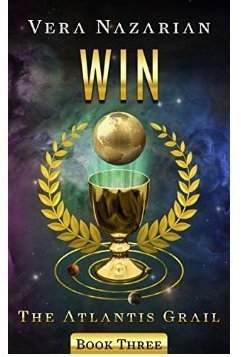
b.Young (97 KP) rated Win (The Atlantis Grail Book 3) in Books
May 21, 2018

Romance (3 more)
Action
The Atlantis Grail Games
Awesome storyline
My favorite in the series so far
Contains spoilers, click to show
I originally downloaded Book 1, Qualify, on my Kindle because it was offered for free. I immediately purchased Book 2 (Compete) and Book 3 (Win) after getting through the third chapter! I knew this was going to be a series to follow because Vera Nazarian's writing has an amazing way of drawing you into the story.
After Qualify, I was completely invested in the fate of Gwen Lark and needed to know what happened, so I continued with Compete. While Compete did not have the same action and urgency as Qualify, it was still an outstanding sequel and made me want to continue the The Atlantis Grail Series.
To be honest, Compete left me right where I wanted to be! Everything I had hoped for Gwen was happening and I had no choice but to continue the story (yes, I am a person who gets emotionally attached to certain fictional characters and therefore live my fantasy life vicariously through them).
Now, on to Win. Oh. My. Lord! Be still my heart, because Aeson has admitted his feelings for Gwen and they are going to get married!!! Yes, regular Earth-girl and winner of an all expense paid trip to Atlantis gets to marry the friggen Crown Prince of Atlantida!!!
Nevermind that Aeson's dad, the Imperator of Atlantida, does not like this one little bit, because what Gwen and Aeson have is real true love and it is so sweet and tender and... I must stop here before I gush all over this review since shit is about to get very real for them (at the hands of the Imperator, of course).
Flashback to that mindnumbing and heartbreaking decision Gwen made in Book 2 to niether become a Civilian or Cadet and instead enter the Atlantis Grail to become a Citizen so she could save her parents and her brother George from the impeding doom of the Asteriod hurtling through space with the purpose of destroying Earth. Well, it just so happens that because she is now the Imperial Bride-to-be, she will be awarded Citizenship when she marries Aeson and thusly inherit the ability to save the rest of her family without having to compete in the horrible and terrifying Atlantis Grail Games. I was literally jumping in my seat and squealing when I learned this!
All that worry and training for the entire year travelling in space to Atlantis was put to a rest and all seemed just hunky-dory. Until....
The Imperial Court Assembly that is held to recognize Gwen as Aeson's choice of Imperial Consort and Bride. Everything goes as planned until the Imperator decides to bestow an unrefusable gift unto Gwen: the "opportunity" to compete in the Atlantis Grail Games. This was such a blow to my heart and I wanted to hold Gwen and tell her it was never going to happen and she could just marry her Prince and have many children and live happily ever after. Alas, that would not have made for a very interesting story, so we must concede to the Imperator's whim and suffer with Aeson as Gwen competes in the stupid Atlantis Grail for her life all because the Imperator is not happy Aeson did not choose Lady Tiri, a proper Atlantean Royal.
Things get intense from this point on as Gwen only has 28 days to train and become a warrior capable of NOT dying in the Games. Thankfully, she has the support of her Bridegroom and the crew of the Astra Diamon to help her with this nearly impossible challenge.
After the 28 days of intense training, it is finally time for Gwen to say her goodbyes and focus on staying alive through all 4 stages of the deadly Grail Games.
During the Games, she is met with unique challenges and ordeals that left me reading into the wee hours of the night to make sure Gwen survived. I seriously could not put this book down I was so worried for Gwen and Aeson.
The Grail Games were more intense and horrible than Katniss Everdeen ever had to endure and although I was confident Gwen would make it through alive, I was unsure just how much of her would make it out at the end.
I cannot wait for Book 4, Survive! I saw an update yesterday from the author mentioning that over 26,000 words had been completed for the book! It cannot come soon enough!
After Qualify, I was completely invested in the fate of Gwen Lark and needed to know what happened, so I continued with Compete. While Compete did not have the same action and urgency as Qualify, it was still an outstanding sequel and made me want to continue the The Atlantis Grail Series.
To be honest, Compete left me right where I wanted to be! Everything I had hoped for Gwen was happening and I had no choice but to continue the story (yes, I am a person who gets emotionally attached to certain fictional characters and therefore live my fantasy life vicariously through them).
Now, on to Win. Oh. My. Lord! Be still my heart, because Aeson has admitted his feelings for Gwen and they are going to get married!!! Yes, regular Earth-girl and winner of an all expense paid trip to Atlantis gets to marry the friggen Crown Prince of Atlantida!!!
Nevermind that Aeson's dad, the Imperator of Atlantida, does not like this one little bit, because what Gwen and Aeson have is real true love and it is so sweet and tender and... I must stop here before I gush all over this review since shit is about to get very real for them (at the hands of the Imperator, of course).
Flashback to that mindnumbing and heartbreaking decision Gwen made in Book 2 to niether become a Civilian or Cadet and instead enter the Atlantis Grail to become a Citizen so she could save her parents and her brother George from the impeding doom of the Asteriod hurtling through space with the purpose of destroying Earth. Well, it just so happens that because she is now the Imperial Bride-to-be, she will be awarded Citizenship when she marries Aeson and thusly inherit the ability to save the rest of her family without having to compete in the horrible and terrifying Atlantis Grail Games. I was literally jumping in my seat and squealing when I learned this!
All that worry and training for the entire year travelling in space to Atlantis was put to a rest and all seemed just hunky-dory. Until....
The Imperial Court Assembly that is held to recognize Gwen as Aeson's choice of Imperial Consort and Bride. Everything goes as planned until the Imperator decides to bestow an unrefusable gift unto Gwen: the "opportunity" to compete in the Atlantis Grail Games. This was such a blow to my heart and I wanted to hold Gwen and tell her it was never going to happen and she could just marry her Prince and have many children and live happily ever after. Alas, that would not have made for a very interesting story, so we must concede to the Imperator's whim and suffer with Aeson as Gwen competes in the stupid Atlantis Grail for her life all because the Imperator is not happy Aeson did not choose Lady Tiri, a proper Atlantean Royal.
Things get intense from this point on as Gwen only has 28 days to train and become a warrior capable of NOT dying in the Games. Thankfully, she has the support of her Bridegroom and the crew of the Astra Diamon to help her with this nearly impossible challenge.
After the 28 days of intense training, it is finally time for Gwen to say her goodbyes and focus on staying alive through all 4 stages of the deadly Grail Games.
During the Games, she is met with unique challenges and ordeals that left me reading into the wee hours of the night to make sure Gwen survived. I seriously could not put this book down I was so worried for Gwen and Aeson.
The Grail Games were more intense and horrible than Katniss Everdeen ever had to endure and although I was confident Gwen would make it through alive, I was unsure just how much of her would make it out at the end.
I cannot wait for Book 4, Survive! I saw an update yesterday from the author mentioning that over 26,000 words had been completed for the book! It cannot come soon enough!

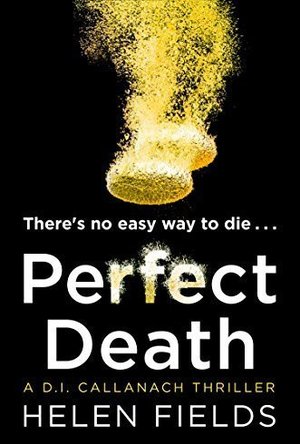
Ross (3284 KP) rated Perfect Death in Books
Sep 28, 2018


Contains spoilers, click to show
I have debated with myself over a rating for this, the third in the "DI Luc Callanach" series of Edinburgh police procedurals. While the overall story is definitely a 4 star, verging on 5, certain aspects of the dialogue in this one were a little jarring at times, and the plot hinged on a couple of very out of character decisions on the part of the murderer.
As with the previous two books, we join the story at the start of two independent investigations, which inevitably expand and take up the whole team's efforts (it's almost as if there was no crime in the city before these came along as no other cases seem to be mentioned or worked on!). We have the apparent death by misadventure of a young girl on the hills around Arthur's Seat, and the apparent suicide of former DCI Begbie.
Both cases are interesting and very different, the former being a more typical murder investigation, the latter being more focused on police corruption and the Glasgow gangland (I do enjoy the fact that any nasty gangsters in these Edinburgh-based stories have to be based in Glasgow, almost like they are sponsored by the Edinburgh tourist board, or someone with an anti-East Coast agenda).
While the murder investigation is decent, a number of clangers really spoiled it for me. We have a young man who appears to be poisoning people after having ingratiated themselves into their lives and the lives of their loved ones under different false names. However, as is so often the case in these stories, the killer is made too clever to be caught (at least too clever to be caught in under 300 pages!), and so the slightest mistake or piece of luck is what the investigation hinges on. Here it transpires that, while the killer has used false names in every interaction, in one of them he seems to have for some reason used the name of someone who leads the police directly to his backstory and hence uncovering his real identity. This piece of Batman vs Superman ("Your Mom was called Martha?!") level plot pivot was just so jarring and so out of character for this supposedly clever murderer. And yet without it there was pretty much no way of the murderer being found. For a secret poisoner to then start waving a gun around was also a bit hard to accept.
And also, all characters seem to be very well spoken. We have a young man who grew up in care homes from the age of 5, a Glasgow gangster and his henchmen and numerous bad sorts along the way and all are very well spoken, to the point that none of them have a voice and are just ... there. And, of course everyone refers to the police in the same way as the police refer to themselves - I cannot imagine anyone referring to a policeman as "DI something" or ""your DCI said this". It just totally jars and again comes across as the author simply inserting their voice into the mouths of characters that they could not be bothered to properly consider.
This brings me on to the dialogue gripe. I have always struggled to accept the formality in the way fictional detectives speak to members of the public. I get that interviews etc have to be carried out in a certain way, but at one point DCI Turner is speaking to a 17 year old boy about the death of his mother and she says "I cannot leave someone who might be a danger to themselves without establishing first-hand contact". This just struck me as the author inserting a piece of research into dialogue rather than considering how that point would be addressed in a human conversation. Similarly, at one point a DC refers to one of the victims as "she" and Callanach snapped at her "We use victims' names not pronouns", which just struck me as an odd thing to say, and at several times throughout the book he himself refers to victims with pronouns.
And finally, while there was never a great deal of swearing in the first two books, it was believable swearing. Here we have the occasional use of "frigging" instead of the other "f" word, which I cannot think I have ever heard a Scottish person say, unless singing along to the Sex Pistols sea shanty.
Overall, I give this book 4 stars for the plot, 3 stars for the writing, then averaged out and rounded down for the annoying little things.
A definite step down from the second book, and a more slapdash feel to it.
As with the previous two books, we join the story at the start of two independent investigations, which inevitably expand and take up the whole team's efforts (it's almost as if there was no crime in the city before these came along as no other cases seem to be mentioned or worked on!). We have the apparent death by misadventure of a young girl on the hills around Arthur's Seat, and the apparent suicide of former DCI Begbie.
Both cases are interesting and very different, the former being a more typical murder investigation, the latter being more focused on police corruption and the Glasgow gangland (I do enjoy the fact that any nasty gangsters in these Edinburgh-based stories have to be based in Glasgow, almost like they are sponsored by the Edinburgh tourist board, or someone with an anti-East Coast agenda).
While the murder investigation is decent, a number of clangers really spoiled it for me. We have a young man who appears to be poisoning people after having ingratiated themselves into their lives and the lives of their loved ones under different false names. However, as is so often the case in these stories, the killer is made too clever to be caught (at least too clever to be caught in under 300 pages!), and so the slightest mistake or piece of luck is what the investigation hinges on. Here it transpires that, while the killer has used false names in every interaction, in one of them he seems to have for some reason used the name of someone who leads the police directly to his backstory and hence uncovering his real identity. This piece of Batman vs Superman ("Your Mom was called Martha?!") level plot pivot was just so jarring and so out of character for this supposedly clever murderer. And yet without it there was pretty much no way of the murderer being found. For a secret poisoner to then start waving a gun around was also a bit hard to accept.
And also, all characters seem to be very well spoken. We have a young man who grew up in care homes from the age of 5, a Glasgow gangster and his henchmen and numerous bad sorts along the way and all are very well spoken, to the point that none of them have a voice and are just ... there. And, of course everyone refers to the police in the same way as the police refer to themselves - I cannot imagine anyone referring to a policeman as "DI something" or ""your DCI said this". It just totally jars and again comes across as the author simply inserting their voice into the mouths of characters that they could not be bothered to properly consider.
This brings me on to the dialogue gripe. I have always struggled to accept the formality in the way fictional detectives speak to members of the public. I get that interviews etc have to be carried out in a certain way, but at one point DCI Turner is speaking to a 17 year old boy about the death of his mother and she says "I cannot leave someone who might be a danger to themselves without establishing first-hand contact". This just struck me as the author inserting a piece of research into dialogue rather than considering how that point would be addressed in a human conversation. Similarly, at one point a DC refers to one of the victims as "she" and Callanach snapped at her "We use victims' names not pronouns", which just struck me as an odd thing to say, and at several times throughout the book he himself refers to victims with pronouns.
And finally, while there was never a great deal of swearing in the first two books, it was believable swearing. Here we have the occasional use of "frigging" instead of the other "f" word, which I cannot think I have ever heard a Scottish person say, unless singing along to the Sex Pistols sea shanty.
Overall, I give this book 4 stars for the plot, 3 stars for the writing, then averaged out and rounded down for the annoying little things.
A definite step down from the second book, and a more slapdash feel to it.

Heather Cranmer (2721 KP) rated The Encouragement Letters in Books
Oct 3, 2018
The plot (2 more)
The characters
The educational lesson
An Uplifting Read
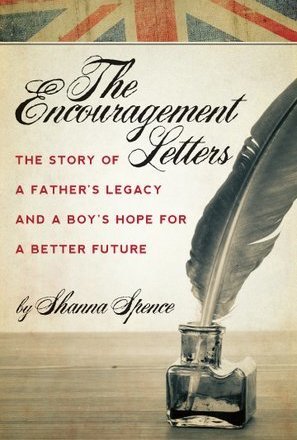
When I read the synopsis for The Encouragement Letters by Shanna Spence, I was intrigued. The cover also drew my attention. I lived in England for over 6 years which is another reason I wanted to read this book. I love all things England! When I got the opportunity to review it, I jumped at the chance!
I found the pacing to be perfect in The Encouragement Letters. This is a middle grade read, and Miss Spence sets the pacing perfectly for that age group. Never once did I feel like the book was too fast or too slow for young readers. I also feel the length of the book was perfect for the age group it targets.
I enjoyed the plot of The Encouragement Letters very much. It was interesting to read about Will's struggles and how he was overcoming them. I loved reading about how kind everyone was to each other. It was as if everyone was one big family. Everyone would help each other out, and that was very encouraging. It was interesting and uplifting to read about Will overcoming his challenges and not becoming a victim of circumstance even when that would have been the easiest thing to do. Reading about how Will was trying to lift everyone up in hard times with his encouragement letters truly was heartwarming. There are no plot twists in this book, but it doesn't need plot twists as it's not that kind of book. All of my questions were answered in the book. There are no cliff hangers whatsoever which was great.
The world building was done very well. Although written in third person, The Encouragement Letters is told through the eyes of 11 year old Will. I feel that Shanna Spence did a fantastic job making it seem as if a real 11 year old is telling the story. Miss Spence also does a great job making you feel as if you are involved with everything going on. Her use of language is profound. A few of the characters' accents were written exactly as they speak. I loved this! This made it that much more realistic. I also loved the Yorkshire dialect guide at the beginning of the book. Shanna Spence does a great job educating and making her readers feel like they are experiencing the Industrial Revolution in England first hand.
I loved every character in The Encouragement Letters. They all felt very real and fleshed out. Will was such a sweet boy as I mentioned earlier. I admired his work ethic and how empathetic he was even at such a young age. I loved all the shop workers and how caring they were towards Will always giving him extra food, scraps of leather, or whatever they had left over. Mary Beth was a character who also stood out to me. I enjoyed when she was mentioned. Maybe it's because I felt like I could relate to her. Like all of the characters in The Encouragement Letters, she had a strong work ethic and was so kind to Will. I thought it was cute how Will seemed to have a bit of a crush on her.
As this is a middle grade read, there aren't many trigger warnings. There is talk of death (Will's father had passed away a year prior when the novel starts) as well as sickness (Will's mother is sick throughout the book, and Will looks after her. There's one scene of violence (Will gets punched in the face), but it is not very graphic and is described in an age appropriate manner.
Overall, The Encouragement Letters is a very inspiring and uplifting novel. The characters are all so kind and have great work ethics, and the book is somewhat educational with describing how life was like during the Industrial Revolution in England. I would definitely recommend The Encouragement Letters by Shanna Spence to those 9+ who need some encouragement or who just love reading uplifting novels. Actually, I'd just recommend this to every and all people who are 9 years and older! This book gets a solid 5 out of 5 stars from me!
(Thank you to the author for providing me with a paperback of this title for a review on a blog tour I am doing in exchange for an honest and unbiased review.)
I found the pacing to be perfect in The Encouragement Letters. This is a middle grade read, and Miss Spence sets the pacing perfectly for that age group. Never once did I feel like the book was too fast or too slow for young readers. I also feel the length of the book was perfect for the age group it targets.
I enjoyed the plot of The Encouragement Letters very much. It was interesting to read about Will's struggles and how he was overcoming them. I loved reading about how kind everyone was to each other. It was as if everyone was one big family. Everyone would help each other out, and that was very encouraging. It was interesting and uplifting to read about Will overcoming his challenges and not becoming a victim of circumstance even when that would have been the easiest thing to do. Reading about how Will was trying to lift everyone up in hard times with his encouragement letters truly was heartwarming. There are no plot twists in this book, but it doesn't need plot twists as it's not that kind of book. All of my questions were answered in the book. There are no cliff hangers whatsoever which was great.
The world building was done very well. Although written in third person, The Encouragement Letters is told through the eyes of 11 year old Will. I feel that Shanna Spence did a fantastic job making it seem as if a real 11 year old is telling the story. Miss Spence also does a great job making you feel as if you are involved with everything going on. Her use of language is profound. A few of the characters' accents were written exactly as they speak. I loved this! This made it that much more realistic. I also loved the Yorkshire dialect guide at the beginning of the book. Shanna Spence does a great job educating and making her readers feel like they are experiencing the Industrial Revolution in England first hand.
I loved every character in The Encouragement Letters. They all felt very real and fleshed out. Will was such a sweet boy as I mentioned earlier. I admired his work ethic and how empathetic he was even at such a young age. I loved all the shop workers and how caring they were towards Will always giving him extra food, scraps of leather, or whatever they had left over. Mary Beth was a character who also stood out to me. I enjoyed when she was mentioned. Maybe it's because I felt like I could relate to her. Like all of the characters in The Encouragement Letters, she had a strong work ethic and was so kind to Will. I thought it was cute how Will seemed to have a bit of a crush on her.
As this is a middle grade read, there aren't many trigger warnings. There is talk of death (Will's father had passed away a year prior when the novel starts) as well as sickness (Will's mother is sick throughout the book, and Will looks after her. There's one scene of violence (Will gets punched in the face), but it is not very graphic and is described in an age appropriate manner.
Overall, The Encouragement Letters is a very inspiring and uplifting novel. The characters are all so kind and have great work ethics, and the book is somewhat educational with describing how life was like during the Industrial Revolution in England. I would definitely recommend The Encouragement Letters by Shanna Spence to those 9+ who need some encouragement or who just love reading uplifting novels. Actually, I'd just recommend this to every and all people who are 9 years and older! This book gets a solid 5 out of 5 stars from me!
(Thank you to the author for providing me with a paperback of this title for a review on a blog tour I am doing in exchange for an honest and unbiased review.)

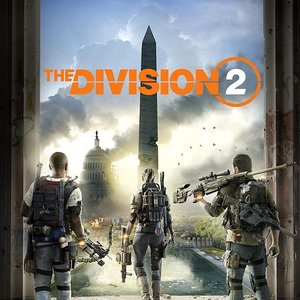
Gareth von Kallenbach (980 KP) rated the PlayStation 4 version of Tom Clancy's The Division 2 in Video Games
Jun 19, 2019
Following up a hit game is never an easy task. The delicate balance
between keeping things familiar yet not repeating what has come before is
always tricky.
Such is the case facing Ubisoft with Tom Clancy’s The Division 2. I want to point out at the start that Ubisoft in no way helped
with the review process despite doing extensive pre-release coverage for
the game.
As such; there were elements to the game that I had question and issues with and the company would not respond to questions or even recognize the coverage that had been done prior.
The game follows up the events of the first game in that a virus named the
“Dollar Flu” has laid waste to the country after being passed around on
currency during the busy Christmas shopping season.
This time out the game
is set in Washington D.C. and players once again take on the role of a
member of an elite agency called “The Division”.
With the city in chaos and the survivors being tormented by criminal
factions and extreme militants; players must work solo and in groups to
complete various missions and objectives to reclaim the city.
Like the previous game players can customize their character to have a
look, weapons, and accessories that they want and can swap and update them
as they go along.
Playing from a third person perspective, the highly-detailed city is vast
and many points from the White House to the Lincoln Memorial, and
Smithsonian Institute are available to explore and even undertake missions
in.
The enemies are dangerous as the vicious Hyena gang as well as the
Outcasts roam the city. There is also a Military faction called The True
Sons who bring military tactics into their encounters.
Players will be able to gather loot and armor and weapon upgrades as they
go and can even use special power ups to heal, set mines, and other traps
to help even the odds.
Those abilities can be upgraded, swapped, and assigned, and make the game
very interesting as some players opt to have a Drone while others elect
for Turrets or other options.
Weapons can go from pistols, machine guns, shotguns, and sniper rifles,
and players can also use grenades to dispatch large groups.
While working solo is fine, the key to success is working with others and
players can now call for backup to get help in addition to the general
matchmaking and friend invites. There has also been a Clan system added
which is nice as players can create or join a group and have support
available when needed.
This is a great thing as the missions can be challenging as your level
rank rises and players are always outnumbered and outgunned in missions.
I found the game to be very impressive and lots of fun and the ability to
upgrade bases and take on side missions and patrols beyond the core
missions ensures lots of gameplay as was the case with the first game.
There have also been updates which add new content and based on the prior
game, we expect to see lots of new content released in the months ahead.
There were some annoying issues with the sound as some channels would
drop. One example was how voices became muted and how some sounds such as
radio messages utterly vanished. While it was not a deal-breaker; it was
annoying s the updates pre and post mission help give players a great
understanding of the unfolding story.
I did like the fact that the abundance of side missions was curtailed in
favor of more relevant missions and capturing control points and helping
end threats to the general population.
One time I took control of a mounted machine gun and found the sound
locked during firing and continued for several minutes even after I
respawned. I had to go back to the gun and fire it again to get the sound
glitch to stop.
There were also some annoying graphical glitches like textures and enemies
appearing late while I was walking after the last update. With a 2070 GTX
Graphics Card this should not happen and thankfully it seemed to abate
after a few annoying occurrences.
That being said; the game is very solid and enjoyable and it is a shame
that a company that has such great games is very difficult to work with
from the media and support side of things as The Division 2 is a solid
sequel and one of the more enjoyable games I have played in a while.
http://sknr.net/2019/04/08/tom-clancys-the-division-2/
between keeping things familiar yet not repeating what has come before is
always tricky.
Such is the case facing Ubisoft with Tom Clancy’s The Division 2. I want to point out at the start that Ubisoft in no way helped
with the review process despite doing extensive pre-release coverage for
the game.
As such; there were elements to the game that I had question and issues with and the company would not respond to questions or even recognize the coverage that had been done prior.
The game follows up the events of the first game in that a virus named the
“Dollar Flu” has laid waste to the country after being passed around on
currency during the busy Christmas shopping season.
This time out the game
is set in Washington D.C. and players once again take on the role of a
member of an elite agency called “The Division”.
With the city in chaos and the survivors being tormented by criminal
factions and extreme militants; players must work solo and in groups to
complete various missions and objectives to reclaim the city.
Like the previous game players can customize their character to have a
look, weapons, and accessories that they want and can swap and update them
as they go along.
Playing from a third person perspective, the highly-detailed city is vast
and many points from the White House to the Lincoln Memorial, and
Smithsonian Institute are available to explore and even undertake missions
in.
The enemies are dangerous as the vicious Hyena gang as well as the
Outcasts roam the city. There is also a Military faction called The True
Sons who bring military tactics into their encounters.
Players will be able to gather loot and armor and weapon upgrades as they
go and can even use special power ups to heal, set mines, and other traps
to help even the odds.
Those abilities can be upgraded, swapped, and assigned, and make the game
very interesting as some players opt to have a Drone while others elect
for Turrets or other options.
Weapons can go from pistols, machine guns, shotguns, and sniper rifles,
and players can also use grenades to dispatch large groups.
While working solo is fine, the key to success is working with others and
players can now call for backup to get help in addition to the general
matchmaking and friend invites. There has also been a Clan system added
which is nice as players can create or join a group and have support
available when needed.
This is a great thing as the missions can be challenging as your level
rank rises and players are always outnumbered and outgunned in missions.
I found the game to be very impressive and lots of fun and the ability to
upgrade bases and take on side missions and patrols beyond the core
missions ensures lots of gameplay as was the case with the first game.
There have also been updates which add new content and based on the prior
game, we expect to see lots of new content released in the months ahead.
There were some annoying issues with the sound as some channels would
drop. One example was how voices became muted and how some sounds such as
radio messages utterly vanished. While it was not a deal-breaker; it was
annoying s the updates pre and post mission help give players a great
understanding of the unfolding story.
I did like the fact that the abundance of side missions was curtailed in
favor of more relevant missions and capturing control points and helping
end threats to the general population.
One time I took control of a mounted machine gun and found the sound
locked during firing and continued for several minutes even after I
respawned. I had to go back to the gun and fire it again to get the sound
glitch to stop.
There were also some annoying graphical glitches like textures and enemies
appearing late while I was walking after the last update. With a 2070 GTX
Graphics Card this should not happen and thankfully it seemed to abate
after a few annoying occurrences.
That being said; the game is very solid and enjoyable and it is a shame
that a company that has such great games is very difficult to work with
from the media and support side of things as The Division 2 is a solid
sequel and one of the more enjoyable games I have played in a while.
http://sknr.net/2019/04/08/tom-clancys-the-division-2/

Chris Sawin (602 KP) rated Black Swan (2010) in Movies
Jun 21, 2019 (Updated Jun 23, 2019)
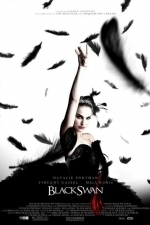

Darren Aronofsky has been circling movie news sites pretty frequently as of late. He recently signed on to direct the stand-alone sequel to Wolverine (appropriately titled The Wolverine). He also developed a rather large and devoted fanbase over the course of directing fantastically surreal films such as Pi, Requiem for a Dream, and The Wrestler, but his psychological thriller Black Swan has also been gaining quite a bit of steam leading up to its December 3rd release. Despite Aronofsky's already well-established reputation and the rather high anticipation for the film, Black Swan still delivers a product that is even better than expected.
Like most ballerinas, Nina (Portman) lives, breathes, and is completely devoted to dance. Artistic director Thomas Leroy (Cassel) is preparing a new spring production of his interpretation of Swan Lake. Nina is next in line to become prima ballerina after the former dancer to hold that spot, Beth Macintyre (Ryder), reluctantly retires. Everything seems to be shifting in that direction until a rather unorthodox, provocative, and unstable (in a dangerous kind of way) dancer named Lily (Kunis) arrives. Lily seems to have an eye for Nina's spot as soon as she walks through the door. Thomas begins to see Nina as the White Swan, which signifies innocence and perfection and Lily as the Black Swan, which is more sensual and deceptive. The problem is that one dancer is required to play both parts. Other than the stiff competition she has to deal with, The Swan Queen role begins to take its toll on Nina who begins to think Lily wants even more than her spot in the production. Nina's obsessive behavior leads to her releasing her dark side that she must now struggle to control.
Aronofsky has always had an exceptional eye for cinematography in his films. His use of micro-photography in The Fountain made the entire film a visually stunning spectacle that will stand the test of time while something like a someone's pupil dilating or a drug deal gone bad in Requiem for a Dream is memorable because of the way and angle Aronofsky shot it rather than relying on its disturbing content to make the scene a classic. Black Swan is no different. Being placed behind Nina whenever she heads to the dance venue gives the viewer a rather unique third person perspective that also gives the impression that you're walking right behind the main character of the film. The intense dream sequences are also shot in a way that flawlessly blur the line between reality and hallucination. Is this really happening or is it all a figment of Nina's deteriorating imagination? Figuring that out is half the film's charm.
The extraordinary main cast is the main ingredient to the film being as great as it is though. The key players all seem to have this twisted side to them that is nearly the exact opposite of the way they first appear to be, which coincides with the Swan Lake theme. Winona Ryder steals most of the screen time she's given whether she's trashing her dressing room, yelling obscenities in Portman's face, or sitting in a hospital room. Even though Mila Kunis seems to play nothing more than her role in Forgetting Sarah Marshall to the most extreme degree on the surface, it's the edge she's given that results in unpredictablity for her character. While Vincent Cassel's performance is strong thanks to his sensual reputation with his dancers and Barbara Hersey is both charming and disturbing as Nina's mother who seems to secretly be trying to live in her daughter's dance shoes after a missed opportunity in her past, it's no surprise to hear that Natalie Portman is the heart of the film. Nina is so consumed with dance that she keeps pushing herself even when her mind and body begin to show her that she's had enough. Her breakdowns are heartbreaking and engaging to watch while her transformation by the end of the film can best be described as a monstrous beauty. It's all thanks to Portman's powerful, phenomenal, tour de force performance.
While some might not be surprised that Aronofsky has created another masterpiece, this may be his most solid and well-rounded film to date. Black Swan is a beautiful, disturbing, and captivating work of art that features gorgeous camera work, an excellent and mindbending story, and one of Natalie Portman's best performances.
Like most ballerinas, Nina (Portman) lives, breathes, and is completely devoted to dance. Artistic director Thomas Leroy (Cassel) is preparing a new spring production of his interpretation of Swan Lake. Nina is next in line to become prima ballerina after the former dancer to hold that spot, Beth Macintyre (Ryder), reluctantly retires. Everything seems to be shifting in that direction until a rather unorthodox, provocative, and unstable (in a dangerous kind of way) dancer named Lily (Kunis) arrives. Lily seems to have an eye for Nina's spot as soon as she walks through the door. Thomas begins to see Nina as the White Swan, which signifies innocence and perfection and Lily as the Black Swan, which is more sensual and deceptive. The problem is that one dancer is required to play both parts. Other than the stiff competition she has to deal with, The Swan Queen role begins to take its toll on Nina who begins to think Lily wants even more than her spot in the production. Nina's obsessive behavior leads to her releasing her dark side that she must now struggle to control.
Aronofsky has always had an exceptional eye for cinematography in his films. His use of micro-photography in The Fountain made the entire film a visually stunning spectacle that will stand the test of time while something like a someone's pupil dilating or a drug deal gone bad in Requiem for a Dream is memorable because of the way and angle Aronofsky shot it rather than relying on its disturbing content to make the scene a classic. Black Swan is no different. Being placed behind Nina whenever she heads to the dance venue gives the viewer a rather unique third person perspective that also gives the impression that you're walking right behind the main character of the film. The intense dream sequences are also shot in a way that flawlessly blur the line between reality and hallucination. Is this really happening or is it all a figment of Nina's deteriorating imagination? Figuring that out is half the film's charm.
The extraordinary main cast is the main ingredient to the film being as great as it is though. The key players all seem to have this twisted side to them that is nearly the exact opposite of the way they first appear to be, which coincides with the Swan Lake theme. Winona Ryder steals most of the screen time she's given whether she's trashing her dressing room, yelling obscenities in Portman's face, or sitting in a hospital room. Even though Mila Kunis seems to play nothing more than her role in Forgetting Sarah Marshall to the most extreme degree on the surface, it's the edge she's given that results in unpredictablity for her character. While Vincent Cassel's performance is strong thanks to his sensual reputation with his dancers and Barbara Hersey is both charming and disturbing as Nina's mother who seems to secretly be trying to live in her daughter's dance shoes after a missed opportunity in her past, it's no surprise to hear that Natalie Portman is the heart of the film. Nina is so consumed with dance that she keeps pushing herself even when her mind and body begin to show her that she's had enough. Her breakdowns are heartbreaking and engaging to watch while her transformation by the end of the film can best be described as a monstrous beauty. It's all thanks to Portman's powerful, phenomenal, tour de force performance.
While some might not be surprised that Aronofsky has created another masterpiece, this may be his most solid and well-rounded film to date. Black Swan is a beautiful, disturbing, and captivating work of art that features gorgeous camera work, an excellent and mindbending story, and one of Natalie Portman's best performances.

Becs (244 KP) rated A Raisin in the Sun in Books
Oct 2, 2019
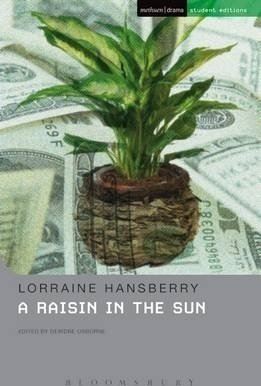
They honestly need more books like this. When my husband found out that I was getting A Raisin in the Sun by Lorraine Hansberry, he grew excited and he never does that unless it’s a science-related book. That was when I knew I was going to like this beautiful novel. When I started to read it, I rushed through it. Not in a “I just want to finish this book” way, more like “I FREAKING LOVE THIS BOOK AND I DON’T EVER WANT IT TO END” way. That says something, right?
A Raisin in the Sun by Lorraine Hansberry
Genre: Literary Classic, Play, Drama, Fiction
Synopsis: First produced in 1959, A Raisin in the Sun was awarded the New York Drama Critics Circle Award and hailed as a watershed in American drama. Not only a pioneering work by an African-American playwright – Lorraine Hansberry’s play was also a radically new representation of black life, resolutely authentic, fiercely unsentimental, and unflinching in its vision of what happens to people whose dreams are constantly deferred. In her portrait of an embattled Chicago family, Hansberry anticapted issues that range from generational clashes to the civil rights and women’s movements. She also posed the essential questions – about identity, justice, and moral responsibility – at the heart of those great struggles. The result is an American classic.
Audience/Reading Level: Middle School +
Interests: Plays, dramas, literary classics, racial segregation, women’s movement, 50s era.
Point of View: Third Person Omniscient
Difficulty Reading: Not at all, I rushed through it because I loved it so much! As in some of Shakespeares plays, you don’t get stuck on the general language of the era it was written, as it’s written close to a book you would get from this era.
Promise: “Award-winning drama of the hopes and aspirations of a struggling, working-class family living on the South Side of Chicago connected profoundly with the psyche of black America–and changed American theater forever.” – It did. 🙂
Insights: I love reading plays as it’s a way to step out of a comfort zone of reading Young Adult novels. It gives me a chance to dip into my theater/acting side and use what I’ve learned from theatre classes. A Raisin in the Sun is a well-written American classic that honestly should be read in every school from middle school and up. The lessens that are taught throughout the play are subtle yet obvious which creates a background that we can use in our every day life.
Ah-Ha Moment: The moment that Beneatha came into the picture and was a total feminist. Man, she’s my favorite character besides Mama (Lena Younger) and her little plant.
Favorite Quotes: “Beneatha: Love him? There is nothing left to love. Mama: There is always something left to love. And if you ain’t learned that, you ain’t learned nothing. (Looking at her) Have you cried for that boy today? I don’t mean for yourself and for the family ’cause we lost the money. I mean for him: what he been through and what it done to him. Child, when do you think is the time to love somebody the most? When they done good and made things easy for everybody? Well then, you ain’t through learning – because that ain’t the time at all. It’s when he’s at his lowest and can’t believe in hisself ’cause the world done whipped him so! when you starts measuring somebody, measure him right, child, measure him right. Make sure you done taken into account what hills and valleys he come through before he got to wherever he is.”
“Mama, you don’t understand. It’s all a matter of ideas, and God is just one idea I don’t acept. It’s not important. I am not going out and commit crimes or be immoral because I don’t believe in God. I don’t even think about it. It’s just that I get so tired of Him getting credit for all the things the human race achieves through its own stubborn effort. There simply is no God! There is only Man, and it’s he who makes miracles!”
What will you gain: A haunting yet revealing play that will be as fresh of a read today, as it was in the 50’s.
Aesthetics: The entire play. The cover. The characters. The underlying meaning beneath it all. The era it was written and is based off of. Just everything about this little book.
“I want to fly! I want to touch the sun!”
“Finish your eggs first.”
A Raisin in the Sun by Lorraine Hansberry
Genre: Literary Classic, Play, Drama, Fiction
Synopsis: First produced in 1959, A Raisin in the Sun was awarded the New York Drama Critics Circle Award and hailed as a watershed in American drama. Not only a pioneering work by an African-American playwright – Lorraine Hansberry’s play was also a radically new representation of black life, resolutely authentic, fiercely unsentimental, and unflinching in its vision of what happens to people whose dreams are constantly deferred. In her portrait of an embattled Chicago family, Hansberry anticapted issues that range from generational clashes to the civil rights and women’s movements. She also posed the essential questions – about identity, justice, and moral responsibility – at the heart of those great struggles. The result is an American classic.
Audience/Reading Level: Middle School +
Interests: Plays, dramas, literary classics, racial segregation, women’s movement, 50s era.
Point of View: Third Person Omniscient
Difficulty Reading: Not at all, I rushed through it because I loved it so much! As in some of Shakespeares plays, you don’t get stuck on the general language of the era it was written, as it’s written close to a book you would get from this era.
Promise: “Award-winning drama of the hopes and aspirations of a struggling, working-class family living on the South Side of Chicago connected profoundly with the psyche of black America–and changed American theater forever.” – It did. 🙂
Insights: I love reading plays as it’s a way to step out of a comfort zone of reading Young Adult novels. It gives me a chance to dip into my theater/acting side and use what I’ve learned from theatre classes. A Raisin in the Sun is a well-written American classic that honestly should be read in every school from middle school and up. The lessens that are taught throughout the play are subtle yet obvious which creates a background that we can use in our every day life.
Ah-Ha Moment: The moment that Beneatha came into the picture and was a total feminist. Man, she’s my favorite character besides Mama (Lena Younger) and her little plant.
Favorite Quotes: “Beneatha: Love him? There is nothing left to love. Mama: There is always something left to love. And if you ain’t learned that, you ain’t learned nothing. (Looking at her) Have you cried for that boy today? I don’t mean for yourself and for the family ’cause we lost the money. I mean for him: what he been through and what it done to him. Child, when do you think is the time to love somebody the most? When they done good and made things easy for everybody? Well then, you ain’t through learning – because that ain’t the time at all. It’s when he’s at his lowest and can’t believe in hisself ’cause the world done whipped him so! when you starts measuring somebody, measure him right, child, measure him right. Make sure you done taken into account what hills and valleys he come through before he got to wherever he is.”
“Mama, you don’t understand. It’s all a matter of ideas, and God is just one idea I don’t acept. It’s not important. I am not going out and commit crimes or be immoral because I don’t believe in God. I don’t even think about it. It’s just that I get so tired of Him getting credit for all the things the human race achieves through its own stubborn effort. There simply is no God! There is only Man, and it’s he who makes miracles!”
What will you gain: A haunting yet revealing play that will be as fresh of a read today, as it was in the 50’s.
Aesthetics: The entire play. The cover. The characters. The underlying meaning beneath it all. The era it was written and is based off of. Just everything about this little book.
“I want to fly! I want to touch the sun!”
“Finish your eggs first.”
Becs (244 KP) rated The Crucible in Books
Oct 2, 2019
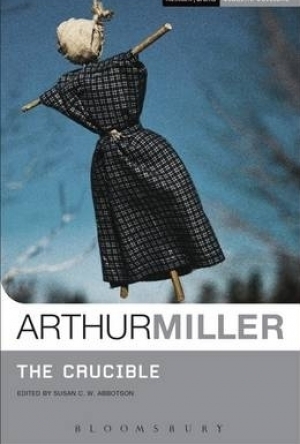
I absolutely love Arthur Miller and anything regarding witches/ the Salem Trials. So, the crucible for me is a five-star novel. Can we just take a moment to admire the writers of the 50’s and older as they don’t seem to be getting much hype lately? Like, literary classics are deemed school reads and not your typical everyday read. THIS NEEDS TO CHANGE.
Reading these in school and then giving them a reread five years after graduating, has shown a new light onto these novels. And has made me appreciate them more as a whole compared to when I read them in high school. If you haven’t read many literary classics, I recommend starting with something by Arthur Miller or George Orwell. Yes, they may be a bit hard to get into at first, but give it time. That’s the key when reading any book!
The Crucible by Arthur Miller
Genre: Literary Classic, Historical Fiction, Plays, Drama
Synopsis: “I believe that the reader will discover here the essential nature of one of the strangest and most awful chapters in human history,” Arthur Miller wrote of his classic play about the witch-hunts and trials in seventeenth-century Salem, Massachusetts. Based on historical people and real events, Miller’s drama is a searing portrait of a community engulfed by hysteria. In the rigid theocracy of Salem, rumors that women are practicing witchcraft galvanize the town’s most basic fears and suspicions; and when a young girl accuses Elizabeth Proctor of being a witch, self-righteous church leaders and townspeople insist that Elizabeth be brought to trial. The ruthlessness of the prosecutors and the eagerness of neighbor to testify against neighbor brilliantly illuminate the destructive power of socially sanctioned violence.
Written in 1953, The Crucible is a mirror Miller uses to reflect the anti-communist hysteria inspired by Senator Joseph McCarthy’s “witch-hunts” in the United States. Within the text itself, Miller contemplates the parallels, writing, “Political opposition… is given an inhumane overlay, which then justifies the abrogation of all normally applied customs of civilized behavior. A political policy is equated with moral right, and opposition to it with diabolical malevolence.”
WIth an introduction by Christopher Bigsby.
Audience/ Reading Level: High School +
Interests: Plays, Drama, Witches, the Salem Trials, Arthur Miller, Literary Classics.
Point of View: Third Person Omniscient
Difficulty Reading: With every literary classic, you run into the problem of the first 30% of the novel being a bore or hard to get into. The Crucible was only a bore in parts but taking the novel as a whole, it was a pretty easy read.
Promise: “I believe that the reader will discover here the essential nature of one of the strangest and most awful chapters in human history.”
Insights: The Crucible is based on true events and Arthur Miller has a way of explaining everything that was wrong with the way people lived. I.E. Woman did not have rights until the early 1920’s. This didn’t stop some countries/states to still not allow the woman to have rights. But taking The Crucible into perspective, the women that were charged with witchcraft were unable to explain themselves to the men. The men believed the accusers either because they were sleeping with them or because they were their family. Luckily, nowadays we don’t have this extreme of situations but it still does exist. The Crucible teaches all of its readers, young or old, many valuable lessons that are sometimes hard to witness. Plus, Miller correlates the events in the Crucible to the anti-communist McCarthyism of the 1950s.
Favorite Quotes: “I speak my own sins; I cannot judge another. I have no tongue for it.”
“Because it is my name! Because I cannot have another in my life! Because I lie and sign myself to lies! Because I am not worth the dust on the feet of them that hang! How may I live without my name? I have given you my soul; leave me my name!”
“You are pulling down heaven and raising up a whore”
What will you gain: A love for another literary classic and a love for Arthur Miller if you do not already love his writing. Plus, a great historical read.
Aesthetics: The witches, the trials, the way people take sides, I mean I can’t say much more without giving spoilers away. We wouldn’t want that, now would we?
“It is rare for people to be asked the question which puts them squarely in front of themselves”
Reading these in school and then giving them a reread five years after graduating, has shown a new light onto these novels. And has made me appreciate them more as a whole compared to when I read them in high school. If you haven’t read many literary classics, I recommend starting with something by Arthur Miller or George Orwell. Yes, they may be a bit hard to get into at first, but give it time. That’s the key when reading any book!
The Crucible by Arthur Miller
Genre: Literary Classic, Historical Fiction, Plays, Drama
Synopsis: “I believe that the reader will discover here the essential nature of one of the strangest and most awful chapters in human history,” Arthur Miller wrote of his classic play about the witch-hunts and trials in seventeenth-century Salem, Massachusetts. Based on historical people and real events, Miller’s drama is a searing portrait of a community engulfed by hysteria. In the rigid theocracy of Salem, rumors that women are practicing witchcraft galvanize the town’s most basic fears and suspicions; and when a young girl accuses Elizabeth Proctor of being a witch, self-righteous church leaders and townspeople insist that Elizabeth be brought to trial. The ruthlessness of the prosecutors and the eagerness of neighbor to testify against neighbor brilliantly illuminate the destructive power of socially sanctioned violence.
Written in 1953, The Crucible is a mirror Miller uses to reflect the anti-communist hysteria inspired by Senator Joseph McCarthy’s “witch-hunts” in the United States. Within the text itself, Miller contemplates the parallels, writing, “Political opposition… is given an inhumane overlay, which then justifies the abrogation of all normally applied customs of civilized behavior. A political policy is equated with moral right, and opposition to it with diabolical malevolence.”
WIth an introduction by Christopher Bigsby.
Audience/ Reading Level: High School +
Interests: Plays, Drama, Witches, the Salem Trials, Arthur Miller, Literary Classics.
Point of View: Third Person Omniscient
Difficulty Reading: With every literary classic, you run into the problem of the first 30% of the novel being a bore or hard to get into. The Crucible was only a bore in parts but taking the novel as a whole, it was a pretty easy read.
Promise: “I believe that the reader will discover here the essential nature of one of the strangest and most awful chapters in human history.”
Insights: The Crucible is based on true events and Arthur Miller has a way of explaining everything that was wrong with the way people lived. I.E. Woman did not have rights until the early 1920’s. This didn’t stop some countries/states to still not allow the woman to have rights. But taking The Crucible into perspective, the women that were charged with witchcraft were unable to explain themselves to the men. The men believed the accusers either because they were sleeping with them or because they were their family. Luckily, nowadays we don’t have this extreme of situations but it still does exist. The Crucible teaches all of its readers, young or old, many valuable lessons that are sometimes hard to witness. Plus, Miller correlates the events in the Crucible to the anti-communist McCarthyism of the 1950s.
Favorite Quotes: “I speak my own sins; I cannot judge another. I have no tongue for it.”
“Because it is my name! Because I cannot have another in my life! Because I lie and sign myself to lies! Because I am not worth the dust on the feet of them that hang! How may I live without my name? I have given you my soul; leave me my name!”
“You are pulling down heaven and raising up a whore”
What will you gain: A love for another literary classic and a love for Arthur Miller if you do not already love his writing. Plus, a great historical read.
Aesthetics: The witches, the trials, the way people take sides, I mean I can’t say much more without giving spoilers away. We wouldn’t want that, now would we?
“It is rare for people to be asked the question which puts them squarely in front of themselves”

Cynthia Armistead (17 KP) rated Enthralled: Paranormal Diversions in Books
Mar 1, 2018
Journeys, literal or otherwise, are the theme of this young adult anthology. Appropriately enough, it was conceived as the result of a book tour.
"Giovanni’s Farewell" by [a:Claudia Gray|1192311|Claudia Gray|http://photo.goodreads.com/authors/1234643683p2/1192311.jpg] is a sweet, coming-of-age story of sorts. The twist is that it features a brother and sister, twins, rather than just one person. They visit Rome with a school group while dealing with major changes in their lives. There was too much background crammed into a short story, but it was interesting.
[a:Carrie Ryan|1443712|Carrie Ryan|http://photo.goodreads.com/authors/1343410049p2/1443712.jpg]'s "Scenic Route" is a disturbing, post-apocalyptic story set in the world of [b:The Forest of Hands and Teeth|3432478|The Forest of Hands and Teeth (The Forest of Hands and Teeth, #1)|Carrie Ryan|http://photo.goodreads.com/books/1320633297s/3432478.jpg|3473471] about two young sisters trying to survive in an isolated cabin. The older sister keeps the younger one occupied with the planning of a road trip that will never happen, always hoping against hope that the girl won't realize what their reality is. How long can they stay isolated enough to survive? Bloody, frightening, and visceral.
"Red Run" by [a:Kami Garcia|2895706|Kami Garcia|http://photo.goodreads.com/authors/1289693388p2/2895706.jpg] is the story of a girl who has lost the only person she loves in the world, and the trip she takes to avenge his death. How do you hunt a ghost? Maybe it isn't fair, coming right after Ryan's story, but I didn't truly feel the main character's feelings.
[a:Jackson Pearce|2761947|Jackson Pearce|http://photo.goodreads.com/authors/1336840299p2/2761947.jpg]'s "Things About Love" is a sweet story involving a jinn researching love. I felt like I'd come into the middle of something, so I checked and found that she's written a novel, [b:As You Wish|6750586|As You Wish|Jackson Pearce|http://photo.goodreads.com/books/1319175193s/6750586.jpg|6217232], in the same setting. While this story technically stands on its own, it would probably be enriched by having read As You Wish.
"Niederwald" by [a:Rachel Vincent|415967|Rachel Vincent|http://photo.goodreads.com/authors/1262900481p2/415967.jpg] is the first story I've read in her Soul Screamers series. Sabine, a macha (nightmare), takes a road trip with a human acquaintance and detours to Niederwald, Texas, home to the harpies. No, there's no way that could go wrong. Of course you know from the moment they hit the parking lot that it will go wrong, but at least it's an interesting sort of wrong.
[a:Melissa Marr|175855|Melissa Marr|http://photo.goodreads.com/authors/1192302741p2/175855.jpg]'s "Merely Mortal" feels as though it's probably set in the same world as her Wicked Lovely series.
"Facing Facts" by [a:Kelley Armstrong|7581|Kelley Armstrong|http://photo.goodreads.com/authors/1199068298p2/7581.jpg] is set in her Darkest Powers universe. I read the first of those books, but obviously a lot has passed since then, and there were spoilers in this story. It really centers around Chloe and Tori, with a little Derek tossed in. Tori learns something she doesn't want to know and reacts badly, running off on her own, which is dangerous. Chloe goes after her and they get into trouble. That seemed rather predictable to me, but at least the type of trouble wasn't what I expected. Tori doesn't seem to have changed since the first book, but Chloe is coming into control of her abilities.
[a:Sarah Rees Brennan|836009|Sarah Rees Brennan|http://photo.goodreads.com/authors/1254149255p2/836009.jpg]'s "Let’s Get this Undead Show on the Road" is about a boy band that features a vampire, Christian. He's an unusual vampire, all alone without a nest or a sire. His journey seems to be about his identity as a vampire, although the band is on tour and has another sort of journey to make, as well.
"Bridge" by [a:Jeri Smith-Ready|56019|Jeri Smith-Ready|http://photo.goodreads.com/authors/1204922569p2/56019.jpg] is told from a ghost's point of view, 233 days after death. It's frustrating being a ghost, because most people can't see or hear you. There are things you have to accomplish before moving on, though, that require communication with the living. Finding a "bridge" and working things out takes a lot of effort. This was a touching story, bittersweet and well-told.
[a:Kimberly Derting|2755160|Kimberly Derting|http://photo.goodreads.com/authors/1229976464p2/2755160.jpg]'s "Skin Contact" nearly broke me. Rafe is looking for his girlfriend. He knows where he needs to go, and he's guided by dreams. This story nearly broke me. It's told sparingly, and something feels perfectly right about it, but it hurts. According to her author biography, Rafe was introduced in her novel Desires of the Dead.
"Leaving" by [a:Ally Condie|1304470|Ally Condie|http://photo.goodreads.com/authors/1325882614p2/1304470.jpg] is a very literary story, about a girl left behind after her mother dies and her father leaves. She spends the story preparing to go after her father. It's hard to describe much more than that, or to have much of an opinion. It was well-written and I think I'll probably remember it for a long time.
[a:Jessica Verday|1290625|Jessica Verday|http://photo.goodreads.com/authors/1243816082p2/1290625.jpg]'s "At The Late Night, Double Feature, Picture Show" is a darkly funny story about a girl from a family of monster hunters. She's usually the bait, but tonight she has decided to be the hunter — without backup. I'd like to read more from Verday.
"IV League" by [a:Margaret Stohl|2895707|Margaret Stohl|http://photo.goodreads.com/authors/1241421033p2/2895707.jpg] just didn't hit me right. It's the story of a bunch of southern vampires on a college tour, which could have been funny but wasn't written that way. The whole thing just didn't sit well with me, perhaps because the main character seemed too unrealistically out of touch for someone who obviously had access to television and the internet.
[a:Mary E. Pearson|123463|Mary E. Pearson|http://photo.goodreads.com/authors/1238978651p2/123463.jpg]'s "Gargouille" is the most touching love story in the collection. Just read it.
"The Third Kind" by [a:Jennifer Lynn Barnes|164187|Jennifer Lynn Barnes|http://photo.goodreads.com/authors/1243935916p2/164187.jpg] is, on the surface, about a road trip to San Antonio. The real journey is much deeper, one of coming to understanding one's calling.
[a:Rachel Caine|15292|Rachel Caine|http://photo.goodreads.com/authors/1272650500p2/15292.jpg]'s Morganville is the setting for her "Automatic." I think I've read a Morganville novella, but my memory of it is dim. The Morganville Blood Bank introduces an automated withdrawal machine, essentially a soda can dispenser. Michael Glass is ordered to try it first, as a demonstration for the older, more traditional vampires, with unexpected results. His journey is one of self-knowledge. I didn't really care much about him, his journey, his girlfriend, or anything else. The setting and characters do nothing for me, but your mileage may vary.
Altogether, the anthology was worth reading. There were some low spots, but that's true of any collection. To be fair, I'm sure someone who is more enthusiastic about young adult fiction would also be more enthusiastic about the works here.
"Giovanni’s Farewell" by [a:Claudia Gray|1192311|Claudia Gray|http://photo.goodreads.com/authors/1234643683p2/1192311.jpg] is a sweet, coming-of-age story of sorts. The twist is that it features a brother and sister, twins, rather than just one person. They visit Rome with a school group while dealing with major changes in their lives. There was too much background crammed into a short story, but it was interesting.
[a:Carrie Ryan|1443712|Carrie Ryan|http://photo.goodreads.com/authors/1343410049p2/1443712.jpg]'s "Scenic Route" is a disturbing, post-apocalyptic story set in the world of [b:The Forest of Hands and Teeth|3432478|The Forest of Hands and Teeth (The Forest of Hands and Teeth, #1)|Carrie Ryan|http://photo.goodreads.com/books/1320633297s/3432478.jpg|3473471] about two young sisters trying to survive in an isolated cabin. The older sister keeps the younger one occupied with the planning of a road trip that will never happen, always hoping against hope that the girl won't realize what their reality is. How long can they stay isolated enough to survive? Bloody, frightening, and visceral.
"Red Run" by [a:Kami Garcia|2895706|Kami Garcia|http://photo.goodreads.com/authors/1289693388p2/2895706.jpg] is the story of a girl who has lost the only person she loves in the world, and the trip she takes to avenge his death. How do you hunt a ghost? Maybe it isn't fair, coming right after Ryan's story, but I didn't truly feel the main character's feelings.
[a:Jackson Pearce|2761947|Jackson Pearce|http://photo.goodreads.com/authors/1336840299p2/2761947.jpg]'s "Things About Love" is a sweet story involving a jinn researching love. I felt like I'd come into the middle of something, so I checked and found that she's written a novel, [b:As You Wish|6750586|As You Wish|Jackson Pearce|http://photo.goodreads.com/books/1319175193s/6750586.jpg|6217232], in the same setting. While this story technically stands on its own, it would probably be enriched by having read As You Wish.
"Niederwald" by [a:Rachel Vincent|415967|Rachel Vincent|http://photo.goodreads.com/authors/1262900481p2/415967.jpg] is the first story I've read in her Soul Screamers series. Sabine, a macha (nightmare), takes a road trip with a human acquaintance and detours to Niederwald, Texas, home to the harpies. No, there's no way that could go wrong. Of course you know from the moment they hit the parking lot that it will go wrong, but at least it's an interesting sort of wrong.
[a:Melissa Marr|175855|Melissa Marr|http://photo.goodreads.com/authors/1192302741p2/175855.jpg]'s "Merely Mortal" feels as though it's probably set in the same world as her Wicked Lovely series.
"Facing Facts" by [a:Kelley Armstrong|7581|Kelley Armstrong|http://photo.goodreads.com/authors/1199068298p2/7581.jpg] is set in her Darkest Powers universe. I read the first of those books, but obviously a lot has passed since then, and there were spoilers in this story. It really centers around Chloe and Tori, with a little Derek tossed in. Tori learns something she doesn't want to know and reacts badly, running off on her own, which is dangerous. Chloe goes after her and they get into trouble. That seemed rather predictable to me, but at least the type of trouble wasn't what I expected. Tori doesn't seem to have changed since the first book, but Chloe is coming into control of her abilities.
[a:Sarah Rees Brennan|836009|Sarah Rees Brennan|http://photo.goodreads.com/authors/1254149255p2/836009.jpg]'s "Let’s Get this Undead Show on the Road" is about a boy band that features a vampire, Christian. He's an unusual vampire, all alone without a nest or a sire. His journey seems to be about his identity as a vampire, although the band is on tour and has another sort of journey to make, as well.
"Bridge" by [a:Jeri Smith-Ready|56019|Jeri Smith-Ready|http://photo.goodreads.com/authors/1204922569p2/56019.jpg] is told from a ghost's point of view, 233 days after death. It's frustrating being a ghost, because most people can't see or hear you. There are things you have to accomplish before moving on, though, that require communication with the living. Finding a "bridge" and working things out takes a lot of effort. This was a touching story, bittersweet and well-told.
[a:Kimberly Derting|2755160|Kimberly Derting|http://photo.goodreads.com/authors/1229976464p2/2755160.jpg]'s "Skin Contact" nearly broke me. Rafe is looking for his girlfriend. He knows where he needs to go, and he's guided by dreams. This story nearly broke me. It's told sparingly, and something feels perfectly right about it, but it hurts. According to her author biography, Rafe was introduced in her novel Desires of the Dead.
"Leaving" by [a:Ally Condie|1304470|Ally Condie|http://photo.goodreads.com/authors/1325882614p2/1304470.jpg] is a very literary story, about a girl left behind after her mother dies and her father leaves. She spends the story preparing to go after her father. It's hard to describe much more than that, or to have much of an opinion. It was well-written and I think I'll probably remember it for a long time.
[a:Jessica Verday|1290625|Jessica Verday|http://photo.goodreads.com/authors/1243816082p2/1290625.jpg]'s "At The Late Night, Double Feature, Picture Show" is a darkly funny story about a girl from a family of monster hunters. She's usually the bait, but tonight she has decided to be the hunter — without backup. I'd like to read more from Verday.
"IV League" by [a:Margaret Stohl|2895707|Margaret Stohl|http://photo.goodreads.com/authors/1241421033p2/2895707.jpg] just didn't hit me right. It's the story of a bunch of southern vampires on a college tour, which could have been funny but wasn't written that way. The whole thing just didn't sit well with me, perhaps because the main character seemed too unrealistically out of touch for someone who obviously had access to television and the internet.
[a:Mary E. Pearson|123463|Mary E. Pearson|http://photo.goodreads.com/authors/1238978651p2/123463.jpg]'s "Gargouille" is the most touching love story in the collection. Just read it.
"The Third Kind" by [a:Jennifer Lynn Barnes|164187|Jennifer Lynn Barnes|http://photo.goodreads.com/authors/1243935916p2/164187.jpg] is, on the surface, about a road trip to San Antonio. The real journey is much deeper, one of coming to understanding one's calling.
[a:Rachel Caine|15292|Rachel Caine|http://photo.goodreads.com/authors/1272650500p2/15292.jpg]'s Morganville is the setting for her "Automatic." I think I've read a Morganville novella, but my memory of it is dim. The Morganville Blood Bank introduces an automated withdrawal machine, essentially a soda can dispenser. Michael Glass is ordered to try it first, as a demonstration for the older, more traditional vampires, with unexpected results. His journey is one of self-knowledge. I didn't really care much about him, his journey, his girlfriend, or anything else. The setting and characters do nothing for me, but your mileage may vary.
Altogether, the anthology was worth reading. There were some low spots, but that's true of any collection. To be fair, I'm sure someone who is more enthusiastic about young adult fiction would also be more enthusiastic about the works here.

Haley Mathiot (9 KP) rated Gateway to Dreamworld in Books
Apr 27, 2018
Gateway to Dreamworld
by Brenda Estacio
Rating: 3.5/5
My Summary: Jean and Brad have a wonderful life with wonderful kids. But through several awful things that happen to them, like the car accident that put Pete in a wheelchair for his life and the depression that Brad experienced from it, the family has slipped apart. Jason, the oldest son, goes up into his hideout in the Lighthouse to try to escape the stress of his family falling apart. While up there, a stroke of lightning hits the lighthouse and creates a magical Gateway from the real world to Dreamworld, a place that only the pure of heart can access in their dreams. Jason has to decide whether or not he wants to stay in Dreamworld for the rest of his life, where everything is perfect and nobody gets sick or dies, or whether he wants to stay in the real world with his family. When Jason finds out that his mom is pregnant and ill, he is sure she is going to die. Then Jason finds out that he can save his mom and heal his brother by taking his family to Dreamworld—but he has to do it before the Gateway closes up forever…
My thoughts: Gateway to Dreamworld is an interesting yet odd read. It’s fast paced, covering a whole beginning of a relationship, two births, a death and a few other major events in the first few chapters and moving through important story lines very quickly—almost too quickly. I wished the author had slowed down and taken more time developing the story line in the first 100 pages, rather than just telling it all so fast—the first ten chapters or so felt rushed, as if she was in a hurry to get it over with and explain it so she could move on to what she wanted to write about. The pdf that I read from was 358 pages, and it got really interesting on chapter 13, page 118. That being said, it wasn’t that I didn’t enjoy the first 100 pages, they were very interesting and showed the life of a realistic family.
The only thing about this book that I didn’t like was that it had what I call “happy-land” syndrome—everything is working out perfectly, or is resolved too quickly. The father slipped into depression, and it was totally expected and realistic, however he was jerked out of it too fast (Maybe only people who have experienced depression can testify, but it doesn’t go away that quickly—it takes months of talking, treatment, and sometimes medication, not one talk with a pastor and a few tears.). When the grandma died, the character’s reactions were realistic—but family members “got over it” so fast that it left me frowning. This was all in the earliest part of the book, again I felt that the author just wanted to be done with the explaining part so she could move onto the interesting part.
Plot: this was a science fiction book, and it’s been a long time since I’ve read a sci fi. I loved getting lost in the idea of Dreamworld and The Gateway and the fear of the Unknown was horrific. During one of the crucial moments at the end of the book I could feel my blood speed up as I read it. The end of this book was a bit of a shock, not at all what I expected. I’m not sure if I was disappointed or satisfied, but it was certainly intriguing.
Characters: I personally didn’t connect with the characters very well because they were two adults and two young children, however my favorite character would have to be Pete, the little brother who gets paralyzed. He’s such a brave kid, trusting of his brother, and loving to his parents.
The Writing: The writing seemed very formal—I don’t think there was a single contraction in the whole book, and the character’s lines were detailed, specific, honest, and humble— they almost felt like robots the way they were never greedy, never mean. The word that came to mind as I read it was “quaint,” because it was told from third person omniscient perspective, and there wasn’t a lot of dialogue.
Recommendation: I think ages 9-14 would enjoy this book a lot more than I did (not to say I didn’t) because of the young characters and the science fiction aspect. However, there were a few scenes of husband and wife relationship that were not detailed, but were not suitable for an eleven or twelve-year-old either. It’s hard to place a specific age on this book, but I will say that anyone who read and enjoyed Madeleine L'Engle’s Many Waters (A Wrinkle In Time series) will enjoy this book as well.
All in all, I immensely enjoyed this book and found myself needing to finish it, I couldn’t stop in the middle. It was highly addicting and exciting, and I look forward to more from this author.
Thank You to Brenda Estacio for the e-book to review!
~Haleyknitz
by Brenda Estacio
Rating: 3.5/5
My Summary: Jean and Brad have a wonderful life with wonderful kids. But through several awful things that happen to them, like the car accident that put Pete in a wheelchair for his life and the depression that Brad experienced from it, the family has slipped apart. Jason, the oldest son, goes up into his hideout in the Lighthouse to try to escape the stress of his family falling apart. While up there, a stroke of lightning hits the lighthouse and creates a magical Gateway from the real world to Dreamworld, a place that only the pure of heart can access in their dreams. Jason has to decide whether or not he wants to stay in Dreamworld for the rest of his life, where everything is perfect and nobody gets sick or dies, or whether he wants to stay in the real world with his family. When Jason finds out that his mom is pregnant and ill, he is sure she is going to die. Then Jason finds out that he can save his mom and heal his brother by taking his family to Dreamworld—but he has to do it before the Gateway closes up forever…
My thoughts: Gateway to Dreamworld is an interesting yet odd read. It’s fast paced, covering a whole beginning of a relationship, two births, a death and a few other major events in the first few chapters and moving through important story lines very quickly—almost too quickly. I wished the author had slowed down and taken more time developing the story line in the first 100 pages, rather than just telling it all so fast—the first ten chapters or so felt rushed, as if she was in a hurry to get it over with and explain it so she could move on to what she wanted to write about. The pdf that I read from was 358 pages, and it got really interesting on chapter 13, page 118. That being said, it wasn’t that I didn’t enjoy the first 100 pages, they were very interesting and showed the life of a realistic family.
The only thing about this book that I didn’t like was that it had what I call “happy-land” syndrome—everything is working out perfectly, or is resolved too quickly. The father slipped into depression, and it was totally expected and realistic, however he was jerked out of it too fast (Maybe only people who have experienced depression can testify, but it doesn’t go away that quickly—it takes months of talking, treatment, and sometimes medication, not one talk with a pastor and a few tears.). When the grandma died, the character’s reactions were realistic—but family members “got over it” so fast that it left me frowning. This was all in the earliest part of the book, again I felt that the author just wanted to be done with the explaining part so she could move onto the interesting part.
Plot: this was a science fiction book, and it’s been a long time since I’ve read a sci fi. I loved getting lost in the idea of Dreamworld and The Gateway and the fear of the Unknown was horrific. During one of the crucial moments at the end of the book I could feel my blood speed up as I read it. The end of this book was a bit of a shock, not at all what I expected. I’m not sure if I was disappointed or satisfied, but it was certainly intriguing.
Characters: I personally didn’t connect with the characters very well because they were two adults and two young children, however my favorite character would have to be Pete, the little brother who gets paralyzed. He’s such a brave kid, trusting of his brother, and loving to his parents.
The Writing: The writing seemed very formal—I don’t think there was a single contraction in the whole book, and the character’s lines were detailed, specific, honest, and humble— they almost felt like robots the way they were never greedy, never mean. The word that came to mind as I read it was “quaint,” because it was told from third person omniscient perspective, and there wasn’t a lot of dialogue.
Recommendation: I think ages 9-14 would enjoy this book a lot more than I did (not to say I didn’t) because of the young characters and the science fiction aspect. However, there were a few scenes of husband and wife relationship that were not detailed, but were not suitable for an eleven or twelve-year-old either. It’s hard to place a specific age on this book, but I will say that anyone who read and enjoyed Madeleine L'Engle’s Many Waters (A Wrinkle In Time series) will enjoy this book as well.
All in all, I immensely enjoyed this book and found myself needing to finish it, I couldn’t stop in the middle. It was highly addicting and exciting, and I look forward to more from this author.
Thank You to Brenda Estacio for the e-book to review!
~Haleyknitz