
Search
Search results

Matt Geiger (15 KP) rated Da 5 Bloods (2020) in Movies
Jun 27, 2020
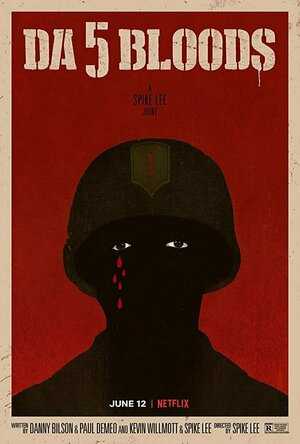

Da 5 Bloods: Spike Lee Asks Us "What's Going On?"
Spike Lee could not have possibly known that current events and major progresses made in the Black Lives Matter movement would more than likely affect the way audiences perceive Da 5 Bloods, but it’s these developments that, for all of the film’s flaws, imbue it with a sense of urgency befitting of Lee’s filmmaking talents and the beliefs that his filmography has been expounding for decades. In the process of expressing such powerful statements, Lee, in turn, provides a long-overdue voice for the African American experience in the Vietnam War, a conflict that has been portrayed in popular film for about as long as it has been over, and yet strangely, has not been properly balanced in its representation of those who made up the largest percentage of those who served in it.
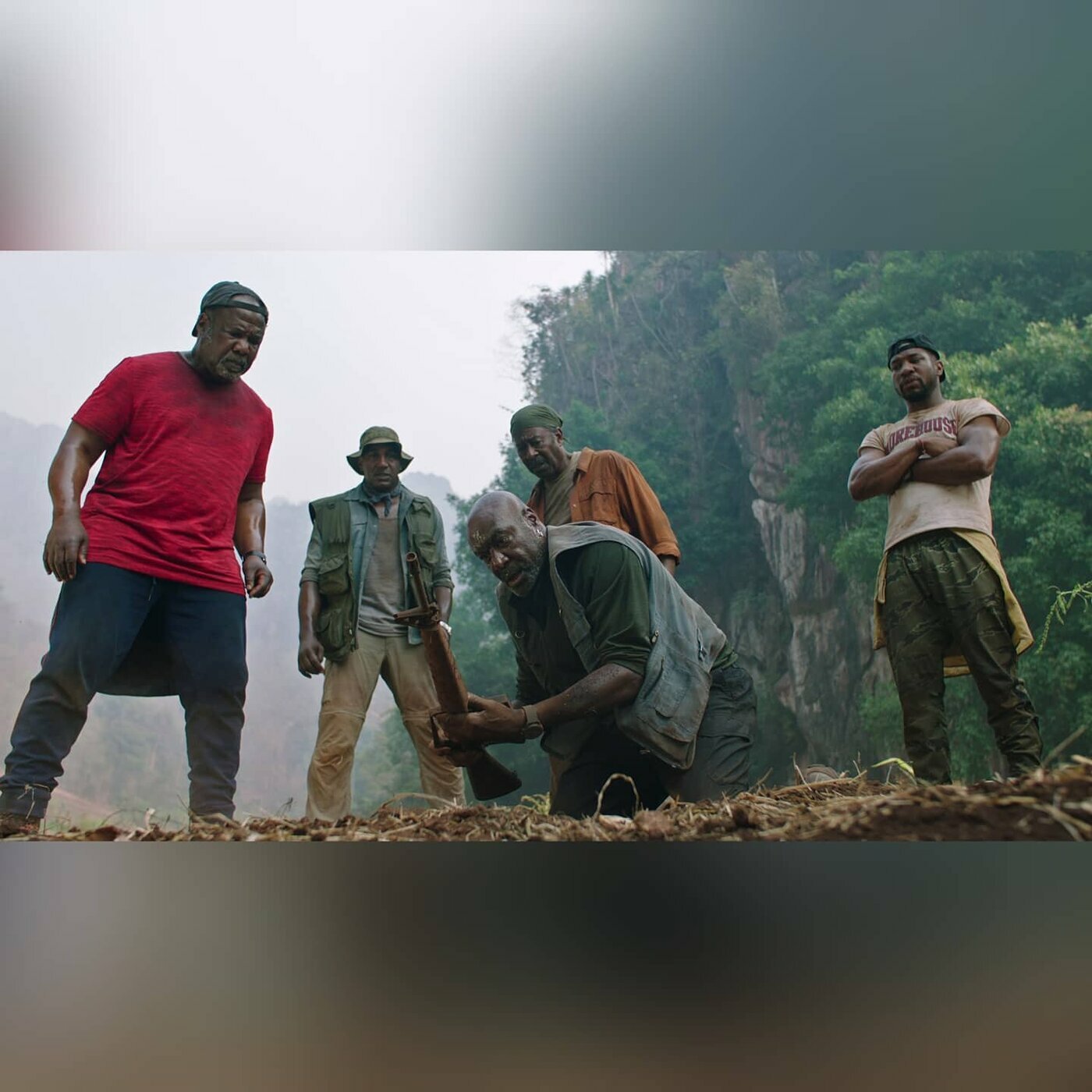
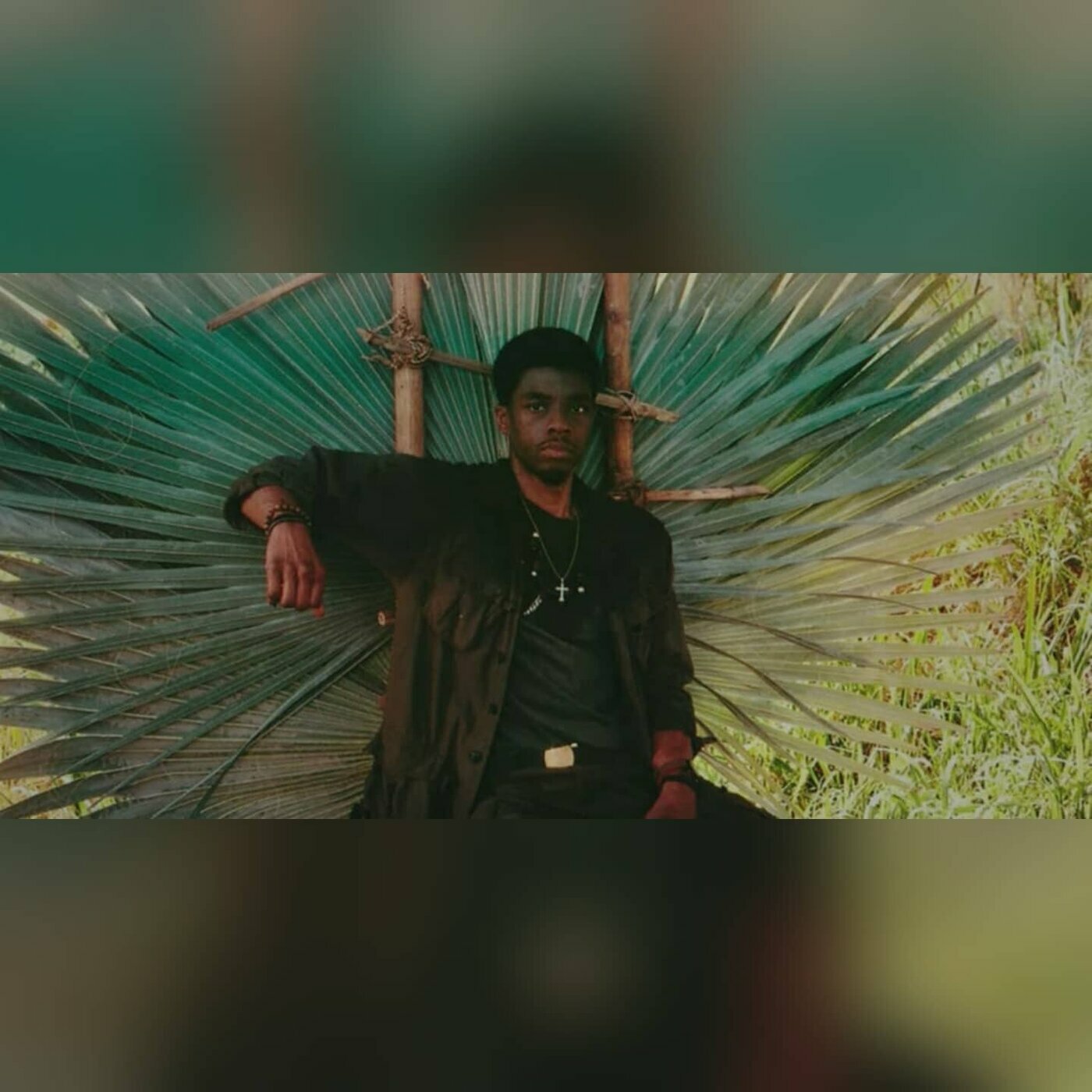
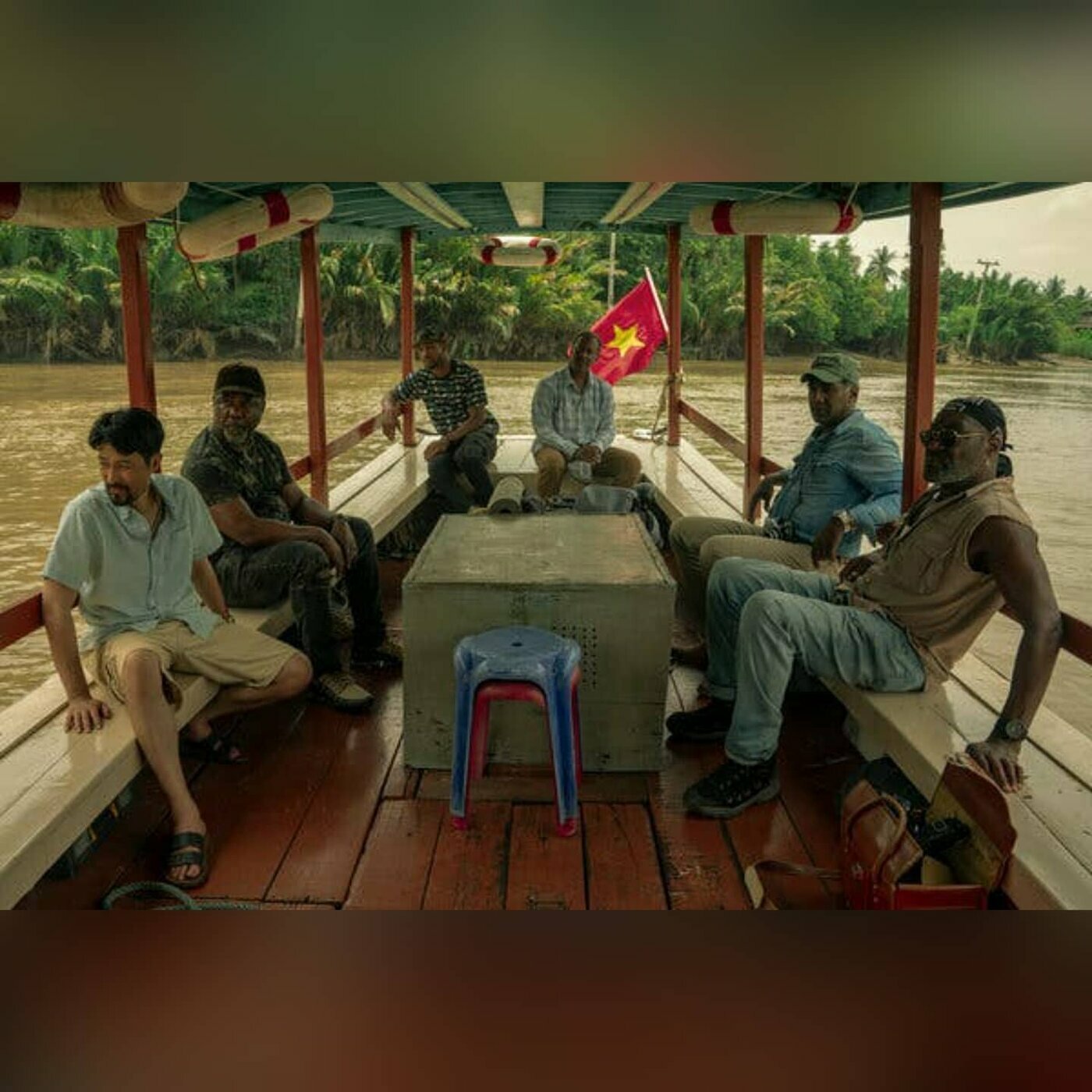
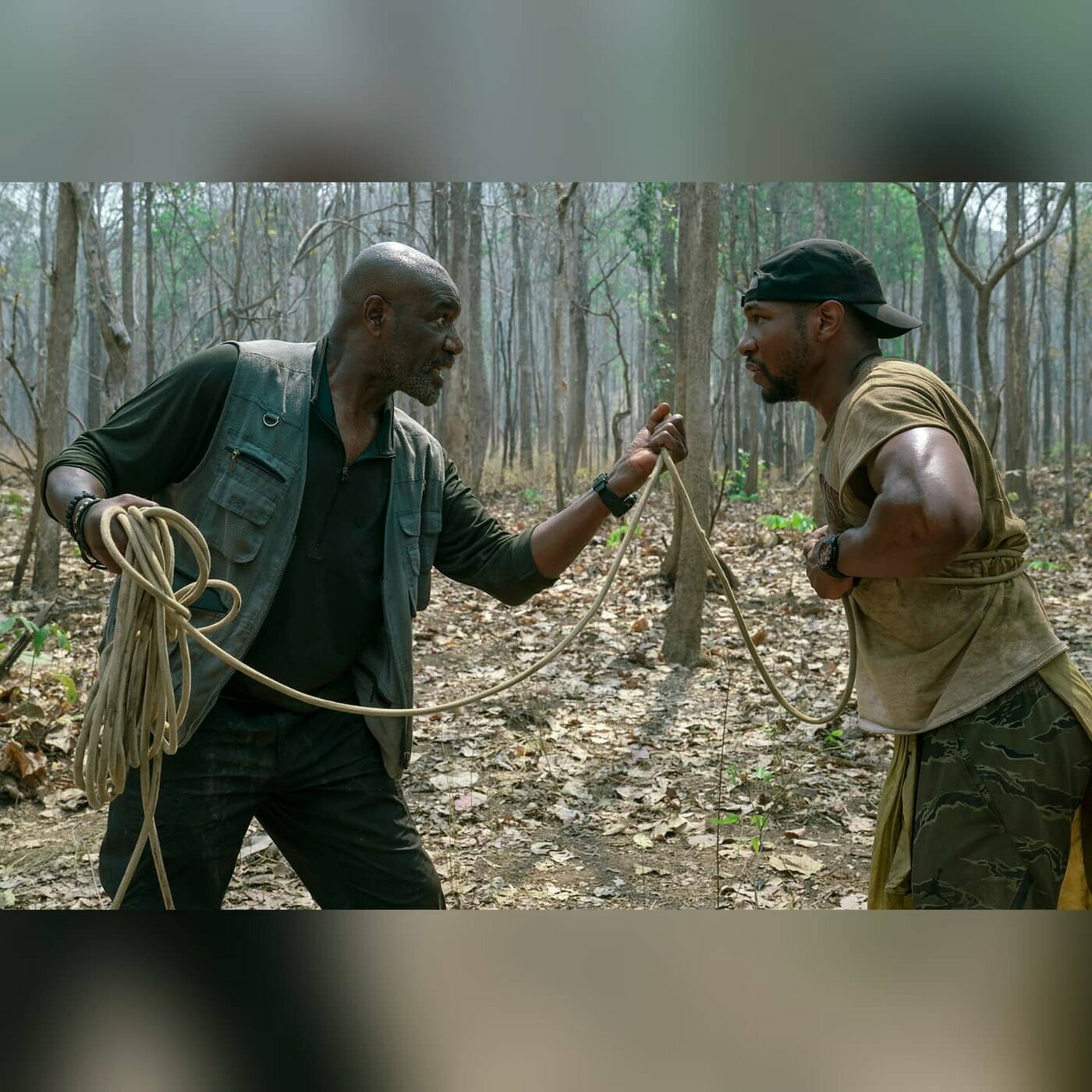
Continuing Lee’s trend of fusing the past and present together to show that things are definitely still yet to change, Da 5 Bloods finds four African American veterans returning to Vietnam to search for the remains of their commanding officer, “Stormin’” Norman (Chadwick Boseman), and the stash of gold that they found and collectively buried, gold that was initially offered to the indigenous Southern Vietnamese by the CIA as payment for their support of US troops, but taken by the “Bloods” as compensation for their needless sacrifices for a country that has never given them the treatment they deserve despite the fact that they played a pivotal role in helping to make it what it is today. The ultimate goal is nothing that hasn’t been depicted before, but the controversy of the Vietnam War and the experience of combat and violence spills over into today; some of the film’s most striking messages are effectively relayed through a handful of very committed performances from the well-casted ensemble, with Delroy Lindo serving as the beating emotional heart of the film. It’s a career-defining showcase for Lindo, who, as the PTSD-stricken Trump supporter Paul, carries the most weight on his shoulders. He wrestles with personal demons and survivor’s guilt for more than half of his life because of the choices he made during his time in the service, time he and the other Bloods couldn’t avoid because, unlike the privileged white men of America, they were not given the same opportunities to dodge the draft. The disenfranchisement and aimlessness that Lindo merely alludes to through his heart-wrenching performance provides the foundation for the complicated relationship Paul shares with his estranged son, David (Jonathan Majors in the film’s other award-worthy performance), who tags along for the ride in an effort to heal old wounds and bury a deeply-lodged hatchet.
The natural chemistry Lindo shares with the other Bloods (Clarke Peters, Norm Lewis, and Isiah Whitlock, Jr.) is palpable in both the past and present, which blend into one as the screen slides from one aspect ratio to another, shifting from flashbacks of one wartorn world to the present day, in which we find ourselves fighting a different, yet altogether similar kind of war. That these changes in aspect ratios never appear as visually perceived cuts is simply another one of the ways in which Spike Lee seamlessly reminds us that then and now are cut from the same cloth, complete with the same heart-wrenching tragedies that give way to the camaraderie that is necessary to ensure that the proper names get written back into history where they belong. How the four vets are visually represented in their recollections of their commander, which are stripped of the psychedelic imagery associated with previous Vietnam War films in order to cut deeper into understanding what the Bloods’ place in Vietnam is supposed to mean (if it means anything at all), further adds to Lee’s ability to find the haunting parallels between the two time periods that comprise the film.
Spike Lee gets at so many unique and timely concepts that seem perfectly applicable to what’s going on in the world, but where he stumbles is how he goes about explicating these ideas. As a storyteller, Lee is at his best when his narratives gradually develop at a reasonably decisive pace until the tension is fully amplified by the story’s climactic boiling point, at which point there’s no turning back. Such was the nature of Do the Right Thing and, more recently, BlacKkKlansman. The same cannot entirely be said for Da 5 Bloods, which struggles to find a consistent pace and tone during its first act, in which it tries to introduce all of the central ideas at once, along with some unnecessary side stories that carry little to no weight in comparison to the central task and are ultimately resolved in schmaltzy, unsatisfying ways. Moreover, while investment in the film can be maintained throughout, too often is this investment reinforced by the unnecessary moments that serve as detriments to the sequences of dramatic consequence and just might take you out of the story, causing you to restart your investment. Every act has at least one of these moments, with the final result unfortunately falling short of the expectations of some of the genres that are molded into the Bloods’ journey through the Vietnamese jungle. The overtly patriotic and quite distracting score from Terence Blanchard (regardless of whether or not its inclusion was intended as irony) does not help the matter, with many of the best scenes occurring either in silence or alongside the soulful tracks of Marvin Gaye’s What’s Going On album.
Even when Spike Lee stumbles in the execution of his argument, what ultimately matters is the argument itself; while the film begins and ends rather heavy-handedly, telling the viewer things they are bound to already know and incorporating footage that doesn’t need to be there for the point to get across, the sacrifices that Lee chooses to detail and their ramifications for the state of our country to today give the film a degree of value at a time like this, and he is the only director who could bring these issues to the forefront in such an entertaining way. It may not be as good or accessible as his best work, but the calls to action that he has long been affiliated with echo through jungles and cities in equal measure.
What did you guys think of Da 5 Bloods? Agree? Disagree?
Continuing Lee’s trend of fusing the past and present together to show that things are definitely still yet to change, Da 5 Bloods finds four African American veterans returning to Vietnam to search for the remains of their commanding officer, “Stormin’” Norman (Chadwick Boseman), and the stash of gold that they found and collectively buried, gold that was initially offered to the indigenous Southern Vietnamese by the CIA as payment for their support of US troops, but taken by the “Bloods” as compensation for their needless sacrifices for a country that has never given them the treatment they deserve despite the fact that they played a pivotal role in helping to make it what it is today. The ultimate goal is nothing that hasn’t been depicted before, but the controversy of the Vietnam War and the experience of combat and violence spills over into today; some of the film’s most striking messages are effectively relayed through a handful of very committed performances from the well-casted ensemble, with Delroy Lindo serving as the beating emotional heart of the film. It’s a career-defining showcase for Lindo, who, as the PTSD-stricken Trump supporter Paul, carries the most weight on his shoulders. He wrestles with personal demons and survivor’s guilt for more than half of his life because of the choices he made during his time in the service, time he and the other Bloods couldn’t avoid because, unlike the privileged white men of America, they were not given the same opportunities to dodge the draft. The disenfranchisement and aimlessness that Lindo merely alludes to through his heart-wrenching performance provides the foundation for the complicated relationship Paul shares with his estranged son, David (Jonathan Majors in the film’s other award-worthy performance), who tags along for the ride in an effort to heal old wounds and bury a deeply-lodged hatchet.
The natural chemistry Lindo shares with the other Bloods (Clarke Peters, Norm Lewis, and Isiah Whitlock, Jr.) is palpable in both the past and present, which blend into one as the screen slides from one aspect ratio to another, shifting from flashbacks of one wartorn world to the present day, in which we find ourselves fighting a different, yet altogether similar kind of war. That these changes in aspect ratios never appear as visually perceived cuts is simply another one of the ways in which Spike Lee seamlessly reminds us that then and now are cut from the same cloth, complete with the same heart-wrenching tragedies that give way to the camaraderie that is necessary to ensure that the proper names get written back into history where they belong. How the four vets are visually represented in their recollections of their commander, which are stripped of the psychedelic imagery associated with previous Vietnam War films in order to cut deeper into understanding what the Bloods’ place in Vietnam is supposed to mean (if it means anything at all), further adds to Lee’s ability to find the haunting parallels between the two time periods that comprise the film.
Spike Lee gets at so many unique and timely concepts that seem perfectly applicable to what’s going on in the world, but where he stumbles is how he goes about explicating these ideas. As a storyteller, Lee is at his best when his narratives gradually develop at a reasonably decisive pace until the tension is fully amplified by the story’s climactic boiling point, at which point there’s no turning back. Such was the nature of Do the Right Thing and, more recently, BlacKkKlansman. The same cannot entirely be said for Da 5 Bloods, which struggles to find a consistent pace and tone during its first act, in which it tries to introduce all of the central ideas at once, along with some unnecessary side stories that carry little to no weight in comparison to the central task and are ultimately resolved in schmaltzy, unsatisfying ways. Moreover, while investment in the film can be maintained throughout, too often is this investment reinforced by the unnecessary moments that serve as detriments to the sequences of dramatic consequence and just might take you out of the story, causing you to restart your investment. Every act has at least one of these moments, with the final result unfortunately falling short of the expectations of some of the genres that are molded into the Bloods’ journey through the Vietnamese jungle. The overtly patriotic and quite distracting score from Terence Blanchard (regardless of whether or not its inclusion was intended as irony) does not help the matter, with many of the best scenes occurring either in silence or alongside the soulful tracks of Marvin Gaye’s What’s Going On album.
Even when Spike Lee stumbles in the execution of his argument, what ultimately matters is the argument itself; while the film begins and ends rather heavy-handedly, telling the viewer things they are bound to already know and incorporating footage that doesn’t need to be there for the point to get across, the sacrifices that Lee chooses to detail and their ramifications for the state of our country to today give the film a degree of value at a time like this, and he is the only director who could bring these issues to the forefront in such an entertaining way. It may not be as good or accessible as his best work, but the calls to action that he has long been affiliated with echo through jungles and cities in equal measure.
What did you guys think of Da 5 Bloods? Agree? Disagree?
Kirk Bage (1775 KP) rated Tales from the Loop in TV
Jan 22, 2021

Such is the competition for our attention on the major streaming services, and such is the daunting depth of choice, that sometimes something of real quality can slip through the net for a while. I like to think that eventually, everything gets the audience it deserves, because eventually enough people that appreciated it will find it and pass it on. But it is apparent that good things can go under the radar very easily for one reason or another.
Everything about the production and presentation of Amazon’s Tales From the Loop suggests they thought it might be a bigger hit, or at least they had enough faith in it to let it be different from the mass appeal conventions that apply to sci-fi shows. They have proved this many times in recent years, with shows like The Man In the High Castle and The Expanse favouring patient and mature story-telling over interminable flashbangs and whizzpops usually found in the more action based sci-fi on Netflix and others (The Handmaid’s Tale being another notable exception).
Having raised myself auto-didactically on the oldest traditions of science fiction writing in novel and short story form since my teenage years, I can say with some amateur authority that the point of using sci-fi ideas was always about the people and the parallels to social reality and politics that could be highlighted by putting them in a “what-if” situation. The lazer guns and spaceships and evil aliens were much more a product of Hollywood, and still are. Great science fiction writing can and usually does revolve around a very simple change to the world we know, an inversion or a convention or a technology that turns how we live on its head. At its best it is philosophical and moral poetry.
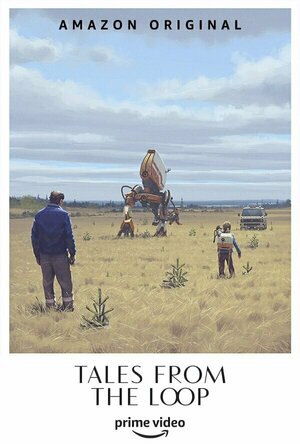
Tales From the Loop, inspired by the beguiling paintings of Swedish Artist Simon Stålenhag aspires to return to these principles, eschewing breakneck pace and unnecessary exposition at every turn – it is entirely content to confuse and sometimes even bore you with its patient, melancholy approach, testing almost if you are worthy to reach the prize of deeper meaning buried away in the final few episodes.
The idea of Stålenhag’s work is to juxtapose a familiar and mundane landscape with a detail of technology that does not exist in our reality. Often it is something broken, run-down or neglected, leaving a strange sadness and beauty behind that has you wondering who once made this and what was it for, and why is it no longer loved? The untold stories objects and hidden lives, secrets and desires that have been lost, is what this sensitive and delicate show is about. It is about the interconnection of lives caught in time, and the sci-fi / tech conceit is only the hanger that coat is put on. Which… I love.
The surface idea is that we are looking at the inhabitants of a small American town that once relied on farming and community, but now has been changed by the presence of an underground facility that deals with experimental physics and finding ways to make impossible things possible. They call it The Loop. It is never fully explained where it came from, or why, or what it is truly capable of – the mystery is always allowed to remain mostly a mystery – which, again, I love!
Many people in the town work at The Loop and rely on it for their livelihoods and collective economy, including Jonathon Pryce and Rebecca Hall, who are ostensibly the show’s main characters. But most folk have no idea what is really going on. Each episode focuses on one or two members of the community that interweave with one another; several important people begin as background dressing and become more prevalent as the full story of their lives and connections unfolds. But no one character is in every episode… which, you know, I love.
Their lives, that seem simple at first glance, are revealed to be complex tapestries of emotion and personal history, revolving around how The Loop has affected them and the things they love. The progression and unfolding of the detail is so deliberate and usually under-explained that very often you don’t realise the effect the full image will have. And when it does catch up with you it becomes a very moving and meaningful experience. Characters that you don’t understand or even like at first come into sharper focus as we reach the climax of the season and grow to learn why they are the way they are. The story arcs of Pryce and Hall in particular are very satisfying, tragic yet utterly beautiful to comprehend.
A lot of the criticism you will see about the show will concentrate on how slow it all is. I am totally convinced this is a deliberate artistic choice to weed out the thrill junkies. They are very welcome to go elsewhere, and it sounds as if many of them did, basing their reviews on one or two half watched episodes they couldn’t be bothered to engage with or wonder at. Which is why I think in time the respect for this as a work of art will come back around.
There is nothing to fault in the production at all. From the opening credits to the end of each episode, what you get is a very highly polished and considered look and feel, designed to evoke certain feelings over others – a wistfulness, an ennui, a bittersweet smile of knowing, perhaps. It invites you to watch patiently and relate, not to watch eagerly and expect… which, you know, I love.
The photography is crisp and well framed always; the music is subtle but effective; the dialogue is often sparing and well chosen (no detail is merely thrown away); and the direction is of a remarkably uniform vision, considering each episode is a different guest professional, including such prestigious names as Jodie Foster, Mark Romanek and Andrew Stanton.
I absolutely urge anyone that isn’t put off by a little sentiment to give this one a try. Sadness and regret in life is not something to shun and be afraid of, they are parts of human experience, and I love art that explores them as concepts. Put that art in a science fiction context and I am bound to love it even more. Like the final moments of Blade Runner, we know that one day all these moments will be lost in time, like tears in rain. We have to take time to see the beauty while we can, even if that beauty is painful.
It may not be for you – I don’t think it is better or worse than other things, just more… me. There is every chance that if it isn’t you… you will hate it. If you do begin, however, please see it to the finish before casting judgement – the final episode directed by Jodie Foster is truly wonderful: a pay-off of such emotion after your investment of seven previous stories, tying it all together perfectly. Rarely have I felt so stupid for not understanding the point of something sooner, or been more pleased that I hadn’t. The final moment of the season is literally unforgettable, and gets richer in my imagination by the day.
Will there be a second season? There certainly could be. Was it enough of a success to justify the investment? Hmm, not sure. Either way, it either sits as a perfect self contained collection of fine, old-fashioned sci-fi stories, or I’d be happy to see it expand, as long as the temptation isn’t to listen to the negative reviews and pander to the fast-food mentality that has already rejected it without fully understanding it. Because nothing needs to change here. A thing of beauty, recommended to those who like beautiful and delicate things.
Everything about the production and presentation of Amazon’s Tales From the Loop suggests they thought it might be a bigger hit, or at least they had enough faith in it to let it be different from the mass appeal conventions that apply to sci-fi shows. They have proved this many times in recent years, with shows like The Man In the High Castle and The Expanse favouring patient and mature story-telling over interminable flashbangs and whizzpops usually found in the more action based sci-fi on Netflix and others (The Handmaid’s Tale being another notable exception).
Having raised myself auto-didactically on the oldest traditions of science fiction writing in novel and short story form since my teenage years, I can say with some amateur authority that the point of using sci-fi ideas was always about the people and the parallels to social reality and politics that could be highlighted by putting them in a “what-if” situation. The lazer guns and spaceships and evil aliens were much more a product of Hollywood, and still are. Great science fiction writing can and usually does revolve around a very simple change to the world we know, an inversion or a convention or a technology that turns how we live on its head. At its best it is philosophical and moral poetry.
Tales From the Loop, inspired by the beguiling paintings of Swedish Artist Simon Stålenhag aspires to return to these principles, eschewing breakneck pace and unnecessary exposition at every turn – it is entirely content to confuse and sometimes even bore you with its patient, melancholy approach, testing almost if you are worthy to reach the prize of deeper meaning buried away in the final few episodes.
The idea of Stålenhag’s work is to juxtapose a familiar and mundane landscape with a detail of technology that does not exist in our reality. Often it is something broken, run-down or neglected, leaving a strange sadness and beauty behind that has you wondering who once made this and what was it for, and why is it no longer loved? The untold stories objects and hidden lives, secrets and desires that have been lost, is what this sensitive and delicate show is about. It is about the interconnection of lives caught in time, and the sci-fi / tech conceit is only the hanger that coat is put on. Which… I love.
The surface idea is that we are looking at the inhabitants of a small American town that once relied on farming and community, but now has been changed by the presence of an underground facility that deals with experimental physics and finding ways to make impossible things possible. They call it The Loop. It is never fully explained where it came from, or why, or what it is truly capable of – the mystery is always allowed to remain mostly a mystery – which, again, I love!
Many people in the town work at The Loop and rely on it for their livelihoods and collective economy, including Jonathon Pryce and Rebecca Hall, who are ostensibly the show’s main characters. But most folk have no idea what is really going on. Each episode focuses on one or two members of the community that interweave with one another; several important people begin as background dressing and become more prevalent as the full story of their lives and connections unfolds. But no one character is in every episode… which, you know, I love.
Their lives, that seem simple at first glance, are revealed to be complex tapestries of emotion and personal history, revolving around how The Loop has affected them and the things they love. The progression and unfolding of the detail is so deliberate and usually under-explained that very often you don’t realise the effect the full image will have. And when it does catch up with you it becomes a very moving and meaningful experience. Characters that you don’t understand or even like at first come into sharper focus as we reach the climax of the season and grow to learn why they are the way they are. The story arcs of Pryce and Hall in particular are very satisfying, tragic yet utterly beautiful to comprehend.
A lot of the criticism you will see about the show will concentrate on how slow it all is. I am totally convinced this is a deliberate artistic choice to weed out the thrill junkies. They are very welcome to go elsewhere, and it sounds as if many of them did, basing their reviews on one or two half watched episodes they couldn’t be bothered to engage with or wonder at. Which is why I think in time the respect for this as a work of art will come back around.
There is nothing to fault in the production at all. From the opening credits to the end of each episode, what you get is a very highly polished and considered look and feel, designed to evoke certain feelings over others – a wistfulness, an ennui, a bittersweet smile of knowing, perhaps. It invites you to watch patiently and relate, not to watch eagerly and expect… which, you know, I love.
The photography is crisp and well framed always; the music is subtle but effective; the dialogue is often sparing and well chosen (no detail is merely thrown away); and the direction is of a remarkably uniform vision, considering each episode is a different guest professional, including such prestigious names as Jodie Foster, Mark Romanek and Andrew Stanton.
I absolutely urge anyone that isn’t put off by a little sentiment to give this one a try. Sadness and regret in life is not something to shun and be afraid of, they are parts of human experience, and I love art that explores them as concepts. Put that art in a science fiction context and I am bound to love it even more. Like the final moments of Blade Runner, we know that one day all these moments will be lost in time, like tears in rain. We have to take time to see the beauty while we can, even if that beauty is painful.
It may not be for you – I don’t think it is better or worse than other things, just more… me. There is every chance that if it isn’t you… you will hate it. If you do begin, however, please see it to the finish before casting judgement – the final episode directed by Jodie Foster is truly wonderful: a pay-off of such emotion after your investment of seven previous stories, tying it all together perfectly. Rarely have I felt so stupid for not understanding the point of something sooner, or been more pleased that I hadn’t. The final moment of the season is literally unforgettable, and gets richer in my imagination by the day.
Will there be a second season? There certainly could be. Was it enough of a success to justify the investment? Hmm, not sure. Either way, it either sits as a perfect self contained collection of fine, old-fashioned sci-fi stories, or I’d be happy to see it expand, as long as the temptation isn’t to listen to the negative reviews and pander to the fast-food mentality that has already rejected it without fully understanding it. Because nothing needs to change here. A thing of beauty, recommended to those who like beautiful and delicate things.

Hadley (567 KP) rated In Cold Blood: A True Account of a Multiple Murder and Its Consequences in Books
Aug 2, 2020

The writing (1 more)
The flow
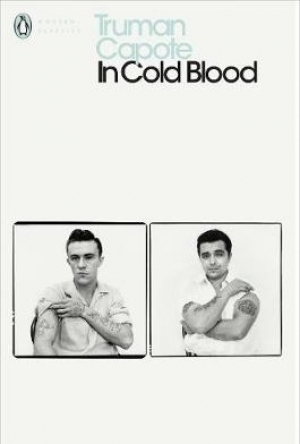
In the 'Introduction' of Capote's true crime novel In Cold Blood, American writer Bob Colacello states: "Capote was one of the first who dared to elevate journalism to the level of art. In Cold Blood is a work of great discipline and even greater restraint, a tale of fate, as spare and elegiac as a Greek tragedy, as rich in its breadth and depth as the classic French novels of Stendhal and Flaubert. 'We all have our souls and we all have facades,' Truman Capote told his friend Kay Meehan a year or so before he came upon the news that would inspire his masterpiece, 'and then there's something in between that makes us function as people. That's what I have the ability to communicate.' "
The novel, which was published in 1965, is an eyewitness account of Capote's visitation to the scene of the murder as well as meetings with the murderers and townspeople- - - a retelling of the crime and aftermath, mostly from the eyes of those affected, by hundreds of hours of interviews and interrogations. The novel, ultimately, was the end of Capote which led him to alcoholism that took his life in 1984.
Like most small-town murders, a tension between residences is created when a well-known and well-liked family of four is brutally murdered, and everyone begins to point a finger at the other: "But afterward the townspeople, theretofore sufficiently unfearful of each other to seldom trouble to lock their doors, found fantasy re-creating them over and again - - - those somber explosions that stimulated fires of mistrust in the glare of which many old neighbors viewed each other strangely, and as strangers." Fortunately, the KBI (Kansas Bureau of Investigation) didn't allow these accusations to keep them from finding the real killers.
" 'Deep down,' Perry continued, 'way, way rock bottom, I never thought I could do it. A thing like that.' " Perry Smith, one of the murderers, confesses to his cohort and partner-in-crime, Richard Hickock, about murdering the Clutter family. "Presently, he said, 'Know what it is that really bugs me? About that other thing[Clutter murder]? It's just I don't believe it- - - that anyone can get away with a thing like that.' And he suspected that Dick [Richard] didn't, either. For Dick was at least partly inhabited by Perry's mystical-moral apprehensions. Thus: 'Now, just shut up!' "
Capote writes clearly of the impact that Smith's and Hickock's past may have played leading up to the murders, mostly focusing on Smith's traumatic childhood. During the trial portion of the book, a psychologist is brought in to point out how the two murderers may not have been responsible for their actions due-to instances in their past - - - a horrific car crash in Hickock's that left him with a lop-sided face and black-out spells, as well as Smith being physically and emotional abused by his alcoholic mother and father. In exploring these traumas, In Cold Blood leaves the impression that these two men were merely ticking time bombs and that the Clutter family, unfortunately, had to pay for it.
The trauma shared by Hickock and Smith help to shape the two murderers into actual human beings rather than monsters throughout the novel: one scene, where we get to read a letter to Smith from his last living sister, readers get to see how he was perceived by his family members, as his sister goes on to degrade him to the maturity level of a child and that she is above him because of that- - -but she also reveals her jealousy of their father loving him more than he ever loved her (despite the excessive abuse). A close friend of Smith's tells him to be careful writing her anymore because he believes that: 'they can only serve to increase your already dangerous anti-social instincts.'
Part of the narrative, too, is the KBI agent in-charge of the Clutter murder, Alvin Dewey: One day while visiting Holcomb's well-known cafe (Hartman's) where Dewey is told he looks awful from weight loss and fatigue - - - Dewey recalls that he had spent: 'two wearying and wasted days trying to trace that phantom pair, the Mexicans sworn by Paul Helm to have visited Mr. Clutter on the eve of the murders.' And then he gets heckled by a local, who wants to know why he hasn't found the people responsible yet,but Dewey simply smiles and walks away, having put up with numerous people being angry that the murders were taking so long to solve.
But it wasn't footwork that got the pair arrested, it was an old cellmate who had given Hickock the idea that there was $10,000 in a safe at the Clutter farm that came forward: (read this on my blog because I had to cut it out since my review was too long!).
Meanwhile, readers also get to experience Hickock and Smith's troubles as they are on the run after the murders which is done masterfully by Capote. And although one would assume that the killers would stay as far away from Kansas as possible, the two end up back there, only to miraculously get out before the police can catch up with them. The pair decide to head to Florida, where, on December 19, 1959, an entire family was murdered in the exact same way as the Clutters; Hickock and Smith both adamantly denied that they were involved with it - - - and back in 2012- - - Hickock and Smith's bodies were exhumed to compare their DNA with a profile found on one of the victim's clothing: they were not a match. The case remains unsolved til this day.
" Presently he[Smith] came across an inner-page story that won his entire attention. It concerned murder, the slaying of a Florida family, a Mr. and Mrs. Clifford Walker, their four-year-old son, and their two-year-old daughter. Each of the victims, though not bound or gagged, had been shot through the head with a .22 weapon. The crime, clueless and apparently motiveless, had taken place Saturday night, December 19, at the Walker home, on a cattle-raising ranch not far from Tallahassee."
Not soon after the pair leave the Florida beaches, they are arrested on what they believe to be parole violations, but it's clear, when the arresting officers are KBI agents that they had been caught for the Clutter murders. " 'Listen good, Perry. Because Mr. Duntz[KBI agent] is going to tell you where you really were...' Midway in the questioning, after he'd[Smith] begun to notice the number of allusions to a particular November weekend, he'd nerved himself for what he knew was coming, yet when it did, when the big cowboy with the sleepy voice said, 'You were killing the Clutter family' - - - well, he'd damn near died. That's all. "
The confession that follows is the most intense part of the book, given in it's entirety, readers finally get to know what happened to the Clutter family that cold night in November, 1959. Smith reveals that he never had the intention to kill anyone in the home, and that when the safe hadn't been found, he had fully intended to leave, even without Hickock, but what kept him there was Hickock threatening to rape Nancy Clutter. Smith states that he hates people who can't control themselves sexually, and that he didn't allow his partner to touch her at all. He also reveals that he thought about killing Hickock afterwards,stating: " no witnesses."
Capote didn't write 'In Cold Blood' until after Hickock and Smith were executed. The amount of interviews, court room appearances, and even witnessing the executions of both murderers shines through in this novel. But the book has also brought about doubters; a handful of people have since come forward to state that Capote's masterpiece is either 'not the full story' or 'completely wrong.' Just as recent as 2017, a man came forward with a 'manuscript' of a book that Hickock was writing, that contained a different confession on how and why the murders took place- - - Hickock states in this unpublished manuscript that a man by the name 'Roberts' had hired him and Smith to kill the Clutters.
Whether or not you believe that Capote wrote the whole truth or some of the truth, this novel is flawless and beautiful. The writing is poetic and the flow of the story keeps moving, page after page, never stopping long enough to bore the reader. I highly recommend this book as a MUST READ for anyone who loves the True Crime genre.
The novel, which was published in 1965, is an eyewitness account of Capote's visitation to the scene of the murder as well as meetings with the murderers and townspeople- - - a retelling of the crime and aftermath, mostly from the eyes of those affected, by hundreds of hours of interviews and interrogations. The novel, ultimately, was the end of Capote which led him to alcoholism that took his life in 1984.
Like most small-town murders, a tension between residences is created when a well-known and well-liked family of four is brutally murdered, and everyone begins to point a finger at the other: "But afterward the townspeople, theretofore sufficiently unfearful of each other to seldom trouble to lock their doors, found fantasy re-creating them over and again - - - those somber explosions that stimulated fires of mistrust in the glare of which many old neighbors viewed each other strangely, and as strangers." Fortunately, the KBI (Kansas Bureau of Investigation) didn't allow these accusations to keep them from finding the real killers.
" 'Deep down,' Perry continued, 'way, way rock bottom, I never thought I could do it. A thing like that.' " Perry Smith, one of the murderers, confesses to his cohort and partner-in-crime, Richard Hickock, about murdering the Clutter family. "Presently, he said, 'Know what it is that really bugs me? About that other thing[Clutter murder]? It's just I don't believe it- - - that anyone can get away with a thing like that.' And he suspected that Dick [Richard] didn't, either. For Dick was at least partly inhabited by Perry's mystical-moral apprehensions. Thus: 'Now, just shut up!' "
Capote writes clearly of the impact that Smith's and Hickock's past may have played leading up to the murders, mostly focusing on Smith's traumatic childhood. During the trial portion of the book, a psychologist is brought in to point out how the two murderers may not have been responsible for their actions due-to instances in their past - - - a horrific car crash in Hickock's that left him with a lop-sided face and black-out spells, as well as Smith being physically and emotional abused by his alcoholic mother and father. In exploring these traumas, In Cold Blood leaves the impression that these two men were merely ticking time bombs and that the Clutter family, unfortunately, had to pay for it.
The trauma shared by Hickock and Smith help to shape the two murderers into actual human beings rather than monsters throughout the novel: one scene, where we get to read a letter to Smith from his last living sister, readers get to see how he was perceived by his family members, as his sister goes on to degrade him to the maturity level of a child and that she is above him because of that- - -but she also reveals her jealousy of their father loving him more than he ever loved her (despite the excessive abuse). A close friend of Smith's tells him to be careful writing her anymore because he believes that: 'they can only serve to increase your already dangerous anti-social instincts.'
Part of the narrative, too, is the KBI agent in-charge of the Clutter murder, Alvin Dewey: One day while visiting Holcomb's well-known cafe (Hartman's) where Dewey is told he looks awful from weight loss and fatigue - - - Dewey recalls that he had spent: 'two wearying and wasted days trying to trace that phantom pair, the Mexicans sworn by Paul Helm to have visited Mr. Clutter on the eve of the murders.' And then he gets heckled by a local, who wants to know why he hasn't found the people responsible yet,but Dewey simply smiles and walks away, having put up with numerous people being angry that the murders were taking so long to solve.
But it wasn't footwork that got the pair arrested, it was an old cellmate who had given Hickock the idea that there was $10,000 in a safe at the Clutter farm that came forward: (read this on my blog because I had to cut it out since my review was too long!).
Meanwhile, readers also get to experience Hickock and Smith's troubles as they are on the run after the murders which is done masterfully by Capote. And although one would assume that the killers would stay as far away from Kansas as possible, the two end up back there, only to miraculously get out before the police can catch up with them. The pair decide to head to Florida, where, on December 19, 1959, an entire family was murdered in the exact same way as the Clutters; Hickock and Smith both adamantly denied that they were involved with it - - - and back in 2012- - - Hickock and Smith's bodies were exhumed to compare their DNA with a profile found on one of the victim's clothing: they were not a match. The case remains unsolved til this day.
" Presently he[Smith] came across an inner-page story that won his entire attention. It concerned murder, the slaying of a Florida family, a Mr. and Mrs. Clifford Walker, their four-year-old son, and their two-year-old daughter. Each of the victims, though not bound or gagged, had been shot through the head with a .22 weapon. The crime, clueless and apparently motiveless, had taken place Saturday night, December 19, at the Walker home, on a cattle-raising ranch not far from Tallahassee."
Not soon after the pair leave the Florida beaches, they are arrested on what they believe to be parole violations, but it's clear, when the arresting officers are KBI agents that they had been caught for the Clutter murders. " 'Listen good, Perry. Because Mr. Duntz[KBI agent] is going to tell you where you really were...' Midway in the questioning, after he'd[Smith] begun to notice the number of allusions to a particular November weekend, he'd nerved himself for what he knew was coming, yet when it did, when the big cowboy with the sleepy voice said, 'You were killing the Clutter family' - - - well, he'd damn near died. That's all. "
The confession that follows is the most intense part of the book, given in it's entirety, readers finally get to know what happened to the Clutter family that cold night in November, 1959. Smith reveals that he never had the intention to kill anyone in the home, and that when the safe hadn't been found, he had fully intended to leave, even without Hickock, but what kept him there was Hickock threatening to rape Nancy Clutter. Smith states that he hates people who can't control themselves sexually, and that he didn't allow his partner to touch her at all. He also reveals that he thought about killing Hickock afterwards,stating: " no witnesses."
Capote didn't write 'In Cold Blood' until after Hickock and Smith were executed. The amount of interviews, court room appearances, and even witnessing the executions of both murderers shines through in this novel. But the book has also brought about doubters; a handful of people have since come forward to state that Capote's masterpiece is either 'not the full story' or 'completely wrong.' Just as recent as 2017, a man came forward with a 'manuscript' of a book that Hickock was writing, that contained a different confession on how and why the murders took place- - - Hickock states in this unpublished manuscript that a man by the name 'Roberts' had hired him and Smith to kill the Clutters.
Whether or not you believe that Capote wrote the whole truth or some of the truth, this novel is flawless and beautiful. The writing is poetic and the flow of the story keeps moving, page after page, never stopping long enough to bore the reader. I highly recommend this book as a MUST READ for anyone who loves the True Crime genre.

Ryan Hill (152 KP) rated The Last Samurai (2003) in Movies
Jun 23, 2019
" I will tell you, how he lived"
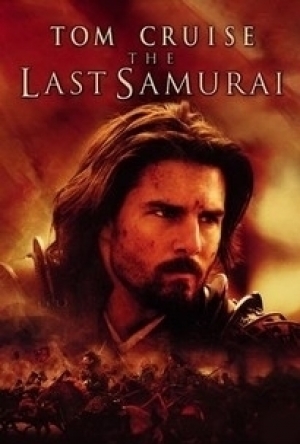
The honour and code of the samurai has always been enticing to a Western civilisation that is far removed from such customs, which perhaps makes The Last Samurai such an enticing, enigmatic film. Edward Zwick crafts quite an epic adventure rich in mythology & thematic resonance that while traditionally Hollywood in its construction still manages to exist a cut above many such movies of its ilk, a touch of class surrounding how the story of Captain Nathan Algren is put together, based as it is on several real life legendary American figures who played key roles in the Satsuma Rebellion in Japan during the late 19th century. This isn't a direct re-telling of those events but serves as a leaping off point to construct a tale about a stranger in a strange land, of a man haunted by fighting an unjust war who rediscovers his honour & place in the world through a dying culture. Zwick's film is slick, sweeping, beautifully shot and frequently involving, backed up by a strong performance by Tom Cruise in one of those roles that remind you just what a good actor he can be.
In the role of Algren, Cruise begins a dejected man living out of a bottle, bereft of purpose & suffering post-Civil War nightmares of a man touted as a hero despite feeling the guilt of slaughtering Indians crushed under the might of a military machine; in that sense, The Last Samurai is very anti-war in its message, John Logan's story painting the Americans and specifically the Imperialist Japanese not in the greatest light. Cruise takes Algren on a traditional voyage of discovery, first pitted against the samurai code & eventually becoming consumed by it, consumed by the similarity of the way of the warrior between both cultures - and Ken Watanabe's dignified samurai 'rebel' Katsumoto learns from him, as well as the other way around, with Cruise remaining stoic & only getting flashes of a chance to display the usual Cruise charm, but that's OK - Algren isn't the kind of character to benefit from that, Cruise's natural magnetism is enough here. Wit is provided thankfully through, albeit briefly, Billy Connolly as a tough old Irish veteran & chiefly Timothy Spall as our portly 'narrator' of sorts, who serves to help mythologise Algren & the legend itself. Zwick is most concerned with that, you see, the idea of legends and how men become them, exploring that concept alongside digging into the cultural rituals and practises of a changing Japan.
Algren's story is placed at a time when the old ways of Japan were shifting, under the pressures of global politics & business; the Emperor here is a naive young man, sitting on an empty throne, looking to Watanabe for validation as his advisor's push to quash a rebellion fighting to preserve the old ways, preserve Japanese interests as America knocks on the door. That's why Cruise's role here is so interesting, his character learning of the samurai code & helping those around him remember their history, and Zwick explores well the concept of national identity alongside personal ideas of myth, legend & destiny. It all boils together in a careful script, never overblown, which neatly develops the relationships involved & helps you fully believe Algren's transformation into the eponymous 'last samurai'. Along the way, Zwick doesn't forget theatrics - staging plenty of well staged & intense fight scenes which utilise the strong Japanese production design, before building to a quite epic war climax with army pitted against army, with personal stakes cutting through it, backed up indeed by another superlative score by Hans Zimmer. It becomes more than just a historical swords & armour film, reaching deeper on several levels.
What could have been a slow paced, potentially ponderous movie is avoided well by Edward Zwick, who with The Last Samurai delivers one of the stronger historical adventure epics of recent years. Beautifully shot in many places, with some excellent cinematography & production standards, not to mention an impressive script well acted in particular by Tom Cruise & Ken Watanabe, Zwick creates a recognisably Hollywood picture but for once a movie that doesn't dumb down, doesn't pander and ultimately serves as an often involving, often damn well made story. Especially one to check out if you love the way of the samurai.
In the role of Algren, Cruise begins a dejected man living out of a bottle, bereft of purpose & suffering post-Civil War nightmares of a man touted as a hero despite feeling the guilt of slaughtering Indians crushed under the might of a military machine; in that sense, The Last Samurai is very anti-war in its message, John Logan's story painting the Americans and specifically the Imperialist Japanese not in the greatest light. Cruise takes Algren on a traditional voyage of discovery, first pitted against the samurai code & eventually becoming consumed by it, consumed by the similarity of the way of the warrior between both cultures - and Ken Watanabe's dignified samurai 'rebel' Katsumoto learns from him, as well as the other way around, with Cruise remaining stoic & only getting flashes of a chance to display the usual Cruise charm, but that's OK - Algren isn't the kind of character to benefit from that, Cruise's natural magnetism is enough here. Wit is provided thankfully through, albeit briefly, Billy Connolly as a tough old Irish veteran & chiefly Timothy Spall as our portly 'narrator' of sorts, who serves to help mythologise Algren & the legend itself. Zwick is most concerned with that, you see, the idea of legends and how men become them, exploring that concept alongside digging into the cultural rituals and practises of a changing Japan.
Algren's story is placed at a time when the old ways of Japan were shifting, under the pressures of global politics & business; the Emperor here is a naive young man, sitting on an empty throne, looking to Watanabe for validation as his advisor's push to quash a rebellion fighting to preserve the old ways, preserve Japanese interests as America knocks on the door. That's why Cruise's role here is so interesting, his character learning of the samurai code & helping those around him remember their history, and Zwick explores well the concept of national identity alongside personal ideas of myth, legend & destiny. It all boils together in a careful script, never overblown, which neatly develops the relationships involved & helps you fully believe Algren's transformation into the eponymous 'last samurai'. Along the way, Zwick doesn't forget theatrics - staging plenty of well staged & intense fight scenes which utilise the strong Japanese production design, before building to a quite epic war climax with army pitted against army, with personal stakes cutting through it, backed up indeed by another superlative score by Hans Zimmer. It becomes more than just a historical swords & armour film, reaching deeper on several levels.
What could have been a slow paced, potentially ponderous movie is avoided well by Edward Zwick, who with The Last Samurai delivers one of the stronger historical adventure epics of recent years. Beautifully shot in many places, with some excellent cinematography & production standards, not to mention an impressive script well acted in particular by Tom Cruise & Ken Watanabe, Zwick creates a recognisably Hollywood picture but for once a movie that doesn't dumb down, doesn't pander and ultimately serves as an often involving, often damn well made story. Especially one to check out if you love the way of the samurai.