
Search

Movie Metropolis (309 KP) rated Aquaman (2018) in Movies
Jun 10, 2019

Bad Wigs aside it's really rather good
You could be forgiven for being rather sceptical walking into the cinema to see Aquaman, and it’s easy to see why. An uninspiring set of trailers preceded by the DCEU’s shall we say reluctance to resonate with audiences.
Of course, Wonder Woman was a sterling effort by Patty Jenkins, only hampered by a poor final act and the feeling that the female superhero couldn’t quite shake off the trappings of Zac Snyder’s overarching vision for the DC Extended Universe.
Justice League was a steaming pile of mediocrity and Batman vs Superman was fun if entirely forgettable. Aquaman arrives on the scene with the hopes of Warner Bros. entire franchise on its shoulders. But is it any good?
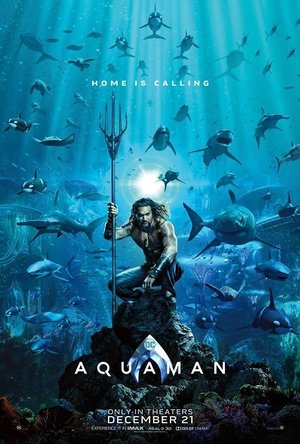
After the events of Justice League and the defeat of Steppenwolf, Aquaman (Jason Momoa) finds himself caught between a surface world that ravages the sea and the underwater Atlanteans who are ready to revolt. Much like the murky depths of the many oceans the film takes us to, Aquaman is at times, a clouded and muddled blockbuster that lacks the subtle nuances of the MCU, but do you know what, it’s actually really rather good.
As we should have been expecting, Aquaman plays the sensible card when it comes to plot and features numerous references to how we as human beings are destroying our oceans, and this is more than welcome. With the ongoing environmental crisis, the more we plug it in mainstream films, the better.
Jason Momoa takes to the role of Arthur Curry like a duck to water and gets to prove his acting prowess in some of the film’s more poignant moments. Nicole Kidman marks her superhero movie debut as his mother, Queen Atlanna and she looks like she’s having a royally good time. Elsewhere, Amber Heard battles against a truly ghastly wig as Momoa’s love-interest and sidekick – she’s fabulous, wig aside.
The supporting cast is also very strong. We get to see superhero veteran Willem Dafoe having a great time as wise Vulko and Patrick Wilson as Aquaman’s scaly brother, Orm. It’s a cracking cast that bolsters a film that is well-written and enjoyable throughout.
Director James Wan, mastermind of the Saw franchise and director of Furious 7brings his trademark filming style to the superhero blockbuster. There’s some stunning imagery throughout and it’s up there with Jurassic World: Fallen Kingdom as one of the best-looking films of the year. There’s something delightful to look at lurking in every frame and it’s leagues ahead of anything the DCEU has thrown at us.
The underwater world of Atlantis is brimming with life, albeit of the CGI variety. The neon colour-palate works incredibly well and it feels at times like you’re watching a Star Wars cloud city, but in the depths of the ocean. It’s nicely detailed and very well put together.
For all its flashy special effects and excellent cinematography, it feels wholly unoriginal
The special effects are on the whole, a bit of a mixed bag. The underwater worlds look fab and the sea creatures too have been improved after the critical mauling they received in the trailers. Nevertheless, there are some moments of shaky CGI, normally involving surface dwellers or Atlantean individuals, rather than scenery or creatures. That’s a shame as it distracts from a gorgeous looking film.
When it comes to villainy, both the DCEU and MCU have struggled to create compelling bad guys and unfortunately the same is true here. Yes, Patrick Wilson’s scheming brother is fun to watch, but he feels like a poor man’s Loki and that’s exactly what he is.
Then there’s Black Manta, portrayed by Yahya Abdul-Mateen II from The Greatest Showman. Despite being part of one of the film’s best sequences (a fantastically filmed rooftop chase in Italy), he doesn’t get to do a lot and his motives are very Killmonger-esque.
And therein lies the fundamental flaw with Aquaman. For all its flashy special effects and excellent cinematography, it feels wholly unoriginal. From Star Wars to Harry Potter and Thor to Black Panther, elements are borrowed here and there until they make up a film that at 143 minutes is a good 20 minutes too long.
But, it doesn’t take itself too seriously (a problem the DCEU has suffered previously) and Jason Momoa somehow manages to make that Aquaman suit work very well indeed. As far as the DCEU is concerned, this is by far the best film the franchise has put out so far – there’s life in the old dog yet. Aquaman is cheesy, campy fun, and I have to say, I really rather liked it. Just ignore the bad wigs.
https://moviemetropolis.net/2018/12/13/aquaman-review-bad-wigs-aside-its-really-rather-good/
Of course, Wonder Woman was a sterling effort by Patty Jenkins, only hampered by a poor final act and the feeling that the female superhero couldn’t quite shake off the trappings of Zac Snyder’s overarching vision for the DC Extended Universe.
Justice League was a steaming pile of mediocrity and Batman vs Superman was fun if entirely forgettable. Aquaman arrives on the scene with the hopes of Warner Bros. entire franchise on its shoulders. But is it any good?
After the events of Justice League and the defeat of Steppenwolf, Aquaman (Jason Momoa) finds himself caught between a surface world that ravages the sea and the underwater Atlanteans who are ready to revolt. Much like the murky depths of the many oceans the film takes us to, Aquaman is at times, a clouded and muddled blockbuster that lacks the subtle nuances of the MCU, but do you know what, it’s actually really rather good.
As we should have been expecting, Aquaman plays the sensible card when it comes to plot and features numerous references to how we as human beings are destroying our oceans, and this is more than welcome. With the ongoing environmental crisis, the more we plug it in mainstream films, the better.
Jason Momoa takes to the role of Arthur Curry like a duck to water and gets to prove his acting prowess in some of the film’s more poignant moments. Nicole Kidman marks her superhero movie debut as his mother, Queen Atlanna and she looks like she’s having a royally good time. Elsewhere, Amber Heard battles against a truly ghastly wig as Momoa’s love-interest and sidekick – she’s fabulous, wig aside.
The supporting cast is also very strong. We get to see superhero veteran Willem Dafoe having a great time as wise Vulko and Patrick Wilson as Aquaman’s scaly brother, Orm. It’s a cracking cast that bolsters a film that is well-written and enjoyable throughout.
Director James Wan, mastermind of the Saw franchise and director of Furious 7brings his trademark filming style to the superhero blockbuster. There’s some stunning imagery throughout and it’s up there with Jurassic World: Fallen Kingdom as one of the best-looking films of the year. There’s something delightful to look at lurking in every frame and it’s leagues ahead of anything the DCEU has thrown at us.
The underwater world of Atlantis is brimming with life, albeit of the CGI variety. The neon colour-palate works incredibly well and it feels at times like you’re watching a Star Wars cloud city, but in the depths of the ocean. It’s nicely detailed and very well put together.
For all its flashy special effects and excellent cinematography, it feels wholly unoriginal
The special effects are on the whole, a bit of a mixed bag. The underwater worlds look fab and the sea creatures too have been improved after the critical mauling they received in the trailers. Nevertheless, there are some moments of shaky CGI, normally involving surface dwellers or Atlantean individuals, rather than scenery or creatures. That’s a shame as it distracts from a gorgeous looking film.
When it comes to villainy, both the DCEU and MCU have struggled to create compelling bad guys and unfortunately the same is true here. Yes, Patrick Wilson’s scheming brother is fun to watch, but he feels like a poor man’s Loki and that’s exactly what he is.
Then there’s Black Manta, portrayed by Yahya Abdul-Mateen II from The Greatest Showman. Despite being part of one of the film’s best sequences (a fantastically filmed rooftop chase in Italy), he doesn’t get to do a lot and his motives are very Killmonger-esque.
And therein lies the fundamental flaw with Aquaman. For all its flashy special effects and excellent cinematography, it feels wholly unoriginal. From Star Wars to Harry Potter and Thor to Black Panther, elements are borrowed here and there until they make up a film that at 143 minutes is a good 20 minutes too long.
But, it doesn’t take itself too seriously (a problem the DCEU has suffered previously) and Jason Momoa somehow manages to make that Aquaman suit work very well indeed. As far as the DCEU is concerned, this is by far the best film the franchise has put out so far – there’s life in the old dog yet. Aquaman is cheesy, campy fun, and I have to say, I really rather liked it. Just ignore the bad wigs.
https://moviemetropolis.net/2018/12/13/aquaman-review-bad-wigs-aside-its-really-rather-good/

Gareth von Kallenbach (980 KP) rated Death Race (2008) in Movies
Aug 14, 2019

In 1975, legendary B-movie producer Roger Corman showed audiences a look at the near future with a biting film that deftly blended action and political commentary and satire. The film was “Death Race 2000” and starred David Carradine and featured a pre-“Rocky” Sylvester Stallone as bitter rivals in a brutal cross country race where finishing first was second only to the amount of death and carnage a driver left in their wake.
The film became a cult hit, and paved the way for films such as “Rollerball”, “Arena”, and countless other films that featured bloodlust sporting events for the masses a la Rome in the age of gladiators at the coliseum. Thirty-three years later, audiences are given the new and upgraded “Death Race” which benefits from a bigger budget with more carnage than the original film that inspired it ever dreamed of.
The film opens with an eerie warning of today’s troubled economic times, stating that the U.S.
economy collapses in 2012 and record unemployment and crime sweep the nation. With prisons overcrowded, corporations run correctional facilities for a profit and soon offer caged matches between inmates for the viewing pleasure of the nation. At first the matches are a huge success but soon lose their appeal to an audience that is eager for even bloodier sport.
In an effort to keep the cash flowing, the Death Race is created which pits convicts against one another in a brutal mix of speed, firepower, and death which in a few years surpasses even the Super Bowl as the most watched sporting event in the world.
Jason Statham stars as Jensen Ames, a former race driver who is framed for the murder of his wife and faces the prospect of life in prison while his daughter is raised by strangers. With the Death Race losing some if its audience, its creator, and warden of the prison, Hennessey (Joan Allen), offers Jensen a solution to both of their problems. If Jensen will pose as the masked Frankenstein for the race and win, he will be granted his freedom. It is learned that the real Frankenstein has finally succumbed to the numerous injuries he has incurred racing, and rather than risk losing his vast legions of fans who drive the ratings, it is easier to replace him than lose him, especially since recent races without Frankenstein had not garnered the same ratings as his past races.
It is explained that should a driver win five death races, they will be set free. Since Frankenstein has won four races, all Jensen has to do is win the race and stay alive to earn his freedom. Jensen is faced with an menacing list of adversaries including the deadly Machine Gun Joe (Tyrese Gibson), who is the biggest threat to Jensen with an absolute hatred for Frankenstein. Gun Joe is a cold-blooded killer who wants nothing more than two more race wins to earn his freedom and will stop at nothing to get it.
Jensen is assisted by the talented Coach (Ian McShane), who dispenses wisdom while overseeing the crew that outfits Jensen’s suped up, armor-plated, and very heavily armed racer. Assigned to ride with Jensen as his Navigator is Case (Natalie Martinez), a female prisoner who, like many of her fellow navigators, sees the race as a chance to earn their freedom and other special perks which makes risking their lives a worthwhile endeavor.
As the race unfolds in three stages, Jensen is tasked with not only surviving the threats Machine Gun Joe and the other racers aim his way, but surviving the twisted scheme that has him in its grasp.
The action of the film is fast, brutal, and unforgiving and is easily the highlight of the film. Sadly there are plenty of scenes with stiff and uninspired characters, numerous plot holes and leaps of logic, and clichés that bog the film down.
Statham is his usual soft talking hard man, a character he has made a career out of playing in such films as the “Crank” and the “Transporter” series. But unlike those films, he is not given much material to work with here. Statham has done solid work in the past but Jensen is a paper thin character who never fully given a chance to develop nor be embraced by the audience.
The same is true for the rest of the cast, a talented ensemble left to languish in want of better material. The film is directed by Paul W.S. Anderson of the “Resident Evil” series who once again shows that he has an eye for action, but still has issues with pacing and unsympathetic characters. This is a shame as the premise of the film is solid, but unlike the original, lacks the social and political commentary needed to balance the carnage and mayhem.
With a little more time in shop and tinkering, this could have been a solid action film, instead it stalls at the starting line badly in need of a tune up.
The film became a cult hit, and paved the way for films such as “Rollerball”, “Arena”, and countless other films that featured bloodlust sporting events for the masses a la Rome in the age of gladiators at the coliseum. Thirty-three years later, audiences are given the new and upgraded “Death Race” which benefits from a bigger budget with more carnage than the original film that inspired it ever dreamed of.
The film opens with an eerie warning of today’s troubled economic times, stating that the U.S.
economy collapses in 2012 and record unemployment and crime sweep the nation. With prisons overcrowded, corporations run correctional facilities for a profit and soon offer caged matches between inmates for the viewing pleasure of the nation. At first the matches are a huge success but soon lose their appeal to an audience that is eager for even bloodier sport.
In an effort to keep the cash flowing, the Death Race is created which pits convicts against one another in a brutal mix of speed, firepower, and death which in a few years surpasses even the Super Bowl as the most watched sporting event in the world.
Jason Statham stars as Jensen Ames, a former race driver who is framed for the murder of his wife and faces the prospect of life in prison while his daughter is raised by strangers. With the Death Race losing some if its audience, its creator, and warden of the prison, Hennessey (Joan Allen), offers Jensen a solution to both of their problems. If Jensen will pose as the masked Frankenstein for the race and win, he will be granted his freedom. It is learned that the real Frankenstein has finally succumbed to the numerous injuries he has incurred racing, and rather than risk losing his vast legions of fans who drive the ratings, it is easier to replace him than lose him, especially since recent races without Frankenstein had not garnered the same ratings as his past races.
It is explained that should a driver win five death races, they will be set free. Since Frankenstein has won four races, all Jensen has to do is win the race and stay alive to earn his freedom. Jensen is faced with an menacing list of adversaries including the deadly Machine Gun Joe (Tyrese Gibson), who is the biggest threat to Jensen with an absolute hatred for Frankenstein. Gun Joe is a cold-blooded killer who wants nothing more than two more race wins to earn his freedom and will stop at nothing to get it.
Jensen is assisted by the talented Coach (Ian McShane), who dispenses wisdom while overseeing the crew that outfits Jensen’s suped up, armor-plated, and very heavily armed racer. Assigned to ride with Jensen as his Navigator is Case (Natalie Martinez), a female prisoner who, like many of her fellow navigators, sees the race as a chance to earn their freedom and other special perks which makes risking their lives a worthwhile endeavor.
As the race unfolds in three stages, Jensen is tasked with not only surviving the threats Machine Gun Joe and the other racers aim his way, but surviving the twisted scheme that has him in its grasp.
The action of the film is fast, brutal, and unforgiving and is easily the highlight of the film. Sadly there are plenty of scenes with stiff and uninspired characters, numerous plot holes and leaps of logic, and clichés that bog the film down.
Statham is his usual soft talking hard man, a character he has made a career out of playing in such films as the “Crank” and the “Transporter” series. But unlike those films, he is not given much material to work with here. Statham has done solid work in the past but Jensen is a paper thin character who never fully given a chance to develop nor be embraced by the audience.
The same is true for the rest of the cast, a talented ensemble left to languish in want of better material. The film is directed by Paul W.S. Anderson of the “Resident Evil” series who once again shows that he has an eye for action, but still has issues with pacing and unsympathetic characters. This is a shame as the premise of the film is solid, but unlike the original, lacks the social and political commentary needed to balance the carnage and mayhem.
With a little more time in shop and tinkering, this could have been a solid action film, instead it stalls at the starting line badly in need of a tune up.
Gareth von Kallenbach (980 KP) rated Batman Begins (2005) in Movies
Aug 14, 2019

In the dark of night, a young man’s life is about to be forever changed. Young Bruce Wayne, son of wealthy industrialist Dr. Thomas Wayne (Linus Roache), is about to be orphaned in a random act of street violence.
The act will forever scar the younger Wayne, and will install and fuel a dark fire to stop crime and corruption wherever they may be. Fast forward years later and Bruce (Christian Bale), is interned in and Asian prison as a result of his desire to stop crime and an unfortunate series of events that made him flee Gotham City to find himself. Hope arrives one day in the form of a visitor named Henri Ducard (Liam Neeson), who arranges not only to free Bruce, but to train him for his destiny.
High atop a rocky, snow-covered peak, Bruce undergoes rigorous physical and mental training to hone his body and mind into the ultimate tool to combat crime. As time passes, Bruce eventually is ready to go out into the world. That is until an unexpected situation arises that forces him to decide which path he wishes to select.
The aftermath of this decision has Bruce returning home to Gotham City, where he is again under the care of the trusted family servant Alfred (Michael Caine), who informs him that crime and corruption is rampant in Gotham because the crime leader Carmine Falcone (Tom Wilkinson), has many members of the police force and judicial system under his influence.
While touring his father’s company, Bruce meets Lucius Fox (Morgan Freeman), who makes all manners of high-end experimental military weaponry and armor available to Bruce. Inspired, Bruce begins to craft his alter ego Batman, and takes to the nights to disrupt Falcone and the criminal activities in Gotham.
Unknown to Bruce/Batman, an evil villain known as the Scarecrow (Cillian Murphy), is plotting to destroy Gotham, and with Batman being wanted by the police as a vigilante his attempts to cleanse the city are hindered as Bruce/Batman must fight a war on different fronts.
For most films this would be more than enough plot to carry a summer action film, but for Batman Begins, it is only the setup as the depth of the story is surpassed only by the depth of the intensity and emotion of the film as this is not Tim Burton or Joel Schumacher’s campy takes on the tale of the Dark Knight.
Director Christopher Nolan takes the gloves off and shows that his triumphant work in “Memento” was not a fluke. He has crafted a complex, dark, and emotional film that is more of a drama than a comic book caper. Bale does a masterful job portraying the angst and anger of his character without ever being hammy or over the top. He portrays Wayne as a very normal, yet disturbed soul, who clearly has a method to his madness and is not a shallow once dimensional character. When Bruce is not out fighting crime, he is not above cracking jokes, squiring the ladies about town, and spending time with long time friend (and the one who got away) Rachael Dawes (Katie Holmes).
The film takes many twists and never gets sappy as far too many comic based films do. In fact, the intensity of the film keeps going up until the town literally explodes into frenzy of violence and chaos. Parents should note that this Batman is a very intense film filled with dark images and as such may be too intense for younger viewers as this is a film that is aimed towards a more mature audience.
As I sat through the films nearly two and a half hour running time, I was captivated as the film holds your attention throughout, and is filled with great performances and action. The chase scene with the new Batmobile is one of the best car chase sequences in recent memory and the action scenes move with a crisp and steady pacing. Bale, as I mentioned, does great work, but so do Neeson, Caine and Gary Oldman in a supporting role as Police Officer Gordon. They take supporting characters and infuse them with a touch of humanity that enables them to come across as real people rather than the thin constructs that are far too often passed on as characters in films of this type.
The only real quibble I had with the film, and it is very minor, would be that Holmes was not given a chance to show more to her character other than the duality of the damsel in distress and the passionate Assistant D.A. Her scenes with Bale seem to lack the spark and chemistry of someone who is supposed to have been a close friend of Bruce since they were children.
That being said, the mature nature and gripping and deep storyline, as well as the standout performances and action, make this film a true classic and rivals “Spider-Man” as the best and most faithful adaptation of a comic book.
The act will forever scar the younger Wayne, and will install and fuel a dark fire to stop crime and corruption wherever they may be. Fast forward years later and Bruce (Christian Bale), is interned in and Asian prison as a result of his desire to stop crime and an unfortunate series of events that made him flee Gotham City to find himself. Hope arrives one day in the form of a visitor named Henri Ducard (Liam Neeson), who arranges not only to free Bruce, but to train him for his destiny.
High atop a rocky, snow-covered peak, Bruce undergoes rigorous physical and mental training to hone his body and mind into the ultimate tool to combat crime. As time passes, Bruce eventually is ready to go out into the world. That is until an unexpected situation arises that forces him to decide which path he wishes to select.
The aftermath of this decision has Bruce returning home to Gotham City, where he is again under the care of the trusted family servant Alfred (Michael Caine), who informs him that crime and corruption is rampant in Gotham because the crime leader Carmine Falcone (Tom Wilkinson), has many members of the police force and judicial system under his influence.
While touring his father’s company, Bruce meets Lucius Fox (Morgan Freeman), who makes all manners of high-end experimental military weaponry and armor available to Bruce. Inspired, Bruce begins to craft his alter ego Batman, and takes to the nights to disrupt Falcone and the criminal activities in Gotham.
Unknown to Bruce/Batman, an evil villain known as the Scarecrow (Cillian Murphy), is plotting to destroy Gotham, and with Batman being wanted by the police as a vigilante his attempts to cleanse the city are hindered as Bruce/Batman must fight a war on different fronts.
For most films this would be more than enough plot to carry a summer action film, but for Batman Begins, it is only the setup as the depth of the story is surpassed only by the depth of the intensity and emotion of the film as this is not Tim Burton or Joel Schumacher’s campy takes on the tale of the Dark Knight.
Director Christopher Nolan takes the gloves off and shows that his triumphant work in “Memento” was not a fluke. He has crafted a complex, dark, and emotional film that is more of a drama than a comic book caper. Bale does a masterful job portraying the angst and anger of his character without ever being hammy or over the top. He portrays Wayne as a very normal, yet disturbed soul, who clearly has a method to his madness and is not a shallow once dimensional character. When Bruce is not out fighting crime, he is not above cracking jokes, squiring the ladies about town, and spending time with long time friend (and the one who got away) Rachael Dawes (Katie Holmes).
The film takes many twists and never gets sappy as far too many comic based films do. In fact, the intensity of the film keeps going up until the town literally explodes into frenzy of violence and chaos. Parents should note that this Batman is a very intense film filled with dark images and as such may be too intense for younger viewers as this is a film that is aimed towards a more mature audience.
As I sat through the films nearly two and a half hour running time, I was captivated as the film holds your attention throughout, and is filled with great performances and action. The chase scene with the new Batmobile is one of the best car chase sequences in recent memory and the action scenes move with a crisp and steady pacing. Bale, as I mentioned, does great work, but so do Neeson, Caine and Gary Oldman in a supporting role as Police Officer Gordon. They take supporting characters and infuse them with a touch of humanity that enables them to come across as real people rather than the thin constructs that are far too often passed on as characters in films of this type.
The only real quibble I had with the film, and it is very minor, would be that Holmes was not given a chance to show more to her character other than the duality of the damsel in distress and the passionate Assistant D.A. Her scenes with Bale seem to lack the spark and chemistry of someone who is supposed to have been a close friend of Bruce since they were children.
That being said, the mature nature and gripping and deep storyline, as well as the standout performances and action, make this film a true classic and rivals “Spider-Man” as the best and most faithful adaptation of a comic book.

Ivana A. | Diary of Difference (1171 KP) rated The Dead Girls Club in Books
Feb 3, 2020



<a href="https://amzn.to/2Wi7amb">Wishlist</a>; | <a
<a href="https://diaryofdifference.com/">Blog</a>; | <a href="https://www.facebook.com/diaryofdifference/">Facebook</a>; | <a href="https://twitter.com/DiaryDifference">Twitter</a>; | <a href="https://www.instagram.com/diaryofdifference/">Instagram</a>; | <a href="https://www.pinterest.co.uk/diaryofdifference/pins/">Pinterest</a>;
<img src="https://i0.wp.com/diaryofdifference.com/wp-content/uploads/2019/12/Book-Review-Banner-13.png?resize=768%2C432&ssl=1"/>;
The Dead Girls Club by Damien Angelica Walters left me unprepared for what I was about to read.
A perfect blend of mystery, spookiness, friendship and psychological trauma. This book will keep you away from social events until you are finished. And a few days after…
<i><b>Red Lady, Red Lady, show us your face…</b>
In 1991, Heather Cole and her friends were members of the Dead Girls Club. Obsessed with the macabre, the girls exchanged stories about serial killers and imaginary monsters, like the Red Lady, the spirit of a vengeful witch killed centuries before. Heather knew the stories were just that, until her best friend Becca began insisting the Red Lady was real – and she could prove it.
That belief got Becca killed.
It’s been nearly thirty years, but Heather has never told anyone what really happened that night–that Becca was right and the Red Lady was real. She’s done her best to put that fateful summer, Becca, and the Red Lady, behind her. Until a familiar necklace arrives in the mail, a necklace Heather hasn’t seen since the night Becca died.
The night Heather killed her.
Now, someone else knows what she did…and they’re determined to make Heather pay.</i>
From the beginning of the book, you can feel the intensity, the guilt and the mystery behind it, which was something I very much enjoy in my books. We get to see the life of Heather 30 years after the death of Becca, and we know from the very first chapter that Heather killed her.
But they were best friends. And Heather loves Becca, even now, with every atom of her body. They were those BFFs that were always together, and knew each other’s secrets. They both loved mystery and talking about serial killers. And then things somehow start to go wrong. They are slipping from the friendship slide, and they can’t do anything to stop it…
<i><b>The heart, the other half of which once hung around my neck, even after, is a cheap thing of nickel, stainless steel, or some inexpensive alloy. Originally affixed to a cardboard square and purchased by two girls who saved their allowance. Best Friends Forever. We meant it, she and I. We meant it with every bone in our bodies and every true and good thing in our souls. We didn’t know forever didn’t always last that long.</b></i>
This is one of the few stories where I rooted for a killer. I know how horrible it sounds, but I loved that perspective. The innocence behind a terrible act. The belief that what you did might have been wrong, but you still did it for the right reasons. The ultimate friendship and the boundaries.
I loved Heather, and I also loved Becca. I hated all the things that were standing between them, driving them further away from each other.
This is a book about a murder, and about a scary story becoming real. But this book is also about friendship, about psychological trauma, and about the force a person needs to get trough it. The crucial support this person requires to get through the rainy days. Heather was struggling, and there was no one beside her to help her. Everyone she knew and trusted suddenly abandoned her, and this tells a sad and realistic story about the reality people with mental health issues are facing. No one wants a damaged person in their lives, I get that. But when this person is your friend for life, when this person is your life companion, you know. You know how they were before it, and you should always be there to support them, and get them to become their healthy selves again. We all need a person in life that will push our boundaries and be there for us when we are not able to be there for ourselves.
The Dead Girls Club covers so many topics that warm and crush my heart. And I love it for it. If your book taste is similar to mine, I am sure you will love this book too, and I recommend it!
Huge thanks to Melissa and the team at Crooked Lane Books in the US, for sending me a paperback ARC copy in exchange for my honest review!
<a href="https://amzn.to/2Wi7amb">Wishlist</a>; | <a
<a href="https://diaryofdifference.com/">Blog</a>; | <a href="https://www.facebook.com/diaryofdifference/">Facebook</a>; | <a href="https://twitter.com/DiaryDifference">Twitter</a>; | <a href="https://www.instagram.com/diaryofdifference/">Instagram</a>; | <a href="https://www.pinterest.co.uk/diaryofdifference/pins/">Pinterest</a>;
<a href="https://diaryofdifference.com/">Blog</a>; | <a href="https://www.facebook.com/diaryofdifference/">Facebook</a>; | <a href="https://twitter.com/DiaryDifference">Twitter</a>; | <a href="https://www.instagram.com/diaryofdifference/">Instagram</a>; | <a href="https://www.pinterest.co.uk/diaryofdifference/pins/">Pinterest</a>;
<img src="https://i0.wp.com/diaryofdifference.com/wp-content/uploads/2019/12/Book-Review-Banner-13.png?resize=768%2C432&ssl=1"/>;
The Dead Girls Club by Damien Angelica Walters left me unprepared for what I was about to read.
A perfect blend of mystery, spookiness, friendship and psychological trauma. This book will keep you away from social events until you are finished. And a few days after…
<i><b>Red Lady, Red Lady, show us your face…</b>
In 1991, Heather Cole and her friends were members of the Dead Girls Club. Obsessed with the macabre, the girls exchanged stories about serial killers and imaginary monsters, like the Red Lady, the spirit of a vengeful witch killed centuries before. Heather knew the stories were just that, until her best friend Becca began insisting the Red Lady was real – and she could prove it.
That belief got Becca killed.
It’s been nearly thirty years, but Heather has never told anyone what really happened that night–that Becca was right and the Red Lady was real. She’s done her best to put that fateful summer, Becca, and the Red Lady, behind her. Until a familiar necklace arrives in the mail, a necklace Heather hasn’t seen since the night Becca died.
The night Heather killed her.
Now, someone else knows what she did…and they’re determined to make Heather pay.</i>
From the beginning of the book, you can feel the intensity, the guilt and the mystery behind it, which was something I very much enjoy in my books. We get to see the life of Heather 30 years after the death of Becca, and we know from the very first chapter that Heather killed her.
But they were best friends. And Heather loves Becca, even now, with every atom of her body. They were those BFFs that were always together, and knew each other’s secrets. They both loved mystery and talking about serial killers. And then things somehow start to go wrong. They are slipping from the friendship slide, and they can’t do anything to stop it…
<i><b>The heart, the other half of which once hung around my neck, even after, is a cheap thing of nickel, stainless steel, or some inexpensive alloy. Originally affixed to a cardboard square and purchased by two girls who saved their allowance. Best Friends Forever. We meant it, she and I. We meant it with every bone in our bodies and every true and good thing in our souls. We didn’t know forever didn’t always last that long.</b></i>
This is one of the few stories where I rooted for a killer. I know how horrible it sounds, but I loved that perspective. The innocence behind a terrible act. The belief that what you did might have been wrong, but you still did it for the right reasons. The ultimate friendship and the boundaries.
I loved Heather, and I also loved Becca. I hated all the things that were standing between them, driving them further away from each other.
This is a book about a murder, and about a scary story becoming real. But this book is also about friendship, about psychological trauma, and about the force a person needs to get trough it. The crucial support this person requires to get through the rainy days. Heather was struggling, and there was no one beside her to help her. Everyone she knew and trusted suddenly abandoned her, and this tells a sad and realistic story about the reality people with mental health issues are facing. No one wants a damaged person in their lives, I get that. But when this person is your friend for life, when this person is your life companion, you know. You know how they were before it, and you should always be there to support them, and get them to become their healthy selves again. We all need a person in life that will push our boundaries and be there for us when we are not able to be there for ourselves.
The Dead Girls Club covers so many topics that warm and crush my heart. And I love it for it. If your book taste is similar to mine, I am sure you will love this book too, and I recommend it!
Huge thanks to Melissa and the team at Crooked Lane Books in the US, for sending me a paperback ARC copy in exchange for my honest review!
<a href="https://amzn.to/2Wi7amb">Wishlist</a>; | <a
<a href="https://diaryofdifference.com/">Blog</a>; | <a href="https://www.facebook.com/diaryofdifference/">Facebook</a>; | <a href="https://twitter.com/DiaryDifference">Twitter</a>; | <a href="https://www.instagram.com/diaryofdifference/">Instagram</a>; | <a href="https://www.pinterest.co.uk/diaryofdifference/pins/">Pinterest</a>;

Lee (2222 KP) rated Richard Jewell (2019) in Movies
Jan 15, 2020
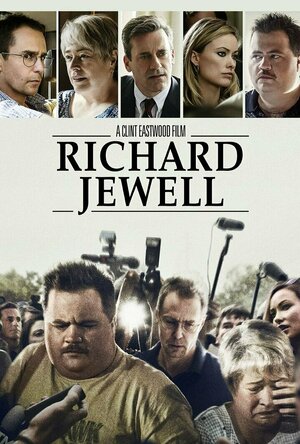
Richard Jewell tells the true story of a security guard, hailed a hero for spotting a suspicious package at the 1996 Olympic games in Atlanta, before going on to be accused of masterminding the whole thing and having his life turned upside down by the media and the FBI. Directed by Clint Eastwood, Richard Jewell is another one of those stories from recent history that I knew very few details about, other than there was a bombing at the Olympics, and it's a story that clearly deserves to be told.
We start by getting to know a bit about Richard Jewell (Paul Walter Hauser) and how he eventually found himself working security at such a high profile event. When we first meet Richard, he's working as a supply clerk for a public law firm in 1986. He meets attorney Watson Bryant (Sam Rockwell), who can be heard from across the other side of the office loudly and angrily shouting at somebody on the phone. He's not much friendlier to Richard when he puts the phone down either, discovering that Richard has very kindly replaced some stationery in his desk drawers, and even added some more Snickers bars in there after noticing empty wrappers in Watson's bin. But the pair do eventually build up a good rapport, even sharing an interest in playing video games at a local arcade during their lunch breaks.
Richard eventually leaves the firm to become a security guard at a college. With dreams of some day working his way up into law enforcement, Richard takes his role a bit too seriously, resulting in a number of complaints being made to the dean and his subsequent dismissal. Having moved in with his mother Bobi (Kathy Bates) in Atlanta, Richard lands a job working security at the Olympic games, working alongside police officers in Centennial Park during a number of events. His mother joins him to enjoy a Kenny Rogers concert one night, and then a few nights later Richard gets to work while his favourite group are playing. It's during that time, while trying to move on a group of drunk and rowdy boys, that Richard notices a suspicious backpack beneath a nearby bench. Police are alerted, and the backpack is determined to be carrying a bomb. As Richard and the police officers try to disperse the crowd, the bomb detonates and casualties are much lower than they could have been. Richard is hailed a hero.
As Richard quickly begins appearing on TV, and being offered book deals, the FBI begin their investigation. Agent Shaw (Jon Hamm) was there when the bomb went off and feels responsible for something that happened on his watch, so is determined to find the man responsible. It's not long before they decide that Richard fits the profile of previous bombers - a wannabe police officer who carries out attacks and then seeks fame and glory by helping out his victims. The situation isn't helped when ballsy reporter Kathy Scruggs (Olivia Wilde), who will go to any lengths to get her story, including sleeping around, publishes a front page story declaring Richard to be prime suspect with the FBI. From there, Richard's life, along with his mothers, is sent into turmoil and Richard is forced to contact old friend Watson Bryant to see if he'll help defend him as his lawyer.
The dynamic between Richard and Watson is what really made this movie for me. They're old friends, but clearly two very different people - Watson doesn't take any crap from anyone while Richard is a kindly, thoughtful man who just wants to help everyone, so ends up not doing himself any favours. On one occasion, Watson tells Richard not to say a word while the FBI are searching his home, and then Richard proceeds to talk to them all about anything and everything, blissfully ignorant of the glares he's receiving from Watson. There's a lot of humour in Richard Jewell, which I wasn't really expecting, and while it did make for an enjoyable movie, I felt it detracted a little from the drama and tension at times. Outside of that, both Jon Hamm and Kathy Bates were perfect in their roles, Kathy Bates this week receiving an Oscar nomination for her performance.
As the movie progresses, the injustice of it all is truly incredible. Just by Watson walking the route from the phone-booth where the warning call originated and the location where Richard was when the bomb went off, it was clear that he couldn't have done it. He even passed a polygraph test and yet he still continued to be hounded in the absence of any other leads or suspects, as he was just an easy target. It's an enjoyable watch, and certainly an important story, but because of the humour I described earlier, it just didn't have enough intensity or drama to make a bigger impact on me.
We start by getting to know a bit about Richard Jewell (Paul Walter Hauser) and how he eventually found himself working security at such a high profile event. When we first meet Richard, he's working as a supply clerk for a public law firm in 1986. He meets attorney Watson Bryant (Sam Rockwell), who can be heard from across the other side of the office loudly and angrily shouting at somebody on the phone. He's not much friendlier to Richard when he puts the phone down either, discovering that Richard has very kindly replaced some stationery in his desk drawers, and even added some more Snickers bars in there after noticing empty wrappers in Watson's bin. But the pair do eventually build up a good rapport, even sharing an interest in playing video games at a local arcade during their lunch breaks.
Richard eventually leaves the firm to become a security guard at a college. With dreams of some day working his way up into law enforcement, Richard takes his role a bit too seriously, resulting in a number of complaints being made to the dean and his subsequent dismissal. Having moved in with his mother Bobi (Kathy Bates) in Atlanta, Richard lands a job working security at the Olympic games, working alongside police officers in Centennial Park during a number of events. His mother joins him to enjoy a Kenny Rogers concert one night, and then a few nights later Richard gets to work while his favourite group are playing. It's during that time, while trying to move on a group of drunk and rowdy boys, that Richard notices a suspicious backpack beneath a nearby bench. Police are alerted, and the backpack is determined to be carrying a bomb. As Richard and the police officers try to disperse the crowd, the bomb detonates and casualties are much lower than they could have been. Richard is hailed a hero.
As Richard quickly begins appearing on TV, and being offered book deals, the FBI begin their investigation. Agent Shaw (Jon Hamm) was there when the bomb went off and feels responsible for something that happened on his watch, so is determined to find the man responsible. It's not long before they decide that Richard fits the profile of previous bombers - a wannabe police officer who carries out attacks and then seeks fame and glory by helping out his victims. The situation isn't helped when ballsy reporter Kathy Scruggs (Olivia Wilde), who will go to any lengths to get her story, including sleeping around, publishes a front page story declaring Richard to be prime suspect with the FBI. From there, Richard's life, along with his mothers, is sent into turmoil and Richard is forced to contact old friend Watson Bryant to see if he'll help defend him as his lawyer.
The dynamic between Richard and Watson is what really made this movie for me. They're old friends, but clearly two very different people - Watson doesn't take any crap from anyone while Richard is a kindly, thoughtful man who just wants to help everyone, so ends up not doing himself any favours. On one occasion, Watson tells Richard not to say a word while the FBI are searching his home, and then Richard proceeds to talk to them all about anything and everything, blissfully ignorant of the glares he's receiving from Watson. There's a lot of humour in Richard Jewell, which I wasn't really expecting, and while it did make for an enjoyable movie, I felt it detracted a little from the drama and tension at times. Outside of that, both Jon Hamm and Kathy Bates were perfect in their roles, Kathy Bates this week receiving an Oscar nomination for her performance.
As the movie progresses, the injustice of it all is truly incredible. Just by Watson walking the route from the phone-booth where the warning call originated and the location where Richard was when the bomb went off, it was clear that he couldn't have done it. He even passed a polygraph test and yet he still continued to be hounded in the absence of any other leads or suspects, as he was just an easy target. It's an enjoyable watch, and certainly an important story, but because of the humour I described earlier, it just didn't have enough intensity or drama to make a bigger impact on me.

Heather Cranmer (2721 KP) rated The Caretakers in Books
Apr 6, 2020
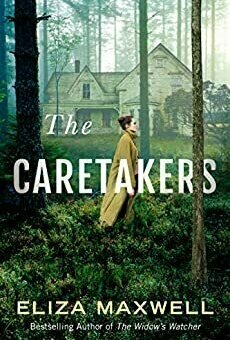
As soon as I read the synopsis for The Caretakers by Eliza Maxwell, I was instantly hooked. I knew it was a book that I had to read. It's like it was calling out to me saying "read me...read me." What a wild ride The Caretakers had in store for me!
Tessa Shepard made a documentary that helped free a man that she thought was framed for murder. However, when it seems he's killed the police chief's daughter, Tessa's life becomes upended. Around the same time, Tessa and her twin sister inherit a large estate named Fallbrook. There she meets two old ladies who are the caretakers of Fallbrook that have their own crazy story about the past when it comes to Fallbrooks history. With danger lurking around every corner, Tessa must try to survive and figure out the two old ladies' story.
I could not fault the plot of The Caretakers at all. It was absolutely solid from beginning to end. With The Caretakers, I felt like I was sort of getting two stories in one which was great! The first story is Tessa's. The narrative follows Tessa as she deals with her conscience about freeing a man from prison who may have actually been guilty. She's also dealing with the fallout between her and her twin sister Margot. With Tessa's reputation in tatters, Tessa tries to stay out of the spotlight and deal with what's going on in her personal life, but it doesn't turn out to be that easy. The second narrative belongs to the two old ladies and caretakers of Fallbrook, Kitty and Deidre. Their story was the most interesting to read about. Kitty and Deidre remember two different accounts of what actually befell Fallbrook when they were children. It was traumatizing for both of them, and at least one of the sisters has blocked out the actual memories of the horrible event that happened there. I found myself trying to guess which events were the true ones. Kudos to Eliza Maxwell for adding so many plot twists to The Caretakers that I never saw coming! I absolutely was thrilled that there were so many plot twists. Just when I thought I had the story figured out, a curve ball was thrown at me making me have to start my guess work all over again. However, all cliff hangers and questions are answered by the end of the book.
The characters in The Caretakers were all written fantastically! All were fleshed out appropriately even the minor characters. It was easy to empathize with everything Tessa was going through. She had so much bad stuff going on at one time. Learning her back story, it was easy to see why she thought the way she did. I liked Margot as well. While she's not a main character, she does play a fairly important role in Tessa's life. Sometimes I felt like Margot was a little too closed off when it came to Tessa and her husband, Ben. This wasn't due to bad writing, but quite the opposite. I felt like this was a character flaw that even real life people struggle with. I enjoyed Oliver's character. He made for a fantastic antagonist. Oliver was the one who Tessa freed from prison due to her documentary. Through fantastic storytelling, it was easy to see why Oliver went off the deep end after he was released. I felt bad for him actually. Deidre was an interesting character, and I came to understand why she was wary of strangers meddling in hers and Kitty's business. Kitty was my all time favorite character in The Caretakers though. I was sucked up in her childlike way of acting. She seemed to trust everyone and came across as such a sweet person. It seemed like she was too nice to be unkind towards anyone. I felt like Kitty had the most interesting backstory out of all the characters. The Cooke family, who had previously lived in Fallbrook before it became derelict, had the most intriguing story out of everyone. I really enjoyed reading about them.
Trigger warnings for The Caretakers include profanity, murder, violence, drinking, and police corruption.
To say I was blown away by The Caretakers is an understatement. Seriously, this book gave me goosebumps and a severe book hangover. That's how great it was! With intriguing plot lines and fantastic characters, it was such a fantastic read. I would most definitely recommend The Caretakers by Eliza Maxwell to those aged 17+. I really believe readers of all genres will really enjoy this book!
--
(A special thank you to Lone Star Literary Life and Eliza Maxwell for sending me a paperback and Netgalley for an eBook of The Caretakers in exchange for an honest and unbiased review.)
Tessa Shepard made a documentary that helped free a man that she thought was framed for murder. However, when it seems he's killed the police chief's daughter, Tessa's life becomes upended. Around the same time, Tessa and her twin sister inherit a large estate named Fallbrook. There she meets two old ladies who are the caretakers of Fallbrook that have their own crazy story about the past when it comes to Fallbrooks history. With danger lurking around every corner, Tessa must try to survive and figure out the two old ladies' story.
I could not fault the plot of The Caretakers at all. It was absolutely solid from beginning to end. With The Caretakers, I felt like I was sort of getting two stories in one which was great! The first story is Tessa's. The narrative follows Tessa as she deals with her conscience about freeing a man from prison who may have actually been guilty. She's also dealing with the fallout between her and her twin sister Margot. With Tessa's reputation in tatters, Tessa tries to stay out of the spotlight and deal with what's going on in her personal life, but it doesn't turn out to be that easy. The second narrative belongs to the two old ladies and caretakers of Fallbrook, Kitty and Deidre. Their story was the most interesting to read about. Kitty and Deidre remember two different accounts of what actually befell Fallbrook when they were children. It was traumatizing for both of them, and at least one of the sisters has blocked out the actual memories of the horrible event that happened there. I found myself trying to guess which events were the true ones. Kudos to Eliza Maxwell for adding so many plot twists to The Caretakers that I never saw coming! I absolutely was thrilled that there were so many plot twists. Just when I thought I had the story figured out, a curve ball was thrown at me making me have to start my guess work all over again. However, all cliff hangers and questions are answered by the end of the book.
The characters in The Caretakers were all written fantastically! All were fleshed out appropriately even the minor characters. It was easy to empathize with everything Tessa was going through. She had so much bad stuff going on at one time. Learning her back story, it was easy to see why she thought the way she did. I liked Margot as well. While she's not a main character, she does play a fairly important role in Tessa's life. Sometimes I felt like Margot was a little too closed off when it came to Tessa and her husband, Ben. This wasn't due to bad writing, but quite the opposite. I felt like this was a character flaw that even real life people struggle with. I enjoyed Oliver's character. He made for a fantastic antagonist. Oliver was the one who Tessa freed from prison due to her documentary. Through fantastic storytelling, it was easy to see why Oliver went off the deep end after he was released. I felt bad for him actually. Deidre was an interesting character, and I came to understand why she was wary of strangers meddling in hers and Kitty's business. Kitty was my all time favorite character in The Caretakers though. I was sucked up in her childlike way of acting. She seemed to trust everyone and came across as such a sweet person. It seemed like she was too nice to be unkind towards anyone. I felt like Kitty had the most interesting backstory out of all the characters. The Cooke family, who had previously lived in Fallbrook before it became derelict, had the most intriguing story out of everyone. I really enjoyed reading about them.
Trigger warnings for The Caretakers include profanity, murder, violence, drinking, and police corruption.
To say I was blown away by The Caretakers is an understatement. Seriously, this book gave me goosebumps and a severe book hangover. That's how great it was! With intriguing plot lines and fantastic characters, it was such a fantastic read. I would most definitely recommend The Caretakers by Eliza Maxwell to those aged 17+. I really believe readers of all genres will really enjoy this book!
--
(A special thank you to Lone Star Literary Life and Eliza Maxwell for sending me a paperback and Netgalley for an eBook of The Caretakers in exchange for an honest and unbiased review.)

Allison Anders recommended Monterey Pop (1968) in Movies (curated)

Gareth von Kallenbach (980 KP) rated The Promise (2017) in Movies
Jul 11, 2019

Roughly a year ago, I found myself in a heated exchange with a friend about full and appropriate representation of people and history in films. I discussed the merits of expanding the scope beyond films about slavery and segregation with respect to African-Americans and stories of despair for other marginalized groups. It is, for me, demeaning to a people’s contributions in society and trivializes experiences. After engaging in what seemed to be an hour, my friend focused more on what she had to say that considering what I was addressing. It proved true when she stated “Well… at least black people have movies about slavery! You should be happy. We don’t even have a movie about the Armenian Genocide!” I was shocked, momentarily. I had never stated that one group deserved more of the spotlight or one’s history is more important that another, just that we need to have appropriate representation and inclusion of stories. All of our stories should be told and shared, especially the ones that are not widely known, understood, or even having a place within social studies courses in our public schools.
I knew of the Armenian Genocide and had a general understanding about the atrocities committed by the Ottoman Empire. There are several international films that address what took place or have the Genocide as part of the story. Even My Big Fat Greek Wedding makes reference to how Greeks were brutalized by the Turks during the period. What we were missing, at least in the realm of American Cinema, was a representation for US audiences to witness the horrors that these people fell victim to and, for some, were able to survive. In The Promise, audiences will get a history lesson about man’s inhumanity to man.
When I first heard that this film was in production, I was interesting in how it would pan out. Would it be truthful, as painful as it may be? Would they overdo certain aspects? How much would they play with the truth? The filmmakers faced the same problems as those who brought forth Schindler’s List, The Pianist, and Life is Beautiful: How do you approach telling the story of genocide? How do you draw people in to a story that they may not be familiar with? Are people ready?
Summaries of the film that I read online made it seem as though this would be an Armenian version of Pearl Harbor in that this was a love story in the foreground of a film that features violence in the background. The summaries were misleading, maybe by design or maybe by mistake. The Promise, stars Oscar Isaac (Star Wars: The Force Awakens) as a young Armenia medical student, and Christian Bale (The Dark Knight) as a journalist for the associated press reporting on developments in the Ottoman Empire as war breaks out. The film whose description touts a love triangle in the midst of the Great War is far from what this films discusses and presents. There is a love story, however, it is not what the film is about or what is able to get the attention of the viewers.
The film reveals the deep held animosity of Armenians and other minority groups in the Ottoman Empire. It demonstrates the depth of mistrust and mistreatment of people who cast as “the other.” It is not simplistic in approach nor relying on over-the-top examples of violence in order for those watching to feel something. The development of events and characters permits the audience to connect with each of the characters, their families, their circumstances, and look for any moment in which they can escape the violence that is being committed to them. In no way does this film minimize what the victims went through. It doesn’t trivialize their experience in order to gain one’s attention.
The Promise satisfies the need for a discussion to emerge allowing for a truer examination of the genocide’s place in world history and within the framing of World War I. It presents a more representative picture of what people bore witness to or experienced themselves. With history, we are continuously searching for the truth and ensuring that history itself does not remained buried or ignored. This films serves the purpose in ensuring that more people are aware of not only the Armenian genocide, but all of the moving pieces that come with people fighting against an injustice or violence that is committed upon them because they are seen as less than or undesirable. It is my hope that with this film, studios see the necessity of bringing more stories of struggle, survival, and the will of humanity to overcome hardship and violence to audiences. The Promise although highly overdue, is essential, poignant, timely, and necessary in order for all of us to see that people are not forgotten.
I knew of the Armenian Genocide and had a general understanding about the atrocities committed by the Ottoman Empire. There are several international films that address what took place or have the Genocide as part of the story. Even My Big Fat Greek Wedding makes reference to how Greeks were brutalized by the Turks during the period. What we were missing, at least in the realm of American Cinema, was a representation for US audiences to witness the horrors that these people fell victim to and, for some, were able to survive. In The Promise, audiences will get a history lesson about man’s inhumanity to man.
When I first heard that this film was in production, I was interesting in how it would pan out. Would it be truthful, as painful as it may be? Would they overdo certain aspects? How much would they play with the truth? The filmmakers faced the same problems as those who brought forth Schindler’s List, The Pianist, and Life is Beautiful: How do you approach telling the story of genocide? How do you draw people in to a story that they may not be familiar with? Are people ready?
Summaries of the film that I read online made it seem as though this would be an Armenian version of Pearl Harbor in that this was a love story in the foreground of a film that features violence in the background. The summaries were misleading, maybe by design or maybe by mistake. The Promise, stars Oscar Isaac (Star Wars: The Force Awakens) as a young Armenia medical student, and Christian Bale (The Dark Knight) as a journalist for the associated press reporting on developments in the Ottoman Empire as war breaks out. The film whose description touts a love triangle in the midst of the Great War is far from what this films discusses and presents. There is a love story, however, it is not what the film is about or what is able to get the attention of the viewers.
The film reveals the deep held animosity of Armenians and other minority groups in the Ottoman Empire. It demonstrates the depth of mistrust and mistreatment of people who cast as “the other.” It is not simplistic in approach nor relying on over-the-top examples of violence in order for those watching to feel something. The development of events and characters permits the audience to connect with each of the characters, their families, their circumstances, and look for any moment in which they can escape the violence that is being committed to them. In no way does this film minimize what the victims went through. It doesn’t trivialize their experience in order to gain one’s attention.
The Promise satisfies the need for a discussion to emerge allowing for a truer examination of the genocide’s place in world history and within the framing of World War I. It presents a more representative picture of what people bore witness to or experienced themselves. With history, we are continuously searching for the truth and ensuring that history itself does not remained buried or ignored. This films serves the purpose in ensuring that more people are aware of not only the Armenian genocide, but all of the moving pieces that come with people fighting against an injustice or violence that is committed upon them because they are seen as less than or undesirable. It is my hope that with this film, studios see the necessity of bringing more stories of struggle, survival, and the will of humanity to overcome hardship and violence to audiences. The Promise although highly overdue, is essential, poignant, timely, and necessary in order for all of us to see that people are not forgotten.

Emma @ The Movies (1786 KP) rated Old (2021) in Movies
Aug 22, 2021
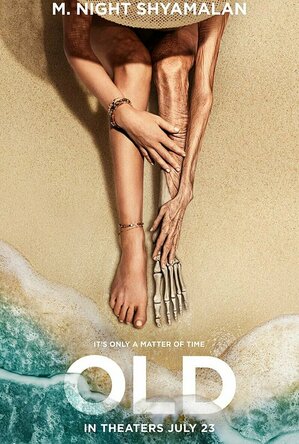

Having been out of the "coming soon" game for quite a while so this one came as a surprise when I saw the trailer. It looked good, but there's always that "what is Shyamalan going to do" feeling.
An idyllic resort, a glorious beach. What starts out to be a pleasant day trip turns into tragedy and horror as the guests start ageing at an accelerated rate. What's going on and why can't they seem to do anything about it?
I'm going to mix this up a bit from my usual reviews because it seems appropriate for this oddity of a film.
As a whole, the film probably has a place in the Lost extended universe (especially considering Miles' role in it). Mystery and generalised horror abound, and you're left for prolonged periods of time with more questions than answers. Let's cover the biggie though.
That whole ageing thing... it is in the trailer so I'm going to do my best not to be spoilery.
Let's face it... there's a massive inconsistency. I'm happy to go with the fact that kids will change more physically with age than the adults will initially... no problem with that bit. But the assembled people on the beach have been there for (more or less) two different periods of time. While I don't remember it being established when the first arrived, I would have expected a more pronounced visual than the one we were presented with.
When the group get to the beach, Maddox is 11 and her brother Trent is 6. then there's Kara who is also 6. They progressively age throughout the events and we end up with three teenage looking kids. I'm still on board here, perfectly "logical". But here is also where I start to tail off into what could be a massive psychological debate... their bodies age, but their minds are only exposed to what is around them in that time, so are their actions in line with that?
Thomasin McKenzie seemed to have the right balance, with her character at a starting age of 11 she has the best chance of getting away with it, and her effort was good. I'm not sure the same is true of Alex Wolff and Eliza Scanlen though. Their storyline together, and their behaviour, didn't feel consistent. Particularly with Trent. Mentally the pair should still have been 6, or at least more immature than their look, but that didn't come across very effectively.
We're introduced to all of the characters in fairly quick succession at the beginning, but you do get a very clear idea about what you can expect from them going forward. They don't all really work together, and if chaos wasn't a necessary part of the film then I think I would have tired quickly of them all. As it was, I didn't particularly like any of the characters, including the parents of Trent and Maddox, but at least their journey evolved well through the film.
I feel like I need to mention the dubious sexualisation of the kids, in particular when we have Thomasin McKenzie as Maddox. When they discover the kids have aged up, Mum tells her to change into a swimsuit she has in her bag. The swimsuit she was already wearing covered everything relatively well, and actually has more cloth on it than the alternative. When I think about the things I bring to a beach in my bag with me, I bring a t-shirt, shorts, a sarong... never a second bikini. Would it not have been more logical to give her something different to wear? And was it really necessary to be there at all? I also have another point under this, but it would constitute spoilers I'm afraid.
Old's beach location is stunning, and some of the features allow for a slightly sinister edge. But a lot of the atmosphere is brought in with the cameras, and at one point I felt a rage come over me because of a collection of panning shots of the group. Yes, I know there are better things to be annoyed about, but it bugged me, I couldn't help it!
As a quick round-up of other points:
- I quite enjoyed Shyamalan's role
- Listening to people pronounce my surname wrong gives me palpitations, and
- The one bit of massively noticeable CGI was bad, so very, very, bad.
I'm interested to read the source material and see how its ending compares to what Shyamalan conjured. It's difficult to discuss the end without spoilers, but that's probably just as well because it'll lead to another heavy discussion. The actual resolution though does have a satisfying moment, even though it felt a little wrong.
Now for my overall feelings on the film... I enjoyed the mystery of it, and there are plenty of debates that arise. But the inconsistent moments in the ageing and how the ending comes around, sadly ate into my total score.
Originally posted on: https://emmaatthemovies.blogspot.com/2021/08/old-movie-review.html
An idyllic resort, a glorious beach. What starts out to be a pleasant day trip turns into tragedy and horror as the guests start ageing at an accelerated rate. What's going on and why can't they seem to do anything about it?
I'm going to mix this up a bit from my usual reviews because it seems appropriate for this oddity of a film.
As a whole, the film probably has a place in the Lost extended universe (especially considering Miles' role in it). Mystery and generalised horror abound, and you're left for prolonged periods of time with more questions than answers. Let's cover the biggie though.
That whole ageing thing... it is in the trailer so I'm going to do my best not to be spoilery.
Let's face it... there's a massive inconsistency. I'm happy to go with the fact that kids will change more physically with age than the adults will initially... no problem with that bit. But the assembled people on the beach have been there for (more or less) two different periods of time. While I don't remember it being established when the first arrived, I would have expected a more pronounced visual than the one we were presented with.
When the group get to the beach, Maddox is 11 and her brother Trent is 6. then there's Kara who is also 6. They progressively age throughout the events and we end up with three teenage looking kids. I'm still on board here, perfectly "logical". But here is also where I start to tail off into what could be a massive psychological debate... their bodies age, but their minds are only exposed to what is around them in that time, so are their actions in line with that?
Thomasin McKenzie seemed to have the right balance, with her character at a starting age of 11 she has the best chance of getting away with it, and her effort was good. I'm not sure the same is true of Alex Wolff and Eliza Scanlen though. Their storyline together, and their behaviour, didn't feel consistent. Particularly with Trent. Mentally the pair should still have been 6, or at least more immature than their look, but that didn't come across very effectively.
We're introduced to all of the characters in fairly quick succession at the beginning, but you do get a very clear idea about what you can expect from them going forward. They don't all really work together, and if chaos wasn't a necessary part of the film then I think I would have tired quickly of them all. As it was, I didn't particularly like any of the characters, including the parents of Trent and Maddox, but at least their journey evolved well through the film.
I feel like I need to mention the dubious sexualisation of the kids, in particular when we have Thomasin McKenzie as Maddox. When they discover the kids have aged up, Mum tells her to change into a swimsuit she has in her bag. The swimsuit she was already wearing covered everything relatively well, and actually has more cloth on it than the alternative. When I think about the things I bring to a beach in my bag with me, I bring a t-shirt, shorts, a sarong... never a second bikini. Would it not have been more logical to give her something different to wear? And was it really necessary to be there at all? I also have another point under this, but it would constitute spoilers I'm afraid.
Old's beach location is stunning, and some of the features allow for a slightly sinister edge. But a lot of the atmosphere is brought in with the cameras, and at one point I felt a rage come over me because of a collection of panning shots of the group. Yes, I know there are better things to be annoyed about, but it bugged me, I couldn't help it!
As a quick round-up of other points:
- I quite enjoyed Shyamalan's role
- Listening to people pronounce my surname wrong gives me palpitations, and
- The one bit of massively noticeable CGI was bad, so very, very, bad.
I'm interested to read the source material and see how its ending compares to what Shyamalan conjured. It's difficult to discuss the end without spoilers, but that's probably just as well because it'll lead to another heavy discussion. The actual resolution though does have a satisfying moment, even though it felt a little wrong.
Now for my overall feelings on the film... I enjoyed the mystery of it, and there are plenty of debates that arise. But the inconsistent moments in the ageing and how the ending comes around, sadly ate into my total score.
Originally posted on: https://emmaatthemovies.blogspot.com/2021/08/old-movie-review.html

BankofMarquis (1832 KP) rated Black Adam (2022) in Movies
Oct 25, 2022

About As Middle-Of-The-Road As You Can Get
The DC Extended Universe (DCEU) has been criticized by many (including the BankofMarquis) for being too dark, dour and somber. The powers-that-be at DC clearly have heard that criticism and with their latest installment - BLACK ADAM - they ditched that grim tone.
If only they would have spent time on character and plot development instead of blowing things up and dispatching nameless/faceless henchmen.
Based on a DC Comics character the BankofMarquis knew nothing about - and featuring SOME characters from DC that the BankofMarquis had heard of (o’k, one character, Hawkman), BLACK ADAM stars Dwayne “The Rock” Johnson as the titular anti-hero who comes out of hibernation after about 5,000 years to exact vengeance on those who wronged him.
It’s a tricky line to walk when you are working with an anti-hero bent on death and destruction, but it can be done if you bring some humanity and humility to the character and have this anti-hero character go on some sort of journey of discovery along the way.
While this film succeeds for the most part in bringing a lighter tone and some fun to the proceedings, it seems that Director Jaume Collet-Serra (Orphan) and the trio of writers that penned this weak script opted to play it safe and didn’t go too dark (at the beginning) or too “Super-Heroey” (if that is a word) at the end, so what you get is a safe, middle-of-the-road entertainment that is “good enough” and (this is damning with faint praise), one of the better offerings in the DCEU.
Let’s start with the Johnson in the titular role. The film (and film-makers) play down Johnson’s inherent charm throughout the film - to the detriment of all. Johnson plays Black Adam with a focus of purpose and a lack of awareness and humor. While this could have been played with great effect neither Johnson nor Director Collet-Serra leans into this enough to make it a strong part of the offering. True, Johnson’s inherent charisma and screen presence shines through no matter how much it is attempted to be tamped down, but the character just comes off as plain vanilla.
Of course, Johnson’s physical form has never looked better and he excels in the action sequences - which are plentiful and full of explosions and destruction (destruction that is never commented on). These scenes overwhelm the story and the plot - and is one of the reasons that this film doesn’t rise above decent. It has lots of blowing things up and SuperHeroes going “smashy-smashy” with no real emotional resonance or consequence to them.
As for the other actors in this film, Aldis Hodge (ONE NIGHT IN MIAMI) is strong as the only DC Character previous known to the BankofMarquis - Hawkman. He is a welcome addition to this universe and it would be great if he showed up in more DCEU films - including adding him to any Justice League films.
Sarah Shahi (PERSON OF INTEREST on TV) is always a welcome sight in a film - and she more than capably fills in as the representative of the filmgoing audience as the human who is wrapped up the proceedings of these SuperHeroes while Mohammed Amer (the TV series RAMY) provides strong comic relief as Shahi’s brother.
Unfortunately, the film felt the need to put in 2 teenage Superheroes (I guess to appeal to their target audience) in the guise of Atom Smasher, Noah Centineo (THE PERFECT DATE) and Cyclone, Quintessa Swindell (the TV Series IN TREATMENT). These are both decent enough - and good looking enough - performers to put on screen, and they both would look good in a CW TV Series like THE FLASH, but their characters are pointless in this film. They are add-ons that don’t really add anything to the events.
And then there is good ol’ former James Bond Pierce Brosnan as Dr. Fate, a character the BankofMarquis knew nothing about before this film, but now am clamoring for a standalone movie for Brosnan and this character. He was the best thing in this move and this veteran actor understood the assignment, bringing humor and gravitas when needed while doling out sage advice - Obi-Wan style - to both Hawkman and Black Adam throughout the film.
All-in-all, a decent time at the theater (the DCEU has certainly done worse), but, in the end, BLACK ADAM is as disposable as Cotton Candy, fun while it lasts, but not anything that will stay with you for any length of time.
Letter Grade: B (the most solid “B” that a film can have).
7 stars (out of 10) and you can take that to the Bank(ofMarquis)
If only they would have spent time on character and plot development instead of blowing things up and dispatching nameless/faceless henchmen.
Based on a DC Comics character the BankofMarquis knew nothing about - and featuring SOME characters from DC that the BankofMarquis had heard of (o’k, one character, Hawkman), BLACK ADAM stars Dwayne “The Rock” Johnson as the titular anti-hero who comes out of hibernation after about 5,000 years to exact vengeance on those who wronged him.
It’s a tricky line to walk when you are working with an anti-hero bent on death and destruction, but it can be done if you bring some humanity and humility to the character and have this anti-hero character go on some sort of journey of discovery along the way.
While this film succeeds for the most part in bringing a lighter tone and some fun to the proceedings, it seems that Director Jaume Collet-Serra (Orphan) and the trio of writers that penned this weak script opted to play it safe and didn’t go too dark (at the beginning) or too “Super-Heroey” (if that is a word) at the end, so what you get is a safe, middle-of-the-road entertainment that is “good enough” and (this is damning with faint praise), one of the better offerings in the DCEU.
Let’s start with the Johnson in the titular role. The film (and film-makers) play down Johnson’s inherent charm throughout the film - to the detriment of all. Johnson plays Black Adam with a focus of purpose and a lack of awareness and humor. While this could have been played with great effect neither Johnson nor Director Collet-Serra leans into this enough to make it a strong part of the offering. True, Johnson’s inherent charisma and screen presence shines through no matter how much it is attempted to be tamped down, but the character just comes off as plain vanilla.
Of course, Johnson’s physical form has never looked better and he excels in the action sequences - which are plentiful and full of explosions and destruction (destruction that is never commented on). These scenes overwhelm the story and the plot - and is one of the reasons that this film doesn’t rise above decent. It has lots of blowing things up and SuperHeroes going “smashy-smashy” with no real emotional resonance or consequence to them.
As for the other actors in this film, Aldis Hodge (ONE NIGHT IN MIAMI) is strong as the only DC Character previous known to the BankofMarquis - Hawkman. He is a welcome addition to this universe and it would be great if he showed up in more DCEU films - including adding him to any Justice League films.
Sarah Shahi (PERSON OF INTEREST on TV) is always a welcome sight in a film - and she more than capably fills in as the representative of the filmgoing audience as the human who is wrapped up the proceedings of these SuperHeroes while Mohammed Amer (the TV series RAMY) provides strong comic relief as Shahi’s brother.
Unfortunately, the film felt the need to put in 2 teenage Superheroes (I guess to appeal to their target audience) in the guise of Atom Smasher, Noah Centineo (THE PERFECT DATE) and Cyclone, Quintessa Swindell (the TV Series IN TREATMENT). These are both decent enough - and good looking enough - performers to put on screen, and they both would look good in a CW TV Series like THE FLASH, but their characters are pointless in this film. They are add-ons that don’t really add anything to the events.
And then there is good ol’ former James Bond Pierce Brosnan as Dr. Fate, a character the BankofMarquis knew nothing about before this film, but now am clamoring for a standalone movie for Brosnan and this character. He was the best thing in this move and this veteran actor understood the assignment, bringing humor and gravitas when needed while doling out sage advice - Obi-Wan style - to both Hawkman and Black Adam throughout the film.
All-in-all, a decent time at the theater (the DCEU has certainly done worse), but, in the end, BLACK ADAM is as disposable as Cotton Candy, fun while it lasts, but not anything that will stay with you for any length of time.
Letter Grade: B (the most solid “B” that a film can have).
7 stars (out of 10) and you can take that to the Bank(ofMarquis)