
Search
Search results

5 Minute Movie Guy (379 KP) rated The Big Sick (2017) in Movies
Jul 4, 2019


Propelled by its near perfect score on Rotten Tomatoes, I went cold turkey into The Big Sick, without so much as seeing a trailer. Although it took a worrisome amount of time, I did eventually warm up to the film and ultimately I ended up enjoying it quite a bit. The Big Sick is a movie that’s unflatteringly honest at times, and it’s a bit light in both of the romance and comedy departments, but it’s a well-rounded true story that makes up for its any of its shortcomings with a big heart.
The Big Sick tells the unique, real-life love story of how Kumail Nanjiani, played by himself in the film, met the love of his life, Emily. The film begins with Kumail working as a struggling stand-up comic. After a performance one night, he meets Emily at a bar and takes her back to his place. The two of them gradually begin dating, but Kumail keeps it a secret from his strict Pakistani parents, who expect him to abide by his culture’s custom of arranged marriages. When Emily’s health unexpectedly takes a dangerous and mysterious turn, Kumail must confront his family, as well as meet Emily’s family, to confess his true feelings of love.
Allow me to begin by addressing the fact that I spent a good half of The Big Sick feeling entirely ambivalent about it. While it seemed well made, I didn’t feel particularly entertained nor engaged by it. Slowly but surely, however, the movie began to win me over, thanks primarily to the help of Ray Romano and Holly Hunter, who co-star as Emily’s parents. By the end, I appreciated and enjoyed the film, and I feel as though I would probably like it even more with a second viewing.
The movie rubbed me the wrong way early on with its not-so-romantic romance that culminated from a one-night-stand. I found the relationship of Kumail and Emily to be somewhat dull, and I was perplexed by how unfavorably it depicts both characters. Though considering the screenplay was actually written by both of them, I suppose there’s something noble and courageous to be said about their honesty. This is not a typical romanticized love story. It has two decent but flawed characters, who I felt indifferent towards at the outset but learned to care about over the course of the film.
Kumail is quite enjoyable as the lead star and I suspect this will be a breakout role for him. He has a good sense of humor and really showcases it in a couple of hysterical scenes. My favorite being a late night visit to a restaurant drive-thru, which is one of the flat-out funniest moments I’ve seen in theaters all year. I also really loved both Romano and Hunter. They’re both complex and comical characters struggling with their own strained marriage, while hesitantly getting to know Kumail and coming to terms with their daughter’s grave illness. Certainly not the best circumstances to be meeting your girlfriend’s parents, and even worse considering they knew that Kumail and Emily had broken up shortly beforehand.
Hunter’s character is volatile and highly defensive of her daughter, yet she’s still wholly identifiable as a loving and concerned parent. I think she gives the strongest performance in the film. Ray Romano is also a pleasant addition, and his character ironically tries to be the voice of reason and balance, even as his own life is crumbling beneath him. I also liked Kumail’s parents, played by Anupam Kher and Zenobia Shroff. Kumail’s mother is amusing in her never-ending pursuit of potential female suitors to marry her son. However, having grown up with western values, Kumail’s own beliefs serve as a stark contrast to those of his strict and traditional family.
The way in which The Big Sick depicts the differences in American and Pakistani culture is what I think really helps to set it apart. It tackles these contrasts with both comedy and sincerity, while also drawing attention to the subtle and the not-so-subtle racism that’s often prevalent in the misunderstanding of other cultures. It’s an honest and respectful film that should be approached as open-mindedly as possible. Those of you willing to give this one a chance may find that it to be well worth your while.
(This review was originally posted at 5mmg.com on 9.5.17.)
The Big Sick tells the unique, real-life love story of how Kumail Nanjiani, played by himself in the film, met the love of his life, Emily. The film begins with Kumail working as a struggling stand-up comic. After a performance one night, he meets Emily at a bar and takes her back to his place. The two of them gradually begin dating, but Kumail keeps it a secret from his strict Pakistani parents, who expect him to abide by his culture’s custom of arranged marriages. When Emily’s health unexpectedly takes a dangerous and mysterious turn, Kumail must confront his family, as well as meet Emily’s family, to confess his true feelings of love.
Allow me to begin by addressing the fact that I spent a good half of The Big Sick feeling entirely ambivalent about it. While it seemed well made, I didn’t feel particularly entertained nor engaged by it. Slowly but surely, however, the movie began to win me over, thanks primarily to the help of Ray Romano and Holly Hunter, who co-star as Emily’s parents. By the end, I appreciated and enjoyed the film, and I feel as though I would probably like it even more with a second viewing.
The movie rubbed me the wrong way early on with its not-so-romantic romance that culminated from a one-night-stand. I found the relationship of Kumail and Emily to be somewhat dull, and I was perplexed by how unfavorably it depicts both characters. Though considering the screenplay was actually written by both of them, I suppose there’s something noble and courageous to be said about their honesty. This is not a typical romanticized love story. It has two decent but flawed characters, who I felt indifferent towards at the outset but learned to care about over the course of the film.
Kumail is quite enjoyable as the lead star and I suspect this will be a breakout role for him. He has a good sense of humor and really showcases it in a couple of hysterical scenes. My favorite being a late night visit to a restaurant drive-thru, which is one of the flat-out funniest moments I’ve seen in theaters all year. I also really loved both Romano and Hunter. They’re both complex and comical characters struggling with their own strained marriage, while hesitantly getting to know Kumail and coming to terms with their daughter’s grave illness. Certainly not the best circumstances to be meeting your girlfriend’s parents, and even worse considering they knew that Kumail and Emily had broken up shortly beforehand.
Hunter’s character is volatile and highly defensive of her daughter, yet she’s still wholly identifiable as a loving and concerned parent. I think she gives the strongest performance in the film. Ray Romano is also a pleasant addition, and his character ironically tries to be the voice of reason and balance, even as his own life is crumbling beneath him. I also liked Kumail’s parents, played by Anupam Kher and Zenobia Shroff. Kumail’s mother is amusing in her never-ending pursuit of potential female suitors to marry her son. However, having grown up with western values, Kumail’s own beliefs serve as a stark contrast to those of his strict and traditional family.
The way in which The Big Sick depicts the differences in American and Pakistani culture is what I think really helps to set it apart. It tackles these contrasts with both comedy and sincerity, while also drawing attention to the subtle and the not-so-subtle racism that’s often prevalent in the misunderstanding of other cultures. It’s an honest and respectful film that should be approached as open-mindedly as possible. Those of you willing to give this one a chance may find that it to be well worth your while.
(This review was originally posted at 5mmg.com on 9.5.17.)

Haley Mathiot (9 KP) rated The Wolf Next Door (Westfield Wolves, #3) in Books
Apr 27, 2018

The Wolf Next Door by Lydia Dare
Genre: Paranormal werewolf romance, historical fiction
ISBN:9781402236969
Published: June 1st 2010 by Sourcebooks Casablanca
Rating:
Years ago, William Westfield and Pricia Hawthorne were in love—but Pricia's heart was broken and she refuses to let the scoundrel forget it. She knows now that he never committed the accused crime… but she can't bare to give her heart to him again. Even though she wants to.
Will has established his reputation as the best lover in six centuries. And he knows he did it to get Pricia out of his head. He still loves and adores her, snotty remarks and spirited personality and rule-breaking attitude and all. But when he is forced to visit the Hawthorne house to escort his sisters-in-law, he discovers that another man—another Lycan man—is pursuing her hand in marriage. Will doesn't think: The games are over. He decides that he will do anything and everything to keep the other werewolf away, and claim her forever.
This was, out of the three Westfield stories, my favorite. From the time I started reading, I couldn't put it down. It was fast-paced, exciting, and romantic. Although can I say that the covers—for this one and the others—could have been better? Still, I loved the story.
Will has always been my favorite Westfield, because of his happy, funny, warm, laid-back personality… and I loved seeing him desperately in love, trying his hardest to charm Pricia's socks off. Pricia is my favorite kind of heroine: the kind that can hold her own, especially with five brothers. Put Will and Pricia together, and you have an epic couple: They love each other, they hate each other. But they only hate each other because they love each other… a never-ending circle, a never-ending conversation, and a never-ending story… but a very satisfying ending to the book.
The plot was a lot more exciting than Dare's other werewolf stories—not to say the others aren't exciting. But this one surpassed the others. The other Lycan threatening Will's happiness added a good conflict to the story. Pricia's execution of torture on poor Will was both pitiful and hilarious. There was a war going on between the two wolves, and a war going on between the lovers, and it made for a stay-up-until-3-AM kind of book.
One of the reasons this one was probably my favorite, was because it wasn't sappy. I'm not saying the others are: but there was this running theme of the woman telling the man she was in love with him, and the man not admitting it until way too late, and causing problems because of it. There was none of that in The Wolf Next Door. Will straight up told Pricia that he loved her. He told her father he loved her. He told his brothers, and her brothers, that he loved her. And it made their romance much better and much more believable.
Magic, romance, heart-break, rivals, witches, and true love…all tied together with a sweet, naive, innocent little devil, and a very handsome werewolf. This one is begging to be re-read.
Content/recommendation: Little language, some sex. Ages 18+
Genre: Paranormal werewolf romance, historical fiction
ISBN:9781402236969
Published: June 1st 2010 by Sourcebooks Casablanca
Rating:
Years ago, William Westfield and Pricia Hawthorne were in love—but Pricia's heart was broken and she refuses to let the scoundrel forget it. She knows now that he never committed the accused crime… but she can't bare to give her heart to him again. Even though she wants to.
Will has established his reputation as the best lover in six centuries. And he knows he did it to get Pricia out of his head. He still loves and adores her, snotty remarks and spirited personality and rule-breaking attitude and all. But when he is forced to visit the Hawthorne house to escort his sisters-in-law, he discovers that another man—another Lycan man—is pursuing her hand in marriage. Will doesn't think: The games are over. He decides that he will do anything and everything to keep the other werewolf away, and claim her forever.
This was, out of the three Westfield stories, my favorite. From the time I started reading, I couldn't put it down. It was fast-paced, exciting, and romantic. Although can I say that the covers—for this one and the others—could have been better? Still, I loved the story.
Will has always been my favorite Westfield, because of his happy, funny, warm, laid-back personality… and I loved seeing him desperately in love, trying his hardest to charm Pricia's socks off. Pricia is my favorite kind of heroine: the kind that can hold her own, especially with five brothers. Put Will and Pricia together, and you have an epic couple: They love each other, they hate each other. But they only hate each other because they love each other… a never-ending circle, a never-ending conversation, and a never-ending story… but a very satisfying ending to the book.
The plot was a lot more exciting than Dare's other werewolf stories—not to say the others aren't exciting. But this one surpassed the others. The other Lycan threatening Will's happiness added a good conflict to the story. Pricia's execution of torture on poor Will was both pitiful and hilarious. There was a war going on between the two wolves, and a war going on between the lovers, and it made for a stay-up-until-3-AM kind of book.
One of the reasons this one was probably my favorite, was because it wasn't sappy. I'm not saying the others are: but there was this running theme of the woman telling the man she was in love with him, and the man not admitting it until way too late, and causing problems because of it. There was none of that in The Wolf Next Door. Will straight up told Pricia that he loved her. He told her father he loved her. He told his brothers, and her brothers, that he loved her. And it made their romance much better and much more believable.
Magic, romance, heart-break, rivals, witches, and true love…all tied together with a sweet, naive, innocent little devil, and a very handsome werewolf. This one is begging to be re-read.
Content/recommendation: Little language, some sex. Ages 18+

Debbiereadsbook (1839 KP) rated Bondage Rescue (Kiss of Leather #3) in Books
Apr 24, 2018
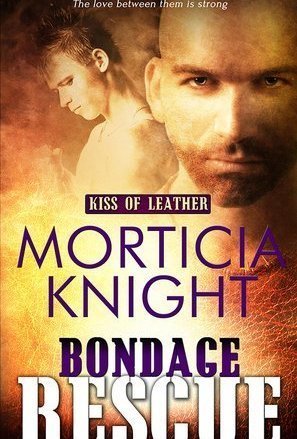

Reluctant Dom meets bratty sub!
Independent review for Archaeolibrarian, I was gifted my copy of this book.
Book 3 in the Kiss of Leather series, and I again STRONGLY recommend you read book one, Building Bonds, and two, Safe Limits first. There are things that happen in those books that you need to know about for this one to make sense.
Reluctant Dom meets bratty sub!
Marshall is Kyle's best friend and had disappeared. Calling on Master Josh for help was a last ditch to get the help he needs. Help that comes in the form of the private detective Kiss of Leather's law firm recommends to find the Dom who hurt Corey. Stone hasn't been in any sort of D/s lifestyle for 5 years, since the death of a sub that he was accused of. But meeting Marshall, seeing that young man all haggard looking and far too thin, releases something in Master Stone and he steps up to teach Marshall that true submission really is a beautiful thing.
If you follow you reviews (and I thank you if you do!) you'll know I'm all about the sexy time. I do love my books on the more explicit side, and I make no bones nor apologies for that. What I particularly LOVED about this one, was that Master Stone and Marshall do not get their sexy time til the last TEN MINUTES of their story! I LOVED being made to wait.
Oh, don't get me wrong, Master Stone knows just how to teach Marshall about self worth and he teaches him that punishment does not mean pain, although Marshall a pain-slut. Master Stone rather enjoys teaching the bratty subs, the brattier the better and Marshall just happens to be the most brattiest, stubborn, mouthy sub he has ever come across. And Master Stone, very quickly, makes its very clear that Marshall will have to wait, and wait PATIENTLY to have sex with him. And I LOVED IT!!!
The hunt for Corey's abuser continues, takes a shocking turn. I'm not telling you what though! Cos, you know, SPOILERS and all that! But I will tell you, when all this goes down, Master Stone has the exact same reaction as Master Derek does, and they go after THEIR boys.
Sometimes, in a series, especially when the main couples are very similar (here, big bad Dom and younger smaller guy) they get a little same old/same old. I'm NOT finding that here though. Yes all three Doms are older, and bigger, and yes, all three subs are younger and smaller, but their STORIES are so different! The on-going story arc helps a great deal, and the fact that the guys from the previous books continue to play a HUGE part in future books, too, but it's the SUBS who have the greatest differences and I LOVE that they are all friends.
Up next, are Master Josh and David. While already in a committed relationship, I can't wait to get their story. Because it's the Grand Opening of Kiss of Leather and I have a feeling it is not going to be as plain sailing as it has been and I look forward to being introduced to new characters.
Some reference to drug and alcohol abuse, but not described in any detail.
Loving these!
5 full stars
**same worded review will appear elsewhere**
Book 3 in the Kiss of Leather series, and I again STRONGLY recommend you read book one, Building Bonds, and two, Safe Limits first. There are things that happen in those books that you need to know about for this one to make sense.
Reluctant Dom meets bratty sub!
Marshall is Kyle's best friend and had disappeared. Calling on Master Josh for help was a last ditch to get the help he needs. Help that comes in the form of the private detective Kiss of Leather's law firm recommends to find the Dom who hurt Corey. Stone hasn't been in any sort of D/s lifestyle for 5 years, since the death of a sub that he was accused of. But meeting Marshall, seeing that young man all haggard looking and far too thin, releases something in Master Stone and he steps up to teach Marshall that true submission really is a beautiful thing.
If you follow you reviews (and I thank you if you do!) you'll know I'm all about the sexy time. I do love my books on the more explicit side, and I make no bones nor apologies for that. What I particularly LOVED about this one, was that Master Stone and Marshall do not get their sexy time til the last TEN MINUTES of their story! I LOVED being made to wait.
Oh, don't get me wrong, Master Stone knows just how to teach Marshall about self worth and he teaches him that punishment does not mean pain, although Marshall a pain-slut. Master Stone rather enjoys teaching the bratty subs, the brattier the better and Marshall just happens to be the most brattiest, stubborn, mouthy sub he has ever come across. And Master Stone, very quickly, makes its very clear that Marshall will have to wait, and wait PATIENTLY to have sex with him. And I LOVED IT!!!
The hunt for Corey's abuser continues, takes a shocking turn. I'm not telling you what though! Cos, you know, SPOILERS and all that! But I will tell you, when all this goes down, Master Stone has the exact same reaction as Master Derek does, and they go after THEIR boys.
Sometimes, in a series, especially when the main couples are very similar (here, big bad Dom and younger smaller guy) they get a little same old/same old. I'm NOT finding that here though. Yes all three Doms are older, and bigger, and yes, all three subs are younger and smaller, but their STORIES are so different! The on-going story arc helps a great deal, and the fact that the guys from the previous books continue to play a HUGE part in future books, too, but it's the SUBS who have the greatest differences and I LOVE that they are all friends.
Up next, are Master Josh and David. While already in a committed relationship, I can't wait to get their story. Because it's the Grand Opening of Kiss of Leather and I have a feeling it is not going to be as plain sailing as it has been and I look forward to being introduced to new characters.
Some reference to drug and alcohol abuse, but not described in any detail.
Loving these!
5 full stars
**same worded review will appear elsewhere**

Molly J (Cover To Cover Cafe) (106 KP) rated With Every Letter in Books
Feb 25, 2019
Sarah Sundin's masterful skills have done it again! Another amazing home run, out-of-the-ball-park hitter for this amazingly talented author. From the start, I was instantly in the heart of the story, following Philomela Blake, Tom MacGilliver, Rose and Georgie and all the other complex and amazing characters. This is most definitely the start of a fantastic new series and I can't wait for more!
Philomela "Mellie" Blake, aka Annie, is a wonderful character. She was chiseled perfectly and I loved following her story. She was a young woman, desperate to be a flight nurse and make a difference. Never fitting into America because of her Asian descent, and never fitting into the Asian world because of her American heritage, she's just wanting to fit in to something, make a difference and make friends. Joining a team of flight nurses, though, doesn't look to be much help as every thinks she's just a bit odd. When an opportunity arises, she takes a chance on mailing out a letter to one of the Armed Forces members. Just one is all she'll write. But, then, one turns into and then three...what can it hurt though, as anonymity seems to be the top priority and he'll never know what she looks like, or who she is. Right? Until a chance meeting during a flight evac pick up brings her face-to-face with her letter writing hero.
Thomas "Tom" MacGilliver, Jr. aka "Earnest". I fell in love with him instantly! He's a wonderful character who always hides behind a smile. He's had rough past, always getting looked down upon because of his father and a terrible happenstance from the past. But, this letter writing with his "Annie" is helping him become a better person. She's helping him realize that with God, all things are possible, and people will overlook the past of crimes with mercy and forgiveness. He loves what she makes him feel just through her words. Can this anonymity turn to more than just a friendship? And what of the beautiful Mellie Blake he meets? He doesn't want to betray his sweet Annie, but the attraction to Mellie is undeniable. Will God help him through this and show him which woman is for him? Or will his dreams of Annie and Mellie being one and the same come true?
These two were amazing and I didn't want to say goodbye! A powerful message of self forgiveness, mercy and friendship were woven in among the pages, and really spoke volumes to both myself and the characters! Not only were these two characters the heart of the story, Ms. Sundin used her secondary characters as the heart as well. I loved all of the amazing people of this book and know that Ms. Sundin has so much more history and fun to weave for us with the other characters!
Definitely an amazing 5 Book worthy, richly detailed with historical elements and war time efforts, and I highly recommend it to all! Ms. Sundin will quickly become a favorite if you've never read her previous works. If you have, well, then, this will be a wonderful addition to your Sarah Sundin collection! Forever on my bookshelf, I can't wait to see more of these amazing flight nurses and their WWII military men that capture the heart! Amazing job, Ms. Sundin!
Philomela "Mellie" Blake, aka Annie, is a wonderful character. She was chiseled perfectly and I loved following her story. She was a young woman, desperate to be a flight nurse and make a difference. Never fitting into America because of her Asian descent, and never fitting into the Asian world because of her American heritage, she's just wanting to fit in to something, make a difference and make friends. Joining a team of flight nurses, though, doesn't look to be much help as every thinks she's just a bit odd. When an opportunity arises, she takes a chance on mailing out a letter to one of the Armed Forces members. Just one is all she'll write. But, then, one turns into and then three...what can it hurt though, as anonymity seems to be the top priority and he'll never know what she looks like, or who she is. Right? Until a chance meeting during a flight evac pick up brings her face-to-face with her letter writing hero.
Thomas "Tom" MacGilliver, Jr. aka "Earnest". I fell in love with him instantly! He's a wonderful character who always hides behind a smile. He's had rough past, always getting looked down upon because of his father and a terrible happenstance from the past. But, this letter writing with his "Annie" is helping him become a better person. She's helping him realize that with God, all things are possible, and people will overlook the past of crimes with mercy and forgiveness. He loves what she makes him feel just through her words. Can this anonymity turn to more than just a friendship? And what of the beautiful Mellie Blake he meets? He doesn't want to betray his sweet Annie, but the attraction to Mellie is undeniable. Will God help him through this and show him which woman is for him? Or will his dreams of Annie and Mellie being one and the same come true?
These two were amazing and I didn't want to say goodbye! A powerful message of self forgiveness, mercy and friendship were woven in among the pages, and really spoke volumes to both myself and the characters! Not only were these two characters the heart of the story, Ms. Sundin used her secondary characters as the heart as well. I loved all of the amazing people of this book and know that Ms. Sundin has so much more history and fun to weave for us with the other characters!
Definitely an amazing 5 Book worthy, richly detailed with historical elements and war time efforts, and I highly recommend it to all! Ms. Sundin will quickly become a favorite if you've never read her previous works. If you have, well, then, this will be a wonderful addition to your Sarah Sundin collection! Forever on my bookshelf, I can't wait to see more of these amazing flight nurses and their WWII military men that capture the heart! Amazing job, Ms. Sundin!

Heather Cranmer (2721 KP) rated Sheltered in Books
Jun 7, 2018
(This review can also be found on my blog <a href="http://themisadventuresofatwentysomething.blogspot.co.uk">The (Mis)Adventures of a Twenty-Something Year Old Girl</a>).
I heard about Sheltered by Debra Chapoton on someone else's blog. After reading the synopsis of the book, I knew it was one I was going to have to read. Luckily, this book didn't disappoint.
Ben, a teenager, is renting out a house to troubled teens. He creates a fictitious landlord called Mrs. Kremer to make things believable. As time goes by, it becomes apparent just how troubled these teens really are. Are their troubles from this world or are they something more sinister?
I must admit that I'm not a fan of the cover. I don't think it's done very well and doesn't look very professional. I admit I was a bit put off this book by the cover, but the synopsis of the book really intrigued me.
I don't think the title of the book really fit in with the story at all. Besides living in a house, that's all the title really describes. It doesn't sound creepy nor does it make me envision anything pertaining to this story.
The author did a fantastic job with the world building. Everything happening in the world of Sheltered felt very real which made it that much more freaky. The whole set up of the book is written fantastically!
The pacing was great! Not once did I find myself struggling to get through this book. Each chapter is fast paced and thrilling, and I love the way how each character gets their point of view across. I found myself eagerly devouring every word of Sheltered.
I loved the dialogue in this book. There are a few words that I didn't understand, but perhaps that's just my limited vocabulary. There is moderate swearing in this book, so be warned. However, the interactions between the characters are done brilliantly. There's not very much humour in this book, but that doesn't take away from the dialogue. One thing I did find slightly annoying was the fact that in one part of the book, Cori's (one of the characters in the story) name was spelt "Cory" and then changed back to Cori.
I loved the characters of Sheltered. Ben comes across as being wise beyond his years. Megan comes across as one of those people who tries to see the best in everyone. Chuck seems like the type of person who's anti-social. Emily surprised me as she started out being a shy teenage girl. Her true colours eventually become apparent. Cori was my favourite character. I loved her sarcasm and her wit. I think I found myself relating with her more than any other character.
Then ending was a bit confusing and felt a bit rushed if I'm honest. In fact, I was a little disappointed by it. I really wish I could explain why, but then I'd be giving away spoilers. Sheltered, judging by the ending, has the ability to become a series. If it does become a series, perhaps the ending would be explained better.
I'd recommend Sheltered by Debra Chapoton to those aged 16+ due to the swearing and the themes throughout the book.
I heard about Sheltered by Debra Chapoton on someone else's blog. After reading the synopsis of the book, I knew it was one I was going to have to read. Luckily, this book didn't disappoint.
Ben, a teenager, is renting out a house to troubled teens. He creates a fictitious landlord called Mrs. Kremer to make things believable. As time goes by, it becomes apparent just how troubled these teens really are. Are their troubles from this world or are they something more sinister?
I must admit that I'm not a fan of the cover. I don't think it's done very well and doesn't look very professional. I admit I was a bit put off this book by the cover, but the synopsis of the book really intrigued me.
I don't think the title of the book really fit in with the story at all. Besides living in a house, that's all the title really describes. It doesn't sound creepy nor does it make me envision anything pertaining to this story.
The author did a fantastic job with the world building. Everything happening in the world of Sheltered felt very real which made it that much more freaky. The whole set up of the book is written fantastically!
The pacing was great! Not once did I find myself struggling to get through this book. Each chapter is fast paced and thrilling, and I love the way how each character gets their point of view across. I found myself eagerly devouring every word of Sheltered.
I loved the dialogue in this book. There are a few words that I didn't understand, but perhaps that's just my limited vocabulary. There is moderate swearing in this book, so be warned. However, the interactions between the characters are done brilliantly. There's not very much humour in this book, but that doesn't take away from the dialogue. One thing I did find slightly annoying was the fact that in one part of the book, Cori's (one of the characters in the story) name was spelt "Cory" and then changed back to Cori.
I loved the characters of Sheltered. Ben comes across as being wise beyond his years. Megan comes across as one of those people who tries to see the best in everyone. Chuck seems like the type of person who's anti-social. Emily surprised me as she started out being a shy teenage girl. Her true colours eventually become apparent. Cori was my favourite character. I loved her sarcasm and her wit. I think I found myself relating with her more than any other character.
Then ending was a bit confusing and felt a bit rushed if I'm honest. In fact, I was a little disappointed by it. I really wish I could explain why, but then I'd be giving away spoilers. Sheltered, judging by the ending, has the ability to become a series. If it does become a series, perhaps the ending would be explained better.
I'd recommend Sheltered by Debra Chapoton to those aged 16+ due to the swearing and the themes throughout the book.

Tayla (27 KP) rated A Court of Mist and Fury in Books
Jun 21, 2018

Characters (3 more)
Storyline
Action packed
Umm Everything?
Seriously. Amazing.
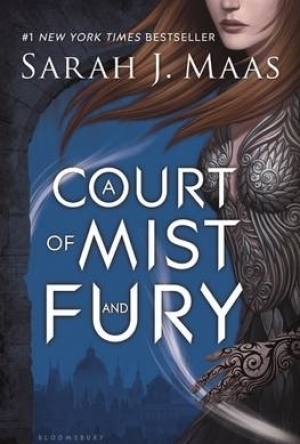
I put off starting A Court of Thorns and Roses because of vanity reasons (the cover just didn't do it for me, ok?!), but I fell in love with it immediately. I didn't even wait a second before starting A Court of Mist and Fury. Seriously. This series has become one my all time favorites. A Court of Mist and Fury is the continued story of Feyre. After being under the mountain she has found herself with a strange new body and a constant battle with the demons wrecking havoc in her mind. This book spends a good deal of time letting Feyre find herself and realize the good and toxic things in her life. As a threat looms ever closer, she learns to trust in herself and her abilities to become the curse breaker the all need.
The story is remarkable. I am always a little wary about the second books in series but this one far surpassed the first book. Sarah J Mass took an abusive relationship that we see all too often in books and turned it upside down. The sad part was I didn't even realize that it was an abusive relationship until I started into this book. I began to look back and pick out unhealthy parts to Feyre and Tamlin's relationship. I found myself giddy with delight as Feyre finds healthy relationships. I kept looking around as I was reading to see if anyone would notice the pure delight on my face (awkward..). The best part? The entire book moved so quickly I felt like I was sprinting to complete it. My emotions were on a rollercoaster the entire time. The author did a great job including scenes that provide a break from the chaos to let us catch our breath before diving right back in.
The characters really make this book. All the main women in this book are badasses. It is a breath of fresh air to see these women be more than a pretty face and hold their own. I also can't get over their friendship. It's clearly a true, bone deep friendship where the love is hard to miss. The night court men in this book are also refreshing. They will protect their friends family, but they are also aware that everyone is capable of taking care of themselves and each of them have their own strengths. I love the friendship and love between these characters.
The relationships had such tension in them it was impossible not to feel them. Apparently, fae do not do a good job of hiding how they feel about those they care about, and I am not complaining! I loved the relationship between Feyre and Rhys. Even from A Court of Thorns and Roses I wanted more interaction between the both of them. Although I couldn't tell what exactly was between them, I could feel the pull, the need to hear more of their story. Authors are amazing for being able to capture things like that! I do feel the need to note that there are some pretty heavy sex scenes in this book, significantly more than the first one. Maybe don't read out in public ;).
I loved a Court of Mist and Fury! I am a yelling at myself for not jumping on the bandwagon sooner. I highly recommend this book to everyone who likes magical fantasy books, books with strong female leads, books with a bit (ok a lot) of romance but in a healthy way, and an effortless read.
The story is remarkable. I am always a little wary about the second books in series but this one far surpassed the first book. Sarah J Mass took an abusive relationship that we see all too often in books and turned it upside down. The sad part was I didn't even realize that it was an abusive relationship until I started into this book. I began to look back and pick out unhealthy parts to Feyre and Tamlin's relationship. I found myself giddy with delight as Feyre finds healthy relationships. I kept looking around as I was reading to see if anyone would notice the pure delight on my face (awkward..). The best part? The entire book moved so quickly I felt like I was sprinting to complete it. My emotions were on a rollercoaster the entire time. The author did a great job including scenes that provide a break from the chaos to let us catch our breath before diving right back in.
The characters really make this book. All the main women in this book are badasses. It is a breath of fresh air to see these women be more than a pretty face and hold their own. I also can't get over their friendship. It's clearly a true, bone deep friendship where the love is hard to miss. The night court men in this book are also refreshing. They will protect their friends family, but they are also aware that everyone is capable of taking care of themselves and each of them have their own strengths. I love the friendship and love between these characters.
The relationships had such tension in them it was impossible not to feel them. Apparently, fae do not do a good job of hiding how they feel about those they care about, and I am not complaining! I loved the relationship between Feyre and Rhys. Even from A Court of Thorns and Roses I wanted more interaction between the both of them. Although I couldn't tell what exactly was between them, I could feel the pull, the need to hear more of their story. Authors are amazing for being able to capture things like that! I do feel the need to note that there are some pretty heavy sex scenes in this book, significantly more than the first one. Maybe don't read out in public ;).
I loved a Court of Mist and Fury! I am a yelling at myself for not jumping on the bandwagon sooner. I highly recommend this book to everyone who likes magical fantasy books, books with strong female leads, books with a bit (ok a lot) of romance but in a healthy way, and an effortless read.

Darren (1599 KP) rated A Dangerous Method (2011) in Movies
Jun 20, 2019


Story: A Dangerous Method starts as Sabine Spielrein (Knightley) is to an asylum where she is treated by Carl Jung (Fassbender) for her irrational reaction to any stimulation. In the search for answers Carl turns to Sigmund Freud (Mortensen) who has been an expert in the sexual disorders people are meant to have.
Once Carl gets to the bottom of Sabine’s case he finds himself learn from one of his patients Otto Gross (Cassel) who teaches him to he should be more sexually adventurous and his former patient Sabine is also now ready to embrace her issues. With all this going on Carl learns more from Freud about expressing his sexual side.
A Dangerous Method tries to tell the story of three famous scientific minds, sadly this only seems to show the difference they had through a difficult time in history. I found myself wondering what we were learning about as a lot of the dialogue feels very cloggy throughout. This really disappoints as a film which should be a lot more interesting.
Actor Review
Keira Knightley: Sabina is considered an ill young woman who is struggling with a fantasist that Carl Jung is treating, when he discovers the problem she becomes his mistress and moving towards living a normal life. She uses her newly discovered knowledge to get her way. Keira is solid in this role but never convinces.sabina
Viggo Mortensen: Sigmund Freud is the famous doctor that Carl Jung turns to for advice with dealing with his latest patient Sabina. He gives father like advice to Carl which becomes the opposite to what Carl thinks. Viggo makes for a good Freud but I do feel something was missing in his performance.frued
Michael Fassbender: Carl Jung is the doctor who is treating Sabina, he ends up going through Sigmund Freud to learn about what the problems are where to two become friends but also against each other’s opinions. He also gets involved with Sabina as he has his eyes opened sexually. Michael is good in the leading role but like the rest I feel is missing something.car
Vincent Cassel: Otto Gross is a patient that opens the eyes of Carl, he is seductive with how he speaks, after talking to Carl we see a different side of him. Vincent gives us a solid supporting performance I wish we could have seen more from.
Support Cast: A Dangerous Method doesn’t really have the biggest supporting cast and the ones we do meet sometimes feel almost pointless.
Director Review: David Cronenberg – David is a director we all have high expectations of but this really was a let-down.
Biographical: A Dangerous Method only teaches us the very basic about three very famous scientific minds.
Settings: A Dangerous Method re-creates the settings for this time period all looking very good.
Suggestion: A Dangerous Method is one to miss really, it doesn’t come off with the highest interest levels. (Miss It)
Best Part: Settings look great.
Worst Part: We don’t learn enough about the characters.
Believability: Based on the real people.
Chances of Tears: No
Chances of Sequel: No
Post Credits Scene: No
Oscar Chances: No
Runtime: 1 Hour 39 Minutes
Tagline: Based on the true story of Jung, Freud and the patient who came between them.
Overall: Dull biopic really.
https://moviesreview101.com/2016/04/03/michael-fassbender-weekend-a-dangerous-method-2011/
Once Carl gets to the bottom of Sabine’s case he finds himself learn from one of his patients Otto Gross (Cassel) who teaches him to he should be more sexually adventurous and his former patient Sabine is also now ready to embrace her issues. With all this going on Carl learns more from Freud about expressing his sexual side.
A Dangerous Method tries to tell the story of three famous scientific minds, sadly this only seems to show the difference they had through a difficult time in history. I found myself wondering what we were learning about as a lot of the dialogue feels very cloggy throughout. This really disappoints as a film which should be a lot more interesting.
Actor Review
Keira Knightley: Sabina is considered an ill young woman who is struggling with a fantasist that Carl Jung is treating, when he discovers the problem she becomes his mistress and moving towards living a normal life. She uses her newly discovered knowledge to get her way. Keira is solid in this role but never convinces.sabina
Viggo Mortensen: Sigmund Freud is the famous doctor that Carl Jung turns to for advice with dealing with his latest patient Sabina. He gives father like advice to Carl which becomes the opposite to what Carl thinks. Viggo makes for a good Freud but I do feel something was missing in his performance.frued
Michael Fassbender: Carl Jung is the doctor who is treating Sabina, he ends up going through Sigmund Freud to learn about what the problems are where to two become friends but also against each other’s opinions. He also gets involved with Sabina as he has his eyes opened sexually. Michael is good in the leading role but like the rest I feel is missing something.car
Vincent Cassel: Otto Gross is a patient that opens the eyes of Carl, he is seductive with how he speaks, after talking to Carl we see a different side of him. Vincent gives us a solid supporting performance I wish we could have seen more from.
Support Cast: A Dangerous Method doesn’t really have the biggest supporting cast and the ones we do meet sometimes feel almost pointless.
Director Review: David Cronenberg – David is a director we all have high expectations of but this really was a let-down.
Biographical: A Dangerous Method only teaches us the very basic about three very famous scientific minds.
Settings: A Dangerous Method re-creates the settings for this time period all looking very good.
Suggestion: A Dangerous Method is one to miss really, it doesn’t come off with the highest interest levels. (Miss It)
Best Part: Settings look great.
Worst Part: We don’t learn enough about the characters.
Believability: Based on the real people.
Chances of Tears: No
Chances of Sequel: No
Post Credits Scene: No
Oscar Chances: No
Runtime: 1 Hour 39 Minutes
Tagline: Based on the true story of Jung, Freud and the patient who came between them.
Overall: Dull biopic really.
https://moviesreview101.com/2016/04/03/michael-fassbender-weekend-a-dangerous-method-2011/

Lee (2222 KP) rated The Front Runner (2018) in Movies
Jan 8, 2019

Hugh Jackman (1 more)
J.K. Simmons
Enjoyable, great performances from all
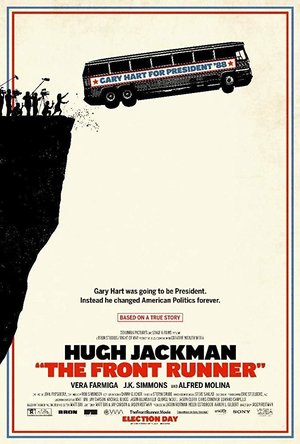
I don't really follow, or know very much about American politics. Trying to cope with whatever Brexit nonsense is happening here in the UK on a daily basis is more than enough for me, so aside from face palming at whatever rubbish Donald Trump is currently spewing on Twitter, I'm fairly oblivious to it all. Back in 1988, I would have more likely been playing Super Mario World, than taking interest in former Colorado senator Gary Hart, who became the front runner for the Democratic presidential nomination. So why then would I be interested in watching a movie about him and the scandal he became involved in so close to achieving his dream of presidency? Well, when the movie stars versatile man of the moment Hugh Jackman as Gary Hart, along with another two of my favourite actors (Vera Farmiga and J.K. Simmons), then I'm more than happy to give it a shot!
The movie opens with Hart currently riding high, with only three weeks to go until the nomination. He's a very charismatic man, intelligent, and clearly striking a chord with the voters. His path to the White House seems clear and certain. But, as the opening on-screen titles remind us, a lot can happen in three weeks...
Those three weeks, for the most part, run pretty smoothly, giving us a chance to get to know Hart and the vast number of supporting characters as the campaign progresses through its final stages. J.K. Simmons is campaign manager Bill Dixon, brilliant and often hilarious in every scene he's in. Vera Farmiga plays Harts wife Lee, slightly underused in the role of supportive wife placed in a difficult position. Elsewhere, there are plenty of strong supporting characters, both throughout the campaign team and within the news teams that are tasked with following Hart around the country. One of those reporters eventually gets wind of a potential story, although he initially doesn't believe the young nervous girl phoning his office one night, telling him about her friend who is due to go and meet with Hart at the weekend. A last minute change in Harts schedule for the weekend leads the reporter to suspect there may be some truth to the phone call and he follows up on the lead, staking out Harts townhouse in a bid to get some dirt on him.
When the dirt does start to come out, Hart attempts to brush it aside. We've already seen what a private man he is, baffled as to why anyone would want to see him posing for photos with his family in People magazine. He believes that his policies and the politician that he is are all that matters, and that the public aren't interested in his private life at all, so all of this will just blow over. His staff rally round to try and contain the story and work out what to do with the woman involved in the scandal, while Harts wife and daughter deal with the fallout back home. All the while, the reporters and TV are having a field day. Every part of the story is interesting, and the characters involved are all superb. What always helps a movie like this though is when it is based on true events and what helps it even more is the fantastic cast, who all do a brilliant job at making this a very enjoyable movie.
The movie opens with Hart currently riding high, with only three weeks to go until the nomination. He's a very charismatic man, intelligent, and clearly striking a chord with the voters. His path to the White House seems clear and certain. But, as the opening on-screen titles remind us, a lot can happen in three weeks...
Those three weeks, for the most part, run pretty smoothly, giving us a chance to get to know Hart and the vast number of supporting characters as the campaign progresses through its final stages. J.K. Simmons is campaign manager Bill Dixon, brilliant and often hilarious in every scene he's in. Vera Farmiga plays Harts wife Lee, slightly underused in the role of supportive wife placed in a difficult position. Elsewhere, there are plenty of strong supporting characters, both throughout the campaign team and within the news teams that are tasked with following Hart around the country. One of those reporters eventually gets wind of a potential story, although he initially doesn't believe the young nervous girl phoning his office one night, telling him about her friend who is due to go and meet with Hart at the weekend. A last minute change in Harts schedule for the weekend leads the reporter to suspect there may be some truth to the phone call and he follows up on the lead, staking out Harts townhouse in a bid to get some dirt on him.
When the dirt does start to come out, Hart attempts to brush it aside. We've already seen what a private man he is, baffled as to why anyone would want to see him posing for photos with his family in People magazine. He believes that his policies and the politician that he is are all that matters, and that the public aren't interested in his private life at all, so all of this will just blow over. His staff rally round to try and contain the story and work out what to do with the woman involved in the scandal, while Harts wife and daughter deal with the fallout back home. All the while, the reporters and TV are having a field day. Every part of the story is interesting, and the characters involved are all superb. What always helps a movie like this though is when it is based on true events and what helps it even more is the fantastic cast, who all do a brilliant job at making this a very enjoyable movie.

Hazel (1853 KP) rated The Last Dragonslayer (The Last Dragonslayer, #1) in Books
Dec 17, 2018
<i>I received this book for free through Goodreads First Reads.</i>
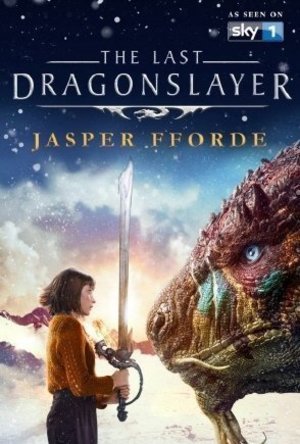
The recent dramatisation on Sky1 over the Christmas period (which I have not watched) has prompted the release of a new edition of Jasper Fforde’s <i>The Last Dragonslayer</i>, which originally appeared in bookstores six years ago. Fforde is perhaps best known for his <i>Thursday Next</i> series, a comical science-fiction story, but he proves he can equally tackle fantasy with this tale about an intrepid, young dragonslayer.
In the slightly fictional Kingdom of Hereford, part of the Ununited Kingdom, is a home and employment agency for mystical artisans. Over the past decades, magic has begun to diminish, leaving soothsayers and sorcerers struggling to find jobs. Jennifer Strange, although only fifteen, is temporarily in charge of running the agency, Kazam, and looking after the building’s cantankerous inhabitants. Although competent with her position, Jennifer soon finds herself out of her depth when wizards begin having prescient visions of the death of the last living dragon.
Able to ignore the prophecy at first, Jennifer becomes deeply involved once it is revealed that she is the foretold dragonslayer. Being both helped and hindered by friends and obdurate sorcerers, Jennifer desperately tries to prevent the shocking prediction from coming true. However, as she quickly discovers, it is impossible to outrun your own fate, especially if Big Magic is involved.
<i>The Last Dragonslayer</i> is a fun book to read that, despite the slow build up to the promised dragon story, is humorous and engaging throughout. Jasper Fforde is a particularly witty writer who uses genuine, intelligent, and often subtle, puns rather than demeaning himself by resorting to crude jokes. Although some may dismiss dragons, magic and fantasy as fatuous nonsense, it is clear Fforde is writing for the more intellectual reader.
The way in which the story is executed, particularly the conclusion, borders on genius and deserves to be highly praised. Magic is a concept that has been written about thousands of times, and also mocked in parodies of well-known literature. <i>The Last Dragonslayer</i> successfully combines fantasy and humour in a way that avoids ridicule.
Some may argue that <i>The Last Dragonslayer</i> is a young adult novel due to the age of the protagonist and the less highfaluting content in comparison to Fforde’s other works. On the other hand, Jennifer Strange is a character that appears a lot older than she actually is, and is involved in events and satire that a younger audience may not be able to fully appreciate. Therefore, there is nothing to prevent readers of all ages from enjoying this book, and the rest of the series, of course.
I particularly enjoyed reading Jasper Fforde’s <i>The Last Dragonslayer</i>. I found it engaging and amusing, loved the characters, and was slightly disheartened when the book ended earlier than I expected – that is the downside of having sneak peak chapters at the rear of the paperback! Of all the Jasper Fforde books I have read (<i>The Eyre Affair</i>, 2001 and <i>Shades of Grey</i>, 2009) <i>The Last Dragonslayer</i> has been my favourite. Perhaps the potential younger target audience prevented me from getting lost, unlike in the complexity of the other stories. As long as you can forgive the author for his fish fetish and preoccupation with marzipan, you will absolutely love this book.
The recent dramatisation on Sky1 over the Christmas period (which I have not watched) has prompted the release of a new edition of Jasper Fforde’s <i>The Last Dragonslayer</i>, which originally appeared in bookstores six years ago. Fforde is perhaps best known for his <i>Thursday Next</i> series, a comical science-fiction story, but he proves he can equally tackle fantasy with this tale about an intrepid, young dragonslayer.
In the slightly fictional Kingdom of Hereford, part of the Ununited Kingdom, is a home and employment agency for mystical artisans. Over the past decades, magic has begun to diminish, leaving soothsayers and sorcerers struggling to find jobs. Jennifer Strange, although only fifteen, is temporarily in charge of running the agency, Kazam, and looking after the building’s cantankerous inhabitants. Although competent with her position, Jennifer soon finds herself out of her depth when wizards begin having prescient visions of the death of the last living dragon.
Able to ignore the prophecy at first, Jennifer becomes deeply involved once it is revealed that she is the foretold dragonslayer. Being both helped and hindered by friends and obdurate sorcerers, Jennifer desperately tries to prevent the shocking prediction from coming true. However, as she quickly discovers, it is impossible to outrun your own fate, especially if Big Magic is involved.
<i>The Last Dragonslayer</i> is a fun book to read that, despite the slow build up to the promised dragon story, is humorous and engaging throughout. Jasper Fforde is a particularly witty writer who uses genuine, intelligent, and often subtle, puns rather than demeaning himself by resorting to crude jokes. Although some may dismiss dragons, magic and fantasy as fatuous nonsense, it is clear Fforde is writing for the more intellectual reader.
The way in which the story is executed, particularly the conclusion, borders on genius and deserves to be highly praised. Magic is a concept that has been written about thousands of times, and also mocked in parodies of well-known literature. <i>The Last Dragonslayer</i> successfully combines fantasy and humour in a way that avoids ridicule.
Some may argue that <i>The Last Dragonslayer</i> is a young adult novel due to the age of the protagonist and the less highfaluting content in comparison to Fforde’s other works. On the other hand, Jennifer Strange is a character that appears a lot older than she actually is, and is involved in events and satire that a younger audience may not be able to fully appreciate. Therefore, there is nothing to prevent readers of all ages from enjoying this book, and the rest of the series, of course.
I particularly enjoyed reading Jasper Fforde’s <i>The Last Dragonslayer</i>. I found it engaging and amusing, loved the characters, and was slightly disheartened when the book ended earlier than I expected – that is the downside of having sneak peak chapters at the rear of the paperback! Of all the Jasper Fforde books I have read (<i>The Eyre Affair</i>, 2001 and <i>Shades of Grey</i>, 2009) <i>The Last Dragonslayer</i> has been my favourite. Perhaps the potential younger target audience prevented me from getting lost, unlike in the complexity of the other stories. As long as you can forgive the author for his fish fetish and preoccupation with marzipan, you will absolutely love this book.
Hazel (1853 KP) rated Blood for Blood (Wolf By Wolf #2) in Books
Dec 17, 2018
<i>This eBook was provided by the publisher via NetGalley in exchange for an honest review </i>
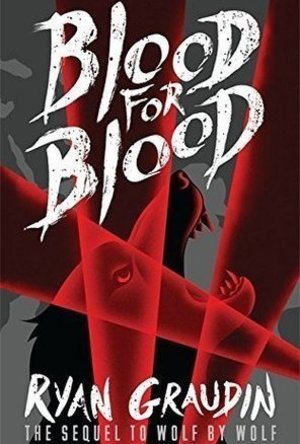
Ryan Graudin blew readers away with her alternate historical novel <i>Wolf by Wolf</i>. Now it is time to conclude the imaginative narrative with the highly anticipated sequel, <i>Blood for Blood. </i>Continuing from the precise moment Yael pulled the trigger on the Führer’s doppelgänger, the reader is thrown into a lively story of twists and turns, where danger lives around every corner.
To recap, it is 1956 and Hitler has won the war. Germany, or Germania, is ruling over Europe and many countries in Asia and Africa. Yael is a Jewish girl who a doctor experimented on whilst she was detained in a concentration camp. As a result of the brutal medical treatment, Yael is a successful result of the Doppelgänger Project – she can now change her physical appearance and anatomy at will.<i> Wolf by Wolf</i> focused on Yael and the resistance’s attempt to win a prestigious motorcycle race in order to get close to the Führer and end his life. As it turns out, Yael is not the only person with this skin shifting ability.
On the run with the entire world knowing her secret, Yael is desperate to make contact with the resistance leaders and continue with their plot to assassinate Hitler. However, unable to leave innocent people to suffer at the hands of the National Socialists, Yael ends up being accompanied and hindered by two Aryan boys, Luka and Felix. Yet with no way of knowing who can be trusted, Yael is taking a fatal risk by helping others instead of saving herself.
Despite circumstances, the blossoming romance that began to advance toward the end of the first book continues to feature in <i>Blood for Blood</i> as characters begin to rely on and trust each other. Nonetheless, constant plot developments obstruct all thoughts of a happy ending. Clever twists and gradually emerging truths prevent any opportunity for rest or safety.
<i>Wolf by Wolf </i>was an exciting, new concept for young adult readers, answering a “what if” question about the second world war. Yet the historical setting – albeit fictional – was impeded by the focus on the Axis Tour as characters raced from Germania to Tokyo. In contrast, <i>Blood for Blood</i> leaves all distractions behind, giving full attention to the life and danger under Hitler’s dictatorship. Despite Germany/Germania’s triumphant win, war is still raging throughout Europe. Anyone not meeting the Aryan description is at risk of death or deportment. Strictly speaking, the situation described must look similar, if not the same, as the true result of Nazi ruling.
Ryan Graudin is a formidable writer with the ability to make fiction seem like reality. Despite the added science fiction twist, the imaginative scenario is so well researched and planned that it becomes almost believable. Graudin comes at the story from so many directions, evidencing the effort put into creating the thrilling plot. It is one thing to be able to string words together, but to make them come alive it takes a genius.
<i>Blood for Blood</i> is by far the better of the two novels, making it the perfect conclusion to a fantastic two-part story. Beginning with explosive action and not stopping until its heart-wrenching conclusion, <i>Blood for Blood</i> will satisfy readers of all ages and genres. Those who have read <i>Wolf by Wolf</i> definitely must get their hands on this amazing sequel. You will not be disappointed.
Ryan Graudin blew readers away with her alternate historical novel <i>Wolf by Wolf</i>. Now it is time to conclude the imaginative narrative with the highly anticipated sequel, <i>Blood for Blood. </i>Continuing from the precise moment Yael pulled the trigger on the Führer’s doppelgänger, the reader is thrown into a lively story of twists and turns, where danger lives around every corner.
To recap, it is 1956 and Hitler has won the war. Germany, or Germania, is ruling over Europe and many countries in Asia and Africa. Yael is a Jewish girl who a doctor experimented on whilst she was detained in a concentration camp. As a result of the brutal medical treatment, Yael is a successful result of the Doppelgänger Project – she can now change her physical appearance and anatomy at will.<i> Wolf by Wolf</i> focused on Yael and the resistance’s attempt to win a prestigious motorcycle race in order to get close to the Führer and end his life. As it turns out, Yael is not the only person with this skin shifting ability.
On the run with the entire world knowing her secret, Yael is desperate to make contact with the resistance leaders and continue with their plot to assassinate Hitler. However, unable to leave innocent people to suffer at the hands of the National Socialists, Yael ends up being accompanied and hindered by two Aryan boys, Luka and Felix. Yet with no way of knowing who can be trusted, Yael is taking a fatal risk by helping others instead of saving herself.
Despite circumstances, the blossoming romance that began to advance toward the end of the first book continues to feature in <i>Blood for Blood</i> as characters begin to rely on and trust each other. Nonetheless, constant plot developments obstruct all thoughts of a happy ending. Clever twists and gradually emerging truths prevent any opportunity for rest or safety.
<i>Wolf by Wolf </i>was an exciting, new concept for young adult readers, answering a “what if” question about the second world war. Yet the historical setting – albeit fictional – was impeded by the focus on the Axis Tour as characters raced from Germania to Tokyo. In contrast, <i>Blood for Blood</i> leaves all distractions behind, giving full attention to the life and danger under Hitler’s dictatorship. Despite Germany/Germania’s triumphant win, war is still raging throughout Europe. Anyone not meeting the Aryan description is at risk of death or deportment. Strictly speaking, the situation described must look similar, if not the same, as the true result of Nazi ruling.
Ryan Graudin is a formidable writer with the ability to make fiction seem like reality. Despite the added science fiction twist, the imaginative scenario is so well researched and planned that it becomes almost believable. Graudin comes at the story from so many directions, evidencing the effort put into creating the thrilling plot. It is one thing to be able to string words together, but to make them come alive it takes a genius.
<i>Blood for Blood</i> is by far the better of the two novels, making it the perfect conclusion to a fantastic two-part story. Beginning with explosive action and not stopping until its heart-wrenching conclusion, <i>Blood for Blood</i> will satisfy readers of all ages and genres. Those who have read <i>Wolf by Wolf</i> definitely must get their hands on this amazing sequel. You will not be disappointed.