
Search
Search results
Cynthia Armistead (17 KP) rated Enthralled: Paranormal Diversions in Books
Mar 1, 2018


Journeys, literal or otherwise, are the theme of this young adult anthology. Appropriately enough, it was conceived as the result of a book tour.
"Giovanni’s Farewell" by [a:Claudia Gray|1192311|Claudia Gray|http://photo.goodreads.com/authors/1234643683p2/1192311.jpg] is a sweet, coming-of-age story of sorts. The twist is that it features a brother and sister, twins, rather than just one person. They visit Rome with a school group while dealing with major changes in their lives. There was too much background crammed into a short story, but it was interesting.
[a:Carrie Ryan|1443712|Carrie Ryan|http://photo.goodreads.com/authors/1343410049p2/1443712.jpg]'s "Scenic Route" is a disturbing, post-apocalyptic story set in the world of [b:The Forest of Hands and Teeth|3432478|The Forest of Hands and Teeth (The Forest of Hands and Teeth, #1)|Carrie Ryan|http://photo.goodreads.com/books/1320633297s/3432478.jpg|3473471] about two young sisters trying to survive in an isolated cabin. The older sister keeps the younger one occupied with the planning of a road trip that will never happen, always hoping against hope that the girl won't realize what their reality is. How long can they stay isolated enough to survive? Bloody, frightening, and visceral.
"Red Run" by [a:Kami Garcia|2895706|Kami Garcia|http://photo.goodreads.com/authors/1289693388p2/2895706.jpg] is the story of a girl who has lost the only person she loves in the world, and the trip she takes to avenge his death. How do you hunt a ghost? Maybe it isn't fair, coming right after Ryan's story, but I didn't truly feel the main character's feelings.
[a:Jackson Pearce|2761947|Jackson Pearce|http://photo.goodreads.com/authors/1336840299p2/2761947.jpg]'s "Things About Love" is a sweet story involving a jinn researching love. I felt like I'd come into the middle of something, so I checked and found that she's written a novel, [b:As You Wish|6750586|As You Wish|Jackson Pearce|http://photo.goodreads.com/books/1319175193s/6750586.jpg|6217232], in the same setting. While this story technically stands on its own, it would probably be enriched by having read As You Wish.
"Niederwald" by [a:Rachel Vincent|415967|Rachel Vincent|http://photo.goodreads.com/authors/1262900481p2/415967.jpg] is the first story I've read in her Soul Screamers series. Sabine, a macha (nightmare), takes a road trip with a human acquaintance and detours to Niederwald, Texas, home to the harpies. No, there's no way that could go wrong. Of course you know from the moment they hit the parking lot that it will go wrong, but at least it's an interesting sort of wrong.
[a:Melissa Marr|175855|Melissa Marr|http://photo.goodreads.com/authors/1192302741p2/175855.jpg]'s "Merely Mortal" feels as though it's probably set in the same world as her Wicked Lovely series.
"Facing Facts" by [a:Kelley Armstrong|7581|Kelley Armstrong|http://photo.goodreads.com/authors/1199068298p2/7581.jpg] is set in her Darkest Powers universe. I read the first of those books, but obviously a lot has passed since then, and there were spoilers in this story. It really centers around Chloe and Tori, with a little Derek tossed in. Tori learns something she doesn't want to know and reacts badly, running off on her own, which is dangerous. Chloe goes after her and they get into trouble. That seemed rather predictable to me, but at least the type of trouble wasn't what I expected. Tori doesn't seem to have changed since the first book, but Chloe is coming into control of her abilities.
[a:Sarah Rees Brennan|836009|Sarah Rees Brennan|http://photo.goodreads.com/authors/1254149255p2/836009.jpg]'s "Let’s Get this Undead Show on the Road" is about a boy band that features a vampire, Christian. He's an unusual vampire, all alone without a nest or a sire. His journey seems to be about his identity as a vampire, although the band is on tour and has another sort of journey to make, as well.
"Bridge" by [a:Jeri Smith-Ready|56019|Jeri Smith-Ready|http://photo.goodreads.com/authors/1204922569p2/56019.jpg] is told from a ghost's point of view, 233 days after death. It's frustrating being a ghost, because most people can't see or hear you. There are things you have to accomplish before moving on, though, that require communication with the living. Finding a "bridge" and working things out takes a lot of effort. This was a touching story, bittersweet and well-told.
[a:Kimberly Derting|2755160|Kimberly Derting|http://photo.goodreads.com/authors/1229976464p2/2755160.jpg]'s "Skin Contact" nearly broke me. Rafe is looking for his girlfriend. He knows where he needs to go, and he's guided by dreams. This story nearly broke me. It's told sparingly, and something feels perfectly right about it, but it hurts. According to her author biography, Rafe was introduced in her novel Desires of the Dead.
"Leaving" by [a:Ally Condie|1304470|Ally Condie|http://photo.goodreads.com/authors/1325882614p2/1304470.jpg] is a very literary story, about a girl left behind after her mother dies and her father leaves. She spends the story preparing to go after her father. It's hard to describe much more than that, or to have much of an opinion. It was well-written and I think I'll probably remember it for a long time.
[a:Jessica Verday|1290625|Jessica Verday|http://photo.goodreads.com/authors/1243816082p2/1290625.jpg]'s "At The Late Night, Double Feature, Picture Show" is a darkly funny story about a girl from a family of monster hunters. She's usually the bait, but tonight she has decided to be the hunter — without backup. I'd like to read more from Verday.
"IV League" by [a:Margaret Stohl|2895707|Margaret Stohl|http://photo.goodreads.com/authors/1241421033p2/2895707.jpg] just didn't hit me right. It's the story of a bunch of southern vampires on a college tour, which could have been funny but wasn't written that way. The whole thing just didn't sit well with me, perhaps because the main character seemed too unrealistically out of touch for someone who obviously had access to television and the internet.
[a:Mary E. Pearson|123463|Mary E. Pearson|http://photo.goodreads.com/authors/1238978651p2/123463.jpg]'s "Gargouille" is the most touching love story in the collection. Just read it.
"The Third Kind" by [a:Jennifer Lynn Barnes|164187|Jennifer Lynn Barnes|http://photo.goodreads.com/authors/1243935916p2/164187.jpg] is, on the surface, about a road trip to San Antonio. The real journey is much deeper, one of coming to understanding one's calling.
[a:Rachel Caine|15292|Rachel Caine|http://photo.goodreads.com/authors/1272650500p2/15292.jpg]'s Morganville is the setting for her "Automatic." I think I've read a Morganville novella, but my memory of it is dim. The Morganville Blood Bank introduces an automated withdrawal machine, essentially a soda can dispenser. Michael Glass is ordered to try it first, as a demonstration for the older, more traditional vampires, with unexpected results. His journey is one of self-knowledge. I didn't really care much about him, his journey, his girlfriend, or anything else. The setting and characters do nothing for me, but your mileage may vary.
Altogether, the anthology was worth reading. There were some low spots, but that's true of any collection. To be fair, I'm sure someone who is more enthusiastic about young adult fiction would also be more enthusiastic about the works here.
"Giovanni’s Farewell" by [a:Claudia Gray|1192311|Claudia Gray|http://photo.goodreads.com/authors/1234643683p2/1192311.jpg] is a sweet, coming-of-age story of sorts. The twist is that it features a brother and sister, twins, rather than just one person. They visit Rome with a school group while dealing with major changes in their lives. There was too much background crammed into a short story, but it was interesting.
[a:Carrie Ryan|1443712|Carrie Ryan|http://photo.goodreads.com/authors/1343410049p2/1443712.jpg]'s "Scenic Route" is a disturbing, post-apocalyptic story set in the world of [b:The Forest of Hands and Teeth|3432478|The Forest of Hands and Teeth (The Forest of Hands and Teeth, #1)|Carrie Ryan|http://photo.goodreads.com/books/1320633297s/3432478.jpg|3473471] about two young sisters trying to survive in an isolated cabin. The older sister keeps the younger one occupied with the planning of a road trip that will never happen, always hoping against hope that the girl won't realize what their reality is. How long can they stay isolated enough to survive? Bloody, frightening, and visceral.
"Red Run" by [a:Kami Garcia|2895706|Kami Garcia|http://photo.goodreads.com/authors/1289693388p2/2895706.jpg] is the story of a girl who has lost the only person she loves in the world, and the trip she takes to avenge his death. How do you hunt a ghost? Maybe it isn't fair, coming right after Ryan's story, but I didn't truly feel the main character's feelings.
[a:Jackson Pearce|2761947|Jackson Pearce|http://photo.goodreads.com/authors/1336840299p2/2761947.jpg]'s "Things About Love" is a sweet story involving a jinn researching love. I felt like I'd come into the middle of something, so I checked and found that she's written a novel, [b:As You Wish|6750586|As You Wish|Jackson Pearce|http://photo.goodreads.com/books/1319175193s/6750586.jpg|6217232], in the same setting. While this story technically stands on its own, it would probably be enriched by having read As You Wish.
"Niederwald" by [a:Rachel Vincent|415967|Rachel Vincent|http://photo.goodreads.com/authors/1262900481p2/415967.jpg] is the first story I've read in her Soul Screamers series. Sabine, a macha (nightmare), takes a road trip with a human acquaintance and detours to Niederwald, Texas, home to the harpies. No, there's no way that could go wrong. Of course you know from the moment they hit the parking lot that it will go wrong, but at least it's an interesting sort of wrong.
[a:Melissa Marr|175855|Melissa Marr|http://photo.goodreads.com/authors/1192302741p2/175855.jpg]'s "Merely Mortal" feels as though it's probably set in the same world as her Wicked Lovely series.
"Facing Facts" by [a:Kelley Armstrong|7581|Kelley Armstrong|http://photo.goodreads.com/authors/1199068298p2/7581.jpg] is set in her Darkest Powers universe. I read the first of those books, but obviously a lot has passed since then, and there were spoilers in this story. It really centers around Chloe and Tori, with a little Derek tossed in. Tori learns something she doesn't want to know and reacts badly, running off on her own, which is dangerous. Chloe goes after her and they get into trouble. That seemed rather predictable to me, but at least the type of trouble wasn't what I expected. Tori doesn't seem to have changed since the first book, but Chloe is coming into control of her abilities.
[a:Sarah Rees Brennan|836009|Sarah Rees Brennan|http://photo.goodreads.com/authors/1254149255p2/836009.jpg]'s "Let’s Get this Undead Show on the Road" is about a boy band that features a vampire, Christian. He's an unusual vampire, all alone without a nest or a sire. His journey seems to be about his identity as a vampire, although the band is on tour and has another sort of journey to make, as well.
"Bridge" by [a:Jeri Smith-Ready|56019|Jeri Smith-Ready|http://photo.goodreads.com/authors/1204922569p2/56019.jpg] is told from a ghost's point of view, 233 days after death. It's frustrating being a ghost, because most people can't see or hear you. There are things you have to accomplish before moving on, though, that require communication with the living. Finding a "bridge" and working things out takes a lot of effort. This was a touching story, bittersweet and well-told.
[a:Kimberly Derting|2755160|Kimberly Derting|http://photo.goodreads.com/authors/1229976464p2/2755160.jpg]'s "Skin Contact" nearly broke me. Rafe is looking for his girlfriend. He knows where he needs to go, and he's guided by dreams. This story nearly broke me. It's told sparingly, and something feels perfectly right about it, but it hurts. According to her author biography, Rafe was introduced in her novel Desires of the Dead.
"Leaving" by [a:Ally Condie|1304470|Ally Condie|http://photo.goodreads.com/authors/1325882614p2/1304470.jpg] is a very literary story, about a girl left behind after her mother dies and her father leaves. She spends the story preparing to go after her father. It's hard to describe much more than that, or to have much of an opinion. It was well-written and I think I'll probably remember it for a long time.
[a:Jessica Verday|1290625|Jessica Verday|http://photo.goodreads.com/authors/1243816082p2/1290625.jpg]'s "At The Late Night, Double Feature, Picture Show" is a darkly funny story about a girl from a family of monster hunters. She's usually the bait, but tonight she has decided to be the hunter — without backup. I'd like to read more from Verday.
"IV League" by [a:Margaret Stohl|2895707|Margaret Stohl|http://photo.goodreads.com/authors/1241421033p2/2895707.jpg] just didn't hit me right. It's the story of a bunch of southern vampires on a college tour, which could have been funny but wasn't written that way. The whole thing just didn't sit well with me, perhaps because the main character seemed too unrealistically out of touch for someone who obviously had access to television and the internet.
[a:Mary E. Pearson|123463|Mary E. Pearson|http://photo.goodreads.com/authors/1238978651p2/123463.jpg]'s "Gargouille" is the most touching love story in the collection. Just read it.
"The Third Kind" by [a:Jennifer Lynn Barnes|164187|Jennifer Lynn Barnes|http://photo.goodreads.com/authors/1243935916p2/164187.jpg] is, on the surface, about a road trip to San Antonio. The real journey is much deeper, one of coming to understanding one's calling.
[a:Rachel Caine|15292|Rachel Caine|http://photo.goodreads.com/authors/1272650500p2/15292.jpg]'s Morganville is the setting for her "Automatic." I think I've read a Morganville novella, but my memory of it is dim. The Morganville Blood Bank introduces an automated withdrawal machine, essentially a soda can dispenser. Michael Glass is ordered to try it first, as a demonstration for the older, more traditional vampires, with unexpected results. His journey is one of self-knowledge. I didn't really care much about him, his journey, his girlfriend, or anything else. The setting and characters do nothing for me, but your mileage may vary.
Altogether, the anthology was worth reading. There were some low spots, but that's true of any collection. To be fair, I'm sure someone who is more enthusiastic about young adult fiction would also be more enthusiastic about the works here.
Chris Sawin (602 KP) rated Dance of the Dead (2008) in Movies
Jun 18, 2019
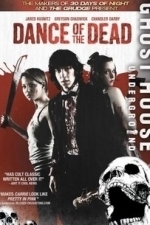


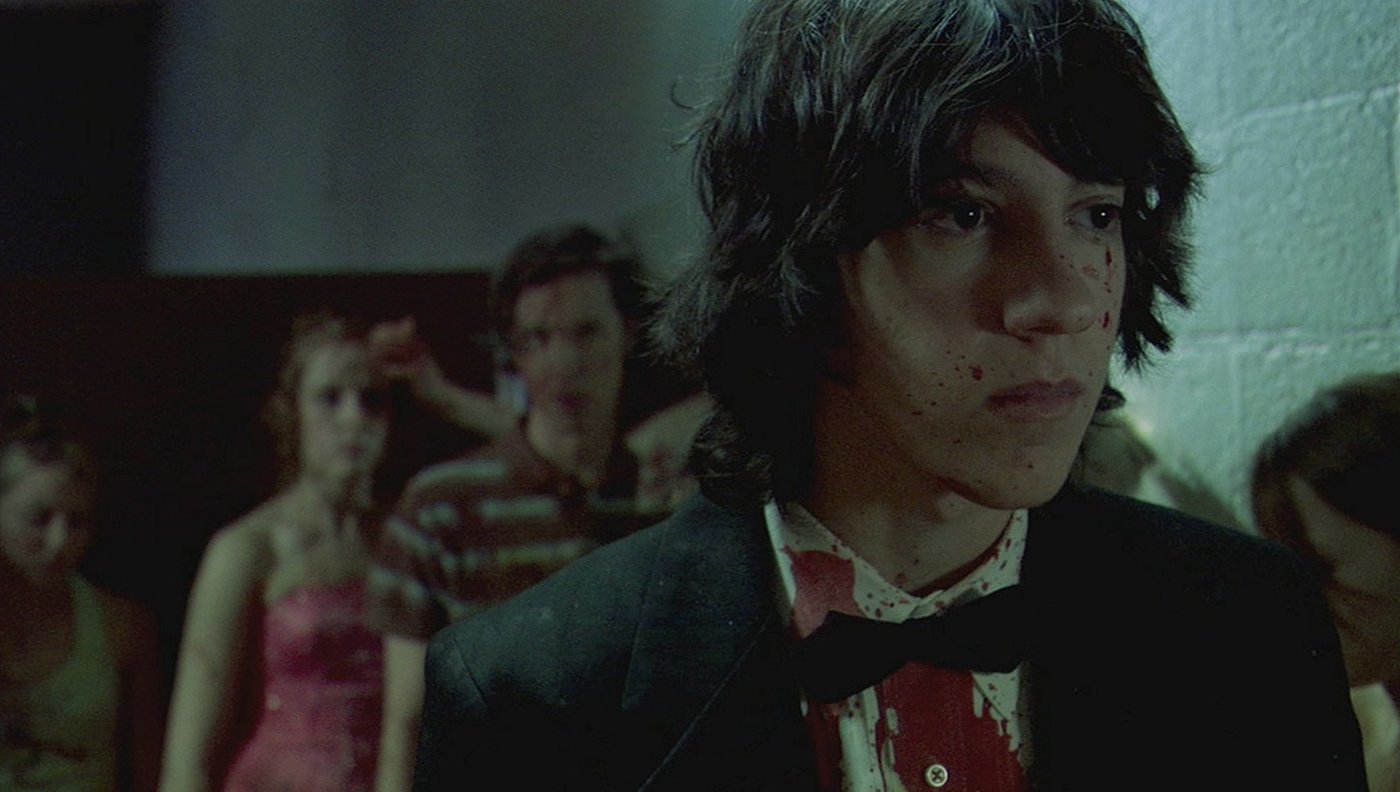
Jimmy Dunn (Jared Kusnitz) never seems to take anything seriously. He likes to spend more time in detention than he does in class. So it’s no surprise that Lindsey (Greyson Chadwick), the girl Jimmy was going to take to prom, decides to not go with him after realizing that Jimmy has no ambition. To make matters worse, something weird is going on in the graveyard next to the nuclear power plant in town. The dead are walking and they’re headed to the prom. The town is now in the hands of the losers who couldn’t get dates to the prom. There goes the neighborhood and here comes the pain; that is something that is certainly meant in more ways than one.
This is the type of horror film you have the urge to turn off as soon as it starts. Written by Joe Ballarini (My Little Pony: The Movie) and directed by Gregg Bishop (the “Dante the Great” segment of V/H/S Viral), Dance of the Dead is a part of the eight films that made up Ghost House Underground; horror films from all over the world chosen by Sam Raimi and Rob Tapert supposedly representing a “fresh” perspective of the horror genre. The problem is that most people would seek out one of these films and then never bother with the rest because why would you torture yourself any further?
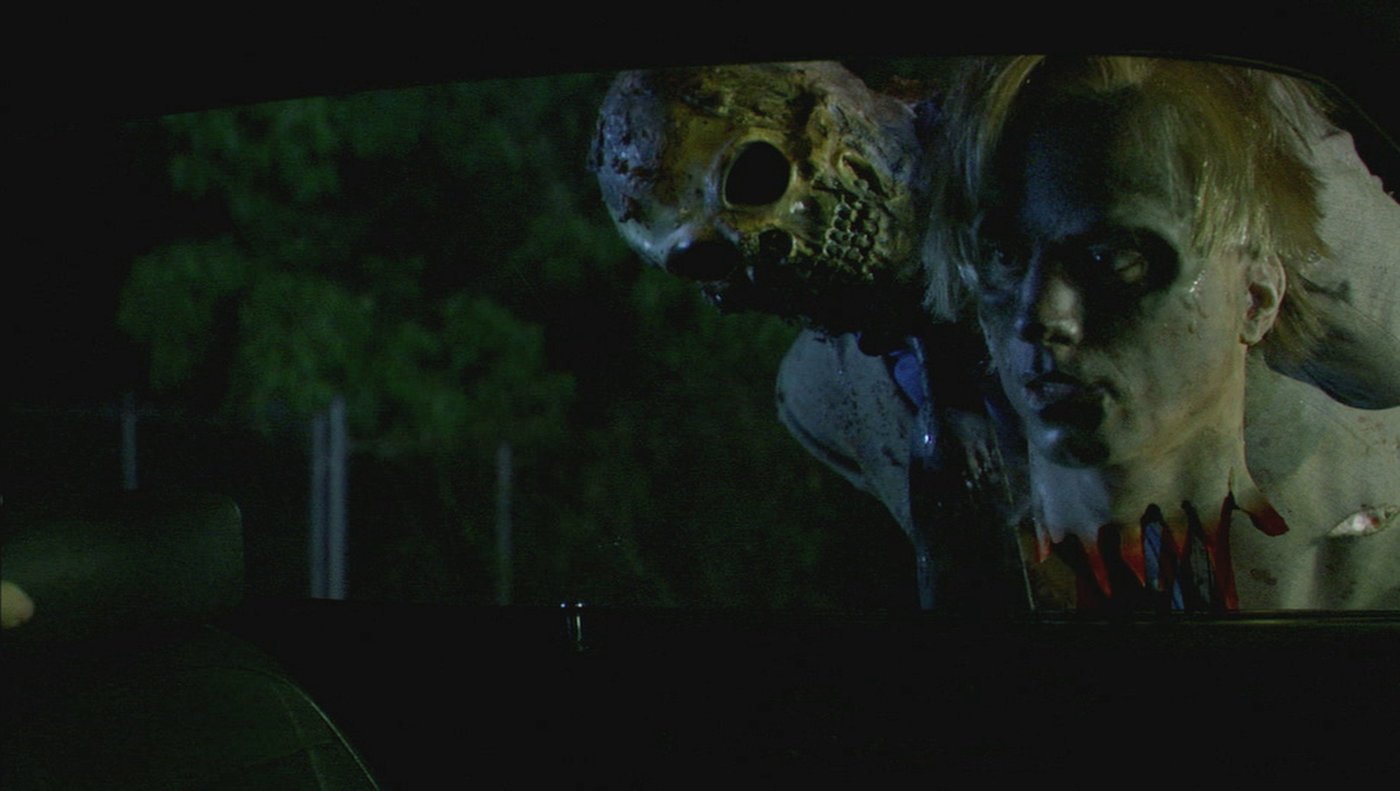
The first 20 or so minutes of the film revolve around high school melodrama and the prom. This is supposedly where you get accustomed to the film’s humor, but it’s mostly nothing more than high school kids being obnoxious and unbearable. The graveyard scene is where things get even worse. Zombies start rising from beyond the grave and decomposing hands start bursting through headstones since that makes more sense than soil. Emerging from the ground simply wasn’t enough either; these zombies explode from their graves with smoke and a loud crash. Moments later during the same sequence, there are zombies jumping several feet into the air out of the ground, landing on their feet, and running after these kids. If it sounds cool in the slightest, then this description isn’t doing this dumpster fire justice.
The zombies are all over the place in Dance of the Dead. They start off as the zombies that run similar to the zombies in Zack Snyder’s Dawn of the Dead remake. Later on in the film, they stumble around and are slow like George Romero’s zombies. Even later after that, the zombies are running again while some attempt to speak, say, “Brains!” and then get in a car and drive off. Someone had pointed out that the zombies in the film who are fresh out of the ground run while older ones move slower, which only makes this turd milkshake slightly less nutty. Dance of the Dead also can’t decide what zombie films to pay homage to either. Return of the Living Dead has a massive influence, but the film clearly pays tribute to Night of the Living Dead when the kids reach a house and decide to board up all the windows and take shelter. It seems like the one consistent aspect this film has is to be inconsistent.
Did you know zombies can be held at bay solely by the power of rocking out? Three stoners in a band (a guitarist, a bassist, and a drummer) inadvertently discover that their music stops zombies in their tracks. A bit later in the film during the prom, the gymnasium is full of zombies. There’s music playing and it shows three zombies on stage playing musical instruments; a guitar, a bass, and a drum set. Fast forward a little more and the three stoners are back again playing their stoner rock and the zombies are back to being frozen during their performance. There’s no consistency when it comes to what they play or how it affects zombies.
“In extreme circumstances, the assailants can be stopped by removing the head or destroying the brain.” Do you remember this quote from Shaun of the Dead? Try to keep it in mind, especially the, “removing the head,” part. A guy gets his head torn off by a zombie and you’d think he’d be dead, but this actually turns his decapitated head into a zombie. He comes back later on; his headless corpse carrying his decapitated head around. It’s one thing to try and reinvent a genre, but when you have so many reinventions along with homage out to wazoo you’re basically throwing cow pies at a brick wall and seeing what sticks.
Zombies shouldn’t make out with each other. Vampires shouldn’t sparkle and Warm Bodies isn’t canon. Two students turn into zombies and still end up in a giant make out session after they’ve turned. The kiss turns awkward as they start chewing on each other mid-kiss. They start taking bites out of each other while they’re still sucking face. This is the scariest aspect of the film considering that maybe most of us don’t want our eyeballs chewed out of our skulls during something so intimate.
When the special effects aren’t being a complete eyesore from being so cheap and ugly, the gore in Dance of the Dead is decent. Blood splattering everywhere is pretty common throughout the film. The acting isn’t completely terrible either. It absolutely isn’t good by any means. Dance of the Dead is basically Degrassi with zombies and everything lame you’re expecting to tag along with that reference. Lucas Till (X-Men: First Class, MacGyver) has a brief cameo as one of the rockers in the film and he's probably the only cast member you'll recognize.
The jumbled mass of homage and redefining of zombie lore in Dance of the Dead throws a monkey wrench in calling the film stereotypical and cliché, but it certainly feels that way. It seems like a rejected, alternate, first draft of a film you’ve already seen rather than a film that attempts to stand on its own two legs. It may be fun for fans of campy horror films, but its originality is borderline offensive since Dance of the Dead seems to just combine everything you know about zombies or purposely does the opposite at an attempt at being a different chomp of undead horror. Unfortunately though, Dance of the Dead is too overwhelmingly absurd for its own good as its gore feels like the drunken antics of a washed up clown rather than a competent horror film.
Dance of the Dead is available to stream on Amazon Prime, YouTube, and Google Play for $1.99, Vudu for $2.99, and iTunes for $5.99. The DVD is $7.72 on Amazon while the Blu-ray (which is Region 2 only) is $25.52 from a third party seller. The DVD is $7.49 in new condition and with free shipping on eBay or $4 with $2.99 shipping pre-owned. If you enjoy terrible things, the eight disc set of all the Ghost House Underground titles are available as a boxed set on Amazon for $179.74 and on eBay for $39.99 in brand new condition and with free shipping.
This is the type of horror film you have the urge to turn off as soon as it starts. Written by Joe Ballarini (My Little Pony: The Movie) and directed by Gregg Bishop (the “Dante the Great” segment of V/H/S Viral), Dance of the Dead is a part of the eight films that made up Ghost House Underground; horror films from all over the world chosen by Sam Raimi and Rob Tapert supposedly representing a “fresh” perspective of the horror genre. The problem is that most people would seek out one of these films and then never bother with the rest because why would you torture yourself any further?
The first 20 or so minutes of the film revolve around high school melodrama and the prom. This is supposedly where you get accustomed to the film’s humor, but it’s mostly nothing more than high school kids being obnoxious and unbearable. The graveyard scene is where things get even worse. Zombies start rising from beyond the grave and decomposing hands start bursting through headstones since that makes more sense than soil. Emerging from the ground simply wasn’t enough either; these zombies explode from their graves with smoke and a loud crash. Moments later during the same sequence, there are zombies jumping several feet into the air out of the ground, landing on their feet, and running after these kids. If it sounds cool in the slightest, then this description isn’t doing this dumpster fire justice.
The zombies are all over the place in Dance of the Dead. They start off as the zombies that run similar to the zombies in Zack Snyder’s Dawn of the Dead remake. Later on in the film, they stumble around and are slow like George Romero’s zombies. Even later after that, the zombies are running again while some attempt to speak, say, “Brains!” and then get in a car and drive off. Someone had pointed out that the zombies in the film who are fresh out of the ground run while older ones move slower, which only makes this turd milkshake slightly less nutty. Dance of the Dead also can’t decide what zombie films to pay homage to either. Return of the Living Dead has a massive influence, but the film clearly pays tribute to Night of the Living Dead when the kids reach a house and decide to board up all the windows and take shelter. It seems like the one consistent aspect this film has is to be inconsistent.
Did you know zombies can be held at bay solely by the power of rocking out? Three stoners in a band (a guitarist, a bassist, and a drummer) inadvertently discover that their music stops zombies in their tracks. A bit later in the film during the prom, the gymnasium is full of zombies. There’s music playing and it shows three zombies on stage playing musical instruments; a guitar, a bass, and a drum set. Fast forward a little more and the three stoners are back again playing their stoner rock and the zombies are back to being frozen during their performance. There’s no consistency when it comes to what they play or how it affects zombies.
“In extreme circumstances, the assailants can be stopped by removing the head or destroying the brain.” Do you remember this quote from Shaun of the Dead? Try to keep it in mind, especially the, “removing the head,” part. A guy gets his head torn off by a zombie and you’d think he’d be dead, but this actually turns his decapitated head into a zombie. He comes back later on; his headless corpse carrying his decapitated head around. It’s one thing to try and reinvent a genre, but when you have so many reinventions along with homage out to wazoo you’re basically throwing cow pies at a brick wall and seeing what sticks.
Zombies shouldn’t make out with each other. Vampires shouldn’t sparkle and Warm Bodies isn’t canon. Two students turn into zombies and still end up in a giant make out session after they’ve turned. The kiss turns awkward as they start chewing on each other mid-kiss. They start taking bites out of each other while they’re still sucking face. This is the scariest aspect of the film considering that maybe most of us don’t want our eyeballs chewed out of our skulls during something so intimate.
When the special effects aren’t being a complete eyesore from being so cheap and ugly, the gore in Dance of the Dead is decent. Blood splattering everywhere is pretty common throughout the film. The acting isn’t completely terrible either. It absolutely isn’t good by any means. Dance of the Dead is basically Degrassi with zombies and everything lame you’re expecting to tag along with that reference. Lucas Till (X-Men: First Class, MacGyver) has a brief cameo as one of the rockers in the film and he's probably the only cast member you'll recognize.
The jumbled mass of homage and redefining of zombie lore in Dance of the Dead throws a monkey wrench in calling the film stereotypical and cliché, but it certainly feels that way. It seems like a rejected, alternate, first draft of a film you’ve already seen rather than a film that attempts to stand on its own two legs. It may be fun for fans of campy horror films, but its originality is borderline offensive since Dance of the Dead seems to just combine everything you know about zombies or purposely does the opposite at an attempt at being a different chomp of undead horror. Unfortunately though, Dance of the Dead is too overwhelmingly absurd for its own good as its gore feels like the drunken antics of a washed up clown rather than a competent horror film.
Dance of the Dead is available to stream on Amazon Prime, YouTube, and Google Play for $1.99, Vudu for $2.99, and iTunes for $5.99. The DVD is $7.72 on Amazon while the Blu-ray (which is Region 2 only) is $25.52 from a third party seller. The DVD is $7.49 in new condition and with free shipping on eBay or $4 with $2.99 shipping pre-owned. If you enjoy terrible things, the eight disc set of all the Ghost House Underground titles are available as a boxed set on Amazon for $179.74 and on eBay for $39.99 in brand new condition and with free shipping.
Gareth von Kallenbach (980 KP) rated Warhammer: Chaosbane in Video Games
Jul 8, 2019

There have been a lot of Warhammer games released over the past year or so. Everything from managing spaceships, to Real-Time Strategy, to Tactical Combat based games have been represented between the Warhammer and the Warhammer 40,000 universe. EKO Software and Bigben decided to add the action-RPG to the mix with their fun to play Diablo clone Warhammer: Chaosbane.
Much like the games that it takes inspiration from, you have the opportunity to pick one of four characters to battle the Lords of Chaos and bring order to the land. Your standard archetype characters are all here in standard Warhammer Fantasy. The Dwarven “Slayer” class, for those who like a barbarian class to rage havoc upon his foes, The High-Elf Mage who utilizes his magic to bring down the forces of chaos, the ho-hum Imperial Soldier who can take and deal out a huge amount of damage, and the Wood Elf who uses her bow and dagger to deal damage at a frighteningly fast pace.
Each of the characters have their own unique secondary ability that allows them to gain a strategic advantage on their foes. The Slayer can vault himself into enemies (much like the Barbarian class in Diablo), The Mage can control magical projectiles towards his targets, the Imperial soldier can shield bash targets and the Wood Elf can tumble in and out of danger. I played through the vast majority of the game as the Wood Elf and learning to use her tumble ability and stay mobile is some of the best ways to beat the bosses that you will come across.
One area where Warhammer: Chaosbane improves on the standard Diablo formula is how it handles health and energy/mana. Various items you equip can provide health regeneration on their own or you also possess the ability to use a “health Potion” that refills slowly each time you use it. Thankfully this means you don’t have individual health potions cluttering up your inventory. Mana/Energy is used for special attacks and actions…each time you use a skill some of your Mana/Energy is used. There are a few ways you can recoup your energy. The first is to use your general attacks on creatures, as you successfully hit each one your energy fills a little until it tops the meter off. The other way is to reach out to your familiar who follows you around the screen. My familiar was a butterfly that I could run over to when I’d run low on energy and it would fill my meter about half way. When you utilize your familiar in this way they must also recharge, so use them wisely.
One of the more unique items that you acquire as you slice your way through the hordes of demons and undead are Blood Orbs. Blood Orbs appear on the battlefield seemingly at random (although the more enemies you cut down the more likely they are to appear). As you acquire these orbs it fills a Blood lust meter and when full imbues your character with incredible power and near invincibility until the meter runs out. The Orbs don’t stay on the battlefield forever however, and they slowly lose power the longer you wait to gather them, so it encourages you to step out of the battle (or in my case roll out of the battle) to gather them as quickly as you can. As you progress your character you’ll be given the chance to upgrade these as well which essentially allows you to fill multiple meters and grants you this special power for longer lengths of time.
Skills are broken down into various types which allow you to outfit your character to best suit your play style. There are literally dozens of both active and passive skills to choose from, and each of these skills can be upgraded as well for improved effects or damage. As the Wood Elf Elessa, I was able to summon dryads to my side to help me deal with the hordes of enemies. In edition there are also God Skills that you acquire as you level up and complete missions. These special skills unlock more powerful abilities but also unlock traits as you apply the points. Traits such as health regeneration or critical hit chances are only some of the ones that you can unlock along the God Skill tree that give you a sense that your character is becoming more unstoppable with every skill acquired.
Unfortunately, the inconsistent voice acting is what relegates Chaosbane to being good instead of great. I made the mistake of choosing the character with the worst voice acting in the bunch and if I had played through with another character I may not have noticed how truly terrible it was. Elessa delivers her lines in an almost wooden (pun intended) manner, almost as if reading directly from a script. This gets even more noticeable when on occasion her voice changes to that of a man. The developers and testers did a good job of catching most of them, but there were at least five or six dialog trees where Elessa’s voice changed completely. I have two theories on this, my first theory (although I hadn’t confirmed this) is that the character was originally meant to be portrayed as a man and was changed to add a bit more diversity to the line-up. Not that there is anything wrong with having the main characters all be male, but it certainly could have limited the appeal of the audience. My second theory is that some of the dialog was simply place holders while they were sourcing out the right voice actors and simply missed replacing the audio bytes.
Either way, Elessa isn’t the only place where the voice acting takes a turn for the worst, other characters suffer from this fate as well. While the Warhammer games have always used bravado to deliver their dialog, it is simply too over the top in most cases. The first boss I encountered sounded like Cobra Commander who had just walked off the set of the latest GI Joe Cartoon to lead the forces of Chaos…Yo Joe! The fact that the game is voice acted entirely is something that I do applaud the developers for insisting on, it’s just disappointing that you find yourself reading through the dialog as quickly as possible and skipping the voices whenever you can.
Even with its flaws Warhammer: Chaosbane is a fun Diablo clone and an absolute blast to play. The story is forgettable, the voices laughable, but the combat scratches the same itch that any other action roleplaying game provides. There’s plenty of loot to acquire, that ranges from common to rare, and your ability to “bless” items to make them more powerful is an added bonus. There are a whopping ten levels of difficulty, each level provides for a more difficult adventure with the promise of even better loot. With both couch co-op and online multiplayer, it even harkened me back to the days of playing the original Gauntlet in the arcades. If you like the Warhammer universe and are looking for a game you can pick up and play with relative ease, then Warhammer: Chaosbane is just the game you are looking for.
What I liked: Fun combat, Amazing selection of skills, Plays equally well with keyboard/mouse or controller
What I liked less: Terrible voice acting, Repetitive loot drops, Forgettable story
Much like the games that it takes inspiration from, you have the opportunity to pick one of four characters to battle the Lords of Chaos and bring order to the land. Your standard archetype characters are all here in standard Warhammer Fantasy. The Dwarven “Slayer” class, for those who like a barbarian class to rage havoc upon his foes, The High-Elf Mage who utilizes his magic to bring down the forces of chaos, the ho-hum Imperial Soldier who can take and deal out a huge amount of damage, and the Wood Elf who uses her bow and dagger to deal damage at a frighteningly fast pace.
Each of the characters have their own unique secondary ability that allows them to gain a strategic advantage on their foes. The Slayer can vault himself into enemies (much like the Barbarian class in Diablo), The Mage can control magical projectiles towards his targets, the Imperial soldier can shield bash targets and the Wood Elf can tumble in and out of danger. I played through the vast majority of the game as the Wood Elf and learning to use her tumble ability and stay mobile is some of the best ways to beat the bosses that you will come across.
One area where Warhammer: Chaosbane improves on the standard Diablo formula is how it handles health and energy/mana. Various items you equip can provide health regeneration on their own or you also possess the ability to use a “health Potion” that refills slowly each time you use it. Thankfully this means you don’t have individual health potions cluttering up your inventory. Mana/Energy is used for special attacks and actions…each time you use a skill some of your Mana/Energy is used. There are a few ways you can recoup your energy. The first is to use your general attacks on creatures, as you successfully hit each one your energy fills a little until it tops the meter off. The other way is to reach out to your familiar who follows you around the screen. My familiar was a butterfly that I could run over to when I’d run low on energy and it would fill my meter about half way. When you utilize your familiar in this way they must also recharge, so use them wisely.
One of the more unique items that you acquire as you slice your way through the hordes of demons and undead are Blood Orbs. Blood Orbs appear on the battlefield seemingly at random (although the more enemies you cut down the more likely they are to appear). As you acquire these orbs it fills a Blood lust meter and when full imbues your character with incredible power and near invincibility until the meter runs out. The Orbs don’t stay on the battlefield forever however, and they slowly lose power the longer you wait to gather them, so it encourages you to step out of the battle (or in my case roll out of the battle) to gather them as quickly as you can. As you progress your character you’ll be given the chance to upgrade these as well which essentially allows you to fill multiple meters and grants you this special power for longer lengths of time.
Skills are broken down into various types which allow you to outfit your character to best suit your play style. There are literally dozens of both active and passive skills to choose from, and each of these skills can be upgraded as well for improved effects or damage. As the Wood Elf Elessa, I was able to summon dryads to my side to help me deal with the hordes of enemies. In edition there are also God Skills that you acquire as you level up and complete missions. These special skills unlock more powerful abilities but also unlock traits as you apply the points. Traits such as health regeneration or critical hit chances are only some of the ones that you can unlock along the God Skill tree that give you a sense that your character is becoming more unstoppable with every skill acquired.
Unfortunately, the inconsistent voice acting is what relegates Chaosbane to being good instead of great. I made the mistake of choosing the character with the worst voice acting in the bunch and if I had played through with another character I may not have noticed how truly terrible it was. Elessa delivers her lines in an almost wooden (pun intended) manner, almost as if reading directly from a script. This gets even more noticeable when on occasion her voice changes to that of a man. The developers and testers did a good job of catching most of them, but there were at least five or six dialog trees where Elessa’s voice changed completely. I have two theories on this, my first theory (although I hadn’t confirmed this) is that the character was originally meant to be portrayed as a man and was changed to add a bit more diversity to the line-up. Not that there is anything wrong with having the main characters all be male, but it certainly could have limited the appeal of the audience. My second theory is that some of the dialog was simply place holders while they were sourcing out the right voice actors and simply missed replacing the audio bytes.
Either way, Elessa isn’t the only place where the voice acting takes a turn for the worst, other characters suffer from this fate as well. While the Warhammer games have always used bravado to deliver their dialog, it is simply too over the top in most cases. The first boss I encountered sounded like Cobra Commander who had just walked off the set of the latest GI Joe Cartoon to lead the forces of Chaos…Yo Joe! The fact that the game is voice acted entirely is something that I do applaud the developers for insisting on, it’s just disappointing that you find yourself reading through the dialog as quickly as possible and skipping the voices whenever you can.
Even with its flaws Warhammer: Chaosbane is a fun Diablo clone and an absolute blast to play. The story is forgettable, the voices laughable, but the combat scratches the same itch that any other action roleplaying game provides. There’s plenty of loot to acquire, that ranges from common to rare, and your ability to “bless” items to make them more powerful is an added bonus. There are a whopping ten levels of difficulty, each level provides for a more difficult adventure with the promise of even better loot. With both couch co-op and online multiplayer, it even harkened me back to the days of playing the original Gauntlet in the arcades. If you like the Warhammer universe and are looking for a game you can pick up and play with relative ease, then Warhammer: Chaosbane is just the game you are looking for.
What I liked: Fun combat, Amazing selection of skills, Plays equally well with keyboard/mouse or controller
What I liked less: Terrible voice acting, Repetitive loot drops, Forgettable story
The Bandersnatch (199 KP) rated Dracula in Books
Nov 7, 2019
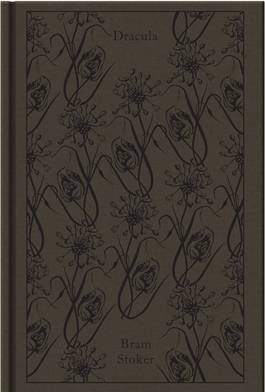

Dracula was written by author Bram Stoker during the late 1890's and is set around the character of Dracula and his attempt to move from Transylvania to England so he can spread the curse of the undead (I.e. the creation of more vampires). English solicitor Jonathan Harker who'd originally gone to Transylvania to be legal aide for Dracula stops him with the help of Van Helsing and others which ends the life of one of them – Quincey-, the book ends with a note from Jonathan Harker that several people lived happily married and Jonathan has a son nicknamed for Quincey.
Dracula was published in London in May 1897 by Archibald Constable & Company and was later copyrighted in the U.S in 1899 and published by Doubleday & McClure of New York. Despite having decent praise form reviewers it wasn't an immediate bestseller. Although the English newspaper the Daily Mail ranked Stoker's writing prowess in Dracula above that of Mary Shelly, Edgar Allen Poe and Emily Bronte's Wuthering heights. Unfortunately it didn't make Stoker that much money and he'd had to petition for a compassionate grant from the royal literary fund. When he died his widow was forced to sell his notes and outlines of the book at an auction in 1913. It was the unauthorised adaption of Nosferatu by F. W. Murnau in 1922 and the resulting legal battle made when Stokers widow took affront that the novels popularity began to grow.
Before writing Dracula Bram Stoker had been researching European folklore and stories of vampires having been most influenced by Emily Gerard's “Transylvania Superstitions” 1885 essay...which included content about the vampire myth. Some historians insist that Vlad iii Dracula (More commonly known as Vlad the impaler) was the model for Stokers count but there's been no supporting evidence to make that true. According to one expert Stoker only borrowed the barest minimum of information of the Wallachian tyrant and he's not even mentioned in Stokers notes. Stoker was a member of the London library during the 1890's where books by Sabine Baring-Gould, Thomas Browne, AF Crosse and Charles Boner are attributed to Stokers research. Stoker would later claim he'd had a nightmare caused by over-eating crab meat about a “Vampire king” rising from his grave. Whitby on the Yorkshire coast contributed its landscape since Bram Stoker often holidayed there during the summer.
Dracula wasn't Stokers first choice as title for the story since he cycled through The Dead Un-Dead then simply the Un-Dead the count wasn't even supposed to be Count Dracula having had the name Count Wampyr for several drafts before Stoker became intrigued by the name Dracula. After reading “An account of the principles of Wallachia and Moldavia with political observations relative to them” written by author William Wilkinson (Published in 1820). the descendants of Vlad ii of Wallachia took the name Dracula or Dracul after being invested in the Order of the Dragon in 1431. In the old Romanian language the word Dracul mean “the Dragon” and Dracula meant “Son of the Dragon”. Nowadays however Dracul means “the Devil”
Whilst Dracula is known as THE Vampire novel its not the first. Johan Wolfgang Von Goethe had his book the Bride of Corinth published in 1797, 1871's Carmilla (a story about a lesbian vampire) was written by Sheridan Le Frau and James Malcolm Rymer's penny dreadful series Venny the Vampire was a product from the mid Victorian period. Even John Polidori created an image of a vampyric aristocrat in his 1819 story The Vampyre when he spent a summer with Merry Shelly (creator of Frankenstein) and her poet husband Percy Bysshe Shelly and Lord Bryon in 1816.
I really love Dracula. It showed the madness, the ethereal quality and the ultimate danger of what a vampire could do. Like many other goth inclined teenagers trying to find their feet in the world Dracula definitely added its two cents to my self worth and love of all things macabre. The fact it was written by a Victorian writer has added a unusual depth to the story as only a Victorian writer could. The culture of the Vampire has become deep rooted and wide spread in its acceptance and Dracula has definitely spearheaded such a phenomenon.
Abraham “Bram” Stoker was Born in Dublin, Ireland on the 8th of November 1847, He was the third of seven children born to Abraham and Charlotte Stoker and was bedridden with an unknown illness until he recovered at seven. He started schooling at a private school run by the Reverend William Woods and grew up without serious illness. Stoker excelled at sports at Trinity College Dublin having graduated in 1870 with a BA (Bachelor of Arts). He was an Auditor of the College Historical Society and the president of the University Philosophical Society where his first paper was on Sensationalism in fiction and society.
Thanks to his friend Dr. Maunsell, Stoker became interested in the theatre as a student and whilst working for the Irish civil service he became a theatre critic for the Dublin evening mail where he attracted notice for the quality of his reviews. Stoker gave a favourable review of Henry Irving's adaption of Hamlet in December 1876, this prompted Irving to invite him to dinner where they ended up becoming friends. Stoker wrote The Crystal Cup which was published by the London society in 1872 and The chain of Destiny which was released in four parts in the Shamrock. Stoker also wrote the non-fiction book the duties of clerks of petty sessions in Ireland which was published in 1879.
Bram stoker married Florence Balcombe the daughter of a lieutenent-colonel in 1978 and they moved to London. Where Stoker ended up the Business manager of the Lyceum theatre as well as manager for Henry Irving- a position he held for 27 years. Despite being a very busy man Stoker ended up writing several novels (as well as Dracula) Including The Snakes pass in 1890, the lady of the shroud in 1909 and the lair of the white worm in 1911. when Henry Irving died in 1906 he published his personal reminiscences of Henry Irving. Stoker also managed productions at the Prince of Wales theatre.
Bram stoker died after a series of strokes in London on April 20th 1912, the cause of death is split between the possibility of Tertiary Syphilis or overwork. He was cremated and was placed in a display urn at Golders Green Crematorium in North London, he was later joined by the ashes of his Son Irving Noel Stoker in 1961, his wife Florence was meant to join them but her ashes were scattered at the Gardens of rest.
Stoker was honoured with a Google Doogle (the banner on goggles homepage) on November 8th 2012 commemorating the 165th anniversary of his birth. An annual festival in honour of Bram Stoker happens in Dublin, its supported by the Bram stoker estate and was/is usually funded by Dublin City Council and Failte Ireland.
My opinion of Bran stoker is that of a decent hard working man who loved life. Stoker epitomises the phrases of “a man on a mission” and “a man who hussles”. Having worked extremely hard both creatively as a novelist and business wise as a theatre manager Stoker pretty much showed that if you work hard you could pretty much do anything you set your mind to.
And there you have it a book for all the ages, definitely under the banner of AWESOME!!!.
Dracula was published in London in May 1897 by Archibald Constable & Company and was later copyrighted in the U.S in 1899 and published by Doubleday & McClure of New York. Despite having decent praise form reviewers it wasn't an immediate bestseller. Although the English newspaper the Daily Mail ranked Stoker's writing prowess in Dracula above that of Mary Shelly, Edgar Allen Poe and Emily Bronte's Wuthering heights. Unfortunately it didn't make Stoker that much money and he'd had to petition for a compassionate grant from the royal literary fund. When he died his widow was forced to sell his notes and outlines of the book at an auction in 1913. It was the unauthorised adaption of Nosferatu by F. W. Murnau in 1922 and the resulting legal battle made when Stokers widow took affront that the novels popularity began to grow.
Before writing Dracula Bram Stoker had been researching European folklore and stories of vampires having been most influenced by Emily Gerard's “Transylvania Superstitions” 1885 essay...which included content about the vampire myth. Some historians insist that Vlad iii Dracula (More commonly known as Vlad the impaler) was the model for Stokers count but there's been no supporting evidence to make that true. According to one expert Stoker only borrowed the barest minimum of information of the Wallachian tyrant and he's not even mentioned in Stokers notes. Stoker was a member of the London library during the 1890's where books by Sabine Baring-Gould, Thomas Browne, AF Crosse and Charles Boner are attributed to Stokers research. Stoker would later claim he'd had a nightmare caused by over-eating crab meat about a “Vampire king” rising from his grave. Whitby on the Yorkshire coast contributed its landscape since Bram Stoker often holidayed there during the summer.
Dracula wasn't Stokers first choice as title for the story since he cycled through The Dead Un-Dead then simply the Un-Dead the count wasn't even supposed to be Count Dracula having had the name Count Wampyr for several drafts before Stoker became intrigued by the name Dracula. After reading “An account of the principles of Wallachia and Moldavia with political observations relative to them” written by author William Wilkinson (Published in 1820). the descendants of Vlad ii of Wallachia took the name Dracula or Dracul after being invested in the Order of the Dragon in 1431. In the old Romanian language the word Dracul mean “the Dragon” and Dracula meant “Son of the Dragon”. Nowadays however Dracul means “the Devil”
Whilst Dracula is known as THE Vampire novel its not the first. Johan Wolfgang Von Goethe had his book the Bride of Corinth published in 1797, 1871's Carmilla (a story about a lesbian vampire) was written by Sheridan Le Frau and James Malcolm Rymer's penny dreadful series Venny the Vampire was a product from the mid Victorian period. Even John Polidori created an image of a vampyric aristocrat in his 1819 story The Vampyre when he spent a summer with Merry Shelly (creator of Frankenstein) and her poet husband Percy Bysshe Shelly and Lord Bryon in 1816.
I really love Dracula. It showed the madness, the ethereal quality and the ultimate danger of what a vampire could do. Like many other goth inclined teenagers trying to find their feet in the world Dracula definitely added its two cents to my self worth and love of all things macabre. The fact it was written by a Victorian writer has added a unusual depth to the story as only a Victorian writer could. The culture of the Vampire has become deep rooted and wide spread in its acceptance and Dracula has definitely spearheaded such a phenomenon.
Abraham “Bram” Stoker was Born in Dublin, Ireland on the 8th of November 1847, He was the third of seven children born to Abraham and Charlotte Stoker and was bedridden with an unknown illness until he recovered at seven. He started schooling at a private school run by the Reverend William Woods and grew up without serious illness. Stoker excelled at sports at Trinity College Dublin having graduated in 1870 with a BA (Bachelor of Arts). He was an Auditor of the College Historical Society and the president of the University Philosophical Society where his first paper was on Sensationalism in fiction and society.
Thanks to his friend Dr. Maunsell, Stoker became interested in the theatre as a student and whilst working for the Irish civil service he became a theatre critic for the Dublin evening mail where he attracted notice for the quality of his reviews. Stoker gave a favourable review of Henry Irving's adaption of Hamlet in December 1876, this prompted Irving to invite him to dinner where they ended up becoming friends. Stoker wrote The Crystal Cup which was published by the London society in 1872 and The chain of Destiny which was released in four parts in the Shamrock. Stoker also wrote the non-fiction book the duties of clerks of petty sessions in Ireland which was published in 1879.
Bram stoker married Florence Balcombe the daughter of a lieutenent-colonel in 1978 and they moved to London. Where Stoker ended up the Business manager of the Lyceum theatre as well as manager for Henry Irving- a position he held for 27 years. Despite being a very busy man Stoker ended up writing several novels (as well as Dracula) Including The Snakes pass in 1890, the lady of the shroud in 1909 and the lair of the white worm in 1911. when Henry Irving died in 1906 he published his personal reminiscences of Henry Irving. Stoker also managed productions at the Prince of Wales theatre.
Bram stoker died after a series of strokes in London on April 20th 1912, the cause of death is split between the possibility of Tertiary Syphilis or overwork. He was cremated and was placed in a display urn at Golders Green Crematorium in North London, he was later joined by the ashes of his Son Irving Noel Stoker in 1961, his wife Florence was meant to join them but her ashes were scattered at the Gardens of rest.
Stoker was honoured with a Google Doogle (the banner on goggles homepage) on November 8th 2012 commemorating the 165th anniversary of his birth. An annual festival in honour of Bram Stoker happens in Dublin, its supported by the Bram stoker estate and was/is usually funded by Dublin City Council and Failte Ireland.
My opinion of Bran stoker is that of a decent hard working man who loved life. Stoker epitomises the phrases of “a man on a mission” and “a man who hussles”. Having worked extremely hard both creatively as a novelist and business wise as a theatre manager Stoker pretty much showed that if you work hard you could pretty much do anything you set your mind to.
And there you have it a book for all the ages, definitely under the banner of AWESOME!!!.