
Search
Search results

Gareth von Kallenbach (980 KP) rated This Means War (2012) in Movies
Aug 7, 2019



It’s been said that all’s fair in love and war and never was the case more evident than in the tale of FDR and Tuck, two best friends who also happen to be partners and top agents at the CIA. After a covert operation doesn’t go as planned the duo find themselves riding their desks in the Los Angeles agency office much to their chagrin.
FDR (Chris Pine) is very confident ladies’ man while Tuck (Tom Hardy) is a divorced father of a little boy looking for “the one”. The more reserved Tuck decides to take his chances with online dating while FDR is content to cruise the local video store searching for his latest conquest. Enter Lauren (Reese Witherspoon), an attractive, independent woman who appears to have everything except a love life.
When Lauren encounters her former fiancé engaged to another woman, she vents her frustration to her best friend Trish (Chelsea Handler) who decides to take matters into her own hands and, unbeknownst to Lauren, produces an online dating profile for Lauren which matches her with Tuck. The first meeting between the two goes very well and they decide to take things slowly and see where this promising start leads. Unfortunately as Trish is heading home she stops in the same video store were FDR is on the prowl and the two mix like oil and water. Undeterred, FDR decides to pursue Lauren.
Eventually Tuck and FDR realize that they’re seeing the same woman and, not wanting to put their friendship in jeopardy, agree that they will continue to see her and let Lauren decide whom she prefers. The fact that neither men in this love triangle acknowledges that they know each other leads to some interesting complications, and naturally jealousies arise between the two friends.
With the full resources of the CIA at their disposal, Tuck and FDR, who’ve both become captivated with Lauren, soon take advantage of their job not only to spy on each other’s dates with Lauren but also to do their best to undermine the other and gain valuable information to help them appear more desirable to Lauren. As if this wasn’t complicated enough, an international criminal named Heinrich (Til Schweiger) is searching for the two agents to seek revenge. Constantly battling one another as well as the impending threat of Heinrich, FDR and Tuck embark on a hysterical and action-packed adventure that is one of the most enjoyable romantic comedies in recent memory.
Sure the film does take a few leaps in logic, such as the CIA turning a blind eye to their use of so many high-level resources in the world of dating but anyone seeing this type of film obviously isn’t expecting realism.
Directed by McG the film mixes action and comedy with a touch of romance and creates an entertaining formula. The three leads work exceptionally well with one another and Hardy and Pine are clearly stars on the rise. Handler does some great supporting work in the film and gets more than her share of laughs. This is definitely one you will not want to miss.
FDR (Chris Pine) is very confident ladies’ man while Tuck (Tom Hardy) is a divorced father of a little boy looking for “the one”. The more reserved Tuck decides to take his chances with online dating while FDR is content to cruise the local video store searching for his latest conquest. Enter Lauren (Reese Witherspoon), an attractive, independent woman who appears to have everything except a love life.
When Lauren encounters her former fiancé engaged to another woman, she vents her frustration to her best friend Trish (Chelsea Handler) who decides to take matters into her own hands and, unbeknownst to Lauren, produces an online dating profile for Lauren which matches her with Tuck. The first meeting between the two goes very well and they decide to take things slowly and see where this promising start leads. Unfortunately as Trish is heading home she stops in the same video store were FDR is on the prowl and the two mix like oil and water. Undeterred, FDR decides to pursue Lauren.
Eventually Tuck and FDR realize that they’re seeing the same woman and, not wanting to put their friendship in jeopardy, agree that they will continue to see her and let Lauren decide whom she prefers. The fact that neither men in this love triangle acknowledges that they know each other leads to some interesting complications, and naturally jealousies arise between the two friends.
With the full resources of the CIA at their disposal, Tuck and FDR, who’ve both become captivated with Lauren, soon take advantage of their job not only to spy on each other’s dates with Lauren but also to do their best to undermine the other and gain valuable information to help them appear more desirable to Lauren. As if this wasn’t complicated enough, an international criminal named Heinrich (Til Schweiger) is searching for the two agents to seek revenge. Constantly battling one another as well as the impending threat of Heinrich, FDR and Tuck embark on a hysterical and action-packed adventure that is one of the most enjoyable romantic comedies in recent memory.
Sure the film does take a few leaps in logic, such as the CIA turning a blind eye to their use of so many high-level resources in the world of dating but anyone seeing this type of film obviously isn’t expecting realism.
Directed by McG the film mixes action and comedy with a touch of romance and creates an entertaining formula. The three leads work exceptionally well with one another and Hardy and Pine are clearly stars on the rise. Handler does some great supporting work in the film and gets more than her share of laughs. This is definitely one you will not want to miss.

Movie Metropolis (309 KP) rated Thor: Ragnarok (2017) in Movies
Jun 10, 2019 (Updated Jun 10, 2019)
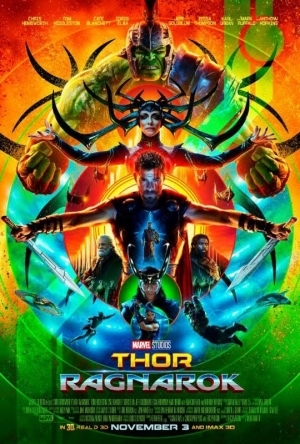

Utterly preposterous
Thor is arguably one of Marvel’s strongest characters. Played by the superb Chris Hemsworth since 2011, the God of thunder is one of the MCUs most popular assets.
It’s unfortunate then that he’s been lambasted with the weakest solo films of the entire series, the son of Odin really has deserved much better.
Thor’s inception in the first of his three solo outings was a competent if unremarkable origins story and the less said about Thor: The Dark World, which remains the poorest film of the entire MCU, the better. Now, just in time for Infinity War,Thor: Ragnarok rolls into cinemas. But does it do its leading man justice?Imprisoned on the other side of the universe, the mighty Thor (Hemsworth) finds himself in a deadly gladiatorial contest that pits him against the Hulk (Bruce Banner), his former ally and fellow Avenger. Thor’s quest for survival leads him in a race against time to prevent the all-powerful goddess of death, Hela, (Cate Blanchett) from destroying his home world and the Asgardian civilisation.
This third film for our mighty Avenger is really something. A film more akin to Guardians of the Galaxy than its overly stuffy predecessors. Director Taika Waititi in his first big-budget feature has managed what many had thought was impossible, he’s given Thor a rather brilliant movie.
But how? Well, he’s realised what no-one else has. The premise surrounding our titular hero is utterly ridiculous. Rather than shy away from that and create something serious, he’s embraced it with humour, music and my goodness, a lot of colour.
If you thought Guardians of the Galaxy used every colour on the spectrum, you ain’t seen nothing yet. Thor: Ragnarok is quite something to watch. From the gold-tipped spears of Asgard that glisten like never before, to the trash-topped planet of Sakaar, everything is dripping in colour.
“Casting Goldblum in the role of an immortal game-player really is an inspired choice.”
Speaking of Sakaar, it contains one of the MCUs best new additions: Jeff Goldbum. Sorry, I mean the Grandmaster. Casting Goldblum in the role of an immortal game-player really is an inspired choice. The 65-year-old legend has made a career on playing himself and it works exceptionally well here. His improvisation is absolutely spot on.
Ragnarok throws up a few other surprises too. One being that Chris Hemsworth is absolutely hilarious. He and Tom Hiddleston bounce off each other incredibly well and we see real chemistry – the chemistry that should have been evident from the start. Cate Blanchett also turns the cheese up to 11 as the latest throwaway Marvel villain, Hela.
She fares better than the majority of Marvel villains and is certainly more interesting than Christopher Eccelston’s, Malekith, but they never quite make the impact that the scriptwriters were clearly looking for. Nevertheless, Blanchett is excellent.
Thankfully, Thor: Ragnarok doesn’t suffer from the absence of Natalie Portman’s dull Jane Foster, and though she is referenced early on, newcomer Tessa Thompson as Valkyrie provides a fitting replacement and possible future love-interest for our intrepid hero.
Unfortunately, it’s not all good news. Surprisingly the first 30 minutes feel incredibly rushed as numerous loose storylines are brought together and the improvised nature of the script lends itself to a little too much humour. Yes, we get it, Marvel films are funny, but this should not be at the expense of the more emotional sequences that the movie tries to put across.
Nevertheless, Thor: Ragnarok is a resounding success, created by a man who clearly has a passion for this corner of the MCU. He manages to make an absolutely preposterous film – and that’s exactly how Thor should be. Take a bow Mr. Waititi.
A little tip – there are two end credit sequences waiting for you. You’re welcome.
https://moviemetropolis.net/2017/10/26/thor-ragnarok-review/
It’s unfortunate then that he’s been lambasted with the weakest solo films of the entire series, the son of Odin really has deserved much better.
Thor’s inception in the first of his three solo outings was a competent if unremarkable origins story and the less said about Thor: The Dark World, which remains the poorest film of the entire MCU, the better. Now, just in time for Infinity War,Thor: Ragnarok rolls into cinemas. But does it do its leading man justice?Imprisoned on the other side of the universe, the mighty Thor (Hemsworth) finds himself in a deadly gladiatorial contest that pits him against the Hulk (Bruce Banner), his former ally and fellow Avenger. Thor’s quest for survival leads him in a race against time to prevent the all-powerful goddess of death, Hela, (Cate Blanchett) from destroying his home world and the Asgardian civilisation.
This third film for our mighty Avenger is really something. A film more akin to Guardians of the Galaxy than its overly stuffy predecessors. Director Taika Waititi in his first big-budget feature has managed what many had thought was impossible, he’s given Thor a rather brilliant movie.
But how? Well, he’s realised what no-one else has. The premise surrounding our titular hero is utterly ridiculous. Rather than shy away from that and create something serious, he’s embraced it with humour, music and my goodness, a lot of colour.
If you thought Guardians of the Galaxy used every colour on the spectrum, you ain’t seen nothing yet. Thor: Ragnarok is quite something to watch. From the gold-tipped spears of Asgard that glisten like never before, to the trash-topped planet of Sakaar, everything is dripping in colour.
“Casting Goldblum in the role of an immortal game-player really is an inspired choice.”
Speaking of Sakaar, it contains one of the MCUs best new additions: Jeff Goldbum. Sorry, I mean the Grandmaster. Casting Goldblum in the role of an immortal game-player really is an inspired choice. The 65-year-old legend has made a career on playing himself and it works exceptionally well here. His improvisation is absolutely spot on.
Ragnarok throws up a few other surprises too. One being that Chris Hemsworth is absolutely hilarious. He and Tom Hiddleston bounce off each other incredibly well and we see real chemistry – the chemistry that should have been evident from the start. Cate Blanchett also turns the cheese up to 11 as the latest throwaway Marvel villain, Hela.
She fares better than the majority of Marvel villains and is certainly more interesting than Christopher Eccelston’s, Malekith, but they never quite make the impact that the scriptwriters were clearly looking for. Nevertheless, Blanchett is excellent.
Thankfully, Thor: Ragnarok doesn’t suffer from the absence of Natalie Portman’s dull Jane Foster, and though she is referenced early on, newcomer Tessa Thompson as Valkyrie provides a fitting replacement and possible future love-interest for our intrepid hero.
Unfortunately, it’s not all good news. Surprisingly the first 30 minutes feel incredibly rushed as numerous loose storylines are brought together and the improvised nature of the script lends itself to a little too much humour. Yes, we get it, Marvel films are funny, but this should not be at the expense of the more emotional sequences that the movie tries to put across.
Nevertheless, Thor: Ragnarok is a resounding success, created by a man who clearly has a passion for this corner of the MCU. He manages to make an absolutely preposterous film – and that’s exactly how Thor should be. Take a bow Mr. Waititi.
A little tip – there are two end credit sequences waiting for you. You’re welcome.
https://moviemetropolis.net/2017/10/26/thor-ragnarok-review/

Daniel Boyd (1066 KP) rated Marvel's Spider-Man in Video Games
Jan 15, 2019 (Updated Jan 15, 2019)

The best web swinging has felt in any Spiderman game ever. (3 more)
Good presentation in all of the cutscenes.
Enjoyable orchestral backdrop to swing around Manhattan to.
The parts of Manhattan that are in the game look great.
A lot of Manhattan has been left out or vastly downsized. (2 more)
The other 4 boroughs have been ignored.
Although the presentation is great, the graphics are slightly sub par.
Thwip!
Marvel's Spider-man was one of the biggest games of last year. Developed by Insomniac and following an original story, not tied in to the recent MCU movie, this was the most exciting superhero game since the Arkham series for a lot of people. Thankfully, Insomniac did manage to deliver a brilliant game, but not a perfect one.
The game's opening fantastically sets up the tone and energy of what's to follow and it's probably one of the best video game opening's I have ever played in that respect. Once the rush and momentum of that first mission wears off, you are introduced to the open world that you will be exploring for the next 20 or so hours. Manhattan does look good here, possibly the best it ever has done in a game. Landmarks like the Empire State Building and Madison Square Garden are rendered extremely accurately to their real life counterparts.
The stuff that they chose to include in the game's version of Manhattan is great, but the issue is all of the parts that they left out. Battery Park is has halved in size, the One World Trade Centre has changed shape and everything above mid Harlem has vanished, making the district feel stumpy. Hopefully some of this stuff is amended for the sequel, along with the addition of at least a couple of the other boroughs.
Although the environment looks good graphically, as do Spidey's various suits that can be unlocked during the game, the human character models aren't the best and are fairly ugly when compared to character models in other 2018 games such as God of War, Red Dead 2 and Detroit: Become Human. Usually, in cutscenes etc, the game presents these character model well enough that it isn't too noticeable, but there were a good few times during gameplay that I would catch a glimpse of MJ's or Miles' weird faces and scratch my head wondering why they don't look better.
I have heard a few reviews moaning about the orchestral score that plays in the background as you swing around the city, but I personally really enjoyed it and it made me feel even more like a superhero than I already do when swinging through the middle of Times Square. I felt that all of the musical choices were well implemented and matched the story beats aptly to add impact in the right places.
Let's finish on a positive, the web swinging mechanic in this game is extremely satisfying and comes out on top of any other Spider-man game's web swinging system. Again, it's not flawless, there are moments that it will frustrate you and you will web to the opposite side of what you were aiming for. Also, for some reason the wall crawling mechanic is really slow and finicky and can often break the fast paced momentum of the web swinging/zipping/wall running combo that you have going. Most of the time though, it works fantastically and feels extremely fluid and immersive and it is probably one of the most satisfying game mechanics of 2018, along with Kratos' axe in GOW.
Overall, Marvel's Spider-man is great, but not perfect. There is definitely room for improvement, but this could be the start of a potentially incredible series of Marvel superhero games and hopefully the sequel, (that Insomniac is undoubtedly working on,) can improve on some of the flaws present in this game and deliver something incredible.
The game's opening fantastically sets up the tone and energy of what's to follow and it's probably one of the best video game opening's I have ever played in that respect. Once the rush and momentum of that first mission wears off, you are introduced to the open world that you will be exploring for the next 20 or so hours. Manhattan does look good here, possibly the best it ever has done in a game. Landmarks like the Empire State Building and Madison Square Garden are rendered extremely accurately to their real life counterparts.
The stuff that they chose to include in the game's version of Manhattan is great, but the issue is all of the parts that they left out. Battery Park is has halved in size, the One World Trade Centre has changed shape and everything above mid Harlem has vanished, making the district feel stumpy. Hopefully some of this stuff is amended for the sequel, along with the addition of at least a couple of the other boroughs.
Although the environment looks good graphically, as do Spidey's various suits that can be unlocked during the game, the human character models aren't the best and are fairly ugly when compared to character models in other 2018 games such as God of War, Red Dead 2 and Detroit: Become Human. Usually, in cutscenes etc, the game presents these character model well enough that it isn't too noticeable, but there were a good few times during gameplay that I would catch a glimpse of MJ's or Miles' weird faces and scratch my head wondering why they don't look better.
I have heard a few reviews moaning about the orchestral score that plays in the background as you swing around the city, but I personally really enjoyed it and it made me feel even more like a superhero than I already do when swinging through the middle of Times Square. I felt that all of the musical choices were well implemented and matched the story beats aptly to add impact in the right places.
Let's finish on a positive, the web swinging mechanic in this game is extremely satisfying and comes out on top of any other Spider-man game's web swinging system. Again, it's not flawless, there are moments that it will frustrate you and you will web to the opposite side of what you were aiming for. Also, for some reason the wall crawling mechanic is really slow and finicky and can often break the fast paced momentum of the web swinging/zipping/wall running combo that you have going. Most of the time though, it works fantastically and feels extremely fluid and immersive and it is probably one of the most satisfying game mechanics of 2018, along with Kratos' axe in GOW.
Overall, Marvel's Spider-man is great, but not perfect. There is definitely room for improvement, but this could be the start of a potentially incredible series of Marvel superhero games and hopefully the sequel, (that Insomniac is undoubtedly working on,) can improve on some of the flaws present in this game and deliver something incredible.
Gareth von Kallenbach (980 KP) rated Aquaman (2018) in Movies
Jun 19, 2019
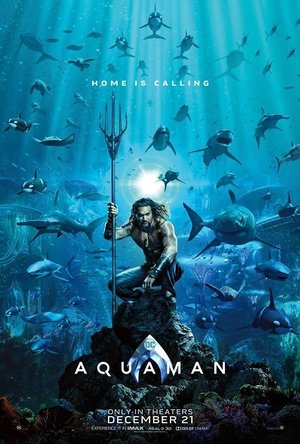

In a tale as vast and epic as the Oceans that frames the story: “Aquaman” has arrived in a flurry of action and adventure.
The film tells the origin of Arthur Curry (Jason Momoa), who is half mortal and half Atlantean, thanks to his human father rescuing his mother, an Atlantean royal, and falling in love.
The love between his parents is forbidden under the customs of the people of Atlantis and in time his mother is forced to return to Atlantis, leaving Arthur to be raised by his human father.
When his power-hungry half-brother Orm (Patrick Wilson), plots to wage war on the surface world, Princess Mera (Amber Heard), attempts to convince Arthur to make his first trip to Atlantis to challenge Orm for the throne and become king. Naturally a lifetime of resentment toward the people who divided his parents has made Arthur unwilling to help, especially when the key to victory requires locating and retrieving an artfact that will bring peace to
his people and those of the surface world.
With an army of Atlantean soldiers pursuing him as well as the evil Black Manta set on revenge, Arthur faces an uphill battle as he races against time and his own conflicted emotions to save the day.
Director James Wan has done an amazing job of giving audiences a lavish and action-filled experience that never loses the characters as the main
focus of the story. He cleverly blends the lore of Aquaman with a modern
twist yet stays true to the character. Jason Momoa has an intriguing presence, giving the character more depth than expected. The supporting cast is solid and the film rarely loses pacing or fails to keep you fascinated throughout.
Warner has had some issues with recent adaptations of DC characters but, like Wonder Woman, “Aquaman” delivers on action and storytelling. The film also contains a strong message about ecology without being preachy. This is one of the more entertaining films of the year and should make fans of the character happy. I look forward to seeing what adventure comes next for Aquaman.
http://sknr.net/2018/12/18/aquaman/
The film tells the origin of Arthur Curry (Jason Momoa), who is half mortal and half Atlantean, thanks to his human father rescuing his mother, an Atlantean royal, and falling in love.
The love between his parents is forbidden under the customs of the people of Atlantis and in time his mother is forced to return to Atlantis, leaving Arthur to be raised by his human father.
When his power-hungry half-brother Orm (Patrick Wilson), plots to wage war on the surface world, Princess Mera (Amber Heard), attempts to convince Arthur to make his first trip to Atlantis to challenge Orm for the throne and become king. Naturally a lifetime of resentment toward the people who divided his parents has made Arthur unwilling to help, especially when the key to victory requires locating and retrieving an artfact that will bring peace to
his people and those of the surface world.
With an army of Atlantean soldiers pursuing him as well as the evil Black Manta set on revenge, Arthur faces an uphill battle as he races against time and his own conflicted emotions to save the day.
Director James Wan has done an amazing job of giving audiences a lavish and action-filled experience that never loses the characters as the main
focus of the story. He cleverly blends the lore of Aquaman with a modern
twist yet stays true to the character. Jason Momoa has an intriguing presence, giving the character more depth than expected. The supporting cast is solid and the film rarely loses pacing or fails to keep you fascinated throughout.
Warner has had some issues with recent adaptations of DC characters but, like Wonder Woman, “Aquaman” delivers on action and storytelling. The film also contains a strong message about ecology without being preachy. This is one of the more entertaining films of the year and should make fans of the character happy. I look forward to seeing what adventure comes next for Aquaman.
http://sknr.net/2018/12/18/aquaman/
Rugby: An Anthology: The Brave, the Bruised and the Brilliant
Book
Inspiring and irreverent by turns, Brian Levison's new anthology has drawn on rugby's wealth of...
Andrew Carnegie
Book
Celebrated historian David Nasaw, whom The New York Times Book Review has called "a meticulous...

Zombie Hunter: FPS Apocalypse
Games and Entertainment
App
The new real zombie war game with incredible 3D graphics. Your goal is to survive from the undead...

Christina Haynes (148 KP) rated Things a Bright Girl Can Do in Books
Feb 10, 2018

THINGS A BRIGHT GIRL CAN DO by SALLY NICHOLLS
In 1903 Emmeline Pankhurst founded a new organisation called 'The Woman's Social and Political Union’ because she like many other women believed that they should be equal to men and be allowed a vote!
Although women over thirty did get the vote in 1918 - after the bill was passed. It wasn't until 1928 that all women got the vote. But unfortunately, Emmeline Pankhurst died before she got to see this happen.
When WWI broke out men had to go and fight, leaving their jobs to the woman. This was the start of women getting more opportunities. Even though they weren't being paid the same, they were still happy to be doing something to help. (Though that's a different story)
But this whole having a job, and helping with the war was only for the meantime, because after the war men wanted their jobs back!
Things a Bright Girl Can Do is about three girls who live in this time. Three girls who want to do more with their lives. Three girls who want freedom and the chance to be different.
Evelyn, May, and Nell.
Evelyn is seventeen and has dreamt of going to a university like her brother, but is unable to do so because, for the simple fact, she's a girl!
But mind you, she is probably smarter than her brother. Or any boy for that matter. So what does she do? She joins the suffragettes! And by doing this she see’s exactly what it's like to be a suffragette and what they do first hand. Though it's not as nice as it seems. She takes part in a hunger strike while she's in prison; like many suffragettes before her. She gets ill afterward and though she did what she believed was right, she soon realized that it wasn't such a great idea.
But in some ways, it made her a better person in the future because she knew exactly what it was like and why they were fighting for their rights.
May is fifteen and has been a part of the suffragettes along with her mother for a while now. She campaigns and she fights for the rights of women in a peaceful way. By handing out flyers, by going to meetings and talks. Again like Evelyn, she knows what it's like to have money and to be in a better situation than some women who don't even have that.
Nell, who’s grown up not knowing money, she's always tried to work and help her mother with whatever she can. She later meets May and the two of them fall in love and dream of a better world. She joins the cause of ‘Women's Rights’ and fights for them. Because why should men get everything?
All three girls are very different and all want something out of their vote. They all become a part of the suffragettes in their own different ways.
Sally Nicholls gives you a great insight into the past, bringing it to life again. Questioning what life was like back then, for woman and the government. She does all this by turning three stories into a reality that we all now take for granted. Even now women don't use their votes.
My opinion is that no matter whether you like politics or even believe in them, you should always use your vote. That's what I think anyway. For the simple fact, women died for your right to vote. It's your life as well you should use your vote to make the world better. To have a say.
From the suffragettes to WWI and it's 'we can do it’ attitude, this book is amazing inside and out. From the facts and the stories within its pages to the history lesson of fighting for your rights - to what women did to help in the war, you need to try this book.
So would you be one of the suffragettes, or did you have one in your family? It would be interesting to know.
Just remember, we can all do it.
Love, Christina ?
Although women over thirty did get the vote in 1918 - after the bill was passed. It wasn't until 1928 that all women got the vote. But unfortunately, Emmeline Pankhurst died before she got to see this happen.
When WWI broke out men had to go and fight, leaving their jobs to the woman. This was the start of women getting more opportunities. Even though they weren't being paid the same, they were still happy to be doing something to help. (Though that's a different story)
But this whole having a job, and helping with the war was only for the meantime, because after the war men wanted their jobs back!
Things a Bright Girl Can Do is about three girls who live in this time. Three girls who want to do more with their lives. Three girls who want freedom and the chance to be different.
Evelyn, May, and Nell.
Evelyn is seventeen and has dreamt of going to a university like her brother, but is unable to do so because, for the simple fact, she's a girl!
But mind you, she is probably smarter than her brother. Or any boy for that matter. So what does she do? She joins the suffragettes! And by doing this she see’s exactly what it's like to be a suffragette and what they do first hand. Though it's not as nice as it seems. She takes part in a hunger strike while she's in prison; like many suffragettes before her. She gets ill afterward and though she did what she believed was right, she soon realized that it wasn't such a great idea.
But in some ways, it made her a better person in the future because she knew exactly what it was like and why they were fighting for their rights.
May is fifteen and has been a part of the suffragettes along with her mother for a while now. She campaigns and she fights for the rights of women in a peaceful way. By handing out flyers, by going to meetings and talks. Again like Evelyn, she knows what it's like to have money and to be in a better situation than some women who don't even have that.
Nell, who’s grown up not knowing money, she's always tried to work and help her mother with whatever she can. She later meets May and the two of them fall in love and dream of a better world. She joins the cause of ‘Women's Rights’ and fights for them. Because why should men get everything?
All three girls are very different and all want something out of their vote. They all become a part of the suffragettes in their own different ways.
Sally Nicholls gives you a great insight into the past, bringing it to life again. Questioning what life was like back then, for woman and the government. She does all this by turning three stories into a reality that we all now take for granted. Even now women don't use their votes.
My opinion is that no matter whether you like politics or even believe in them, you should always use your vote. That's what I think anyway. For the simple fact, women died for your right to vote. It's your life as well you should use your vote to make the world better. To have a say.
From the suffragettes to WWI and it's 'we can do it’ attitude, this book is amazing inside and out. From the facts and the stories within its pages to the history lesson of fighting for your rights - to what women did to help in the war, you need to try this book.
So would you be one of the suffragettes, or did you have one in your family? It would be interesting to know.
Just remember, we can all do it.
Love, Christina ?
Gareth von Kallenbach (980 KP) rated Leatherheads (2008) in Movies
Aug 14, 2019

The movie opens with John Krasinski’s character, “Carter Rutherford”, playing college-level football for Princeton at a bleacher-groaning, over-packed game chock full of screaming patrons and die-hard fans. The kid is a golden-child, a war hero, and the nation’s most promising young athlete in the good old year of 1925. Carter is dynamic, attractive, and exactly what the country needs at a time of World War I. It is little wonder his face plasters billboards across town, that his name is uttered with awe and adoration. In truth, how could you not? The kid had, after all, single-handedly forced a contingent of German soldiers to surrender without even shooting one bullet.
Cut to George Clooney’s character, the aging “Dodge Connelly”, playing pro-football in mire-like conditions; his audience a tangle of bored fans and uninspired locals. It is a far cry from the opulent circumstance of college-level football. Men, bedraggled and sweating under the promise of returning to work at the mines and fields if their football dreams go under, play with reckless abandon and forgotten morals in hopes of winning that next game. Yet, as fate will go, the Bulldogs lose their sponsorship and the team goes under, forcing men to return to their day-jobs and leaving Dodge without a future. The man has no marketable skills, no trade. He is a football player and is determined to see his team back in the game.
Of course, that isn’t the only bit of chaos. There has to be a girl; there is always a girl involved in stories like these. Enter Renée Zellweger’s character, the vivacious and equally tenacious “Lexie Littleton” – a news reporter for the Tribune. Lexie is on a mission to expose Carter Rutherford and get to the bottom of his infamous war story. It comes to no surprise that when Lexie and Dodge meet in a hotel lobby awaiting the arrival of Carter Rutherford and his manager, “CC Frazier” (played by Jonathan Pryce), that sparks immediately fly between them. Dodge has a proposal for CC and Carter: have Carter take a leave of absence from Princeton to play pro-football for the Bulldogs, thus saving pro-football and paying Carter for his efforts. Naturally, CC wants a cut from the profits and finds a way to do so to accommodate his own needs. Dodge, without any other alternative, agrees.
Meanwhile, Lexie is working her magic on Carter to try and weasel the true story out of him as best she can. Try as she might she cannot ignore Dodge, no matter how acid her tongue wags in his direction. In the end, Lexie gets her story yet realizes she must decide between exposing the truth or letting America bask in the glory of its self-proclaimed war-hero.
In review, there is a true chemistry between all of the main characters and both Zellweger and Clooney do a good job of conveying the vehement (and callous) emotion between Lexie and Dodge. However, no matter how funny the banter becomes between these three main characters or how well the scene plugs along, in the end the movie comes off as a passable but by no means memorable. Betimes it seems to stretch on and on and more then once I found myself looking at my clock. In truth, the movie didn’t need to be nearly two hours long. It felt two hours long which is never a good thing, especially when we’re talking about theatre seats.
That said, I thought the movie was a cute and enjoyable comedy. It won’t crack your funny bone but it will certainly tickle it more then once. All in all I give it 3.5 out of 5. It succeeded in making me laugh and did keep me entertained. Above all, I’m sure many will find it enjoyable to some extent.
Cut to George Clooney’s character, the aging “Dodge Connelly”, playing pro-football in mire-like conditions; his audience a tangle of bored fans and uninspired locals. It is a far cry from the opulent circumstance of college-level football. Men, bedraggled and sweating under the promise of returning to work at the mines and fields if their football dreams go under, play with reckless abandon and forgotten morals in hopes of winning that next game. Yet, as fate will go, the Bulldogs lose their sponsorship and the team goes under, forcing men to return to their day-jobs and leaving Dodge without a future. The man has no marketable skills, no trade. He is a football player and is determined to see his team back in the game.
Of course, that isn’t the only bit of chaos. There has to be a girl; there is always a girl involved in stories like these. Enter Renée Zellweger’s character, the vivacious and equally tenacious “Lexie Littleton” – a news reporter for the Tribune. Lexie is on a mission to expose Carter Rutherford and get to the bottom of his infamous war story. It comes to no surprise that when Lexie and Dodge meet in a hotel lobby awaiting the arrival of Carter Rutherford and his manager, “CC Frazier” (played by Jonathan Pryce), that sparks immediately fly between them. Dodge has a proposal for CC and Carter: have Carter take a leave of absence from Princeton to play pro-football for the Bulldogs, thus saving pro-football and paying Carter for his efforts. Naturally, CC wants a cut from the profits and finds a way to do so to accommodate his own needs. Dodge, without any other alternative, agrees.
Meanwhile, Lexie is working her magic on Carter to try and weasel the true story out of him as best she can. Try as she might she cannot ignore Dodge, no matter how acid her tongue wags in his direction. In the end, Lexie gets her story yet realizes she must decide between exposing the truth or letting America bask in the glory of its self-proclaimed war-hero.
In review, there is a true chemistry between all of the main characters and both Zellweger and Clooney do a good job of conveying the vehement (and callous) emotion between Lexie and Dodge. However, no matter how funny the banter becomes between these three main characters or how well the scene plugs along, in the end the movie comes off as a passable but by no means memorable. Betimes it seems to stretch on and on and more then once I found myself looking at my clock. In truth, the movie didn’t need to be nearly two hours long. It felt two hours long which is never a good thing, especially when we’re talking about theatre seats.
That said, I thought the movie was a cute and enjoyable comedy. It won’t crack your funny bone but it will certainly tickle it more then once. All in all I give it 3.5 out of 5. It succeeded in making me laugh and did keep me entertained. Above all, I’m sure many will find it enjoyable to some extent.


Review can also be found on: diaryofdifference.com/2018/05/24/gunshots-goalposts-the-story-of-northern-irish-football-benjamin-roberts-book-review/
For the lovers of football and history - this book will be of your interest. If you happen to have any connecting with Northern Ireland as well - this book is made for you!
<img src="https://images-eu.ssl-images-amazon.com/images/I/510KFWLQLML.jpg"/>;
I don’t think I fit in the description above. I love watching football - but I am not a football maniac, that knows who plays where, the club’s managers and who is on top of the Champion’s League this year. I love me some good sports matches, and I know a lot of players by name or face, but that’s about it.
Now - Gunshots & Goalposts: The Story of Northern Irish Football - the book that covers the stories of many football players in the past century in Northern Ireland.
While it covers so many stories, I wasn’t able to connect to any of the characters, and I choose to blame this on the way the book was written.
Which - is not a bad thing at all. Why? Because, this book is not meant to make you fall in love with the characters. It is instead, meant to show you the real picture of their lives, the politics that were ongoing in that time, and give you a brief history lesson of what you happened to miss in high school. All related to football, of course.
For me, it was very useful to learn a bit about the politics and history. Before I started the book, I knew NOTHING about Northern Ireland’s history. I knew NOTHING about their football history. This was a great first book for me to dive into the waters of the history of Northern Ireland's football.
The author, Benjamin Roberts, has done a wonderful job in the description and research. It covers a lot of the history period from the First and Second World War, the protestants vs catholics, the unionists vs nationalists, the east vs the west.
This book reminds me a lot of a movie that has been made in the country where I was born - Macedonia. The movie was called ‘’The Third Half’’ and deals with Macedonian Football during World War II, and the deportation of Jews from Macedonia. It reminded me a bit of this, even though in this book we don’t connect with the characters, or dive into their stories too much.
This is a three-star book for me - for the sole reason that this is not a book that I would usually read, and I wouldn’t read books similar to this one either. I enjoyed it, at times, but wouldn’t re-read it. However, I would definitely recommend it to people that love both football and history. I just prefer books where I connect with the characters.
For the lovers of football and history - this book will be of your interest. If you happen to have any connecting with Northern Ireland as well - this book is made for you!
<img src="https://images-eu.ssl-images-amazon.com/images/I/510KFWLQLML.jpg"/>;
I don’t think I fit in the description above. I love watching football - but I am not a football maniac, that knows who plays where, the club’s managers and who is on top of the Champion’s League this year. I love me some good sports matches, and I know a lot of players by name or face, but that’s about it.
Now - Gunshots & Goalposts: The Story of Northern Irish Football - the book that covers the stories of many football players in the past century in Northern Ireland.
While it covers so many stories, I wasn’t able to connect to any of the characters, and I choose to blame this on the way the book was written.
Which - is not a bad thing at all. Why? Because, this book is not meant to make you fall in love with the characters. It is instead, meant to show you the real picture of their lives, the politics that were ongoing in that time, and give you a brief history lesson of what you happened to miss in high school. All related to football, of course.
For me, it was very useful to learn a bit about the politics and history. Before I started the book, I knew NOTHING about Northern Ireland’s history. I knew NOTHING about their football history. This was a great first book for me to dive into the waters of the history of Northern Ireland's football.
The author, Benjamin Roberts, has done a wonderful job in the description and research. It covers a lot of the history period from the First and Second World War, the protestants vs catholics, the unionists vs nationalists, the east vs the west.
This book reminds me a lot of a movie that has been made in the country where I was born - Macedonia. The movie was called ‘’The Third Half’’ and deals with Macedonian Football during World War II, and the deportation of Jews from Macedonia. It reminded me a bit of this, even though in this book we don’t connect with the characters, or dive into their stories too much.
This is a three-star book for me - for the sole reason that this is not a book that I would usually read, and I wouldn’t read books similar to this one either. I enjoyed it, at times, but wouldn’t re-read it. However, I would definitely recommend it to people that love both football and history. I just prefer books where I connect with the characters.