Search
Search results
Ryan Hill (152 KP) rated Captain America: The First Avenger (2011) in Movies
May 9, 2019
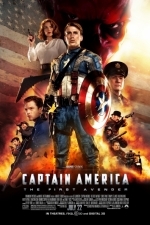
"i'm just a kid from brooklyn"
"I'm just a kid from Brooklyn"
A rip-roaring homage to old fashioned serials and comic books. Joe Johnston somehow pulls off the tone and look, firmly planting me into the 1940's time period. As fantastical as it is I still feel the real world within the picture.
Protagonist Steve Rogers makes for an easily likable guy who at the start is a smaller guy, who stands up to bullies even if it means getting his ass beat. His dream is to serve his country and although not meeting physical requirements for the army, he proves the heart and courage to become the specimen of a super soldier syrum. With this experiment, Steve's size, strength and conditioning is greatly enhanced and becomes the face of WW2 propaganda. His desire to fight however gets him involved with the battle against a division of the Nazi's known as Hydra, headed by Johann Schmidt, the "Red Skull".
Red Skull is one of the best villians of the Marvel cinematic universe. I couldn't imagine him played by anyone other than Hugo Weaving who brings such gravitas and personality to the role. Red Skull is an experiment of the soldier syrum himself which gives him a certain connection to Rogers, but chooses to use his power for the service of himself and his evil desires. The film includes the element of Nazi fascination with science and experimentation, taking it a step further. Red Skull discovers other worldly magic, the Tesseract of Asgard, which he utilizes for the use of weaponry. Thus, blending historical events with an exciting dose of imagination. A Nazi more powerful than Hitler? That's pretty scary.
The action comes swift and mighty, combining the fleshy violence of war with creative comic book thrills. It's some of the most entertaining action I've ever seen. I love that the presence of Hitler can be felt even though he is not on screen. It seamlessly connects the future with the past, makes the looming threat of the entire world felt, and contains elements of other Marvel films past and present that only adds to the movie and never detracts. Tony Stark's father has a direct influence on Captain America which adds a layer to the proceeding films. Thor and Loki's place in future events are tied in perfectly. Steve's friendship with Bucky and presumed death is one of the emotional cores to the film that also plays into the sequels. Unbelievable.
Can I just mention the charming romance between Peggy and Steve Rogers? It's so natural and plays out over the duration of the film without anything ridiculous. When Peggy tears up as Steve is speeding toward the unkown in a downed plane, I lose it. I lose it every time. They never got that last dance and my heart is broken.
When Red Skull calls Steve a "simpleton with a shield" I'm like YES!! that's why I love him. I could be Steve Rogers. I could be Captain America. Well, not really, but he's one of the most relatable on screen super heroes. I'd even say he's the one I can see myself in the most. Consider me #TeamCap.
I must make mention of the wonderful musical score and songs written for the film. Very important piece to the puzzle. I listen to "Star Spangled Man" just about every time I take a walk. The costumes and production design deserve all the love in the world as well. Tommy Lee Jones is great and makes me laugh as usual. All performances are great. Points for finding a use for Captain America's vintage comic book costume and re-enacting the punch to Hitler's face from Captain America issue #1.
Who taught Cap how to fight like that though? Guess that's one of the perks of the syrum too.
A rip-roaring homage to old fashioned serials and comic books. Joe Johnston somehow pulls off the tone and look, firmly planting me into the 1940's time period. As fantastical as it is I still feel the real world within the picture.
Protagonist Steve Rogers makes for an easily likable guy who at the start is a smaller guy, who stands up to bullies even if it means getting his ass beat. His dream is to serve his country and although not meeting physical requirements for the army, he proves the heart and courage to become the specimen of a super soldier syrum. With this experiment, Steve's size, strength and conditioning is greatly enhanced and becomes the face of WW2 propaganda. His desire to fight however gets him involved with the battle against a division of the Nazi's known as Hydra, headed by Johann Schmidt, the "Red Skull".
Red Skull is one of the best villians of the Marvel cinematic universe. I couldn't imagine him played by anyone other than Hugo Weaving who brings such gravitas and personality to the role. Red Skull is an experiment of the soldier syrum himself which gives him a certain connection to Rogers, but chooses to use his power for the service of himself and his evil desires. The film includes the element of Nazi fascination with science and experimentation, taking it a step further. Red Skull discovers other worldly magic, the Tesseract of Asgard, which he utilizes for the use of weaponry. Thus, blending historical events with an exciting dose of imagination. A Nazi more powerful than Hitler? That's pretty scary.
The action comes swift and mighty, combining the fleshy violence of war with creative comic book thrills. It's some of the most entertaining action I've ever seen. I love that the presence of Hitler can be felt even though he is not on screen. It seamlessly connects the future with the past, makes the looming threat of the entire world felt, and contains elements of other Marvel films past and present that only adds to the movie and never detracts. Tony Stark's father has a direct influence on Captain America which adds a layer to the proceeding films. Thor and Loki's place in future events are tied in perfectly. Steve's friendship with Bucky and presumed death is one of the emotional cores to the film that also plays into the sequels. Unbelievable.
Can I just mention the charming romance between Peggy and Steve Rogers? It's so natural and plays out over the duration of the film without anything ridiculous. When Peggy tears up as Steve is speeding toward the unkown in a downed plane, I lose it. I lose it every time. They never got that last dance and my heart is broken.
When Red Skull calls Steve a "simpleton with a shield" I'm like YES!! that's why I love him. I could be Steve Rogers. I could be Captain America. Well, not really, but he's one of the most relatable on screen super heroes. I'd even say he's the one I can see myself in the most. Consider me #TeamCap.
I must make mention of the wonderful musical score and songs written for the film. Very important piece to the puzzle. I listen to "Star Spangled Man" just about every time I take a walk. The costumes and production design deserve all the love in the world as well. Tommy Lee Jones is great and makes me laugh as usual. All performances are great. Points for finding a use for Captain America's vintage comic book costume and re-enacting the punch to Hitler's face from Captain America issue #1.
Who taught Cap how to fight like that though? Guess that's one of the perks of the syrum too.
Mary Wickes: I Know I've Seen That Face Before
Book
The full story of one of Hollywood's most accomplished character actresses. Moviegoers know her as...
Movie Metropolis (309 KP) rated The Girl on the Train (2016) in Movies
Jun 10, 2019
A Victim of its marketing
It’s always refreshing to see a film released primarily for the adult market. We all loved The Hunger Games, but imagine what the series could’ve been like had the franchise been given a 15 or even an 18 certification.
And Fifty Shades of Grey may have its critics (me being one of them) but at least it appealed to those of us not interested in sharing cinema screens with rambling tweens. The finest of the adult genre? Well, that has to be Gone Girl. But now there’s a new kid on the block, ready to steal its crown. Is The Girl on the Train a worthy adversary?
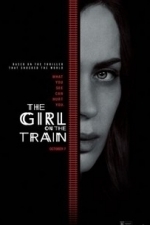
Alcoholic Rachel Watson (Emily Blunt) catches daily glimpses of a seemingly perfect couple, Scott (Luke Evans) and Megan (Haley Bennett), from the window of her train. One day, Watson witnesses something shocking unfold in the garden of the strangers’ home. Rachel tells the authorities what she thinks she saw after learning Megan is missing. Unable to trust her memory, the troubled woman begins her own investigation, while police suspect that Rachel may have crossed a dangerous line.
Emily Blunt has become one of Hollywood’s finest actors, constantly adding new genres to her resume. From The Devil Wears Prada to Sicario and beyond, there is nothing she won’t try and The Girl on the Train is bolstered by a career-best performance by the actress. It’s never easy to play a drunk convincingly; you can look to some UK soap operas for proof of that, but she manages to pull it off exceptionally well.
Of the supporting cast, only Justin Theroux makes a lasting impact as Rachel’s ex-husband Tom, now living with his new wife Anna – a lacklustre Rebecca Ferguson. It would be unfair to sling too much mud at a very talented group of actors, but up against Blunt, there really is no comparison.
Elsewhere, the complex narrative of Paula Hawkins’ book translates to a rather messy filming style when viewed on the big screen. Continuous flashbacks from within Rachel’s mind are handled reasonably well by director Tate Taylor (The Help) and he manages to wrench everything together to stop the plot from becoming incoherent.
Unfortunately, The Girl on the Train is a victim of its own intense marketing campaign. The trailers have given away far too much for those who haven’t read the book and whilst the twists and turns aren’t immediately obvious, some of the Cluedo-esque fun has been removed. It’s clear Dreamworks wanted the film to resemble Gone Girl as much as possible, aiming to attract a similar audience, but this may have backfired slightly.
Overall, The Girl on the Train is a particularly faithful adaptation of the novel of the same name, held up by an intense and frankly incredible performance by Emily Blunt. Unfortunately, some of the film’s suspense has been lost by a poorly executed marketing campaign and as such it becomes a passable addition to the adult thriller genre. This year’s Gone Girl it is not.
https://moviemetropolis.net/2016/10/06/a-victim-of-its-marketing-the-girl-on-the-train-review/
And Fifty Shades of Grey may have its critics (me being one of them) but at least it appealed to those of us not interested in sharing cinema screens with rambling tweens. The finest of the adult genre? Well, that has to be Gone Girl. But now there’s a new kid on the block, ready to steal its crown. Is The Girl on the Train a worthy adversary?
Alcoholic Rachel Watson (Emily Blunt) catches daily glimpses of a seemingly perfect couple, Scott (Luke Evans) and Megan (Haley Bennett), from the window of her train. One day, Watson witnesses something shocking unfold in the garden of the strangers’ home. Rachel tells the authorities what she thinks she saw after learning Megan is missing. Unable to trust her memory, the troubled woman begins her own investigation, while police suspect that Rachel may have crossed a dangerous line.
Emily Blunt has become one of Hollywood’s finest actors, constantly adding new genres to her resume. From The Devil Wears Prada to Sicario and beyond, there is nothing she won’t try and The Girl on the Train is bolstered by a career-best performance by the actress. It’s never easy to play a drunk convincingly; you can look to some UK soap operas for proof of that, but she manages to pull it off exceptionally well.
Of the supporting cast, only Justin Theroux makes a lasting impact as Rachel’s ex-husband Tom, now living with his new wife Anna – a lacklustre Rebecca Ferguson. It would be unfair to sling too much mud at a very talented group of actors, but up against Blunt, there really is no comparison.
Elsewhere, the complex narrative of Paula Hawkins’ book translates to a rather messy filming style when viewed on the big screen. Continuous flashbacks from within Rachel’s mind are handled reasonably well by director Tate Taylor (The Help) and he manages to wrench everything together to stop the plot from becoming incoherent.
Unfortunately, The Girl on the Train is a victim of its own intense marketing campaign. The trailers have given away far too much for those who haven’t read the book and whilst the twists and turns aren’t immediately obvious, some of the Cluedo-esque fun has been removed. It’s clear Dreamworks wanted the film to resemble Gone Girl as much as possible, aiming to attract a similar audience, but this may have backfired slightly.
Overall, The Girl on the Train is a particularly faithful adaptation of the novel of the same name, held up by an intense and frankly incredible performance by Emily Blunt. Unfortunately, some of the film’s suspense has been lost by a poorly executed marketing campaign and as such it becomes a passable addition to the adult thriller genre. This year’s Gone Girl it is not.
https://moviemetropolis.net/2016/10/06/a-victim-of-its-marketing-the-girl-on-the-train-review/
Projecting Britain at War: The National Character in British World War II Films
Book
This detailed chronological analysis of British World War II movies from 1939 until the present...
Animation: A World History: Volume I: Foundations - The Golden Age
Book
A continuation of 1994's groundbreaking Cartoons, Giannalberto Bendazzi's Animation: A World History...

James P. Sumner (65 KP) rated Joker (2019) in Movies
Oct 7, 2019
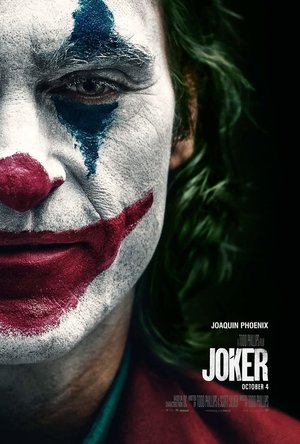
An unapologetic masterpiece.
I wasn't sure what to expect going into this film. I'm a huge comic book fan, so the controversy and scepticism surrounding this movie, as well as the fact it's based within an established story world, had me doubting how it would work and how good the execution of it would be.
I certainly didn't expect the film I saw.
The basis for this movie is simple and effective: Arthur Fleck (played with a career-defining performance by Joaquin Phoenix) is a mentally unstable and depressed wannabe stand-up comedian working as a clown in a 1980's Gotham City. The movie is set against a backdrop of civil unrest, worker strikes and city-wide poverty, with each being exaggerated to highlight both the severity of each one for the purposes of the film, but also to shine a spotlight on how tough the real world was back then.
A potentially fatal encounter on a late-night subway acts as a catalyst for Fleck, who is shown throughout the first 20 minutes to be a man living on a knife's edge - balancing his own pitiful existence with the way society believes he should act. You get the sense that it would take nothing more than a gentle push to send him one way or the other. The subway was that push.
In a city that very much reflects the character's state of mind, this served to push more than just Arthur Fleck over the edge. Because he happened to be dressed as a clown at the time, and because the *cough* victims *cough* worked for Wayne Enterprises (ran by Thomas Wayne himself), it's seen by many as a vigilante act - someone standing up to the rich elite. This sparks outrage and rioting across the city. The idea of a man dressed as a clown standing up for the little guy becomes the poster child for a civil movement, much in the styling of "V For Vendetta (2005)".
The more Arthur Fleck struggles personally, the worse the streets of Gotham seem to get, as if society's increasing tension and unrest is somehow linked to his own state of mind. He finally realises what he has inadvertently created and begins to transform himself into the vigilante icon people already believe him to be.
Despite the slow pace of the movie, it never seems to drag. The story of Fleck's inevitable descent unfolds patiently, showing you exactly what it wants you to see, when it wants you to see it. It's a very bold and confident step for a movie which would've known how controversial it was going to be before it was even released.
The style of the film is extremely clever. The soundtrack is little more than a low-frequency hum, which plays almost constantly throughout. The camerawork is also exceptional. In every shot of Arthur Fleck, the camera centres on him before very slowly closing in on him. It's subtle, perhaps only a few millimetres per shot, but it's noticeable enough that you feel yourself being pulled in, being legitimately gripped by what you're watching. This contributes to what is, overall, a claustrophobic and sometimes unnerving experience.
There has been initial controversy about the film, with reports of people leaving the cinema during the screening for varying reasons. You see this from time to time, and the cynic in me thinks this is rarely more than clever marketing tactics. And then you see the comments from people who say they were disgusted or sickened or disturbed or whatever. I usually think it's a load of rubbish. That people are just saying that for attention. I don't honestly believe people who are that easily offended by a movie would choose to see something that is clearly going to show you all the things you don't like.
However, with "Joker (2019)", I can actually understand it. This is a truly disturbing film. Not for the violence, which has been the subject of much debate. There's actually very little violence in the movie, but when it's there, it's pretty graphic, admittedly. But honestly, it's not anywhere near as bad as a lot of things you see nowadays. No, it's disturbing because of how believable Arthur Fleck is. Seeing how unstable he is. Seeing how easy he can choose to do terrible things. It's... uncomfortable to watch at times, but only because it's so well done, so well written, you hate yourself for sympathising with him.
If I had to draw comparisons for this movie, I would have to say it's more subtle than "Watchmen (2009)", it's grittier and darker than "Taxi Driver (1976)" or "Fight Club (1999)" and much more uncompromising and unapologetic than "Natural Born Killers (1994)". It is truly a modern-day masterpiece. There are two major plot twists, both occurring in the second act, which really highlight the genius behind the screenplay. This movie is written perfectly, and executed the same way on-screen by Phoenix, who draws from both Jack Nicholson and Heath Ledger to create this unique take on the character which more than holds its own.
Now, before I summarise, we do need to address the whole... y'know... Batman thing. This is the Joker's origin story, after all.
So, first thing's first: this isn't a comic book movie. Not by a long way. This belongs in the same conversation as Goodfellas, not Guardians of the Galaxy. Director Todd Phillips has even stated that this is simply a stand-alone movie telling a story that needed to be told. Yes, it has references to the DC comic universe (which I will omit here for fear of venturing into spolier territory), but it's unlikely to ever cross over with DC's attempt to mimic the MCU.
The nods to the comics are infrequent but clever, touching on themes and events we already know, and in some cases, re-writing them entirely - which definitely will draw controversy with the hardcore comic fans. For example, I did question why they used the civil unrest subplot and backdrop to essentially try and make Wayne Enterprises the villain of the story, but like it or not, it was necessary and it worked like a charm.
I don't know if this was intentional or not, but there was one scene in particular towards the end of the movie where the Joker (as he is now) is riding in the back of a car with his head leaning against the window. The camera was on the wing mirror, focused on his face, and almost frame-for-frame it reminded me of the iconic scene in "The Dark Knight (2008)" where Heath Ledger's Joker is driving with his head out of the window. I'd like to think this was a gracious tribute to the performance of this character that will never be topped.
For a film that breaks the conventions of story-telling by having no real build-up or climactic ending, I have to say I can't remember a time when I was so blown away, so moved, and so affected by a movie. As close to perfect as you'll see this year.
10/10
A quick side note:
The show "13 Reasons Why" has a disclaimer at the beginning of each series from the cast that essentially warns viewers that, due to the sensitive nature of the content, it's inadvisable to watch it if you're struggling with depression or suicidal thoughts. I genuinely think this film should carry a similar notice. It's a dark, grim, unrelenting journey into one man's depressive life. While I won't ever believe listening to Marilyn Manson can make you want to shoot schoolchildren, I do think that if someone is struggling with suicidal thoughts or depression, this movie probably isn't for them. The story focuses on the media glorifying the terrible acts of someone who is mentally unstable. Yes, it's a movie. It's not real. But for someone in a very bad place themselves, this probably isn't the kind of thing you need to, or should, watch.
I certainly didn't expect the film I saw.
The basis for this movie is simple and effective: Arthur Fleck (played with a career-defining performance by Joaquin Phoenix) is a mentally unstable and depressed wannabe stand-up comedian working as a clown in a 1980's Gotham City. The movie is set against a backdrop of civil unrest, worker strikes and city-wide poverty, with each being exaggerated to highlight both the severity of each one for the purposes of the film, but also to shine a spotlight on how tough the real world was back then.
A potentially fatal encounter on a late-night subway acts as a catalyst for Fleck, who is shown throughout the first 20 minutes to be a man living on a knife's edge - balancing his own pitiful existence with the way society believes he should act. You get the sense that it would take nothing more than a gentle push to send him one way or the other. The subway was that push.
In a city that very much reflects the character's state of mind, this served to push more than just Arthur Fleck over the edge. Because he happened to be dressed as a clown at the time, and because the *cough* victims *cough* worked for Wayne Enterprises (ran by Thomas Wayne himself), it's seen by many as a vigilante act - someone standing up to the rich elite. This sparks outrage and rioting across the city. The idea of a man dressed as a clown standing up for the little guy becomes the poster child for a civil movement, much in the styling of "V For Vendetta (2005)".
The more Arthur Fleck struggles personally, the worse the streets of Gotham seem to get, as if society's increasing tension and unrest is somehow linked to his own state of mind. He finally realises what he has inadvertently created and begins to transform himself into the vigilante icon people already believe him to be.
Despite the slow pace of the movie, it never seems to drag. The story of Fleck's inevitable descent unfolds patiently, showing you exactly what it wants you to see, when it wants you to see it. It's a very bold and confident step for a movie which would've known how controversial it was going to be before it was even released.
The style of the film is extremely clever. The soundtrack is little more than a low-frequency hum, which plays almost constantly throughout. The camerawork is also exceptional. In every shot of Arthur Fleck, the camera centres on him before very slowly closing in on him. It's subtle, perhaps only a few millimetres per shot, but it's noticeable enough that you feel yourself being pulled in, being legitimately gripped by what you're watching. This contributes to what is, overall, a claustrophobic and sometimes unnerving experience.
There has been initial controversy about the film, with reports of people leaving the cinema during the screening for varying reasons. You see this from time to time, and the cynic in me thinks this is rarely more than clever marketing tactics. And then you see the comments from people who say they were disgusted or sickened or disturbed or whatever. I usually think it's a load of rubbish. That people are just saying that for attention. I don't honestly believe people who are that easily offended by a movie would choose to see something that is clearly going to show you all the things you don't like.
However, with "Joker (2019)", I can actually understand it. This is a truly disturbing film. Not for the violence, which has been the subject of much debate. There's actually very little violence in the movie, but when it's there, it's pretty graphic, admittedly. But honestly, it's not anywhere near as bad as a lot of things you see nowadays. No, it's disturbing because of how believable Arthur Fleck is. Seeing how unstable he is. Seeing how easy he can choose to do terrible things. It's... uncomfortable to watch at times, but only because it's so well done, so well written, you hate yourself for sympathising with him.
If I had to draw comparisons for this movie, I would have to say it's more subtle than "Watchmen (2009)", it's grittier and darker than "Taxi Driver (1976)" or "Fight Club (1999)" and much more uncompromising and unapologetic than "Natural Born Killers (1994)". It is truly a modern-day masterpiece. There are two major plot twists, both occurring in the second act, which really highlight the genius behind the screenplay. This movie is written perfectly, and executed the same way on-screen by Phoenix, who draws from both Jack Nicholson and Heath Ledger to create this unique take on the character which more than holds its own.
Now, before I summarise, we do need to address the whole... y'know... Batman thing. This is the Joker's origin story, after all.
So, first thing's first: this isn't a comic book movie. Not by a long way. This belongs in the same conversation as Goodfellas, not Guardians of the Galaxy. Director Todd Phillips has even stated that this is simply a stand-alone movie telling a story that needed to be told. Yes, it has references to the DC comic universe (which I will omit here for fear of venturing into spolier territory), but it's unlikely to ever cross over with DC's attempt to mimic the MCU.
The nods to the comics are infrequent but clever, touching on themes and events we already know, and in some cases, re-writing them entirely - which definitely will draw controversy with the hardcore comic fans. For example, I did question why they used the civil unrest subplot and backdrop to essentially try and make Wayne Enterprises the villain of the story, but like it or not, it was necessary and it worked like a charm.
I don't know if this was intentional or not, but there was one scene in particular towards the end of the movie where the Joker (as he is now) is riding in the back of a car with his head leaning against the window. The camera was on the wing mirror, focused on his face, and almost frame-for-frame it reminded me of the iconic scene in "The Dark Knight (2008)" where Heath Ledger's Joker is driving with his head out of the window. I'd like to think this was a gracious tribute to the performance of this character that will never be topped.
For a film that breaks the conventions of story-telling by having no real build-up or climactic ending, I have to say I can't remember a time when I was so blown away, so moved, and so affected by a movie. As close to perfect as you'll see this year.
10/10
A quick side note:
The show "13 Reasons Why" has a disclaimer at the beginning of each series from the cast that essentially warns viewers that, due to the sensitive nature of the content, it's inadvisable to watch it if you're struggling with depression or suicidal thoughts. I genuinely think this film should carry a similar notice. It's a dark, grim, unrelenting journey into one man's depressive life. While I won't ever believe listening to Marilyn Manson can make you want to shoot schoolchildren, I do think that if someone is struggling with suicidal thoughts or depression, this movie probably isn't for them. The story focuses on the media glorifying the terrible acts of someone who is mentally unstable. Yes, it's a movie. It's not real. But for someone in a very bad place themselves, this probably isn't the kind of thing you need to, or should, watch.
Gareth von Kallenbach (980 KP) rated Shaun the Sheep Movie (2015) in Movies
Aug 6, 2019
Shaun the Sheep is a spin-off from the popular British stop-motion animation show Wallace and Gromit. This one of a kind, smart, and loveable sheep burst on to the small screen nearly twenty years ago in the short “A Close Shave.” Winning the hearts of millions, it’s no surprise a movie was in the works.
This film starts off with a silent monologue of how Shaun, the rest of flock of sheep, and Bitzer, the loyal and always “by the book” sheepdog, came to live with the Farmer. Fast forward a few years, sick and tired of the redundant life of waking up early, being herded throughout the farm, shaved, and fed the same food every day, Shaun brilliantly devises a plan to give him and the flock the day off. Unfortunately, the plan of tricking the Farmer to fall asleep in an RV trailer goes awry when the trailer wriggles loose from its tire wedges sending the Farmer off on an out of control trip and ending up in the Big City with amnesia. Stuck on the Farm with no one to tend to their needs, the Sheep and Bitzer panic and set off to the Big City to bring the Farmer back home. And, so begins the adventure into unchartered territory.
It’s remarkable that a movie with no dialogue manages to convey so many messages and emotions-from anger, comic relief, sadness to gratitude and joy. My hats go off to writer-director duo, Mark Burton and Richard Starzak, and the rest of the animation team for paying such wonderful attention to detail with the characters, the vibrant scenery, and also being on point with the comedic timing.
Every generation will love this movie and it definitely proves that silence is golden.
This film starts off with a silent monologue of how Shaun, the rest of flock of sheep, and Bitzer, the loyal and always “by the book” sheepdog, came to live with the Farmer. Fast forward a few years, sick and tired of the redundant life of waking up early, being herded throughout the farm, shaved, and fed the same food every day, Shaun brilliantly devises a plan to give him and the flock the day off. Unfortunately, the plan of tricking the Farmer to fall asleep in an RV trailer goes awry when the trailer wriggles loose from its tire wedges sending the Farmer off on an out of control trip and ending up in the Big City with amnesia. Stuck on the Farm with no one to tend to their needs, the Sheep and Bitzer panic and set off to the Big City to bring the Farmer back home. And, so begins the adventure into unchartered territory.
It’s remarkable that a movie with no dialogue manages to convey so many messages and emotions-from anger, comic relief, sadness to gratitude and joy. My hats go off to writer-director duo, Mark Burton and Richard Starzak, and the rest of the animation team for paying such wonderful attention to detail with the characters, the vibrant scenery, and also being on point with the comedic timing.
Every generation will love this movie and it definitely proves that silence is golden.
Gareth von Kallenbach (980 KP) rated Beauty and the Beast (2017) in Movies
Jul 12, 2019
Whenever I was asked who my favorite Disney prince was, I’d answer, without hesitation, “The Beast.”
Friends would look at me askance and ask, “The Beast? Really?”
And I’d simply reply, “Have you not seen his library?”
I also claim Belle as my favorite Disney princess. As a bookworm, Beauty and the Beast gave me a princess I could relate to. Sure, I had just graduated from high school the year before the animated film – not really the demographic Disney was catering to. But when I first watched Belle’s introductory scene, as she made her way through the village with her nose buried in a book while the townfolk sang of her “odd” behavior, I felt l the corners of my lips rise on their own, in a smile of recognition.
Sure, it also may have been because of the clever lyrics of the late Howard Ashman and the wondrous melodies of Alan Menken in that first song alone, but Belle quickly me over not only with her joy for stories and spirit of adventure, but also with her brave spirit.
Beauty and the Beast is a fairy tale told many times over and Disney’s live-action version follows the animated classic closely with some variation and additional scenes and few more songs. Like the animated film, it’s sweepingly romantic and just as enchanting. What the audience may struggle with is that Emma Watson’s Belle is not as…well, animated as the animated Belle. She brings a solemnity to the role, and as singing talent goes, while she is no Paige O’Hara, she can sing.
Luke Evans makes a menacingly handsome Gaston and his big number, with his sidekick LeFou (Josh Gad) is an entertaining high point that cements Gaston’s position as my favorite villain. Dan Stevens brought a bit more humanity to Beast, and with a heartbreaking song of his own, his despair is more keenly felt in this movie. But I have to admit, I prefer Josh Groban’s version of Beast’s solo, which you do get to hear if you sit through the credits.
Lumière the candelabra and Cogsworth the clock were brought to life with great voice work Ewan McGregor and Ian McKellen, respectively. Emma Thompson voiced Mrs. Potts perfectly. I don’t know if it was her voice, the theme song or the ballroom dance scene that provoked an overwhelming sense of nostalgia, but the captivating combination literally brought tears to my eyes. Kevin Kline, who played Belle’s father, Maurice, Stanley Tucci, and Broadway great Audra McDonald round out a solid supporting cast.
As a huge fan of the 1991 Beauty and the Beast, I didn’t believe a live-action version could improve on the beloved, timeless classic. But just like with the animated film, it was truly the songs that made the movie, and the music does it again for the live-action film, making it a memorable, magical treat for young and old alike.
Friends would look at me askance and ask, “The Beast? Really?”
And I’d simply reply, “Have you not seen his library?”
I also claim Belle as my favorite Disney princess. As a bookworm, Beauty and the Beast gave me a princess I could relate to. Sure, I had just graduated from high school the year before the animated film – not really the demographic Disney was catering to. But when I first watched Belle’s introductory scene, as she made her way through the village with her nose buried in a book while the townfolk sang of her “odd” behavior, I felt l the corners of my lips rise on their own, in a smile of recognition.
Sure, it also may have been because of the clever lyrics of the late Howard Ashman and the wondrous melodies of Alan Menken in that first song alone, but Belle quickly me over not only with her joy for stories and spirit of adventure, but also with her brave spirit.
Beauty and the Beast is a fairy tale told many times over and Disney’s live-action version follows the animated classic closely with some variation and additional scenes and few more songs. Like the animated film, it’s sweepingly romantic and just as enchanting. What the audience may struggle with is that Emma Watson’s Belle is not as…well, animated as the animated Belle. She brings a solemnity to the role, and as singing talent goes, while she is no Paige O’Hara, she can sing.
Luke Evans makes a menacingly handsome Gaston and his big number, with his sidekick LeFou (Josh Gad) is an entertaining high point that cements Gaston’s position as my favorite villain. Dan Stevens brought a bit more humanity to Beast, and with a heartbreaking song of his own, his despair is more keenly felt in this movie. But I have to admit, I prefer Josh Groban’s version of Beast’s solo, which you do get to hear if you sit through the credits.
Lumière the candelabra and Cogsworth the clock were brought to life with great voice work Ewan McGregor and Ian McKellen, respectively. Emma Thompson voiced Mrs. Potts perfectly. I don’t know if it was her voice, the theme song or the ballroom dance scene that provoked an overwhelming sense of nostalgia, but the captivating combination literally brought tears to my eyes. Kevin Kline, who played Belle’s father, Maurice, Stanley Tucci, and Broadway great Audra McDonald round out a solid supporting cast.
As a huge fan of the 1991 Beauty and the Beast, I didn’t believe a live-action version could improve on the beloved, timeless classic. But just like with the animated film, it was truly the songs that made the movie, and the music does it again for the live-action film, making it a memorable, magical treat for young and old alike.
Daniel Boyd (1066 KP) rated Green Book (2018) in Movies
Feb 26, 2019 (Updated Feb 26, 2019)
Wow
After awarding Widows a 10 when I saw it last year, I didn't think that there would be another 2018 movie that I would award a perfect 10 to, but here we are. That is because this is a perfect movie, as in there is nothing in this movie I would have changed and there are no aspects of the filmmaking lacking either. Who in the world would have thought that Peter Farrelly, (the guy that brought us Shallow Hal and Stuck On You,) would make one of the best films of last year?
This film is so phenomenally well crafted, that it is actually pretty hard to find things to discuss. The cinematography was solid, the sets and outfits were well designed, the script was sharp and well written, the direction was great, the soundtrack was ace and the performances were top notch. Both of the two lead characters, played by Viggo Mortensen and Mahershala Ali respectively, go through their own arcs throughout the movie. I don't want to give too much away, but the conclusion leaves you feeling fulfilled and that the journey that you just went on with these two characters was worth your while.
The movie also does a great job of mirroring the attitudes that still permeate a great deal of the American mind-set in our own day and age. It shows us that although we have come a long way since the overtly racist attitudes of the 50's, we still have a long way to go and it does this with a great subtlety. There is an obvious parallel here to another 2018 Oscar nominated movie BlackKklansman. As much as I loved BlackKklansman and how direct and overt it was in it's message, I feel that Green Book handled the comparison of older vs modern day attitudes towards racism with far more subtlety.
Overall, I don't have a bad word to say about Green Book. All aspects of the film are brilliant, which results in a fantastically well crafted movie. Then of course, the fact that it is led by a brilliant duo of performances by two of the greatest actors working in Hollywood today doesn't hurt it either.
This film is so phenomenally well crafted, that it is actually pretty hard to find things to discuss. The cinematography was solid, the sets and outfits were well designed, the script was sharp and well written, the direction was great, the soundtrack was ace and the performances were top notch. Both of the two lead characters, played by Viggo Mortensen and Mahershala Ali respectively, go through their own arcs throughout the movie. I don't want to give too much away, but the conclusion leaves you feeling fulfilled and that the journey that you just went on with these two characters was worth your while.
The movie also does a great job of mirroring the attitudes that still permeate a great deal of the American mind-set in our own day and age. It shows us that although we have come a long way since the overtly racist attitudes of the 50's, we still have a long way to go and it does this with a great subtlety. There is an obvious parallel here to another 2018 Oscar nominated movie BlackKklansman. As much as I loved BlackKklansman and how direct and overt it was in it's message, I feel that Green Book handled the comparison of older vs modern day attitudes towards racism with far more subtlety.
Overall, I don't have a bad word to say about Green Book. All aspects of the film are brilliant, which results in a fantastically well crafted movie. Then of course, the fact that it is led by a brilliant duo of performances by two of the greatest actors working in Hollywood today doesn't hurt it either.
Gareth von Kallenbach (980 KP) rated The Blind Side (2009) in Movies
Aug 8, 2019
“The Blind Side” tells the unique story of Leigh Anne Touhy (Sandra Bullock) a rich sassy southern mother who makes a snap decision to take in Michael Oher (Quinton Aaron), a destitute high school student who is failing his classes. As Michael struggles to overcome his past, Leigh Anne becomes increasingly aware of the world around her. Even with differing backgrounds Leigh Anne and Michael connect through the sport they both love.
Based primarily on one of the two stories within the book, The Blind Side: Evolution of a Game by Micheal Lewis, “The Blind Side” is a football infused feel good story offering something for everyone. Sports fans will like the football terminology and game history. And sentimental hearts will enjoy this tale of overcoming obstacles and beating the odds.
Undeniably representing southern charm, Bullock pulls off one of her best performances ever. Similarly Aaron’s portrayal of Michael brings instant likeability and depth to the character. The other notable performances such as Leigh Anne’s extremely hip son, S.J. Touhy (Jae Head), and Michael’s one of a kind tutor Miss Sue (Kathy Bates), fill the film with equal parts of comedy and heart.
While a it is a film for the whole family, “The Blind Side” directly tackles the issues faced by people who come from different backgrounds, races, and even political parties. Funny, honest, and more willing than most to take a stand on the unspoken racial and class tensions “The Blind Side” takes an honest look at the world we live in.
A funny heartfelt southern tale about family, differences, and football “The Blind Side” is a touchdown.
Based primarily on one of the two stories within the book, The Blind Side: Evolution of a Game by Micheal Lewis, “The Blind Side” is a football infused feel good story offering something for everyone. Sports fans will like the football terminology and game history. And sentimental hearts will enjoy this tale of overcoming obstacles and beating the odds.
Undeniably representing southern charm, Bullock pulls off one of her best performances ever. Similarly Aaron’s portrayal of Michael brings instant likeability and depth to the character. The other notable performances such as Leigh Anne’s extremely hip son, S.J. Touhy (Jae Head), and Michael’s one of a kind tutor Miss Sue (Kathy Bates), fill the film with equal parts of comedy and heart.
While a it is a film for the whole family, “The Blind Side” directly tackles the issues faced by people who come from different backgrounds, races, and even political parties. Funny, honest, and more willing than most to take a stand on the unspoken racial and class tensions “The Blind Side” takes an honest look at the world we live in.
A funny heartfelt southern tale about family, differences, and football “The Blind Side” is a touchdown.