
Search
Search results
Hazel (1853 KP) rated The Mindfulness Playbook in Books
Dec 23, 2017

I received this book for free through Goodreads First Reads.
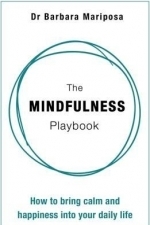
Discover how to become healthier, happier, and more resilient with The Mindfulness Playbook by psychology expert Dr Barbara Mariposa. Written with the general public in mind, Mariposa tackles thoughts, feelings and situations that crop up in everyday life and provides effective coping strategies that can be employed anytime, anywhere. Full of inspiring solutions and practical skills, this book advises and supports as readers bring calm and happiness back into their lives. “By engaging with the content of this book, you will learn unique tools and skills that can bring you greater energy, freedom and clarity.”
Mindfulness is about living in the moment rather than dwelling on the past or worrying about the future. By regularly employing mindfulness, life, in theory, should become much simpler. Unfortunately, many people suffer from anxiety and depression; therefore, mindfulness can be a difficult concept to tackle. Mariposa breaks down the book into eight units and explains simple, proven techniques that, with daily practice, anyone can make a habit of using.
Dr Barbara Mariposa developed the Mind Mood Mastery programme and uses many of her ideas from this as the basis of her book. Each unit is broken down into manageable chunks that are easy to interpret and are relevant to the 21st century. Each unit contains a motto, which expresses the theme of the information provided and a task for people to do in their own time. There are also pages containing sections to write answers to questions Mariposa poses throughout the text.
Many of the tools Mariposa introduces can be shortened to acronyms, making them easy for people to remember in moments of anxiety or stress. One example is “BELL- Breathe. Expand. Listen. Look.” By remembering the letters of this power tool, it can be brought to mind in a difficult situation. It reminds the person to take a deep breath, notice what is going on around them, listen to what they can hear, and focus on something they can see. This helps to stop thoughts from spiralling into the past or future and causing lots of anxiety.
The problem with the term “mindfulness” is it has become an overused term and often replaces the word “relaxing”, for example, on colouring books. Dr Mariposa keeps to the scientific definition of the word (a mental state achieved by focusing one's awareness on the present moment, while calmly acknowledging and accepting one's feelings, thoughts, and bodily sensations, used as a therapeutic technique) and is sympathetic to the reader, acknowledging that life can be hard and mindfulness can be difficult to maintain.
Within each unit is a section dubbed “The Science Bit”, which, it goes without saying, contains scientific information. Mariposa explains in layman’s terms how the brain works and what causes anxiety and depression. She also demonstrates with diagrams how to rewire the brain and alter thought processes. It is interesting to learn that the brain physically changes shape as mindfulness techniques are practised.
For those who want a simple, easy to follow book about mindfulness, The Mindfulness Playbook is definitely the one to purchase. The balance between science and everyday life is on point, and the language style is appropriate for all readers. Quotes from famous names break up the text into manageable sections and it is easy to dip in and out of the book as needed. Dr Barbara Mariposa has produced a superb self-help guide and, with hope, it will help everyone who reads it.
Discover how to become healthier, happier, and more resilient with The Mindfulness Playbook by psychology expert Dr Barbara Mariposa. Written with the general public in mind, Mariposa tackles thoughts, feelings and situations that crop up in everyday life and provides effective coping strategies that can be employed anytime, anywhere. Full of inspiring solutions and practical skills, this book advises and supports as readers bring calm and happiness back into their lives. “By engaging with the content of this book, you will learn unique tools and skills that can bring you greater energy, freedom and clarity.”
Mindfulness is about living in the moment rather than dwelling on the past or worrying about the future. By regularly employing mindfulness, life, in theory, should become much simpler. Unfortunately, many people suffer from anxiety and depression; therefore, mindfulness can be a difficult concept to tackle. Mariposa breaks down the book into eight units and explains simple, proven techniques that, with daily practice, anyone can make a habit of using.
Dr Barbara Mariposa developed the Mind Mood Mastery programme and uses many of her ideas from this as the basis of her book. Each unit is broken down into manageable chunks that are easy to interpret and are relevant to the 21st century. Each unit contains a motto, which expresses the theme of the information provided and a task for people to do in their own time. There are also pages containing sections to write answers to questions Mariposa poses throughout the text.
Many of the tools Mariposa introduces can be shortened to acronyms, making them easy for people to remember in moments of anxiety or stress. One example is “BELL- Breathe. Expand. Listen. Look.” By remembering the letters of this power tool, it can be brought to mind in a difficult situation. It reminds the person to take a deep breath, notice what is going on around them, listen to what they can hear, and focus on something they can see. This helps to stop thoughts from spiralling into the past or future and causing lots of anxiety.
The problem with the term “mindfulness” is it has become an overused term and often replaces the word “relaxing”, for example, on colouring books. Dr Mariposa keeps to the scientific definition of the word (a mental state achieved by focusing one's awareness on the present moment, while calmly acknowledging and accepting one's feelings, thoughts, and bodily sensations, used as a therapeutic technique) and is sympathetic to the reader, acknowledging that life can be hard and mindfulness can be difficult to maintain.
Within each unit is a section dubbed “The Science Bit”, which, it goes without saying, contains scientific information. Mariposa explains in layman’s terms how the brain works and what causes anxiety and depression. She also demonstrates with diagrams how to rewire the brain and alter thought processes. It is interesting to learn that the brain physically changes shape as mindfulness techniques are practised.
For those who want a simple, easy to follow book about mindfulness, The Mindfulness Playbook is definitely the one to purchase. The balance between science and everyday life is on point, and the language style is appropriate for all readers. Quotes from famous names break up the text into manageable sections and it is easy to dip in and out of the book as needed. Dr Barbara Mariposa has produced a superb self-help guide and, with hope, it will help everyone who reads it.

Jamie (131 KP) rated Not a Sound in Books
Aug 15, 2017


Engaging story (2 more)
Great cast of characters, a resilient heroine
Handles the subject of disability with delicacy and respect
A compelling thriller about a deaf woman that finds herself entangled in a murder investigation
The story follows Amelia, a former ER nurse left deaf after a horrible accident that is struggling to get her life back together. I greatly appreciated how delicately the subjects of disability, depression, and alcoholism are handled in this book. Amelia is both a sympathetic character and an admirable one, actively learning how to carry on and create a new life for herself after the loss of her hearing. She’s strong-willed, persistent, and resourceful. Her deafness is a part of who she is, but she is not defined by it. This book was incredibly informative both about the impact that deafness can have on a person’s every day functionality, but also the multitude of tools and resources available to help. I learned quite a lot about the services available for the hearing impaired and thought it was great how well researched the topic is. It wasn’t until after I finished reading that I learned that the author herself is hearing impaired and draws from her own experiences to depict Amelia’s journey toward recovery.
Having read a few of Gudenkauf’s books I can’t help but notice a pattern in her stories that bothers me. In every one of her books that I’ve read the main character always has some connection to law enforcement that gets her “in” an investigation, even though she really shouldn’t see or know any of this information legally. Even worse, the main character always ends up interfering in an investigation by giving the police false leads. I don’t mind following an amateur sleuth that makes mistakes in their investigation it starts to feel repetitive with these characters suspecting everyone of everything.
It’s a very obvious attempt at adding some red herrings to the story to keep the mystery going but it becomes very noticeable once you’re acquainted with the author’s writing style. It is because of this that the story becomes a little predictable and the culprit can be guessed almost as soon as they are introduced. It seems that Gudenkauf may have noticed this, at least, as the character is reprimanded for her meddling and I appreciated this.
Despite this, however, the story kept me interested in finding out the how and they why rather than the who. Gudenkauf has a way of immersing the reader into the story and the characters and it is something that I admire about her work. Her skill with pacing is perfect despite the sometimes overwhelming issues with dangerous interference that is present in many of her books. It is because of these two factors that make her books so hit or miss with me.
This book was a definite hit and I’m so glad that I took a chance on it. It’s rare to find a main character that is disabled in some way and so I was happy that I found this book. I love the commentary that this book has about the importance of trust and empathy in the health industry, a topic that I wish was addressed more often. Even with the mild plot issues it’s worthwhile read for the intense mystery and wonderful cast of characters, especially Amelia and Stitch.
Having read a few of Gudenkauf’s books I can’t help but notice a pattern in her stories that bothers me. In every one of her books that I’ve read the main character always has some connection to law enforcement that gets her “in” an investigation, even though she really shouldn’t see or know any of this information legally. Even worse, the main character always ends up interfering in an investigation by giving the police false leads. I don’t mind following an amateur sleuth that makes mistakes in their investigation it starts to feel repetitive with these characters suspecting everyone of everything.
It’s a very obvious attempt at adding some red herrings to the story to keep the mystery going but it becomes very noticeable once you’re acquainted with the author’s writing style. It is because of this that the story becomes a little predictable and the culprit can be guessed almost as soon as they are introduced. It seems that Gudenkauf may have noticed this, at least, as the character is reprimanded for her meddling and I appreciated this.
Despite this, however, the story kept me interested in finding out the how and they why rather than the who. Gudenkauf has a way of immersing the reader into the story and the characters and it is something that I admire about her work. Her skill with pacing is perfect despite the sometimes overwhelming issues with dangerous interference that is present in many of her books. It is because of these two factors that make her books so hit or miss with me.
This book was a definite hit and I’m so glad that I took a chance on it. It’s rare to find a main character that is disabled in some way and so I was happy that I found this book. I love the commentary that this book has about the importance of trust and empathy in the health industry, a topic that I wish was addressed more often. Even with the mild plot issues it’s worthwhile read for the intense mystery and wonderful cast of characters, especially Amelia and Stitch.

Kristy H (1252 KP) rated You Think It, I'll Say It in Books
Apr 19, 2018

Great, satisfying set of stories
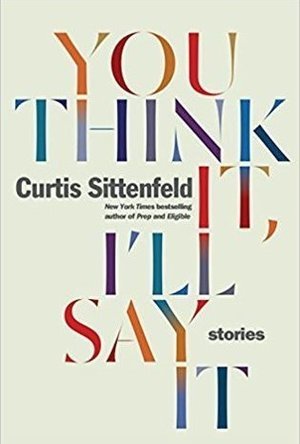
This short story collection features ten short stories from author Sittenfeld, featuring a cast of diverse, real characters. Told from a variety of point of views--a bored housewife, a wealthy bachelor, a new mom, and more--they offer pointed and humorous insight into current society.
I typically am not a huge fan of short stories because they don't give me enough information about the characters, and I'm a very character-driven person. But when I saw that Curtis Sittenfeld had a short story collection coming out, I knew I wouldn't be able to resist. She gets a lot of press for Prep, but I feel like American Wife and Eligible are both still so fully ingrained in my brain. I loved them both so much, and they are go-to recommendations when I get the standard, "oh you like to read, what should I read?" question.
But, I digress. Sittenfeld. Short stories. I shouldn't have been surprised, honestly, that her collection would be above the typical fare. I probably enjoyed this set of short stories more than any other I've read in ages. It's so well-written and engaging. As with Sittenfeld's other work, the stories are so wonderfully descriptive, so you can immediately picture the characters and their situations. I felt like I was quickly transported to the setting of each story as soon as it began.
The stories are similar but not repetitive, which was also refreshing, and seem to be real, instead of striving to reach some sort of literary bar that makes them tedious and therefore unreadable. They are about real, relatable characters struggling with misinformed impressions, lingering resentments, and different types of relationships. But - oh hooray - even better, the majority of the stories didn't leave me with that unfinished feeling. They are honestly fascinating, and I enjoyed how they all start (I enjoyed them all the way through too, of course, but it seemed like each had a bit of a common thread in its beginning). I could have read more about each story's characters, sure, but I didn't feel frustrated when they ended, which was so amazing and different for me.
I really liked each and every story. For instance, there's "Vox Clamantis in Deserto" which begins with a woman (girl?) who idolizes a fellow college student from afar in line at the post office. Two of the stories, "Plausible Deniability" and "The Prairie Wife," had actual twists and surprises, which was so much fun. And some of the longing that came across in these characters was very touching and heartfelt. I have a soft spot for slightly nerdy high school/college kids, even once they're all grown up, and for slightly fatigued moms, so these stories were my cup of tea.
Overall, this was a great set of short stories. They are filled with real people set in complicated yet enjoyable and interesting situations. They are easy-to-read and don't leave you wanting for more--except maybe more stories. This only cements my feeling that I'll continue to read (and adore) anything Ms. Sittenfeld writes.
I received a copy of this story collection from the publisher and Netgalley in return for an unbiased review.
I typically am not a huge fan of short stories because they don't give me enough information about the characters, and I'm a very character-driven person. But when I saw that Curtis Sittenfeld had a short story collection coming out, I knew I wouldn't be able to resist. She gets a lot of press for Prep, but I feel like American Wife and Eligible are both still so fully ingrained in my brain. I loved them both so much, and they are go-to recommendations when I get the standard, "oh you like to read, what should I read?" question.
But, I digress. Sittenfeld. Short stories. I shouldn't have been surprised, honestly, that her collection would be above the typical fare. I probably enjoyed this set of short stories more than any other I've read in ages. It's so well-written and engaging. As with Sittenfeld's other work, the stories are so wonderfully descriptive, so you can immediately picture the characters and their situations. I felt like I was quickly transported to the setting of each story as soon as it began.
The stories are similar but not repetitive, which was also refreshing, and seem to be real, instead of striving to reach some sort of literary bar that makes them tedious and therefore unreadable. They are about real, relatable characters struggling with misinformed impressions, lingering resentments, and different types of relationships. But - oh hooray - even better, the majority of the stories didn't leave me with that unfinished feeling. They are honestly fascinating, and I enjoyed how they all start (I enjoyed them all the way through too, of course, but it seemed like each had a bit of a common thread in its beginning). I could have read more about each story's characters, sure, but I didn't feel frustrated when they ended, which was so amazing and different for me.
I really liked each and every story. For instance, there's "Vox Clamantis in Deserto" which begins with a woman (girl?) who idolizes a fellow college student from afar in line at the post office. Two of the stories, "Plausible Deniability" and "The Prairie Wife," had actual twists and surprises, which was so much fun. And some of the longing that came across in these characters was very touching and heartfelt. I have a soft spot for slightly nerdy high school/college kids, even once they're all grown up, and for slightly fatigued moms, so these stories were my cup of tea.
Overall, this was a great set of short stories. They are filled with real people set in complicated yet enjoyable and interesting situations. They are easy-to-read and don't leave you wanting for more--except maybe more stories. This only cements my feeling that I'll continue to read (and adore) anything Ms. Sittenfeld writes.
I received a copy of this story collection from the publisher and Netgalley in return for an unbiased review.

BankofMarquis (1832 KP) rated Hellboy (2019) in Movies
Apr 14, 2019



Oh...hell, no!
HELLBOY?!? HELL NO!
I would imagine that about 90% of my readership just got what they needed out of my review with that first line and have moved on. For the rest of you, I will now explain why this reboot of HELLBOY is now the "leader in the clubhouse" for worst picture of 2019.
I was pleasantly surprised by the 2004 Guillermo del Toro helmed and written HELLBOY and was even more surprised by how good the del Toro written and helmed HELLBOY II: THE GOLD ARMY (2008) was. I think that this was because there was a driving force - and vision - from a true auteur and was a perfect combination of material and artistic staff - including Ron Perlman in the title role.
This version of HELLBOY has none of that. No vision, no driving force and a "B" performance by David Harbour in the title role. It feels like what it is - a cash grab. I blame the studio who produced this film - Summit Entertainment - for "going on the cheap" on this one.
First off, they tapped a "B Movie" Director, Neil Marshall to Direct this thing. He is known for such artistic successes as DOOMSDAY and THE DESCENT - horror flicks that were heavy on gore, short on characters and plot - and that is what he brought to this film. Why worry about characters, plot or any kind of engaging features (including Special FX) when you can show, yet again, a body getting torn apart and blood spurting all over the screen.
The studio also skimped on the performers. Instead of Perlman, Selma Blair, John Hurt and Doug Jones you get David Harbour, Daniel Dae Kim, Mila Jovovich and a sleep-walking, just give me my paycheck, Ian McShane. It's like watching the "road company" of a Broadway show. While the actors are game (with the notable exception of McShane), they are "B picture" actors, much like the Director.
And...much like the special FX. I knew, going in, that the early word on this film was not good, but that never stops me. I like to make up my own mind, so I thought I'd "pony up" for the IMAX experience to, at least, see the CGI and FX on as large a screen with as good a sound system as possible. I shouldn't have bothered, for the CGI and FX were mediocre (at best) and all the big screen and sound did was emphasize how low quality the CGI was.
And...finally...the pacing of this film is problematic, at best. This is certainly a film that was written and edited within an inch of it's life for the "short attention span" audience of today. The prevailing theory was "why linger on a plot or a character or a moment when we can quick cut to another body getting pulled in two and watch a plume of blood spurt out in a giant arc)."
There are 2 scenes in the end credits to set up the next film(s) in this series. Films that I seriously doubt will be made. If they are, I hope they pump some more money into the budget and get a creative team with some artistic vision.
A swing and a miss.
Letter Grade: C (and I'm being generous)
4 stars (out of 10) and you can take that to the Bank(ofMarquis)
I would imagine that about 90% of my readership just got what they needed out of my review with that first line and have moved on. For the rest of you, I will now explain why this reboot of HELLBOY is now the "leader in the clubhouse" for worst picture of 2019.
I was pleasantly surprised by the 2004 Guillermo del Toro helmed and written HELLBOY and was even more surprised by how good the del Toro written and helmed HELLBOY II: THE GOLD ARMY (2008) was. I think that this was because there was a driving force - and vision - from a true auteur and was a perfect combination of material and artistic staff - including Ron Perlman in the title role.
This version of HELLBOY has none of that. No vision, no driving force and a "B" performance by David Harbour in the title role. It feels like what it is - a cash grab. I blame the studio who produced this film - Summit Entertainment - for "going on the cheap" on this one.
First off, they tapped a "B Movie" Director, Neil Marshall to Direct this thing. He is known for such artistic successes as DOOMSDAY and THE DESCENT - horror flicks that were heavy on gore, short on characters and plot - and that is what he brought to this film. Why worry about characters, plot or any kind of engaging features (including Special FX) when you can show, yet again, a body getting torn apart and blood spurting all over the screen.
The studio also skimped on the performers. Instead of Perlman, Selma Blair, John Hurt and Doug Jones you get David Harbour, Daniel Dae Kim, Mila Jovovich and a sleep-walking, just give me my paycheck, Ian McShane. It's like watching the "road company" of a Broadway show. While the actors are game (with the notable exception of McShane), they are "B picture" actors, much like the Director.
And...much like the special FX. I knew, going in, that the early word on this film was not good, but that never stops me. I like to make up my own mind, so I thought I'd "pony up" for the IMAX experience to, at least, see the CGI and FX on as large a screen with as good a sound system as possible. I shouldn't have bothered, for the CGI and FX were mediocre (at best) and all the big screen and sound did was emphasize how low quality the CGI was.
And...finally...the pacing of this film is problematic, at best. This is certainly a film that was written and edited within an inch of it's life for the "short attention span" audience of today. The prevailing theory was "why linger on a plot or a character or a moment when we can quick cut to another body getting pulled in two and watch a plume of blood spurt out in a giant arc)."
There are 2 scenes in the end credits to set up the next film(s) in this series. Films that I seriously doubt will be made. If they are, I hope they pump some more money into the budget and get a creative team with some artistic vision.
A swing and a miss.
Letter Grade: C (and I'm being generous)
4 stars (out of 10) and you can take that to the Bank(ofMarquis)

Movie Metropolis (309 KP) rated Doctor Strange (2016) in Movies
Jun 10, 2019 (Updated Jun 11, 2019)
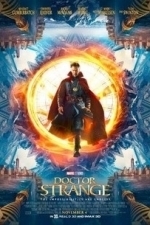
Marvel Meets Inception
Let’s face it; Marvel rarely gets it wrong when it comes to crafting cracking superhero blockbusters. Sure, Avengers: Age of Ultron was an overstuffed mess but it had ambition and Iron Man 2 was fine when not compared to its predecessor.
Now, one of the biggest film studios in the world takes on its biggest gamble yet – more so than Guardians of the Galaxy was, and that’s saying something! But does Doctor Strange hit all the right notes or are we looking at Marvel’s first true dog’s dinner?
Dr. Stephen Strange’s (Benedict Cumberbatch) life changes after a car accident robs him of the use of his hands. When traditional medicine fails him, he looks for healing, and hope, in a mysterious enclave. He quickly learns that the enclave is at the front line of a battle against unseen dark forces bent on destroying reality. Before long, Strange is forced to choose between his life of fortune and status or leave it all behind to defend the world as the most powerful sorcerer in existence.
Harry Potter meets Inception as director Scott Derrickson’s ambitious vision for the Marvel comic comes to life on screen. It’s one of the best looking films in the studio’s catalogue, and one that’s definitely worth paying the extra dosh for the 3D version.
When it comes to acting, the cast is, on the whole, very good. Tilda Swinton is perhaps the best character in the entire film as the ‘Ancient One’. She’s an incredible actress given the right material and despite being thinly written, she shines in this intriguing role. The rest of the cast, including Benedict Wong, Chiwetel Ejiofor and Rachel McAdams are poorly realised and make no measurable impact on the final cut.
Mads Mikkelsen’s portrayal of Kaecilius, the film’s main antagonist, is good but Marvel continuously struggle to create interesting villains and unfortunately, Mikkelsen falls into that pot, though he’s not quite as bad as Oscar Issac’s Apocalypse from this year’s X-Men entry. Let’s hope Mikkelsen is given more time to shine in Rogue One: A Star Wars Story in December.
Assessing Benedict Cumberbatch’s performance as the titular character is a little more difficult. On the one hand, he plays the deeply unlikeable Stephen Strange with the same class he brings to all his other personas; and then on the other, he seems at odds with Marvel’s global universe – the comedic elements almost feeling a little too forced, that is, in comparison to Chris Hemsworth’s mighty Thor or Paul Rudd’s sarcastic Ant-Man.
Luckily, the engaging special effects and magical story ensure Doctor Strange’s negatives are kept few and far between. Superhero films are beginning to grow a little tiresome with at least six being released this year alone, but the unique plot to this one makes certain you won’t have seen anything like it in the genre before.
Overall, Doctor Strange is a pleasing addition to the MCU, though one that isn’t quite as special as Guardians of the Galaxy was in 2014. It’s nice to have yet another character to join the growing list of Avengers but it’ll take another solo outing for Benedict Cumberbatch’s surgeon to make any sort of lasting impact.
https://moviemetropolis.net/2016/10/27/marvel-meets-inception-doctor-strange-review/
Now, one of the biggest film studios in the world takes on its biggest gamble yet – more so than Guardians of the Galaxy was, and that’s saying something! But does Doctor Strange hit all the right notes or are we looking at Marvel’s first true dog’s dinner?
Dr. Stephen Strange’s (Benedict Cumberbatch) life changes after a car accident robs him of the use of his hands. When traditional medicine fails him, he looks for healing, and hope, in a mysterious enclave. He quickly learns that the enclave is at the front line of a battle against unseen dark forces bent on destroying reality. Before long, Strange is forced to choose between his life of fortune and status or leave it all behind to defend the world as the most powerful sorcerer in existence.
Harry Potter meets Inception as director Scott Derrickson’s ambitious vision for the Marvel comic comes to life on screen. It’s one of the best looking films in the studio’s catalogue, and one that’s definitely worth paying the extra dosh for the 3D version.
When it comes to acting, the cast is, on the whole, very good. Tilda Swinton is perhaps the best character in the entire film as the ‘Ancient One’. She’s an incredible actress given the right material and despite being thinly written, she shines in this intriguing role. The rest of the cast, including Benedict Wong, Chiwetel Ejiofor and Rachel McAdams are poorly realised and make no measurable impact on the final cut.
Mads Mikkelsen’s portrayal of Kaecilius, the film’s main antagonist, is good but Marvel continuously struggle to create interesting villains and unfortunately, Mikkelsen falls into that pot, though he’s not quite as bad as Oscar Issac’s Apocalypse from this year’s X-Men entry. Let’s hope Mikkelsen is given more time to shine in Rogue One: A Star Wars Story in December.
Assessing Benedict Cumberbatch’s performance as the titular character is a little more difficult. On the one hand, he plays the deeply unlikeable Stephen Strange with the same class he brings to all his other personas; and then on the other, he seems at odds with Marvel’s global universe – the comedic elements almost feeling a little too forced, that is, in comparison to Chris Hemsworth’s mighty Thor or Paul Rudd’s sarcastic Ant-Man.
Luckily, the engaging special effects and magical story ensure Doctor Strange’s negatives are kept few and far between. Superhero films are beginning to grow a little tiresome with at least six being released this year alone, but the unique plot to this one makes certain you won’t have seen anything like it in the genre before.
Overall, Doctor Strange is a pleasing addition to the MCU, though one that isn’t quite as special as Guardians of the Galaxy was in 2014. It’s nice to have yet another character to join the growing list of Avengers but it’ll take another solo outing for Benedict Cumberbatch’s surgeon to make any sort of lasting impact.
https://moviemetropolis.net/2016/10/27/marvel-meets-inception-doctor-strange-review/
Movie Metropolis (309 KP) rated The BFG (2016) in Movies
Jun 10, 2019
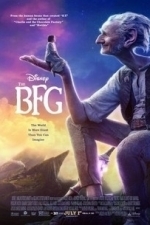

Spielberg, where are you?
Roald Dahl’s inspiring novels have had a chequered history when it comes to turning them into films. Danny DeVito’s Matilda is widely regarded as one of the best adaptations, with Tim Burton’s Charlie & the Chocolate Factory rendered a monstrosity by fans of the author and movie critics alike.
So when Steven Spielberg was announced as director of The BFG, my personal favourite of all Dahl’s novels, I was equal parts pleased and wary. Could my favourite filmmaker really do this amazing book justice?
Partially is the short answer. Spielberg proves a safe pair of hands as usual, but it lacks his trademark flair, losing the darker, more brooding elements of the source material in the process.
Ten-year-old Sophie (Ruby Barnhill) experiences the adventure of a lifetime when she meets the Big Friendly Giant (Mark Rylance). Naturally scared at first, she soon realizes that the 24-foot behemoth is actually gentle and charming. As their friendship grows, Sophie’s presence attracts the unwanted attention of Bloodbottler, Fleshlumpeater and other giants. After traveling to London, Sophie and the BFG must convince the Queen to help them get rid of all the bad giants once and for all.
Casting wise, The BFG is practically spot on with Mark Rylance being exceptional in the titular role. It was always going to be hard to fill the shoes of David Jason, who tackled the character in the 1989 TV film, but he is perfect; getting the mannerisms and voice down to a tee. The motion capture used to render Rylance’s face onto the giant is breath-taking and some of the best I’ve seen. Elsewhere, Ruby Barnhill certainly has the look of Sophie, but lacks the acting finesse of some child actors.
The cinematography is both beautiful and at times hard to stomach. The opening sequence in which Sophie is taken from her bed to Giant Country is stunning, climaxing in a first-person view of the far-away land. Unfortunately, Spielberg’s avoidance of shaky cam lends an almost video-game feel to the scene that proves nauseating after a few minutes.
The BFG also suffers when both its main characters share a close-up. In particular, when Sophie is being carried by the giant, the motions look continuously jerky and spoil an otherwise impeccably rendered film – you can see where the $140million was spent.
Unfortunately, John Williams’ score lacks any sort of punch and feels sorely out of place in certain parts of the film. This is even more unusual considering the pairing of Spielberg and Williams has given us greats like Jurassic Park, E.T. and Indiana Jones.
Nevertheless, this is a sweet film that children and adults should enjoy. The themes of friendship and loneliness can resonate with all generations and a packed-out cinema proves just what a draw Roald Dahl still is to this day.
Overall, The BFG is everything most families will want from a summer holiday blockbuster. It’s sugary sweet, with great special effects, engaging acting and a wonderful story that follows its source material reasonably well. However, for Spielberg fans, it’s puzzling because the director’s presence feels a little lost. There’s a lot to like, but not a lot to love.
https://moviemetropolis.net/2016/07/28/spielberg-where-are-you-the-bfg-review/
So when Steven Spielberg was announced as director of The BFG, my personal favourite of all Dahl’s novels, I was equal parts pleased and wary. Could my favourite filmmaker really do this amazing book justice?
Partially is the short answer. Spielberg proves a safe pair of hands as usual, but it lacks his trademark flair, losing the darker, more brooding elements of the source material in the process.
Ten-year-old Sophie (Ruby Barnhill) experiences the adventure of a lifetime when she meets the Big Friendly Giant (Mark Rylance). Naturally scared at first, she soon realizes that the 24-foot behemoth is actually gentle and charming. As their friendship grows, Sophie’s presence attracts the unwanted attention of Bloodbottler, Fleshlumpeater and other giants. After traveling to London, Sophie and the BFG must convince the Queen to help them get rid of all the bad giants once and for all.
Casting wise, The BFG is practically spot on with Mark Rylance being exceptional in the titular role. It was always going to be hard to fill the shoes of David Jason, who tackled the character in the 1989 TV film, but he is perfect; getting the mannerisms and voice down to a tee. The motion capture used to render Rylance’s face onto the giant is breath-taking and some of the best I’ve seen. Elsewhere, Ruby Barnhill certainly has the look of Sophie, but lacks the acting finesse of some child actors.
The cinematography is both beautiful and at times hard to stomach. The opening sequence in which Sophie is taken from her bed to Giant Country is stunning, climaxing in a first-person view of the far-away land. Unfortunately, Spielberg’s avoidance of shaky cam lends an almost video-game feel to the scene that proves nauseating after a few minutes.
The BFG also suffers when both its main characters share a close-up. In particular, when Sophie is being carried by the giant, the motions look continuously jerky and spoil an otherwise impeccably rendered film – you can see where the $140million was spent.
Unfortunately, John Williams’ score lacks any sort of punch and feels sorely out of place in certain parts of the film. This is even more unusual considering the pairing of Spielberg and Williams has given us greats like Jurassic Park, E.T. and Indiana Jones.
Nevertheless, this is a sweet film that children and adults should enjoy. The themes of friendship and loneliness can resonate with all generations and a packed-out cinema proves just what a draw Roald Dahl still is to this day.
Overall, The BFG is everything most families will want from a summer holiday blockbuster. It’s sugary sweet, with great special effects, engaging acting and a wonderful story that follows its source material reasonably well. However, for Spielberg fans, it’s puzzling because the director’s presence feels a little lost. There’s a lot to like, but not a lot to love.
https://moviemetropolis.net/2016/07/28/spielberg-where-are-you-the-bfg-review/
Movie Metropolis (309 KP) rated Into the Woods (2014) in Movies
Jun 11, 2019
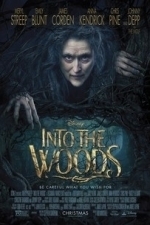
A charming adaptation
Wolves, witches and giants all appear in the film adaptation of Stephen Sondheim’s popular musical which takes all the best bits of our favourite fairytales and mashes them together in one engaging, song-filled rollercoaster.
However, musical movie adaptations are notoriously difficult to get right, from casting restraints to the inclusion of all the songs, transferring them to the silver screen is not something to be entered into lightly. So does director Rob Marhsall’s effort elevate itself above its peers?
Into the Woods has numerous plot threads that all end up coming together in one way or another, but the main storyline follows a baker (James Corden) and his wife, played gloriously by Emily Blunt, as they come to realise they cannot have a child.
Alas, a witch – who just so happens to live next door – has a way to provide them with what they want as long as they get a few items for her in the meantime.
An all-star cast including the likes of Chris Pine, Anna Kendrick, Christine Baranski, Lucy Punch, Johnny Depp and of course Meryl Streep all give their all in a film that is brimming with tantalising cinematography and stunning songs.
meryl-streep-into-the-woodsGenerally speaking, the female cast fares better in the singing portions of the film, although Chris Pine and Billy Magnussen had the audience in intentional fits of laughter in one particular sequence as two handsome Princes.
Unfortunately, Into the Wood’s greatest asset, its cast, is also its biggest undoing. Having so many story threads means that there isn’t any emotional attachment to the characters – despite the film’s numerous attempts to tug at the heartstrings.
Despite a deeply heartfelt performance of ‘Stay with Me’ from Meryl Streep, the film just steadily rolls itself from admittedly thrilling set piece to set piece without getting bogged down in nitty gritty character development.
Thankfully, the glorious cinematography that featured in the trailer continues throughout. An enclosed feeling makes you feel like you’re actually watching a stage show rather than a film, albeit one with a much higher budget, and this is one of its most captivating features.
Director Rob Marshall has managed to keep the pantomime feel despite the fact the audience is watching in a cinema – the locations are never overdone and everything feels nicely claustrophobic, adding to the eerie atmosphere.
However, the final act is unnecessarily long and its foray into deeper territory means the magic and sparkle is well and truly lost. This is a real shame as there are numerous moments where the film could end on a high, rather than delving into a murky and at times, incomprehensible final third.
Overall, Into the Woods is a charming adaptation of the popular musical and despite its slightly overlong running time and a disappointing final act, it manages to stay on course for a perfectly adequate, if underwhelming finale.
The entire cast have a ball with their characters with Meryl Streep and Emily Blunt being particular highlights throughout.
Parents beware however, its PG certification may be slightly too lenient for smaller children, who will no doubt be intrigued by the premise of combining our most-loved fairytales.
https://moviemetropolis.net/2015/01/17/a-charming-adaptation-into-the-woods-review/
However, musical movie adaptations are notoriously difficult to get right, from casting restraints to the inclusion of all the songs, transferring them to the silver screen is not something to be entered into lightly. So does director Rob Marhsall’s effort elevate itself above its peers?
Into the Woods has numerous plot threads that all end up coming together in one way or another, but the main storyline follows a baker (James Corden) and his wife, played gloriously by Emily Blunt, as they come to realise they cannot have a child.
Alas, a witch – who just so happens to live next door – has a way to provide them with what they want as long as they get a few items for her in the meantime.
An all-star cast including the likes of Chris Pine, Anna Kendrick, Christine Baranski, Lucy Punch, Johnny Depp and of course Meryl Streep all give their all in a film that is brimming with tantalising cinematography and stunning songs.
meryl-streep-into-the-woodsGenerally speaking, the female cast fares better in the singing portions of the film, although Chris Pine and Billy Magnussen had the audience in intentional fits of laughter in one particular sequence as two handsome Princes.
Unfortunately, Into the Wood’s greatest asset, its cast, is also its biggest undoing. Having so many story threads means that there isn’t any emotional attachment to the characters – despite the film’s numerous attempts to tug at the heartstrings.
Despite a deeply heartfelt performance of ‘Stay with Me’ from Meryl Streep, the film just steadily rolls itself from admittedly thrilling set piece to set piece without getting bogged down in nitty gritty character development.
Thankfully, the glorious cinematography that featured in the trailer continues throughout. An enclosed feeling makes you feel like you’re actually watching a stage show rather than a film, albeit one with a much higher budget, and this is one of its most captivating features.
Director Rob Marshall has managed to keep the pantomime feel despite the fact the audience is watching in a cinema – the locations are never overdone and everything feels nicely claustrophobic, adding to the eerie atmosphere.
However, the final act is unnecessarily long and its foray into deeper territory means the magic and sparkle is well and truly lost. This is a real shame as there are numerous moments where the film could end on a high, rather than delving into a murky and at times, incomprehensible final third.
Overall, Into the Woods is a charming adaptation of the popular musical and despite its slightly overlong running time and a disappointing final act, it manages to stay on course for a perfectly adequate, if underwhelming finale.
The entire cast have a ball with their characters with Meryl Streep and Emily Blunt being particular highlights throughout.
Parents beware however, its PG certification may be slightly too lenient for smaller children, who will no doubt be intrigued by the premise of combining our most-loved fairytales.
https://moviemetropolis.net/2015/01/17/a-charming-adaptation-into-the-woods-review/

Purple Phoenix Games (2266 KP) rated Saboteur in Tabletop Games
Jun 12, 2019
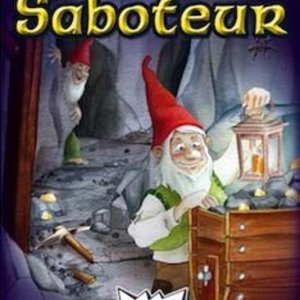
Okay, so Saboteur isn’t one of the newest or shiniest board games on the market at the moment. Here’s the thing, it doesn’t need to be. It is profoundly unique, and well, scratched a BIG itch at its debut. I cannot think, off the top of my head, of a board game that is so immensely strategic, yet quick, super thrilling, and engaging for all ages.
As I said, this game may be small, it may be older, but it is mighty. If you like that element of a “sabotage character” in board games, then you will love Saboteur. The best part of this game is that being the “sabotage character” isn’t difficult to learn or teach. I remember playing rounds of “The Resistance: Avalon” or “The Resistance” thinking “what the heck am I really supposed to do?” before really understanding the sabotagey (I am making a new word here) role. At times I felt even a little incompetent because I was stuck in this role all by myself. This is where Saboteur REALLY shines! Not only is the sabotage role easy to learn, you get sabotagey FRIENDS to help you out. It only gets better with more and more players too!
So, what is this great little game all about? Well, each player is dealt a role card which is either a regular old (yes, they all have long white beards) dwarf, or a saboteur dwarf (they look slightly more sinister than the rest). Of course, our good dwarfs are on an honest quest to find some gold. (Nothing could go wrong right!?) As our dwarf friends begin to dig further into the cave of golden wonders (in the form of cards seen in the illustration below), they have to navigate to one of 3 specified cards with only 1 truly holding their golden prize. All the while our Saboteur friends, which are not revealed until the end of the game, are making attempts to play pathways and tricks to divert the good dwarves away from the treasure. The winning conditions are simple. If the good dwarves find the gold, they win. If the Saboteurs prevent the good dwarves from finding the gold, they win. Each role is then awarded with gold chunks, which they will keep for a cumulative score after 3 rounds of play. As I said, simple, but SOOOO much fun! I think the most exciting part for our game group has always been turning over the cards at the end of each round to see who the Saboteurs really were.
I think I speak for us all when I say that the excitement level and ease of teaching for this one are through the roof. If there are any drawbacks, it is the quality of the cards themselves. You will want to sleeve them…..trust us. Your game group will be begging to play multiple games in a row, lending to not so sterling looking cards. They get scratched after only a few plays. So, with the money you will save on this cheap little gem, do yourself a favor and splurge the extra $5 and get a nice stack of sleeves! The other drawback you may find frustrating is at the end when you are revealing roles to find out that someone who you thought was a Saboteur was actually a regular dwarf all along with really unfortunate card draws! Such is life, right!? Anyway, until next time, happy gaming everyone!
Purple Phoenix Games gives this a 20 / 24.
https://purplephoenixgames.wordpress.com/2018/12/24/saboteur-review/
As I said, this game may be small, it may be older, but it is mighty. If you like that element of a “sabotage character” in board games, then you will love Saboteur. The best part of this game is that being the “sabotage character” isn’t difficult to learn or teach. I remember playing rounds of “The Resistance: Avalon” or “The Resistance” thinking “what the heck am I really supposed to do?” before really understanding the sabotagey (I am making a new word here) role. At times I felt even a little incompetent because I was stuck in this role all by myself. This is where Saboteur REALLY shines! Not only is the sabotage role easy to learn, you get sabotagey FRIENDS to help you out. It only gets better with more and more players too!
So, what is this great little game all about? Well, each player is dealt a role card which is either a regular old (yes, they all have long white beards) dwarf, or a saboteur dwarf (they look slightly more sinister than the rest). Of course, our good dwarfs are on an honest quest to find some gold. (Nothing could go wrong right!?) As our dwarf friends begin to dig further into the cave of golden wonders (in the form of cards seen in the illustration below), they have to navigate to one of 3 specified cards with only 1 truly holding their golden prize. All the while our Saboteur friends, which are not revealed until the end of the game, are making attempts to play pathways and tricks to divert the good dwarves away from the treasure. The winning conditions are simple. If the good dwarves find the gold, they win. If the Saboteurs prevent the good dwarves from finding the gold, they win. Each role is then awarded with gold chunks, which they will keep for a cumulative score after 3 rounds of play. As I said, simple, but SOOOO much fun! I think the most exciting part for our game group has always been turning over the cards at the end of each round to see who the Saboteurs really were.
I think I speak for us all when I say that the excitement level and ease of teaching for this one are through the roof. If there are any drawbacks, it is the quality of the cards themselves. You will want to sleeve them…..trust us. Your game group will be begging to play multiple games in a row, lending to not so sterling looking cards. They get scratched after only a few plays. So, with the money you will save on this cheap little gem, do yourself a favor and splurge the extra $5 and get a nice stack of sleeves! The other drawback you may find frustrating is at the end when you are revealing roles to find out that someone who you thought was a Saboteur was actually a regular dwarf all along with really unfortunate card draws! Such is life, right!? Anyway, until next time, happy gaming everyone!
Purple Phoenix Games gives this a 20 / 24.
https://purplephoenixgames.wordpress.com/2018/12/24/saboteur-review/
Kristy H (1252 KP) rated Final Girls in Books
Jan 21, 2018
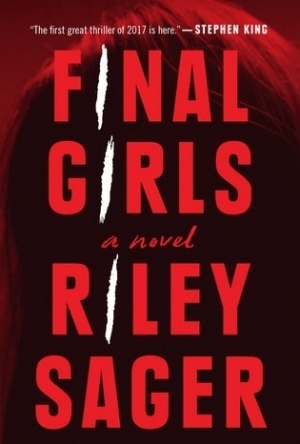
Disappointing, especially after all the hype
In college, Quincy Carpenter goes on vacation to a remote cabin (Pine Cottage) with a group of friends and ends up being the lone survivor to a massacre. The horrific event puts Quincy in the "Final Girls club"--so deemed by the press--a group of women who are also lone survivors of other similar massacres. Lisa survived a bloodbath at her sorority house and Samantha a brutal attack at a motel. The women have never met, but Quincy and Lisa have spoken on the phone. They all share two things--being a "final girl"--and trying to move on with their lives. And Quincy is really trying. With the help of Xanax, she has a successful baking blog and a good relationship with her understanding boyfriend, Jeff. But Quincy's attempts at moving past Pine Cottage are derailed when she receives a call that Lisa has died, found with her wrists cut in her bathtub. Shortly after, Samantha shows up at Quincy's apartment. Reporters are breathing down Quincy's neck and between Samantha and the press, Quincy feels forced to confront the past she's tried so hard to leave behind. But once she does, what will she really discover?
I had really high expectations for this novel, as the "first great thriller of 2017" blurb from Stephen King is prominently placed on the cover, and its been highly reviewed in a variety of magazines. Maybe I'm just a cynical soul, but it just didn't live up to the hype. For about the first 3/4 of the book, I just couldn't get into it, and I almost decided not to finish it. I actually started and finished another book between starting (and finishing) this one. The book switches between present day and flashbacks to Pine Cottage; the Pine Cottage portions were far more intriguing, and I just kept wanting to flip forward to those pieces.
Thankfully, the last fourth or so of this novel is much better: things pick up, the various parts come together in fairly dramatic fashion, and the story grows much more tense and hard to put down. It's the last portion of the book that makes it difficult to give it a truly negative review, even if I did find a few parts of it a tad unbelievable.
Indeed, you definitely have to suspend disbelief a bit for this one. Quincy is a pretty good character herself, but once Sam arrives, she sends Quincy on a path that is just hard to stomach. Quincy's reactions to Samantha and the actions she takes once she arrives irked me and often, I found them almost implausible. (Also, how gullible and unaware was Jeff?) Samantha was an unlikable character and she seemed to cloud everything she touched.
So, overall, I was a little disappointed by this one. I had to slog through a lot to get to the payout at the end and even then, it all seemed a little crazy and hard to buy. I liked Quincy well-enough, but no other characters in the novel were of much redeeming, or interesting, value. The story was fairly engaging, especially at the end, but not the shocking, amazing novel I'd hoped for. Alas. On to the next one! (And most people loved this, so take my review with a grain of salt!)
I had really high expectations for this novel, as the "first great thriller of 2017" blurb from Stephen King is prominently placed on the cover, and its been highly reviewed in a variety of magazines. Maybe I'm just a cynical soul, but it just didn't live up to the hype. For about the first 3/4 of the book, I just couldn't get into it, and I almost decided not to finish it. I actually started and finished another book between starting (and finishing) this one. The book switches between present day and flashbacks to Pine Cottage; the Pine Cottage portions were far more intriguing, and I just kept wanting to flip forward to those pieces.
Thankfully, the last fourth or so of this novel is much better: things pick up, the various parts come together in fairly dramatic fashion, and the story grows much more tense and hard to put down. It's the last portion of the book that makes it difficult to give it a truly negative review, even if I did find a few parts of it a tad unbelievable.
Indeed, you definitely have to suspend disbelief a bit for this one. Quincy is a pretty good character herself, but once Sam arrives, she sends Quincy on a path that is just hard to stomach. Quincy's reactions to Samantha and the actions she takes once she arrives irked me and often, I found them almost implausible. (Also, how gullible and unaware was Jeff?) Samantha was an unlikable character and she seemed to cloud everything she touched.
So, overall, I was a little disappointed by this one. I had to slog through a lot to get to the payout at the end and even then, it all seemed a little crazy and hard to buy. I liked Quincy well-enough, but no other characters in the novel were of much redeeming, or interesting, value. The story was fairly engaging, especially at the end, but not the shocking, amazing novel I'd hoped for. Alas. On to the next one! (And most people loved this, so take my review with a grain of salt!)
Kristy H (1252 KP) rated The Woman in Cabin 10 in Books
Feb 8, 2018
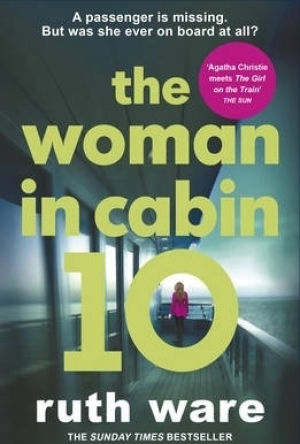
Laura (Lo) Blackstock is excited to finally get the opportunity of her travel journalism career: a chance to cover the launch of a luxury cruise ship, the Aurora. The ship is headed to Norway, and Lo has the ability to mingle with a set of wealthy passengers and make some connections to jump-start her writing career. But before she even sets foot on the boat, Lo is reeling from a break-in at her apartment, which leaves her anxious, exhausted, and--through a series of unfortunate events--on the outs with her boyfriend, Jonah. Still, at first the Aurora seems gorgeous and luxurious, if a bit small for Lo's claustrophobia. But her first evening on board, after an evening of dining and drinking, Lo is awoken to the sound of an argument in cabin 10 next door, and she's convinced she sees a woman tossed overboard. But no one on the ship believes her, and the woman she knows she met earlier in cabin 10, when asking to borrow mascara, is gone--nowhere on the boat. Lo knows realistically this isn't possible: it's a small boat and people can't just disappear. But she also knows who she saw and what she saw. Is she going crazy? And is someone on the boat now out to get her?
This was an interesting and suspenseful thriller. I agree with the comparisons to an Agatha Christie novel: with the setting of the novel being a ship, you have a limited cast of characters (and suspects), which heightens some of the intrigue. Ware does an excellent job of setting the scene, and you can practically feel yourself trapped in this opulent yet slightly claustrophobic, endlessly rocking luxury cruise-liner. Lo is set up rather quickly as unreliable narrator: she's clearly anxious after her break-in, prone to drinking, and reeling from a lack of sleep. Therefore, from the outset, we're not sure if we can trust what we're reading or what seems to be unfolding on this ship. One of my favorite things about this novel is that it certainly keeps you guessing -- I was constantly coming up with (and discarding) various theories as I read, placing blame on a new character every few chapters. And, of course, always harboring that seed of doubt that Lo just made the entire thing up. While we hear entirely from Lo, Ware places a few newspaper stories at the end of each chapter, which just add to your doubt and confusion.
As for Lo, she's not the most enjoyable of main characters and due to our limited set of characters, we don't have many others, so most of the tale hinges on her. She's a bit annoying and whiny and prone to overthinking and bad decisions. She can get frustrating at times, to say the least. The story itself isn't really creepy or spooky, but it's definitely interesting and, as I said, keeps you guessing until nearly the very end. A few of the plot points seem a bit haphazard, as if things were just jammed together randomly into the story, but I suppose they all work together at the end.
Overall, this is certainly an engaging and suspenseful thriller. If you enjoy a fast-paced whodunnit, this one is for you. 3.5 stars.
This was an interesting and suspenseful thriller. I agree with the comparisons to an Agatha Christie novel: with the setting of the novel being a ship, you have a limited cast of characters (and suspects), which heightens some of the intrigue. Ware does an excellent job of setting the scene, and you can practically feel yourself trapped in this opulent yet slightly claustrophobic, endlessly rocking luxury cruise-liner. Lo is set up rather quickly as unreliable narrator: she's clearly anxious after her break-in, prone to drinking, and reeling from a lack of sleep. Therefore, from the outset, we're not sure if we can trust what we're reading or what seems to be unfolding on this ship. One of my favorite things about this novel is that it certainly keeps you guessing -- I was constantly coming up with (and discarding) various theories as I read, placing blame on a new character every few chapters. And, of course, always harboring that seed of doubt that Lo just made the entire thing up. While we hear entirely from Lo, Ware places a few newspaper stories at the end of each chapter, which just add to your doubt and confusion.
As for Lo, she's not the most enjoyable of main characters and due to our limited set of characters, we don't have many others, so most of the tale hinges on her. She's a bit annoying and whiny and prone to overthinking and bad decisions. She can get frustrating at times, to say the least. The story itself isn't really creepy or spooky, but it's definitely interesting and, as I said, keeps you guessing until nearly the very end. A few of the plot points seem a bit haphazard, as if things were just jammed together randomly into the story, but I suppose they all work together at the end.
Overall, this is certainly an engaging and suspenseful thriller. If you enjoy a fast-paced whodunnit, this one is for you. 3.5 stars.