
Search
Search results

Lindsay (1818 KP) rated A Valentine's Breakfast in Bed (Mariana Books Rhyming #6) in Books
Feb 17, 2022
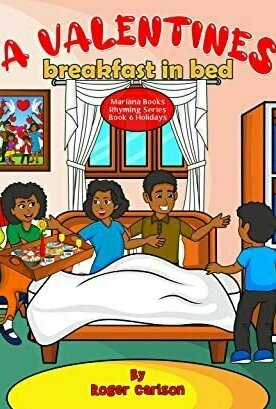
A Valentine's Breakfast in bed is a sweet story. It shows how the kids love their parents by making breakfast in bed on this special day. This book is excellent for showing love and showing that Valentine's day is for all types of love. Children will learn that Valentine's day is not just for the couple but for all those that we love.
This story is well done. The family in this story is a different one and different ethnicity. I enjoyed that as the author wants to show diversity. This one is good for this book and still has a black history month relation. I do not know if that stood to be that. I love that he has done so. It can stand shown that way and what this memorable holiday in the middle of February is all about.
The pictures are colorful. The story is mainly set on the two children making breakfast for their parents for this special day. They show it by making a few breakfast food for them. How will they enjoy the day with their mom and dad?
This book also will help children learn rhyming and some kindness and love. Parents will enjoy having this book along with the rest of the series on their bookshelves. They can read along with their children.
This story is well done. The family in this story is a different one and different ethnicity. I enjoyed that as the author wants to show diversity. This one is good for this book and still has a black history month relation. I do not know if that stood to be that. I love that he has done so. It can stand shown that way and what this memorable holiday in the middle of February is all about.
The pictures are colorful. The story is mainly set on the two children making breakfast for their parents for this special day. They show it by making a few breakfast food for them. How will they enjoy the day with their mom and dad?
This book also will help children learn rhyming and some kindness and love. Parents will enjoy having this book along with the rest of the series on their bookshelves. They can read along with their children.

Otway93 (580 KP) rated the PlayStation 3 version of Vanquish in Video Games
Jun 18, 2022


Map and Scenery Design (2 more)
Character Design
Quality of Remaster
Repetitive (4 more)
Short
Range of Weapons
Clichéd Storyline
Range of enemies
Short, clichéd and repetitive.
This one is especially difficult for me because I'm a bit of a superfan of the game's director, the legendary Shinji Mikami (Resident Evil, Dino Crisis etc.).
But this game was probably one of the shortest game's I've ever played, which is a ble ssing in a way as every mission is exactly the same. Each level basically has two objectives, which are:
1. Destroy all enemies.
2. Reach the destination.
That is literally it, absolutely nothing to make you think, just constantly shooting down an incredibly small variety of enemies, with an equally small variety of weapons.
The storyline itself is also very basic. Futuristic, typical Russian antagonist, typical chain-smoking macho protagonist, predictable twists at the end.
But every game does have it's positives. The quality of the PlayStation 4 remaster is outstanding, and feels like a new PS4 game. The design of everything in the game is also excellent, although the characters themselves are pretty run-of-the-mill, their designs are somewhat unique and look great. The same can be said for the design of the the map and scenery.
Overall, a great looking game, that's let down terribly by the gameplay.
Sorry, Shinji, still love you!
But this game was probably one of the shortest game's I've ever played, which is a ble ssing in a way as every mission is exactly the same. Each level basically has two objectives, which are:
1. Destroy all enemies.
2. Reach the destination.
That is literally it, absolutely nothing to make you think, just constantly shooting down an incredibly small variety of enemies, with an equally small variety of weapons.
The storyline itself is also very basic. Futuristic, typical Russian antagonist, typical chain-smoking macho protagonist, predictable twists at the end.
But every game does have it's positives. The quality of the PlayStation 4 remaster is outstanding, and feels like a new PS4 game. The design of everything in the game is also excellent, although the characters themselves are pretty run-of-the-mill, their designs are somewhat unique and look great. The same can be said for the design of the the map and scenery.
Overall, a great looking game, that's let down terribly by the gameplay.
Sorry, Shinji, still love you!
Hazel (2934 KP) rated Murder by Natural Causes [Audibook] in Books
Jul 9, 2023
![Murder by Natural Causes [Audibook]](/uploads/profile_image/126/7eddbcdb-3834-424b-8ac7-f199c5d3a126.jpg?m=1688908353)

Overall, a pretty successful audiobook which was, for me anyway, mostly down to the narrator who was excellent and really brought the characters to life.
The book is told entirely from Cilla's point of view and tells the story of how she got to be who she is and the now. I wouldn't say it is full of action or thrills and spills which, from the synopsis anyway, I did assume would be the case but rather a detailed look into how a child with certain traits can be shaped and moulded to become a successful killer and the cunning and skills she used when plying her trade and which she is now using to try and change her life.
As I said, it's not full of action and whilst there is some suspense, this mainly comes towards the end and this was, for me, a little disappointing - it's a little too slow and lacking in oomph! I did however like getting to know Cilla and whilst at first I found her hard to 'like', she did grow on me in the end.
Overall, a little underwhelming and although I did finish it, I was left with a sense of "was that it?". My thanks go to Bolinda Audio and NetGalley for enabling me to listen to and share my thoughts of Murder by Natural Causes.
The book is told entirely from Cilla's point of view and tells the story of how she got to be who she is and the now. I wouldn't say it is full of action or thrills and spills which, from the synopsis anyway, I did assume would be the case but rather a detailed look into how a child with certain traits can be shaped and moulded to become a successful killer and the cunning and skills she used when plying her trade and which she is now using to try and change her life.
As I said, it's not full of action and whilst there is some suspense, this mainly comes towards the end and this was, for me, a little disappointing - it's a little too slow and lacking in oomph! I did however like getting to know Cilla and whilst at first I found her hard to 'like', she did grow on me in the end.
Overall, a little underwhelming and although I did finish it, I was left with a sense of "was that it?". My thanks go to Bolinda Audio and NetGalley for enabling me to listen to and share my thoughts of Murder by Natural Causes.
Merissa (14190 KP) rated Hydromancist (7 Forbidden Arts #4) in Books
May 20, 2023


Maya, as we know from previous books, is one tough cookie. She doesn't have many friends, but those she does have, she holds close and gives her all. So when she finds herself alone on a mission, she isn't bothered because she knows how to take care of herself, and there are very good reasons why her teammates aren't there with her. So you can imagine the shock to her system when she finds herself falling for the very guy that she's there to investigate. Tim has many layers to him (why do I always think of Shrek when I say that!) and you don't find them all out at once. I have to say, that even by the end of the book, I don't think we know all there is to know about Ambassador Fardel!
This book does not pull any punches - it is hot, heartbreaking, poignant, and tender. With intrigue and mystery aplenty, it will keep you gripped from page to page. Well written, with no editing or grammatical errors that I found, and with a brilliant supporting cast, this makes an excellent addition to the 7 Forbidden Arts series. Definitely recommended.
* A copy of this book was provided to me with no requirements for a review. I voluntarily read this book, and the comments here are my honest opinion. *
Merissa
Archaeolibrarian - I Dig Good Books!
Jan 30, 2016
This book does not pull any punches - it is hot, heartbreaking, poignant, and tender. With intrigue and mystery aplenty, it will keep you gripped from page to page. Well written, with no editing or grammatical errors that I found, and with a brilliant supporting cast, this makes an excellent addition to the 7 Forbidden Arts series. Definitely recommended.
* A copy of this book was provided to me with no requirements for a review. I voluntarily read this book, and the comments here are my honest opinion. *
Merissa
Archaeolibrarian - I Dig Good Books!
Jan 30, 2016
Merissa (14190 KP) rated Alpha Shaman (Bad Oak Boys #2) in Books
May 20, 2023
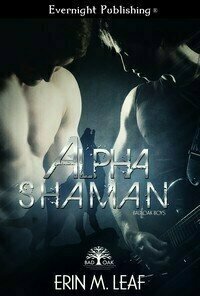

Josh thinks that he is human, although he is aware of the werewolf gene in his family. However, when he starts having strange dreams and shedding fur, he admits he might be in trouble. He rings Ryan (his brother) who sends out a Shaman who will help him. When Josh and Gerwulf first meet, the wolves both agree that they have found their mates, although the human halves still need convincing. Evil is on the way though, so they may not have as much time as they would like.
This is the first of the Bad Oak Boys that I have read, although I didn't feel that it negatively impacted my enjoyment in any way. Alpha Shaman is full of action, romance, and yes, even grief. I could understand Gerwulf's hang-ups from his past and liked how he worked through them, with Josh's help. Josh and Gerwulf are both excellent characters, well-rounded and with their own quirks.
I have enjoyed this story, and am now looking forward to reading Rock Star Baby, which is book one in this series.
* A copy of this book was provided to me with no requirements for a review. I voluntarily read this book, and my comments here are my honest opinion. *
Merissa
Archaeolibrarian - I Dig Good Books!
Feb 11, 2016
This is the first of the Bad Oak Boys that I have read, although I didn't feel that it negatively impacted my enjoyment in any way. Alpha Shaman is full of action, romance, and yes, even grief. I could understand Gerwulf's hang-ups from his past and liked how he worked through them, with Josh's help. Josh and Gerwulf are both excellent characters, well-rounded and with their own quirks.
I have enjoyed this story, and am now looking forward to reading Rock Star Baby, which is book one in this series.
* A copy of this book was provided to me with no requirements for a review. I voluntarily read this book, and my comments here are my honest opinion. *
Merissa
Archaeolibrarian - I Dig Good Books!
Feb 11, 2016
Merissa (14190 KP) rated Embrace the Wind (The Blood Rose #7) in Books
May 24, 2023
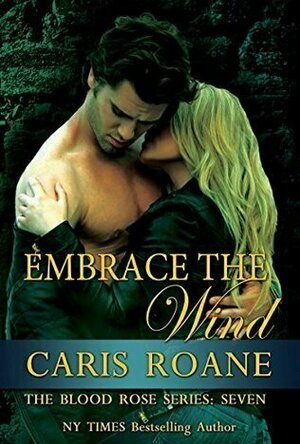
OK, call me shallow, but I have to admit that reading about a tattooed man, with long hair, into bikes, makes the story a lot easier to read. I love The Blood Rose series, but this book was outstanding. I love how although the Mastyrs are important, it is their Blood Roses who are coming into their own. Each is different, each bringing just what is needed, I think they are all magnificent but I will admit to loving Olivia's attitude! She rocks!!
As with the other books, the Mastyr and the Blood Rose have their own obstacles to overcome, as well as whatever Marghetta is currently throwing at them. One of the things that make this series so interesting is that each couple has their own problems, it's not the same old reasons regurgitated for a new title.
Well written, with a smooth pace, leading up to a climactic battle at the end, this is a book to savour and enjoy. Steamy and sensuous, as well as action-packed, this is an excellent addition to the series. Already looking forward to Ian and Regan's story. Definitely recommended.
* A copy of this book was provided to me with no requirements for a review. I voluntarily read this book, and the comments here are my honest opinion. *
Merissa
Archaeolibrarian - I Dig Good Books!
Feb 28, 2016
As with the other books, the Mastyr and the Blood Rose have their own obstacles to overcome, as well as whatever Marghetta is currently throwing at them. One of the things that make this series so interesting is that each couple has their own problems, it's not the same old reasons regurgitated for a new title.
Well written, with a smooth pace, leading up to a climactic battle at the end, this is a book to savour and enjoy. Steamy and sensuous, as well as action-packed, this is an excellent addition to the series. Already looking forward to Ian and Regan's story. Definitely recommended.
* A copy of this book was provided to me with no requirements for a review. I voluntarily read this book, and the comments here are my honest opinion. *
Merissa
Archaeolibrarian - I Dig Good Books!
Feb 28, 2016
Merissa (14190 KP) rated The Guardian, a Sword, & Stilettos (Enlighten #1) in Books
May 31, 2023
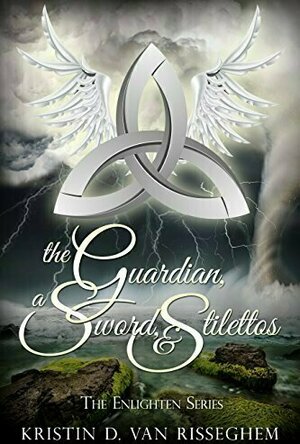
Zoe is best friends with Kieran, they have been together since day dot. So when he suddenly turns into this death-defying badass, she is a bit shocked. No more so than when another hot bod also turns up to help save her. Just what is going on?
Zoe is a brilliant character, with just the right amount of innocence and naivety to carry it off, without becoming the world's most annoying character. She takes what she has to in her stride, with only an occasional flip-out. She also still tries to continue on with her 'normal' life - cart/horse scenario! With Shay and Kieran by her side to help her sort things out, the future is uncertain for Zoe. High potential on the one hand; death and destruction on the other.
With a supporting cast of excellent characters, all with their own personalities and foibles, this book was an entertaining read from start to finish. With plenty of room left for further growth and adventures, this is one series that I will definitely be continuing. Highly recommended for all YA Paranormal fans.
* A copy of this book was provided to me with no requirements for a review. I voluntarily read this book, and the comments here are my honest opinion. *
Merissa
Archaeolibrarian - I Dig Good Books!
Mar 27, 2016
Zoe is a brilliant character, with just the right amount of innocence and naivety to carry it off, without becoming the world's most annoying character. She takes what she has to in her stride, with only an occasional flip-out. She also still tries to continue on with her 'normal' life - cart/horse scenario! With Shay and Kieran by her side to help her sort things out, the future is uncertain for Zoe. High potential on the one hand; death and destruction on the other.
With a supporting cast of excellent characters, all with their own personalities and foibles, this book was an entertaining read from start to finish. With plenty of room left for further growth and adventures, this is one series that I will definitely be continuing. Highly recommended for all YA Paranormal fans.
* A copy of this book was provided to me with no requirements for a review. I voluntarily read this book, and the comments here are my honest opinion. *
Merissa
Archaeolibrarian - I Dig Good Books!
Mar 27, 2016
Merissa (14190 KP) rated Journey Man (Knights of Black Swan #9) in Books
Jun 2, 2023
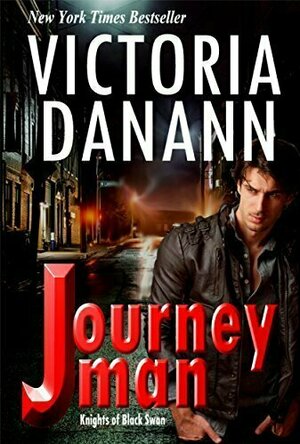
Rosie and Glen's story started years ago, when Glen was the first word that Rosie spoke. He was her babysitter, friend, and later, lover. However that all changed when Rose gave him an ultimatum - her or the Knights. When Glen tried to explain about how he felt about the Knights, Rosie disappeared. Five years have passed since then, and a lot has happened to both of them. Rosie has to recover from heartache, whilst Glen has become bitter about Rosie, mostly due to the fact that he has suffered more stress and anguish than anyone should.
I thoroughly enjoyed the direction that Victoria Danann took their story. It was heartbreaking to see how Glen was suffering. Even when he is surly, I still think he is brilliant. But here's the thing - I just don't feel the same about Rosie. I've tried, I honestly have. There is something about her that just doesn't do it for me.
With a wonderful storyline and an excellent supporting cast, with cameo appearances from some of my favourite characters, this is a fantastic addition to the series and I can't wait to see where it goes next.
* I received this book from the author in return for a fair and honest review. *
Merissa
Archaeolibrarian - I Dig Good Books!
Apr 7, 2016
I thoroughly enjoyed the direction that Victoria Danann took their story. It was heartbreaking to see how Glen was suffering. Even when he is surly, I still think he is brilliant. But here's the thing - I just don't feel the same about Rosie. I've tried, I honestly have. There is something about her that just doesn't do it for me.
With a wonderful storyline and an excellent supporting cast, with cameo appearances from some of my favourite characters, this is a fantastic addition to the series and I can't wait to see where it goes next.
* I received this book from the author in return for a fair and honest review. *
Merissa
Archaeolibrarian - I Dig Good Books!
Apr 7, 2016
Robin Hood and the Holy Grail (Outlaw Chronicles #12)
8.0 Rate It
Book
"You are not worthy of the Grail," said the knight. "Do you even believe in its holy power,...
Gareth von Kallenbach (980 KP) rated The Place Beyond The Pines (2013) in Movies
Aug 7, 2019
I really wanted to sit at my computer tonight and write about how much I disliked this movie. I was practically begging people to go with me, but no one wanted to. So I ended up going on my own. The only thing I really knew about this film going into it was that it was from Derek Cianfrance, the writer/director of “Blue Valentine”. I didn’t care much for BV, and so my hopes were not high for “The Place Beyond the Pines”, but actually, Pines surprised me.
Pines is the story of two men on opposite sides of the law, just trying to do the right thing and how what they do impacts each other’s lives, and the lives of their sons. Of course the means by which they got to the “right thing” was not always the “right way”, but ultimately they were trying to good.
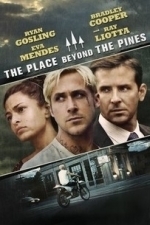
Ryan Gosling plays “Heart Throb” Luke Glanton, a stunt motorcycle rider with a traveling circus. We open on him doing his thing in Schenectady, New York, and after his performance he sees Romina (“Roe”, portrayed by Eva Mendes). You can tell these two have history, as though they met the last time his little side show burned through town. Cutting through the awkwardness, Luke finds out that Roe had a kid. His kid, Jason. Though, he didn’t find out from her. Determined to make things right, despite Roe having moved on being with another man, Luke sticks around Schenectady to try and be part of his son’s life and to win Roe from her man. Only things don’t begin moving fast enough for him, and so turns to robbing banks in this small town as a way to provide for his lover and their newborn child. Only things go south fairly quickly and this puts him on a collision course with an ambitious rookie cop.
Bradley Cooper plays Avery Cross; a rookie cop on the force all of six months. After a harrowing deed that puts takes him off duty for several months and causes him so serious psychological issues which make it hard for him to even look at his son, Avery Jr. After his recovery, Avery returns to the force only to be thrust into a den of corrupt cops, gangs and a genuine fear for his life. He is not sure how to react at first, but eventually knows that he must do the right thing… even if it means ratting out his brothers in arms. This doesn’t prove to be an easy course for him, but he is determined to do the right thing, despite it tearing his family apart.
Act one of this film focuses on Gosling and Mendes’ characters and their tumultuous relationship. When they first brought Mendes on screen, I was really questioning the casting choice. By the end of the act, those questions were still there. It just didn’t seem like Gosling and Mendes had the chemistry that the makers of the film were desperately trying to portray. But we do see a lot into the character of Luke and how much he really just wants to be there for his son. Gosling did an excellent job with the role, but I feel like there was thing that was distracting from his performance: his hair. For some reason they decided bleach blond was the way to go to this character, but mostly what I was thinking when he was on screen was that it just looked out of place and I really had to concentrate to get past it.
Act two focuses on Bradley Cooper and the turmoil he goes through. I can’t say too much without giving away some major plot points of the film, but Bradley Cooper definitely did an excellent job playing the young rookie cop. He has an excellent supporting cast for his act with Harris Yulin playing his father, Rose Byrne as his wife and Bruce Greenwood as the District Attorney. He eventually manages to get from underneath all the lies, coercion and corruption to make a bid for an Assistant District Attorney position.
Fast forward to 15 years later, and this is where our act three takes place. Only now we are focusing on the lives of young Jason and Avery Jr. The deeds of their fathers in yester year, portrayed in our first two acts, affect our young subjects as they become friends without realizing the history between their families. I felt that Dane DeHaan who portrayed a 17-year old Jason knocked it out of the park with his performance. But there is something left to be said for Emory Cohen who is on screen as Avery Jr.
Want to know the rest? Watch the movie. Acts one and two, though long winded at points, blew me out of the water. Cianfrance did an excellent job of captivating the audience and making you care for the two focus points, despite them being on completely different sides of the law (as mentioned earlier). Act three, however, fell kind of flat to me. It very well could be a result of a poor casting choice in Emory Cohen, but I also felt like they could have shaped the end of this tail into so much more.
Overall, I actually enjoyed the movie, despite a lackluster ambition to go see it. Would I have gone to see it on my own if I had to pay for it? Nah! But it is a good date movie and might possibly start some interesting conversations between you and your partner.
Pines is the story of two men on opposite sides of the law, just trying to do the right thing and how what they do impacts each other’s lives, and the lives of their sons. Of course the means by which they got to the “right thing” was not always the “right way”, but ultimately they were trying to good.
Ryan Gosling plays “Heart Throb” Luke Glanton, a stunt motorcycle rider with a traveling circus. We open on him doing his thing in Schenectady, New York, and after his performance he sees Romina (“Roe”, portrayed by Eva Mendes). You can tell these two have history, as though they met the last time his little side show burned through town. Cutting through the awkwardness, Luke finds out that Roe had a kid. His kid, Jason. Though, he didn’t find out from her. Determined to make things right, despite Roe having moved on being with another man, Luke sticks around Schenectady to try and be part of his son’s life and to win Roe from her man. Only things don’t begin moving fast enough for him, and so turns to robbing banks in this small town as a way to provide for his lover and their newborn child. Only things go south fairly quickly and this puts him on a collision course with an ambitious rookie cop.
Bradley Cooper plays Avery Cross; a rookie cop on the force all of six months. After a harrowing deed that puts takes him off duty for several months and causes him so serious psychological issues which make it hard for him to even look at his son, Avery Jr. After his recovery, Avery returns to the force only to be thrust into a den of corrupt cops, gangs and a genuine fear for his life. He is not sure how to react at first, but eventually knows that he must do the right thing… even if it means ratting out his brothers in arms. This doesn’t prove to be an easy course for him, but he is determined to do the right thing, despite it tearing his family apart.
Act one of this film focuses on Gosling and Mendes’ characters and their tumultuous relationship. When they first brought Mendes on screen, I was really questioning the casting choice. By the end of the act, those questions were still there. It just didn’t seem like Gosling and Mendes had the chemistry that the makers of the film were desperately trying to portray. But we do see a lot into the character of Luke and how much he really just wants to be there for his son. Gosling did an excellent job with the role, but I feel like there was thing that was distracting from his performance: his hair. For some reason they decided bleach blond was the way to go to this character, but mostly what I was thinking when he was on screen was that it just looked out of place and I really had to concentrate to get past it.
Act two focuses on Bradley Cooper and the turmoil he goes through. I can’t say too much without giving away some major plot points of the film, but Bradley Cooper definitely did an excellent job playing the young rookie cop. He has an excellent supporting cast for his act with Harris Yulin playing his father, Rose Byrne as his wife and Bruce Greenwood as the District Attorney. He eventually manages to get from underneath all the lies, coercion and corruption to make a bid for an Assistant District Attorney position.
Fast forward to 15 years later, and this is where our act three takes place. Only now we are focusing on the lives of young Jason and Avery Jr. The deeds of their fathers in yester year, portrayed in our first two acts, affect our young subjects as they become friends without realizing the history between their families. I felt that Dane DeHaan who portrayed a 17-year old Jason knocked it out of the park with his performance. But there is something left to be said for Emory Cohen who is on screen as Avery Jr.
Want to know the rest? Watch the movie. Acts one and two, though long winded at points, blew me out of the water. Cianfrance did an excellent job of captivating the audience and making you care for the two focus points, despite them being on completely different sides of the law (as mentioned earlier). Act three, however, fell kind of flat to me. It very well could be a result of a poor casting choice in Emory Cohen, but I also felt like they could have shaped the end of this tail into so much more.
Overall, I actually enjoyed the movie, despite a lackluster ambition to go see it. Would I have gone to see it on my own if I had to pay for it? Nah! But it is a good date movie and might possibly start some interesting conversations between you and your partner.