
Search
Search results
Calculator Vault - Secret Photo & Password Safe
Utilities and Photo & Video
App
Secret vault for your data and media covered with a 100% real calculator! A perfect tool to hide all...
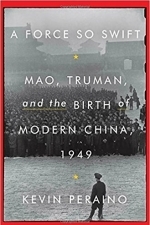
A Force So Swift: Mao, Truman, and the Birth of Modern China, 1949
Book
A gripping narrative of the Truman Administration's response to the fall of Nationalist China and...
History politics

Mark @ Carstairs Considers (2662 KP) rated With Vics You Get Eggroll in Books
Aug 22, 2021 (Updated Aug 22, 2021)
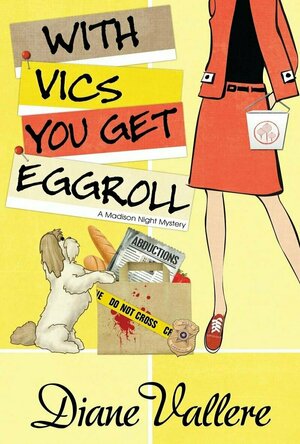

Will Madison Be the Next Abduction Vic?
Several single women have disappeared around the Dallas suburb where Madison Night lives in recent weeks, so all the women in the area are on high alert. That alert only goes up when the body of one of those women is found. There is evidence next to her body pointing the finger squarely at her abductor – Lt. Tex Allen. Lt. Allen happens to be a friend of Madison’s, and she knows he couldn’t have done it. With Tex suspended from his job at the police department while the investigation is ongoing, Madison finds herself involved in his attempts to clear his name. That’s only made more complicated by the return of Hudson James, the handyman that Madison might have feelings for. Will Madison figure out who the kidnapper is in time? Or will she be the next victim herself?
This book really did grab me from the first page, and it kept me hooked until I reached the final page. There were plenty of twists that surprised me, but the book was perfectly paced, so we had time to digest the new information before everything changed again. The characters are fabulous as well, especially Madison, Tex, and Hudson. I loved the character development all three of them got. This was also perfectly balanced and never slowed down the story. Since Madison Night is a huge Doris Day fan, there are some nods to the actress, and especially With Six You Get Eggroll. If you are familiar with the film, it will be a bonus, but you won’t miss anything if you haven’t seen it. It had been a while since I read the previous book in the series, and I wish I hadn’t let it be so long since I didn’t remember all we’d learned about the characters in the first two books. Still, that’s a very minor complaint and certainly my own fault. This is an outstanding book, and I can’t wait to visit Madison again.
This book really did grab me from the first page, and it kept me hooked until I reached the final page. There were plenty of twists that surprised me, but the book was perfectly paced, so we had time to digest the new information before everything changed again. The characters are fabulous as well, especially Madison, Tex, and Hudson. I loved the character development all three of them got. This was also perfectly balanced and never slowed down the story. Since Madison Night is a huge Doris Day fan, there are some nods to the actress, and especially With Six You Get Eggroll. If you are familiar with the film, it will be a bonus, but you won’t miss anything if you haven’t seen it. It had been a while since I read the previous book in the series, and I wish I hadn’t let it be so long since I didn’t remember all we’d learned about the characters in the first two books. Still, that’s a very minor complaint and certainly my own fault. This is an outstanding book, and I can’t wait to visit Madison again.


Lyndsey Gollogly (2893 KP) rated The Black Widow in Books
Apr 11, 2022


63 of 230
Book
The Black Widow
By Linda Calvey
⭐️⭐️⭐️⭐️
Growing up after the war in the East End of London, Linda falls in with local gangsters including the Krays, Freddie Foreman and Ronnie Cook.
When the love of her life, Mickey Calvey, is gunned down on a job gone wrong, Linda resolves to carry on his work.
But in 1990, after years of living in fear of her lover Ronnie Cook, Linda finds herself accused of his murder alongside Danny Reece, in a trial that shocks the nation. Still, Linda sticks to her code of honour, refusing to confess. Until now...
After 18 years behind bars alongside notorious names including Rose West and Myra Hindley, she is released.
This is the final truth about her life and what happened the day Ronnie Cook was murdered.
This is a book that could go one way or the other. Some may say Linda Calvey is glamourising her life of crime that she’s name dropping and making herself more than what she is. Too a point I can see these opinions. I went into this book not knowing what to Expect I also went in with an open mind. In my opinion it seemed a very honest telling of her life but I only went by what I could read and and see between the lines. I saw a lot of regret especially when it came to her children. I also saw the lure of being offered a glamorous lifestyle. Do i like her or agree with her lifestyle? Not really she did the time for her crimes though! Do i believe her accounts about the murder of Roy? I’m not sure but I’m not a judge! I want to say I really enjoyed this book and sometimes I had to remember I wasn’t reading a Martina Cole novel 😂. Do I buy all the things she did? I do think maybe some embellishments occurred but overall it was definitely an interesting read.
Book
The Black Widow
By Linda Calvey
⭐️⭐️⭐️⭐️
Growing up after the war in the East End of London, Linda falls in with local gangsters including the Krays, Freddie Foreman and Ronnie Cook.
When the love of her life, Mickey Calvey, is gunned down on a job gone wrong, Linda resolves to carry on his work.
But in 1990, after years of living in fear of her lover Ronnie Cook, Linda finds herself accused of his murder alongside Danny Reece, in a trial that shocks the nation. Still, Linda sticks to her code of honour, refusing to confess. Until now...
After 18 years behind bars alongside notorious names including Rose West and Myra Hindley, she is released.
This is the final truth about her life and what happened the day Ronnie Cook was murdered.
This is a book that could go one way or the other. Some may say Linda Calvey is glamourising her life of crime that she’s name dropping and making herself more than what she is. Too a point I can see these opinions. I went into this book not knowing what to Expect I also went in with an open mind. In my opinion it seemed a very honest telling of her life but I only went by what I could read and and see between the lines. I saw a lot of regret especially when it came to her children. I also saw the lure of being offered a glamorous lifestyle. Do i like her or agree with her lifestyle? Not really she did the time for her crimes though! Do i believe her accounts about the murder of Roy? I’m not sure but I’m not a judge! I want to say I really enjoyed this book and sometimes I had to remember I wasn’t reading a Martina Cole novel 😂. Do I buy all the things she did? I do think maybe some embellishments occurred but overall it was definitely an interesting read.

Gareth von Kallenbach (980 KP) rated Jumanji: The Next Level (2019) in Movies
Dec 15, 2019

I said this when I reviewed Jumanji: Welcome to the Jungle, but Jumanji was one of my favorite movies going up. I was extremely reluctant to see the 2017 film. However, I walked out of the theater happy as can be. The movie wasn’t perfect, but it was charming and entertaining, and I felt it was a good modernization of the Jumanji experience.
Then they announced the sequel, and all that fear and panic (not much, but you know… melodrama) kicked back in. Given the state of some sequels these days, I couldn’t imagine how they would be able to do this, and do this well. But I had hopes considering how good the previous entry in the franchise was. Could it be just as good?
The Jumanji: The Next Level releases 2 years after Welcome to the Jungle, and just as much time has passed for our four heroes: Spencer (Alex Wolff), Fridge (Ser’Darius Blain), Bethany (Madison Iseman), and Martha (Morgan Turner). We see the four friends leading their different lives and getting excited to reunite over the holidays.
Everyone, except for Spencer that is. Spencer missed the feeling he had as Doctor Smolder Bravestone (Dwayne Johnson) in Jumanji, so he decides to try and fix the game and re-enter to recapture that feeling. The game was smashed to pieces in the last movie, but Spencer retrieved it and it’s been sitting his basement ever since.
The next day, when the four adventurers are supposed to be meeting for brunch, the remaining three get worried when Spencer doesn’t show. So they head over to Spencer’s place to find Spencer’s Grandfather, Eddie (Danny Devito), and an old friend, Milo (Danny Glover), who also don’t know where he is. Soon they discover the broken remnants of the game and that they’ve been fixed (sorta) and eventually they realize that Spencer has gone into the game again.
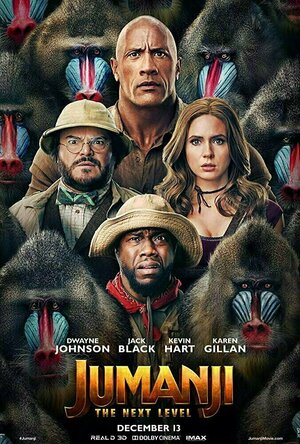
They decide to head back in, but somethings a little different this time around, as both Eddie and Milo get pulled into the game as well. All our game characters return: Bravestone, Professor Sheldon “Shelly” Oberon (Jack Black), Franklin “Mouse” Finbar (Kevin Hart), and Ruby Roundhouse (Karen Gillan). But will our young adventurers be controlling the same characters, and what of Eddie and Milo? I can’t say without spoiling so much more.
Now that we have the description out of the way, I will say that I loved this film. Not quite as much as the previous entry, though. I didn’t have high hopes for The Next Level as the trailers and commercials just seemed to be overselling certain aspects of the film, but the film was great.
A good follow up story, excellent acting from our four mains, and enough changeup to allow it to not be essentially the same movie as the first. The acting is great. The plot, while a little predictable, was good as well. The music and score really set the tone and pace of the new Jumanji movies, and in such a good way.
One of the only real criticism I had was that Johnson became a little annoying with his characterization for most of the movie in this film, but that could be intended. A good pallet cleanser, though, was Kevin Hart as he literally played the polar opposite and it was a good balance. The other issue I had was that the finale of the third act seemed a little cheated. It was so rushed, relied heavily on the video game trope and never explained why what happened did happen.
Overall, though, this film is a worthy successor to Welcome to the Jungle and you should definitely check it out. Good for the family, just like the first. I personally cannot wait to see what happens in the next film. There is an obvious set up for third in the reboot, or it could be just left as is. Such is the way of Jumanji.
4 out of 5 stars.
Then they announced the sequel, and all that fear and panic (not much, but you know… melodrama) kicked back in. Given the state of some sequels these days, I couldn’t imagine how they would be able to do this, and do this well. But I had hopes considering how good the previous entry in the franchise was. Could it be just as good?
The Jumanji: The Next Level releases 2 years after Welcome to the Jungle, and just as much time has passed for our four heroes: Spencer (Alex Wolff), Fridge (Ser’Darius Blain), Bethany (Madison Iseman), and Martha (Morgan Turner). We see the four friends leading their different lives and getting excited to reunite over the holidays.
Everyone, except for Spencer that is. Spencer missed the feeling he had as Doctor Smolder Bravestone (Dwayne Johnson) in Jumanji, so he decides to try and fix the game and re-enter to recapture that feeling. The game was smashed to pieces in the last movie, but Spencer retrieved it and it’s been sitting his basement ever since.
The next day, when the four adventurers are supposed to be meeting for brunch, the remaining three get worried when Spencer doesn’t show. So they head over to Spencer’s place to find Spencer’s Grandfather, Eddie (Danny Devito), and an old friend, Milo (Danny Glover), who also don’t know where he is. Soon they discover the broken remnants of the game and that they’ve been fixed (sorta) and eventually they realize that Spencer has gone into the game again.
They decide to head back in, but somethings a little different this time around, as both Eddie and Milo get pulled into the game as well. All our game characters return: Bravestone, Professor Sheldon “Shelly” Oberon (Jack Black), Franklin “Mouse” Finbar (Kevin Hart), and Ruby Roundhouse (Karen Gillan). But will our young adventurers be controlling the same characters, and what of Eddie and Milo? I can’t say without spoiling so much more.
Now that we have the description out of the way, I will say that I loved this film. Not quite as much as the previous entry, though. I didn’t have high hopes for The Next Level as the trailers and commercials just seemed to be overselling certain aspects of the film, but the film was great.
A good follow up story, excellent acting from our four mains, and enough changeup to allow it to not be essentially the same movie as the first. The acting is great. The plot, while a little predictable, was good as well. The music and score really set the tone and pace of the new Jumanji movies, and in such a good way.
One of the only real criticism I had was that Johnson became a little annoying with his characterization for most of the movie in this film, but that could be intended. A good pallet cleanser, though, was Kevin Hart as he literally played the polar opposite and it was a good balance. The other issue I had was that the finale of the third act seemed a little cheated. It was so rushed, relied heavily on the video game trope and never explained why what happened did happen.
Overall, though, this film is a worthy successor to Welcome to the Jungle and you should definitely check it out. Good for the family, just like the first. I personally cannot wait to see what happens in the next film. There is an obvious set up for third in the reboot, or it could be just left as is. Such is the way of Jumanji.
4 out of 5 stars.

Darren (1599 KP) rated See You Yesterday (2019) in Movies
Dec 27, 2019
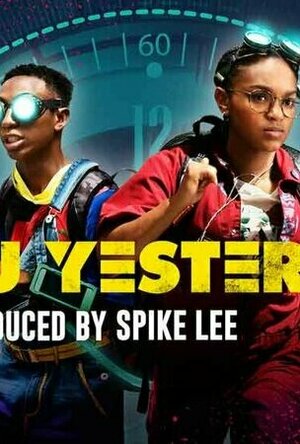


Verdict: Messy Time Travel Film
Story: See You Yesterday starts as we meet the two teenagers Claudette ‘CJ’ Walker (Duncan-Smith) and Sebastian Thomas (Crichlow) who have been working on their science project to make time travel possible. After they prove they can go back just one day, CJ the brains behind the project, does something reckless, which changes the pass, while dealing with an ex-boyfriend.
The consequences of her actions create a domino effect which sees her brother Calvin (Astro) killed in a police shooting, wanting to make a different CJ works with Sebastian to try and create the ability to go further back, which only ends up creating more problems, the more she tries to fix.
Thoughts on See You Yesterday
Characters – Claudette ‘CJ’ Walker is the brains behind the time travel machine, she however has started to become difficult to be around, causing unnecessary trouble in an already combustible neighbourhood. When the pair get the machine to work, it is her mistake which causes the effects the pair must go through. She is always so desperate to fix the mistakes, she doesn’t even consider the consequences. Sebastian is the best friend that has always helped along the way, he is the one that will ask the questions about the consequences, seeing how reckless CJ has become. Calvin is the big brother of CJ’s, he will always make sure she is safe, whenever somebody in the neighbourhood causes her trouble.
Performances – While the two leading stars Eden Duncan-Smith and Dante Crichlow don’t do anything wrong through the film, they have annoying character traits to bring to life, which doesn’t help what they have to work with.
Story – The story here follows two high school friends that are trying to prove time travel is possible and soon learn the consequences of trying to change the past. This story does have an important reason for trying to create the time travel, we are placed into a Brooklyn neighbourhood that has been dealing with police shooting, overly aggressive gang mentality and will have signs of poverty. Outside of this side of the story, we are dealing with really bad time travel decisions, even though the characters seem clear of what not to do. We won’t go into the non-ending either, which leaves us with nothing after what has happened through the film, this does just feel like an unfinished script, that really wants deal with topical issues through the film.
Action/Sci-Fi – The action in the film does come from the panic involved once the first incident happens, it is more neighbourhood action, rather anything else, while the time travel might dive into basic science behind time travel, which does work well, it is the behaviour from people that believe they understand it that let everything down.
Settings – The film is set in Brooklyn which shows the environment the two friends are around, which brings the combustible elements.
Scene of the Movie – See You Yesterday.
That Moment That Annoyed Me – Most of CJ’s decisions.
Final Thoughts – Messy time travel film, which does deal with big topical issues the best it can, sadly, get caught in the middle of both worlds.
Overall: Missed the point.
Story: See You Yesterday starts as we meet the two teenagers Claudette ‘CJ’ Walker (Duncan-Smith) and Sebastian Thomas (Crichlow) who have been working on their science project to make time travel possible. After they prove they can go back just one day, CJ the brains behind the project, does something reckless, which changes the pass, while dealing with an ex-boyfriend.
The consequences of her actions create a domino effect which sees her brother Calvin (Astro) killed in a police shooting, wanting to make a different CJ works with Sebastian to try and create the ability to go further back, which only ends up creating more problems, the more she tries to fix.
Thoughts on See You Yesterday
Characters – Claudette ‘CJ’ Walker is the brains behind the time travel machine, she however has started to become difficult to be around, causing unnecessary trouble in an already combustible neighbourhood. When the pair get the machine to work, it is her mistake which causes the effects the pair must go through. She is always so desperate to fix the mistakes, she doesn’t even consider the consequences. Sebastian is the best friend that has always helped along the way, he is the one that will ask the questions about the consequences, seeing how reckless CJ has become. Calvin is the big brother of CJ’s, he will always make sure she is safe, whenever somebody in the neighbourhood causes her trouble.
Performances – While the two leading stars Eden Duncan-Smith and Dante Crichlow don’t do anything wrong through the film, they have annoying character traits to bring to life, which doesn’t help what they have to work with.
Story – The story here follows two high school friends that are trying to prove time travel is possible and soon learn the consequences of trying to change the past. This story does have an important reason for trying to create the time travel, we are placed into a Brooklyn neighbourhood that has been dealing with police shooting, overly aggressive gang mentality and will have signs of poverty. Outside of this side of the story, we are dealing with really bad time travel decisions, even though the characters seem clear of what not to do. We won’t go into the non-ending either, which leaves us with nothing after what has happened through the film, this does just feel like an unfinished script, that really wants deal with topical issues through the film.
Action/Sci-Fi – The action in the film does come from the panic involved once the first incident happens, it is more neighbourhood action, rather anything else, while the time travel might dive into basic science behind time travel, which does work well, it is the behaviour from people that believe they understand it that let everything down.
Settings – The film is set in Brooklyn which shows the environment the two friends are around, which brings the combustible elements.
Scene of the Movie – See You Yesterday.
That Moment That Annoyed Me – Most of CJ’s decisions.
Final Thoughts – Messy time travel film, which does deal with big topical issues the best it can, sadly, get caught in the middle of both worlds.
Overall: Missed the point.

The Bruce Trail
Navigation and Travel
App
The Bruce Trail App Plan, track, and log your hikes on Canada’s oldest and longest marked...

Zuky the BookBum (15 KP) rated The Lake House in Books
Mar 15, 2018
<b>All spoilers hidden.</b>
The Lake House sounded really interesting to me because of its weave of three stories that make the one mystifying disappearance of young baby Theo. Our first of the three stories comes from the perspective of young Alice during the earlier years of the 1900s, the second comes from current day, now serial author, Alice in the early 2000s and the last from troubled police detective Sadie. But wait there are more stories given to us in this book? But I thought it claimed there were only three? Well no there are at least 4 as we also get a very in depth tale from Alices mother's perspective too.
To begin with I really enjoyed this book and I looked forward to my travels everyday to give me a bit of down time with the opportunity for a good read too however when we got to about half way through I started to get a bit bored. I definitely feel that the story could have been cut down by quite a lot, it seemed in places that Morton was just rambling away, trying to add substance to the story that it could have easily done without. By the time the mystery was being solved I was actually quite fed up of all of the characters and just wanted to know what had happened to Theo so I could get on with my life. I wasnt even surprised by the time we got to the resolution of the mystery as Id already guessed it, so it was a little anticlimactic.
Lets talk about the characters for a minute shall we?
OK, so Alice. I understand that she lost her brother, <spoiler> and believed for most of her life that she was the reason he had gone missing,</spoiler> but I dont understand why that made her so cold and harsh? <spoiler> She made the choice to keep her secret to herself so it was her own fault she felt so guilty all the time, but there was no need for her to turn that bitterness onto everyone else.</spoiler> She changed so much from the young, spritely young girl she once was, to a boring old woman who ate bloody boiled eggs <i>everyday.</i>
Sadie was such a cliche. A police detective with such a strong connection with a previous case that she was asked to take some leave? A police detective with some underlying issue that makes it difficult for her to focus on her tasks without stepping back into the past each time? A police detective who just couldnt let go of the case in front of her and would do everything she possibly could to solve something that had been unsolvable for 70 years? <i>Well my god, Ive never seen such a character in a book before!</i> <spoiler> Can someone explain to me how this woman can come along and solve a 70 year old cold case just like that? And whats the fucking betting her grandad is the missing baby Theo! What an amazing and unpredictable end to the novel!</spoiler>
Eleanor was the only character in the book I couldnt decide if I liked or not. She was such a lovely young girl but had to turn into the strict Mother for her young children while Daddy was away which almost made her dislikable. But then we find out all that shes going through so much to keep her family afloat that we can forgive her for her stony personality. <i>But then,</i> we find out shes doing something morally questionable, <spoiler> her stupid affair,</spoiler> behind her family's back purely for her own pleasure with almost no regard for how it might make her children and husband feel. Now I have to say I didnt feel any sympathy for Eleanor once her actions were made known to the reader, and as soon as they were I knew what the end of the novel was going to be.
Can we also quickly talk about Ben Munro please he was such a hippy idiot.
<img src="https://media.giphy.com/media/CK3smvJ4EJlug/giphy.gif"; width="442" height="249" alt="hippie"/>
<spoiler> There was nothing appealing about his character in the slightest and it makes me wonder why Eleanor fell for him so hard. There was nothing spectacular about his choice to live as a gypsy. He was a deluded, drippy loser who was terrified commitment, even to a fucking kettle. Why couldnt he have taken his son? Why did he choose to live his life in his caravan rather than looking after his son that he so apparently adored and treasured? Selfish, selfish, selfish!</spoiler>
Apart from all my annoyances with the characters and the lack of excitement I felt by the end of the novel, it wasnt the worst thing Ive ever read and I even thought I enjoyed it. But as its been over a week since Ive finished this and Ive had time to think about it, the more Ive realised how bloody annoyed it made me.
The Lake House sounded really interesting to me because of its weave of three stories that make the one mystifying disappearance of young baby Theo. Our first of the three stories comes from the perspective of young Alice during the earlier years of the 1900s, the second comes from current day, now serial author, Alice in the early 2000s and the last from troubled police detective Sadie. But wait there are more stories given to us in this book? But I thought it claimed there were only three? Well no there are at least 4 as we also get a very in depth tale from Alices mother's perspective too.
To begin with I really enjoyed this book and I looked forward to my travels everyday to give me a bit of down time with the opportunity for a good read too however when we got to about half way through I started to get a bit bored. I definitely feel that the story could have been cut down by quite a lot, it seemed in places that Morton was just rambling away, trying to add substance to the story that it could have easily done without. By the time the mystery was being solved I was actually quite fed up of all of the characters and just wanted to know what had happened to Theo so I could get on with my life. I wasnt even surprised by the time we got to the resolution of the mystery as Id already guessed it, so it was a little anticlimactic.
Lets talk about the characters for a minute shall we?
OK, so Alice. I understand that she lost her brother, <spoiler> and believed for most of her life that she was the reason he had gone missing,</spoiler> but I dont understand why that made her so cold and harsh? <spoiler> She made the choice to keep her secret to herself so it was her own fault she felt so guilty all the time, but there was no need for her to turn that bitterness onto everyone else.</spoiler> She changed so much from the young, spritely young girl she once was, to a boring old woman who ate bloody boiled eggs <i>everyday.</i>
Sadie was such a cliche. A police detective with such a strong connection with a previous case that she was asked to take some leave? A police detective with some underlying issue that makes it difficult for her to focus on her tasks without stepping back into the past each time? A police detective who just couldnt let go of the case in front of her and would do everything she possibly could to solve something that had been unsolvable for 70 years? <i>Well my god, Ive never seen such a character in a book before!</i> <spoiler> Can someone explain to me how this woman can come along and solve a 70 year old cold case just like that? And whats the fucking betting her grandad is the missing baby Theo! What an amazing and unpredictable end to the novel!</spoiler>
Eleanor was the only character in the book I couldnt decide if I liked or not. She was such a lovely young girl but had to turn into the strict Mother for her young children while Daddy was away which almost made her dislikable. But then we find out all that shes going through so much to keep her family afloat that we can forgive her for her stony personality. <i>But then,</i> we find out shes doing something morally questionable, <spoiler> her stupid affair,</spoiler> behind her family's back purely for her own pleasure with almost no regard for how it might make her children and husband feel. Now I have to say I didnt feel any sympathy for Eleanor once her actions were made known to the reader, and as soon as they were I knew what the end of the novel was going to be.
Can we also quickly talk about Ben Munro please he was such a hippy idiot.
<img src="https://media.giphy.com/media/CK3smvJ4EJlug/giphy.gif"; width="442" height="249" alt="hippie"/>
<spoiler> There was nothing appealing about his character in the slightest and it makes me wonder why Eleanor fell for him so hard. There was nothing spectacular about his choice to live as a gypsy. He was a deluded, drippy loser who was terrified commitment, even to a fucking kettle. Why couldnt he have taken his son? Why did he choose to live his life in his caravan rather than looking after his son that he so apparently adored and treasured? Selfish, selfish, selfish!</spoiler>
Apart from all my annoyances with the characters and the lack of excitement I felt by the end of the novel, it wasnt the worst thing Ive ever read and I even thought I enjoyed it. But as its been over a week since Ive finished this and Ive had time to think about it, the more Ive realised how bloody annoyed it made me.
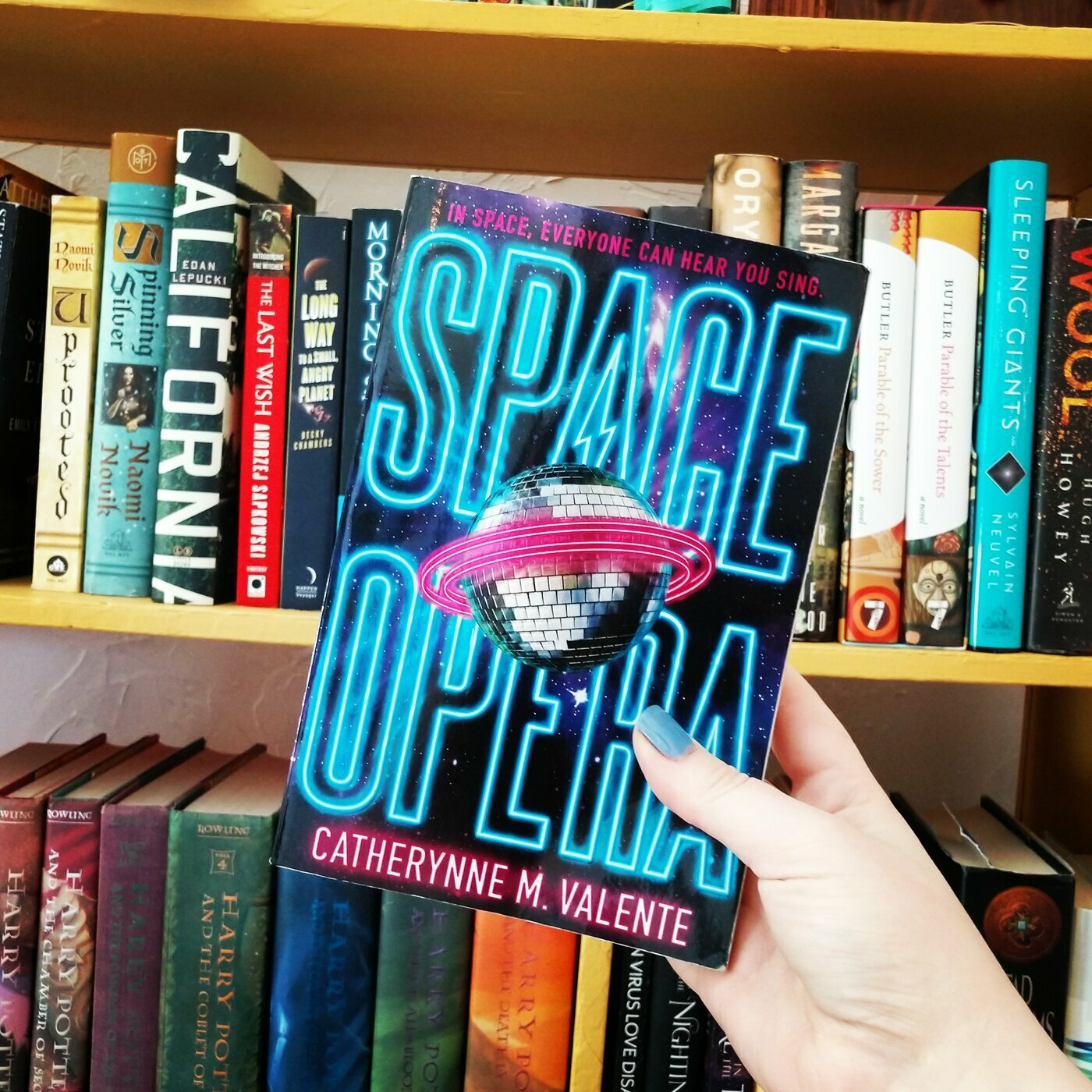
A Bibliophagist (113 KP) rated Space Opera in Books
Jan 25, 2020 (Updated Jan 25, 2020)

Fun writing (2 more)
Creative
Witty
Overwritten (3 more)
Lacking plot
Disjointed and distracted
Boring
Technicolor Encyclopedia entry
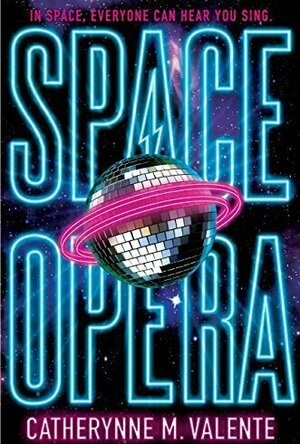
Space Opera seems to be a book, that based on other reviews, you either love or hate. The love reviewers can't seem to tell me why they love it, most attempting to replicate the style of the author and relying on a menagerie of adjectives to express themselves. "A glitter punk, Eurovision romp!" "Technicolor whirlwind!" but not actually saying WHY they liked it, or just saying "well you didn't get the humor". The ones who disliked it are pretty clear, and as I struggled with this book I found I agreed with their complaints. However, I have to thank the sheer number of DNFs from the disliked group for causing me to, ironically, finish it. I hate DNFing books, to begin with, but when I saw just how many bad reviews didn't make it through, it felt as bad as the good reviews not actually reviewing anything. So I powered through, and honestly, it was worth finishing. The author really got back on track and it was a great ending.
Valente has in fact given us a Eurovision, glitter punk, electric baby with Douglas Adams, her writing fantastical and humorous, her characters vapid but in a washed-out musician kind of way. She really thought about this book, creating droves of aliens and probably destroying a number of thesauri to bring them to life. We follow Decibel Jones of the "oh you haven't heard of it, well we used to be a thing" Decibel Jones and the Absolute Zeros. A washed-up, no longer active glitter punk band who is an amalgam of every band you probably are thinking of when trying to grasp what that description means.
The book opens with a wonderfully witty description of how there is in fact other life out there in the universe, life is easy to come by, they've just been off doing a galactic war and while they were gone we kind of popped up. Life is stupid. This part is the best part of the book. The humor is on point, the prose magnificant. She is spot on and very pointed in her argument for why war happens. It's people vs meat, and how does one determine something isn't meat, but in fact sentient? Well, no one really figured that out, hence the galactic war, but NOW post-war they think they've figured it out. Intergalactic Music competition. Makes sense, only something sentient could create music right?
Well, this year is a special year because Earth is invited, we've been deemed "may be sentient", but questionable enough that they'd rather not let us just hang out and become annoying someday. So we have to present a band and performance for consideration. We just have to not place last. If we don't place last, we're part of the club and we'll be a-ok. If we place last, we'll be destroyed, because they already think we're annoying and that will mean we're meat. People vs meat remember?
So, one day everyone on the planet earth, everyone, awake or sleeping is visited by the blue birdlike projection of our assigned guides, the Esca, and alien species that are new to the whole being accepted as a sentient thing, and will guide us through the competition. Which it is now telling us about, Suprise! They've chosen a list of musicians they think will do well, however it's outdated and only one band is really able to do it, the has-beens, who are they, Decibel Jones and the Absolute Zeros. Time was rough on our glam-punk friends as it tends to be on musicians, they lost the third member about a decade ago, the two remaining no longer talk. Decibel is a trainwreck, and Oort St Ultraviolet is now just a dad who very much wants to be a regular dude. But now they're being whisked off into space to sing for the world's salvation.
Sounds pretty fun right? This plus Douglas Adams type prose and humor? A real knock out. Unfortunately, that story I just described takes up... maybe a quarter of the book, MAYBE. You can pull the main story out and put it into a book that might be too small to be a novella. Because of this, the backstory, development, and exploration of these characters are slim to nothing. There is some mind you, but very little. It isn't until the 180pg mark or so that Valente actually decides to focus on the plot, giving very little time to do the entire Grand Prix, the actual competition takes up a page. A 288-page book about a singing competition and only 1-2 pages is actually the singing competition. Tack on another 10 maybe for the weird cocktail death party right before, that didn't have enough attempted death to make any real point of it, plus maybe another 5-10 scattered throughout the book on the back story and leading up to the story, and we've got MAYBE 25 pages of the actual plot. My math is wrong, I know, but it sure FEELS like this.
So, in a 288-page book, with 25 pages being the actual story, what are the other 263 pages? It was the author being somewhat... I don't mean to sound mean, but full of herself? She tried WAY too hard on this style she was going for. It felt like an "oh, you liked that opening chapter, didn't you? You totally read it out loud to your boyfriend, well here let me give it to you again, and again, and ... again". This book suffers from a severe case of needing to be edited. Of someone saying "that's enough now dear, but what about the story". Every few pages of the backstory of the plot we got were met with full chapters, sometimes multiple of Valente describing yet another alien species she's created, in yet another chain of witty simile and metaphor. To the point where sometimes I no longer knew what was happening, they were all interchangeable, which alien are we talking about now? It went on and on and on, and I never knew how such humorous writing could be just so soul suckingly boring. When she ran out of aliens it was describing previous grand prix's and how the aliens sang. In the exact same, formulaic, witty simile, witty simile, witty simile. Don't get me wrong, there were some absolute gems in here. Some that made me laugh out loud. But it's all about the ratio. I would trade in a heartbeat the ratio in this book. 263 pages of plot, and 25 pages of aliens described in witty simile. It took everything in my power after the third alien chapter to not skim. But she fit so much into a sentence that I was scared somewhere hiding would be a plot point (spoiler alert, there wasn't, skim away).
Then around the 180 page mark, a flip was switched, it was almost as if she went "crap, a story!" the adjective use was slimmed down dramatically and we actually got more than one chapter in a row with a plot point. But at this point, it was too late, the end of the book was hurdling at us and very little had happened and the book pretty much fizzled out with an "oh yeah, the Grand Prix happened". Mind you, the finale was very heartwarming and I liked it a lot. I just wish I hadn't had to read a full chapter about hairbrush interspecies sex to get there, and instead had more of it. But ironically, the hairbrush sex had more plot advancement that the majority of the book.
The ending did, however, for one moment, make me forget that I had just read an encyclopedia of descriptors and was happy for a few minutes. So good on her for that. That proves to me that she can write more than glittery descriptions, which then made me sad I didn't have more of that writing. With just a spattering of the gold of her opening chapters. I am glad I finished the book, the story, what little there was, was worth the read. However, I have no desire to read any other of Valente's writing now, and if there was a sequel, I just don't think I have it in me to read another 263 pages of description. Cool idea, good ability, just terribly executed. She could easily have released a separate book, expanding on a handful of species she established in the book, like an alien compendium, and I would have read it, and laughed, and been okay because I went into it expecting it. But I went into this wanting a story, not a neon throwup encyclopedia of just how "oh so creative" Valente is. That came off harsh, I know, but they blew past the fine line of interesting and well into the self-serving, look what I can do, territory. What suffered for it wasn't just a large number of DNFs, and my sanity for a few days, but an actually interesting, fun, Eurovision, glitter punk, heartwarming story about loss, life, how stupid it is, how beautiful it is, and why we should fight for it. It's in there, hiding beneath the layers and layers of word vomit. I want that story. Please release a second edition that is just that, the opening, and say... 3-5 of your favorite aliens Valente, I promise I'll give it another try if you do.
Valente has in fact given us a Eurovision, glitter punk, electric baby with Douglas Adams, her writing fantastical and humorous, her characters vapid but in a washed-out musician kind of way. She really thought about this book, creating droves of aliens and probably destroying a number of thesauri to bring them to life. We follow Decibel Jones of the "oh you haven't heard of it, well we used to be a thing" Decibel Jones and the Absolute Zeros. A washed-up, no longer active glitter punk band who is an amalgam of every band you probably are thinking of when trying to grasp what that description means.
The book opens with a wonderfully witty description of how there is in fact other life out there in the universe, life is easy to come by, they've just been off doing a galactic war and while they were gone we kind of popped up. Life is stupid. This part is the best part of the book. The humor is on point, the prose magnificant. She is spot on and very pointed in her argument for why war happens. It's people vs meat, and how does one determine something isn't meat, but in fact sentient? Well, no one really figured that out, hence the galactic war, but NOW post-war they think they've figured it out. Intergalactic Music competition. Makes sense, only something sentient could create music right?
Well, this year is a special year because Earth is invited, we've been deemed "may be sentient", but questionable enough that they'd rather not let us just hang out and become annoying someday. So we have to present a band and performance for consideration. We just have to not place last. If we don't place last, we're part of the club and we'll be a-ok. If we place last, we'll be destroyed, because they already think we're annoying and that will mean we're meat. People vs meat remember?
So, one day everyone on the planet earth, everyone, awake or sleeping is visited by the blue birdlike projection of our assigned guides, the Esca, and alien species that are new to the whole being accepted as a sentient thing, and will guide us through the competition. Which it is now telling us about, Suprise! They've chosen a list of musicians they think will do well, however it's outdated and only one band is really able to do it, the has-beens, who are they, Decibel Jones and the Absolute Zeros. Time was rough on our glam-punk friends as it tends to be on musicians, they lost the third member about a decade ago, the two remaining no longer talk. Decibel is a trainwreck, and Oort St Ultraviolet is now just a dad who very much wants to be a regular dude. But now they're being whisked off into space to sing for the world's salvation.
Sounds pretty fun right? This plus Douglas Adams type prose and humor? A real knock out. Unfortunately, that story I just described takes up... maybe a quarter of the book, MAYBE. You can pull the main story out and put it into a book that might be too small to be a novella. Because of this, the backstory, development, and exploration of these characters are slim to nothing. There is some mind you, but very little. It isn't until the 180pg mark or so that Valente actually decides to focus on the plot, giving very little time to do the entire Grand Prix, the actual competition takes up a page. A 288-page book about a singing competition and only 1-2 pages is actually the singing competition. Tack on another 10 maybe for the weird cocktail death party right before, that didn't have enough attempted death to make any real point of it, plus maybe another 5-10 scattered throughout the book on the back story and leading up to the story, and we've got MAYBE 25 pages of the actual plot. My math is wrong, I know, but it sure FEELS like this.
So, in a 288-page book, with 25 pages being the actual story, what are the other 263 pages? It was the author being somewhat... I don't mean to sound mean, but full of herself? She tried WAY too hard on this style she was going for. It felt like an "oh, you liked that opening chapter, didn't you? You totally read it out loud to your boyfriend, well here let me give it to you again, and again, and ... again". This book suffers from a severe case of needing to be edited. Of someone saying "that's enough now dear, but what about the story". Every few pages of the backstory of the plot we got were met with full chapters, sometimes multiple of Valente describing yet another alien species she's created, in yet another chain of witty simile and metaphor. To the point where sometimes I no longer knew what was happening, they were all interchangeable, which alien are we talking about now? It went on and on and on, and I never knew how such humorous writing could be just so soul suckingly boring. When she ran out of aliens it was describing previous grand prix's and how the aliens sang. In the exact same, formulaic, witty simile, witty simile, witty simile. Don't get me wrong, there were some absolute gems in here. Some that made me laugh out loud. But it's all about the ratio. I would trade in a heartbeat the ratio in this book. 263 pages of plot, and 25 pages of aliens described in witty simile. It took everything in my power after the third alien chapter to not skim. But she fit so much into a sentence that I was scared somewhere hiding would be a plot point (spoiler alert, there wasn't, skim away).
Then around the 180 page mark, a flip was switched, it was almost as if she went "crap, a story!" the adjective use was slimmed down dramatically and we actually got more than one chapter in a row with a plot point. But at this point, it was too late, the end of the book was hurdling at us and very little had happened and the book pretty much fizzled out with an "oh yeah, the Grand Prix happened". Mind you, the finale was very heartwarming and I liked it a lot. I just wish I hadn't had to read a full chapter about hairbrush interspecies sex to get there, and instead had more of it. But ironically, the hairbrush sex had more plot advancement that the majority of the book.
The ending did, however, for one moment, make me forget that I had just read an encyclopedia of descriptors and was happy for a few minutes. So good on her for that. That proves to me that she can write more than glittery descriptions, which then made me sad I didn't have more of that writing. With just a spattering of the gold of her opening chapters. I am glad I finished the book, the story, what little there was, was worth the read. However, I have no desire to read any other of Valente's writing now, and if there was a sequel, I just don't think I have it in me to read another 263 pages of description. Cool idea, good ability, just terribly executed. She could easily have released a separate book, expanding on a handful of species she established in the book, like an alien compendium, and I would have read it, and laughed, and been okay because I went into it expecting it. But I went into this wanting a story, not a neon throwup encyclopedia of just how "oh so creative" Valente is. That came off harsh, I know, but they blew past the fine line of interesting and well into the self-serving, look what I can do, territory. What suffered for it wasn't just a large number of DNFs, and my sanity for a few days, but an actually interesting, fun, Eurovision, glitter punk, heartwarming story about loss, life, how stupid it is, how beautiful it is, and why we should fight for it. It's in there, hiding beneath the layers and layers of word vomit. I want that story. Please release a second edition that is just that, the opening, and say... 3-5 of your favorite aliens Valente, I promise I'll give it another try if you do.
Gareth von Kallenbach (980 KP) rated Teenage Mutant Ninja Turtles (2014) in Movies
Aug 6, 2019

I’m kind of like everyone else out there. I grew up with the Ninja Turtles. I loved the cartoons, the comics and most of all the toys. I remember the pizza shooter. Boy, did I get into some trouble with that. When the movie came out in 1990, I begged and begged by father to take me to it until he finally did. I loved that movie! And while it may not for most, it still hold up for me today.
I wish that I could speak with as much enthusiasm about 2014’s Teenage Mutant Ninja Turtles. The truth is, as I sat there and watched I found myself shaking my head “no” more often than not over the course of the hour and a half. My worst fears for the movie came true, and I am ashamed of what this may do to the franchise. And be warned, there are most definitely spoilers ahead.
TMNT is about a “gang” called the Foot Clan, who are robbing chemical shipments, banks and all sorts of places in New York City. April O’Neil, a local news reporter, is looking to make a big break and thinks she may have found it as she happens upon a robbery in progress by the Foot Clan. But before she could any good pictures or footage, mysterious vigilantes show up and save the day. This leads her to investigate and find out that none other than our favorite heroes in the half shell are said vigilantes. We find out that the partner of Shredder, the head of the Foot Clan, was running experiments using a chemical compound not of this world. They were injecting, you guessed it, four turtles and a rat. Now the turtles must stop the Foot Clan from carrying out there ultimate plan, which leads us to a final showdown between our heroes and Shredder.
First off, bad move changing the origin story like that. A mutagen made from an alien compound? It totally lacks credibility especially as it is only slight referenced in one scene, and then never spoken of again. Plus, losing “the ooze” origin totally closes doors (though maybe not all the way) on other characters in the TMNT universe (i.e. BeBop and Rocksteady). It’s just really lame to see them veer away from what was tried and true.
The turtles themselves, their new look actually grew on me. I think that some of the accessories may have been a little overboard, but the basics were there. I especially liked that the bandanas weren’t identical. However, the look is where it ended for me. I do not think that they cast the voices right. It just didn’t sound like they are supposed to sound. We’ve had the iconic voices from animated series to the old series of movies that just stand out. I didn’t get that here.
Also, I just don’t get the deal with Megan Fox. I get that some guys find her attractive, but that doesn’t mean she can act. She was the absolute worst choice for April O’Neil. She just didn’t look the part. Maybe Michael Bay was trying to prove a point about the rumors going around for why she wasn’t in Transformers 3. Will Arnett, however, did an excellent job as Vern Fenwick, O’Neil’s camera man. He had some great comedic timing and relief from the action sequences.
If you ask me, they showed Shredder’s face way too early in the movie. And then they way overdid him, right off the get go. Shredder was a formidable foe because of his cunningness and martial arts expertise. But ladies and gentleman, they introduce Super Shredder almost immediately off the bat. Or, as I like to call him in this film, Swiss Army Shredder. He looked like a freaking Transformer, in the worst way. I swear I even heard the Transformer sound when he jumped and landed one time. They way, way over did it. I know, I’ve already said this. But it seems to be a theme of the night.
I walked out of the film wishing I had never agreed to do this. Unfortunately, though, someone’s got to take one for the team. And if it means that I can warn others, than I am glad to have done it. The movie was entirely bad; there were a couple of funny moments. It just saddens me to think that this will be some people’s first exposure to what was always such an awesome universe. I will most definitely not be picking this up on Blu-ray. I will, however, be watching 1990’ Teenage Mutant Ninja Turtles.
Now, I understand that some of you may see me as being a fan boy obsessing over nostalgia. But if you have read any of my reviews, you know that I always am kinder and look for the entertainment value of movies. This movie just made me sad. But if you don’t believe me, or doubt my opinion… go check it out. You’ll wish you hadn’t.
I wish that I could speak with as much enthusiasm about 2014’s Teenage Mutant Ninja Turtles. The truth is, as I sat there and watched I found myself shaking my head “no” more often than not over the course of the hour and a half. My worst fears for the movie came true, and I am ashamed of what this may do to the franchise. And be warned, there are most definitely spoilers ahead.
TMNT is about a “gang” called the Foot Clan, who are robbing chemical shipments, banks and all sorts of places in New York City. April O’Neil, a local news reporter, is looking to make a big break and thinks she may have found it as she happens upon a robbery in progress by the Foot Clan. But before she could any good pictures or footage, mysterious vigilantes show up and save the day. This leads her to investigate and find out that none other than our favorite heroes in the half shell are said vigilantes. We find out that the partner of Shredder, the head of the Foot Clan, was running experiments using a chemical compound not of this world. They were injecting, you guessed it, four turtles and a rat. Now the turtles must stop the Foot Clan from carrying out there ultimate plan, which leads us to a final showdown between our heroes and Shredder.
First off, bad move changing the origin story like that. A mutagen made from an alien compound? It totally lacks credibility especially as it is only slight referenced in one scene, and then never spoken of again. Plus, losing “the ooze” origin totally closes doors (though maybe not all the way) on other characters in the TMNT universe (i.e. BeBop and Rocksteady). It’s just really lame to see them veer away from what was tried and true.
The turtles themselves, their new look actually grew on me. I think that some of the accessories may have been a little overboard, but the basics were there. I especially liked that the bandanas weren’t identical. However, the look is where it ended for me. I do not think that they cast the voices right. It just didn’t sound like they are supposed to sound. We’ve had the iconic voices from animated series to the old series of movies that just stand out. I didn’t get that here.
Also, I just don’t get the deal with Megan Fox. I get that some guys find her attractive, but that doesn’t mean she can act. She was the absolute worst choice for April O’Neil. She just didn’t look the part. Maybe Michael Bay was trying to prove a point about the rumors going around for why she wasn’t in Transformers 3. Will Arnett, however, did an excellent job as Vern Fenwick, O’Neil’s camera man. He had some great comedic timing and relief from the action sequences.
If you ask me, they showed Shredder’s face way too early in the movie. And then they way overdid him, right off the get go. Shredder was a formidable foe because of his cunningness and martial arts expertise. But ladies and gentleman, they introduce Super Shredder almost immediately off the bat. Or, as I like to call him in this film, Swiss Army Shredder. He looked like a freaking Transformer, in the worst way. I swear I even heard the Transformer sound when he jumped and landed one time. They way, way over did it. I know, I’ve already said this. But it seems to be a theme of the night.
I walked out of the film wishing I had never agreed to do this. Unfortunately, though, someone’s got to take one for the team. And if it means that I can warn others, than I am glad to have done it. The movie was entirely bad; there were a couple of funny moments. It just saddens me to think that this will be some people’s first exposure to what was always such an awesome universe. I will most definitely not be picking this up on Blu-ray. I will, however, be watching 1990’ Teenage Mutant Ninja Turtles.
Now, I understand that some of you may see me as being a fan boy obsessing over nostalgia. But if you have read any of my reviews, you know that I always am kinder and look for the entertainment value of movies. This movie just made me sad. But if you don’t believe me, or doubt my opinion… go check it out. You’ll wish you hadn’t.