
Search
Search results

Heather Cranmer (2721 KP) rated The Uninvited in Books
Jun 7, 2018


(This review can also be found on my blog <a href="http://themisadventuresofatwentysomething.blogspot.co.uk">The (Mis)Adventures of a Twenty-Something Year Old Girl</a>).
When I saw that Liz Jensen had written a new book, I knew I wanted to read it. I loved her book The Rapture and was hoping The Uninvited would be just as good. However, I was disappointed with this book.
Hesketh is a man who has Asperger's Syndrome. He is sent by his company to investigate cases of whistle blowers and sabotage within companies. When Hesketh goes to investigate his first case in Taiwan, he gets more than he bargained for. The supposed whistle blower seems to be talking non-sense. The next day, the whistle blower commits suicide. Soon, this is happening all over the world. Not only that, but it children all over the world are attacking adults. What's going on? Will Hesketh be able to find the answer before it's too late?
The title of The Uninvited suits the book. Like most of my reviews, I don't want to go into too much detail as to why the title fits because I don't want to give away any spoilers.
I found this particular cover to be a bit plain for my liking. The cover didn't catch my attention. (It was the synopsis that did). This cover doesn't really give too much away about what the story is going to be about. To me, the cover just looks like some spoilt child hiding in her room trying to spy on what's going on which has nothing to do with the actual story of the book!!
The world building is very believable. I could actually imagine everything written in the book happening as the author was writing about it. I had no qualms about the world building. The author brings this dystopian world to life beautifully and scarily so!
Unfortunately, the pacing was horrible in this book. I had to force myself to read it and finish it which is a shame because I really wanted to love The Uninvited. The story just went on too slowly for my liking. A lot of the time, I was contemplating giving up on this book, but I've read a lot of books that get better towards the end. However, this wasn't the case with this book. It never got any better. It was a slow read throughout.
The dialogue, to me, confused me. It featured a lot of science jargon that I didn't understand. I found myself completely lost through most of this book. The ending, especially, left me the most confused. I didn't understand why or how. I just felt it was never fully explained which left me feeling rather annoyed.
The characters just felt too one dimensional. I couldn't relate to any of them, and I didn't care what happened to them. The character of Hesketh just came across really annoying. Yes, I understand he has Asperger's but so does my son, and he's no where as annoying as Hesketh. (And I'm not just saying that because he's my son). Throughout the book, Hesketh repeats things to himself three times, and he's constantly talking about his origami. I realise that he has his little quirks, but I felt as if Hesketh's origami was being shoved down my throat. If I had to pick a favourite character, it was be Professor Whybray. He just had that lovely old man quality and came across feeling grandfatherly.
All in all, I think the idea of this story is a great one, but it was just poorly executed. The pacing was too slow, the characters were too dull, and the dialogue was just too confusing. Like I said, I really wanted to enjoy this book as Liz Jenson has written some wonderful books before this one.
I really wouldn't recommend this book, but if you'd like to give it a try, I'd say ages 16+ would be the best ages to try to enjoy it.
I'd give The Uninvited by Liz Jensen a 1.5 out of 5.
(A special thanks to Netgalley and the publisher for giving me a free copy of this book in exchange for an honest and unbiased review).
When I saw that Liz Jensen had written a new book, I knew I wanted to read it. I loved her book The Rapture and was hoping The Uninvited would be just as good. However, I was disappointed with this book.
Hesketh is a man who has Asperger's Syndrome. He is sent by his company to investigate cases of whistle blowers and sabotage within companies. When Hesketh goes to investigate his first case in Taiwan, he gets more than he bargained for. The supposed whistle blower seems to be talking non-sense. The next day, the whistle blower commits suicide. Soon, this is happening all over the world. Not only that, but it children all over the world are attacking adults. What's going on? Will Hesketh be able to find the answer before it's too late?
The title of The Uninvited suits the book. Like most of my reviews, I don't want to go into too much detail as to why the title fits because I don't want to give away any spoilers.
I found this particular cover to be a bit plain for my liking. The cover didn't catch my attention. (It was the synopsis that did). This cover doesn't really give too much away about what the story is going to be about. To me, the cover just looks like some spoilt child hiding in her room trying to spy on what's going on which has nothing to do with the actual story of the book!!
The world building is very believable. I could actually imagine everything written in the book happening as the author was writing about it. I had no qualms about the world building. The author brings this dystopian world to life beautifully and scarily so!
Unfortunately, the pacing was horrible in this book. I had to force myself to read it and finish it which is a shame because I really wanted to love The Uninvited. The story just went on too slowly for my liking. A lot of the time, I was contemplating giving up on this book, but I've read a lot of books that get better towards the end. However, this wasn't the case with this book. It never got any better. It was a slow read throughout.
The dialogue, to me, confused me. It featured a lot of science jargon that I didn't understand. I found myself completely lost through most of this book. The ending, especially, left me the most confused. I didn't understand why or how. I just felt it was never fully explained which left me feeling rather annoyed.
The characters just felt too one dimensional. I couldn't relate to any of them, and I didn't care what happened to them. The character of Hesketh just came across really annoying. Yes, I understand he has Asperger's but so does my son, and he's no where as annoying as Hesketh. (And I'm not just saying that because he's my son). Throughout the book, Hesketh repeats things to himself three times, and he's constantly talking about his origami. I realise that he has his little quirks, but I felt as if Hesketh's origami was being shoved down my throat. If I had to pick a favourite character, it was be Professor Whybray. He just had that lovely old man quality and came across feeling grandfatherly.
All in all, I think the idea of this story is a great one, but it was just poorly executed. The pacing was too slow, the characters were too dull, and the dialogue was just too confusing. Like I said, I really wanted to enjoy this book as Liz Jenson has written some wonderful books before this one.
I really wouldn't recommend this book, but if you'd like to give it a try, I'd say ages 16+ would be the best ages to try to enjoy it.
I'd give The Uninvited by Liz Jensen a 1.5 out of 5.
(A special thanks to Netgalley and the publisher for giving me a free copy of this book in exchange for an honest and unbiased review).

BankofMarquis (1832 KP) rated Stand by Me (1986) in Movies
Jun 15, 2018


A Modern Classic
Remember the days of your youth, when Summer was just one long vacation - where you and your buddies would take off and let the day unfold as it presents itself - no schedules, no meetings and the only clock was the rising and setting of the sun?
Such, nostalgic, feelings and remembrances is at the heart of the 1986 Rob Reiner film, STAND BY ME, a "coming of age" tale of boys on the cusp of leaving boyhood behind.
Based on a Stephen King novella, STAND BY ME follows the adventures of Gordie LaChance and his pals Vern, Teddy and Chris as they set off to find the body of a young man who has been missing - and presumed dead.
But it is not the destination that is at the heart of this story, it is the journey - and what a journey, filled with heart, it is. We join in with these 4 boys as the walk towards the unknown - both physically and (more importantly) metaphorically, growing and developing in front of our eyes.
Credit for this film has to start with Director Rob Reiner - mainly known before this film as "Meathead" on the classic TV Series ALL IN THE FAMILY. This was Reiner's 5th film as a Director and, I believe, announced his "arrival" as a signature Director. Look at the run Reiner had. In order, he directed THIS IS SPINAL TAP, THE SURE THING, STAND BY ME, THE PRINCESS BRIDE, WHEN HARRY MET SALLY, MISERY and A FEW GOOD MEN. I would also include THE AMERICAN PRESIDENT and GHOSTS OF MISSISSIPPI in this list, but they come after the misfire NORTH. But, 9 out of 10 good films is quite the track record.
What struck me in this showing of the film (seen on the big screen for the first time by me since 1986) is the contrast between intimacy and enormity. When the boys are on their trek, Reiner shoots a good deal of these scenes from a distance - showing how small these boys are in comparison to the world around them. But, when the scene is an intimate, dialogue, character-driven scene, he tightens his shots right into the faces of the 4 leads, creating an intimacy that draws us into these characters.
The other credit has to go to whomever cast this film - for the 4 unknown boys that were cast in the leads were well cast, indeed.
Start with Wil Wheaton as Gordie. Gordie has spent his whole life in the shadow of his over-achieving "All American" brother, trying to be noticed for who - and what - he is, an author, not an athlete. Wheaton brings the right combination of determination, intelligence and vulnerability to Gordie, giving us a protagonist we can root for. Jerry O'Connell was funnier than I remembered as the "fat kid", Vern, who just wants to play by the rules, but always goes along with his friends, despite his better judgement. Corey Feldman has never been better than he is here as Teddy Duchamp - a young boy with a troubled home life - and a troubled life - that is trying to control, and understand, the rage inside of him.
But it is the work of the late River Phoenix as Chris Chambers, the "leader" of this group that really shines. He is the glue that keeps this foursome together, strong but showing a vulnerability and a "realistic" view of what it is to be a misunderstood youth - the hurt that comes with that and the walls that one puts up to combat that. Phoenix commands the screen in every scene that he is in and when the scene is just Phoenix and Wheaton, you are drawn into a real friendship.
I was surprised, at this viewing, at how serious this film is - and the topics that this film addresses - but those moments are wisely balanced by scenes of action/adventure (like the train tressel scene), comedy (like the the "lard-ass" pie eating scene) and "other" moments (the leaches!).
This is one of those films that is getting better with time - it is aging well - and, rightfully, fits in the category of "Modern Classic".
Letter Grade: A
Such, nostalgic, feelings and remembrances is at the heart of the 1986 Rob Reiner film, STAND BY ME, a "coming of age" tale of boys on the cusp of leaving boyhood behind.
Based on a Stephen King novella, STAND BY ME follows the adventures of Gordie LaChance and his pals Vern, Teddy and Chris as they set off to find the body of a young man who has been missing - and presumed dead.
But it is not the destination that is at the heart of this story, it is the journey - and what a journey, filled with heart, it is. We join in with these 4 boys as the walk towards the unknown - both physically and (more importantly) metaphorically, growing and developing in front of our eyes.
Credit for this film has to start with Director Rob Reiner - mainly known before this film as "Meathead" on the classic TV Series ALL IN THE FAMILY. This was Reiner's 5th film as a Director and, I believe, announced his "arrival" as a signature Director. Look at the run Reiner had. In order, he directed THIS IS SPINAL TAP, THE SURE THING, STAND BY ME, THE PRINCESS BRIDE, WHEN HARRY MET SALLY, MISERY and A FEW GOOD MEN. I would also include THE AMERICAN PRESIDENT and GHOSTS OF MISSISSIPPI in this list, but they come after the misfire NORTH. But, 9 out of 10 good films is quite the track record.
What struck me in this showing of the film (seen on the big screen for the first time by me since 1986) is the contrast between intimacy and enormity. When the boys are on their trek, Reiner shoots a good deal of these scenes from a distance - showing how small these boys are in comparison to the world around them. But, when the scene is an intimate, dialogue, character-driven scene, he tightens his shots right into the faces of the 4 leads, creating an intimacy that draws us into these characters.
The other credit has to go to whomever cast this film - for the 4 unknown boys that were cast in the leads were well cast, indeed.
Start with Wil Wheaton as Gordie. Gordie has spent his whole life in the shadow of his over-achieving "All American" brother, trying to be noticed for who - and what - he is, an author, not an athlete. Wheaton brings the right combination of determination, intelligence and vulnerability to Gordie, giving us a protagonist we can root for. Jerry O'Connell was funnier than I remembered as the "fat kid", Vern, who just wants to play by the rules, but always goes along with his friends, despite his better judgement. Corey Feldman has never been better than he is here as Teddy Duchamp - a young boy with a troubled home life - and a troubled life - that is trying to control, and understand, the rage inside of him.
But it is the work of the late River Phoenix as Chris Chambers, the "leader" of this group that really shines. He is the glue that keeps this foursome together, strong but showing a vulnerability and a "realistic" view of what it is to be a misunderstood youth - the hurt that comes with that and the walls that one puts up to combat that. Phoenix commands the screen in every scene that he is in and when the scene is just Phoenix and Wheaton, you are drawn into a real friendship.
I was surprised, at this viewing, at how serious this film is - and the topics that this film addresses - but those moments are wisely balanced by scenes of action/adventure (like the train tressel scene), comedy (like the the "lard-ass" pie eating scene) and "other" moments (the leaches!).
This is one of those films that is getting better with time - it is aging well - and, rightfully, fits in the category of "Modern Classic".
Letter Grade: A

Gareth von Kallenbach (980 KP) rated Miami Vice (2006) in Movies
Aug 14, 2019



In 1984 a show arrived on NBC that instantly became a media sensation and set new standards for television dramas, as well as for music and fashion as it soon became a cultural icon.
The show was Miami Vice, and up until the final episode in 1989, legions of viewers tuned in every Friday night for a heady mix of action, music, color, and sex making series stars Philip Michael Thomas and Don Johnson some of the most identified and emulated celebrities in the world.
As time passed, the fickle television audience cooled on the show and it passed to television history, but not before leaving an indelible mark upon pop culture as to this day, the mere mention of the show unleashes a flood of memories and images from fans the world over.
Now close to two decades after the show went off the air, the creative talent behind the show, Michael Mann, has unleashed a cinematic version of his hit series, and it has arrived awash in the trademark neon colors, action, and style that made the series such a hit.
This time out, Oscar winner Jaime Foxx and Colin Farrell are Tubs and Crockett respectively, and they soon find themselves deep undercover posing as drug runners while trying to get to the bottom of a leak inside one of the law enforcement agencies. As troublesome as the leak, is, the fact that leaked information caused the deaths of undercover agents, by suspected white supremacists armed with the latest in high tech weaponry.
The deadly game of cloak and dagger unfolds as Tubbs and Crockett find themselves deep into a major criminal organization, and to add to the tension, Crockett finds himself drawn to an attractive member of the organization (Li Gong), who “belongs” to the head of the criminal plot.
As the plot unfolds, the danger of being discovered as well as becoming lost in the parts they are playing becomes a growing danger for Tubbs and Crockett, as they not only battle to keep their cover, but to stay alive and protect those closest to them.
The film has a plot that is a bit muddled at first, but like the world in which Tubbs and Crockett find themselves, there are not always clearly defines parameters as well as individuals. As simplistic as the basic plot may seem, the varying layers of characters, locales, and motivations keeps Miami Vice, a changing mystery, yet one that is lacking tension and deep drama.
The first hour of the film plods along with plenty of sex and setup, but surprisingly little action. I noted that there were five scenes of sex, and at least two more implied sex scenes before one of the lead characters even fired a weapon, which surprisingly came at 1 Hour and 40 minutes into the film.
While the film may take a while to get to the action, when it does come, it is surprisingly effective without falling victim to the usual Hollywood Traps of numerous gigantic explosions, car chases, stunts, and an abundance of C.G.I.
The violence in the film is also very graphic as there are numerous headshots, as well as splatter moments and gaping exit wounds. Despite this, it does not seem gratuitous but rather realistic as it portrays the brutality of the characters as well as the world in which they live and work.
The surprisingly effective finale confrontation satisfies and like any good director, Mann knows when to pull back, and when to go full out, without letting the action dominate the characters and the story.
Farrell and Foxx do a solid job with their characters without having the luxury of a deep back story. Mann’s script takes the approach that the viewers will know the characters and their history and omits things like Crockett’s ex wife, son, houseboat and pet alligator Elvis.
While this may seem trivial for a film that is over two hours in length, it does provide viewers with a better understanding of the characters and their actions and motivations, which I hope will be fully explored should a second film in the series be made.
That being said, despite the long setup, and a somewhat muddles plot, Miami Vice is a stylish and refreshing film, that should entertain fans of the original show.
The show was Miami Vice, and up until the final episode in 1989, legions of viewers tuned in every Friday night for a heady mix of action, music, color, and sex making series stars Philip Michael Thomas and Don Johnson some of the most identified and emulated celebrities in the world.
As time passed, the fickle television audience cooled on the show and it passed to television history, but not before leaving an indelible mark upon pop culture as to this day, the mere mention of the show unleashes a flood of memories and images from fans the world over.
Now close to two decades after the show went off the air, the creative talent behind the show, Michael Mann, has unleashed a cinematic version of his hit series, and it has arrived awash in the trademark neon colors, action, and style that made the series such a hit.
This time out, Oscar winner Jaime Foxx and Colin Farrell are Tubs and Crockett respectively, and they soon find themselves deep undercover posing as drug runners while trying to get to the bottom of a leak inside one of the law enforcement agencies. As troublesome as the leak, is, the fact that leaked information caused the deaths of undercover agents, by suspected white supremacists armed with the latest in high tech weaponry.
The deadly game of cloak and dagger unfolds as Tubbs and Crockett find themselves deep into a major criminal organization, and to add to the tension, Crockett finds himself drawn to an attractive member of the organization (Li Gong), who “belongs” to the head of the criminal plot.
As the plot unfolds, the danger of being discovered as well as becoming lost in the parts they are playing becomes a growing danger for Tubbs and Crockett, as they not only battle to keep their cover, but to stay alive and protect those closest to them.
The film has a plot that is a bit muddled at first, but like the world in which Tubbs and Crockett find themselves, there are not always clearly defines parameters as well as individuals. As simplistic as the basic plot may seem, the varying layers of characters, locales, and motivations keeps Miami Vice, a changing mystery, yet one that is lacking tension and deep drama.
The first hour of the film plods along with plenty of sex and setup, but surprisingly little action. I noted that there were five scenes of sex, and at least two more implied sex scenes before one of the lead characters even fired a weapon, which surprisingly came at 1 Hour and 40 minutes into the film.
While the film may take a while to get to the action, when it does come, it is surprisingly effective without falling victim to the usual Hollywood Traps of numerous gigantic explosions, car chases, stunts, and an abundance of C.G.I.
The violence in the film is also very graphic as there are numerous headshots, as well as splatter moments and gaping exit wounds. Despite this, it does not seem gratuitous but rather realistic as it portrays the brutality of the characters as well as the world in which they live and work.
The surprisingly effective finale confrontation satisfies and like any good director, Mann knows when to pull back, and when to go full out, without letting the action dominate the characters and the story.
Farrell and Foxx do a solid job with their characters without having the luxury of a deep back story. Mann’s script takes the approach that the viewers will know the characters and their history and omits things like Crockett’s ex wife, son, houseboat and pet alligator Elvis.
While this may seem trivial for a film that is over two hours in length, it does provide viewers with a better understanding of the characters and their actions and motivations, which I hope will be fully explored should a second film in the series be made.
That being said, despite the long setup, and a somewhat muddles plot, Miami Vice is a stylish and refreshing film, that should entertain fans of the original show.

Debbiereadsbook (1839 KP) rated First Impressions (Auckland Med. #1) in Books
Nov 1, 2019

awesome read!
This is book one in the Auckland Med series, but I am reading this AFTER I read book two, Crossing the Touchline. This book has been re-edited and tidied up, and is a re-release. I did not read the original version, so I can’t comment on any differences there may be.
But THIS version? Was brilliant!
Michael runs into Josh at a very inopportune moment, with his trousers round his knees, and his junk on display. That Josh immediately pushes ALL of Michael’s buttons and THEN some, is irrelevant. Josh does not want a player and Michael does not want a relationship. So why can they not stay away from each other?
Michael’s reason for not wanting a relationship and Josh’s for not wanting a player in his life are made clear to us very early on, but it takes a LOT of time for them to open up to each other, and it really is painful watching them get to that point!
I mean, neither wants *this* thing between them, that much is clear, but they cannot keep apart, and the chemistry between them of off the charts but emotionally?? Neither is ready for anything. And then, the pesky emotions do their thing and both of them, separately of each other, decide that maybe, just maybe they can make this work.
Then something happens that sends them both into the unknown abyss and Michael runs clear across the world.
It took me all day to read this, because I alternatively wanted to punch both Michael AND Josh in the face, and to wrap them both up in cotton wool and love hard on them! I still don’t know which is the more dominant feeling, I really don’t! I had to keep putting the book down, to get over whichever was higher up at the time.
And trust me when I say, I rarely verbally react when READING (listening is different) and I did swear at this book a time or three at this book, I really did!
These guys have some serious chemistry, let me tell ya! I was *NOT* being sociable, and reading at the mother in law’s house and she kept asking me if I was too hot, cos my face was flushed and I had to tell her I was coming down with a cold! Along with the noises, and I think she thought I was nuts!
I can’t go into much, for spoilers, but this book twists and turns all over the place, and just when you think it’s all sorted? Boom! It goes off again!
I loved that Cam, from book 2, takes a huge part and we see a different side to him here.
Even though I know this has been edited and stuff, I would have loved the first version, I know.
Don’t know who is next, I really don’t care, so long as I can get my grubby little mitts on it!
5 full and shiny stars
**same worded review will appear elsewhere**
But THIS version? Was brilliant!
Michael runs into Josh at a very inopportune moment, with his trousers round his knees, and his junk on display. That Josh immediately pushes ALL of Michael’s buttons and THEN some, is irrelevant. Josh does not want a player and Michael does not want a relationship. So why can they not stay away from each other?
Michael’s reason for not wanting a relationship and Josh’s for not wanting a player in his life are made clear to us very early on, but it takes a LOT of time for them to open up to each other, and it really is painful watching them get to that point!
I mean, neither wants *this* thing between them, that much is clear, but they cannot keep apart, and the chemistry between them of off the charts but emotionally?? Neither is ready for anything. And then, the pesky emotions do their thing and both of them, separately of each other, decide that maybe, just maybe they can make this work.
Then something happens that sends them both into the unknown abyss and Michael runs clear across the world.
It took me all day to read this, because I alternatively wanted to punch both Michael AND Josh in the face, and to wrap them both up in cotton wool and love hard on them! I still don’t know which is the more dominant feeling, I really don’t! I had to keep putting the book down, to get over whichever was higher up at the time.
And trust me when I say, I rarely verbally react when READING (listening is different) and I did swear at this book a time or three at this book, I really did!
These guys have some serious chemistry, let me tell ya! I was *NOT* being sociable, and reading at the mother in law’s house and she kept asking me if I was too hot, cos my face was flushed and I had to tell her I was coming down with a cold! Along with the noises, and I think she thought I was nuts!
I can’t go into much, for spoilers, but this book twists and turns all over the place, and just when you think it’s all sorted? Boom! It goes off again!
I loved that Cam, from book 2, takes a huge part and we see a different side to him here.
Even though I know this has been edited and stuff, I would have loved the first version, I know.
Don’t know who is next, I really don’t care, so long as I can get my grubby little mitts on it!
5 full and shiny stars
**same worded review will appear elsewhere**

Purple Phoenix Games (2266 KP) rated Tranquility in Tabletop Games
Oct 21, 2021
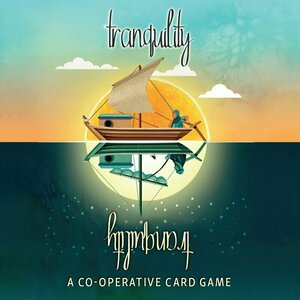
Are you a boat person? As in, do you enjoy lounging on a boat, floating to nowhere in particular, just enjoying the day? Or are you a thrill-seeking water-skiier or tuber that enjoys shredding the waves and nearly drowning? Perhaps you are neither. I am definitely in the first category. I would rather just toot around a lake in a boat, maybe throw out a fishing pole, and just enjoy being out on the water with little care for what may be happening in the world around me. So when I heard that Lucky Duck Games was planning on publishing Tranquility I just had to jump at the opportunity to get it on my table. And I was definitely impressed.
Tranquility is a cooperative hand management, tile placement card game for one to five players. In it players will be attempting to create a sea of islands around which they sail their boat towards infinite paradise. They will accomplish this by laying numbered cards from their hand in numerical order before any of the players run out of chances to play a card. Oh, and there’s also no talking during the game. That’s kind of a big deal.
DISCLAIMER: We were provided a copy of this game for the purposes of this review. This is a retail copy of the game, so what you see in these photos is exactly what would be received in your box. I do not intend to cover every single rule included in the rulebook, but will describe the overall game flow and major rule set so that our readers may get a sense of how the game plays. For more in depth rules, you may purchase a copy online or from your FLGS. -T
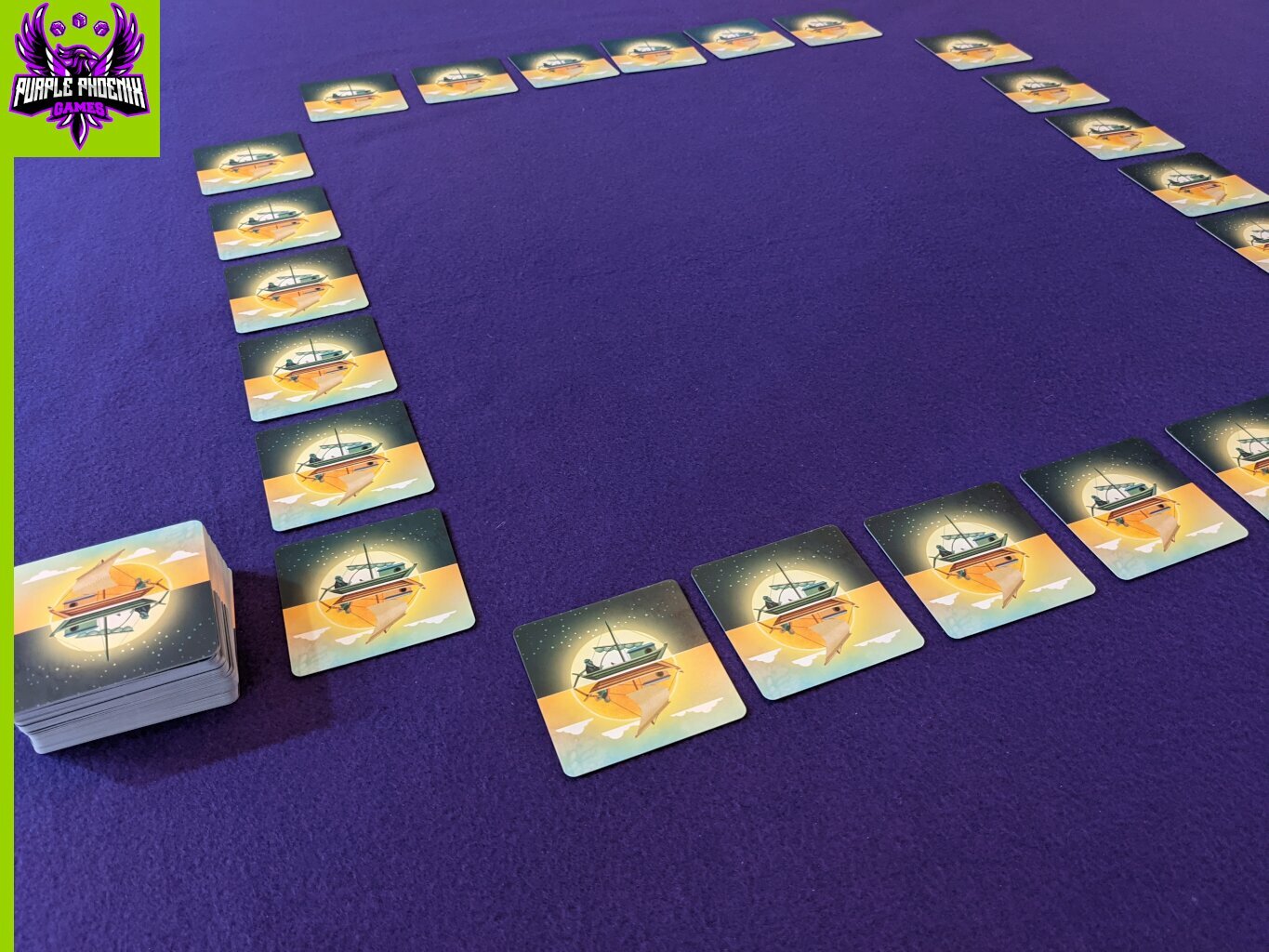
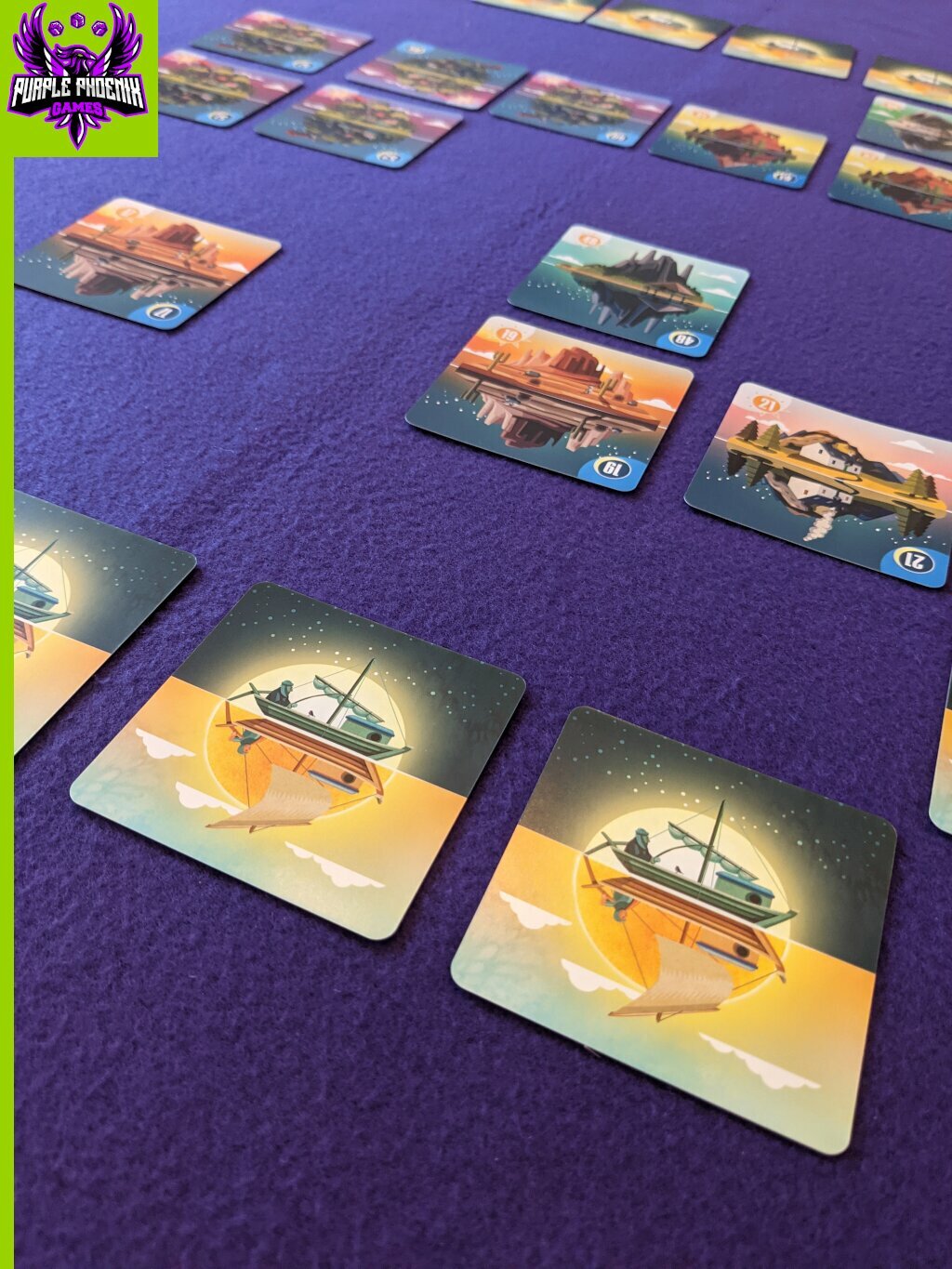
To setup the standard game, place all the border cards around a 6×6 grid, as in the photo below. Shuffle the appropriate number of Start and Finish cards into the deck of Island cards and place that beside the grid. Draw a hand of five cards and the game may begin. Setup is similar to the multiplayer setup, with a few changes. Once the hand of cards has been drawn, the game may begin! It is the solo player’s goal to build the sea of island cards, and place the Start and Finish cards before they run out of cards to be legally played.
The game is played over many turns. Each turn players will be either playing a card from hand or discarding two cards. When a player plays a card from hand to the grid, they may place it anywhere they wish within the grid. The goal is to have each card placed numerically in order beginning from the lower left of the grid in a zig-zag pattern left to right, then ascending to the next highest level. In other words, the play area would be ordered numerically as English-speaking people read, but from the bottom up instead of the top down – like a reverse typewriter.
When a card is played, the player may choose to place it in its own area, or immediately next to another card already in play. If the new card is placed adjacent to an existing card, the player must discard cards equal to the difference between the values of the two adjacent cards. For example, if a 12 is placed next to a 14, then the player would need to discard two cards after placement. If a card is placed that is already in direct numerical order, no discards are needed. Again, a card at the right-hand edge of a row is adjacent to the card on the next row higher on the left-hand edge, and this is the most difficult aspect of the game to grasp for new players.
Should a player instead wish to discard two cards for their turn, they do so to their discard pile. After each action (playing a card or discarding two cards) the player will draw back up to their hand of five cards.
Eventually, the player will happen across the Start and Finish cards. In the solo game, when a Start card is placed (outside the grid, but in amongst the border cards in the lower left-hand corner), the player will need to draw eight cards from the draw deck, keep four, and discard the remaining eight. This eats up cards from the draw pile and draws the game closer to the end. When the grid is completed and all the numbered cards are in numerical order, the player may then play the Finish card to end the game. If all cards are properly placed the player wins! If not, they must try again. Probably immediately, because it is that kind of game.
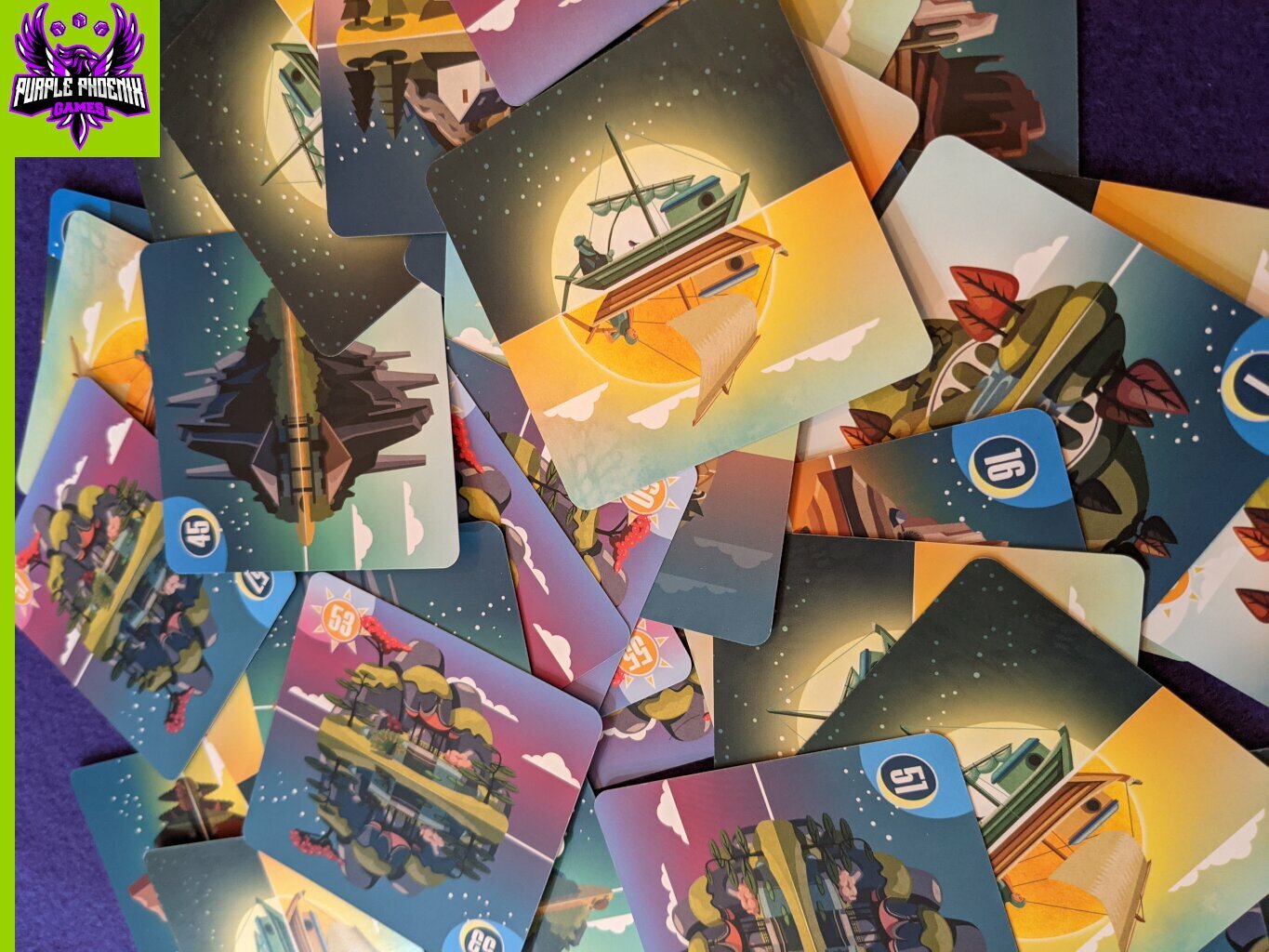
Components. This game is a bunch of square cards in a cubic box. Now, while that doesn’t sound super exciting, the art on the cards certainly make up for the lack of component diversity. Each card is matte finished, which I prefer for cards with great art on them. And oh man, that art is something wonderful! I have always been a fan of Tristam Rossin’s art, and it is on full display here. The cards are, well, I guess I cannot find the correct word because they aren’t double-sided, but split on the horizontal, with a daytime scene on the “top” and a nighttime scene on the “bottom” (or vice-versa, however you feel). I have nothing but praise for the components here.
The gameplay is familiar in feel, but definitely a little different and a whole lot of fun. Fans of The Mind will find this familiar in that the game is structured around silent players building a grid/stack of numerically appropriate cards until the win condition is met. However, I have not been able to play The Mind solo, and Tranquility comes with solo rules in the box. So that’s a win in my book.
Now, Tranquility solo is no cakewalk. No, there are no other players to make crazy decisions to throw off any tactics planned, but you most certainly can misjudge where to place a card, and then be married to its position as you try to fill in all the appropriate cards around it. I learned that all too early when I decided my first game that I should try to divide the grid into equal sections and approximate where a 48 should go. Well, I’ll tell you now that a 48 has absolutely no business being a row above a 19 (check the photo above if you don’t believe me). Silly choices like this make for an afternoon of pondering optimal placements when unboxing your next play, and that brings a smile to my face. Any time I think about a game the next day or several days later and it entices me to play again with a different strategy, I feel is the mark of a great game.
I have yet to play this with a group (damn COVID), but I know the people I play with are going to love this one. And, honestly, I am going to love the peace and quiet as the game plays out, so I can think about my turn and then think about a different possibility once someone ruins my plans. But I tell you what, even as a solo game, this one is great. I am quite happy to keep this as a pure solo experience, but I do want to try it once with others. We do not typically give out ratings for Solo Chronicles reviews, but this one would be pretty high, I’m telling you now. Okay, I have to go get the boat ready and pack my cooler. Enjoy Tranquility!
Tranquility is a cooperative hand management, tile placement card game for one to five players. In it players will be attempting to create a sea of islands around which they sail their boat towards infinite paradise. They will accomplish this by laying numbered cards from their hand in numerical order before any of the players run out of chances to play a card. Oh, and there’s also no talking during the game. That’s kind of a big deal.
DISCLAIMER: We were provided a copy of this game for the purposes of this review. This is a retail copy of the game, so what you see in these photos is exactly what would be received in your box. I do not intend to cover every single rule included in the rulebook, but will describe the overall game flow and major rule set so that our readers may get a sense of how the game plays. For more in depth rules, you may purchase a copy online or from your FLGS. -T
To setup the standard game, place all the border cards around a 6×6 grid, as in the photo below. Shuffle the appropriate number of Start and Finish cards into the deck of Island cards and place that beside the grid. Draw a hand of five cards and the game may begin. Setup is similar to the multiplayer setup, with a few changes. Once the hand of cards has been drawn, the game may begin! It is the solo player’s goal to build the sea of island cards, and place the Start and Finish cards before they run out of cards to be legally played.
The game is played over many turns. Each turn players will be either playing a card from hand or discarding two cards. When a player plays a card from hand to the grid, they may place it anywhere they wish within the grid. The goal is to have each card placed numerically in order beginning from the lower left of the grid in a zig-zag pattern left to right, then ascending to the next highest level. In other words, the play area would be ordered numerically as English-speaking people read, but from the bottom up instead of the top down – like a reverse typewriter.
When a card is played, the player may choose to place it in its own area, or immediately next to another card already in play. If the new card is placed adjacent to an existing card, the player must discard cards equal to the difference between the values of the two adjacent cards. For example, if a 12 is placed next to a 14, then the player would need to discard two cards after placement. If a card is placed that is already in direct numerical order, no discards are needed. Again, a card at the right-hand edge of a row is adjacent to the card on the next row higher on the left-hand edge, and this is the most difficult aspect of the game to grasp for new players.
Should a player instead wish to discard two cards for their turn, they do so to their discard pile. After each action (playing a card or discarding two cards) the player will draw back up to their hand of five cards.
Eventually, the player will happen across the Start and Finish cards. In the solo game, when a Start card is placed (outside the grid, but in amongst the border cards in the lower left-hand corner), the player will need to draw eight cards from the draw deck, keep four, and discard the remaining eight. This eats up cards from the draw pile and draws the game closer to the end. When the grid is completed and all the numbered cards are in numerical order, the player may then play the Finish card to end the game. If all cards are properly placed the player wins! If not, they must try again. Probably immediately, because it is that kind of game.
Components. This game is a bunch of square cards in a cubic box. Now, while that doesn’t sound super exciting, the art on the cards certainly make up for the lack of component diversity. Each card is matte finished, which I prefer for cards with great art on them. And oh man, that art is something wonderful! I have always been a fan of Tristam Rossin’s art, and it is on full display here. The cards are, well, I guess I cannot find the correct word because they aren’t double-sided, but split on the horizontal, with a daytime scene on the “top” and a nighttime scene on the “bottom” (or vice-versa, however you feel). I have nothing but praise for the components here.
The gameplay is familiar in feel, but definitely a little different and a whole lot of fun. Fans of The Mind will find this familiar in that the game is structured around silent players building a grid/stack of numerically appropriate cards until the win condition is met. However, I have not been able to play The Mind solo, and Tranquility comes with solo rules in the box. So that’s a win in my book.
Now, Tranquility solo is no cakewalk. No, there are no other players to make crazy decisions to throw off any tactics planned, but you most certainly can misjudge where to place a card, and then be married to its position as you try to fill in all the appropriate cards around it. I learned that all too early when I decided my first game that I should try to divide the grid into equal sections and approximate where a 48 should go. Well, I’ll tell you now that a 48 has absolutely no business being a row above a 19 (check the photo above if you don’t believe me). Silly choices like this make for an afternoon of pondering optimal placements when unboxing your next play, and that brings a smile to my face. Any time I think about a game the next day or several days later and it entices me to play again with a different strategy, I feel is the mark of a great game.
I have yet to play this with a group (damn COVID), but I know the people I play with are going to love this one. And, honestly, I am going to love the peace and quiet as the game plays out, so I can think about my turn and then think about a different possibility once someone ruins my plans. But I tell you what, even as a solo game, this one is great. I am quite happy to keep this as a pure solo experience, but I do want to try it once with others. We do not typically give out ratings for Solo Chronicles reviews, but this one would be pretty high, I’m telling you now. Okay, I have to go get the boat ready and pack my cooler. Enjoy Tranquility!


Lee (2222 KP) rated Bombshell (2019) in Movies
Jan 8, 2020 (Updated Jan 8, 2020)
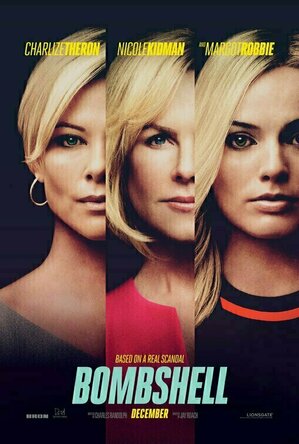

With media currently showing us scenes of disgraced Hollywood mogul Harvey Weinstein as he shuffles into court, expecting sympathy while his victims continue to try and rebuild their lives, along comes the timely release of Bombshell. Based on a high profile #MeToo scandal, Bombshell gives us a look deep inside the heart of Fox News, and tells the explosive story of the women who fought back against the powerful man who created it.
Megyn Kelly (Charlize Theron) begins by giving us a whistle-stop tour of the Fox News building - the floor layout, who is located where, how various news teams operate, who some of the news anchors are. We learn about the second floor, where the man at the centre of the scandal to come, Roger Ailes (John Lithgow), has his office and where Rupert Murdoch and his sons all fit in. It's a lot to take in right off the bat, so don't turn up late for the movie and make sure you're paying attention!
It's 2016, and the presidential campaign is in full swing. Megyn is preparing for the Republican debate hosted by Fox News, where she is planning to fire off a controversial question at Donald Trump regarding his treatment of women. There's a bit of an upset (literally) earlier in the day though, when Megyn develops a nasty stomach bug, presumably from someone tampering with the coffee bought for her on the way to work, and she very nearly doesn't make it to the debate, which we assume was the desired result. She manages to get out her question though, resulting in the kind of rage tweeting from Trump that we've now become so accustomed to, backlash from Trump supporters and paparazzi turning up at the holiday home where Megyn is taking a short break with her family.
Meanwhile, Gretchen Carlson (Nicole Kidman) is meeting with lawyers regarding the sexist comments that she regularly receives both on air from her male co-anchors, and off air from people like Roger Ailes. She also feels that her demotion to a less popular daytime show is the result of her reluctance to 'play ball' with Ailes. We see the uncomfortable story of Rudi Bakhitar, fired for politely declining the sexual advances of her employer, and the lawyers advise that Gretchen will need to gain further evidence from other women before they can file a harassment suit against Ailes.
The harassment and treatment of women and what they have to endure at Fox News, just to try and come close to the same level as their male counterparts, becomes increasingly apparent as the movie progresses. Short dresses, wide angle shots and transparent news desks in order to see their legs and hold viewer attention - it's the kind of thing you might only casually notice while watching a show, but eye opening and shocking when you see the orders being given in the control room to switch to a certain camera, and the women being told off screen how they should look and dress. Even though you know it's only a matter of time before Carlson gets the support she needs in order to get justice, there's obviously a lot of tension and drama that needs to play out before we get there.
In order to highlight and demonstrate the treatment off camera, particularly from Roger Ailes, we are introduced to up-and-coming journalist and new employee Kayla Pospisil (Margot Robbie), who is a fictional character. Kayla beings by working for Gretchen Carlson, but is keen to progress to bigger things and, despite warnings from Gretchen that she should stay close to her, takes a job on Fox's number one program, The O'Reilly Factor. Along the way, Kayla forms a relationship with her co-worker Jess Carr (Kate McKinnon) and manages to find her way into the office of Ailes, where we get to see him at work in a very creepy and uncomfortable scene. As news of Gretchen's lawsuit breaks, a slow trickle of former victims begins to come forward, while Megyn remains noticeably tight-lipped about an encounter she had with Ailes 10 years ago. It's clear that somebody like Megyn has enough power to make the lawsuit a lot more viable.
For me, Bombshell is all about the performances. Charlize Theron wears simple prosthetics, and underwent voice coaching in order to play the role of Megyn Kelly convincingly, and she is outstanding, as is Nicole Kidman. We get to live the trauma and the ups and downs of Margot Robbie's character along with her in the movie, earning her a supporting actress BAFTA nomination this week (against herself, for Once Upon A Time In Hollywood!). John Lithgow, who I found to be brilliant as Winston Churchill in The Crown, has once again bulked up in order to portray Roger Ailes, and succeeds in making him seem human, and at times humorous, while still portraying his darker, weaker and more creepier side.
Outside of the performances, I found Bombshell to be a fairly average movie. What happened in the space of just a few days in real life, seems to occur over weeks in the movie and I felt the trailer covered off the majority of the story in a pretty tight and more intense few minutes, with the movie just a more stretched out version of that. Still, Bombshell is definitely a good movie and, as I mentioned right at the start, more important and relevant now than ever before, so it deserves to be seen by all.
Megyn Kelly (Charlize Theron) begins by giving us a whistle-stop tour of the Fox News building - the floor layout, who is located where, how various news teams operate, who some of the news anchors are. We learn about the second floor, where the man at the centre of the scandal to come, Roger Ailes (John Lithgow), has his office and where Rupert Murdoch and his sons all fit in. It's a lot to take in right off the bat, so don't turn up late for the movie and make sure you're paying attention!
It's 2016, and the presidential campaign is in full swing. Megyn is preparing for the Republican debate hosted by Fox News, where she is planning to fire off a controversial question at Donald Trump regarding his treatment of women. There's a bit of an upset (literally) earlier in the day though, when Megyn develops a nasty stomach bug, presumably from someone tampering with the coffee bought for her on the way to work, and she very nearly doesn't make it to the debate, which we assume was the desired result. She manages to get out her question though, resulting in the kind of rage tweeting from Trump that we've now become so accustomed to, backlash from Trump supporters and paparazzi turning up at the holiday home where Megyn is taking a short break with her family.
Meanwhile, Gretchen Carlson (Nicole Kidman) is meeting with lawyers regarding the sexist comments that she regularly receives both on air from her male co-anchors, and off air from people like Roger Ailes. She also feels that her demotion to a less popular daytime show is the result of her reluctance to 'play ball' with Ailes. We see the uncomfortable story of Rudi Bakhitar, fired for politely declining the sexual advances of her employer, and the lawyers advise that Gretchen will need to gain further evidence from other women before they can file a harassment suit against Ailes.
The harassment and treatment of women and what they have to endure at Fox News, just to try and come close to the same level as their male counterparts, becomes increasingly apparent as the movie progresses. Short dresses, wide angle shots and transparent news desks in order to see their legs and hold viewer attention - it's the kind of thing you might only casually notice while watching a show, but eye opening and shocking when you see the orders being given in the control room to switch to a certain camera, and the women being told off screen how they should look and dress. Even though you know it's only a matter of time before Carlson gets the support she needs in order to get justice, there's obviously a lot of tension and drama that needs to play out before we get there.
In order to highlight and demonstrate the treatment off camera, particularly from Roger Ailes, we are introduced to up-and-coming journalist and new employee Kayla Pospisil (Margot Robbie), who is a fictional character. Kayla beings by working for Gretchen Carlson, but is keen to progress to bigger things and, despite warnings from Gretchen that she should stay close to her, takes a job on Fox's number one program, The O'Reilly Factor. Along the way, Kayla forms a relationship with her co-worker Jess Carr (Kate McKinnon) and manages to find her way into the office of Ailes, where we get to see him at work in a very creepy and uncomfortable scene. As news of Gretchen's lawsuit breaks, a slow trickle of former victims begins to come forward, while Megyn remains noticeably tight-lipped about an encounter she had with Ailes 10 years ago. It's clear that somebody like Megyn has enough power to make the lawsuit a lot more viable.
For me, Bombshell is all about the performances. Charlize Theron wears simple prosthetics, and underwent voice coaching in order to play the role of Megyn Kelly convincingly, and she is outstanding, as is Nicole Kidman. We get to live the trauma and the ups and downs of Margot Robbie's character along with her in the movie, earning her a supporting actress BAFTA nomination this week (against herself, for Once Upon A Time In Hollywood!). John Lithgow, who I found to be brilliant as Winston Churchill in The Crown, has once again bulked up in order to portray Roger Ailes, and succeeds in making him seem human, and at times humorous, while still portraying his darker, weaker and more creepier side.
Outside of the performances, I found Bombshell to be a fairly average movie. What happened in the space of just a few days in real life, seems to occur over weeks in the movie and I felt the trailer covered off the majority of the story in a pretty tight and more intense few minutes, with the movie just a more stretched out version of that. Still, Bombshell is definitely a good movie and, as I mentioned right at the start, more important and relevant now than ever before, so it deserves to be seen by all.
5 Minute Movie Guy (379 KP) rated Scary Stories to Tell in the Dark (2019) in Movies
Sep 16, 2019
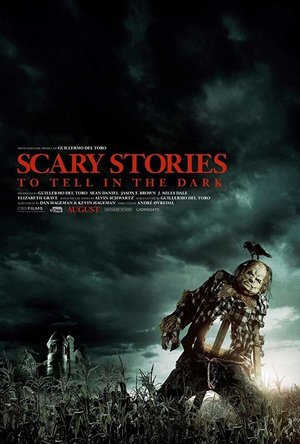
In the early 1980s, author Alvin Schwartz created a book of short horror stories titled Scary Stories to Tell in the Dark that would go on to terrorize a whole generation of curious young readers. Combined with its morbid and ghastly illustrations by artist Stephen Gammell, the book would serve as an introduction to horror for many. Over the next ten years, Schwartz wrote two more books in the Scary Stories series, and now, nearly forty years later, it has finally been adapted into a major motion picture. Produced by Academy Award-winning director Guillermo Del Toro and directed by André Øvredal, the Scary Stories to Tell in the Dark film constructs a new narrative around several of the iconic short stories from the book series, and brings them to life to haunt the movie’s teenage characters.
In Mill Valley, Pennsylvania in 1968, a group of teenage friends fleeing from a band of bullies hide out in an abandoned haunted house on Halloween night. They know the story of this house well, whose folklore is rooted in the origins of their own small town. It was once owned by the wealthy Bellows Family, who according to urban legend, locked away their own daughter, Sarah Bellows, inside the cellar of their home. Sarah had been accused of killing the town’s children, and so her family kept her hidden away and attempted to erase her from existence, even removing her from their own family portraits. According to legend, Sarah wrote a book of horror stories and would read them aloud through the walls of her room to frighten the local townspeople.
While inside this haunted house, our group of protagonists; Stella (Zoe Colletti), Ramón (Michael Garza), Auggie (Gabriel Rush), and Chuck (Austin Zajur), discover the room Sarah had spent her life trapped in. Stella, an amateur horror writer herself, finds the rumored book that was written by Sarah. Upon opening it she sees that a new page is somehow being written in blood right before her very eyes, and it happens to be about the bully that chased them into the house. The next day, they realize that it seems as though the story actually came true, and that the book itself may be haunted. This establishes the basic premise of the film, in which new stories are being written in the book and they appear to be targeting Stella and everyone else that entered the Bellows’ house that night.
It’s an interesting set-up that cleverly mixes horror with mystery, as the characters are not only trying to survive these stories as they come to life, but are also trying to figure out how to stop them from happening. The film features five different stories from the series, most of which come from the third and final book, and a sixth story centered around Stella and Sarah Bellows that is at least in part inspired by one of the original tales. To give an example without giving too much away, one story for instance, involves a haunted scarecrow, whereas another is about a walking corpse in search of its severed big toe. The stories themselves are much more dark and grotesque than I had anticipated. I was expecting something more along the lines of Goosebumps, which was a series of children’s horror books that I personally loved and grew up with as a child, but these are much more disturbing than that. While I only found the first story of the film, “Harold”, to actually be scary, I do imagine this movie might be a little too frightening for some teenagers.
I should clarify that I’m not familiar with the original written source material of Scary Stories to Tell in the Dark, and I had truthfully never even heard of the books prior to the movie’s announcement. I don’t have any personal stake in these stories, but I do admire the thoughtfulness and creativity that went into building the film around them. I thought the film started out really strong with a likable cast of characters, and with most of its best moments featured early on. I loved the introduction to the haunted house and the legend of the Bellows Family. I enjoyed the playful nature of our group of young protagonists, who in the beginning felt reminiscent of the fun and crazy kids you might find in an 80s movie like The Goonies. Additionally, I liked the mystery of Sarah Bellows that the kids were trying to uncover, all the while struggling to survive the dangers of her haunting stories that had come to life.
Unfortunately, as the movie went on, I found myself less and less invested in it with each passing story, all of which I would argue are weaker than the previous one before it. The Pale Lady storyline was particularly dull and underwhelming. The final act itself, although smartly designed with its use of parallels, wound up feeling poorly executed and unsatisfying overall.
Similarly, in regards to the acting, I liked the performances even less by the end as well. Early on I had been impressed with Zoe Colletti as Stella, but I found her to be annoying in the later parts of the movie. The same goes for Austin Zajur as Chuck. The cast for the most part was decent, but everything about the movie began to drop in quality as it dragged on, which is especially unfortunate given how well it starts out.
The special effects are mostly quite good and adequately disturbing, but on the same token, I wish they were more clearly visible at times. A lot of the horror settings take place in dark rooms, so at times it can be hard to see the monsters with much clarity. Still, I love the design of Harold the Scarecrow, as well as The Jangly Man, who is played by contortionist Troy James whose extreme flexibility allows the character to move in unnatural and disturbing looking ways.
To conclude, I’m left with some mixed feelings on Scary Stories to Tell in the Dark. For me, it almost hits the mark, but unfortunately it isn’t a movie that I think I’d bother to watch again. It made a solid first impression with its rich atmosphere and creepy first act, but it failed to maintain its momentum and level of quality. In the end, my favorite thing about the whole movie is actually the excellent cover song of “Season of the Witch” by Lana Del Rey that plays during the credits. However that’s not in any way to say the movie is so bad that the credits were my favorite part. It’s just a great song by an artist I very much enjoy. If you grew up with the Scary Stories to Tell in the Dark series, then by all means, I recommend that you at least check it out. If you like horror and have any troublesome teenaged kids, this may be a perfect opportunity to have some fun scaring the heck out of them.
In Mill Valley, Pennsylvania in 1968, a group of teenage friends fleeing from a band of bullies hide out in an abandoned haunted house on Halloween night. They know the story of this house well, whose folklore is rooted in the origins of their own small town. It was once owned by the wealthy Bellows Family, who according to urban legend, locked away their own daughter, Sarah Bellows, inside the cellar of their home. Sarah had been accused of killing the town’s children, and so her family kept her hidden away and attempted to erase her from existence, even removing her from their own family portraits. According to legend, Sarah wrote a book of horror stories and would read them aloud through the walls of her room to frighten the local townspeople.
While inside this haunted house, our group of protagonists; Stella (Zoe Colletti), Ramón (Michael Garza), Auggie (Gabriel Rush), and Chuck (Austin Zajur), discover the room Sarah had spent her life trapped in. Stella, an amateur horror writer herself, finds the rumored book that was written by Sarah. Upon opening it she sees that a new page is somehow being written in blood right before her very eyes, and it happens to be about the bully that chased them into the house. The next day, they realize that it seems as though the story actually came true, and that the book itself may be haunted. This establishes the basic premise of the film, in which new stories are being written in the book and they appear to be targeting Stella and everyone else that entered the Bellows’ house that night.
It’s an interesting set-up that cleverly mixes horror with mystery, as the characters are not only trying to survive these stories as they come to life, but are also trying to figure out how to stop them from happening. The film features five different stories from the series, most of which come from the third and final book, and a sixth story centered around Stella and Sarah Bellows that is at least in part inspired by one of the original tales. To give an example without giving too much away, one story for instance, involves a haunted scarecrow, whereas another is about a walking corpse in search of its severed big toe. The stories themselves are much more dark and grotesque than I had anticipated. I was expecting something more along the lines of Goosebumps, which was a series of children’s horror books that I personally loved and grew up with as a child, but these are much more disturbing than that. While I only found the first story of the film, “Harold”, to actually be scary, I do imagine this movie might be a little too frightening for some teenagers.
I should clarify that I’m not familiar with the original written source material of Scary Stories to Tell in the Dark, and I had truthfully never even heard of the books prior to the movie’s announcement. I don’t have any personal stake in these stories, but I do admire the thoughtfulness and creativity that went into building the film around them. I thought the film started out really strong with a likable cast of characters, and with most of its best moments featured early on. I loved the introduction to the haunted house and the legend of the Bellows Family. I enjoyed the playful nature of our group of young protagonists, who in the beginning felt reminiscent of the fun and crazy kids you might find in an 80s movie like The Goonies. Additionally, I liked the mystery of Sarah Bellows that the kids were trying to uncover, all the while struggling to survive the dangers of her haunting stories that had come to life.
Unfortunately, as the movie went on, I found myself less and less invested in it with each passing story, all of which I would argue are weaker than the previous one before it. The Pale Lady storyline was particularly dull and underwhelming. The final act itself, although smartly designed with its use of parallels, wound up feeling poorly executed and unsatisfying overall.
Similarly, in regards to the acting, I liked the performances even less by the end as well. Early on I had been impressed with Zoe Colletti as Stella, but I found her to be annoying in the later parts of the movie. The same goes for Austin Zajur as Chuck. The cast for the most part was decent, but everything about the movie began to drop in quality as it dragged on, which is especially unfortunate given how well it starts out.
The special effects are mostly quite good and adequately disturbing, but on the same token, I wish they were more clearly visible at times. A lot of the horror settings take place in dark rooms, so at times it can be hard to see the monsters with much clarity. Still, I love the design of Harold the Scarecrow, as well as The Jangly Man, who is played by contortionist Troy James whose extreme flexibility allows the character to move in unnatural and disturbing looking ways.
To conclude, I’m left with some mixed feelings on Scary Stories to Tell in the Dark. For me, it almost hits the mark, but unfortunately it isn’t a movie that I think I’d bother to watch again. It made a solid first impression with its rich atmosphere and creepy first act, but it failed to maintain its momentum and level of quality. In the end, my favorite thing about the whole movie is actually the excellent cover song of “Season of the Witch” by Lana Del Rey that plays during the credits. However that’s not in any way to say the movie is so bad that the credits were my favorite part. It’s just a great song by an artist I very much enjoy. If you grew up with the Scary Stories to Tell in the Dark series, then by all means, I recommend that you at least check it out. If you like horror and have any troublesome teenaged kids, this may be a perfect opportunity to have some fun scaring the heck out of them.

Bob Mann (459 KP) rated Terminator: Dark Fate (2019) in Movies
Nov 10, 2019
Natalie Reyes - a kick-ass non-white female hero (1 more)
Arnie's drapes
Linda Hamilton - acting didn't work for me (1 more)
Confusing storyline (as a continuation of T2)
Enjoyable Hokum
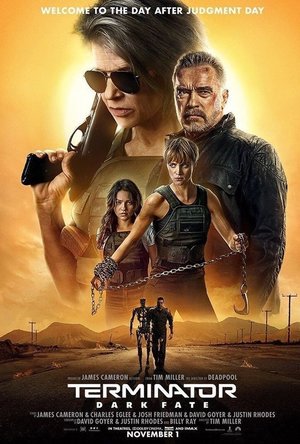
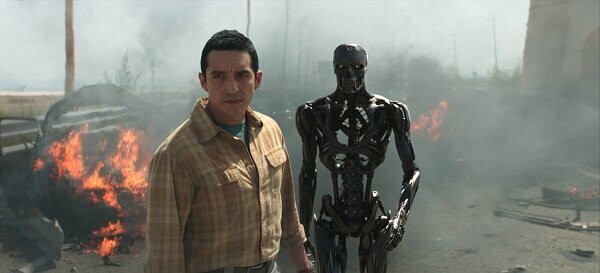
Natalia Reyes plays young Mexican Dani Ramos. Out of the blue she faces danger and tragedy when a ‘Rev 9’ Terminator (Gabriel Luna) zaps itself back in time to Mexico City to dispose of her. But, as in “Terminator 2: Judgement Day”, a protector is on hand. This time it’s in the ripped form of ‘enhanced’ human Grace (Mackenzie Davis). She’s there to protect Dani and maintain whatever key to the future that she holds.
Dani is assisted by Sarah Connor (Linda Hamilton), a vigilante Terminator-fighter wanted in all 50 US States for wanton destruction of property. But even this dynamic duo are no match for the unstoppable force of the Rev 9. So they must turn to an old nemesis from Sarah’s past for assistance.
James Cameron is heavily involved with this one. The decision was made to ‘reboot’ the series as if all the dodgy Terminator movies of the intervening years (after #2) had never happened. (That’s not to say that *I* necessarily found them all dodgy. I quite liked “Terminator 3: Rise of the Machines” for example, with it’s grim and downbeat ending).
Now I went into this flick understanding that premise. So a flashback scene in the first few minutes of the film left me mightily confused. How on earth did this link to the ‘thumbs up’ scene at the end of “Terminator 2”? #baffled.
But if you ignore this issue, the film settles into what I thought was a nice “Logan“-style modus operandi. There’s an exciting chase sequence along a Mexican highway, but it never overwhelmed the ongoing development of character and motive.
Unfortunately, this didn’t last. Overall, the script lacked momentum, showing a general lack of narrative drive. This is the result, I suspect, of the familiar malaise of ‘team-input’. There are a total of SIX writers contributing to the story and/or screenplay. For example, an opportunity to take a poke at Trump’s Mexican wall isn’t taken; neither are scenes in the topically newsworthy detention centre. It’s as if the “better not: we’ll upset people” button was pressed in either the writing room or by the studio.
Trying to make up for this wallowing second reel, the movie – on boarding a military transport plane – goes to extremes of unbelievable action, both in the sky and below the water. That “Logan-esque” start seems a long way away now.
There’s another element of the movie that confused the hell out of me. The ‘Rev 9’ is able to jump out of it’s “skeleton” which could then pursue actions on its own. Given the Terminator gets FLATTENED – skeleton and all – during certain scenes of the film, this makes little sense unless the skeleton is made of the same ‘liquid metal’ as the body. In which case, why not just have liquid metal that can assume multiple different forms and attack the target from all sides? Perhaps that came in with the “Rev 10”!
But it’s not as bad as I’ve made it sound. This is in no way a terrible movie. As a ‘brain at the door’ piece of sci-fi hocum I really quite enjoyed it. The cast in particular is nicely of our time. There’s a Colombian (not Mexican), feisty and successful female lead in the form of the relatively unknown Reyes. And she has two strong female characters in support. Arnie Schwarzenegger has top billing, but his is really a supporting role.
Natalia Reyes I thought was particularly impressive. The girl has real screen presence, and I look forward to seeing what she does next.
Mackenzie Davis is also terrific as the kick-ass cyborg. I particularly liked the way she executed a neat plot device. Grace has a ‘war-machine’ design… she’s designed for incredible bursts of activity over short periods, but then becomes next to useless as her body crashes and needs ‘rebooting’.
I don’t want to be mean, but there’s probably a reason Linda Hamilton hasn’t been in more mainstream movies since T2. Her acting here is adequate at best and didn’t really cut it for me. The script has delivered her a number of humorous lines – including the iconic “I’ll be back’ – but none of them really land in the delivery.
Instead , it’s Arnie who has the best lines in the movie, delivered with dead-pan wit. His “cover” identity – and particularly his chosen profession – deliver some laugh out loud dialogue.
All in all, I found this a big step up on other Terminator films in the series. The director is Tim Miller, he of “Deadpool“. It’s not bloody Shakespeare, but I found it – warts and all – an enjoyable night out at the movies.
For the full graphical review, check out https://bob-the-movie-man.com/2019/11/10/one-manns-movies-film-review-terminator-dark-fate-2019/
Dani is assisted by Sarah Connor (Linda Hamilton), a vigilante Terminator-fighter wanted in all 50 US States for wanton destruction of property. But even this dynamic duo are no match for the unstoppable force of the Rev 9. So they must turn to an old nemesis from Sarah’s past for assistance.
James Cameron is heavily involved with this one. The decision was made to ‘reboot’ the series as if all the dodgy Terminator movies of the intervening years (after #2) had never happened. (That’s not to say that *I* necessarily found them all dodgy. I quite liked “Terminator 3: Rise of the Machines” for example, with it’s grim and downbeat ending).
Now I went into this flick understanding that premise. So a flashback scene in the first few minutes of the film left me mightily confused. How on earth did this link to the ‘thumbs up’ scene at the end of “Terminator 2”? #baffled.
But if you ignore this issue, the film settles into what I thought was a nice “Logan“-style modus operandi. There’s an exciting chase sequence along a Mexican highway, but it never overwhelmed the ongoing development of character and motive.
Unfortunately, this didn’t last. Overall, the script lacked momentum, showing a general lack of narrative drive. This is the result, I suspect, of the familiar malaise of ‘team-input’. There are a total of SIX writers contributing to the story and/or screenplay. For example, an opportunity to take a poke at Trump’s Mexican wall isn’t taken; neither are scenes in the topically newsworthy detention centre. It’s as if the “better not: we’ll upset people” button was pressed in either the writing room or by the studio.
Trying to make up for this wallowing second reel, the movie – on boarding a military transport plane – goes to extremes of unbelievable action, both in the sky and below the water. That “Logan-esque” start seems a long way away now.
There’s another element of the movie that confused the hell out of me. The ‘Rev 9’ is able to jump out of it’s “skeleton” which could then pursue actions on its own. Given the Terminator gets FLATTENED – skeleton and all – during certain scenes of the film, this makes little sense unless the skeleton is made of the same ‘liquid metal’ as the body. In which case, why not just have liquid metal that can assume multiple different forms and attack the target from all sides? Perhaps that came in with the “Rev 10”!
But it’s not as bad as I’ve made it sound. This is in no way a terrible movie. As a ‘brain at the door’ piece of sci-fi hocum I really quite enjoyed it. The cast in particular is nicely of our time. There’s a Colombian (not Mexican), feisty and successful female lead in the form of the relatively unknown Reyes. And she has two strong female characters in support. Arnie Schwarzenegger has top billing, but his is really a supporting role.
Natalia Reyes I thought was particularly impressive. The girl has real screen presence, and I look forward to seeing what she does next.
Mackenzie Davis is also terrific as the kick-ass cyborg. I particularly liked the way she executed a neat plot device. Grace has a ‘war-machine’ design… she’s designed for incredible bursts of activity over short periods, but then becomes next to useless as her body crashes and needs ‘rebooting’.
I don’t want to be mean, but there’s probably a reason Linda Hamilton hasn’t been in more mainstream movies since T2. Her acting here is adequate at best and didn’t really cut it for me. The script has delivered her a number of humorous lines – including the iconic “I’ll be back’ – but none of them really land in the delivery.
Instead , it’s Arnie who has the best lines in the movie, delivered with dead-pan wit. His “cover” identity – and particularly his chosen profession – deliver some laugh out loud dialogue.
All in all, I found this a big step up on other Terminator films in the series. The director is Tim Miller, he of “Deadpool“. It’s not bloody Shakespeare, but I found it – warts and all – an enjoyable night out at the movies.
For the full graphical review, check out https://bob-the-movie-man.com/2019/11/10/one-manns-movies-film-review-terminator-dark-fate-2019/

Zuky the BookBum (15 KP) rated Nightmares: A New Decade of Modern Horror in Books
Mar 15, 2018
Also read my review here: http://bookbum.weebly.com/book-reviews/nightmares-a-new-decade-of-modern-horror-by-various-authors
NOW AVAILABLE IN THE UK!
I decided that instead of rating this book overall, it would be better to rate each individual story, so that’s what I’ve done. Obviously I had to rate the overall book so I actually calculated the average of all the ratings lol.
<b><u>Shallaballah</b></u> by Mark Samuels
<i>1 star</i>
Not a good start to the book for me. I was over the stitched up face appearance, creepy hospital, shady operations kind of horror story long ago, so this did pretty much nothing for me. Yes there were creepy elements to it but not enough. I also get what it was trying to do with the whole vanity, television thing, but it didn’t really work and so for me, added nothing to the overall plot.
<b><u>Sob in the Silence</b></u> by Gene Wolfe
<i>3 stars</i>
This was a pretty good creepy story, I much prefer stories that don't really have any paranormal elements to them and are more about the madness of the human brain. This short story had a bit of both to it so it was much preferable to the last! Didn't like the weird abrupt ending though, it felt like the story had been cut short.
<b><u>Our Turn Too Will One Day Come</b></u> by Brian Hodge
<i>4 stars</i>
This definitely had my skin crawling a bit. I love this kind of horror story that incorporates creatures and family secrets, kind of gave me The Village vibes… Is that the name of that film? Anyway, yes, great short!
<b><u>Dead Sea Fruit</b></u> by Kaaron Warren
<i>3 stars</i>
This short was pretty good, the Ash Mouth Man was pretty freaky but the writing was a bit all over the place and I felt too much was squeezed into such a small story. I'd love to read a full length story about this Ash Man, that would definitely be disturbing to read!
<b><u>Closet Dreams</b></u> by Lisa Tuttle
<i>4 stars</i>
Really well written and completely terrifying! I hate abduction stories so much because it could happen to anyone. It's not like the demonic ghost stories that you choose to believe or not believe, men who rape and steal little girls are <b>real.</b> The ending was… Predictable… Done before… Boring… But the rest of it was good enough to warrant it 4 stars!
<b><u>Spectral Evidence</b></u> by Gemma Files
<i>1 star</i>
?????????????????????????????????????????????????????????????????
I didn’t like the way this was set out, very frustrating to read on a Kindle! Also, I didn’t really get it, it was so all over the place I forgot what was happening previously.
<b><u>Hushabye</b></u> by Simon Bestwick
<i>2 stars.</i>
I wanted to like this one but there was too much missing from the story, maybe it was meant to be mysterious but in my eyes it just felt unfinished. Like what was the man sucking out of the children? And what really happened to Hardiman? Also I thought the narrator was a woman until we finally learnt his name was Paul, don’t know why, I just imagined him that way.
<b><u>Very Low-Flying Aircraft</b></u> by Nicholas Royle
<i>3 stars</i>
I’m not really a big fan of war based novels / stories so from the get go I knew I wasn’t going to get on that well with this story but it wasn’t so bad. I didn’t feel like this story explained itself enough or maybe it did and I just didn’t get it? Like why did it matter that Frankie looked like Victoria and why did Flynn go to the clinic? Also, I didn’t think it of a horror story really, though it was scary and horrible, it didn’t give me the heeby-jeebys like some of the others have done.
<b><u>The Goosle</b></u> by Margo Lanagan
<i>2 stars</i>
Seriously, seriously grotesque. If you have a weak stomach, <i>avoid this.</i> A very peculiar branch off the traditional Hansel and Gretel story we all know. This isn’t my kind of horror at all. I much prefer scary, mysterious human crime and occasionally a paranormal story. Torture porn is not at all my thing. This was very well written though, so props to Lanagan for that.
<b><u>The Clay Party</b></u> by Steve Duffy
<i>4 stars</i>
Again, not exactly what I’d classify as a horror story, but a great read nonetheless. Excellently written and enjoyable the whole way through, up until the end… the ending definitely wasn’t my kind of style so that was disappointing for me personally, but I’m sure others would love it!
<b><u>Strappado</b></u> by Laird Barron
<i>3 stars</i>
Definitely one of the strangest of the shorts in this novel. I thought it was excellently written but I didn’t quite get it? Maybe I was just having an off day when I read this but it didn’t really do anything for me.
<b><u>Lonegan’s Luck</b></u> by Stephen Graham Jones
<i>4 stars</i>
This is one of those stories I don’t know why I like. I never used to be into these kinds of rural town, religious apocalyptic kind of books, but ever since reading Mammoth, I’ve begun to enjoy reading them. Admittedly this had me a little confused to begin with, there were what felt like a lot of characters, but in the end none of the mattered anyway, they were just there to set the scene.
<b><u>Mr Pigsny</b></u> by Reggie Oliver
<i>3 stars</i>
I feel like I’ve read this book a million times. It’s one of those stories that's been redone time and time again with just slight changes here and there. It isn’t a bad plot per say, I certainly enjoyed it, it just had nothing unique about it.
<b><u>At Night, When the Demons Come by</b></u> by Ray Cluley
<i>4 stars</i>
One of the longer stories in this book but also one of the best. It had a pleasing twist to it and some interesting characters. I guess I quite like the whole apocalyptic feel when it comes to stories. I personally don’t feel this one was a horror story, more like a fantasy thriller.
<b><u>Was She Wicked? Was She Good?</b></u> by Mary Rickert
<i>4 stars</i>
This was a sad horror story, but in a way, it was also quite beautiful. I really liked the plot, it was something quite different to all the others in this collection and I thought the way it was written flowed well. Enjoyable short story!
<b><u>The Shallows</b></u> by John Langan
<i>2 stars</i>
I liked how this was written but I didn’t get it? I got bored halfway through it too, it was a half an hour read and I just couldn’t understand it so I skimmed the last 10 minutes or so. Yawn.
<b><u>Little Pig</b></u> by Anna Taborska
<i>3 stars</i>
Meh. This was well written and very different to the rest of the stories in this collection but was it a horror story? No. It was tragic, but not scary. Disappointing because whenever I see the word “pig” in relation to something “scary” I think of AHS.
<b><u>Omphalos</b></u> by Livia Llewellyn
<i>3 stars</i>
<b>TRIGGER WARNING: SEXUAL ABUSE</b>
This story was definitely very unique to the rest of the stories in this collection in the terms that this was a horror story that focused more on the real life horrors of families rather than made up monsters and ghouls. This story isn’t for the faint-hearted, it was horrific and gruesome and very upsetting. It wasn’t the best story in the collection when it came to plot or writing style, but it did bring out strong emotions in me, which other stories have been unable to do.
<b><u>How We Escaped Our Certain Fate</b></u> by Dan Chaon
<i>5 stars</i>
I liked how this was a different take on a classic zombie story - <b><i>”It wasn’t the end of the world… of course, a bite would infect you, but they weren’t terribly aggressive, in general.”</b></i> This was by far my favourite story in the entire book, it was so sad and emotional. It was beautiful.
<b><u>That Tiny Flutter of the Heart I Used to Call Love</b></u> by Robert Shearman
<i>4 stars</i>
Creepy, creepy, creepy. Dolls terrify me thanks to modern horror, although, really, I’ve always felt unsettled by them. Enjoyable story though. Poor Julian.
(This story almost had my name in it! “Suki” is close enough to Zuky.)
<b><u>Interstate Love Song (Murder Ballad No.8)</b></u> by Caitlin R. Kiernan
<i>3 stars</i>
Hmm, why did the shorts at the end of this book get all meaningful and loved up? I think that kinda ruined this for me. Granted it was disturbed and pretty grotesque at times but sadness of the ending ruined that creepy effect of the book and just left this kind of hanging in the space between horror and tragedy.
<b><u>Shay Corsham Worsted</b></u> by Garth Nix
<i>4 stars</i>
This was an interesting story and I liked our harsh but caring main character, Sir David. I wish this story was a little longer so we could find out more about Shay because I feel the missing backstory left this plot wide open. Enjoyable nonetheless.
<b><u>The Atlas of Hell</b></u> by Nathan Ballingrud
<i>3 stars</i>
I really enjoyed this to begin with though I thought it had a little David Wong influence, a writing style I’m not into. All was going well for this story until I got towards the end of it, where it completely lost me. Whether this is down to the annoying man sat on the train next to me, speaking into his phone at 32596 decibels, or just because the plot went AWOL, we’ll never know.
<b><u>Ambitious Boys Like You</b></u> by Richard Kadrey
<i>4 stars</i>
I like these kinds of creepy stories! They’re not particularly unique anymore, because they’ve been done so many different times in so many different, but similar ways, but they’re still fun to read. The old man was especially disturbing just because he was so witty and chilled out. I liked that this story had elements of humour to it, it made a nice change to the more recent emotion filled stories.
I’d like to thank Netgalley and Tachyon Publications for giving me the opportunity to read this in an exchange for an honest review.
NOW AVAILABLE IN THE UK!
I decided that instead of rating this book overall, it would be better to rate each individual story, so that’s what I’ve done. Obviously I had to rate the overall book so I actually calculated the average of all the ratings lol.
<b><u>Shallaballah</b></u> by Mark Samuels
<i>1 star</i>
Not a good start to the book for me. I was over the stitched up face appearance, creepy hospital, shady operations kind of horror story long ago, so this did pretty much nothing for me. Yes there were creepy elements to it but not enough. I also get what it was trying to do with the whole vanity, television thing, but it didn’t really work and so for me, added nothing to the overall plot.
<b><u>Sob in the Silence</b></u> by Gene Wolfe
<i>3 stars</i>
This was a pretty good creepy story, I much prefer stories that don't really have any paranormal elements to them and are more about the madness of the human brain. This short story had a bit of both to it so it was much preferable to the last! Didn't like the weird abrupt ending though, it felt like the story had been cut short.
<b><u>Our Turn Too Will One Day Come</b></u> by Brian Hodge
<i>4 stars</i>
This definitely had my skin crawling a bit. I love this kind of horror story that incorporates creatures and family secrets, kind of gave me The Village vibes… Is that the name of that film? Anyway, yes, great short!
<b><u>Dead Sea Fruit</b></u> by Kaaron Warren
<i>3 stars</i>
This short was pretty good, the Ash Mouth Man was pretty freaky but the writing was a bit all over the place and I felt too much was squeezed into such a small story. I'd love to read a full length story about this Ash Man, that would definitely be disturbing to read!
<b><u>Closet Dreams</b></u> by Lisa Tuttle
<i>4 stars</i>
Really well written and completely terrifying! I hate abduction stories so much because it could happen to anyone. It's not like the demonic ghost stories that you choose to believe or not believe, men who rape and steal little girls are <b>real.</b> The ending was… Predictable… Done before… Boring… But the rest of it was good enough to warrant it 4 stars!
<b><u>Spectral Evidence</b></u> by Gemma Files
<i>1 star</i>
?????????????????????????????????????????????????????????????????
I didn’t like the way this was set out, very frustrating to read on a Kindle! Also, I didn’t really get it, it was so all over the place I forgot what was happening previously.
<b><u>Hushabye</b></u> by Simon Bestwick
<i>2 stars.</i>
I wanted to like this one but there was too much missing from the story, maybe it was meant to be mysterious but in my eyes it just felt unfinished. Like what was the man sucking out of the children? And what really happened to Hardiman? Also I thought the narrator was a woman until we finally learnt his name was Paul, don’t know why, I just imagined him that way.
<b><u>Very Low-Flying Aircraft</b></u> by Nicholas Royle
<i>3 stars</i>
I’m not really a big fan of war based novels / stories so from the get go I knew I wasn’t going to get on that well with this story but it wasn’t so bad. I didn’t feel like this story explained itself enough or maybe it did and I just didn’t get it? Like why did it matter that Frankie looked like Victoria and why did Flynn go to the clinic? Also, I didn’t think it of a horror story really, though it was scary and horrible, it didn’t give me the heeby-jeebys like some of the others have done.
<b><u>The Goosle</b></u> by Margo Lanagan
<i>2 stars</i>
Seriously, seriously grotesque. If you have a weak stomach, <i>avoid this.</i> A very peculiar branch off the traditional Hansel and Gretel story we all know. This isn’t my kind of horror at all. I much prefer scary, mysterious human crime and occasionally a paranormal story. Torture porn is not at all my thing. This was very well written though, so props to Lanagan for that.
<b><u>The Clay Party</b></u> by Steve Duffy
<i>4 stars</i>
Again, not exactly what I’d classify as a horror story, but a great read nonetheless. Excellently written and enjoyable the whole way through, up until the end… the ending definitely wasn’t my kind of style so that was disappointing for me personally, but I’m sure others would love it!
<b><u>Strappado</b></u> by Laird Barron
<i>3 stars</i>
Definitely one of the strangest of the shorts in this novel. I thought it was excellently written but I didn’t quite get it? Maybe I was just having an off day when I read this but it didn’t really do anything for me.
<b><u>Lonegan’s Luck</b></u> by Stephen Graham Jones
<i>4 stars</i>
This is one of those stories I don’t know why I like. I never used to be into these kinds of rural town, religious apocalyptic kind of books, but ever since reading Mammoth, I’ve begun to enjoy reading them. Admittedly this had me a little confused to begin with, there were what felt like a lot of characters, but in the end none of the mattered anyway, they were just there to set the scene.
<b><u>Mr Pigsny</b></u> by Reggie Oliver
<i>3 stars</i>
I feel like I’ve read this book a million times. It’s one of those stories that's been redone time and time again with just slight changes here and there. It isn’t a bad plot per say, I certainly enjoyed it, it just had nothing unique about it.
<b><u>At Night, When the Demons Come by</b></u> by Ray Cluley
<i>4 stars</i>
One of the longer stories in this book but also one of the best. It had a pleasing twist to it and some interesting characters. I guess I quite like the whole apocalyptic feel when it comes to stories. I personally don’t feel this one was a horror story, more like a fantasy thriller.
<b><u>Was She Wicked? Was She Good?</b></u> by Mary Rickert
<i>4 stars</i>
This was a sad horror story, but in a way, it was also quite beautiful. I really liked the plot, it was something quite different to all the others in this collection and I thought the way it was written flowed well. Enjoyable short story!
<b><u>The Shallows</b></u> by John Langan
<i>2 stars</i>
I liked how this was written but I didn’t get it? I got bored halfway through it too, it was a half an hour read and I just couldn’t understand it so I skimmed the last 10 minutes or so. Yawn.
<b><u>Little Pig</b></u> by Anna Taborska
<i>3 stars</i>
Meh. This was well written and very different to the rest of the stories in this collection but was it a horror story? No. It was tragic, but not scary. Disappointing because whenever I see the word “pig” in relation to something “scary” I think of AHS.
<b><u>Omphalos</b></u> by Livia Llewellyn
<i>3 stars</i>
<b>TRIGGER WARNING: SEXUAL ABUSE</b>
This story was definitely very unique to the rest of the stories in this collection in the terms that this was a horror story that focused more on the real life horrors of families rather than made up monsters and ghouls. This story isn’t for the faint-hearted, it was horrific and gruesome and very upsetting. It wasn’t the best story in the collection when it came to plot or writing style, but it did bring out strong emotions in me, which other stories have been unable to do.
<b><u>How We Escaped Our Certain Fate</b></u> by Dan Chaon
<i>5 stars</i>
I liked how this was a different take on a classic zombie story - <b><i>”It wasn’t the end of the world… of course, a bite would infect you, but they weren’t terribly aggressive, in general.”</b></i> This was by far my favourite story in the entire book, it was so sad and emotional. It was beautiful.
<b><u>That Tiny Flutter of the Heart I Used to Call Love</b></u> by Robert Shearman
<i>4 stars</i>
Creepy, creepy, creepy. Dolls terrify me thanks to modern horror, although, really, I’ve always felt unsettled by them. Enjoyable story though. Poor Julian.
(This story almost had my name in it! “Suki” is close enough to Zuky.)
<b><u>Interstate Love Song (Murder Ballad No.8)</b></u> by Caitlin R. Kiernan
<i>3 stars</i>
Hmm, why did the shorts at the end of this book get all meaningful and loved up? I think that kinda ruined this for me. Granted it was disturbed and pretty grotesque at times but sadness of the ending ruined that creepy effect of the book and just left this kind of hanging in the space between horror and tragedy.
<b><u>Shay Corsham Worsted</b></u> by Garth Nix
<i>4 stars</i>
This was an interesting story and I liked our harsh but caring main character, Sir David. I wish this story was a little longer so we could find out more about Shay because I feel the missing backstory left this plot wide open. Enjoyable nonetheless.
<b><u>The Atlas of Hell</b></u> by Nathan Ballingrud
<i>3 stars</i>
I really enjoyed this to begin with though I thought it had a little David Wong influence, a writing style I’m not into. All was going well for this story until I got towards the end of it, where it completely lost me. Whether this is down to the annoying man sat on the train next to me, speaking into his phone at 32596 decibels, or just because the plot went AWOL, we’ll never know.
<b><u>Ambitious Boys Like You</b></u> by Richard Kadrey
<i>4 stars</i>
I like these kinds of creepy stories! They’re not particularly unique anymore, because they’ve been done so many different times in so many different, but similar ways, but they’re still fun to read. The old man was especially disturbing just because he was so witty and chilled out. I liked that this story had elements of humour to it, it made a nice change to the more recent emotion filled stories.
I’d like to thank Netgalley and Tachyon Publications for giving me the opportunity to read this in an exchange for an honest review.

Lottie disney bookworm (1056 KP) rated Thread Needle in Books
Jun 17, 2021
“Magic is the first sin. It must be bound.”
Anna is an orphan, she is a witch with no magic, she is a nobody.
Raised by her aunt in London since her parents’ death when she was just 3 months old, Anna leads a monotonous life of school, homework, chores and learning to control her magic. Not that she has much magic to control, but Anna has been raised in the shadow of the Binders, a coven who believe magic is a sin and who will bind Anna’s magic when she turns 16. Until then, Anna must not draw attention to herself or the world of magic, she must shrink and she must be invisible. Only when her magic is bound will she be safe…or so the Binders would lead her to believe.
Threadneedle begins around Anna’s 15th birthday, when Anna and her Aunt receive a surprise visit from a family friend (and witch) Selene, her daughter Effie and friend Attis. Anna has idolised Selene since her childhood but I imagine even she did not anticipate this birthday visit to change her life so significantly.
Selene, Effie and Attis are the complete opposite of the Binders, using magic freely and unreservedly: they open up a whole new world to the reluctant Anna and even convince her to create a coven with them, discovering new witches right under their noses. However, as Anna practices magic more, a peculiar symbol seems to haunt her; the symbol of the eye – the symbol of a curse.
The majority of Threadneedle takes place within Anna’s home and school. Anna’s life as a nobody at school is turned on its head with Effie’s arrival and she finds that, along with friends, comes the drama of a typical teenage girl. Bullying and body-shaming are key topics here and sort of edged the book into the YA category in my opinion.
Anna as a character is portrayed as an entirely ordinary teenager, if a little meek. Her aunt, in juxtaposition, is controlling and dominating, although she always expresses that this is necessary to protect Anna and comes from a place of love. Aunt is rarely referred to by her name and has an abusive hold over Anna, punishing her with magic if she so much as shows a flicker of emotion. The reader witnesses Anna’s emotional and physical abuse at the hands of her Aunt, with Cari Thomas even beginning each chapter with one of the Binders’ tenets, signifying the brainwashing nature of the coven.
Anna doesn’t remain meek for long though: fuelled by her intrigue of magic and the mystery behind her parent’s death, Anna soon starts pushing the boundaries that she has lived within for so long. Will she succeed and manage to discover the magical world that surrounds her? Or will her magic be knotted before she gets the chance?
Despite being set in present-day London, Thomas really does introduce an entirely new world of magic with different magical languages, different covens and the constant threat of The Hunters. I found the mixture of darkness and realism incredible.
I also loved the fact that the magic and non-magic worlds run side by side in Thomas’ world but I am very conscious that any magical book written post-Harry Potter is obviously going to have comparisons made. However, Anna does not have the safety of Hogwarts or a doting headmaster to fall back on. There are no teachers providing an education in magic, she must find her magic on her own. No this is a far cry from Harry Potter; Threadneedle is more like a bubbling mixture of Charmed, with a ladle full of Mean Girls and a teaspoon of The Craft for good measure.
The sheer amount of world building by Cari Thomas means that the first few chapters of Threadneedle can feel quite slow but the novel soon settles into place. Thomas also has almost a rhythmic quality to her narrative, with fast-paced writing in dramatic spots before slowing right down again to represent Anna’s isolation. The final chapters were so captivating, with several mysteries that had been steadily growing finally coming to a head: I couldn’t read this fast enough.
Threadneedle is the first in the Language of Magic series by Cari Thomas and it is one hell of a debut! From prophecies and poison to bullies and love triangles; magical libraries, witch hunters and more plot twists than you can imagine, this book has it all. Thomas’ writing is so clever that towards the end of the book even the reader doesn’t know who to believe any more!
Thank you to HarperCollins, and NetGalley for the opportunity to discover this new world. The hype around this book is going to be crazy and it is completely deserved.
Anna is an orphan, she is a witch with no magic, she is a nobody.
Raised by her aunt in London since her parents’ death when she was just 3 months old, Anna leads a monotonous life of school, homework, chores and learning to control her magic. Not that she has much magic to control, but Anna has been raised in the shadow of the Binders, a coven who believe magic is a sin and who will bind Anna’s magic when she turns 16. Until then, Anna must not draw attention to herself or the world of magic, she must shrink and she must be invisible. Only when her magic is bound will she be safe…or so the Binders would lead her to believe.
Threadneedle begins around Anna’s 15th birthday, when Anna and her Aunt receive a surprise visit from a family friend (and witch) Selene, her daughter Effie and friend Attis. Anna has idolised Selene since her childhood but I imagine even she did not anticipate this birthday visit to change her life so significantly.
Selene, Effie and Attis are the complete opposite of the Binders, using magic freely and unreservedly: they open up a whole new world to the reluctant Anna and even convince her to create a coven with them, discovering new witches right under their noses. However, as Anna practices magic more, a peculiar symbol seems to haunt her; the symbol of the eye – the symbol of a curse.
The majority of Threadneedle takes place within Anna’s home and school. Anna’s life as a nobody at school is turned on its head with Effie’s arrival and she finds that, along with friends, comes the drama of a typical teenage girl. Bullying and body-shaming are key topics here and sort of edged the book into the YA category in my opinion.
Anna as a character is portrayed as an entirely ordinary teenager, if a little meek. Her aunt, in juxtaposition, is controlling and dominating, although she always expresses that this is necessary to protect Anna and comes from a place of love. Aunt is rarely referred to by her name and has an abusive hold over Anna, punishing her with magic if she so much as shows a flicker of emotion. The reader witnesses Anna’s emotional and physical abuse at the hands of her Aunt, with Cari Thomas even beginning each chapter with one of the Binders’ tenets, signifying the brainwashing nature of the coven.
Anna doesn’t remain meek for long though: fuelled by her intrigue of magic and the mystery behind her parent’s death, Anna soon starts pushing the boundaries that she has lived within for so long. Will she succeed and manage to discover the magical world that surrounds her? Or will her magic be knotted before she gets the chance?
Despite being set in present-day London, Thomas really does introduce an entirely new world of magic with different magical languages, different covens and the constant threat of The Hunters. I found the mixture of darkness and realism incredible.
I also loved the fact that the magic and non-magic worlds run side by side in Thomas’ world but I am very conscious that any magical book written post-Harry Potter is obviously going to have comparisons made. However, Anna does not have the safety of Hogwarts or a doting headmaster to fall back on. There are no teachers providing an education in magic, she must find her magic on her own. No this is a far cry from Harry Potter; Threadneedle is more like a bubbling mixture of Charmed, with a ladle full of Mean Girls and a teaspoon of The Craft for good measure.
The sheer amount of world building by Cari Thomas means that the first few chapters of Threadneedle can feel quite slow but the novel soon settles into place. Thomas also has almost a rhythmic quality to her narrative, with fast-paced writing in dramatic spots before slowing right down again to represent Anna’s isolation. The final chapters were so captivating, with several mysteries that had been steadily growing finally coming to a head: I couldn’t read this fast enough.
Threadneedle is the first in the Language of Magic series by Cari Thomas and it is one hell of a debut! From prophecies and poison to bullies and love triangles; magical libraries, witch hunters and more plot twists than you can imagine, this book has it all. Thomas’ writing is so clever that towards the end of the book even the reader doesn’t know who to believe any more!
Thank you to HarperCollins, and NetGalley for the opportunity to discover this new world. The hype around this book is going to be crazy and it is completely deserved.