
Search
Search results

Purple Phoenix Games (2266 KP) rated Of Knights & Ninjas in Tabletop Games
Jan 23, 2020


Little-known factoid about me: I am a Knight. Not from England, and not due to my daring heroics in war, but a Knight Templar of the Grand Commandery in the York Rite of Freemasonry. Politics and conspiracy theories aside, becoming a Knight was a highlight of my life, and something I will forever treasure. And speaking of treasure and Knights Templar (read your history, kids), we all know that one of the biggest foes of the Knights in olden times were the nefarious Ninjas. Or maybe it’s just fun to think about and play a game where these factions are represented.
Of Knights & Ninjas is a card game about claiming enough treasure to ascend to kinghood and rule all the lands. You can accomplish this by sending forces to your opponents’ realms and stealing their glorious gems. The first lord to amass 10 gems will have sufficient wealth to assume the kinghood and rule all realms!
DISCLAIMER: We were provided a prototype copy of this game for the purposes of this review. These are preview copy components, and the final components may be different from these shown. Also, it is not my intention to detail every rule in the game, but to give our readers an idea of how the game plays. If you would like to read the rulebook in full, you may visit the publisher’s website, purchase the game through the publisher, back the game through the Kickstarter campaign, or through any retailers stocking it after fulfillment. -T
To setup, each player will take five gems of their preferred color in front of them. Shuffle the large deck of cards, and deal each player four cards (this rule was updated after our play-throughs). You are now ready to play!
On your turn, you will draw two cards from the deck (unless it’s the first draw of the game – that player will draw just one). You must now play a card to the table or discard a card from your hand. Cards that you can play from your hand will each have different abilities, and thankfully the designer will be providing a reference sheet for these, as there are many cards with wildly different abilities. This is also why I will not be explaining the entire rulebook.
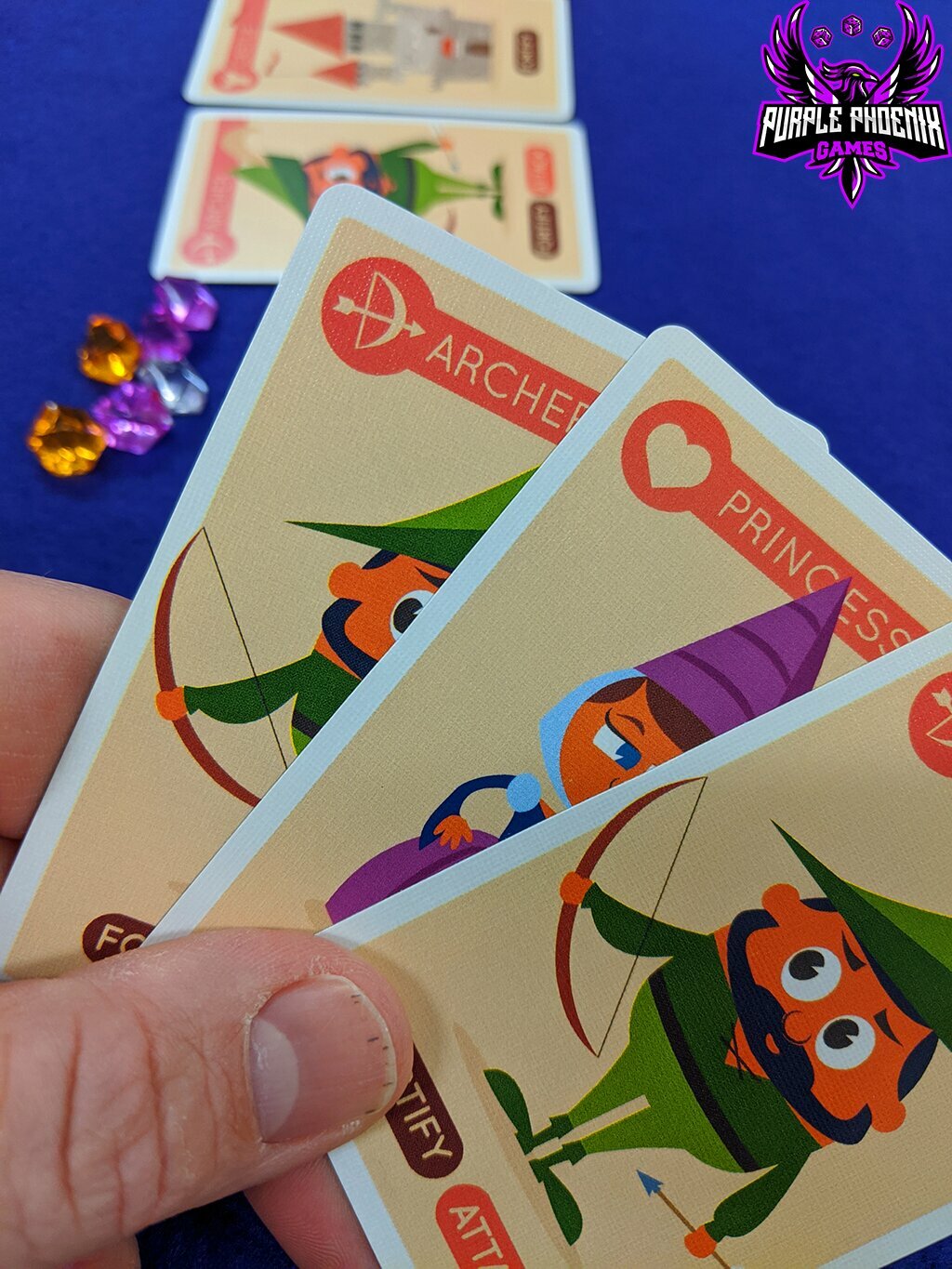
Typically you will be able to play Fortify cards (castles, archers), Attack cards (knights, ninjas, etc), Respond cards, and Special cards (minstrels, jesters, etc). Fortify cards protect your gems from certain Attack cards, like an Archer only being able to attack another Archer, or a Dragon being able to attack a Castle – but not if an Archer is stationed there (logic). Although, a Ninja can scale a Castle wall, and a Catapult can destroy a Castle altogether (but not that pesky Archer that happens to be sitting on top)…
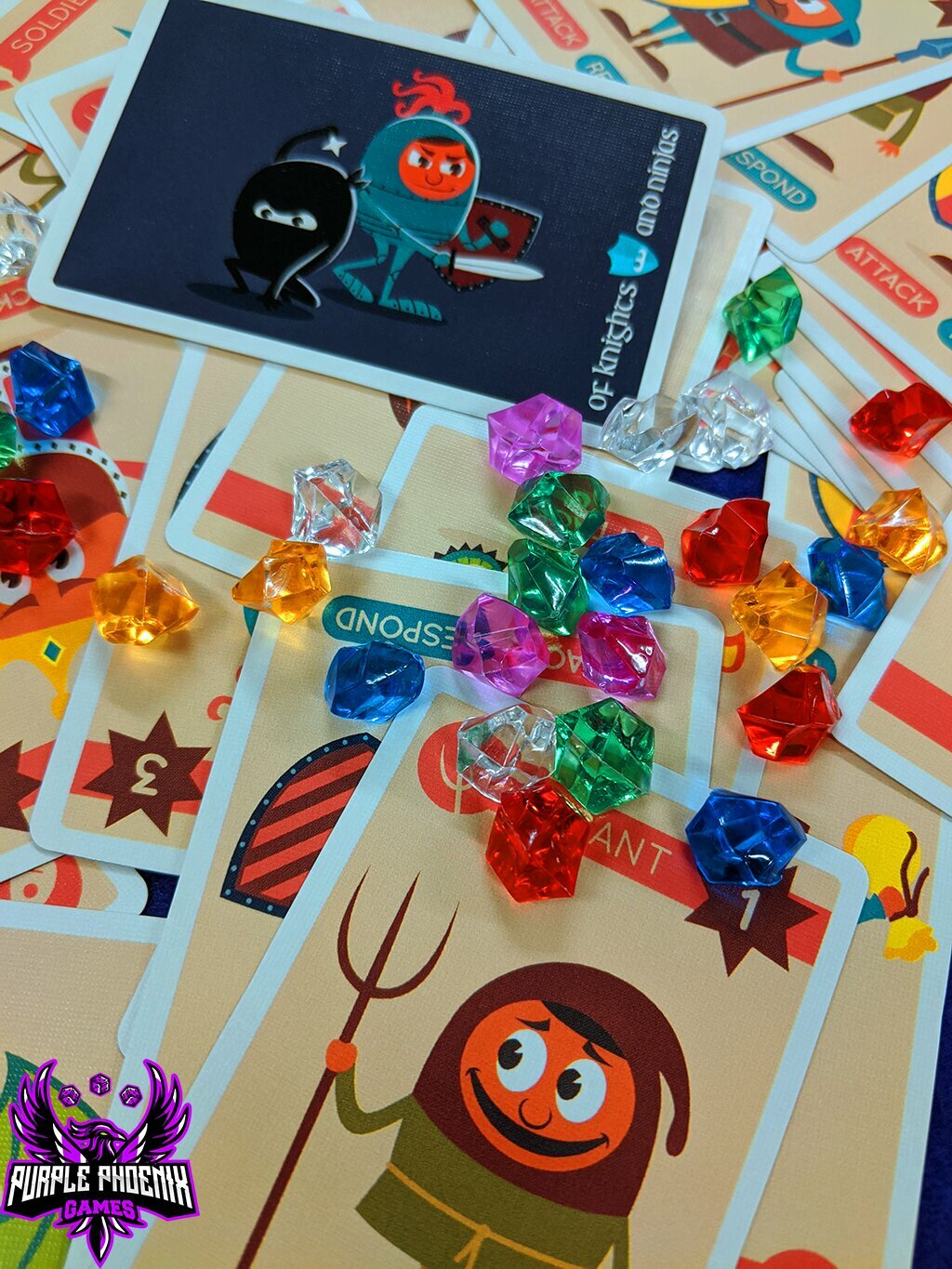
Attack cards are just that: they Attack. Each Attack card will show a number in a starburst icon in the upper right hand corner that signifies how many gems they are able to steal. Once an opponent is declared and an Attack card played, let’s say a 1-power Peasant, the defender may then play a card with the Respond keyword (which will also have a starburst number) to offset the number of stolen gems. If the attacker chooses, they may continue playing Attack cards against the same opponent in order to draw out all the Respond cards and come away with some sweet, sweet gems.
But maybe once all is said and done, and gems are about to change hands, another opponent plays a Special card – a Highwayman, for example. These characters will steal all the gems that are about to change hands (as if he was robbing the gem carriage en route to the new owner). But then again, perhaps yet ANOTHER opponent plays a Highwayman as well, and steals those gems a second time! You just never know when these Special cards will come out and how they may affect the best laid plans.
Play continues in this fashion until one player has amassed the 10 gems they require to win the game!
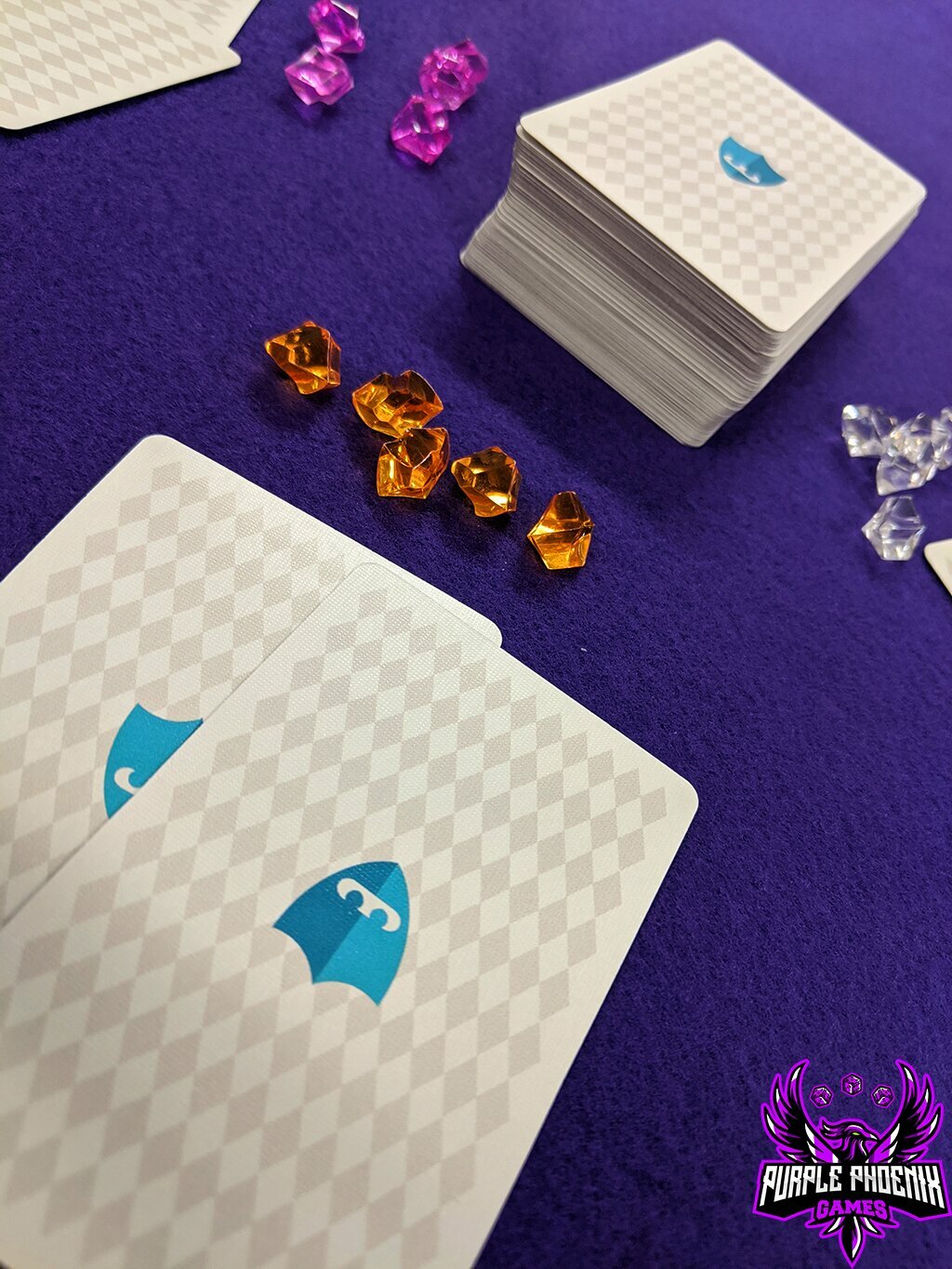
Components. Again, we were provided a prototype copy of this game, and we understand that components can change during the course of a successful Kickstarter campaign. That said, this game is a ton of cards and some plastic gem pieces. The art is stellar – cartoony, but whimsical and fun. The card layouts make sense and are very easy to read and understand. The gems are colorful and fun to play with. I only have one concern/suggestion/wish for the components here. I wish the individual card’s abilities were somehow printed on the cards themselves. That would alleviate the need for a reference sheet, but it would then detract from the cute art on the cards. So, maybe that wouldn’t be so great after all. I’m torn on that.
All in all, this game is super fun to play. It will be chaotic one moment, and strategically tense the next. Being able to whittle an opponent’s hand down to nothing and then slapping them with a King card to steal a huge chunk of gems is just so sneakily satisfying. Or sending your Ninja to infiltrate their unArchered (I know it’s not a word) Castle and slither away with the goods. Don’t get too attached to your gems, because you may find yourself without for several rounds. You can always rebuild, but make haste as your opponents will keep you down if you let them.
If you are a fan of games that are cute, fun, and relatively quick with a quirky, but light-hearted theme, then definitely check this one out.
Of Knights & Ninjas is a card game about claiming enough treasure to ascend to kinghood and rule all the lands. You can accomplish this by sending forces to your opponents’ realms and stealing their glorious gems. The first lord to amass 10 gems will have sufficient wealth to assume the kinghood and rule all realms!
DISCLAIMER: We were provided a prototype copy of this game for the purposes of this review. These are preview copy components, and the final components may be different from these shown. Also, it is not my intention to detail every rule in the game, but to give our readers an idea of how the game plays. If you would like to read the rulebook in full, you may visit the publisher’s website, purchase the game through the publisher, back the game through the Kickstarter campaign, or through any retailers stocking it after fulfillment. -T
To setup, each player will take five gems of their preferred color in front of them. Shuffle the large deck of cards, and deal each player four cards (this rule was updated after our play-throughs). You are now ready to play!
On your turn, you will draw two cards from the deck (unless it’s the first draw of the game – that player will draw just one). You must now play a card to the table or discard a card from your hand. Cards that you can play from your hand will each have different abilities, and thankfully the designer will be providing a reference sheet for these, as there are many cards with wildly different abilities. This is also why I will not be explaining the entire rulebook.
Typically you will be able to play Fortify cards (castles, archers), Attack cards (knights, ninjas, etc), Respond cards, and Special cards (minstrels, jesters, etc). Fortify cards protect your gems from certain Attack cards, like an Archer only being able to attack another Archer, or a Dragon being able to attack a Castle – but not if an Archer is stationed there (logic). Although, a Ninja can scale a Castle wall, and a Catapult can destroy a Castle altogether (but not that pesky Archer that happens to be sitting on top)…
Attack cards are just that: they Attack. Each Attack card will show a number in a starburst icon in the upper right hand corner that signifies how many gems they are able to steal. Once an opponent is declared and an Attack card played, let’s say a 1-power Peasant, the defender may then play a card with the Respond keyword (which will also have a starburst number) to offset the number of stolen gems. If the attacker chooses, they may continue playing Attack cards against the same opponent in order to draw out all the Respond cards and come away with some sweet, sweet gems.
But maybe once all is said and done, and gems are about to change hands, another opponent plays a Special card – a Highwayman, for example. These characters will steal all the gems that are about to change hands (as if he was robbing the gem carriage en route to the new owner). But then again, perhaps yet ANOTHER opponent plays a Highwayman as well, and steals those gems a second time! You just never know when these Special cards will come out and how they may affect the best laid plans.
Play continues in this fashion until one player has amassed the 10 gems they require to win the game!
Components. Again, we were provided a prototype copy of this game, and we understand that components can change during the course of a successful Kickstarter campaign. That said, this game is a ton of cards and some plastic gem pieces. The art is stellar – cartoony, but whimsical and fun. The card layouts make sense and are very easy to read and understand. The gems are colorful and fun to play with. I only have one concern/suggestion/wish for the components here. I wish the individual card’s abilities were somehow printed on the cards themselves. That would alleviate the need for a reference sheet, but it would then detract from the cute art on the cards. So, maybe that wouldn’t be so great after all. I’m torn on that.
All in all, this game is super fun to play. It will be chaotic one moment, and strategically tense the next. Being able to whittle an opponent’s hand down to nothing and then slapping them with a King card to steal a huge chunk of gems is just so sneakily satisfying. Or sending your Ninja to infiltrate their unArchered (I know it’s not a word) Castle and slither away with the goods. Don’t get too attached to your gems, because you may find yourself without for several rounds. You can always rebuild, but make haste as your opponents will keep you down if you let them.
If you are a fan of games that are cute, fun, and relatively quick with a quirky, but light-hearted theme, then definitely check this one out.

Kirk Bage (1775 KP) rated Tales from the Loop in TV
Jan 22, 2021
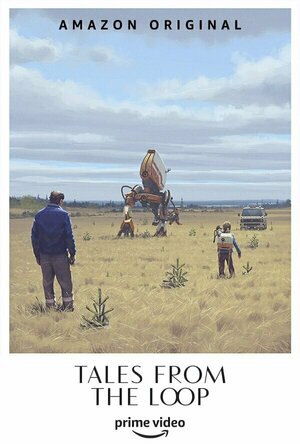
Such is the competition for our attention on the major streaming services, and such is the daunting depth of choice, that sometimes something of real quality can slip through the net for a while. I like to think that eventually, everything gets the audience it deserves, because eventually enough people that appreciated it will find it and pass it on. But it is apparent that good things can go under the radar very easily for one reason or another.
Everything about the production and presentation of Amazon’s Tales From the Loop suggests they thought it might be a bigger hit, or at least they had enough faith in it to let it be different from the mass appeal conventions that apply to sci-fi shows. They have proved this many times in recent years, with shows like The Man In the High Castle and The Expanse favouring patient and mature story-telling over interminable flashbangs and whizzpops usually found in the more action based sci-fi on Netflix and others (The Handmaid’s Tale being another notable exception).
Having raised myself auto-didactically on the oldest traditions of science fiction writing in novel and short story form since my teenage years, I can say with some amateur authority that the point of using sci-fi ideas was always about the people and the parallels to social reality and politics that could be highlighted by putting them in a “what-if” situation. The lazer guns and spaceships and evil aliens were much more a product of Hollywood, and still are. Great science fiction writing can and usually does revolve around a very simple change to the world we know, an inversion or a convention or a technology that turns how we live on its head. At its best it is philosophical and moral poetry.
Tales From the Loop, inspired by the beguiling paintings of Swedish Artist Simon Stålenhag aspires to return to these principles, eschewing breakneck pace and unnecessary exposition at every turn – it is entirely content to confuse and sometimes even bore you with its patient, melancholy approach, testing almost if you are worthy to reach the prize of deeper meaning buried away in the final few episodes.
The idea of Stålenhag’s work is to juxtapose a familiar and mundane landscape with a detail of technology that does not exist in our reality. Often it is something broken, run-down or neglected, leaving a strange sadness and beauty behind that has you wondering who once made this and what was it for, and why is it no longer loved? The untold stories objects and hidden lives, secrets and desires that have been lost, is what this sensitive and delicate show is about. It is about the interconnection of lives caught in time, and the sci-fi / tech conceit is only the hanger that coat is put on. Which… I love.
The surface idea is that we are looking at the inhabitants of a small American town that once relied on farming and community, but now has been changed by the presence of an underground facility that deals with experimental physics and finding ways to make impossible things possible. They call it The Loop. It is never fully explained where it came from, or why, or what it is truly capable of – the mystery is always allowed to remain mostly a mystery – which, again, I love!
Many people in the town work at The Loop and rely on it for their livelihoods and collective economy, including Jonathon Pryce and Rebecca Hall, who are ostensibly the show’s main characters. But most folk have no idea what is really going on. Each episode focuses on one or two members of the community that interweave with one another; several important people begin as background dressing and become more prevalent as the full story of their lives and connections unfolds. But no one character is in every episode… which, you know, I love.
Their lives, that seem simple at first glance, are revealed to be complex tapestries of emotion and personal history, revolving around how The Loop has affected them and the things they love. The progression and unfolding of the detail is so deliberate and usually under-explained that very often you don’t realise the effect the full image will have. And when it does catch up with you it becomes a very moving and meaningful experience. Characters that you don’t understand or even like at first come into sharper focus as we reach the climax of the season and grow to learn why they are the way they are. The story arcs of Pryce and Hall in particular are very satisfying, tragic yet utterly beautiful to comprehend.
A lot of the criticism you will see about the show will concentrate on how slow it all is. I am totally convinced this is a deliberate artistic choice to weed out the thrill junkies. They are very welcome to go elsewhere, and it sounds as if many of them did, basing their reviews on one or two half watched episodes they couldn’t be bothered to engage with or wonder at. Which is why I think in time the respect for this as a work of art will come back around.
There is nothing to fault in the production at all. From the opening credits to the end of each episode, what you get is a very highly polished and considered look and feel, designed to evoke certain feelings over others – a wistfulness, an ennui, a bittersweet smile of knowing, perhaps. It invites you to watch patiently and relate, not to watch eagerly and expect… which, you know, I love.
The photography is crisp and well framed always; the music is subtle but effective; the dialogue is often sparing and well chosen (no detail is merely thrown away); and the direction is of a remarkably uniform vision, considering each episode is a different guest professional, including such prestigious names as Jodie Foster, Mark Romanek and Andrew Stanton.
I absolutely urge anyone that isn’t put off by a little sentiment to give this one a try. Sadness and regret in life is not something to shun and be afraid of, they are parts of human experience, and I love art that explores them as concepts. Put that art in a science fiction context and I am bound to love it even more. Like the final moments of Blade Runner, we know that one day all these moments will be lost in time, like tears in rain. We have to take time to see the beauty while we can, even if that beauty is painful.
It may not be for you – I don’t think it is better or worse than other things, just more… me. There is every chance that if it isn’t you… you will hate it. If you do begin, however, please see it to the finish before casting judgement – the final episode directed by Jodie Foster is truly wonderful: a pay-off of such emotion after your investment of seven previous stories, tying it all together perfectly. Rarely have I felt so stupid for not understanding the point of something sooner, or been more pleased that I hadn’t. The final moment of the season is literally unforgettable, and gets richer in my imagination by the day.
Will there be a second season? There certainly could be. Was it enough of a success to justify the investment? Hmm, not sure. Either way, it either sits as a perfect self contained collection of fine, old-fashioned sci-fi stories, or I’d be happy to see it expand, as long as the temptation isn’t to listen to the negative reviews and pander to the fast-food mentality that has already rejected it without fully understanding it. Because nothing needs to change here. A thing of beauty, recommended to those who like beautiful and delicate things.
Everything about the production and presentation of Amazon’s Tales From the Loop suggests they thought it might be a bigger hit, or at least they had enough faith in it to let it be different from the mass appeal conventions that apply to sci-fi shows. They have proved this many times in recent years, with shows like The Man In the High Castle and The Expanse favouring patient and mature story-telling over interminable flashbangs and whizzpops usually found in the more action based sci-fi on Netflix and others (The Handmaid’s Tale being another notable exception).
Having raised myself auto-didactically on the oldest traditions of science fiction writing in novel and short story form since my teenage years, I can say with some amateur authority that the point of using sci-fi ideas was always about the people and the parallels to social reality and politics that could be highlighted by putting them in a “what-if” situation. The lazer guns and spaceships and evil aliens were much more a product of Hollywood, and still are. Great science fiction writing can and usually does revolve around a very simple change to the world we know, an inversion or a convention or a technology that turns how we live on its head. At its best it is philosophical and moral poetry.
Tales From the Loop, inspired by the beguiling paintings of Swedish Artist Simon Stålenhag aspires to return to these principles, eschewing breakneck pace and unnecessary exposition at every turn – it is entirely content to confuse and sometimes even bore you with its patient, melancholy approach, testing almost if you are worthy to reach the prize of deeper meaning buried away in the final few episodes.
The idea of Stålenhag’s work is to juxtapose a familiar and mundane landscape with a detail of technology that does not exist in our reality. Often it is something broken, run-down or neglected, leaving a strange sadness and beauty behind that has you wondering who once made this and what was it for, and why is it no longer loved? The untold stories objects and hidden lives, secrets and desires that have been lost, is what this sensitive and delicate show is about. It is about the interconnection of lives caught in time, and the sci-fi / tech conceit is only the hanger that coat is put on. Which… I love.
The surface idea is that we are looking at the inhabitants of a small American town that once relied on farming and community, but now has been changed by the presence of an underground facility that deals with experimental physics and finding ways to make impossible things possible. They call it The Loop. It is never fully explained where it came from, or why, or what it is truly capable of – the mystery is always allowed to remain mostly a mystery – which, again, I love!
Many people in the town work at The Loop and rely on it for their livelihoods and collective economy, including Jonathon Pryce and Rebecca Hall, who are ostensibly the show’s main characters. But most folk have no idea what is really going on. Each episode focuses on one or two members of the community that interweave with one another; several important people begin as background dressing and become more prevalent as the full story of their lives and connections unfolds. But no one character is in every episode… which, you know, I love.
Their lives, that seem simple at first glance, are revealed to be complex tapestries of emotion and personal history, revolving around how The Loop has affected them and the things they love. The progression and unfolding of the detail is so deliberate and usually under-explained that very often you don’t realise the effect the full image will have. And when it does catch up with you it becomes a very moving and meaningful experience. Characters that you don’t understand or even like at first come into sharper focus as we reach the climax of the season and grow to learn why they are the way they are. The story arcs of Pryce and Hall in particular are very satisfying, tragic yet utterly beautiful to comprehend.
A lot of the criticism you will see about the show will concentrate on how slow it all is. I am totally convinced this is a deliberate artistic choice to weed out the thrill junkies. They are very welcome to go elsewhere, and it sounds as if many of them did, basing their reviews on one or two half watched episodes they couldn’t be bothered to engage with or wonder at. Which is why I think in time the respect for this as a work of art will come back around.
There is nothing to fault in the production at all. From the opening credits to the end of each episode, what you get is a very highly polished and considered look and feel, designed to evoke certain feelings over others – a wistfulness, an ennui, a bittersweet smile of knowing, perhaps. It invites you to watch patiently and relate, not to watch eagerly and expect… which, you know, I love.
The photography is crisp and well framed always; the music is subtle but effective; the dialogue is often sparing and well chosen (no detail is merely thrown away); and the direction is of a remarkably uniform vision, considering each episode is a different guest professional, including such prestigious names as Jodie Foster, Mark Romanek and Andrew Stanton.
I absolutely urge anyone that isn’t put off by a little sentiment to give this one a try. Sadness and regret in life is not something to shun and be afraid of, they are parts of human experience, and I love art that explores them as concepts. Put that art in a science fiction context and I am bound to love it even more. Like the final moments of Blade Runner, we know that one day all these moments will be lost in time, like tears in rain. We have to take time to see the beauty while we can, even if that beauty is painful.
It may not be for you – I don’t think it is better or worse than other things, just more… me. There is every chance that if it isn’t you… you will hate it. If you do begin, however, please see it to the finish before casting judgement – the final episode directed by Jodie Foster is truly wonderful: a pay-off of such emotion after your investment of seven previous stories, tying it all together perfectly. Rarely have I felt so stupid for not understanding the point of something sooner, or been more pleased that I hadn’t. The final moment of the season is literally unforgettable, and gets richer in my imagination by the day.
Will there be a second season? There certainly could be. Was it enough of a success to justify the investment? Hmm, not sure. Either way, it either sits as a perfect self contained collection of fine, old-fashioned sci-fi stories, or I’d be happy to see it expand, as long as the temptation isn’t to listen to the negative reviews and pander to the fast-food mentality that has already rejected it without fully understanding it. Because nothing needs to change here. A thing of beauty, recommended to those who like beautiful and delicate things.

Kyera (8 KP) rated Lady Midnight in Books
Feb 1, 2018
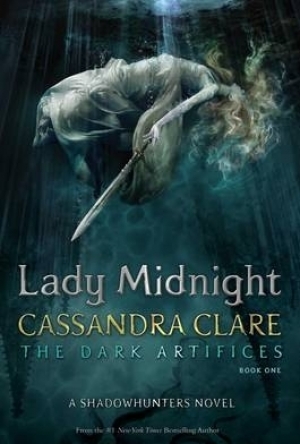


I do not discuss any plot points in my review, so you will not be spoiled.
While the Dark Artifices may not be my favourite Shadowhunter series, I believe it is the most well written thus far. It is difficult to accurately judge, as this is only the first book in a trilogy but the more that Cassandra Clare writes the better a writer she becomes. Her books have always been fantastic but Lady Midnight just felt like another step up. Cassie has clearly grown as a writer and storyteller over the years, which gives me so much hope for all her future Shadowhunter novels.
While it is possible to come into the Shadowhunter Chronicles with Lady Midnight as your first book, I would not suggest it. The Mortal Instruments is fantastic for that, as we follow Clary a girl who discovers that there is more to the world than the mundane life she thought she knew. The world building in that first series really lays the groundwork for Cassies entire Shadow World. Even in the Infernal Devices, we mainly experience the Shadow World through the eyes of Tessa who has also not grown up with the knowledge of who she is. That is the first aspect that makes Lady Midnight so different from the previous two series our two main characters Emma and Julian have grown up as Shadowhunters.
I felt that there was less world-building overall for the Shadow World, but thats not to say that the world building in this novel wasnt fantastic as can be expected from Cassandra Clare. The politics of the Clave and the Downworld, the role of the Shadowhunter and the world that they live in have been brilliantly described over the course of the novels that Cassie has written. It is for this reason that I feel that while it is not necessary to read the Infernal Devices or the Mortal Instruments before reading the Dark Artifices, I would highly recommend it. You wont necessarily understand the history or the events that led up to Lady Midnight as well as you could. There are also spoilers from the previous series and character cameos that you wont appreciate as much unless you read the previous series.
The world building the Los Angeles itself and the new aspects that Cassie writes about the Shadow World, like the Shadow Market, are absolutely fantastic in this book. With each book she writes in the Shadowhunter World, she continues to build and develop this immersive experience that is like no other. Her words are vividly descriptive and paint the image of the world in your mind. It is what makes her such an incredible writer and one of the reasons that I love her books so much.
Lady Midnight takes place in Los Angeles, the Institute that has been the home of the Blackthorn children for their whole lives. Our main characters, Emma and Julian are parabatai which makes for a nice change to the point of view that we have experienced before. You learn a lot more about the parabatai bond and its potential in this book.
With Helen exiled to Wrangel Island and Mark taken by the Hunt, Julian has had to raise his brothers and sisters for the last five years. This forced him to grow up a lot faster than he would have otherwise and changed him in various ways. He loves his family more than anything else in the world and would do anything for them, even if it meant crossing a line. That ruthless heart, willingness to betray, and capacity to lie was learned after the Dark War. Those were not traits that he had prior but were forced upon him when everything changed and the Clave tore his family apart.
Emma has made it her lifes mission to discover who killed her parents at the end of the Dark War and why. That mystery has defined her every day, pushing her to train for hours at a time, run along the beach to get faster and turn her into an incredible Shadowhunter. She is also very sassy, quippy in conversations and the midst of a battle, which reminds me a lot of Jace.
The other characters we spend time with throughout the book are Julians siblings: Ty, Livvy, Dru, and Tavvy; Cristina; Diana and Malcolm. Diana has a lot of secrets, which Im sure well discover over time, but shes the character we end up knowing the least about. Beyond being their tutor, not wanting to take over the Institute and supposedly taking her travel year in Thailand, I cant tell you anything about her.
It was nice to see the Blackthorn children grow and develop from how we knew them in the Mortal Instruments to this series. Their familial relationship and interactions were authentic and heartwarming. You fall in love with them, just like you do with Cassies other characters and understand Julians plight.
Cristina is a Shadowhunter from the Mexico City Institute who decided to spend her travel year in Los Angeles. It was nice to get to know her because we dont always get to experience or hear from Shadowhunters from other Institutes. I really enjoyed her addition to the Blackthorn family (plus one) and the dimension she added. Plus, her backstory created a connection to the Scholomance and the Centurions which are going to add even more world building to the Shadow World we know and I cant wait to see more of it.
Malcolm is the High Warlock of Los Angeles and although his personality is very different, you immediately like him. Hes more playful and childlike at times than Magnus but seems to really care for the family. After falling in love with Magnus in the Mortal Instruments, and Catarina Loss to a lesser degree in Tales from the Shadowhunter Academy, I wanted Malcolm to be the next warlock character I loved.
There is so much betrayal in this book that I could never anticipate what was going to happen next. It doesnt just come from those you would consider bad guys but Shadowhunters, crooks and those with broken hearts alike. Cassandra Clare is the Queen of plot twists, fantastic character development and astounding, emotional rollercoasters in her books and this was no exception.
Lady Midnight was a fantastic read that made me fall in love with the Shadowhunter World all over again or more than I was before? Its unclear. Either way, I adore this book and I actually think that I enjoyed it more the second time through. I would also highly recommend a re-read prior to Lord of Shadows because the novel is so packed full of incredible character development, world building and plot that you will appreciate its sequel more if the story is still fresh in your mind.
While the Dark Artifices may not be my favourite Shadowhunter series, I believe it is the most well written thus far. It is difficult to accurately judge, as this is only the first book in a trilogy but the more that Cassandra Clare writes the better a writer she becomes. Her books have always been fantastic but Lady Midnight just felt like another step up. Cassie has clearly grown as a writer and storyteller over the years, which gives me so much hope for all her future Shadowhunter novels.
While it is possible to come into the Shadowhunter Chronicles with Lady Midnight as your first book, I would not suggest it. The Mortal Instruments is fantastic for that, as we follow Clary a girl who discovers that there is more to the world than the mundane life she thought she knew. The world building in that first series really lays the groundwork for Cassies entire Shadow World. Even in the Infernal Devices, we mainly experience the Shadow World through the eyes of Tessa who has also not grown up with the knowledge of who she is. That is the first aspect that makes Lady Midnight so different from the previous two series our two main characters Emma and Julian have grown up as Shadowhunters.
I felt that there was less world-building overall for the Shadow World, but thats not to say that the world building in this novel wasnt fantastic as can be expected from Cassandra Clare. The politics of the Clave and the Downworld, the role of the Shadowhunter and the world that they live in have been brilliantly described over the course of the novels that Cassie has written. It is for this reason that I feel that while it is not necessary to read the Infernal Devices or the Mortal Instruments before reading the Dark Artifices, I would highly recommend it. You wont necessarily understand the history or the events that led up to Lady Midnight as well as you could. There are also spoilers from the previous series and character cameos that you wont appreciate as much unless you read the previous series.
The world building the Los Angeles itself and the new aspects that Cassie writes about the Shadow World, like the Shadow Market, are absolutely fantastic in this book. With each book she writes in the Shadowhunter World, she continues to build and develop this immersive experience that is like no other. Her words are vividly descriptive and paint the image of the world in your mind. It is what makes her such an incredible writer and one of the reasons that I love her books so much.
Lady Midnight takes place in Los Angeles, the Institute that has been the home of the Blackthorn children for their whole lives. Our main characters, Emma and Julian are parabatai which makes for a nice change to the point of view that we have experienced before. You learn a lot more about the parabatai bond and its potential in this book.
With Helen exiled to Wrangel Island and Mark taken by the Hunt, Julian has had to raise his brothers and sisters for the last five years. This forced him to grow up a lot faster than he would have otherwise and changed him in various ways. He loves his family more than anything else in the world and would do anything for them, even if it meant crossing a line. That ruthless heart, willingness to betray, and capacity to lie was learned after the Dark War. Those were not traits that he had prior but were forced upon him when everything changed and the Clave tore his family apart.
Emma has made it her lifes mission to discover who killed her parents at the end of the Dark War and why. That mystery has defined her every day, pushing her to train for hours at a time, run along the beach to get faster and turn her into an incredible Shadowhunter. She is also very sassy, quippy in conversations and the midst of a battle, which reminds me a lot of Jace.
The other characters we spend time with throughout the book are Julians siblings: Ty, Livvy, Dru, and Tavvy; Cristina; Diana and Malcolm. Diana has a lot of secrets, which Im sure well discover over time, but shes the character we end up knowing the least about. Beyond being their tutor, not wanting to take over the Institute and supposedly taking her travel year in Thailand, I cant tell you anything about her.
It was nice to see the Blackthorn children grow and develop from how we knew them in the Mortal Instruments to this series. Their familial relationship and interactions were authentic and heartwarming. You fall in love with them, just like you do with Cassies other characters and understand Julians plight.
Cristina is a Shadowhunter from the Mexico City Institute who decided to spend her travel year in Los Angeles. It was nice to get to know her because we dont always get to experience or hear from Shadowhunters from other Institutes. I really enjoyed her addition to the Blackthorn family (plus one) and the dimension she added. Plus, her backstory created a connection to the Scholomance and the Centurions which are going to add even more world building to the Shadow World we know and I cant wait to see more of it.
Malcolm is the High Warlock of Los Angeles and although his personality is very different, you immediately like him. Hes more playful and childlike at times than Magnus but seems to really care for the family. After falling in love with Magnus in the Mortal Instruments, and Catarina Loss to a lesser degree in Tales from the Shadowhunter Academy, I wanted Malcolm to be the next warlock character I loved.
There is so much betrayal in this book that I could never anticipate what was going to happen next. It doesnt just come from those you would consider bad guys but Shadowhunters, crooks and those with broken hearts alike. Cassandra Clare is the Queen of plot twists, fantastic character development and astounding, emotional rollercoasters in her books and this was no exception.
Lady Midnight was a fantastic read that made me fall in love with the Shadowhunter World all over again or more than I was before? Its unclear. Either way, I adore this book and I actually think that I enjoyed it more the second time through. I would also highly recommend a re-read prior to Lord of Shadows because the novel is so packed full of incredible character development, world building and plot that you will appreciate its sequel more if the story is still fresh in your mind.

Bob Mann (459 KP) rated The Post (2017) in Movies
Sep 29, 2021
Landing the Hindenburg in a Thunderstorm.
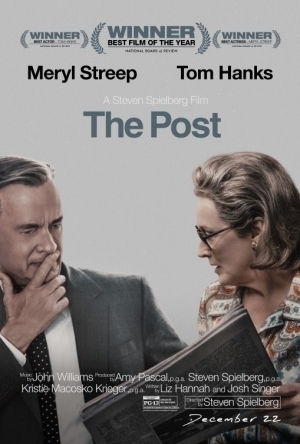
What a combination: Streep, Hanks, Spielberg, Kaminski behind the camera, Williams behind the notes. What could possibly go wrong?
Nothing as it turns out. After, for me, the disappointment of “The BFG” here is Spielberg on firm ground and at the height of his game.
It’s 1971 and the New York Times is in trouble for publishing what became known as “The Pentagon Papers”: a damning account of multiple administration’s dodgy dealings around the Vietnam War, put together by Robert McNamara (Bruce Greenwood, “Star Trek: Into Darkness“) and meant for “posterity” – not for publication! Watching from the sidelines with frustration at their competitor’s scoop are the Washington Post’s editor Ben Bradlee (Tom Hanks, “Bridge of Spies“, “Inferno“) and the new owner Kay Graham (Meryl Streep, “Florence Foster Jenkins“, “Suffragette“). With immaculate timing, Graham is taking the paper public, so needs the newspaper embroiled in any sort of scandal like a hole in the head. But with the US First Amendment under pressure, will Graham and Bradlee put their business and their freedom at risk by publishing and being damned?
Bradlee (Tom Hanks) and Graham (Meryl Streep) in the Washington Post’s newsroom.
Both of the leads play characters that are quite strikingly out of character from their normal roles.
In a seamingly endless run of ‘kick-ass’ women in the movie driving seat, here I expected Streep to be in full “Iron Lady” mode, but in fact she starts the film as quite the opposite: nervous, timid, vascillating. For although the story is about “The Washington Post” and “The Pentagon Papers”, the real story is about Graham herself (Liz Hannah’s script is actually based on Graham’s autobiography). In many ways it’s about a woman, in a male world, overcoming her fear and finding her own voice. As has been demonstrated in many recent films (“Hidden Figures” for example) the working world for woman has changed so markedly since the 60’s and 70’s that it’s almost impossible to relate to these chavenistic attitudes. Graham is repeatedly downtrodden as “not good enough” by her underlings within earshot, and then thanks them “for their frankness”. When the women folk retire at dinner, to let the men-folk talk politics, Graham meekly goes with them. Even her father, for God’s sake, left the newspaper not to her but to her (now late) husband! It’s no surprise then that she is coming from a pretty low base of self-confidence, and her journey in the film – as expertly played by Streep – is an extraordinarily rousing one.
The real deal: Ben Bradlee and Kay Graham.
Hanks, normally the guy you’d most like to invite round for dinner (@tomhanks if you happen to be reading this sir, that’s a genuine invitation… we make a mean lasagne here!) also plays somewhat outside of his normal character here. As Bradlee, he is snappy, brusque and businesslike. Although I don’t think he could ever quite match the irascibility of the character’s portrayal by Jason Robards in the classic “All the President’s Men” – who could? – its a character with real screen presence.
The similarities with Alan J Pakula’s 1976 classic Watergate movie – one of my personal favourites – don’t stop there. The same sets that were once populated by Redford and Hoffman are gloriously reproduced with Spielberg and Janusz Kaminski delivering great tracking shots through the newsroom. (Watch out for Sacha Spielberg – daughter of Stephen and Kate Capshaw – who also turns up there delivering a package).
The scoop revealed: Odenkirk, Hanks and David Cross get the low-down.
The supporting cast includes Sarah Paulson (so memorable in “The Trial of O.J. Simpson”) as Bradlee’s wife Tony, Bradley Whitford (“The West Wing”, “Get Out“) and Tracy Letts (“The Big Short“) as two of Graham’s board advisors and Jesse Plemons (“The Program“, “Bridge of Spies“) as the lead legal advisor. Particularly impressive though is Bob Odenkirk (“Breaking Bad”) as Ben Bagdikian, Bradlee’s lead investigative reporter on the case: all stress, loose change and paranoia in his dealings with the leaky Daniel Ellsberg (Matthew Rhys).
Bagdikian (Bob Odenkirk) ordering a drink for himself and his travelling companion.
In a memorable piece of casting Richard Nixon is played by…. Richard Nixon. Although a silluohetted Curzon Dobell stalks the Oval office, the ex-president’s original phone recordings are played on the soundtrack. (There, I knew those recordings would be useful for something… thank heavens he kept them all!)
The film also demonstrates in fascinating style the newsprint business of yesteryear. When I click a button on my PC and a beautifully laser-printed page streams out of my Epson printer, it still seems like witchcraft to me! But it is extraordinary to think that newspapers in those days were put together by typesetters manually building up the pages from embossed metal letters laboriously slotted into a frame. Brilliantly evocative.
Ellsberg (Matthew Rhys) takes a risk.
If Spielberg has a fault, it is one of sentimentality – something that is pointed out in Susan Lacy’s superb HBO documentary on Spielberg (something I have yet to write a review on, but if you like Spielberg you should definitely seek out). Here he falls into that trap again, with an unnecessary bedroom scene between Graham and her daughter tipping the screenplay into mawkishness. It’s unnecessary since we don’t need the points raised rammed down our throats again. It’s something repeated in a rather bizarre final scene with Graham walking down the steps of the supreme court with admiring woman – only woman – watching her. These irritations tarnish for me what could have been a top-rated film.
But the movie is an impressive watch and older viewers, and anyone interested in American political history will, I think, love it. The film, especially with its nice epilogue, did make me immediately want to come home and put “All the President’s Men” on again… which is never a bad thing. Highly recommended.
Nothing as it turns out. After, for me, the disappointment of “The BFG” here is Spielberg on firm ground and at the height of his game.
It’s 1971 and the New York Times is in trouble for publishing what became known as “The Pentagon Papers”: a damning account of multiple administration’s dodgy dealings around the Vietnam War, put together by Robert McNamara (Bruce Greenwood, “Star Trek: Into Darkness“) and meant for “posterity” – not for publication! Watching from the sidelines with frustration at their competitor’s scoop are the Washington Post’s editor Ben Bradlee (Tom Hanks, “Bridge of Spies“, “Inferno“) and the new owner Kay Graham (Meryl Streep, “Florence Foster Jenkins“, “Suffragette“). With immaculate timing, Graham is taking the paper public, so needs the newspaper embroiled in any sort of scandal like a hole in the head. But with the US First Amendment under pressure, will Graham and Bradlee put their business and their freedom at risk by publishing and being damned?
Bradlee (Tom Hanks) and Graham (Meryl Streep) in the Washington Post’s newsroom.
Both of the leads play characters that are quite strikingly out of character from their normal roles.
In a seamingly endless run of ‘kick-ass’ women in the movie driving seat, here I expected Streep to be in full “Iron Lady” mode, but in fact she starts the film as quite the opposite: nervous, timid, vascillating. For although the story is about “The Washington Post” and “The Pentagon Papers”, the real story is about Graham herself (Liz Hannah’s script is actually based on Graham’s autobiography). In many ways it’s about a woman, in a male world, overcoming her fear and finding her own voice. As has been demonstrated in many recent films (“Hidden Figures” for example) the working world for woman has changed so markedly since the 60’s and 70’s that it’s almost impossible to relate to these chavenistic attitudes. Graham is repeatedly downtrodden as “not good enough” by her underlings within earshot, and then thanks them “for their frankness”. When the women folk retire at dinner, to let the men-folk talk politics, Graham meekly goes with them. Even her father, for God’s sake, left the newspaper not to her but to her (now late) husband! It’s no surprise then that she is coming from a pretty low base of self-confidence, and her journey in the film – as expertly played by Streep – is an extraordinarily rousing one.
The real deal: Ben Bradlee and Kay Graham.
Hanks, normally the guy you’d most like to invite round for dinner (@tomhanks if you happen to be reading this sir, that’s a genuine invitation… we make a mean lasagne here!) also plays somewhat outside of his normal character here. As Bradlee, he is snappy, brusque and businesslike. Although I don’t think he could ever quite match the irascibility of the character’s portrayal by Jason Robards in the classic “All the President’s Men” – who could? – its a character with real screen presence.
The similarities with Alan J Pakula’s 1976 classic Watergate movie – one of my personal favourites – don’t stop there. The same sets that were once populated by Redford and Hoffman are gloriously reproduced with Spielberg and Janusz Kaminski delivering great tracking shots through the newsroom. (Watch out for Sacha Spielberg – daughter of Stephen and Kate Capshaw – who also turns up there delivering a package).
The scoop revealed: Odenkirk, Hanks and David Cross get the low-down.
The supporting cast includes Sarah Paulson (so memorable in “The Trial of O.J. Simpson”) as Bradlee’s wife Tony, Bradley Whitford (“The West Wing”, “Get Out“) and Tracy Letts (“The Big Short“) as two of Graham’s board advisors and Jesse Plemons (“The Program“, “Bridge of Spies“) as the lead legal advisor. Particularly impressive though is Bob Odenkirk (“Breaking Bad”) as Ben Bagdikian, Bradlee’s lead investigative reporter on the case: all stress, loose change and paranoia in his dealings with the leaky Daniel Ellsberg (Matthew Rhys).
Bagdikian (Bob Odenkirk) ordering a drink for himself and his travelling companion.
In a memorable piece of casting Richard Nixon is played by…. Richard Nixon. Although a silluohetted Curzon Dobell stalks the Oval office, the ex-president’s original phone recordings are played on the soundtrack. (There, I knew those recordings would be useful for something… thank heavens he kept them all!)
The film also demonstrates in fascinating style the newsprint business of yesteryear. When I click a button on my PC and a beautifully laser-printed page streams out of my Epson printer, it still seems like witchcraft to me! But it is extraordinary to think that newspapers in those days were put together by typesetters manually building up the pages from embossed metal letters laboriously slotted into a frame. Brilliantly evocative.
Ellsberg (Matthew Rhys) takes a risk.
If Spielberg has a fault, it is one of sentimentality – something that is pointed out in Susan Lacy’s superb HBO documentary on Spielberg (something I have yet to write a review on, but if you like Spielberg you should definitely seek out). Here he falls into that trap again, with an unnecessary bedroom scene between Graham and her daughter tipping the screenplay into mawkishness. It’s unnecessary since we don’t need the points raised rammed down our throats again. It’s something repeated in a rather bizarre final scene with Graham walking down the steps of the supreme court with admiring woman – only woman – watching her. These irritations tarnish for me what could have been a top-rated film.
But the movie is an impressive watch and older viewers, and anyone interested in American political history will, I think, love it. The film, especially with its nice epilogue, did make me immediately want to come home and put “All the President’s Men” on again… which is never a bad thing. Highly recommended.

Daniel Boyd (1066 KP) rated The Last of Us Part II in Video Games
Jun 30, 2020 (Updated Jul 1, 2020)

Gameplay (2 more)
Graphics
Sound
I'm Not Mad, I'm Just Disappointed
Contains spoilers, click to show
It's been a while since I've written anything, but I couldn't let this one go by without saying anything about it.
The Last Of Us Part 2 is the biggest disappointment of 2020.
I finished the game a few days ago and have been letting it process in my mind in the hopes that it will somehow make more sense to me. So far that hasn't been the case.
Let me provide you with some context, I wanted to like this game more than anyone. The first Last Of Us is one of my favourite games of all time and because of the spectacular writing and performances in that first game, I was really excited to see what would happen to these characters. This was definitely one of my most anticipated releases in recent years and I'm genuinely in awe at how much of a let down it was, especially after the 10/10 reviews I had been reading leading up to the game's release.
Spoilers will follow from this point on as it's pretty difficult to discuss my reasoning for being let down by the game without getting in depth, so please tread carefully if you have yet to play through the game.
First off, I don't normally like to bring up my personal politics when discussing fictional media, but I do feel that it's necessary to mention that I am pro LGBTQ+ and none of my issues with this game stem from any sort of political bias that I may have.
The game opens slowly, juxtaposing the intense opening of the first game. However these slow opening few hours really allow you to drink in the breathtaking visuals and fantastic sound design. These elements really help to sell the cinematic nature of the game, along with consistently stellar performances.
Then we are shown the main conflict that will propel the story for the sequel. Joel is unceremoniosly murdered by Abby, a new character that we know nothing about at this point.
Now I don't have a problem with main characters being killed off in a story, in fact as a Tarantino fan, I relish it when it's done properly. The problem with Joel's death is the way that it was executed. First off, Joel and Tommy would never in a million years have blindly trusted this random faction that they've just bumped into enough to give them their names so quickly. They've both survived 25 years in the apocalypse and yet the writers still expect you to believe that they would be this naïve and stupid. Then, there's the fact that this is how they choose to introduce this new group that you are later expected to sympathize with and this character that they will later force you to play as for half the game. Why would anyone who is a fan of this world and these characters want to play and learn about this random ruthless killer?
Now, what you might be asking is "aren't Joel and Ellie ruthless killers at this point?" And you would be right, they are. However the point is that we were already invested in these characters before we seen them ruthlessly murdering infected and humans alike and therefore are able to put it down to them having to do what they had to in order to survive. With Abby you are introduced to her killing a beloved character from the first game for the sake of pure shock value.
The first game came out during an oversaturation period of zombie stories across media and yet because of it's stellar writing, it managed to stand out from the crowd and actually become one of the most unique games of the last generation in terms of the story it told. The story in this game feels so generic by comparison. I remember watching interviews with Neil Druckman in the lead up to the game's release where he would talk about how the main hurdle of writing this game was justifying it's existence after the first one ended so well. Really? You had seven years and another generic revenge plot was the best thing that you could come up with?
Another highlight from the first game was the fleshed out side characters that all felt deep and like they really existed in the world. Characters like Tess, Bill and Marlene all naturally fitted into the plot and felt necessary to the overall story being told. The same cannot be said for the side characters in this game. I have already mentioned how it is made impossible to sympathize with Abby and her crew after seeing what they did to Joel. There are two other new characters introduced called Yara and Lev. They are siblings, which put me in mind of Henry and Sam from the first game, but where Henry and Sam felt layered and genuine, Yara and Lev feel shallow and shoehorned in to give Abby's plotline some narrative weight.
Then there is the strange pacing of the story. I feel like I must reiterate, they introduce a character that murders the beloved protagonist from the first game and later expect you to sympathize with her. Then there is the fact that you play as Ellie for the next 8 hours or so before they present you with a shocking cliffhanger, only to then force you to play as Abby for the next 10 hours. Not only are they making you play as the character that murdered Joel and Jessie in cold blood, but every extra hour that they unsuccessfully attempt to make you feel sorry for Abby is another hour before you can get back to see how the cliffhanger, (that was introduced 10 hours ago,) is resolved. And then, they bafflingly make you fight Ellie while playing as Abby. Why would the game expect me to want to hurt this character that I care about as this brand new random stranger?
You are then eventually given control back as Ellie and the game lulls you into a false sense of thinking that you are finally done playing as Abby. Then Ellie makes the totally nonsensical decision to abandon a nice, cushty, quiet farm life that she's carved out for herself, to go after Abby yet again.
After that, you guessed it! You are forced to play as Abby yet again. Thankfully it's only briefly as we then at long last get to properly play as Ellie again. Not sure if you remember her at this point, she's the one that's in all of the trailers and posters and on the cover of the damn game?
Then we get what is probably the most anticlimactic ending in the history of gaming. Ellie lets Abby go. After Abby killed Joel and Jessie and crippled Tommy and after Ellie murdered all of Abby's friends and after Ellie abandoned her girlfriend and step-son and had her fingers bitten off, she's just like, "nah fam, I'm good."
I'm sorry, what?
You are going to break your promise to Tommy and let the person that murdered your father figure get away? Why?
If getting your revenge wasn't worth it, you should have really realized that back on the farm when you were surrounded by people you love and a chance at a family life. If you chose to leave that behind you must be committed enough to see it through, otherwise it is all for nothing. There is subverting audience expectations and then there is having your characters make nonsensical decisions and I feel like TLOU2 was full of the latter.
On a positive note, the gameplay is extremely fun and satisfying. Every blow lands with more force and every bullet seems to strike even harder than in the first game. It does get a bit repetitive after a while and the actual function of taking out a group of enemies hasn't evolved a great deal since the first game, but I still really enjoyed it. The upgrading and crafting systems have also been fleshed out. This, along with the immaculate graphical presentation, tight, fluid animations, brilliant audio and expectedly phenomenal performances make for something with so much potential, with only the writing and direction letting it down. Unfortunately, writing and directing are both pretty essential in a story driven game.
Before I summarise, I'd like to highlight that I am not against stories that explore the moral grey area and don't have clear heroes and villains. For example, Metal Gear Solid is my favourite franchise in gaming and the whole point of that series is to show that there is no black and white, but we all do things for our own reasons. A good story should be able to make you see the things from the "villain's" point of view without being like, "look see what you did to them? That is why they are the way they are! Look see, she is a good person because she plays fetch with dogs!" In TLOU2 it all just feels so forced and unnatural. A good storyteller should show a character's motivations and then show their actions and leave it up to audience to decide if it's justified, instead of strictly saying, "this character is 100% justified in the heinous act that you just seen her commit, now you must be on her side!"
I think that's all that I've got to say and I guess at the very least, this game has got people talking. You cannot accuse it of playing it safe, but there are a ton of different ways that the plot could have went that probably would have been a lot more satisfying for fans of the series like myself. 6/10
The Last Of Us Part 2 is the biggest disappointment of 2020.
I finished the game a few days ago and have been letting it process in my mind in the hopes that it will somehow make more sense to me. So far that hasn't been the case.
Let me provide you with some context, I wanted to like this game more than anyone. The first Last Of Us is one of my favourite games of all time and because of the spectacular writing and performances in that first game, I was really excited to see what would happen to these characters. This was definitely one of my most anticipated releases in recent years and I'm genuinely in awe at how much of a let down it was, especially after the 10/10 reviews I had been reading leading up to the game's release.
Spoilers will follow from this point on as it's pretty difficult to discuss my reasoning for being let down by the game without getting in depth, so please tread carefully if you have yet to play through the game.
First off, I don't normally like to bring up my personal politics when discussing fictional media, but I do feel that it's necessary to mention that I am pro LGBTQ+ and none of my issues with this game stem from any sort of political bias that I may have.
The game opens slowly, juxtaposing the intense opening of the first game. However these slow opening few hours really allow you to drink in the breathtaking visuals and fantastic sound design. These elements really help to sell the cinematic nature of the game, along with consistently stellar performances.
Then we are shown the main conflict that will propel the story for the sequel. Joel is unceremoniosly murdered by Abby, a new character that we know nothing about at this point.
Now I don't have a problem with main characters being killed off in a story, in fact as a Tarantino fan, I relish it when it's done properly. The problem with Joel's death is the way that it was executed. First off, Joel and Tommy would never in a million years have blindly trusted this random faction that they've just bumped into enough to give them their names so quickly. They've both survived 25 years in the apocalypse and yet the writers still expect you to believe that they would be this naïve and stupid. Then, there's the fact that this is how they choose to introduce this new group that you are later expected to sympathize with and this character that they will later force you to play as for half the game. Why would anyone who is a fan of this world and these characters want to play and learn about this random ruthless killer?
Now, what you might be asking is "aren't Joel and Ellie ruthless killers at this point?" And you would be right, they are. However the point is that we were already invested in these characters before we seen them ruthlessly murdering infected and humans alike and therefore are able to put it down to them having to do what they had to in order to survive. With Abby you are introduced to her killing a beloved character from the first game for the sake of pure shock value.
The first game came out during an oversaturation period of zombie stories across media and yet because of it's stellar writing, it managed to stand out from the crowd and actually become one of the most unique games of the last generation in terms of the story it told. The story in this game feels so generic by comparison. I remember watching interviews with Neil Druckman in the lead up to the game's release where he would talk about how the main hurdle of writing this game was justifying it's existence after the first one ended so well. Really? You had seven years and another generic revenge plot was the best thing that you could come up with?
Another highlight from the first game was the fleshed out side characters that all felt deep and like they really existed in the world. Characters like Tess, Bill and Marlene all naturally fitted into the plot and felt necessary to the overall story being told. The same cannot be said for the side characters in this game. I have already mentioned how it is made impossible to sympathize with Abby and her crew after seeing what they did to Joel. There are two other new characters introduced called Yara and Lev. They are siblings, which put me in mind of Henry and Sam from the first game, but where Henry and Sam felt layered and genuine, Yara and Lev feel shallow and shoehorned in to give Abby's plotline some narrative weight.
Then there is the strange pacing of the story. I feel like I must reiterate, they introduce a character that murders the beloved protagonist from the first game and later expect you to sympathize with her. Then there is the fact that you play as Ellie for the next 8 hours or so before they present you with a shocking cliffhanger, only to then force you to play as Abby for the next 10 hours. Not only are they making you play as the character that murdered Joel and Jessie in cold blood, but every extra hour that they unsuccessfully attempt to make you feel sorry for Abby is another hour before you can get back to see how the cliffhanger, (that was introduced 10 hours ago,) is resolved. And then, they bafflingly make you fight Ellie while playing as Abby. Why would the game expect me to want to hurt this character that I care about as this brand new random stranger?
You are then eventually given control back as Ellie and the game lulls you into a false sense of thinking that you are finally done playing as Abby. Then Ellie makes the totally nonsensical decision to abandon a nice, cushty, quiet farm life that she's carved out for herself, to go after Abby yet again.
After that, you guessed it! You are forced to play as Abby yet again. Thankfully it's only briefly as we then at long last get to properly play as Ellie again. Not sure if you remember her at this point, she's the one that's in all of the trailers and posters and on the cover of the damn game?
Then we get what is probably the most anticlimactic ending in the history of gaming. Ellie lets Abby go. After Abby killed Joel and Jessie and crippled Tommy and after Ellie murdered all of Abby's friends and after Ellie abandoned her girlfriend and step-son and had her fingers bitten off, she's just like, "nah fam, I'm good."
I'm sorry, what?
You are going to break your promise to Tommy and let the person that murdered your father figure get away? Why?
If getting your revenge wasn't worth it, you should have really realized that back on the farm when you were surrounded by people you love and a chance at a family life. If you chose to leave that behind you must be committed enough to see it through, otherwise it is all for nothing. There is subverting audience expectations and then there is having your characters make nonsensical decisions and I feel like TLOU2 was full of the latter.
On a positive note, the gameplay is extremely fun and satisfying. Every blow lands with more force and every bullet seems to strike even harder than in the first game. It does get a bit repetitive after a while and the actual function of taking out a group of enemies hasn't evolved a great deal since the first game, but I still really enjoyed it. The upgrading and crafting systems have also been fleshed out. This, along with the immaculate graphical presentation, tight, fluid animations, brilliant audio and expectedly phenomenal performances make for something with so much potential, with only the writing and direction letting it down. Unfortunately, writing and directing are both pretty essential in a story driven game.
Before I summarise, I'd like to highlight that I am not against stories that explore the moral grey area and don't have clear heroes and villains. For example, Metal Gear Solid is my favourite franchise in gaming and the whole point of that series is to show that there is no black and white, but we all do things for our own reasons. A good story should be able to make you see the things from the "villain's" point of view without being like, "look see what you did to them? That is why they are the way they are! Look see, she is a good person because she plays fetch with dogs!" In TLOU2 it all just feels so forced and unnatural. A good storyteller should show a character's motivations and then show their actions and leave it up to audience to decide if it's justified, instead of strictly saying, "this character is 100% justified in the heinous act that you just seen her commit, now you must be on her side!"
I think that's all that I've got to say and I guess at the very least, this game has got people talking. You cannot accuse it of playing it safe, but there are a ton of different ways that the plot could have went that probably would have been a lot more satisfying for fans of the series like myself. 6/10

Hadley (567 KP) rated Those Bones Are Not My Child in Books
Nov 12, 2019

A different type of True Crime book (1 more)
Things you probably didn't know about the case
Writing transitions are confusing (1 more)
Smash poetry breaks up the flow
Toni Cade Bambara, a writer, documentary filmmaker and screenwriter, gives True Crime readers a unique viewpoint of the real Atlanta Child Murders. Bambara mostly writes from the eyes of Marzala, a mother of three whose oldest son goes missing during one of the worst murder sprees in Atlanta's history. Marzala and her family were not actual people during this time- - - all of them are based off of parents and siblings of the real victims. Not soon after Marzala does everything she can with the police to find her son, she joins a group of African-Americans that are outraged by the lack of progress to catch who is killing Atlanta's black children. This group forms what is called STOP (a citizen-run task force). For the majority of the book, Marzala with most of the black community in the area typed out letters to prominent government officials asking for help to stop the murders, also using Vietnam vets in the area to use their tracking skills to keep an eye on suspects, and investigating buildings that police refused to believe had anything to do with the childrens' disappearances and/or murders, which Bambara did an amazing job putting all the real facts together of the actual community members that were involved with this at the time. This story is upsetting, but enlightening on how politics may have caused so many children to be murdered. This is a story no reader will ever forget.
Bambara writes not in a normal narrative - - - just telling a story from specific viewpoints, but she often breaks off into smash poetry to depict a character's state-of-mind, which, sometimes can be off putting for the reader, breaking the flow of the story. Yet, the use of smash poetry combined with the era and the heart breaking subject at hand, separates Those Bones Are Not My Child from every True Crime book I have ever read. But a note for fans of True Crime, this story is from the view point of the victims' families and the search they went through to try and catch the murderer(s), unlike most TC books, which follow the police through the investigation leading to, usually, the capture of the perpetrator. From living in Atlanta during the time of the murders, Bambara was able to reconstruct the life of a black family in 1980's Georgia, while focusing on the effect these terrible crimes had on the surrounding community. Bambara did an amazing job on what most writers cannot.
The amount of characters, specifically the fictional ones, are very well created. She describes just enough to give readers the ability to tell them apart, showing every now and then from their own viewpoints. Out of all the characters, I came to really like Zala's two other children: Kenti and Kofi. One particular scene shows the strain of Sonny's disappearance on their family: " Zala parked the comb again and sat back. 'Listen, you two.' Kofi dropped down onto his knees. 'The police and the newspapers don't know what the hell is going on, so they feel stupid, because they're supposed to know, they're trained to know, they're paid to know. It's their job. Understand? But it's hard for grown-ups to admit they're stupid, especially if they're professionals like police and reporters. So they blame the children. Or they ignore them and fill up the papers with the hostages in Iran. Understand? And now... Jesus... they've got people calling those kids juvenile delinquents.'
'Don't cry.' Kenti tried to lean into her lap and got pushed away.
'They don't know a damn thing and they act like they don't want to know. So they blame the kids 'cause they can't speak up for themselves. They say the kids had no business being outdoors, getting themselves in trouble.'
'You let us go outdoors.'
'Of course I do, baby. We go lots of places, 'cause a lot of people fought hard for our right to go any damn where we please. But when the children go out like they've a right to and some maniac grabs them, then it's the children's fault or the parents who should've been watching every minute, like we don't have to work like dogs just to put food on the table.'
Kofi walked on his knees towards the bed, but he didn't lean on her like he wanted 'cause she might push him away. So he just put his hand on the mattress next to hers."
During the Atlanta Child Murders, victims were random, except for that they were children from the same neighborhood, and they were African-American. At first, police didn't believe a serial murderer was going around abducting children, but rather that 'poor, broken' families were killing their own. In the Prologue, Bambara shows that the victims' families and private detectives came up with more ideas of the motive than the police did:
" White cops taking license in Black neighborhoods.
The Klan and other Nazi thugs on the rampage.
Diabolical scientists experimenting on Third World people.
Demonic cults engaging in human sacrifices.
A 'Nam vet unable to make the transition.
UFO aliens conducting exploratory surgery.
Whites avenging Dewey Baugus, a white youth beaten to death in spring '79, allegedly by Black youths.
Parents of a raped child running amok with 'justice.'
Porno filmmakers doing snuff flicks for entertainment.
A band of child molesters covering their tracks.
New drug forces killing the young (unwitting?) couriers of the old in a bid for turf.
Unreconstructed peckerwoods trying to topple the Black administration.
Plantation kidnappers of slave labor issuing the pink slip.
White mercenaries using Black targets to train death squadrons for overseas jobs and for domestic wars to come. "
All of these theories are explored with evidence in Those Bones Are Not My Child. One scene in Part III, Zala's cop friend, B.J. shows up to her house to tell her to stop bringing attention to the investigation, " 'That Eubanks woman - - - your husband's friend? - - - she said you were bringing in the TV networks to blow the case open. I thought we had an agreement to keep each other informed. This morning I find out through the grapevine that you parents got a medium stashed in a hotel here in town, some woman who's been making headlines up north with cases that supposedly have the authorities stumped. If you knew how much work has been done on this case - - - no, listen, don't interrupt me. Then I find out - - - and not from you - - - that some of you parents are planning to tour the country cracking on the investigation. That's not too smart. And you should have told me.' " These two may have been fictional characters, but in Bambara's Acknowledgments, she states that all scenarios were true, and that she made B.J. to tell about the actual police officers who were involved with the investigation.
The tension between the police and the public is felt throughout the entire story. Despite all of the work the citizen task force put in, police arrested a man named Wayne Williams for the murder of two adult victims (who, due to their mental age, which was stated to be that of children, were placed on the victims' list of the Atlanta Child Murders): " Wayne Williams, charged with the murder of twenty-seven-year-old Nathaniel Cater and implicated in the murder of the other adults and children on the official list..." Zala, having worked for almost a year at the STOP offices, she, along with most of the community, doubt that Williams was a lone killer or even the killer at all. Williams never stood trial for the childrens' murders, but the police informed the public that he did it, case closed - - - although, after Williams' arrest, children were still being abducted and their bodies were still being found. Even after Williams' trial and the guilty verdict for two adult victims, some people stuck around to continue to investigate and claim Williams a 'scapegoat' of politics: " There were still pockets of interest and people who wouldn't let the case go. James Baldwin had been coming to town off and on; a book was rumored. Sondra O'Neale, the Emory University professor, hadn't abandoned her research, either. From time to time, TV and movie types were in the city poking around for an angle. Camille Bell was moving to Tallahassee to write up the case from the point of view of the STOP committee. The vets had taken over The Call now that Speaker was working full-time with the Central American Committee. The Revolutionary Communist Party kept running pieces on the case in the Revolutionary Worker. Whenever Abby Mann sent down a point man for his proposed TV docudrama, the Atlanta officials and civil rights leaders would go off the deep end. " At the end of it all, the questions still remain: did Williams kill all of those children by himself? Was he part of a pornographic cult that killed the children? Or is Williams completely innocent, and the murderer(s) are still out there? In Those Bones Are Not My Child, I guarantee you will be left questioning if the police were right.
All in all, the writing transitions can become confusing sometimes, especially the interludes of smash poetry, but I highly recommend this book to people who like the True Crime genre, especially of any interest in this specific case.
Bambara writes not in a normal narrative - - - just telling a story from specific viewpoints, but she often breaks off into smash poetry to depict a character's state-of-mind, which, sometimes can be off putting for the reader, breaking the flow of the story. Yet, the use of smash poetry combined with the era and the heart breaking subject at hand, separates Those Bones Are Not My Child from every True Crime book I have ever read. But a note for fans of True Crime, this story is from the view point of the victims' families and the search they went through to try and catch the murderer(s), unlike most TC books, which follow the police through the investigation leading to, usually, the capture of the perpetrator. From living in Atlanta during the time of the murders, Bambara was able to reconstruct the life of a black family in 1980's Georgia, while focusing on the effect these terrible crimes had on the surrounding community. Bambara did an amazing job on what most writers cannot.
The amount of characters, specifically the fictional ones, are very well created. She describes just enough to give readers the ability to tell them apart, showing every now and then from their own viewpoints. Out of all the characters, I came to really like Zala's two other children: Kenti and Kofi. One particular scene shows the strain of Sonny's disappearance on their family: " Zala parked the comb again and sat back. 'Listen, you two.' Kofi dropped down onto his knees. 'The police and the newspapers don't know what the hell is going on, so they feel stupid, because they're supposed to know, they're trained to know, they're paid to know. It's their job. Understand? But it's hard for grown-ups to admit they're stupid, especially if they're professionals like police and reporters. So they blame the children. Or they ignore them and fill up the papers with the hostages in Iran. Understand? And now... Jesus... they've got people calling those kids juvenile delinquents.'
'Don't cry.' Kenti tried to lean into her lap and got pushed away.
'They don't know a damn thing and they act like they don't want to know. So they blame the kids 'cause they can't speak up for themselves. They say the kids had no business being outdoors, getting themselves in trouble.'
'You let us go outdoors.'
'Of course I do, baby. We go lots of places, 'cause a lot of people fought hard for our right to go any damn where we please. But when the children go out like they've a right to and some maniac grabs them, then it's the children's fault or the parents who should've been watching every minute, like we don't have to work like dogs just to put food on the table.'
Kofi walked on his knees towards the bed, but he didn't lean on her like he wanted 'cause she might push him away. So he just put his hand on the mattress next to hers."
During the Atlanta Child Murders, victims were random, except for that they were children from the same neighborhood, and they were African-American. At first, police didn't believe a serial murderer was going around abducting children, but rather that 'poor, broken' families were killing their own. In the Prologue, Bambara shows that the victims' families and private detectives came up with more ideas of the motive than the police did:
" White cops taking license in Black neighborhoods.
The Klan and other Nazi thugs on the rampage.
Diabolical scientists experimenting on Third World people.
Demonic cults engaging in human sacrifices.
A 'Nam vet unable to make the transition.
UFO aliens conducting exploratory surgery.
Whites avenging Dewey Baugus, a white youth beaten to death in spring '79, allegedly by Black youths.
Parents of a raped child running amok with 'justice.'
Porno filmmakers doing snuff flicks for entertainment.
A band of child molesters covering their tracks.
New drug forces killing the young (unwitting?) couriers of the old in a bid for turf.
Unreconstructed peckerwoods trying to topple the Black administration.
Plantation kidnappers of slave labor issuing the pink slip.
White mercenaries using Black targets to train death squadrons for overseas jobs and for domestic wars to come. "
All of these theories are explored with evidence in Those Bones Are Not My Child. One scene in Part III, Zala's cop friend, B.J. shows up to her house to tell her to stop bringing attention to the investigation, " 'That Eubanks woman - - - your husband's friend? - - - she said you were bringing in the TV networks to blow the case open. I thought we had an agreement to keep each other informed. This morning I find out through the grapevine that you parents got a medium stashed in a hotel here in town, some woman who's been making headlines up north with cases that supposedly have the authorities stumped. If you knew how much work has been done on this case - - - no, listen, don't interrupt me. Then I find out - - - and not from you - - - that some of you parents are planning to tour the country cracking on the investigation. That's not too smart. And you should have told me.' " These two may have been fictional characters, but in Bambara's Acknowledgments, she states that all scenarios were true, and that she made B.J. to tell about the actual police officers who were involved with the investigation.
The tension between the police and the public is felt throughout the entire story. Despite all of the work the citizen task force put in, police arrested a man named Wayne Williams for the murder of two adult victims (who, due to their mental age, which was stated to be that of children, were placed on the victims' list of the Atlanta Child Murders): " Wayne Williams, charged with the murder of twenty-seven-year-old Nathaniel Cater and implicated in the murder of the other adults and children on the official list..." Zala, having worked for almost a year at the STOP offices, she, along with most of the community, doubt that Williams was a lone killer or even the killer at all. Williams never stood trial for the childrens' murders, but the police informed the public that he did it, case closed - - - although, after Williams' arrest, children were still being abducted and their bodies were still being found. Even after Williams' trial and the guilty verdict for two adult victims, some people stuck around to continue to investigate and claim Williams a 'scapegoat' of politics: " There were still pockets of interest and people who wouldn't let the case go. James Baldwin had been coming to town off and on; a book was rumored. Sondra O'Neale, the Emory University professor, hadn't abandoned her research, either. From time to time, TV and movie types were in the city poking around for an angle. Camille Bell was moving to Tallahassee to write up the case from the point of view of the STOP committee. The vets had taken over The Call now that Speaker was working full-time with the Central American Committee. The Revolutionary Communist Party kept running pieces on the case in the Revolutionary Worker. Whenever Abby Mann sent down a point man for his proposed TV docudrama, the Atlanta officials and civil rights leaders would go off the deep end. " At the end of it all, the questions still remain: did Williams kill all of those children by himself? Was he part of a pornographic cult that killed the children? Or is Williams completely innocent, and the murderer(s) are still out there? In Those Bones Are Not My Child, I guarantee you will be left questioning if the police were right.
All in all, the writing transitions can become confusing sometimes, especially the interludes of smash poetry, but I highly recommend this book to people who like the True Crime genre, especially of any interest in this specific case.

Bill & Hillary : So This Is That Thing Called Love
Darwin Porter and Danforth Prince
Book
On the campus of Yale University, in 1970, an "odd couple," Hillary Rodham and Bill ("Bubba")...
Ryan Hill (152 KP) rated The Last Samurai (2003) in Movies
Jun 23, 2019
" I will tell you, how he lived"
The honour and code of the samurai has always been enticing to a Western civilisation that is far removed from such customs, which perhaps makes The Last Samurai such an enticing, enigmatic film. Edward Zwick crafts quite an epic adventure rich in mythology & thematic resonance that while traditionally Hollywood in its construction still manages to exist a cut above many such movies of its ilk, a touch of class surrounding how the story of Captain Nathan Algren is put together, based as it is on several real life legendary American figures who played key roles in the Satsuma Rebellion in Japan during the late 19th century. This isn't a direct re-telling of those events but serves as a leaping off point to construct a tale about a stranger in a strange land, of a man haunted by fighting an unjust war who rediscovers his honour & place in the world through a dying culture. Zwick's film is slick, sweeping, beautifully shot and frequently involving, backed up by a strong performance by Tom Cruise in one of those roles that remind you just what a good actor he can be.
In the role of Algren, Cruise begins a dejected man living out of a bottle, bereft of purpose & suffering post-Civil War nightmares of a man touted as a hero despite feeling the guilt of slaughtering Indians crushed under the might of a military machine; in that sense, The Last Samurai is very anti-war in its message, John Logan's story painting the Americans and specifically the Imperialist Japanese not in the greatest light. Cruise takes Algren on a traditional voyage of discovery, first pitted against the samurai code & eventually becoming consumed by it, consumed by the similarity of the way of the warrior between both cultures - and Ken Watanabe's dignified samurai 'rebel' Katsumoto learns from him, as well as the other way around, with Cruise remaining stoic & only getting flashes of a chance to display the usual Cruise charm, but that's OK - Algren isn't the kind of character to benefit from that, Cruise's natural magnetism is enough here. Wit is provided thankfully through, albeit briefly, Billy Connolly as a tough old Irish veteran & chiefly Timothy Spall as our portly 'narrator' of sorts, who serves to help mythologise Algren & the legend itself. Zwick is most concerned with that, you see, the idea of legends and how men become them, exploring that concept alongside digging into the cultural rituals and practises of a changing Japan.
Algren's story is placed at a time when the old ways of Japan were shifting, under the pressures of global politics & business; the Emperor here is a naive young man, sitting on an empty throne, looking to Watanabe for validation as his advisor's push to quash a rebellion fighting to preserve the old ways, preserve Japanese interests as America knocks on the door. That's why Cruise's role here is so interesting, his character learning of the samurai code & helping those around him remember their history, and Zwick explores well the concept of national identity alongside personal ideas of myth, legend & destiny. It all boils together in a careful script, never overblown, which neatly develops the relationships involved & helps you fully believe Algren's transformation into the eponymous 'last samurai'. Along the way, Zwick doesn't forget theatrics - staging plenty of well staged & intense fight scenes which utilise the strong Japanese production design, before building to a quite epic war climax with army pitted against army, with personal stakes cutting through it, backed up indeed by another superlative score by Hans Zimmer. It becomes more than just a historical swords & armour film, reaching deeper on several levels.
What could have been a slow paced, potentially ponderous movie is avoided well by Edward Zwick, who with The Last Samurai delivers one of the stronger historical adventure epics of recent years. Beautifully shot in many places, with some excellent cinematography & production standards, not to mention an impressive script well acted in particular by Tom Cruise & Ken Watanabe, Zwick creates a recognisably Hollywood picture but for once a movie that doesn't dumb down, doesn't pander and ultimately serves as an often involving, often damn well made story. Especially one to check out if you love the way of the samurai.
In the role of Algren, Cruise begins a dejected man living out of a bottle, bereft of purpose & suffering post-Civil War nightmares of a man touted as a hero despite feeling the guilt of slaughtering Indians crushed under the might of a military machine; in that sense, The Last Samurai is very anti-war in its message, John Logan's story painting the Americans and specifically the Imperialist Japanese not in the greatest light. Cruise takes Algren on a traditional voyage of discovery, first pitted against the samurai code & eventually becoming consumed by it, consumed by the similarity of the way of the warrior between both cultures - and Ken Watanabe's dignified samurai 'rebel' Katsumoto learns from him, as well as the other way around, with Cruise remaining stoic & only getting flashes of a chance to display the usual Cruise charm, but that's OK - Algren isn't the kind of character to benefit from that, Cruise's natural magnetism is enough here. Wit is provided thankfully through, albeit briefly, Billy Connolly as a tough old Irish veteran & chiefly Timothy Spall as our portly 'narrator' of sorts, who serves to help mythologise Algren & the legend itself. Zwick is most concerned with that, you see, the idea of legends and how men become them, exploring that concept alongside digging into the cultural rituals and practises of a changing Japan.
Algren's story is placed at a time when the old ways of Japan were shifting, under the pressures of global politics & business; the Emperor here is a naive young man, sitting on an empty throne, looking to Watanabe for validation as his advisor's push to quash a rebellion fighting to preserve the old ways, preserve Japanese interests as America knocks on the door. That's why Cruise's role here is so interesting, his character learning of the samurai code & helping those around him remember their history, and Zwick explores well the concept of national identity alongside personal ideas of myth, legend & destiny. It all boils together in a careful script, never overblown, which neatly develops the relationships involved & helps you fully believe Algren's transformation into the eponymous 'last samurai'. Along the way, Zwick doesn't forget theatrics - staging plenty of well staged & intense fight scenes which utilise the strong Japanese production design, before building to a quite epic war climax with army pitted against army, with personal stakes cutting through it, backed up indeed by another superlative score by Hans Zimmer. It becomes more than just a historical swords & armour film, reaching deeper on several levels.
What could have been a slow paced, potentially ponderous movie is avoided well by Edward Zwick, who with The Last Samurai delivers one of the stronger historical adventure epics of recent years. Beautifully shot in many places, with some excellent cinematography & production standards, not to mention an impressive script well acted in particular by Tom Cruise & Ken Watanabe, Zwick creates a recognisably Hollywood picture but for once a movie that doesn't dumb down, doesn't pander and ultimately serves as an often involving, often damn well made story. Especially one to check out if you love the way of the samurai.