
Search
Search results

Jordan Binkerd (567 KP) rated Star Wars, Vol. 1: Skywalker Strikes in Books
Jul 21, 2019



A stellar start
Note: this review is transposted from my personal review blog, and so was originally written several years ago. I figured if I reposted it here, someone might actually read it….
Okay, cards on the table: I loved the Dark Horse Star Wars comics. Almost all of them, especially anything featuring the team-up of Ostrander and Duursema. So I was very much saddened to see that company lose the Star Wars license. Not surprised, following the purchase by Disney, as that mega-company also owns Marvel. I figured it was only a matter of time, and that turned out to be the case. So I was saddened, just as I was saddened by the relegation of a bunch of my favorite stories to the status of Legends. But the one thing I never expected was that Marvel would drop the ball. I mean, it’s bleedin’ Marvel! If there’s anything they understand, it’s comic books. Now, having read the first arc of their eponymous Star Wars series, I can confidently state that my faith was well-founded.
We join our cadre of heroes as they attempt a daring assault on the Empire’s largest weapons factory, the entire planet of Cymoon I. Posing as a trade delegation from Jabba the Hutt arriving to negotiate renewed supply lines in the wake of the destruction of the Death Star, our heroes slip through security and set about rigging the automated factory’s reactor to blow sky-high. Everything is going to plan, until Darth Vader shows up to negotiate for the Empire….
I mentioned that this was amazing, right? The writing and art sync perfectly to sell you on the fact that you’re watching the continuing adventures of Luke, Leia, and Han. Luke is still a brash hotshot, still feeling his way with regards to the Force, and can be kind of whiny when he’s confronted with just how far he has to go. Han is just as sardonic and impulsive as ever, though the backstory they’re teasing for him may help ground him a bit. We’ll see how that one turns out. Leia is clearly in charge, driven to achieve justice for Alderaan and her family, and even Chewbacca knows to follow her orders. It’ll be interesting to see where they take her character in future arcs.
One potential point of annoyance for some readers is going to be how closely this series and the Star Wars: Darth Vader series that runs concurrently are tied. Events from one series are offhandedly referenced in the other with no explanation, and have major repercussions at times. For example, Vader fails to apprehend our Rebel heroes in this book, is chastised by the Emperor and hires Boba Fett in the Darth Vader book, and then Fett shows up in this book to try and capture Luke. Complicating matters further is the fact that there’s a particular order you need to read these in to get the whole story, and even then you’ll get ahead of yourself unless you stop in the middle of an issue at times. I wasn’t that annoyed by it, but I’d checked out the timeline first and knew what I was doing. (In case you were wondering, the proper order is Star Wars #1-3, Darth Vader #1, Star Wars #4, Darth Vader #2-4, and then #5-6 of both series happen simultaneously, both culminating in the same scene from slightly different perspectives.) This is set in the first year following the destruction of the Death Star, maybe a couple months at most.
CONTENT: Some violence. Minor profanity. Mild flirtation, and a few scantily-clad females in Jabba’s Palace.
Original post: https://jordanbinkerd.wordpress.com/2015/08/25/review-star-wars-skywalker-strikes-by-jason-aaron-john-cassaday/
Okay, cards on the table: I loved the Dark Horse Star Wars comics. Almost all of them, especially anything featuring the team-up of Ostrander and Duursema. So I was very much saddened to see that company lose the Star Wars license. Not surprised, following the purchase by Disney, as that mega-company also owns Marvel. I figured it was only a matter of time, and that turned out to be the case. So I was saddened, just as I was saddened by the relegation of a bunch of my favorite stories to the status of Legends. But the one thing I never expected was that Marvel would drop the ball. I mean, it’s bleedin’ Marvel! If there’s anything they understand, it’s comic books. Now, having read the first arc of their eponymous Star Wars series, I can confidently state that my faith was well-founded.
We join our cadre of heroes as they attempt a daring assault on the Empire’s largest weapons factory, the entire planet of Cymoon I. Posing as a trade delegation from Jabba the Hutt arriving to negotiate renewed supply lines in the wake of the destruction of the Death Star, our heroes slip through security and set about rigging the automated factory’s reactor to blow sky-high. Everything is going to plan, until Darth Vader shows up to negotiate for the Empire….
I mentioned that this was amazing, right? The writing and art sync perfectly to sell you on the fact that you’re watching the continuing adventures of Luke, Leia, and Han. Luke is still a brash hotshot, still feeling his way with regards to the Force, and can be kind of whiny when he’s confronted with just how far he has to go. Han is just as sardonic and impulsive as ever, though the backstory they’re teasing for him may help ground him a bit. We’ll see how that one turns out. Leia is clearly in charge, driven to achieve justice for Alderaan and her family, and even Chewbacca knows to follow her orders. It’ll be interesting to see where they take her character in future arcs.
One potential point of annoyance for some readers is going to be how closely this series and the Star Wars: Darth Vader series that runs concurrently are tied. Events from one series are offhandedly referenced in the other with no explanation, and have major repercussions at times. For example, Vader fails to apprehend our Rebel heroes in this book, is chastised by the Emperor and hires Boba Fett in the Darth Vader book, and then Fett shows up in this book to try and capture Luke. Complicating matters further is the fact that there’s a particular order you need to read these in to get the whole story, and even then you’ll get ahead of yourself unless you stop in the middle of an issue at times. I wasn’t that annoyed by it, but I’d checked out the timeline first and knew what I was doing. (In case you were wondering, the proper order is Star Wars #1-3, Darth Vader #1, Star Wars #4, Darth Vader #2-4, and then #5-6 of both series happen simultaneously, both culminating in the same scene from slightly different perspectives.) This is set in the first year following the destruction of the Death Star, maybe a couple months at most.
CONTENT: Some violence. Minor profanity. Mild flirtation, and a few scantily-clad females in Jabba’s Palace.
Original post: https://jordanbinkerd.wordpress.com/2015/08/25/review-star-wars-skywalker-strikes-by-jason-aaron-john-cassaday/

Hadley (567 KP) rated Jericho's Wall in Books
Sep 14, 2020

The story (1 more)
Quick read
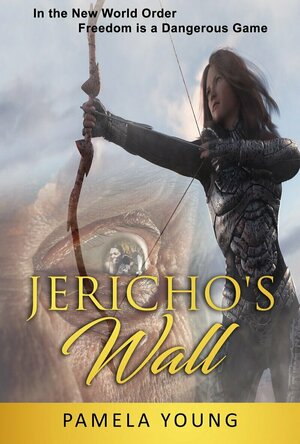
There's a modern relatability in Jericho's Wall, Pamela Young's third novel and possible new series. Set in the future of a government controlled world, where everyone is told what job they can have, how many children they're allowed to have, and where they're allowed to live, Jericho's Wall, as the title suggests, is run by a Lord Jericho Baal. The world now contains android beings known as Monitors who listen and watch everyone to keep an uprising from happening while laser-armed drones keep an eye on everything else.
Our main character Joshlynn, who's going on 16, is preparing to take her Forever Test, which tells her what her permanent profession will be the rest of her life. Everyone has to take this test in this world, and they have no say in what their profession will be, but to Joshlynn's surprise, she gets to become a doctor, something she secretly wanted to do for a living. While receiving this great news, Joshlynn also gets bad news about her mother, someone who has been sick for awhile, collapsed in the fields while working and was taken away by the Removers. These androids (maybe even people - - - it's never specified in the book) take people away when they are no longer of use to the community and kill them, and this is what happened to Joshlynn's mother. At first, Joshlynn is affected by this, but nearing the second day later, it seems as if she just forgets about it. Joshlynn moves on with her life that very night, being taken from a rundown apartment to an uptown apartment by Monitors, where hospital staff are housed- - - this apartment compared to her former one is like moving from living in your car to a fully furnished house.
She begins to intern with a cranky nurse named Magda, learning about medications and herbal remedies that the hospital uses. She also begins to work alongside a doctor named 'Cat' McBride, a nice and likable character, who shows her some of the patients, but memorably, the nursery. This is one of the most emotional parts of the story because, not only are parents not allowed to raise their own children (which they can only have one), but if the child is born with a defect, the doctors are ordered to let the baby starve to-death. Readers learn that the logic of Lord Baal is that a child with a defect is just that and of no use to the community.
But the upside of Joshlynn working at the hospital is that she meets a couple of people who become close friends of her's: Suz, a young woman who has been working at the hospital for nearly two years, and Grif, a trouble-making patient that is staying at the hospital for the time being. Later, Joshlynn finds out that the two are planning to make an escape to the 'wilderness,' which is the wooded areas surrounding the communities that are forbidden to enter by none other than Lord Baal.
There's not much more I can say about Jericho's Wall without giving away major points of the story. It was a very enjoyable quick read that I didn't want to put down, but that didn't make it flawless; like most books, there were inconsistencies here and there, but also there were some things that just didn't make sense. I don't think casual readers will notice these things without really looking for them. I, personally, just don't like inconsistencies in the stories I read.
I think young readers who enjoyed the Maze Runner will like Jericho's Wall.
Our main character Joshlynn, who's going on 16, is preparing to take her Forever Test, which tells her what her permanent profession will be the rest of her life. Everyone has to take this test in this world, and they have no say in what their profession will be, but to Joshlynn's surprise, she gets to become a doctor, something she secretly wanted to do for a living. While receiving this great news, Joshlynn also gets bad news about her mother, someone who has been sick for awhile, collapsed in the fields while working and was taken away by the Removers. These androids (maybe even people - - - it's never specified in the book) take people away when they are no longer of use to the community and kill them, and this is what happened to Joshlynn's mother. At first, Joshlynn is affected by this, but nearing the second day later, it seems as if she just forgets about it. Joshlynn moves on with her life that very night, being taken from a rundown apartment to an uptown apartment by Monitors, where hospital staff are housed- - - this apartment compared to her former one is like moving from living in your car to a fully furnished house.
She begins to intern with a cranky nurse named Magda, learning about medications and herbal remedies that the hospital uses. She also begins to work alongside a doctor named 'Cat' McBride, a nice and likable character, who shows her some of the patients, but memorably, the nursery. This is one of the most emotional parts of the story because, not only are parents not allowed to raise their own children (which they can only have one), but if the child is born with a defect, the doctors are ordered to let the baby starve to-death. Readers learn that the logic of Lord Baal is that a child with a defect is just that and of no use to the community.
But the upside of Joshlynn working at the hospital is that she meets a couple of people who become close friends of her's: Suz, a young woman who has been working at the hospital for nearly two years, and Grif, a trouble-making patient that is staying at the hospital for the time being. Later, Joshlynn finds out that the two are planning to make an escape to the 'wilderness,' which is the wooded areas surrounding the communities that are forbidden to enter by none other than Lord Baal.
There's not much more I can say about Jericho's Wall without giving away major points of the story. It was a very enjoyable quick read that I didn't want to put down, but that didn't make it flawless; like most books, there were inconsistencies here and there, but also there were some things that just didn't make sense. I don't think casual readers will notice these things without really looking for them. I, personally, just don't like inconsistencies in the stories I read.
I think young readers who enjoyed the Maze Runner will like Jericho's Wall.

Kristy H (1252 KP) rated Good as Gone in Books
Feb 13, 2018

Anna and Tom Whitaker's lives are irrevocably changed the night their thirteen-year-old daughter, Julie, disappears. The only witness to her kidnapping is her ten-year-old sister, Jane, who watches petrified from her closest as a man takes away her sister. The broken parents remain in their home, hoping against hope that someday their daughter will return. And then, amazingly, one night the doorbell rings and there she is: Julie. Now a young woman, with a harrowing tale to tell of abuse and horror, but otherwise unscathed. And just like that, the broken family is whole. But is it? Anna doesn't understand what her daughter is keeping from her, where she disappears when the family thinks she's at therapy. And when a Private Investigator shows up--a former detective who was involved in the early portions of Julie's case, with thoughts that Julie isn't really Julie--Anna is even more confused. She just wants her daughter back, but does she really have her?
This novel hooked me from the beginning, and I tore through it less than two days. It starts out with Julie (or the imposter, but I will say Julie for the sake of this review) arriving home and then we hear from Anna and some of the other characters as the family adjusts to Julie's homecoming. But we also delve into the past, which adds this amazing layer of suspense and intrigue and leaves you slightly befuddled, completely invested, and flipping pages like mad. When the point of view first switched from Anna to Julie early in the novel, I gasped a bit.
Gentry has created a book that is compulsively readable from a thriller standpoint, but also features emotionally damaged characters, struggling to survive after losing Julie for so many years. What I enjoyed so much about this book is that it's not only an excellent thriller, which keeps you guessing and wondering, but a nuanced portrait of a truly fractured family, who is still reeling from Julie's kidnapping. The interactions between Anna and her family is fascinating in itself -- Jane, for instance, has had her entire life basically formed around the disappearance of her sister. You don't always get explicit descriptions of their reactions, but you see it in every interaction and emotional attachment (or lack thereof) the family displays.
Overall, this is a great thriller: a fast-paced read, with a plot that will have you guessing (and gasping) and turning pages long into the night.
I received a copy of this novel from the publisher and Edelweiss (thank you!); it is available everywhere as of 7/26.
<a href="http://justacatandabookatherside.blogspot.com/">My Blog</a> ~ <a href="https://www.facebook.com/justacatandabook/">Facebook</a>; ~ <a href="https://twitter.com/justacatandbook">Twitter</a>;
This novel hooked me from the beginning, and I tore through it less than two days. It starts out with Julie (or the imposter, but I will say Julie for the sake of this review) arriving home and then we hear from Anna and some of the other characters as the family adjusts to Julie's homecoming. But we also delve into the past, which adds this amazing layer of suspense and intrigue and leaves you slightly befuddled, completely invested, and flipping pages like mad. When the point of view first switched from Anna to Julie early in the novel, I gasped a bit.
Gentry has created a book that is compulsively readable from a thriller standpoint, but also features emotionally damaged characters, struggling to survive after losing Julie for so many years. What I enjoyed so much about this book is that it's not only an excellent thriller, which keeps you guessing and wondering, but a nuanced portrait of a truly fractured family, who is still reeling from Julie's kidnapping. The interactions between Anna and her family is fascinating in itself -- Jane, for instance, has had her entire life basically formed around the disappearance of her sister. You don't always get explicit descriptions of their reactions, but you see it in every interaction and emotional attachment (or lack thereof) the family displays.
Overall, this is a great thriller: a fast-paced read, with a plot that will have you guessing (and gasping) and turning pages long into the night.
I received a copy of this novel from the publisher and Edelweiss (thank you!); it is available everywhere as of 7/26.
<a href="http://justacatandabookatherside.blogspot.com/">My Blog</a> ~ <a href="https://www.facebook.com/justacatandabook/">Facebook</a>; ~ <a href="https://twitter.com/justacatandbook">Twitter</a>;

Lee (2222 KP) rated It: Chapter Two (2019) in Movies
Sep 6, 2019 (Updated Sep 6, 2019)


Bloated, messy at times, not quite as good as chapter 1 :(
It's fair to say that IT Chapter 2 has been one of my most anticipated movies this year. The trailer, which I've probably watched just as many times now as I watched the Endgame trailer, gives me goosebumps every time, and I couldn't wait to rejoin the losers club for another battle with Pennywise the clown. I was lucky enough to secure tickets to the immersive IT experience in London last weekend, adding further fuel to my excitement, and I decided to book the double bill showing of both chapters at the cinema in order to fully enjoy the complete story. Watching chapter 1 up on the big screen again proved to be just as enjoyable for me as the first time I saw it. Sadly though, I feel that chapter 2 didn't quite measure up to chapter 1.
It's now been 27 years since the events of chapter 1. One night, at the Derry funfair, a prolonged and brutal homophobic attack takes place, seemingly serving no other purpose than to provide us with a lengthy setup for the return of Pennywise. Yes, the clown is back and looking for revenge. It falls to Mike (Isaiah Mustafa), the only member of the losers club still living in Derry, to call on the others, to tell them they need to come home and to fulfill the oath they all pledged as children - no matter where they are, if "It" ever comes back, they'll come back to finish it. They all take the call they never thought they'd get and immediately their lives feel the impact - Bill (James McAvoy) is now a famous writer and suddenly starts to regain his stutter, Beverly (Jessica Chastain) clearly hasn't managed to escape a life of abuse, Ben (Jay Ryan) has managed to shed a lot of weight, Richie (Bill Hader) throws up before going on stage to perform stand-up, Eddie (James Ransome) simply refuses to believe what he's hearing. And Stanley (Andy Bean), well he fully appreciates the horror that lies ahead of them all.
The adult versions of the losers club are all perfectly cast, and just as entertaining in adult form as they are as children. Any reviews you read for this movie will no doubt mention Bill Hader as adult Richie, and all praise for him is well deserved. Just as Finn Wolfhard stole the show as the young, wise cracking and potty mouthed Richie in chapter 1, so does Bill Hader here. But the entire adult cast is all simply spot on.
They all meet up at a Chinese restaurant in Derry, gradually recalling forgotten events from their childhood over a meal and falling back into old friendships once again. We get multiple flashbacks of them all as teenagers, new scenes that help to flesh out the story-line, and these continue throughout the entire movie. It's a real nostalgic joy to revisit these younger versions again, and to immediately see how each flashback moment ultimately affects them as adults. The threat of Pennywise constantly lingers though, and they know they have work to do.
They go their separate ways, remaining in Derry but taking time to reacquainte themselves with the town and their own personal history there. Mike has a theory on how to defeat Pennywise once and for all, but first they must face him individually - grow stronger and more confident so that they can hopefully overcome him together as a team.
Unfortunately though, Pennywise never really feels as much of a threat as he did in the first movie. The slow brooding, creepy scares that worked so effectively then are all but lost here. There certainly are still a handful of those in chapter 2, and those do work extremely well, but they're simply outnumbered by a constant barrage of jump scares and CGI monsters. I lost count of the number of times we got a random CGI creature rapidly approaching us and the over-reliance on CGI is noticeably jarring, even more so in the final act. The use of practical, psychological scares is sorely missed and the whole thing is nowhere near as scary as chapter 1.
The run-time clocks in at 2hr 50, compared to a tighter 2hr 15 for chapter 1, and it really notices. Admittedly, the Stephen King source material is pretty hefty anyway (so I hear), but at times this just felt bloated and messy in its interpretation, too much being thrown at you and not enough of it sticking. That CG heavy finale I mentioned is also way too long, and really drags. It's a shame because I really enjoyed the introduction of the adult losers and the interweaving of their lives with the flashbacks from 27 years earlier. There's talk of an extended cut being out there and potentially being released. Personally, I would prefer a much leaner, shorter cut.
It's now been 27 years since the events of chapter 1. One night, at the Derry funfair, a prolonged and brutal homophobic attack takes place, seemingly serving no other purpose than to provide us with a lengthy setup for the return of Pennywise. Yes, the clown is back and looking for revenge. It falls to Mike (Isaiah Mustafa), the only member of the losers club still living in Derry, to call on the others, to tell them they need to come home and to fulfill the oath they all pledged as children - no matter where they are, if "It" ever comes back, they'll come back to finish it. They all take the call they never thought they'd get and immediately their lives feel the impact - Bill (James McAvoy) is now a famous writer and suddenly starts to regain his stutter, Beverly (Jessica Chastain) clearly hasn't managed to escape a life of abuse, Ben (Jay Ryan) has managed to shed a lot of weight, Richie (Bill Hader) throws up before going on stage to perform stand-up, Eddie (James Ransome) simply refuses to believe what he's hearing. And Stanley (Andy Bean), well he fully appreciates the horror that lies ahead of them all.
The adult versions of the losers club are all perfectly cast, and just as entertaining in adult form as they are as children. Any reviews you read for this movie will no doubt mention Bill Hader as adult Richie, and all praise for him is well deserved. Just as Finn Wolfhard stole the show as the young, wise cracking and potty mouthed Richie in chapter 1, so does Bill Hader here. But the entire adult cast is all simply spot on.
They all meet up at a Chinese restaurant in Derry, gradually recalling forgotten events from their childhood over a meal and falling back into old friendships once again. We get multiple flashbacks of them all as teenagers, new scenes that help to flesh out the story-line, and these continue throughout the entire movie. It's a real nostalgic joy to revisit these younger versions again, and to immediately see how each flashback moment ultimately affects them as adults. The threat of Pennywise constantly lingers though, and they know they have work to do.
They go their separate ways, remaining in Derry but taking time to reacquainte themselves with the town and their own personal history there. Mike has a theory on how to defeat Pennywise once and for all, but first they must face him individually - grow stronger and more confident so that they can hopefully overcome him together as a team.
Unfortunately though, Pennywise never really feels as much of a threat as he did in the first movie. The slow brooding, creepy scares that worked so effectively then are all but lost here. There certainly are still a handful of those in chapter 2, and those do work extremely well, but they're simply outnumbered by a constant barrage of jump scares and CGI monsters. I lost count of the number of times we got a random CGI creature rapidly approaching us and the over-reliance on CGI is noticeably jarring, even more so in the final act. The use of practical, psychological scares is sorely missed and the whole thing is nowhere near as scary as chapter 1.
The run-time clocks in at 2hr 50, compared to a tighter 2hr 15 for chapter 1, and it really notices. Admittedly, the Stephen King source material is pretty hefty anyway (so I hear), but at times this just felt bloated and messy in its interpretation, too much being thrown at you and not enough of it sticking. That CG heavy finale I mentioned is also way too long, and really drags. It's a shame because I really enjoyed the introduction of the adult losers and the interweaving of their lives with the flashbacks from 27 years earlier. There's talk of an extended cut being out there and potentially being released. Personally, I would prefer a much leaner, shorter cut.

Hazel (1853 KP) rated The Second Love of My Life in Books
Dec 17, 2018
<i>This ARC was provided by the publisher via NetGalley in exchange for an honest review </i>
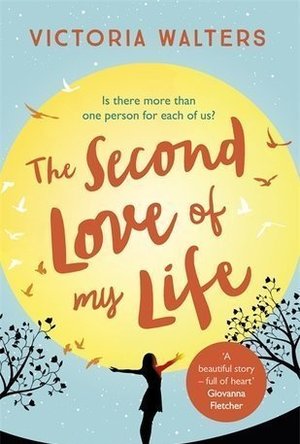
Victoria Walters’ debut novel, <i>The Second Love of My Life</i>, is a must read for fans of women’s fiction. Set in a coastal village in Cornwall, Walters explores themes of love, grief and survival in this satisfying narrative.
Rose Walker was once known in her small village for being an up-and-coming artist, however now she is branded as the woman who was widowed at twenty four. The story begins two years after the tragic event involving a car collision between her husband, Lucas, and a drunk driver. Since then Rose has wallowed in her grief and not picked up a paintbrush; therefore the upcoming village fair will be the last time she ever sells her paintings.
A stranger, Robert Green, shocks both Rose and the community by purchasing all of her remaining artwork for an extortionate amount of money. Intrigued by this mysterious man, Rose begins to creep back out of her shell, exploring feelings she has not felt for quite some time. However, just as she believes she cold fall in love again, Robert reveals he is not the man she thought he was.
In a way there are two focuses of this novel. One is Rose’s love life and the other is her artwork. The former is obvious from the title alone. “<i>The Second Love of My Life</i>” suggests that the protagonist has been in love before, and falls in love again. There was a danger of this story becoming predictable: girl is heartbroken, girl meets man, girl falls in love, something bad happens, bad thing is resolved; however the inclusion of Rose’s (former) passion for art gives the book a unique streak.
Many artists will be able to relate to (even if they have never been brokenhearted) the feeling of being unable to produce work – a mental block. <i>The Second Love of My Life</i> reveals the trials Rose goes through in order to get her life back together by forcing herself through the barriers her mind has created in order to deal with her deeper emotions. Although it was Robert that inspired Rose to begin painting again, she does this mostly by herself, showing the reader that she is a strong, capable woman who does not need a man to save her – getting the man is an added bonus.
Whether because this is a first novel, or whether it is Walters’ writing style, there are times when it is difficult to tell what is speech and what is the main character’s internal monologue. Occasionally I found myself wondering whether the lack of speech marks was an editing error or intentional.
<i>The Second Love of My Life</i> has been likened to the works of Cecelia Ahern (author of <i>P.S. I Love You</i>), which is admittedly the reason I chose to read it. Whilst Walters’ writing is not quite up there with the popular authors, there is no doubt that one-day she will be. This is an impressive debut and definitely an author to look out for.
Victoria Walters’ debut novel, <i>The Second Love of My Life</i>, is a must read for fans of women’s fiction. Set in a coastal village in Cornwall, Walters explores themes of love, grief and survival in this satisfying narrative.
Rose Walker was once known in her small village for being an up-and-coming artist, however now she is branded as the woman who was widowed at twenty four. The story begins two years after the tragic event involving a car collision between her husband, Lucas, and a drunk driver. Since then Rose has wallowed in her grief and not picked up a paintbrush; therefore the upcoming village fair will be the last time she ever sells her paintings.
A stranger, Robert Green, shocks both Rose and the community by purchasing all of her remaining artwork for an extortionate amount of money. Intrigued by this mysterious man, Rose begins to creep back out of her shell, exploring feelings she has not felt for quite some time. However, just as she believes she cold fall in love again, Robert reveals he is not the man she thought he was.
In a way there are two focuses of this novel. One is Rose’s love life and the other is her artwork. The former is obvious from the title alone. “<i>The Second Love of My Life</i>” suggests that the protagonist has been in love before, and falls in love again. There was a danger of this story becoming predictable: girl is heartbroken, girl meets man, girl falls in love, something bad happens, bad thing is resolved; however the inclusion of Rose’s (former) passion for art gives the book a unique streak.
Many artists will be able to relate to (even if they have never been brokenhearted) the feeling of being unable to produce work – a mental block. <i>The Second Love of My Life</i> reveals the trials Rose goes through in order to get her life back together by forcing herself through the barriers her mind has created in order to deal with her deeper emotions. Although it was Robert that inspired Rose to begin painting again, she does this mostly by herself, showing the reader that she is a strong, capable woman who does not need a man to save her – getting the man is an added bonus.
Whether because this is a first novel, or whether it is Walters’ writing style, there are times when it is difficult to tell what is speech and what is the main character’s internal monologue. Occasionally I found myself wondering whether the lack of speech marks was an editing error or intentional.
<i>The Second Love of My Life</i> has been likened to the works of Cecelia Ahern (author of <i>P.S. I Love You</i>), which is admittedly the reason I chose to read it. Whilst Walters’ writing is not quite up there with the popular authors, there is no doubt that one-day she will be. This is an impressive debut and definitely an author to look out for.

Lottie disney bookworm (1056 KP) rated Promises and Pixie Dust in Books
Jun 17, 2021
Thank you to the gorgeously talented Elle and Robin for granting me the opportunity to read their beautiful book in exchange for an honest review.
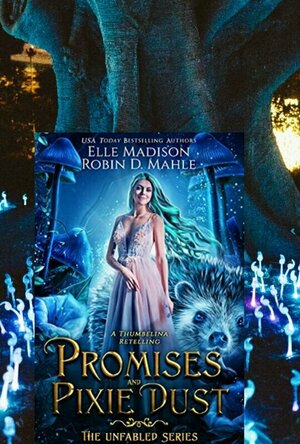
Promises and Pixie Dust is the first Thumbelina retelling I have seen in the current MASSIVE trend of retellings.
Initially this magical tale featured within the Enchanted Kingdoms collection of retellings but Elle and Robin have now released Lina upon the world as the debut novel in “The Unfabled Series”.
Naturally, a Thumbelina story by Elle and Robin is never going to be your average retelling and, when the story opens on "Lina" drinking pints in 'The Poisoned Apple', it is safe to say that this novel will be just as brilliant as their other works.
At a whole 12 cm tall, Lina has never entirely fit in with the world around her. Everything she owns is adapted to fit her size and she has never met anyone similar to herself. After the death of her mother Lina is determined to find someone else of her kind and, along with her childhood friend Edrich, journeys into the Enchanted forest in search of answers.
Edrich is an unwilling companion to put it mildly and the relationship between him and Lina is very intriguing for the reader. Elle and Robin purposefully drip feed us information regarding the friends and the challenges they have faced up to this point but the undercurrent of tension between the pair make it clear that there is more than friendship and obligation at play here.
This doesn't mean that the reader is not entirely unsympathetic to Edrich's frustration with Lina though. She is often sickeningly chirpy and optimistic with no sense of danger. At the end of the day though, a tiny woman whose mood shows on her skin and rides a hedgehog is a winner in any story.
Promises and Pixie Dust also hints heavily at a recent backstory involving Edrich as he experiences flashbacks and guilt linked to his current line of work. I really hope Edrich gets the chance to tell his own story as I know Piper and Neira will.
I really appreciated the little changes between the Enchanted Kingdoms story and The Unfabled series version. Poor Edrich was very difficult to love in the previous version but has definitely been hit with the empathy stick in recent months! Once his circumstances are (forcibly) changed Edrich almost has a newfound respect for Lina and even before this he isn’t as condescending as his Enchanted Kingdoms counterpart was – I no longer want to punch him in the face anyway so that’s a bonus!
Elle and Robin also developed the world of the fairies a little more, providing more of an insight into their dependence on woodland creatures and even inventing a new sport! The imagery here was so beautiful that I was desperate for illustrations to accompany it.
If you are a fan of retellings, Once Upon a Time, fairies and friends to lovers storylines then this is the tale for you. Promises and Pixie Dust has a freshly manicured hedgehog, a villain with a heart and the best curse words ever imagined.
Frolicking centaurs it's a good read!
Promises and Pixie Dust is the first Thumbelina retelling I have seen in the current MASSIVE trend of retellings.
Initially this magical tale featured within the Enchanted Kingdoms collection of retellings but Elle and Robin have now released Lina upon the world as the debut novel in “The Unfabled Series”.
Naturally, a Thumbelina story by Elle and Robin is never going to be your average retelling and, when the story opens on "Lina" drinking pints in 'The Poisoned Apple', it is safe to say that this novel will be just as brilliant as their other works.
At a whole 12 cm tall, Lina has never entirely fit in with the world around her. Everything she owns is adapted to fit her size and she has never met anyone similar to herself. After the death of her mother Lina is determined to find someone else of her kind and, along with her childhood friend Edrich, journeys into the Enchanted forest in search of answers.
Edrich is an unwilling companion to put it mildly and the relationship between him and Lina is very intriguing for the reader. Elle and Robin purposefully drip feed us information regarding the friends and the challenges they have faced up to this point but the undercurrent of tension between the pair make it clear that there is more than friendship and obligation at play here.
This doesn't mean that the reader is not entirely unsympathetic to Edrich's frustration with Lina though. She is often sickeningly chirpy and optimistic with no sense of danger. At the end of the day though, a tiny woman whose mood shows on her skin and rides a hedgehog is a winner in any story.
Promises and Pixie Dust also hints heavily at a recent backstory involving Edrich as he experiences flashbacks and guilt linked to his current line of work. I really hope Edrich gets the chance to tell his own story as I know Piper and Neira will.
I really appreciated the little changes between the Enchanted Kingdoms story and The Unfabled series version. Poor Edrich was very difficult to love in the previous version but has definitely been hit with the empathy stick in recent months! Once his circumstances are (forcibly) changed Edrich almost has a newfound respect for Lina and even before this he isn’t as condescending as his Enchanted Kingdoms counterpart was – I no longer want to punch him in the face anyway so that’s a bonus!
Elle and Robin also developed the world of the fairies a little more, providing more of an insight into their dependence on woodland creatures and even inventing a new sport! The imagery here was so beautiful that I was desperate for illustrations to accompany it.
If you are a fan of retellings, Once Upon a Time, fairies and friends to lovers storylines then this is the tale for you. Promises and Pixie Dust has a freshly manicured hedgehog, a villain with a heart and the best curse words ever imagined.
Frolicking centaurs it's a good read!
Kristy H (1252 KP) rated Lies She Told in Books
Feb 13, 2018
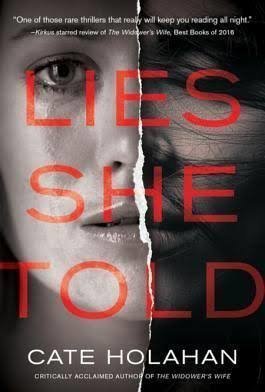

Liza is a struggling writer given an ultimatum by her editor: write a thriller for me in a month. It's been ages since Liza was on the bestseller list (truly, only her first novel was a real success). Meanwhile, she's a mess of fertility drugs and hormones, as she and her lawyer husband, David, are trying to start a family--and getting nowhere. Even worse, David's best friend and business partner, Nick, has been missing for over a month. David is increasingly frantic and distracted, and the police have no leads. So Liza pours her heart and soul into the story of Beth, a new mom who suspects her own lawyer husband of cheating on her. Beth catches him the act and makes a split-second decision that will change their lives forever. As Liza continues to write, the lines between fact and fiction become increasingly blurred.
I was excited to finally pick this one up, as so many of my friends had enjoyed it, but alas, I'm going to be the killjoy here <i>who stands against the popular wave of public opinion.</i> Please note that most people really loved this book and who knows, maybe I'm just getting cranky in my old age. ;) Or maybe I got too caught up in all the hype.
Either way, this one was a let down for me. <i> The clues left along in the story for the reader stand out as huge glaring red flags, basically just screaming the plot twists out</i>. Nothing came as a surprise, I had the entire thing worked out in about the first 15 minutes. Now, I won't lie, this is still an incredibly readable book - <i>it's a fast read</i> for sure. You immediately realize that Liza is an unreliable narrator and a ticking time bomb. I never really warmed to her, but she's somewhat fascinating in trying to figure out what she's up to and what's truly happening.
I've seen some complaints about it being hard to figure out what chapters were Liza's and which were Beth's--I didn't have that problem. They alternate and in my version, Liza's were marked. I occasionally had to remind myself who had which backstory, but I believe that was part of the idea--of Liza blurring the reality around her. And, truly, it was a great idea in concept.
Unfortunately, I found both women to be somewhat frustrating and didn't really buy all of their actions or relationships. Liza's quick attachment to Trevor, for instance, or some of Beth's bizarre decisions. That made it harder to root for them. And, again, absolutely nothing that occurred was a surprise. That was my biggest issue. I want my thriller to surprise me, but none of the twists were shocking whatsoever, right up to the end. Sigh.
Still, as I said, it's an oddly compelling read with the blurred parallels between Liza and Beth and you "wondering" what happened to Nick. At the end, I pondered for a moment whether it was brilliant or awful, but I just couldn't enjoy something I found so predictable, even if it was a page-turner at times. But, I'm certainly in the minority here, so take my review with a grain of salt!
I received a copy of this novel from the publisher and Netgalley (thank you!) in return for an unbiased review. It's available everywhere as of 09/12/2017.
<center><a href="http://justacatandabookatherside.blogspot.com/">Blog</a>; ~ <a href="https://twitter.com/mwcmoto">Twitter</a>; ~ <a href="https://www.facebook.com/justacatandabook/">Facebook</a>; ~ <a href="https://plus.google.com/u/0/+KristyHamiltonbooks">Google+</a>; ~ <a href="https://www.instagram.com/justacatandabook/">Instagram</a>; </center>
I was excited to finally pick this one up, as so many of my friends had enjoyed it, but alas, I'm going to be the killjoy here <i>who stands against the popular wave of public opinion.</i> Please note that most people really loved this book and who knows, maybe I'm just getting cranky in my old age. ;) Or maybe I got too caught up in all the hype.
Either way, this one was a let down for me. <i> The clues left along in the story for the reader stand out as huge glaring red flags, basically just screaming the plot twists out</i>. Nothing came as a surprise, I had the entire thing worked out in about the first 15 minutes. Now, I won't lie, this is still an incredibly readable book - <i>it's a fast read</i> for sure. You immediately realize that Liza is an unreliable narrator and a ticking time bomb. I never really warmed to her, but she's somewhat fascinating in trying to figure out what she's up to and what's truly happening.
I've seen some complaints about it being hard to figure out what chapters were Liza's and which were Beth's--I didn't have that problem. They alternate and in my version, Liza's were marked. I occasionally had to remind myself who had which backstory, but I believe that was part of the idea--of Liza blurring the reality around her. And, truly, it was a great idea in concept.
Unfortunately, I found both women to be somewhat frustrating and didn't really buy all of their actions or relationships. Liza's quick attachment to Trevor, for instance, or some of Beth's bizarre decisions. That made it harder to root for them. And, again, absolutely nothing that occurred was a surprise. That was my biggest issue. I want my thriller to surprise me, but none of the twists were shocking whatsoever, right up to the end. Sigh.
Still, as I said, it's an oddly compelling read with the blurred parallels between Liza and Beth and you "wondering" what happened to Nick. At the end, I pondered for a moment whether it was brilliant or awful, but I just couldn't enjoy something I found so predictable, even if it was a page-turner at times. But, I'm certainly in the minority here, so take my review with a grain of salt!
I received a copy of this novel from the publisher and Netgalley (thank you!) in return for an unbiased review. It's available everywhere as of 09/12/2017.
<center><a href="http://justacatandabookatherside.blogspot.com/">Blog</a>; ~ <a href="https://twitter.com/mwcmoto">Twitter</a>; ~ <a href="https://www.facebook.com/justacatandabook/">Facebook</a>; ~ <a href="https://plus.google.com/u/0/+KristyHamiltonbooks">Google+</a>; ~ <a href="https://www.instagram.com/justacatandabook/">Instagram</a>; </center>
iTouchilearn Words for Preschool Reading, Spelling, Speech Skills
Education and Games
App
**Reinforces Early Speech & Language Skills** "This is a great app. I am a Speech Pathologist using...

Anxiety Relief Hypnosis
Medical and Health & Fitness
App
◉ Learn to avoid anxiety and improve relaxation after listening daily for just 1–3 weeks ◉...
Kara Skinner (332 KP) rated War Bride in Books
Sep 10, 2019
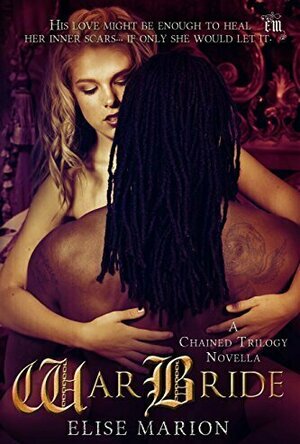
Genre: Medieval, Fantasy, Adult
Goodreads rating: 3.7 out of 5 stars
My rating: 4.5 out of 5 stars
I’m going to earn your trust, Emery Toustain, he thought as he released her hand. Perhaps, if you let me, I’ll earn more than that.
The first time I read War Bride was several months ago. It was so good I actually missed a call from my boss because I was so busy reading it. No, really. I didn’t even “ignore” the call. The fact that my phone was ringing didn’t even register because I was so absorbed in the book. I ended up finishing it in less than a day.
I just finished it for the second time today, and it’s still incredible.
Emery Calliot kicks ass.
Emery will never be like other noble ladies. She always preferred wearing men’s clothing to dresses and learning archery to needlepoint. She has a tendency to ramble when she’s nervous and she can’t tame her hair for the life of her. But she had always wanted to marry eventually.
That is, until the night of King Rowan’s Treason, when she had been unspeakably hurt beyond repair. Now the idea of marriage makes her blood curdle.
But with the peace treaty between Dinasdale and Daleria shaky as it is, she doesn’t have any choice but to marry Dinasdalian lord, Leofred Toustain, a man she’s never met before, who looks terrifies her.
Yes, he was quite magnificent with skin like polished ebony and glittering eyes akin to chunks of onyx. Hawkish features were made more prominent by the absence of the beard most Dinasdalian men favored. His sharp jaw, slashing cheekbones, and arrogant nose made his hooded eyes darker and more mysterious. Leofred was beautiful in the way a panther might be—nice to look upon from a distance, but quite frightening up close.
Leofred isn’t looking forward to marriage any more than his bride-to-be is. He had always hoped marry for love, not someone had never met before. But he sees his new bride as a challenge, and he’s determined to break through her barriers and make her trust him.
“Nonsense. Everyone is capable of love. Right now, you are not capable of physical intimacy, but that is only a small part of what love between a man and a woman is. For the nonce, I would be happy if you would let me become your husband in other ways. Let me be your confidant and your friend. Let me hold your hand when we walk, and tell you I think you’re beautiful every day. Let me prove to you just how capable of love you are, and when you are ready, I will show you how beautiful making love will be between us. Only when you are ready, Emery. Not before.”
Leofred is incredibly sexy, and completely perfect for Emery. He’s gentle, nice, and very patient with her, which is exactly what she needs. They have a great story and the dialog between them is fantastic.
Before the wedding yesterday, I took the liberty of procuring a lady’s maid for you. However, if you want, I will send her away.”
“No, don’t do that. Please, send her in. As you can see, I need the help.”
He smiled at her again. “No, you don’t.”
The only thing I didn’t like was how he dealt with Caden at the beginning of the book. Caden knows what happened with Emery and wanted to warn Leofred to be patient with her. Leofred brushed him off and told him to mind his own business.
Later he blames Caden for his awkward and tense wedding night because Caden didn’t tell him what was wrong with Emery.
Whatever (Caden) knew and would not speak about had ruined his wedding night.
This is a bit of a dick move on Leofred’s part. But this is honestly the only time that he’s not a perfect gentleman. And he never mistreats or disrespects Emery.
I love the Chained series, and War Bride did not disappoint. It’s definitely worth the read.
Goodreads rating: 3.7 out of 5 stars
My rating: 4.5 out of 5 stars
I’m going to earn your trust, Emery Toustain, he thought as he released her hand. Perhaps, if you let me, I’ll earn more than that.
The first time I read War Bride was several months ago. It was so good I actually missed a call from my boss because I was so busy reading it. No, really. I didn’t even “ignore” the call. The fact that my phone was ringing didn’t even register because I was so absorbed in the book. I ended up finishing it in less than a day.
I just finished it for the second time today, and it’s still incredible.
Emery Calliot kicks ass.
Emery will never be like other noble ladies. She always preferred wearing men’s clothing to dresses and learning archery to needlepoint. She has a tendency to ramble when she’s nervous and she can’t tame her hair for the life of her. But she had always wanted to marry eventually.
That is, until the night of King Rowan’s Treason, when she had been unspeakably hurt beyond repair. Now the idea of marriage makes her blood curdle.
But with the peace treaty between Dinasdale and Daleria shaky as it is, she doesn’t have any choice but to marry Dinasdalian lord, Leofred Toustain, a man she’s never met before, who looks terrifies her.
Yes, he was quite magnificent with skin like polished ebony and glittering eyes akin to chunks of onyx. Hawkish features were made more prominent by the absence of the beard most Dinasdalian men favored. His sharp jaw, slashing cheekbones, and arrogant nose made his hooded eyes darker and more mysterious. Leofred was beautiful in the way a panther might be—nice to look upon from a distance, but quite frightening up close.
Leofred isn’t looking forward to marriage any more than his bride-to-be is. He had always hoped marry for love, not someone had never met before. But he sees his new bride as a challenge, and he’s determined to break through her barriers and make her trust him.
“Nonsense. Everyone is capable of love. Right now, you are not capable of physical intimacy, but that is only a small part of what love between a man and a woman is. For the nonce, I would be happy if you would let me become your husband in other ways. Let me be your confidant and your friend. Let me hold your hand when we walk, and tell you I think you’re beautiful every day. Let me prove to you just how capable of love you are, and when you are ready, I will show you how beautiful making love will be between us. Only when you are ready, Emery. Not before.”
Leofred is incredibly sexy, and completely perfect for Emery. He’s gentle, nice, and very patient with her, which is exactly what she needs. They have a great story and the dialog between them is fantastic.
Before the wedding yesterday, I took the liberty of procuring a lady’s maid for you. However, if you want, I will send her away.”
“No, don’t do that. Please, send her in. As you can see, I need the help.”
He smiled at her again. “No, you don’t.”
The only thing I didn’t like was how he dealt with Caden at the beginning of the book. Caden knows what happened with Emery and wanted to warn Leofred to be patient with her. Leofred brushed him off and told him to mind his own business.
Later he blames Caden for his awkward and tense wedding night because Caden didn’t tell him what was wrong with Emery.
Whatever (Caden) knew and would not speak about had ruined his wedding night.
This is a bit of a dick move on Leofred’s part. But this is honestly the only time that he’s not a perfect gentleman. And he never mistreats or disrespects Emery.
I love the Chained series, and War Bride did not disappoint. It’s definitely worth the read.