
Sophia (Bookwyrming Thoughts) (530 KP) rated The Phantom Forest in Books
Jan 23, 2020

So when I sat down to write my review for <em>The Phantom Forest</em>, all I wanted to write is this:
<ul>
<li>Protect this character</li>
<li>Seriously, protect this character</li>
<li>Take them away from Liz Kerin; it's the only way to protect them</li>
</ul>
But uh, that doesn't work as a review (maybe one day). Anyways.
<em style="background-color: initial; font-size: 24px; letter-spacing: 1px;"><strong>The Phantom</strong></em><strong style="background-color: initial; font-size: 24px; letter-spacing: 1px;"><em> Forest</em> is haunting.</strong>
Kerin's debut is <em>creepy</em>, everyone. The world here is atmospheric and brings a chill or two, even when the story isn't in the Underworld. In a world ruled by the Coalition where one practicing their belief in gods or superstition results in death, General Simeon overlooks a village with tight control. He keeps the people under his authority by taking a religious ritual where only criminals are sacrifices to one where anyone can be chosen.
I wanted General Simeon to choke on sharp pineapples while reading.
Since her father died, Seycia lives in hiding with her younger brother Miko in the village. It's not long before General Simeon makes her a target and she becomes the next village sacrifice, sending her to the Underworld where she joins forces with Haben.
<h2><strong>Interesting Characters Arcs</strong></h2>
I find myself most invested in Haben's story and wanted to keep reading to find out what happens to Seycia and him as they journey across the Underworld. While <em>The Phantom Forest</em> has a multitude of POVs, most are from Seycia, Haben and Miko.
The story seems to focus on one character with the others sitting in the backseat, undergoing the most development. However, I do feel this is only the beginning, and there is more to come for both Seycia and Miko. Their story seems to stand in the back of the room, but they'll likely develop in future books. I want to see what Kerin has in store even if I only want to protect Haben.
<h2><strong>There are slow moments in <em>The Phantom Forest</em></strong></h2>
Kerin builds a world and plot that captures my attention from early in the novel. However, there are moments where I felt the scenes were maybe irrelevant and unnecessary. While it was a rough patch to go through, it was well worth it. I wanted to see to the end of the story, and I had a lot of questions that won my curiosity. By the end of <em>The Phantom Forest</em>, I still have plenty of questions, but I'm sure there will be answers eventually.
<a href="https://bookwyrmingthoughts.com/the-phantom-forest-by-liz-kerin/"; target="_blank">This review was originally posted on Bookwyrming Thoughts</a>
Gareth von Kallenbach (980 KP) rated Flight (2012) in Movies
Aug 7, 2019
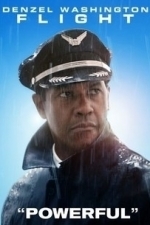

Flight in my opinion delivered. We start off with gratuitous nudity (for me it didn’t add to the story but guys will like it) from flight attendant Katerina Marquez (Nadine Valazquez) and a man, Captain Whip Whitacker (Denzel Washington) who’s about to hit his rock bottom. After a night of drinking and snorting some cocaine, together they take to the skies only for it to go horribly wrong, the plane begins an uncontrolled nose dive. Lot’s of close up shots put you right into the aircraft and you almost feel as if you’re on the flight as it’s going down (seriously my heart involuntarily started pounding faster).
Afterwards, the movie really hits its’ stride and gets into the gritty reality of what life can become. Denzel does an excellent job of bringing you in to the internal struggles with his demons; he’s so good in his denial. John Goodman plays a drug dealer Harling Mays, almost as a comic relief which actually works. Don Cheadle plays Hugh Lang, a criminal attorney sent to help Cpt Whitacker as questions arise about what really caused the plane to crash. He plays a great attorney, not smarmy, not slick, but intelligent and sharp, and in his own way, caring.
Nicole Maggen (Kelly Reilly), a drug addict who we witness goes through a relapse that puts her into the path of Cpt Whitacker. Co-pilot Ken Evans (Brian Geraghty) was a convincingly green pilot whom I would not want flying any plane I’m in. And flight attendant Margaret Tomason (Tamara Tunie), a good friend of Whitackers for several years and Pilots union rep Charlie Anderson (Bruce Greenwood) a long time military buddy who comes back into his life because of the crash. I liked both their performances, they really did great in their supporting rolls; you couldn’t have one without the other.
There is a question of devine intervention and redemption, but I think the movie steers clear of being overly religious. (I could have done without Ken Evans wife, overkill in my opinion and not necessary to the story). Anything more I say will spill the beans on the ending, so I’ll leave you with this; it really is unpredictable, you never quite know what Cpt Whitacker’s going to do until he does it. There are beautiful moments and bittersweet moments that create a powerful, emotional ride that I would recommend to someone who likes a good drama. And, even to people like me, who generally try to avoid them.

Cosmic Cabaret
Rosalie Redd, Jayne Fury, C.J. Cade, Kat Vancil, Blaire Edens, Diana Rivis, Tessa McFionn, Dena Garson, Selene Grace Silver, Cailin Briste, Athena Grayson , Jenna Lincoln and Kerry Adrienne
8.0 Rate It
Book
Where Hearts Collide in the Greatest Show in Space Join us aboard Blue Star Line’s crown jewel,...
Science_Fiction Romance Anthology
Rosary Deluxe for iPhone/iPad (The Holy Rosary)
Reference and Utilities
6.0 Rate It
App
A best Christmas gift for your family. Rosary Deluxe with complete audio and text for iPhone and...

The Fake Fall of Rome
Book
This text contains material that you cannot unread. Your thinking process will be permanently...
history
Until You
9.0 Rate It
Book
Paul It feels like I’ve been drowning for five years, barely keeping my head above the water. I...
Contemporary MM Romance

BobbiesDustyPages (1259 KP) rated American Gods in Books
Aug 30, 2017

From start to finish I just did not want to put down American Gods, I just always really enjoy Gaiman's writing style he manages to create a world within a world that just feels so effortless and downright real. Their are so many amazing characters and most of them I just wanted more of, also with the amount of character we have we really get something that we never do and that is people of color represented and it is WONDERFUL .This is one of those few books that as soon as I was finished I wanted to turn it over and start reading again.
Characters:
Shadow Moon - I could wax poetics about Shadow, he was quiet and kind of dry and usually that would have me think a character is kind of boring but just not with Shadow he drew me and made me fall in love. It was a so a happy surprise to have a main protagonist who is a person of color which is something that is need so much nowadays.
Laura – I really loved how Laura was handled, most characters who died the way she did would have been either thrown aside or made to be hated but that is not the case here, I love how she helps Shadow and her love for him really comes through but also that we do see her as her own person.
Mr. Wednesday - What can I say about Wednesday besides from the moment you meet him I don't trust him but like Shadow I can't help what wanting to follow him where he's taking me.
The Gods - even though there are a lot and I mean a lot of characters throughout the book I found myself never feeling overwhelmed by them Gaiman really found a way to give them all a voice but in no way overshadow the plot or any of the other characters.
Plot:
We meet Shadow a few days before his release from prison he is taken into the wardens office to me given the devastating new that his wife Laura had been killed, when he is released from prison he meets a strange man know as Mr. Wednesday who offers Shadow a job to accompany him across America so he can recruit others to fight in an upcoming war, The Old Gods vs. The New Gods.
The story takes you to so many places and you meet so many just unique characters I love the differences between the gods how the old are left to do what they have to service feeding off of any belief they can get and how the new gods aren't at all what I thought I was going to be getting because let's face it there are not as many religious gods any more instead we worship TV and technology the way the Greeks worshiped the gods of Olympus.
Personal thoughts:
I could not get enough of American Gods even though the book was pretty hefty and it took me sometime to finish I still wanted more, Gaiman just creates such a wonderful and unique worlds that I could stay lost in them forever.

Zuky the BookBum (15 KP) rated Under the Banner of Heaven: A Story of Violent Faith in Books
Mar 15, 2018
<b>TRIGGER WARNING: rape, incest, domestic abuse, child abuse, animal abuse, child murder</b>
I’m speechless. (OK, maybe not). What the <i>heck</i> did I just read? You’re telling me this is <b><i>non-fiction?</b></i> ...How? <b>HOW?</b> This isn’t just some freak incident either, people live like what’s described in this book, I’m baffled by it. I mean I’m a little baffled by strict religious following anyway (no offence meant) but Mormonism is just on another level.
The story of Mormonism is so strange because Joseph Smith was a fucking control freak and swindler but also the way society got away with treating him and his followers was awful. You really can’t pick a right and wrong side, they’re both pretty terrible.
This book's main focus is on how people's strong faith in Mormonism makes them believe they're above the laws of the land, so they go and commit crimes they think are justified and right. For example, Dan and Ron Lafferty, who <i>truly</i> believe God has spoken to them and told them they need to kill their brothers wife and young baby. A deed done by them so brutally, the poor baby was basically beheaded. <b>Clearly this book isn’t for the faint hearted.</b>
One of the saddest moments in this book is when Krakauer meets a Mormon family and their young daughter (I think she was between 8 to 12) comes into the room with floor plans of her dream house, where she's drawn out several different rooms for the other wives of the husband she is going to share. How <i>awful</i> is that, to believe that you must share your husband with other women, because for men of the Mormon faith, women are just child bearers, nothing more. <b>Joseph Smith actually declared God said "women shall be man's handmaid".</b> For this young girl to be planning her life with a shared husband and feeling that's <i>normal</i>, even feeling <i>happy</i> about it, is a terrible, terrible thing to think about.
This took me around 3 months to finish, not only because I accidentally left this in my dad’s suitcase when I came back from Spain, but also because this was such heavy non-fiction reading. Not only did it describe, in gruesome detail, the crimes committed by those under the Mormon faith, it was also a long historical timeline of how Mormonism was created and has grown to where it currently sits today. (<i>Did you know,</i> there are currently more Mormons on this planet than Jewish people?) Not to mention the confusion it causes when trying to remind you who everyone is and how everyone is related, because they’re pretty much <i>all</i> related through marriage.
This is certainly an interesting read. I'm sure you’ve heard about Mormon’s and the Book of Mormon and polygamy, etc, but never really looked further into it. Well, for those of you that would like to look further into it, then this is the book for you! It's incredible to read all about how Joseph Smith magicked up Mormon faith and how gruesome and evil polygamy really is.
I really recommend this book for all of you who love learning about religions or just love to have some random shocking facts to dish out around the dinner table. A seriously interesting, if not disturbing read.
Zuky the BookBum (15 KP) rated Gather the Daughters in Books
Mar 15, 2018
On the island they have a Bible / religious text equivalent called Our Book and within the book there are the "Shalt Not's", for example "Thou shalt not disobey thy father", or "Thou shalt not touch a daughter who has bled until she enters her summer of fruition". Living on the island is simple if you don't question or break the rules.
For a woman to have a decent life on the island, there's only one piece of advice: have son's.
If you can't already see what I'm getting at from my short description above, then let me put this simply. <b>This is dark.</b> Gather the Daughters is a very ominous, disturbed and often times uncomfortable read.
Melamed's writing is stunning. The island she has created comes alive in your mind so easily with every description of the trees, the houses, the beach. The shadiness of the men, the melancholy of the woman, and the fear of the daughters can really be felt and you can almost touch the tension of what is looming, as it gets heavier and heavier with every turn of the page.
I loved the use of the four different characters to tell a story. To begin with, it is a little confusing - who is who? But you get used to it very quickly! Each of the girls we follow are so well developed, we climb inside their shoes and exist as they do for the length of their chapter. Personally, Rosie was my favourite character of them all, and she wasn't even one of the main ones! That just goes to show how well structured every single girl in this book was... when you feel you can love a side character over a main one.
I guess this book only gets a 4 stars because it wasn't entirely what I was expecting... and sometimes that's a good thing, your expectations are exceeded, but that wasn't the case for this one. It was a lot slower moving than I would have liked, there were panicky, heart racing moments, but not a lot of them, and I wasn't really satisfied with how everything ended. I don't want to say too much because of spoilers, but yes, not what I was hoping for.
Would I class this as sci-fi? No. As horror? No. As a thriller? No. For me, this felt more like a general fiction novel with some more disturbing aspects than many of the others in the genre have.
Overall, though, this is worth picking up to read. It's definitely uncomfortable to read at times and I did feel a little bit squirmish at what is implied throughout, but it's such a gorgeously written book and there are some excellent exciting moments. As this is Melamed's first book, I can see her going big places with more fiction in the future!
<i>P.S. If you don't feel comfortable reading books about incest / child sexual abuse please don't read this and then rate it 1 star because you found the subject matter difficult to read. That's just not fair.</i>