
Search
Search results

Darren (1599 KP) rated 2001 Maniacs: Field of Screams (2010) in Movies
Jun 20, 2019
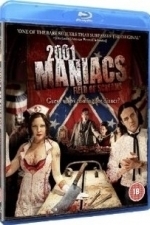


Story: 2001 Maniacs: Field of Screams starts by Mayor Buckman (Mosely) explaining why they are out for vengeances where they town of Pleasant Valley lost 2001 residents in the 1800s. When the deal with a local Sheriff is getting pushed to the limits Buckman makes sure his maniacs are safe. This leads to them going on tour to get the people from the north. We then meet High society sister Rome (Johnson) and Tina (Hope) part of Road Rascal reality show going to the south. After their camper gets run off the crashes they get stuck in the middle of nowhere where they bump into the Pleasant Valley community.
The producer Val (Leon) takes this chance to make the event simpler without having to go full south. Not knowing the true nature of the Pleasant Valley people are the reality show crew become the latest victims in the most gruesome possible ways.
2001 Maniacs: Field of Screams is a follow up to 2001 Maniacs a remake in its own right. Sadly this sequel is simply terrible, losing Robert Englund is always going to be bad but he just got out in time. The sound is awful the acting is terrible the story gets bogged down because the very outline of the story is well acceptable for horror. The characters or victims are all unlikable and you simple don’t care what happens to them, so how I am supposed to like this if none of the characters need supporting and nothing shocking happens? This was simple terrible rant over. (1/10)
REPORT THIS AD
Actor Review
Bill Moseley: Mayor George W Buckman leader of the Pleasant Valley people whose ability to talk people into them being friend works for them but soon we see his true nature. I know Bill is a cult favourite but this, was just bad man. (2/10)
Lin Shaye: Granny Boone old wise lady of the Pleasant Valley people who is just as crazy as Buckman. Lin would be the biggest name in the film but why is she here? Has anyone seen Insidious, yeah it is the same woman. (1/10)
Support Cast: 2001 Maniacs: Field of Screams every single member of the supporting cast is unlikable annoying and you might actually cheer when they die.
Director Review: Tim Sullivan – Tim just retire. (0/10)
Comedy: 2001 Maniacs: Field of Screams is not funny. (0/10)
Horror: 2001 Maniacs: Field of Screams is not scary. (0/10)
Settings: 2001 Maniacs: Field of Screams has a random setting that doesn’t make sense. (2/10)
Special Effects: 2001 Maniacs: Field of Screams blows the special effects that should be good for the kills that are sloppy. (2/10)
Suggestion: 2001 Maniacs: Field of Screams is one to avoid and never think twice about. (AVOID)
Best Part: My copy had adverts, so I knew what was good to watch.
Worst Part: The Film
Believability: No (0/10)
Chances of Tears: No (0/10)
Chances of Sequel: Please God no
Post Credits Scene: No
Awards: No
Oscar Chances: No
Runtime: 1 Hour 24 Minutes
Tagline: If They Kill You, They Will Come!
Overall: I need my time back
https://moviesreview101.com/2015/02/06/2001-maniacs-field-of-screams-2010/
The producer Val (Leon) takes this chance to make the event simpler without having to go full south. Not knowing the true nature of the Pleasant Valley people are the reality show crew become the latest victims in the most gruesome possible ways.
2001 Maniacs: Field of Screams is a follow up to 2001 Maniacs a remake in its own right. Sadly this sequel is simply terrible, losing Robert Englund is always going to be bad but he just got out in time. The sound is awful the acting is terrible the story gets bogged down because the very outline of the story is well acceptable for horror. The characters or victims are all unlikable and you simple don’t care what happens to them, so how I am supposed to like this if none of the characters need supporting and nothing shocking happens? This was simple terrible rant over. (1/10)
REPORT THIS AD
Actor Review
Bill Moseley: Mayor George W Buckman leader of the Pleasant Valley people whose ability to talk people into them being friend works for them but soon we see his true nature. I know Bill is a cult favourite but this, was just bad man. (2/10)
Lin Shaye: Granny Boone old wise lady of the Pleasant Valley people who is just as crazy as Buckman. Lin would be the biggest name in the film but why is she here? Has anyone seen Insidious, yeah it is the same woman. (1/10)
Support Cast: 2001 Maniacs: Field of Screams every single member of the supporting cast is unlikable annoying and you might actually cheer when they die.
Director Review: Tim Sullivan – Tim just retire. (0/10)
Comedy: 2001 Maniacs: Field of Screams is not funny. (0/10)
Horror: 2001 Maniacs: Field of Screams is not scary. (0/10)
Settings: 2001 Maniacs: Field of Screams has a random setting that doesn’t make sense. (2/10)
Special Effects: 2001 Maniacs: Field of Screams blows the special effects that should be good for the kills that are sloppy. (2/10)
Suggestion: 2001 Maniacs: Field of Screams is one to avoid and never think twice about. (AVOID)
Best Part: My copy had adverts, so I knew what was good to watch.
Worst Part: The Film
Believability: No (0/10)
Chances of Tears: No (0/10)
Chances of Sequel: Please God no
Post Credits Scene: No
Awards: No
Oscar Chances: No
Runtime: 1 Hour 24 Minutes
Tagline: If They Kill You, They Will Come!
Overall: I need my time back
https://moviesreview101.com/2015/02/06/2001-maniacs-field-of-screams-2010/
Daniel Boyd (1066 KP) rated It (2017) in Movies
Oct 4, 2017

The cast are great (1 more)
Good tonal balance of horror and comedy
Sloppy technical elements (1 more)
Predictable jumpscares
Time To Float!
Contains spoilers, click to show
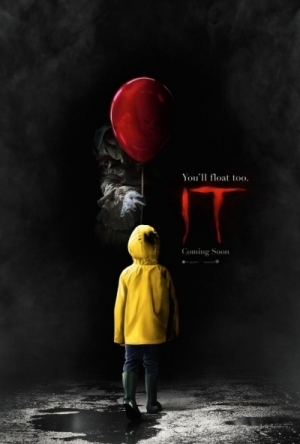
The 2017 remake of IT has been highly anticipated by Stephen King fans around the world and being a huge fan of King myself and growing up reading his stuff meant I was looking forward to seeing this. I also loved the original 1990 version when I was younger, so I was really hoping that this wouldn’t suck. Spoilers are going to follow for anyone that cares.
Let’s go through what I liked first of all. The movie opens with the tragic and brutal death of Georgie Denborough. Just like the book, he follows his paper sailboat down a storm drain, where he first encounters IT. This first appearance of Bill Skarsgard as Pennywise sets the tone for the rest of the movie, unflinching and horrifying. I felt that this intro was extremely effective in setting up what the audience could expect from this adaption, both tonally and visually.
I thought that the child actors in the movie where phenomenal, much better than I had anticipated. They all do a great job with the material they are given and each manage to bring some range to their roles. I liked the visuals for the most part and appreciated the use of mostly practical effects, my highlights being the headless burning boy in the library and when Pennywise’s entire head opens up to consume Beverly.
I enjoyed the fact that the movie served as both a coming of age story and as a horror movie. Stranger Things was clearly inspired by the original IT and this version is clearly inspired by Stanger Things, which was nice to see as a fan of both series. I liked how the movie was about kids, but dealt with adult themes in a mature manner. I also admire how the movie worked in a fair amount of comedic moments whilst still remaining frightening. Another thing that I appreciated was the few moments of subtle creepyness that the film sprinkled throughout, such as the kids TV show that was heard in the background talking about how ‘you should dance along with the clown,’ and encouraging you to be violent etc, I thought that this was a really nice touch. Also, during the library scene where Ben is flipping through the history book, I think IT took the form of the librarian, as the librarian is really creepily staring at Ben from the background of the scene, which really freaked me out when I noticed it. I also liked how some of the jumpscares worked, but unfortunately not all of them did.
Now onto what I didn’t like; my biggest issue with this movie is how formulaic it ends up feeling by around the halfway mark. With each new member of the losers club we are introduced to, we find out what the kid is scared of, then IT appears to them as the aforementioned fear, then we get a jumpscare and the scene cuts away, the next kid is introduced and the same thing happens again. This occurs repeatedly about eight times and by the fifth or sixth time it isn’t scary any longer. The worst thing that a horror movie can be is to become predictable and I’m sorry to say that this is what happens here. It ends up feeling like a checklist:
1. A child is introduced into the movie. Check
2. Some exposition is given for why they are scared of a certain thing. Check
3. IT takes the form of said fear and scares the kid. Check
4. Jumpscare happens and we abruptly cut to the next scene. Check
5. Rinse and repeat.
Some of the jumpscares do work though. Although the jumpscare during the projector screen was very obviously telegraphed, the fact that Pennywise was so huge in that scene took me by surprise, which was a nice touch. Also the scene I mentioned earlier with the headless boy in the library was well structured in the sense that once the boy was chasing Ben through the library you thought you had seen the scare, but when Pennywise leapt out from nowhere it was a genuine surprise.
The sound design is another element of the movie that I had a love/hate relationship with. For me, good sound design is essential to any worthwhile horror movie. I thought that the score used in the film was fantastic; the varied pieces perfectly complemented the tone of each scene they were used in. I also thought that some of the sound effects were well implemented in places. At other points though, the audio just annoyed me. The most egregious example of this was after Beverly smacked her dad across the head and IT appears behind her and grabs her. The sound that occurs here is ear piercingly loud, to the point that it was uncomfortable. It’s not scary, it’s not enjoyable, it’s just obnoxiously loud. It also comes across as lazy; it’s as if in post production someone decided that that scene wasn’t scary enough, so as a quick fix they just put in a painfully loud noise.
Another technical element that bothered me in places was the lighting. Don’t get me wrong, I enjoyed how a lot of the scenes took place in broad daylight, meaning we could see IT in all of his terrifying glory and in some scenes the lack of lighting added a sense of dread and helped with the film’s tone, but at times it obscured what was going on and shrouded too much of the environment and characters in darkness, to the point where you were having to squint to see what was going on.
Overall, this is a decent adaption. Bill Skarsgard does a fantastic job as Pennywise, the actors playing the kids are all great and the movie does have some effective scares. I was just taken out of it too many times though, due to the predictable nature of the repeated jumpscare sequences and some really poorly implemented technical elements.
Let’s go through what I liked first of all. The movie opens with the tragic and brutal death of Georgie Denborough. Just like the book, he follows his paper sailboat down a storm drain, where he first encounters IT. This first appearance of Bill Skarsgard as Pennywise sets the tone for the rest of the movie, unflinching and horrifying. I felt that this intro was extremely effective in setting up what the audience could expect from this adaption, both tonally and visually.
I thought that the child actors in the movie where phenomenal, much better than I had anticipated. They all do a great job with the material they are given and each manage to bring some range to their roles. I liked the visuals for the most part and appreciated the use of mostly practical effects, my highlights being the headless burning boy in the library and when Pennywise’s entire head opens up to consume Beverly.
I enjoyed the fact that the movie served as both a coming of age story and as a horror movie. Stranger Things was clearly inspired by the original IT and this version is clearly inspired by Stanger Things, which was nice to see as a fan of both series. I liked how the movie was about kids, but dealt with adult themes in a mature manner. I also admire how the movie worked in a fair amount of comedic moments whilst still remaining frightening. Another thing that I appreciated was the few moments of subtle creepyness that the film sprinkled throughout, such as the kids TV show that was heard in the background talking about how ‘you should dance along with the clown,’ and encouraging you to be violent etc, I thought that this was a really nice touch. Also, during the library scene where Ben is flipping through the history book, I think IT took the form of the librarian, as the librarian is really creepily staring at Ben from the background of the scene, which really freaked me out when I noticed it. I also liked how some of the jumpscares worked, but unfortunately not all of them did.
Now onto what I didn’t like; my biggest issue with this movie is how formulaic it ends up feeling by around the halfway mark. With each new member of the losers club we are introduced to, we find out what the kid is scared of, then IT appears to them as the aforementioned fear, then we get a jumpscare and the scene cuts away, the next kid is introduced and the same thing happens again. This occurs repeatedly about eight times and by the fifth or sixth time it isn’t scary any longer. The worst thing that a horror movie can be is to become predictable and I’m sorry to say that this is what happens here. It ends up feeling like a checklist:
1. A child is introduced into the movie. Check
2. Some exposition is given for why they are scared of a certain thing. Check
3. IT takes the form of said fear and scares the kid. Check
4. Jumpscare happens and we abruptly cut to the next scene. Check
5. Rinse and repeat.
Some of the jumpscares do work though. Although the jumpscare during the projector screen was very obviously telegraphed, the fact that Pennywise was so huge in that scene took me by surprise, which was a nice touch. Also the scene I mentioned earlier with the headless boy in the library was well structured in the sense that once the boy was chasing Ben through the library you thought you had seen the scare, but when Pennywise leapt out from nowhere it was a genuine surprise.
The sound design is another element of the movie that I had a love/hate relationship with. For me, good sound design is essential to any worthwhile horror movie. I thought that the score used in the film was fantastic; the varied pieces perfectly complemented the tone of each scene they were used in. I also thought that some of the sound effects were well implemented in places. At other points though, the audio just annoyed me. The most egregious example of this was after Beverly smacked her dad across the head and IT appears behind her and grabs her. The sound that occurs here is ear piercingly loud, to the point that it was uncomfortable. It’s not scary, it’s not enjoyable, it’s just obnoxiously loud. It also comes across as lazy; it’s as if in post production someone decided that that scene wasn’t scary enough, so as a quick fix they just put in a painfully loud noise.
Another technical element that bothered me in places was the lighting. Don’t get me wrong, I enjoyed how a lot of the scenes took place in broad daylight, meaning we could see IT in all of his terrifying glory and in some scenes the lack of lighting added a sense of dread and helped with the film’s tone, but at times it obscured what was going on and shrouded too much of the environment and characters in darkness, to the point where you were having to squint to see what was going on.
Overall, this is a decent adaption. Bill Skarsgard does a fantastic job as Pennywise, the actors playing the kids are all great and the movie does have some effective scares. I was just taken out of it too many times though, due to the predictable nature of the repeated jumpscare sequences and some really poorly implemented technical elements.

Lee (2222 KP) rated Jumanji: The Next Level (2019) in Movies
Dec 23, 2019
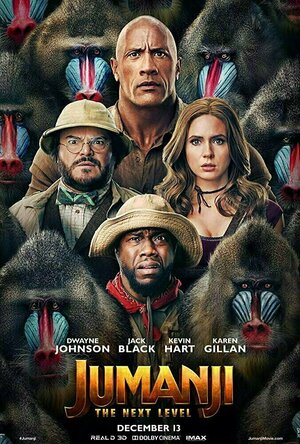

Like pretty much everyone else, when I first heard that the Robin Williams 1985 classic Jumanji was getting some kind of reboot/remake starring Dwayne Johnson, I was hugely sceptical. I probably even rolled my eyes and raised an eyebrow or something in disappointed disbelief! But then, also like pretty much everyone else judging by the fact it went on to make almost a billion dollars, I was more than pleasantly surprised when Jumanji: Welcome to the Jungle turned out to be a big hit - an enjoyable, fresh take on the Jumanji idea, while still remaining true to the original. But, big box office numbers usually mean that a sequel won't be too far off and, sure enough, Jumanji: The Next Level was announced, with the original cast all returning. Hopefully they weren't going to end up stretching the formula too thin and had managed to come up with another new and exciting adventure to entice us back into the world of Jumanji.
Our four teens from Welcome to the Jungle are all still great friends following their ordeal/adventure together, although Spencer has become more distant from the group over the last year, seeming rather unhappy and depressed with life. As the rest of the group excitedly exchange messages on Whatsapp in preparation to return home for a Christmas reunion, Spencer is getting yelled at by his boss before struggling with a broken suitcase in the pouring rain as he heads to catch the bus home. When he does make it home, his Grandpa Eddie (Danny DeVito) is staying with them while he recovers from a hip operation, and Spencer now has the pleasure of sharing his bedroom with him. Complaining about old age, Eddie is the kind of grumpy character that Danny DeVito plays so perfectly and we are also introduced soon after to an old friend of his, Milo (Danny Glover). Eddie and Milo are former partners in the restaurant business, but haven't been on the best of terms over the last 15 years since they sold the restaurant and parted on not the best of terms.
When Spencer suddenly goes missing and his three friends go looking for him, they discover the battered Jumanji video game down in his basement, with Spencer's mobile phone and coat laying nearby. They realise that Spencer has ventured back into Jumanji and decide that they must join him in order to increase his chances of getting out of there alive. But this time round, it's not just the teens who get pulled into the game, as Eddie and Milo also find themselves inside Jumanji. And, just to mix things up a bit from the last movie, not everyone winds up in the same avatar as they did before either. So, similar to what we got last time, we're treated to plenty of comedy moments while everyone becomes accustomed to their new body and is either disgusted or overjoyed with what they've got. Grandpa Eddie finds himself as Dr. Bravestone while Milo is Franklin 'Mouse' Finbar, so obviously now having a fully functional, new and improved body is a pretty big deal for the old timers. Seeing Dwayne Johnson and Kevin Hart act out their very best impersonations of DeVito and Glover is a lot of fun and straight away serves up a completely different dynamic to that of the first movie. On top of that, there are some differences in the skills and weaknesses that each avatar now possesses and the introduction throughout the movie of a few more avatars in order to cater for the additional players who are now in the game.
When it comes to the quest that the team must embark upon in order to beat the game, this doesn't seem quite as well fleshed out or developed as in Welcome to the Jungle, and it's where this movie is lacking. The villain isn't at all interesting, and neither is the journey they take in order to get there. There are a couple of big fun action scenes, but also a lot of filler scenes that are somewhat lacking. It's still that winning formula from the previous movie, but with something missing.
As before though, it's the characters that shine through and make this all the more enjoyable. Probably the biggest addition this time round is Awkwafina as Ming Fleetfoot, who proves to be just as entertaining as the rest of the avatars. And, just to keep us on our toes, there are a couple of times where a dip in some magical water causes the players to switch avatars, meaning the cast get a chance to act in a different way as they get to grips with a new body and skills again.
Overall, Jumanji: The Next Level felt like more of the same, only not quite as good as Welcome to the Jungle. Obviously, there's a teaser or two of a sequel at the end of the movie and I'm sure the characters telling each other that they'll “never go back again” won't be enough to stop that from happening should this movie do as well as the last one!
Our four teens from Welcome to the Jungle are all still great friends following their ordeal/adventure together, although Spencer has become more distant from the group over the last year, seeming rather unhappy and depressed with life. As the rest of the group excitedly exchange messages on Whatsapp in preparation to return home for a Christmas reunion, Spencer is getting yelled at by his boss before struggling with a broken suitcase in the pouring rain as he heads to catch the bus home. When he does make it home, his Grandpa Eddie (Danny DeVito) is staying with them while he recovers from a hip operation, and Spencer now has the pleasure of sharing his bedroom with him. Complaining about old age, Eddie is the kind of grumpy character that Danny DeVito plays so perfectly and we are also introduced soon after to an old friend of his, Milo (Danny Glover). Eddie and Milo are former partners in the restaurant business, but haven't been on the best of terms over the last 15 years since they sold the restaurant and parted on not the best of terms.
When Spencer suddenly goes missing and his three friends go looking for him, they discover the battered Jumanji video game down in his basement, with Spencer's mobile phone and coat laying nearby. They realise that Spencer has ventured back into Jumanji and decide that they must join him in order to increase his chances of getting out of there alive. But this time round, it's not just the teens who get pulled into the game, as Eddie and Milo also find themselves inside Jumanji. And, just to mix things up a bit from the last movie, not everyone winds up in the same avatar as they did before either. So, similar to what we got last time, we're treated to plenty of comedy moments while everyone becomes accustomed to their new body and is either disgusted or overjoyed with what they've got. Grandpa Eddie finds himself as Dr. Bravestone while Milo is Franklin 'Mouse' Finbar, so obviously now having a fully functional, new and improved body is a pretty big deal for the old timers. Seeing Dwayne Johnson and Kevin Hart act out their very best impersonations of DeVito and Glover is a lot of fun and straight away serves up a completely different dynamic to that of the first movie. On top of that, there are some differences in the skills and weaknesses that each avatar now possesses and the introduction throughout the movie of a few more avatars in order to cater for the additional players who are now in the game.
When it comes to the quest that the team must embark upon in order to beat the game, this doesn't seem quite as well fleshed out or developed as in Welcome to the Jungle, and it's where this movie is lacking. The villain isn't at all interesting, and neither is the journey they take in order to get there. There are a couple of big fun action scenes, but also a lot of filler scenes that are somewhat lacking. It's still that winning formula from the previous movie, but with something missing.
As before though, it's the characters that shine through and make this all the more enjoyable. Probably the biggest addition this time round is Awkwafina as Ming Fleetfoot, who proves to be just as entertaining as the rest of the avatars. And, just to keep us on our toes, there are a couple of times where a dip in some magical water causes the players to switch avatars, meaning the cast get a chance to act in a different way as they get to grips with a new body and skills again.
Overall, Jumanji: The Next Level felt like more of the same, only not quite as good as Welcome to the Jungle. Obviously, there's a teaser or two of a sequel at the end of the movie and I'm sure the characters telling each other that they'll “never go back again” won't be enough to stop that from happening should this movie do as well as the last one!

Gareth von Kallenbach (980 KP) rated Operation Avalanche (2016) in Movies
Jul 15, 2019
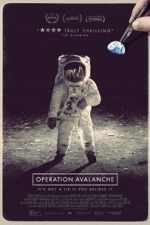
You’ve heard me say it before. I’ll say it again. Before this year is out, I’ll say it in perhaps another article. The ‘found footage genre’ of movies was played out in perhaps its most notable appearance as well as its debut in the original ‘Blair Witch Project’. Now they’re gearing-up for another round of ‘beating a dead horse’ with a remake would you believe? However, I’m not here writing this article to go on and on and plague your eyes with an entire article complaining about the issue. No. Why you ask? For the unique reason which is since I’ve been writing reviews for movies, ‘Skewed & Reviewed’ has given me the good fortune to screen movies incorporating said genre that present ORIGINAL ideas. Today’s film for your consideration does so in the form of a unique period piece incorporating one of the most notorious conspiracy theories in the world with a pivotal moment in history. Not just in American history but global history.
July 20th, 1969. Less than 10 years after the Cuban Missile Crisis in the midst of the Cold War the great ‘space race’ between the two world superpowers, the Soviet Union and the United States, is on. NASA astronauts Michael Collins, Buzz Aldrin, and Neil Armstrong journey to the moon aboard the Apollo 11 spacecraft where Neil Armstrong becomes the first human being in history to set foot on the moon. That’s what the history books say. However, almost immediately after the crew of Apollo 11 returned to Earth there were many individuals on both sides who claimed not only was it not possible to land human beings safely on the moon and return them to Earth, but that NASA had faked the entire event in conjunction with other organizations and agencies within the American intelligence and military communities. This is where the basis for today’s film originates.
‘Operation Avalanche’ is an American-Canadian found footage/conspiracy thriller film directed by Matt Johnson who also starred in and co-wrote the film with Josh Boles. The film also stars Owen Williams, Jared Raab, Andrew Appelle, Madeleine Sims-Fewer, Krista Madison, Tom Bolton, and Sharon Belle. The film begins in 1967. The Central Intelligence Agency suspects that a Soviet mole has infiltrated NASA and is providing the Russians with information on American rocket technology. Four employees of the CIA are sent in undercover as a documentary film crew to determine if the agency’s suspicions are true and to determine the mole’s identity. Instead, what the discover sends shockwaves through the agency’s upper echelons and could potentially lead to a Soviet victory in the space race and bring to light one of the biggest conspiracies imaginable.
This movie is a brilliantly conceived and executed piece of film making. It not only includes historical news footage from the event, but combines it with a bit of guerrilla film-making. The film was shot in Toronto, Washington DC, and Houston, Texas. They were able to shoot on site at NASA by claiming they were shooting a documentary which was not entirely untrue. Essential they sort of broke the ‘fourth wall’ three times. The characters in the film were documentary film makers going undercover to shoot a documentary under the guise of a documentary film crew. The attention to detail from the locations, to the music, to the people themselves (how they looked, talked, and dressed) was something that one would imagine would’ve taken a larger budget. These folks pulled it off brilliantly essentially creating a period piece within the film. You get a genuine sense that the characters are who they act like they are in the particular time and place. Four CIA operatives looking to move up in the agency by moving themselves into place to be assigned to an undercover operation with low risk to themselves with the slight possibility of danger but then get caught up in a secret far bigger than anything they originally anticipated. The senses are heightened, the pace increases, and the conspiracy begins to unfold. The film is most definitely worth checking out. It kinda slows down a bit too much at certain points but all in all an excellent film. I’m going to give it 3 1/2 out of 5 stars. It’s certainly what I’d like to call a ‘thinking persons movie’. If you’re a fan of history, conspiracy theory, or both this film is certainly worth watching.
July 20th, 1969. Less than 10 years after the Cuban Missile Crisis in the midst of the Cold War the great ‘space race’ between the two world superpowers, the Soviet Union and the United States, is on. NASA astronauts Michael Collins, Buzz Aldrin, and Neil Armstrong journey to the moon aboard the Apollo 11 spacecraft where Neil Armstrong becomes the first human being in history to set foot on the moon. That’s what the history books say. However, almost immediately after the crew of Apollo 11 returned to Earth there were many individuals on both sides who claimed not only was it not possible to land human beings safely on the moon and return them to Earth, but that NASA had faked the entire event in conjunction with other organizations and agencies within the American intelligence and military communities. This is where the basis for today’s film originates.
‘Operation Avalanche’ is an American-Canadian found footage/conspiracy thriller film directed by Matt Johnson who also starred in and co-wrote the film with Josh Boles. The film also stars Owen Williams, Jared Raab, Andrew Appelle, Madeleine Sims-Fewer, Krista Madison, Tom Bolton, and Sharon Belle. The film begins in 1967. The Central Intelligence Agency suspects that a Soviet mole has infiltrated NASA and is providing the Russians with information on American rocket technology. Four employees of the CIA are sent in undercover as a documentary film crew to determine if the agency’s suspicions are true and to determine the mole’s identity. Instead, what the discover sends shockwaves through the agency’s upper echelons and could potentially lead to a Soviet victory in the space race and bring to light one of the biggest conspiracies imaginable.
This movie is a brilliantly conceived and executed piece of film making. It not only includes historical news footage from the event, but combines it with a bit of guerrilla film-making. The film was shot in Toronto, Washington DC, and Houston, Texas. They were able to shoot on site at NASA by claiming they were shooting a documentary which was not entirely untrue. Essential they sort of broke the ‘fourth wall’ three times. The characters in the film were documentary film makers going undercover to shoot a documentary under the guise of a documentary film crew. The attention to detail from the locations, to the music, to the people themselves (how they looked, talked, and dressed) was something that one would imagine would’ve taken a larger budget. These folks pulled it off brilliantly essentially creating a period piece within the film. You get a genuine sense that the characters are who they act like they are in the particular time and place. Four CIA operatives looking to move up in the agency by moving themselves into place to be assigned to an undercover operation with low risk to themselves with the slight possibility of danger but then get caught up in a secret far bigger than anything they originally anticipated. The senses are heightened, the pace increases, and the conspiracy begins to unfold. The film is most definitely worth checking out. It kinda slows down a bit too much at certain points but all in all an excellent film. I’m going to give it 3 1/2 out of 5 stars. It’s certainly what I’d like to call a ‘thinking persons movie’. If you’re a fan of history, conspiracy theory, or both this film is certainly worth watching.
Lottie disney bookworm (1056 KP) rated As Old As Time in Books
Aug 16, 2019


Review by Disney Bookworm
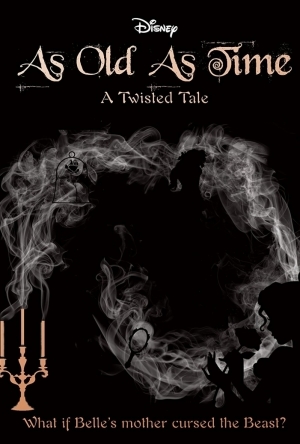
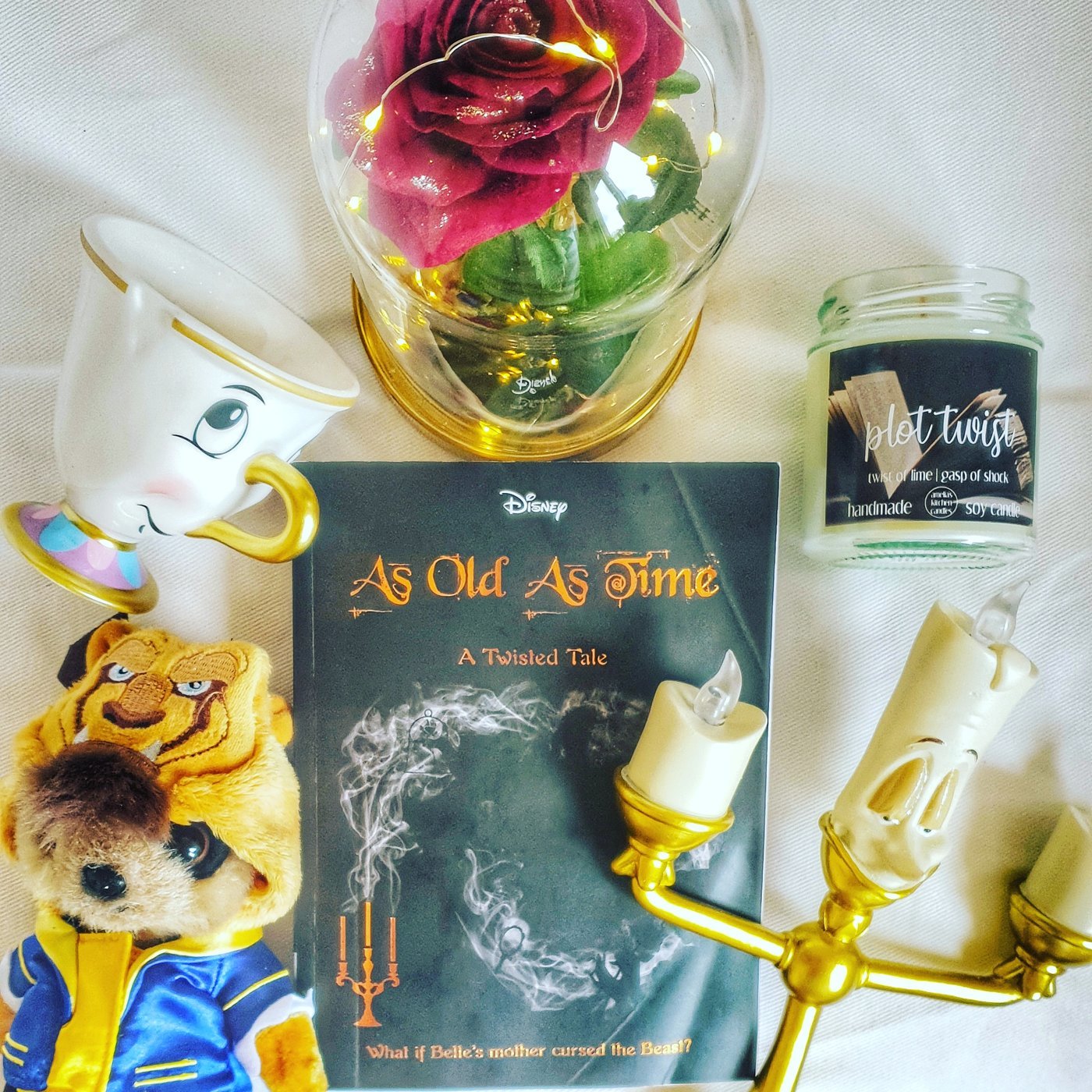
I’m going to come right out and say (although you will probably be able to tell if you make it to the end of this blog) that this is, so far, my favourite book in the twisted tale series. Seriously, this is the second time I have read it and I loved it just as much as the first time. I got just as engrossed in the story and I seriously think Liz Braswell and I could be best friends!
As Old As Time is the retelling of Beauty and the Beast and opens with the familiar story of the enchantress and the young, vain prince that we all know. You can probably still picture the stained-glass scene from the original 1991 movie and the dramatic ballroom scene in the 2017 remake.
Refusing to be eclipsed by these though, Braswell follows the well-known tale with: “It was a very good story. It often entertained the woman who lay in her black hole of a room, manacled to a hard, cold bed.”
Wait! What?
There, with one fell swoop, on the second page, Braswell brings an almost gothic darkness to the fairy tale. Of course, some would say it is already dark: very few people who are cursed to become a beast are particularly jolly about the situation! However, Braswell goes one step further by both revealing the story behind the enchantress and taking us on a journey to discover the ugly truth in the present.
Liz Braswell creates a kingdom where magic and non-magic people have lived together peacefully for years but where politics and a lack of cultural understanding is threatening to tear that apart as les charmantes find themselves persecuted by les naturels. (I can’t imagine where she draws her inspiration from(!))
It is in this kingdom that we meet a young dreamer called Maurice and the enchantress Rosalind, Belle’s mother (nicknamed Rose- so clever!). Maurice is very much a younger version of the character we grew up with: loveable and devoted to his inventions. Rosalind however is much more headstrong and impulsive: even changing her appearance on a whim. Her pride is fierce and we first meet her holding her own against a large man insulting ‘her kind’, calling her unnatural and a child of the devil. The bully soon learns the error of his ways when his nose is replaced by a pig’s snout but a warning runs all the way through this tale: “magic always comes back on itself”.
Maurice and Rosalind’s life is happy and settled at first but they soon start to witness the persecution of les charmantes for themselves. Thus, when the King and Queen call on Rosalind to protect them against the advancing plague, she passionately fights for her people…only to be rejected and turned away. Maurice, always the voice of reason, convinces Rosalind to at least protect the children and servants and so it comes to pass that Rosalind later visits the young prince, on the eve of his coronation, carrying with her the simple gift of a rose.
Braswell’s character development is, as always, impressive. Belle is immediately relatable as the kooky bookworm we know and love: her story running parallel to the film until we, as readers, develop a relationship with her parents. It is then that we discover there is a slight edge to Belle. Although clearly tortured by the fact her mother cursed a 10-year-old boy, Braswell’s Belle is desperate to be adventurous and heroic like the characters in her books but soon realises an adventure is not all it is cracked up to be. Like her mother, Belle can be quite impulsive: grabbing the enchanted rose before the beast can stop her and destroying any chance of breaking the spell. However, she is also quick and cunning, tricking the wardrobe into revealing the curse’s timeline. Nevertheless, the bravery of our protagonist can never be doubted and Belle embarks on one hell of a journey to discover the truth about her family and herself.
Uniquely, within As Old As Time we slowly see side-line characters weave their way into the lives and stories of our characters. Levi and Alaric, for example, are old friends of Maurice and Rosalind and are seemingly insignificant to the story at first. However, Levi is also the godfather to Belle and the village bookseller (“If you like it that much, it’s yours!” – that guy). Alaric on the other hand has a significant link to the castle and both carry clues with them that assist Belle on her quest.
Any Beauty and the Beast tale would not be complete without LeFou and Gaston – that infamous double act- but even Gaston is ever so slightly darker than his animated counterpart. Frederic: another friend from the past and, quite frankly, odd from the start also plays a pivotal role in the story but I won’t spoil the surprise for you!
As Old As Time is true to its name: weaving two stories into its plot at different points in time: the story that we all know and the story of how that came to be. It is an ominous tale with curses, murder, creepy ivy statues and a frankly terrifying tour of the lunatic asylum.
It is not all doom and gloom however; Liz Braswell takes a very tongue-in-cheek attitude towards the infamous scenes within Beauty and the Beast: invoking a dry sense of humour into the story. From a chapter named “Be Our … Oh You Know the Rest” to a direct reference to Stockholm Syndrome: Braswell makes sure that we do not expect her novel to be a copycat, heartfelt tale with a happy ending. Belle even remarks to the Beast that hoping she would fall in love with him within a month or so was wildly unrealistic.
This is very much a novel for the cynical Disney lovers amongst us and highly deserving of its title of a twisted tale!
As Old As Time is the retelling of Beauty and the Beast and opens with the familiar story of the enchantress and the young, vain prince that we all know. You can probably still picture the stained-glass scene from the original 1991 movie and the dramatic ballroom scene in the 2017 remake.
Refusing to be eclipsed by these though, Braswell follows the well-known tale with: “It was a very good story. It often entertained the woman who lay in her black hole of a room, manacled to a hard, cold bed.”
Wait! What?
There, with one fell swoop, on the second page, Braswell brings an almost gothic darkness to the fairy tale. Of course, some would say it is already dark: very few people who are cursed to become a beast are particularly jolly about the situation! However, Braswell goes one step further by both revealing the story behind the enchantress and taking us on a journey to discover the ugly truth in the present.
Liz Braswell creates a kingdom where magic and non-magic people have lived together peacefully for years but where politics and a lack of cultural understanding is threatening to tear that apart as les charmantes find themselves persecuted by les naturels. (I can’t imagine where she draws her inspiration from(!))
It is in this kingdom that we meet a young dreamer called Maurice and the enchantress Rosalind, Belle’s mother (nicknamed Rose- so clever!). Maurice is very much a younger version of the character we grew up with: loveable and devoted to his inventions. Rosalind however is much more headstrong and impulsive: even changing her appearance on a whim. Her pride is fierce and we first meet her holding her own against a large man insulting ‘her kind’, calling her unnatural and a child of the devil. The bully soon learns the error of his ways when his nose is replaced by a pig’s snout but a warning runs all the way through this tale: “magic always comes back on itself”.
Maurice and Rosalind’s life is happy and settled at first but they soon start to witness the persecution of les charmantes for themselves. Thus, when the King and Queen call on Rosalind to protect them against the advancing plague, she passionately fights for her people…only to be rejected and turned away. Maurice, always the voice of reason, convinces Rosalind to at least protect the children and servants and so it comes to pass that Rosalind later visits the young prince, on the eve of his coronation, carrying with her the simple gift of a rose.
Braswell’s character development is, as always, impressive. Belle is immediately relatable as the kooky bookworm we know and love: her story running parallel to the film until we, as readers, develop a relationship with her parents. It is then that we discover there is a slight edge to Belle. Although clearly tortured by the fact her mother cursed a 10-year-old boy, Braswell’s Belle is desperate to be adventurous and heroic like the characters in her books but soon realises an adventure is not all it is cracked up to be. Like her mother, Belle can be quite impulsive: grabbing the enchanted rose before the beast can stop her and destroying any chance of breaking the spell. However, she is also quick and cunning, tricking the wardrobe into revealing the curse’s timeline. Nevertheless, the bravery of our protagonist can never be doubted and Belle embarks on one hell of a journey to discover the truth about her family and herself.
Uniquely, within As Old As Time we slowly see side-line characters weave their way into the lives and stories of our characters. Levi and Alaric, for example, are old friends of Maurice and Rosalind and are seemingly insignificant to the story at first. However, Levi is also the godfather to Belle and the village bookseller (“If you like it that much, it’s yours!” – that guy). Alaric on the other hand has a significant link to the castle and both carry clues with them that assist Belle on her quest.
Any Beauty and the Beast tale would not be complete without LeFou and Gaston – that infamous double act- but even Gaston is ever so slightly darker than his animated counterpart. Frederic: another friend from the past and, quite frankly, odd from the start also plays a pivotal role in the story but I won’t spoil the surprise for you!
As Old As Time is true to its name: weaving two stories into its plot at different points in time: the story that we all know and the story of how that came to be. It is an ominous tale with curses, murder, creepy ivy statues and a frankly terrifying tour of the lunatic asylum.
It is not all doom and gloom however; Liz Braswell takes a very tongue-in-cheek attitude towards the infamous scenes within Beauty and the Beast: invoking a dry sense of humour into the story. From a chapter named “Be Our … Oh You Know the Rest” to a direct reference to Stockholm Syndrome: Braswell makes sure that we do not expect her novel to be a copycat, heartfelt tale with a happy ending. Belle even remarks to the Beast that hoping she would fall in love with him within a month or so was wildly unrealistic.
This is very much a novel for the cynical Disney lovers amongst us and highly deserving of its title of a twisted tale!
FINAL FANTASY VI
Games and Entertainment
App
==== We have received a report that the in-game language switches to English when the device is set...
Leisure Suit Larry: Reloaded
Games
App
It’s not just the funniest game you've ever played… …it’s also the most infamous video game...

Chris Sawin (602 KP) rated Dance of the Dead (2008) in Movies
Jun 18, 2019
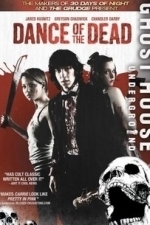


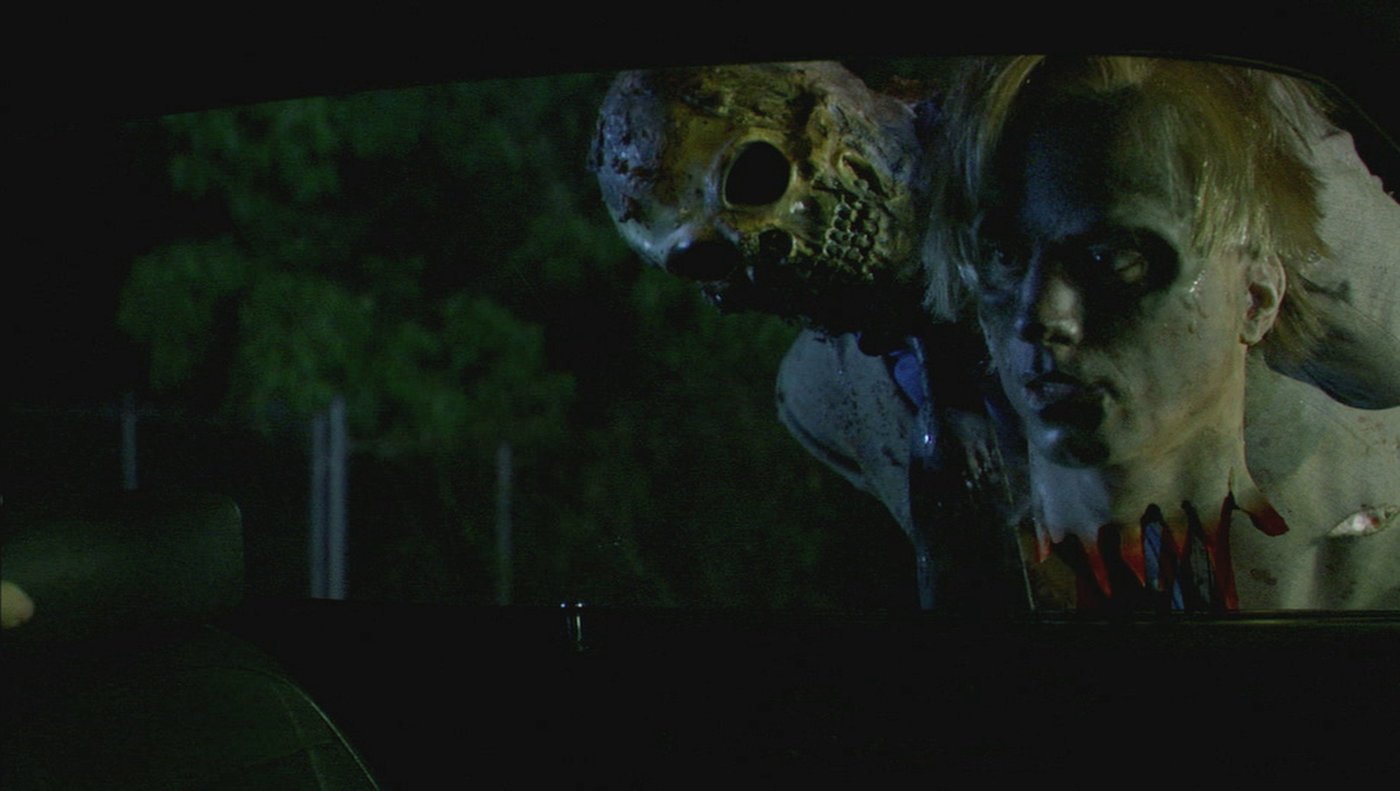
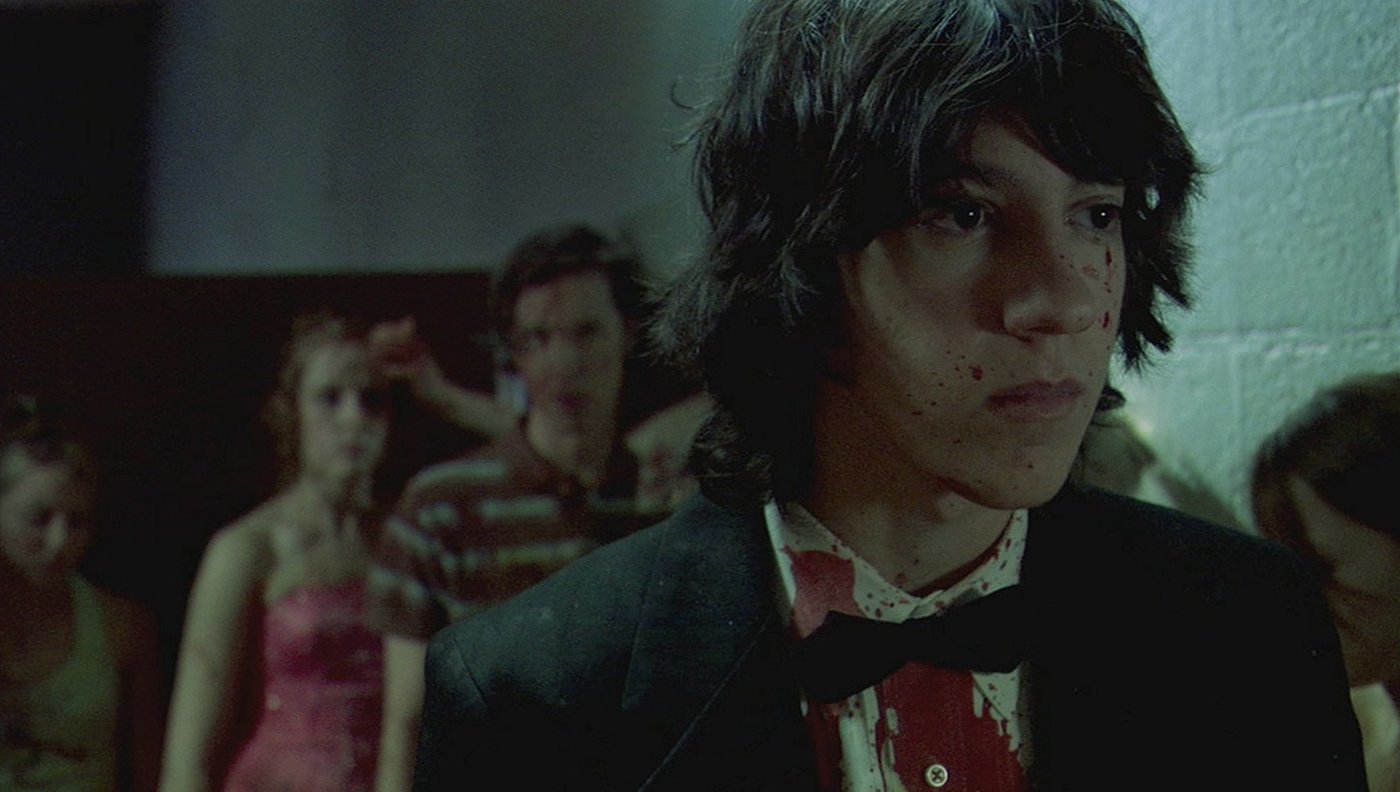
Jimmy Dunn (Jared Kusnitz) never seems to take anything seriously. He likes to spend more time in detention than he does in class. So it’s no surprise that Lindsey (Greyson Chadwick), the girl Jimmy was going to take to prom, decides to not go with him after realizing that Jimmy has no ambition. To make matters worse, something weird is going on in the graveyard next to the nuclear power plant in town. The dead are walking and they’re headed to the prom. The town is now in the hands of the losers who couldn’t get dates to the prom. There goes the neighborhood and here comes the pain; that is something that is certainly meant in more ways than one.
This is the type of horror film you have the urge to turn off as soon as it starts. Written by Joe Ballarini (My Little Pony: The Movie) and directed by Gregg Bishop (the “Dante the Great” segment of V/H/S Viral), Dance of the Dead is a part of the eight films that made up Ghost House Underground; horror films from all over the world chosen by Sam Raimi and Rob Tapert supposedly representing a “fresh” perspective of the horror genre. The problem is that most people would seek out one of these films and then never bother with the rest because why would you torture yourself any further?
The first 20 or so minutes of the film revolve around high school melodrama and the prom. This is supposedly where you get accustomed to the film’s humor, but it’s mostly nothing more than high school kids being obnoxious and unbearable. The graveyard scene is where things get even worse. Zombies start rising from beyond the grave and decomposing hands start bursting through headstones since that makes more sense than soil. Emerging from the ground simply wasn’t enough either; these zombies explode from their graves with smoke and a loud crash. Moments later during the same sequence, there are zombies jumping several feet into the air out of the ground, landing on their feet, and running after these kids. If it sounds cool in the slightest, then this description isn’t doing this dumpster fire justice.
The zombies are all over the place in Dance of the Dead. They start off as the zombies that run similar to the zombies in Zack Snyder’s Dawn of the Dead remake. Later on in the film, they stumble around and are slow like George Romero’s zombies. Even later after that, the zombies are running again while some attempt to speak, say, “Brains!” and then get in a car and drive off. Someone had pointed out that the zombies in the film who are fresh out of the ground run while older ones move slower, which only makes this turd milkshake slightly less nutty. Dance of the Dead also can’t decide what zombie films to pay homage to either. Return of the Living Dead has a massive influence, but the film clearly pays tribute to Night of the Living Dead when the kids reach a house and decide to board up all the windows and take shelter. It seems like the one consistent aspect this film has is to be inconsistent.
Did you know zombies can be held at bay solely by the power of rocking out? Three stoners in a band (a guitarist, a bassist, and a drummer) inadvertently discover that their music stops zombies in their tracks. A bit later in the film during the prom, the gymnasium is full of zombies. There’s music playing and it shows three zombies on stage playing musical instruments; a guitar, a bass, and a drum set. Fast forward a little more and the three stoners are back again playing their stoner rock and the zombies are back to being frozen during their performance. There’s no consistency when it comes to what they play or how it affects zombies.
“In extreme circumstances, the assailants can be stopped by removing the head or destroying the brain.” Do you remember this quote from Shaun of the Dead? Try to keep it in mind, especially the, “removing the head,” part. A guy gets his head torn off by a zombie and you’d think he’d be dead, but this actually turns his decapitated head into a zombie. He comes back later on; his headless corpse carrying his decapitated head around. It’s one thing to try and reinvent a genre, but when you have so many reinventions along with homage out to wazoo you’re basically throwing cow pies at a brick wall and seeing what sticks.
Zombies shouldn’t make out with each other. Vampires shouldn’t sparkle and Warm Bodies isn’t canon. Two students turn into zombies and still end up in a giant make out session after they’ve turned. The kiss turns awkward as they start chewing on each other mid-kiss. They start taking bites out of each other while they’re still sucking face. This is the scariest aspect of the film considering that maybe most of us don’t want our eyeballs chewed out of our skulls during something so intimate.
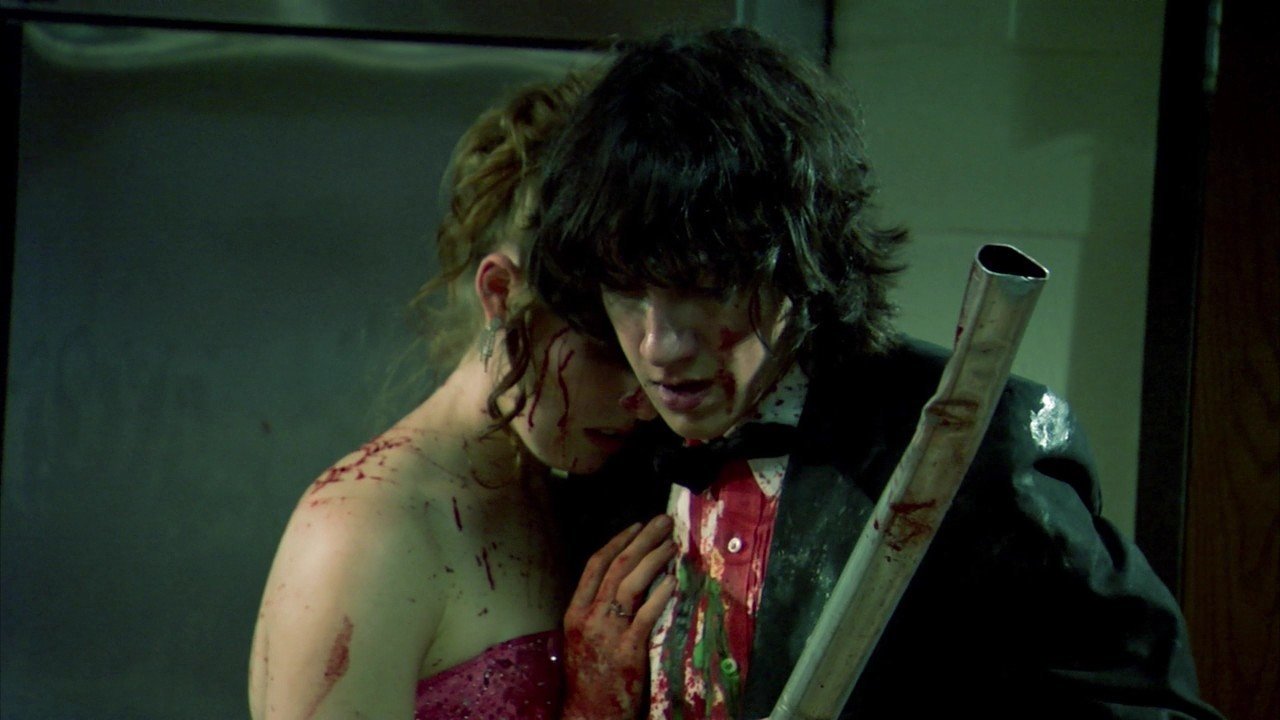
When the special effects aren’t being a complete eyesore from being so cheap and ugly, the gore in Dance of the Dead is decent. Blood splattering everywhere is pretty common throughout the film. The acting isn’t completely terrible either. It absolutely isn’t good by any means. Dance of the Dead is basically Degrassi with zombies and everything lame you’re expecting to tag along with that reference. Lucas Till (X-Men: First Class, MacGyver) has a brief cameo as one of the rockers in the film and he's probably the only cast member you'll recognize.
The jumbled mass of homage and redefining of zombie lore in Dance of the Dead throws a monkey wrench in calling the film stereotypical and cliché, but it certainly feels that way. It seems like a rejected, alternate, first draft of a film you’ve already seen rather than a film that attempts to stand on its own two legs. It may be fun for fans of campy horror films, but its originality is borderline offensive since Dance of the Dead seems to just combine everything you know about zombies or purposely does the opposite at an attempt at being a different chomp of undead horror. Unfortunately though, Dance of the Dead is too overwhelmingly absurd for its own good as its gore feels like the drunken antics of a washed up clown rather than a competent horror film.
Dance of the Dead is available to stream on Amazon Prime, YouTube, and Google Play for $1.99, Vudu for $2.99, and iTunes for $5.99. The DVD is $7.72 on Amazon while the Blu-ray (which is Region 2 only) is $25.52 from a third party seller. The DVD is $7.49 in new condition and with free shipping on eBay or $4 with $2.99 shipping pre-owned. If you enjoy terrible things, the eight disc set of all the Ghost House Underground titles are available as a boxed set on Amazon for $179.74 and on eBay for $39.99 in brand new condition and with free shipping.
This is the type of horror film you have the urge to turn off as soon as it starts. Written by Joe Ballarini (My Little Pony: The Movie) and directed by Gregg Bishop (the “Dante the Great” segment of V/H/S Viral), Dance of the Dead is a part of the eight films that made up Ghost House Underground; horror films from all over the world chosen by Sam Raimi and Rob Tapert supposedly representing a “fresh” perspective of the horror genre. The problem is that most people would seek out one of these films and then never bother with the rest because why would you torture yourself any further?
The first 20 or so minutes of the film revolve around high school melodrama and the prom. This is supposedly where you get accustomed to the film’s humor, but it’s mostly nothing more than high school kids being obnoxious and unbearable. The graveyard scene is where things get even worse. Zombies start rising from beyond the grave and decomposing hands start bursting through headstones since that makes more sense than soil. Emerging from the ground simply wasn’t enough either; these zombies explode from their graves with smoke and a loud crash. Moments later during the same sequence, there are zombies jumping several feet into the air out of the ground, landing on their feet, and running after these kids. If it sounds cool in the slightest, then this description isn’t doing this dumpster fire justice.
The zombies are all over the place in Dance of the Dead. They start off as the zombies that run similar to the zombies in Zack Snyder’s Dawn of the Dead remake. Later on in the film, they stumble around and are slow like George Romero’s zombies. Even later after that, the zombies are running again while some attempt to speak, say, “Brains!” and then get in a car and drive off. Someone had pointed out that the zombies in the film who are fresh out of the ground run while older ones move slower, which only makes this turd milkshake slightly less nutty. Dance of the Dead also can’t decide what zombie films to pay homage to either. Return of the Living Dead has a massive influence, but the film clearly pays tribute to Night of the Living Dead when the kids reach a house and decide to board up all the windows and take shelter. It seems like the one consistent aspect this film has is to be inconsistent.
Did you know zombies can be held at bay solely by the power of rocking out? Three stoners in a band (a guitarist, a bassist, and a drummer) inadvertently discover that their music stops zombies in their tracks. A bit later in the film during the prom, the gymnasium is full of zombies. There’s music playing and it shows three zombies on stage playing musical instruments; a guitar, a bass, and a drum set. Fast forward a little more and the three stoners are back again playing their stoner rock and the zombies are back to being frozen during their performance. There’s no consistency when it comes to what they play or how it affects zombies.
“In extreme circumstances, the assailants can be stopped by removing the head or destroying the brain.” Do you remember this quote from Shaun of the Dead? Try to keep it in mind, especially the, “removing the head,” part. A guy gets his head torn off by a zombie and you’d think he’d be dead, but this actually turns his decapitated head into a zombie. He comes back later on; his headless corpse carrying his decapitated head around. It’s one thing to try and reinvent a genre, but when you have so many reinventions along with homage out to wazoo you’re basically throwing cow pies at a brick wall and seeing what sticks.
Zombies shouldn’t make out with each other. Vampires shouldn’t sparkle and Warm Bodies isn’t canon. Two students turn into zombies and still end up in a giant make out session after they’ve turned. The kiss turns awkward as they start chewing on each other mid-kiss. They start taking bites out of each other while they’re still sucking face. This is the scariest aspect of the film considering that maybe most of us don’t want our eyeballs chewed out of our skulls during something so intimate.
When the special effects aren’t being a complete eyesore from being so cheap and ugly, the gore in Dance of the Dead is decent. Blood splattering everywhere is pretty common throughout the film. The acting isn’t completely terrible either. It absolutely isn’t good by any means. Dance of the Dead is basically Degrassi with zombies and everything lame you’re expecting to tag along with that reference. Lucas Till (X-Men: First Class, MacGyver) has a brief cameo as one of the rockers in the film and he's probably the only cast member you'll recognize.
The jumbled mass of homage and redefining of zombie lore in Dance of the Dead throws a monkey wrench in calling the film stereotypical and cliché, but it certainly feels that way. It seems like a rejected, alternate, first draft of a film you’ve already seen rather than a film that attempts to stand on its own two legs. It may be fun for fans of campy horror films, but its originality is borderline offensive since Dance of the Dead seems to just combine everything you know about zombies or purposely does the opposite at an attempt at being a different chomp of undead horror. Unfortunately though, Dance of the Dead is too overwhelmingly absurd for its own good as its gore feels like the drunken antics of a washed up clown rather than a competent horror film.
Dance of the Dead is available to stream on Amazon Prime, YouTube, and Google Play for $1.99, Vudu for $2.99, and iTunes for $5.99. The DVD is $7.72 on Amazon while the Blu-ray (which is Region 2 only) is $25.52 from a third party seller. The DVD is $7.49 in new condition and with free shipping on eBay or $4 with $2.99 shipping pre-owned. If you enjoy terrible things, the eight disc set of all the Ghost House Underground titles are available as a boxed set on Amazon for $179.74 and on eBay for $39.99 in brand new condition and with free shipping.
Gareth von Kallenbach (980 KP) rated Electric Slide (2015) in Movies
Aug 6, 2019
Today’s choice for your consideration is the 2014 film ‘Electric Slide’. A biographical crime film based on the life of antique/furniture salesman turned bank robber Eddie Dodson.
Starring Jim Sturgess, Isabel Lucas, Chloe Sevigny, Patricia Arquette, and Christopher Lambert, ‘Electric Slide’ opens in 1983 Los Angeles. Disco is nearly dead and Rock-n-Roll is putting the final nails in its coffin. By day, Eddie Dodson (Jim Sturgess) is a hip antique furniture salesman (there’s a contradiction in terms) catering to the rich and famous while in engaging in some petty thievering from his customers on the side. By night, he moves with the drug-fueled parties from one mansion to the next. A chance encounter at one of these parties introduces him to the beautiful and aloof Pauline (Isabel Lucas). Eddie and Pauline are immediately smitten with one another as though destined by fate. At about the same time, Eddie’s carefree lifestyle is coming back to haunt him as loan sharks finally catch up to him and his former benefactor Roy Fortune (Christopher Lambert) comes calling demanding the return of his money. With no other way to repay his debt, Eddie resorts to robbing banks. With Pauline in tow, Eddie uses his charm to talk the tellers at over 60 banks in the L.A. Area into handing over their cash. However, instead of paying off his debts Eddie and Pauline simply continue their life of excess with the police and the loan sharks in hot pursuit.
This film did an excellent job of depicting the ‘L.A. Lifestyle’ of the early 1980s that didn’t involve celebrities, but the folks who you would imagine would be latching on to those said celebrities.
The groupies if you will. The main character Eddie Dodson seems like he was a born con artist … a greasy slime ball who will take you for every thing you have if you let him. He is a bizarrely likable character though and his devotion to Pauline makes the viewer all the more want him to get away with just about any scheme he tries to pull. This is the first time I’ve seen Isabel Lucas in film since ‘Transformers:Revenge Of The Fallen’ or the ‘Red Dawn’ remake and I must say her performance as Pauline was brilliant. To quote another reviewer who screened this film I found myself asking ‘Who is that girl?’ From her first appearance on screen, it’s like you’re immediately drawn to her quiet/mysterious presence. It was also awesome to see Christopher Lambert in a movie once again. Although he’s portrayed a villain previously, I had personally never seen anything where he was the villain. His appearance in this film although brief had me convinced. In my opinion he should pursue more roles as the villain if they present themselves.
One of the movie’s aspects that bugged me though was the soundtrack. The only way I could describe it would be ‘hipsters trying to sound retro’ and they didn’t succeed. The music didn’t sound like it belonged in the timeframe which the movie took place in. There were also far too many clips and scenes where they kicked in the slow motion or decided to have the camera pan or zoom out in some attempt to capture more of the surroundings. They could’ve used this wasted time to include more dialogue and interaction between the main characters in my opinion. Besides the A-List actors they managed to enlist for this film the only thing that saved it in the end was the knowledge that the film was based on a true story. It kinda of fizzled about halfway though and then kicked back in 3/4s of the way through. The film is worth watching visually but the thing that killed it was that it could’ve used more dialogue. I’d give it 2.5 out of 5 stars. It’s worth watching once or twice. Nothing to write home about though.
Starring Jim Sturgess, Isabel Lucas, Chloe Sevigny, Patricia Arquette, and Christopher Lambert, ‘Electric Slide’ opens in 1983 Los Angeles. Disco is nearly dead and Rock-n-Roll is putting the final nails in its coffin. By day, Eddie Dodson (Jim Sturgess) is a hip antique furniture salesman (there’s a contradiction in terms) catering to the rich and famous while in engaging in some petty thievering from his customers on the side. By night, he moves with the drug-fueled parties from one mansion to the next. A chance encounter at one of these parties introduces him to the beautiful and aloof Pauline (Isabel Lucas). Eddie and Pauline are immediately smitten with one another as though destined by fate. At about the same time, Eddie’s carefree lifestyle is coming back to haunt him as loan sharks finally catch up to him and his former benefactor Roy Fortune (Christopher Lambert) comes calling demanding the return of his money. With no other way to repay his debt, Eddie resorts to robbing banks. With Pauline in tow, Eddie uses his charm to talk the tellers at over 60 banks in the L.A. Area into handing over their cash. However, instead of paying off his debts Eddie and Pauline simply continue their life of excess with the police and the loan sharks in hot pursuit.
This film did an excellent job of depicting the ‘L.A. Lifestyle’ of the early 1980s that didn’t involve celebrities, but the folks who you would imagine would be latching on to those said celebrities.
The groupies if you will. The main character Eddie Dodson seems like he was a born con artist … a greasy slime ball who will take you for every thing you have if you let him. He is a bizarrely likable character though and his devotion to Pauline makes the viewer all the more want him to get away with just about any scheme he tries to pull. This is the first time I’ve seen Isabel Lucas in film since ‘Transformers:Revenge Of The Fallen’ or the ‘Red Dawn’ remake and I must say her performance as Pauline was brilliant. To quote another reviewer who screened this film I found myself asking ‘Who is that girl?’ From her first appearance on screen, it’s like you’re immediately drawn to her quiet/mysterious presence. It was also awesome to see Christopher Lambert in a movie once again. Although he’s portrayed a villain previously, I had personally never seen anything where he was the villain. His appearance in this film although brief had me convinced. In my opinion he should pursue more roles as the villain if they present themselves.
One of the movie’s aspects that bugged me though was the soundtrack. The only way I could describe it would be ‘hipsters trying to sound retro’ and they didn’t succeed. The music didn’t sound like it belonged in the timeframe which the movie took place in. There were also far too many clips and scenes where they kicked in the slow motion or decided to have the camera pan or zoom out in some attempt to capture more of the surroundings. They could’ve used this wasted time to include more dialogue and interaction between the main characters in my opinion. Besides the A-List actors they managed to enlist for this film the only thing that saved it in the end was the knowledge that the film was based on a true story. It kinda of fizzled about halfway though and then kicked back in 3/4s of the way through. The film is worth watching visually but the thing that killed it was that it could’ve used more dialogue. I’d give it 2.5 out of 5 stars. It’s worth watching once or twice. Nothing to write home about though.

Bob Mann (459 KP) rated Beauty and the Beast (2017) in Movies
Sep 29, 2021
Tail as old as Kline.
With the Disney marketing machine in full swing, its hard to separate the hype from the movie reality in this latest live-action remake of one of their classic animated features from 1991. If you are lucky enough to have children you will know that each child tends to have “their” Disney feature: for my second daughter (then 4) that film would be “Beauty and the Beast”. With a VHS video tape worn down to the substrate, this is a film I know every line of dialogue to (“I’m especially good at expectorating”). So seeing this movie was always going to be a wander down Nostalgia Avenue and a left turn into Emotion Crescent, regardless of how good a film it was. And so it proved.
Taking no chances with a beloved formula, most of the film is an almost exact frame-for-frame recreation of the original, with the odd diversion which, in the main, is to slot in new songs by original composer Alan Menken with Tim Rice lyrics. For, unlike “La La Land” this is a proper musical lover’s musical with songs dropping in regularly throughout the running time.
Which brings us to Emma Watson’s Belle. I’ve seen review comments that she ‘dials it in’ with a humourless and souless portrayal of the iconic bookworm. I can’t fathom what film those people were watching! I found Watson to be utterly mesmerising, confident and delightful with a fine (though possibly auto-tuned) singing voice. Her ‘Sound of Music’ moment (you’ll know the one) brought tears to my eyes. There are moments when her acting is highly reminiscent of Hermione Grainger, but this is about as crass a criticism as saying that Harrison Ford has done his “Knock it Off” snarl again.
I even felt that the somewhat dodgy bestiality/Stockholm-syndrome thing, inherent in the plot, was deftly handled by her. Curiously (and I feel guilty for even thinking this) the only part I felt slightly icky about was the age difference evident in the final kiss between Watson (now 27) and the transformed beast (sorry if this is a TERRIBLE spoiler for you!) played by Dan Stevens (“Downton Abbey”): even though with Stevens being only 35 this is only 8 years! I think the problem here is that it is still difficult for me to decouple the modern feminist woman that is Watson from the picture of the young Hermione as a schoolgirl in her first term at Hogwarts. (I know this is terrible typecasting, and definitely my bad, but that’s the way it is).
Stevens himself is fine as the cursed prince, albeit that most of his scenes are behind the CGI-created wet-rug that is the beast. Similarly, most of the supporting stars (Ewan McGregor as Lumière, Ian McKellen as Cogsworth, Emma Thompson as Mrs Potts and an almost unrecognisable Stanley Tucci as the maestro Cadenza) are similarly confined to voice parts for the majority of the film. Kevin Kline is great as the supremely huggable Maurice. But the performances that really shine though are those of Luke Evans (“The Girl on the Train“) as the odiously boorish Gaston and Josh Gad (Olaf in “Frozen”) as his hilariously adoring sidekick LeFou. Much has been made of the gay Disney angle to this element of the story, most of which is arrant homophobic nonsense since the scenes are pretty innocuous. In fact the most adventurous ‘non-heterosexual’ aspect of the film, and a scene that raises by far the biggest laugh, relates to a completely different character.
Most of the songs delivered in the film are OK without, in my view, surpassing the versions in the original. Only Dan Steven’s dramatic new song “Evermore”- as one of the few really new ‘full-length’ songs in the film – has ‘Oscar nomination’ written all over it. However, the film eschews the ‘live-filming’ approach to song production featured in recent musicals like “La La Land” and “Les Miserables”, with some degree of lip-sync evident. Whilst I understand that ‘imperfection’ is not a “Disney thing”, I found that lack of risk-taking a bit of a disappointment.
The makers of the original “Beauty and the Beast” would I’m sure have been bowled over by the quality of the special effects on show here. However, that was in 1991 and it is now 2017, when “The Jungle Book” has set the bar for CGI effects. By today’s standards, the special effects here are mediocre at best. I wondered at first if some of the dodgy green-screen work was delivered that way to make it seem more “cartoony”, but I doubt that – – why bother? More irritatingly, the animated chattels in the castle, especially the candlestick Lumière, are seriously unconvincing. Mrs Potts, the teapot, and her son Chip, the cup, are rendered as flat and two-dimensional. There should have been no shortage of money to thrown at the effects with a reported budget of $160 million. Where has the Disney magic gone?
The film also seems to be rendered primarily for a 3D showing (I saw it in 2D). I say this because some of the panning shots (notably one around the library) to me just ended up as an unimpressive blur of mediocrity. Most odd.
The director is Bill Condon responsible for the modestly well-respected but low-key “Dreamgirls” and “Mr Holmes” but also the much derided “Breaking Dawn” end to the “Twilight” series. As such this seems to have been quite a risk that Disney took with such a high profile property, and I would have been intrigued to see what a more innovative director like Chazelle or Iñárritu would have done with it.
However, despite my reservations it is bound to be a MONSTER hit in every sense of the word, and kids aged 5 to 10 will, I predict, absolutely adore it (be warned that kids under 5 may be seriously scared by some of the darker scenes, especially the two wolf-attacks). For a younger age group, I would rate it as an easy FFFFF. As an adult viewer, given that I have viewed it through the rosy tint of my nostalgia-glasses (unfortunately you cannot hire these at the cinema if you haven’t brought your own!), this was an enjoyable watch. Despite my (more than expected!) slew of criticisms above my rating is still….
Taking no chances with a beloved formula, most of the film is an almost exact frame-for-frame recreation of the original, with the odd diversion which, in the main, is to slot in new songs by original composer Alan Menken with Tim Rice lyrics. For, unlike “La La Land” this is a proper musical lover’s musical with songs dropping in regularly throughout the running time.
Which brings us to Emma Watson’s Belle. I’ve seen review comments that she ‘dials it in’ with a humourless and souless portrayal of the iconic bookworm. I can’t fathom what film those people were watching! I found Watson to be utterly mesmerising, confident and delightful with a fine (though possibly auto-tuned) singing voice. Her ‘Sound of Music’ moment (you’ll know the one) brought tears to my eyes. There are moments when her acting is highly reminiscent of Hermione Grainger, but this is about as crass a criticism as saying that Harrison Ford has done his “Knock it Off” snarl again.
I even felt that the somewhat dodgy bestiality/Stockholm-syndrome thing, inherent in the plot, was deftly handled by her. Curiously (and I feel guilty for even thinking this) the only part I felt slightly icky about was the age difference evident in the final kiss between Watson (now 27) and the transformed beast (sorry if this is a TERRIBLE spoiler for you!) played by Dan Stevens (“Downton Abbey”): even though with Stevens being only 35 this is only 8 years! I think the problem here is that it is still difficult for me to decouple the modern feminist woman that is Watson from the picture of the young Hermione as a schoolgirl in her first term at Hogwarts. (I know this is terrible typecasting, and definitely my bad, but that’s the way it is).
Stevens himself is fine as the cursed prince, albeit that most of his scenes are behind the CGI-created wet-rug that is the beast. Similarly, most of the supporting stars (Ewan McGregor as Lumière, Ian McKellen as Cogsworth, Emma Thompson as Mrs Potts and an almost unrecognisable Stanley Tucci as the maestro Cadenza) are similarly confined to voice parts for the majority of the film. Kevin Kline is great as the supremely huggable Maurice. But the performances that really shine though are those of Luke Evans (“The Girl on the Train“) as the odiously boorish Gaston and Josh Gad (Olaf in “Frozen”) as his hilariously adoring sidekick LeFou. Much has been made of the gay Disney angle to this element of the story, most of which is arrant homophobic nonsense since the scenes are pretty innocuous. In fact the most adventurous ‘non-heterosexual’ aspect of the film, and a scene that raises by far the biggest laugh, relates to a completely different character.
Most of the songs delivered in the film are OK without, in my view, surpassing the versions in the original. Only Dan Steven’s dramatic new song “Evermore”- as one of the few really new ‘full-length’ songs in the film – has ‘Oscar nomination’ written all over it. However, the film eschews the ‘live-filming’ approach to song production featured in recent musicals like “La La Land” and “Les Miserables”, with some degree of lip-sync evident. Whilst I understand that ‘imperfection’ is not a “Disney thing”, I found that lack of risk-taking a bit of a disappointment.
The makers of the original “Beauty and the Beast” would I’m sure have been bowled over by the quality of the special effects on show here. However, that was in 1991 and it is now 2017, when “The Jungle Book” has set the bar for CGI effects. By today’s standards, the special effects here are mediocre at best. I wondered at first if some of the dodgy green-screen work was delivered that way to make it seem more “cartoony”, but I doubt that – – why bother? More irritatingly, the animated chattels in the castle, especially the candlestick Lumière, are seriously unconvincing. Mrs Potts, the teapot, and her son Chip, the cup, are rendered as flat and two-dimensional. There should have been no shortage of money to thrown at the effects with a reported budget of $160 million. Where has the Disney magic gone?
The film also seems to be rendered primarily for a 3D showing (I saw it in 2D). I say this because some of the panning shots (notably one around the library) to me just ended up as an unimpressive blur of mediocrity. Most odd.
The director is Bill Condon responsible for the modestly well-respected but low-key “Dreamgirls” and “Mr Holmes” but also the much derided “Breaking Dawn” end to the “Twilight” series. As such this seems to have been quite a risk that Disney took with such a high profile property, and I would have been intrigued to see what a more innovative director like Chazelle or Iñárritu would have done with it.
However, despite my reservations it is bound to be a MONSTER hit in every sense of the word, and kids aged 5 to 10 will, I predict, absolutely adore it (be warned that kids under 5 may be seriously scared by some of the darker scenes, especially the two wolf-attacks). For a younger age group, I would rate it as an easy FFFFF. As an adult viewer, given that I have viewed it through the rosy tint of my nostalgia-glasses (unfortunately you cannot hire these at the cinema if you haven’t brought your own!), this was an enjoyable watch. Despite my (more than expected!) slew of criticisms above my rating is still….