Search
Search results
Kaysee Hood (83 KP) rated Attachments in Books
Nov 16, 2017
Unconventional Romance (3 more)
Read Life Issues
Movie/Book References
Friendships
Love at First...E-mail?
I've seen some low scored reviews for this book on GR and I realized it may keep some people from reading it, but here are some points I think some should consider before not giving Attachments a chance:
1. This is Rainbow Rowell's first published novel, so of course for some it doesn't hold the magic like Eleanor & Park. Keep in mind many first books never hold against later published works, but are still good or why would the author be allowed to continue?
2. Even though it was published in 2011, it is based in 1999/2000 for plot reasons as to why Lincoln would have his job. This may offset some readers who might not realize how different 1999 is to 2017 Internet use wise for jobs.
3. The lack of reading into who and why the characters are as they are. In a way, it is the adult version of Fangirl, expect the roles are flipped a tad bit.
Anyway, I loved Attachments because it stayed true to Rowell's style, yet it felt raw compared to how she writes now. There is the unconventional love story of a man falling in love with a woman through the e-mails he reads as part of his job to ensure people are working and not nonsense while on the job. There's characters of all sorts with real world problems and real life flaws. There are topics covered of overbearing mothers and mothers who are too cruel both because of their own life. There is men who never want to be tied down, yet one does due to advice and the right woman. The book covers pieces life without taking from the plot whatsoever.
Lincoln O'Neil is a 28-year-old who could have been a successful man with a normal day shift job if a break up had not left him shattered nine years before. Maybe also if his mother had not coddled him, even though she clearly meant well as it is clear him and his sister, Eve, might have been her whole life. Yet we would not have the awkward, shy man working a the swing shift in the IT office as a "security officer" fixing computers in his spare time when he isn't reading through e-mails that come up flagged in the Webfence program. Apparently the security part was ensuring no one at the newspaper office was using the Internet to look at porn, gamble, or idle chit chat instead of working. Not quite was Lincoln had pictured and he doesn't enjoy reading people's exchanges, but the money is good and will grant him the chance to move out his mom's sooner rather than later.
His mundane routine and nothingness during his shift is filled with some enjoyment as Lincoln reads the e-mails flagged from Beth Fremont and Jennifer Scribner-Snyder. There is nothing harmful. Innocent discussions of water cooler talk, life, relationships, and gossip. As much as he knows it is wrong to continue to read their messages about their lives without flagging them as he would anyone else Lincoln cannot help but to get a kick out of the e-mails.
However it soon becomes apparent Lincoln has fallen for Beth despite the fact he has no idea what she looks like or who is she outside of work. Not to mention she has a boyfriend, Chris, who even though she may rant about to Jennifer, she obviously has not intent on breaking ties with. Not for someone like Lincoln anyway. So he spends his time in turmoil trying to decide if a new job is in order, going back to college, or finding a woman to focus his attention on (which are the very things he tries to do). He even tries to ignore the e-mails, yet can't. He cannot help, but feel for Jennifer's worry over having a baby even though her husband wants one. He cannot help, but captivated by their friendship. He cannot help his feelings for Beth for who she is.
It doesn't help Beth has spotted him labeling him as "A Cute Guy" when he never realized she was around. It is like a game of cat and mouse between them then. Beth still unaware he is reading her e-mails. Lincoln unaware of how often she is close to him even when she is going out of her way to find him.
Thus a budding romance is born. But how much of a romance can it be when Beth has Chris and Lincoln can barely look a woman in the eyes?
1. This is Rainbow Rowell's first published novel, so of course for some it doesn't hold the magic like Eleanor & Park. Keep in mind many first books never hold against later published works, but are still good or why would the author be allowed to continue?
2. Even though it was published in 2011, it is based in 1999/2000 for plot reasons as to why Lincoln would have his job. This may offset some readers who might not realize how different 1999 is to 2017 Internet use wise for jobs.
3. The lack of reading into who and why the characters are as they are. In a way, it is the adult version of Fangirl, expect the roles are flipped a tad bit.
Anyway, I loved Attachments because it stayed true to Rowell's style, yet it felt raw compared to how she writes now. There is the unconventional love story of a man falling in love with a woman through the e-mails he reads as part of his job to ensure people are working and not nonsense while on the job. There's characters of all sorts with real world problems and real life flaws. There are topics covered of overbearing mothers and mothers who are too cruel both because of their own life. There is men who never want to be tied down, yet one does due to advice and the right woman. The book covers pieces life without taking from the plot whatsoever.
Lincoln O'Neil is a 28-year-old who could have been a successful man with a normal day shift job if a break up had not left him shattered nine years before. Maybe also if his mother had not coddled him, even though she clearly meant well as it is clear him and his sister, Eve, might have been her whole life. Yet we would not have the awkward, shy man working a the swing shift in the IT office as a "security officer" fixing computers in his spare time when he isn't reading through e-mails that come up flagged in the Webfence program. Apparently the security part was ensuring no one at the newspaper office was using the Internet to look at porn, gamble, or idle chit chat instead of working. Not quite was Lincoln had pictured and he doesn't enjoy reading people's exchanges, but the money is good and will grant him the chance to move out his mom's sooner rather than later.
His mundane routine and nothingness during his shift is filled with some enjoyment as Lincoln reads the e-mails flagged from Beth Fremont and Jennifer Scribner-Snyder. There is nothing harmful. Innocent discussions of water cooler talk, life, relationships, and gossip. As much as he knows it is wrong to continue to read their messages about their lives without flagging them as he would anyone else Lincoln cannot help but to get a kick out of the e-mails.
However it soon becomes apparent Lincoln has fallen for Beth despite the fact he has no idea what she looks like or who is she outside of work. Not to mention she has a boyfriend, Chris, who even though she may rant about to Jennifer, she obviously has not intent on breaking ties with. Not for someone like Lincoln anyway. So he spends his time in turmoil trying to decide if a new job is in order, going back to college, or finding a woman to focus his attention on (which are the very things he tries to do). He even tries to ignore the e-mails, yet can't. He cannot help, but feel for Jennifer's worry over having a baby even though her husband wants one. He cannot help, but captivated by their friendship. He cannot help his feelings for Beth for who she is.
It doesn't help Beth has spotted him labeling him as "A Cute Guy" when he never realized she was around. It is like a game of cat and mouse between them then. Beth still unaware he is reading her e-mails. Lincoln unaware of how often she is close to him even when she is going out of her way to find him.
Thus a budding romance is born. But how much of a romance can it be when Beth has Chris and Lincoln can barely look a woman in the eyes?
Lee (2222 KP) rated Annabelle: Creation (2017) in Movies
Aug 31, 2017
Effective scares (1 more)
The young stars are brilliant
Surprising decent entry in The Conjuring universe
I'm a big fan of The Conjuring. It's easily one of my favourite scary movies in recent years, successfully hitting the right notes for me when it comes to big scares. I wasn't such a fan of the opening scenes featuring Annabelle though, and The Conjuring 2 didn't quite do it for me either, so when the spin off Annabelle movie came out in 2014, I gave it a miss. Even more so when it received some pretty average reviews. It's been on my Netflix watch-list for sometime now, and I'm sure I will watch it out of curiosity at some point, but for now I can take it or leave it. When I saw the trailer for Annabelle: Creation though, it definitely grabbed my interest. More so than the previous movie. The fact that it was set before the last one and could be watched without needing to have seen it either was also a big plus point as far as I was concerned.
This movie takes us right back to the creation of the Annabelle doll itself, before introducing us to the evil part that we're familiar with (although to be fair, even if the doll wasn't evil, who the hell is going to want a doll that looks like that?!). It's 1957 and Samuel Mullins lives with his wife Esther and their young daughter. Samuel is a master toy-maker, handcrafting dolls in the workshop located within the grounds of their house. But tragedy strikes one day, and the family is destroyed when the daughter is killed.
The story picks up again 12 years later with a group of orphan girls who are traveling with their caretaker, Sister Charlotte, to go and live with the Mullins in their large, empty house. They're welcomed inside by Mr Mullins who tells them that their rooms are all upstairs. There's a locked room upstairs that they're not to go into, but you kind of know they will do at some point, and the Mullins room is downstairs. Mrs Mullins is now bed-ridden following an event that we do not yet know about, but otherwise the girls are free to go explore and enjoy the house as they wish. One of the younger girls, Janice, can only walk with the aid of a leg brace and crutch, so is happy to discover that there is even a stair-lift installed to help her get upstairs.
Not much happens for the first twenty minutes or so, but the movie does an excellent job of introducing us to the large isolated house and the potential for scares to be had later in the movie. That stair-lift I just mentioned - it goes nice and slow and only works if you've managed to click the seat-belt in. The nearby barn - that's got a big scarecrow hanging inside with a terrifying evil looking sandbag face. There's a deep, sinister looking well nearby too. Inside there's an out of use dumbwaiter lift and a whole host of other places to hide. You know it's all going to be put to good use later on, and with Janice not being able to walk so well, you can't help thinking that this is only going to add the tension even more.
When things do kick off, it's all very well executed. There are actually some surprisingly effective BANG scares following moments of quietness and some genuinely creepy stuff of nightmares. And yes, that tension that I mentioned involving Janice and her disability, is played to maximum effect. Janice and her room mate Linda are both brilliant in this and are totally convincing as they come to terms with and try fighting back against the evil that's plaguing them.
For me, this was almost as good as The Conjuring. I got a similar feeling from this, particularly with regard to the setting, the cast and the type of scares involved, which I really liked. As a side note, I also really love how this type of movie tends to attract groups of teenage boys and girls to the cinema. There's nothing like watching this in a dark screening, hearing a mixture of fake bravado from the boys along with gasps/petrified hyperventilating from both the boys and girls! It really does add to the overall enjoyment!
This movie takes us right back to the creation of the Annabelle doll itself, before introducing us to the evil part that we're familiar with (although to be fair, even if the doll wasn't evil, who the hell is going to want a doll that looks like that?!). It's 1957 and Samuel Mullins lives with his wife Esther and their young daughter. Samuel is a master toy-maker, handcrafting dolls in the workshop located within the grounds of their house. But tragedy strikes one day, and the family is destroyed when the daughter is killed.
The story picks up again 12 years later with a group of orphan girls who are traveling with their caretaker, Sister Charlotte, to go and live with the Mullins in their large, empty house. They're welcomed inside by Mr Mullins who tells them that their rooms are all upstairs. There's a locked room upstairs that they're not to go into, but you kind of know they will do at some point, and the Mullins room is downstairs. Mrs Mullins is now bed-ridden following an event that we do not yet know about, but otherwise the girls are free to go explore and enjoy the house as they wish. One of the younger girls, Janice, can only walk with the aid of a leg brace and crutch, so is happy to discover that there is even a stair-lift installed to help her get upstairs.
Not much happens for the first twenty minutes or so, but the movie does an excellent job of introducing us to the large isolated house and the potential for scares to be had later in the movie. That stair-lift I just mentioned - it goes nice and slow and only works if you've managed to click the seat-belt in. The nearby barn - that's got a big scarecrow hanging inside with a terrifying evil looking sandbag face. There's a deep, sinister looking well nearby too. Inside there's an out of use dumbwaiter lift and a whole host of other places to hide. You know it's all going to be put to good use later on, and with Janice not being able to walk so well, you can't help thinking that this is only going to add the tension even more.
When things do kick off, it's all very well executed. There are actually some surprisingly effective BANG scares following moments of quietness and some genuinely creepy stuff of nightmares. And yes, that tension that I mentioned involving Janice and her disability, is played to maximum effect. Janice and her room mate Linda are both brilliant in this and are totally convincing as they come to terms with and try fighting back against the evil that's plaguing them.
For me, this was almost as good as The Conjuring. I got a similar feeling from this, particularly with regard to the setting, the cast and the type of scares involved, which I really liked. As a side note, I also really love how this type of movie tends to attract groups of teenage boys and girls to the cinema. There's nothing like watching this in a dark screening, hearing a mixture of fake bravado from the boys along with gasps/petrified hyperventilating from both the boys and girls! It really does add to the overall enjoyment!
graveyardgremlin (7194 KP) rated The Other Boleyn Girl in Books
Feb 15, 2019
Going into <b>The Other Boleyn Girl</b> I already knew that the historical details weren't very factual, but I had this laying around and needed something both light and set in the past, so I figured this would do nicely. The writing itself is perfectly fine, and mostly, I did enjoy the book. Although, for the first half, it seemed as if everyone only wore red and by the end I got so sick of hearing about Anne's "B" for Boleyn necklace I could scream.
Mary Boleyn, the narrator, is a strange character: sympathetic and of reasonable intelligence one minute, a moronic irritant the next. Personality-wise she went up and down and back and forth. First she was fine not being the King's favorite anymore and seeming to want to leave the court life for the country to be with her children, then she was jealous of a title Anne received, years after the affair between Mary and Henry was over. Possibly this was put in as part of the rivalry between the sisters, but it didn't contextually fit. Her development could have used more work and she didn't mature or change much throughout the whole book, especially between the years 1522 to 1533. I seriously got tired of everybody's patronizing and calling her a fool all the time. They should have just named the book, <b>The Foolish Boleyn Girl</b>. I find it hard to believe Mary was so ignorant the king would have continued to have her as mistress for four years, give or take. She had to offer something other than good looks and being great in the bedroom. Anne herself sure was a piece of work, and even though she was pretty much evil throughout the book, I did still feel sorry for her at the end. Jane Parker was a one-dimensional malicious harpy who wasn't given a reason why she was that way; she was just the resident baddy to the Boleyns. To me, it felt like defamation of character.
Politics and the separation of the Church of England from the Catholic Church were merely mentioned in passing as court life and its primary players took center stage. The whole incest plot, I could have done without. Now if it were the absolute truth then it'd be okay, but since it's highly debatable and based on hearsay, I found it unnecessary and gratuitous. Around the two-thirds mark, the pace let up and it became more sluggish and boring, and it wasn't until the last sixty pages that it recaptured my attention again.
As long as readers know going into this book that the history has been twisted around and invented for pure sensation, then it's fine as a fictional read, but take any "facts" with a grain of salt. While it was an okay read, I didn't love it, but it managed to divert my attention for a few days.
One last note dealing with the fourth question in the Q&A with Philippa Gregory in the back of the book:
<blockquote>How about Mary and Anne's brother, George? Did he really sleep with his sister so that she could give Henry a son?
<i>Nobody can know the answer to this one. Anne was accused of adultery with George at their trials and his wife gave evidence against them both. Most people think the trial was a show trial, but it is an interesting accusation. Anne had three miscarriages by the time of her trial, and she was not a woman to let something like sin or crime stand in her way--she was clearly guilty of one murder. I think if she had thought that Henry could not bear a son she was quite capable of finding someone to father a child on her. If she thought that, then George would have been the obvious choice.</i></blockquote>
Obvious? How in the world is that obvious? You cannot be serious, Ms. Gregory. Now I'm far from an expert in Tudor England, but I cannot imagine that being a common practice. Maybe someone more knowledgeable about this time could tell me if that ever happened, because it just boggles my mind that George would be the "<i>obvious choice</i>." Not to mention, who the hell did Anne supposedly kill? I hadn't heard that anywhere. Even my searches are coming up blank.
Mary Boleyn, the narrator, is a strange character: sympathetic and of reasonable intelligence one minute, a moronic irritant the next. Personality-wise she went up and down and back and forth. First she was fine not being the King's favorite anymore and seeming to want to leave the court life for the country to be with her children, then she was jealous of a title Anne received, years after the affair between Mary and Henry was over. Possibly this was put in as part of the rivalry between the sisters, but it didn't contextually fit. Her development could have used more work and she didn't mature or change much throughout the whole book, especially between the years 1522 to 1533. I seriously got tired of everybody's patronizing and calling her a fool all the time. They should have just named the book, <b>The Foolish Boleyn Girl</b>. I find it hard to believe Mary was so ignorant the king would have continued to have her as mistress for four years, give or take. She had to offer something other than good looks and being great in the bedroom. Anne herself sure was a piece of work, and even though she was pretty much evil throughout the book, I did still feel sorry for her at the end. Jane Parker was a one-dimensional malicious harpy who wasn't given a reason why she was that way; she was just the resident baddy to the Boleyns. To me, it felt like defamation of character.
Politics and the separation of the Church of England from the Catholic Church were merely mentioned in passing as court life and its primary players took center stage. The whole incest plot, I could have done without. Now if it were the absolute truth then it'd be okay, but since it's highly debatable and based on hearsay, I found it unnecessary and gratuitous. Around the two-thirds mark, the pace let up and it became more sluggish and boring, and it wasn't until the last sixty pages that it recaptured my attention again.
As long as readers know going into this book that the history has been twisted around and invented for pure sensation, then it's fine as a fictional read, but take any "facts" with a grain of salt. While it was an okay read, I didn't love it, but it managed to divert my attention for a few days.
One last note dealing with the fourth question in the Q&A with Philippa Gregory in the back of the book:
<blockquote>How about Mary and Anne's brother, George? Did he really sleep with his sister so that she could give Henry a son?
<i>Nobody can know the answer to this one. Anne was accused of adultery with George at their trials and his wife gave evidence against them both. Most people think the trial was a show trial, but it is an interesting accusation. Anne had three miscarriages by the time of her trial, and she was not a woman to let something like sin or crime stand in her way--she was clearly guilty of one murder. I think if she had thought that Henry could not bear a son she was quite capable of finding someone to father a child on her. If she thought that, then George would have been the obvious choice.</i></blockquote>
Obvious? How in the world is that obvious? You cannot be serious, Ms. Gregory. Now I'm far from an expert in Tudor England, but I cannot imagine that being a common practice. Maybe someone more knowledgeable about this time could tell me if that ever happened, because it just boggles my mind that George would be the "<i>obvious choice</i>." Not to mention, who the hell did Anne supposedly kill? I hadn't heard that anywhere. Even my searches are coming up blank.
RəX Regent (349 KP) rated Ben-Hur (2016) in Movies
Feb 20, 2019
Who thought it was a good idea to remake Ben-Hur? Well, on paper, it would seem to be a possibility. Ben-Hur has been hitting our cinema screens since 1907, with three other theatrical versions before this one; a short silent effort in 1907, the 1925 silent epic and the blockbusting MGM epic from 1959.
But this follows stage plays, TV movies and even animated movies, all based on General Lee Wallace's 1880 novel of the same name. But if a comparison is to be made, let us focus on the 1959 Charlton Heston movie. That, which ran for over three and half hours, takes its time to establish characters and situations, then takes us on a journey across the Roman Empire as we follow the turmoil of Judah Ben-Hur, betrayed by his best friend, a Roman who he considered to be a brother.
This journey takes place and parallels the life and ultimate execution of Jesus Christ and with this parallel, Judah is gradually inspired to temper his vengeance against his friend turned enemy and after the famous chariot race and the hollow victory therein, he will witness the crucifixion and through several machinations, find solace in the fledgling Christian movement.
So, how does this version hold up? To the 1959 version; not very well. This two-hour action movie is centred around the chariot race from start to finish, something which happens in the second act of the 1959 version but this is NOT the conclusion, but a catalyst for the finale.
Here, even though the events play out in a similar fashion, they are rushed and none of the character moments are earned. It is as if the film was pitched soley on the concept of showing an action packed chariot race in the 21st century.
If you want to see a modern interpretation of this race, possibly cinema's greatest such sequence, then look at Star Wars: Episode I's Podrace which captures the spirit perfectly. The positioning of this race and its significance to the plot was the same in the 1925 version as well, yet the fifteen minute 1907 short pretty much cherry picked the same plot elements as this 2016 version, which is quite telling really.
There was little interest in the story, just a cynical desire to bring this iconic movie back to the big screen and milk it as they would any franchise. But Ben-Hur is a poisoned chalice, so iconic that it would have to have offered something new without losing the original feel to succeed, as this classic simply did not warrant a remake.
But if you are going to remake it, give it a mega budget, which they did not, an all star cast, again, not the case and bring on board a top director to lead this project.
Instead we have a cast of relative unknowns, with Morgan Freeman being the most notable cast member, the director of such movies as Wanted (2007) and a small budget of just $100,000,000, when a blockbuster these days is usually pushing $200,000,000.
The main selling point for the previous two Ben-Hurs was the scale. These were epics and pushed the technology, filmmaking styles and never shied away from the strong religious overtones. Here it looks like it is given little more than lip service hoping to pander to the religious right.
It failed. Darren Aronofsky's Noah (2013) made more of an impact and it divided audiences, but at least it was faithful to itself, pushed boundaries and left its mark on cinema.
But by the end, my jaw was literally on the floor as the maimed Massalia reconciled with Judah and the pair ride off into the sunset together, all forgiven....
WHAT!!!
And more importantly, what was the point? Jesus sacrified himself, (in the story) so that people like Judah would put down their swords and learn to forgive, yet in the end, Judah and Massalia sacrifice nothing as they both regain their friendship and live happily ever after. In the previous versions, Ben-Hur beat Massalia but he has the last laugh as his mother and sister have been left with leprosy, that is until Jesus' death sparks a miracle which cures them. This was his reward for seeing the error of his ways, not getting his family and his friend back.
In the end, this is not a bad action romp, very watchable and is an entertaining spectacle but ultimately forgettable. It will entertain for two hours but leaves you with nothing to think about, unlike the books, plays and films which have preceded this.
A real shame...
But this follows stage plays, TV movies and even animated movies, all based on General Lee Wallace's 1880 novel of the same name. But if a comparison is to be made, let us focus on the 1959 Charlton Heston movie. That, which ran for over three and half hours, takes its time to establish characters and situations, then takes us on a journey across the Roman Empire as we follow the turmoil of Judah Ben-Hur, betrayed by his best friend, a Roman who he considered to be a brother.
This journey takes place and parallels the life and ultimate execution of Jesus Christ and with this parallel, Judah is gradually inspired to temper his vengeance against his friend turned enemy and after the famous chariot race and the hollow victory therein, he will witness the crucifixion and through several machinations, find solace in the fledgling Christian movement.
So, how does this version hold up? To the 1959 version; not very well. This two-hour action movie is centred around the chariot race from start to finish, something which happens in the second act of the 1959 version but this is NOT the conclusion, but a catalyst for the finale.
Here, even though the events play out in a similar fashion, they are rushed and none of the character moments are earned. It is as if the film was pitched soley on the concept of showing an action packed chariot race in the 21st century.
If you want to see a modern interpretation of this race, possibly cinema's greatest such sequence, then look at Star Wars: Episode I's Podrace which captures the spirit perfectly. The positioning of this race and its significance to the plot was the same in the 1925 version as well, yet the fifteen minute 1907 short pretty much cherry picked the same plot elements as this 2016 version, which is quite telling really.
There was little interest in the story, just a cynical desire to bring this iconic movie back to the big screen and milk it as they would any franchise. But Ben-Hur is a poisoned chalice, so iconic that it would have to have offered something new without losing the original feel to succeed, as this classic simply did not warrant a remake.
But if you are going to remake it, give it a mega budget, which they did not, an all star cast, again, not the case and bring on board a top director to lead this project.
Instead we have a cast of relative unknowns, with Morgan Freeman being the most notable cast member, the director of such movies as Wanted (2007) and a small budget of just $100,000,000, when a blockbuster these days is usually pushing $200,000,000.
The main selling point for the previous two Ben-Hurs was the scale. These were epics and pushed the technology, filmmaking styles and never shied away from the strong religious overtones. Here it looks like it is given little more than lip service hoping to pander to the religious right.
It failed. Darren Aronofsky's Noah (2013) made more of an impact and it divided audiences, but at least it was faithful to itself, pushed boundaries and left its mark on cinema.
But by the end, my jaw was literally on the floor as the maimed Massalia reconciled with Judah and the pair ride off into the sunset together, all forgiven....
WHAT!!!
And more importantly, what was the point? Jesus sacrified himself, (in the story) so that people like Judah would put down their swords and learn to forgive, yet in the end, Judah and Massalia sacrifice nothing as they both regain their friendship and live happily ever after. In the previous versions, Ben-Hur beat Massalia but he has the last laugh as his mother and sister have been left with leprosy, that is until Jesus' death sparks a miracle which cures them. This was his reward for seeing the error of his ways, not getting his family and his friend back.
In the end, this is not a bad action romp, very watchable and is an entertaining spectacle but ultimately forgettable. It will entertain for two hours but leaves you with nothing to think about, unlike the books, plays and films which have preceded this.
A real shame...
Heather Cranmer (2721 KP) rated What Alice Forgot in Books
Feb 27, 2019
For some reason, I kept seeing What Alice Forgot by Liane Moriarty almost every book place I would look. At first, I wasn't interested, but it kept showing up. Eventually, I took it as a sign that maybe I should read What Alice Forgot. I'm glad I did because it was a great book!
The plot for What Alice Forgot is a complex and deep one. It's not just about Alice. It's also about her sister Elisabeth, whom we learn more through letters to her therapist, Jeremy. Elisabeth is trying to conceive. She keeps going through failed IVF treatments time and time again. We learn about her struggle and how she's handling that. We also learn about Frannie, Alice's surrogate grandmother, through letters with a man named Phil. At the center of the story is Alice. After falling off a stationary bike and bumping her head during spin class, Alice wakes up to find some can't remember anything that happened for the past 10 years. Alice believes she is still 29, and she finds it frustrating and a tad funny that she's really almost 40 years old. Alice can't believe who she's turned into at 39. She would hate herself! The book explains if Alice will be more loving and carefree like her 29 year old self or if she'll be that rushed, cynical woman she was at 39 when and if she gets her memories back. There were one or two plot twists although I wouldn't consider them major. All of my questions were answered, and Liane Moriarty did an excellent job of tying up any loose ends and writing a great epilogue explaining what happened to each character years later.
I loved the characters in What Alice Forgot! I felt they were all very fleshed out and felt like I was reading about real live people. It was interesting to see Alice at odds with herself when her old self was surprised by what her new self (before she hit her head and lost her memory for the past 10 years) was like. I, personally, liked Alice after she forgot her memory. She was more fun loving and carefree. New Alice was always rushed and snippy. I also liked Nick, Alice's soon to be ex-husband. Although he was rushed with work, I loved how he still would help out Alice. I really related to Alice's oldest daughter, Madison, the most. Madison had experienced so much in her short life, so she was acting out a lot of the time. I just wanted to hug her. Alice's youngest daughter, Olivia, was really cute and funny. I loved how she referred to everything as "darling." My heart really went out to Elisabeth. I just wanted Elisabeth to finally have a baby of her own after miscarrying so many times in the past. Frannie was such a fun character! I was moved by her love of Elisabeth and Alice, and I really appreciated her humor at times!
The pacing for What Alice Forgot was a bit hit and miss sometimes. There were a lot of times, mostly during the first 60 percent or so in the book, that I thought about just giving up and finding something else to read. However, I would read a bit more, and the pacing would pick up again. Then it would go back to being slow. Once I got about 65 percent through the book, the pacing found its footing, and it was smooth sailing from there. My eyes devoured the rest of the pages, and I couldn't wait to find out if Alice would get her memory back or if she'd end up with Nick or Dominick. (I was Team Nick throughout the book.) I also wanted to know what would come of Elisabeth's IVF treatment. I really wanted her to have a baby of her own!
Trigger warnings for What Alice Forgot include miscarriages, failed fertility treatments, amnesia, divorce, death, drinking, some profanities, and a few mentions of sex but no details.
Overall, What Alice Forgot is a lovely read even though the pacing is a bit off for the first half or so in the book. Luckily, the pacing redeems itself, and with a great plot and fantastic characters, this book does make a good read. I would definitely recommend What Alice Forgot by Liane Moriarty to everyone aged 16+ who loves a feel good novel.
The plot for What Alice Forgot is a complex and deep one. It's not just about Alice. It's also about her sister Elisabeth, whom we learn more through letters to her therapist, Jeremy. Elisabeth is trying to conceive. She keeps going through failed IVF treatments time and time again. We learn about her struggle and how she's handling that. We also learn about Frannie, Alice's surrogate grandmother, through letters with a man named Phil. At the center of the story is Alice. After falling off a stationary bike and bumping her head during spin class, Alice wakes up to find some can't remember anything that happened for the past 10 years. Alice believes she is still 29, and she finds it frustrating and a tad funny that she's really almost 40 years old. Alice can't believe who she's turned into at 39. She would hate herself! The book explains if Alice will be more loving and carefree like her 29 year old self or if she'll be that rushed, cynical woman she was at 39 when and if she gets her memories back. There were one or two plot twists although I wouldn't consider them major. All of my questions were answered, and Liane Moriarty did an excellent job of tying up any loose ends and writing a great epilogue explaining what happened to each character years later.
I loved the characters in What Alice Forgot! I felt they were all very fleshed out and felt like I was reading about real live people. It was interesting to see Alice at odds with herself when her old self was surprised by what her new self (before she hit her head and lost her memory for the past 10 years) was like. I, personally, liked Alice after she forgot her memory. She was more fun loving and carefree. New Alice was always rushed and snippy. I also liked Nick, Alice's soon to be ex-husband. Although he was rushed with work, I loved how he still would help out Alice. I really related to Alice's oldest daughter, Madison, the most. Madison had experienced so much in her short life, so she was acting out a lot of the time. I just wanted to hug her. Alice's youngest daughter, Olivia, was really cute and funny. I loved how she referred to everything as "darling." My heart really went out to Elisabeth. I just wanted Elisabeth to finally have a baby of her own after miscarrying so many times in the past. Frannie was such a fun character! I was moved by her love of Elisabeth and Alice, and I really appreciated her humor at times!
The pacing for What Alice Forgot was a bit hit and miss sometimes. There were a lot of times, mostly during the first 60 percent or so in the book, that I thought about just giving up and finding something else to read. However, I would read a bit more, and the pacing would pick up again. Then it would go back to being slow. Once I got about 65 percent through the book, the pacing found its footing, and it was smooth sailing from there. My eyes devoured the rest of the pages, and I couldn't wait to find out if Alice would get her memory back or if she'd end up with Nick or Dominick. (I was Team Nick throughout the book.) I also wanted to know what would come of Elisabeth's IVF treatment. I really wanted her to have a baby of her own!
Trigger warnings for What Alice Forgot include miscarriages, failed fertility treatments, amnesia, divorce, death, drinking, some profanities, and a few mentions of sex but no details.
Overall, What Alice Forgot is a lovely read even though the pacing is a bit off for the first half or so in the book. Luckily, the pacing redeems itself, and with a great plot and fantastic characters, this book does make a good read. I would definitely recommend What Alice Forgot by Liane Moriarty to everyone aged 16+ who loves a feel good novel.
Kristy H (1252 KP) rated Whistle In The Dark in Books
Mar 10, 2019
Jen Maddox is on holiday with her fifteen-year-old daughter, Lana, when Lana disappears. But, somehow, Lana is found four days later: confused and bloody, but in one piece. Jen and her husband, Hugh, are beyond relieved, but Jen cannot shake the fear plaguing her. Lana has struggled with depression these past few years. What happened over those four days? Why can't her daughter remember anything? Jen knows she should welcome Lana back with welcome arms, but she cannot rest until she knows what happened to her daughter.
This was a complicated read, which made me feel and think all sorts of feelings. I have to definitely point out that there are triggers for self-harm and suicide in this one. The book hit home for me, as I lost a dear cousin-who was more like a sister to me-to suicide. She was a little older than Lana when she died, but I saw a lot of similarity between the two, and I could understand some of Jen's frustration and sadness with her daughter because of it. Because, honestly, a lot of this book is just sad and depressing.
It's written in short snippets, not long chapters, each with a title, and they are all told from Jen's perspective. I would have liked to have heard from Lana sometimes. Because this is Emma Healey, many of these little pieces and insights are brilliant, truly. But, also, I won't lie, some of this book is a slog. It mirrors living with someone with depression--it's slow, painful, and tough. I wouldn't call this a fun read, even though I could definitely enjoy some of the breakthroughs and beautiful moments Lana and Jen did share.
While the premise of this book is finding out what happened to Lana, much of it is just Jen and Lana's daily life--trying to find themselves after Lana's disappearance. You see the guilt Jen feels about her daughter's mental illness and the complications of motherhood--how hard it can be. Jen's older daughter Meg and her husband, Hugh, are more supporting characters to the Jen and Lana show. There definitely are some humorous pieces among the sad parts--Jen and her husband struggling to raise a teen, Jen's interactions with her mom stand out. And Lana, as she comes across through her mom's eyes, is an interesting and dynamic character. Her grim sense of humor is enjoyable, too.
I found this novel to be very driven by emotions and to be a deep look at a family who is torn apart not only by Lana's disappearance, but by mental illness. I think, too, overall it does a very good job portraying what mental illness can do to a family. Even Lana's descriptions of what her depression feels like are quite well-done. So much of the book actually made me feel tense on Jen's behalf, and you just can't help but feel so sad and scared for both Jen and Lana. The little snippets of the book really do a good job of capturing moments--that is life, after all. A series of moments that add up.
I wish that Jen had been less obsessed with figuring out what had happened to Lana, but I think I can understand where it came from (her fear). For a little bit, I wasn't sure I could push through the book, but I was also motivated to figure out where Lana had been for those four days, and I was attached to Lana (and even Jen), I won't lie. The end of the book also redeemed it for me. There was something about it that made it all work.
This book isn't for everyone, and in some ways, I even have trouble recommending it for those who have struggled with mental illness, because it can be really triggering. Still, I think the author treated the topic very respectfully. I couldn't help but feel for Jen and I really found myself wanting to help Lana, to reach out to her. Healey really does know how to create nuanced characters. Still, if this is your first time reading her, I can't help but recommend the amazing Elizabeth Is Missing, which I just adore. Still, it has its lovely moments and is certainly well-written, if not a slow read.
I received a copy of this novel from the publisher and Edelweiss in return for an unbiased review (thank you!).
This was a complicated read, which made me feel and think all sorts of feelings. I have to definitely point out that there are triggers for self-harm and suicide in this one. The book hit home for me, as I lost a dear cousin-who was more like a sister to me-to suicide. She was a little older than Lana when she died, but I saw a lot of similarity between the two, and I could understand some of Jen's frustration and sadness with her daughter because of it. Because, honestly, a lot of this book is just sad and depressing.
It's written in short snippets, not long chapters, each with a title, and they are all told from Jen's perspective. I would have liked to have heard from Lana sometimes. Because this is Emma Healey, many of these little pieces and insights are brilliant, truly. But, also, I won't lie, some of this book is a slog. It mirrors living with someone with depression--it's slow, painful, and tough. I wouldn't call this a fun read, even though I could definitely enjoy some of the breakthroughs and beautiful moments Lana and Jen did share.
While the premise of this book is finding out what happened to Lana, much of it is just Jen and Lana's daily life--trying to find themselves after Lana's disappearance. You see the guilt Jen feels about her daughter's mental illness and the complications of motherhood--how hard it can be. Jen's older daughter Meg and her husband, Hugh, are more supporting characters to the Jen and Lana show. There definitely are some humorous pieces among the sad parts--Jen and her husband struggling to raise a teen, Jen's interactions with her mom stand out. And Lana, as she comes across through her mom's eyes, is an interesting and dynamic character. Her grim sense of humor is enjoyable, too.
I found this novel to be very driven by emotions and to be a deep look at a family who is torn apart not only by Lana's disappearance, but by mental illness. I think, too, overall it does a very good job portraying what mental illness can do to a family. Even Lana's descriptions of what her depression feels like are quite well-done. So much of the book actually made me feel tense on Jen's behalf, and you just can't help but feel so sad and scared for both Jen and Lana. The little snippets of the book really do a good job of capturing moments--that is life, after all. A series of moments that add up.
I wish that Jen had been less obsessed with figuring out what had happened to Lana, but I think I can understand where it came from (her fear). For a little bit, I wasn't sure I could push through the book, but I was also motivated to figure out where Lana had been for those four days, and I was attached to Lana (and even Jen), I won't lie. The end of the book also redeemed it for me. There was something about it that made it all work.
This book isn't for everyone, and in some ways, I even have trouble recommending it for those who have struggled with mental illness, because it can be really triggering. Still, I think the author treated the topic very respectfully. I couldn't help but feel for Jen and I really found myself wanting to help Lana, to reach out to her. Healey really does know how to create nuanced characters. Still, if this is your first time reading her, I can't help but recommend the amazing Elizabeth Is Missing, which I just adore. Still, it has its lovely moments and is certainly well-written, if not a slow read.
I received a copy of this novel from the publisher and Edelweiss in return for an unbiased review (thank you!).
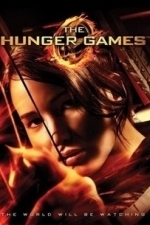
Movie Metropolis (309 KP) rated The Hunger Games (2012) in Movies
Jun 10, 2019
Director Gary Ross had his work cut out trying to create a film which brought to life the startling realism of Suzanne Collins’ successful trilogy of novels and here we have the first, The Hunger Games.
This film has come at a time where movie fans have been released from the clawing hooks of the Harry Potter franchise and the finale of the Twilight Saga is now on the horizon. Some would say, it’s the perfect time to begin a new franchise and for the most part, they’re right. Move over witches and vampires, there’s a new, more mature kid ready to take your crowns.
I for one went into The Hunger Games trilogy blindfolded. I have not read the books so this review is purely based on the film I saw before me and I must say; I was mightily impressed.
The film is set some way in the future and the world is a much different place; in a place called Panem (a post-apocalyptic North America) is where we find 12 Districts full of variety with different races living alongside each other, just as we have today. However, there is a more sinister side to things as we learn that once a year; The Hunger Games tournament takes place.
For those of you not familiar with the event itself, here’s a brief description. Each year, one boy and one girl aged between 12 and 18 from each district fights to the death until there is one winner, showered with riches for the remainder of their lives.
Jennifer Lawrence of X-Men First Class fame stars as Katniss Everdeen, a plucky young girl brought up in the coal mining community of District 12. After her young sister is picked to represent District 12, she decides the only thing to do is nominate herself and save her from certain death. Her male counterpart is Peeta Mellark played by a mature looking Josh Hutcherson of Journey to the Centre of the Earth fame.
Once the pair have been selected, they are taken to Capitol, a city brimming with the wealthy, a stark contrast to the coal mining community our District 12 heroes come from. Woody Harrelson stars as a previous winner of the games and the District 12 mentor, he takes it upon himself to train the ‘tributes’ and prepare them for the task ahead.
Once in battle, all chaos ensues and this is where the film begins to partially unravel. The actors and actresses all do excellent jobs, in particular Lawrence plays Katniss exceptionally well, her soft side comes through but you never forget her harsher, hunter like persona. Unfortunately, the action is held back by the ridiculous 12A certification the film has been lumbered with. It has become the case, as with The Woman in Black earlier this year that films based on best-selling and well known books or with teen stars have to be given this frankly dire classification. The violence is toned down to such a level that it becomes unrealistic and from what I have read, The Hunger Games is a much more brutal and unforgiving experience as a novel.
Other negatives include some shoddy CGI and too much hand based camera work, the battles at the beginning of the games are messy and not enjoyable to sit through. It’s a disappointing lapse in a film which is actually very good indeed.
Thankfully, the lengthy running time allows the final third to pick up nicely to leave you with a lasting impression.
The Hunger Games had the unenviable task of being on the receiving end of comparisons to Harry Potter and the Twilight franchises, and to an extent it has done its source material proud. Does it live up to the much-loved world of Hogwarts? Probably not. Does it live up to the lust and romance of the Twilight Saga? Most definitely. It sits, right smack in the middle and that’s not a bad place to be.
Gary Ross has produced a fine blockbuster with excellent performances from the cast and some fabulous design choices. Yes, it’s a little too long, there are some shoddy special effects and the character development lacks depth, but for fans of the series and newcomers alike, it moves the game on and is an enjoyable experience.
https://moviemetropolis.net/2012/04/05/the-hunger-games-2012-review/
This film has come at a time where movie fans have been released from the clawing hooks of the Harry Potter franchise and the finale of the Twilight Saga is now on the horizon. Some would say, it’s the perfect time to begin a new franchise and for the most part, they’re right. Move over witches and vampires, there’s a new, more mature kid ready to take your crowns.
I for one went into The Hunger Games trilogy blindfolded. I have not read the books so this review is purely based on the film I saw before me and I must say; I was mightily impressed.
The film is set some way in the future and the world is a much different place; in a place called Panem (a post-apocalyptic North America) is where we find 12 Districts full of variety with different races living alongside each other, just as we have today. However, there is a more sinister side to things as we learn that once a year; The Hunger Games tournament takes place.
For those of you not familiar with the event itself, here’s a brief description. Each year, one boy and one girl aged between 12 and 18 from each district fights to the death until there is one winner, showered with riches for the remainder of their lives.
Jennifer Lawrence of X-Men First Class fame stars as Katniss Everdeen, a plucky young girl brought up in the coal mining community of District 12. After her young sister is picked to represent District 12, she decides the only thing to do is nominate herself and save her from certain death. Her male counterpart is Peeta Mellark played by a mature looking Josh Hutcherson of Journey to the Centre of the Earth fame.
Once the pair have been selected, they are taken to Capitol, a city brimming with the wealthy, a stark contrast to the coal mining community our District 12 heroes come from. Woody Harrelson stars as a previous winner of the games and the District 12 mentor, he takes it upon himself to train the ‘tributes’ and prepare them for the task ahead.
Once in battle, all chaos ensues and this is where the film begins to partially unravel. The actors and actresses all do excellent jobs, in particular Lawrence plays Katniss exceptionally well, her soft side comes through but you never forget her harsher, hunter like persona. Unfortunately, the action is held back by the ridiculous 12A certification the film has been lumbered with. It has become the case, as with The Woman in Black earlier this year that films based on best-selling and well known books or with teen stars have to be given this frankly dire classification. The violence is toned down to such a level that it becomes unrealistic and from what I have read, The Hunger Games is a much more brutal and unforgiving experience as a novel.
Other negatives include some shoddy CGI and too much hand based camera work, the battles at the beginning of the games are messy and not enjoyable to sit through. It’s a disappointing lapse in a film which is actually very good indeed.
Thankfully, the lengthy running time allows the final third to pick up nicely to leave you with a lasting impression.
The Hunger Games had the unenviable task of being on the receiving end of comparisons to Harry Potter and the Twilight franchises, and to an extent it has done its source material proud. Does it live up to the much-loved world of Hogwarts? Probably not. Does it live up to the lust and romance of the Twilight Saga? Most definitely. It sits, right smack in the middle and that’s not a bad place to be.
Gary Ross has produced a fine blockbuster with excellent performances from the cast and some fabulous design choices. Yes, it’s a little too long, there are some shoddy special effects and the character development lacks depth, but for fans of the series and newcomers alike, it moves the game on and is an enjoyable experience.
https://moviemetropolis.net/2012/04/05/the-hunger-games-2012-review/
Kristy H (1252 KP) rated Practicing Normal in Books
Feb 13, 2018
Poor Kate Turner. She lives in a beautiful home in Pine Estates with her family: husband, Everett; teenage daughter, Jenna; and tween son, JT. But things are not as lovely (and normal) as they appear from the outside. Everett works at a security firm, but he also disappears for hours on end, and Kate worries he's having (another) affair. Jenna learned to break into homes from her dad, and she's busy skipping school and putting that talent to good use. She also has no use for her father since his mistress appeared on their front doorstep. And JT is a wonderful, intelligent kid, but he is also dealing with Asperberger's and the fact that his father would love nothing more than for him to be "normal."
I just have to preface my review to say that <i>I don't understand why more people don't know of and read Cara Sue Achterberg.</i> I read her last novel, [b:Girls' Weekend|28280644|Girls' Weekend|Cara Sue Achterberg|https://images.gr-assets.com/books/1453684219s/28280644.jpg|48328656], and it was so good. She also has a great twitter, fosters dogs, and is just so fun. Darn you, world!
Anyway, I liked the characters of PRACTICING NORMAL (or at least was drawn into their worlds) immediately -- there was no way I was ever going to like Kate's husband, though. Kate is so real--she is flawed, she is tough, she is a loving mom. She is no stock character. Achterberg does spot-on coverage of Kate's mother, Mildred, a crotchety old woman with borderline dementia. Mildred's love of her backyard songbirds is just awesome: you will laugh (and perhaps cry). There are also touching (and probably pretty realistic) interactions with her son. Meanwhile, her husband is just a piece of work.
<i>Achterberg has a way of making you empathize so deeply with her characters.</i> I felt so badly for Kate. Other times I wanted to shake her, wake her up, and get her out of her life. No matter what, I was completely invested in her story. She's relatable and will certainly appeal to the overworked, stressed moms of the world. (There's a moment where Kate wishes she could just have a temporary health issue and wind up in the hospital for a moment - where people actually care for her for once. Oh yes. Haven't we all been there--guiltily--for a minute or two?)
The POV varies mainly between Kate and Jenna--and about a quarter way through the story, we hear from that "louse" (as Mildred would say) Everett. I enjoyed how Achterberg used shorter sentences and simpler words when speaking as Everett. I'm sorry, but I could just never warm up to that guy. (Read it, you'll understand.) Now Jenna? She's a gem. A spitfire of a teen with the ability to see through the pretend layers everyone puts on. I fiercely wanted to protect Jenna--a testament to Achterberg's writing and this character she had created.
I was a bit irritated by Kate's sister Evelyn and her constant focus on bringing their deadbeat father back into their life (though that storyline picks up later), but Evelyn certainly stood for yet another thing poor Kate must deal with. I mean, seriously. This poor woman.
<i>Overall, I really enjoyed this one.</i> Much like GIRLS' WEEKEND, I am just amazed at how well Achterberg writes her characters and how quickly she draws you into their lives. I might have enjoyed GIRLS just a tad more, but only because I am more at the point of those women in my life (with younger kids) than Kate. I still really liked this novel. I would find myself just smiling at parts while I read it, because I was so taken by the characters. I was rooting for Kate and Jenna (and JT!) and, often, very much against Everett and Evelyn. It's truly a lovely reflection on the different kinds of love we have for others, and yes, the spectrum of normal. Highly recommend with 4+ stars.
I received a copy of this book from the publisher and Netgalley (thank you!) in return for an unbiased review. It is available as of 06/06/17.
You can read my review of Achterberg's previous novel, GIRLS' WEEKEND, <a href="http://justacatandabookatherside.blogspot.com/2016/04/ive-got-sunshine-and-few-good-friends.html">here</a>.
<center><a href="http://justacatandabookatherside.blogspot.com/">Blog</a> ~ <a href="https://twitter.com/mwcmoto">Twitter</a> ~ <a href="https://www.facebook.com/justacatandabook/">Facebook</a> ~ <a href="https://plus.google.com/u/0/+KristyHamiltonbooks">Google+</a></center>
I just have to preface my review to say that <i>I don't understand why more people don't know of and read Cara Sue Achterberg.</i> I read her last novel, [b:Girls' Weekend|28280644|Girls' Weekend|Cara Sue Achterberg|https://images.gr-assets.com/books/1453684219s/28280644.jpg|48328656], and it was so good. She also has a great twitter, fosters dogs, and is just so fun. Darn you, world!
Anyway, I liked the characters of PRACTICING NORMAL (or at least was drawn into their worlds) immediately -- there was no way I was ever going to like Kate's husband, though. Kate is so real--she is flawed, she is tough, she is a loving mom. She is no stock character. Achterberg does spot-on coverage of Kate's mother, Mildred, a crotchety old woman with borderline dementia. Mildred's love of her backyard songbirds is just awesome: you will laugh (and perhaps cry). There are also touching (and probably pretty realistic) interactions with her son. Meanwhile, her husband is just a piece of work.
<i>Achterberg has a way of making you empathize so deeply with her characters.</i> I felt so badly for Kate. Other times I wanted to shake her, wake her up, and get her out of her life. No matter what, I was completely invested in her story. She's relatable and will certainly appeal to the overworked, stressed moms of the world. (There's a moment where Kate wishes she could just have a temporary health issue and wind up in the hospital for a moment - where people actually care for her for once. Oh yes. Haven't we all been there--guiltily--for a minute or two?)
The POV varies mainly between Kate and Jenna--and about a quarter way through the story, we hear from that "louse" (as Mildred would say) Everett. I enjoyed how Achterberg used shorter sentences and simpler words when speaking as Everett. I'm sorry, but I could just never warm up to that guy. (Read it, you'll understand.) Now Jenna? She's a gem. A spitfire of a teen with the ability to see through the pretend layers everyone puts on. I fiercely wanted to protect Jenna--a testament to Achterberg's writing and this character she had created.
I was a bit irritated by Kate's sister Evelyn and her constant focus on bringing their deadbeat father back into their life (though that storyline picks up later), but Evelyn certainly stood for yet another thing poor Kate must deal with. I mean, seriously. This poor woman.
<i>Overall, I really enjoyed this one.</i> Much like GIRLS' WEEKEND, I am just amazed at how well Achterberg writes her characters and how quickly she draws you into their lives. I might have enjoyed GIRLS just a tad more, but only because I am more at the point of those women in my life (with younger kids) than Kate. I still really liked this novel. I would find myself just smiling at parts while I read it, because I was so taken by the characters. I was rooting for Kate and Jenna (and JT!) and, often, very much against Everett and Evelyn. It's truly a lovely reflection on the different kinds of love we have for others, and yes, the spectrum of normal. Highly recommend with 4+ stars.
I received a copy of this book from the publisher and Netgalley (thank you!) in return for an unbiased review. It is available as of 06/06/17.
You can read my review of Achterberg's previous novel, GIRLS' WEEKEND, <a href="http://justacatandabookatherside.blogspot.com/2016/04/ive-got-sunshine-and-few-good-friends.html">here</a>.
<center><a href="http://justacatandabookatherside.blogspot.com/">Blog</a> ~ <a href="https://twitter.com/mwcmoto">Twitter</a> ~ <a href="https://www.facebook.com/justacatandabook/">Facebook</a> ~ <a href="https://plus.google.com/u/0/+KristyHamiltonbooks">Google+</a></center>
Cynthia Armistead (17 KP) rated Forever Werewolf in Books
Mar 1, 2018
Full disclosure: I was given a copy of this book to review. I'm glad I didn't buy it. I imagine I might have been harsher.
In <i>Forever Werewolf</i>, Tryst is just delivering a package to Wulfsiege on behalf of his father's security company when he gets trapped there by an avalanche. He doesn't mind, though, because the recipient of that package has a luscious daughter, Lexi.
Female werewolves are rare, and those few are protected like the precious treasures they are. Even though Tryst wasn't brought up in a pack, he knows that much. He also knows there's something very strange about the fact that Lexi isn't claimed by any of the males in the pack - in fact, they seem to give her a wide berth. She's obviously highly intelligent and competent, and she's beautiful. She's far more alluring to him than her spoiled, pampered princess sister could ever be.
Lexi is fascinated by Tryst, despite being warned away from the half-blooded wolf by her ailing father. He seems interested in her, as well, but she fears that's only because he doesn't know her crippling secret: she hasn't ever shifted. A werewolf who can't shift can't mate, so she's useless in the eyes of the pack.
Tryst is warned away from Lexi by her father, head of the pack, as well, but he can't seem to stay away from her. She's like no other woman, werewolf or mortal, he's ever encountered. What is it that draws them to each other? Is it worth risking their lives for?
It was obvious to me from the first pages of the book that Tryst and Lexi would get together, and that it would cost Tryst many bruises and much grief. The bad guy was all too obvious, as well - if the average reader can't identify him in the first mention, I'll be shocked. (Perhaps I should be more specific and say "experienced romance reader" instead.)
As for <i>Moon Kissed</i>, it was so forgettable that I'd have to look up the main male's name. The female was Bella, something I only recall due to bad memories of <i>Twilight</i>. Oh, wait, the male was Severo! Right then. Severo saves Bella from vampires who chase her, while frightening the hell out of her himself, groping her, and offering absolutely no explanations of the strange new realities her world is suddenly encompassing.
After that event, Bella learns that her best friend Seth's new girlfriend is a vampire, something Seth just hadn't quite gotten around to mentioning. Seth explains that Severo (whose name she doesn't yet know) is probably a werewolf, from her description of him and his actions. Severo has, in the meantime, started stalking Bella to protect her from the vampires he's sure will continue to hunt her (for reasons unknown to him when he starts on this plan of action). After seeing Seth with vampire Evie, with whom Severo has history, Severo realizes that Evie probably sicced the vampires on Bella due to jealousy.
One of the many, many things that bothered me about this book is that Bella is supposedly a web designer, but she never seems to work. She certainly doesn't have a laptop, which would be de rigeur, and she lives in a ridiculously upscale place (an apartment with its very own heated pool?) for someone in that profession. She can afford a lot of dance lessons, too - but her real source of income or capital is never explained. Apparently Hauf was just looking for a profession that could be "done anywhere" and someone suggested "web designer" so she grabbed that and ran with it.
Of course, Severo is also supposed to "do something with real estate" - how believable is that as a character detail? I guess we're supposed to just accept that he's rich, can spend his time as he pleases, and let everything else go without question. How is it that he has a Brownie for a housekeeper? What's the relationship between Faery and werewolves and vampires? Who knows?
The story does not get more believable as it goes on. Of course Bella falls in love with her stalker and trusts him completely. There are evil vampires. There's one good vampire, just to show that they aren't uniformly bad. But you can tell where Severo and Bella's relationship is going in the earliest scenes, and that's the most important part of the book, because it's a romance. There are complications but they'll be overcome, or it wouldn't be a romance.
In <i>Forever Werewolf</i>, Tryst is just delivering a package to Wulfsiege on behalf of his father's security company when he gets trapped there by an avalanche. He doesn't mind, though, because the recipient of that package has a luscious daughter, Lexi.
Female werewolves are rare, and those few are protected like the precious treasures they are. Even though Tryst wasn't brought up in a pack, he knows that much. He also knows there's something very strange about the fact that Lexi isn't claimed by any of the males in the pack - in fact, they seem to give her a wide berth. She's obviously highly intelligent and competent, and she's beautiful. She's far more alluring to him than her spoiled, pampered princess sister could ever be.
Lexi is fascinated by Tryst, despite being warned away from the half-blooded wolf by her ailing father. He seems interested in her, as well, but she fears that's only because he doesn't know her crippling secret: she hasn't ever shifted. A werewolf who can't shift can't mate, so she's useless in the eyes of the pack.
Tryst is warned away from Lexi by her father, head of the pack, as well, but he can't seem to stay away from her. She's like no other woman, werewolf or mortal, he's ever encountered. What is it that draws them to each other? Is it worth risking their lives for?
It was obvious to me from the first pages of the book that Tryst and Lexi would get together, and that it would cost Tryst many bruises and much grief. The bad guy was all too obvious, as well - if the average reader can't identify him in the first mention, I'll be shocked. (Perhaps I should be more specific and say "experienced romance reader" instead.)
As for <i>Moon Kissed</i>, it was so forgettable that I'd have to look up the main male's name. The female was Bella, something I only recall due to bad memories of <i>Twilight</i>. Oh, wait, the male was Severo! Right then. Severo saves Bella from vampires who chase her, while frightening the hell out of her himself, groping her, and offering absolutely no explanations of the strange new realities her world is suddenly encompassing.
After that event, Bella learns that her best friend Seth's new girlfriend is a vampire, something Seth just hadn't quite gotten around to mentioning. Seth explains that Severo (whose name she doesn't yet know) is probably a werewolf, from her description of him and his actions. Severo has, in the meantime, started stalking Bella to protect her from the vampires he's sure will continue to hunt her (for reasons unknown to him when he starts on this plan of action). After seeing Seth with vampire Evie, with whom Severo has history, Severo realizes that Evie probably sicced the vampires on Bella due to jealousy.
One of the many, many things that bothered me about this book is that Bella is supposedly a web designer, but she never seems to work. She certainly doesn't have a laptop, which would be de rigeur, and she lives in a ridiculously upscale place (an apartment with its very own heated pool?) for someone in that profession. She can afford a lot of dance lessons, too - but her real source of income or capital is never explained. Apparently Hauf was just looking for a profession that could be "done anywhere" and someone suggested "web designer" so she grabbed that and ran with it.
Of course, Severo is also supposed to "do something with real estate" - how believable is that as a character detail? I guess we're supposed to just accept that he's rich, can spend his time as he pleases, and let everything else go without question. How is it that he has a Brownie for a housekeeper? What's the relationship between Faery and werewolves and vampires? Who knows?
The story does not get more believable as it goes on. Of course Bella falls in love with her stalker and trusts him completely. There are evil vampires. There's one good vampire, just to show that they aren't uniformly bad. But you can tell where Severo and Bella's relationship is going in the earliest scenes, and that's the most important part of the book, because it's a romance. There are complications but they'll be overcome, or it wouldn't be a romance.
Heather Cranmer (2721 KP) rated Rot & Ruin (Rot & Ruin, #1) in Books
Jun 7, 2018
(This review can also be found on my blog <a href="http://themisadventuresofatwentysomething.blogspot.co.uk">The (Mis)Adventures of a Twenty-Something Year Old Girl</a>).
I don't know what makes zombies so cool, but they are. I love reading zombie books, so when I heard about Rot & Ruin by Jonathan Maberry, I knew I had to read this book. This has definitely become my favourite zombie book...EVER!
Benny has grown up in a world where zombies have always existed. His brother, Tom, has been around before the zombies. Everyone thinks Tom is a hero, but Benny has his doubts. Tom left their mother to the mercy of the zombies. Benny doesn't want to spend time with Tom killing zombies, but at 15 year old, he must get a job or have his rations cut in half. With no job satisfying him, Benny begrudgingly agrees to help kill zombies with his brother Tom. Along the way, Benny learns that Tom isn't the person he thought he was. Benny also gets a lesson in compassion. Will Benny be satisfied with killing zombies or will Benny become a zombie himself?
The cover for Rot & Ruin is alright. I've got the cover where the actual cover is not a full cover. The top cover is what is shown in the photo above, but when you open the top cover, the next cover shows the face of a zombie. It gets points for having a zombie cover, but it's nothing special. However, I do like the quote on the cover: "This book is full of heart...They just don't beat anymore." That made me chuckle!
Rot & Ruin is definitely a great title for this book. The Rot & Ruin is where all the zombies exist. I thought it was a fantastic choice.
I was amazed with the world building in this book. From the very first page, I was transported into this zombie apocalypse wasteland. I've never been in a zombie apocalypse, but the author does a good job making me feel like I was living in one each time I started reading his book. The description of the wasteland gives the reader a vivid mental picture of what a zombie apocalypse might entail.
As for the pacing, I never wanted to put this book down. In fact, there was one day where we had company, and I didn't get to read this book at all that day. I was in a bad mood because of it! This is definitely a fast paced, action packed, thrilling book that will leave you hungry for more. Not once while I was reading this book did I become bored with it. I was hooked from the very first page.
The dialogue/wording was fantastic. Through the dialogue, the author portrays the emotions of the characters quite well. I especially enjoyed the dialogue between Benny and his brother Tom. There are a few big words that I didn't understand, but perhaps that's just my limited vocabulary. Do be aware that there is some swearing in this book.
I felt that the characters were well developed. My favourite character was Tom. He came off as being very wise and just as an all around nice person. Benny was a great character as well. I liked how I was able to watch him grow as a character. He starts off being a typical 14 year old teenager, but after witnessing what he is forced to witness, he starts growing up. He starts maturing, and I feel that the author did a fantastic job showing us how Benny was forced to grow up. Charlie and the Hammer were well written as baddies. I hated them throughout the book. Not because they weren't written well but because the author makes us see how horrible these two really are.
I definitely enjoyed this whole book from start to finish. I read it in record time and had even bought the next book in the series before I even finished with Rot & Ruin. I loved the different spin this book put on zombies. It sort of humanizes them and makes us really think about how zombies were once human and how they were somebody's mother, father, son, daughter, sister, brother, etc. It really does make you think. Because of this, Rot & Ruin is much different then any zombie book I've ever read, and I really appreciated that. I also enjoyed that this book just wasn't focused on killing zombies. There's a lot more to the story then just zombie killing.
Although the book says it's for ages 12 and up, I'd recommend it to ages 14+ due to the violence, language, and themes.
I don't know what makes zombies so cool, but they are. I love reading zombie books, so when I heard about Rot & Ruin by Jonathan Maberry, I knew I had to read this book. This has definitely become my favourite zombie book...EVER!
Benny has grown up in a world where zombies have always existed. His brother, Tom, has been around before the zombies. Everyone thinks Tom is a hero, but Benny has his doubts. Tom left their mother to the mercy of the zombies. Benny doesn't want to spend time with Tom killing zombies, but at 15 year old, he must get a job or have his rations cut in half. With no job satisfying him, Benny begrudgingly agrees to help kill zombies with his brother Tom. Along the way, Benny learns that Tom isn't the person he thought he was. Benny also gets a lesson in compassion. Will Benny be satisfied with killing zombies or will Benny become a zombie himself?
The cover for Rot & Ruin is alright. I've got the cover where the actual cover is not a full cover. The top cover is what is shown in the photo above, but when you open the top cover, the next cover shows the face of a zombie. It gets points for having a zombie cover, but it's nothing special. However, I do like the quote on the cover: "This book is full of heart...They just don't beat anymore." That made me chuckle!
Rot & Ruin is definitely a great title for this book. The Rot & Ruin is where all the zombies exist. I thought it was a fantastic choice.
I was amazed with the world building in this book. From the very first page, I was transported into this zombie apocalypse wasteland. I've never been in a zombie apocalypse, but the author does a good job making me feel like I was living in one each time I started reading his book. The description of the wasteland gives the reader a vivid mental picture of what a zombie apocalypse might entail.
As for the pacing, I never wanted to put this book down. In fact, there was one day where we had company, and I didn't get to read this book at all that day. I was in a bad mood because of it! This is definitely a fast paced, action packed, thrilling book that will leave you hungry for more. Not once while I was reading this book did I become bored with it. I was hooked from the very first page.
The dialogue/wording was fantastic. Through the dialogue, the author portrays the emotions of the characters quite well. I especially enjoyed the dialogue between Benny and his brother Tom. There are a few big words that I didn't understand, but perhaps that's just my limited vocabulary. Do be aware that there is some swearing in this book.
I felt that the characters were well developed. My favourite character was Tom. He came off as being very wise and just as an all around nice person. Benny was a great character as well. I liked how I was able to watch him grow as a character. He starts off being a typical 14 year old teenager, but after witnessing what he is forced to witness, he starts growing up. He starts maturing, and I feel that the author did a fantastic job showing us how Benny was forced to grow up. Charlie and the Hammer were well written as baddies. I hated them throughout the book. Not because they weren't written well but because the author makes us see how horrible these two really are.
I definitely enjoyed this whole book from start to finish. I read it in record time and had even bought the next book in the series before I even finished with Rot & Ruin. I loved the different spin this book put on zombies. It sort of humanizes them and makes us really think about how zombies were once human and how they were somebody's mother, father, son, daughter, sister, brother, etc. It really does make you think. Because of this, Rot & Ruin is much different then any zombie book I've ever read, and I really appreciated that. I also enjoyed that this book just wasn't focused on killing zombies. There's a lot more to the story then just zombie killing.
Although the book says it's for ages 12 and up, I'd recommend it to ages 14+ due to the violence, language, and themes.