
Search
Search results
Black Edge
Book
The rise over the last two decades of a powerful new class of billionaire financiers marks a...
Finance

The NBC App – Stream TV Shows
Entertainment
App
Watch the latest episodes of your favorite NBC TV shows any time, anywhere on the NBC App! Catch...

Virtual Villagers 4: The Tree of Life for iPad
Games and Entertainment
App
Villagers: The Tree of Life is the fourth chapter in the award-winning Virtual Villagers series from...

Laura Doe (1350 KP) rated Sleeping with a Psychopath in Books
Aug 29, 2022
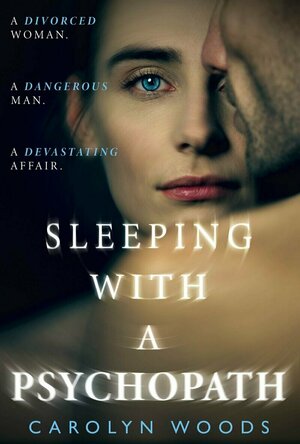


I really wasn’t sure what to expect when I started this book, sometimes the true life stories aren’t particularly gripping, but this one was in all the right ways.
We follow Carolyn through meeting and her subsequent relationship with Mark. With the benefit of hindsight, Carolyn is able to point out where she should have seen red flags and where she should have questioned things more. The story that she told and then excuses that Mark came up with throughout their relationship were so outlandish that you would think that she would have seen through them, but I think that Carolyn thought they were so crazy that you couldn’t possibly make them up and think you could get away with them.
We then follow Carolyn through the process of deciding to end the relationship, realising who Mark really is and the process of going to the police, the long process trying to get him arrested and the subsequent court case. It was interesting for this to be included in the book, as quite often the book ends after the relationship has ended with a quick chapter on what has happened since and how they got their life back on track. But this was different, as it showed the process she went through and the way that she was failed quite a lot by the police at the start of the investigation, but by being persistent and not dropping the case (even though it was obvious the officer wanted her to) she eventually got what she wanted. Although it wasn’t solely the police investigations that got her to that point, and Carolyn writes that if anything like this ever happens to you, you should make sure you become friends with a good investigative journalist as they will help you with leads that the police may not even have.
I did enjoy this book, and was happy that Carolyn is now rebuilding her life and seems happy. It is amazing to see how resilient she has been, and although she may have lost herself for a good few years, she shows how victims can get their lives back and become a new version of their former selves. The photos included at the end of the kindle edition were interesting to see, and you finally get to put faces to the names (especially Mark’s) and it makes it all the more real.
We follow Carolyn through meeting and her subsequent relationship with Mark. With the benefit of hindsight, Carolyn is able to point out where she should have seen red flags and where she should have questioned things more. The story that she told and then excuses that Mark came up with throughout their relationship were so outlandish that you would think that she would have seen through them, but I think that Carolyn thought they were so crazy that you couldn’t possibly make them up and think you could get away with them.
We then follow Carolyn through the process of deciding to end the relationship, realising who Mark really is and the process of going to the police, the long process trying to get him arrested and the subsequent court case. It was interesting for this to be included in the book, as quite often the book ends after the relationship has ended with a quick chapter on what has happened since and how they got their life back on track. But this was different, as it showed the process she went through and the way that she was failed quite a lot by the police at the start of the investigation, but by being persistent and not dropping the case (even though it was obvious the officer wanted her to) she eventually got what she wanted. Although it wasn’t solely the police investigations that got her to that point, and Carolyn writes that if anything like this ever happens to you, you should make sure you become friends with a good investigative journalist as they will help you with leads that the police may not even have.
I did enjoy this book, and was happy that Carolyn is now rebuilding her life and seems happy. It is amazing to see how resilient she has been, and although she may have lost herself for a good few years, she shows how victims can get their lives back and become a new version of their former selves. The photos included at the end of the kindle edition were interesting to see, and you finally get to put faces to the names (especially Mark’s) and it makes it all the more real.

Emma @ The Movies (1786 KP) rated Breakthrough (2019) in Movies
Jun 22, 2019 (Updated Sep 25, 2019)
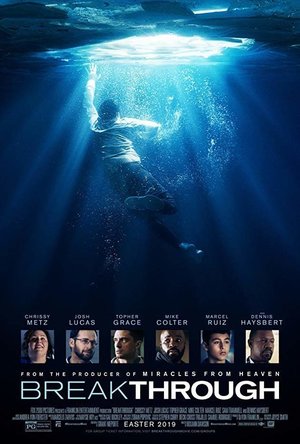
The fact that this film is based on a true story is incredible to think about. I haven't read the book that was written by the boy's mother or read about the actual incident and events online, I'm not sure I want to. I usually like finding out the differences to the actual stories but I wonder if in this instance it might make me change the way I feel about the film.
John is off with his friends having fun, and what's more fun than playing out on a frozen lake? By the time they hear the crack it's too late, the three boys go under. With the emergency services on their way it's a countdown to rescuing them. Two of them have their head above water, but John, knocked unconscious while trying to help his friend out of the water, is sinking. When water rescue appears it may already be too late. They take the search slowly, but John could be anywhere, it's almost certainly too late. Tommy is about to call an end to the search when he hears someone telling him to go back, and there he is.
Rushed to the hospital, the doctors and staff work on trying to bring him back, but as the time elapses there is nothing to do but continue until his family arrive. Joyce, his mother, is devastated and not willing to accept that it's the end... and she prays, asking god to save her son... the monitor beeps to life.
Everywhere I see descriptions of this it says "christian drama". I honestly don't see that the word "christian" needs to be in there. Sure, Joyce prays a fair bit, and their pastor is in it a lot too, but it's still just a drama about something miraculous happening.
By far the best performance for me was Chrissy Metz. Joyce comes across as a very determined woman in everything that she does, and Metz really makes that stand out. From the happiness to the heartbreak, it's all believeable, which sometimes doesn't happen with films that are based on true stories.
I enjoyed Mike Colter as Tommy too. As a non-religious man trying to deal with what happened to him, and what he sees happening to John, the thought process was clear on his face and I liked how he visually interacted with those around him in those moments.
By far the strongest scene for me was the one I mentioned above in the hospital. I think it's always quite challenging to create something that has an impact on the viewer when they already know what the outcome is going to be. In this instance we already know that John doesn't die, we just don't know how the situation is remedied. The hospital staff have left the room and Joyce is with her son, she doesn't want to accept what's before her eyes. We cut between her and the staff outside in the hall in what builds up to an incredible moment. The staff reacting to Joyce as she wails in pain is something that was just stuck in my chest, I could really feel it.
While some are saying that Breakthrough is a christian film, but personally it feels more like a film about community. It's about family, about friends, about everyone around us. It also captures some of the things you have to deal with in these situations. Although fleeting at the end of the film, we see John coming to terms with the fact he survived, his miracle is hard to take for other people and they feel like they need answers, but from where? Him?
Everything about the film felt thoughtful and real, even though some bits felt a little cramped at times. By that I mean they clearly wanted to show the "negativity" and realistic thinking of those around John, he didn't have good odds and everyone would be talking about that. But getting that in felt a little cluttered with everything else going on.
I enjoyed this "christian" film, or as I like to call it "film". I spent a significant amount of time with my sleeves pressed up under my eyes, and when the doctors on screen were telling people to breathe I was doing it to recover. It's not a pushy film, I didn't feel the urge to go and join a congregation after watching it, it's just a wonderful reminder that miracles can happen, and while you wait for them there will be people all around you for support even when you don't expect it.
What you should do
It may not be a film to watch for some, I imagine the content may bring back memories that are difficult, but if you're up to it then it's well worth a watch.
Movie thing you wish you could take home
Just a smidge of Joyce's determination would be good.
John is off with his friends having fun, and what's more fun than playing out on a frozen lake? By the time they hear the crack it's too late, the three boys go under. With the emergency services on their way it's a countdown to rescuing them. Two of them have their head above water, but John, knocked unconscious while trying to help his friend out of the water, is sinking. When water rescue appears it may already be too late. They take the search slowly, but John could be anywhere, it's almost certainly too late. Tommy is about to call an end to the search when he hears someone telling him to go back, and there he is.
Rushed to the hospital, the doctors and staff work on trying to bring him back, but as the time elapses there is nothing to do but continue until his family arrive. Joyce, his mother, is devastated and not willing to accept that it's the end... and she prays, asking god to save her son... the monitor beeps to life.
Everywhere I see descriptions of this it says "christian drama". I honestly don't see that the word "christian" needs to be in there. Sure, Joyce prays a fair bit, and their pastor is in it a lot too, but it's still just a drama about something miraculous happening.
By far the best performance for me was Chrissy Metz. Joyce comes across as a very determined woman in everything that she does, and Metz really makes that stand out. From the happiness to the heartbreak, it's all believeable, which sometimes doesn't happen with films that are based on true stories.
I enjoyed Mike Colter as Tommy too. As a non-religious man trying to deal with what happened to him, and what he sees happening to John, the thought process was clear on his face and I liked how he visually interacted with those around him in those moments.
By far the strongest scene for me was the one I mentioned above in the hospital. I think it's always quite challenging to create something that has an impact on the viewer when they already know what the outcome is going to be. In this instance we already know that John doesn't die, we just don't know how the situation is remedied. The hospital staff have left the room and Joyce is with her son, she doesn't want to accept what's before her eyes. We cut between her and the staff outside in the hall in what builds up to an incredible moment. The staff reacting to Joyce as she wails in pain is something that was just stuck in my chest, I could really feel it.
While some are saying that Breakthrough is a christian film, but personally it feels more like a film about community. It's about family, about friends, about everyone around us. It also captures some of the things you have to deal with in these situations. Although fleeting at the end of the film, we see John coming to terms with the fact he survived, his miracle is hard to take for other people and they feel like they need answers, but from where? Him?
Everything about the film felt thoughtful and real, even though some bits felt a little cramped at times. By that I mean they clearly wanted to show the "negativity" and realistic thinking of those around John, he didn't have good odds and everyone would be talking about that. But getting that in felt a little cluttered with everything else going on.
I enjoyed this "christian" film, or as I like to call it "film". I spent a significant amount of time with my sleeves pressed up under my eyes, and when the doctors on screen were telling people to breathe I was doing it to recover. It's not a pushy film, I didn't feel the urge to go and join a congregation after watching it, it's just a wonderful reminder that miracles can happen, and while you wait for them there will be people all around you for support even when you don't expect it.
What you should do
It may not be a film to watch for some, I imagine the content may bring back memories that are difficult, but if you're up to it then it's well worth a watch.
Movie thing you wish you could take home
Just a smidge of Joyce's determination would be good.

Movie Metropolis (309 KP) rated Pompeii (2014) in Movies
Jun 11, 2019

The disaster movie has always been a genre guaranteed to create incredible box-office returns. If you look at Roland Emmerich’s impressive blockbuster hit 2012, which grossed over $750million, it is clear that destroying well-known landmarks = bums on seats.
However since 2012‘s 2009 release the genre has fallen into a dormant state. Nevertheless, four years later Paul W.S. Anderson attempts to reawaken this box-office behemoth with his take on the tragic true events at Pompeii, but does the film succeed in its task?
Partially is the short answer. Anderson’s first film since 2012’s disaster Resident Evil: Retribution is as cheesy as a Dairylea triangle, but it also has some stunning special effects to give it some life.
Game of Thrones’ Kit Harington stars as Milo, a slave captured by the Romans after they wiped out his entire family. He is taken to a gloriously recreated Pompeii and immediately sets his sights on the very beautiful Lady Cassia, played by a rather dull Emily Browning, who just so happens to be the daughter of the city ruler, Severus. I’m sure you can guess the plot…
What ensues is a cheesy mess of terrible acting and stilted dialogue that jars with the period nature of the film. Only the knowing of what is to come from Mt Vesuvius, which is beautifully rendered in CGI, stops the film from grinding to a halt.
Kiefer Sutherland dons a downright ridiculous English accent for the role of Senator Corvus, the chief antagonist in the film. He is on business in Pompeii to see if trade can be established and investment can be agreed with the great city of Rome – though this plot point gets lost along the way.
Another issue is the true story which Pompeii is based on. The great tale of tragedy and mother nature showing her ruthless side is one we all know – but all we really want to see is the mountain going boom. Unfortunately we must wait whilst Anderson tries his best to make us care about the characters with their sickly back-stories, for which he fails in breathtaking fashion.
Finally after nearly an hour of what feels like a poor-mans Gladiator we are treat to a stunning spectacle, as Mt Vesuvius explodes in rip-roaring style. As the mountain blows and the fireballs rage Anderson once again tries to get us interested in the paper-thin story, thankfully not pushing too hard this time, and he lets the special effects take over.
Historical accuracy is, surprisingly, very good. According to the director, Pompeii was faithfully recreated for the film with aerial shots of the city as it stands today topped up with CGI to show the thriving metropolis we see in the film.
Unfortunately, scientific accuracy takes a back-seat for the sake of high drama, which is the case with many films of this nature. The iconic pyroclastic flow, attributed to killing the majority of Pompeii’s inhabitants due to its huge speed and massive temperatures is slowed right down to ensure the film can last another ten minutes or so – though this is perhaps to be expected.
Overall, Paul W.S. Anderson has created a film which certainly looks the part, but is lacking in so many other areas. Kiefer Sutherland’s villain is completely upstaged by the constant shots of the volcano, which are almost pantomime like in their ‘it’s behind you’ staging, and the rest of the cast are wooden and not particularly likeable.
However, what it lacks in story and acting finesse it makes up in the beautiful special effects and engaging cinematography. It’s worth a watch just to see Pompeii get obliterated – which is probably not a very nice thing to say at all.
https://moviemetropolis.net/2014/05/03/pompeii-3d-review/
However since 2012‘s 2009 release the genre has fallen into a dormant state. Nevertheless, four years later Paul W.S. Anderson attempts to reawaken this box-office behemoth with his take on the tragic true events at Pompeii, but does the film succeed in its task?
Partially is the short answer. Anderson’s first film since 2012’s disaster Resident Evil: Retribution is as cheesy as a Dairylea triangle, but it also has some stunning special effects to give it some life.
Game of Thrones’ Kit Harington stars as Milo, a slave captured by the Romans after they wiped out his entire family. He is taken to a gloriously recreated Pompeii and immediately sets his sights on the very beautiful Lady Cassia, played by a rather dull Emily Browning, who just so happens to be the daughter of the city ruler, Severus. I’m sure you can guess the plot…
What ensues is a cheesy mess of terrible acting and stilted dialogue that jars with the period nature of the film. Only the knowing of what is to come from Mt Vesuvius, which is beautifully rendered in CGI, stops the film from grinding to a halt.
Kiefer Sutherland dons a downright ridiculous English accent for the role of Senator Corvus, the chief antagonist in the film. He is on business in Pompeii to see if trade can be established and investment can be agreed with the great city of Rome – though this plot point gets lost along the way.
Another issue is the true story which Pompeii is based on. The great tale of tragedy and mother nature showing her ruthless side is one we all know – but all we really want to see is the mountain going boom. Unfortunately we must wait whilst Anderson tries his best to make us care about the characters with their sickly back-stories, for which he fails in breathtaking fashion.
Finally after nearly an hour of what feels like a poor-mans Gladiator we are treat to a stunning spectacle, as Mt Vesuvius explodes in rip-roaring style. As the mountain blows and the fireballs rage Anderson once again tries to get us interested in the paper-thin story, thankfully not pushing too hard this time, and he lets the special effects take over.
Historical accuracy is, surprisingly, very good. According to the director, Pompeii was faithfully recreated for the film with aerial shots of the city as it stands today topped up with CGI to show the thriving metropolis we see in the film.
Unfortunately, scientific accuracy takes a back-seat for the sake of high drama, which is the case with many films of this nature. The iconic pyroclastic flow, attributed to killing the majority of Pompeii’s inhabitants due to its huge speed and massive temperatures is slowed right down to ensure the film can last another ten minutes or so – though this is perhaps to be expected.
Overall, Paul W.S. Anderson has created a film which certainly looks the part, but is lacking in so many other areas. Kiefer Sutherland’s villain is completely upstaged by the constant shots of the volcano, which are almost pantomime like in their ‘it’s behind you’ staging, and the rest of the cast are wooden and not particularly likeable.
However, what it lacks in story and acting finesse it makes up in the beautiful special effects and engaging cinematography. It’s worth a watch just to see Pompeii get obliterated – which is probably not a very nice thing to say at all.
https://moviemetropolis.net/2014/05/03/pompeii-3d-review/

Gareth von Kallenbach (980 KP) rated Leatherheads (2008) in Movies
Aug 14, 2019
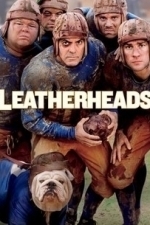
The movie opens with John Krasinski’s character, “Carter Rutherford”, playing college-level football for Princeton at a bleacher-groaning, over-packed game chock full of screaming patrons and die-hard fans. The kid is a golden-child, a war hero, and the nation’s most promising young athlete in the good old year of 1925. Carter is dynamic, attractive, and exactly what the country needs at a time of World War I. It is little wonder his face plasters billboards across town, that his name is uttered with awe and adoration. In truth, how could you not? The kid had, after all, single-handedly forced a contingent of German soldiers to surrender without even shooting one bullet.
Cut to George Clooney’s character, the aging “Dodge Connelly”, playing pro-football in mire-like conditions; his audience a tangle of bored fans and uninspired locals. It is a far cry from the opulent circumstance of college-level football. Men, bedraggled and sweating under the promise of returning to work at the mines and fields if their football dreams go under, play with reckless abandon and forgotten morals in hopes of winning that next game. Yet, as fate will go, the Bulldogs lose their sponsorship and the team goes under, forcing men to return to their day-jobs and leaving Dodge without a future. The man has no marketable skills, no trade. He is a football player and is determined to see his team back in the game.
Of course, that isn’t the only bit of chaos. There has to be a girl; there is always a girl involved in stories like these. Enter Renée Zellweger’s character, the vivacious and equally tenacious “Lexie Littleton” – a news reporter for the Tribune. Lexie is on a mission to expose Carter Rutherford and get to the bottom of his infamous war story. It comes to no surprise that when Lexie and Dodge meet in a hotel lobby awaiting the arrival of Carter Rutherford and his manager, “CC Frazier” (played by Jonathan Pryce), that sparks immediately fly between them. Dodge has a proposal for CC and Carter: have Carter take a leave of absence from Princeton to play pro-football for the Bulldogs, thus saving pro-football and paying Carter for his efforts. Naturally, CC wants a cut from the profits and finds a way to do so to accommodate his own needs. Dodge, without any other alternative, agrees.
Meanwhile, Lexie is working her magic on Carter to try and weasel the true story out of him as best she can. Try as she might she cannot ignore Dodge, no matter how acid her tongue wags in his direction. In the end, Lexie gets her story yet realizes she must decide between exposing the truth or letting America bask in the glory of its self-proclaimed war-hero.
In review, there is a true chemistry between all of the main characters and both Zellweger and Clooney do a good job of conveying the vehement (and callous) emotion between Lexie and Dodge. However, no matter how funny the banter becomes between these three main characters or how well the scene plugs along, in the end the movie comes off as a passable but by no means memorable. Betimes it seems to stretch on and on and more then once I found myself looking at my clock. In truth, the movie didn’t need to be nearly two hours long. It felt two hours long which is never a good thing, especially when we’re talking about theatre seats.
That said, I thought the movie was a cute and enjoyable comedy. It won’t crack your funny bone but it will certainly tickle it more then once. All in all I give it 3.5 out of 5. It succeeded in making me laugh and did keep me entertained. Above all, I’m sure many will find it enjoyable to some extent.
Cut to George Clooney’s character, the aging “Dodge Connelly”, playing pro-football in mire-like conditions; his audience a tangle of bored fans and uninspired locals. It is a far cry from the opulent circumstance of college-level football. Men, bedraggled and sweating under the promise of returning to work at the mines and fields if their football dreams go under, play with reckless abandon and forgotten morals in hopes of winning that next game. Yet, as fate will go, the Bulldogs lose their sponsorship and the team goes under, forcing men to return to their day-jobs and leaving Dodge without a future. The man has no marketable skills, no trade. He is a football player and is determined to see his team back in the game.
Of course, that isn’t the only bit of chaos. There has to be a girl; there is always a girl involved in stories like these. Enter Renée Zellweger’s character, the vivacious and equally tenacious “Lexie Littleton” – a news reporter for the Tribune. Lexie is on a mission to expose Carter Rutherford and get to the bottom of his infamous war story. It comes to no surprise that when Lexie and Dodge meet in a hotel lobby awaiting the arrival of Carter Rutherford and his manager, “CC Frazier” (played by Jonathan Pryce), that sparks immediately fly between them. Dodge has a proposal for CC and Carter: have Carter take a leave of absence from Princeton to play pro-football for the Bulldogs, thus saving pro-football and paying Carter for his efforts. Naturally, CC wants a cut from the profits and finds a way to do so to accommodate his own needs. Dodge, without any other alternative, agrees.
Meanwhile, Lexie is working her magic on Carter to try and weasel the true story out of him as best she can. Try as she might she cannot ignore Dodge, no matter how acid her tongue wags in his direction. In the end, Lexie gets her story yet realizes she must decide between exposing the truth or letting America bask in the glory of its self-proclaimed war-hero.
In review, there is a true chemistry between all of the main characters and both Zellweger and Clooney do a good job of conveying the vehement (and callous) emotion between Lexie and Dodge. However, no matter how funny the banter becomes between these three main characters or how well the scene plugs along, in the end the movie comes off as a passable but by no means memorable. Betimes it seems to stretch on and on and more then once I found myself looking at my clock. In truth, the movie didn’t need to be nearly two hours long. It felt two hours long which is never a good thing, especially when we’re talking about theatre seats.
That said, I thought the movie was a cute and enjoyable comedy. It won’t crack your funny bone but it will certainly tickle it more then once. All in all I give it 3.5 out of 5. It succeeded in making me laugh and did keep me entertained. Above all, I’m sure many will find it enjoyable to some extent.

Andy K (10827 KP) rated The Blair Witch Project (1999) in Movies
Oct 18, 2019

While this film is credited as being the first "found footage" film ever made, it is not true. I found several websites even saying the same thing. Not true. That award goes to Cannibal Holocaust (I am pretty sure) which was release almost two decades earlier (1980 vs. 1999).
The film begins with sort of standard documentary fare showing interviews with the Maryland locals discussing if they have heard of the legend of the Blair Witch. For those that had, they recalled their own memories of the stories they had heard from others or from their childhood. Eventually, the documentary filmmakers meet the odd-looking Mary Brown who details her first hand experience with the demon recalling its weird hairy appearance.
Heather, Josh and Michael then decide to go for an outdoor wooded adventure in an attempt to locate and document evidence of the existence of the local legend themselves, not knowing what lies ahead for them. The journey starts out pretty normal with Heather doing most of the onscreen explanations, the other two mostly relegated to replying to her whims or arguing with her about various topics.
Eventually, a few bad thing start to happen including the loss of their woodland map and hearing strange sounds during the blackness of night. They now wander the woods becoming increasingly agitated with each other and their situation when it is revealed they may be walking in circles and are no closer to completing their quest or finding their way out. They see various various stick and rock formations which are not naturally occurring which means someone else is out there with them.
I remember sitting in a darkened theatre in 1999 hearing about this film briefly before its release. Not much was known at the time, and I recall this being one of the first films to have significant internet buzz beforehand. The internet was only a few years old at the time, so this was also a relatively new concept. Modern audiences are spoiled with so much content for every film available online, that everyone almost loses the feeling of being completely surprised by a film you knew virtually nothing about going in.
For Blair Witch, the added element of the "found footage" style was foreign to pretty much everyone which added to the hype and box office success of the film. Virtually the entire viewing public were not completely sure if what they were watching actually happened or this was fiction. It helped that writer/directors Daniel Myrick and Eduardo Sánchez used an unknown cast so seeing someone they recognized onscreen would not ruin the experience of believing its authenticity.
I am down on sloppy modern moviemakers most of the time these days relying so heavily on CGI and making movies look like pretty perfection rather than focusing on the most important thing for a horror film (or any film) a good screenplay and implied tension. For Blair Witch, it has been said some scenes were improvised or given a general direction but not a full script; however, that doesn't detract from the authentic nature of the situation.
The 2nd half of the film has some truly terrifying moments which happen in the background or off-screen showing you don't need to spend all your money on a CGI monster, just make it scary. The scene and keyart for the film showing the top half of Heather's head which she speaks into the camera explaining her terror and anguish is so believable and mesmerizing it send chills down my spine every time I watch it.
The film also get bagged for the ending which might be considered too short or anti-climactic; however, I think it's perfect and really the only way the movie could have gone.
The film begins with sort of standard documentary fare showing interviews with the Maryland locals discussing if they have heard of the legend of the Blair Witch. For those that had, they recalled their own memories of the stories they had heard from others or from their childhood. Eventually, the documentary filmmakers meet the odd-looking Mary Brown who details her first hand experience with the demon recalling its weird hairy appearance.
Heather, Josh and Michael then decide to go for an outdoor wooded adventure in an attempt to locate and document evidence of the existence of the local legend themselves, not knowing what lies ahead for them. The journey starts out pretty normal with Heather doing most of the onscreen explanations, the other two mostly relegated to replying to her whims or arguing with her about various topics.
Eventually, a few bad thing start to happen including the loss of their woodland map and hearing strange sounds during the blackness of night. They now wander the woods becoming increasingly agitated with each other and their situation when it is revealed they may be walking in circles and are no closer to completing their quest or finding their way out. They see various various stick and rock formations which are not naturally occurring which means someone else is out there with them.
I remember sitting in a darkened theatre in 1999 hearing about this film briefly before its release. Not much was known at the time, and I recall this being one of the first films to have significant internet buzz beforehand. The internet was only a few years old at the time, so this was also a relatively new concept. Modern audiences are spoiled with so much content for every film available online, that everyone almost loses the feeling of being completely surprised by a film you knew virtually nothing about going in.
For Blair Witch, the added element of the "found footage" style was foreign to pretty much everyone which added to the hype and box office success of the film. Virtually the entire viewing public were not completely sure if what they were watching actually happened or this was fiction. It helped that writer/directors Daniel Myrick and Eduardo Sánchez used an unknown cast so seeing someone they recognized onscreen would not ruin the experience of believing its authenticity.
I am down on sloppy modern moviemakers most of the time these days relying so heavily on CGI and making movies look like pretty perfection rather than focusing on the most important thing for a horror film (or any film) a good screenplay and implied tension. For Blair Witch, it has been said some scenes were improvised or given a general direction but not a full script; however, that doesn't detract from the authentic nature of the situation.
The 2nd half of the film has some truly terrifying moments which happen in the background or off-screen showing you don't need to spend all your money on a CGI monster, just make it scary. The scene and keyart for the film showing the top half of Heather's head which she speaks into the camera explaining her terror and anguish is so believable and mesmerizing it send chills down my spine every time I watch it.
The film also get bagged for the ending which might be considered too short or anti-climactic; however, I think it's perfect and really the only way the movie could have gone.



Sarah (7800 KP) rated David Attenborough: A Life on Our Planet (2020) in Movies
Oct 14, 2020
Bleak and interesting
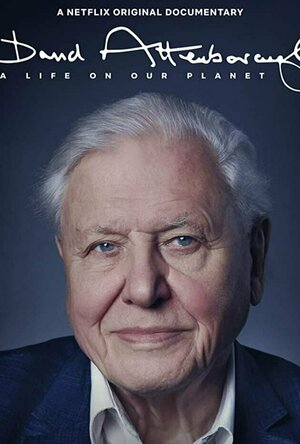
David Attenborough is possibly the most recognised face (and voice) when it comes to nature and our planet, and it’d be safe to say he’s also one of the most respected advisors on the environment. Now 94 years old, A Life on Our Planet is his “witness statement” for the environment and details his 60+ year career and how steeply the planet has declined during this time.
In the opening scene of this documentary Attenborough is in Chernobyl, the site of one of the worst man-made disasters in history. His comparison of the impact of the Chernobyl disaster to the impact humanity is having gradually on the environment is not one that many would have even considered, but it’s provides a stark warning. And it continues in this same vein throughout.
Whilst this still features beautifully captured videos of nature and historical footage of Attenborough throughout his career, this documentary has very dark and bleak overtones. Even the statistics on world population, carbon content and decrease in wilderness provided for certain years in Attenborough’s career prove to be crystal clear and unmistakably illustrating just how badly we’ve treated our planet in the space of a mere 90 years. For reference, wilderness in the 1930s was at 66% - in 2020 it has nearly halved to 35%. When you see it there in black and white, it’s terrifying.
Even more terrifying is Attenborough’s glimpse into the future. Showing what will happen to us and our planet in the 2030s to 2100s and beyond, it’s scarier than any horror film you will ever see. And what’s worrying is that the chances of this happening is a lot more likely than anything you see in a scary movie.
Fortunately this does move away from the rather effective warnings and dark tones and goes on to discuss how we can change to prevent this bleak future from coming true. These resolutions – stopping deforestation and overfishing, stabilising the population, more plant based diets – are nothing that we haven’t heard of before. However Attenborough does at least go on to suggest how we as a planet can move towards achieving the above and promote some rather positive success stories where this has already been achieved in a number of places across the globe.
My problem with this documentary is two fold. For one, Attenborough steers clear of the politics and blame game and doesn’t point the finger at any areas of society that may be more at fault than others (i.e. the super wealthy and their excesses). He just seems like he’s being too nice when really he needs to call out the people and areas that hold more responsibility.
My other issue is that he doesn’t relate the solutions to how we can help as individuals. Other than moving to a more plant based diet, the solutions proposed are not things that Joe public can help with and for me personally I found this very frustrating. I want to know what I personally can do to help and sadly I have no control over poaching, deforestation or over-fishing. I barely have any input into my local council’s initiative to build thousands of houses on the greenbelt behind my house, so the issues and solutions discussed here seem rather overwhelming and feel almost impossible to achieve.
However despite this, Attenborough has created a rather bleak and stark documentary that proves to be both depressing and incredibly moving and informative to watch. It will undoubtedly spur many into action and prove to be the warning we as a people need, especially with the final scenes showing how the wilderness has returned to Chernobyl and Attenborough’s reminder that we’re not saving the planet, we’re saving ourselves. I just hope those higher up that have the true power to put the solutions in place have watched this and taken note.
In the opening scene of this documentary Attenborough is in Chernobyl, the site of one of the worst man-made disasters in history. His comparison of the impact of the Chernobyl disaster to the impact humanity is having gradually on the environment is not one that many would have even considered, but it’s provides a stark warning. And it continues in this same vein throughout.
Whilst this still features beautifully captured videos of nature and historical footage of Attenborough throughout his career, this documentary has very dark and bleak overtones. Even the statistics on world population, carbon content and decrease in wilderness provided for certain years in Attenborough’s career prove to be crystal clear and unmistakably illustrating just how badly we’ve treated our planet in the space of a mere 90 years. For reference, wilderness in the 1930s was at 66% - in 2020 it has nearly halved to 35%. When you see it there in black and white, it’s terrifying.
Even more terrifying is Attenborough’s glimpse into the future. Showing what will happen to us and our planet in the 2030s to 2100s and beyond, it’s scarier than any horror film you will ever see. And what’s worrying is that the chances of this happening is a lot more likely than anything you see in a scary movie.
Fortunately this does move away from the rather effective warnings and dark tones and goes on to discuss how we can change to prevent this bleak future from coming true. These resolutions – stopping deforestation and overfishing, stabilising the population, more plant based diets – are nothing that we haven’t heard of before. However Attenborough does at least go on to suggest how we as a planet can move towards achieving the above and promote some rather positive success stories where this has already been achieved in a number of places across the globe.
My problem with this documentary is two fold. For one, Attenborough steers clear of the politics and blame game and doesn’t point the finger at any areas of society that may be more at fault than others (i.e. the super wealthy and their excesses). He just seems like he’s being too nice when really he needs to call out the people and areas that hold more responsibility.
My other issue is that he doesn’t relate the solutions to how we can help as individuals. Other than moving to a more plant based diet, the solutions proposed are not things that Joe public can help with and for me personally I found this very frustrating. I want to know what I personally can do to help and sadly I have no control over poaching, deforestation or over-fishing. I barely have any input into my local council’s initiative to build thousands of houses on the greenbelt behind my house, so the issues and solutions discussed here seem rather overwhelming and feel almost impossible to achieve.
However despite this, Attenborough has created a rather bleak and stark documentary that proves to be both depressing and incredibly moving and informative to watch. It will undoubtedly spur many into action and prove to be the warning we as a people need, especially with the final scenes showing how the wilderness has returned to Chernobyl and Attenborough’s reminder that we’re not saving the planet, we’re saving ourselves. I just hope those higher up that have the true power to put the solutions in place have watched this and taken note.