
Search
Search results

Heather Cranmer (2721 KP) rated Benevolent in Books
Aug 25, 2019
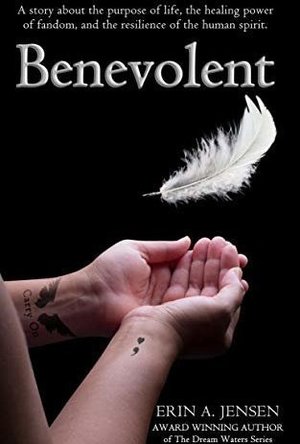

I first heard of Benevolent by Erin A. Jensen through the blogging community. It sounded very interesting especially the more I heard about it. When an opportunity to review Benevolent came about, I jumped at the chance. Although Benevolent does mention the television show Supernatural throughout the book, you don't have to be a fan of Supernatural or know anything about the show to enjoy this novel. I will admit that I've only seen a few episodes of Supernatural back when it first began, but my limited knowledge of Supernatural did not take away my enjoyment of Benevolent. I'm really glad I got the chance to read Benevolent because it truly is a gem of a book!
The plot of Benevolent was a truly interesting one that really tugged at my heartstrings throughout. Benevolent begins with a teenage girl, Abigail (or Abbie as she's sometimes called) losing her best and only friend to cancer. She is comforted by an angel who appears in the form of Castiel from the television show Supernatural (her and her best friend's favorite). The reader is then taken through a journey throughout Abbie's life including all the ups and downs. Her angel, Castiel, plays a big role in her life's journey, and Abbie's left wondering if Castiel is real or if he's just a figment of her imagination. Benevolent is more than just that though. It's a gripping and emotional love story, but not in the romantic sense.
I could not put Benevolent down! In fact, I pretty much read this book in one sitting. It's a fairly short story, but the pacing was absolutely perfect throughout. I love how each chapter title was a song title. In fact, it makes for a great playlist whilst reading the chapter that features it or before and/or after that chapter. I was pulled into Abigail's world as soon as I started reading the first page. I loved how every loose end is tied up before Benevolent ends, and every question I had was answered. The world building is fantastic, and I can't fault anything about it. Erin A. Jensen is such a talented writer based on Benevolent!
I absolutely enjoyed every character in Benevolent. Abigail felt like an old friend. In fact, I felt like I was reading a true life biography about Abigail instead of just a work of fiction. Everything about Abigail's character was just laid bare for everyone to read about, and I think that's what made me love her so much. She had been through a lot, and I could relate to her on so many levels. The character of Castiel was written perfectly too. Like I said, I had only watched a few episodes of Supernatural before they introduced the character of Castiel, so I can't comment on how much Benevolent's character of Castiel was like the one on Supernatural. However, it is mentioned in the beginning of Benevolent that Abigail's angel took on the form of Castiel and his name and mannerisms to make Abbie feel more comfortable. It is said that he isn't the actual Castiel from Supernatural. We also get to know Danny, Abbie's childhood best friend, through Abbie's memories. Danny seemed like such an awesome person, and even I was saddened by his death.
Trigger warnings for Benevolent include death, cancer, attempted suicide, overdosing, drug use, alcohol, and some profanity but nothing too bad.
Overall, Benevolent is one of those books that will stick with you long after you've stopped reading. It's a book that tugs on your heart strings and won't let go until the very end. Benevolent has such a fantastic plot with such a relatable main character that it just makes for an awesome read. What makes Benevolent even more awesome (which is saying something since Benevolent is highly awesome already) is that 100 percent of the profits from its sales will be donated to Random Acts charity. I would wholeheartedly recommend Benevolent by Erin A. Jensen to everyone aged 15+ no matter what genre of book they like. I feel like this book will touch everyone who gives it a read.
--
(A special thank you to Erin A. Jensen for providing me with a paperback of Benevolent in exchange for an honest and unbiased review.)
The plot of Benevolent was a truly interesting one that really tugged at my heartstrings throughout. Benevolent begins with a teenage girl, Abigail (or Abbie as she's sometimes called) losing her best and only friend to cancer. She is comforted by an angel who appears in the form of Castiel from the television show Supernatural (her and her best friend's favorite). The reader is then taken through a journey throughout Abbie's life including all the ups and downs. Her angel, Castiel, plays a big role in her life's journey, and Abbie's left wondering if Castiel is real or if he's just a figment of her imagination. Benevolent is more than just that though. It's a gripping and emotional love story, but not in the romantic sense.
I could not put Benevolent down! In fact, I pretty much read this book in one sitting. It's a fairly short story, but the pacing was absolutely perfect throughout. I love how each chapter title was a song title. In fact, it makes for a great playlist whilst reading the chapter that features it or before and/or after that chapter. I was pulled into Abigail's world as soon as I started reading the first page. I loved how every loose end is tied up before Benevolent ends, and every question I had was answered. The world building is fantastic, and I can't fault anything about it. Erin A. Jensen is such a talented writer based on Benevolent!
I absolutely enjoyed every character in Benevolent. Abigail felt like an old friend. In fact, I felt like I was reading a true life biography about Abigail instead of just a work of fiction. Everything about Abigail's character was just laid bare for everyone to read about, and I think that's what made me love her so much. She had been through a lot, and I could relate to her on so many levels. The character of Castiel was written perfectly too. Like I said, I had only watched a few episodes of Supernatural before they introduced the character of Castiel, so I can't comment on how much Benevolent's character of Castiel was like the one on Supernatural. However, it is mentioned in the beginning of Benevolent that Abigail's angel took on the form of Castiel and his name and mannerisms to make Abbie feel more comfortable. It is said that he isn't the actual Castiel from Supernatural. We also get to know Danny, Abbie's childhood best friend, through Abbie's memories. Danny seemed like such an awesome person, and even I was saddened by his death.
Trigger warnings for Benevolent include death, cancer, attempted suicide, overdosing, drug use, alcohol, and some profanity but nothing too bad.
Overall, Benevolent is one of those books that will stick with you long after you've stopped reading. It's a book that tugs on your heart strings and won't let go until the very end. Benevolent has such a fantastic plot with such a relatable main character that it just makes for an awesome read. What makes Benevolent even more awesome (which is saying something since Benevolent is highly awesome already) is that 100 percent of the profits from its sales will be donated to Random Acts charity. I would wholeheartedly recommend Benevolent by Erin A. Jensen to everyone aged 15+ no matter what genre of book they like. I feel like this book will touch everyone who gives it a read.
--
(A special thank you to Erin A. Jensen for providing me with a paperback of Benevolent in exchange for an honest and unbiased review.)

Bob Mann (459 KP) rated Hacksaw Ridge (2016) in Movies
Sep 29, 2021

In God, and Doss, we Trust.
Those dreaded words – “Based On A True Story” – emerge again from the blackness of the opening page. Actually, no. In a move that could be considered arrogant if it wasn’t so well researched, here we even lose the first two words.
When a war film is described as being “visceral” then you know you need to steel yourself mentally for what you might see. But given that this film is based around the horrendously brutal combat between the Americans and the Japanese on the Pacific island of Okinawa in 1945 this is a warning well-founded. For the battle scenes in this film are reminiscent of the opening scenes of “Saving Private Ryan” in their brutality: long gone are the war films of John Wayne where there would be a shot, a grasp of the stomach and a casual descent to earth.
But before we get to the battle itself, the film has a leisurely hour of character building which is time well spent (although it could have perhaps been trimmed a tad tighter). Desmond Doss (Andrew Garfield, “The Amazing Spiderman”, “Never Let Me Go”) grows up a God-fearing youngster in the beautiful surroundings of the Blue Ridge Mountains of Virginia. His alcoholic father (Hugo Weaving, “The Lord of the Rings”, “The Matrix”) has been mentally traumatised by the First World War, further strengthening Desmond’s fervent belief in following the Ten Commandments; most notably “Thou Shalt Not Kill”. But his patriotic sense of duty is also strong, and Doss signs up after Pearl Harbor and is posted to a rifle brigade that – given his refusal to even touch a rifle – puts him on a collision course with the US Army. It also (obviously) disrupts his romance with nurse sweetheart Dorothy (Teresa Palmer).
This is really two films in one, with the first half setting up extremely well the characters that make the second half so effective. For you care – really care – for what happens to most of the characters involved, especially the zealous and determined Doss who has nothing to face the Japanese hoards with but a medical bag. The feelings that comes to top of mind are awe that these real people actually had to go through this horror and hope that in today’s increasingly unstable political world we will never need to again face such inhumanity of man against man again.
Andrew Garfield really carries this film, and his Best Actor Oscar nomination is well-deserved. He is perfectly cast as the (onward) Christian soldier. Also outstanding is Hugo Weaving in an emotional and persuasive role playing opposite Rachel Griffiths (“Saving Mr Banks”) his wife. But the real acting surprise here for me was Vince Vaughn (“The Wedding Crashers”) who plays the no-nonsense platoon Sergeant Howell: never one of my favourite actors, here he brings in a warm and nuanced performance that ends with a memorable action scene.
Also worthy of specific note is Dan Oliver (“Mad Max: Fury Road”) and his team of special effects technicians, the stunt teams (led by Kyle Gardiner and Mic Rodgers), production designer Barry Robinson and the hair and makeup team, all of who collaborate to make the final half of the film so gripping.
The film marks a comeback from the film society ‘naughty step’ of Mel Gibson after his much publicised fall from grace in the mid-noughties. A Best Director Oscar nomination would appear to cement that resurrection. For this is a phenomenal achievement in direction and one that should be applauded.
The film bears closest comparison with the interesting two-film combo from Clint Eastwood – “Flags of our Fathers” (from the American viewpoint) and “Letters from Iwo Jima” (from the Japanese viewpoint). While all three films share the same blood and guts quotient, with “Hacksaw Ridge” edging this award, the Eastwood films tend to have more emotional depth and a more thought-provoking treatment of the Japanese angle. In “Hacksaw Ridge”, while the war crimes of the Japanese are clear, the war crimes of the Americans are quietly cloaked behind a cryptic line (“They didn’t make it”).
That being said, there is no crime in a rollicking good story well told, and “Hacksaw Ridge” is certainly that. This was a film I did not have high hopes for. But I was surprised to be proved wrong. Recommended.
When a war film is described as being “visceral” then you know you need to steel yourself mentally for what you might see. But given that this film is based around the horrendously brutal combat between the Americans and the Japanese on the Pacific island of Okinawa in 1945 this is a warning well-founded. For the battle scenes in this film are reminiscent of the opening scenes of “Saving Private Ryan” in their brutality: long gone are the war films of John Wayne where there would be a shot, a grasp of the stomach and a casual descent to earth.
But before we get to the battle itself, the film has a leisurely hour of character building which is time well spent (although it could have perhaps been trimmed a tad tighter). Desmond Doss (Andrew Garfield, “The Amazing Spiderman”, “Never Let Me Go”) grows up a God-fearing youngster in the beautiful surroundings of the Blue Ridge Mountains of Virginia. His alcoholic father (Hugo Weaving, “The Lord of the Rings”, “The Matrix”) has been mentally traumatised by the First World War, further strengthening Desmond’s fervent belief in following the Ten Commandments; most notably “Thou Shalt Not Kill”. But his patriotic sense of duty is also strong, and Doss signs up after Pearl Harbor and is posted to a rifle brigade that – given his refusal to even touch a rifle – puts him on a collision course with the US Army. It also (obviously) disrupts his romance with nurse sweetheart Dorothy (Teresa Palmer).
This is really two films in one, with the first half setting up extremely well the characters that make the second half so effective. For you care – really care – for what happens to most of the characters involved, especially the zealous and determined Doss who has nothing to face the Japanese hoards with but a medical bag. The feelings that comes to top of mind are awe that these real people actually had to go through this horror and hope that in today’s increasingly unstable political world we will never need to again face such inhumanity of man against man again.
Andrew Garfield really carries this film, and his Best Actor Oscar nomination is well-deserved. He is perfectly cast as the (onward) Christian soldier. Also outstanding is Hugo Weaving in an emotional and persuasive role playing opposite Rachel Griffiths (“Saving Mr Banks”) his wife. But the real acting surprise here for me was Vince Vaughn (“The Wedding Crashers”) who plays the no-nonsense platoon Sergeant Howell: never one of my favourite actors, here he brings in a warm and nuanced performance that ends with a memorable action scene.
Also worthy of specific note is Dan Oliver (“Mad Max: Fury Road”) and his team of special effects technicians, the stunt teams (led by Kyle Gardiner and Mic Rodgers), production designer Barry Robinson and the hair and makeup team, all of who collaborate to make the final half of the film so gripping.
The film marks a comeback from the film society ‘naughty step’ of Mel Gibson after his much publicised fall from grace in the mid-noughties. A Best Director Oscar nomination would appear to cement that resurrection. For this is a phenomenal achievement in direction and one that should be applauded.
The film bears closest comparison with the interesting two-film combo from Clint Eastwood – “Flags of our Fathers” (from the American viewpoint) and “Letters from Iwo Jima” (from the Japanese viewpoint). While all three films share the same blood and guts quotient, with “Hacksaw Ridge” edging this award, the Eastwood films tend to have more emotional depth and a more thought-provoking treatment of the Japanese angle. In “Hacksaw Ridge”, while the war crimes of the Japanese are clear, the war crimes of the Americans are quietly cloaked behind a cryptic line (“They didn’t make it”).
That being said, there is no crime in a rollicking good story well told, and “Hacksaw Ridge” is certainly that. This was a film I did not have high hopes for. But I was surprised to be proved wrong. Recommended.

Emma @ The Movies (1786 KP) rated Last Night in Soho (2021) in Movies
Oct 15, 2021
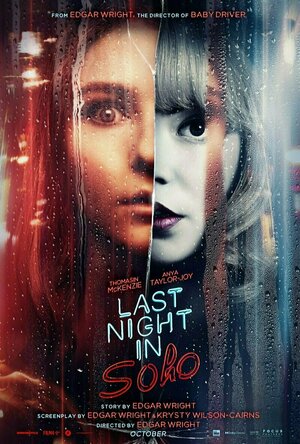

I was on the fence about this one. On the one hand, Edgar Wright, on the other, a cast that didn’t inspire confidence. But, if nothing else, it was going to be a spectacle.
Eloise dreams of being a fashion designer, and when she gets accepted to study fashion in London she thinks her dreams have come true. But London life isn’t quite what she hoped. When life in halls becomes too much, she finds herself an attic room to rent. Noisy roommates might have been the easier option when suddenly, every night, Eloise is transported to the 60s where the life of Sandie unfolds in front of her. Swept away in the glamour, the tables turn when Sandie’s life beings to twist into a new stark reality.
The start of Last Night in Soho pulled me in, the music had me, if nothing else I knew I’d be able to enjoy myself with the soundtrack. It’s a very nostalgic bit of listening for me having been brought up in a household that’s listening was a little more retro.
As the story develops, and Eloise along with it, you’re eager for answers. But that process feels drawn out and at some point it’s easy to see where it’s going to go before it’s properly alluded to, which took away some of the impact for me.
Our main character Eloise (played by Thomasin McKenzie), definitely has the right look and demeanour for this part. While in the end it’s a good performance though, I feel like the role would have been better suited to someone a little less on the nose. They've conveyed the mental health portion of the role nicely (the depiction of her mother felt a little Harry Potter but did get the point across), and she managed to encapsulate some of the terror, but again, it felt… cheesy? Maybe not the right word, but it was close to not giving it enough impact in the story, and I could see this working more on the horror side of things with some changes.
Ahh, Anya. Another from my list of people on the credits that make me go “meh”. I was sold with this performance though. I'm not fully on the Joy train, but I very much enjoyed this performance. Her attitude and behaviour the whole way through sold the character and… that’s it… really great. (So many things I want to say and so many that constitute spoilers.)
The supporting cast has some big names. Diana Rigg in her last performance gave a much needed edge to the scenes she was in. Matt Smith was cockney Matt Smith. My only particular call out would be for the character rather than the actor. The role of Eloise’s “boyfriend” was verging on problematic, both from a boyfriend and a writing point of view. A wet blanket of a character that seemed to be too close to comic relief without committing one way or the other. Even allowing for some sort of “support” for Eloise, this role could have been divvied out to a selection of other characters.
Last Night in Soho is stylish. The homely naive Eloise meeting glam forward Sandie really came together, and seeing Sandie’s influence seeping into the present day in the fashion and demeanour was interesting. The colours, the sets, the costumes, you can’t fault any of it.
Not being an expert in cinematic mastery behind the scenes, some of these things can escape me, but even I couldn’t miss the stunning editing and effects. Everything is seamless, and when you see some of those scenes I’m sure you’ll be blown away too.
On the technical side, this film is probably very close to a 5 star film, but with the character issues I had and the feeling that there was something missing from the ending, I’m even now not sure what my score for Last Night in Soho is going to be...
Originally posted on: https://emmaatthemovies.blogspot.com/2021/10/last-night-in-soho-movie-review.html
Eloise dreams of being a fashion designer, and when she gets accepted to study fashion in London she thinks her dreams have come true. But London life isn’t quite what she hoped. When life in halls becomes too much, she finds herself an attic room to rent. Noisy roommates might have been the easier option when suddenly, every night, Eloise is transported to the 60s where the life of Sandie unfolds in front of her. Swept away in the glamour, the tables turn when Sandie’s life beings to twist into a new stark reality.
The start of Last Night in Soho pulled me in, the music had me, if nothing else I knew I’d be able to enjoy myself with the soundtrack. It’s a very nostalgic bit of listening for me having been brought up in a household that’s listening was a little more retro.
As the story develops, and Eloise along with it, you’re eager for answers. But that process feels drawn out and at some point it’s easy to see where it’s going to go before it’s properly alluded to, which took away some of the impact for me.
Our main character Eloise (played by Thomasin McKenzie), definitely has the right look and demeanour for this part. While in the end it’s a good performance though, I feel like the role would have been better suited to someone a little less on the nose. They've conveyed the mental health portion of the role nicely (the depiction of her mother felt a little Harry Potter but did get the point across), and she managed to encapsulate some of the terror, but again, it felt… cheesy? Maybe not the right word, but it was close to not giving it enough impact in the story, and I could see this working more on the horror side of things with some changes.
Ahh, Anya. Another from my list of people on the credits that make me go “meh”. I was sold with this performance though. I'm not fully on the Joy train, but I very much enjoyed this performance. Her attitude and behaviour the whole way through sold the character and… that’s it… really great. (So many things I want to say and so many that constitute spoilers.)
The supporting cast has some big names. Diana Rigg in her last performance gave a much needed edge to the scenes she was in. Matt Smith was cockney Matt Smith. My only particular call out would be for the character rather than the actor. The role of Eloise’s “boyfriend” was verging on problematic, both from a boyfriend and a writing point of view. A wet blanket of a character that seemed to be too close to comic relief without committing one way or the other. Even allowing for some sort of “support” for Eloise, this role could have been divvied out to a selection of other characters.
Last Night in Soho is stylish. The homely naive Eloise meeting glam forward Sandie really came together, and seeing Sandie’s influence seeping into the present day in the fashion and demeanour was interesting. The colours, the sets, the costumes, you can’t fault any of it.
Not being an expert in cinematic mastery behind the scenes, some of these things can escape me, but even I couldn’t miss the stunning editing and effects. Everything is seamless, and when you see some of those scenes I’m sure you’ll be blown away too.
On the technical side, this film is probably very close to a 5 star film, but with the character issues I had and the feeling that there was something missing from the ending, I’m even now not sure what my score for Last Night in Soho is going to be...
Originally posted on: https://emmaatthemovies.blogspot.com/2021/10/last-night-in-soho-movie-review.html

Darren (1599 KP) rated Akira (1988) in Movies
Jun 20, 2019
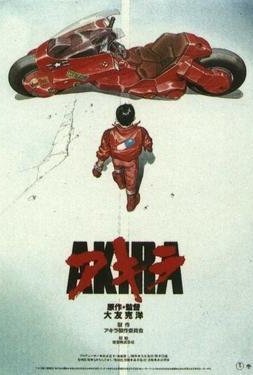

Story: In the aftermath of World War III in 1988 Tokyo has had to build again and 31 years later in the 2019 New-Tokyo is on the edge of the next war. We follow Kaneda and school student the leader of a biker gang including Tetsuo and Kei. When Tetsuo ends up involved in an accident after getting distracted by Takashi a young boy with certain abilities he gets taken by the government.
When Colonel Shikishima is running an operation to find Akira the cause of the previous World War the three children Takashi, Kiyoko and Masaru must prevent this happening while Tetsuo ends up becoming power and a threat to the whole city. Kaneda teams up with the resistance against the government through Kei and we follow as every side comes to a battle that will need to stop a future war.
Akira reaches levels most action films could never imagine with the number of character in the overall battle each having their own motives behind being involved. The look at what a future could have been all looks great and coming from a graphic novel everything works for what the film is trying to achieve. The violence is unlike anything you would have seen in an animated film which helps shows the world we will be entering.
Character Review
Kaneda: Kaneda is the leader of the school aged biker gang who drives the iconic red bike, when one of his gang is kidnapped by the government he joins the resistance against the government movement. Once we see what happens with his friend Tetsuo he must fight his old friend to stop the next World War happen. Kaneda is a great leading character that even after nearly 30 years is still one of the most iconic in all of animated film history.kaneda
Tetsuo: Tetsuo is a member of Kaneda’s biker gang but after he has an accident the government takes his away to use in their latest experiments. What happens to Tetsuo leads him to become a threat to the city as he searches for Akira a threat not just to Neo-Tokyo but the world. Tetsuo starts of as just a member of the gang wanting to become more and once he has the powers he learns he isn’t ready to have the leadership when he ends up turning on the people he once considered friends, a great villainous character without being a true villain.tetsuo
Kei: Kei is a member of the resistance that Kaneda rescues from the police before joining forces Kaneda to stop the government and rescue Tetsuo from bring Akira back from the dead. Kei is the potential romantic angle for Kaneda who is also as tough as they come, she also has a connection to the children with the abilities.kei
Support Characters: Akira has a large amount of supporting characters which include Kaneda’s gang who all stick with him when he needs to fight. We also have the resistance who help Kei and Kaneda achieve the battle. We have the three kids who have to abilities in their own right that together making the deadly but also fighting for the right thing. We also have one last group and that is the government who want to bring the Akira power back as a weapon.
Director Review: Katsuhiro Otomo – Katsuhiro brings us his own graphic novel to the bring screen which offers one of the most entertain and well developed characters in recent film.
Action: Akira has action from start to finish, we have a motorbike chase to open the film, constant chases to either reach someone or escape from them and the final fight oh my god what a brilliant conclusion.
Animation: Akira has simply brilliant looking animation that help bring the action to life and once more I refer to the final scene which is just breathtaking visual moment.
Sci-Fi: Akira brings us into a future world where the world has been through another World War and had to rebuild in a new future with the Neo-Tokyo.
Settings: Akira creates a futuristic looking world that helps us identify just how far into the future we have gone with the story.
Suggestion: Akira is one for all the animated fans to see because it really is a visual treat with a stunning story that will stick with you. (Animated Fans Watch)
Best Part: The final battle which will leave your jaw dropped with how amazing it looks.
Worst Part: I would say this is going to be too violent for certain animated fans.
Action Scene Of The Film: The final battle is easily the best scene in the whole film and could easily be the best one in action animated films.
Believability: No
Chances of Tears: No
Chances of Sequel: No
Post Credits Scene: No
Oscar Chances: No
Runtime: 2 Hours 4 Minutes
Tagline: Signal Traced to Tokyo!
Trivia: The movie takes place in 2019 and depicts Neo-Tokyo creating a new Olympic stadium. Coincidentally, Tokyo is scheduled to host the 2020 Summer Olympics.
Overall: Akira really is one of the best animated film that ever got made that will still be talked about for years to come.
https://moviesreview101.com/2015/09/30/akira-1988/
When Colonel Shikishima is running an operation to find Akira the cause of the previous World War the three children Takashi, Kiyoko and Masaru must prevent this happening while Tetsuo ends up becoming power and a threat to the whole city. Kaneda teams up with the resistance against the government through Kei and we follow as every side comes to a battle that will need to stop a future war.
Akira reaches levels most action films could never imagine with the number of character in the overall battle each having their own motives behind being involved. The look at what a future could have been all looks great and coming from a graphic novel everything works for what the film is trying to achieve. The violence is unlike anything you would have seen in an animated film which helps shows the world we will be entering.
Character Review
Kaneda: Kaneda is the leader of the school aged biker gang who drives the iconic red bike, when one of his gang is kidnapped by the government he joins the resistance against the government movement. Once we see what happens with his friend Tetsuo he must fight his old friend to stop the next World War happen. Kaneda is a great leading character that even after nearly 30 years is still one of the most iconic in all of animated film history.kaneda
Tetsuo: Tetsuo is a member of Kaneda’s biker gang but after he has an accident the government takes his away to use in their latest experiments. What happens to Tetsuo leads him to become a threat to the city as he searches for Akira a threat not just to Neo-Tokyo but the world. Tetsuo starts of as just a member of the gang wanting to become more and once he has the powers he learns he isn’t ready to have the leadership when he ends up turning on the people he once considered friends, a great villainous character without being a true villain.tetsuo
Kei: Kei is a member of the resistance that Kaneda rescues from the police before joining forces Kaneda to stop the government and rescue Tetsuo from bring Akira back from the dead. Kei is the potential romantic angle for Kaneda who is also as tough as they come, she also has a connection to the children with the abilities.kei
Support Characters: Akira has a large amount of supporting characters which include Kaneda’s gang who all stick with him when he needs to fight. We also have the resistance who help Kei and Kaneda achieve the battle. We have the three kids who have to abilities in their own right that together making the deadly but also fighting for the right thing. We also have one last group and that is the government who want to bring the Akira power back as a weapon.
Director Review: Katsuhiro Otomo – Katsuhiro brings us his own graphic novel to the bring screen which offers one of the most entertain and well developed characters in recent film.
Action: Akira has action from start to finish, we have a motorbike chase to open the film, constant chases to either reach someone or escape from them and the final fight oh my god what a brilliant conclusion.
Animation: Akira has simply brilliant looking animation that help bring the action to life and once more I refer to the final scene which is just breathtaking visual moment.
Sci-Fi: Akira brings us into a future world where the world has been through another World War and had to rebuild in a new future with the Neo-Tokyo.
Settings: Akira creates a futuristic looking world that helps us identify just how far into the future we have gone with the story.
Suggestion: Akira is one for all the animated fans to see because it really is a visual treat with a stunning story that will stick with you. (Animated Fans Watch)
Best Part: The final battle which will leave your jaw dropped with how amazing it looks.
Worst Part: I would say this is going to be too violent for certain animated fans.
Action Scene Of The Film: The final battle is easily the best scene in the whole film and could easily be the best one in action animated films.
Believability: No
Chances of Tears: No
Chances of Sequel: No
Post Credits Scene: No
Oscar Chances: No
Runtime: 2 Hours 4 Minutes
Tagline: Signal Traced to Tokyo!
Trivia: The movie takes place in 2019 and depicts Neo-Tokyo creating a new Olympic stadium. Coincidentally, Tokyo is scheduled to host the 2020 Summer Olympics.
Overall: Akira really is one of the best animated film that ever got made that will still be talked about for years to come.
https://moviesreview101.com/2015/09/30/akira-1988/

Gareth von Kallenbach (980 KP) rated Mortal Engines (2018) in Movies
Jul 2, 2019
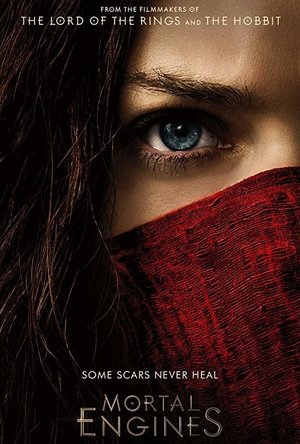

Take a moment and imagine a world where most of humanity has been wiped off the map and those that remain are forced to survive on the remaining resources of a civilization that has been torn apart. In this new existence, leftover technology is coveted like diamonds and massive predator cities prey on weaker smaller cities to steal whatever meager resources they still possess. This is the world of Mortal Engines, the latest Peter Jackson blockbuster based on the young adult novel of the same name by Philip Reeves.
Mortal Engines takes place roughly a thousand years after the conclusion of the Sixty Minute War that decimated the earth and now civilization has banded into two very distinct groups. There are those in the “Traction Cities”, which are behemoth mobile cities that scour what remains of Europe gobbling up smaller cities to convert them and their resources into fuel that keeps the larger cities moving. Then there is the Anti-Traction League, a group that believes in preserving what little resources remain and living in “Traction-less” cities…a.k.a. cities built on land. London is the main Traction City and it is led by Thaddeus Valentine (Hugo Weaving) and his desire to tear down a great wall that is the only barrier between London and the surplus of resources that he so desperately needs.
After London devours one of the smaller cities, we are introduced to Hester Shaw (Hera Hilmar), whose one goal in life is to kill Thaddeus Valentine, the man who murdered her mother. After her failed assassination attempt on his life, she teams up with historian Tom Natsworthy (Robert Sheehan) to not only survive, but also to prevent Valentine’s plan to recreate the war that took down humanity in the first place. This is a big job for the unlikely duo and on top of everything else, Hester is being hunted by a zombie/terminator hybrid named Shrike who wants nothing more than to kill her.
If it sounds like a lot to follow over the course of the two hours and nine-minute run time, you’d be right. In fact, without a lot of backstory which those who have read the novels will really benefit from, it can be a bit too much to take in. It comes across as a combination of Mad Max and the video game Dishonored, but it is lacking an excellent story to back up all of the post-apocalyptic action. That’s not to say that the story is bad, but it is by far the weakest part of the film and a huge missed opportunity to elevate a pretty good movie to the classic Peter Jackson masterpiece status we usually get from him. Considering the genius of Mr. Jackson this movie could have been so much more.
But now on to the good stuff…
Visually speaking Mortal Engines is a true work of art. Taking the steampunk Victorian era backdrop and adding in large mobile cities crashing through trees and forests gives us visuals that are not only magnificent, but also awe inspiring. I was lucky enough to see Mortal Engines in IMAX and the larger screen only helped to emphasize how truly awesome these large rolling cities are. This is a movie that is meant to be seen on the big screen, and with Mortal Engines, the bigger the better. The sound design matches the visuals in its epic scale, as it is loud and menacing. You can actually feel the rumble of the large treads as they move across the earth, and the crunching of smaller cities as the massive cities devour all that crosses their path. The casting and the acting were another positive as the good characters were ones you wanted to root for and the bad characters you hope would get what’s coming to them. All in all, there is quite a bit to like in this film and if nothing else you are sure to have a good time taking in all of the scenery.
In summary, Mortal Engines is a movie that feels as though it had so much potential but couldn’t quite live up to it. It definitely feels more like a summer blockbuster, full of explosions and action, instead of the deeper holiday releases that we usually get around this time. It’s the kind of movie that you go to see for the sheer spectacle of it all as long as you are willing to overlook any plot or story depth. Unfortunately, this leaves the quandary of whether or not it’s worth the full price of admission (or even more if you are planning to see it in IMAX) and my answer to that is…it depends. If you have any interest in seeing it at all then Mortal Engines is definitely a movie you should see on the big screen. On the other hand, it might be worth it to just wait to see it on pay-per-view or Blu-ray even though it may lose a lot of what makes the movie so much fun in the first place. While the movie could have been better, I have definitely seen worse and if the idea of massive rolling cities and steampunk set pieces are your thing, then Mortal Engines is certainly worth a look.
Mortal Engines takes place roughly a thousand years after the conclusion of the Sixty Minute War that decimated the earth and now civilization has banded into two very distinct groups. There are those in the “Traction Cities”, which are behemoth mobile cities that scour what remains of Europe gobbling up smaller cities to convert them and their resources into fuel that keeps the larger cities moving. Then there is the Anti-Traction League, a group that believes in preserving what little resources remain and living in “Traction-less” cities…a.k.a. cities built on land. London is the main Traction City and it is led by Thaddeus Valentine (Hugo Weaving) and his desire to tear down a great wall that is the only barrier between London and the surplus of resources that he so desperately needs.
After London devours one of the smaller cities, we are introduced to Hester Shaw (Hera Hilmar), whose one goal in life is to kill Thaddeus Valentine, the man who murdered her mother. After her failed assassination attempt on his life, she teams up with historian Tom Natsworthy (Robert Sheehan) to not only survive, but also to prevent Valentine’s plan to recreate the war that took down humanity in the first place. This is a big job for the unlikely duo and on top of everything else, Hester is being hunted by a zombie/terminator hybrid named Shrike who wants nothing more than to kill her.
If it sounds like a lot to follow over the course of the two hours and nine-minute run time, you’d be right. In fact, without a lot of backstory which those who have read the novels will really benefit from, it can be a bit too much to take in. It comes across as a combination of Mad Max and the video game Dishonored, but it is lacking an excellent story to back up all of the post-apocalyptic action. That’s not to say that the story is bad, but it is by far the weakest part of the film and a huge missed opportunity to elevate a pretty good movie to the classic Peter Jackson masterpiece status we usually get from him. Considering the genius of Mr. Jackson this movie could have been so much more.
But now on to the good stuff…
Visually speaking Mortal Engines is a true work of art. Taking the steampunk Victorian era backdrop and adding in large mobile cities crashing through trees and forests gives us visuals that are not only magnificent, but also awe inspiring. I was lucky enough to see Mortal Engines in IMAX and the larger screen only helped to emphasize how truly awesome these large rolling cities are. This is a movie that is meant to be seen on the big screen, and with Mortal Engines, the bigger the better. The sound design matches the visuals in its epic scale, as it is loud and menacing. You can actually feel the rumble of the large treads as they move across the earth, and the crunching of smaller cities as the massive cities devour all that crosses their path. The casting and the acting were another positive as the good characters were ones you wanted to root for and the bad characters you hope would get what’s coming to them. All in all, there is quite a bit to like in this film and if nothing else you are sure to have a good time taking in all of the scenery.
In summary, Mortal Engines is a movie that feels as though it had so much potential but couldn’t quite live up to it. It definitely feels more like a summer blockbuster, full of explosions and action, instead of the deeper holiday releases that we usually get around this time. It’s the kind of movie that you go to see for the sheer spectacle of it all as long as you are willing to overlook any plot or story depth. Unfortunately, this leaves the quandary of whether or not it’s worth the full price of admission (or even more if you are planning to see it in IMAX) and my answer to that is…it depends. If you have any interest in seeing it at all then Mortal Engines is definitely a movie you should see on the big screen. On the other hand, it might be worth it to just wait to see it on pay-per-view or Blu-ray even though it may lose a lot of what makes the movie so much fun in the first place. While the movie could have been better, I have definitely seen worse and if the idea of massive rolling cities and steampunk set pieces are your thing, then Mortal Engines is certainly worth a look.

Janeeny (200 KP) rated How to Be Famous in Books
Jul 8, 2019
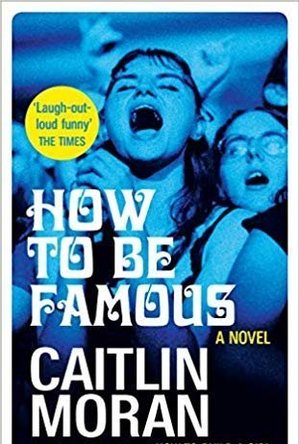
I’ve been ‘aware’ of Caitlin Moran’s work for a number of years. I think she first came to my attention in 2011. I worked in a bookshop and Morans book ‘How to be a Woman’ was in the charts. The cover art just seemed to exude a quirky confidence and it went straight into my ‘theoretical’ TBR pile.
As you can imagine, a booksellers TBR pile is a challenging Behemoth, so when ‘Raised by Wolves’ (a sitcom written by Caitlin Moran and her sister Caroline) came on the telly in 2013 I still hadn’t read ‘How to be a Woman’.
Happily, ‘Raised by Wolves’ was hilarious, putting Caitlin Moran well and truly on my radar as someone who had a lot of interesting and humorous opinions that I would really need to read about some day.
(On a little side note Alexa davies who plays Aretha in this is hilarious and worth keeping an eye on.)
Cut to 2019 Caitlin Moran has released 4 more books and I haven’t read a single one of them! So when NETgalley offered me a copy of ‘How to be famous’ in exchange for an honest review I had to say yes, as despite the fact that I actually own a copy of ‘How to be a girl’ I still haven’t read it, so I figured, if I have a deadline for a review that is going to spur me on to actually read this one!
It worked, I read it, and it was everything I thought it would be.
It had some definite laugh out loud moments, Morans humorous writing style comes through triumphantly.
So, the blurb . . .
“Johanna Morrigan (AKA Dolly Wilde) has it all: at eighteen, she lives in her own flat in London and writes for the coolest music magazine in Britain. But Johanna is miserable. Her best friend and man of her dreams John Kite has just made it big in 1994’s hot new BritPop scene. Suddenly John exists on another plane of reality: that of the Famouses.
Never one to sit on the sidelines, Johanna hatches a plan: she will Saint Paul his Corinthians, she will Jimmy his Pinocchio—she will write a monthly column, by way of a manual to the famous, analyzing fame, its power, its dangers, and its amusing aspects. In stories, girls never win the girl—they are won. Well, Johanna will re-write the stories, and win John, through her writing.
But as Johanna’s own star rises, an unpleasant one-night stand she had with a stand-up comedian, Jerry Sharp, comes back to haunt in her in a series of unfortunate consequences. How can a girl deal with public sexual shaming? Especially when her new friend, the up-and-coming feminist rock icon Suzanne Banks, is Jimmy Cricketing her?”
First off, despite the fact that this is the second book in a series, you don’t lose anything of the story by not having read the first one. If anything it makes you want to read the first one even more, as you want to know how Dolly got to where she is and the adventures she’s had on the way.
Secondly, the characters were just brilliant not a two-dimensional one among them, the dialogue just flows beautifully, and you’ll end the book wishing you were friends with them.
Thirdly, in my inexpert opinion its really well written, the story flows effortlessly and you are just grabbed by the collar and dragged along on this adventure.
I quite literally cannot find the words to say how much I admire Morans writing style, as I said before, this is so well written and the characters are so relatable. It’s full of many laugh out loud moments and some very frank and hilarious conversations about sex, and amongst the humour are actually some quite serious issues, like the clear displays of the inequality of women within the music industry (even though this was set in the 90s, I’m sure much of it is still true today)
And coming from somebody who never seems to get symbolism or messages from books, I took away a LOT from this one
One of my favourite moments was a letter that Dolly writes to her musician friend (Johnny) who is troubled by accusations of ‘selling out’
It basically addresses the scorn heaped on bands, with a predominantly teenage female following, by ‘Elitist’ fans and the music industry. She asks Johnny to appreciate his ‘screaming’ girls fans, as just because they’re louder, more emotional, younger, and haven’t been part of the fanbase since day one, doesn’t mean they don’t appreciate the music any less or feel any less. Yes, they are the ones putting money in your bank account, putting you in the charts, but just because they are part of the mass market doesn’t make their feelings any less valid.
Seeing as I’ve been both a ‘screaming girl fan’ and an ‘Elitist Fan’ I understand and appreciate what’s being said here.
There is so much to love bout this book, the strong female characters, the humour, the feminist message, and underneath it all a good old fashioned love story
As you can imagine, a booksellers TBR pile is a challenging Behemoth, so when ‘Raised by Wolves’ (a sitcom written by Caitlin Moran and her sister Caroline) came on the telly in 2013 I still hadn’t read ‘How to be a Woman’.
Happily, ‘Raised by Wolves’ was hilarious, putting Caitlin Moran well and truly on my radar as someone who had a lot of interesting and humorous opinions that I would really need to read about some day.
(On a little side note Alexa davies who plays Aretha in this is hilarious and worth keeping an eye on.)
Cut to 2019 Caitlin Moran has released 4 more books and I haven’t read a single one of them! So when NETgalley offered me a copy of ‘How to be famous’ in exchange for an honest review I had to say yes, as despite the fact that I actually own a copy of ‘How to be a girl’ I still haven’t read it, so I figured, if I have a deadline for a review that is going to spur me on to actually read this one!
It worked, I read it, and it was everything I thought it would be.
It had some definite laugh out loud moments, Morans humorous writing style comes through triumphantly.
So, the blurb . . .
“Johanna Morrigan (AKA Dolly Wilde) has it all: at eighteen, she lives in her own flat in London and writes for the coolest music magazine in Britain. But Johanna is miserable. Her best friend and man of her dreams John Kite has just made it big in 1994’s hot new BritPop scene. Suddenly John exists on another plane of reality: that of the Famouses.
Never one to sit on the sidelines, Johanna hatches a plan: she will Saint Paul his Corinthians, she will Jimmy his Pinocchio—she will write a monthly column, by way of a manual to the famous, analyzing fame, its power, its dangers, and its amusing aspects. In stories, girls never win the girl—they are won. Well, Johanna will re-write the stories, and win John, through her writing.
But as Johanna’s own star rises, an unpleasant one-night stand she had with a stand-up comedian, Jerry Sharp, comes back to haunt in her in a series of unfortunate consequences. How can a girl deal with public sexual shaming? Especially when her new friend, the up-and-coming feminist rock icon Suzanne Banks, is Jimmy Cricketing her?”
First off, despite the fact that this is the second book in a series, you don’t lose anything of the story by not having read the first one. If anything it makes you want to read the first one even more, as you want to know how Dolly got to where she is and the adventures she’s had on the way.
Secondly, the characters were just brilliant not a two-dimensional one among them, the dialogue just flows beautifully, and you’ll end the book wishing you were friends with them.
Thirdly, in my inexpert opinion its really well written, the story flows effortlessly and you are just grabbed by the collar and dragged along on this adventure.
I quite literally cannot find the words to say how much I admire Morans writing style, as I said before, this is so well written and the characters are so relatable. It’s full of many laugh out loud moments and some very frank and hilarious conversations about sex, and amongst the humour are actually some quite serious issues, like the clear displays of the inequality of women within the music industry (even though this was set in the 90s, I’m sure much of it is still true today)
And coming from somebody who never seems to get symbolism or messages from books, I took away a LOT from this one
One of my favourite moments was a letter that Dolly writes to her musician friend (Johnny) who is troubled by accusations of ‘selling out’
It basically addresses the scorn heaped on bands, with a predominantly teenage female following, by ‘Elitist’ fans and the music industry. She asks Johnny to appreciate his ‘screaming’ girls fans, as just because they’re louder, more emotional, younger, and haven’t been part of the fanbase since day one, doesn’t mean they don’t appreciate the music any less or feel any less. Yes, they are the ones putting money in your bank account, putting you in the charts, but just because they are part of the mass market doesn’t make their feelings any less valid.
Seeing as I’ve been both a ‘screaming girl fan’ and an ‘Elitist Fan’ I understand and appreciate what’s being said here.
There is so much to love bout this book, the strong female characters, the humour, the feminist message, and underneath it all a good old fashioned love story
Bob Mann (459 KP) rated Ford v Ferrari (aka Le Mans '66) (2019) in Movies
Nov 20, 2019
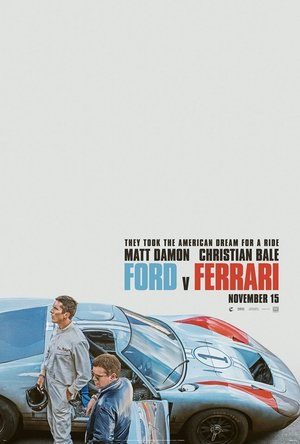
Damon, Bale and fast cars (1 more)
Epic technical film making - cinematography, editing and sound - Oscar bait
A linear story on a circular track - but beautifully done.
Despite the love affair cinema has had with cars over the years, the sport of motor racing on film has been patchy. Too often the drama on the track has been deluged with melodrama off the track, as in John Frankenheimer's "Grand Prix" from 1966. While recent efforts such as Ron Howard's "Rush" have brought modern filming techniques to better convey the speed and excitement, it is Steve McQueen's "Le Mans" from 1971 that had previously set the bar for realism in the sport. But even there, there were a few off-track love stories to interweave into the action.
I wouldn't hesitate to suggest that "Le Mans '66" is a strong contender for the motor racing high-water mark.
The film was marketed as "Ford v Ferrari" in the US. (What... do the American distributors think their film-goers are so stupid that if "Le" is in the title they will think it sub-titled foreign language??). But it's a valid title, since the movie tells the true story of when Henry Ford... the second... (Tracy Letts) throws his toys out of the pram at Ford's faltering progress. ("James Bond does not drive a Ford". "That's because he's a degenerate!" snaps back Ford, which kind of typifies the problem"). Marketing man Lee Iacocca (Jon Bernthal) persuades retired hot-shot racer Carroll Shelby (Matt Damon) to take Ford's blank-cheque to build a car to win the Le Mans 24 hour race.
Shelby enlists maverick Brit racer Ken Miles (Christian Bale) to help design and drive the next-generation machine. But neither had banked on the interference of the hoards of Ford suits, led by VP Leo Beebe (Josh Lucas). An explosion is imminent! And its not just from the over-heated brake pads!
What's really odd about this film is how linear the story is. While we get to see the family life of Miles (to add necessary context to what follows) these are merely minor diversions. There are no sub-plots or flashback scenes. It just relates the history from beginning to end, enlivened by some of the best and most exciting motor-racing footage put to celluloid.
At a bladder-testing 152 minutes, this really shouldn't have worked. I should have got bored and restless. But I really didn't.
In many ways - bladders aside - I think this will appeal in particular to an older breed of movie-goer. It's a 100% 'sit back in your seat and enjoy' cinema treat.
This is the first film Matt Damon and Christian Bale have made together, and I understand that Damon specifically signed on since he wanted to work with Bale. And there is palpable chemistry there. The movie includes one of the best 'bad-fights' since Colin Firth and Hugh Grant locked horns in the Bridget Jones films. And Damon - never one of the most expressive actors in the world - here really shines.
Bale also appears to be having a whale of a time. Not having to adopt a US accent suits him, as he blasts and swears his way through various UK-specific expletives that probably passed the US-censors by! He often tends to play characters in movies that are difficult to warm to, but here - although suitably spiky and irascible - the family man really shines through and you feel a real warmth for the guy.
There's a strong supporting cast behind the leads, with Tracy Letts' fast-driving breakdown being a standout moment. I wonder how many takes they needed on that for Damon to keep a semi-straight face?! Also impressive as the son Peter Miles is Noah Jupe. If you're wondering where the hell you've seen him before, he was young (Marcus in "A Quiet Place").
Where the film comes alive is on the track, and a particular shout out should to to the technical teams. Cinematography is by Phedon Papamichael ("Walk the Line"), film editing is led by Andrew Buckland and Michael McCusker. And sound mixing - which to my ear was piston-valve perfect - is by Steven Morrow. Also worthy of note is a kick-ass driving soundtrack by Marco Beltrami that genuinely excited. These categories are fearsomly hard to predict in awards season, but you might like to listen out for those names.
If I was going to pick at any faults in the film, it would be that Ford exec Leo Beebe is painted a little too much as a "boo-hiss" pantomime villain in the piece. It could have been perhaps toned down 20% or so.
James Mangold ("Logan"; "Walk the Line") directs in style. From the rather po-faced trailer, you might think this is a "car movie that's not for me". But it really is a tremendously fun movie, with some genuinely laugh-out-loud moments mixed in with edge-of-your-seat action and some heart-rending moments.
Above all, this is a film that really benefits from the wide-screen and sound-system that only a big cinema can provide. As such this goes on my "get out and see it" list without any hesitation! It's going to make my movies of the year: and I'm off to see it again on Saturday!
Read the full review here - https://bob-the-movie-man.com/2019/11/20/one-manns-movies-film-review-le-mans-66-2019/
I wouldn't hesitate to suggest that "Le Mans '66" is a strong contender for the motor racing high-water mark.
The film was marketed as "Ford v Ferrari" in the US. (What... do the American distributors think their film-goers are so stupid that if "Le" is in the title they will think it sub-titled foreign language??). But it's a valid title, since the movie tells the true story of when Henry Ford... the second... (Tracy Letts) throws his toys out of the pram at Ford's faltering progress. ("James Bond does not drive a Ford". "That's because he's a degenerate!" snaps back Ford, which kind of typifies the problem"). Marketing man Lee Iacocca (Jon Bernthal) persuades retired hot-shot racer Carroll Shelby (Matt Damon) to take Ford's blank-cheque to build a car to win the Le Mans 24 hour race.
Shelby enlists maverick Brit racer Ken Miles (Christian Bale) to help design and drive the next-generation machine. But neither had banked on the interference of the hoards of Ford suits, led by VP Leo Beebe (Josh Lucas). An explosion is imminent! And its not just from the over-heated brake pads!
What's really odd about this film is how linear the story is. While we get to see the family life of Miles (to add necessary context to what follows) these are merely minor diversions. There are no sub-plots or flashback scenes. It just relates the history from beginning to end, enlivened by some of the best and most exciting motor-racing footage put to celluloid.
At a bladder-testing 152 minutes, this really shouldn't have worked. I should have got bored and restless. But I really didn't.
In many ways - bladders aside - I think this will appeal in particular to an older breed of movie-goer. It's a 100% 'sit back in your seat and enjoy' cinema treat.
This is the first film Matt Damon and Christian Bale have made together, and I understand that Damon specifically signed on since he wanted to work with Bale. And there is palpable chemistry there. The movie includes one of the best 'bad-fights' since Colin Firth and Hugh Grant locked horns in the Bridget Jones films. And Damon - never one of the most expressive actors in the world - here really shines.
Bale also appears to be having a whale of a time. Not having to adopt a US accent suits him, as he blasts and swears his way through various UK-specific expletives that probably passed the US-censors by! He often tends to play characters in movies that are difficult to warm to, but here - although suitably spiky and irascible - the family man really shines through and you feel a real warmth for the guy.
There's a strong supporting cast behind the leads, with Tracy Letts' fast-driving breakdown being a standout moment. I wonder how many takes they needed on that for Damon to keep a semi-straight face?! Also impressive as the son Peter Miles is Noah Jupe. If you're wondering where the hell you've seen him before, he was young (Marcus in "A Quiet Place").
Where the film comes alive is on the track, and a particular shout out should to to the technical teams. Cinematography is by Phedon Papamichael ("Walk the Line"), film editing is led by Andrew Buckland and Michael McCusker. And sound mixing - which to my ear was piston-valve perfect - is by Steven Morrow. Also worthy of note is a kick-ass driving soundtrack by Marco Beltrami that genuinely excited. These categories are fearsomly hard to predict in awards season, but you might like to listen out for those names.
If I was going to pick at any faults in the film, it would be that Ford exec Leo Beebe is painted a little too much as a "boo-hiss" pantomime villain in the piece. It could have been perhaps toned down 20% or so.
James Mangold ("Logan"; "Walk the Line") directs in style. From the rather po-faced trailer, you might think this is a "car movie that's not for me". But it really is a tremendously fun movie, with some genuinely laugh-out-loud moments mixed in with edge-of-your-seat action and some heart-rending moments.
Above all, this is a film that really benefits from the wide-screen and sound-system that only a big cinema can provide. As such this goes on my "get out and see it" list without any hesitation! It's going to make my movies of the year: and I'm off to see it again on Saturday!
Read the full review here - https://bob-the-movie-man.com/2019/11/20/one-manns-movies-film-review-le-mans-66-2019/
Gareth von Kallenbach (980 KP) rated the PC version of Borderlands 3 in Video Games
Sep 25, 2019
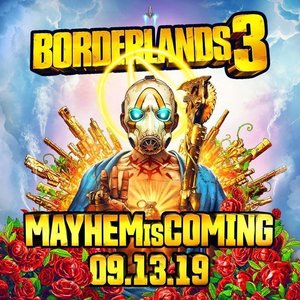
Gamers exchange the world over can rejoice as the long-awaited new chapter in the Borderlands saga has arrived with Borderlands 3. The game takes place after the events of Borderlands 2 and the Telltale series of games which cast players as one of four new Vault Hunters who seek to find one of the Great Vaults which have been the main objective of the prior games in the series.
The four new characters break down as follows…
Amara the Siren, FL4K the Tracker, Moze the Gunner and Zane the Operative.
Characters have unique abilities which can be adjusted as the game unfolds as players will gain skill points to allocate to various abilities as they level up throughout the game. Each character has a special ability that is deployable after a certain amount of time and really can turn the tide of battle. Moze for example can deploy a mechanized unit known as an “Iron Bear” which is capable of unleashing a devastating arsenal of bullets, rockets, flames, and increased protection which makes it ideal when taking on some of the bosses in the game.
One of the new features in the game aside from being able to have better ability to mantel or destroy cover objects is a greater range of destructible containers which helps turn the tide against the relentless and overwhelming numbers that players can face.
Well I played a significant chunk of the game on my own; the game does allow up to four players to play with one another and this came in very handy during a couple of battles Where I simply did not have enough firepower to complete it on my own.
There were some frustrations with the matchmaking system which did not allow me to select games to join and I was basically dropped in blind to games near my character level. This caused me to have to repeat a mission multiple times and then endure having to re-do the mission I needed help with three times due to various glitches and crashes.
Further complicating matters was that in joining a game blind, that now became the jumping off point for continuing my game. It took a little bit of searching to find one roughly where I had left off; so I could continue on.
The key for me turned out to be asking for assistance from players on my friends list as well is those who were listed on my recent contact sessions.
The game tasks players to go up against Twins who have started a Cult as they attempt to unlock the Great Vault and use the power to control the galaxy and kill all those who oppose them.
As anybody who is played any games in the series knows; there are all manner of enemies and creatures for players to battle as well as vehicles and NPC characters to help out and move the story along.
This time out players have a spaceship called Sanctuary which allows players to venture away from Pandora and experience several other planets in the Borderlands Universe. Each planet has its own unique look and bio system ranging from a Louisiana style swamp location to high-tech cities as an example.
The graphics in the game are absolutely stunning in the amount of detail is simply breathtaking to behold. The level of detail in something as simple as a mansion is worthy of just walking around having a look were it not for the numerous things trying to take you out. The game has incredible amounts of loot that players can accumulate which can be used for various upgrades. 2K and Gearbox promote that there are over 1 billion weapons available in the game which leads to some really difficult choices as to which ones players keep, discard, or placed into storage.
While one may offer a bigger punch; it may be slow to reload, have limited ammunition, and increased accuracy. There is definitely a lot of experimentation that goes on and the same is true for the skills tree which even after completing the game is still fairly open which will entice me to go back and complete side quests while I wait for the DLC and maximizes the potential of my character.
The game is exceptionally long which is not a bad thing save for a couple of times when I thought the game was wrapping up only to be signed more back-and-forth or other missions to advance the story. This is not a bad thing as the universe is incredibly immersive but I found myself eager to see what the outcome of the story was rather than what seem like a series of missions designed to extend gameplay.
That being said; Borderlands 3 was hands-down the best gaming experience I have had this year and is an early contender for game of the year award despite the glitches and matchmaking frustrations that hampered some of my enjoyment of the game.
Start to finish I was absolutely captivated by the game and I’m eager to go back in and experience more of this incredible universe as I look forward to the free and paid updates that are coming soon which will hopefully keep me satisfied until the next chapter in the series is released which hopefully will not be as long a wait.
4.5 stars out
The four new characters break down as follows…
Amara the Siren, FL4K the Tracker, Moze the Gunner and Zane the Operative.
Characters have unique abilities which can be adjusted as the game unfolds as players will gain skill points to allocate to various abilities as they level up throughout the game. Each character has a special ability that is deployable after a certain amount of time and really can turn the tide of battle. Moze for example can deploy a mechanized unit known as an “Iron Bear” which is capable of unleashing a devastating arsenal of bullets, rockets, flames, and increased protection which makes it ideal when taking on some of the bosses in the game.
One of the new features in the game aside from being able to have better ability to mantel or destroy cover objects is a greater range of destructible containers which helps turn the tide against the relentless and overwhelming numbers that players can face.
Well I played a significant chunk of the game on my own; the game does allow up to four players to play with one another and this came in very handy during a couple of battles Where I simply did not have enough firepower to complete it on my own.
There were some frustrations with the matchmaking system which did not allow me to select games to join and I was basically dropped in blind to games near my character level. This caused me to have to repeat a mission multiple times and then endure having to re-do the mission I needed help with three times due to various glitches and crashes.
Further complicating matters was that in joining a game blind, that now became the jumping off point for continuing my game. It took a little bit of searching to find one roughly where I had left off; so I could continue on.
The key for me turned out to be asking for assistance from players on my friends list as well is those who were listed on my recent contact sessions.
The game tasks players to go up against Twins who have started a Cult as they attempt to unlock the Great Vault and use the power to control the galaxy and kill all those who oppose them.
As anybody who is played any games in the series knows; there are all manner of enemies and creatures for players to battle as well as vehicles and NPC characters to help out and move the story along.
This time out players have a spaceship called Sanctuary which allows players to venture away from Pandora and experience several other planets in the Borderlands Universe. Each planet has its own unique look and bio system ranging from a Louisiana style swamp location to high-tech cities as an example.
The graphics in the game are absolutely stunning in the amount of detail is simply breathtaking to behold. The level of detail in something as simple as a mansion is worthy of just walking around having a look were it not for the numerous things trying to take you out. The game has incredible amounts of loot that players can accumulate which can be used for various upgrades. 2K and Gearbox promote that there are over 1 billion weapons available in the game which leads to some really difficult choices as to which ones players keep, discard, or placed into storage.
While one may offer a bigger punch; it may be slow to reload, have limited ammunition, and increased accuracy. There is definitely a lot of experimentation that goes on and the same is true for the skills tree which even after completing the game is still fairly open which will entice me to go back and complete side quests while I wait for the DLC and maximizes the potential of my character.
The game is exceptionally long which is not a bad thing save for a couple of times when I thought the game was wrapping up only to be signed more back-and-forth or other missions to advance the story. This is not a bad thing as the universe is incredibly immersive but I found myself eager to see what the outcome of the story was rather than what seem like a series of missions designed to extend gameplay.
That being said; Borderlands 3 was hands-down the best gaming experience I have had this year and is an early contender for game of the year award despite the glitches and matchmaking frustrations that hampered some of my enjoyment of the game.
Start to finish I was absolutely captivated by the game and I’m eager to go back in and experience more of this incredible universe as I look forward to the free and paid updates that are coming soon which will hopefully keep me satisfied until the next chapter in the series is released which hopefully will not be as long a wait.
4.5 stars out

Becs (244 KP) rated The Raven Boys in Books
Sep 22, 2019
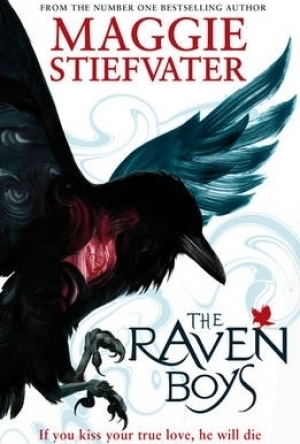
Ronan Lynch, Adam Parrish, and Noah Czerny made this novel (1 more)
The rollercoaster of emotions you feel
The villain didn't offer as much as I'd like but it was too big of a letdown (1 more)
The MC wasn't my favorite but she had good complexities that made her unique
Deserves all the hype!
You can also find this review on my blog: bookingwayreads.wordpress.com
TRIGGER WARNINGS: suicidal ideation, (past) suicide attempt, violence, guns, death
REVIEW: Y’all, I think I found a new favorite series. This series… the characters… the world-building… the character development… UGH I absolutely adore everything about it. Ronan Lynch has my heart and Noah Czerny is such a babie and I want to protect him forever and ever. The Raven Boys gave me so much more than what I was expecting.
The Raven Boys follows Blue Sargent. But unlike her family of physics, seers, and clairvoyants, Blue has no magical abilities. She has been warned all her life that the first person she kisses, will die. One night, she sees a boy on the Corpse Road and this is a sign. The only way that a non seer sees a ghost is if that ghost is either a true love or the non-seer killed them. This is where the Raven Boys come into play.
The Raven Boys is basically the name of four boys that attend Aglionby – Gansey Richard III, Adam Parrish, Ronan Lynch, and Noah Czerny. Gansey is the so-called leader of the group and he’s on a mission to find the final resting place of Glendower, a Welsh King who passed away in Henrietta. There is a legend that says if he’s awoken, he grants the person who woke him a “favor”. Gansey wants to be the person to wake Glendower but he isn’t the only one looking for him.
I didn’t know too much about this series other than the writing style wasn’t the greatest. I didn’t really see a problem with this as I listened to them on audiobook. The narrator was not my favorite and some of the voices he used I didn’t feel worked with the characters. But all in all, I was really invested in the plot and paranormal aspect of Blue and the Raven Boys.
Speaking of Blue and the Raven Boys, they were so well-written! Each character within this novel was complex and had their own unique peculiarities that made them extremely interesting to read about. They were also really relatable. Even the situations that they each experienced, felt real and not at all cliche’d. Plus, all the sarcastic remarks had me howling with laughter, especially Ronan and Gansey’s friendship. It was *chefs kiss*
“We have to be back in three hours,” Ronan said. “I just fed Chainsaw but she’ll need it again.”
“This,” Gansey replied “is precisely why I didn’t want to have a baby with you.”
The characters that I found the most interesting, were honestly Ronan, Noah, and Adam. Blue was a great protagonist and had her complexities, but I didn’t feel anything special for her. Gansey was also an interesting character but I felt that the book revolved a bit too much about him and his mission. I wanted more scenes with Noah, Adam, and Ronan.
Ronan gave me all the bad boy vibes and has my heart while Noah is such a babie that I must protect. But if we’re talking great backstories and the main character in my book, I would say Adam takes that role. Adam’s story is honestly the best of them all. It was tragic, and made my heart hurt in more places than I expected that he had to go through what he did. I was taken on the biggest roller coaster ride I’ve ever been on and man, this book hit home – hard.
I was unable to put this down and I just wanted to keep listening to it. I was emotional because of the relationship with the OT5, driven due to the quest of finding Glendower and wanting to discover the truth. This is also the first book that I felt nothing for the “villain”. I mean if you know me, I’m always falling for the villain and here, I’m just like meh about him. He didn’t offer a ton to the story but he did offer just enough that without him, this story wouldn’t have made sense one bit.
Also, can we talk about all the foreshadowing within this novel? Cause holy guacamole! There was a ton. For example:
“Ronan said, “I’m always straight.”
Adam replied “Oh, man, that’s the biggest lie you’ve ever told.”
Like.. WHAT!? DO I SMELL A BUDDING ROMANCE? FRIENDS TO LOVERS MAYBE? Please let these two be a couple in the end, cause I need me a Ronan and Adam couple scene. DON’T LET ME DOWN MAGGIE!
The writing was beautiful, and I felt it flowed wonderfully. I got swept into the world of Cabeswater and I loved how you could actually feel like you were there alongside Blue and the Raven Boys.
Okay, before I make this any longer and bore y’all to death with my love for Ronan Lynch and Noah Czerny – just please… I beg of you to pick this up and give The Raven Boys a chance.
“The way Gansey saw it was this: if you had a special knack for finding things, it meant you owed the world to look.”
TRIGGER WARNINGS: suicidal ideation, (past) suicide attempt, violence, guns, death
REVIEW: Y’all, I think I found a new favorite series. This series… the characters… the world-building… the character development… UGH I absolutely adore everything about it. Ronan Lynch has my heart and Noah Czerny is such a babie and I want to protect him forever and ever. The Raven Boys gave me so much more than what I was expecting.
The Raven Boys follows Blue Sargent. But unlike her family of physics, seers, and clairvoyants, Blue has no magical abilities. She has been warned all her life that the first person she kisses, will die. One night, she sees a boy on the Corpse Road and this is a sign. The only way that a non seer sees a ghost is if that ghost is either a true love or the non-seer killed them. This is where the Raven Boys come into play.
The Raven Boys is basically the name of four boys that attend Aglionby – Gansey Richard III, Adam Parrish, Ronan Lynch, and Noah Czerny. Gansey is the so-called leader of the group and he’s on a mission to find the final resting place of Glendower, a Welsh King who passed away in Henrietta. There is a legend that says if he’s awoken, he grants the person who woke him a “favor”. Gansey wants to be the person to wake Glendower but he isn’t the only one looking for him.
I didn’t know too much about this series other than the writing style wasn’t the greatest. I didn’t really see a problem with this as I listened to them on audiobook. The narrator was not my favorite and some of the voices he used I didn’t feel worked with the characters. But all in all, I was really invested in the plot and paranormal aspect of Blue and the Raven Boys.
Speaking of Blue and the Raven Boys, they were so well-written! Each character within this novel was complex and had their own unique peculiarities that made them extremely interesting to read about. They were also really relatable. Even the situations that they each experienced, felt real and not at all cliche’d. Plus, all the sarcastic remarks had me howling with laughter, especially Ronan and Gansey’s friendship. It was *chefs kiss*
“We have to be back in three hours,” Ronan said. “I just fed Chainsaw but she’ll need it again.”
“This,” Gansey replied “is precisely why I didn’t want to have a baby with you.”
The characters that I found the most interesting, were honestly Ronan, Noah, and Adam. Blue was a great protagonist and had her complexities, but I didn’t feel anything special for her. Gansey was also an interesting character but I felt that the book revolved a bit too much about him and his mission. I wanted more scenes with Noah, Adam, and Ronan.
Ronan gave me all the bad boy vibes and has my heart while Noah is such a babie that I must protect. But if we’re talking great backstories and the main character in my book, I would say Adam takes that role. Adam’s story is honestly the best of them all. It was tragic, and made my heart hurt in more places than I expected that he had to go through what he did. I was taken on the biggest roller coaster ride I’ve ever been on and man, this book hit home – hard.
I was unable to put this down and I just wanted to keep listening to it. I was emotional because of the relationship with the OT5, driven due to the quest of finding Glendower and wanting to discover the truth. This is also the first book that I felt nothing for the “villain”. I mean if you know me, I’m always falling for the villain and here, I’m just like meh about him. He didn’t offer a ton to the story but he did offer just enough that without him, this story wouldn’t have made sense one bit.
Also, can we talk about all the foreshadowing within this novel? Cause holy guacamole! There was a ton. For example:
“Ronan said, “I’m always straight.”
Adam replied “Oh, man, that’s the biggest lie you’ve ever told.”
Like.. WHAT!? DO I SMELL A BUDDING ROMANCE? FRIENDS TO LOVERS MAYBE? Please let these two be a couple in the end, cause I need me a Ronan and Adam couple scene. DON’T LET ME DOWN MAGGIE!
The writing was beautiful, and I felt it flowed wonderfully. I got swept into the world of Cabeswater and I loved how you could actually feel like you were there alongside Blue and the Raven Boys.
Okay, before I make this any longer and bore y’all to death with my love for Ronan Lynch and Noah Czerny – just please… I beg of you to pick this up and give The Raven Boys a chance.
“The way Gansey saw it was this: if you had a special knack for finding things, it meant you owed the world to look.”

IT… didn’t really float my boat.
IT is based on the Stephen King novel, and tells the disturbing recurring events that happen within the town of Derry in Maine. Kids keep disappearing and sightings of a spooky clown, other visitations and red balloons occur. A group of bullied high school kids – one directly impacted by the disappearances – work to get to the bottom of the supernatural goings on. (Fortunately they don’t have a dog called Scooby).
I had in mind that with the disturbing and dangerous “clowning around” that happened in the summer of 2016 that this film had been shot a while ago and the release delayed until now for fear of adding ‘clown-flavoured fuel’ to the fire. But it appears that filming only completed in September of last year, so that appears not to be the case.
The film starts memorably and brutally with the “drain scene” from the trailer. And very effective it is too. “Great!” you think… this is a spookfest that has legs! Unfortunately, for me at least, it all went downhill from there. The film really doesn’t seem to know WHAT it’s trying to be. There are elements of “Stand By Me”; elements of “Alien”; elements of “The Conjuring”, all thrown into a cinematic blender and pulsed well.
The most endearing aspects of the movie are the interactions of the small-town kids, with this aspect of the film bearing the closest comparison with J.J. Abrams’ “Super 8”. This is carried by the great performances of the young actors involved, with Jaeden Lieberher (so memorable in “Midnight Special”) as Bill; Jeremy Ray Taylor (“Ant Man”) as Ben (‘the chubby one’); and Finn Wolfhard, in his big-screen premiere and sporting an absurd set of glasses, as the wise-cracking Ritchie.
Standout for my though was the then 14-year old Sophia Lillis as Beverly (the nearest equivalent to the Elle Fanning role in “Super 8”). This young lady has SUCH screen presence, reminiscent of Emma Watson in the Harry Potter films. I think she is a name to watch!
While commenting on the acting I do need to acknowledge Bill Skarsgård (“Atomic Blonde” and son of Stellan Skarsgård) who is creepily effective as Pennywise the clown.
Having a film that just centred on the pubescent interplay between the youngsters and their battles against the near-psychopathic school bully Bowers (Nicholas Hamilton, “Captain Fantastic”) would have kept me well-entertained for two hours. However, in the same way that the hugely over-inflated Sci-Fi ending of “Super 8” rather detracted from that film, so the clown-related story popping up all the time just irritated me to distraction. (“WILL YOU JUST FECK OFF AND LEAVE US TO FIND OUT WHO BEVERLY GETS OFF WITH???!!”)
While the film has a number of good jump-scares, a lot of them – especially those with excessive use of CGI – just don’t really work. There are normally no “outcomes” from the scares. It’s all a bit like a ghost train where the carriage rounds a corner, something jumps out, and then the carriage moves on round the corner again! What makes a great horror film is where the “science” of the horror is well thought through. “Alien” was an exceptional example of that, where the science wasn’t just “physics” but also “biology”. Here (and I’m not sure whether this is true to the book… this is one of Stephen King’s I haven’t read) there seems to be no rules involved at all. Things happen fairly randomly: shape-shifting and effects on physical objects happen with no rational explanation; the kids can see things adults can’t see. (Why?). In fact the “adults” – the usual mix of Stephen King dysfunctional small-town crazies – seem to have no significant part in the story at all. It’s all like some lame teenage fantasy where actions (a number of individuals in the story meet their demise) seem to carry no legal consequences whatsoever. I half expected Bill to wake up – Dallas style – at the end and realise it had all been an “awful dream”!
In particular, the denouement is highly dissatisfying. An opportunity for a (very black) twist in the plot is discarded. Pennywise the clown’s departure is both lame and unconvincing. And there are numerous loose ends that are never properly tied down (what was that “floaters descending” dialogue about?…. it was just never followed through!).
It’s not all bad though. The location shoots in Bangor, Maine and the Ontario countryside are all beautifully rendered by cinematographer Chung-hoon Chung (“Stoker”) and where the film clicks with the young cast it clicks well and enjoyably. I just wish that the overall film wasn’t just such a jumbled-up mess. Blame for that must lie with the screenwriting team and director Andy Muschietti (“Mama”). I’m going to give it a kicking in my rating, since with all the marketing build-up it was certainly a disappointment. I see though that at the time of writing that this film sports an unfathomably high imdb rating of 8.0/10 so I’ll acknowledge that somebody must have seen something more in this than I did!!
I had in mind that with the disturbing and dangerous “clowning around” that happened in the summer of 2016 that this film had been shot a while ago and the release delayed until now for fear of adding ‘clown-flavoured fuel’ to the fire. But it appears that filming only completed in September of last year, so that appears not to be the case.
The film starts memorably and brutally with the “drain scene” from the trailer. And very effective it is too. “Great!” you think… this is a spookfest that has legs! Unfortunately, for me at least, it all went downhill from there. The film really doesn’t seem to know WHAT it’s trying to be. There are elements of “Stand By Me”; elements of “Alien”; elements of “The Conjuring”, all thrown into a cinematic blender and pulsed well.
The most endearing aspects of the movie are the interactions of the small-town kids, with this aspect of the film bearing the closest comparison with J.J. Abrams’ “Super 8”. This is carried by the great performances of the young actors involved, with Jaeden Lieberher (so memorable in “Midnight Special”) as Bill; Jeremy Ray Taylor (“Ant Man”) as Ben (‘the chubby one’); and Finn Wolfhard, in his big-screen premiere and sporting an absurd set of glasses, as the wise-cracking Ritchie.
Standout for my though was the then 14-year old Sophia Lillis as Beverly (the nearest equivalent to the Elle Fanning role in “Super 8”). This young lady has SUCH screen presence, reminiscent of Emma Watson in the Harry Potter films. I think she is a name to watch!
While commenting on the acting I do need to acknowledge Bill Skarsgård (“Atomic Blonde” and son of Stellan Skarsgård) who is creepily effective as Pennywise the clown.
Having a film that just centred on the pubescent interplay between the youngsters and their battles against the near-psychopathic school bully Bowers (Nicholas Hamilton, “Captain Fantastic”) would have kept me well-entertained for two hours. However, in the same way that the hugely over-inflated Sci-Fi ending of “Super 8” rather detracted from that film, so the clown-related story popping up all the time just irritated me to distraction. (“WILL YOU JUST FECK OFF AND LEAVE US TO FIND OUT WHO BEVERLY GETS OFF WITH???!!”)
While the film has a number of good jump-scares, a lot of them – especially those with excessive use of CGI – just don’t really work. There are normally no “outcomes” from the scares. It’s all a bit like a ghost train where the carriage rounds a corner, something jumps out, and then the carriage moves on round the corner again! What makes a great horror film is where the “science” of the horror is well thought through. “Alien” was an exceptional example of that, where the science wasn’t just “physics” but also “biology”. Here (and I’m not sure whether this is true to the book… this is one of Stephen King’s I haven’t read) there seems to be no rules involved at all. Things happen fairly randomly: shape-shifting and effects on physical objects happen with no rational explanation; the kids can see things adults can’t see. (Why?). In fact the “adults” – the usual mix of Stephen King dysfunctional small-town crazies – seem to have no significant part in the story at all. It’s all like some lame teenage fantasy where actions (a number of individuals in the story meet their demise) seem to carry no legal consequences whatsoever. I half expected Bill to wake up – Dallas style – at the end and realise it had all been an “awful dream”!
In particular, the denouement is highly dissatisfying. An opportunity for a (very black) twist in the plot is discarded. Pennywise the clown’s departure is both lame and unconvincing. And there are numerous loose ends that are never properly tied down (what was that “floaters descending” dialogue about?…. it was just never followed through!).
It’s not all bad though. The location shoots in Bangor, Maine and the Ontario countryside are all beautifully rendered by cinematographer Chung-hoon Chung (“Stoker”) and where the film clicks with the young cast it clicks well and enjoyably. I just wish that the overall film wasn’t just such a jumbled-up mess. Blame for that must lie with the screenwriting team and director Andy Muschietti (“Mama”). I’m going to give it a kicking in my rating, since with all the marketing build-up it was certainly a disappointment. I see though that at the time of writing that this film sports an unfathomably high imdb rating of 8.0/10 so I’ll acknowledge that somebody must have seen something more in this than I did!!