
Search
Search results

Gareth von Kallenbach (980 KP) rated Now You See Me (2013) in Movies
Aug 7, 2019
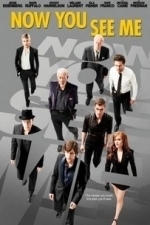


When you were little and you saw your very first magic show, you were probably amazed just by the simple action of a magician waving his magic wand and pulling a rabbit out of his hat. The only explanation you needed was that it was magic.
Not knowing that “the closer you look, the less you see as you become older you become less and less convinced that magic exists.
From French director Louis Leterrier who has brought us films like “The Transporter” and ” Unleashed” comes an “Ocean’s Eleven” style film about four magicians who pull off one of the biggest heists the world has ever seen by using magic.
Calling themselves The Four Horseman, four magicians with very different abilities come together as one to pull off something no other magician has ever attempted.
The leader of the pack is J. Daniel Atlas (Jesse Eisenberg), who is a master at sleight-of-hand and blatant arrogance. A mentalist who specializes in hypnosis and is no stranger to being devious himself is Merritt McKinney (Woody Harrelson). The very talented pickpocket Jack Wilder (Dave Franco) not only steals the audience’s hearts but also can pick a lock blindfolded if he had to.
Last but by no means least is Henley Reeves (Isla Fisher), the sexy escape artist who can even escape a tank full of piranhas without a scratch.
The story follows The Four Horseman embarking on a journey of teleporting and robbing a Parisian bank and reining it over the cheering Las Vegas audience at their first venue.
They don’t stop there. There show takes them from Vegas to the renewed city of New Orleans and then to New York where the grand finally takes place whilst spreading the wealth of their heists to the deserving audience members in grand Robin Hood fashion.
This film is excellent! It doesn’t leave you hanging and answers all your questions. The elaborate tricks performed proved to be very entertaining and exciting!
A neat touch was adding a woman to the mix as you don’t really see any women magicians out there other than the assistants who get sawed in half.
The cast was great and had great chemistry however I would have liked to see a bit more of character backstory. Morgan Freeman, Michael Caine and Mark Ruffalo are also a part of the seemingly big cast. The special effects were not only entertaining but extremely appealing to the eye.
Though the storyline is a little scatterbrained it is anything but a bore and leaves you wanting to experience more. After seeing the film, I had an overwhelming need to watch other magician movies like “The Great Houdini”, “The Prestige”, and “The Illusionist”. It also brought back those same feelings I had as a child experiencing the magic and mystery a true magician can provide. This film left me wanting to see it for a second time.
Not knowing that “the closer you look, the less you see as you become older you become less and less convinced that magic exists.
From French director Louis Leterrier who has brought us films like “The Transporter” and ” Unleashed” comes an “Ocean’s Eleven” style film about four magicians who pull off one of the biggest heists the world has ever seen by using magic.
Calling themselves The Four Horseman, four magicians with very different abilities come together as one to pull off something no other magician has ever attempted.
The leader of the pack is J. Daniel Atlas (Jesse Eisenberg), who is a master at sleight-of-hand and blatant arrogance. A mentalist who specializes in hypnosis and is no stranger to being devious himself is Merritt McKinney (Woody Harrelson). The very talented pickpocket Jack Wilder (Dave Franco) not only steals the audience’s hearts but also can pick a lock blindfolded if he had to.
Last but by no means least is Henley Reeves (Isla Fisher), the sexy escape artist who can even escape a tank full of piranhas without a scratch.
The story follows The Four Horseman embarking on a journey of teleporting and robbing a Parisian bank and reining it over the cheering Las Vegas audience at their first venue.
They don’t stop there. There show takes them from Vegas to the renewed city of New Orleans and then to New York where the grand finally takes place whilst spreading the wealth of their heists to the deserving audience members in grand Robin Hood fashion.
This film is excellent! It doesn’t leave you hanging and answers all your questions. The elaborate tricks performed proved to be very entertaining and exciting!
A neat touch was adding a woman to the mix as you don’t really see any women magicians out there other than the assistants who get sawed in half.
The cast was great and had great chemistry however I would have liked to see a bit more of character backstory. Morgan Freeman, Michael Caine and Mark Ruffalo are also a part of the seemingly big cast. The special effects were not only entertaining but extremely appealing to the eye.
Though the storyline is a little scatterbrained it is anything but a bore and leaves you wanting to experience more. After seeing the film, I had an overwhelming need to watch other magician movies like “The Great Houdini”, “The Prestige”, and “The Illusionist”. It also brought back those same feelings I had as a child experiencing the magic and mystery a true magician can provide. This film left me wanting to see it for a second time.
Welgora: A New Forest Artist's Book
Book
WELGORA: The Equestrian Art of Alan Langford is written by the New Forest artist Alan Langford and...

Bob Mann (459 KP) rated The Laundromat (2019) in Movies
May 18, 2021
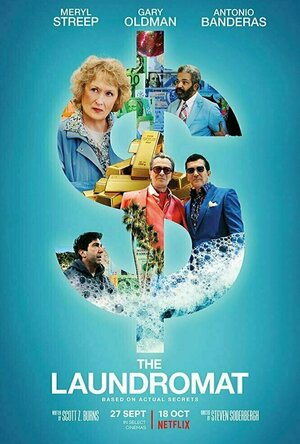

Is this the dullest movie title in film history?
In "The Laundromat", Ellen Martin (Meryl Streep) loses her husband Joe (James Cromwell) in a boating accident. She expects a multi-million dollar insurance payout, but is frustrated that the insurance companies evaporate in a miasma of shell-companies and double-dealing. Her compulsive investigations lead her to two Panamanian-based double dealers: Jürgen Mossack (Gary Oldman) and Ramón Fonseca (Antonio Banderas).
Based on a true story, a hack of the company's 2.6 TB of email data led to the 2016 scandal known as "The Panama Papers": something that dragged into the headlines the alleged dodgy-dealings of many celebrities including David Cameron.
Positives:
- Meryl Steep delivers another superb performance as the grieving avenging widow.
- There's a "twist" in the final scene which I didn't see coming, and which was impressive.
Negatives:
- This is a really strange and disjointed movie. It seems to be trying to be "The Big Short", but is a significant fail. There are numerous quirky scenes, most involving Oldman and Banderas. But there is enough bat-shit crazy stuff in here to make you think that either Sonderbergh, or the writers, or both were on acid. What was with the "Dawn of Man" sequence at the start? And why the anonymisation of the 'hominids'? Lots of bonkers stuff.
- The movie is made up of a series of chapters ("Lessons"), but the connection between the lesson title and the "message" conveyed is loose at best. It's all a bit of a convoluted mess.
- The script seems to assume a school-boy level of knowledge of the subject matter. As a result, some of the explanations of Mssrs, Oldman and Banderas come across as extremely patronising 'mansplaining'.
Summary Thoughts on "The Laundromat": There's a stellar cast involved with this one, and the subject matter in the hands of an Adam McKay could have been compelling. But as it is, it's rather a disjointed mess. It's worth a watch just to see the actors at work. But that's about the long and the short of it. Watch "The Big Short" again instead.
This has been sitting on my Netflix box for a long time without a watch, and this is mostly because the title suggested something completely different (and not of great interest). (Yes, I understand in retrospect that the movie is partially concerned with money laundering!) It was only my wife suggesting we watch it that pushed it onto the list. If it had been titled something like "The Panama Papers" I would have probably watched it sooner!
(For the full graphical review, please check out One Mann's Movies review here - https://bob-the-movie-man.com/2021/05/18/the-laundromat-is-this-the-worst-title-of-any-movie-in-film-history/. Thanks.)
Based on a true story, a hack of the company's 2.6 TB of email data led to the 2016 scandal known as "The Panama Papers": something that dragged into the headlines the alleged dodgy-dealings of many celebrities including David Cameron.
Positives:
- Meryl Steep delivers another superb performance as the grieving avenging widow.
- There's a "twist" in the final scene which I didn't see coming, and which was impressive.
Negatives:
- This is a really strange and disjointed movie. It seems to be trying to be "The Big Short", but is a significant fail. There are numerous quirky scenes, most involving Oldman and Banderas. But there is enough bat-shit crazy stuff in here to make you think that either Sonderbergh, or the writers, or both were on acid. What was with the "Dawn of Man" sequence at the start? And why the anonymisation of the 'hominids'? Lots of bonkers stuff.
- The movie is made up of a series of chapters ("Lessons"), but the connection between the lesson title and the "message" conveyed is loose at best. It's all a bit of a convoluted mess.
- The script seems to assume a school-boy level of knowledge of the subject matter. As a result, some of the explanations of Mssrs, Oldman and Banderas come across as extremely patronising 'mansplaining'.
Summary Thoughts on "The Laundromat": There's a stellar cast involved with this one, and the subject matter in the hands of an Adam McKay could have been compelling. But as it is, it's rather a disjointed mess. It's worth a watch just to see the actors at work. But that's about the long and the short of it. Watch "The Big Short" again instead.
This has been sitting on my Netflix box for a long time without a watch, and this is mostly because the title suggested something completely different (and not of great interest). (Yes, I understand in retrospect that the movie is partially concerned with money laundering!) It was only my wife suggesting we watch it that pushed it onto the list. If it had been titled something like "The Panama Papers" I would have probably watched it sooner!
(For the full graphical review, please check out One Mann's Movies review here - https://bob-the-movie-man.com/2021/05/18/the-laundromat-is-this-the-worst-title-of-any-movie-in-film-history/. Thanks.)
Henry Rollins recommended All the President's Men (1976) in Movies (curated)
Gareth von Kallenbach (980 KP) rated Judas and the Black Messiah (2021) in Movies
Feb 2, 2021

Racism has all too often reared its ugly head in recent years with the rise of extremist groups who felt emboldened by recent political climates. As violence leads to protests which can themselves become violent; the perpetual cycle seems unending.
In the new film “Judas and the Black Messiah”, audiences are told the real-life story of Fred Hampton (Daniel Kaluuya) who runs a local chapter of The Black Panthers in Illinois in the 1960s.
The rise of what is perceived as militant groups in the wake of the killings of Malcolm X and Dr. Martin Luther King has caused increased police and Federal actions which have caused many in Hampton’s community to feel they are at war with the authorities and fighting for their very survival against a system of injustice and systemic racism.
When car thief William O’Neal is arrested, FBI agent Roy Mitchell (Jesse Plemons); offers O’Neal a chance to avoid prison and earn some money by becoming an informant. Despite his reservations; O’Neal works his way into Hampton’s inner circle and develops a friendship with the man as he learns of his plans to unify the various factions in their communities.
O’Neal sees how there is more to the Black Panthers as they feed, educate, and assist members of their community and work to contain more extreme elements that look to make statements through bombings and extreme actions.
The threat posed by Hampton draws the attention of FBI Director J Edgar Hoover (Martin Sheen), and plans are developed to take down Hampton and his organization which in turn puts even more pressure on Mitchell and O’Neal.
The movie is a gripping, disturbing, and sure to be controversial look into the lives of the key figures as well as the ongoing debates on racial injustice, police violence, hate groups, and violence in the community.
Director Shaka King attempts to find a balance in the film as there are moments where party members draw their weapons against the police and kill wounded officers. There are also numerous scenes where police beat and shoot unarmed individuals or use excessive force which underscores Hampton’s stance that his community is at war and this is a life or death struggle.
The last time I was so disturbed by a film of this genre was “Detroit” which shocked me with the horrific true crimes that were portrayed and how those involved escaped justice. I thought if as a Caucasian I could be so disturbed and disgusted by the terrifying events portrayed in the film; then they would be truly the stuff of nightmares for people of color.
The cast is very strong and gives memorable performances that show the complexity of their characters. They are not simply a militant and a snitch, but rather complex individuals trying to survive.
“Judas and the Black Messiah” is a very well-crafted film that is equally informative and disturbing and does what good cinema does best; educate, entertain, and inform.
4.5 stars out of 5
In the new film “Judas and the Black Messiah”, audiences are told the real-life story of Fred Hampton (Daniel Kaluuya) who runs a local chapter of The Black Panthers in Illinois in the 1960s.
The rise of what is perceived as militant groups in the wake of the killings of Malcolm X and Dr. Martin Luther King has caused increased police and Federal actions which have caused many in Hampton’s community to feel they are at war with the authorities and fighting for their very survival against a system of injustice and systemic racism.
When car thief William O’Neal is arrested, FBI agent Roy Mitchell (Jesse Plemons); offers O’Neal a chance to avoid prison and earn some money by becoming an informant. Despite his reservations; O’Neal works his way into Hampton’s inner circle and develops a friendship with the man as he learns of his plans to unify the various factions in their communities.
O’Neal sees how there is more to the Black Panthers as they feed, educate, and assist members of their community and work to contain more extreme elements that look to make statements through bombings and extreme actions.
The threat posed by Hampton draws the attention of FBI Director J Edgar Hoover (Martin Sheen), and plans are developed to take down Hampton and his organization which in turn puts even more pressure on Mitchell and O’Neal.
The movie is a gripping, disturbing, and sure to be controversial look into the lives of the key figures as well as the ongoing debates on racial injustice, police violence, hate groups, and violence in the community.
Director Shaka King attempts to find a balance in the film as there are moments where party members draw their weapons against the police and kill wounded officers. There are also numerous scenes where police beat and shoot unarmed individuals or use excessive force which underscores Hampton’s stance that his community is at war and this is a life or death struggle.
The last time I was so disturbed by a film of this genre was “Detroit” which shocked me with the horrific true crimes that were portrayed and how those involved escaped justice. I thought if as a Caucasian I could be so disturbed and disgusted by the terrifying events portrayed in the film; then they would be truly the stuff of nightmares for people of color.
The cast is very strong and gives memorable performances that show the complexity of their characters. They are not simply a militant and a snitch, but rather complex individuals trying to survive.
“Judas and the Black Messiah” is a very well-crafted film that is equally informative and disturbing and does what good cinema does best; educate, entertain, and inform.
4.5 stars out of 5
Bob Mann (459 KP) rated Stowaway (2021) in Movies
Apr 30, 2021
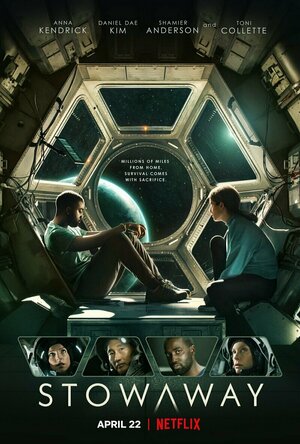

Good physics but otherwise bland and forgettable
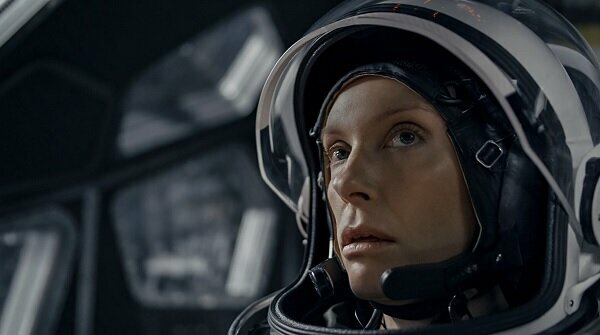
In "Stowaway", three astronauts - Commander Marina Bartlett (Toni Collette), doctor and scientist Zoe Levensen (Anna Kendrick) and scientist David Kim (Daniel Dae Kim) - have left earth on a mission to Mars. Bartlett is a bit surprised when she removes an overhead panel and technician Michael Adams (Shamier Anderson) falls out on her, injuring her arm.
This is problematic. The ship was designed for two (with the specs pushed for three - - ed: really???!). With oxygen levels depleting, the crew are left with some difficult decisions to make.
Positives:
- For once, I have no issues with the physics of this sci-fi movie! As a PhD physicist by training, you will generally hear me huffing and puffing in sci-fi movies about loud noises in space; implausible decompressions; and the like. But here, I really liked the design of the spaceship and its implementation of artificial gravity. No massive and wasteful 'wheel' construction as in "2001: A Space Odyssey" here. Just units on the ends of a sufficiently long tether to get the right G.
- Equally - again physics related - the 'climb' and 'descent' scenes are nicely executed.
- Toni Collette adds gravitas to the (otherwise OK) cast. Shamier Anderson is also good in his emotional scenes. And the ensemble works well enough together.
Negatives:
- The screenplay is so vanilla and linear in its storytelling that you could ask me what happened in this movie in six months time and I think I would struggle to answer. When the 'stowaway' was discovered, my mind went crazy with options: was he there by accident? (which I don't think can strictly be defined as a "stowaway"); had he smuggled himself on-board deliberately?; did he have nefarious intentions towards the crew or the mission?; when push came to shove, would the 'short-straw' candidate fight back? Literally NONE of this was explored. True that we have a "will they survive" story, as the oxygen depletes, but this has been done much better in films like "Apollo 13" (with CO2 instead of O2).
- Sorry. I've never been a fan of Anna Kendrick. She's fine in fluffier fare like "Pitch Perfect" and "A Simple Favor". But as the brave and all action heroine here, I didn't buy it.
- Why have Toni Collette in a movie if you are going to give her so little to do?
Summary Thoughts on "Stowaway":
I've seen a number of extremely positive reviews of this one, which I've found a bit mystifying. I really like Sci-fi films, and particularly space-based sci-fi flicks. But this was all very "meh" for me. The premise was full of potential, but failed to deliver on much of it.
(For the full graphical review, please check out the review on One Mann's Movies here https://bob-the-movie-man.com/2021/04/30/stowaway-bland-and-forgettable-sci-fi-fare/. Thanks.).
This is problematic. The ship was designed for two (with the specs pushed for three - - ed: really???!). With oxygen levels depleting, the crew are left with some difficult decisions to make.
Positives:
- For once, I have no issues with the physics of this sci-fi movie! As a PhD physicist by training, you will generally hear me huffing and puffing in sci-fi movies about loud noises in space; implausible decompressions; and the like. But here, I really liked the design of the spaceship and its implementation of artificial gravity. No massive and wasteful 'wheel' construction as in "2001: A Space Odyssey" here. Just units on the ends of a sufficiently long tether to get the right G.
- Equally - again physics related - the 'climb' and 'descent' scenes are nicely executed.
- Toni Collette adds gravitas to the (otherwise OK) cast. Shamier Anderson is also good in his emotional scenes. And the ensemble works well enough together.
Negatives:
- The screenplay is so vanilla and linear in its storytelling that you could ask me what happened in this movie in six months time and I think I would struggle to answer. When the 'stowaway' was discovered, my mind went crazy with options: was he there by accident? (which I don't think can strictly be defined as a "stowaway"); had he smuggled himself on-board deliberately?; did he have nefarious intentions towards the crew or the mission?; when push came to shove, would the 'short-straw' candidate fight back? Literally NONE of this was explored. True that we have a "will they survive" story, as the oxygen depletes, but this has been done much better in films like "Apollo 13" (with CO2 instead of O2).
- Sorry. I've never been a fan of Anna Kendrick. She's fine in fluffier fare like "Pitch Perfect" and "A Simple Favor". But as the brave and all action heroine here, I didn't buy it.
- Why have Toni Collette in a movie if you are going to give her so little to do?
Summary Thoughts on "Stowaway":
I've seen a number of extremely positive reviews of this one, which I've found a bit mystifying. I really like Sci-fi films, and particularly space-based sci-fi flicks. But this was all very "meh" for me. The premise was full of potential, but failed to deliver on much of it.
(For the full graphical review, please check out the review on One Mann's Movies here https://bob-the-movie-man.com/2021/04/30/stowaway-bland-and-forgettable-sci-fi-fare/. Thanks.).
Heather Cranmer (2721 KP) rated Home Before Dark in Books
Mar 26, 2021
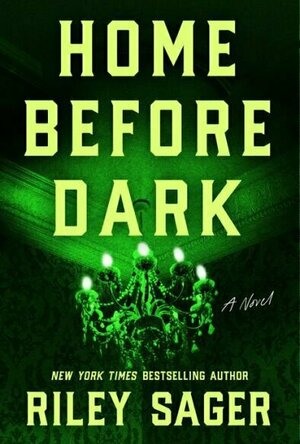
I've read all of Riley Sager's books so far, so when I saw that he had released Home Before Dark, I knew I had to read that book too. While it wasn't Sager's best work, I still enjoyed reading it.
After Maggie's father dies, she inherits Baneberry Hall, a place Maggie and her family escaped many years ago when she was 5 years old. Maggie's father has written a best seller about their stay in Baneberry Hall, but Maggie doesn't believe it. However, when she returns to Baneberry Hall, strange things start happening...things that Maggie's father wrote about in the book. Could it be ghosts or is Maggie just imagining things?
The plot of Home Before Dark is certainly intriguing. However, the first three quarters of the book were a bit too slow of a pace for my liking. I only kept reading because I was hoping the book would get better. My patience was rewarded in the last quarter of Home Before Dark when the pacing sped up, and I couldn't put this book down. I kept trying to figure out if Maggie was experiencing a haunting and who the ghosts could be. Home Before Dark has a great plot twist (that I didn't see coming). Even its plot twist had a plot twist which was exciting! I also thought it was pretty cool how Home Before Dark reads as two books since we get to read the book Maggie's father wrote as well as what is happening to Maggie in the here and now. Both stories flow together smoothly. At the end of the book, my jaw was left on the floor after what all had happened. All loose ends are tied up nicely, and there are no cliffhangers.
I enjoyed the characters in Home Before Dark. Each character was fleshed out well and had enough backstory where it was easy to picture each individual one. I enjoyed reading about Maggie. Her skepticism was a nice touch, and her thought process was interesting. I could totally relate with her wanting to know if her father's book was actually true and wanting to find out the mystery of why her family actually left Banebury Hall when she was 5 without taking any belongings. I also loved reading about Maggie's father and her mother Jess through Maggie's father's book. (I felt like their story was a bit more interesting than Maggie's.) I get why they did what they did many years ago even if I didn't agree with what they did.
Trigger warnings for Home Before Dark include violence, death, murder, talks of suicide, attempted murder, some profanity, and the occult.
Although Home Before Dark starts out slow, it definitely makes up for it towards the end. With an intriguing plot and well written characters, Home Before Dark is a book worth reading. I would recommend Home Before Dark by Riley Sager to those aged 16+ who are after a creepy thrilling read.
After Maggie's father dies, she inherits Baneberry Hall, a place Maggie and her family escaped many years ago when she was 5 years old. Maggie's father has written a best seller about their stay in Baneberry Hall, but Maggie doesn't believe it. However, when she returns to Baneberry Hall, strange things start happening...things that Maggie's father wrote about in the book. Could it be ghosts or is Maggie just imagining things?
The plot of Home Before Dark is certainly intriguing. However, the first three quarters of the book were a bit too slow of a pace for my liking. I only kept reading because I was hoping the book would get better. My patience was rewarded in the last quarter of Home Before Dark when the pacing sped up, and I couldn't put this book down. I kept trying to figure out if Maggie was experiencing a haunting and who the ghosts could be. Home Before Dark has a great plot twist (that I didn't see coming). Even its plot twist had a plot twist which was exciting! I also thought it was pretty cool how Home Before Dark reads as two books since we get to read the book Maggie's father wrote as well as what is happening to Maggie in the here and now. Both stories flow together smoothly. At the end of the book, my jaw was left on the floor after what all had happened. All loose ends are tied up nicely, and there are no cliffhangers.
I enjoyed the characters in Home Before Dark. Each character was fleshed out well and had enough backstory where it was easy to picture each individual one. I enjoyed reading about Maggie. Her skepticism was a nice touch, and her thought process was interesting. I could totally relate with her wanting to know if her father's book was actually true and wanting to find out the mystery of why her family actually left Banebury Hall when she was 5 without taking any belongings. I also loved reading about Maggie's father and her mother Jess through Maggie's father's book. (I felt like their story was a bit more interesting than Maggie's.) I get why they did what they did many years ago even if I didn't agree with what they did.
Trigger warnings for Home Before Dark include violence, death, murder, talks of suicide, attempted murder, some profanity, and the occult.
Although Home Before Dark starts out slow, it definitely makes up for it towards the end. With an intriguing plot and well written characters, Home Before Dark is a book worth reading. I would recommend Home Before Dark by Riley Sager to those aged 16+ who are after a creepy thrilling read.

Lottie disney bookworm (1056 KP) rated The Kingdom in Books
Sep 20, 2020
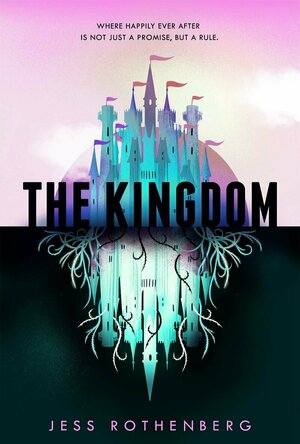

“Where Happily Ever After is not just a promise, but a rule”
I mean with a tag line like that you can’t not be drawn in by this book! If that doesn’t grab you then the gorgeous cover art will.
Once you get past the wonderful aesthetics; the ‘Disney x Westworld x Big Little Lies’ reality that Jess Rothenberg conjures is sure to captivate you. Rothenberg manages to describe her Kingdom in such minute detail without it seeming contrite: the brazen references to meet and greets, monorails and “the park” are like catnip to a Disney geek like myself; whilst the proclamation from the outset that a crime has occurred appeals to the (slightly) more mature side of this 32 year old bookworm.
The Kingdom is a magical place where dreams come true: or is it? The star attractions: the princesses; are beautiful, perfect, always say the right thing and…are Artificial Intelligence. Their sophisticated technology, wireless signals and encyclopaedic knowledge ensure the princesses are as perfect as possible but it quickly becomes apparent that the princesses are, in fact, prisoners: constantly under surveillance, tracked by GPS implants in their wrists and strapped to their beds at “downtime”.
Ana is our princess and storyteller, opening her world to the reader and introducing us to her “sisters”, “mother” and “father” as well as those who have slightly less favourable views towards the AI, or Fantasists as they are known. There is no doubt that Ana is advanced in comparison to other Fantasists that we meet: she is aware of the park’s wireless blind spots and admits she becomes weary of some songs, unruly children and fathers with wandering eyes. Ironically, Ana is a profoundly human character with whom the reader immediately allies themselves with. Despite clearly being a suspect in the ongoing murder trial, I can’t see any reader convicting Ana. On the contrary, it is a real testament to Jess Rothenberg’s writing that the reader identifies with the Fantasists over and above every human character in her novel. Even Owen, the main human character, is never entirely trustworthy and does not reveal his intentions readily.
The format of The Kingdom is unlike anything else out there at the moment, in my opinion. The mix of prose, advertisements, interviews, trial transcripts and even apps allow our Fantasist to tell her story but also allows the reader to meet personnel and witness events that Ana would never see. This aspect is crucial to the murder mystery vibe of The Kingdom and Rothenberg leaves the reader guessing right to the very end and begging for a sequel.
Rothenberg’s kingdom is quick to show its murkier, thornier side. Those who question their surroundings are made an example of; nature is manipulated for entertainment and nothing is what it seems. If you haven’t guessed by now, I absolutely adored this book. It had me gripped from beginning to end. If you read one Disney book this year- read this one!
I mean with a tag line like that you can’t not be drawn in by this book! If that doesn’t grab you then the gorgeous cover art will.
Once you get past the wonderful aesthetics; the ‘Disney x Westworld x Big Little Lies’ reality that Jess Rothenberg conjures is sure to captivate you. Rothenberg manages to describe her Kingdom in such minute detail without it seeming contrite: the brazen references to meet and greets, monorails and “the park” are like catnip to a Disney geek like myself; whilst the proclamation from the outset that a crime has occurred appeals to the (slightly) more mature side of this 32 year old bookworm.
The Kingdom is a magical place where dreams come true: or is it? The star attractions: the princesses; are beautiful, perfect, always say the right thing and…are Artificial Intelligence. Their sophisticated technology, wireless signals and encyclopaedic knowledge ensure the princesses are as perfect as possible but it quickly becomes apparent that the princesses are, in fact, prisoners: constantly under surveillance, tracked by GPS implants in their wrists and strapped to their beds at “downtime”.
Ana is our princess and storyteller, opening her world to the reader and introducing us to her “sisters”, “mother” and “father” as well as those who have slightly less favourable views towards the AI, or Fantasists as they are known. There is no doubt that Ana is advanced in comparison to other Fantasists that we meet: she is aware of the park’s wireless blind spots and admits she becomes weary of some songs, unruly children and fathers with wandering eyes. Ironically, Ana is a profoundly human character with whom the reader immediately allies themselves with. Despite clearly being a suspect in the ongoing murder trial, I can’t see any reader convicting Ana. On the contrary, it is a real testament to Jess Rothenberg’s writing that the reader identifies with the Fantasists over and above every human character in her novel. Even Owen, the main human character, is never entirely trustworthy and does not reveal his intentions readily.
The format of The Kingdom is unlike anything else out there at the moment, in my opinion. The mix of prose, advertisements, interviews, trial transcripts and even apps allow our Fantasist to tell her story but also allows the reader to meet personnel and witness events that Ana would never see. This aspect is crucial to the murder mystery vibe of The Kingdom and Rothenberg leaves the reader guessing right to the very end and begging for a sequel.
Rothenberg’s kingdom is quick to show its murkier, thornier side. Those who question their surroundings are made an example of; nature is manipulated for entertainment and nothing is what it seems. If you haven’t guessed by now, I absolutely adored this book. It had me gripped from beginning to end. If you read one Disney book this year- read this one!

Hazel (1853 KP) rated The Diamond Courier in Books
Dec 10, 2020
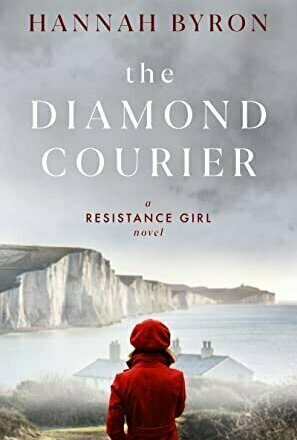
Twenty years have passed since the end of Hannah Byron's World War One novel In Picardy's Fields. It is now 1939 and the Second World War is just beginning, but all seems peaceful in Kent, England where the narrator, Lili Hamilton, lives with her parents. War is the last thing on Lili's mind as she contemplates how to get out of an arranged marriage and pursue a career in journalism.
The surname Hamilton may be familiar to those who have read the previous book but Lady Madeleine has left her war achievements far behind in The Diamond Courier where she plays the role of a prim and proper lady of the house. Her daughter, Liliane, feels trapped by her sensible parents' expectations who thwart her plans to be a political journalist. Yet Lili, encouraged by the handsome leader of the British Communist Party Leo Oppenheim, perseveres, thus estranging herself from her family.
Lili soon learns living in London with Leo is not the life she desired, but feels it is too late to back out, especially after witnessing the treatment of Jews on the continent. The Jewish community need someone to bring their precious diamonds to safety before the Germans get their hands on them, and they believe Lili is the best person for the job. Unless, of course, she gets caught.
The Diamond Courier is much darker than Byron's previous book. Naturally, war is not a happy topic, but the sense of hope felt in In Picardy's Fields is missing in this novel. The story divides into two sections, "Leo" and "After Leo". The former is lengthier, drawn-out, and not always pleasant to read. The latter, on the other hand, is packed with danger, excitement and adventure.
For Lili, Communism is something new and exciting, which she desires to pursue. The party has clear views about the war, with which all members must agree. Yet, when faced with the horrors of war, Lili realises she must cast aside her political opinions. Whether Communist, Jew, sympathiser or resistance member, no one deserves the terrible treatment delivered by the Nazis.
Although this is a work of fiction, Byron remains faithful to the true nature of the Second World War. She does not gloss over any of the atrocities and, whilst the reader keeps their fingers and toes crossed that Lili will get her "happily ever after" ending, this cannot be possible for everyone in the novel.
Aiming to show the strength of women living in a "man's world", Byron has created female characters of whom to be proud and respect. Whilst the storyline may not always be pleasant, it is a gripping narrative that immerses the reader into Lili's life and experiences. Hannah Byron has a way with words that keeps the reader engaged throughout. She is an author to keep an eye on.
The surname Hamilton may be familiar to those who have read the previous book but Lady Madeleine has left her war achievements far behind in The Diamond Courier where she plays the role of a prim and proper lady of the house. Her daughter, Liliane, feels trapped by her sensible parents' expectations who thwart her plans to be a political journalist. Yet Lili, encouraged by the handsome leader of the British Communist Party Leo Oppenheim, perseveres, thus estranging herself from her family.
Lili soon learns living in London with Leo is not the life she desired, but feels it is too late to back out, especially after witnessing the treatment of Jews on the continent. The Jewish community need someone to bring their precious diamonds to safety before the Germans get their hands on them, and they believe Lili is the best person for the job. Unless, of course, she gets caught.
The Diamond Courier is much darker than Byron's previous book. Naturally, war is not a happy topic, but the sense of hope felt in In Picardy's Fields is missing in this novel. The story divides into two sections, "Leo" and "After Leo". The former is lengthier, drawn-out, and not always pleasant to read. The latter, on the other hand, is packed with danger, excitement and adventure.
For Lili, Communism is something new and exciting, which she desires to pursue. The party has clear views about the war, with which all members must agree. Yet, when faced with the horrors of war, Lili realises she must cast aside her political opinions. Whether Communist, Jew, sympathiser or resistance member, no one deserves the terrible treatment delivered by the Nazis.
Although this is a work of fiction, Byron remains faithful to the true nature of the Second World War. She does not gloss over any of the atrocities and, whilst the reader keeps their fingers and toes crossed that Lili will get her "happily ever after" ending, this cannot be possible for everyone in the novel.
Aiming to show the strength of women living in a "man's world", Byron has created female characters of whom to be proud and respect. Whilst the storyline may not always be pleasant, it is a gripping narrative that immerses the reader into Lili's life and experiences. Hannah Byron has a way with words that keeps the reader engaged throughout. She is an author to keep an eye on.

Eleanor Luhar (47 KP) rated The Outs in Books
Jun 24, 2019

Well this was... an interesting read...
Just gonna quickly put a little trigger warning in here, as there is graphic and emotional descriptions of depression and suicide. But the story isn't about these things, and they aren't properly talked about until far later in the novel.
You're thrown right into the deep end from page one, having to put the pieces together as the plot progresses. We meet one of our protagonists, Caleb, in an unfamiliar room with mysterious men and a random little girl. He ends up taking her with him as he runs, trying to figure out what he did during the Outs.
The Outs are kinda confusing. They're moments in time where electrical appliances all fail, and anything that happens is forgotten as soon as the Outs end. Oh, and anyone killed during the Outs is resurrected from the dead.
I'm really not sure how to describe this book. The plot is super confusing - Caleb and his aphasic friend, Kitzi, take this weird little girl (Amanda) who somehow has powers over everyone and everything, in an attempt to stop Deeds and his army of Deadheaders. Caleb has a psychopathic voice in his head called Crimes, Amanda's dreams come true, Kitzi's suicide happens to have taken place at the same time the Outs started, she can smell the truth - and somehow they're all connected to the Outs? These three individuals - and many others along the way - each have a big part in what is happening. But how?
Honestly, I cannot explain it. There are so many little ties and strings throughout this book that all add up, and I couldn't possibly include them all.
It definitely is a unique book. The idea is pretty good, too - the whole "nightmares becoming real" and all. But I just didn't connect; I don't know if it was the pacing or what, but I just didn't feel involved in it.
I feel like I should've been able to sympathise with the characters more - they had good backstories, emotional and family issues that different people should be able to relate to. And the narration following Kitzi often makes references to comic books which I personally really appreciated. But I just didn't quite feel them. Maybe it's just me - there's nothing wrong with the writing in particular, so maybe it's just personal preference. I don't know.
I had a few typos in my copy but I received an ARC, not a final copy, so that shouldn't affect anyone buying the book. I loved the cover, and the art at each chapter start was great. Also, the inclusion of "Notes From Last Night" (a site where people recorded notes during the outs for after they forget) was awesome, too. It added a whole other dimension to the world, an extra little bit of interest.
I wanted to like this, I really did. And I didn't dislike it - but it didn't feel like anything special to me. 3 stars for The Outs.
Just gonna quickly put a little trigger warning in here, as there is graphic and emotional descriptions of depression and suicide. But the story isn't about these things, and they aren't properly talked about until far later in the novel.
You're thrown right into the deep end from page one, having to put the pieces together as the plot progresses. We meet one of our protagonists, Caleb, in an unfamiliar room with mysterious men and a random little girl. He ends up taking her with him as he runs, trying to figure out what he did during the Outs.
The Outs are kinda confusing. They're moments in time where electrical appliances all fail, and anything that happens is forgotten as soon as the Outs end. Oh, and anyone killed during the Outs is resurrected from the dead.
I'm really not sure how to describe this book. The plot is super confusing - Caleb and his aphasic friend, Kitzi, take this weird little girl (Amanda) who somehow has powers over everyone and everything, in an attempt to stop Deeds and his army of Deadheaders. Caleb has a psychopathic voice in his head called Crimes, Amanda's dreams come true, Kitzi's suicide happens to have taken place at the same time the Outs started, she can smell the truth - and somehow they're all connected to the Outs? These three individuals - and many others along the way - each have a big part in what is happening. But how?
Honestly, I cannot explain it. There are so many little ties and strings throughout this book that all add up, and I couldn't possibly include them all.
It definitely is a unique book. The idea is pretty good, too - the whole "nightmares becoming real" and all. But I just didn't connect; I don't know if it was the pacing or what, but I just didn't feel involved in it.
I feel like I should've been able to sympathise with the characters more - they had good backstories, emotional and family issues that different people should be able to relate to. And the narration following Kitzi often makes references to comic books which I personally really appreciated. But I just didn't quite feel them. Maybe it's just me - there's nothing wrong with the writing in particular, so maybe it's just personal preference. I don't know.
I had a few typos in my copy but I received an ARC, not a final copy, so that shouldn't affect anyone buying the book. I loved the cover, and the art at each chapter start was great. Also, the inclusion of "Notes From Last Night" (a site where people recorded notes during the outs for after they forget) was awesome, too. It added a whole other dimension to the world, an extra little bit of interest.
I wanted to like this, I really did. And I didn't dislike it - but it didn't feel like anything special to me. 3 stars for The Outs.