
Search
Search results

Bible Scholar Interactive
Reference and Games
App
Now just $2.99. The Bible Scholar named one of: "25 Incredible..Apps Every Theology Student...
Cinematic Cold War: The American and Soviet Struggle for Hearts and Minds
Denise J. Youngblood and Tony Shaw
Book
The Cold War was as much a battle of ideas as a series of military and diplomatic confrontations,...

Connor Sheffield (293 KP) rated Arrow in TV
May 13, 2018
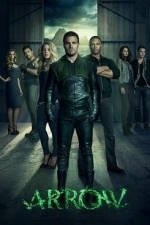


Closer to the comics than people think (5 more)
Great cast
Intriguing characters
Brilliant character development
Great drama
Great references to the comics
Some characters become annoying (1 more)
Not all seasons are consistent with quality
You Have (not) failed this series!
First of all I should tell you that Green Arrow is my all time favourite comic character so this review might have some bias but I'll keep it to a minimum because I am not blinded by this shows faults of which it's had quite a few.
When I first saw the trailer for Arrow I was hooked. Finally, a show about Green Arrow, one of the less popular heroes these days and one of the many heroes that makes the people who only watch comic book films, say "Who the hell is that?".
Series one had me hooked with great drama, and incredible action that made the week long wait for each episode painful. The drama was intense as we watch Oliver Queen trying to juggle his two lives as both Oliver Queen and Arrow (currently called the Vigilante or The Hood during season 1), as he tries to keep his night time activities as a vigilante a secret.
The faults of this series reside in some of the dialogue and characters who I won't name because it's not really down to one particular character as others do the same though some get more blame than others. The point is, some of the drama in the show is unnecessary and sometimes it's all over the place going from "I love you" to "never talk to me again" within seconds for very stupid reasons. If you can get past that though, you'll see a lot more of Green Arrow in the show than you realise.
One of the main things I love about this show is seeing Oliver Queen take on real life issues as well as comic book villains. Issues such as his sister taking drugs which, due to her childhood nickname being 'Speedy', is a reference to Green Lantern/Green Arrow #85 and #86 where Green Arrow finds out that Roy Harper is a drug addict. By making the series version about his sister however, makes the situation more personal which means it messes with Olivers head when he's out hunting the drug suppliers.
The villains have all been great in the series, even though not all have been praised. Malcom Merlyn as the first villain was a good choice because he's one of the few original Green Arrow Villains from comics and John Barrowman was a brilliant choice of casting. Deathstroke then took it up a notch and really made the series great, and his season is possibly still one of the best seasons (season 2). Ras Al Ghul was a very intense series and although everyone moaned that Arrow had become too much like Batman, but Arrow made it their own and made a brilliantly intense series with some great twists that at the time I was like "please don't end it like this...." Or... "Where do they go from here?" And Everytime I thought they might have made a mistake with a certain plot point, they proved me wrong.
Damien Darkh was probably one of the lesser great villains. The casting was perfect, because Damien Darkh was so menacing and so brilliantly evil with a human side to him at certain points, but I don't think personally, they should have brought magic into Arrow, because it added too many scenes where you thought "why would you even try this?" Or "why did he not do this and this moment". But unlike many I actually enjoyed Damien Darkh as a villain because the characters and intense story were brilliantly chosen and executed.
The last two seasons (5 & 6) have been really intense and incredibly action packed as Green Arrow and Team Arrow try to take on what feels like the world.
The downfalls of the series include some of the drama being not entirely necessary. We understand as an audience that tensions build and everyone has a thousand and one problems that they have to deal with, but everyone seems to unleash them all at once. I understand wanting to build the feeling that everything is falling apart, but it happens soooo much, and it's hard to sympathise with certain scenarios because of it.
Another slight issue is the love interests. If you know Green Arrow, then you know he's a bit of a ladies man and that he can often be caught flirting and more with many women, in the show, we see this done well but at the end of the day it aaaallllwaayyyss comes back to Olicity. Oliver and Felicity's love story has had so many ups and downs and they've fallen in and out of love so many times and whilst I love Felicity as a character and a member of the team, the love rollercoaster she is on with Oliver reaaalllyyy annoys me at times, but I try to look past it and everything's seems to be okay.
Overall though this is one of my favourite shows and I prefer it to The Flash though The Flash has had some better seasons than Arrow has. I can't wait to see what else the show brings to the screen as it has already brought many obscure characters such as Cupid, Vigilante, Prometheus, Bronze Tiger and more!
When I first saw the trailer for Arrow I was hooked. Finally, a show about Green Arrow, one of the less popular heroes these days and one of the many heroes that makes the people who only watch comic book films, say "Who the hell is that?".
Series one had me hooked with great drama, and incredible action that made the week long wait for each episode painful. The drama was intense as we watch Oliver Queen trying to juggle his two lives as both Oliver Queen and Arrow (currently called the Vigilante or The Hood during season 1), as he tries to keep his night time activities as a vigilante a secret.
The faults of this series reside in some of the dialogue and characters who I won't name because it's not really down to one particular character as others do the same though some get more blame than others. The point is, some of the drama in the show is unnecessary and sometimes it's all over the place going from "I love you" to "never talk to me again" within seconds for very stupid reasons. If you can get past that though, you'll see a lot more of Green Arrow in the show than you realise.
One of the main things I love about this show is seeing Oliver Queen take on real life issues as well as comic book villains. Issues such as his sister taking drugs which, due to her childhood nickname being 'Speedy', is a reference to Green Lantern/Green Arrow #85 and #86 where Green Arrow finds out that Roy Harper is a drug addict. By making the series version about his sister however, makes the situation more personal which means it messes with Olivers head when he's out hunting the drug suppliers.
The villains have all been great in the series, even though not all have been praised. Malcom Merlyn as the first villain was a good choice because he's one of the few original Green Arrow Villains from comics and John Barrowman was a brilliant choice of casting. Deathstroke then took it up a notch and really made the series great, and his season is possibly still one of the best seasons (season 2). Ras Al Ghul was a very intense series and although everyone moaned that Arrow had become too much like Batman, but Arrow made it their own and made a brilliantly intense series with some great twists that at the time I was like "please don't end it like this...." Or... "Where do they go from here?" And Everytime I thought they might have made a mistake with a certain plot point, they proved me wrong.
Damien Darkh was probably one of the lesser great villains. The casting was perfect, because Damien Darkh was so menacing and so brilliantly evil with a human side to him at certain points, but I don't think personally, they should have brought magic into Arrow, because it added too many scenes where you thought "why would you even try this?" Or "why did he not do this and this moment". But unlike many I actually enjoyed Damien Darkh as a villain because the characters and intense story were brilliantly chosen and executed.
The last two seasons (5 & 6) have been really intense and incredibly action packed as Green Arrow and Team Arrow try to take on what feels like the world.
The downfalls of the series include some of the drama being not entirely necessary. We understand as an audience that tensions build and everyone has a thousand and one problems that they have to deal with, but everyone seems to unleash them all at once. I understand wanting to build the feeling that everything is falling apart, but it happens soooo much, and it's hard to sympathise with certain scenarios because of it.
Another slight issue is the love interests. If you know Green Arrow, then you know he's a bit of a ladies man and that he can often be caught flirting and more with many women, in the show, we see this done well but at the end of the day it aaaallllwaayyyss comes back to Olicity. Oliver and Felicity's love story has had so many ups and downs and they've fallen in and out of love so many times and whilst I love Felicity as a character and a member of the team, the love rollercoaster she is on with Oliver reaaalllyyy annoys me at times, but I try to look past it and everything's seems to be okay.
Overall though this is one of my favourite shows and I prefer it to The Flash though The Flash has had some better seasons than Arrow has. I can't wait to see what else the show brings to the screen as it has already brought many obscure characters such as Cupid, Vigilante, Prometheus, Bronze Tiger and more!

Gareth von Kallenbach (980 KP) rated BlacKkKlansman (2018) in Movies
Jul 8, 2019
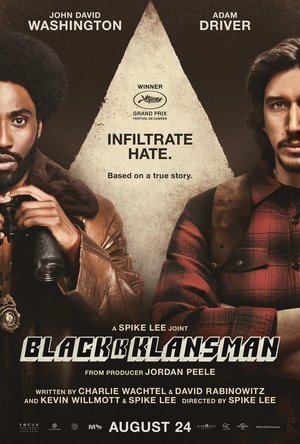

From Director Spike Lee comes the incredible story of true American hero. In the early 1970s, Ron Stallworth (John David Washington) is the first African-American detective to serve in the Colorado Springs Police Department. Determined to make a name for himself, Stallworth bravely sets out on a dangerous mission: infiltrate and expose the Ku Klux Klan. The movie is based on Stallworth’s 2014 book Black Klansman, which details his experience. When it came time to meet the Klan members face-to-face, he utilized the help of a white undercover narcotics officer (Adam Driver in the movie), who posed as Stallworth for all in-person meetings with the Klan. Together, they team up to take down the extremist hate group as the organization aims to sanitize its violent rhetoric to appeal to the mainstream.
The film is very creative in the way that it presents history and allows the audience ride along with the action, suspense, and anxiety experience by Washington and Driver’s characters. The tone of the film, at times, is lighthearted in its approach but quickly draws you back in when faced with the reality that David Duke, and people like him walk among us dressing up their racism with non-threatening slogans, professional attire, and a clean-cut package.
The story displayed is a reminder that racism in America has a long history and is not isolated geographically to the south nor limited to Charlottesville or Charleston. The attitudes and actions committed by those who agree with the stances of white supremacy and white supremacist organizations have had a drastic impact on the development of American society. It has shaped and misshapen our attitudes towards one another. It continues to affect us today as we all bear witness to unbridled racism or the downplaying of racism with terms like “political correctness.” This film is timely in its approach and offers audiences a more full and expansive view of what combatting racism and racist attitudes and actions looks like.
Blackkklansman is a film that many have waited for when first hearing about the story of Ron Stallworth and they will not be disappointed with what they witness on screen. Sadly, the people who desperately need to see this movie may pass on it because they are uncomfortable with the subject matter and the reality that they themselves may be complicit in the continuance of racism and white supremacy. This film feels like a conversation being conducted directly between the director and audience. There are subtleties that allow the audience to think about the meaning and even parallel between the early 1970s and the current political environment, as well as, moments where there is no hiding of the message, no metaphor, no allegory. The filmmakers make it clear for those watching that many of us need to wake up almost as blatantly as Spike Lee promotes one of his earlier films, School Daze.
The only problem I found with the film was that I was left wanting more discussion. I wanted to see more of what Ron Stallworth dealt with as the only black detective in his department. If anything, this shows a real strength in the film by leaving audiences emotionally connected with the horrors that he faced, as well as, the way that those around him come to grips with the reality of the hatred and racial violence that had overlooked before because it did not have a direct effect on them. Blackkklansman is a film that will have audiences reflecting long after the credits have rolled. Hopefully the themes, metaphors, and overall message will help foster overdue and well-needed conversations about race, racism, prejudice, and violence. This film takes audiences out of their comfort zones and forces them to face some of the dark corners of America for two hours. Within that two hours, hopefully the people who don’t recognize racism and bigotry get a glimpse of the true horror and fear that marginalized communities feel on a daily basis so that they themselves can be agents of change and fight against racism.
The film is very creative in the way that it presents history and allows the audience ride along with the action, suspense, and anxiety experience by Washington and Driver’s characters. The tone of the film, at times, is lighthearted in its approach but quickly draws you back in when faced with the reality that David Duke, and people like him walk among us dressing up their racism with non-threatening slogans, professional attire, and a clean-cut package.
The story displayed is a reminder that racism in America has a long history and is not isolated geographically to the south nor limited to Charlottesville or Charleston. The attitudes and actions committed by those who agree with the stances of white supremacy and white supremacist organizations have had a drastic impact on the development of American society. It has shaped and misshapen our attitudes towards one another. It continues to affect us today as we all bear witness to unbridled racism or the downplaying of racism with terms like “political correctness.” This film is timely in its approach and offers audiences a more full and expansive view of what combatting racism and racist attitudes and actions looks like.
Blackkklansman is a film that many have waited for when first hearing about the story of Ron Stallworth and they will not be disappointed with what they witness on screen. Sadly, the people who desperately need to see this movie may pass on it because they are uncomfortable with the subject matter and the reality that they themselves may be complicit in the continuance of racism and white supremacy. This film feels like a conversation being conducted directly between the director and audience. There are subtleties that allow the audience to think about the meaning and even parallel between the early 1970s and the current political environment, as well as, moments where there is no hiding of the message, no metaphor, no allegory. The filmmakers make it clear for those watching that many of us need to wake up almost as blatantly as Spike Lee promotes one of his earlier films, School Daze.
The only problem I found with the film was that I was left wanting more discussion. I wanted to see more of what Ron Stallworth dealt with as the only black detective in his department. If anything, this shows a real strength in the film by leaving audiences emotionally connected with the horrors that he faced, as well as, the way that those around him come to grips with the reality of the hatred and racial violence that had overlooked before because it did not have a direct effect on them. Blackkklansman is a film that will have audiences reflecting long after the credits have rolled. Hopefully the themes, metaphors, and overall message will help foster overdue and well-needed conversations about race, racism, prejudice, and violence. This film takes audiences out of their comfort zones and forces them to face some of the dark corners of America for two hours. Within that two hours, hopefully the people who don’t recognize racism and bigotry get a glimpse of the true horror and fear that marginalized communities feel on a daily basis so that they themselves can be agents of change and fight against racism.

Bob Mann (459 KP) rated Marriage Story (2019) in Movies
Sep 28, 2021
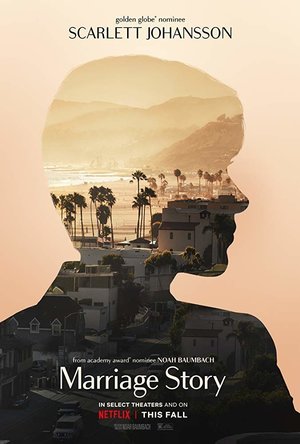

One Mann’s Movies Review of “Marriage Story” – a “Kramer vs Kramer lite” in my book, albeit with some great acting performances.
K vs K Lite.
For me, mention the phrase “divorce movie” and there’s only one film that comes to mind – the Oscar-laden classic from 1979 starring an immaculate Dustin Hoffman and Meryl Streep. THAT toy plane; THOSE stiches! (Gulp). This is the yardstick by which I judge such movies… and to be honest, “Marriage Story” didn’t measure up.
The story.
We start the movie seeing the apparently idyllic married life of theatre impresario Charlie (Adam Driver) and his lead actress and muse Nicole (Scarlett Johansson), together bringing up their young child. But spin forwards and the pair are in the middle of an ‘amicable’ separation, with Nicole returning to her home roots in California and Charlie having an expensive commute to and from New York where he’s struggling to premiere his show on Broadway.
But despite an agreement to keep lawyers out of the equation, Nicole is persuaded to lawyer up with Nora Fanshaw (Laura Dern) tightening up the legal screws until Charlie’s life risks being torn apart. It’s time for him to fight back.
Well regarded by the Academy.
As for “Kramer vs Kramer”, this is a movie that has been garlanded with multiple Oscar nominations. Both Driver and Johansson are nominated in the lead acting roles and Laura Dern seems to be favourite for the Best Supporting Actress gong (after winning the Golden Globe and the BAFTA). Three more Oscar nominations come for the score (by Randy Newman); the original screenplay (by director Noah Baumbach); and a Best Film nomination.
Both leads deliver really emotional performances, with Johansson in particular being very believable in the role. But who knew she was so short?! She always strikes me as a statuesque beauty, but she’s only 5′ 3” and it’s particularly noticeable in a scene filmed at Warner Brothers Studios.
It’s also fabulous to see both the great Alan Alda (here showing signs of his Parkinson’s) and Ray Liotta on screen again, as both low-rent and top-dollar lawyers respectively.
But WHY exactly are they divorcing?
I found the whole set up of the movie as frustrating. There seemed no clear understanding of why the separation is happening. True there is an affair involved (and Mrs Movie Man and I have always lived our nearly 40 years of marriage with the understanding that a “one strike” rule applies). But notwithstanding that, it seems to be more of a ‘drifting apart’ that’s gone on. I just wanted to give them a good shaking and get them to work it out!
This is all obviously unfair – because (and I also know this from experience) that in many marriages ‘shit happens’: some people do just want to do different things; feel suffocated; etc. And – thinking about it – I’m not sure there was any real reason given for Meryl Streep‘s departure in K vs K: which was part of the reason for Dustin Hoffman‘s character’s frustration.
Who do you sympathise with?
This is a movie where the audience is bound to take a side. But for me, there was only one side to take and that was Charlie’s. The actions of Nicole seem reprehensible and unforgivable, and when there are lines to be crossed she seems to have little hesitation in crossing them.
Many people seem to rave about this movie, but…
…I found the pace to be inconsistent. At one point, the story just stops for a soulful rendition by Charlie of a song in a bar, and I frankly just got bored with it. And while there’s a steady build up of the legal case involved, suddenly we seem to skip to a resolution without any real rationale for it. Or did I fall asleep??
A further irritation for me was Julie Hagerty as Nicole’s mum Sandra. She does the kooky mum turn that she did perfectly well in last year’s funny “Instant Family“, but its a role that really didn’t seem to fit in this movie. There’s an element of slapstick comedy in these scenes that just didn’t suit the general tone of the movie.
Overall, I just don’t share the love for this movie. Given the choice, I’d much rather watch Kramer vs Kramer again.
And what was that punchline?
By the way, Alan Alda is a fantastic comedian, and really knows how to deliver a joke. In this movie he’s regaling Charlie with a long-winded story (on the clock) when Charlie interrupts him. How did it end…. Alda revealed the full joke after a press screening at the New York Film Festival… and it’s a corker!
This woman’s at her hairdresser’s, and she says, “I’m going to Rome on holiday.”
He says, “Oh really, what airline are you taking?”
She says, “Alitalia.”
He says, “Alitalia, are you crazy? That’s terrible, don’t take that.”
He says, “Where are you gonna stay?”
She says, “I’m gonna stay at The Hassler.”
“The Hassler! What, are you kidding? They’re renovating the Hassler. You’ll hear hammering all night long. You won’t sleep! What are you gonna see?”
She says, “I think I’m going to try to go to the Vatican.” “The Vatican? You’ll be standing in line all day long—”
(Charlie interrupts at this point, but the joke goes on)
So she goes to Rome. She comes back, and the hairdresser says, “How was it?”
She says, “It was a great trip, it was wonderful.”
“How was the Vatican?”
“Wonderful! We happened to meet the Pope.”
“You met the Pope?”
“Yeah, and he spoke to me.”
“What did he say to you?”
“He said, ‘Where’d you get that f***ing haircut?’”
LOL!
For me, mention the phrase “divorce movie” and there’s only one film that comes to mind – the Oscar-laden classic from 1979 starring an immaculate Dustin Hoffman and Meryl Streep. THAT toy plane; THOSE stiches! (Gulp). This is the yardstick by which I judge such movies… and to be honest, “Marriage Story” didn’t measure up.
The story.
We start the movie seeing the apparently idyllic married life of theatre impresario Charlie (Adam Driver) and his lead actress and muse Nicole (Scarlett Johansson), together bringing up their young child. But spin forwards and the pair are in the middle of an ‘amicable’ separation, with Nicole returning to her home roots in California and Charlie having an expensive commute to and from New York where he’s struggling to premiere his show on Broadway.
But despite an agreement to keep lawyers out of the equation, Nicole is persuaded to lawyer up with Nora Fanshaw (Laura Dern) tightening up the legal screws until Charlie’s life risks being torn apart. It’s time for him to fight back.
Well regarded by the Academy.
As for “Kramer vs Kramer”, this is a movie that has been garlanded with multiple Oscar nominations. Both Driver and Johansson are nominated in the lead acting roles and Laura Dern seems to be favourite for the Best Supporting Actress gong (after winning the Golden Globe and the BAFTA). Three more Oscar nominations come for the score (by Randy Newman); the original screenplay (by director Noah Baumbach); and a Best Film nomination.
Both leads deliver really emotional performances, with Johansson in particular being very believable in the role. But who knew she was so short?! She always strikes me as a statuesque beauty, but she’s only 5′ 3” and it’s particularly noticeable in a scene filmed at Warner Brothers Studios.
It’s also fabulous to see both the great Alan Alda (here showing signs of his Parkinson’s) and Ray Liotta on screen again, as both low-rent and top-dollar lawyers respectively.
But WHY exactly are they divorcing?
I found the whole set up of the movie as frustrating. There seemed no clear understanding of why the separation is happening. True there is an affair involved (and Mrs Movie Man and I have always lived our nearly 40 years of marriage with the understanding that a “one strike” rule applies). But notwithstanding that, it seems to be more of a ‘drifting apart’ that’s gone on. I just wanted to give them a good shaking and get them to work it out!
This is all obviously unfair – because (and I also know this from experience) that in many marriages ‘shit happens’: some people do just want to do different things; feel suffocated; etc. And – thinking about it – I’m not sure there was any real reason given for Meryl Streep‘s departure in K vs K: which was part of the reason for Dustin Hoffman‘s character’s frustration.
Who do you sympathise with?
This is a movie where the audience is bound to take a side. But for me, there was only one side to take and that was Charlie’s. The actions of Nicole seem reprehensible and unforgivable, and when there are lines to be crossed she seems to have little hesitation in crossing them.
Many people seem to rave about this movie, but…
…I found the pace to be inconsistent. At one point, the story just stops for a soulful rendition by Charlie of a song in a bar, and I frankly just got bored with it. And while there’s a steady build up of the legal case involved, suddenly we seem to skip to a resolution without any real rationale for it. Or did I fall asleep??
A further irritation for me was Julie Hagerty as Nicole’s mum Sandra. She does the kooky mum turn that she did perfectly well in last year’s funny “Instant Family“, but its a role that really didn’t seem to fit in this movie. There’s an element of slapstick comedy in these scenes that just didn’t suit the general tone of the movie.
Overall, I just don’t share the love for this movie. Given the choice, I’d much rather watch Kramer vs Kramer again.
And what was that punchline?
By the way, Alan Alda is a fantastic comedian, and really knows how to deliver a joke. In this movie he’s regaling Charlie with a long-winded story (on the clock) when Charlie interrupts him. How did it end…. Alda revealed the full joke after a press screening at the New York Film Festival… and it’s a corker!
This woman’s at her hairdresser’s, and she says, “I’m going to Rome on holiday.”
He says, “Oh really, what airline are you taking?”
She says, “Alitalia.”
He says, “Alitalia, are you crazy? That’s terrible, don’t take that.”
He says, “Where are you gonna stay?”
She says, “I’m gonna stay at The Hassler.”
“The Hassler! What, are you kidding? They’re renovating the Hassler. You’ll hear hammering all night long. You won’t sleep! What are you gonna see?”
She says, “I think I’m going to try to go to the Vatican.” “The Vatican? You’ll be standing in line all day long—”
(Charlie interrupts at this point, but the joke goes on)
So she goes to Rome. She comes back, and the hairdresser says, “How was it?”
She says, “It was a great trip, it was wonderful.”
“How was the Vatican?”
“Wonderful! We happened to meet the Pope.”
“You met the Pope?”
“Yeah, and he spoke to me.”
“What did he say to you?”
“He said, ‘Where’d you get that f***ing haircut?’”
LOL!
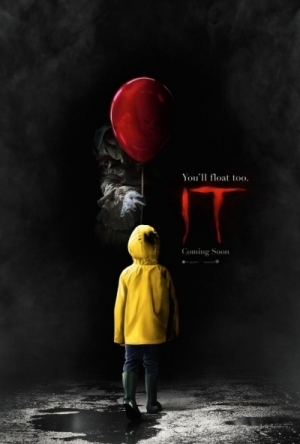

IT… didn’t really float my boat.
IT is based on the Stephen King novel, and tells the disturbing recurring events that happen within the town of Derry in Maine. Kids keep disappearing and sightings of a spooky clown, other visitations and red balloons occur. A group of bullied high school kids – one directly impacted by the disappearances – work to get to the bottom of the supernatural goings on. (Fortunately they don’t have a dog called Scooby).
I had in mind that with the disturbing and dangerous “clowning around” that happened in the summer of 2016 that this film had been shot a while ago and the release delayed until now for fear of adding ‘clown-flavoured fuel’ to the fire. But it appears that filming only completed in September of last year, so that appears not to be the case.
The film starts memorably and brutally with the “drain scene” from the trailer. And very effective it is too. “Great!” you think… this is a spookfest that has legs! Unfortunately, for me at least, it all went downhill from there. The film really doesn’t seem to know WHAT it’s trying to be. There are elements of “Stand By Me”; elements of “Alien”; elements of “The Conjuring”, all thrown into a cinematic blender and pulsed well.
The most endearing aspects of the movie are the interactions of the small-town kids, with this aspect of the film bearing the closest comparison with J.J. Abrams’ “Super 8”. This is carried by the great performances of the young actors involved, with Jaeden Lieberher (so memorable in “Midnight Special”) as Bill; Jeremy Ray Taylor (“Ant Man”) as Ben (‘the chubby one’); and Finn Wolfhard, in his big-screen premiere and sporting an absurd set of glasses, as the wise-cracking Ritchie.
Standout for my though was the then 14-year old Sophia Lillis as Beverly (the nearest equivalent to the Elle Fanning role in “Super 8”). This young lady has SUCH screen presence, reminiscent of Emma Watson in the Harry Potter films. I think she is a name to watch!
While commenting on the acting I do need to acknowledge Bill Skarsgård (“Atomic Blonde” and son of Stellan Skarsgård) who is creepily effective as Pennywise the clown.
Having a film that just centred on the pubescent interplay between the youngsters and their battles against the near-psychopathic school bully Bowers (Nicholas Hamilton, “Captain Fantastic”) would have kept me well-entertained for two hours. However, in the same way that the hugely over-inflated Sci-Fi ending of “Super 8” rather detracted from that film, so the clown-related story popping up all the time just irritated me to distraction. (“WILL YOU JUST FECK OFF AND LEAVE US TO FIND OUT WHO BEVERLY GETS OFF WITH???!!”)
While the film has a number of good jump-scares, a lot of them – especially those with excessive use of CGI – just don’t really work. There are normally no “outcomes” from the scares. It’s all a bit like a ghost train where the carriage rounds a corner, something jumps out, and then the carriage moves on round the corner again! What makes a great horror film is where the “science” of the horror is well thought through. “Alien” was an exceptional example of that, where the science wasn’t just “physics” but also “biology”. Here (and I’m not sure whether this is true to the book… this is one of Stephen King’s I haven’t read) there seems to be no rules involved at all. Things happen fairly randomly: shape-shifting and effects on physical objects happen with no rational explanation; the kids can see things adults can’t see. (Why?). In fact the “adults” – the usual mix of Stephen King dysfunctional small-town crazies – seem to have no significant part in the story at all. It’s all like some lame teenage fantasy where actions (a number of individuals in the story meet their demise) seem to carry no legal consequences whatsoever. I half expected Bill to wake up – Dallas style – at the end and realise it had all been an “awful dream”!
In particular, the denouement is highly dissatisfying. An opportunity for a (very black) twist in the plot is discarded. Pennywise the clown’s departure is both lame and unconvincing. And there are numerous loose ends that are never properly tied down (what was that “floaters descending” dialogue about?…. it was just never followed through!).
It’s not all bad though. The location shoots in Bangor, Maine and the Ontario countryside are all beautifully rendered by cinematographer Chung-hoon Chung (“Stoker”) and where the film clicks with the young cast it clicks well and enjoyably. I just wish that the overall film wasn’t just such a jumbled-up mess. Blame for that must lie with the screenwriting team and director Andy Muschietti (“Mama”). I’m going to give it a kicking in my rating, since with all the marketing build-up it was certainly a disappointment. I see though that at the time of writing that this film sports an unfathomably high imdb rating of 8.0/10 so I’ll acknowledge that somebody must have seen something more in this than I did!!
I had in mind that with the disturbing and dangerous “clowning around” that happened in the summer of 2016 that this film had been shot a while ago and the release delayed until now for fear of adding ‘clown-flavoured fuel’ to the fire. But it appears that filming only completed in September of last year, so that appears not to be the case.
The film starts memorably and brutally with the “drain scene” from the trailer. And very effective it is too. “Great!” you think… this is a spookfest that has legs! Unfortunately, for me at least, it all went downhill from there. The film really doesn’t seem to know WHAT it’s trying to be. There are elements of “Stand By Me”; elements of “Alien”; elements of “The Conjuring”, all thrown into a cinematic blender and pulsed well.
The most endearing aspects of the movie are the interactions of the small-town kids, with this aspect of the film bearing the closest comparison with J.J. Abrams’ “Super 8”. This is carried by the great performances of the young actors involved, with Jaeden Lieberher (so memorable in “Midnight Special”) as Bill; Jeremy Ray Taylor (“Ant Man”) as Ben (‘the chubby one’); and Finn Wolfhard, in his big-screen premiere and sporting an absurd set of glasses, as the wise-cracking Ritchie.
Standout for my though was the then 14-year old Sophia Lillis as Beverly (the nearest equivalent to the Elle Fanning role in “Super 8”). This young lady has SUCH screen presence, reminiscent of Emma Watson in the Harry Potter films. I think she is a name to watch!
While commenting on the acting I do need to acknowledge Bill Skarsgård (“Atomic Blonde” and son of Stellan Skarsgård) who is creepily effective as Pennywise the clown.
Having a film that just centred on the pubescent interplay between the youngsters and their battles against the near-psychopathic school bully Bowers (Nicholas Hamilton, “Captain Fantastic”) would have kept me well-entertained for two hours. However, in the same way that the hugely over-inflated Sci-Fi ending of “Super 8” rather detracted from that film, so the clown-related story popping up all the time just irritated me to distraction. (“WILL YOU JUST FECK OFF AND LEAVE US TO FIND OUT WHO BEVERLY GETS OFF WITH???!!”)
While the film has a number of good jump-scares, a lot of them – especially those with excessive use of CGI – just don’t really work. There are normally no “outcomes” from the scares. It’s all a bit like a ghost train where the carriage rounds a corner, something jumps out, and then the carriage moves on round the corner again! What makes a great horror film is where the “science” of the horror is well thought through. “Alien” was an exceptional example of that, where the science wasn’t just “physics” but also “biology”. Here (and I’m not sure whether this is true to the book… this is one of Stephen King’s I haven’t read) there seems to be no rules involved at all. Things happen fairly randomly: shape-shifting and effects on physical objects happen with no rational explanation; the kids can see things adults can’t see. (Why?). In fact the “adults” – the usual mix of Stephen King dysfunctional small-town crazies – seem to have no significant part in the story at all. It’s all like some lame teenage fantasy where actions (a number of individuals in the story meet their demise) seem to carry no legal consequences whatsoever. I half expected Bill to wake up – Dallas style – at the end and realise it had all been an “awful dream”!
In particular, the denouement is highly dissatisfying. An opportunity for a (very black) twist in the plot is discarded. Pennywise the clown’s departure is both lame and unconvincing. And there are numerous loose ends that are never properly tied down (what was that “floaters descending” dialogue about?…. it was just never followed through!).
It’s not all bad though. The location shoots in Bangor, Maine and the Ontario countryside are all beautifully rendered by cinematographer Chung-hoon Chung (“Stoker”) and where the film clicks with the young cast it clicks well and enjoyably. I just wish that the overall film wasn’t just such a jumbled-up mess. Blame for that must lie with the screenwriting team and director Andy Muschietti (“Mama”). I’m going to give it a kicking in my rating, since with all the marketing build-up it was certainly a disappointment. I see though that at the time of writing that this film sports an unfathomably high imdb rating of 8.0/10 so I’ll acknowledge that somebody must have seen something more in this than I did!!
Pettersson und Findus
Games and Entertainment
App
Big play fun with Pettson and Findus! The old, inventive Pettson who lives with Findus - his...

BankofMarquis (1832 KP) rated The Pale Blue Eye (2022) in Movies
Jan 15, 2023
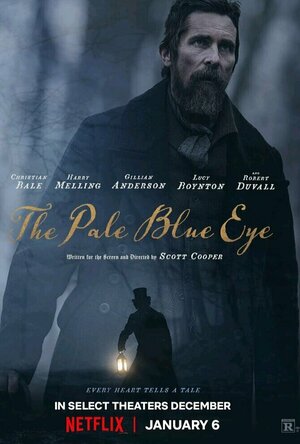
Haunting and Intriguing
An eerie, gothic murder mystery pairing an ingenious Detective with a young Edgar Allan Poe is now streaming on Netflix and is the perfect way to shut out the January winds and hibernate on your couch and get involved in the mystery while sitting in front of a warm, roaring fire (or heat lamp) and your favorite warm (possibly adult) beverage).
Written for the screen (from book by Louis Bayard) and Directed by Scott Cooper (OUT OF THE FURNACE), THE PALE BLUE EYE stars the always good Christian Bale (probably my favorite actor working today) as Civilian Detective Augustus Landor who is summoned to 1830’s West Point Military Academy to solve a murder. He is aided by a young cadet played by Harry Melling (Dudley Dursley in the HARRY POTTER FILMS) who turns out to be none other than Edgar Allan Poe.
Cooper films this movie in shadow and dark brown and yellow tones, giving the 1830’s setting a certain dream-like, dreary quality that underscores the gruesome goings-on happening behind the scenes at the fledgling United States Military Academy. These types of films - and the mood that is permeated throughout - can often be slow slogs and often times bogs down under the weight of it’s own pretentiousness - but Cooper keeps the action moving forward (though at a deliberate pace) often-times mimicking the piecing together of the circumstances that Bale’s character is doing.
Thank goodness Cooper had the good sense to reunite with his OUT OF THE FURNACE star and cast Bale in the lead role. The character of Detective Augustus Landor is dark and brooding - himself still working through the emotions of a tragedy from his past. But he is also thoughtful and deliberate in his detective work and Bale handles these moods…and the pacing of the film…like the pro that he is. If for no other reason, check out THE PALE BLUE EYE (a reference to Poe’s TELL TALE HEART) for Bale’s performance at the center of things.
Fortunately, Bale is aided in this film by a strong ensemble of (mostly) British actors from Toby Jones to Gillian Anderson to Simon McBurney and Timothy Spall - they all bring their considerable talents to lesser roles as suspects and/or witnesses in this “whodunnit”. Cooper also trots out good ol’ (and I do mean old) Robert Duvall for a “blink or you’ll miss it” cameo. The casting works well for this gothic murder mystery.
And then there is Melling as Edgar Allan Poe. He plays Poe as you might expect one to play a young Edgar Allan Poe - as an “odd duck” who is fascinated by macabre scenarios (which would be later found in his storytelling), but Melling gives him an intelligence and gentleness of soul that really works in this case.
The Cinematography of this movie is bleak and dark - as befits a gothic murder mystery - and the pacing is not fast in any sense of the word, but if you click into this world, you’ll be rewarding by an interesting murder mystery that resolves itself in a surprising - and satisfactory - way.
Letter Grade: B+
8 stars (out of 10) and you can take that to the Bank(ofMarquis)
Written for the screen (from book by Louis Bayard) and Directed by Scott Cooper (OUT OF THE FURNACE), THE PALE BLUE EYE stars the always good Christian Bale (probably my favorite actor working today) as Civilian Detective Augustus Landor who is summoned to 1830’s West Point Military Academy to solve a murder. He is aided by a young cadet played by Harry Melling (Dudley Dursley in the HARRY POTTER FILMS) who turns out to be none other than Edgar Allan Poe.
Cooper films this movie in shadow and dark brown and yellow tones, giving the 1830’s setting a certain dream-like, dreary quality that underscores the gruesome goings-on happening behind the scenes at the fledgling United States Military Academy. These types of films - and the mood that is permeated throughout - can often be slow slogs and often times bogs down under the weight of it’s own pretentiousness - but Cooper keeps the action moving forward (though at a deliberate pace) often-times mimicking the piecing together of the circumstances that Bale’s character is doing.
Thank goodness Cooper had the good sense to reunite with his OUT OF THE FURNACE star and cast Bale in the lead role. The character of Detective Augustus Landor is dark and brooding - himself still working through the emotions of a tragedy from his past. But he is also thoughtful and deliberate in his detective work and Bale handles these moods…and the pacing of the film…like the pro that he is. If for no other reason, check out THE PALE BLUE EYE (a reference to Poe’s TELL TALE HEART) for Bale’s performance at the center of things.
Fortunately, Bale is aided in this film by a strong ensemble of (mostly) British actors from Toby Jones to Gillian Anderson to Simon McBurney and Timothy Spall - they all bring their considerable talents to lesser roles as suspects and/or witnesses in this “whodunnit”. Cooper also trots out good ol’ (and I do mean old) Robert Duvall for a “blink or you’ll miss it” cameo. The casting works well for this gothic murder mystery.
And then there is Melling as Edgar Allan Poe. He plays Poe as you might expect one to play a young Edgar Allan Poe - as an “odd duck” who is fascinated by macabre scenarios (which would be later found in his storytelling), but Melling gives him an intelligence and gentleness of soul that really works in this case.
The Cinematography of this movie is bleak and dark - as befits a gothic murder mystery - and the pacing is not fast in any sense of the word, but if you click into this world, you’ll be rewarding by an interesting murder mystery that resolves itself in a surprising - and satisfactory - way.
Letter Grade: B+
8 stars (out of 10) and you can take that to the Bank(ofMarquis)
BankofMarquis (1832 KP) rated House of Gucci (2021) in Movies
May 14, 2022
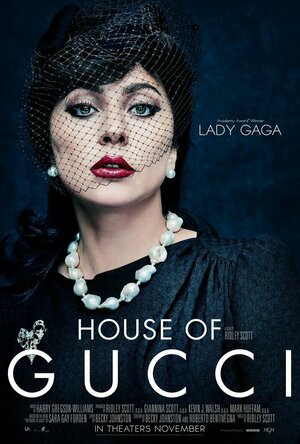

Not As Bad As You Heard
“It’s Not As Bad As You Heard” is the very definition of damning with faint praise, but that phrase accurately describes one of the highest profile film failures of 2021 - HOUSE OF GUCCI.
Directed by Ridley Scott with a screenplay by Becky Johnson and Roberto Bentivegna (based on the book by Sara Gay Forden), HOUSE OF GUCCI tells the tale of the Gucci family and their fashion empire as the family sees a transition from the older generation to the new - and the outsider who stirred the pot.
This film is filled with stars - Lady Gaga, Adam Driver, Al Pacino, Jeremy Irons and Jared Leto - and is Directed by the great Ridley Scott, so why didn’t this film work?
Ultimately, films rise and fall with the script and the direction thereof, and unfortunately, both of these fall well short of good…but above bad.
Ridley Scott seemed to direct this film with the attitude of “the actors will fill out the thinness of the script, so I’ll just leave them to their own devices”, and this approach just doesn’t work.
Lady Gaga, so good in A STAR IS BORN, is just a little lost as Patricia Reggiani - the outsider (some would say Gold Digger) who digs her claws into a hapless Maurizio Gucci (Adam Driver). The first part of this film is mostly interesting as we watch Patricia manipulate Maurizio into marrying her - much to the dismay of his unapproving father, Rodolfo Gucci (Jeremy Irons, in the only characterization of this film that works from beginning to end). Driver is mostly good as the milquetoast heir who grows into a Business Mogul, but his character is mostly dealing with internal turmoil that turns into blank expressions on screen - NOT a good move for a movie.
And then the film takes a turn into burlesque with the introduction of Rodolfo’s brother and business partner, Aldo Gucci (Al Pacino) and his “idiot son”, Paolo Gucci (Jared Leto, unrecognizable under his make-up). It’s not often that you can say that Pacino is “out-over-acted” by another performer, but Leto mops the floor with him. While Pacino, actually, dials back his usual tendency to over-act, Leto goes all in on the over-acting front - so much so that one has to wonder what type of film that Leto thought he was acting in.
Ultimately, the film falls short because of a lack of focus. The movie (kind of) tries to tell the story from every characters’ point of view and in that attempt, fails, and ends up telling the story from no one’s point of view. The film starts with Gaga’s character being the entry point into the story for the viewer, but then we kareem off into Driver’s story, somewhat, and them (maybe) Pacino and Leto’s before coming back to Gaga (for a small bit) and then jumping over to Driver’s…
Well, you get the point. House of Gucci loses it’s focus along the way so you are left wishing you could get more from these characters - except for Leto’s - you wish there was a lot less.
Letter Grade: C+
5 stars (out of 10) and you can take that to the Bank(ofMarquis)
Directed by Ridley Scott with a screenplay by Becky Johnson and Roberto Bentivegna (based on the book by Sara Gay Forden), HOUSE OF GUCCI tells the tale of the Gucci family and their fashion empire as the family sees a transition from the older generation to the new - and the outsider who stirred the pot.
This film is filled with stars - Lady Gaga, Adam Driver, Al Pacino, Jeremy Irons and Jared Leto - and is Directed by the great Ridley Scott, so why didn’t this film work?
Ultimately, films rise and fall with the script and the direction thereof, and unfortunately, both of these fall well short of good…but above bad.
Ridley Scott seemed to direct this film with the attitude of “the actors will fill out the thinness of the script, so I’ll just leave them to their own devices”, and this approach just doesn’t work.
Lady Gaga, so good in A STAR IS BORN, is just a little lost as Patricia Reggiani - the outsider (some would say Gold Digger) who digs her claws into a hapless Maurizio Gucci (Adam Driver). The first part of this film is mostly interesting as we watch Patricia manipulate Maurizio into marrying her - much to the dismay of his unapproving father, Rodolfo Gucci (Jeremy Irons, in the only characterization of this film that works from beginning to end). Driver is mostly good as the milquetoast heir who grows into a Business Mogul, but his character is mostly dealing with internal turmoil that turns into blank expressions on screen - NOT a good move for a movie.
And then the film takes a turn into burlesque with the introduction of Rodolfo’s brother and business partner, Aldo Gucci (Al Pacino) and his “idiot son”, Paolo Gucci (Jared Leto, unrecognizable under his make-up). It’s not often that you can say that Pacino is “out-over-acted” by another performer, but Leto mops the floor with him. While Pacino, actually, dials back his usual tendency to over-act, Leto goes all in on the over-acting front - so much so that one has to wonder what type of film that Leto thought he was acting in.
Ultimately, the film falls short because of a lack of focus. The movie (kind of) tries to tell the story from every characters’ point of view and in that attempt, fails, and ends up telling the story from no one’s point of view. The film starts with Gaga’s character being the entry point into the story for the viewer, but then we kareem off into Driver’s story, somewhat, and them (maybe) Pacino and Leto’s before coming back to Gaga (for a small bit) and then jumping over to Driver’s…
Well, you get the point. House of Gucci loses it’s focus along the way so you are left wishing you could get more from these characters - except for Leto’s - you wish there was a lot less.
Letter Grade: C+
5 stars (out of 10) and you can take that to the Bank(ofMarquis)

Steph Freeman (26 KP) rated Altered Carbon in TV
Feb 19, 2018

Excellent character development (2 more)
Phenomenal special effects
Edge of your seat action throughout the plot line, never felt the story lagging.
Phenomenal Show
Contains spoilers, click to show
In this age of technology I am rarely singularly glued to the television when a show is playing; I'm playing Candy Crush, surfing Etsy, creating new glassware designs... From the moment Takeshi Kovacs is apprehended from the Protectorate until the very last scene of the series this show had me glued to the screen. It combines the "locked room" mystery Agatha Christie made famous with a sci-fi Game of Thrones feel that evokes the Red Rising trilogy sense of Golds vs. Reds.
The lack of regard for anyone below them (literally as well as figuratively) makes it easy to hate the Meths and the decadence that surrounds them. Their wealth allows a god-like immortality, and a lack of respect for life and "real death". Kovacs was detained for crimes against the Protectorate and his stack placed "on ice" for 250 years until the meth Laurens Bancroft pays for his release and a new skin. As Kovacs accepts the offer to find Bancrofts murder, and as he searches for the killer he finds friendship in an AI Edgar Allen Poe (one of the best characters in the whole show), a former military drunk and his wife and daughter, who is damaged emotionally trapped in virtual life, and a police officer. There are also several people after Elias Ryker (a police officer who was a little too curious), which causes issue for Kovacs because that is the skin Bancroft selected when he was taken off ice.
The locked room mystery portion of the season ends in episode 7, but that is far from the end of the action. As we learn more about Kovacs' history his interest in the Envoy mission of recapturing humanity and forcing real death on the world is made more evident, as is his love for Quell. His sister, Rei, did not believe in the mission as much as spending eternity with her big brother. While Kovacs was on ice his sister built a meth empire, acquiring wealth and power, becoming everything Quell and Kovacs fought against. The final moments with his sister, and his decision to find Quell's stack were gripping.
The cinematography, costuming, and CGI in this show are phenomenal, and the attention to detail is obvious. As Netflix is transitioning to big budget productions it's clear they have the right people handling the decisions. I didn't realize this series was also a book trilogy written by Richard Morgan, this series has definitely peaked my interest and I will be reading the books before the next season drops.
The lack of regard for anyone below them (literally as well as figuratively) makes it easy to hate the Meths and the decadence that surrounds them. Their wealth allows a god-like immortality, and a lack of respect for life and "real death". Kovacs was detained for crimes against the Protectorate and his stack placed "on ice" for 250 years until the meth Laurens Bancroft pays for his release and a new skin. As Kovacs accepts the offer to find Bancrofts murder, and as he searches for the killer he finds friendship in an AI Edgar Allen Poe (one of the best characters in the whole show), a former military drunk and his wife and daughter, who is damaged emotionally trapped in virtual life, and a police officer. There are also several people after Elias Ryker (a police officer who was a little too curious), which causes issue for Kovacs because that is the skin Bancroft selected when he was taken off ice.
The locked room mystery portion of the season ends in episode 7, but that is far from the end of the action. As we learn more about Kovacs' history his interest in the Envoy mission of recapturing humanity and forcing real death on the world is made more evident, as is his love for Quell. His sister, Rei, did not believe in the mission as much as spending eternity with her big brother. While Kovacs was on ice his sister built a meth empire, acquiring wealth and power, becoming everything Quell and Kovacs fought against. The final moments with his sister, and his decision to find Quell's stack were gripping.
The cinematography, costuming, and CGI in this show are phenomenal, and the attention to detail is obvious. As Netflix is transitioning to big budget productions it's clear they have the right people handling the decisions. I didn't realize this series was also a book trilogy written by Richard Morgan, this series has definitely peaked my interest and I will be reading the books before the next season drops.