
Search
Search results
Purple Phoenix Games (2266 KP) rated Hey, That's My Fish! in Tabletop Games
Jul 1, 2020
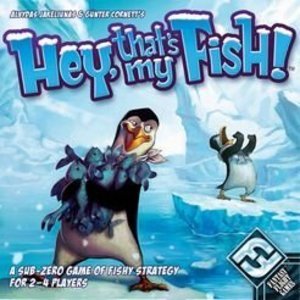


How do you like your games, reader? Heavy and themeless? Dark and themey? ZANY AND KOOKY?! Well, this game is a combination of several categories of game type. I consider it cute and cutthroat. There aren’t many games that can fall into those two categories simultaneously, and maybe that’s why we like this one. Spoilers, sweetie.
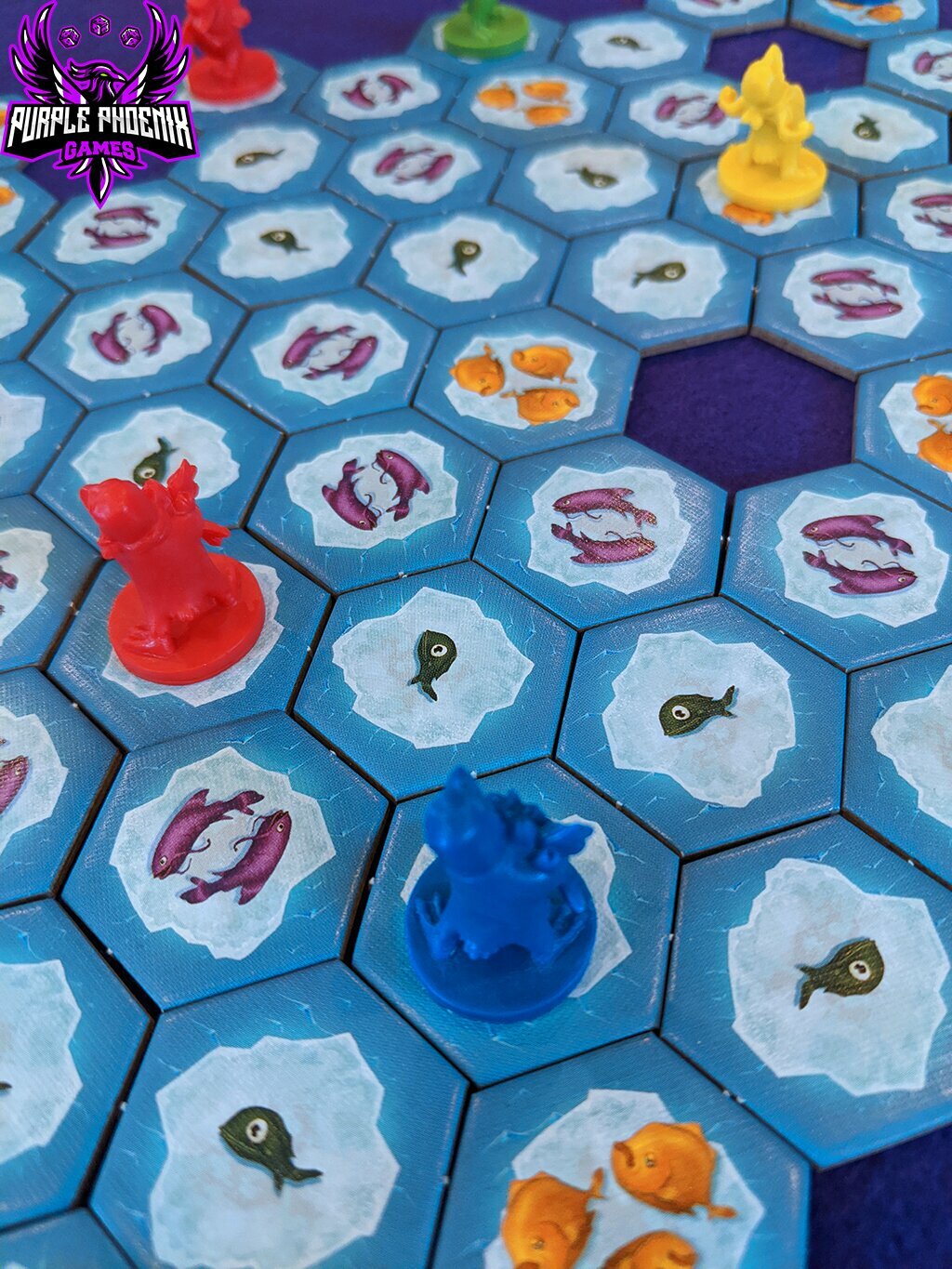
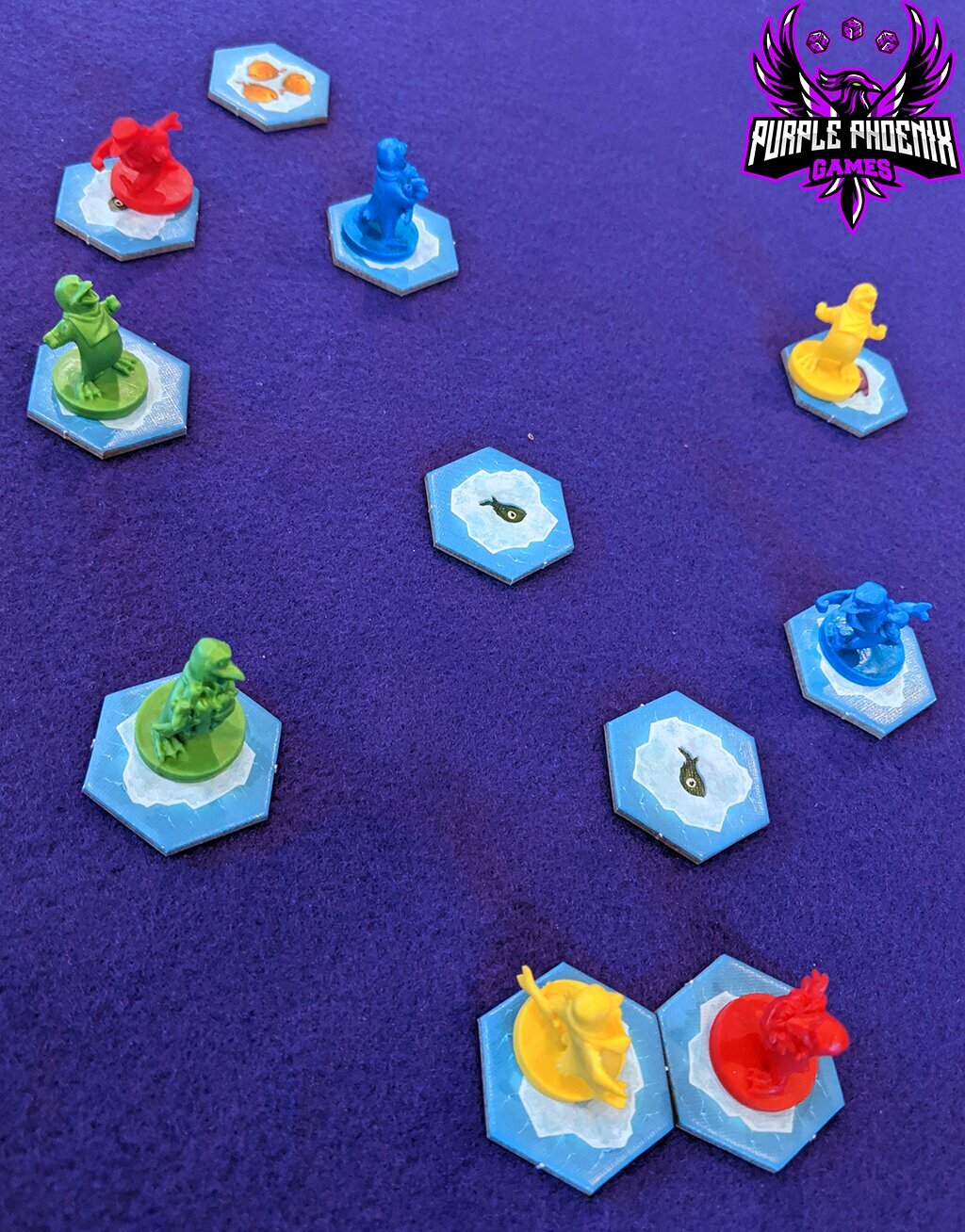
Hey, That’s My Fish! is a game of attempting to gather the most fish possible before climate change engulfs your little penguin minis. I mean, before the land sinks into the sea. To setup, place all the shuffled fish tiles in a grid of alternating 8 and 7-tile rows. Then, each player will, in turn, place their penguins on tiles showing one fish until their play pieces are on the board. That’s the setup. Quick and easy.
Like I said, the idea here is to gather the most fish to be crowned the winner. You can gather fish tiles by simply moving off them and onto another tile. Choose a direction to travel from your hex, and travel to any fish tile along a straight line – stopping before jumping over any penguin and not travelling over a blank space. Collect the fish tile from where you originally left and add it to your pile. Play continues in this fashion until all players are stalemated and can no longer make any further legal moves on the ever-shrinking board of fish snacks.
So here’s the rub with this one. It’s simple. Like, really simple. Pick up your penguieeple (sheesh) and move them to another hex tile in a straight line without jumping over any obstacle. Take the tile from which you left. Repeat. It sounds so stinking boring. But when you actually have your little peng… minis… and you are trying to get those elusive 3-fish tiles, but you have no way of getting there because your dang brother cut off your route so that only he and Josh can get them because they’re jerks – sorry. I got a bit carried away. But it really do be like that sometimes.
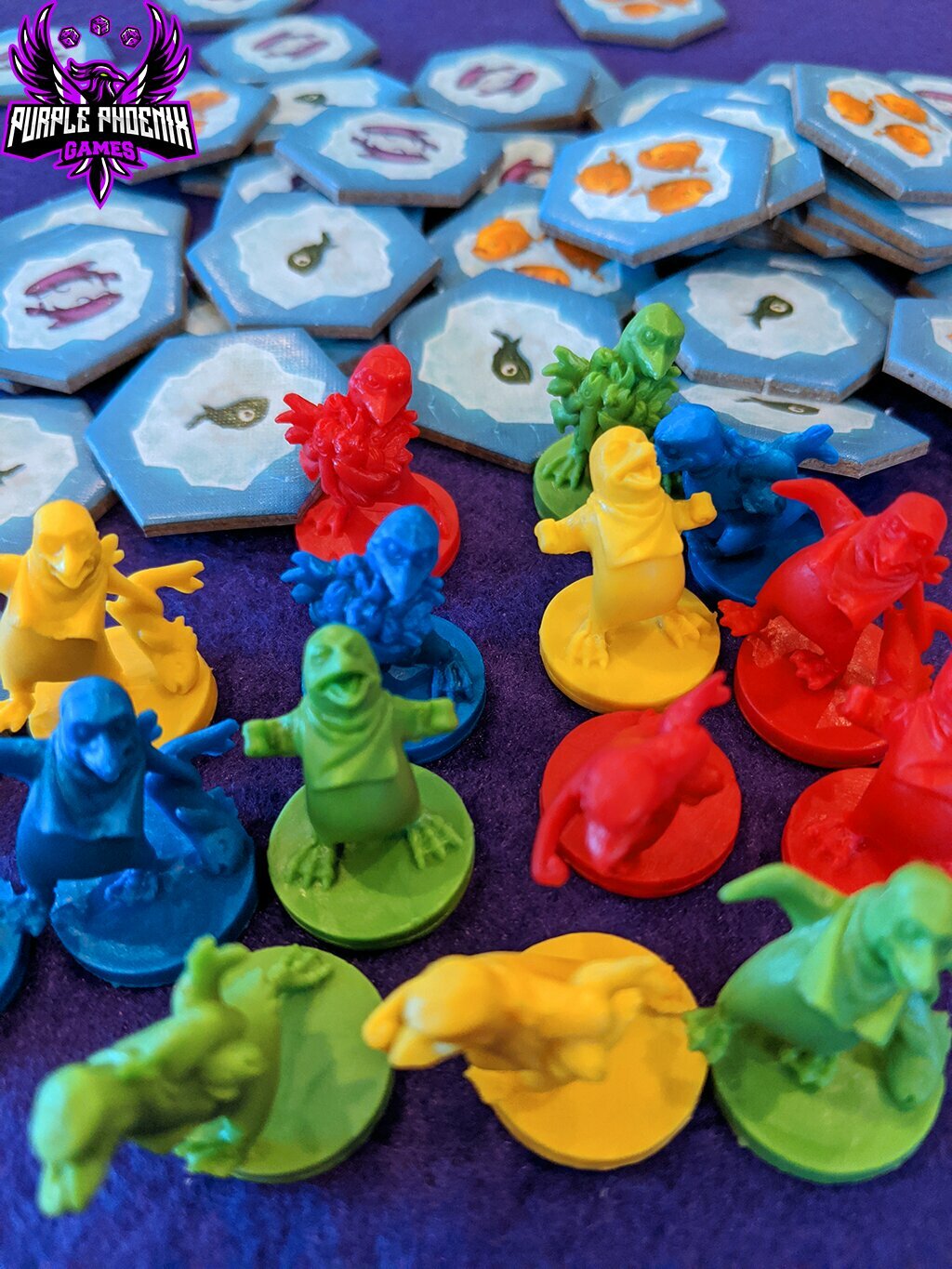
Components. This is an easy one. There are a bunch of cardboard hex tiles and some great little penguineeples. The penguins are brightly colored, and the hexes are very easy to understand and read. No issues here at all. Bonus: the pengeeples have such awesome little sassy poses hahahaha!
So what do I think? As a seasoned gamer and the most elder of our group, I absolutely adore it. It’s not the greatest game ever published, but sometimes you want to let off some steam and play a little cutthroat. So don’t let the cute penguins fool you – this is survival and you NEEEEED those little fishies! I have now owned this game twice (which my wife totally loves when she hears that), because I did miss having it available to me. So it is no surprise that we at Purple Phoenix Games give this little darling a fishy-fishy-bite-my-hook 18 / 24. Go on, grab a copy and destroy friendships!
Hey, That’s My Fish! is a game of attempting to gather the most fish possible before climate change engulfs your little penguin minis. I mean, before the land sinks into the sea. To setup, place all the shuffled fish tiles in a grid of alternating 8 and 7-tile rows. Then, each player will, in turn, place their penguins on tiles showing one fish until their play pieces are on the board. That’s the setup. Quick and easy.
Like I said, the idea here is to gather the most fish to be crowned the winner. You can gather fish tiles by simply moving off them and onto another tile. Choose a direction to travel from your hex, and travel to any fish tile along a straight line – stopping before jumping over any penguin and not travelling over a blank space. Collect the fish tile from where you originally left and add it to your pile. Play continues in this fashion until all players are stalemated and can no longer make any further legal moves on the ever-shrinking board of fish snacks.
So here’s the rub with this one. It’s simple. Like, really simple. Pick up your penguieeple (sheesh) and move them to another hex tile in a straight line without jumping over any obstacle. Take the tile from which you left. Repeat. It sounds so stinking boring. But when you actually have your little peng… minis… and you are trying to get those elusive 3-fish tiles, but you have no way of getting there because your dang brother cut off your route so that only he and Josh can get them because they’re jerks – sorry. I got a bit carried away. But it really do be like that sometimes.
Components. This is an easy one. There are a bunch of cardboard hex tiles and some great little penguineeples. The penguins are brightly colored, and the hexes are very easy to understand and read. No issues here at all. Bonus: the pengeeples have such awesome little sassy poses hahahaha!
So what do I think? As a seasoned gamer and the most elder of our group, I absolutely adore it. It’s not the greatest game ever published, but sometimes you want to let off some steam and play a little cutthroat. So don’t let the cute penguins fool you – this is survival and you NEEEEED those little fishies! I have now owned this game twice (which my wife totally loves when she hears that), because I did miss having it available to me. So it is no surprise that we at Purple Phoenix Games give this little darling a fishy-fishy-bite-my-hook 18 / 24. Go on, grab a copy and destroy friendships!

Eleanor Luhar (47 KP) rated Eden Summer in Books
Jun 24, 2019
I keep falling behind on wiring my reviews, sorry! I really need to get back on track. I finished this on Tuesday I think? I really enjoyed it, although it isn't quite worthy of five stars.
I'm going to put in a trigger warning as there are mentions of substance abuse, physical abuse, death, adoption and suicide.
Jess's best friend has gone missing. Through interviews with the police and Jess's personal recollections, we begin to build up a picture of Eden's life before her disappearance. Her sister had recently been killed in a car accident, and her seemingly perfect relationship with Liam was more complicated than anyone realised. Bit by bit, Jess - and we - begin to piece things together and discover where Eden has gone.
The girls are only young - 15 I think? - and very much have the all-consuming passion that young teens feel. As in, every little issue feels huge, and things feel far more serious than they might to an older person. I remember feeling this way. I think it was portrayed so accurately, the way fighting with your best friend feels like the end of the world and a family argument overwhelms you with guilt. It was a bit annoying in some ways, though; no fault of the author, of course, I just get a bit annoyed at kids taking things too seriously. I look back at myself and think how stupid it was to get so caught up in such little issues. So the things that Jess gets so worked up over just seemed a bit trivial to me, like she was exaggerating too much. But as I said, this creates the teenage voice really well in my opinion.
The things that both these girls have gone through are massive, though - Jess was attacked and Eden's sister killed. That's pretty hard for a young girl to deal with, and these are not the problems I'm saying are trivial. These are hugely important and emotional issues and I think it's great to talk about. I love books with these real, albeit sad, events. I think it is so good to discuss all the feelings and situations that follow, and also emphasise how it is not the end of the world if something bad happens. life will continue. Eden says how she feels her sister's death becoming more distant, more bearable, and how she doesn't want that to happen. She feels guilty, as if she's forgetting her and moving on. This is so important. She also thinks about killing herself due to guilt - which I won't ruin too much - but then realises how she shouldn't take life for granted. Her sister would've given anything to be alive still, and she shouldn't be throwing that away.
It was a really good read and I found myself wondering what was going to be revealed next. It was wel written and perfectly captured the young voice of Jess. If I read this when I was younger, I think I would've adored it. I would've understood it and connected to Jess more than I did now I'm older. 4 stars, definitely worth a read.
I'm going to put in a trigger warning as there are mentions of substance abuse, physical abuse, death, adoption and suicide.
Jess's best friend has gone missing. Through interviews with the police and Jess's personal recollections, we begin to build up a picture of Eden's life before her disappearance. Her sister had recently been killed in a car accident, and her seemingly perfect relationship with Liam was more complicated than anyone realised. Bit by bit, Jess - and we - begin to piece things together and discover where Eden has gone.
The girls are only young - 15 I think? - and very much have the all-consuming passion that young teens feel. As in, every little issue feels huge, and things feel far more serious than they might to an older person. I remember feeling this way. I think it was portrayed so accurately, the way fighting with your best friend feels like the end of the world and a family argument overwhelms you with guilt. It was a bit annoying in some ways, though; no fault of the author, of course, I just get a bit annoyed at kids taking things too seriously. I look back at myself and think how stupid it was to get so caught up in such little issues. So the things that Jess gets so worked up over just seemed a bit trivial to me, like she was exaggerating too much. But as I said, this creates the teenage voice really well in my opinion.
The things that both these girls have gone through are massive, though - Jess was attacked and Eden's sister killed. That's pretty hard for a young girl to deal with, and these are not the problems I'm saying are trivial. These are hugely important and emotional issues and I think it's great to talk about. I love books with these real, albeit sad, events. I think it is so good to discuss all the feelings and situations that follow, and also emphasise how it is not the end of the world if something bad happens. life will continue. Eden says how she feels her sister's death becoming more distant, more bearable, and how she doesn't want that to happen. She feels guilty, as if she's forgetting her and moving on. This is so important. She also thinks about killing herself due to guilt - which I won't ruin too much - but then realises how she shouldn't take life for granted. Her sister would've given anything to be alive still, and she shouldn't be throwing that away.
It was a really good read and I found myself wondering what was going to be revealed next. It was wel written and perfectly captured the young voice of Jess. If I read this when I was younger, I think I would've adored it. I would've understood it and connected to Jess more than I did now I'm older. 4 stars, definitely worth a read.

Darren (1599 KP) rated Booksmart (2019) in Movies
Oct 12, 2019
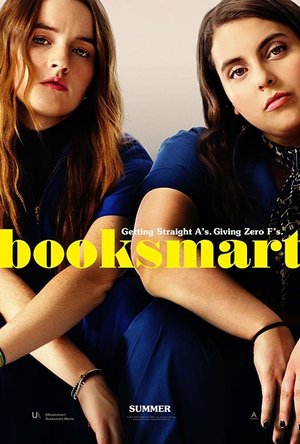
Characters – Amy is the quieter of the two friends, she is planning on going to Africa for her next step, before college that would see her following the plan set in stone, she does enjoy her life without the wild parties, happy to follow the crowds, while dealing with being confidently out. Molly is the leader of the pair, she is class president and believes she is going to do better than all the other students. She does push Amy into a lot of different things and does believe they will follow a set path in life. We do meet a host of colourful characters from the high school and the teachers on this final day, that have all been a big part of the lives of the pair for years.
Performances – The film is centred on two key performances from Kaitlyn Dever and Beanie Feldstein who shows exceptional chemistry through the film, they also get to show their talents in the individual moments too, with Dever showing the awkward moments her character goes through while Feldstein shines in the over-confidence moments. Billie Lourd goes close to stealing every single scene in the movie, while the rest of the support cast are flawless.
Story – The story follows two high school friends who are ready to take the next step of their lives only to learn that they haven’t had as much fun as the other class mates and decide to spend the last night going for a party like the rest of the students, where they face life’s truths. This is a story that shows us that life needs to have fun, people will be there for people when they need them, only the pair need to learn this before it is too late. It is nice to see that the high schoolers are truly horrible to each other, while most of it is like life, you just don’t get on with everybody, but most of the time you just don’t know their story, their lives or anything about them outside rumours. Set in one 24 hour spell it also shows us just how quickly you can learn about life too.
Comedy – The comedy does come from how over the top certain characters are meant to be, without being anything you would expect to see in real life.
Settings – The film does seem to have a large-scale setting, with all the travelling the characters must do over the single night, it shows how far away the student might live from the school and shows different parties.
Scene of the Movie – Gigi’s boat moment.
That Moment That Annoyed Me – The high school only seems to have one year of students in.
Final Thoughts – This is a delightful look at how difficult for life can be for high school students, they are always trying to fit in and stay in their comfort zones, or trying to impress people, it does have the message about making sure you find time for fun in life too.
Overall: Heartfelt teen comedy.
Performances – The film is centred on two key performances from Kaitlyn Dever and Beanie Feldstein who shows exceptional chemistry through the film, they also get to show their talents in the individual moments too, with Dever showing the awkward moments her character goes through while Feldstein shines in the over-confidence moments. Billie Lourd goes close to stealing every single scene in the movie, while the rest of the support cast are flawless.
Story – The story follows two high school friends who are ready to take the next step of their lives only to learn that they haven’t had as much fun as the other class mates and decide to spend the last night going for a party like the rest of the students, where they face life’s truths. This is a story that shows us that life needs to have fun, people will be there for people when they need them, only the pair need to learn this before it is too late. It is nice to see that the high schoolers are truly horrible to each other, while most of it is like life, you just don’t get on with everybody, but most of the time you just don’t know their story, their lives or anything about them outside rumours. Set in one 24 hour spell it also shows us just how quickly you can learn about life too.
Comedy – The comedy does come from how over the top certain characters are meant to be, without being anything you would expect to see in real life.
Settings – The film does seem to have a large-scale setting, with all the travelling the characters must do over the single night, it shows how far away the student might live from the school and shows different parties.
Scene of the Movie – Gigi’s boat moment.
That Moment That Annoyed Me – The high school only seems to have one year of students in.
Final Thoughts – This is a delightful look at how difficult for life can be for high school students, they are always trying to fit in and stay in their comfort zones, or trying to impress people, it does have the message about making sure you find time for fun in life too.
Overall: Heartfelt teen comedy.

AAA+ Investor Magazine - An Entrepreneurs Guide to Trading and Investing in Silicon Valley Tech Startups, the Stock Market, Shares and Forex
Business and Magazines & Newspapers
3.0 Rate It
App
FREE to Download & FREE to Trial for a Full 30 Days! Who’s taking Silicon Valley and the World...

BankofMarquis (1832 KP) rated The Greatest Beer Run Ever (2022) in Movies
Oct 10, 2022
Touched Me In The End
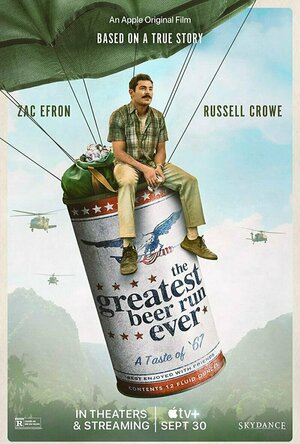
The new Apple TV+ original film THE GREATEST BEER RUN EVER is being advertised as kind of a “wacky buddy comedy” with a bunch of New York slackers looking for beer in Viet Nam.
This advertisement is doing this film a great disservice for this movie is much, much more than that and deserves some attention - and eyeballs looking at it.
Starring Zach Efron (who has turned into an actor who is much, much more than Troy Bolton of HIGH SCHOOL MUSICAL fame) and directed by Peter Farrelly (one of the Farrelly brothers that brought you such comedies as THERE’S SOMETHING ABOUT MARY and KINGPIN), THE GREATEST BEER RUN EVER tells the tale of a New Yorker in the late 1960’s who is big on talk and little on action. To shut those around him up, Chickie Donohue (Efron) decides to bring his buddies that are fighting in Viet Nam some beer from home. What starts out as a lark, evolves into something much more serious…and meaningful…for both Chickie and the audience.
Efron is quite good in the central role as Chickie and this film needs his inherent charisma in the center of this film as he is in every scene. Efron exudes goodness and sincerity even though, at times, he his speaking out of the sides of his mouth - or a place much further down his anatomy. And, as his character learns more and more about what is really going on in the war in Vietnam, his bravado and bluster fade and we get a glimpse of the real person underneath who is horrified by what he sees in this war.
Russell Crowe - who is finding a career renaissance in Supporting Roles - is strong (naturally) as a war photographer who befriends Chickie and takes him under his wing while the myriad of young, unknown actors who play Chickie’s friends scattered across various theaters of action in Viet Nam are appropriately played as folks who think what Chickie is doing is hilarious to those who are horrified that Chickie would voluntarily enter this war zone.
The tone of the film shifts from fun and silly to deep and meaningful throughout it’s 2 hour, 6 minute run-time, all under the watchful eye of Farrelly. He really has a handle on the deeper war-torn aspects of this film, while he (purposefully, I would imagine) shies away from his expected comedy and zaniness that could have been the first part of this movie. IMHO, Farrelly could have imparted some more zaniness at the start - to give the film a better kickstart (the beginning is a little slow) while also more starkly contrasting the beginning and end of the film - and the change in Chickie because of this experience.
I was drawn in - and touched - by the latter part of this BEER RUN and would strongly encourage everyone to check out this fine film.
Letter Grade: A-
8 stars (out of 10) and you can take that to the Bank(ofMarquis)
This advertisement is doing this film a great disservice for this movie is much, much more than that and deserves some attention - and eyeballs looking at it.
Starring Zach Efron (who has turned into an actor who is much, much more than Troy Bolton of HIGH SCHOOL MUSICAL fame) and directed by Peter Farrelly (one of the Farrelly brothers that brought you such comedies as THERE’S SOMETHING ABOUT MARY and KINGPIN), THE GREATEST BEER RUN EVER tells the tale of a New Yorker in the late 1960’s who is big on talk and little on action. To shut those around him up, Chickie Donohue (Efron) decides to bring his buddies that are fighting in Viet Nam some beer from home. What starts out as a lark, evolves into something much more serious…and meaningful…for both Chickie and the audience.
Efron is quite good in the central role as Chickie and this film needs his inherent charisma in the center of this film as he is in every scene. Efron exudes goodness and sincerity even though, at times, he his speaking out of the sides of his mouth - or a place much further down his anatomy. And, as his character learns more and more about what is really going on in the war in Vietnam, his bravado and bluster fade and we get a glimpse of the real person underneath who is horrified by what he sees in this war.
Russell Crowe - who is finding a career renaissance in Supporting Roles - is strong (naturally) as a war photographer who befriends Chickie and takes him under his wing while the myriad of young, unknown actors who play Chickie’s friends scattered across various theaters of action in Viet Nam are appropriately played as folks who think what Chickie is doing is hilarious to those who are horrified that Chickie would voluntarily enter this war zone.
The tone of the film shifts from fun and silly to deep and meaningful throughout it’s 2 hour, 6 minute run-time, all under the watchful eye of Farrelly. He really has a handle on the deeper war-torn aspects of this film, while he (purposefully, I would imagine) shies away from his expected comedy and zaniness that could have been the first part of this movie. IMHO, Farrelly could have imparted some more zaniness at the start - to give the film a better kickstart (the beginning is a little slow) while also more starkly contrasting the beginning and end of the film - and the change in Chickie because of this experience.
I was drawn in - and touched - by the latter part of this BEER RUN and would strongly encourage everyone to check out this fine film.
Letter Grade: A-
8 stars (out of 10) and you can take that to the Bank(ofMarquis)

Molly J (Cover To Cover Cafe) (106 KP) rated The Second Wife in Books
Mar 25, 2019


Suspense (2 more)
Characters
Plot Line
This Book Is A Cosmic Roller Coaster Of Thrills and Chills!
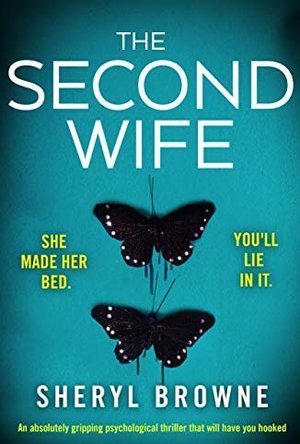
Do you ever come across a book that is absolutely mind boggling, leaving you scraping what’s left of your jaw, up off the floor because the entire time you read it, you were in awe, and on the edge of your seat? Yea, well I was just like that with this book here. The Second Wive is a cosmic explosion of twists, turns, and unexpected elements as you fly through this book. I read it a month or so ago, via NetGalley, and oh my word. There are no words to describe how this book made me feel.
Every minute of Rebecca’s life changing experiences became my own. Every pounding heart beat, mine. Every questionable thought, mine. Every. Thing. Mine. Watching what she went through as she stepped into her deceased friend’s life as the second wife…..well, sometimes, I had to stop reading because it became that intense for me. Watching her uncover the truth, watching her fears form….it was utterly chilling at times.
With Rebecca’s and Richard’s characters, you have the perfect blend of good and evil. But, the question is this: are they really good, evil and who they say they are? Browne did a fantastic job of waiting til the very end to let her readers know just what they wanted answered. These characters take your heart and squeeze…..squeeze so hard, your heart feels like it might burst and then, at the end of this white-knuckle thriller, you can finally breathe again. Your heart starts beating again, your breath starts to even out, your mind starts to think about all you just endured to reach the end.
If you looking for a book full of laughs and romance, don’t buy this book. You won’t like it if that’s what you are expecting. If you are looking for a book that will make you drool because your jaw is opened like a codfish the entire time, then buy this book. If you are looking for a page-turner, edge-of-seat, white-knuckle, heart pounding to bursting experience, then absolutely, without a doubt, 100% buy this book. You will not be disappointed and you will be giving it 5 star praises as I did. Fantastically down, Browne. Fantastically done.
*I received a complimentary copy of this book from NetGalley, Bookouture and was under no obligation to post a review, positive or negative.*
Every minute of Rebecca’s life changing experiences became my own. Every pounding heart beat, mine. Every questionable thought, mine. Every. Thing. Mine. Watching what she went through as she stepped into her deceased friend’s life as the second wife…..well, sometimes, I had to stop reading because it became that intense for me. Watching her uncover the truth, watching her fears form….it was utterly chilling at times.
With Rebecca’s and Richard’s characters, you have the perfect blend of good and evil. But, the question is this: are they really good, evil and who they say they are? Browne did a fantastic job of waiting til the very end to let her readers know just what they wanted answered. These characters take your heart and squeeze…..squeeze so hard, your heart feels like it might burst and then, at the end of this white-knuckle thriller, you can finally breathe again. Your heart starts beating again, your breath starts to even out, your mind starts to think about all you just endured to reach the end.
If you looking for a book full of laughs and romance, don’t buy this book. You won’t like it if that’s what you are expecting. If you are looking for a book that will make you drool because your jaw is opened like a codfish the entire time, then buy this book. If you are looking for a page-turner, edge-of-seat, white-knuckle, heart pounding to bursting experience, then absolutely, without a doubt, 100% buy this book. You will not be disappointed and you will be giving it 5 star praises as I did. Fantastically down, Browne. Fantastically done.
*I received a complimentary copy of this book from NetGalley, Bookouture and was under no obligation to post a review, positive or negative.*
Debbiereadsbook (1849 KP) rated Lander (Oberon Cycle #2) in Books
Feb 15, 2018
A-MAZ-ING follow up!
Independent reviewer for Divine Magazine, I was gifted my copy of this book.
This is book 2 in the Oberon Cycle, and you really REALLY must read book one, Skythane, first. These are NOT stand alones!
What they are though, is brilliant!
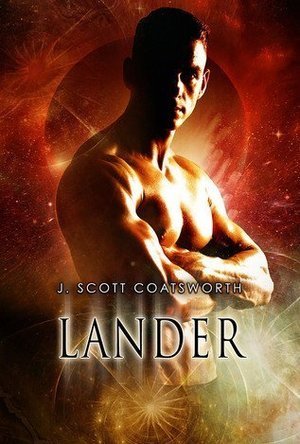
Reeling from their discoveries that they are not who they thought they were, Xander and Jameson thought they had fulfilled their prophecy, but it seems there is more in store for these two, as joining the worlds of Oberon and Titania has bought them more than they expected!
Told from both Xander and Jameson AND a whole host of other characters who I don't recall having a say in book one, we get the whole picture of what is happening on this little planet that was put back together. There are some things laid out for book three, some things that I'm not sure how will play out, but that's not an issue here, because I loved this book!
What made it, for me, *and please don't fall off your chair when I say this* is how very CLEAN this book is! Xander and Jameson shut you down, right at the good bits and they do it so well, its brilliantly written! Their love, even when faced with the possibility that it might be chemically induced, is evident, even when they take time apart get to the bottom of what they are really feeling, and it comes across in all the right places. Also, Quince and Robyn, while they don't get to their "good bits" yet, I expect they will shut me down just as good.
The general world *and I mean this quite LITERALLY* building is amazing, and you still don't get a massive info dump, its comes in dribs and drabs, but I again stress, you NEED book one first. The world building here is not the same as book one because, you know, they joined this world and everything is different, and not recapped the same way as it comes across in book one.
I cannot wait to see how this pans out, I'd love everyone, and I mean each and every member of this massive cast, to get their own happy ever after, I just don't see how that might play out. I have hopes for some people, I really do!
Coatsworth skill continues to grow, and I look forward to reading the final part to this series, even if I do have to wait another year!
5 amazing stars!
*8same worded review will appear elsewhere**
This is book 2 in the Oberon Cycle, and you really REALLY must read book one, Skythane, first. These are NOT stand alones!
What they are though, is brilliant!
Reeling from their discoveries that they are not who they thought they were, Xander and Jameson thought they had fulfilled their prophecy, but it seems there is more in store for these two, as joining the worlds of Oberon and Titania has bought them more than they expected!
Told from both Xander and Jameson AND a whole host of other characters who I don't recall having a say in book one, we get the whole picture of what is happening on this little planet that was put back together. There are some things laid out for book three, some things that I'm not sure how will play out, but that's not an issue here, because I loved this book!
What made it, for me, *and please don't fall off your chair when I say this* is how very CLEAN this book is! Xander and Jameson shut you down, right at the good bits and they do it so well, its brilliantly written! Their love, even when faced with the possibility that it might be chemically induced, is evident, even when they take time apart get to the bottom of what they are really feeling, and it comes across in all the right places. Also, Quince and Robyn, while they don't get to their "good bits" yet, I expect they will shut me down just as good.
The general world *and I mean this quite LITERALLY* building is amazing, and you still don't get a massive info dump, its comes in dribs and drabs, but I again stress, you NEED book one first. The world building here is not the same as book one because, you know, they joined this world and everything is different, and not recapped the same way as it comes across in book one.
I cannot wait to see how this pans out, I'd love everyone, and I mean each and every member of this massive cast, to get their own happy ever after, I just don't see how that might play out. I have hopes for some people, I really do!
Coatsworth skill continues to grow, and I look forward to reading the final part to this series, even if I do have to wait another year!
5 amazing stars!
*8same worded review will appear elsewhere**

Gareth von Kallenbach (980 KP) rated Borderlands 2: VR in Video Games
Jun 19, 2019

2K games has taken the popular Borderlands franchise into the Virtual-Reality realm with the release of Borderlands 2: VR. The game allows fans with a PSVR system to experience the game form an entirely new perspective. Playing out much as the standard game does this VR experience allows players to either teleport to various spots or allows players to move around using the directional controller of the Dualshock 4.
Players will have to adjust to the new visuals as one of the early game tutorials does suggest taking a break if you should feel any dizziness or strain from the VR experience. It can be a little more pronounced than usual in this game due to the intense action of dodging numerous enemies during combat and moving over large areas of the map.
Players will also need to get used to going solo as there is not an option to have a group experience. The maps and missions lay out exactly as you would expect although it will take some players a little bit of adjustment to get used to the movement system. I was able to do fairly well first time out but did find looking behind me to the a challenge which forced me to adopt this style of backing off and keeping most of my visuals limited to left, right, up, and down.
Graphically the game looks exactly as you remembered it save for the VR environment which gives gamers a new level of immersion. There were times when characters and enemies appeared almost translucent depending on my distance and angle from them, but it was in no way a distraction as I dispatch enemies, upgraded weapons, and raided boxes.
The game also plays out pretty much as you remember so players who have completed the original game will have a good idea of what to expect.
While many of us are eager for the announcement of the next chapter in the series; Borderlands 2 VR is a welcome addition that allows players to experience the vast gaming environments in a virtual-reality setting. It would be interesting to see if 2K plans to adapt any of their other games for VR as I certainly would not mind seeing Borderlands: The Pre-Sequel or even EVOLVE in this environment.
For now this is a very enjoyable; albeit nostalgic look back which is certainly a must own for fans of the game and PSVR owners.
http://sknr.net/2018/12/26/borderlands-2-vr/
Players will have to adjust to the new visuals as one of the early game tutorials does suggest taking a break if you should feel any dizziness or strain from the VR experience. It can be a little more pronounced than usual in this game due to the intense action of dodging numerous enemies during combat and moving over large areas of the map.
Players will also need to get used to going solo as there is not an option to have a group experience. The maps and missions lay out exactly as you would expect although it will take some players a little bit of adjustment to get used to the movement system. I was able to do fairly well first time out but did find looking behind me to the a challenge which forced me to adopt this style of backing off and keeping most of my visuals limited to left, right, up, and down.
Graphically the game looks exactly as you remembered it save for the VR environment which gives gamers a new level of immersion. There were times when characters and enemies appeared almost translucent depending on my distance and angle from them, but it was in no way a distraction as I dispatch enemies, upgraded weapons, and raided boxes.
The game also plays out pretty much as you remember so players who have completed the original game will have a good idea of what to expect.
While many of us are eager for the announcement of the next chapter in the series; Borderlands 2 VR is a welcome addition that allows players to experience the vast gaming environments in a virtual-reality setting. It would be interesting to see if 2K plans to adapt any of their other games for VR as I certainly would not mind seeing Borderlands: The Pre-Sequel or even EVOLVE in this environment.
For now this is a very enjoyable; albeit nostalgic look back which is certainly a must own for fans of the game and PSVR owners.
http://sknr.net/2018/12/26/borderlands-2-vr/

BankofMarquis (1832 KP) rated Toy Story 4 (2019) in Movies
Jun 25, 2019
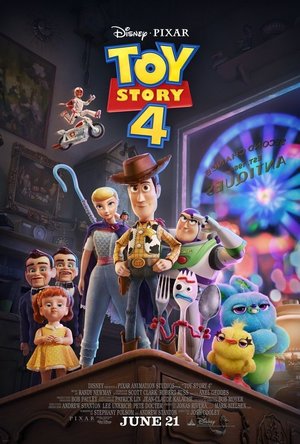
Another TOY STORY triumph for PIXAR
When I first heard that Pixar was going to make a 4th TOY STORY film, I found myself firmly in the camp of "why are they doing this? The 3rd film tied off the trilogy marvelously well and 4th film was not needed" But...I trust Pixar, and when it was revealed that both Tom Hanks and Tim Allen were back on board after reading the script, my fears were alleviated quite a bit, but I still had some unease in the pit of my stomach.
I shouldn't have worried. For TOY STORY 4 is a wonderful addition to the adventures of Woody, Buzz and gang. It fits in nicely with the other films in the series and brings just the right amount of joy, fun, adventure and emotional heft.
Picking up the adventures of these toys as they now belong to Bonnie (after being gifted to Bonnie when their original owner, Andy, went off to college at the end of Toy Story 3), things have progressed realistically enough. The "order of things" in Bonnie's room is somewhat different than in Andy's. Woody, the old Cowboy doll, is relegated (more often than not) to the closet while Bonnie plays more with Jessie, Buzz and others. Into this group comes "Forky" a plastic spork that is made into a toy by Bonnie at Kindergarten. In a nice reversal of the first Toy Story film, Woody works hard to ensure that Forky is accepted into the group.
Without revealing too much of the plot, the gang (including Woody and Forky) go on a roadtrip with Bonnie in her parents' rented RV and end up in a small-ish town where a carnival is taking place across the street from an Antique store that houses Woody's old flame, Bo Peep. New characters are introduced, old characters are given a moment (or two) to shine and adventures and shenanigans ensue, with an emotionally satisfying climax - you know, a TOY STORY film.
This one continues to progress these toys "lives" and adventures in such a smart, natural and clever way that I did not feel that I was watching the same film again. I was watching characters I love continue to live, learn, grow and progress - a very smart choice by these filmmakers.
As always, the voice cast is superb. Tim Allen (Buzz Lightyear), Joan Cusak (Jessie), Wallace Shawn (Rex), John Ratzenberger (Piggy) and even the late Don Rickles (Mr. PotatoHead) are all back and contribute greatly to the finished result. It is like putting on an old, comfortable sweater on a somewhat chilly day. You get a reassuring shiver of warmth.
But the filmmakers don't stop there - Annie Potts is back as Bo Peep (she - and the Bo Peep character - were in the original Toy Story). Add to these voices, the marvelous work by Christina Hendricks (Gabby Gabby), Key & Peele (Ducky & Bunny), Carl Weathers (all the Combat Carls) and Tony Hale (wonderfully quirky as Forky) and we have quite the ensemble of interesting, quirky characters - growing and enriching the "Universe" they are in (quite like what Marvel has done with their "Universe"). Special notice needs to be made of Keanu Reeves work as Canadian Daredevil toy Duke Kaboom (the Canadian Evil Kneivel), it is the most entertaining - to me - of all the new characters.
But...make no mistake...this film belongs to Tom Hanks as Woody. It has taken me 4 films to realize this, but Hanks good guy "everyman" portrayal of Woody is the heart and soul of these pictures and this 4th film is Woody's film - as his character comes full circle from the paranoid toy who wants to keep living his safe existence to something much, much more in this film. It isn't hyperbole of me to say that I would be just fine for Hanks to receive an Oscar nomination for his voice work in this film - he is that good.
Interestingly enough, Pixar brought in a novice Director, Josh Cooley, to helm this film. It is his first feature film directing experience, but he is a veteran Pixar face - having written INSIDE OUT and was the main Storyboard Artist for UP - his direction looks like someone who was comfortable in this medium - and with the style of film that Pixar (usually) goes for - and he does terrific work here.
I really enjoyed the journey of the characters (especially Woody) in this film. I need not have worried about Pixar making a 4th Toy Story - they nailed the landing again.
Letter Grade: A
9 stars (out of 10) and you can take that to the Bank (OfMarquis)
I shouldn't have worried. For TOY STORY 4 is a wonderful addition to the adventures of Woody, Buzz and gang. It fits in nicely with the other films in the series and brings just the right amount of joy, fun, adventure and emotional heft.
Picking up the adventures of these toys as they now belong to Bonnie (after being gifted to Bonnie when their original owner, Andy, went off to college at the end of Toy Story 3), things have progressed realistically enough. The "order of things" in Bonnie's room is somewhat different than in Andy's. Woody, the old Cowboy doll, is relegated (more often than not) to the closet while Bonnie plays more with Jessie, Buzz and others. Into this group comes "Forky" a plastic spork that is made into a toy by Bonnie at Kindergarten. In a nice reversal of the first Toy Story film, Woody works hard to ensure that Forky is accepted into the group.
Without revealing too much of the plot, the gang (including Woody and Forky) go on a roadtrip with Bonnie in her parents' rented RV and end up in a small-ish town where a carnival is taking place across the street from an Antique store that houses Woody's old flame, Bo Peep. New characters are introduced, old characters are given a moment (or two) to shine and adventures and shenanigans ensue, with an emotionally satisfying climax - you know, a TOY STORY film.
This one continues to progress these toys "lives" and adventures in such a smart, natural and clever way that I did not feel that I was watching the same film again. I was watching characters I love continue to live, learn, grow and progress - a very smart choice by these filmmakers.
As always, the voice cast is superb. Tim Allen (Buzz Lightyear), Joan Cusak (Jessie), Wallace Shawn (Rex), John Ratzenberger (Piggy) and even the late Don Rickles (Mr. PotatoHead) are all back and contribute greatly to the finished result. It is like putting on an old, comfortable sweater on a somewhat chilly day. You get a reassuring shiver of warmth.
But the filmmakers don't stop there - Annie Potts is back as Bo Peep (she - and the Bo Peep character - were in the original Toy Story). Add to these voices, the marvelous work by Christina Hendricks (Gabby Gabby), Key & Peele (Ducky & Bunny), Carl Weathers (all the Combat Carls) and Tony Hale (wonderfully quirky as Forky) and we have quite the ensemble of interesting, quirky characters - growing and enriching the "Universe" they are in (quite like what Marvel has done with their "Universe"). Special notice needs to be made of Keanu Reeves work as Canadian Daredevil toy Duke Kaboom (the Canadian Evil Kneivel), it is the most entertaining - to me - of all the new characters.
But...make no mistake...this film belongs to Tom Hanks as Woody. It has taken me 4 films to realize this, but Hanks good guy "everyman" portrayal of Woody is the heart and soul of these pictures and this 4th film is Woody's film - as his character comes full circle from the paranoid toy who wants to keep living his safe existence to something much, much more in this film. It isn't hyperbole of me to say that I would be just fine for Hanks to receive an Oscar nomination for his voice work in this film - he is that good.
Interestingly enough, Pixar brought in a novice Director, Josh Cooley, to helm this film. It is his first feature film directing experience, but he is a veteran Pixar face - having written INSIDE OUT and was the main Storyboard Artist for UP - his direction looks like someone who was comfortable in this medium - and with the style of film that Pixar (usually) goes for - and he does terrific work here.
I really enjoyed the journey of the characters (especially Woody) in this film. I need not have worried about Pixar making a 4th Toy Story - they nailed the landing again.
Letter Grade: A
9 stars (out of 10) and you can take that to the Bank (OfMarquis)