
Search
Search results

Darren (1599 KP) rated S. Darko: A Donnie Darko Tale (2009) in Movies
Nov 25, 2019
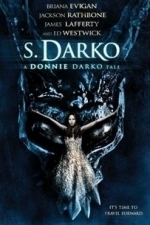

Verdict: Pointless Sequel
Story: S. Darko starts seven years after the events of Donnie Darko, Samantha (Chase) his little sister has grown up to become a lost soul in the world, drifting with Corey (Evigan), still struggling with the grief of what happened to her brother’s unsolved death. The two women find themselves in a small country town while their car is getting fix.
As the two spend the time in the town, they learn about the secrets, including the estranged war veteran known as Iraq Jack (Lafferty) who is considered a danger in the local area, though he starts getting visits from Samantha talking about the end, will the rest of the town’s secrets get revealed.
Thoughts on S. Darko
Characters – Samantha is the younger sister of Donnie Darko, she has seen her family destroyed by what happened to him, seeing her left alone in the world, drifting with her friend, she has always been spaced out, but now she starts to experience the same visions that Donnie once did, sleepwalking and visiting people with warnings of an impending doom coming to this town. This is a strange twist for the character that starts of shier and more innocent, but soon is trying to find the truth about her own visions. Corey is the confident of the two friends, she likes to party and flirt, which has seen her getting tired of Samantha’s awkwardness. Iraq Jack is a war veteran that has been branded a creep in the town, the police are just waiting to blame him for any crime to get rid of him, but he has a story to tell, one that Samantha can connect too. Randy is the local bad boy that befriends the two girls, he has lost his brother and this has turned him to drink for comfort, while he battles his own demons once the girls arrive in the town.
Performances – Daveigh Chase is the only actors to return to the franchise, she doesn’t give us a bad performance, she does look like the innocent lost soul she is meant to be playing. Briana Evigan as the confident flirty best friend is strong through the film, while the rest of the cast really do what they can with the material, this isn’t one that the actors should be criticised for.
Story – The story here follows the sister of Donnie Darko as she discovers that she has her own journey with the time travelling universe saving rabbit figure that is desperately trying to put the warning out there to this small town. Well that is about as much as I could figure out, much like Donnie Darko, we do get a town filled with secrets that the time travelling is meant to expose or save, but we just try to get an overly diluted version of the genius of the original story. The idea that somebody in this town has their own bunny mask confuses more than anything and by the end you will be left wondering what the point in the story here was, the sequel ideas never seem to understand the uniqueness of the original, losing the direction it is trying to show.
Mystery/Sci-Fi – The mystery in this film comes what is going on, though it doesn’t even feel solved by the conclusion of the film, while the sci-fi side of the film follows the idea of time travel.
Settings – The film is set in a small town which does have a few secrets that people want to keep secret, but are about to be exposed.
Special Effects – The effects are fine they have the keep the goo water trail that we had in the first film.
Scene of the Movie – Umm, pass.
That Moment That Annoyed Me – So many plot holes.
Final Thoughts – This is a sequel that just seems to become pointless, he doesn’t dig any deeper and only confuses the timeline with plot holes everywhere.
Overall: Hopeless Sequel.
Story: S. Darko starts seven years after the events of Donnie Darko, Samantha (Chase) his little sister has grown up to become a lost soul in the world, drifting with Corey (Evigan), still struggling with the grief of what happened to her brother’s unsolved death. The two women find themselves in a small country town while their car is getting fix.
As the two spend the time in the town, they learn about the secrets, including the estranged war veteran known as Iraq Jack (Lafferty) who is considered a danger in the local area, though he starts getting visits from Samantha talking about the end, will the rest of the town’s secrets get revealed.
Thoughts on S. Darko
Characters – Samantha is the younger sister of Donnie Darko, she has seen her family destroyed by what happened to him, seeing her left alone in the world, drifting with her friend, she has always been spaced out, but now she starts to experience the same visions that Donnie once did, sleepwalking and visiting people with warnings of an impending doom coming to this town. This is a strange twist for the character that starts of shier and more innocent, but soon is trying to find the truth about her own visions. Corey is the confident of the two friends, she likes to party and flirt, which has seen her getting tired of Samantha’s awkwardness. Iraq Jack is a war veteran that has been branded a creep in the town, the police are just waiting to blame him for any crime to get rid of him, but he has a story to tell, one that Samantha can connect too. Randy is the local bad boy that befriends the two girls, he has lost his brother and this has turned him to drink for comfort, while he battles his own demons once the girls arrive in the town.
Performances – Daveigh Chase is the only actors to return to the franchise, she doesn’t give us a bad performance, she does look like the innocent lost soul she is meant to be playing. Briana Evigan as the confident flirty best friend is strong through the film, while the rest of the cast really do what they can with the material, this isn’t one that the actors should be criticised for.
Story – The story here follows the sister of Donnie Darko as she discovers that she has her own journey with the time travelling universe saving rabbit figure that is desperately trying to put the warning out there to this small town. Well that is about as much as I could figure out, much like Donnie Darko, we do get a town filled with secrets that the time travelling is meant to expose or save, but we just try to get an overly diluted version of the genius of the original story. The idea that somebody in this town has their own bunny mask confuses more than anything and by the end you will be left wondering what the point in the story here was, the sequel ideas never seem to understand the uniqueness of the original, losing the direction it is trying to show.
Mystery/Sci-Fi – The mystery in this film comes what is going on, though it doesn’t even feel solved by the conclusion of the film, while the sci-fi side of the film follows the idea of time travel.
Settings – The film is set in a small town which does have a few secrets that people want to keep secret, but are about to be exposed.
Special Effects – The effects are fine they have the keep the goo water trail that we had in the first film.
Scene of the Movie – Umm, pass.
That Moment That Annoyed Me – So many plot holes.
Final Thoughts – This is a sequel that just seems to become pointless, he doesn’t dig any deeper and only confuses the timeline with plot holes everywhere.
Overall: Hopeless Sequel.
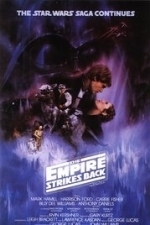
Puke Flyswatter (7 KP) rated Star Wars: Episode V – The Empire Strikes Back (1980) in Movies
Sep 12, 2017


Incredible special effects for the time (1 more)
Story writing and characters
The Force is strong with this one
Contains spoilers, click to show
Most fans argue over which of its ongoing episodes, is the best in the Star Wars saga. The Empire Strikes Back took a darker approach than its predecessor in delivering the story of the Rebellion's fight to bring peace and freedom to the galaxy by destroying the Empire who now rule with far more than just iron fist, having snatched its power from the dead hands of the Old Republic. This in my opinion, is what made it not only the best of the saga, but the best science fiction movie of all time and more controversially- one of the best movies ever made; an accolade that has still to be taken by any other movie of the genre to date.
George Lucas, ("the daddy" and brains behind the series of stories of intergalactic war and oppression), had reportedly suffered from exhaustion to the point of near breakdown- even suffering a near heart attack and so decided for the sake of his health and mental well-being not to helm this project which led to Irvin Kershner taking the reins instead.
Kershner's change in approach is apparent throughout the movie and even from the opening scene on Hoth- the barren ice planet- there is a palpably hollow and sombre overall feel which is more than likely deliberate so as to reflect the apparent futility and hopelessness of the protagonists’ struggle. This cleverly generated more empathy toward the characters, meaning the viewer became more invested in the outcome of the story.
The scope and scale of each scene is also cleverly used to give the viewer insight into the characters' state of mind and the choice in lighting and colour (or lack thereof) to deliver more impact and focus on the subject matter in each scene.
As far as story writing and script go, this is also miles ahead of the first and brilliant instalment of the saga. This was apparently due to George Lucas not being happy with the direction of the original draft of the screenplay and being forced to write a further two drafts for the movie following the death of the original screenplay author- the renowned Leigh Brackett who sadly died losing her battle with cancer. Lucas felt it necessary to then bring in Lawrence Kasdan to complete the writing of the screenplay, Kasdan would also go on to pen the screenplays for Raiders Of The Lost Ark, Return Of The Jedi, Star Wars VII The Force Awakens (as co-writer) and is also currently penning the screenplay for the upcoming Han Solo...solo movie. His input and impact on Empire took the saga from the swashbuckling heroic scenes of A New Hope to the almost World War-esque style in which characters are somewhat downtrodden and clearly showing the negative psychological effects on their personalities that are associated with any and every war. This set it apart from A New Hope which, despite the deaths of countless poor and innocent Jawas, inhabitants of Alderaan and Obi-Wan Kenobi, still managed to keep an optimistic outlook which while being an immensely fun and thrilling watch, did not do much in the way of drawing the viewer in and having a connection with the characters. This did not in any way ruin my enjoyment of the movie, I was a kid after all, but upon watching Empire for the first time, I was introduced to a new concept in cinema for me- one where the heroes do not always win, but who still carry on the fight no matter how emotionally scarred or beaten they may be. As a kid, this was so much more of a compelling and exciting movie as it was near impossible to guess where the story would lead and what the future would hold for the then trilogy.
Another highly positive aspect, is that the viewer did not necessarily need to have watched the previous movie and could jump straight into the story, able to enjoy it as each of the characters and the movie’s histories are cleverly re-introduced and explained without the use of exhausting flashbacks or back stories, effectively allowing it to serve as a standalone movie.
For people- who for some reason unbeknownst to me- that are not fans of the genre, this remains as a compelling, well-written and visually stunning piece of movie-making that still stands the test of time and one that anyone of any age can enjoy.
George Lucas, ("the daddy" and brains behind the series of stories of intergalactic war and oppression), had reportedly suffered from exhaustion to the point of near breakdown- even suffering a near heart attack and so decided for the sake of his health and mental well-being not to helm this project which led to Irvin Kershner taking the reins instead.
Kershner's change in approach is apparent throughout the movie and even from the opening scene on Hoth- the barren ice planet- there is a palpably hollow and sombre overall feel which is more than likely deliberate so as to reflect the apparent futility and hopelessness of the protagonists’ struggle. This cleverly generated more empathy toward the characters, meaning the viewer became more invested in the outcome of the story.
The scope and scale of each scene is also cleverly used to give the viewer insight into the characters' state of mind and the choice in lighting and colour (or lack thereof) to deliver more impact and focus on the subject matter in each scene.
As far as story writing and script go, this is also miles ahead of the first and brilliant instalment of the saga. This was apparently due to George Lucas not being happy with the direction of the original draft of the screenplay and being forced to write a further two drafts for the movie following the death of the original screenplay author- the renowned Leigh Brackett who sadly died losing her battle with cancer. Lucas felt it necessary to then bring in Lawrence Kasdan to complete the writing of the screenplay, Kasdan would also go on to pen the screenplays for Raiders Of The Lost Ark, Return Of The Jedi, Star Wars VII The Force Awakens (as co-writer) and is also currently penning the screenplay for the upcoming Han Solo...solo movie. His input and impact on Empire took the saga from the swashbuckling heroic scenes of A New Hope to the almost World War-esque style in which characters are somewhat downtrodden and clearly showing the negative psychological effects on their personalities that are associated with any and every war. This set it apart from A New Hope which, despite the deaths of countless poor and innocent Jawas, inhabitants of Alderaan and Obi-Wan Kenobi, still managed to keep an optimistic outlook which while being an immensely fun and thrilling watch, did not do much in the way of drawing the viewer in and having a connection with the characters. This did not in any way ruin my enjoyment of the movie, I was a kid after all, but upon watching Empire for the first time, I was introduced to a new concept in cinema for me- one where the heroes do not always win, but who still carry on the fight no matter how emotionally scarred or beaten they may be. As a kid, this was so much more of a compelling and exciting movie as it was near impossible to guess where the story would lead and what the future would hold for the then trilogy.
Another highly positive aspect, is that the viewer did not necessarily need to have watched the previous movie and could jump straight into the story, able to enjoy it as each of the characters and the movie’s histories are cleverly re-introduced and explained without the use of exhausting flashbacks or back stories, effectively allowing it to serve as a standalone movie.
For people- who for some reason unbeknownst to me- that are not fans of the genre, this remains as a compelling, well-written and visually stunning piece of movie-making that still stands the test of time and one that anyone of any age can enjoy.

Lee (2222 KP) rated Train to Busan (2016) in Movies
Jul 27, 2017
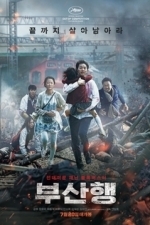

Zombies on a train!
Taking the very simple concept of ‘zombies on a train’, this isn’t just one of the best zombie movies I’ve ever seen, it’s one of the best movies I’ve seen in recent years – period!
This South Korean movie doesn’t waste much time in setting the scene – a banker agrees to take his daughter by train to visit her mother in Busan. But as the train pulls out of the station, a zombie epidemic breaks out. And the last person to rush through the closing train doors appears to be a little bit unwell…
The epidemic quickly spreads throughout the train and those who are left must act quickly to seal off the carriages and try to work out how to make it to their loved ones who they’ve become separated from in other carriages. Like 28 days later, or World War Z, our zombies move quickly and aren’t afraid to climb all over each other in their ravenous pursuit of the living, piling themselves up against glass walls and doors in order to break through, then continuing to chase with broken, contorted limbs. In an interesting twist though, these zombies work on their sense of sight a lot more than smell or hearing, something which works to the advantage of the living as the train rockets through dark tunnels for minutes at a time.
As the living quickly start dwindling in numbers, we’re left with a pretty good and varied selection of characters. Among them – our hero and his young daughter, a man and his pregnant wife, a bunch of high school kids, a couple of elderly sisters and a selfish businessman who’s out for himself. After a brief stop at a supposedly safe station turns out to be overrun by hordes of zombies, the survivors barely make it back onto the train and continue on their way to Busan, rumoured to be a safe haven.
Aside from the highly enjoyable zombie action, there’s plenty of human emotion and sadness, along with some great performances from all involved. This is a highly innovative and serious enjoyable thrill ride and I cannot recommend it enough.
This South Korean movie doesn’t waste much time in setting the scene – a banker agrees to take his daughter by train to visit her mother in Busan. But as the train pulls out of the station, a zombie epidemic breaks out. And the last person to rush through the closing train doors appears to be a little bit unwell…
The epidemic quickly spreads throughout the train and those who are left must act quickly to seal off the carriages and try to work out how to make it to their loved ones who they’ve become separated from in other carriages. Like 28 days later, or World War Z, our zombies move quickly and aren’t afraid to climb all over each other in their ravenous pursuit of the living, piling themselves up against glass walls and doors in order to break through, then continuing to chase with broken, contorted limbs. In an interesting twist though, these zombies work on their sense of sight a lot more than smell or hearing, something which works to the advantage of the living as the train rockets through dark tunnels for minutes at a time.
As the living quickly start dwindling in numbers, we’re left with a pretty good and varied selection of characters. Among them – our hero and his young daughter, a man and his pregnant wife, a bunch of high school kids, a couple of elderly sisters and a selfish businessman who’s out for himself. After a brief stop at a supposedly safe station turns out to be overrun by hordes of zombies, the survivors barely make it back onto the train and continue on their way to Busan, rumoured to be a safe haven.
Aside from the highly enjoyable zombie action, there’s plenty of human emotion and sadness, along with some great performances from all involved. This is a highly innovative and serious enjoyable thrill ride and I cannot recommend it enough.


Gareth von Kallenbach (980 KP) rated Oblivion (2013) in Movies
Jun 19, 2019
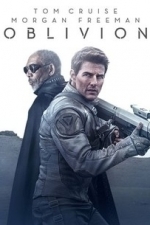

60 years removed from a devastating alien attack, upon the earth a technician named Jack (Tom Cruise), tools away protecting machinery that is essential to the survival of the human race. With only his companion Victoria (Andrea Riseborough), for company the duo form an effective team according to the company.
In the new film “Oblivion”, it is learned that while humanity won the war, the aftermath was left the earth largely uninhabitable. As a result, the survivors have fled to the moon of Titan or are awaiting transit aboard gigantic space station Earth orbit.
Jack and Victoria watch over gigantic extractors that process seawater for much-needed resources for the fusion reactors of humanity. Their only link to the outside world is through communication with the orbiting space station and they efficiently set about their task of repairing guard drones and monitoring water processors from any threats.
With only two weeks to go before they can join the others on Titan Jack is troubled by images of a woman and another life. He dismisses this at first due to the fact that both he and Victoria had memory wipes in order to provide security for their assignment.
After following Jack through his various patrols he discovers the remaining pocket of alien resistance has managed to bring down and orbiting spacecraft filled with passengers in cryogenic suspension. Despite company orders Jack decides to intervene and manages to save one of the passengers from destruction by security drone. He is shocked to discover that the woman is the same one that he’s been dreaming about and is even further confused by the fact that she seems to know him.
This discovery does not sit well with Victoria and is not going to sit well with the company but despite this, Jack agrees to go with the survivor in order to retrieve a flight recorder from her downed ship.
This is where things really get twisted as Jack becomes a captive of the alien menace and learns that they are not what he had been led to believe. Their mysterious leader (Morgan Freeman), proceeds to tell Jack that the life he has known it is a lie and proceeds to tell Jack of his plan to bring down the orbiting space station.
What follows is a very twisting and at times action-packed story that is awash in visual splendor. Not only is “Oblivion” filled with incredible imagery but it is also a intriguing and at times thought-provoking story that proves you can do action driven science fiction and still have interesting characters with complexity and a branching story.
Cruise is very good in the role of Jack and he deftly combines the humanity and sense of wonder of this character very well with the action scenes. Jack is not just a man of action he is a deeper and more complicated individual that appreciates the way the world used to be and things such as music and nature as well as possessing a fierce sense of duty.
While the ending may have been a bit too Hollywood for my liking and I was able to figure out the plot twists ahead of time, the journey was still a very enjoyable one at one that I would suggest taking for yourself.
http://sknr.net/2013/04/19/oblivion/
In the new film “Oblivion”, it is learned that while humanity won the war, the aftermath was left the earth largely uninhabitable. As a result, the survivors have fled to the moon of Titan or are awaiting transit aboard gigantic space station Earth orbit.
Jack and Victoria watch over gigantic extractors that process seawater for much-needed resources for the fusion reactors of humanity. Their only link to the outside world is through communication with the orbiting space station and they efficiently set about their task of repairing guard drones and monitoring water processors from any threats.
With only two weeks to go before they can join the others on Titan Jack is troubled by images of a woman and another life. He dismisses this at first due to the fact that both he and Victoria had memory wipes in order to provide security for their assignment.
After following Jack through his various patrols he discovers the remaining pocket of alien resistance has managed to bring down and orbiting spacecraft filled with passengers in cryogenic suspension. Despite company orders Jack decides to intervene and manages to save one of the passengers from destruction by security drone. He is shocked to discover that the woman is the same one that he’s been dreaming about and is even further confused by the fact that she seems to know him.
This discovery does not sit well with Victoria and is not going to sit well with the company but despite this, Jack agrees to go with the survivor in order to retrieve a flight recorder from her downed ship.
This is where things really get twisted as Jack becomes a captive of the alien menace and learns that they are not what he had been led to believe. Their mysterious leader (Morgan Freeman), proceeds to tell Jack that the life he has known it is a lie and proceeds to tell Jack of his plan to bring down the orbiting space station.
What follows is a very twisting and at times action-packed story that is awash in visual splendor. Not only is “Oblivion” filled with incredible imagery but it is also a intriguing and at times thought-provoking story that proves you can do action driven science fiction and still have interesting characters with complexity and a branching story.
Cruise is very good in the role of Jack and he deftly combines the humanity and sense of wonder of this character very well with the action scenes. Jack is not just a man of action he is a deeper and more complicated individual that appreciates the way the world used to be and things such as music and nature as well as possessing a fierce sense of duty.
While the ending may have been a bit too Hollywood for my liking and I was able to figure out the plot twists ahead of time, the journey was still a very enjoyable one at one that I would suggest taking for yourself.
http://sknr.net/2013/04/19/oblivion/

BankofMarquis (1832 KP) rated Midway (2019) in Movies
Aug 10, 2020
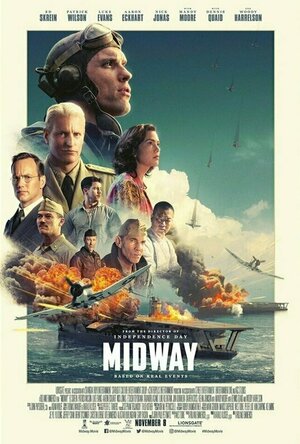


So bad...it's bad
There are times when you watch a film and you can just hear the conference room discussion that happened back at the studio before getting it green-lit...
Studio Flunky: "Remember the 1970's WWII flick MIDWAY starring Henry Fonda, Charlton Heston, Charles Coborn, Richard Mitchum and an All Star cast"?
Studio Head: "Yeah...I loved that flick..."
Studio Flunky: "We have a fairly weak script here that pretty much rips that off, but we have the Director of Independence Day ready to Direct, so we'd just need some strong actors and top notch special effects to pull it off".
Studio Head: " I love it. Just one thing..."
Studio Flunky: "What's that?"
Studio Head: "Cut the budget to about 1/10th of what you're asking for."
And that's the issue with the Roland Emrich 2019 version of MIDWAY...what the film lacks in script quality, it makes up with by casting weak actors and crossing them with cheap special effects.
Yeah...it doesn't work very well. No wonder it came and went pretty quickly in the theaters.
Patrick Wilson is the most successful in this film in his role as Intelligence Officer Edwin Layton who figures out what the Japanese are up to in the early days of World War II. He has some fun scenes with Brennan Brown as one of this "codebreakers" and his interactions with Woody Harrelson as Admiral Nimitz are fun.
And...that's about it for the acting and interesting things in this film. Harrelson is wasted in his role (he clearly owed someone a favor to appear in what should be considered and extended cameo). Dennis Quaid overacts (as he is want to do) as "Bull" Halsey. Mandy Moore, Aaron Eckhart, Nick Jonas and Luke Evans bring no charisma to roles that were written with the hopes that an actor would bring charisma to them. They all bring "one dimension" and play the heck out of that singular character trait...but interesting characters that does not build.
And then there is the case of Ed Skrein (in the Charlton Heston role) as the "rogue fighter pilot, bucking the system, but learning through the course of this film that he would be more effective bringing his unique insights into the system than buck it". Skrein is my poster child for "warning...bad movie ahead." He has, in my opinion, "anti-charisma". He sucks a movie into his void and we, the audience, are stuck there with him. Of course, we spend most of the film with him...much to my chagrin.
At least, you say, today's special effects would rescue this film.
Nope...it looked like someone's kid slapped something together on his MAC. The depth of the EFX are slim, the color schemes don't seem to match and the actors didn't look at all like they were in the scene with the effects.
Nothing really works in this film. Avoid it at all costs. I can't even give you the "it's so bad it's good" line on this one.
It's so bad, it's bad.
Letter Grade "D"
2 Stars out of 10 and you can take that to the Bank(OfMarquis)
Studio Flunky: "Remember the 1970's WWII flick MIDWAY starring Henry Fonda, Charlton Heston, Charles Coborn, Richard Mitchum and an All Star cast"?
Studio Head: "Yeah...I loved that flick..."
Studio Flunky: "We have a fairly weak script here that pretty much rips that off, but we have the Director of Independence Day ready to Direct, so we'd just need some strong actors and top notch special effects to pull it off".
Studio Head: " I love it. Just one thing..."
Studio Flunky: "What's that?"
Studio Head: "Cut the budget to about 1/10th of what you're asking for."
And that's the issue with the Roland Emrich 2019 version of MIDWAY...what the film lacks in script quality, it makes up with by casting weak actors and crossing them with cheap special effects.
Yeah...it doesn't work very well. No wonder it came and went pretty quickly in the theaters.
Patrick Wilson is the most successful in this film in his role as Intelligence Officer Edwin Layton who figures out what the Japanese are up to in the early days of World War II. He has some fun scenes with Brennan Brown as one of this "codebreakers" and his interactions with Woody Harrelson as Admiral Nimitz are fun.
And...that's about it for the acting and interesting things in this film. Harrelson is wasted in his role (he clearly owed someone a favor to appear in what should be considered and extended cameo). Dennis Quaid overacts (as he is want to do) as "Bull" Halsey. Mandy Moore, Aaron Eckhart, Nick Jonas and Luke Evans bring no charisma to roles that were written with the hopes that an actor would bring charisma to them. They all bring "one dimension" and play the heck out of that singular character trait...but interesting characters that does not build.
And then there is the case of Ed Skrein (in the Charlton Heston role) as the "rogue fighter pilot, bucking the system, but learning through the course of this film that he would be more effective bringing his unique insights into the system than buck it". Skrein is my poster child for "warning...bad movie ahead." He has, in my opinion, "anti-charisma". He sucks a movie into his void and we, the audience, are stuck there with him. Of course, we spend most of the film with him...much to my chagrin.
At least, you say, today's special effects would rescue this film.
Nope...it looked like someone's kid slapped something together on his MAC. The depth of the EFX are slim, the color schemes don't seem to match and the actors didn't look at all like they were in the scene with the effects.
Nothing really works in this film. Avoid it at all costs. I can't even give you the "it's so bad it's good" line on this one.
It's so bad, it's bad.
Letter Grade "D"
2 Stars out of 10 and you can take that to the Bank(OfMarquis)
Lee (2222 KP) rated Dumbo (2019) in Movies
Mar 31, 2019
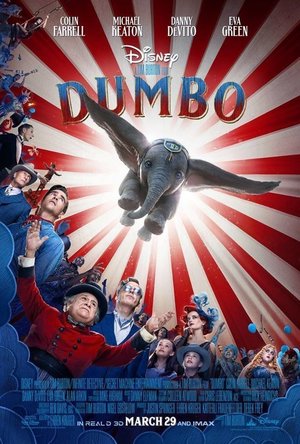
It's set to be a busy year for live action Disney remakes, with Aladdin and The Lion King already lined up for release this year. Kicking things off though, is this reimagining of the 1941 classic Dumbo, with Tim Burton directing.
It's 1919 and Holt Farrier (Colin Farrell) has returned from World War I, arriving by train to join the Medici Brothers Circus, where he worked before the war as a performer. But Holt has a number of issues to contend with on his return, the least of which being the loss one of his arms while in service. He's greeted at the station by his two young children, Milly and Joe, who lost their mother, Holt's wife, to influenza while he was away. On top of that, he learns that while he was away, the cash strapped circus owner, Max Medici (Danny DeVito) decided to sell the horses that were part of Holt's star act. Holt is put in charge of pregnant elephant Jumbo, with Max hoping that the arrival of a cute baby elephant will bring in the much needed crowds. It's a lot for Holt to come to terms with and adjust to.
Soon after, the baby elephant is born. But with clumsy, oversized ears, he's not quite the cute crowd pleaser they had all hoped for. Attempts to hide his ears only end in disaster, and ridicule from the circus crowds. Milly and Joe fall in love with the new arrival, and when they discover that he has the ability to use those big ears for flying, interest in him is quickly renewed.
The flying elephant not only draws in the crowds, but also the attentions of V.A. Vandevere (Michael Keaton), who offers Max a deal for him and his circus troupe to join his huge fancy theme park. It's at this point that the movie should really begin to soar, having introduced the circus family and their new arrival. Unfortunately, the arrival of Vandevere signals a sharp downward spiral in terms of story telling. The circus cast are all but forgotten, with the story focusing instead on the tired, familiar tale of sleazy, greedy businessman who is only interested in money and success, at the expense of the poor, trusting people who believed him.
The computerised Dumbo is simply oozing cuteness and technical wizardry. The eyes and the facial expressions are wonderful and he manages to steal every scene he is in. Every time he takes flight, it is a joy to watch. Unfortunately though, this version of Dumbo is trying to add a lot more to the original story and ends up becoming bit of a drag at times. The human characters are poorly written and mostly forgettable, and the movie really only soars when Dumbo himself does. While trying to steer clear of being a straight up remake, opting instead for the addition of plot and characters, it ultimately loses a lot of the charm. As with the recent remake of Beauty and the Beast, it's another case of style over substance.
It's 1919 and Holt Farrier (Colin Farrell) has returned from World War I, arriving by train to join the Medici Brothers Circus, where he worked before the war as a performer. But Holt has a number of issues to contend with on his return, the least of which being the loss one of his arms while in service. He's greeted at the station by his two young children, Milly and Joe, who lost their mother, Holt's wife, to influenza while he was away. On top of that, he learns that while he was away, the cash strapped circus owner, Max Medici (Danny DeVito) decided to sell the horses that were part of Holt's star act. Holt is put in charge of pregnant elephant Jumbo, with Max hoping that the arrival of a cute baby elephant will bring in the much needed crowds. It's a lot for Holt to come to terms with and adjust to.
Soon after, the baby elephant is born. But with clumsy, oversized ears, he's not quite the cute crowd pleaser they had all hoped for. Attempts to hide his ears only end in disaster, and ridicule from the circus crowds. Milly and Joe fall in love with the new arrival, and when they discover that he has the ability to use those big ears for flying, interest in him is quickly renewed.
The flying elephant not only draws in the crowds, but also the attentions of V.A. Vandevere (Michael Keaton), who offers Max a deal for him and his circus troupe to join his huge fancy theme park. It's at this point that the movie should really begin to soar, having introduced the circus family and their new arrival. Unfortunately, the arrival of Vandevere signals a sharp downward spiral in terms of story telling. The circus cast are all but forgotten, with the story focusing instead on the tired, familiar tale of sleazy, greedy businessman who is only interested in money and success, at the expense of the poor, trusting people who believed him.
The computerised Dumbo is simply oozing cuteness and technical wizardry. The eyes and the facial expressions are wonderful and he manages to steal every scene he is in. Every time he takes flight, it is a joy to watch. Unfortunately though, this version of Dumbo is trying to add a lot more to the original story and ends up becoming bit of a drag at times. The human characters are poorly written and mostly forgettable, and the movie really only soars when Dumbo himself does. While trying to steer clear of being a straight up remake, opting instead for the addition of plot and characters, it ultimately loses a lot of the charm. As with the recent remake of Beauty and the Beast, it's another case of style over substance.
Gareth von Kallenbach (980 KP) rated Seventh Son (2015) in Movies
Aug 6, 2019


After a two-year delay, Seventh Son has finally reached the big screen, and it will leave you conflicted.
Seventh Son is brought to us by director Sergey Bodrov. Originally set for a February 2013 release, the film had complicated distribution arrangements between Legendary and Warner Brothers, which kept causing delays.
Jeff Bridges plays one of the title characters: Master John Gregory. He is the last of an order of peacekeeper knights, which once used to be a thousand strong. All of these knights are seventh sons of seventh sons, and are self-tasked with keeping the evil creatures of the world at bay.
The movie starts off with a young Gregory completing a prison cell for an unknown woman. Years later, the prisoner, a draconic beast, breaks out and attacks a nearby town, specifically targeting the aged Knight and his apprentice (Kit Harington — Jon Snow from Game of Thrones). This recently released evil is Mother Malkin (Julianne Moore), the queen of witches.
During the battle, Harington’s brief existence in this film is brought to an end, causing Gregory to seek out another apprentice. This search leads him to young Thomas Ward (Ben Barnes). After Ward goes through some sad goodbyes with his family, he and Gregory set out to take down the Witch Queen before the blood moon sets.
His training would normally take 10 years, but they only have a week.
Put simply, this movie was very fragmented. It isn’t a good movie, but it isn’t a bad one either. It has reasonable special effects and decent fight scenes.
There is plenty of star power: Jeff Bridges, Julianne Moore, Kit Harington, Djimon Hounsou (one of my favorites), and Jason Scott Lee.
Jeff Bridges missed the mark on his character. It’s one thing to be disgruntled and war-torn with a curious sense of humor, but it’s something quite different to be outright silly.
There were no explanations. How did the order come about? Why seventh sons of seventh sons? How did Gregory KNOW there was a seventh son at that house? How did the war start? Why is Gregory the last? Why wasn’t there more about Gregory’s relationship with Malkin? Why did the skeleton in the armor attack Tom? Why do the swords hum? Where did the stone come from? Why was it powerful? Why anything, really? The story has no depth, failing to explain the “why” of any of its lore. There were only statements of fact, which confuses viewers and prevents them from becoming emotionally anchored to the story.
I simply didn’t care about the characters. The film was disorganized and rushed. Perhaps it would have been better served as two films, or a longer film, or even a mini series.
Seventh Son had the potential to be so much more. A combination of poor writing and bad direction made the movie lackluster to me and all three of my companions.
The actors delivered many campy one-liners, and the chuckles they drew from the crowd were quite unintentional.
If you are a fan of high fantasy, it’s probably worth seeing, but wait for it to arrive on Netflix and use it as background entertainment
Seventh Son is brought to us by director Sergey Bodrov. Originally set for a February 2013 release, the film had complicated distribution arrangements between Legendary and Warner Brothers, which kept causing delays.
Jeff Bridges plays one of the title characters: Master John Gregory. He is the last of an order of peacekeeper knights, which once used to be a thousand strong. All of these knights are seventh sons of seventh sons, and are self-tasked with keeping the evil creatures of the world at bay.
The movie starts off with a young Gregory completing a prison cell for an unknown woman. Years later, the prisoner, a draconic beast, breaks out and attacks a nearby town, specifically targeting the aged Knight and his apprentice (Kit Harington — Jon Snow from Game of Thrones). This recently released evil is Mother Malkin (Julianne Moore), the queen of witches.
During the battle, Harington’s brief existence in this film is brought to an end, causing Gregory to seek out another apprentice. This search leads him to young Thomas Ward (Ben Barnes). After Ward goes through some sad goodbyes with his family, he and Gregory set out to take down the Witch Queen before the blood moon sets.
His training would normally take 10 years, but they only have a week.
Put simply, this movie was very fragmented. It isn’t a good movie, but it isn’t a bad one either. It has reasonable special effects and decent fight scenes.
There is plenty of star power: Jeff Bridges, Julianne Moore, Kit Harington, Djimon Hounsou (one of my favorites), and Jason Scott Lee.
Jeff Bridges missed the mark on his character. It’s one thing to be disgruntled and war-torn with a curious sense of humor, but it’s something quite different to be outright silly.
There were no explanations. How did the order come about? Why seventh sons of seventh sons? How did Gregory KNOW there was a seventh son at that house? How did the war start? Why is Gregory the last? Why wasn’t there more about Gregory’s relationship with Malkin? Why did the skeleton in the armor attack Tom? Why do the swords hum? Where did the stone come from? Why was it powerful? Why anything, really? The story has no depth, failing to explain the “why” of any of its lore. There were only statements of fact, which confuses viewers and prevents them from becoming emotionally anchored to the story.
I simply didn’t care about the characters. The film was disorganized and rushed. Perhaps it would have been better served as two films, or a longer film, or even a mini series.
Seventh Son had the potential to be so much more. A combination of poor writing and bad direction made the movie lackluster to me and all three of my companions.
The actors delivered many campy one-liners, and the chuckles they drew from the crowd were quite unintentional.
If you are a fan of high fantasy, it’s probably worth seeing, but wait for it to arrive on Netflix and use it as background entertainment

Charlie Cobra Reviews (1840 KP) rated Black Widow (2021) in Movies
Sep 6, 2021
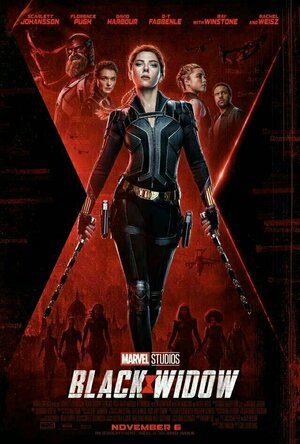
Good casting, Scarlett and Florence felt like actual sisters. (1 more)
Good chemistry and acting from David Harbour and Rachel Weisz.
Not much of a thriller or thinker for a spy movie. (1 more)
One actor was greatly wasted in their role.
Scarlett's Swan Song Had Plenty of Action With A Decent StoryNatasha Romanoff (Scarlett Johansson) and her sister Yelena (Florence Pugh) are living what seems like a normal life in 1995 Ohio, with their parents, mother, Melina Vostokoff (Rachel Weisz) and
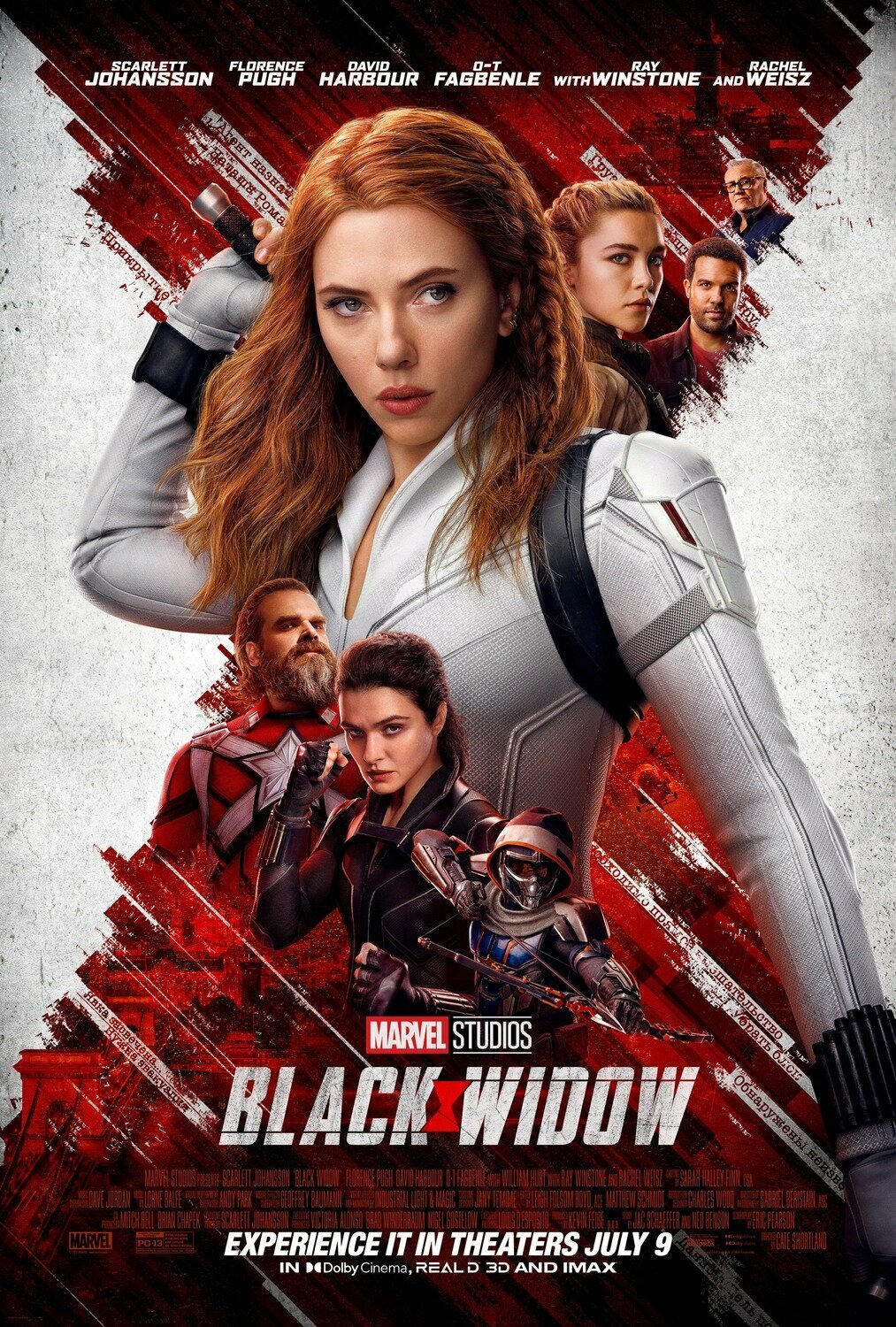
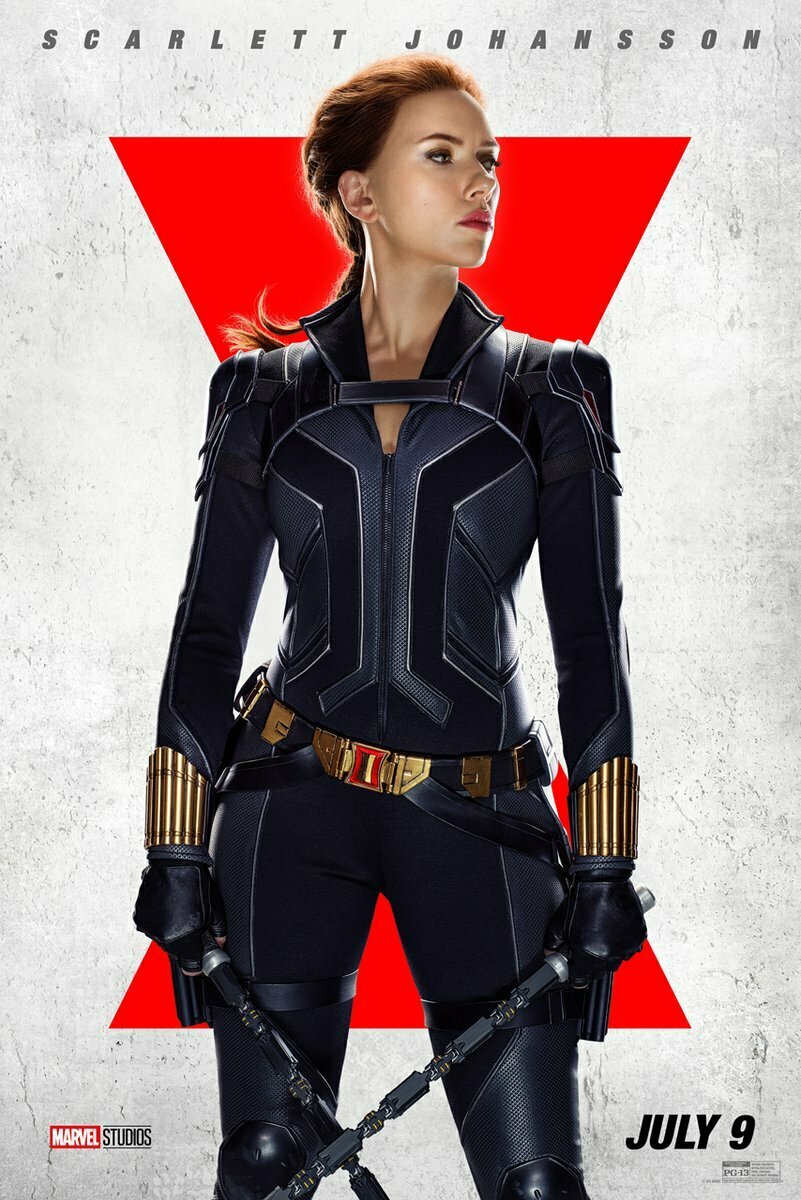
Natasha Romanoff (Scarlett Johansson) and her sister Yelena (Florence Pugh) are living what seems like a normal life in 1995 Ohio, with their parents, mother, Melina Vostokoff (Rachel Weisz) and father, Alexei Shostakov (David Harbour) when suddenly they must leave the country. They are all Russian undercover agents and Alexei, the super-soldier known as Red Guardian, has stolen intel from S.H.I.E.L.D. They flee to Cuba where the sisters are forcibly taken to the "Red Room" for training after they've met General Dreykov (Ray Winstone), their boss. Now in 2016 after the events of Captain America: Civil War, Natasha finds herself a fugitive on the run from U.S. Secretary of State Thaddeus Ross (William Hurt) after violating the Sokovia Accords. She's attacked by an incredibly skilled assassin called the Taskmaster and finds that she's not his target but rather a package she had with her. After learning the package originated from Budapest she heads there where she finds her sister Yelena and learns of a plot that not only jeopardizes the safety of those trained in the "Red Room" but possibly the whole world.
This movie was really good and it was great to see a Marvel movie again. I didn't see this one in theaters but I still enjoyed watching it in the safety of my home with my family. So this movie came off like a really good spy/action movie but definitely had that Marvel feel to it. It really felt like watching something out of the Bourne or Bond series films but with admittedly less plot and gadgets, but the action was really spot on. There was awesome car chase scenes and expertly crafted fight choreography too. It was even reported that they went through 13 BMW X3's for the car chase scene with Scarlett and Florence so you can tell that they really wanted to get things right and had a vision of what they wanted the audience to see for that particular scene as well. I thought there was really great chemistry from all the actors together and that it was pretty good casting. Scarlett and Florence argue throughout the film just like real sisters, and the looks that David Harbour and Rachel Weisz exchange feel like they were genuinely together. The opening scene of the movie had great acting and was very emotional. I just feel like one role/actor was kind of a bad casting and/or was greatly underutilized. I think the biggest flaw of the move was that for being a spy movie, the plot never had any mystery to it and everything was kind of predictable or at least very easy to follow. Not much of a thriller or thinker where you had to put two and two together. The cinematography was spot on and felt like you were watching any big budget spy or action movie and on par with what you expect from Marvel Studios. The tone fit the film for the most part but kind of "see-saw"-ed from time to time as they mixed serious themes with comedic dialogue throughout. But that's to be expected from a PG-13 action/spy movie from Marvel and it was a little reminiscent of the film Captain America in that regard. The music was good and there were a couple of songs that stuck out in that regard American Pie by Don Mclean and a cover of Smells Like Teen Spirit by Think Up Anger; also Cheap Thrills by Sia. The musical score was also good and the Black Widow theme was pretty epic but also with hints of melancholy to it that seemed to underline both her tragic background as well as the tragedy of the events to come in her future. Altogether the movie was really good and I give it a 7/10. If you are big time into the MCU and Marvel franchise movies then this is a must see film but if not then it might come off as just a barely above average action/spy film so that's why it doesn't get my "Must See Seal of Approval"
This movie was really good and it was great to see a Marvel movie again. I didn't see this one in theaters but I still enjoyed watching it in the safety of my home with my family. So this movie came off like a really good spy/action movie but definitely had that Marvel feel to it. It really felt like watching something out of the Bourne or Bond series films but with admittedly less plot and gadgets, but the action was really spot on. There was awesome car chase scenes and expertly crafted fight choreography too. It was even reported that they went through 13 BMW X3's for the car chase scene with Scarlett and Florence so you can tell that they really wanted to get things right and had a vision of what they wanted the audience to see for that particular scene as well. I thought there was really great chemistry from all the actors together and that it was pretty good casting. Scarlett and Florence argue throughout the film just like real sisters, and the looks that David Harbour and Rachel Weisz exchange feel like they were genuinely together. The opening scene of the movie had great acting and was very emotional. I just feel like one role/actor was kind of a bad casting and/or was greatly underutilized. I think the biggest flaw of the move was that for being a spy movie, the plot never had any mystery to it and everything was kind of predictable or at least very easy to follow. Not much of a thriller or thinker where you had to put two and two together. The cinematography was spot on and felt like you were watching any big budget spy or action movie and on par with what you expect from Marvel Studios. The tone fit the film for the most part but kind of "see-saw"-ed from time to time as they mixed serious themes with comedic dialogue throughout. But that's to be expected from a PG-13 action/spy movie from Marvel and it was a little reminiscent of the film Captain America in that regard. The music was good and there were a couple of songs that stuck out in that regard American Pie by Don Mclean and a cover of Smells Like Teen Spirit by Think Up Anger; also Cheap Thrills by Sia. The musical score was also good and the Black Widow theme was pretty epic but also with hints of melancholy to it that seemed to underline both her tragic background as well as the tragedy of the events to come in her future. Altogether the movie was really good and I give it a 7/10. If you are big time into the MCU and Marvel franchise movies then this is a must see film but if not then it might come off as just a barely above average action/spy film so that's why it doesn't get my "Must See Seal of Approval"

BankofMarquis (1832 KP) rated Sisu (2023) in Movies
Dec 4, 2023

Pretty Darned Entertaining
The BankofMarquis stumbled across a Finnish action flick that makes Quentin Tarantino Movies - and the John Wick films - look like Disney movies.
SISU tells the story of the waning days of WWII in Finland where a lone man has left the death and destruction of war behind to live a life of solitude. Into his world come some retreating NAZI’s who (to their detriment, they will soon find out) decide to NOT leave this lone man alone.
Chaos (and violence) ensues.
A variation of the “Man with No Name” type of action film that pits this lone person who just wants to be left alone against a group of thugs, SISU (a Finnish word that has no direct translation but roughly translates to “persevering against tremendous odds”) generates a fun action/revenge flick that is extremely violent…and extremely implausible (but that’s part of the fun).
While this is a Finnish film, all of the actors/characters speak English (except when the Nazi’s speak German), so there is no translating needed.
Jorma Tommila (a veteran Finnish actor that has no U.S. credits that I could find) is stoic, rugged and damned determined as the nameless loner (he gets named about half-way through the film) that perseveres and this is the best part of his performance. His sparkling blue eyes constantly seem active and alive even though the rest of his face is stoic and his body is bruised, bloodied, beaten and mud-covered. His internal resolve shines through in his eyes and really holds the film together well.
Aksel Hennie (who you might know as Alex Vogel one of the Astronauts that is in the ship that turns back to get Matt Damon aka THE MARTIAN) as the Head Nazi is quite good and just as determined to use his men as fodder in his vendetta against the nameless man while Jack Doolan (Horse Tommy in THE BOYS) is ruthless as his main henchman and Mimosa Willamo (the Finnish TV series DEADWIND) is strong and determined as a prisoner held by the Nazis.
Director Jalmari Helander (again, no U.S. credits that I can find) does a wonderful job of keeping the action moving and the choreography of the piece simple (you know where everyone is at all times, so when something comes out of nowhere, you have a pretty good idea as to who/what it is). He does ratchet the violence up to a Tarantino-John Wick- The Equalizer level, so if you are squeamish, this film is not for you.
But, if you are into action films, then…hoo-boy….is SISU a film for you!
Letter Grade: A-
8 stars (out of 10) and you can take that to the Bank(ofMarquis)
SISU tells the story of the waning days of WWII in Finland where a lone man has left the death and destruction of war behind to live a life of solitude. Into his world come some retreating NAZI’s who (to their detriment, they will soon find out) decide to NOT leave this lone man alone.
Chaos (and violence) ensues.
A variation of the “Man with No Name” type of action film that pits this lone person who just wants to be left alone against a group of thugs, SISU (a Finnish word that has no direct translation but roughly translates to “persevering against tremendous odds”) generates a fun action/revenge flick that is extremely violent…and extremely implausible (but that’s part of the fun).
While this is a Finnish film, all of the actors/characters speak English (except when the Nazi’s speak German), so there is no translating needed.
Jorma Tommila (a veteran Finnish actor that has no U.S. credits that I could find) is stoic, rugged and damned determined as the nameless loner (he gets named about half-way through the film) that perseveres and this is the best part of his performance. His sparkling blue eyes constantly seem active and alive even though the rest of his face is stoic and his body is bruised, bloodied, beaten and mud-covered. His internal resolve shines through in his eyes and really holds the film together well.
Aksel Hennie (who you might know as Alex Vogel one of the Astronauts that is in the ship that turns back to get Matt Damon aka THE MARTIAN) as the Head Nazi is quite good and just as determined to use his men as fodder in his vendetta against the nameless man while Jack Doolan (Horse Tommy in THE BOYS) is ruthless as his main henchman and Mimosa Willamo (the Finnish TV series DEADWIND) is strong and determined as a prisoner held by the Nazis.
Director Jalmari Helander (again, no U.S. credits that I can find) does a wonderful job of keeping the action moving and the choreography of the piece simple (you know where everyone is at all times, so when something comes out of nowhere, you have a pretty good idea as to who/what it is). He does ratchet the violence up to a Tarantino-John Wick- The Equalizer level, so if you are squeamish, this film is not for you.
But, if you are into action films, then…hoo-boy….is SISU a film for you!
Letter Grade: A-
8 stars (out of 10) and you can take that to the Bank(ofMarquis)

Kara Skinner (332 KP) rated A Whispered Wish in Books
Jun 11, 2019
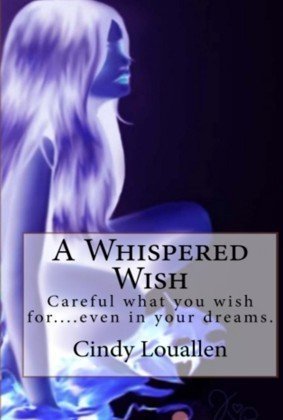
Zoe hates camping. She loves air conditioning and staying indoors and cozy, but when her friends and boyfriend drag her out into the middle of the woods, she comes along. But things get even more complicated when she wakes up far away from her tent– as a pixie.
Can she become human again with the help of Prince Crispin, a handsome pixie? Or as feelings grow between them, will she even want to go back to her human life?
I decided to give A Whispered Wish a shot thanks to a ridiculous one-star review on Smashwords, written by someone who hadn’t read past the first two lines. But the novel was so cringeworthy, I almost sympathized with that asshole reviewer.
Just reading the novel was a toilsome task, thanks to the obvious typos and grammatical errors infecting the text, not to mention the random tense changes that yanked me out of the story every other page.
But even if I’d been able to be absorbed into the story, there wouldn’t have been anything to be absorbed into. Nothing freaking happens for two thirds of the book!
The beginning involves flimsy world-building and back story and preaching about how humans are horrible and they “can learn a thing or two from the pixies.” That line appears not once, but twice in a book meant to be read by adults, not five-year-olds.
This would be more tolerable if it was the pixies saying this to Zoe, who, as a human, defended herself and humankind. But instead, it was Zoe who instantly accepted that she and all other humans, including her friends and boyfriend, was hellspawn.
She accepts that humans are monsters about two minutes after realizing she turned into a pixie when she asks the other pixies if she can tell her human friends what’s happening.
“is there a way that we can let them know? Please? I can’t let them keep looking for me. They will be so worried,” tears still flowing. Only now, she can’t stop them.
Fionna pops up beside them, “I’m sorry Zoë, but we just can’t. To let them know that we exist is very dangerous for us.”
“You have to understand,” Brigid said, “they will exterminate us just to find out what makes us what we are.” Zoë knows they are right about this, anything new or something they didn’t understand as humans they dissected or destroyed.
A Whispered Wish, page 30
Are her friends effing Nazis? I can’t think of another reason for why she would have so little faith in them. I’m not saying they should tell the press, but maybe Zoe’s best friends and her motherfreaking boyfriend won’t kill her just because she sprouted wings and shrank to two inches.
Conflict doesn’t flare up until two thirds into the book, and even then, the conflict is more like brief sparks instead of a raging fire. There are a few action scenes, but the action was over so fast, I had to reread them to actually process them happening.
The main conflict between two pixie kingdoms feels more like an afterthought than an actual plotline.
All of a sudden, the pixies stop being this shining beacon of superiority and start being savage and warlike. Prince Crispin and his friends, who have never seen battle before, become expert fighters the second war is declared. It’s contrived and borderline absurd, but that’s fine because the final battle is over in like two pages.
Perhaps A Whispered Wish could have snatched a third star from me with the skin of its teeth if the characters had good chemistry, funny dialogue, or even an ounce of personality, but no.
All the men are strong, athletic, and ready to save the females while making sexist jokes about how women take forever shopping. The women are all kind, girly, and able to manipulate the men with their puppy eyes.
The two most interesting characters are the Queen of Devonshire, and Jaxxon, a defect from Pembrokeshire, and they only have a couple of scenes. Everyone else absurdly boring.
So, A Whispered Wish is a solid two-star read. With some heavy editing and revising, it could have been good, but as is, it’s less interesting than the average hospital waiting room. A Whispered Wish is free on Smashwords.
Can she become human again with the help of Prince Crispin, a handsome pixie? Or as feelings grow between them, will she even want to go back to her human life?
I decided to give A Whispered Wish a shot thanks to a ridiculous one-star review on Smashwords, written by someone who hadn’t read past the first two lines. But the novel was so cringeworthy, I almost sympathized with that asshole reviewer.
Just reading the novel was a toilsome task, thanks to the obvious typos and grammatical errors infecting the text, not to mention the random tense changes that yanked me out of the story every other page.
But even if I’d been able to be absorbed into the story, there wouldn’t have been anything to be absorbed into. Nothing freaking happens for two thirds of the book!
The beginning involves flimsy world-building and back story and preaching about how humans are horrible and they “can learn a thing or two from the pixies.” That line appears not once, but twice in a book meant to be read by adults, not five-year-olds.
This would be more tolerable if it was the pixies saying this to Zoe, who, as a human, defended herself and humankind. But instead, it was Zoe who instantly accepted that she and all other humans, including her friends and boyfriend, was hellspawn.
She accepts that humans are monsters about two minutes after realizing she turned into a pixie when she asks the other pixies if she can tell her human friends what’s happening.
“is there a way that we can let them know? Please? I can’t let them keep looking for me. They will be so worried,” tears still flowing. Only now, she can’t stop them.
Fionna pops up beside them, “I’m sorry Zoë, but we just can’t. To let them know that we exist is very dangerous for us.”
“You have to understand,” Brigid said, “they will exterminate us just to find out what makes us what we are.” Zoë knows they are right about this, anything new or something they didn’t understand as humans they dissected or destroyed.
A Whispered Wish, page 30
Are her friends effing Nazis? I can’t think of another reason for why she would have so little faith in them. I’m not saying they should tell the press, but maybe Zoe’s best friends and her motherfreaking boyfriend won’t kill her just because she sprouted wings and shrank to two inches.
Conflict doesn’t flare up until two thirds into the book, and even then, the conflict is more like brief sparks instead of a raging fire. There are a few action scenes, but the action was over so fast, I had to reread them to actually process them happening.
The main conflict between two pixie kingdoms feels more like an afterthought than an actual plotline.
All of a sudden, the pixies stop being this shining beacon of superiority and start being savage and warlike. Prince Crispin and his friends, who have never seen battle before, become expert fighters the second war is declared. It’s contrived and borderline absurd, but that’s fine because the final battle is over in like two pages.
Perhaps A Whispered Wish could have snatched a third star from me with the skin of its teeth if the characters had good chemistry, funny dialogue, or even an ounce of personality, but no.
All the men are strong, athletic, and ready to save the females while making sexist jokes about how women take forever shopping. The women are all kind, girly, and able to manipulate the men with their puppy eyes.
The two most interesting characters are the Queen of Devonshire, and Jaxxon, a defect from Pembrokeshire, and they only have a couple of scenes. Everyone else absurdly boring.
So, A Whispered Wish is a solid two-star read. With some heavy editing and revising, it could have been good, but as is, it’s less interesting than the average hospital waiting room. A Whispered Wish is free on Smashwords.