
Search
Search results

Lucy Buglass (45 KP) rated Black Mirror: Bandersnatch (2018) in Movies
Jun 20, 2019
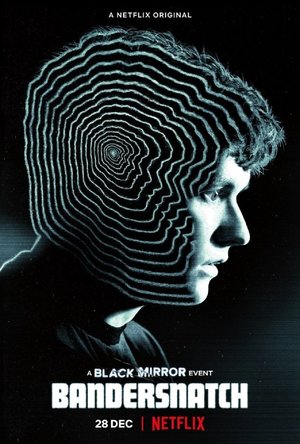


It comes as no surprise that Black Mirror was Netflix’s guinea pig for their first ever interactive film. Charlie Brooker’s anthology series about the dark side of technology has captivated fans ever since it first aired on Channel 4 in the UK. With Netflix being a leading entertainment service, the time had come for them to try something brand new. The film dropped over the Christmas break, and I for one was very excited to sit down and try it.
Black Mirror: Bandersnatch is set in the ’80s and follows teenager Stefan Butler as he works to create a choice/consequence video game called ‘Bandersnatch’. He’s basing it off one of his mother’s ‘choose your own adventure’ books, where you could flick back and forth between chapters to change the course of your story. He’s been invited to speak with video games company Tuckersoft, comprised of video game creator Colin Ritman and savvy businessman Mohan Thaku, in the hopes he can make the game for their company.
As Stefan works on ‘Bandersnatch’, he also visits a therapist to help with his depression following the loss of his mother. He takes an unnamed medication in an attempt to ease his symptoms. Soon, the lines between reality and the video game world start to blur for Stefan, and he becomes more and more unhinged before our eyes.
That’s about all I’m going to tell you about the plot itself, because I don’t want to give away any spoilers. My advice when approaching this for the first time is to go in completely blind and just make your own decisions. You can find numerous pathway guides online, but try to avoid these until your later playthroughs if you can. Black Mirror: Bandersnatch is an experience that requires multiple watches and a lot of patience, but I promise you it’s worth it.
Personally I adore this episode, and I think they did such a fantastic job of bringing it to life. It’s so fluid and engaging; the scenes continue to play even when the options pop up on screen. The acting is absolutely stunning, with Fionn Whitehead (Stefan) and Will Poulter (Colin) impressing me the most, but every character is so well acted and believable. For the very first time, you feel part of the Black Mirror universe, and everything starts to feel so meta. There are also a lot of references to previous episodes which will delight long term fans, but aren’t too jarring for those new to the series.
Both Black Mirror and Netflix have proven they can work with interactivity without making it too gimmicky or tedious. It’s a fascinating format that I’m excited to see more of, and I’m sure we haven’t seen the last of this. I have equal amounts of praise for both the series and Netflix themselves, because they’re constantly upping the entertainment game which makes me fall in love even more. This is the kind of stuff that really excites me!
In classic Black Mirror style, there are some disturbing pathways but they’re arguably my favourite. They’re chilling, harrowing and bloody brilliant. At this point I think I’ve explored every possible ending or pathway, but I’m reluctant to spoil any of them on here because that would ruin the experience. However, if you do want to discuss anything, please do message me on @LGTHBlog so we can fangirl together!
https://lucygoestohollywood.com/2019/01/06/netflixs-first-interactive-film-my-thoughts-on-black-mirror-bandersnatch/
Black Mirror: Bandersnatch is set in the ’80s and follows teenager Stefan Butler as he works to create a choice/consequence video game called ‘Bandersnatch’. He’s basing it off one of his mother’s ‘choose your own adventure’ books, where you could flick back and forth between chapters to change the course of your story. He’s been invited to speak with video games company Tuckersoft, comprised of video game creator Colin Ritman and savvy businessman Mohan Thaku, in the hopes he can make the game for their company.
As Stefan works on ‘Bandersnatch’, he also visits a therapist to help with his depression following the loss of his mother. He takes an unnamed medication in an attempt to ease his symptoms. Soon, the lines between reality and the video game world start to blur for Stefan, and he becomes more and more unhinged before our eyes.
That’s about all I’m going to tell you about the plot itself, because I don’t want to give away any spoilers. My advice when approaching this for the first time is to go in completely blind and just make your own decisions. You can find numerous pathway guides online, but try to avoid these until your later playthroughs if you can. Black Mirror: Bandersnatch is an experience that requires multiple watches and a lot of patience, but I promise you it’s worth it.
Personally I adore this episode, and I think they did such a fantastic job of bringing it to life. It’s so fluid and engaging; the scenes continue to play even when the options pop up on screen. The acting is absolutely stunning, with Fionn Whitehead (Stefan) and Will Poulter (Colin) impressing me the most, but every character is so well acted and believable. For the very first time, you feel part of the Black Mirror universe, and everything starts to feel so meta. There are also a lot of references to previous episodes which will delight long term fans, but aren’t too jarring for those new to the series.
Both Black Mirror and Netflix have proven they can work with interactivity without making it too gimmicky or tedious. It’s a fascinating format that I’m excited to see more of, and I’m sure we haven’t seen the last of this. I have equal amounts of praise for both the series and Netflix themselves, because they’re constantly upping the entertainment game which makes me fall in love even more. This is the kind of stuff that really excites me!
In classic Black Mirror style, there are some disturbing pathways but they’re arguably my favourite. They’re chilling, harrowing and bloody brilliant. At this point I think I’ve explored every possible ending or pathway, but I’m reluctant to spoil any of them on here because that would ruin the experience. However, if you do want to discuss anything, please do message me on @LGTHBlog so we can fangirl together!
https://lucygoestohollywood.com/2019/01/06/netflixs-first-interactive-film-my-thoughts-on-black-mirror-bandersnatch/

Hazel (1853 KP) rated Silence Is Goldfish in Books
Dec 14, 2018

<i>This eBook was provided by the publisher via NetGalley in exchange for an honest review </i>
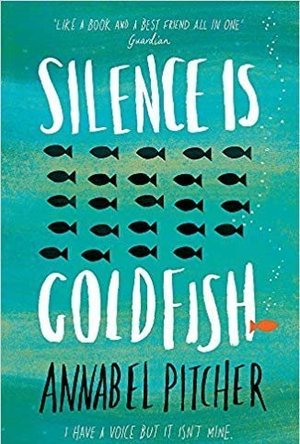
With an intriguing title, British author Annabel Pitcher continues to attract young adult readers with her third contemporary novel. <i>Silence is Goldfish</i> is set in the English city of Manchester where fifteen-year-old Tess lives with her mother and father – well, the man she believed to be her father. On accidentally discovering vital information that her parents have withheld from her, Tess is determined to run away to London. After a failed attempt, Tess opts for the next best way of coping: she vows to never speak again.
Naturally everyone is worried about Tess: her parents, schoolteachers, friend; but she does not let their feelings fool her into believing the lies they have forced upon her. As things spiral out of control at school with in increase in bullying and the loss of her only friendship, Tess looks elsewhere for a new father figure. What Tess learns is that DNA is the least important aspect of being a parent, it is the love, warmth and care they provide that matters most.
<i>Silence is Goldfish</i> is funny and realistic, whilst also tugging on heartstrings. Tess is an extremely honest character – although due to mutism her thoughts are only expressed in her mind to a small goldfish-shaped torch –readers will be able to relate to her feelings and circumstances. Obviously the scenarios would have been resolved quicker if Tess had only told someone what was on her mind to begin with, however her anger and subsequent refusal to talk reveals how dangerous secrets can be, especially potentially life changing ones.
As already mentioned, Annabel Pitcher has now published three novels for teenage readers; however she has not yet developed her personal style of writing. Pitcher’s first novel <i>My Sister Lives on the Mantelpiece</i> was narrated by a much younger character, therefore the language and depth of internal thoughts were markedly different from <i>Silence is Goldfish</i>. Pitcher’s other novel, <i>Ketchup Clouds</i>, is equally dissimilar. Although the main character is of similar age to Tess, the novel is told through letters, resulting in a completely different reading experience.
It has to be said, <i>Silence is Goldfish</i> is definitely the better of the three novels published to date. Not only is the story engaging and humorous, it contains profound thoughts about the world, which mature readers will absorb and wish to quote on their social media, in private diaries or recite directly to their friends.
<i>Silence is Goldfish</i> contains slightly less sensitive content than Pitcher’s other books, however certain scenes make it inappropriate for younger readers. Although Tess is fifteen, she has to deal with a few rather adult topics; on the other hand these only occur in short bursts and should not upset the reader.
It will be interesting to discover what Annabel Pitcher writes next, and whether she continues in the same writing style – one hopes; it was good – or try yet another approach. Whether you have read Pitcher before, and regardless of your opinion on the books, <i>Silence is Goldfish</i> is a highly recommended novel.
With an intriguing title, British author Annabel Pitcher continues to attract young adult readers with her third contemporary novel. <i>Silence is Goldfish</i> is set in the English city of Manchester where fifteen-year-old Tess lives with her mother and father – well, the man she believed to be her father. On accidentally discovering vital information that her parents have withheld from her, Tess is determined to run away to London. After a failed attempt, Tess opts for the next best way of coping: she vows to never speak again.
Naturally everyone is worried about Tess: her parents, schoolteachers, friend; but she does not let their feelings fool her into believing the lies they have forced upon her. As things spiral out of control at school with in increase in bullying and the loss of her only friendship, Tess looks elsewhere for a new father figure. What Tess learns is that DNA is the least important aspect of being a parent, it is the love, warmth and care they provide that matters most.
<i>Silence is Goldfish</i> is funny and realistic, whilst also tugging on heartstrings. Tess is an extremely honest character – although due to mutism her thoughts are only expressed in her mind to a small goldfish-shaped torch –readers will be able to relate to her feelings and circumstances. Obviously the scenarios would have been resolved quicker if Tess had only told someone what was on her mind to begin with, however her anger and subsequent refusal to talk reveals how dangerous secrets can be, especially potentially life changing ones.
As already mentioned, Annabel Pitcher has now published three novels for teenage readers; however she has not yet developed her personal style of writing. Pitcher’s first novel <i>My Sister Lives on the Mantelpiece</i> was narrated by a much younger character, therefore the language and depth of internal thoughts were markedly different from <i>Silence is Goldfish</i>. Pitcher’s other novel, <i>Ketchup Clouds</i>, is equally dissimilar. Although the main character is of similar age to Tess, the novel is told through letters, resulting in a completely different reading experience.
It has to be said, <i>Silence is Goldfish</i> is definitely the better of the three novels published to date. Not only is the story engaging and humorous, it contains profound thoughts about the world, which mature readers will absorb and wish to quote on their social media, in private diaries or recite directly to their friends.
<i>Silence is Goldfish</i> contains slightly less sensitive content than Pitcher’s other books, however certain scenes make it inappropriate for younger readers. Although Tess is fifteen, she has to deal with a few rather adult topics; on the other hand these only occur in short bursts and should not upset the reader.
It will be interesting to discover what Annabel Pitcher writes next, and whether she continues in the same writing style – one hopes; it was good – or try yet another approach. Whether you have read Pitcher before, and regardless of your opinion on the books, <i>Silence is Goldfish</i> is a highly recommended novel.
Hazel (1853 KP) rated The Mindfulness Playbook in Books
Dec 14, 2018

I received this book for free through Goodreads First Reads.
Discover how to become healthier, happier, and more resilient with The Mindfulness Playbook by psychology expert Dr Barbara Mariposa. Written with the general public in mind, Mariposa tackles thoughts, feelings and situations that crop up in everyday life and provides effective coping strategies that can be employed anytime, anywhere. Full of inspiring solutions and practical skills, this book advises and supports as readers bring calm and happiness back into their lives. “By engaging with the content of this book, you will learn unique tools and skills that can bring you greater energy, freedom and clarity.”
Mindfulness is about living in the moment rather than dwelling on the past or worrying about the future. By regularly employing mindfulness, life, in theory, should become much simpler. Unfortunately, many people suffer from anxiety and depression; therefore, mindfulness can be a difficult concept to tackle. Mariposa breaks down the book into eight units and explains simple, proven techniques that, with daily practice, anyone can make a habit of using.
Dr Barbara Mariposa developed the Mind Mood Mastery programme and uses many of her ideas from this as the basis of her book. Each unit is broken down into manageable chunks that are easy to interpret and are relevant to the 21st century. Each unit contains a motto, which expresses the theme of the information provided and a task for people to do in their own time. There are also pages containing sections to write answers to questions Mariposa poses throughout the text.
Many of the tools Mariposa introduces can be shortened to acronyms, making them easy for people to remember in moments of anxiety or stress. One example is “BELL- Breathe. Expand. Listen. Look.” By remembering the letters of this power tool, it can be brought to mind in a difficult situation. It reminds the person to take a deep breath, notice what is going on around them, listen to what they can hear, and focus on something they can see. This helps to stop thoughts from spiralling into the past or future and causing lots of anxiety.
The problem with the term “mindfulness” is it has become an overused term and often replaces the word “relaxing”, for example, on colouring books. Dr Mariposa keeps to the scientific definition of the word (a mental state achieved by focusing one's awareness on the present moment, while calmly acknowledging and accepting one's feelings, thoughts, and bodily sensations, used as a therapeutic technique) and is sympathetic to the reader, acknowledging that life can be hard and mindfulness can be difficult to maintain.
Within each unit is a section dubbed “The Science Bit”, which, it goes without saying, contains scientific information. Mariposa explains in layman’s terms how the brain works and what causes anxiety and depression. She also demonstrates with diagrams how to rewire the brain and alter thought processes. It is interesting to learn that the brain physically changes shape as mindfulness techniques are practised.
For those who want a simple, easy to follow book about mindfulness, The Mindfulness Playbook is definitely the one to purchase. The balance between science and everyday life is on point, and the language style is appropriate for all readers. Quotes from famous names break up the text into manageable sections and it is easy to dip in and out of the book as needed. Dr Barbara Mariposa has produced a superb self-help guide and, with hope, it will help everyone who reads it.
Discover how to become healthier, happier, and more resilient with The Mindfulness Playbook by psychology expert Dr Barbara Mariposa. Written with the general public in mind, Mariposa tackles thoughts, feelings and situations that crop up in everyday life and provides effective coping strategies that can be employed anytime, anywhere. Full of inspiring solutions and practical skills, this book advises and supports as readers bring calm and happiness back into their lives. “By engaging with the content of this book, you will learn unique tools and skills that can bring you greater energy, freedom and clarity.”
Mindfulness is about living in the moment rather than dwelling on the past or worrying about the future. By regularly employing mindfulness, life, in theory, should become much simpler. Unfortunately, many people suffer from anxiety and depression; therefore, mindfulness can be a difficult concept to tackle. Mariposa breaks down the book into eight units and explains simple, proven techniques that, with daily practice, anyone can make a habit of using.
Dr Barbara Mariposa developed the Mind Mood Mastery programme and uses many of her ideas from this as the basis of her book. Each unit is broken down into manageable chunks that are easy to interpret and are relevant to the 21st century. Each unit contains a motto, which expresses the theme of the information provided and a task for people to do in their own time. There are also pages containing sections to write answers to questions Mariposa poses throughout the text.
Many of the tools Mariposa introduces can be shortened to acronyms, making them easy for people to remember in moments of anxiety or stress. One example is “BELL- Breathe. Expand. Listen. Look.” By remembering the letters of this power tool, it can be brought to mind in a difficult situation. It reminds the person to take a deep breath, notice what is going on around them, listen to what they can hear, and focus on something they can see. This helps to stop thoughts from spiralling into the past or future and causing lots of anxiety.
The problem with the term “mindfulness” is it has become an overused term and often replaces the word “relaxing”, for example, on colouring books. Dr Mariposa keeps to the scientific definition of the word (a mental state achieved by focusing one's awareness on the present moment, while calmly acknowledging and accepting one's feelings, thoughts, and bodily sensations, used as a therapeutic technique) and is sympathetic to the reader, acknowledging that life can be hard and mindfulness can be difficult to maintain.
Within each unit is a section dubbed “The Science Bit”, which, it goes without saying, contains scientific information. Mariposa explains in layman’s terms how the brain works and what causes anxiety and depression. She also demonstrates with diagrams how to rewire the brain and alter thought processes. It is interesting to learn that the brain physically changes shape as mindfulness techniques are practised.
For those who want a simple, easy to follow book about mindfulness, The Mindfulness Playbook is definitely the one to purchase. The balance between science and everyday life is on point, and the language style is appropriate for all readers. Quotes from famous names break up the text into manageable sections and it is easy to dip in and out of the book as needed. Dr Barbara Mariposa has produced a superb self-help guide and, with hope, it will help everyone who reads it.
Hazel (1853 KP) rated Salt to the Sea in Books
Dec 17, 2018
<i>This ARC was provided by the publisher via NetGalley in exchange for an honest review
“We survivors are not the true witnesses. The true witnesses, those in possession of the unspeakable truth, are the drowned, the dead, the disappeared.” </i>– Primo Levi
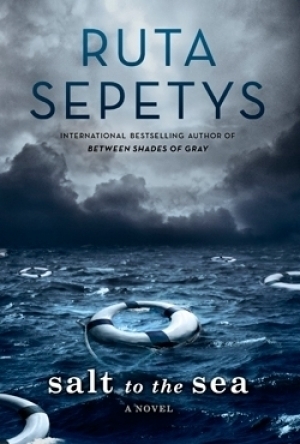
World War Two has got to be the most well known and talked about period of history. Despite it not even being a century ago, it is already taught in schools around the globe. However a lot of events are omitted from our history books. A lot of people, including those alive at the time, have no idea of some of the situations Europeans found themselves in. Ruta Sepetys, despite having only previously written two novels, has become known for her stories about the lesser-known aspects of the Second World War. Her third book, <i>Salt to the Sea</i>, is no different.
In 1945 things were not looking great for the people living in Germany. Their greatest concern was the invading Russian army, resulting in thousands of Germans evacuating their hometowns. Four characters in their late teens/early twenties narrate <i>Salt to the Sea</i>: Joana, Florian, Emilia and Alfred. Their varied nationalities – Lithuanian, Prussian, Polish and German – help provide a range of opinions about the war, but regardless of who they believe to be the enemy, whether it be German or Russian or both, they are all figuratively in the same boat.
Joana, Emilia and Florian meet each other amongst a group of refugees trekking to freedom. A lot of trust is involved especially as no one is willing to reveal his or her true story. It is clear that each character is hiding something personal, something to do with the war, yet they all rely on and help each other to continue on their journey.
Naturally, being a war story there is masses of death and destruction. Set in January, the weather conditions are just as dangerous as the Russian soldiers. It is the end of the novel that contains the most shocking of events: a sinking of a ship that kills 9000 passengers. The most severe maritime disaster ever, yet it is doubtful that readers already know about it.
Despite being a work of fiction, Sepetys sticks to the facts in her heavily researched novel. She shocks the reader with the severity of the situation, and may even bring some to tears with the outcome. She has not sugar coated anything. Some storytellers save the innocents from harm, but this was not the case in <i>Salt to the Sea</i>. In war, no one can choose who lives and who dies. Millions of innocent people perish.
The short chapters keep the story flowing quickly. It is shocking, gripping and engaging. There is a brief notion of romance but this is not focused on and thus does not detract from the factual storyline. There was a hinted connection between characters in this novel and those in <i>Between Shades of Grey </i>– one of Sepetys’ earlier novels, however this is not a sequel or part of a series.
With the help of maps showing the difference between Europe now and Europe in 1945,<i> Salt to the Sea</i> is highly educational. Although aimed at young adults it is suitable for older generations as well. Whilst containing shocking content, you are certain to fall in love with Sepetys’ writing.
“We survivors are not the true witnesses. The true witnesses, those in possession of the unspeakable truth, are the drowned, the dead, the disappeared.” </i>– Primo Levi
World War Two has got to be the most well known and talked about period of history. Despite it not even being a century ago, it is already taught in schools around the globe. However a lot of events are omitted from our history books. A lot of people, including those alive at the time, have no idea of some of the situations Europeans found themselves in. Ruta Sepetys, despite having only previously written two novels, has become known for her stories about the lesser-known aspects of the Second World War. Her third book, <i>Salt to the Sea</i>, is no different.
In 1945 things were not looking great for the people living in Germany. Their greatest concern was the invading Russian army, resulting in thousands of Germans evacuating their hometowns. Four characters in their late teens/early twenties narrate <i>Salt to the Sea</i>: Joana, Florian, Emilia and Alfred. Their varied nationalities – Lithuanian, Prussian, Polish and German – help provide a range of opinions about the war, but regardless of who they believe to be the enemy, whether it be German or Russian or both, they are all figuratively in the same boat.
Joana, Emilia and Florian meet each other amongst a group of refugees trekking to freedom. A lot of trust is involved especially as no one is willing to reveal his or her true story. It is clear that each character is hiding something personal, something to do with the war, yet they all rely on and help each other to continue on their journey.
Naturally, being a war story there is masses of death and destruction. Set in January, the weather conditions are just as dangerous as the Russian soldiers. It is the end of the novel that contains the most shocking of events: a sinking of a ship that kills 9000 passengers. The most severe maritime disaster ever, yet it is doubtful that readers already know about it.
Despite being a work of fiction, Sepetys sticks to the facts in her heavily researched novel. She shocks the reader with the severity of the situation, and may even bring some to tears with the outcome. She has not sugar coated anything. Some storytellers save the innocents from harm, but this was not the case in <i>Salt to the Sea</i>. In war, no one can choose who lives and who dies. Millions of innocent people perish.
The short chapters keep the story flowing quickly. It is shocking, gripping and engaging. There is a brief notion of romance but this is not focused on and thus does not detract from the factual storyline. There was a hinted connection between characters in this novel and those in <i>Between Shades of Grey </i>– one of Sepetys’ earlier novels, however this is not a sequel or part of a series.
With the help of maps showing the difference between Europe now and Europe in 1945,<i> Salt to the Sea</i> is highly educational. Although aimed at young adults it is suitable for older generations as well. Whilst containing shocking content, you are certain to fall in love with Sepetys’ writing.

Gareth von Kallenbach (980 KP) rated BloodRayne (2006) in Movies
Aug 14, 2019


Turning a video game into a feature film is often a daunting task. With a large built in audience, gamers tend to be very picky over film adaptations and agitate very easily over even the slightest deviation from the source material.
Often in games, storylines are kept to the basic elements in order to keep the action flowing, unhindered by dialogue, character development, and plot twists as the notion is that gamers want action and will become bored if they have to wait through the elements listed above.
It is ironic that in films bases on games, the paring down of plot and characters in favor of a more linear setup and action often draws the wrath of critics and gamers for doing what game makers have been doing for years, letting gamers get to the goods.
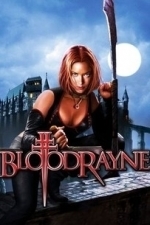
In the new film Bloodrayne based on the hit game series of the same name by Majesco, Director Uwe Boll has crafted a film that explores the how and whys of the game series, focusing on the origins of the title character Rayne (Kristanna Loken), who toils as the half-human, half-vampire Dhampir in remote 18th century Romania as a freak in a traveling circus. Here ability to be burned by water yet healed by the blood of animals is a big drawing card to the circus, who has no problem exploiting her only to lock her in an animal cage when the show is over.
Unknown to Rayne, her fate is about to become entwined with a man named Vladamir (Michael Madsen), a vampire hunter and member of a secret society dedicated to eliminating the threat they pose. It is learned that the land is under the control of a powerful vampire named Kagan (Ben Kinglsey), who is seeking to locate and reunite three vampire relics in an effort to gain absolute power.
In time Rayne is brought into the order that sees her as a tool for fighting back the ever increasing army of Kagan. This movie is not met well by certain members of the group, especially Katarin (Michelle Rodriquez), who is not certain that bringing a person who is part vampire into their midst is a good idea.
Despite rising tensions and a steamy attraction to a hunter named Sebastian (Matt Davis), Rayne soon finds herself part of the group and firmly matched up against Kagan and his minions with the fate of the world in the balance.
While the film has some issues such as a thin plot and at times stiff acting and basic dialogue it is a marked improvement for Boll who has received harsh criticisms of his past works. Bloodrayne blends exotic visuals with classic gothic touches in a manner that compliments the material and is never heavy handed. The action scenes while gory are engaging and abundant, especially the inclusion of so called Boss battles that are common in video games.
While Bloodrayne has its blemishes, the film has its moments and is not nearly as bad as several mean spirited campaigns against it and Boll have suggested.
I have seen far worse films in the last 6 months such as The Cave, Into the Blue and Bewitched to name a few. As vampire films go, Bloodrayne is better than most of the horror offerings we have been inundated with in recent years less we forget “Wrong Turn” and “House of Wax”
Often in games, storylines are kept to the basic elements in order to keep the action flowing, unhindered by dialogue, character development, and plot twists as the notion is that gamers want action and will become bored if they have to wait through the elements listed above.
It is ironic that in films bases on games, the paring down of plot and characters in favor of a more linear setup and action often draws the wrath of critics and gamers for doing what game makers have been doing for years, letting gamers get to the goods.
In the new film Bloodrayne based on the hit game series of the same name by Majesco, Director Uwe Boll has crafted a film that explores the how and whys of the game series, focusing on the origins of the title character Rayne (Kristanna Loken), who toils as the half-human, half-vampire Dhampir in remote 18th century Romania as a freak in a traveling circus. Here ability to be burned by water yet healed by the blood of animals is a big drawing card to the circus, who has no problem exploiting her only to lock her in an animal cage when the show is over.
Unknown to Rayne, her fate is about to become entwined with a man named Vladamir (Michael Madsen), a vampire hunter and member of a secret society dedicated to eliminating the threat they pose. It is learned that the land is under the control of a powerful vampire named Kagan (Ben Kinglsey), who is seeking to locate and reunite three vampire relics in an effort to gain absolute power.
In time Rayne is brought into the order that sees her as a tool for fighting back the ever increasing army of Kagan. This movie is not met well by certain members of the group, especially Katarin (Michelle Rodriquez), who is not certain that bringing a person who is part vampire into their midst is a good idea.
Despite rising tensions and a steamy attraction to a hunter named Sebastian (Matt Davis), Rayne soon finds herself part of the group and firmly matched up against Kagan and his minions with the fate of the world in the balance.
While the film has some issues such as a thin plot and at times stiff acting and basic dialogue it is a marked improvement for Boll who has received harsh criticisms of his past works. Bloodrayne blends exotic visuals with classic gothic touches in a manner that compliments the material and is never heavy handed. The action scenes while gory are engaging and abundant, especially the inclusion of so called Boss battles that are common in video games.
While Bloodrayne has its blemishes, the film has its moments and is not nearly as bad as several mean spirited campaigns against it and Boll have suggested.
I have seen far worse films in the last 6 months such as The Cave, Into the Blue and Bewitched to name a few. As vampire films go, Bloodrayne is better than most of the horror offerings we have been inundated with in recent years less we forget “Wrong Turn” and “House of Wax”
Gareth von Kallenbach (980 KP) rated 16 Blocks (2006) in Movies
Aug 14, 2019
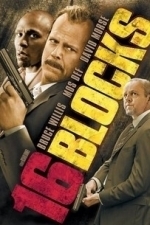
A burnt out cop with a bad limp and a taste for the bottle has just finished his shift and is looking forward to heading home for some rest. Sadly for Detective Jack Mosley (Bruce Willis), his day is about to get much longer than he expected.
On his way out of the precinct, his Lieutenant tasks him to escort a prisoner named Eddie Bunker (Mos Def), 16 blocks in 90 minutes so he can testify before a jury. Since the jury will disband in 90 minutes, it is vital that Eddie appear before them or else months of work in a prime case will be lost.
Jack is less than thrilled to be stuck with Eddie as his high voice and rapid fire style of speech really annoy Jack, who decides to take a detour from the non stop rants of Eddie to purchase a bottle of alcohol so he can drown his sorrows.
No sooner does Jack complete his purchase at a favorite store than an attempt is made on Eddie by armed men forcing Jack and Eddie to flee on foot and take refuge in a local bar where they are soon met by detective Frank Nugent (David Morse), who said he was in the area and responded to Jack’s call for assistance.
Frank informs his former partner Jack that he is escorting a snitch who is about to give evidence that will implicate many cops who were simply doing business. Frank suggests that Jack head home and rest while he cleans up the problem by taking charge of Eddie.
When Jack learns that Frank and his associates intend to kill Eddie to keep him from testifying, Jack decides to defend Eddie and the two of them begin a deadly race against the clock as they attempt to not only get Eddie to the courthouse in time, but to simply stay alive against a cadre of corrupt cops.
Since he went up against fellow cops, Jack is reported as a rogue who turned on fellow officers, which leaves him with nowhere to turn and without backup as he attempt to stay one step ahead of the relentless Frank and his associates as they venture from one city block to another in order to stay alive. Along the way, the two men bond, and Jack begins to learn that what Eddie knows will get them all killed and that in a city the size of New York, there are precious few places to hide, when people are determined to find you.
The solid pacing of the film and the quality work by Morse, Willis, and Mos Def keeps 16 Blocks an entertaining and engaging film. The chemistry amongst the leads draws you in more than most typical action dramas do, as you find yourself caring about the two individuals and want them to succeed.
Director Richard Donner has dialed down his usual explosions but has not sacrificed the action as it is always appropriate to the story and never seems tacked on. The film does loose some steam towards the end but does ultimately arrive at a conclusion that makes the trip worthwhile.
The film does borrow in parts from the classic Clint Eastwood film “The Gauntlet”. Even down to the heroes taking refuge in a city bus and attempted to evade the police in the bus amidst an armada of armed officers who are looking to shoot first and ask questions later.
If you are a fan of Willis or Mos Def and like action dramas, then 16 Blocks is a trip well worth taking.
On his way out of the precinct, his Lieutenant tasks him to escort a prisoner named Eddie Bunker (Mos Def), 16 blocks in 90 minutes so he can testify before a jury. Since the jury will disband in 90 minutes, it is vital that Eddie appear before them or else months of work in a prime case will be lost.
Jack is less than thrilled to be stuck with Eddie as his high voice and rapid fire style of speech really annoy Jack, who decides to take a detour from the non stop rants of Eddie to purchase a bottle of alcohol so he can drown his sorrows.
No sooner does Jack complete his purchase at a favorite store than an attempt is made on Eddie by armed men forcing Jack and Eddie to flee on foot and take refuge in a local bar where they are soon met by detective Frank Nugent (David Morse), who said he was in the area and responded to Jack’s call for assistance.
Frank informs his former partner Jack that he is escorting a snitch who is about to give evidence that will implicate many cops who were simply doing business. Frank suggests that Jack head home and rest while he cleans up the problem by taking charge of Eddie.
When Jack learns that Frank and his associates intend to kill Eddie to keep him from testifying, Jack decides to defend Eddie and the two of them begin a deadly race against the clock as they attempt to not only get Eddie to the courthouse in time, but to simply stay alive against a cadre of corrupt cops.
Since he went up against fellow cops, Jack is reported as a rogue who turned on fellow officers, which leaves him with nowhere to turn and without backup as he attempt to stay one step ahead of the relentless Frank and his associates as they venture from one city block to another in order to stay alive. Along the way, the two men bond, and Jack begins to learn that what Eddie knows will get them all killed and that in a city the size of New York, there are precious few places to hide, when people are determined to find you.
The solid pacing of the film and the quality work by Morse, Willis, and Mos Def keeps 16 Blocks an entertaining and engaging film. The chemistry amongst the leads draws you in more than most typical action dramas do, as you find yourself caring about the two individuals and want them to succeed.
Director Richard Donner has dialed down his usual explosions but has not sacrificed the action as it is always appropriate to the story and never seems tacked on. The film does loose some steam towards the end but does ultimately arrive at a conclusion that makes the trip worthwhile.
The film does borrow in parts from the classic Clint Eastwood film “The Gauntlet”. Even down to the heroes taking refuge in a city bus and attempted to evade the police in the bus amidst an armada of armed officers who are looking to shoot first and ask questions later.
If you are a fan of Willis or Mos Def and like action dramas, then 16 Blocks is a trip well worth taking.

Kristy H (1252 KP) rated The Turn of The Key in Books
Aug 16, 2019
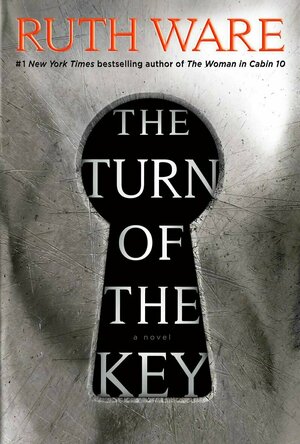
Rowan Caine feels like her life is at a bit of a dead end when she finds the advertisement: it's for a live-in nanny, and the pay is amazing. Rowan has a background in nannying and working with children, so she submits her CV and crosses her fingers. Still, she can't believe her luck when she interviews at the gorgeous Heatherbrae House in Scotland. It's isolated, but beautiful. And then she gets the job caring for four seemingly lovely children: Rhiannon, 14; Maddie, 8; Ellie, 5; and Petra, eighteen months. But the position isn't all it cracked up to be. The children are nothing like the sweet kids they appeared when she interviewed. The entire house is a smart home, controlled by a home management app, and it seems to go haywire constantly. The parents leave nearly the moment she arrives. And it really seems like the rumors of ghosts and a haunted house that drove away the past four nannies are true. We know Rowan is writing about all of this from prison--jailed for the death of one of the children. She claims she's innocent. What really happened at Heatherbrae House?
This was a very intriguing, eerie thriller, made all the more creepy by reading it alone in a cabin in the woods with no one beside me but my dog. Perhaps choosing this read for my short getaway was a mistake? Ha, I actually liked getting a little spooked by this Gothic mystery. It was an enjoyable slow-burning read that kept me hooked.
As mentioned, the entire book is told in letter form--albeit mostly one long letter--as Rowan sits in Scottish prison, trying to convince a Mr. Wrexham to take up her case. She's innocent, she says, and here is her story. And quite a story it is. From the moment Rowan arrives at the Elincourt's beautiful home, Heatherbrae House, it seems like things go wrong--she hasn't memorized the 300-page "manual" required to watch the girls, the "smart" house is out of control, and the children are absolute terrors.
"I guess it comes down to this in the end. I am the nanny in the Elincourt case, Mr. Wrexham. And I didn't kill that child."
But the more we hear from Rowan, we learn she may not be completely guilt-free in all of this, as perhaps there is more to her story than meets the eye. It all unfurls easily in Ware's deft hands. It may take a while to get to some of the major twists and turns, but there's plenty of little bits of creepiness along the way. Rowan is sure she's being haunted, and it's quite fun to try to figure out what exactly is happening. Ghosts? The smart house gone awry? While Rowan isn't always the easiest character to root for, I still sympathized with her (I wouldn't want to be left with four combative children) and yet I found myself getting attached to the kids anyway (clearly they didn't choose to be left behind by their rich and distracted parents).
"I need you to understand why I did what I did."
Overall, this one is a fun, eerie read. I enjoyed the combination of creepy Gothic plus smart home craziness. I also couldn't always foresee what was coming up next, which I appreciated. It's engaging and surprising, despite our limited cast of characters. 4 stars.
This was a very intriguing, eerie thriller, made all the more creepy by reading it alone in a cabin in the woods with no one beside me but my dog. Perhaps choosing this read for my short getaway was a mistake? Ha, I actually liked getting a little spooked by this Gothic mystery. It was an enjoyable slow-burning read that kept me hooked.
As mentioned, the entire book is told in letter form--albeit mostly one long letter--as Rowan sits in Scottish prison, trying to convince a Mr. Wrexham to take up her case. She's innocent, she says, and here is her story. And quite a story it is. From the moment Rowan arrives at the Elincourt's beautiful home, Heatherbrae House, it seems like things go wrong--she hasn't memorized the 300-page "manual" required to watch the girls, the "smart" house is out of control, and the children are absolute terrors.
"I guess it comes down to this in the end. I am the nanny in the Elincourt case, Mr. Wrexham. And I didn't kill that child."
But the more we hear from Rowan, we learn she may not be completely guilt-free in all of this, as perhaps there is more to her story than meets the eye. It all unfurls easily in Ware's deft hands. It may take a while to get to some of the major twists and turns, but there's plenty of little bits of creepiness along the way. Rowan is sure she's being haunted, and it's quite fun to try to figure out what exactly is happening. Ghosts? The smart house gone awry? While Rowan isn't always the easiest character to root for, I still sympathized with her (I wouldn't want to be left with four combative children) and yet I found myself getting attached to the kids anyway (clearly they didn't choose to be left behind by their rich and distracted parents).
"I need you to understand why I did what I did."
Overall, this one is a fun, eerie read. I enjoyed the combination of creepy Gothic plus smart home craziness. I also couldn't always foresee what was coming up next, which I appreciated. It's engaging and surprising, despite our limited cast of characters. 4 stars.

Midge (525 KP) rated Shallow Water in Books
Jan 23, 2019 (Updated Jan 23, 2019)
Lots of suspense (1 more)
Great lead characters
Nail-biting Thriller!
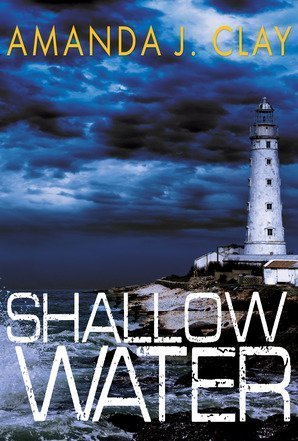
"Shallow Water" is a nail-biting, edge-of-your-seat story that has a bit of everything. From tension, fear, and panic to drama, romance and conflict, and joy and sorrow, there really is something for everyone. It is a suspenseful, psychological thriller fiction novel set in wonderfully scenic Pt. Redwood on California’s rural Mendocino coast.
What’s really likeable about it straight-away are the opening chapters that draw you into the main character, Clara Kendrick. She is a strong, feisty, sexy, confident, badass, journalist, but is living her life under the shadow of the past. She partially blames herself for the terrible unsolved murder of her best friend Ruthi eight years ago, memories of which continue to haunt her.
Clara receives a telephone call from a relative begging her to go and visit her sick mother who she hasn't seen since she fled from her home town all those years ago. She can't bear the thought of seeing her first-love and old flame Sean again. Relationships are put to the test when she does return and past issues are brought to the fore.
But not long into her return to Pt. Redwood, another teenage girl is found on the beach in similar circumstances to Ruthi. Clara and Sean find themselves at the centre of the investigation. Is there a serial killer at large, or is the second murder a coincidence?
I felt instantly on her side of the emotional and impulsive Clara, particularly in her initial dealings with Sean, her handsome, bad-boy first-love. You can immediately sense there is something still going on, and one of the highlights of the book is following how they deal with their emotional baggage. Sean is, at first, hard to work out but you gradually get to know him as the story unfolds and see that he has many surprising qualities. Both the plot and the character development are excellent, and the story-line is very believable. The story is both captivating and engaging. It held my interest from start to finish, and I found myself rooting for both Sean and Clara as they tried to deal with all of the accusations being made against them and the courage they showed in confronting their challenges.
"Shallow Water" was an interesting novel particularly for the interplay of the different characters - a distant and indifferent mother, a group of exceptionally bitchy grown-up teenagers and a judgemental, close-knit community. Plenty of twists and turns ups and downs along the way and plenty of surprises. I loved the authors writing style which I found very easy to read and the suspense at times had me scared and almost afraid to read on. I loved it!
I did figure out who was behind the murders but not until very near the climax of the book and I was very satisfied with the ending. I have been inspired to read more from Amanda J. Clay and I highly recommend this book. I suggest wholeheartedly that you add it to your reading list.
Thank you to LibraryThing and the author, Amanda J. Clay for a free ARC of this book in exchange for a voluntary, honest review.
What’s really likeable about it straight-away are the opening chapters that draw you into the main character, Clara Kendrick. She is a strong, feisty, sexy, confident, badass, journalist, but is living her life under the shadow of the past. She partially blames herself for the terrible unsolved murder of her best friend Ruthi eight years ago, memories of which continue to haunt her.
Clara receives a telephone call from a relative begging her to go and visit her sick mother who she hasn't seen since she fled from her home town all those years ago. She can't bear the thought of seeing her first-love and old flame Sean again. Relationships are put to the test when she does return and past issues are brought to the fore.
But not long into her return to Pt. Redwood, another teenage girl is found on the beach in similar circumstances to Ruthi. Clara and Sean find themselves at the centre of the investigation. Is there a serial killer at large, or is the second murder a coincidence?
I felt instantly on her side of the emotional and impulsive Clara, particularly in her initial dealings with Sean, her handsome, bad-boy first-love. You can immediately sense there is something still going on, and one of the highlights of the book is following how they deal with their emotional baggage. Sean is, at first, hard to work out but you gradually get to know him as the story unfolds and see that he has many surprising qualities. Both the plot and the character development are excellent, and the story-line is very believable. The story is both captivating and engaging. It held my interest from start to finish, and I found myself rooting for both Sean and Clara as they tried to deal with all of the accusations being made against them and the courage they showed in confronting their challenges.
"Shallow Water" was an interesting novel particularly for the interplay of the different characters - a distant and indifferent mother, a group of exceptionally bitchy grown-up teenagers and a judgemental, close-knit community. Plenty of twists and turns ups and downs along the way and plenty of surprises. I loved the authors writing style which I found very easy to read and the suspense at times had me scared and almost afraid to read on. I loved it!
I did figure out who was behind the murders but not until very near the climax of the book and I was very satisfied with the ending. I have been inspired to read more from Amanda J. Clay and I highly recommend this book. I suggest wholeheartedly that you add it to your reading list.
Thank you to LibraryThing and the author, Amanda J. Clay for a free ARC of this book in exchange for a voluntary, honest review.
Gareth von Kallenbach (980 KP) rated On the Basis of Sex (2018) in Movies
Jul 2, 2019

In the year 2018, it’s easy to forget how much the times have changed over the last century. We now carry computers around in our pockets, have the internet to conduct worldwide business in a matter of seconds and cars that run on electricity. Considering all of these amazing technological advancements you would think something as simple and no-brainer as equal rights must have been around for hundreds and hundreds of years, right? Well, the new movie On the Basis of Sex humbly reminded me that the equal rights movement was not too much longer ago than the invention of the internet and it was just the type of reminder I needed to once again appreciate just how far we have come.
On the Basis of Sex is a biopic detailing Ruth Bader Ginsburg’s (Felicity Jones) rise from one of the first women “invited” to attend Harvard Law School to becoming the 2nd woman nominated to the U.S. Supreme Court. The first part of the movie aptly chronicles Mrs. Ginsburg’s experience as a woman at Harvard Law School and then getting her first job as a professor at Rutgers Law School in 1963. Considering she graduated at the top of her class being a professor was not her dream job, but law firms were not looking to hire female lawyers, so she made the best of it. This all leads up to the main focus of the film which is Mrs. Ginsburg representing a Colorado man who has been denied caretaker tax benefits because the tax code specifically applied to women. The movie shows both her struggles and triumphs with the case and why equal rights were so important to her. Although the movie focused on this one case, it was crystal clear that Ruth Bader Ginsburg was a force to be reckoned with and this was just one of many cases she would take on to ensure greater equality for woman.
Felicity Jones does an incredible job portraying Mrs. Ginsburg. She brings a swagger to the character and used an authentic sounding Brooklyn accent to boot. Armie Hammer also does a great job playing the ever supportive and unshakable husband Marty Ginsburg. They had great chemistry on screen and did an excellent job showing just how supportive they were to one another. Even though their relationship was not the focus of the film, it was very touching and added a little extra heart to the story. Speaking of the story, it was both engaging and thought provoking, so much so that its effects are still there even after leaving the theater. I enjoyed how the story unfolded and the fact that it never got to preachy or political. As biopics go, there were a few spots that seemed to drag on a bit, but generally the pace never lingered in one spot for too long and it kept my interest the whole time.
On the Basis of Sex was a very good movie and a welcome addition to this year’s holiday movie offerings. If you are looking for something different after a couple of hours with web slinging spider-folk and yellow cars that turn into giant robots then this would be a great movie to check out. With excellent acting, a great inspirational story and even a little bit of heart, I really couldn’t ask for anything more.
On the Basis of Sex is a biopic detailing Ruth Bader Ginsburg’s (Felicity Jones) rise from one of the first women “invited” to attend Harvard Law School to becoming the 2nd woman nominated to the U.S. Supreme Court. The first part of the movie aptly chronicles Mrs. Ginsburg’s experience as a woman at Harvard Law School and then getting her first job as a professor at Rutgers Law School in 1963. Considering she graduated at the top of her class being a professor was not her dream job, but law firms were not looking to hire female lawyers, so she made the best of it. This all leads up to the main focus of the film which is Mrs. Ginsburg representing a Colorado man who has been denied caretaker tax benefits because the tax code specifically applied to women. The movie shows both her struggles and triumphs with the case and why equal rights were so important to her. Although the movie focused on this one case, it was crystal clear that Ruth Bader Ginsburg was a force to be reckoned with and this was just one of many cases she would take on to ensure greater equality for woman.
Felicity Jones does an incredible job portraying Mrs. Ginsburg. She brings a swagger to the character and used an authentic sounding Brooklyn accent to boot. Armie Hammer also does a great job playing the ever supportive and unshakable husband Marty Ginsburg. They had great chemistry on screen and did an excellent job showing just how supportive they were to one another. Even though their relationship was not the focus of the film, it was very touching and added a little extra heart to the story. Speaking of the story, it was both engaging and thought provoking, so much so that its effects are still there even after leaving the theater. I enjoyed how the story unfolded and the fact that it never got to preachy or political. As biopics go, there were a few spots that seemed to drag on a bit, but generally the pace never lingered in one spot for too long and it kept my interest the whole time.
On the Basis of Sex was a very good movie and a welcome addition to this year’s holiday movie offerings. If you are looking for something different after a couple of hours with web slinging spider-folk and yellow cars that turn into giant robots then this would be a great movie to check out. With excellent acting, a great inspirational story and even a little bit of heart, I really couldn’t ask for anything more.

LeftSideCut (3776 KP) rated Doctor Sleep (2019) in Movies
Nov 5, 2019 (Updated Nov 24, 2019)
Contains spoilers, click to show
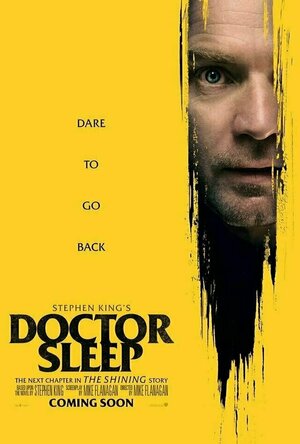
Doctor Sleep certainly has some big footprints to follow. Nearly 40 years after the release of the hugely beloved The Shining, Director Mike Flanagan has the rather complicated task of adapting Stephen King's follow up sequel novel, whilst also attempting to deliver a solid follow up to Stanley Kubrick's original film. And he pulls it off pretty damn well.
The narrative follows a now adult Danny Torrance (Ewan McGregor), as he struggles with alcoholism. As he begins to put his life back together, he is thrown into a friendship with Abra Stone (Kyliegh Curran), a young girl who has similar powers to Danny, and who is being pursued by a cult who feed on the life force of those who possess 'The Shining'.
This new story is a really tight and fantastic thriller story in its own right. Flanagan takes a leaf from Kubrick's book and provides us with and unsettling atmosphere, complete with a Shining-esque creepy string music score, instead of relying on jump scares and other horror tropes.
It's effective, and engaging. A big part of this is down to the cast. Danny and Abra are both very likable protagonists.
The cult is lead by Rose the Hat, played by Rebecca Ferguson, who is both charming and sinister, and a big highlight of Doctor Sleep. Her and her followers fight for survival shows they will not even stop short of child sacrifice to get what they need, and it makes for a band of genuinely scary villains
The scenery is beautiful throughout, the the effects work on some of the more trippy scenes are decent, and the film toes the line in regards to relying on The Shining nostalgia too much, that is until the final act.
HUGE SPOILERS FOR DOCTOR SLEEP INCOMING
The last 30 minutes are undeniably fun, and a genuinely great climax, to a genuinely great film, but it does just about go overboard with it's 'look at this, remember this?' style of nostalgia. The sad thing is, it probably amounts to about 10 seconds of screentime that slightly sours the experience.
When Danny is at the bar, it's clear that he is talking to Jack before we even see the side of his face. His side profile is fine - absolutely no need to show his full face. Similarly a bit later, a recreated shot of Jack Torrance walking up the stairs towards his wife, didn't need to be there, nor did the shot of Rose the Hat seeing blood pouring from the elevator doors.
The film stops just short of having Ewan McGregor axe his way through a door panel thankfully, and it's only a small criticism of an otherwise nicely executed sequence.
Elsewhere tells a different story - The opening scene of The Shining is recreated, complete with the same iconic score, as overhead shots show us Danny driving up the mountain, towards the Overlook Hotel. It gave me goosebumps and the
scenes near the start of the film which follow directly on from The Shining are great, especially Carl Lumbly, who plays a spot on Mr. Hallorann.
END OF SPOILERS
All in all though, I thoroughly enjoyed Doctor Sleep. The Shining is not an easy shadow to step out from, but Mike Flanagan has created something here which stands on its own two feet.
It's dark, it's fun, it's unnerving, everything you could want from a horror in this day and age, and I genuinely can't wait to watch it again soon.
The narrative follows a now adult Danny Torrance (Ewan McGregor), as he struggles with alcoholism. As he begins to put his life back together, he is thrown into a friendship with Abra Stone (Kyliegh Curran), a young girl who has similar powers to Danny, and who is being pursued by a cult who feed on the life force of those who possess 'The Shining'.
This new story is a really tight and fantastic thriller story in its own right. Flanagan takes a leaf from Kubrick's book and provides us with and unsettling atmosphere, complete with a Shining-esque creepy string music score, instead of relying on jump scares and other horror tropes.
It's effective, and engaging. A big part of this is down to the cast. Danny and Abra are both very likable protagonists.
The cult is lead by Rose the Hat, played by Rebecca Ferguson, who is both charming and sinister, and a big highlight of Doctor Sleep. Her and her followers fight for survival shows they will not even stop short of child sacrifice to get what they need, and it makes for a band of genuinely scary villains
The scenery is beautiful throughout, the the effects work on some of the more trippy scenes are decent, and the film toes the line in regards to relying on The Shining nostalgia too much, that is until the final act.
HUGE SPOILERS FOR DOCTOR SLEEP INCOMING
The last 30 minutes are undeniably fun, and a genuinely great climax, to a genuinely great film, but it does just about go overboard with it's 'look at this, remember this?' style of nostalgia. The sad thing is, it probably amounts to about 10 seconds of screentime that slightly sours the experience.
When Danny is at the bar, it's clear that he is talking to Jack before we even see the side of his face. His side profile is fine - absolutely no need to show his full face. Similarly a bit later, a recreated shot of Jack Torrance walking up the stairs towards his wife, didn't need to be there, nor did the shot of Rose the Hat seeing blood pouring from the elevator doors.
The film stops just short of having Ewan McGregor axe his way through a door panel thankfully, and it's only a small criticism of an otherwise nicely executed sequence.
Elsewhere tells a different story - The opening scene of The Shining is recreated, complete with the same iconic score, as overhead shots show us Danny driving up the mountain, towards the Overlook Hotel. It gave me goosebumps and the
scenes near the start of the film which follow directly on from The Shining are great, especially Carl Lumbly, who plays a spot on Mr. Hallorann.
END OF SPOILERS
All in all though, I thoroughly enjoyed Doctor Sleep. The Shining is not an easy shadow to step out from, but Mike Flanagan has created something here which stands on its own two feet.
It's dark, it's fun, it's unnerving, everything you could want from a horror in this day and age, and I genuinely can't wait to watch it again soon.