Search
Search results
Darren (1599 KP) rated Welcome To Happiness (2016) in Movies
Aug 28, 2019
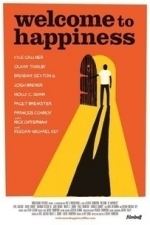
Verdict: Strange and Quirky
Story: Welcome to Happiness starts as young man Woody (Gallner) a children’s author who welcomes strangers into his apartment to help them go through his erase their mistakes, this makes his life complicated when he starts becoming friendly with a fellow tenant Trudy (Thirlby). Meanwhile Nyles (Sexton III) a man that is cleaning up after his father’s death, learns that he has valuable baseball cards, which sees him getting drawn into a big adventure around the people who want in on the business.
When Woody sees the full effect of the visits, he starts to question why he can’t change moments from his past, which soon starts to put a strain on his relationship with Trudy, while his landlord Moses (Offerman) is encouraged with his work.
Thoughts on Welcome to Happiness
Characters – Woody is a children’s author that has just moved into an apartment which sees strangers visit, answer a string of questions before putting them in a closet where they vanish. He doesn’t know what happens next until he meets one of the visitors, which leaves him wondering why he can’t change his past, which only makes him out to be going crazy to his girlfriend. Trudy is the new neighbour to Woody who strikes up a relationship with him, she does question him about the visit and doesn’t believe him when he tells the story. Moses is the landlord that knows about the closet, he knows how it helps people and who should be the one that guides people through it. Nyles is a depressed man that learns about the treasure in his father’s attic, he ends up follow a string of instructions, which will sees him visiting the closet.
Performances – Kyle Gallner does well in the leading role, it shows us just how difficult being an author with pain in his life can be difficult to get through. This does have a big cast, with each actor doing their thing to make us understand figures they are playing.
Story – The story here follows a young man that finds himself in the unusual position of having to deal with strangers looking to answer questions, which would see them disappear in his closet, over time he wants to know more, which will soon start to push him to his limits. This is an interesting little story, it does show us how difficult living in despair could be on the people in life, they will need to learn to move on, because once you break down everything, you never know what could have been in the world. We do have to meet a lot of characters, which do seem to have moments of randomness, though it does all make sense by the end of the film.
Comedy/Fantasy – The comedy in the film comes from just how far out there certain ideas are, mixed in with certain characters too, the fantasy shows us how the closet works and just how life can be seen differently if people come into it.
Settings – The settings for the film does try to put everything into a position of everyday, leading down the same plan as people you see in life will have stories you might not always get to know.
Scene of the Movie – Behind the door.
That Moment That Annoyed Me – Certain characters don’t seem needed at times.
Final Thoughts – This is a very strange movie, it does have an important message, that does need to help us reflect our own lives, even if it does lean away from it at times.
Overall: Interesting throughout.

Story: Welcome to Happiness starts as young man Woody (Gallner) a children’s author who welcomes strangers into his apartment to help them go through his erase their mistakes, this makes his life complicated when he starts becoming friendly with a fellow tenant Trudy (Thirlby). Meanwhile Nyles (Sexton III) a man that is cleaning up after his father’s death, learns that he has valuable baseball cards, which sees him getting drawn into a big adventure around the people who want in on the business.
When Woody sees the full effect of the visits, he starts to question why he can’t change moments from his past, which soon starts to put a strain on his relationship with Trudy, while his landlord Moses (Offerman) is encouraged with his work.
Thoughts on Welcome to Happiness
Characters – Woody is a children’s author that has just moved into an apartment which sees strangers visit, answer a string of questions before putting them in a closet where they vanish. He doesn’t know what happens next until he meets one of the visitors, which leaves him wondering why he can’t change his past, which only makes him out to be going crazy to his girlfriend. Trudy is the new neighbour to Woody who strikes up a relationship with him, she does question him about the visit and doesn’t believe him when he tells the story. Moses is the landlord that knows about the closet, he knows how it helps people and who should be the one that guides people through it. Nyles is a depressed man that learns about the treasure in his father’s attic, he ends up follow a string of instructions, which will sees him visiting the closet.
Performances – Kyle Gallner does well in the leading role, it shows us just how difficult being an author with pain in his life can be difficult to get through. This does have a big cast, with each actor doing their thing to make us understand figures they are playing.
Story – The story here follows a young man that finds himself in the unusual position of having to deal with strangers looking to answer questions, which would see them disappear in his closet, over time he wants to know more, which will soon start to push him to his limits. This is an interesting little story, it does show us how difficult living in despair could be on the people in life, they will need to learn to move on, because once you break down everything, you never know what could have been in the world. We do have to meet a lot of characters, which do seem to have moments of randomness, though it does all make sense by the end of the film.
Comedy/Fantasy – The comedy in the film comes from just how far out there certain ideas are, mixed in with certain characters too, the fantasy shows us how the closet works and just how life can be seen differently if people come into it.
Settings – The settings for the film does try to put everything into a position of everyday, leading down the same plan as people you see in life will have stories you might not always get to know.
Scene of the Movie – Behind the door.
That Moment That Annoyed Me – Certain characters don’t seem needed at times.
Final Thoughts – This is a very strange movie, it does have an important message, that does need to help us reflect our own lives, even if it does lean away from it at times.
Overall: Interesting throughout.
Monster Legends RPG
Games
App
Battle with the ultimate monster fighting force to lead them to victory in Monster Legends! Breed,...
Sorcery! 4
Games and Book
App
An epic adventure through a cursed citadel of monsters, traps and magic. Begin your journey here...
TopIQ Academy: Math & Reading Games for Kids
Education and Games
App
* 1000+ FUN & interactive learning skills & activities for 2 to 7 years old kids * Winner of the...
The Castles of Burgundy
Tabletop Game
The game is set in the Burgundy region of High Medieval France. Each player takes on the role of an...
Boardgames FeldGames

Bob Mann (459 KP) rated The Mountain Between Us (2017) in Movies
Sep 28, 2021

A film not quite sure what it’s trying to be.
Idris Elba after scoring a mammoth hit with UK TV’s “Luther” has really struggled to make a breakthrough as a leading man into A-grade movies. Although he’s had some strong supporting roles (“Molly’s Game” and “Star Trek Beyond” for example) and small bit parts in the Marvel universe, when he has landed a lead role they are in films best forgotton (e.g. “Bastille Day”; “The Dark Tower”). This is seldom down to his performance. Here he is given more of a chance to shine, in what is almost a two-hander with Kate Winslet for most of the film. And he is the best thing in the film: lots of the brooding look that he is so famous for.
Elba plays Ben Bass, a neuro-surgeon stranded at Boise airport who has to get back to Baltimore for an important operation. Winslett playing Alex Martin, a famous photo-journalist, is stranded with him and equally desperate to travel as she is due to get married in New York the following day. The two club together to hire a plane from charter pilot Walter (Beau Bridges, “Homeland”, “The Descendents”). But in terrible conditions, and with a medical emergency, the plane crash lands in the snow of the Rockies, and Ben and Alex (together with Walter’s Labrador) need to struggle to survive in the wilderness. The problem is that they are an odd couple, and constantly wind each other up the wrong way.
It’s a well-worn tale that has been portrayed many times before in films like “Alive” and “The Grey”, so what makes the film live or die is the quality of the screenplay and the chemistry between the characters. Unfortunately the former by Chris Weitz (co-writer on “Rogue One“) is rather clunky, and in the latter case I just didn’t feel it. Winslett’s character is just so goddamn whiney and annoying that the thought of Ben doing anything with her other than hitting her with the shovel and feeding her to the dog seems unlikely! Winslett seems to sense that too, since I never felt she was completely invested in her character. Aside from one (impressive) monologue, I found it to be a so-so performance from her.
Aside from Elba the other star of the show is the landscape of the High Uintascape in North East Utah of the which is beautifully filmed, on location by Mandy Walker (“Hidden Figures“).
The story leaps from improbability to improbability and raises more questions than it answers: in a survival situation should you walk or stay put? If you have a dog, should you eat it* and what condiments are appropriate? Does an iced-over river have any current flowing under the ice? If they both died, would the audience care?
No spoilers with answers to any of these (*apart from the dog… just joking, they don’t!) , but the ending is as corny as you can get… but it still gave me a lump in my throat. #suckered!
Directed by Hany Abu-Assad, overall if you have a rainy afternoon you need to fill then this a perfectly pleasant movie to veg in front of, but it neither completely satisfies as a romance nor as an adventure flick but falls rather uncomfortably between the two stools.

Elba plays Ben Bass, a neuro-surgeon stranded at Boise airport who has to get back to Baltimore for an important operation. Winslett playing Alex Martin, a famous photo-journalist, is stranded with him and equally desperate to travel as she is due to get married in New York the following day. The two club together to hire a plane from charter pilot Walter (Beau Bridges, “Homeland”, “The Descendents”). But in terrible conditions, and with a medical emergency, the plane crash lands in the snow of the Rockies, and Ben and Alex (together with Walter’s Labrador) need to struggle to survive in the wilderness. The problem is that they are an odd couple, and constantly wind each other up the wrong way.
It’s a well-worn tale that has been portrayed many times before in films like “Alive” and “The Grey”, so what makes the film live or die is the quality of the screenplay and the chemistry between the characters. Unfortunately the former by Chris Weitz (co-writer on “Rogue One“) is rather clunky, and in the latter case I just didn’t feel it. Winslett’s character is just so goddamn whiney and annoying that the thought of Ben doing anything with her other than hitting her with the shovel and feeding her to the dog seems unlikely! Winslett seems to sense that too, since I never felt she was completely invested in her character. Aside from one (impressive) monologue, I found it to be a so-so performance from her.
Aside from Elba the other star of the show is the landscape of the High Uintascape in North East Utah of the which is beautifully filmed, on location by Mandy Walker (“Hidden Figures“).
The story leaps from improbability to improbability and raises more questions than it answers: in a survival situation should you walk or stay put? If you have a dog, should you eat it* and what condiments are appropriate? Does an iced-over river have any current flowing under the ice? If they both died, would the audience care?
No spoilers with answers to any of these (*apart from the dog… just joking, they don’t!) , but the ending is as corny as you can get… but it still gave me a lump in my throat. #suckered!
Directed by Hany Abu-Assad, overall if you have a rainy afternoon you need to fill then this a perfectly pleasant movie to veg in front of, but it neither completely satisfies as a romance nor as an adventure flick but falls rather uncomfortably between the two stools.
Gareth von Kallenbach (980 KP) rated the PlayStation 4 version of Dark Souls Remastered in Video Games
Aug 14, 2019
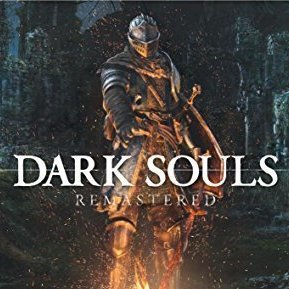
I admit it, I never was able to beat the original Dark Souls when it was released on Xbox 360 and PS3 back in 2011. A PC port of the game was also released but had limited 30FPS and clearly hadn’t taken mouse and keyboard controls into account. The game was difficult, but I’m the type of player who’s happy to replay an area on a level multiple times, however if I get to a point where I don’t feel like I’m making progress, it’s usually on to the next game for me. That being said, I do love the Dark Souls games, regardless of how difficult they are and how horrible I am at them. I love the atmosphere, I love the weight of your armor and weapons, I love the scenery, and at times I even love the challenge. This isn’t a review specifically about Dark Souls however, as the gameplay hasn’t changed at all from the original (DLC’s included of course), but rather a review of whether the remastered version is the definitive version that folks should play.
For those of you who have led a sheltered life, Dark Souls is a third-person action role-playing game developed by FromSoftware. It was the successor to their previous game Demon Souls (which was a PS3 exclusive) and carried over much of the game mechanics. The game takes place in what I call a semi-open world environment connected to a central area. You are free to travel to and from areas at will, although some areas will be inaccessible until you complete specific tasks. Bonfires act as checkpoints for each level, and at a bonfire the player can heal, refill their healing flasks, and level up if they have collected enough souls to do so. The downside to resting at a bonfire is that it resets the enemies, so areas that you worked hard to clear out must be cleared out again. The game is lauded for its difficulty, and for players to learn from previous mistakes to overcome obstacles, present company excluded of course.
The release of Dark Souls Remastered was an effort to address many of the shortcomings of the original from a purely control and aesthetic point of view. I was lucky enough to review the game on my Xbox One X and the new 4K visuals and lighting effects are truly a site to behold. The world while still dark and dreary, now boasted cleaner lines. While it’s difficult to describe how good it looks (there are plenty of websites dedicated to comparing pictures between the original HD version and the new 4K version) it is absolutely noticeable. The textures no longer look muddy, and the creatures almost pop off the screen. This IS the definitive version if you are looking for the absolute best console version of the original Dark Souls game out there.
While folks may balk at the need for 60FPS on a game that was clearly playable at 30FPS, it does make a noticeable difference. Your character responds more fluidly and there is never any perceivable stutter. When a game’s FPS drops below 30FPS as it did in various areas of the original, it can have a horrible affect on the player and lead to some unnecessary deaths. While many will argue about the ability to distinguish between 60FPS and 30FPS, there is no denying that consistent frame rates in this game can literally mean the difference between life and death. This is not an issue with the remastered version as there were not discernable drops in FPS in even the most crowded of areas.
This leads to what you are probably reading this review for…is it worth the price of admission? If you have never played Dark Souls before, then this is absolutely the version you should purchase. Not only are the FPS and visuals greatly improved, but it includes all the DLC from the previous version as well. If you have played it before but are interested in going through it again, then I certainly would play through this version as the graphics and frame rates make it well worth your time. If you have no desire to replay the game, or if it didn’t appeal to you the first time around, then there is little reason to pick it up. While there are notable visual improvements, there is no additional content (outside the DLC) or any changes to the game mechanics themselves to warrant a replay.
As I mentioned in the beginning of this review the original version came out in 2011 and I’ve had seven years of playing numerous other games under my belt to go back and best the enemies that lie within. So, with the much-improved graphics and smoother gameplay was I able to beat Dark Souls this time??? Well sadly no, apparently I still haven’t improved enough over the years to beat this game (and while I have Dark Souls II and Dark Souls III, I haven’t beaten those game either). I was able to play through most of the levels to see how the visuals had improved, but the same bosses still took no pity on me. Maybe another seven years of practice will make all the difference, until then maybe I’ll go back for one more try.
Pros: Smooth 60FPS, Incredible 4K visuals, Smoother game control
Cons: Still too tough for me, Lacking additional content

For those of you who have led a sheltered life, Dark Souls is a third-person action role-playing game developed by FromSoftware. It was the successor to their previous game Demon Souls (which was a PS3 exclusive) and carried over much of the game mechanics. The game takes place in what I call a semi-open world environment connected to a central area. You are free to travel to and from areas at will, although some areas will be inaccessible until you complete specific tasks. Bonfires act as checkpoints for each level, and at a bonfire the player can heal, refill their healing flasks, and level up if they have collected enough souls to do so. The downside to resting at a bonfire is that it resets the enemies, so areas that you worked hard to clear out must be cleared out again. The game is lauded for its difficulty, and for players to learn from previous mistakes to overcome obstacles, present company excluded of course.
The release of Dark Souls Remastered was an effort to address many of the shortcomings of the original from a purely control and aesthetic point of view. I was lucky enough to review the game on my Xbox One X and the new 4K visuals and lighting effects are truly a site to behold. The world while still dark and dreary, now boasted cleaner lines. While it’s difficult to describe how good it looks (there are plenty of websites dedicated to comparing pictures between the original HD version and the new 4K version) it is absolutely noticeable. The textures no longer look muddy, and the creatures almost pop off the screen. This IS the definitive version if you are looking for the absolute best console version of the original Dark Souls game out there.
While folks may balk at the need for 60FPS on a game that was clearly playable at 30FPS, it does make a noticeable difference. Your character responds more fluidly and there is never any perceivable stutter. When a game’s FPS drops below 30FPS as it did in various areas of the original, it can have a horrible affect on the player and lead to some unnecessary deaths. While many will argue about the ability to distinguish between 60FPS and 30FPS, there is no denying that consistent frame rates in this game can literally mean the difference between life and death. This is not an issue with the remastered version as there were not discernable drops in FPS in even the most crowded of areas.
This leads to what you are probably reading this review for…is it worth the price of admission? If you have never played Dark Souls before, then this is absolutely the version you should purchase. Not only are the FPS and visuals greatly improved, but it includes all the DLC from the previous version as well. If you have played it before but are interested in going through it again, then I certainly would play through this version as the graphics and frame rates make it well worth your time. If you have no desire to replay the game, or if it didn’t appeal to you the first time around, then there is little reason to pick it up. While there are notable visual improvements, there is no additional content (outside the DLC) or any changes to the game mechanics themselves to warrant a replay.
As I mentioned in the beginning of this review the original version came out in 2011 and I’ve had seven years of playing numerous other games under my belt to go back and best the enemies that lie within. So, with the much-improved graphics and smoother gameplay was I able to beat Dark Souls this time??? Well sadly no, apparently I still haven’t improved enough over the years to beat this game (and while I have Dark Souls II and Dark Souls III, I haven’t beaten those game either). I was able to play through most of the levels to see how the visuals had improved, but the same bosses still took no pity on me. Maybe another seven years of practice will make all the difference, until then maybe I’ll go back for one more try.
Pros: Smooth 60FPS, Incredible 4K visuals, Smoother game control
Cons: Still too tough for me, Lacking additional content
Chris Sawin (602 KP) rated A Nightmare on Elm Street (1984) in Movies
Jun 20, 2019 (Updated Jun 23, 2019)
Nancy Thompson (Heather Langenkamp) and her friends have more on their plate to worry about than typical high school drama. A child murderer named Fred Krueger (Robert Englund) was killed by the parents residing on Elm Street after they took matters into their own hands when the justice system failed to get the redemption the parents so desperately seeked. That was thought to be the end of it and everyone tried to move on with their lives. That is until Nancy, her boyfriend Glen (Johnny Depp), her best friend Tina (Amanda Wyss), and Tina's boyfriend Rod (Jsu Garcia) begin having nightmares about the same man. A man wearing a red and green striped sweater, brown fedora, and a four finger-bladed leather glove. Could Fred Krueger really be exacting his revenge from beyond the grave and in the dreams of his victims?
Wes Craven is probably best known for the Scream franchise since it's the most successful set of films he's ever been a part of, at least as far as the box office is concerned, but there was another film that he created that spawned seven sequels and a remake. A film that is looked at as a horror classic and is considered to be the first commercially successful release from New Line Cinema. That film is A Nightmare on Elm Street.
A Nightmare on Elm Street is looked at by some (including myself) as the best film in the franchise. While most of the sequels feature a Freddy that is more interested in cracking a joke than being an intimidating serial killer, the original film is where he seems to shine brightest. He seems to always be lurking in the shadows making it nearly impossible to get a clear look at his face. Remember when films left a bit of a mystery to things rather than being entirely realistic and showing every little detail when it came to gore? Well, this is a good example.
The deaths of Tina and Glen could arguably be reason alone to watch the film. Tina's death is so original and so well done. One of the reasons it still holds up today is because it was done with practical effects. The same can be said about Glen's death. The only thing more impressive than his death is the fact that it's Johnny Depp's debut. Both deaths are two of the most memorable in horror film history.
Despite A Nightmare on Elm Street being one of the most influential horror films of our time, it still has that cheesiness associated with most horror films that come out of the eighties. Bad acting (Heather Langenkamp especially. The "Screw your pass!" scene is a good example, but is hilarious in its own right) and dated special effects being the best examples. While the practical effects are a good thing and are much preferred over CGI, some of them haven't aged well over the past 26 years. The scene of Freddy chasing Tina is probably the best example of this. His arms stretching inhuman lengths to scratch the walls and Tina ripping off his face just didn't hold up as well as other effects in the film.
A Nightmare on Elm Street is a beloved horror classic that gave birth to one of the most iconic serial killers in the genre. The original film features some of the most creative deaths and practical effects (seeing Freddy in the wall above Nancy's bed in the beginning of the film is one of the best scenes) to come out of any horror film held in such high regard. The film's charm will go over a lot of people's heads who look into it for the first time after seeing the remake which will probably result in the film getting more flack than it deserves. But nevertheless, it's hard to deny the impact Freddy and Wes Craven have had on this genre thanks to this film.
Special Features: The two-disc Infinifilm is packed with extras including:
Feature commentary including a variety of topics: the financial problems the film had with writer/director Wes Craven, producer Bob Shaye, actor John Saxon, and cinematographer Jacques Haitkin sharing their thoughts, Heather Langenkamp and Wes Craven talk about how great it was to work with Johnny Depp, Amanda Wyss goes into detail about not knowing much about the horror genre before taking her role as Tina, a discussion of how Robert Englund got the role of Fred Krueger and Englund shares his thoughts on the Fred Krueger character. Everything from the problems the film had to Freddy's popularity to the film's reputation and more are discussed by the cast and crew.
Original commentary includes Heather Langenkamp, John Saxon, Wes Craven, and Jacques Haitkin.
Beyond the Movie Features include The House That Freddy Built: The Legacy of New Line Horror and Night Terrors: The Origins of Wes Craven's Nightmares.
All Access Pass Features include three alternate endings, Never Sleep Again: The making of A Nightmare on Elm Street, a trivia challenge and the theatrical trailer.
There's also Infinifilm bonus features that can be accessed while the film is playing and the original screenplay can be viewed as a DVD-ROM feature.
The film is remastered and restored from the original film negative and is presented in both Dolby Digital 5.1-EX surround sound and DTS-ES 6.1 Surround Sound.

Wes Craven is probably best known for the Scream franchise since it's the most successful set of films he's ever been a part of, at least as far as the box office is concerned, but there was another film that he created that spawned seven sequels and a remake. A film that is looked at as a horror classic and is considered to be the first commercially successful release from New Line Cinema. That film is A Nightmare on Elm Street.
A Nightmare on Elm Street is looked at by some (including myself) as the best film in the franchise. While most of the sequels feature a Freddy that is more interested in cracking a joke than being an intimidating serial killer, the original film is where he seems to shine brightest. He seems to always be lurking in the shadows making it nearly impossible to get a clear look at his face. Remember when films left a bit of a mystery to things rather than being entirely realistic and showing every little detail when it came to gore? Well, this is a good example.
The deaths of Tina and Glen could arguably be reason alone to watch the film. Tina's death is so original and so well done. One of the reasons it still holds up today is because it was done with practical effects. The same can be said about Glen's death. The only thing more impressive than his death is the fact that it's Johnny Depp's debut. Both deaths are two of the most memorable in horror film history.
Despite A Nightmare on Elm Street being one of the most influential horror films of our time, it still has that cheesiness associated with most horror films that come out of the eighties. Bad acting (Heather Langenkamp especially. The "Screw your pass!" scene is a good example, but is hilarious in its own right) and dated special effects being the best examples. While the practical effects are a good thing and are much preferred over CGI, some of them haven't aged well over the past 26 years. The scene of Freddy chasing Tina is probably the best example of this. His arms stretching inhuman lengths to scratch the walls and Tina ripping off his face just didn't hold up as well as other effects in the film.
A Nightmare on Elm Street is a beloved horror classic that gave birth to one of the most iconic serial killers in the genre. The original film features some of the most creative deaths and practical effects (seeing Freddy in the wall above Nancy's bed in the beginning of the film is one of the best scenes) to come out of any horror film held in such high regard. The film's charm will go over a lot of people's heads who look into it for the first time after seeing the remake which will probably result in the film getting more flack than it deserves. But nevertheless, it's hard to deny the impact Freddy and Wes Craven have had on this genre thanks to this film.
Special Features: The two-disc Infinifilm is packed with extras including:
Feature commentary including a variety of topics: the financial problems the film had with writer/director Wes Craven, producer Bob Shaye, actor John Saxon, and cinematographer Jacques Haitkin sharing their thoughts, Heather Langenkamp and Wes Craven talk about how great it was to work with Johnny Depp, Amanda Wyss goes into detail about not knowing much about the horror genre before taking her role as Tina, a discussion of how Robert Englund got the role of Fred Krueger and Englund shares his thoughts on the Fred Krueger character. Everything from the problems the film had to Freddy's popularity to the film's reputation and more are discussed by the cast and crew.
Original commentary includes Heather Langenkamp, John Saxon, Wes Craven, and Jacques Haitkin.
Beyond the Movie Features include The House That Freddy Built: The Legacy of New Line Horror and Night Terrors: The Origins of Wes Craven's Nightmares.
All Access Pass Features include three alternate endings, Never Sleep Again: The making of A Nightmare on Elm Street, a trivia challenge and the theatrical trailer.
There's also Infinifilm bonus features that can be accessed while the film is playing and the original screenplay can be viewed as a DVD-ROM feature.
The film is remastered and restored from the original film negative and is presented in both Dolby Digital 5.1-EX surround sound and DTS-ES 6.1 Surround Sound.
BankofMarquis (1832 KP) rated The Philadelphia Story (1940) in Movies
Sep 14, 2019
It's as good (maybe better) than you've heard
We all know of movies that you hear are considered a "classic", but you've never seen, and the few clips of the film you've seen does not, exactly, motivate you to check out the entire film. THE PHILADELPHIA STORY was one such film for me. This 1940 George Cukor production is lauded for it's dialogue, direction and the stellar performances of the cast - particularly the 3 leads, Katherine Hepburn, Cary Grant and Jimmy Stewart.
Recently, I attended our monthly "Secret Movie Night" where we pack the Willow Creek Movie Theater on the 2nd Thursday of every month and get treated to a "Classic" Film (made before 1970) or a "New Classic" (made after 1970), but we don't know what the film is until it starts playing on the screen.
So...imagine how much my eyes rolled back into my head when I saw that this month's film was the aforementioned THE PHILADELPHIA STORY. I sighed to myself and said "all right, time to endure this one all the way through."
And...I couldn't have been more wrong. Almost from the start the script, pacing and witty dialogue of this Broadway-Play-Turned-Movie swept me away. Most certainly aided by the fact that 3 of the best movie stars of all time - at the peak of their abilities - were letting this wonderful dialogue roll off their tongues. This film is a "classic" in every sense of the word.
The plot is...inconsequential. Basically...Philadelphia socialite Tracy Lord (Hepburn) is getting remarried. Her ex-husband (Cary Grant) enlists the aid of a Journalist (Jimmy Stewart) to create havoc at the wedding.
But...this is a film where the journey, not the destination, is the fun of the flick. The 3 leads banter back and forth with each other, arming and disarming (and charming) one another with their quick wit and biting criticism. The Broadway Stage play was written, specifically, for Hepburn and she exceeds in this role. Here is a newsflash - KATHERINE HEPBURN IS A VERY GOOD ACTRESS - and I think this is the very best performance of the very best actress of all time (with apologies to Meryl Streep). She was nominated (but did not win) the Oscar for Best Actress for her performance (losing to a very deserving Ginger Rogers in KITTY FOYLE, I would have voted for Hepburn, but gotta give Rogers her due, she is very good as the titular KITTY FOYLE).
Stepping up to the plate - and matching Hepburn blow for blow - is, surprisingly, Stewart. I didn't really know the story of this film, so I was surprised where Stewart's character-arc went, especially in relation to his relationship with Hepburn. Stewart lost the Oscar in 1939 for his bravura performance in MR. SMITH GOES TO WASHINGTON (inexplicably losing to Robert Donat in GOODBYE MR. CHIPS), so the Academy made up for it's mistake by awarding Stewart the Oscar for Best Actor of 1940. This most certainly was a worthy Oscar-winning performance, but (if I"m going to be honest), pales in comparison to his work in MR. SMITH...
Looming over these two (and Tracy's impeding marriage to another person) is Cary Grant as Tracy's ex-husband, C.K. Dexter Haven. While Grant's role is the least showy of the 3, he commands the screen just with his presence whenever he shows up and strengthens this triangle with his strength of character.
The supporting cast is just as strong - Ruth Hussy (Oscar nominated for Best Supporting Actress) as a photographer, Roland Young (as the lecherous Uncle Willy) and, especially, 13 year old Virginia Weidler who is spunky, fun and smart as Tracy's kid sister. The only performer relegated to the back of the scenery is the bland John Howard as George Kittredge (the man Tracy is slated to marry). With Grant and Stewart on the scene, you know that Kittredge has no shot at getting Tracy Lord to the altar (or does he?).
All of these fine actors and the wonderful dialogue were put into the hands of the great Director George Cukor - who had 1 of his 5 Best Director Oscar Nominations for this film (he will win for MY FAIR LADY in 1964). He handles this film with skilled hands letting the actors (and the dialogue) "do their thing" without letting any of them overstay their welcome. It is a masterful job of directing and with strong actors (and off-screen personalities) like Hepburn, Grant and Stewart, he had his hands full.
Sure...it's a 1940's movie, so some of the "social situations" (mostly male/female dynamics) do not age particularly well, but Hepburn was a strong personality - certainly well ahead of the game in terms of equality of strength of the sexes, so these dynamics do not jump at us as strongly as it might have been in a lesser actress's hands.
If you haven't seen this film in sometime (or if you haven't seen it at all) - check out THE PHILADELPHIA STORY - you'll be glad you did.
Letter Grade: A+
10 (out of 10) stars and you can take that to the Bank(ofMarquis)
Recently, I attended our monthly "Secret Movie Night" where we pack the Willow Creek Movie Theater on the 2nd Thursday of every month and get treated to a "Classic" Film (made before 1970) or a "New Classic" (made after 1970), but we don't know what the film is until it starts playing on the screen.
So...imagine how much my eyes rolled back into my head when I saw that this month's film was the aforementioned THE PHILADELPHIA STORY. I sighed to myself and said "all right, time to endure this one all the way through."
And...I couldn't have been more wrong. Almost from the start the script, pacing and witty dialogue of this Broadway-Play-Turned-Movie swept me away. Most certainly aided by the fact that 3 of the best movie stars of all time - at the peak of their abilities - were letting this wonderful dialogue roll off their tongues. This film is a "classic" in every sense of the word.
The plot is...inconsequential. Basically...Philadelphia socialite Tracy Lord (Hepburn) is getting remarried. Her ex-husband (Cary Grant) enlists the aid of a Journalist (Jimmy Stewart) to create havoc at the wedding.
But...this is a film where the journey, not the destination, is the fun of the flick. The 3 leads banter back and forth with each other, arming and disarming (and charming) one another with their quick wit and biting criticism. The Broadway Stage play was written, specifically, for Hepburn and she exceeds in this role. Here is a newsflash - KATHERINE HEPBURN IS A VERY GOOD ACTRESS - and I think this is the very best performance of the very best actress of all time (with apologies to Meryl Streep). She was nominated (but did not win) the Oscar for Best Actress for her performance (losing to a very deserving Ginger Rogers in KITTY FOYLE, I would have voted for Hepburn, but gotta give Rogers her due, she is very good as the titular KITTY FOYLE).
Stepping up to the plate - and matching Hepburn blow for blow - is, surprisingly, Stewart. I didn't really know the story of this film, so I was surprised where Stewart's character-arc went, especially in relation to his relationship with Hepburn. Stewart lost the Oscar in 1939 for his bravura performance in MR. SMITH GOES TO WASHINGTON (inexplicably losing to Robert Donat in GOODBYE MR. CHIPS), so the Academy made up for it's mistake by awarding Stewart the Oscar for Best Actor of 1940. This most certainly was a worthy Oscar-winning performance, but (if I"m going to be honest), pales in comparison to his work in MR. SMITH...
Looming over these two (and Tracy's impeding marriage to another person) is Cary Grant as Tracy's ex-husband, C.K. Dexter Haven. While Grant's role is the least showy of the 3, he commands the screen just with his presence whenever he shows up and strengthens this triangle with his strength of character.
The supporting cast is just as strong - Ruth Hussy (Oscar nominated for Best Supporting Actress) as a photographer, Roland Young (as the lecherous Uncle Willy) and, especially, 13 year old Virginia Weidler who is spunky, fun and smart as Tracy's kid sister. The only performer relegated to the back of the scenery is the bland John Howard as George Kittredge (the man Tracy is slated to marry). With Grant and Stewart on the scene, you know that Kittredge has no shot at getting Tracy Lord to the altar (or does he?).
All of these fine actors and the wonderful dialogue were put into the hands of the great Director George Cukor - who had 1 of his 5 Best Director Oscar Nominations for this film (he will win for MY FAIR LADY in 1964). He handles this film with skilled hands letting the actors (and the dialogue) "do their thing" without letting any of them overstay their welcome. It is a masterful job of directing and with strong actors (and off-screen personalities) like Hepburn, Grant and Stewart, he had his hands full.
Sure...it's a 1940's movie, so some of the "social situations" (mostly male/female dynamics) do not age particularly well, but Hepburn was a strong personality - certainly well ahead of the game in terms of equality of strength of the sexes, so these dynamics do not jump at us as strongly as it might have been in a lesser actress's hands.
If you haven't seen this film in sometime (or if you haven't seen it at all) - check out THE PHILADELPHIA STORY - you'll be glad you did.
Letter Grade: A+
10 (out of 10) stars and you can take that to the Bank(ofMarquis)
Purple Phoenix Games (2266 KP) rated Tail Story in Tabletop Games
Jul 1, 2020
The saying goes, “If you can dream it, you can achieve it.” I know there were points in my life when I wanted to be a rock star, a zookeeper, or even a professional mascot. But who says that dreams only apply to people? Our beloved pets can dream too! Haven’t you ever seen a sleeping pup, legs twitching from an imaginary chase? Or caught your cat prowling around, as if on a secret mission? What do animals dream about? Well, Tail Story allows you to create dreams and achieve the impossible with your chosen pet!
Disclaimer: We were provided with a preview copy of Tail Story for the purposes of this review. Some of the components pictured are not final, and will be addressed in production. Also, I do not intend to rehash the entire rulebook, but rather provide an overview of the rules and game flow. -L
Tail Story is a competitive card game in which players are racing to become the most memorable pet in history! How? By partaking in various events and gathering a total of 4 Achievements. Here’s how it works. To setup, each player takes a player mat, and randomly draws a Queue Card. Players then get to choose a Character card – a pet from either the Canine, Feline, or Rodent & Friends type. Shuffle the Event cards, deal 15 to each player, everyone draws 5 cards to their hand, and the game is ready to begin! The player who drew Queue Card 1 is the first player, and play continues in numerical order.
Each turn consists of 5 steps: Draw, Play, Bonus, Deck Check, and End of Turn. The first step is always to Draw 1 card from your deck. In the Play Step, you choose one action to perform. Each player has 2 Action Points (AP) per turn, and those are spent here in the Play Step. All Event cards require either 1 or 2 AP to play, and the other standard actions in the Play Step require either 0 or 1 AP to perform (Check out the Reference Cards pictured below to see the possible actions). After performing 1 action, you move to the Bonus Step, where a player may choose to activate a Bonus ability. The Deck Check step is next. All players count how many cards remain in their Draw piles. If all decks still have at least 1 card, you jump back to the Play Step and perform another action. If any deck is out of cards, that player reshuffles their discard pile, and places a card from their hand face-down on their player mat to signify that they have collected an Achievement. Even if another player collects an Achievement on your turn, play then returns to you, and you jump back to the Play Step again. The last step is the End of Turn – a player decides to be done and ends their turn, discarding their hand down to 5 cards. The game ends when a player has collected their 4th Achievement.
Here’s a neat twist though – whenever you play a card, any opponent can choose to play a Stop card to prevent you from performing that action! And then, if you have a Stop card too, you could play it to cancel out their Stop card. This twist adds a strategic and competitive element to the game that elevates it to the next level. There’s a fun little element of role-play too that encourages you to get into your animal character – I’ll leave that for you to discover on your own!
I know that seems like quite a lot, but once you get into the swing of things, Tail Story plays pretty quickly. One thing I particularly like about this game is that it requires a decent amount of strategy. Everyone is racing to get through their Draw decks and collect Achievements, while at the same time hindering the progress of their opponents. Are you willing to risk a valuable Stop card to cancel the action of an opponent and hope that they don’t play a Stop card back to you? Should you play a card that could activate your Bonus ability now or wait for your next action to pull a fast one over on your opponents? Your strategy has to be adjustable on the fly depending on what cards your opponents are playing. There is no single right strategy to win, and the riskiness makes the game more exciting and engaging.
Another thing I really like about Tail Story is that there are really only 4 different Event cards that can be played. Yes, the artwork may vary, but ultimately the actions are the same. They rely on key text and color coding to communicate their uses, and after a few rounds, recognizing those effects is easy. One thing I wish is that the reference cards had these effect explanation instead of only being listed in the rulebook. Just for a quick glance if you need a reminder instead of having to look back in the rules for the full text. The reference cards do have the Turn Steps and possible Actions on them, which are helpful – don’t get me wrong!
I would recommend Tail Story at the higher player counts for maximum enjoyment. With only 2 players, it feels like it drags on a bit because it is only a back-and-forth game. With 3-4 players, you have more opponents with which to interact, and playing cards against others doesn’t feel as targeted and keeps the game play more light-hearted than cut-throat.
Let’s talk about components. As I mentioned earlier, this is only a preview copy of the game, so some elements are still not finalized. The player mats are only paper right now, but I anticipate that they will be sturdier in final production. That being said, the information on the player mats is awesome. They provide enough information to understand where everything goes, while not being so wordy that they are confusing. I am excited to see what kind of color scheme they come up with for the player mats, to match the artwork of the cards. On to the cards – they are amazing. For starters, the cards are nice, sturdy, and thick. Definitely a game that will not easily succumb to bent corners or torn cards. The actual artwork of the cards is perfect. Each card is detailed, colorful, and appropriate for their respective card names. Probably the coolest part of the cards is that they all have a holographic finish on them. This really makes the artwork pop and makes you admire every card instead of just reading the text. That being said, the holographic finish makes the cards stick together a little more – not a huge detriment, but something to be aware of and careful with when drawing or playing cards! The game box is a cute little box with a magnet closure that is perfect for easy transportation.
Overall, I would say that I love Tail Story. It’s fun, fast-paced, strategic, and exciting. Being able to choose from 3 Character types (Canine, Feline, Rodent & Friends) gives you the opportunity to play a different game, with a different strategy, every time. With more plays, the special text of cards is engrained in your head, which means that it can play even faster and with no interruptions to check rules. It’s definitely a memorable game, and one that I can see myself pulling out often on game nights. I am excited to see this campaign launch, and for the sake of all animal dreams out there, you should check it out!
Disclaimer: We were provided with a preview copy of Tail Story for the purposes of this review. Some of the components pictured are not final, and will be addressed in production. Also, I do not intend to rehash the entire rulebook, but rather provide an overview of the rules and game flow. -L
Tail Story is a competitive card game in which players are racing to become the most memorable pet in history! How? By partaking in various events and gathering a total of 4 Achievements. Here’s how it works. To setup, each player takes a player mat, and randomly draws a Queue Card. Players then get to choose a Character card – a pet from either the Canine, Feline, or Rodent & Friends type. Shuffle the Event cards, deal 15 to each player, everyone draws 5 cards to their hand, and the game is ready to begin! The player who drew Queue Card 1 is the first player, and play continues in numerical order.
Each turn consists of 5 steps: Draw, Play, Bonus, Deck Check, and End of Turn. The first step is always to Draw 1 card from your deck. In the Play Step, you choose one action to perform. Each player has 2 Action Points (AP) per turn, and those are spent here in the Play Step. All Event cards require either 1 or 2 AP to play, and the other standard actions in the Play Step require either 0 or 1 AP to perform (Check out the Reference Cards pictured below to see the possible actions). After performing 1 action, you move to the Bonus Step, where a player may choose to activate a Bonus ability. The Deck Check step is next. All players count how many cards remain in their Draw piles. If all decks still have at least 1 card, you jump back to the Play Step and perform another action. If any deck is out of cards, that player reshuffles their discard pile, and places a card from their hand face-down on their player mat to signify that they have collected an Achievement. Even if another player collects an Achievement on your turn, play then returns to you, and you jump back to the Play Step again. The last step is the End of Turn – a player decides to be done and ends their turn, discarding their hand down to 5 cards. The game ends when a player has collected their 4th Achievement.
Here’s a neat twist though – whenever you play a card, any opponent can choose to play a Stop card to prevent you from performing that action! And then, if you have a Stop card too, you could play it to cancel out their Stop card. This twist adds a strategic and competitive element to the game that elevates it to the next level. There’s a fun little element of role-play too that encourages you to get into your animal character – I’ll leave that for you to discover on your own!
I know that seems like quite a lot, but once you get into the swing of things, Tail Story plays pretty quickly. One thing I particularly like about this game is that it requires a decent amount of strategy. Everyone is racing to get through their Draw decks and collect Achievements, while at the same time hindering the progress of their opponents. Are you willing to risk a valuable Stop card to cancel the action of an opponent and hope that they don’t play a Stop card back to you? Should you play a card that could activate your Bonus ability now or wait for your next action to pull a fast one over on your opponents? Your strategy has to be adjustable on the fly depending on what cards your opponents are playing. There is no single right strategy to win, and the riskiness makes the game more exciting and engaging.
Another thing I really like about Tail Story is that there are really only 4 different Event cards that can be played. Yes, the artwork may vary, but ultimately the actions are the same. They rely on key text and color coding to communicate their uses, and after a few rounds, recognizing those effects is easy. One thing I wish is that the reference cards had these effect explanation instead of only being listed in the rulebook. Just for a quick glance if you need a reminder instead of having to look back in the rules for the full text. The reference cards do have the Turn Steps and possible Actions on them, which are helpful – don’t get me wrong!
I would recommend Tail Story at the higher player counts for maximum enjoyment. With only 2 players, it feels like it drags on a bit because it is only a back-and-forth game. With 3-4 players, you have more opponents with which to interact, and playing cards against others doesn’t feel as targeted and keeps the game play more light-hearted than cut-throat.
Let’s talk about components. As I mentioned earlier, this is only a preview copy of the game, so some elements are still not finalized. The player mats are only paper right now, but I anticipate that they will be sturdier in final production. That being said, the information on the player mats is awesome. They provide enough information to understand where everything goes, while not being so wordy that they are confusing. I am excited to see what kind of color scheme they come up with for the player mats, to match the artwork of the cards. On to the cards – they are amazing. For starters, the cards are nice, sturdy, and thick. Definitely a game that will not easily succumb to bent corners or torn cards. The actual artwork of the cards is perfect. Each card is detailed, colorful, and appropriate for their respective card names. Probably the coolest part of the cards is that they all have a holographic finish on them. This really makes the artwork pop and makes you admire every card instead of just reading the text. That being said, the holographic finish makes the cards stick together a little more – not a huge detriment, but something to be aware of and careful with when drawing or playing cards! The game box is a cute little box with a magnet closure that is perfect for easy transportation.
Overall, I would say that I love Tail Story. It’s fun, fast-paced, strategic, and exciting. Being able to choose from 3 Character types (Canine, Feline, Rodent & Friends) gives you the opportunity to play a different game, with a different strategy, every time. With more plays, the special text of cards is engrained in your head, which means that it can play even faster and with no interruptions to check rules. It’s definitely a memorable game, and one that I can see myself pulling out often on game nights. I am excited to see this campaign launch, and for the sake of all animal dreams out there, you should check it out!