
Search
Search results

Jamie (131 KP) rated The Handmaid's Tale - Season 1 in TV
Jul 15, 2017


Phenomenal casting (4 more)
Changes to the plot add more to the characters and world of Gilead
Gorgeous technicolor visuals
Retains the dark tone of it's source material
Wonderful original soundtrack
June's character is changed in a way that goes against one of the original messages of the book (1 more)
Soundtrack sometimes included pop songs that were jarring and obnoxiously loud
Adds new depth to an already incredible story
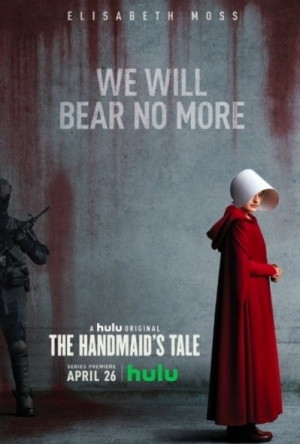
I LOVE The Handmaid's Tale. Both the book and now the television show. The show is stunningly beautiful in terms of it's visuals and soundtrack. The casting was outstanding, it is everything I ever wanted from an adaptation of this marvelous book.
The story is changed in some pretty big ways in an attempt to modernize the story. The setting has been changed to what seems like the present day in a more integrated United States. The television show added extra plot lines, giving more attention to some of the side characters and giving us their points of view seamlessly, something that would have been difficult and confusing in a written format. I loved seeing more of the side characters and with it, seeing Gilead be fully fleshed out and more terrifying than I ever could have imagined. It was wonderful seeing the story expanded to include the infertility epidemic, the fall of the United States, the protests and gradual rise of the nation of Gilead.
I was hesitant at first when I saw images of a young Commander and Serena Joy but the casting couldn't be more on point. Yvonne Strahovski is a powerhouse that really embodies Serena Joy, making her both a sympathetic and terrifying character. Elizabeth Moss, Samira Wiley, Ann Dowd, Alexis Bledel, and Madeline Brewer all deserve some serious praise for the way that they made all of their characters come alive.
An unfortunate casualty from the book were the changes to June's character, who went from being a disoriented every woman who did not recognize freedom when she had it and tragically lost everything. She wasn't ever meant to be the "hero," not like her mother or Moira who were outspoken feminists. This was an intentional set up in the book to be a cautionary tale of the importance of being vigilant and fighting to preserve one's autonomy. The June in the show on the other hand IS our hero, the fact that there is a season two means that we will have the resistance and the story will become more of your stereotypical dystopia where good will prevail and evil will always lose. It's not necessarily a bad thing, but it's a pretty standard plot that gets recycled over and over.
What the story added where the book was extremely bleak was that tiny glimmer of hope. Hope that Gilead won't last and that the bonds of family and friendship can overcome seemingly insurmountable odds. Be prepared to cry and those with triggers will probably have difficulty digesting some of the content in the show. The story doesn't shy away from difficult topics and the brutality can be startling.
The story is changed in some pretty big ways in an attempt to modernize the story. The setting has been changed to what seems like the present day in a more integrated United States. The television show added extra plot lines, giving more attention to some of the side characters and giving us their points of view seamlessly, something that would have been difficult and confusing in a written format. I loved seeing more of the side characters and with it, seeing Gilead be fully fleshed out and more terrifying than I ever could have imagined. It was wonderful seeing the story expanded to include the infertility epidemic, the fall of the United States, the protests and gradual rise of the nation of Gilead.
I was hesitant at first when I saw images of a young Commander and Serena Joy but the casting couldn't be more on point. Yvonne Strahovski is a powerhouse that really embodies Serena Joy, making her both a sympathetic and terrifying character. Elizabeth Moss, Samira Wiley, Ann Dowd, Alexis Bledel, and Madeline Brewer all deserve some serious praise for the way that they made all of their characters come alive.
An unfortunate casualty from the book were the changes to June's character, who went from being a disoriented every woman who did not recognize freedom when she had it and tragically lost everything. She wasn't ever meant to be the "hero," not like her mother or Moira who were outspoken feminists. This was an intentional set up in the book to be a cautionary tale of the importance of being vigilant and fighting to preserve one's autonomy. The June in the show on the other hand IS our hero, the fact that there is a season two means that we will have the resistance and the story will become more of your stereotypical dystopia where good will prevail and evil will always lose. It's not necessarily a bad thing, but it's a pretty standard plot that gets recycled over and over.
What the story added where the book was extremely bleak was that tiny glimmer of hope. Hope that Gilead won't last and that the bonds of family and friendship can overcome seemingly insurmountable odds. Be prepared to cry and those with triggers will probably have difficulty digesting some of the content in the show. The story doesn't shy away from difficult topics and the brutality can be startling.

Dana (24 KP) rated A Madness So Discreet in Books
Mar 23, 2018


I am going to start off with a trigger warning because if you are not comfortable reading books that have to do with insanity, sexual assault, or murder, you should not read this book. As much as I love it, I understand that it is not for everyone, so if you have any of these triggers, please, read at your own risk.
Okay, now to start the review. This book is incredibly dark, mainly because of the issues talked about in the previous paragraph. But in this darkness, there is a lot of hidden strength which is one of the reasons I am giving this book a 4.5 star review.
There will be some spoilers in this paragraph for the plot, so if you want to avoid those, skip to the paragraph that starts with "Now." The main character, Grace Mae, goes through a lot that happen before the book even starts. We, the audience, start off very confused in the middle of an asylum with a female character who does not seem like she is crazy. And that is for a good reason: because she is not. Grace has found herself pregnant without being wed in a time where this is the worst thing a woman can do, so her family ships her off to an asylum full of people who are both "normal" like her and also some people who actually need to be there. The first asylum she is in is a cruel place where she is still under the watchful eye of her father, the man who put her in this situation.
Though she is in a situation that is less than ideal, she is still able to find strength in everything she does. She is quite possibly the strongest character I have read about in a while because she has been through this trauma and is still able to act. She has been stuck in this horrible situation, both at home (in the end) and at both of the asylums, and she is still able to make a difference. I love how much agency Grace has. She knows she has to act because nobody else will. It is much like the horrible situation with her father, she knows she has to be the one to do something to save herself from him. She acts when others stand still because nobody acted on her behalf. This goes with the act of her killing the killer, because nobody else will.
Now, the other characters in the asylum and out are quite interesting as well. The doctor's sister is such a gem. She is so passionate and manipulative, but she actually cares for Grace and her brother, something we do not see much.
Elizabeth is so kind and caring, if a bit cooky, but she is able to understand and help Grace when other people would have only discounted her.
Nell was a very sad character. Knowing why she was in the asylum, even though she wasn't crazy, broke my heart, but she does things on her own terms without thinking about how other people perceive her.
Thornhollow was one of my favorite characters because he treated Grace as an equal. He has little to no empathy and relies on Grace to be that set of eyes for hi. He is aloof, but he knows he need help. He is driven to help others in their plights, we see that with the murdered girls and Grace. But my favorite thing is how much of an equal he sees Grace as. He does not see her as sick, but someone with a gift that can help people. I also love that there is absolutely no romance between him and Grace. It is so refreshing to see a balanced relationship without having them be romantic partners.
The director of the asylum in Ohio was amazing. She just wanted to help the patients do their best to get better. I appreciated it a lot.
Grace's father is a skeevy dirt bag and he got just what he deserved.
Grace is a protector, we see that both in the asylums, on the cases, and when she is worrying about her sister. And this is not a bad thing. At the trial, she braves her horrors to keep her sister safe, which is not something too many people do in books, or real life for that manner. She does not avoid, but attacks problems head on and once she finds something that is not just, she works her hardest to fight against that injustice.
Overall, I really enjoyed this book. I only took off half a star because there are some issues I have with the ending, but I loved it and it has become one of my favorites.
Okay, now to start the review. This book is incredibly dark, mainly because of the issues talked about in the previous paragraph. But in this darkness, there is a lot of hidden strength which is one of the reasons I am giving this book a 4.5 star review.
There will be some spoilers in this paragraph for the plot, so if you want to avoid those, skip to the paragraph that starts with "Now." The main character, Grace Mae, goes through a lot that happen before the book even starts. We, the audience, start off very confused in the middle of an asylum with a female character who does not seem like she is crazy. And that is for a good reason: because she is not. Grace has found herself pregnant without being wed in a time where this is the worst thing a woman can do, so her family ships her off to an asylum full of people who are both "normal" like her and also some people who actually need to be there. The first asylum she is in is a cruel place where she is still under the watchful eye of her father, the man who put her in this situation.
Though she is in a situation that is less than ideal, she is still able to find strength in everything she does. She is quite possibly the strongest character I have read about in a while because she has been through this trauma and is still able to act. She has been stuck in this horrible situation, both at home (in the end) and at both of the asylums, and she is still able to make a difference. I love how much agency Grace has. She knows she has to act because nobody else will. It is much like the horrible situation with her father, she knows she has to be the one to do something to save herself from him. She acts when others stand still because nobody acted on her behalf. This goes with the act of her killing the killer, because nobody else will.
Now, the other characters in the asylum and out are quite interesting as well. The doctor's sister is such a gem. She is so passionate and manipulative, but she actually cares for Grace and her brother, something we do not see much.
Elizabeth is so kind and caring, if a bit cooky, but she is able to understand and help Grace when other people would have only discounted her.
Nell was a very sad character. Knowing why she was in the asylum, even though she wasn't crazy, broke my heart, but she does things on her own terms without thinking about how other people perceive her.
Thornhollow was one of my favorite characters because he treated Grace as an equal. He has little to no empathy and relies on Grace to be that set of eyes for hi. He is aloof, but he knows he need help. He is driven to help others in their plights, we see that with the murdered girls and Grace. But my favorite thing is how much of an equal he sees Grace as. He does not see her as sick, but someone with a gift that can help people. I also love that there is absolutely no romance between him and Grace. It is so refreshing to see a balanced relationship without having them be romantic partners.
The director of the asylum in Ohio was amazing. She just wanted to help the patients do their best to get better. I appreciated it a lot.
Grace's father is a skeevy dirt bag and he got just what he deserved.
Grace is a protector, we see that both in the asylums, on the cases, and when she is worrying about her sister. And this is not a bad thing. At the trial, she braves her horrors to keep her sister safe, which is not something too many people do in books, or real life for that manner. She does not avoid, but attacks problems head on and once she finds something that is not just, she works her hardest to fight against that injustice.
Overall, I really enjoyed this book. I only took off half a star because there are some issues I have with the ending, but I loved it and it has become one of my favorites.
A Bibliophagist (113 KP) rated Wuthering Heights in Books
Feb 12, 2020

Stands up (2 more)
Enthralling
Unique
Dislikable characters (1 more)
Difficult accents without translations
I will do my best to review this, however, I didn't heed the intro, this tour de force really does leave you as quickly as it comes, and reading another book before reviewing this one was a mistake.
In reading reviews prior to reading this book, I learned three major things; 1, people either love or hate this book, 2. I had no idea what I was actually in for, and 3. this may have not been the romantic pick for February I was expecting it to be.
So yes, PSA for anyone out there considering going into this thinking it's a romance. It is NOT. There are love stories in this, absolutely, powerful love stories that made me read quotes to my boyfriend with snarky statements like "if you don't say this at my funeral, did you ever really love me?". But it is NOT a romance. If anything this has more in common with "The Count of Monte Cristo" than it does "Pride and Prejudice". Honestly, the only thing it has in common with other, romantic books of this time, is the time period. But beware, no balls and high society and Mr. Darcy's await you in this novel. I feel a number of the reviews decrying the book, calling the characters "monstrous" both were the orchestrators of their own disappointment by assuming it to be like an Austin, and really need to look in the mirror and reflect on if they are really as perfect as they think they are. Especially if they were in the circumstances that surround this tale.
I find that Heathcliff himself addresses this mistake many readers had going into this book.
"picturing in me a hero of romance, and expecting unlimited indulgences from my chivalrous devotion. I can hardly regard her in the light of a rational creature, so obstinately has she persisted in forming a fabulous notion of my character and actin gon false impressions she cherished."
SO many readers went into this expecting Heathcliff to be some misunderstood brute or one harsh but salvaged by the purity of his love of Catherine. But this isn't the case.
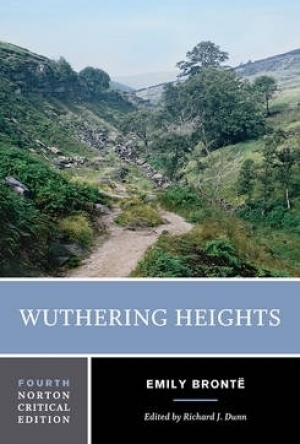
Wuthering Heights tells the story of (I guess technically 3) but really 2 generations of families. Living in the Yorkshire Moors, isolated from high society. We have the Liptons, primmer and properer and more in touch with society, and the Earnshaws which become a little rough around the edges in their isolation and loss. Papa Earnshaw has two children, Catherine and Hindley, and adopts a small boy of unknown heritage but is implied to be Romani or of mixed race (sorry Tom Hardy and nearly every portrayal of Heathcliff), that he names, simply, Heathcliff. He loves Heathcliff, and dotes on him greatly, much to the chagrin of Hindly who grows to resent Heathcliff, treating him terribly until Hindly leaves for school. Catherine and Heathcliff become great playmates, their care is given primarily to a maid scarcely older than them, as Papa Earnshaw is a single daddy. They are wild things, as children I would assume would be, in such isolation as the Yorkshire Moors in a time before the creature comforts and entertainment we have. They grow very close, obsessively close. Upon Papa Earnshaw's death, Hindley returns (at around the age of 23) to run the household, and take over the care of these two youngsters, one of which, he hates. So, Cinderella-style, Heathcliff gets treated worse and worse and treated like a servant rather than the adoptive child that Papa Earnshaw loved so dearly. Suddenly Heathcliff is nothing, treated terribly, and has the most important thing in his life banned from him, Catherine. Meanwhile, the Liptons also have two children, not wild, but spoilt in their own ways, Edgar and Isabella, close in age to Heathcliff and Catherine. When H and C run off on a camping adventure and find themselves at the Lipton's house, Catherine is injured and stays with the Liptons, in their higher society for 5 weeks. Leaving Heathcliff to the abuse of her brother and further isolation. She returns much more a lady and with her connection to Heathcliff slightly burned. In an attempt to protect Heathcliff, and because Heathcliff is now no more than a servant and not an option to marry, Catherine intends to marry Edgar. Causing our resident bad boy to run off for a number of years. Only to return a proper, but still broody gentleman, and confuse Catherine's affection much to the displeasure of Edgar.
Now, this is where a number of shows and movies end things. With a focus on Catherine and Heathcliff's whirlwind romance, obsession. It has some of the most to the point and beautiful lines regarding love, not all flowery, not "I love you most ardently" but rather cries of "I am Heathcliff" by Catherine. Absolutely heart-rending, even though I didn't like Catherine. But this is not where the book ends. The book goes on to follow Heathcliff's obsession with revenge, with his treatment as a child, his rage against Hindley, and against losing Catherine to Edgar. He spends years slowly ruining everyone's lives. Not that you could really ruin Hindley's life, he was a mean drunk. But he even goes as far as to meddle with the next generation, Hindley's son Hareton is raised terribly and is a bit of a wild thing (those his redemption and love story is quite beautiful), Catherine's daughter Cathy and Heathcliff's son Lipton are whisked up into a big scheme by Heathcliff to take everything. Heathcliff even marry's out of pure spite.
Love does not redeem this man, he's barely an antihero without his youth story. He is angry and passionate and obsessed. Which for the first half of the book I didn't fault him for, but he does do some damnable things in the second half that you cannot argue away. No matter how romantic and beautiful and heartrending his lamentations can be. I was quite the character arc, quite the tale of revenge and loss. He was unredeemable because of his big sprawling schemes and harsh intentions. Catherine for me was unredeemable because she was an obnoxious, selfish thing, that honestly if Heathcliff had stopped thinking about two minutes would have found a better woman in every town. She whined and treated Edgar (who was honestly super sweet) so terribly, she had an anger problem and would work herself up until she was sick. But it is in this imperfection that I fell in love more with the book. Here is something unique and real, this is no Elizabeth Bennett. The isolation and hermetic lifestyle created very different characters than what we see in Jane Austin or even in Emily's sister's novel.
It's no wonder this book was harshly critiqued upon release, here is a woman, writing a revenge story, with love stories in it. That based on the biographical intro had some parallels to her own life. She lived an isolated existence, surrounded by the death of the majority of her family young. She was in her late 20s when she wrote this and died a year after publication. She made humans of monsters and monsters of humans and wrote something unexpected and truly unique.
It's hard for me to explain, amongst the harshness and bleakness of this novel, why I loved it so much. But I did, I loved every bit. The anger, the passion, the love, the scheming, I loved it all.
I also feel it's important to note that this whole story is told by a maid to a new tenant. So the narrator is unreliable. Were these people truly this way? Or is it clouded by this maid's opinions of them? How much is omitted due to the maid not being privy to an event?
Truly a fantastic read, that punched me in my chest and gut, grabbed and twisted my insides and refuses to let go. I would argue it's a cult classic rather than a classic. So please, shed all preconceived notions of what this book is, shake that Austin out of your mind and read this tale of obsession and revenge. It's well worth it.
In reading reviews prior to reading this book, I learned three major things; 1, people either love or hate this book, 2. I had no idea what I was actually in for, and 3. this may have not been the romantic pick for February I was expecting it to be.
So yes, PSA for anyone out there considering going into this thinking it's a romance. It is NOT. There are love stories in this, absolutely, powerful love stories that made me read quotes to my boyfriend with snarky statements like "if you don't say this at my funeral, did you ever really love me?". But it is NOT a romance. If anything this has more in common with "The Count of Monte Cristo" than it does "Pride and Prejudice". Honestly, the only thing it has in common with other, romantic books of this time, is the time period. But beware, no balls and high society and Mr. Darcy's await you in this novel. I feel a number of the reviews decrying the book, calling the characters "monstrous" both were the orchestrators of their own disappointment by assuming it to be like an Austin, and really need to look in the mirror and reflect on if they are really as perfect as they think they are. Especially if they were in the circumstances that surround this tale.
I find that Heathcliff himself addresses this mistake many readers had going into this book.
"picturing in me a hero of romance, and expecting unlimited indulgences from my chivalrous devotion. I can hardly regard her in the light of a rational creature, so obstinately has she persisted in forming a fabulous notion of my character and actin gon false impressions she cherished."
SO many readers went into this expecting Heathcliff to be some misunderstood brute or one harsh but salvaged by the purity of his love of Catherine. But this isn't the case.
Wuthering Heights tells the story of (I guess technically 3) but really 2 generations of families. Living in the Yorkshire Moors, isolated from high society. We have the Liptons, primmer and properer and more in touch with society, and the Earnshaws which become a little rough around the edges in their isolation and loss. Papa Earnshaw has two children, Catherine and Hindley, and adopts a small boy of unknown heritage but is implied to be Romani or of mixed race (sorry Tom Hardy and nearly every portrayal of Heathcliff), that he names, simply, Heathcliff. He loves Heathcliff, and dotes on him greatly, much to the chagrin of Hindly who grows to resent Heathcliff, treating him terribly until Hindly leaves for school. Catherine and Heathcliff become great playmates, their care is given primarily to a maid scarcely older than them, as Papa Earnshaw is a single daddy. They are wild things, as children I would assume would be, in such isolation as the Yorkshire Moors in a time before the creature comforts and entertainment we have. They grow very close, obsessively close. Upon Papa Earnshaw's death, Hindley returns (at around the age of 23) to run the household, and take over the care of these two youngsters, one of which, he hates. So, Cinderella-style, Heathcliff gets treated worse and worse and treated like a servant rather than the adoptive child that Papa Earnshaw loved so dearly. Suddenly Heathcliff is nothing, treated terribly, and has the most important thing in his life banned from him, Catherine. Meanwhile, the Liptons also have two children, not wild, but spoilt in their own ways, Edgar and Isabella, close in age to Heathcliff and Catherine. When H and C run off on a camping adventure and find themselves at the Lipton's house, Catherine is injured and stays with the Liptons, in their higher society for 5 weeks. Leaving Heathcliff to the abuse of her brother and further isolation. She returns much more a lady and with her connection to Heathcliff slightly burned. In an attempt to protect Heathcliff, and because Heathcliff is now no more than a servant and not an option to marry, Catherine intends to marry Edgar. Causing our resident bad boy to run off for a number of years. Only to return a proper, but still broody gentleman, and confuse Catherine's affection much to the displeasure of Edgar.
Now, this is where a number of shows and movies end things. With a focus on Catherine and Heathcliff's whirlwind romance, obsession. It has some of the most to the point and beautiful lines regarding love, not all flowery, not "I love you most ardently" but rather cries of "I am Heathcliff" by Catherine. Absolutely heart-rending, even though I didn't like Catherine. But this is not where the book ends. The book goes on to follow Heathcliff's obsession with revenge, with his treatment as a child, his rage against Hindley, and against losing Catherine to Edgar. He spends years slowly ruining everyone's lives. Not that you could really ruin Hindley's life, he was a mean drunk. But he even goes as far as to meddle with the next generation, Hindley's son Hareton is raised terribly and is a bit of a wild thing (those his redemption and love story is quite beautiful), Catherine's daughter Cathy and Heathcliff's son Lipton are whisked up into a big scheme by Heathcliff to take everything. Heathcliff even marry's out of pure spite.
Love does not redeem this man, he's barely an antihero without his youth story. He is angry and passionate and obsessed. Which for the first half of the book I didn't fault him for, but he does do some damnable things in the second half that you cannot argue away. No matter how romantic and beautiful and heartrending his lamentations can be. I was quite the character arc, quite the tale of revenge and loss. He was unredeemable because of his big sprawling schemes and harsh intentions. Catherine for me was unredeemable because she was an obnoxious, selfish thing, that honestly if Heathcliff had stopped thinking about two minutes would have found a better woman in every town. She whined and treated Edgar (who was honestly super sweet) so terribly, she had an anger problem and would work herself up until she was sick. But it is in this imperfection that I fell in love more with the book. Here is something unique and real, this is no Elizabeth Bennett. The isolation and hermetic lifestyle created very different characters than what we see in Jane Austin or even in Emily's sister's novel.
It's no wonder this book was harshly critiqued upon release, here is a woman, writing a revenge story, with love stories in it. That based on the biographical intro had some parallels to her own life. She lived an isolated existence, surrounded by the death of the majority of her family young. She was in her late 20s when she wrote this and died a year after publication. She made humans of monsters and monsters of humans and wrote something unexpected and truly unique.
It's hard for me to explain, amongst the harshness and bleakness of this novel, why I loved it so much. But I did, I loved every bit. The anger, the passion, the love, the scheming, I loved it all.
I also feel it's important to note that this whole story is told by a maid to a new tenant. So the narrator is unreliable. Were these people truly this way? Or is it clouded by this maid's opinions of them? How much is omitted due to the maid not being privy to an event?
Truly a fantastic read, that punched me in my chest and gut, grabbed and twisted my insides and refuses to let go. I would argue it's a cult classic rather than a classic. So please, shed all preconceived notions of what this book is, shake that Austin out of your mind and read this tale of obsession and revenge. It's well worth it.

Gareth von Kallenbach (980 KP) rated the PC version of BioShock Infinite in Video Games
Jun 19, 2019
After a few delays the third game in the Bioshock series has arrived from 2K Games and he continues the amazing legacy of the series in grand style. Playing as Booker DeWitt players embark on an epic rescue adventure to the floating city of Columbia in the early 1900s.
Booker is anxious to erase his massive gambling debts and has been told that recovering a girl named Elizabeth from the floating city will clear his accounts. Upon arrival, Booker notes the grand spectacle of the city as well as the Steampunk themes that combine technology, science, and fiction.
Playing from a first person perspective, Booker is able to interact with his environment from looting ammunition, food, health, power ups, money, and other items necessary for survival in a hostile city. Booker can also obtain needed supplies from various mechanical vending machines located throughout the city.
This is a very good thing as despite the beauty of Columbia, it is rife with all manner of dangers as the self-proclaimed savior Comstock has an endless supply of enemies to throw at you to keep you from recovering Elizabeth.
The narration of the story kicks into high gear once you encounter Elizabeth as many of the missions become escort and protect in nature but the back story of the central characters as well as the social strife in Columbia become more and more evident.
An underlying tone of racial tension and labor unrest is threatening the status quo and Booker finds himself squarely in the middle of both factions.
Elizabeth has some amazing abilities of her own such as being able to open tears in time and space which would explain Comstock’s obsession with her. Aside from an arsenal of weapons which includes pistols, shotguns, machine guns, rocket launchers, and various rifles, Booker can gain special powers through the use of vigors that are located throughout the game. While only able to wield to it time, the ability to telekinetic please send enemies flying, blast them with water, fry them to a crisp, and other spectacular feats are absolutely essential to the game as well is highly satisfying. In order to power the special powers, Booker must constantly replenish assault supply which adds a new element to the game strategy.
One of the greatest features of the game was the magnetic melee weapon which also doubles as a magnetic hook. This allows Booker to travel via rail Skyway by taking spectacular leaps and sliding along the rails. The sheer rush of whipping through the city especially during combat situations is a remarkable achievement from both a visual and gameplay perspective.
Graphically the game is fantastic as the amount of detail is simply breathtaking. If one was to nitpick they could state that the character facial animations seem a bit dated but they are definitely in keeping with the previous two games and in my opinion do not detract from the game in any way shape or form.
When death happens in the game, players are able to be resurrected at a nearby point for little bit of their money which allows for a smoother gameplay experience. Some moments the game on normal setting were quite difficult and for gamers who need a break, players can choose to lower or raise the difficulty setting in game.
Unlike the previous games the storyline is more linear and your decisions do not drastically change the outcome of the game unless you are playing the game in the optional 1999 mode where decisions can in deed change the outcome of the game including placing the character in no-win situations.
The voice acting and sound of the game are first rate and I especially enjoyed the nostalgic music and primitive recording and playback devices the time which added a very unique perspective to the game. There is no multiplayer aspect of the game so players who complete the game will have to look forward to the planned DLC content which will be offered in the future.
The immersive factor of the game really captured me and in my opinion sets a new standard for storytelling and player interaction. While enemies tended to be for the most part mindless foes who charged headlong to their doom, this did change as the game went along as some enemies presented some real challenges and displayed some very interesting and clever strategies.
Upon completion of the game, I found myself pausing to reflect on the twist and turns of the storyline as well as look ahead with great anticipation for the next installment of this epic series. Bioshock Infinite is a must own for fans of the series as well as action games and is definitely an early candidate for game of the year awards.
http://sknr.net/2013/04/02/bioshock-infinite/
Booker is anxious to erase his massive gambling debts and has been told that recovering a girl named Elizabeth from the floating city will clear his accounts. Upon arrival, Booker notes the grand spectacle of the city as well as the Steampunk themes that combine technology, science, and fiction.
Playing from a first person perspective, Booker is able to interact with his environment from looting ammunition, food, health, power ups, money, and other items necessary for survival in a hostile city. Booker can also obtain needed supplies from various mechanical vending machines located throughout the city.
This is a very good thing as despite the beauty of Columbia, it is rife with all manner of dangers as the self-proclaimed savior Comstock has an endless supply of enemies to throw at you to keep you from recovering Elizabeth.
The narration of the story kicks into high gear once you encounter Elizabeth as many of the missions become escort and protect in nature but the back story of the central characters as well as the social strife in Columbia become more and more evident.
An underlying tone of racial tension and labor unrest is threatening the status quo and Booker finds himself squarely in the middle of both factions.
Elizabeth has some amazing abilities of her own such as being able to open tears in time and space which would explain Comstock’s obsession with her. Aside from an arsenal of weapons which includes pistols, shotguns, machine guns, rocket launchers, and various rifles, Booker can gain special powers through the use of vigors that are located throughout the game. While only able to wield to it time, the ability to telekinetic please send enemies flying, blast them with water, fry them to a crisp, and other spectacular feats are absolutely essential to the game as well is highly satisfying. In order to power the special powers, Booker must constantly replenish assault supply which adds a new element to the game strategy.
One of the greatest features of the game was the magnetic melee weapon which also doubles as a magnetic hook. This allows Booker to travel via rail Skyway by taking spectacular leaps and sliding along the rails. The sheer rush of whipping through the city especially during combat situations is a remarkable achievement from both a visual and gameplay perspective.
Graphically the game is fantastic as the amount of detail is simply breathtaking. If one was to nitpick they could state that the character facial animations seem a bit dated but they are definitely in keeping with the previous two games and in my opinion do not detract from the game in any way shape or form.
When death happens in the game, players are able to be resurrected at a nearby point for little bit of their money which allows for a smoother gameplay experience. Some moments the game on normal setting were quite difficult and for gamers who need a break, players can choose to lower or raise the difficulty setting in game.
Unlike the previous games the storyline is more linear and your decisions do not drastically change the outcome of the game unless you are playing the game in the optional 1999 mode where decisions can in deed change the outcome of the game including placing the character in no-win situations.
The voice acting and sound of the game are first rate and I especially enjoyed the nostalgic music and primitive recording and playback devices the time which added a very unique perspective to the game. There is no multiplayer aspect of the game so players who complete the game will have to look forward to the planned DLC content which will be offered in the future.
The immersive factor of the game really captured me and in my opinion sets a new standard for storytelling and player interaction. While enemies tended to be for the most part mindless foes who charged headlong to their doom, this did change as the game went along as some enemies presented some real challenges and displayed some very interesting and clever strategies.
Upon completion of the game, I found myself pausing to reflect on the twist and turns of the storyline as well as look ahead with great anticipation for the next installment of this epic series. Bioshock Infinite is a must own for fans of the series as well as action games and is definitely an early candidate for game of the year awards.
http://sknr.net/2013/04/02/bioshock-infinite/

Ryan Hill (152 KP) rated Godzilla (2014) in Movies
Jun 28, 2019
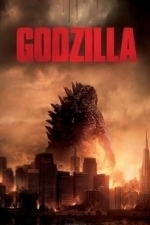

"let them fight"
This film is an absolute masterpiece. Not once did I find myself getting bored or losing track of the plot - something that happens commonly when I watch longer movies - and I was gutted when it was over. Not because I was disappointed, but because I desperately wanted more. Gareth Edwards' film takes monster movies to a whole new level, with some nice twists to the usual "Godzilla" story lines, a fantastic cast and some of the best action sequences I have ever had the pleasure of seeing.
The first thing to mention about this film is its cast and its focus on the human characters, played mainly by Aaron Taylor-Johnson (Lieutenant Ford Brody), Elizabeth Olsen (Elle Brody, Ford's wife), and Bryan Cranston (Joe Brody, Ford's estranged father). Bryan Cranston is only really in the first half, portraying his character as a very outcast, yet very determined former nuclear engineer who is searching for the truth about his wife's tragic death. He was fantastic in the role delivering each line with emotion and conviction he was the best character in the film and I wish he was in the film longer. His theories beautifully foreshadow the events to come, and he drags his son, Ford, right into the heart of the trouble. Thankfully, this means that we get to see lots of the brilliant Aaron Taylor- Johnson, a courageous explosive ordnance disposal technician who comes face-to-face with Godzilla several times. Literally. Aaron Taylor-Johnson really is the star here, and the scenes with his wife, Elle, and son, Sam, before any of the action starts makes his actions later on all the more respectable and courageous as he risks his life to save them and the entire city. Elizabeth Olsen isn't used as much as I would have liked, as she is fantastic in the scenes in which we see her. Having said that, she does appear a fair amount, as the strong wife and mother holding back her terror in order to stay and help. Her scenes with Aaron Taylor- Johnson are great too, and make for some very believable characters. The other main character is Dr Serizawa (played by Ken Watanabe), a scientist monitoring Godzilla and the MUTOs. He doesn't really do much apart from look very worried in every shot and say tense or shocking one-liners, but Ken Watanabe makes sure that it's never cringe-worthy or boring.
Secondly we have Gareth Edwards' directing - wow! I need to see more of this guy! Every shot looks as good as it could possibly be, and the first reveal of Godzilla is brilliant. There's a MUTO smashing up an airport. Cue plane exploding, followed by the one to the right, and then the one to the right, and then… a foot. Silence. Another foot. Cut to a shot of the MUTO roaring, and then back to the feet. Up the camera pans (for quite a long time!), leaving us with a beautiful high-angle shot of the beast himself. And then comes the roar. There's another great shot of Godzilla making his way across the Pacific to San Francisco, and another in the city itself of… well, there's no other way of putting it – Godzilla and a MUTO having a good old' fashioned fistfight, which culminates in a pretty fantastic and well-timed tail slam from the big guy. The skyscrapers don't really bother them. It's just a long shot, and in it we see two giant monsters ripping each other to shreds and obliviously destroying the city below. Another great shot (or shots) is during the HALO jump, as we see the city in flames, the men falling through the clouds and the burning skyline and a close-up of a Godzilla vs MUTO fight.
Now I'll move on to the plot and the headline acts – the MUTOs and the big guy himself, Godzilla. The plot is very straightforward. A MUTO hatches in Japan, one hatches in Nevada next to Las Vegas, and this is all because they've been feeding on humanity's nuclear waste and radiation. Oh, and by the way, the MUTOs look brilliant. Imagine a metal praying mantis crossed with a four-legged spider, as tall as a skyscraper. That's a MUTO. Anyway, Ford joins the fight to stop the creatures, and as they make their way to San Francisco the military plan to destroy them with their most powerful nuclear weapon. Godzilla is closing in too, and when the pesky MUTOs steal the nuke and build their nest around it, Ford and a group of soldiers must go into the city to detonate it. However, Godzilla and the MUTOs are also in the city, smashing everything (including each other) to bits. It's very odd that, for once, we end up cheering Godzilla on, as the two MUTOs begin to overwhelm him as he is seemingly hurt. And then he is actually made out to be the good guy (a twist I enjoyed), as he saves Ford in a spectacular way from a MUTO and the media call him " the saviour of our city?". 'Zilla looks amazing too. "Massive" is probably an understatement, but the spikes on his back, the battle scars on his body and his terrifying face make him look awesome. Also, his roar had me jumping up and down with excitement, as did his surprise for the MUTOs: his atomic fire breath.
All in all, "Godzilla" is one fantastic movie. No longer a mockery, but terrifying, tense, and, unlike many monster movies, it is complex. Complex in that it has multiple characters with interesting back-stories (that are all explored) and gives Godzilla a new personality and purpose. Everything looks great, it feels epic, and I enjoyed every moment. This is a movie that would appeal to anyone.
The first thing to mention about this film is its cast and its focus on the human characters, played mainly by Aaron Taylor-Johnson (Lieutenant Ford Brody), Elizabeth Olsen (Elle Brody, Ford's wife), and Bryan Cranston (Joe Brody, Ford's estranged father). Bryan Cranston is only really in the first half, portraying his character as a very outcast, yet very determined former nuclear engineer who is searching for the truth about his wife's tragic death. He was fantastic in the role delivering each line with emotion and conviction he was the best character in the film and I wish he was in the film longer. His theories beautifully foreshadow the events to come, and he drags his son, Ford, right into the heart of the trouble. Thankfully, this means that we get to see lots of the brilliant Aaron Taylor- Johnson, a courageous explosive ordnance disposal technician who comes face-to-face with Godzilla several times. Literally. Aaron Taylor-Johnson really is the star here, and the scenes with his wife, Elle, and son, Sam, before any of the action starts makes his actions later on all the more respectable and courageous as he risks his life to save them and the entire city. Elizabeth Olsen isn't used as much as I would have liked, as she is fantastic in the scenes in which we see her. Having said that, she does appear a fair amount, as the strong wife and mother holding back her terror in order to stay and help. Her scenes with Aaron Taylor- Johnson are great too, and make for some very believable characters. The other main character is Dr Serizawa (played by Ken Watanabe), a scientist monitoring Godzilla and the MUTOs. He doesn't really do much apart from look very worried in every shot and say tense or shocking one-liners, but Ken Watanabe makes sure that it's never cringe-worthy or boring.
Secondly we have Gareth Edwards' directing - wow! I need to see more of this guy! Every shot looks as good as it could possibly be, and the first reveal of Godzilla is brilliant. There's a MUTO smashing up an airport. Cue plane exploding, followed by the one to the right, and then the one to the right, and then… a foot. Silence. Another foot. Cut to a shot of the MUTO roaring, and then back to the feet. Up the camera pans (for quite a long time!), leaving us with a beautiful high-angle shot of the beast himself. And then comes the roar. There's another great shot of Godzilla making his way across the Pacific to San Francisco, and another in the city itself of… well, there's no other way of putting it – Godzilla and a MUTO having a good old' fashioned fistfight, which culminates in a pretty fantastic and well-timed tail slam from the big guy. The skyscrapers don't really bother them. It's just a long shot, and in it we see two giant monsters ripping each other to shreds and obliviously destroying the city below. Another great shot (or shots) is during the HALO jump, as we see the city in flames, the men falling through the clouds and the burning skyline and a close-up of a Godzilla vs MUTO fight.
Now I'll move on to the plot and the headline acts – the MUTOs and the big guy himself, Godzilla. The plot is very straightforward. A MUTO hatches in Japan, one hatches in Nevada next to Las Vegas, and this is all because they've been feeding on humanity's nuclear waste and radiation. Oh, and by the way, the MUTOs look brilliant. Imagine a metal praying mantis crossed with a four-legged spider, as tall as a skyscraper. That's a MUTO. Anyway, Ford joins the fight to stop the creatures, and as they make their way to San Francisco the military plan to destroy them with their most powerful nuclear weapon. Godzilla is closing in too, and when the pesky MUTOs steal the nuke and build their nest around it, Ford and a group of soldiers must go into the city to detonate it. However, Godzilla and the MUTOs are also in the city, smashing everything (including each other) to bits. It's very odd that, for once, we end up cheering Godzilla on, as the two MUTOs begin to overwhelm him as he is seemingly hurt. And then he is actually made out to be the good guy (a twist I enjoyed), as he saves Ford in a spectacular way from a MUTO and the media call him " the saviour of our city?". 'Zilla looks amazing too. "Massive" is probably an understatement, but the spikes on his back, the battle scars on his body and his terrifying face make him look awesome. Also, his roar had me jumping up and down with excitement, as did his surprise for the MUTOs: his atomic fire breath.
All in all, "Godzilla" is one fantastic movie. No longer a mockery, but terrifying, tense, and, unlike many monster movies, it is complex. Complex in that it has multiple characters with interesting back-stories (that are all explored) and gives Godzilla a new personality and purpose. Everything looks great, it feels epic, and I enjoyed every moment. This is a movie that would appeal to anyone.

Lottie disney bookworm (1056 KP) rated Six Crimson Cranes in Books
Jun 17, 2021
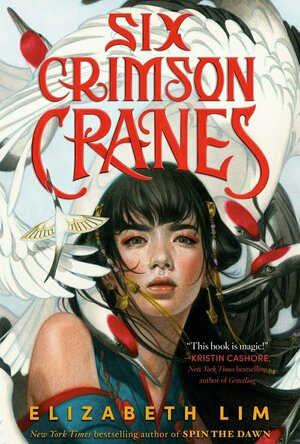
Wow!
Where do I start?
Wow!
In a kingdom which has banned magic and banished all demons to the Holy Mountains, Princess Shiori must hide her magical blood from those around her, in particular her six brothers, her mysterious stepmother and her father, the Emperor.
However, when a combination of magic and stubbornness derails Shiori’s betrothal ceremony the princess discovers that she is not the only family member hiding their gift. After spying on her stepmother, Shiori is convinced that her father’s wife is a demon and turns to her brothers…with disastrous consequences.
With her six brothers transformed into cranes, Shiori is alone, cast far away from the palace and forced to remain mute: for every word she utters, one brother will die! She is also unrecognisable, her magic is locked and she cannot reveal her past to anyone. Powerless, abandoned and mute- can Shiori save her six older brothers and return home to defeat her stepmother?
Shiori herself is an amazing protagonist. She is young, impulsive, stubborn but also has the biggest heart. Her love for her brothers (and food) is integral to her personality and the comfort she takes in the memories of her mother is beautiful.
Initially, Shiori’s life may appear to be a fairytale with extravagant robes and magnificent palaces. Maybe that is why Lim creates a fairytale-worthy curse? With a lost voice, a lost pink slipper and a city put to sleep, Elizabeth Lim certainly showcases some of the magic we saw in her Disney Twisted Tale novels.
Shiori’s journey to save her brothers is one of tremendous bravery and courage and it is along this path that the princess truly discovers her inner strength. She also matures immensely (it’s probably inevitable when your stepmother curses you) but Shiori experiences the hardships of the world around her, learns who to trust and realises that sometimes poison (or a curse) can be a “medicine in disguise”.
The supporting cast within Six Crimson Cranes are also incredible. Seryu the dragon prince with his ruby eyes and green hair clearly cares for Shiori. Will he try to sway her affections in book two? He will have to compete with Takkan, the loyal, picture-perfect prince who protected Shiori when no-one else did, long before he knew her true identity.
Shiori’s stepmother, Raikama, was possibly the most complex character. Despite only being present at the beginning and end of the novel, she spends 90% of the book as a villain – and the reader is fully on board with this! However, Lim’s ingenious use of Shiori’s faint memories help her piece together an unfathomable puzzle: why would Raikama curse the siblings instead of killing them? Is this linked to her stepmother’s magic and her mysterious past?
The world building in Six Crimson Cranes is magical. Without breaking the flow of the novel Lim perfectly creates the kingdom of Kiata in our minds, from the manicured grounds of the palace during the Summer Festival, with kites bobbing against azure skies, to the bleak but beautiful Iro, overlooked by Rabbit mountain, glittering in the light of the silver moon. Elizabeth Lim truly transports her readers to these beautiful but dangerous landscapes.
Six Crimson Cranes is a book which surpassed all my expectations. The world building is as magical as its fairy-tale undertones and the characters already feel like old friends. I don’t think I can wait another year for the sequel!
Thank you so so much to Netgalley for providing this amazing opportunity! I received a free digital copy of this book in exchange for an honest review…and now I’m off to pre-order the real thing!
Where do I start?
Wow!
In a kingdom which has banned magic and banished all demons to the Holy Mountains, Princess Shiori must hide her magical blood from those around her, in particular her six brothers, her mysterious stepmother and her father, the Emperor.
However, when a combination of magic and stubbornness derails Shiori’s betrothal ceremony the princess discovers that she is not the only family member hiding their gift. After spying on her stepmother, Shiori is convinced that her father’s wife is a demon and turns to her brothers…with disastrous consequences.
With her six brothers transformed into cranes, Shiori is alone, cast far away from the palace and forced to remain mute: for every word she utters, one brother will die! She is also unrecognisable, her magic is locked and she cannot reveal her past to anyone. Powerless, abandoned and mute- can Shiori save her six older brothers and return home to defeat her stepmother?
Shiori herself is an amazing protagonist. She is young, impulsive, stubborn but also has the biggest heart. Her love for her brothers (and food) is integral to her personality and the comfort she takes in the memories of her mother is beautiful.
Initially, Shiori’s life may appear to be a fairytale with extravagant robes and magnificent palaces. Maybe that is why Lim creates a fairytale-worthy curse? With a lost voice, a lost pink slipper and a city put to sleep, Elizabeth Lim certainly showcases some of the magic we saw in her Disney Twisted Tale novels.
Shiori’s journey to save her brothers is one of tremendous bravery and courage and it is along this path that the princess truly discovers her inner strength. She also matures immensely (it’s probably inevitable when your stepmother curses you) but Shiori experiences the hardships of the world around her, learns who to trust and realises that sometimes poison (or a curse) can be a “medicine in disguise”.
The supporting cast within Six Crimson Cranes are also incredible. Seryu the dragon prince with his ruby eyes and green hair clearly cares for Shiori. Will he try to sway her affections in book two? He will have to compete with Takkan, the loyal, picture-perfect prince who protected Shiori when no-one else did, long before he knew her true identity.
Shiori’s stepmother, Raikama, was possibly the most complex character. Despite only being present at the beginning and end of the novel, she spends 90% of the book as a villain – and the reader is fully on board with this! However, Lim’s ingenious use of Shiori’s faint memories help her piece together an unfathomable puzzle: why would Raikama curse the siblings instead of killing them? Is this linked to her stepmother’s magic and her mysterious past?
The world building in Six Crimson Cranes is magical. Without breaking the flow of the novel Lim perfectly creates the kingdom of Kiata in our minds, from the manicured grounds of the palace during the Summer Festival, with kites bobbing against azure skies, to the bleak but beautiful Iro, overlooked by Rabbit mountain, glittering in the light of the silver moon. Elizabeth Lim truly transports her readers to these beautiful but dangerous landscapes.
Six Crimson Cranes is a book which surpassed all my expectations. The world building is as magical as its fairy-tale undertones and the characters already feel like old friends. I don’t think I can wait another year for the sequel!
Thank you so so much to Netgalley for providing this amazing opportunity! I received a free digital copy of this book in exchange for an honest review…and now I’m off to pre-order the real thing!

Bob Mann (459 KP) rated Gemini Man (2019) in Movies
Nov 10, 2019
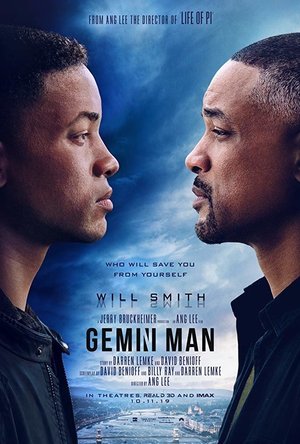


Will Smith plays top US hit-man Henry Brogan who is making the world "safer" one bullet at a time! With the mirror telling him his age, Henry hands in his firearm (not withstanding the arsenal under his stairs) to spend more time going fishing and doing the crossword.
But all is not well when Henry's 'one for the road' hit turns out to not be quite what it seems.
Teaming up with marina manager Danny (Danny??) Zakarweski (Mary Elizabeth Winstead), the pair go on the run from operatives of a government-funded black-ops organization called Gemini. Gemini is a private semi-military organization (didn't we just go here with "Angel Has Fallen"?!). These 'baddie goodies' would rather see Henry - and all who know him - fed to the fishes rather than have him catching them.
But one of these guys, under the direct command of Gemini-boss Clay Verris (Clive Owen), looks kinda familiar...
Let's focus on the positives for a minute. This is a spy movie that has all of the polish that the recent "Angel has Fallen" didn't have. Some nice photogenic locations fly in and out again (Georgia, Budapest and Colombia: the latter for no obvious reason I can remember!). It occasionally reminded me of a glossy Bond film, but without Bond.
There are also some high-class special effects (the special effects coordinator is Mark Hawker). A moonlit CGI Gulfstream with a zoom into the cockpit is particularly impressive.
Some of the action set pieces also entertain. A Will-on-Will bike chase is well done, and I've not seen a bike used as a hand-to-hand weapon in this way before!
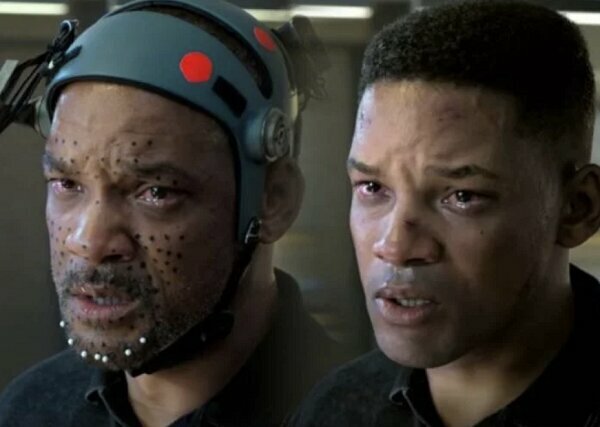
And Will Smith is no doubt a class act, with his 'youngification' (I'm not sure what the official word is) also being effectively done. I also enjoyed Mary Elizabeth Winstead, who was great in "10 Cloverfield Lane". The lady has real screen presence.
But man oh man, that script. Let's name the guilty parties in this film: the scriptwriters David Benioff (Game of Thrones), Darren Lemke and Billy Ray. (I'll put Ray last in the list, since the story was by Benioff and Lemke and this has the smell to me of Ray - who has a history of some great scripts like Captain Phillips under his name - being drafted in to steady a listing ship).
Some of the dialogue in this film is not just a bit dodgy. It's head in the hands groan-worthy (and I actually did at times: fortunately the cinema was barely half full and I was on my own in the whole row). And some of it is just plain offensive. Henry meets his old pal Jack Willis (Douglas Hodge) on his yacht where he explains his wife is on a trip to Paris as a scantily clad dolly-bird wanders past. Henry comically rolls his eyes at this adulterous behaviour, with some sort of "Jack, what are you loike!" comment. Cringe-worthy.
Will Smith, Mary Elizabeth Winstead and Benedict Wong (their ally, adding some comic relief) are clearly good actors. But the script often makes them look utterly vacuous and stupid. And Lee seems to have a "good enough, move on" approach to the filming. One jaw-dropping moment has Will Smith telling the others that they are going to Budapest. "Budapest?" Winstead and Wong are supposed to say in union, but mistime it. "Can we do that again?". Nope. It's on the screen.
As for Clive Owen... sorry, he's really not in the same acting league, and the script does him even fewer favours. As he says at one point "It's like the Hindenburg crashing into the Titanic". I couldn't have put it better myself.
"Uncanny Valley". You know this phrase. The Princess Leia and Moff Tarkin scenes in "Rogue One" is the classic example. Effects that don't quite work on the big screen. "But" - you say to yourself - "Dr Bob just said that the 'youngification' of Will Smith was done really well?". And I'll repeat again that it was. It's on a par with Samuel L. Jackson's 'youngification' in "Captain Marvel". Where something strange happens is in the film's overall projection. Ang Lee has tried again with his experiment of filming at a massive 120 frames per second..... five times the normal movie frame rate of 24 fps. And the quality of the picture - particularly during high-speed action scenes - becomes outstandingly good! But equally it just doesn't 'look right'.
When the human eye presumably works at an equivalent "fps" of thousands of 'frames per second' you'd think that it should all be fine. But for some reason I just found it distracting. Presumably the audiences for "The Jazz Singer" thought the same about sound; and those for "Gone with the Wind" and the "Wizard of Oz" about colour. Maybe we've seen the future, and its the new norm that we just need to get used to. We'll see.
Ang Lee's "Life of Pi" was extraordinary. His "Hulk" was one of the poorest of the Marvel canon. Unfortunately, this movie is at the "Hulk" end of the spectrum. Which is a real shame. The duo of the 51 year old Smith and the 35 year old Winstead work really well together. They have great chemistry, but, you'll be relieved to hear, avoid any icky love interest.
What a shame. With a different script, and some good production values, this could have been a very different story.
(For the full graphical review, please check out https://bob-the-movie-man.com/2019/10/18/one-manns-movies-film-review-gemini-man-2019/ )
But all is not well when Henry's 'one for the road' hit turns out to not be quite what it seems.
Teaming up with marina manager Danny (Danny??) Zakarweski (Mary Elizabeth Winstead), the pair go on the run from operatives of a government-funded black-ops organization called Gemini. Gemini is a private semi-military organization (didn't we just go here with "Angel Has Fallen"?!). These 'baddie goodies' would rather see Henry - and all who know him - fed to the fishes rather than have him catching them.
But one of these guys, under the direct command of Gemini-boss Clay Verris (Clive Owen), looks kinda familiar...
Let's focus on the positives for a minute. This is a spy movie that has all of the polish that the recent "Angel has Fallen" didn't have. Some nice photogenic locations fly in and out again (Georgia, Budapest and Colombia: the latter for no obvious reason I can remember!). It occasionally reminded me of a glossy Bond film, but without Bond.
There are also some high-class special effects (the special effects coordinator is Mark Hawker). A moonlit CGI Gulfstream with a zoom into the cockpit is particularly impressive.
Some of the action set pieces also entertain. A Will-on-Will bike chase is well done, and I've not seen a bike used as a hand-to-hand weapon in this way before!
And Will Smith is no doubt a class act, with his 'youngification' (I'm not sure what the official word is) also being effectively done. I also enjoyed Mary Elizabeth Winstead, who was great in "10 Cloverfield Lane". The lady has real screen presence.
But man oh man, that script. Let's name the guilty parties in this film: the scriptwriters David Benioff (Game of Thrones), Darren Lemke and Billy Ray. (I'll put Ray last in the list, since the story was by Benioff and Lemke and this has the smell to me of Ray - who has a history of some great scripts like Captain Phillips under his name - being drafted in to steady a listing ship).
Some of the dialogue in this film is not just a bit dodgy. It's head in the hands groan-worthy (and I actually did at times: fortunately the cinema was barely half full and I was on my own in the whole row). And some of it is just plain offensive. Henry meets his old pal Jack Willis (Douglas Hodge) on his yacht where he explains his wife is on a trip to Paris as a scantily clad dolly-bird wanders past. Henry comically rolls his eyes at this adulterous behaviour, with some sort of "Jack, what are you loike!" comment. Cringe-worthy.
Will Smith, Mary Elizabeth Winstead and Benedict Wong (their ally, adding some comic relief) are clearly good actors. But the script often makes them look utterly vacuous and stupid. And Lee seems to have a "good enough, move on" approach to the filming. One jaw-dropping moment has Will Smith telling the others that they are going to Budapest. "Budapest?" Winstead and Wong are supposed to say in union, but mistime it. "Can we do that again?". Nope. It's on the screen.
As for Clive Owen... sorry, he's really not in the same acting league, and the script does him even fewer favours. As he says at one point "It's like the Hindenburg crashing into the Titanic". I couldn't have put it better myself.
"Uncanny Valley". You know this phrase. The Princess Leia and Moff Tarkin scenes in "Rogue One" is the classic example. Effects that don't quite work on the big screen. "But" - you say to yourself - "Dr Bob just said that the 'youngification' of Will Smith was done really well?". And I'll repeat again that it was. It's on a par with Samuel L. Jackson's 'youngification' in "Captain Marvel". Where something strange happens is in the film's overall projection. Ang Lee has tried again with his experiment of filming at a massive 120 frames per second..... five times the normal movie frame rate of 24 fps. And the quality of the picture - particularly during high-speed action scenes - becomes outstandingly good! But equally it just doesn't 'look right'.
When the human eye presumably works at an equivalent "fps" of thousands of 'frames per second' you'd think that it should all be fine. But for some reason I just found it distracting. Presumably the audiences for "The Jazz Singer" thought the same about sound; and those for "Gone with the Wind" and the "Wizard of Oz" about colour. Maybe we've seen the future, and its the new norm that we just need to get used to. We'll see.
Ang Lee's "Life of Pi" was extraordinary. His "Hulk" was one of the poorest of the Marvel canon. Unfortunately, this movie is at the "Hulk" end of the spectrum. Which is a real shame. The duo of the 51 year old Smith and the 35 year old Winstead work really well together. They have great chemistry, but, you'll be relieved to hear, avoid any icky love interest.
What a shame. With a different script, and some good production values, this could have been a very different story.
(For the full graphical review, please check out https://bob-the-movie-man.com/2019/10/18/one-manns-movies-film-review-gemini-man-2019/ )
SO
Spirit of Fire: The Life and Vision of Teilhard de Chardin
Book
"This may be the book to hook a new generation on the religious power of Teilhard's vision of divine...
Isabella of Castile: Europe's First Great Queen
Book
In 1474, a twenty-three year old woman ascended the throne of Castile, the largest and strongest...
Bob Mann (459 KP) rated Downton Abbey (2019) in Movies
Sep 28, 2021
Very little happens…. and it’s totally glorious!
The “Downton Abbey” TV show is comfortingly bland. The tales of the well-heeled Grantham family and the below-stairs antics of their servants. But for those who have followed Julian Fellowes‘ pot-boiler drama through all six seasons, and a number of Christmas specials, it’s like a favourite jumper… or rediscovering your comfy slippers just as the nights start getting colder.
But in a world where TV spin-off movies are notoriously dire, would this movie by the nail in Downton’s coffin?
Thankfully not.
It’s a glorious production! The opening of this film will, I’m sure, fill all Downton fans with utter glee. John Lunn‘s music builds progressively as a royal letter wends its way through the 1927 postal system, eventually ending up (as the famous theme finally emerges spectacularly) at the doors of Downton Abbey. (Downton is of course the gorgeous Highclere Castle near Newbury, acting as a star of the film in its own right. Somewhere I was lucky enough to visit just a couple of weeks before filming began).
The plot(s).
In a year of Thanos-crushing drama, there really is nothing very substantial going on here!
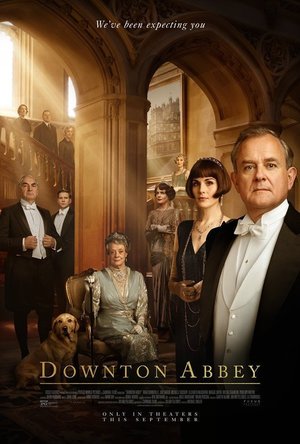
The King (George V, an almost unrecognizable Simon “Hitchhikers Guide” Jones) and Queen Mary (Geraldine James) are staying over in Downton for one night on their Yorkshire tour. This naturally sets the below-stairs staff into a bit of a tizz, as indeed it does the whole village. But their glee at involvement and recognition is a bit premature, since the royal entourage – headed by an officious Mr Wilson (David Haig) – parachute the complete gamut of staff into the location to serve the royal party, so bypassing the locals completely.
The ‘Downton massive’ are of course having none of this, and a battle-royale ensues.
Scattered as sub-plots like confetti at a wedding are a military man putting a strong arm around the potentially-risky Irish Tom Branson (Allen Leech); a family rift that erupts between Aunt Violet (Maggie Smith) and cousin (and royal lady-in-waiting) Maud Bagshaw (Imelda Staunton); a sobbing princess (Kate Phillips); an over-enthusiastic shopkeeper (Mark Addy), who is difficult to let-down gently; a plumbing emergency with romantic jealousy and sabotage involved; the sexual preferences of Barrow (Robert James-Collier) getting him into trouble; and a potential love-interest for the widowed Tom with Maud’s maid Lucy (Tuppence Middleton). (There are probably half a dozen others that I’ve forgotten!)
A huge ensemble cast.
As befits a show that has gone over six seasons, there is a huge ensemble cast involved. Inevitably, some get more air time than others. Bates (Brendan Coyle) seems to be particularly short-changed, and above stairs I thought the same was true – strangely enough – of the Crawleys (Hugh Bonneville and Elizabeth McGovern).
As for Henry Talbot (Matthew Goode), he’s hardly in it at all! Apart from some impressive camera gymnastics for his running-up-the-stairs arrival, he doesn’t make much of an impression at all. (I can only guess he had other filming commitments).
These are players that have worked together as a team for many years, and it shows.
But the acting kudos has to go to Maggie Smith who steals absolutely every scene she’s in, with genuinely witty lines – “I’ll lick the stamps myself” (LoL). Close behind though is Imelda Staunton who also turns in a very impressive performance.
Glorious photography.
The photography is fantastic throughout, with deep rich colours, pin-sharp focus and some seriously dramatic pans. A big hats off to cinematographer Ben Smithard, but also to his drone team (“The helicopter ladies”) for delivering some jaw-droppingly gorgeous shots of Highclere castle.
(By the way, I thought the picture at my local Picturehouse cinema – Harbour Lights in Southampton – was particularly stunning: I queried it with them, and they said they had changed the (very expensive) projector bulb just that day! These things clearly matter!)
Will is appeal?
If you are a Downton fan, yes, Yes, YES! I have been a moderate fan of the TV series, but went with superfans – the illustrious Mrs Movie-Man and (as a guest visitor) Miss Movie-Man. I loved it, but the two ladies were ecstatic with the movie.
Even if you have never seen an episode, it is easy to pick up and the quality of the production is so impressive I don’t think you will be disappointed.
As such, I think I need to post a blend of ratings for this one.
But in a world where TV spin-off movies are notoriously dire, would this movie by the nail in Downton’s coffin?
Thankfully not.
It’s a glorious production! The opening of this film will, I’m sure, fill all Downton fans with utter glee. John Lunn‘s music builds progressively as a royal letter wends its way through the 1927 postal system, eventually ending up (as the famous theme finally emerges spectacularly) at the doors of Downton Abbey. (Downton is of course the gorgeous Highclere Castle near Newbury, acting as a star of the film in its own right. Somewhere I was lucky enough to visit just a couple of weeks before filming began).
The plot(s).
In a year of Thanos-crushing drama, there really is nothing very substantial going on here!
The King (George V, an almost unrecognizable Simon “Hitchhikers Guide” Jones) and Queen Mary (Geraldine James) are staying over in Downton for one night on their Yorkshire tour. This naturally sets the below-stairs staff into a bit of a tizz, as indeed it does the whole village. But their glee at involvement and recognition is a bit premature, since the royal entourage – headed by an officious Mr Wilson (David Haig) – parachute the complete gamut of staff into the location to serve the royal party, so bypassing the locals completely.
The ‘Downton massive’ are of course having none of this, and a battle-royale ensues.
Scattered as sub-plots like confetti at a wedding are a military man putting a strong arm around the potentially-risky Irish Tom Branson (Allen Leech); a family rift that erupts between Aunt Violet (Maggie Smith) and cousin (and royal lady-in-waiting) Maud Bagshaw (Imelda Staunton); a sobbing princess (Kate Phillips); an over-enthusiastic shopkeeper (Mark Addy), who is difficult to let-down gently; a plumbing emergency with romantic jealousy and sabotage involved; the sexual preferences of Barrow (Robert James-Collier) getting him into trouble; and a potential love-interest for the widowed Tom with Maud’s maid Lucy (Tuppence Middleton). (There are probably half a dozen others that I’ve forgotten!)
A huge ensemble cast.
As befits a show that has gone over six seasons, there is a huge ensemble cast involved. Inevitably, some get more air time than others. Bates (Brendan Coyle) seems to be particularly short-changed, and above stairs I thought the same was true – strangely enough – of the Crawleys (Hugh Bonneville and Elizabeth McGovern).
As for Henry Talbot (Matthew Goode), he’s hardly in it at all! Apart from some impressive camera gymnastics for his running-up-the-stairs arrival, he doesn’t make much of an impression at all. (I can only guess he had other filming commitments).
These are players that have worked together as a team for many years, and it shows.
But the acting kudos has to go to Maggie Smith who steals absolutely every scene she’s in, with genuinely witty lines – “I’ll lick the stamps myself” (LoL). Close behind though is Imelda Staunton who also turns in a very impressive performance.
Glorious photography.
The photography is fantastic throughout, with deep rich colours, pin-sharp focus and some seriously dramatic pans. A big hats off to cinematographer Ben Smithard, but also to his drone team (“The helicopter ladies”) for delivering some jaw-droppingly gorgeous shots of Highclere castle.
(By the way, I thought the picture at my local Picturehouse cinema – Harbour Lights in Southampton – was particularly stunning: I queried it with them, and they said they had changed the (very expensive) projector bulb just that day! These things clearly matter!)
Will is appeal?
If you are a Downton fan, yes, Yes, YES! I have been a moderate fan of the TV series, but went with superfans – the illustrious Mrs Movie-Man and (as a guest visitor) Miss Movie-Man. I loved it, but the two ladies were ecstatic with the movie.
Even if you have never seen an episode, it is easy to pick up and the quality of the production is so impressive I don’t think you will be disappointed.
As such, I think I need to post a blend of ratings for this one.