
Search

Connor Sheffield (293 KP) rated Riot Of The Living Dead by Lesbian Bed Death in Music
Jul 24, 2017


Awesome Rock (3 more)
Horror Movie References
Catchy Songs
Inspiring Lyrics
One of my all time favourite albums
I first found Lesbian Bed Death back in 2014 and really enjoyed what I heard. The first song I found was Halloween, and I could not get it out of my head and found myself listening to it over and over again. (Halloween was coming up and I was going to be at Whitby Goth Weekend).
When I went to book my tickets I saw that LBD were in fact going to be playing at WGW that year and I couldn't wait to hear my new found obsession live on stage in my favourite place on earth, Whitby!
After listening to the entire album (and previous albums), I found a new favourite song called Chains, which really spoke to me and in fact inspired me to write a poem called Black Candle, all about how my life throughout school etc. made me feel like I couldn't be myself but I finally broke from those chains and nowadays, I'm not afraid to be me. It was a somewhat anti-bullying themed poem, but also one about courage, and after I had finished writing it, I thought that I should let the artists that inspired me, know what their music has done for me. So I emailed them with my poem and honestly, I thought that would be that. Either they read it or they don't, but at least I went ahead and sent it.
Not long after, but drawing ever closer to the night I was going to see them live in Whitby, the manager (and guitarist), Dan Peach replied to my email, telling me he enjoyed reading the poem and that he showed the other band members and they also liked it. This was surreal to me and I was so excited to walk up to them during the meet and greet before the gig and tell them that I was the one who wrote the poem. When the night came for that opportunity I was nervous as hell, and didn't know how to talk to them. I mean, they're just people, but to me and my mind they were a band with many fans and fans can get creepy. I didn't want to be creepy. So I walked up, greeted them and told them it was so awesome to meet them, and then told them I was the one who wrote the poem and when they all told me it was awesome, I could not stop grinning like a Cheshire cat, and that's not even where the story ends.
After they played a few songs on stage, Kittie announced that the next song was for someone special in the audience. It was a little song of theirs called 'Chains' and it was dedicated to the person it inspired to write a poem about breaking free. Dan Peach nodded at me and so did Kittie and I was lost for words. I rocked so much that night and it remains the greatest night of my life.
The band themselves are awesome, and the music they create is something catchy and lyrically brilliant, with songs that'll stick in your head. I have listened to this album countless times and it remains on of my favourite albums of all time. I highly recommend the album and the band!
When I went to book my tickets I saw that LBD were in fact going to be playing at WGW that year and I couldn't wait to hear my new found obsession live on stage in my favourite place on earth, Whitby!
After listening to the entire album (and previous albums), I found a new favourite song called Chains, which really spoke to me and in fact inspired me to write a poem called Black Candle, all about how my life throughout school etc. made me feel like I couldn't be myself but I finally broke from those chains and nowadays, I'm not afraid to be me. It was a somewhat anti-bullying themed poem, but also one about courage, and after I had finished writing it, I thought that I should let the artists that inspired me, know what their music has done for me. So I emailed them with my poem and honestly, I thought that would be that. Either they read it or they don't, but at least I went ahead and sent it.
Not long after, but drawing ever closer to the night I was going to see them live in Whitby, the manager (and guitarist), Dan Peach replied to my email, telling me he enjoyed reading the poem and that he showed the other band members and they also liked it. This was surreal to me and I was so excited to walk up to them during the meet and greet before the gig and tell them that I was the one who wrote the poem. When the night came for that opportunity I was nervous as hell, and didn't know how to talk to them. I mean, they're just people, but to me and my mind they were a band with many fans and fans can get creepy. I didn't want to be creepy. So I walked up, greeted them and told them it was so awesome to meet them, and then told them I was the one who wrote the poem and when they all told me it was awesome, I could not stop grinning like a Cheshire cat, and that's not even where the story ends.
After they played a few songs on stage, Kittie announced that the next song was for someone special in the audience. It was a little song of theirs called 'Chains' and it was dedicated to the person it inspired to write a poem about breaking free. Dan Peach nodded at me and so did Kittie and I was lost for words. I rocked so much that night and it remains the greatest night of my life.
The band themselves are awesome, and the music they create is something catchy and lyrically brilliant, with songs that'll stick in your head. I have listened to this album countless times and it remains on of my favourite albums of all time. I highly recommend the album and the band!

Bob Mann (459 KP) rated Paddington 2 (2017) in Movies
Sep 29, 2021

Bear faced brilliance.
I never went to see “Paddington 2” at the cinema when it came out. Well, it’s a kids film isn’t it? And my grandkids I thought… well, their probably a bit too young for the long haul on this one. But – after catching up with it recently on a transatlantic flight – I’m sorry I missed it. For it is brilliant in its own way.
Having not seen the first “Paddington”, also directed by Paul King, there is a useful little flashback to the Peruvian origins of the little chap before we pitch into the plot proper. Paddington (voiced by Ben Wishaw, “Spectre“) has nicely settled down to life with The Brown’s in their London home and is a well-loved member of the community (well, well loved that is by everyone except the cranky Mr Curry (Peter Capaldi, “Dr Who“, “World War Z“). But he longs to buy his Aunt Lucy (Imelda Staunton, “Finding Your Feet“) a special birthday present – a pop-up book of London scenes that he’s seen in a local antique shop. But for that he needs a lot of cash, and so proceeds to earn it through a variety of different jobs.
However, fading actor Phoenix Buchanan (Hugh Grant, “Florence Foster Jenkins“, “The Man From U.N.C.L.E.“) also shows an unhealty interest in the book and, after it disappears from the shop with Paddington’s paw prints all over the scene, the poor bear finds himself on the wrong side of the law.
This is a continually inventive movie, which rockets along with truly impressive verve and panache from scene to scene. As a particular example of this, an animated walk through the pop-up book is marvellously done: a tribute to the 2D retro nature (even in those days!) of the TV animation of the 70’s that will go over the heads of younger viewers. There are plenty of slapstick scenes – notably of Paddington trying window cleaning, and his job in a barber’s shop – which will not only delight younger children but also made this 57 year old laugh out loud too! The prison sequence also delights, with a laundry blunder by the bear leading into a comical showdown with the prison’s chief poisoner, sorry, head chef played by Brendan Gleeson (“Alone in Berlin“, “Live By Night“).
Vision AND sound! Paddington with incarcerated friends, including Brendan Gleeson (centre).
The cast all seem to revel in their parts, with Hugh Bonneville (“Viceroy’s House“, “The Monuments Men“) energetic as Mr Brown and Oscar runner-up (surely!) Sally Hawkins (“The Shape of Water“) very chirpy as Mrs Brown. All of the residents of Windsor Gardens are a who’s who of UK film and TV, and each cameo has a lovely little tale behind it: Julie Walters (“Brooklyn“) as Mrs Bird, the Brown’s help; Sanjeev Bhaskar as Dr Jafri, forever nearly locking himself out; Miss Kitts (Jessica Hynes) and the crusty Colonel Lancaster (Ben Miller) in a ‘will they/won’t they’ potential romance. Elsewhere, Jim Broadbent (“Bridget Jones Baby“, “Eddie the Eagle“) is great as the antique store owner; Tom Conti adds both gravitas and humour as Judge Biggleswade and Richard Ayoade (“The Double“) is very funny as a forensic expert.
The Brown family: from left; Mr Brown (Hugh Bonneville); Jonathan (Samuel Joslin); Mrs Brown (Sally Hawkins); Mrs Bird (Julie Walters); and Judy Brown (Madeleine Harris).
Head and shoulders above all of them though is Hugh Grant who is just outstandingly good as the puffed-up and self-important ham-actor. His Best Supporting Actor nomination for a BAFTA was surprising, but having seen the film so very much deserved. Hang around in the end credits for his last words of the film which are cornily hilarious! One can only hope that Phoenix Buchanen returns for Paddington 3.
A career best… Hugh Grant as the devilishly slippery Phoenix Buchanan.
I would have thought that some of the scenes towards the end of the film, particularly one where Paddington seems doomed to a watery end, might be a little frightening for younger viewers. Thank heavens Sally Hawkins has gills! 🙂
Overall, this is a movie I would gladly watch again, with or without kids. In a movie landscape that is pretty devoid of good comedy, here is a movie that really did make me laugh out loud.
Having not seen the first “Paddington”, also directed by Paul King, there is a useful little flashback to the Peruvian origins of the little chap before we pitch into the plot proper. Paddington (voiced by Ben Wishaw, “Spectre“) has nicely settled down to life with The Brown’s in their London home and is a well-loved member of the community (well, well loved that is by everyone except the cranky Mr Curry (Peter Capaldi, “Dr Who“, “World War Z“). But he longs to buy his Aunt Lucy (Imelda Staunton, “Finding Your Feet“) a special birthday present – a pop-up book of London scenes that he’s seen in a local antique shop. But for that he needs a lot of cash, and so proceeds to earn it through a variety of different jobs.
However, fading actor Phoenix Buchanan (Hugh Grant, “Florence Foster Jenkins“, “The Man From U.N.C.L.E.“) also shows an unhealty interest in the book and, after it disappears from the shop with Paddington’s paw prints all over the scene, the poor bear finds himself on the wrong side of the law.
This is a continually inventive movie, which rockets along with truly impressive verve and panache from scene to scene. As a particular example of this, an animated walk through the pop-up book is marvellously done: a tribute to the 2D retro nature (even in those days!) of the TV animation of the 70’s that will go over the heads of younger viewers. There are plenty of slapstick scenes – notably of Paddington trying window cleaning, and his job in a barber’s shop – which will not only delight younger children but also made this 57 year old laugh out loud too! The prison sequence also delights, with a laundry blunder by the bear leading into a comical showdown with the prison’s chief poisoner, sorry, head chef played by Brendan Gleeson (“Alone in Berlin“, “Live By Night“).
Vision AND sound! Paddington with incarcerated friends, including Brendan Gleeson (centre).
The cast all seem to revel in their parts, with Hugh Bonneville (“Viceroy’s House“, “The Monuments Men“) energetic as Mr Brown and Oscar runner-up (surely!) Sally Hawkins (“The Shape of Water“) very chirpy as Mrs Brown. All of the residents of Windsor Gardens are a who’s who of UK film and TV, and each cameo has a lovely little tale behind it: Julie Walters (“Brooklyn“) as Mrs Bird, the Brown’s help; Sanjeev Bhaskar as Dr Jafri, forever nearly locking himself out; Miss Kitts (Jessica Hynes) and the crusty Colonel Lancaster (Ben Miller) in a ‘will they/won’t they’ potential romance. Elsewhere, Jim Broadbent (“Bridget Jones Baby“, “Eddie the Eagle“) is great as the antique store owner; Tom Conti adds both gravitas and humour as Judge Biggleswade and Richard Ayoade (“The Double“) is very funny as a forensic expert.
The Brown family: from left; Mr Brown (Hugh Bonneville); Jonathan (Samuel Joslin); Mrs Brown (Sally Hawkins); Mrs Bird (Julie Walters); and Judy Brown (Madeleine Harris).
Head and shoulders above all of them though is Hugh Grant who is just outstandingly good as the puffed-up and self-important ham-actor. His Best Supporting Actor nomination for a BAFTA was surprising, but having seen the film so very much deserved. Hang around in the end credits for his last words of the film which are cornily hilarious! One can only hope that Phoenix Buchanen returns for Paddington 3.
A career best… Hugh Grant as the devilishly slippery Phoenix Buchanan.
I would have thought that some of the scenes towards the end of the film, particularly one where Paddington seems doomed to a watery end, might be a little frightening for younger viewers. Thank heavens Sally Hawkins has gills! 🙂
Overall, this is a movie I would gladly watch again, with or without kids. In a movie landscape that is pretty devoid of good comedy, here is a movie that really did make me laugh out loud.

Bangkok Grand Palace Audio Tour Guide
Travel and Navigation
App
This mobile app is the perfect guide for visitors to the Grand Palace in Bangkok, Thailand. It’s a...
BankofMarquis (1832 KP) rated Ford v Ferrari (aka Le Mans '66) (2019) in Movies
Nov 25, 2019
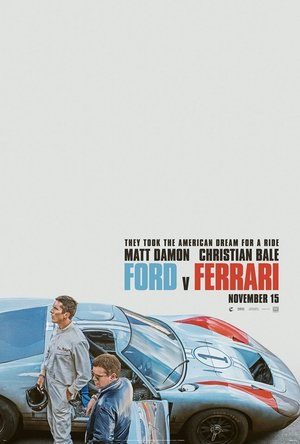
GREAT chemistry between Bale and Damon
Most people are attending - or staying away from - the new James Mangold film, FORD v FERRARI because it is a "race car flick". But to label it as just that is doing a disservice to this film, so if that is what is keeping you away from this movie, think again, for this film is much more than a race car film.
It is, at it's core, a film about friendship and loyalty in the face of adversity and is a very serious contender for multiple awards this Oscar season.
A long gestating film project (Director Mangold first came across this property in 2010), FORD v FERRARI tells the tale of the Ford Motor Company's attempt to unseat the Italian car company, Ferrari, as an elite race car producer by defeating it on it's own turf - the 24 hour race at LeMans.
Entrusted to make this dream a reality by Henry Ford II (Tracy Letts) is (now) legendary race car designer Carroll Shelby (Matt Damon) who turns to his reckless friend - and top race car driver - Ken Miles (Christian Bale) to help put this project over the top.
Will this duo succeed? Will Ford topple Ferrari? Can Shelby help smooth the rough waters that the temperamental Miles will, inevitably, create? What do you think?
But it is the journey - and not the destination - that is the joy of this film, for under the watchful, steady eye of veteran Director Mangold (WALK THE LINE) this film is much, much more than the cliched journey of a maverick bucking the system to, ultimately, prevail. It is a study of friendship and loyalty under intense pressure and Mangold finds the right balance between showing hardcore racing and the friendship and camaraderie of Miles and Shelby.
Mangold, of course, smartly knew that the success (or failure) of this film will rest on the chemistry between the two leads of this film - and he cast them well. Matt Damon brings his usual charm and easy-going attitude to Carroll Shelby, making him the heart and anchor of this film - we see the events unfold through his eyes - and he is a an easy stand-in for the audience during the proceedings and is someone that we are happy, and comfortable, to spend the 2 1/2 hours of this film with.
This is good, for he is strongly complimented - and challenged - by the hard intensity that Christian Bale brings to his portrayal of Ken Miles. This real-life racing car legend is driven (pun intended) to excellence, and does not suffer fools gladly. We spend a good amount of time in this film with Miles staring intently out the window of his race car and no one does smoldering, staring intensity better than Bale. This is another Oscar-worthy performance by an actor who has made a career of Oscar-worthy performances and has me asking - is he the finest actor working today? He certainly is in the conversation.
Bale and Damon play off each other very well, their chemistry seems real and we believe that these are 2 old friends working together. This is the first pairing of these two, and based on these results, I would guess that we'll be seeing these two in a film together again.
They are joined by strong supporting work by the likes of Letts, Jon Bernthal (portraying Lee Iacocca) and Caitriona Balfe (as Miles wife, Mollie). Only Josh Lucas (as the a-hole antagonist of the film) fares less well as his character is written in one note and Lucas just plays that note.
The racing scenes are well done - giving us the visceral intensity of what it must be like in the car, and in the pits, of a major race experience. But it is the friendship between Miles and Shelby that really is the engine that drives this film.
Letter Grade: A
9 stars (out of 10) and you can take that to the Bank (ofMarquis)
It is, at it's core, a film about friendship and loyalty in the face of adversity and is a very serious contender for multiple awards this Oscar season.
A long gestating film project (Director Mangold first came across this property in 2010), FORD v FERRARI tells the tale of the Ford Motor Company's attempt to unseat the Italian car company, Ferrari, as an elite race car producer by defeating it on it's own turf - the 24 hour race at LeMans.
Entrusted to make this dream a reality by Henry Ford II (Tracy Letts) is (now) legendary race car designer Carroll Shelby (Matt Damon) who turns to his reckless friend - and top race car driver - Ken Miles (Christian Bale) to help put this project over the top.
Will this duo succeed? Will Ford topple Ferrari? Can Shelby help smooth the rough waters that the temperamental Miles will, inevitably, create? What do you think?
But it is the journey - and not the destination - that is the joy of this film, for under the watchful, steady eye of veteran Director Mangold (WALK THE LINE) this film is much, much more than the cliched journey of a maverick bucking the system to, ultimately, prevail. It is a study of friendship and loyalty under intense pressure and Mangold finds the right balance between showing hardcore racing and the friendship and camaraderie of Miles and Shelby.
Mangold, of course, smartly knew that the success (or failure) of this film will rest on the chemistry between the two leads of this film - and he cast them well. Matt Damon brings his usual charm and easy-going attitude to Carroll Shelby, making him the heart and anchor of this film - we see the events unfold through his eyes - and he is a an easy stand-in for the audience during the proceedings and is someone that we are happy, and comfortable, to spend the 2 1/2 hours of this film with.
This is good, for he is strongly complimented - and challenged - by the hard intensity that Christian Bale brings to his portrayal of Ken Miles. This real-life racing car legend is driven (pun intended) to excellence, and does not suffer fools gladly. We spend a good amount of time in this film with Miles staring intently out the window of his race car and no one does smoldering, staring intensity better than Bale. This is another Oscar-worthy performance by an actor who has made a career of Oscar-worthy performances and has me asking - is he the finest actor working today? He certainly is in the conversation.
Bale and Damon play off each other very well, their chemistry seems real and we believe that these are 2 old friends working together. This is the first pairing of these two, and based on these results, I would guess that we'll be seeing these two in a film together again.
They are joined by strong supporting work by the likes of Letts, Jon Bernthal (portraying Lee Iacocca) and Caitriona Balfe (as Miles wife, Mollie). Only Josh Lucas (as the a-hole antagonist of the film) fares less well as his character is written in one note and Lucas just plays that note.
The racing scenes are well done - giving us the visceral intensity of what it must be like in the car, and in the pits, of a major race experience. But it is the friendship between Miles and Shelby that really is the engine that drives this film.
Letter Grade: A
9 stars (out of 10) and you can take that to the Bank (ofMarquis)
Sophia (Bookwyrming Thoughts) (530 KP) rated The Faerie Prince (Creepy Hollow, #2) in Books
Jan 23, 2020

<b><i>I received this book for free from Author in exchange for an honest review. This does not affect my opinion of the book or the content of my review.</i></b>
<b>It's weird to get back into a series after over an entire year.</b> Everything that happened back in the <a title="Read Sophia's review of The Faerie Guardian" href="https://bookwyrmingthoughts.com/review-the-faerie-guardian-by-rachel-morgan/"; target="_blank" rel="noopener">first <i>Creepy Hollow</i> book</a> has either been entirely forgotten or stored away and wouldn't be recovered unless Rachel Morgan refreshed me in the sequel.
I suppose the memorable ones the ones I'm extremely passionate or enraged about are the ones that are remembered. Someone do an experiment on this. I digress.
<b>The second book in the <i>Creepy Hollow</i> series brings us back to Creepy Hollow (of course)</b>, shortly after Violet was handed over to the Unseelie Court by Nate, a half human and half faerie she fell in love with. Violet and Ryn decide to forget their ugly past and become friends, and Violet gets her final assignment as a trainee before becoming a guardian and finding out whether or not she gets the top prize of her graduating class.
<i>The Faerie Prince</i> <b>isn't exactly as action-packed</b> this time, mainly focusing on Violet's final assignment as a trainee before graduation definitely <b>the slowest out of all three books in this first arc of the series</b> (I just hope Morgan doesn't pull off a Cassandra Clare/Erin Hunter). It's more of an observation, lose the magic, and walk home in midst of <b>developing the overall plot of the first arc and Violet's relationship with Ryn.</b>
Reading <i>The Faerie Prince</i> probably <b>opened up my eyes on quite a few things about the series</b> that I probably wouldn't have noticed while reading the first book, and had I actually read the first book again this year, I may not have rated it as high as I did. However, <b>the series definitely has the majority of everything I would want in a book:</b>
<b>A fantastic main character Violet is just like any other ordinary teenager</b>, even if she's not a human. She has her moments and her quirks. She's extremely determined, wanting to do things on her own if at all possible without any help. She also <b>kicks butt and she has an attitude filled with sass and the occasional sarcasm that makes the book more entertaining</b>. It certainly made the second book entertaining. I suppose part of that sarcasm is to be blamed on Ryn.
<b>The writing</b> It's fantastic. The way Morgan writes, <b>you can almost <i>feel</i> Violet's emotions</b> her anxiety, fear, nervousness, happiness, joy, etc.
<blockquote>Oh dear Seelie Queen I'm going to trip in these heels and land on my butt and my dress will tear right down the middle and everyone will see my ridiculous enchanted underwear and </blockquote>
<b>A world I want to live in</b> I would love to live in Creepy Hollow. It might just be the faeries and other cool creatures (like Filigree, who I want as a pet), but <b>I imagine the world to be absolutely magical and fantastical</b>. I even want a story from another guild, so long as the traditions are different. Maybe from another creature? (I repeat: I seriously don't want a bunch of spin-offs, but that topic will be discussed another day.)
<b>The ending of <i>The Faerie Prince</i>, however, felt a little abrupt. It also felt appropriate for some unknown reason</b>, but with the slowness of the book, the fast ending just felt skewed and a little out of place. <b>Everything seems to be going well and peachy for Violet, but all of a sudden, everything just falls apart and the book ends.</b>
I'm not too sure how I feel about that.
<a href="https://bookwyrmingthoughts.com/review-the-faerie-prince-by-rachel-morgan/"; target="_blank">This review was originally posted on Bookwyrming Thoughts</a>
<b>It's weird to get back into a series after over an entire year.</b> Everything that happened back in the <a title="Read Sophia's review of The Faerie Guardian" href="https://bookwyrmingthoughts.com/review-the-faerie-guardian-by-rachel-morgan/"; target="_blank" rel="noopener">first <i>Creepy Hollow</i> book</a> has either been entirely forgotten or stored away and wouldn't be recovered unless Rachel Morgan refreshed me in the sequel.
I suppose the memorable ones the ones I'm extremely passionate or enraged about are the ones that are remembered. Someone do an experiment on this. I digress.
<b>The second book in the <i>Creepy Hollow</i> series brings us back to Creepy Hollow (of course)</b>, shortly after Violet was handed over to the Unseelie Court by Nate, a half human and half faerie she fell in love with. Violet and Ryn decide to forget their ugly past and become friends, and Violet gets her final assignment as a trainee before becoming a guardian and finding out whether or not she gets the top prize of her graduating class.
<i>The Faerie Prince</i> <b>isn't exactly as action-packed</b> this time, mainly focusing on Violet's final assignment as a trainee before graduation definitely <b>the slowest out of all three books in this first arc of the series</b> (I just hope Morgan doesn't pull off a Cassandra Clare/Erin Hunter). It's more of an observation, lose the magic, and walk home in midst of <b>developing the overall plot of the first arc and Violet's relationship with Ryn.</b>
Reading <i>The Faerie Prince</i> probably <b>opened up my eyes on quite a few things about the series</b> that I probably wouldn't have noticed while reading the first book, and had I actually read the first book again this year, I may not have rated it as high as I did. However, <b>the series definitely has the majority of everything I would want in a book:</b>
<b>A fantastic main character Violet is just like any other ordinary teenager</b>, even if she's not a human. She has her moments and her quirks. She's extremely determined, wanting to do things on her own if at all possible without any help. She also <b>kicks butt and she has an attitude filled with sass and the occasional sarcasm that makes the book more entertaining</b>. It certainly made the second book entertaining. I suppose part of that sarcasm is to be blamed on Ryn.
<b>The writing</b> It's fantastic. The way Morgan writes, <b>you can almost <i>feel</i> Violet's emotions</b> her anxiety, fear, nervousness, happiness, joy, etc.
<blockquote>Oh dear Seelie Queen I'm going to trip in these heels and land on my butt and my dress will tear right down the middle and everyone will see my ridiculous enchanted underwear and </blockquote>
<b>A world I want to live in</b> I would love to live in Creepy Hollow. It might just be the faeries and other cool creatures (like Filigree, who I want as a pet), but <b>I imagine the world to be absolutely magical and fantastical</b>. I even want a story from another guild, so long as the traditions are different. Maybe from another creature? (I repeat: I seriously don't want a bunch of spin-offs, but that topic will be discussed another day.)
<b>The ending of <i>The Faerie Prince</i>, however, felt a little abrupt. It also felt appropriate for some unknown reason</b>, but with the slowness of the book, the fast ending just felt skewed and a little out of place. <b>Everything seems to be going well and peachy for Violet, but all of a sudden, everything just falls apart and the book ends.</b>
I'm not too sure how I feel about that.
<a href="https://bookwyrmingthoughts.com/review-the-faerie-prince-by-rachel-morgan/"; target="_blank">This review was originally posted on Bookwyrming Thoughts</a>

Gareth von Kallenbach (980 KP) rated The Hangover Part II (2011) in Movies
Aug 7, 2019


It has been two years since writer-director producer Todd Phillips unleashed the mother of all benders on audiences with The Hangover. The film about four buddies on a lost weekend in Vegas was a comedic tour de force that left audiences laughing from start to finish and went on to be the highest grossing R-rated film in history. Naturally when a film does this kind of business, thoughts turned to a sequel and Phillips has returned with the original cast and crew to follow up this comedy classic.
Plot of the film mild-mannered dentist Stu (Ed Helms), who is getting married in Thailand to the girl of his dreams. Undaunted by the fact that his fiancé’s father despises everything about him, Stu convinces his best friends Phil (Bradley Cooper), and Doug (Justin Bartha), to take the 16 hour flight to attend the ceremony. When news reaches them that a crestfallen Alan (Zach Galifianikis), is waiting for his invitation to the ceremony, Stu is reluctant because he does not want a repeat of what happened in Vegas.
But despite their misgivings, the friends decide to include Alan in the ceremony and embark to the airport for the long flight to Thailand. They’re joined at the airport by Stu’s future brother-in-law Teddy (Mason Lee), a child prodigy who was already attending Stanford at 16 and has designs on a future medical career. As Stu’s fiance explains later in the film, Teddy is their father’s “most prized possession.”
Alan takes an instant disliking to Teddy and sees him as an outsider in their “wolf pack” and doesn’t miss an opportunity to try to exclude Teddy. Upon their arrival in beautiful Thailand, the friends get through a somewhat awkward dinner with the future in-laws and relax on the beach for a bonfire and bachelor party. Phil makes sure to be extra careful to avoid any of the issues they had in Vegas and selects bottled beer that was given to them by the hotel staff and makes sure that every one of them only gets an unopened bottle to drink.
Despite these precautions, Stu, Phil, and Alan wake up the next morning in a seedy hotel with absolutely no memory of how they got there and what happened the night before. Stu now sports a fresh facial tattoo while Alan has a completely shaved head. Matters are further complicated when the group realizes that Teddy is missing and that what appears to be his severed finger is found to be floating in a bucket of water.
As if things were not bad enough, matters take an even extreme turn for the worse when a monkey and Mr. Chow (Ken Jeong), show up and add even bigger complications to the already complex situation. The group learns that Doug is safely back at the resort and waiting for their arrival at breakfast after having left the bonfire early, leaving Stu, Alan and Phil to piece together the forgotten events of the night and locate Teddy before the wedding. Along the way they run into criminals, the sleazy side of Bangkok, upset monks, and much more as they race against time to solve the mystery and locate Teddy.
What follows is a comedic adventure complete with jaw-dropping sequences that leaves the audience shocked at just how far they push the envelope. The cast works well with one another and there are some truly funny moments in the film. The biggest issue with the movie is that it must walk a fine line between using the established formula of friends trying to remember and deal with the consequences of their lost evening while not repeating itself.
This is a very tricky proposition as the film essentially follows the same plot line of the original film: a group of friends are trying to remember the previous night and locate a missing member prior to a wedding. There are also similar jokes such as Stu dealing with a tattoo instead of a missing tooth and Alan’s constant nonsensical bantering and plethora of useless information.
Instead of trying to reinvent the wheel director Todd Phillips instead focuses on the relationship of the cast and allows the unique and exotic setting to be the new character and foil for the comedy. Many times in the film it is established that Teddy must be located before “Bangkok gets him” and as such the city offers endless opportunities for the cast.
The film does drag at the three quarters mark but recovers nicely, leading to a predictable finale. While the film was not as thoroughly funny as the original, in terms of humor and storytelling, but there are still plenty of laughs and eye-popping scenes that make it an enjoyable comedy. There are rumors that Phillips has plans for third film in the series to complete the trilogy. If this is indeed the case I would welcome a third film with the understanding that more care be put into the plot to avoid rehashing previous jokes and situations.
Plot of the film mild-mannered dentist Stu (Ed Helms), who is getting married in Thailand to the girl of his dreams. Undaunted by the fact that his fiancé’s father despises everything about him, Stu convinces his best friends Phil (Bradley Cooper), and Doug (Justin Bartha), to take the 16 hour flight to attend the ceremony. When news reaches them that a crestfallen Alan (Zach Galifianikis), is waiting for his invitation to the ceremony, Stu is reluctant because he does not want a repeat of what happened in Vegas.
But despite their misgivings, the friends decide to include Alan in the ceremony and embark to the airport for the long flight to Thailand. They’re joined at the airport by Stu’s future brother-in-law Teddy (Mason Lee), a child prodigy who was already attending Stanford at 16 and has designs on a future medical career. As Stu’s fiance explains later in the film, Teddy is their father’s “most prized possession.”
Alan takes an instant disliking to Teddy and sees him as an outsider in their “wolf pack” and doesn’t miss an opportunity to try to exclude Teddy. Upon their arrival in beautiful Thailand, the friends get through a somewhat awkward dinner with the future in-laws and relax on the beach for a bonfire and bachelor party. Phil makes sure to be extra careful to avoid any of the issues they had in Vegas and selects bottled beer that was given to them by the hotel staff and makes sure that every one of them only gets an unopened bottle to drink.
Despite these precautions, Stu, Phil, and Alan wake up the next morning in a seedy hotel with absolutely no memory of how they got there and what happened the night before. Stu now sports a fresh facial tattoo while Alan has a completely shaved head. Matters are further complicated when the group realizes that Teddy is missing and that what appears to be his severed finger is found to be floating in a bucket of water.
As if things were not bad enough, matters take an even extreme turn for the worse when a monkey and Mr. Chow (Ken Jeong), show up and add even bigger complications to the already complex situation. The group learns that Doug is safely back at the resort and waiting for their arrival at breakfast after having left the bonfire early, leaving Stu, Alan and Phil to piece together the forgotten events of the night and locate Teddy before the wedding. Along the way they run into criminals, the sleazy side of Bangkok, upset monks, and much more as they race against time to solve the mystery and locate Teddy.
What follows is a comedic adventure complete with jaw-dropping sequences that leaves the audience shocked at just how far they push the envelope. The cast works well with one another and there are some truly funny moments in the film. The biggest issue with the movie is that it must walk a fine line between using the established formula of friends trying to remember and deal with the consequences of their lost evening while not repeating itself.
This is a very tricky proposition as the film essentially follows the same plot line of the original film: a group of friends are trying to remember the previous night and locate a missing member prior to a wedding. There are also similar jokes such as Stu dealing with a tattoo instead of a missing tooth and Alan’s constant nonsensical bantering and plethora of useless information.
Instead of trying to reinvent the wheel director Todd Phillips instead focuses on the relationship of the cast and allows the unique and exotic setting to be the new character and foil for the comedy. Many times in the film it is established that Teddy must be located before “Bangkok gets him” and as such the city offers endless opportunities for the cast.
The film does drag at the three quarters mark but recovers nicely, leading to a predictable finale. While the film was not as thoroughly funny as the original, in terms of humor and storytelling, but there are still plenty of laughs and eye-popping scenes that make it an enjoyable comedy. There are rumors that Phillips has plans for third film in the series to complete the trilogy. If this is indeed the case I would welcome a third film with the understanding that more care be put into the plot to avoid rehashing previous jokes and situations.

Hadley (567 KP) rated The Graveyard Book in Books
Sep 30, 2019
A different look at ghosts (1 more)
Flow of writing is great
Questions left unanswered (1 more)
There won't be a sequel
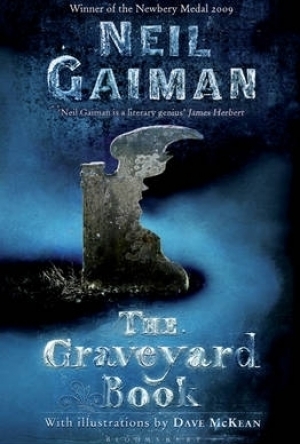
Neil Gaiman knows how to turn an innocent childhood into a terror-filled one. 'The Graveyard Book' revolves around a young boy named Nobody Owens. What makes him different from everyone else is that he lives in a graveyard where he's being raised by the ghostly residents. Nobody, or Bod (as his friends call him), ended up here after his family was brutally murdered, which actually doesn't seem to bother him too much throughout the story. Right from the beginning, readers get to follow the murderer as he makes his way through Bod's house, killing all the members of the family except for Bod, who fortunately manages to get away.
Yet, when Bod showed up at the graveyard, not all the residents wanted to keep the boy, but when a woman in grey appears, she settles the argument by telling them to keep him - - - bringing in the woman in grey seemed as though it only happened to introduce the character, which, unfortunately she is only seen one other time throughout the entire novel; this character really wasn't necessary. When Bod is kept, he is given the "Freedom of the Graveyard," which gives him the ability to see and talk to ghosts, as well as other things. This makes for a very intriguing adventure for us readers.
This book is almost flawless with the concept being very original. I honestly have nothing bad to say about the story. Gaiman doesn't use the usual horror tropes, instead he describes horrific events through the eyes of Bod, as he becomes more familiar with the world outside of the graveyard. Gaiman explains all of Bod's natural needs effortlessly within a graveyard, such as Bod learning to read and spell by using the letters on headstones. This book will surely change the way you look at graveyards for the rest of your life, if you hadn't already seen them in this way. 'The Graveyard Book' is a different type of ghost story, where the reader isn't afraid of the spirits, but rather of the living.
Later on in 'the Graveyard Book,' we meet a character named Scarlett. She is one of the only friends that Bod makes who is alive. For the majority of the book, Scarlett believes that Bod is just her imaginary friend, as her mother brings her to the graveyard every day to play (by this time, it is a claimed nature reserve) . But later on, when Scarlett returns as a teenager, she realizes that Bod is actually a real person. My only complaint about Scarlett's character is that the reader gets to see her dream walk- - - something we have been told only ghosts, supernatural creatures and Bod can do- - - yet, this is never explained why she is able to do this. It leaves one to wonder if Scarlett is a supernatural being or just a human with a particular ability?
" One grave in every graveyard belongs to the ghouls. Wander any graveyard long enough and you will find it- - - waterstained and bulging, with cracked or broken stone, scraggly grass or rank weeds about it, and a feeling, when you reach it, of abandonment. It may be colder than the other gravestones, too, and the name on the stone is all too often impossible to read. If there is a statue on the grave it will be headless or so scabbed with fungus and lichens as to look like a fungus itself. If one grave in a graveyard looks like a target for petty vandals, that is the ghoul-gate. If the grave makes you want to be somewhere else, that is the ghoul-gate. " The ghoul-gate has it's own entire scene in the book, but I wish the ghouls had been in the story quite a bit more. Overall, Gaiman wrote a very pleasing book that looks at ghosts in a different light. He brings up real life fears and fictional ones as well. Unfortunately, the book was written in 2008, and it doesn't seem that Gaiman is working on a sequel, so some questions may never be answered for the readers.
I really liked this book, and I think readers who enjoy paranormal aspects will love this story, too. As far as a ghost story goes, this one I highly recommend, but if you are looking for scares, I suggest you look elsewhere.
Yet, when Bod showed up at the graveyard, not all the residents wanted to keep the boy, but when a woman in grey appears, she settles the argument by telling them to keep him - - - bringing in the woman in grey seemed as though it only happened to introduce the character, which, unfortunately she is only seen one other time throughout the entire novel; this character really wasn't necessary. When Bod is kept, he is given the "Freedom of the Graveyard," which gives him the ability to see and talk to ghosts, as well as other things. This makes for a very intriguing adventure for us readers.
This book is almost flawless with the concept being very original. I honestly have nothing bad to say about the story. Gaiman doesn't use the usual horror tropes, instead he describes horrific events through the eyes of Bod, as he becomes more familiar with the world outside of the graveyard. Gaiman explains all of Bod's natural needs effortlessly within a graveyard, such as Bod learning to read and spell by using the letters on headstones. This book will surely change the way you look at graveyards for the rest of your life, if you hadn't already seen them in this way. 'The Graveyard Book' is a different type of ghost story, where the reader isn't afraid of the spirits, but rather of the living.
Later on in 'the Graveyard Book,' we meet a character named Scarlett. She is one of the only friends that Bod makes who is alive. For the majority of the book, Scarlett believes that Bod is just her imaginary friend, as her mother brings her to the graveyard every day to play (by this time, it is a claimed nature reserve) . But later on, when Scarlett returns as a teenager, she realizes that Bod is actually a real person. My only complaint about Scarlett's character is that the reader gets to see her dream walk- - - something we have been told only ghosts, supernatural creatures and Bod can do- - - yet, this is never explained why she is able to do this. It leaves one to wonder if Scarlett is a supernatural being or just a human with a particular ability?
" One grave in every graveyard belongs to the ghouls. Wander any graveyard long enough and you will find it- - - waterstained and bulging, with cracked or broken stone, scraggly grass or rank weeds about it, and a feeling, when you reach it, of abandonment. It may be colder than the other gravestones, too, and the name on the stone is all too often impossible to read. If there is a statue on the grave it will be headless or so scabbed with fungus and lichens as to look like a fungus itself. If one grave in a graveyard looks like a target for petty vandals, that is the ghoul-gate. If the grave makes you want to be somewhere else, that is the ghoul-gate. " The ghoul-gate has it's own entire scene in the book, but I wish the ghouls had been in the story quite a bit more. Overall, Gaiman wrote a very pleasing book that looks at ghosts in a different light. He brings up real life fears and fictional ones as well. Unfortunately, the book was written in 2008, and it doesn't seem that Gaiman is working on a sequel, so some questions may never be answered for the readers.
I really liked this book, and I think readers who enjoy paranormal aspects will love this story, too. As far as a ghost story goes, this one I highly recommend, but if you are looking for scares, I suggest you look elsewhere.
Never Look at the Empty Seats: A Memoir
Book
A tale of hard work, musical discovery, and faith, Charlie Daniels’s journey has been one of a...
Music biography
Bob Mann (459 KP) rated Wild Rose (2018) in Movies
Sep 28, 2021
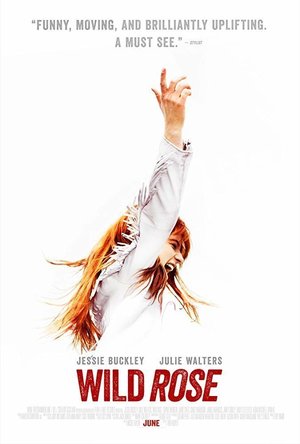
Three Chords and the Truth.
BAFTA named Jessie Buckley as one of their “Rising Stars” for 2019, and here she proves why.
Buckley plays Glaswegian Rose-Lynn Harlan, a decidedly wild child electronically tagged and released from the clink but straight down to some very public cowgirl sex with her erstwhile boyfriend. Only then does she have the afterthought of going round to the house of her Mum (Julie Walters) where two young children live. For Rose-Lynn is a single mum of two (#needs-to-be-more-careful-with-the-cowgirl-stuff), and the emotional damage metered out to the youngsters from her wayward life is fully evident.
Rose-Lynn is a frustrated ‘country-and-weste’… no, sorry… just ‘western’ singer, and she has a talent for bringing the house down in Glasgow during a show. The desire to ‘make it big’ in Nashville is bordering on obsession, and nothing – not her mum, not her children, nothing – will get in her way.
Rose-Lynn has no idea how to make her dream come true. (And no, she doesn’t bump into Bradley Cooper at this point). But things look up when she lies her way to a cleaning job for the middle class Susannah (Sophie Okonedo) who sees the talent in her and comes up with a couple of innovative ways to move her in the right direction.
Will she get out of her Glasgow poverty trap and rise to fame and fortune as a Nashville star?
Difficult to like.
Rose-Lynn is not an easy character to like. She is borderline sociopathic and has a self-centred selfish streak a mile wide. As she tramples all over her offspring’s young lives, breaking each and every promise like clockwork, then you just want to shout at her and give her a good shaking. It’s a difficult line for the film to walk (did the ghost of Johnny Cash make me write that?) and it only barely walks it unscathed.
Memories of Birdman.
A key shout-out needs to go to director Tom Harper (“Woman in Black 2“, and the TV epic “War and Peace”) and his cinematographer of choice George Steel. Some of the angles and framed shots are exquisitely done. A fantastic dance sequence through Susannah’s house (the best since Hugh Grant‘s No. 10 “Jump” in “Love Actually”) reveals the associated imaginary musicians in various alcoves reminiscent of the drummer in “Birdman“. And there are a couple of great drone shots: one (no spoilers) showing Rose-Lynn leaving a party is particularly effective.
The turns.
The camera simply loves Jessie Buckley. She delivers real energy in the good times and real pathos in the bad. She can – assuming it’s her performing – also sing! (No surprise since she was, you might remember, runner up to Jodie Prenger in the BBC search for a “Maria” for Lloyd Webber’s “Sound of Music”). She is certainly one to watch on the acting stage.
Supporting Buckley in prime roles are national treasure Julie Walters, effecting an impressive Glaswegian accent, and Sophie Okonedo, who is one of those well-known faces from TV that you can never quite place. BBC Radio 2’s Bob Harris also turns up as himself, being marvellously unconvincing as an actor!
But I don’t like country music?
Frankly neither do I. But it hardly matters. As long as you don’t ABSOLUTELY LOATHE it, I predict you’ll tolerate the tunes and enjoy the movie. Followers of this blog might remember that – against the general trend – I was highly unimpressed with “A Star is Born“. This movie I enjoyed far, far more.
Buckley plays Glaswegian Rose-Lynn Harlan, a decidedly wild child electronically tagged and released from the clink but straight down to some very public cowgirl sex with her erstwhile boyfriend. Only then does she have the afterthought of going round to the house of her Mum (Julie Walters) where two young children live. For Rose-Lynn is a single mum of two (#needs-to-be-more-careful-with-the-cowgirl-stuff), and the emotional damage metered out to the youngsters from her wayward life is fully evident.
Rose-Lynn is a frustrated ‘country-and-weste’… no, sorry… just ‘western’ singer, and she has a talent for bringing the house down in Glasgow during a show. The desire to ‘make it big’ in Nashville is bordering on obsession, and nothing – not her mum, not her children, nothing – will get in her way.
Rose-Lynn has no idea how to make her dream come true. (And no, she doesn’t bump into Bradley Cooper at this point). But things look up when she lies her way to a cleaning job for the middle class Susannah (Sophie Okonedo) who sees the talent in her and comes up with a couple of innovative ways to move her in the right direction.
Will she get out of her Glasgow poverty trap and rise to fame and fortune as a Nashville star?
Difficult to like.
Rose-Lynn is not an easy character to like. She is borderline sociopathic and has a self-centred selfish streak a mile wide. As she tramples all over her offspring’s young lives, breaking each and every promise like clockwork, then you just want to shout at her and give her a good shaking. It’s a difficult line for the film to walk (did the ghost of Johnny Cash make me write that?) and it only barely walks it unscathed.
Memories of Birdman.
A key shout-out needs to go to director Tom Harper (“Woman in Black 2“, and the TV epic “War and Peace”) and his cinematographer of choice George Steel. Some of the angles and framed shots are exquisitely done. A fantastic dance sequence through Susannah’s house (the best since Hugh Grant‘s No. 10 “Jump” in “Love Actually”) reveals the associated imaginary musicians in various alcoves reminiscent of the drummer in “Birdman“. And there are a couple of great drone shots: one (no spoilers) showing Rose-Lynn leaving a party is particularly effective.
The turns.
The camera simply loves Jessie Buckley. She delivers real energy in the good times and real pathos in the bad. She can – assuming it’s her performing – also sing! (No surprise since she was, you might remember, runner up to Jodie Prenger in the BBC search for a “Maria” for Lloyd Webber’s “Sound of Music”). She is certainly one to watch on the acting stage.
Supporting Buckley in prime roles are national treasure Julie Walters, effecting an impressive Glaswegian accent, and Sophie Okonedo, who is one of those well-known faces from TV that you can never quite place. BBC Radio 2’s Bob Harris also turns up as himself, being marvellously unconvincing as an actor!
But I don’t like country music?
Frankly neither do I. But it hardly matters. As long as you don’t ABSOLUTELY LOATHE it, I predict you’ll tolerate the tunes and enjoy the movie. Followers of this blog might remember that – against the general trend – I was highly unimpressed with “A Star is Born“. This movie I enjoyed far, far more.

Baby Monitor Duo (VoIP)
Lifestyle and Health & Fitness
App
Now with live video streaming! All you need are TWO iOS-devices – iPhone / iPad / iPad Touch –...