
Search
Search results

Bong Mines Entertainment (15 KP) rated Suicidal Since 1995 by Ängie in Music
Jun 7, 2019


Ängie is an electric-pop singer from Stockholm, Sweden. Not too long ago, she released an explosive debut EP, entitled, “Suicidal Since 1995”.
Ängie – “Dope”
The 7-track project begins with the boomin’ lead single, “Dope”, produced by Canto. Everything about this song is dope, down to the title. Also, it’s hypnotizing frequency is so addictive that it has clocked well over a quarter of a million views on YouTube, and that’s within a month of its release.
The artist described “Dope” as a love song where she confuses love with the rush for music and drugs. In the music video, she performs among various vices including drugs, vehicles, and animals.
The second song, “Boss”, is a flirtatious ditty about foreplay in the back of a vehicle. It’s straight to the point, hot, and steamy. Also, it’s a remake of Lana Del Rey’s “You Can Be the Boss”, from the singer’s “Unreleased” album.
Not too long ago, we covered the third track, “Here For My Habits”, which is also the second single from Suicidal Since 1995.
“Here For My Habits”
On the song, Ängie talks about her sexual-invitation experiences with dealers from her past. She explains how some of them tried to hit on her, some even falling in love with her.
The fourth track, “We Run”, is a song about a drug-induced nighttime romance, perpetrated in the dark or secrecy. But when the sun comes up, the hypnotic-tranced lovers run for cover.
The fifth track, “2013”, speaks about living young, wild, and free. Also, lyrics of hiding from cops and papa indicates a certain level of paranoia due to probably smoking too much bomb weed and drinking alcoholic beverages. Then a deep thought sinks in, “18, I can’t believe where the time’s gone?”
The sixth track, “Coke Ain’t Brain”, takes the volume up another notch. The song speaks of someone being addicted to Mary Jane (marijuana) and now they’re trapped to a ball and chain with Charlie (cocaine) stuffed in their nose.
The seventh song, “Venus in Fur”, is laidback, trancey, with a backdrop made of fluffy pillows. When the singer sings, “I am tired, I am weary. I could sleep for a thousand years,” listeners might find themselves under her spell.
Overall, “Suicidal Since 1995” is a solid debut project worth listening to. It has replay value and we highly recommend adding it to your music library.
https://www.bongminesentertainment.com/angie-suicidal-since-1995/
Ängie – “Dope”
The 7-track project begins with the boomin’ lead single, “Dope”, produced by Canto. Everything about this song is dope, down to the title. Also, it’s hypnotizing frequency is so addictive that it has clocked well over a quarter of a million views on YouTube, and that’s within a month of its release.
The artist described “Dope” as a love song where she confuses love with the rush for music and drugs. In the music video, she performs among various vices including drugs, vehicles, and animals.
The second song, “Boss”, is a flirtatious ditty about foreplay in the back of a vehicle. It’s straight to the point, hot, and steamy. Also, it’s a remake of Lana Del Rey’s “You Can Be the Boss”, from the singer’s “Unreleased” album.
Not too long ago, we covered the third track, “Here For My Habits”, which is also the second single from Suicidal Since 1995.
“Here For My Habits”
On the song, Ängie talks about her sexual-invitation experiences with dealers from her past. She explains how some of them tried to hit on her, some even falling in love with her.
The fourth track, “We Run”, is a song about a drug-induced nighttime romance, perpetrated in the dark or secrecy. But when the sun comes up, the hypnotic-tranced lovers run for cover.
The fifth track, “2013”, speaks about living young, wild, and free. Also, lyrics of hiding from cops and papa indicates a certain level of paranoia due to probably smoking too much bomb weed and drinking alcoholic beverages. Then a deep thought sinks in, “18, I can’t believe where the time’s gone?”
The sixth track, “Coke Ain’t Brain”, takes the volume up another notch. The song speaks of someone being addicted to Mary Jane (marijuana) and now they’re trapped to a ball and chain with Charlie (cocaine) stuffed in their nose.
The seventh song, “Venus in Fur”, is laidback, trancey, with a backdrop made of fluffy pillows. When the singer sings, “I am tired, I am weary. I could sleep for a thousand years,” listeners might find themselves under her spell.
Overall, “Suicidal Since 1995” is a solid debut project worth listening to. It has replay value and we highly recommend adding it to your music library.
https://www.bongminesentertainment.com/angie-suicidal-since-1995/

Emma @ The Movies (1786 KP) rated SuperFly (2018) in Movies
Sep 25, 2019
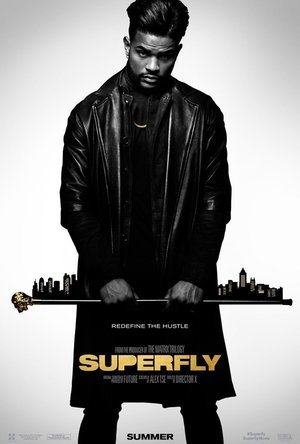


This is a remake of Super Fly from 1972, not one I've seen, after seeing this I don't think I'll bother.
I can't say that any of the acting really stood out over the rest. It's not really my genre/subject matter, but everything did feel rather stereotypical. It was an interesting story, but for me the negatives outweighed the positives.
The style of the first and only real fight scene of the whole film was very good, if a little cheesy. It hit the spot for action but it didn't feel like any of the rest of the movie and stuck out a little for me. Perhaps because it's one of the few times we see Priest express any violence? I'm not sure.
Superfly ticks one of my top film faux pas... tailing people so close that there's no way they're not going to see you. Especially in this instance where the job basically requires you to be excessively paranoid.
At about the half way point I honestly didn't really know what was going on. I was more confused by everything than engrossed.
I don't know the ins and outs of filming techniques, but it seemed like there were a lot of different things involved in this one. As well as the fight scene early on there's a short chase scene where the footage doesn't quite seem real, it's more like game play. Whatever it was (I know you're enjoying my super technical terminology here) it stuck out like a sore thumb.
My only other observation about Superfly is Priest's relationship. Not your usual main stream thing which made a nice change... but... it really felt like it was thrown in gratuitously. I'm not being prudish here, I honestly don't mind sex scenes in films, but this one wasn't needed for the story line. It was over the top and wholly unnecessary.
What should you do?
It's not one I'd go recommending to people, but if you like drug related movies then why not give it a go. If you're more intrigued by that sex scene then I'm sure there's plenty of porn you could watch online instead.
Movie thing you wish you could take home
I'll have that big pile of cash, please and thank you.
I can't say that any of the acting really stood out over the rest. It's not really my genre/subject matter, but everything did feel rather stereotypical. It was an interesting story, but for me the negatives outweighed the positives.
The style of the first and only real fight scene of the whole film was very good, if a little cheesy. It hit the spot for action but it didn't feel like any of the rest of the movie and stuck out a little for me. Perhaps because it's one of the few times we see Priest express any violence? I'm not sure.
Superfly ticks one of my top film faux pas... tailing people so close that there's no way they're not going to see you. Especially in this instance where the job basically requires you to be excessively paranoid.
At about the half way point I honestly didn't really know what was going on. I was more confused by everything than engrossed.
I don't know the ins and outs of filming techniques, but it seemed like there were a lot of different things involved in this one. As well as the fight scene early on there's a short chase scene where the footage doesn't quite seem real, it's more like game play. Whatever it was (I know you're enjoying my super technical terminology here) it stuck out like a sore thumb.
My only other observation about Superfly is Priest's relationship. Not your usual main stream thing which made a nice change... but... it really felt like it was thrown in gratuitously. I'm not being prudish here, I honestly don't mind sex scenes in films, but this one wasn't needed for the story line. It was over the top and wholly unnecessary.
What should you do?
It's not one I'd go recommending to people, but if you like drug related movies then why not give it a go. If you're more intrigued by that sex scene then I'm sure there's plenty of porn you could watch online instead.
Movie thing you wish you could take home
I'll have that big pile of cash, please and thank you.

Kim Pook (101 KP) rated Bates Motel in TV
Aug 6, 2019


Acting (1 more)
Storylines
Hated psycho but enjoyed this
Contains spoilers, click to show
I never saw the original psycho but i did watch the 90s remake which i found very boring, so i went into this not expecting much at all. However, after the first episode i was hooked and bingewatched all 5 seasons in about 3 weeks.
Incase you have never seen or heard of psycho, it's about the teenage life of a boy called Norman Bates, who suffers with blackouts where he becomes violent. Norman helps run a motel with his mother Norma (yes, that's right - Norman and Norma haha!!) Who is very protective of her son. Seasons 1-3 we get to know about the bates and why they are unlike any normal family, there's a few murders but we wonder was it Norman or not? Season 4 and 5 is where it gets very good and Normans shy side of his personality starts to completely diminish and his 'mother' personality takes over more frequently.
Throughout the seasons there wasn't really any main character i disliked, each one had a gripping story attached to them and I even started to like chick - the strange trailer guy who had beef with Dylans dad (and normas brother). The only part of the show i wasn't interested in was Dylans job in the weed selling business but that didn't last long thankfully.
Funny enough I even felt sorry for Norman but at the same time i wanted to smack some sense into Norma for protecting him right up until he killed her.
The final episode was very sad but at the same time you feel happy because Norman got his wish and no longer had to fight 'Mother'. I know many people think a season 6 was needed but i think season 5 ended perfectly. I feel lost now I'm finished though.
Incase you have never seen or heard of psycho, it's about the teenage life of a boy called Norman Bates, who suffers with blackouts where he becomes violent. Norman helps run a motel with his mother Norma (yes, that's right - Norman and Norma haha!!) Who is very protective of her son. Seasons 1-3 we get to know about the bates and why they are unlike any normal family, there's a few murders but we wonder was it Norman or not? Season 4 and 5 is where it gets very good and Normans shy side of his personality starts to completely diminish and his 'mother' personality takes over more frequently.
Throughout the seasons there wasn't really any main character i disliked, each one had a gripping story attached to them and I even started to like chick - the strange trailer guy who had beef with Dylans dad (and normas brother). The only part of the show i wasn't interested in was Dylans job in the weed selling business but that didn't last long thankfully.
Funny enough I even felt sorry for Norman but at the same time i wanted to smack some sense into Norma for protecting him right up until he killed her.
The final episode was very sad but at the same time you feel happy because Norman got his wish and no longer had to fight 'Mother'. I know many people think a season 6 was needed but i think season 5 ended perfectly. I feel lost now I'm finished though.

Andy K (10827 KP) rated Naked Lunch (1991) in Movies
Sep 28, 2019
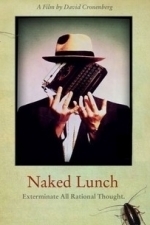
Exterminate all rational thought.
The closing line from Roger Ebert's TV review of Naked Lunch was "I love what he did, but I hate it!"
Director David Cronenberg has always been known as someone who pushes the envelope of film storytelling to its limit. This is not more on display in maybe any of his films more than it is in Naked Lunch.
In 1952 New York, pest exterminator Bill Lee has an problem in his life. His wife, Joan, has begun using and is now addicted to his "bug powder" he uses in his job. She shoots it into her veins for her narcotics addiction. She is so full of the intoxicant she can even breath on cockroaches to kill them . Bill is arrested for his involvement and begins to trip himself.
His high continues as he now believes he is a secret agent who has been told he must murder his wife. He returns home and actually accidentally does so in a case of ironic accomplishment.
His trip takes him to North Africa where he meets a slew of bizarre and unsavory characters in his attempt to complete his ongoing "mission". He writes a series of articles using a typewriter which continually morphs into a giant cockroach. He finds another man who lets him borrow his typewriter in which his living typewriter is maimed and killed by Bill's device. Another man Bill meets may actually be a giant killer centipede in disguise!
If this doesn't make a lot of sense, I don't think it is really supposed to. Cronenberg's film, according to the writer/director himself, is an amalgam of not only the source material novel by William S. Burroughs, but also other works by the author and even some aspects of Burroughs' own life including the wife shooting incident.
Pretty much right from the start you know you are in for something very unusual when Lee starts having a conversation with his bug typewriter 15 minutes into the film. Then add another conversation with a giant "mugwump" sitting at a bar, a bug that bizarrely speaks in a voice from his bulbous anus and the fore mentioned giant centipede, you have a film in which you never are fully aware of what is real or what has become a drug-filled fantasy.
Cronenberg's fascination with the "body horror" style of film goes way back to some of his earlier films including The Brood and Scanners as well as They Fly remake. All his skill at creating one of a kind images are on full display here and you can't take your eyes off the screen as a result.
The entire cast really inhabit their roles including Peter Weller (who turned down Robocop 3 for this role) as Lee. His monotone, stoic delivery and minimalist physicality is perfect for this role. Throw in supporting performances by Ian Holm, Judy Davis and even Roy Scheider and you have found a perfect ensemble for this strange acid trip of a film.
The jazz soundtrack is also legendary including saxophone maestro Ornette Coleman off a score from Howard Shore. The improvisation and inconsistent melodies are a partnership with the unusual story taking place and form a symbiosis with the film.
You definitely leave the film wondering what you have just watched; however, sometimes that s a good thing. The director makes you think about what you have watched and decide for yourself the important elements what what is actually true.
I wish more films were like this!
Director David Cronenberg has always been known as someone who pushes the envelope of film storytelling to its limit. This is not more on display in maybe any of his films more than it is in Naked Lunch.
In 1952 New York, pest exterminator Bill Lee has an problem in his life. His wife, Joan, has begun using and is now addicted to his "bug powder" he uses in his job. She shoots it into her veins for her narcotics addiction. She is so full of the intoxicant she can even breath on cockroaches to kill them . Bill is arrested for his involvement and begins to trip himself.
His high continues as he now believes he is a secret agent who has been told he must murder his wife. He returns home and actually accidentally does so in a case of ironic accomplishment.
His trip takes him to North Africa where he meets a slew of bizarre and unsavory characters in his attempt to complete his ongoing "mission". He writes a series of articles using a typewriter which continually morphs into a giant cockroach. He finds another man who lets him borrow his typewriter in which his living typewriter is maimed and killed by Bill's device. Another man Bill meets may actually be a giant killer centipede in disguise!
If this doesn't make a lot of sense, I don't think it is really supposed to. Cronenberg's film, according to the writer/director himself, is an amalgam of not only the source material novel by William S. Burroughs, but also other works by the author and even some aspects of Burroughs' own life including the wife shooting incident.
Pretty much right from the start you know you are in for something very unusual when Lee starts having a conversation with his bug typewriter 15 minutes into the film. Then add another conversation with a giant "mugwump" sitting at a bar, a bug that bizarrely speaks in a voice from his bulbous anus and the fore mentioned giant centipede, you have a film in which you never are fully aware of what is real or what has become a drug-filled fantasy.
Cronenberg's fascination with the "body horror" style of film goes way back to some of his earlier films including The Brood and Scanners as well as They Fly remake. All his skill at creating one of a kind images are on full display here and you can't take your eyes off the screen as a result.
The entire cast really inhabit their roles including Peter Weller (who turned down Robocop 3 for this role) as Lee. His monotone, stoic delivery and minimalist physicality is perfect for this role. Throw in supporting performances by Ian Holm, Judy Davis and even Roy Scheider and you have found a perfect ensemble for this strange acid trip of a film.
The jazz soundtrack is also legendary including saxophone maestro Ornette Coleman off a score from Howard Shore. The improvisation and inconsistent melodies are a partnership with the unusual story taking place and form a symbiosis with the film.
You definitely leave the film wondering what you have just watched; however, sometimes that s a good thing. The director makes you think about what you have watched and decide for yourself the important elements what what is actually true.
I wish more films were like this!


Lee (2222 KP) rated Black Christmas (2019) in Movies
Dec 13, 2019


Back in 1974, a low-budget Canadian horror movie by the name of Black Christmas was released and was one of the first to define the slasher movie template that we've now become so heavily accustomed to. Black Christmas already got a remake back in 2006 and now we have another, coming this time from powerhouse movie studio Blumhouse and directed/co-written by Sophia Takal.
Black Christmas retains its campus setting as a group of sorority sisters, all seniors at Hawthorne University, prepare for the end of term and the Christmas holidays. While a group of girls are celebrating one night, one of their friends is being terrorised by a robed killer as she walks home alone down a quiet snowy street, adorned with Christmas decorations. It's all pretty generic stuff so far, and in terms of horror and suspense, that's all we get for about the next 30 minutes or so while the movie shifts down a few gears and tries to introduce us to some characters and some kind of plot.
Riley (Imogen Poots) is one of only a couple of characters who you'll remember come the end of the movie. After passing out at a frat party a few years earlier, Riley was sexually assaulted, and she and her friends are now preparing to sing at another frat party which her accused rapist will also be attending. While looking around the house for a friend who seems to have gone missing, Riley opens the door on a hidden room where she observes a strange ceremony - pledges, wearing medieval robes and masks, are being daubed with some kind of black goo that's oozing from the eyes of a bust depicting the University's founder. She leaves them to it, and heads back to the party, not before rescuing her lost friend from the unwanted advances of another frat boy in his room.
Riley goes on to perform with her friends, a routine which turns out to be a carefully choreographed prank song - worded as a call out to the toxic masculinity and frat rape culture that Riley and so many other girls have experienced first hand. Needless to say, this doesn't go down too well with the boys, even more so when a video of the routine goes viral the next day.
Meanwhile, another one of the sisters is currently in the process of gathering signatures for a petition, in an attempt to get their English professor (Cary Elwes) sacked for not including enough diversity in his curriculum. So, when some of the lesser known female characters begin disappearing, and our main cast begin receiving mysterious and threatening messages on their phones, there are certainly plenty of potential suspects to choose from. Eventually, the killer makes it into the sorority house where Riley and her friends are, and it's up to them all to work together in order to outwit and defeat the killer.
I'm a big fan of the 'final girl' movie, where the seemingly indestructible female lead goes from downtrodden victim to badass warrior (see 'You're Next', or this years hugely enjoyable 'Ready Or Not'), remaining as sole survivor once the dust has settled and the movie comes to its satisfying conclusion. I was really hoping for Black Christmas to follow in that vein, and it's clearly what the filmmakers were aiming for too. But, despite its well-intentioned premise, Black Christmas completely fails to deliver. Death scenes are rushed, not even particularly inventive, and because it is so drearily written and poorly directed, you barely know or even care who most of the victims are anyway. Following a slow and messy first half, the movie then takes a turn towards the supernatural, culminating in a frankly ridiculous final act and cementing this movie firmly in my worst 5 movies of 2019!
Black Christmas retains its campus setting as a group of sorority sisters, all seniors at Hawthorne University, prepare for the end of term and the Christmas holidays. While a group of girls are celebrating one night, one of their friends is being terrorised by a robed killer as she walks home alone down a quiet snowy street, adorned with Christmas decorations. It's all pretty generic stuff so far, and in terms of horror and suspense, that's all we get for about the next 30 minutes or so while the movie shifts down a few gears and tries to introduce us to some characters and some kind of plot.
Riley (Imogen Poots) is one of only a couple of characters who you'll remember come the end of the movie. After passing out at a frat party a few years earlier, Riley was sexually assaulted, and she and her friends are now preparing to sing at another frat party which her accused rapist will also be attending. While looking around the house for a friend who seems to have gone missing, Riley opens the door on a hidden room where she observes a strange ceremony - pledges, wearing medieval robes and masks, are being daubed with some kind of black goo that's oozing from the eyes of a bust depicting the University's founder. She leaves them to it, and heads back to the party, not before rescuing her lost friend from the unwanted advances of another frat boy in his room.
Riley goes on to perform with her friends, a routine which turns out to be a carefully choreographed prank song - worded as a call out to the toxic masculinity and frat rape culture that Riley and so many other girls have experienced first hand. Needless to say, this doesn't go down too well with the boys, even more so when a video of the routine goes viral the next day.
Meanwhile, another one of the sisters is currently in the process of gathering signatures for a petition, in an attempt to get their English professor (Cary Elwes) sacked for not including enough diversity in his curriculum. So, when some of the lesser known female characters begin disappearing, and our main cast begin receiving mysterious and threatening messages on their phones, there are certainly plenty of potential suspects to choose from. Eventually, the killer makes it into the sorority house where Riley and her friends are, and it's up to them all to work together in order to outwit and defeat the killer.
I'm a big fan of the 'final girl' movie, where the seemingly indestructible female lead goes from downtrodden victim to badass warrior (see 'You're Next', or this years hugely enjoyable 'Ready Or Not'), remaining as sole survivor once the dust has settled and the movie comes to its satisfying conclusion. I was really hoping for Black Christmas to follow in that vein, and it's clearly what the filmmakers were aiming for too. But, despite its well-intentioned premise, Black Christmas completely fails to deliver. Death scenes are rushed, not even particularly inventive, and because it is so drearily written and poorly directed, you barely know or even care who most of the victims are anyway. Following a slow and messy first half, the movie then takes a turn towards the supernatural, culminating in a frankly ridiculous final act and cementing this movie firmly in my worst 5 movies of 2019!

Partner Remuneration in Law Firms: A Guide to Reward Structures, Performance Management and Decision-Making
Book
Law firms are constantly looking to improve the effectiveness of their partner remuneration systems...
Lee (2222 KP) rated The Gentlemen (2020) in Movies
Jan 5, 2020
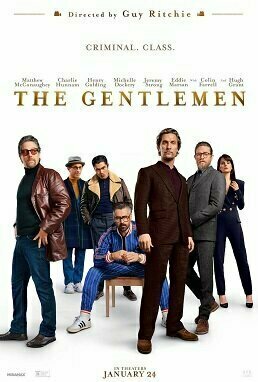
After the big budget train wreck that was King Arthur: Legend of the Sword in 2017, and the big budget Disney remake of Aladdin last year, Guy Ritchie has returned to the comedy gangster roots where he made his name more than two decades ago. It’s the kind of movie that I’m not really a fan of if I’m honest, and I didn’t even like the look of the trailer for The Gentlemen either, but I gave it a shot. I’m glad I did.
Matthew McConaughey is Mickey Pearson, a sharp suit wearing, self made millionaire. Mickey made his fortune by initially selling weed to students while studying with them at Oxford, before spending the next 20 years building up a nationwide marijuana empire. It’s a slick operation too - by striking up deals with British aristocrats who are struggling to maintain their large stately homes, Mickey has been able to setup 12 marijuana farms on their premises and kept them undetected. However, Mickey is now looking to sell up and retire so that he can buy himself one of those big stately homes for him and his ice queen wife (Michelle Dockery). But it’s not quite as easy as that. There are a number of interested parties who either want to screw the price down or just take the whole operation from under Mickey’s feet. And the king of the jungle isn’t having any of it.
The story plays out under the narration of sleazy reporter Fletcher (Hugh Grant), who has turned up on the doorstep of Mickey’s right hand man Raymond (Charlie Hunnam) one evening in order to try and blackmail his boss. Fletcher has been hired by a tabloid editor to dig up dirt on Mickey Pearson and has been closely following the events and players surrounding the sale of his business. Fletcher has decided that what he’s uncovered could be worth a hell of a lot more than the £150K promised by the newspaper and has turned his findings into a movie script which he then proceeds to describe to Raymond throughout the movie. Along the way, details are embellished by Fletcher to spice up certain moments that he feels are lacking in action, corrected by Raymond as we rewind to see the actual events.
The Gentlemen features a big ensemble cast, most of which give a brilliantly hilarious performance. Hugh Grant steals the show, with his campy Michael Caine. Along the way we meet Chinese rival Dry Eye (Henry Golding, redeeming himself after his wooden performance in Last Christmas recently) and Coach (another show stealer, played by Colin Farrell).
The pacing of The Gentlemen felt spot on for me, and as the story flipped back and forth in time, interspersed with Fletcher and Raymond’s comic interludes, I never felt bored. There are plenty of twists and turns, c-bombs and much more of what you’d expect from a Ritchie movie of this kind. But it also feels a lot slicker and more mainstream, with most of the violence occurring off screen - apart from the odd cocky young chav or drug addict getting the occasional well deserved slap!
Overall, I’m so glad I have this movie a chance. A great cast and a fun story with plenty of laugh out loud moments.
Matthew McConaughey is Mickey Pearson, a sharp suit wearing, self made millionaire. Mickey made his fortune by initially selling weed to students while studying with them at Oxford, before spending the next 20 years building up a nationwide marijuana empire. It’s a slick operation too - by striking up deals with British aristocrats who are struggling to maintain their large stately homes, Mickey has been able to setup 12 marijuana farms on their premises and kept them undetected. However, Mickey is now looking to sell up and retire so that he can buy himself one of those big stately homes for him and his ice queen wife (Michelle Dockery). But it’s not quite as easy as that. There are a number of interested parties who either want to screw the price down or just take the whole operation from under Mickey’s feet. And the king of the jungle isn’t having any of it.
The story plays out under the narration of sleazy reporter Fletcher (Hugh Grant), who has turned up on the doorstep of Mickey’s right hand man Raymond (Charlie Hunnam) one evening in order to try and blackmail his boss. Fletcher has been hired by a tabloid editor to dig up dirt on Mickey Pearson and has been closely following the events and players surrounding the sale of his business. Fletcher has decided that what he’s uncovered could be worth a hell of a lot more than the £150K promised by the newspaper and has turned his findings into a movie script which he then proceeds to describe to Raymond throughout the movie. Along the way, details are embellished by Fletcher to spice up certain moments that he feels are lacking in action, corrected by Raymond as we rewind to see the actual events.
The Gentlemen features a big ensemble cast, most of which give a brilliantly hilarious performance. Hugh Grant steals the show, with his campy Michael Caine. Along the way we meet Chinese rival Dry Eye (Henry Golding, redeeming himself after his wooden performance in Last Christmas recently) and Coach (another show stealer, played by Colin Farrell).
The pacing of The Gentlemen felt spot on for me, and as the story flipped back and forth in time, interspersed with Fletcher and Raymond’s comic interludes, I never felt bored. There are plenty of twists and turns, c-bombs and much more of what you’d expect from a Ritchie movie of this kind. But it also feels a lot slicker and more mainstream, with most of the violence occurring off screen - apart from the odd cocky young chav or drug addict getting the occasional well deserved slap!
Overall, I’m so glad I have this movie a chance. A great cast and a fun story with plenty of laugh out loud moments.


BankofMarquis (1832 KP) rated Game Night (2018) in Movies
Feb 28, 2018
Funny film with Intelligent humor
Heading into GAME NIGHT, I was trying to remember the last time I saw a good, funny film that did not rely on Gross-Out Humor or Sex & Fart jokes to mine it's laughs.
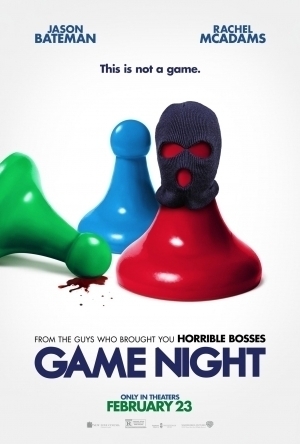
No need to try to remember now, for GAME NIGHT is a very funny, mostly clean, good old-fashioned comedy where the comedy comes out of how the characters react and interact with each other as an increasingly complex and out-of-control series of events batter them from every possible angle.
Co-Directed by John Francis Daley & Jonathan Goldstein (the duo previously co-Directed the remake of VACATION in 2015), GAME NIGHT tells the story of an ultra-competitive couple, Max & Annie (Jason Bateman & Rachel McAdams) who's weekly GAME NIGHT is upended by Max' much more successful older brother, Brooks (Kyle Chandler) who promises to "up the ante" on game night by providing a "murder-mystery" type kidnapping. When real kidnappers show up and kidnap Brooks, the clueless couple - and their friends - try to solve what they think is a make believe mystery.
As Directed by Daley & Goldstein and with the subtle comedic stylings of Bateman & McAdams, this film succeeds very well in a calm, funny manner. The humorous parts of this film are viewed with kind of a sideways glance vs. the usual temptation to bash the audience over the head with it. It's as if the filmmakers and actors are relying on the intelligence of the audience to mine their humor. It was quite refreshing for me, as an audience member, to be treated with this respect. And...it was darned funny.
Joining Bateman and McAdams are Sharon Horgan, Billy Magnussen, Lamorne Morris & Kylie Bunbury as the other 2 couples competing to solve the mystery. All are funny in their own way, but Magnussen rises slightly above the rest for his take on "the dumb blonde." But, surprisingly, the person who steals the film is Jessie Plemons as Max & Annie's strange neighbor. Plemons, heretofore known to me only as a dramatic actor, plays his character with such a deadpan earnestness, that I started chuckling whenever he just showed up on the screen - a very good sign, indeed.
If you are looking for a good, funny, film (one where you would be comfortable sitting through with your spouse), then run, don't walk to GAME NIGHT, it will be well worth your time.
Letter Grade: A-
8 (out of 10) stars and you can take that to the Bank(ofMarquis)
P.S.: Stay through the end of the credits, it will be worth it.
No need to try to remember now, for GAME NIGHT is a very funny, mostly clean, good old-fashioned comedy where the comedy comes out of how the characters react and interact with each other as an increasingly complex and out-of-control series of events batter them from every possible angle.
Co-Directed by John Francis Daley & Jonathan Goldstein (the duo previously co-Directed the remake of VACATION in 2015), GAME NIGHT tells the story of an ultra-competitive couple, Max & Annie (Jason Bateman & Rachel McAdams) who's weekly GAME NIGHT is upended by Max' much more successful older brother, Brooks (Kyle Chandler) who promises to "up the ante" on game night by providing a "murder-mystery" type kidnapping. When real kidnappers show up and kidnap Brooks, the clueless couple - and their friends - try to solve what they think is a make believe mystery.
As Directed by Daley & Goldstein and with the subtle comedic stylings of Bateman & McAdams, this film succeeds very well in a calm, funny manner. The humorous parts of this film are viewed with kind of a sideways glance vs. the usual temptation to bash the audience over the head with it. It's as if the filmmakers and actors are relying on the intelligence of the audience to mine their humor. It was quite refreshing for me, as an audience member, to be treated with this respect. And...it was darned funny.
Joining Bateman and McAdams are Sharon Horgan, Billy Magnussen, Lamorne Morris & Kylie Bunbury as the other 2 couples competing to solve the mystery. All are funny in their own way, but Magnussen rises slightly above the rest for his take on "the dumb blonde." But, surprisingly, the person who steals the film is Jessie Plemons as Max & Annie's strange neighbor. Plemons, heretofore known to me only as a dramatic actor, plays his character with such a deadpan earnestness, that I started chuckling whenever he just showed up on the screen - a very good sign, indeed.
If you are looking for a good, funny, film (one where you would be comfortable sitting through with your spouse), then run, don't walk to GAME NIGHT, it will be well worth your time.
Letter Grade: A-
8 (out of 10) stars and you can take that to the Bank(ofMarquis)
P.S.: Stay through the end of the credits, it will be worth it.

Movie Metropolis (309 KP) rated Mr. Holmes (2015) in Movies
Jun 10, 2019 (Updated Jun 11, 2019)
Sir Ian McKellen is magnificent
Sherlock Holmes is hot property at the moment. Robert Downey Jr has played the titular detective in two box-office behemoths and Benedict Cumberbatch is supremely popular across the globe for his take on the character.
Now, Sir Ian McKellen is giving it a go in the little-publicised BBC funded Mr Holmes. But does it continue the trend of crafting intriguing dramas from the stories of Sir Arthur Conan Doyle?
Bill Condon, director of Dreamgirls and the upcoming Beauty & the Beast live-action remake takes charge of an intriguing film that ends up having a whiff of Saturday night drama about it.
Mr Holmes follows the story of the titular character as he comes to terms with his advancing years. McKellen plays Holmes at age 93, living away from the public eye in a quiet rural location alongside his harsh housekeeper Mrs Munro (Laura Linney) and her son Roger – a wonderful Milo Parker in his first big-screen role.
Ian McKellen is simply brilliant throughout the course of the film and after years of playing Gandalf and Magneto, slows things right down in a portrayal of the detective never really seen before – he is magnificent.
Laura Linney is a good distraction from McKellen’s rather downbeat role but her character doesn’t really do enough to register and her accent wanders through numerous countries by the time the end credits roll. This is very much McKellen’s film.
Mr Holmes, much like A Little Chaos earlier this year is a slow-paced drama that would rather tackle the finer details of the script and focus on its characters then delve into unnecessary subplots and fancy special effects and there’s something charming about this simplicity.
Unfortunately though, it all just feels a little TV drama like. Because of this, you’re almost expecting a ‘To be continued…’ credit to be added at the end of the first hour – with the conclusion coming a week later.
This is a real shame as it makes Mr Holmes feel longer than it actually is. At just over 100 minutes, this is by no means a drawn-out film but the slow pace ensures things seem to take a little longer than they perhaps would in another feature.
Thankfully though, Ian McKellen’s performance is reason enough to give Mr Holmes a watch, with another being the intriguing and at times, rather unpredictable plot.
Overall, there isn’t really that much wrong with Mr Holmes but its release date is almost suicidal. Being sandwiched in between blockbusters like Jurassic World, Minions and Terminator: Genisys, it has a tough job to do and it deserves more success than I fear it will end up having.
Ian McKellen, like Meryl Streep is one of the finest living thespians and Mr Holmes only cements his position at the very top of his craft. However, it’s probably best reserved for a night-time viewing with slippers and a hot cup of cocoa.
https://moviemetropolis.net/2015/06/21/sir-ian-mckellen-is-magnificent-mr-holmes-review/
Now, Sir Ian McKellen is giving it a go in the little-publicised BBC funded Mr Holmes. But does it continue the trend of crafting intriguing dramas from the stories of Sir Arthur Conan Doyle?
Bill Condon, director of Dreamgirls and the upcoming Beauty & the Beast live-action remake takes charge of an intriguing film that ends up having a whiff of Saturday night drama about it.
Mr Holmes follows the story of the titular character as he comes to terms with his advancing years. McKellen plays Holmes at age 93, living away from the public eye in a quiet rural location alongside his harsh housekeeper Mrs Munro (Laura Linney) and her son Roger – a wonderful Milo Parker in his first big-screen role.
Ian McKellen is simply brilliant throughout the course of the film and after years of playing Gandalf and Magneto, slows things right down in a portrayal of the detective never really seen before – he is magnificent.
Laura Linney is a good distraction from McKellen’s rather downbeat role but her character doesn’t really do enough to register and her accent wanders through numerous countries by the time the end credits roll. This is very much McKellen’s film.
Mr Holmes, much like A Little Chaos earlier this year is a slow-paced drama that would rather tackle the finer details of the script and focus on its characters then delve into unnecessary subplots and fancy special effects and there’s something charming about this simplicity.
Unfortunately though, it all just feels a little TV drama like. Because of this, you’re almost expecting a ‘To be continued…’ credit to be added at the end of the first hour – with the conclusion coming a week later.
This is a real shame as it makes Mr Holmes feel longer than it actually is. At just over 100 minutes, this is by no means a drawn-out film but the slow pace ensures things seem to take a little longer than they perhaps would in another feature.
Thankfully though, Ian McKellen’s performance is reason enough to give Mr Holmes a watch, with another being the intriguing and at times, rather unpredictable plot.
Overall, there isn’t really that much wrong with Mr Holmes but its release date is almost suicidal. Being sandwiched in between blockbusters like Jurassic World, Minions and Terminator: Genisys, it has a tough job to do and it deserves more success than I fear it will end up having.
Ian McKellen, like Meryl Streep is one of the finest living thespians and Mr Holmes only cements his position at the very top of his craft. However, it’s probably best reserved for a night-time viewing with slippers and a hot cup of cocoa.
https://moviemetropolis.net/2015/06/21/sir-ian-mckellen-is-magnificent-mr-holmes-review/

KalJ95 (25 KP) rated Final Fantasy VII Remake in Video Games
Jun 10, 2020 (Updated Jun 10, 2020)
Combat Is Fluid, Weighty And Satisfying. (2 more)
The Protagonists Are Well Thought Out.
I Can't Wait For The Next Part.
Side missions Are Tedious And Boring (2 more)
The Middle Is A Slog To Go Through,
Parts Of The Story Needed Removing
A Classic Reborn.
I understand the impact FFVII has had on both video game narratives, and storytelling itself. It remains a staple mark on video games, and as such is held so highly amongst developers as the standard of how great a narrative can be, and its hard to argue. I haven't even played the original 1997 release, but I know the story beats and main moments. Its an incredible journey, with fascinating characters, rolled into moments of twists and turns. Once a remake was announced, it obviously was met with massive anticipation, and worrying doubt. Could you possibly pull off a remake of classic and make fans old and new fall in love all over again?
The answer is a yes, but only just. I played FFVIIR as a brand new player, knowing nothing of the characters or story of what happens in Midgar, and began being completely enthralled. The opening is a chapter of fast edged combat and moral dilemmas of actions taken by our heroes. Its explosive, bursting with huge set pieces and cheesy dialogue. I loved every moment, and this was only the tutorial. The implications ride high throughout the whole experience when you see the environment change around you, and questions begin to arise from NPC’s, and yourself. Is their really any good guys amongst this world of soldiers, eco-terrorists and corrupt authority figures?
From then the game takes different directions, and things become problematic, specifically once you fade from the Avalanche crew.
Although the story still remains as engaging to a certain point, the experience takes a wayward nosedive. Side missions are introduced, and while you don't have to complete them, you feel the need to once characters start asking you to. This becomes a major issue because they are all so boring and stiff. The characters you talk to are all robotic, the dialogue seems overdramatised, and the reward itself just isn't worth it. The main aspect of buying a game for me is for immersion, and consistently I was being pulled from the experience because of lacklustre moments, and this is the same for most of the game. As I said, the opening to the story is a perfect way to begin your stay in Midgar, but once you drift away from the Avalanche crew, the story becomes stale. The game feels more like a twenty five hour experience rather than thirty five, and cutting certain sections would boost the story significantly. I understand wanting to add more and retain the great moments from the original, but sometimes cutting the fat can also be a good thing.
While moments in the original game could last around one hour, FFVIIR stretches it further to gain more insight into side characters and exploration. Don’t get wrong, it works in certain areas, for example Wall Market and Sector 7 as a whole are fantastic places to spend hours in, which I did. They burst with details that provide back story to their presence only thought about by the player. The slums are cramped, lifeless in colour, and shows the class divide within Midgar’s people.
However, in these moments they are only boosted further by the best feature of the game; Combat.
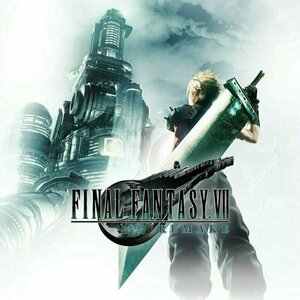
The combat is sublime, crunchy and weighty, and requires excellent skill the more you progress. Each of the protagonists has unique fighting styles, and customisation with materials gives you even more edge over your opponents. Fighting your standard monsters and creatures becomes a breeze once you know their weaknesses, but Boss fights are where the real challenge happens. Boss fights are the highlight of the entire game, especially the likes of a Giant House and the Final confrontation, and encapsulate the work and progression within the characters you play as. At first, I just wanted to play as Cloud, but knowing each characters skills, then switching between them to fight, and help other members of your party, becomes a juggling act thats so damn good. Speaking of which, our Heroes. At first, I thought I was dealing with generic anime characters who all boast the same attributes, and how wrong I was. Cloud is defensive, standoffish and blunt, who's primarily in the job for the money. Cloud is suffering, from what I can gather, with amnesia, and as the game’s questions begin to reveal the answers, he sets aside the hard edged exterior he carries with him, and opens up to warm to this band of wacky eco-terrorists. Even with this just being the first part of however many they are planning to release, Cloud is so interesting to me, a nut you want to crack and see what is inside, and his past becomes the focal point of the finale. He has become one of my favourite characters in a video game.
FFVIIR is a conundrum I only further want to figure out. Its both an incredible video game, but also bogged down with clear issues, which I personally feel either didn’t need to be in the game, or could of spent more time being fleshed out. Would I recommend it? Absolutely. Its a game I feel everyone should play, for gorgeous spectacle and mesmerising vision. I can’t wait for the second part.
The answer is a yes, but only just. I played FFVIIR as a brand new player, knowing nothing of the characters or story of what happens in Midgar, and began being completely enthralled. The opening is a chapter of fast edged combat and moral dilemmas of actions taken by our heroes. Its explosive, bursting with huge set pieces and cheesy dialogue. I loved every moment, and this was only the tutorial. The implications ride high throughout the whole experience when you see the environment change around you, and questions begin to arise from NPC’s, and yourself. Is their really any good guys amongst this world of soldiers, eco-terrorists and corrupt authority figures?
From then the game takes different directions, and things become problematic, specifically once you fade from the Avalanche crew.
Although the story still remains as engaging to a certain point, the experience takes a wayward nosedive. Side missions are introduced, and while you don't have to complete them, you feel the need to once characters start asking you to. This becomes a major issue because they are all so boring and stiff. The characters you talk to are all robotic, the dialogue seems overdramatised, and the reward itself just isn't worth it. The main aspect of buying a game for me is for immersion, and consistently I was being pulled from the experience because of lacklustre moments, and this is the same for most of the game. As I said, the opening to the story is a perfect way to begin your stay in Midgar, but once you drift away from the Avalanche crew, the story becomes stale. The game feels more like a twenty five hour experience rather than thirty five, and cutting certain sections would boost the story significantly. I understand wanting to add more and retain the great moments from the original, but sometimes cutting the fat can also be a good thing.
While moments in the original game could last around one hour, FFVIIR stretches it further to gain more insight into side characters and exploration. Don’t get wrong, it works in certain areas, for example Wall Market and Sector 7 as a whole are fantastic places to spend hours in, which I did. They burst with details that provide back story to their presence only thought about by the player. The slums are cramped, lifeless in colour, and shows the class divide within Midgar’s people.
However, in these moments they are only boosted further by the best feature of the game; Combat.
The combat is sublime, crunchy and weighty, and requires excellent skill the more you progress. Each of the protagonists has unique fighting styles, and customisation with materials gives you even more edge over your opponents. Fighting your standard monsters and creatures becomes a breeze once you know their weaknesses, but Boss fights are where the real challenge happens. Boss fights are the highlight of the entire game, especially the likes of a Giant House and the Final confrontation, and encapsulate the work and progression within the characters you play as. At first, I just wanted to play as Cloud, but knowing each characters skills, then switching between them to fight, and help other members of your party, becomes a juggling act thats so damn good. Speaking of which, our Heroes. At first, I thought I was dealing with generic anime characters who all boast the same attributes, and how wrong I was. Cloud is defensive, standoffish and blunt, who's primarily in the job for the money. Cloud is suffering, from what I can gather, with amnesia, and as the game’s questions begin to reveal the answers, he sets aside the hard edged exterior he carries with him, and opens up to warm to this band of wacky eco-terrorists. Even with this just being the first part of however many they are planning to release, Cloud is so interesting to me, a nut you want to crack and see what is inside, and his past becomes the focal point of the finale. He has become one of my favourite characters in a video game.
FFVIIR is a conundrum I only further want to figure out. Its both an incredible video game, but also bogged down with clear issues, which I personally feel either didn’t need to be in the game, or could of spent more time being fleshed out. Would I recommend it? Absolutely. Its a game I feel everyone should play, for gorgeous spectacle and mesmerising vision. I can’t wait for the second part.